Preparation is the key to success in any interview. In this post, we’ll explore crucial Serum IgE Testing interview questions and equip you with strategies to craft impactful answers. Whether you’re a beginner or a pro, these tips will elevate your preparation.
Questions Asked in Serum IgE Testing Interview
Q 1. What are the different methods used for Serum IgE testing?
Serum IgE testing utilizes several methods, all revolving around detecting the amount of IgE antibodies present in a blood sample. The most common methods include:
- ImmunoCAP system: This is a widely used, automated method based on the principle of immunoassay, offering high sensitivity and specificity. We’ll delve deeper into this method in the next question.
- Enzyme-linked immunosorbent assay (ELISA): ELISA is another common technique involving the use of enzymes to detect IgE antibodies. While adaptable and offering quantitative results, it might require more manual steps compared to ImmunoCAP.
- Fluorescence polarization immunoassay (FPIA): FPIA uses polarized light to measure the binding of IgE to specific allergens, providing a rapid and automated method. It’s particularly useful for screening multiple allergens at once.
- Radioallergosorbent test (RAST): Although less common now due to safety concerns related to radioactivity, RAST was a pioneering method used for IgE detection. It provided a quantitative measure of IgE levels.
The choice of method depends on factors like the laboratory’s resources, the required throughput, and the specific clinical question being addressed. For example, a large clinic might utilize an automated system like ImmunoCAP for efficiency, while a smaller lab might opt for ELISA for its adaptability to different testing needs.
Q 2. Explain the principle behind ImmunoCAP IgE testing.
The ImmunoCAP IgE testing system relies on the principle of competitive enzyme-linked immunosorbent assay (ELISA). Imagine a competition for binding sites. In this test, a patient’s serum (containing IgE antibodies) is added to a solid phase where a specific allergen is already attached. If the patient has IgE antibodies specific to that allergen, they’ll bind to it.
Next, an enzyme-labeled IgE antibody is introduced. This labeled antibody competes with the patient’s IgE for the remaining binding sites on the allergen. The more patient IgE present, the less labeled antibody will bind. Finally, a substrate is added, leading to an enzyme-driven reaction that produces a detectable signal (usually colorimetric). The intensity of the signal is inversely proportional to the amount of specific IgE in the patient’s sample; a stronger signal means less specific IgE and vice versa. The instrument then quantifies this signal, reporting the result as a specific IgE level (often in kU/L).
Think of it like this: Imagine you have a limited number of seats at a concert. The patient’s IgE is like fans vying for those seats, and the enzyme-labeled antibody represents latecomers. The fewer seats left for the latecomers (the weaker the signal), the more enthusiastic fans (patient IgE) were already present.
Q 3. Describe the clinical significance of elevated Serum IgE levels.
Elevated serum IgE levels, generally above the reference range (which varies between labs), are clinically significant because they often indicate an underlying allergic or parasitic infection. High IgE levels aren’t diagnostic on their own, but they are a key indicator that requires further investigation. Here’s a breakdown:
- Atopy (Allergic Diseases): Elevated IgE is a hallmark of allergic conditions like asthma, allergic rhinitis (hay fever), eczema (atopic dermatitis), and food allergies. The increased IgE signifies an exaggerated immune response to typically harmless environmental allergens.
- Parasitic Infections: The body mounts a strong IgE-mediated response against parasitic infections. Significant elevations in IgE can suggest infections with parasites such as worms, flukes, and protozoa.
- Immunodeficiency Disorders: Certain immunodeficiencies can lead to either abnormally high or low IgE levels. Hyper-IgE syndrome is a rare primary immunodeficiency characterized by significantly increased IgE and recurrent infections.
- Other Conditions: Less commonly, elevated IgE may be associated with autoimmune diseases, certain cancers, and some medications.
For example, a patient presenting with persistent cough, wheezing, and skin rashes might have elevated IgE, prompting further allergy testing to identify the specific triggers. Similarly, a patient returning from a tropical region with gastrointestinal symptoms and markedly elevated IgE may require investigation for parasitic infections.
Q 4. What are the limitations of Serum IgE testing?
While Serum IgE testing is valuable, it has some limitations:
- Lack of Specificity: Elevated IgE alone doesn’t pinpoint the specific allergen or parasite causing the reaction. Further tests are crucial to identify the trigger.
- Non-Specific Elevation: Various conditions, not just allergies and parasitic infections, can cause non-specific IgE elevations, making interpretation challenging.
- Age-Dependent Variations: IgE levels naturally vary with age, affecting the interpretation of results. Reference ranges need to be age-adjusted.
- Individual Variability: IgE levels can fluctuate naturally, and individuals have varying IgE responses to the same allergens.
- False Negatives: In early stages of allergic sensitization or with certain types of allergies, IgE levels might be within the normal range even if the person has an allergy.
For example, a patient with a normal IgE level might still have an allergy if they are tested by other methods. The absence of elevated IgE doesn’t rule out an allergic reaction.
Q 5. How do you interpret Serum IgE results in the context of clinical presentation?
Interpreting serum IgE results requires careful consideration of the patient’s clinical presentation alongside the laboratory data. It’s not about the IgE number alone; it’s the whole picture.
Step 1: Consider the Clinical Picture: What symptoms is the patient experiencing? Do they suggest allergies (skin rashes, asthma, rhinitis), parasitic infection (abdominal pain, diarrhea, eosinophilia), or something else?
Step 2: Evaluate the IgE Level: Is it elevated, within the normal range, or low? If elevated, how significantly?
Step 3: Correlate Findings: Do the clinical symptoms and the IgE level align? For instance, a patient with severe asthma and a markedly elevated IgE points towards a likely allergic etiology. If the IgE is normal but clinical suspicion of allergy remains high, then specific allergen testing is necessary.
Step 4: Further Investigations: Often, additional testing is necessary, such as specific IgE testing (identifying specific allergens), parasite stool tests, and eosinophil counts to confirm the diagnosis and determine appropriate treatment.
For example, a patient with elevated IgE and a history of travel to a region where parasitic infections are common might need stool examination and further tests to investigate a parasitic infection. A patient with a rash and normal IgE levels may require a detailed history and clinical examination to further assess the cause of the rash.
Q 6. What are the potential sources of error in Serum IgE testing?
Several factors can introduce errors into Serum IgE testing:
- Pre-analytical errors: Improper sample collection (hemolysis, inadequate anticoagulation), storage (temperature, time), and transportation can affect IgE levels.
- Analytical errors: Variations in assay techniques, reagent quality, instrument calibration, and operator skills can all influence results.
- Interferences: Certain medications, autoimmune diseases, and other medical conditions can interfere with the assay’s accuracy, leading to falsely elevated or low results.
- Biological Variations: Diurnal variations, hormonal changes, and individual differences in IgE response can affect test outcomes.
For example, a hemolyzed blood sample can falsely elevate the IgE levels, giving a misleading result. Similarly, certain medications can cross-react with the assay, artificially increasing or decreasing IgE levels.
Q 7. How do you ensure the quality and accuracy of Serum IgE testing results?
Ensuring quality and accuracy in Serum IgE testing is paramount. This involves a multi-pronged approach:
- Strict adherence to standard operating procedures (SOPs): Following precise protocols for sample collection, processing, analysis, and reporting is essential.
- Use of quality control (QC) materials: Regular use of QC samples with known IgE levels helps to monitor the performance of the assay and identify potential problems early.
- Regular instrument calibration and maintenance: Ensuring that the analytical equipment is correctly calibrated and well-maintained is vital for accurate results.
- Participation in proficiency testing programs: External quality assessment programs provide a means to compare the lab’s performance with other laboratories, helping to identify and address any systematic errors.
- Well-trained personnel: Competent laboratory staff, well-versed in the testing procedures and capable of troubleshooting, are critical to ensuring reliable results.
For instance, regular calibration checks using standardized materials help to ensure that the readings are accurate. Participating in external proficiency testing programs provides an independent validation of the laboratory’s performance and promotes continuous improvement.
Q 8. Explain the difference between specific and total IgE testing.
Total IgE testing measures the overall level of IgE antibodies in your blood. Think of it like checking the total number of soldiers in an army. It gives you a general idea of the immune system’s activity, indicating whether there’s a heightened inflammatory response. However, it doesn’t tell you *what* the soldiers are fighting. Specific IgE testing, on the other hand, is like identifying the enemy. It measures the level of IgE antibodies directed against specific allergens, such as pollen, peanuts, or dust mites. This pinpoints the cause of allergic reactions. A high total IgE might suggest allergies, but specific IgE testing is crucial for identifying the specific triggers.
For example, a patient might have elevated total IgE, indicating a possible allergic condition. Specific IgE testing could then reveal high levels of IgE antibodies against cat dander, explaining their allergic symptoms when exposed to cats. This targeted approach allows for personalized treatment plans, focusing on the specific allergen causing the problem.
Q 9. Discuss the role of Serum IgE testing in diagnosing allergic diseases.
Serum IgE testing plays a vital role in diagnosing allergic diseases. Elevated levels of specific IgE antibodies against a particular allergen strongly suggest an allergic sensitization to that substance. While a skin prick test is often the first line of defense, IgE testing provides a valuable confirmatory test, especially in patients with skin conditions that might interfere with skin testing, or when testing for multiple allergens is required. It helps in diagnosing a wide range of allergies, from food allergies (like peanuts, milk, or eggs) to respiratory allergies (like pollen, dust mites, or pet dander). It’s important to note that a positive IgE test doesn’t always equate to a clinical allergy; the clinical picture and patient history are equally crucial.
Imagine a patient experiencing symptoms like sneezing, coughing, and itchy eyes during spring. A positive specific IgE test for pollen might confirm a pollen allergy, providing the necessary evidence for diagnosis and treatment planning. The test can differentiate between true allergic reactions and other conditions mimicking allergies, aiding in more accurate diagnoses.
Q 10. How do you manage samples to maintain integrity before Serum IgE testing?
Proper sample management is crucial to ensure accurate IgE test results. The integrity of the sample must be maintained from collection to analysis to prevent degradation of IgE antibodies, which could lead to false-negative results. This involves several critical steps:
- Proper collection: Blood should be collected in serum separator tubes (SSTs) to allow for separation of serum from the cells to avoid interference.
- Temperature control: Samples should ideally be processed and stored at 2-8°C after collection and prior to testing. Extended storage at higher temperatures should be avoided.
- Avoid hemolysis: Hemolysis, the breakdown of red blood cells, can interfere with the test results. Gentle handling and proper collection techniques are crucial to prevent it.
- Prevent freezing and thawing cycles: Repeated freezing and thawing can degrade IgE, leading to inaccurate results. Samples should be frozen only once, at -20°C or lower if testing will not occur immediately.
- Timely testing: The sooner the sample is tested after collection, the more reliable the results will be. However, proper storage significantly mitigates the effect of delays.
Following these guidelines ensures that the test results accurately reflect the patient’s IgE levels, leading to a more accurate diagnosis and treatment plan.
Q 11. What are the common allergens tested for using Serum IgE?
The common allergens tested for using Serum IgE vary based on the patient’s clinical presentation and suspected allergens. However, some frequently tested allergens include:
- Inhalants: Dust mites, pollen (various types like tree, grass, and weed), pet dander (cats, dogs), molds.
- Foods: Peanuts, tree nuts, milk, eggs, soy, wheat, fish, shellfish.
- Insect venoms: Bee, wasp, yellow jacket, hornet, ant.
- Drugs: Penicillin and other β-lactam antibiotics are commonly tested. Other drugs may be included based on the patient’s history.
The specific panel of allergens tested is usually determined by the clinician based on the patient’s symptoms, history, and geographical location. For example, a patient with spring allergies in a grassy area would likely have a panel including grass pollen.
Q 12. Describe the procedure for performing a Serum IgE test.
The procedure for performing a serum IgE test is relatively straightforward. First, a blood sample is collected, typically from a vein in the arm. The blood is then processed to obtain serum, which is the liquid portion of the blood without clotting factors. Several methods exist for detecting IgE, the most common being:
- Immunoassay techniques: These methods utilize antibodies specific to IgE to detect and quantify the amount of IgE present in the serum. Common variations include enzyme-linked immunosorbent assays (ELISAs) and fluorescence-based assays. These assays can measure either total IgE or specific IgE to individual allergens.
The process is automated in most modern laboratories, and results are usually available within a few days. The lab technicians and clinical laboratory scientists follow stringent quality control protocols throughout the testing process to maintain high accuracy and reliability.
Q 13. What is the normal reference range for Serum IgE levels?
The normal reference range for serum IgE levels varies slightly between laboratories due to differences in testing methods and populations studied. However, a general guideline is that serum IgE levels are typically lower in healthy individuals. Ranges are often expressed in kU/L (kilounits per liter) or IU/mL (international units per milliliter). For adults, a total IgE level below 100 IU/mL is generally considered within the normal range. Children may have slightly higher levels, increasing gradually through childhood. It’s essential to interpret IgE levels in conjunction with a patient’s clinical presentation, age, and other relevant laboratory results. The specific reference range provided by the laboratory that performed the test should always be considered.
It’s crucial to remember that what constitutes ‘normal’ is a broad spectrum and that some individual variation exists. An isolated high IgE value doesn’t automatically indicate a disease; it simply warrants further investigation by a physician.
Q 14. How do you differentiate between a true positive and a false positive result?
Differentiating between a true positive and a false positive serum IgE result requires careful consideration of clinical context. A true positive indicates a genuine allergic sensitization, confirmed by both elevated IgE levels and the presence of clinical symptoms consistent with an allergic reaction upon exposure to the specific allergen. For example, a high specific IgE to peanuts coupled with a history of anaphylaxis after peanut ingestion would represent a true positive.
A false positive, on the other hand, shows an elevated IgE level without a corresponding clinical allergy. This can be due to various factors such as: cross-reactivity with other allergens, non-specific IgE elevation from other inflammatory conditions, or technical issues in the laboratory testing. In this case, further investigations, including skin prick testing, and a thorough clinical history, are crucial to confirm the true nature of the allergic condition.
For example, a patient with a high specific IgE to a certain type of pollen might not exhibit any clinical symptoms when exposed to that pollen. Further investigation might reveal that the elevated IgE is a result of cross-reactivity with another similar pollen they are allergic to. The clinical picture and correlation of findings are vital to differentiate between true positive and false-positive results.
Q 15. How do you handle discrepancies in Serum IgE test results?
Discrepancies in serum IgE test results can arise from various factors, including pre-analytical errors (improper sample collection or handling), analytical variations (differences in assay methods or equipment), and biological variability (individual differences in IgE production). Handling these discrepancies requires a systematic approach.
- Repeat testing: The first step is usually to repeat the test using a fresh sample, collected and handled correctly. This helps rule out pre-analytical errors.
- Compare with other tests: Discrepancies can be clarified by comparing the IgE results with other relevant clinical data like patient history, symptoms, and results of other allergy tests (e.g., skin prick tests). A high IgE level might be confirmed by a positive skin prick test for a suspected allergen.
- Assay validation: If discrepancies persist after repeat testing, review the analytical phase. This could involve checking for instrument malfunction or reagent issues, comparing results from different assays (if available) and examining the quality control data. Internal and external quality control programs are crucial here.
- Consider biological factors: Age, sex, concomitant medications, and the presence of other diseases can all influence IgE levels. These factors should be taken into account when interpreting the results. For example, IgE levels are naturally higher in children than in adults.
- Consult with a specialist: In complex cases, particularly when multiple discrepancies are observed, consultation with an allergist or immunologist is essential for accurate interpretation and clinical management.
For example, if a patient shows a significantly higher IgE level in a second test compared to the first, we need to investigate if the first sample was improperly stored or if there’s a genuine change in the patient’s condition.
Career Expert Tips:
- Ace those interviews! Prepare effectively by reviewing the Top 50 Most Common Interview Questions on ResumeGemini.
- Navigate your job search with confidence! Explore a wide range of Career Tips on ResumeGemini. Learn about common challenges and recommendations to overcome them.
- Craft the perfect resume! Master the Art of Resume Writing with ResumeGemini’s guide. Showcase your unique qualifications and achievements effectively.
- Don’t miss out on holiday savings! Build your dream resume with ResumeGemini’s ATS optimized templates.
Q 16. What is the role of positive and negative controls in Serum IgE testing?
Positive and negative controls are crucial for ensuring the validity and reliability of serum IgE testing. They serve as benchmarks, helping to identify any issues with the assay procedure. Think of them as internal checks within the test itself.
- Positive control: This is a sample known to contain a specific IgE antibody at a known concentration. It confirms that the assay is working correctly and can detect the target IgE. A negative result with the positive control indicates a problem with the reagents or the instrument.
- Negative control: This is a sample that does not contain the target IgE. It ensures that the assay is not producing false-positive results. A positive result with the negative control suggests contamination or a problem with the assay itself.
Imagine baking a cake; the positive control is like using a recipe you know works perfectly, while the negative control is like trying to bake a cake with no ingredients – it should not produce a cake! The absence of both a cake (negative control) and a properly baked cake (positive control) would alert you to problems with your tools or method.
Q 17. Explain the concept of cross-reactivity in Serum IgE testing.
Cross-reactivity in serum IgE testing occurs when IgE antibodies produced against a specific allergen also react with other, structurally similar allergens. This means that a positive test result for one allergen might indicate sensitization to another, related allergen.
For instance, IgE antibodies raised against a specific pollen (like birch pollen) might also bind to other pollen types or even certain foods containing similar proteins. A patient testing positive for birch pollen IgE might experience cross-reactivity-induced symptoms upon consuming apples or hazelnuts, due to shared protein epitopes.
Understanding cross-reactivity is crucial for accurate diagnosis and effective treatment. It explains why patients with allergies to one substance may experience reactions to seemingly unrelated substances. Clinicians must consider the possibility of cross-reactivity when interpreting IgE test results and developing allergy management plans.
Q 18. How do you counsel patients on the interpretation of their Serum IgE results?
Counseling patients on serum IgE test results requires careful consideration of their understanding and emotional state. The conversation should be patient-centered, avoiding overly technical jargon.
- Explain the test in simple terms: Start by explaining what IgE is and what the test measures – the presence and level of specific antibodies related to potential allergens.
- Discuss the meaning of results: Explain the ranges of normal and elevated levels, keeping in mind that the significance of any level depends on individual clinical presentation. A high IgE level, for example, does not automatically mean the patient has a clinically significant allergy.
- Address patient concerns: Address the patient’s concerns and misconceptions regarding the test and its implications. Discuss the limitations of the test – a negative result doesn’t completely rule out allergy, and a positive result doesn’t necessarily mean an allergic reaction will occur.
- Explain next steps: Clearly explain further diagnostic testing (e.g., skin prick tests), treatment options, and the importance of avoidance strategies if needed.
- Provide written information: Ensure that the patient receives a clear, concise written summary of the results and the counseling provided. This allows them to review the information at their own pace.
Remember, this is not just about delivering numbers; it’s about reassuring patients and empowering them with knowledge to make informed decisions about their health.
Q 19. What are the ethical considerations related to Serum IgE testing?
Ethical considerations in serum IgE testing are primarily centered around informed consent, patient autonomy, and responsible use of test results.
- Informed consent: Patients must understand the purpose, procedure, risks, and benefits of testing before consenting. They should be informed about potential limitations and the possibility of false-positive or false-negative results.
- Confidentiality: Test results are considered confidential medical information and must be handled and protected accordingly. Access should be limited to authorized personnel.
- Appropriate use: Serum IgE testing should be used appropriately, guided by clinical suspicion and avoiding unnecessary testing. Over-testing can lead to unnecessary anxiety and expense.
- Genetic information: If the test involves genetic analysis, extra ethical considerations apply regarding disclosure of incidental findings and potential implications for family members.
- Interpretation and reporting: Results must be interpreted and reported accurately and objectively, avoiding bias and ensuring appropriate clinical follow-up.
For example, a physician should never order an IgE test without first discussing the benefits, limitations and risks of the testing with the patient and obtaining informed consent.
Q 20. What are the latest advances in Serum IgE testing technology?
Recent advances in serum IgE testing have focused on improving accuracy, speed, and cost-effectiveness. Key advances include:
- Improved assay technologies: Development of highly sensitive and specific assays, such as microarray technology, allowing for simultaneous detection of IgE antibodies against numerous allergens. This reduces the number of individual tests required.
- Component-resolved diagnostics (CRD): CRD methods allow for the identification of specific allergens within a complex mixture, providing a more detailed understanding of the patient’s allergic profile. This is particularly helpful in cases of cross-reactivity, enabling clinicians to tailor treatments more effectively.
- Automation: Increased automation has significantly reduced turnaround time and manual handling errors, improving both efficiency and accuracy.
- Point-of-care testing: Developments toward point-of-care testing (POCT) systems are aiming to deliver quicker results, especially useful in settings with limited access to centralized laboratories.
These advances are revolutionizing allergy diagnosis, enabling clinicians to make better-informed decisions about the management of allergic diseases. For instance, CRD has enhanced our ability to identify specific food components responsible for allergic reactions, enabling better dietary management strategies.
Q 21. Discuss the role of automation in Serum IgE testing.
Automation plays a pivotal role in modern serum IgE testing, substantially improving efficiency, accuracy, and standardization. Automated systems handle various aspects of the testing process, from sample preparation to result reporting.
- Improved throughput: Automated systems can process a large number of samples simultaneously, substantially increasing the lab’s testing capacity.
- Reduced human error: Automation minimizes manual handling and reduces errors associated with human intervention, leading to more reliable and accurate results. This is particularly important for minimizing pipetting errors that affect test accuracy.
- Standardization: Automated systems provide a high degree of standardization in the testing process, resulting in consistent and comparable results across different laboratories. This ensures greater reliability in diagnosis and monitoring of allergic conditions.
- Enhanced safety: Automation reduces exposure of laboratory personnel to potentially hazardous reagents and biological samples, improving lab safety.
- Reduced turnaround time: Automated systems can significantly shorten the time required to obtain results, allowing for faster diagnosis and treatment decisions.
Imagine a busy clinical laboratory; automation allows technologists to process hundreds of samples per day, compared to a much smaller number processed manually. This is critical in situations needing rapid results such as suspected severe allergic reactions.
Q 22. How do you interpret low Serum IgE levels?
Low serum IgE levels, generally below the established reference range for a person’s age, usually indicate a deficiency in immunoglobulin E, a crucial antibody in the immune system’s response to parasites and allergens. It doesn’t automatically mean a person won’t experience allergic reactions, but it suggests a potential impairment in the body’s ability to mount a typical IgE-mediated response.
Interpreting low IgE requires considering the individual’s clinical picture. For instance, a patient presenting with recurrent infections, especially parasitic ones, might warrant further investigation despite low IgE. Certain genetic conditions like hypogammaglobulinemia can cause low IgE levels. Other conditions that might cause low IgE include selective IgA deficiency and some forms of severe combined immunodeficiency. In such cases, the low IgE might be one aspect of a wider immune deficiency. Conversely, a patient with typical allergy symptoms despite low IgE could point toward a non-IgE mediated allergic response or an inaccurate test result that needs further assessment.
It’s vital to correlate the low IgE with the patient’s complete medical history, physical examination findings, and other relevant laboratory tests. This comprehensive approach is critical for a proper diagnosis and management plan. Simply focusing on the low IgE value in isolation can be misleading and lead to inaccurate conclusions.
Q 23. What are the potential interferences in Serum IgE testing?
Several factors can interfere with serum IgE testing, potentially leading to inaccurate results. These interferences can be broadly classified as pre-analytical, analytical, and post-analytical.
- Pre-analytical factors: These relate to the steps before the actual testing process, such as improper specimen collection (hemolysis), delayed processing, improper storage (temperature variations), and patient-related factors like medication interference (e.g., some drugs can alter IgE levels). For example, certain medications like corticosteroids can suppress IgE production, leading to falsely low results.
- Analytical factors: These include issues with the test itself, such as reagent variability, instrument malfunction, and improper calibration of the equipment. For instance, a faulty automated analyzer might provide inconsistent readings across samples.
- Post-analytical factors: These occur after the test is completed, such as errors in data entry, transcription, or interpretation. Human error in reporting or data management can lead to misinterpretation of the result. For example, a clerical error might wrongly record a low value when the actual level is high.
Rigorous quality control measures are crucial to minimize these interferences. Employing standardized procedures and well-maintained equipment are key aspects of achieving accurate and reliable IgE testing.
Q 24. How do you manage patients with unexpected or paradoxical results?
Unexpected or paradoxical IgE results—such as high IgE levels in the absence of atopy (allergy) or low IgE levels with significant allergic manifestations—require a careful, multi-step approach to manage.
- Re-evaluate the Clinical Picture: Thoroughly review the patient’s symptoms, medical history, and any relevant co-morbidities. Are the symptoms consistent with allergy? Are there any other conditions that might explain the results?
- Repeat the Test: A repeat test is necessary to rule out analytical errors. It’s vital to ensure proper specimen handling and processing to minimize pre-analytical variability.
- Consider Alternative Tests: Depending on the clinical context, specific IgE tests (looking for specific allergens) might be needed. A complete blood count (CBC) may help identify infections or other underlying issues. Further immunological workup might be required to check for immunodeficiency.
- Consult with Specialists: In cases of uncertainty, consultation with an immunologist or allergist is crucial. They can provide expert guidance based on the patient’s unique case.
- Document and Explain Findings Clearly: Document all results, testing procedures, and any relevant clinical information thoroughly. This will enable optimal communication and contribute to effective management.
Example: A patient with severe asthma yet low IgE might indicate a non-IgE mediated pathway (like exercise-induced bronchospasm) or a rare immunodeficiency. Further investigation is crucial for accurate diagnosis and appropriate management.
Q 25. Describe the quality control measures for Serum IgE testing reagents and equipment.
Quality control (QC) for serum IgE testing is paramount. It ensures accuracy, reliability, and validity of the results. This involves a multi-faceted approach targeting reagents, equipment, and the entire testing process.
- Reagent QC: This involves evaluating the quality and stability of the IgE antibodies, calibrators, and controls used in the assay. Manufacturers often provide expiry dates and recommended storage conditions. Internal QC involves running known control samples with each batch of tests to monitor the assay’s performance. This ensures the reagents are functioning correctly and within acceptable limits.
- Equipment QC: Regular calibration, maintenance, and performance checks of the analytical instrument (e.g., ELISA reader, automated immunoassay analyzer) are essential. This might involve running specific QC materials to verify the instrument’s precision and accuracy. Preventive maintenance schedules help minimize equipment-related errors.
- Procedural QC: Standardized operating procedures (SOPs) are necessary to ensure consistent sample handling, reagent preparation, and test execution. Regular training of personnel involved in the process ensures adherence to the SOPs and minimizes human error.
- External QC: Participation in external quality assurance programs (EQAs) allows for inter-laboratory comparison of results, providing valuable feedback and continuous improvement opportunities. This ensures the lab’s performance aligns with international standards.
These combined measures ensure reliable and accurate IgE testing.
Q 26. How do you address pre-analytical variables that can impact Serum IgE results?
Pre-analytical variables—factors affecting the sample before testing—significantly impact serum IgE results. Careful attention to detail is essential to minimize their influence.
- Proper Specimen Collection: Blood samples should be collected using appropriate techniques, avoiding hemolysis (rupture of red blood cells), which can interfere with the assay. The proper collection tube (e.g., serum separator tube) must be used.
- Sample Handling and Processing: Serum separation from the blood sample should be done promptly to prevent IgE degradation. The sample should be stored appropriately (usually refrigerated) to maintain its integrity until analysis. Avoid freezing and thawing cycles, as they can damage the IgE molecules.
- Medication Interference: Certain medications (e.g., corticosteroids) can affect IgE levels. The patient’s medication history should be documented. The physician should weigh the necessity of interrupting medication against the risk of altered results, making informed decisions based on the clinical context.
- Timing of Blood Draw: The time of day when blood is drawn might impact some laboratory tests. However, this effect is less pronounced for IgE testing.
- Patient Factors: Age, gender, and overall health can influence IgE levels. Reference ranges should be considered accordingly.
Strict adherence to standardized procedures, including meticulous documentation of each step, can mitigate the influence of pre-analytical variables, ensuring accurate and reliable IgE levels are obtained.
Q 27. Discuss the impact of age and gender on Serum IgE levels.
Age and gender do influence serum IgE levels. Understanding these variations is important for accurate interpretation of results.
- Age: IgE levels generally increase during childhood and peak in adolescence. They tend to decrease slightly in adulthood but can fluctuate depending on exposure to allergens and infections. In newborns, IgE levels are very low.
- Gender: Women tend to have slightly higher IgE levels than men throughout their lives. Hormonal variations associated with menstruation or pregnancy could also influence IgE levels temporarily.
Therefore, age- and gender-specific reference ranges should be used when interpreting serum IgE results. This context is crucial for avoiding misinterpretations. For example, a seemingly high IgE level in a young child might be within the normal range for their age group, while the same level in an adult might warrant further investigation.
Q 28. Explain the role of Serum IgE testing in monitoring the effectiveness of allergy treatment.
Serum IgE testing plays a vital role in monitoring the effectiveness of allergy treatment. While not the sole indicator, it can provide valuable information.
- Allergen-Specific IgE: Measuring specific IgE antibodies against particular allergens can be helpful in assessing the impact of allergy immunotherapy (allergy shots or sublingual immunotherapy). A decrease in specific IgE levels may indicate a reduction in allergic sensitization and improved clinical outcomes.
- Total IgE: Monitoring total IgE levels can be helpful in some cases, particularly in patients receiving treatment for atopic dermatitis or allergic rhinitis. However, total IgE levels may not always correlate directly with symptom improvement, making allergen-specific IgE measurement often more informative.
- Correlation with Clinical Symptoms: It is essential to correlate IgE levels with the patient’s clinical symptoms and other indicators of disease severity. For example, improved asthma control should be reflected in reduced symptoms, even if IgE levels haven’t dropped significantly.
- Limitations: IgE levels can fluctuate, and a lack of correlation between IgE levels and clinical symptoms isn’t uncommon. This is because the severity of allergy symptoms depends on various factors beyond just IgE level, including the intensity of allergen exposure, the patient’s individual sensitivity, and the presence of other immune response mechanisms.
Therefore, serum IgE testing should be considered as part of a comprehensive strategy for allergy management, not a sole determinant of treatment success. It’s crucial to integrate it with clinical assessments and other relevant tests for accurate monitoring of treatment effectiveness.
Key Topics to Learn for Serum IgE Testing Interview
- Immunoglobulin E (IgE) Basics: Structure, function, and role in allergic responses. Understanding the different IgE isotypes and their clinical significance.
- Serum IgE Testing Methods: Familiarize yourself with various techniques like ELISA, ImmunoCAP, and their respective principles, advantages, and limitations. Understand the interpretation of quantitative and qualitative results.
- Clinical Applications of Serum IgE Testing: Discuss the diagnostic use in allergic diseases (e.g., asthma, rhinitis, food allergies), parasitic infections, and other IgE-mediated conditions. Be prepared to explain how IgE levels correlate with disease severity and management.
- Interpreting Test Results: Practice analyzing serum IgE levels in context with patient history, clinical presentation, and other relevant laboratory data. Understand the concept of false positives and negatives and their implications.
- Reference Ranges and Standardization: Be aware of the importance of standardized testing procedures and the interpretation of results based on established reference ranges. Understand factors affecting IgE levels (age, gender, etc.).
- Limitations and Potential Pitfalls of Serum IgE Testing: Discuss situations where IgE testing might not be conclusive or helpful, and alternative diagnostic approaches that may be necessary. Understand the role of IgE testing in guiding treatment decisions.
- Quality Control and Assurance in IgE Testing: Familiarize yourself with the importance of quality control measures in ensuring accurate and reliable test results. Understand the role of proficiency testing and internal quality control programs.
- Emerging Technologies and Future Trends in Serum IgE Testing: Stay updated on advancements in testing methodologies and their potential impact on clinical practice.
Next Steps
Mastering Serum IgE testing is crucial for a successful career in clinical immunology, allergy, or related fields. A strong understanding of these concepts will significantly enhance your interview performance and open doors to exciting opportunities. To maximize your chances, create a compelling, ATS-friendly resume that highlights your skills and experience. We strongly recommend using ResumeGemini to build a professional resume that showcases your expertise in Serum IgE testing. ResumeGemini provides excellent resume templates and examples tailored to various roles, including those specifically in Serum IgE testing. Take advantage of these resources to craft a resume that gets noticed.
Laboratory Manager Resume Sample
Laboratory Director Resume Sample
Clinical Trial Manager Resume Sample
Regulatory Affairs Specialist Resume Sample
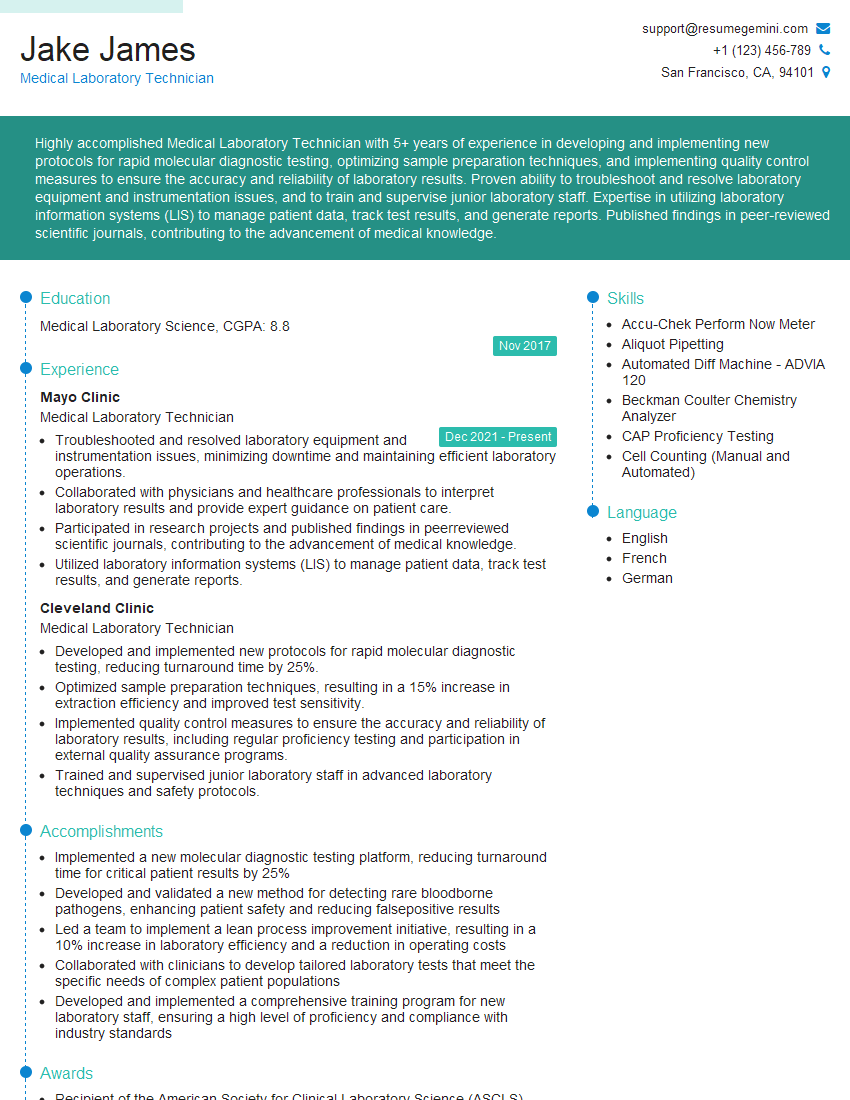
Medical Laboratory Technician Resume Sample
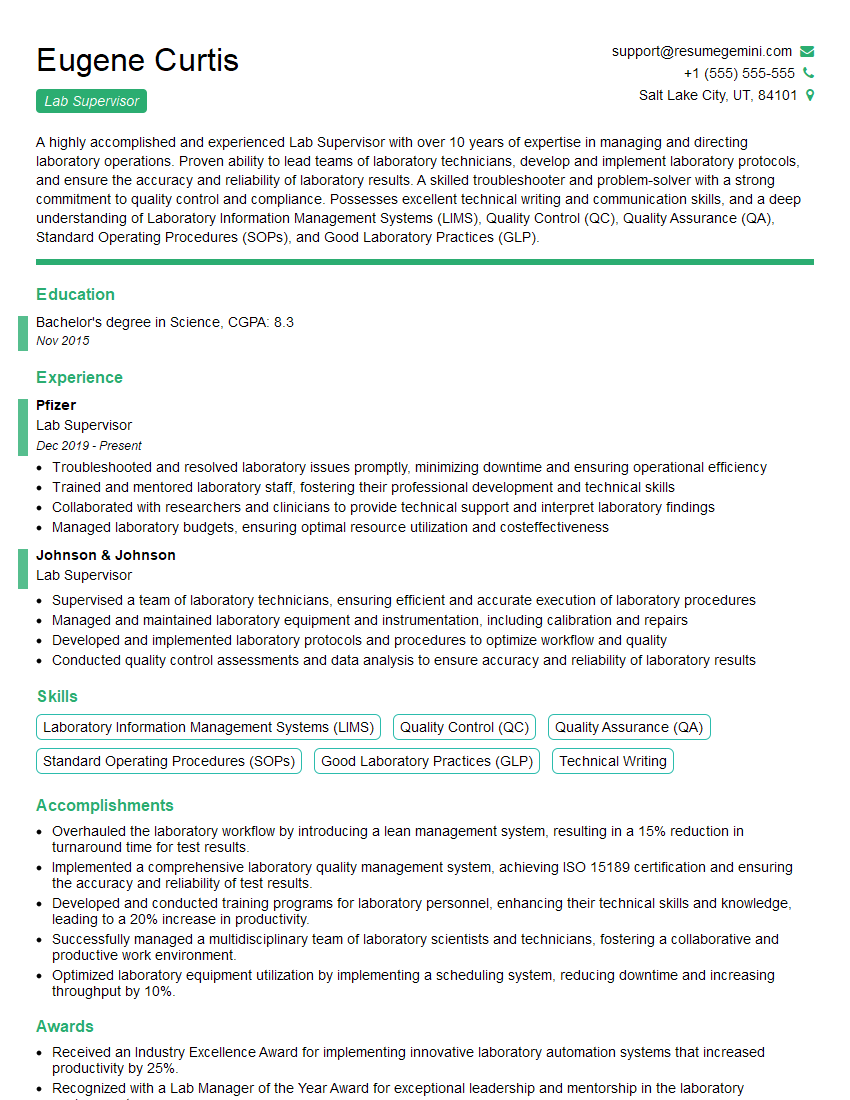
Lab Supervisor Resume Sample
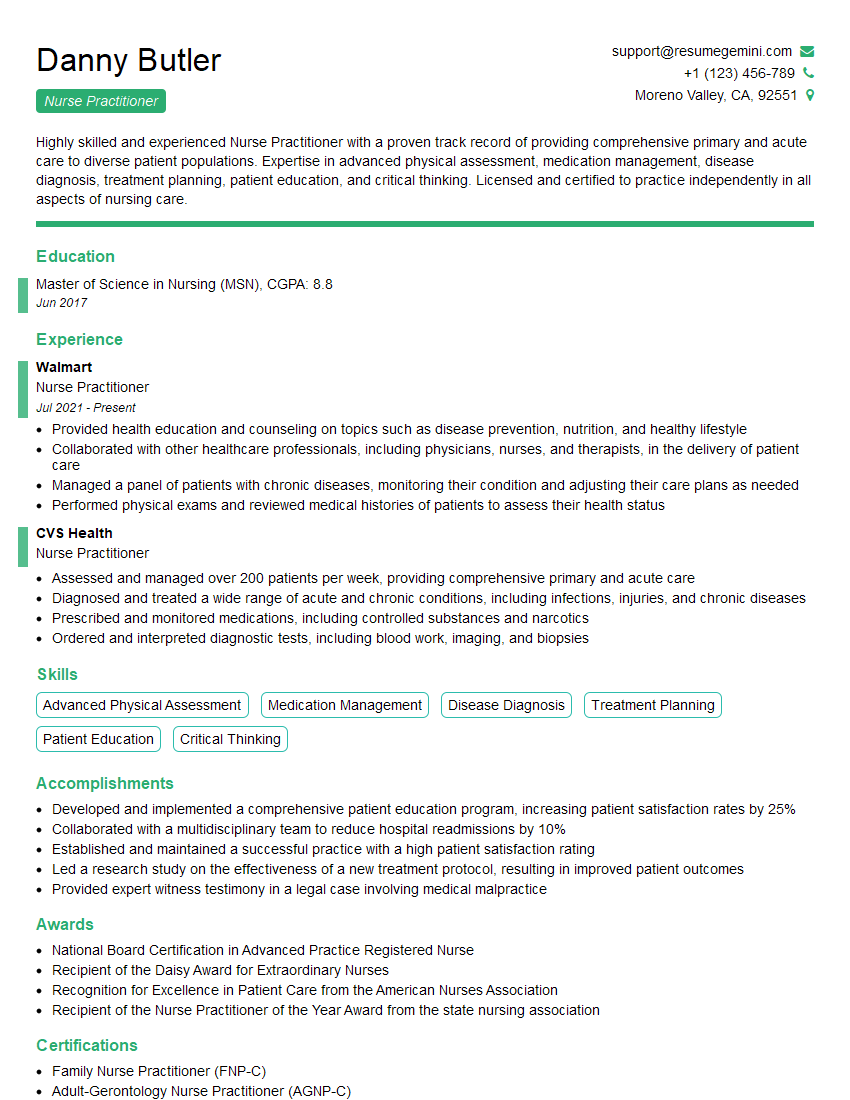
Nurse Practitioner Resume Sample

Physician Assistant Resume Sample
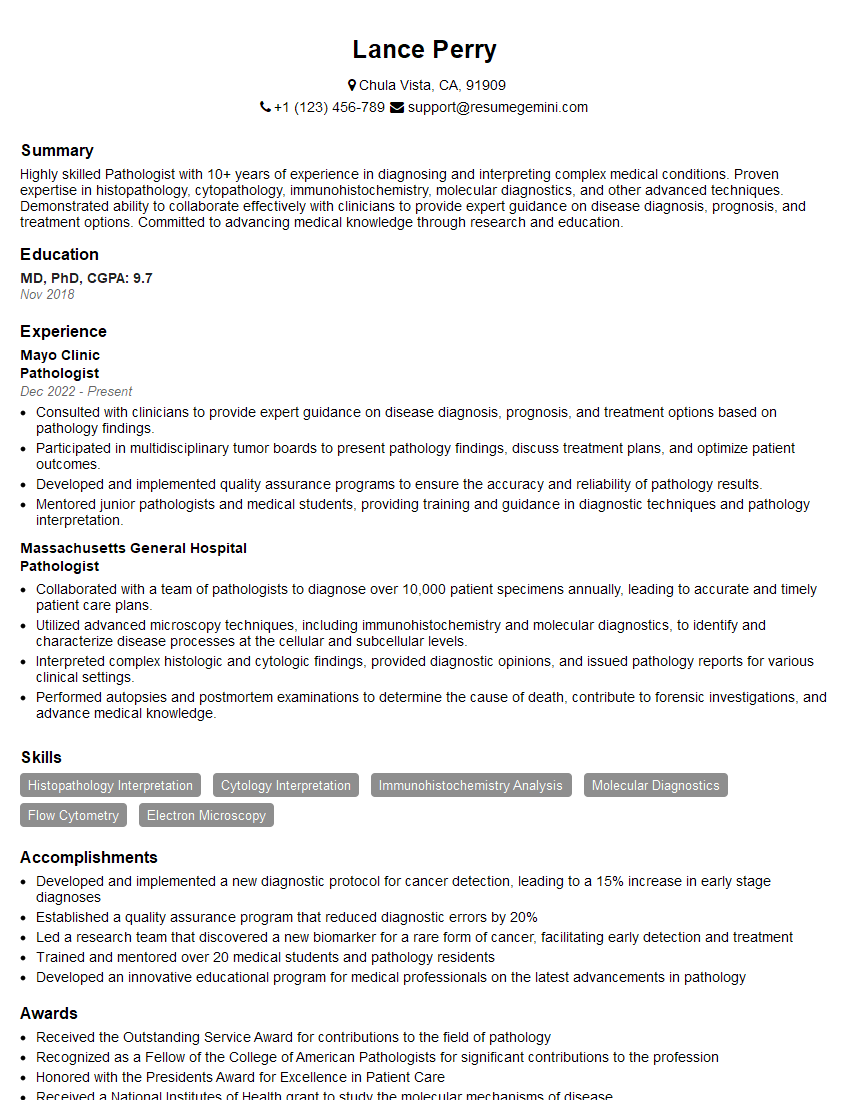
Pathologist Resume Sample
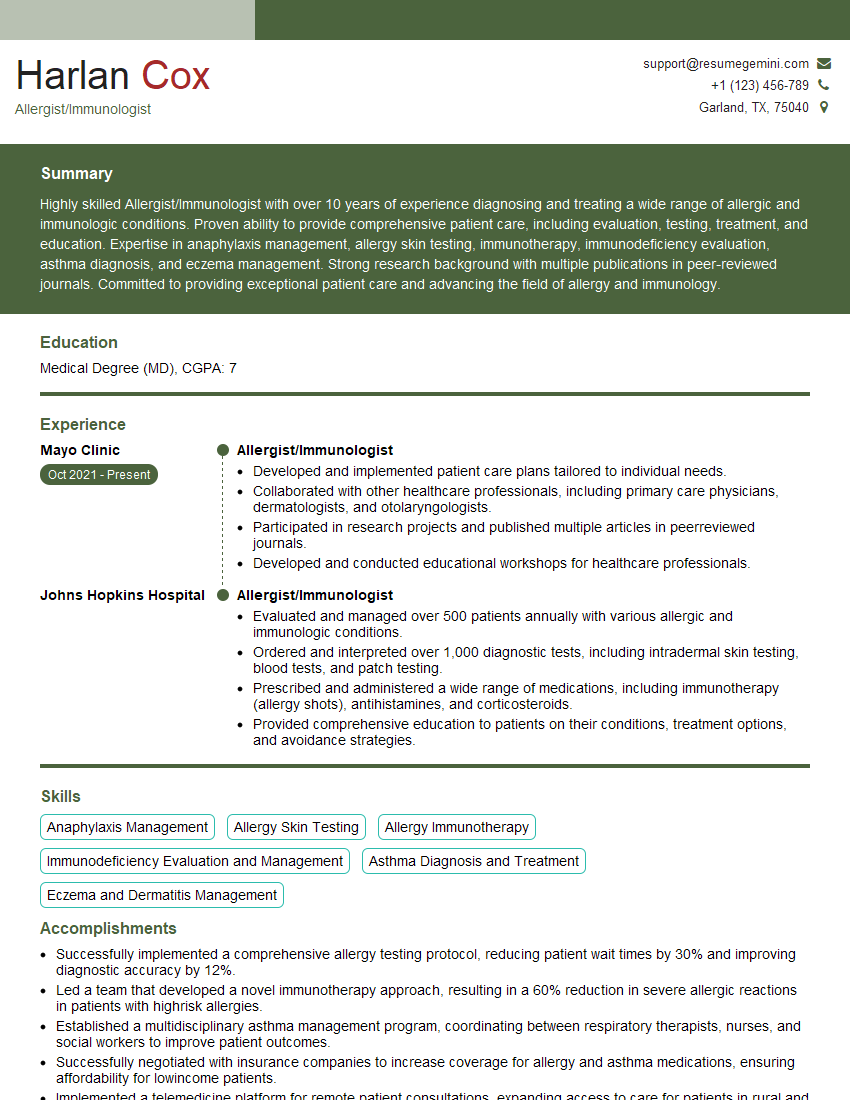
Allergist/Immunologist Resume Sample
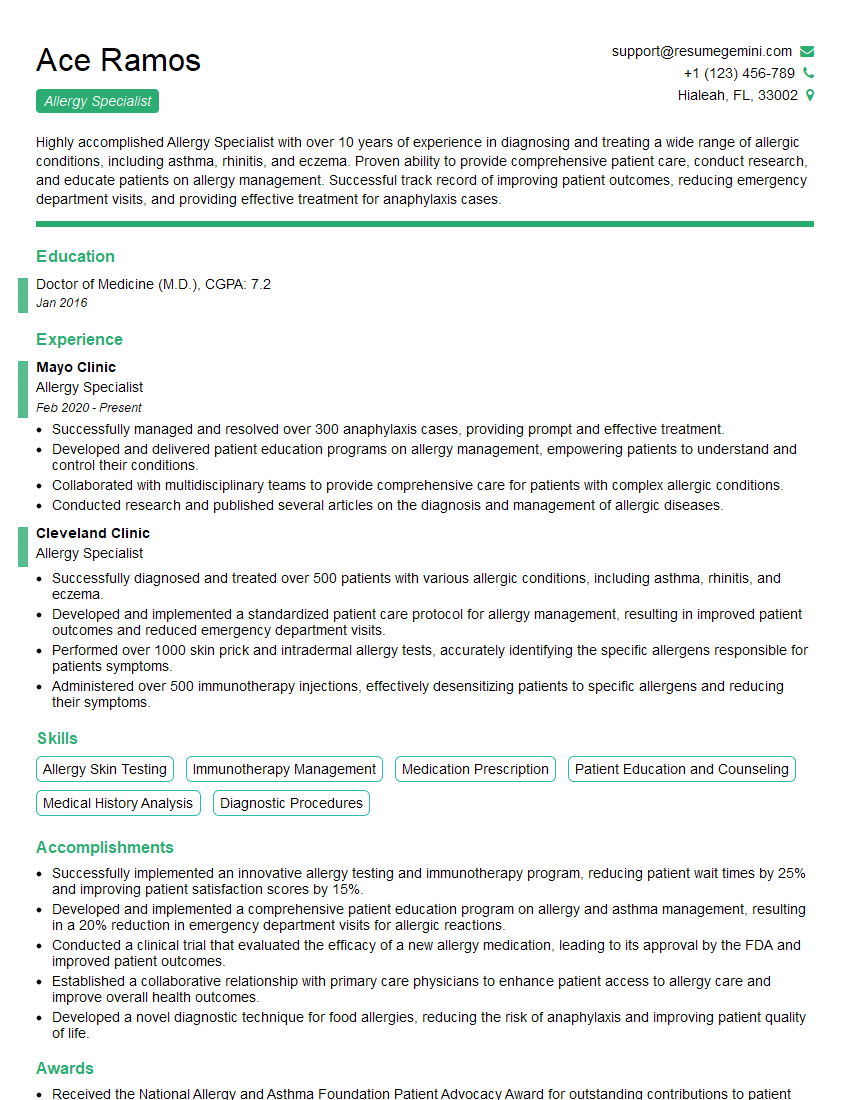
Allergy Specialist Resume Sample
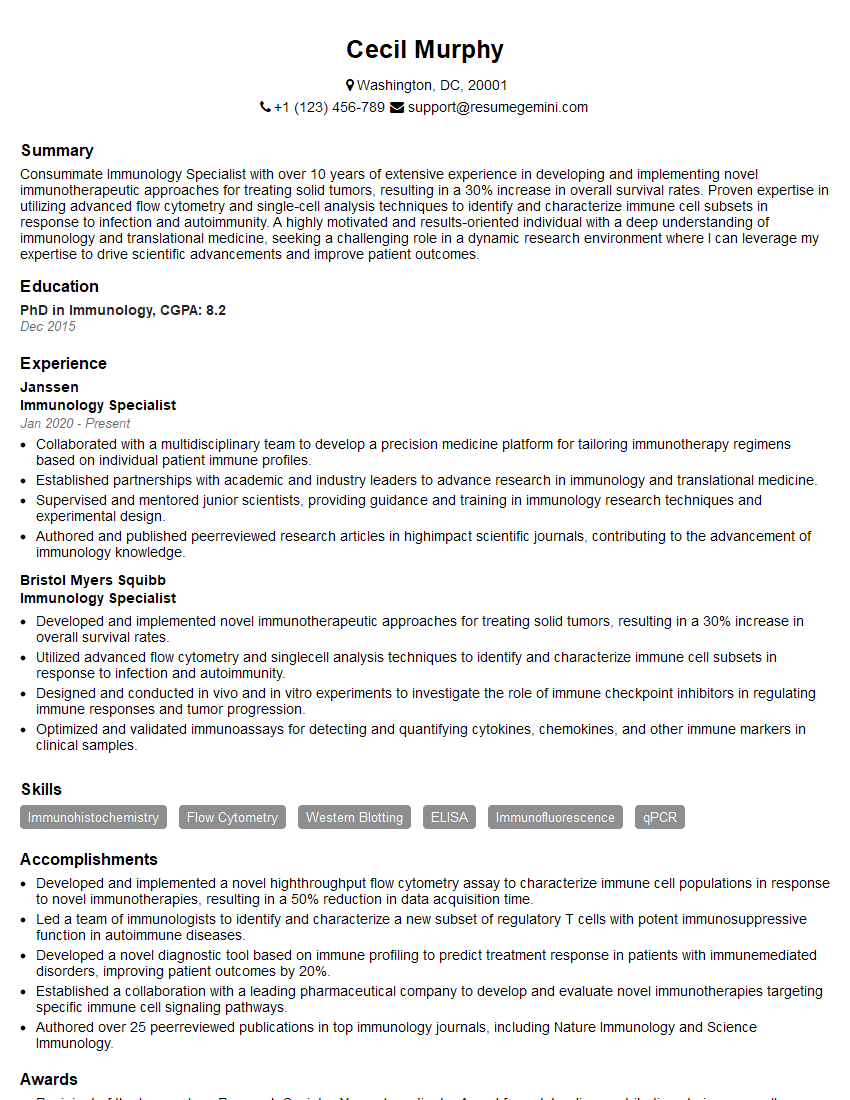
Immunology Specialist Resume Sample
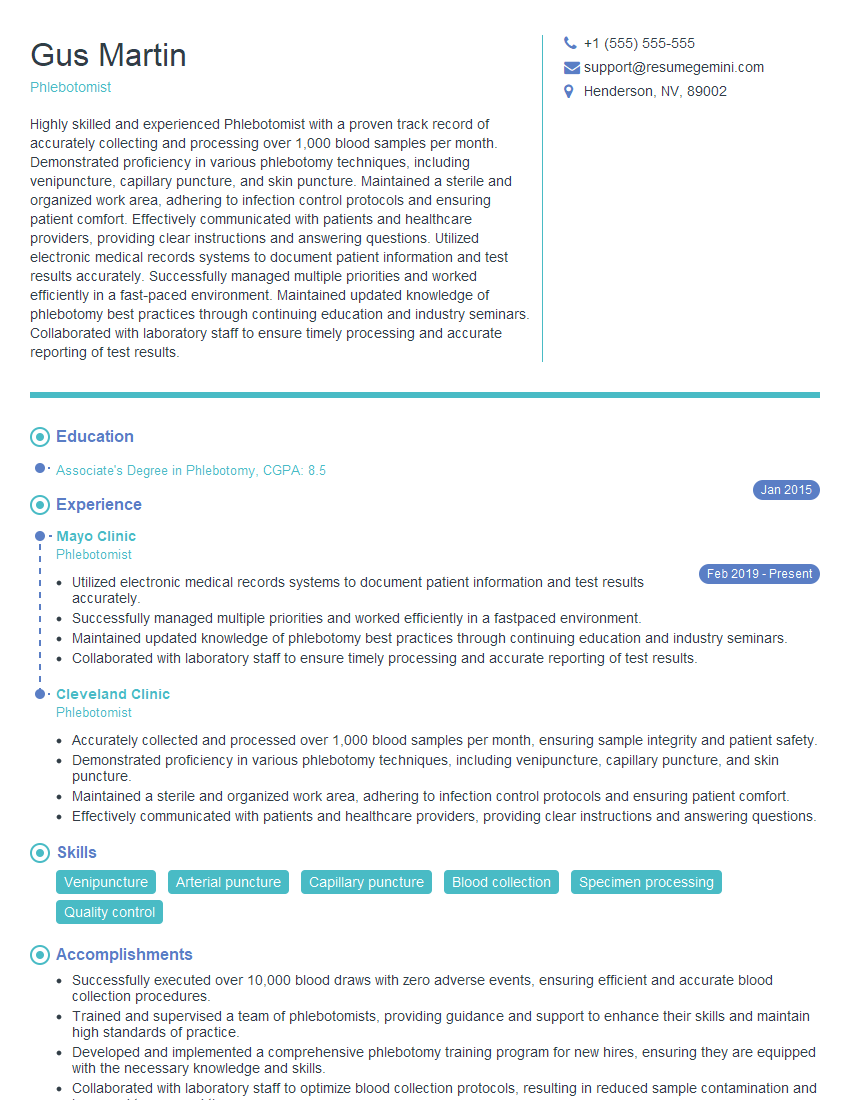
Phlebotomist Resume Sample
Explore more articles
Users Rating of Our Blogs
Share Your Experience
We value your feedback! Please rate our content and share your thoughts (optional).
What Readers Say About Our Blog
To the interviewgemini.com Webmaster.
Very helpful and content specific questions to help prepare me for my interview!
Thank you
To the interviewgemini.com Webmaster.
This was kind of a unique content I found around the specialized skills. Very helpful questions and good detailed answers.
Very Helpful blog, thank you Interviewgemini team.