Interviews are opportunities to demonstrate your expertise, and this guide is here to help you shine. Explore the essential Service Entrance and Meter Installation interview questions that employers frequently ask, paired with strategies for crafting responses that set you apart from the competition.
Questions Asked in Service Entrance and Meter Installation Interview
Q 1. Explain the National Electrical Code (NEC) requirements for service entrance installations.
The National Electrical Code (NEC) is the backbone of safe electrical installations in the United States. For service entrance installations, the NEC outlines numerous requirements, focusing primarily on safety and ensuring adequate capacity. These requirements cover various aspects, including:
- Conductor sizing: The NEC dictates minimum conductor sizes based on the calculated load, ensuring sufficient current-carrying capacity to prevent overheating and fire hazards. This is often determined using Article 220.
- Overcurrent protection: Overcurrent protection devices, such as fuses or circuit breakers, must be correctly sized to protect the conductors and equipment from excessive current. This is crucial for preventing electrical fires.
- Grounding and bonding: Proper grounding and bonding are essential for safety, providing a path for fault currents to safely reach the earth, preventing electric shock. The NEC specifies grounding electrode conductor sizes and connection methods.
- Service equipment location and clearances: The NEC dictates minimum clearances around service equipment to prevent accidental contact and ensure accessibility for maintenance and repairs. For example, there are specific requirements for clearances from flammable materials.
- Wiring methods: Approved wiring methods, such as conduit, cable, or raceway, must be used to protect the conductors from physical damage and environmental conditions. The chosen method depends on the installation environment (e.g., underground, exposed).
- Disconnects: The service must include readily accessible disconnects allowing for safe isolation of the power supply.
Failure to adhere to the NEC’s stipulations can lead to serious consequences, including electrical fires, equipment damage, and even fatalities. Regular inspections and adherence to best practices are vital.
Q 2. Describe the different types of service entrances (e.g., overhead, underground).
Service entrances are categorized primarily by their method of bringing power to the building. The two main types are:
- Overhead Service Entrance: This is the most common type, where power lines run from the utility pole to the building’s service mast or weatherhead. The conductors are typically supported by insulators. This method is generally less expensive to install but can be more susceptible to damage from weather events. Imagine the typical power lines you see on poles delivering electricity to houses.
- Underground Service Entrance: In this setup, power lines are buried underground in conduit, connecting the utility transformer to the building. This offers improved aesthetics and protection from the elements. It’s usually more expensive but provides superior reliability and longevity. Think of the sleek look in new subdivisions with no visible overhead wires.
There are variations within these categories, for example, a side-fed service versus a top-fed service for overhead entrances, and different types of conduits for underground installations. The chosen method depends on factors like location, cost, and aesthetic considerations.
Q 3. What are the safety precautions when working on a live service entrance?
Working on a live service entrance is extremely dangerous and should only be undertaken by qualified and experienced electricians equipped with the proper safety gear and training. The following precautions are absolutely essential:
- Lockout/Tagout (LOTO): Always use LOTO procedures to de-energize the service before starting any work. This involves physically locking and tagging the main disconnect to prevent accidental energization. This is the absolute number one safety rule.
- Personal Protective Equipment (PPE): Wear appropriate PPE, including insulated gloves, safety glasses, arc-flash protective clothing (where applicable based on the arc-flash hazard analysis), and safety footwear.
- Voltage testing: Before touching any equipment or wiring, verify that the power has been completely removed using a voltage tester. Never rely on visual inspection alone.
- Work in teams: Work with a partner or team for added safety and assistance. Someone should always be monitoring the situation.
- Emergency response plan: Have an emergency response plan in place, including access to emergency services and first-aid equipment.
Remember, even seemingly small tasks on a live service can be deadly. Prioritizing safety is paramount.
Q 4. How do you calculate the required amperage for a service entrance?
Calculating the required amperage for a service entrance involves determining the total anticipated load on the electrical system. This typically includes:
- Lighting loads: The total wattage of all lighting fixtures.
- Appliance loads: The nameplate amperage or wattage of all appliances and equipment.
- Motor loads: For motors, you need to account for their full-load current (FLC) and potential starting currents.
- Heating and cooling loads: The amperage draw of heating, ventilation, and air conditioning (HVAC) systems.
These individual loads are then summed up, taking into account demand factors (NEC Article 220), which recognize that not all loads will operate simultaneously. The total calculated load is then divided by the voltage (typically 120V or 240V) to determine the required amperage. The resulting amperage is then rounded up to the nearest standard size breaker. For example, if the total calculated load is 150 amps, you’d likely use a 200-amp service, providing a safety margin.
A qualified electrician will perform this calculation using the appropriate NEC tables and considering local regulations. Underestimating the required amperage can overload the system, leading to dangerous situations.
Q 5. Explain the process of installing a new meter socket.
Installing a new meter socket is a critical step in connecting a building to the electrical grid, demanding precise adherence to safety regulations and local codes. Here’s a general outline of the process:
- Turn off the power: The utility company must first disconnect the power to the area where the meter socket will be installed. This is non-negotiable for safety.
- Mount the meter socket: Securely mount the meter socket to the service panel or other approved location according to the manufacturer’s instructions and local codes. Ensure proper grounding.
- Wire the meter socket: Connect the wires from the service conductors to the meter socket terminals. This requires careful attention to wire sizing and color coding. This step requires expertise to ensure proper phasing and grounding are achieved.
- Install grounding: Establish a reliable ground connection according to the NEC. This is critical for safety.
- Inspect connections: Carefully inspect all wiring connections to ensure they are secure and properly made.
- Install the meter: The utility company will install the actual meter into the socket.
- Test and verification: The completed installation must be tested and inspected to ensure proper operation and compliance with codes. This often involves a qualified inspector.
The specifics of the process can vary depending on the type of meter socket and local requirements. Improper installation can lead to electrical hazards and necessitate costly corrections.
Q 6. Describe the different types of meters (e.g., single-phase, three-phase).
Meters measure the electrical energy consumed. The most common types are:
- Single-phase meters: These meters measure energy consumed on a single-phase power system (typically 120V or 240V). Most residential properties use single-phase meters.
- Three-phase meters: These meters measure energy consumed on a three-phase power system (typically 120/208V or 277/480V). Larger commercial and industrial buildings typically use three-phase systems.
Beyond the single vs. three-phase classification, there are also different types of metering technology, such as electromechanical meters (older style) and advanced metering infrastructure (AMI) meters, which offer digital capabilities such as remote readings and demand response management. The type of meter used depends on the electrical service provided.
Q 7. How do you test the integrity of a service entrance?
Testing the integrity of a service entrance involves verifying that all components are functioning correctly and safely. This requires specialized testing equipment and expertise. The testing typically includes:
- Visual inspection: A thorough visual inspection of all wiring, connections, and equipment for signs of damage, wear, or loose connections.
- Continuity testing: Checking the continuity of the grounding system to ensure a safe path to ground.
- Insulation resistance testing: Measuring the insulation resistance of the conductors to detect any insulation breakdown.
- Ground resistance testing: Measuring the resistance of the grounding electrode to ensure it meets the requirements of the NEC.
- Voltage testing: Verifying that the voltage levels are within the acceptable range.
- Load testing: Applying a load to the system to check its capacity and ability to handle anticipated loads. This would generally be conducted by qualified personnel using professional load banks.
These tests ensure the service entrance is safe and reliable. Testing should be performed during installation and regularly as part of preventative maintenance to identify and address potential problems before they lead to failures or safety hazards.
Q 8. What are the common causes of service entrance failures?
Service entrance failures can stem from various sources, broadly categorized as electrical, mechanical, or environmental. Electrical failures often involve overloads, short circuits, or arcing caused by faulty wiring, loose connections, or aging components like the main breaker or service conductors. Imagine a congested highway – too much current (traffic) overloading the system. Mechanical failures can result from wear and tear, corrosion, or physical damage to the equipment, such as a damaged weatherhead or corroded bus bars. Think of it like rusting parts on a car. Environmental factors like extreme temperatures, moisture, or animal damage can also contribute to failures. A squirrel chewing through a wire, for instance, is a classic example of environmental damage.
- Overloads: Excessive current draw exceeding the system’s capacity.
- Short circuits: Unintended electrical paths created by damaged insulation.
- Loose connections: Poor contact leading to overheating and potential fires.
- Corrosion: Degradation of metal components due to oxidation.
- Physical damage: Impact from accidents, vandalism, or natural disasters.
Q 9. Explain the procedure for troubleshooting a service entrance problem.
Troubleshooting a service entrance problem requires a systematic approach, prioritizing safety above all else. Always begin by de-energizing the system safely by turning off the main breaker. Never assume anything is ‘off’; double-check with a voltage tester. Next, conduct a visual inspection of all components: weatherhead, service conductors, meter base, main panel, and grounding system, looking for visible damage, loose connections, or signs of overheating (discoloration, burning). Use an infrared thermometer to detect any abnormal heat signatures. If a specific circuit is problematic, you might then use a clamp meter to measure current draw on individual circuits to identify overloaded branches. Listen for unusual buzzing or arcing sounds that may indicate a problem. If the problem persists after visual inspection and circuit testing, further investigation may require specialized electrical testing equipment, and it’s best to call a qualified electrician.
- De-energize the system.
- Visual inspection.
- Infrared thermal imaging (if available).
- Current measurement with clamp meter.
- Specialized testing (if necessary).
Q 10. What tools and equipment are necessary for service entrance and meter installation?
The tools and equipment required for service entrance and meter installation vary depending on the project’s specifics but typically include a combination of hand tools, power tools, and testing equipment. Safety gear is paramount and includes insulated gloves, safety glasses, and arc flash protection. Hand tools often include screwdrivers, pliers, wire strippers, and wrenches. Power tools such as drills, impact drivers, and cable cutters may be used for more extensive installations. Testing equipment includes voltage testers, clamp meters, and possibly a Megger (for insulation resistance testing). Specialized tools may also be necessary, such as a conduit bender for installing conduit, and pulling equipment for running conductors through conduit.
- Safety gear: Insulated gloves, safety glasses, arc flash suit.
- Hand tools: Screwdrivers, pliers, wire strippers, wrenches.
- Power tools: Drills, impact drivers, cable cutters, conduit bender.
- Testing equipment: Voltage tester, clamp meter, Megger.
- Pulling equipment: Fish tape, cable pulling grips.
Q 11. Describe the grounding requirements for service entrances.
Grounding is critical for safety, protecting against electrical shocks and equipment damage. The National Electrical Code (NEC) dictates specific grounding requirements for service entrances, mandating a low-impedance path to the earth. This is typically achieved through a grounding electrode system, often a driven ground rod, connected to the service entrance equipment, including the neutral bus bar and the metal enclosure of the main panel. The grounding electrode conductor (GEC) must be sized appropriately according to the service’s amperage. Imagine a lightning rod; grounding provides a safe escape route for fault currents, preventing dangerous voltages from appearing on equipment and preventing potential fires.
Key requirements include:
- Ground rod: Properly driven to achieve low ground resistance.
- Grounding electrode conductor (GEC): Adequate size and properly connected.
- Bonding: Connecting all metal parts of the system to the ground.
- Ground resistance testing: Verifying the effectiveness of the ground connection.
Q 12. How do you ensure proper bonding in a service entrance installation?
Proper bonding in a service entrance is crucial for electrical safety. It ensures that all metallic parts of the electrical system are at the same electrical potential, preventing dangerous voltage differences that could lead to shocks or fires. This involves connecting all metal enclosures, conduit, and equipment grounding conductors to the grounding electrode system. Think of it as creating a unified, electrically neutral ‘shield’. Methods include using bonding jumpers, typically made of copper, to connect various metal components together. The bonding should be robust and corrosion-resistant, ensuring a continuous path to ground for fault currents. Regular inspection and maintenance help prevent corrosion and ensure continued effectiveness.
Examples of bonding points include:
- Meter base to the panel enclosure.
- Conduit to the panel enclosure.
- Service entrance conductors to the grounding electrode.
Q 13. What are the regulations regarding working clearances around energized equipment?
The NEC specifies minimum working clearances around energized electrical equipment to prevent accidental contact and electric shock. These clearances depend on the voltage level of the equipment. Higher voltages require greater distances. Think of it as a ‘safety bubble’ around live wires. These clearances are not merely recommendations but are legally mandated for safety. Failure to maintain these clearances can result in serious injury or death and non-compliance can lead to significant fines. Working clearances are typically measured from the energized parts to the nearest uninsulated conductive surface.
Clearances are influenced by:
- Voltage level: Higher voltages require greater clearances.
- Equipment type: Different equipment has different clearance requirements.
- Working conditions: Environmental factors can affect the required clearances.
Q 14. How do you handle different voltage levels during installation?
Handling different voltage levels during service entrance installation demands meticulous attention to safety and code compliance. The equipment used, including conductors, insulators, and protective devices, must be rated for the specific voltage involved. For example, using a 120/240-volt meter base for a 480-volt service is unacceptable and extremely dangerous. The installation procedures must also align with the voltage level, with higher voltage installations requiring more stringent safety precautions and potentially specialized equipment and training. Always ensure correct voltage ratings for all components and that all connections are made properly and securely, preventing potential arcing or short circuits. Double-checking all connections before energizing the system is essential.
Safety Measures:
- Properly rated equipment: Conductors, insulators, breakers.
- Specialized training: Higher voltages require additional training.
- Safety procedures: Lockout/Tagout procedures are critical.
- Voltage verification: Always verify voltage before working on equipment.
Q 15. Explain the process of connecting a service entrance to the main power supply.
Connecting a service entrance to the main power supply is a crucial step in providing electricity to a building. It involves a series of steps that must be followed precisely for safety and compliance. Think of it like connecting a water main to your house – you need the right pipes, fittings, and connections to ensure a safe and effective flow.
- Pre-Installation Planning: This phase involves determining the appropriate service size (amperage) based on the building’s electrical load. We’ll also determine the optimal location for the meter base and service entrance equipment, considering factors like accessibility and proximity to the main power line.
- Underground Conduit Installation (if applicable): If the power line is underground, we’ll install conduit to protect the wiring from damage. This conduit is usually made of PVC or other durable materials and is carefully buried to meet local codes.
- Overhead Service Drop Connection: For overhead power lines, a trained lineman will connect the service drop wires (from the utility pole) to the service entrance equipment. This involves specialized tools and safety equipment to work safely at heights.
- Service Entrance Installation: This includes mounting the meter base (where the meter is located), the main breaker panel, and the grounding system. All connections are meticulously made, ensuring proper grounding and bonding for safety.
- Meter Installation: Once the service entrance is complete, the utility company will install and connect the electric meter, initiating the electricity flow to the building. This step requires specialized tools and knowledge of the metering system used by the utility company.
- Final Inspection: A thorough inspection is carried out by a qualified electrician to verify compliance with all relevant codes and regulations before the system is energized.
For instance, in a recent project for a new commercial building, we carefully planned the underground conduit route to avoid underground utilities, ensuring a safe and efficient installation. Incorrect placement of conduits can lead to costly repairs and potential hazards.
Career Expert Tips:
- Ace those interviews! Prepare effectively by reviewing the Top 50 Most Common Interview Questions on ResumeGemini.
- Navigate your job search with confidence! Explore a wide range of Career Tips on ResumeGemini. Learn about common challenges and recommendations to overcome them.
- Craft the perfect resume! Master the Art of Resume Writing with ResumeGemini’s guide. Showcase your unique qualifications and achievements effectively.
- Don’t miss out on holiday savings! Build your dream resume with ResumeGemini’s ATS optimized templates.
Q 16. What are the different types of meter bases and their applications?
Meter bases are the enclosures that house the electric meter and provide a safe and secure connection point for the service entrance conductors. Several types exist, each designed for specific applications.
- Combination Meter Bases: These integrate the meter socket and the main disconnect switch into a single unit, offering a compact and cost-effective solution for residential and small commercial applications.
- Separate Meter Sockets and Disconnect Switches: These are used in larger installations where the meter and disconnect are mounted separately. This setup allows for more flexibility and scalability.
- Meter Bases with Surge Protection: These incorporate surge protection devices (SPDs) to safeguard the electrical system from voltage surges caused by lightning strikes or other power fluctuations. This added protection is important for protecting sensitive equipment.
- Meter Bases for Specific Meter Types: Meter bases are available to accommodate various meter sizes and types, including smart meters and traditional electromechanical meters.
For example, in a high-rise building, separate meter sockets and disconnect switches provide greater flexibility for managing the electrical distribution to multiple units. In residential settings, combination meter bases provide a simple and efficient solution.
Q 17. Describe the process of replacing a faulty meter.
Replacing a faulty meter is a task handled by the utility company’s qualified personnel, not by a typical electrician. This is because the meter is utility-owned equipment. The process generally involves:
- Safety Procedures: The utility technician will first de-energize the service by disconnecting the main disconnect switch. They would utilize lockout/tagout procedures to prevent accidental energization.
- Meter Removal: Once the power is safely disconnected, the technician will remove the faulty meter from the meter base, using appropriate tools and techniques. The meter’s serial number would be documented.
- Meter Replacement: A new meter with the correct specifications will be installed and securely fastened in the meter base.
- Connection and Testing: The technician will connect the new meter to the service conductors and perform tests to ensure correct operation and accurate metering.
- Reactivation: Finally, the service is re-energized, and the new meter is activated.
It’s crucial to remember that unauthorized tampering with the meter is illegal and dangerous. Always contact your utility company for any meter-related issues.
Q 18. How do you identify and handle potential hazards during the installation process?
Identifying and handling potential hazards during service entrance installation is paramount. Safety is the top priority. Hazards can include:
- Electrical Shock: Working with energized electrical equipment can be fatal. Lockout/tagout procedures and proper use of personal protective equipment (PPE), such as insulated gloves and tools, are essential.
- Falls from Heights: When working on overhead service drops, the risk of falls is significant. Proper fall protection equipment, such as harnesses and safety lines, must be used.
- Excavation Hazards: When installing underground conduit, striking underground utilities can cause injury and damage. Calling 811 (or your local utility locating service) to have utilities marked before excavating is mandatory.
- Arc Flash Hazards: A sudden release of electrical energy (arc flash) can cause serious burns and injuries. Proper PPE and procedures are necessary to minimize the risk.
For instance, I once encountered an unexpected gas line during an excavation. Immediately, we stopped work and called the gas company to address the issue before proceeding. A seemingly simple job can become very dangerous without proper planning and hazard identification.
Q 19. Explain the importance of lockout/tagout procedures in service entrance work.
Lockout/tagout (LOTO) procedures are critical for ensuring the safety of personnel working on electrical equipment. LOTO involves isolating and de-energizing the equipment, applying a lockout device (a lock) and a tag to clearly indicate that the equipment is out of service and should not be energized. This prevents accidental energization which can be fatal.
In service entrance work, LOTO is used before any work is performed on the service entrance equipment, the meter, or any associated electrical components. This ensures that the equipment is de-energized and cannot be accidentally turned back on during maintenance or repairs. Each person working on the system should have their own lock to prevent accidental energization.
Think of LOTO as a critical safety net, preventing an unexpected power surge that can lead to severe injuries. It’s a systematic approach to ensuring everyone’s safety and is mandatory in any electrical work environment.
Q 20. What are the requirements for labeling and identification of service entrance components?
Proper labeling and identification of service entrance components are vital for safety, troubleshooting, and maintenance. All equipment should be clearly labeled with:
- Voltage Rating: Clearly indicate the voltage of the system (e.g., 120/240V).
- Amperage Rating: Specify the amperage rating of the service (e.g., 200A).
- Circuit Breaker Identification: Each circuit breaker in the panel should be clearly labeled to indicate its purpose (e.g., Kitchen, Bathroom, etc.).
- Grounding Conductor Identification: Grounding conductors should be clearly marked.
- Meter Information: The meter should be clearly identified with the utility company’s information and the service account number.
Labels should be durable, weather-resistant, and easy to read. Using color-coded labels can further improve identification. Consistent labeling makes it significantly easier for other electricians and maintenance personnel to understand and work on the system in the future.
Q 21. How do you deal with unexpected issues during an installation?
Unexpected issues during installation are common. A methodical approach is essential. Here’s a framework for handling them:
- Assessment: Carefully assess the unexpected issue. Identify the problem’s nature and scope. Is it a safety issue? A code violation? A material deficiency?
- Safety First: Always prioritize safety. If the issue presents a safety hazard, de-energize the system and take appropriate measures to address the hazard before proceeding.
- Problem Solving: Analyze the problem and develop a plan to resolve it. This may involve consulting codes, contacting the utility company, or seeking guidance from a senior electrician.
- Documentation: Thoroughly document the issue, the corrective actions taken, and any changes to the installation plan.
- Inspection: Once the issue is resolved, ensure that all work is inspected and meets the required standards.
For instance, I once discovered a discrepancy in the building’s blueprints during an installation. Instead of proceeding blindly, I halted the work and consulted the architect to resolve the discrepancy. Proceeding without addressing such discrepancies could result in costly rework, and potentially, dangerous conditions. Careful planning and a proactive approach to unexpected problems are crucial for successful service entrance installations.
Q 22. Describe your experience with different types of conductors used in service entrances.
Conductor selection for service entrances is critical for safety and efficiency. The choice depends on factors like amperage, voltage, and environmental conditions. I’ve extensive experience with various types, including:
- Copper Conductors: These are widely used due to their excellent conductivity and ductility. I often specify copper for underground services where corrosion resistance is paramount. For example, in a recent project involving a high-rise building, we utilized high-conductivity copper to minimize voltage drop over long distances.
- Aluminum Conductors: Aluminum is lighter and cheaper than copper, making it suitable for overhead services where weight is a concern. However, it requires larger diameter conductors to carry the same current as copper, and special connectors are needed to prevent corrosion at the connections. I’ve worked on several projects using aluminum conductors in suburban settings where cost-effectiveness was crucial.
- Aluminum-clad Steel-Reinforced (ACSR) Conductors: These are used for overhead distribution lines, combining the high strength of steel with the conductivity of aluminum. The steel core provides mechanical strength against wind and ice loads. I recall a project where we used ACSR in a rural area with high wind exposure.
- Bare Conductors: In overhead transmission, bare conductors are often used since insulation isn’t necessary at those higher voltages. However, careful safety procedures are paramount during installation.
Proper conductor selection always involves referencing the National Electrical Code (NEC) to ensure compliance and safety.
Q 23. What are the common types of service disconnects and their applications?
Service disconnects are crucial for safely isolating the electrical service. Common types include:
- Molded-case circuit breakers: These are compact, versatile, and commonly used in residential and smaller commercial applications. They provide overload and short-circuit protection. I’ve installed numerous molded-case breakers in homes and small businesses.
- Air circuit breakers: Used in larger commercial and industrial settings, these breakers offer greater interrupting capacity. They often feature visible contacts for easy inspection and maintenance. I’ve worked with these on several large-scale projects where reliability is paramount.
- Fuse switches: These consist of a switch and a fuse, providing both switching and overcurrent protection. The fuses are replaceable, which is an advantage in some situations. However, circuit breakers are generally preferred now because of their faster operation and easier reset.
- Load centers: Combining multiple circuit breakers into a single unit is common for residential installations. The size depends on the overall service demand.
The choice depends on the load requirements, fault current capacity, and application specific needs. Safety considerations always dictate the final selection.
Q 24. Explain the role of surge protection devices in service entrance protection.
Surge protection devices (SPDs) are essential for safeguarding electrical equipment from voltage surges caused by lightning strikes or other transient events. They divert excess voltage to ground, preventing damage to sensitive electronics and appliances. Think of them as a safety valve for your electrical system.
SPDs are typically installed at the service entrance, offering the first line of defense. They come in different classes, each designed to handle different levels of surge energy. A properly selected SPD coordinates with the other protective devices in the system to ensure comprehensive protection. I always insist on installing SPDs as part of a holistic approach to system safety, especially in areas prone to lightning storms or power grid disturbances.
For instance, a recent project in a storm-prone region involved installing a multi-stage SPD system, combining a primary arrester at the utility pole with secondary protection closer to the sensitive loads.
Q 25. How do you ensure the proper sizing of conductors for a given load?
Proper conductor sizing is critical for safety and efficiency. Undersized conductors can overheat and cause fires, while oversized conductors are wasteful. The process involves calculating the total load, accounting for future expansion, and selecting conductors based on NEC guidelines.
The steps I follow include:
- Calculating the total load: This involves summing the loads of all circuits, appliances, and equipment. I use load calculations software to help with this task.
- Applying demand factors: Not all loads operate simultaneously. Demand factors account for this and reduce the total calculated load, leading to more efficient conductor sizing.
- Considering future expansion: I always add a safety margin to account for future additions to the electrical system, preventing future upgrades.
- Consulting NEC Tables: The NEC provides tables with ampacity ratings (current-carrying capacity) for various conductors based on their size, material, and installation method. I select a conductor with an ampacity exceeding the calculated load.
- Voltage Drop Calculation: Excessive voltage drop can impair the performance of electrical equipment. Calculations are made to make sure the voltage drop is acceptable, often leading to increased conductor size to compensate for distance.
For example, in a recent project for a new office building, we carefully calculated the anticipated load, factoring in expansion needs and followed the NEC guidelines to size the service conductors and feeders. This ensured safe and efficient operation of the building’s electrical system.
Q 26. Describe your experience working with different types of transformers.
Transformers are critical components in service entrances, stepping down the high voltage from the utility grid to the lower voltage used in buildings. I have experience with various types, including:
- Pad-mounted transformers: These are commonly used in residential and light commercial settings. They are weatherproof and conveniently located.
- Pole-mounted transformers: These are used in overhead services, often found in suburban and rural areas. They require specialized mounting equipment and safety precautions.
- Substation transformers: I’ve worked on projects involving substation transformers, which are large, high-capacity transformers used to distribute power to large areas.
Selecting the appropriate transformer requires careful consideration of the voltage levels, kVA rating (power capacity), and cooling method (e.g., oil-filled, dry-type). The transformer’s characteristics and safety certifications are meticulously reviewed during procurement and installation.
A recent large-scale project involved specifying and overseeing the installation of a large substation transformer for a new industrial park. The process required detailed coordination with the utility company and adherence to strict safety regulations.
Q 27. What is your experience with remote metering systems?
Remote metering systems are revolutionizing how utilities monitor energy consumption. I have experience working with several technologies, including:
- Advanced Metering Infrastructure (AMI): This uses two-way communication networks to transmit meter readings remotely, eliminating the need for manual readings. The data collected enables utilities to better manage the grid and provide more efficient billing.
- Cellular-based meters: These utilize cellular networks for data transmission, offering widespread coverage and reliability.
- Power line communication (PLC): PLC uses the existing power lines to transmit data, minimizing infrastructure needs. However, noise and interference can be challenges.
The implementation of remote metering involves careful coordination with the utility company to ensure compatibility and data security. It also demands proper training for field personnel who handle the installation and maintenance of these systems. In a recent project, I worked with an AMI system that significantly reduced meter reading costs and improved the utility’s ability to identify and respond to outages.
Q 28. Explain the importance of proper documentation and record-keeping during installations.
Proper documentation and record-keeping are crucial for safety, maintenance, and legal compliance. Accurate documentation ensures that the installation conforms to codes and regulations and that any future work can be carried out safely and efficiently. I meticulously document every aspect of a project, including:
- Detailed drawings: These illustrate the location of equipment, wiring diagrams, and connection details.
- Inspection reports: These document the results of inspections and compliance checks, ensuring all installations meet requirements.
- Test results: Records of electrical tests, including continuity, insulation resistance, and ground fault, demonstrating the system’s functionality and safety.
- As-built drawings: These show the final configuration of the installed system, reflecting any modifications or changes.
- Material lists: These provide a complete inventory of the equipment and materials used in the installation.
Comprehensive documentation makes troubleshooting and future maintenance much simpler. It’s an essential aspect of professional service, protecting both the client and the technician. Imagine a future repair – accurate documentation allows a new technician to quickly understand the system and carry out the repair safely and efficiently.
Key Topics to Learn for Service Entrance and Meter Installation Interview
- National Electrical Code (NEC) Requirements: Understanding relevant NEC articles concerning service entrances and meter installations is fundamental. This includes understanding service configurations, grounding, bonding, and safety regulations.
- Service Entrance Types: Familiarize yourself with various service entrance types (overhead, underground, etc.), their components, and appropriate installation techniques for each. Be prepared to discuss the advantages and disadvantages of each.
- Metering Equipment: Gain a comprehensive understanding of different meter types, their functionalities, and installation procedures. This includes knowledge of meter sockets, transformers, and associated hardware.
- Wiring and Conduit Selection: Master the principles of selecting appropriate wire sizes, types, and conduit for service entrances based on amperage, voltage, and environmental factors. Be ready to explain your selection rationale.
- Safety Procedures and Practices: Demonstrate a thorough understanding of lockout/tagout procedures, fall protection, and other safety measures crucial for working with electrical systems. This is paramount for interview success.
- Troubleshooting and Problem-Solving: Practice diagnosing common issues in service entrance and meter installations. Be prepared to discuss your approach to identifying and resolving problems, highlighting your problem-solving skills.
- Tools and Equipment: Showcase your familiarity with the tools and equipment commonly used in service entrance and meter installations. Knowing their applications and safe operation is essential.
- Calculations and Design Considerations: Be prepared to discuss load calculations, voltage drop calculations, and other design considerations relevant to service entrance installations. This demonstrates a deeper understanding of the field.
Next Steps
Mastering Service Entrance and Meter Installation opens doors to exciting career opportunities in the electrical industry, offering diverse roles with excellent growth potential. A well-crafted resume is crucial for showcasing your skills and experience to potential employers. Creating an ATS-friendly resume is key to getting noticed by applicant tracking systems. ResumeGemini is a trusted resource to help you build a professional and impactful resume that highlights your expertise in this specialized field. Examples of resumes tailored to Service Entrance and Meter Installation are available to guide you through the process, ensuring your application stands out.
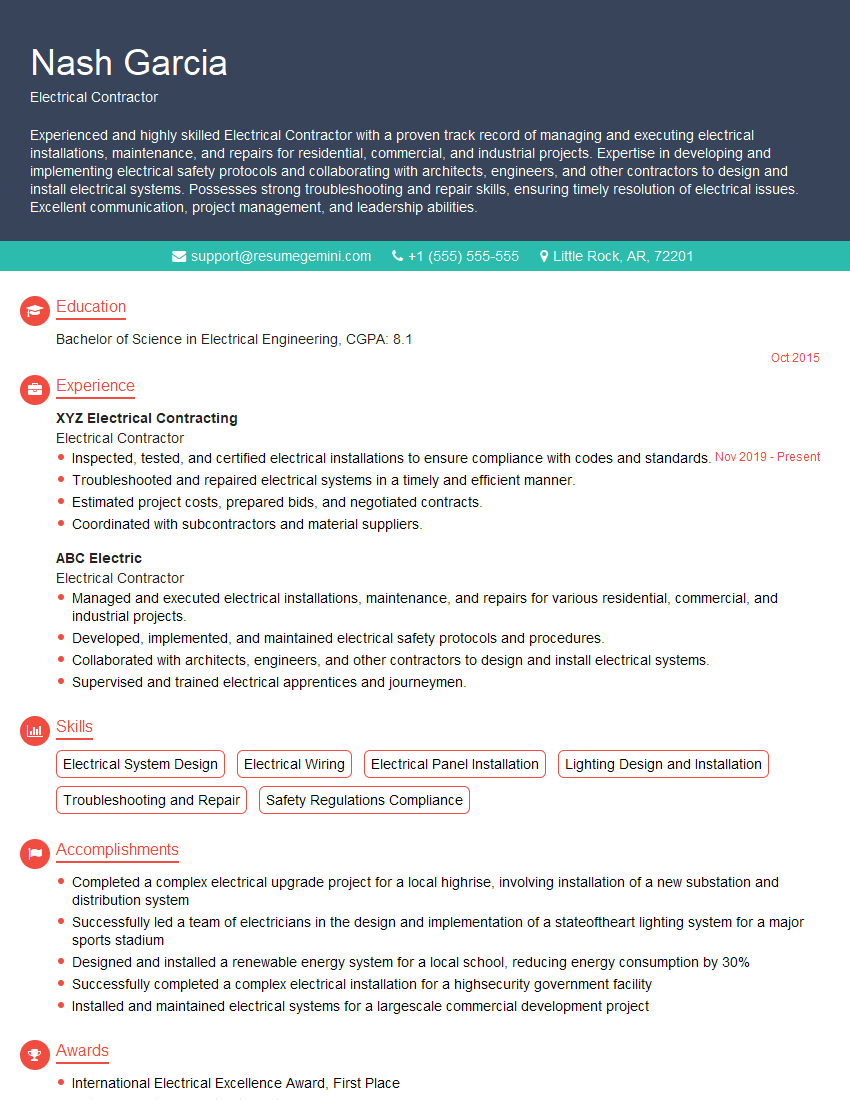
Electrical Contractor Resume Sample
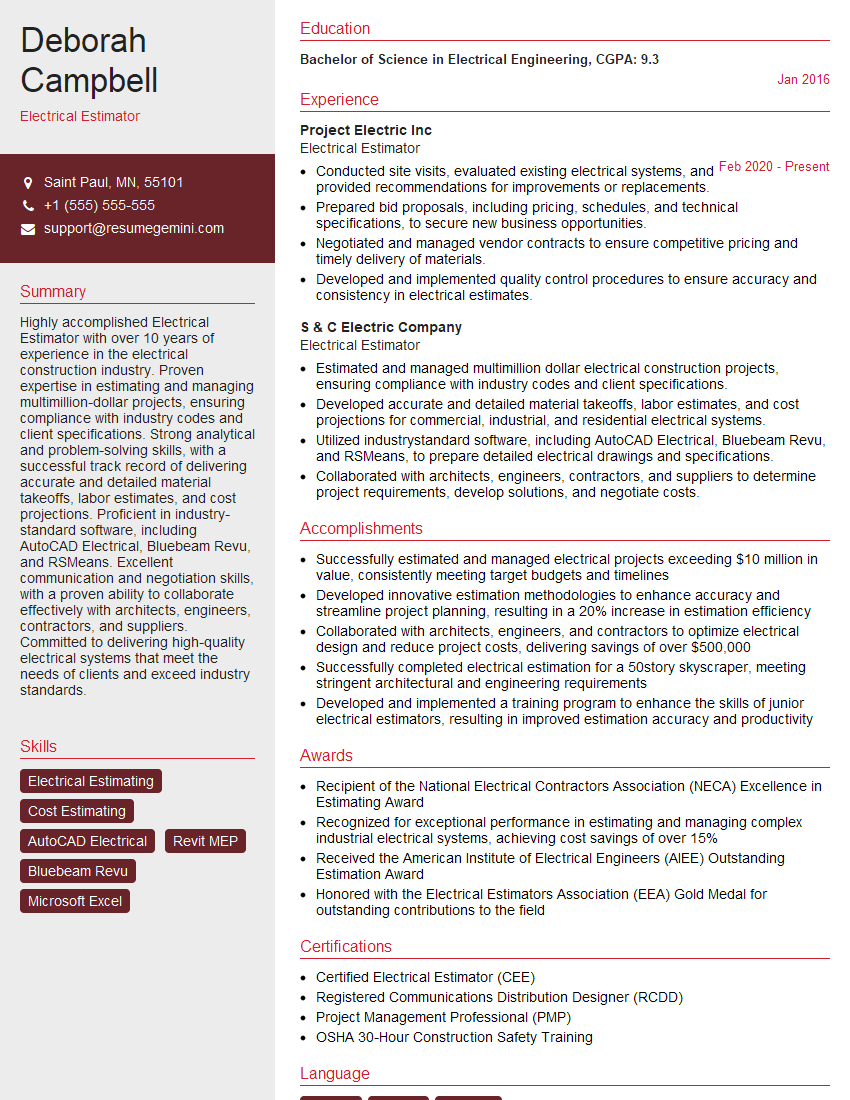
Electrical Estimator Resume Sample

Utility Worker Resume Sample

Meter Reader Resume Sample
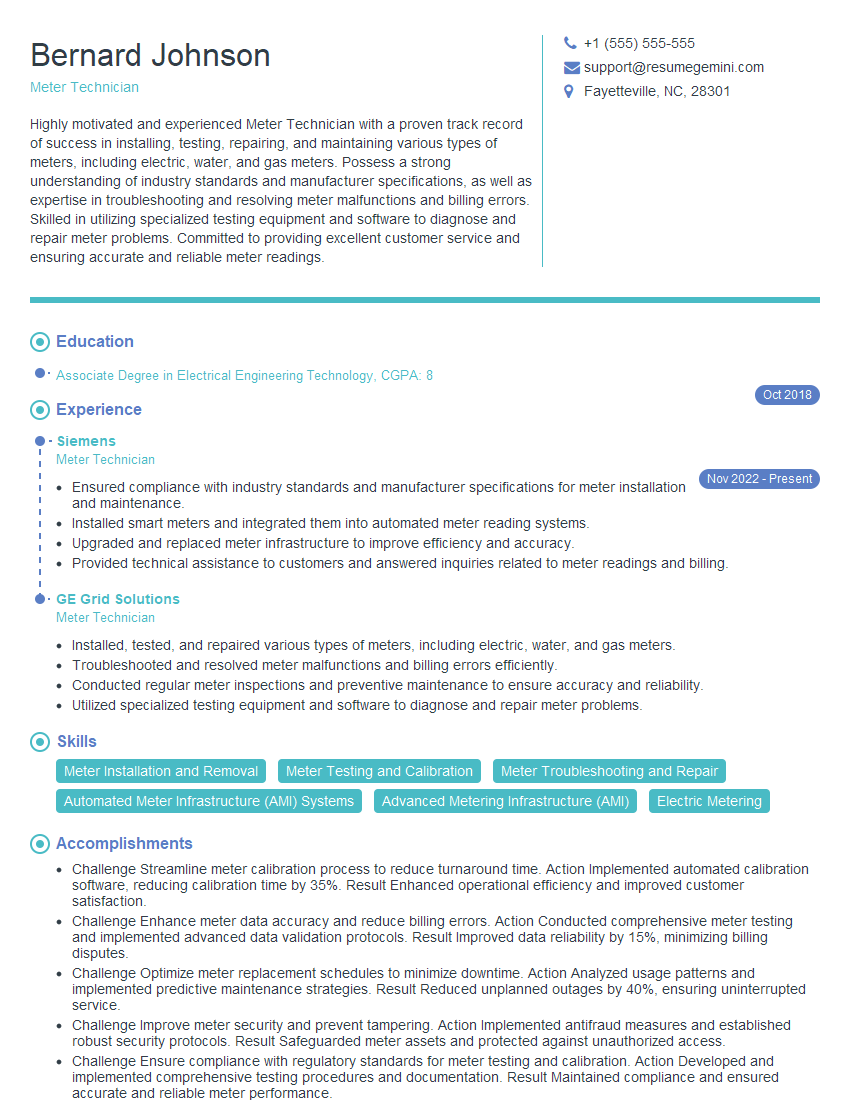
Meter Technician Resume Sample
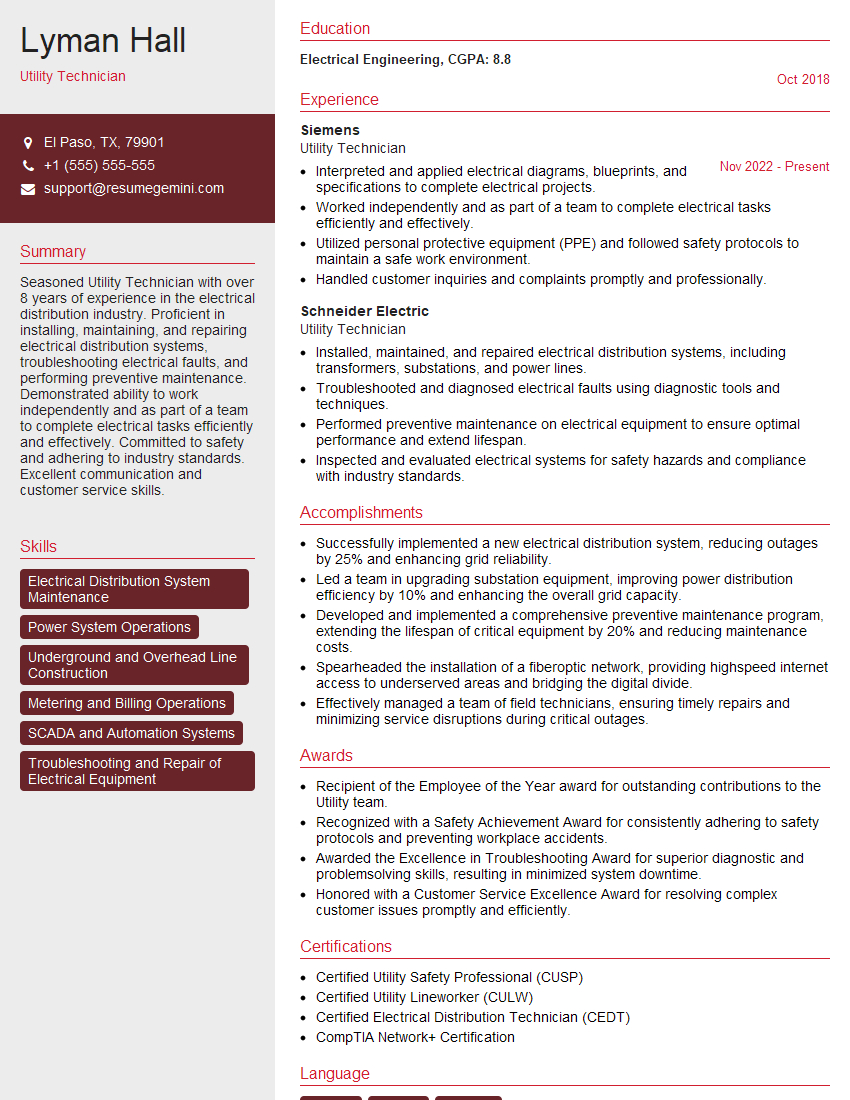
Utility Technician Resume Sample
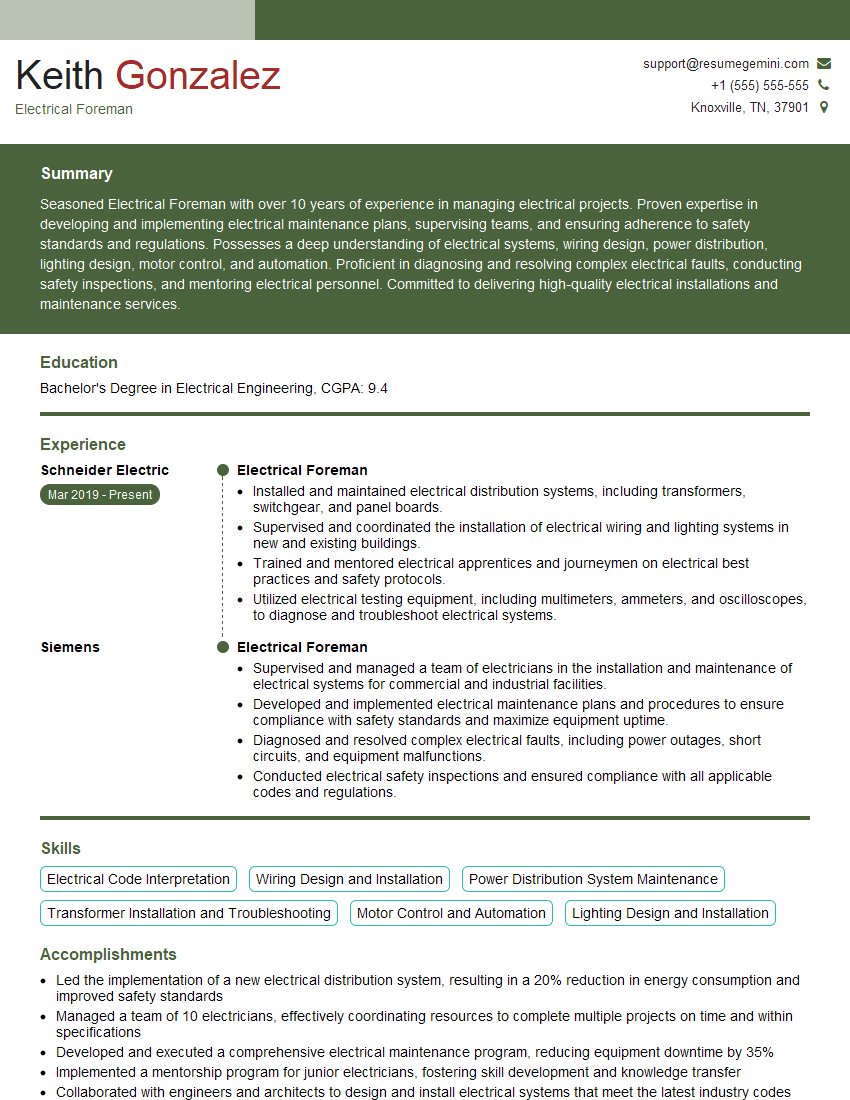
Electrical Foreman Resume Sample
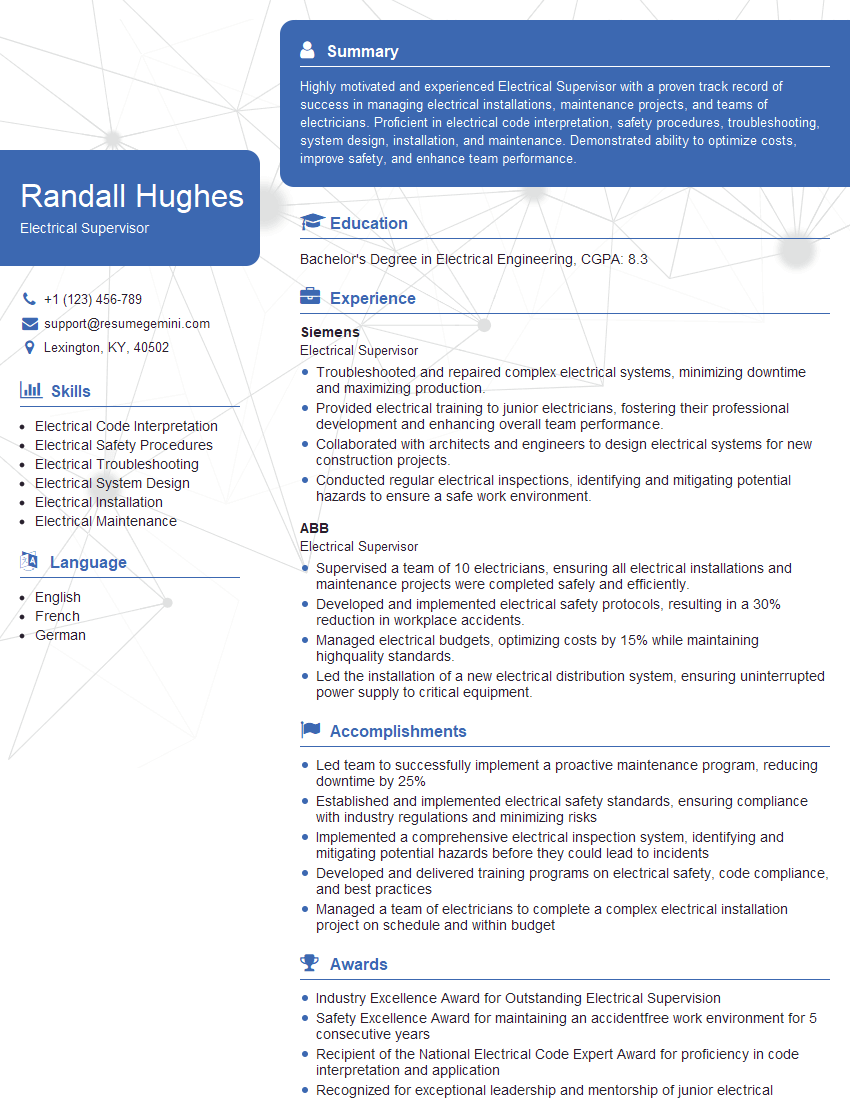
Electrical Supervisor Resume Sample
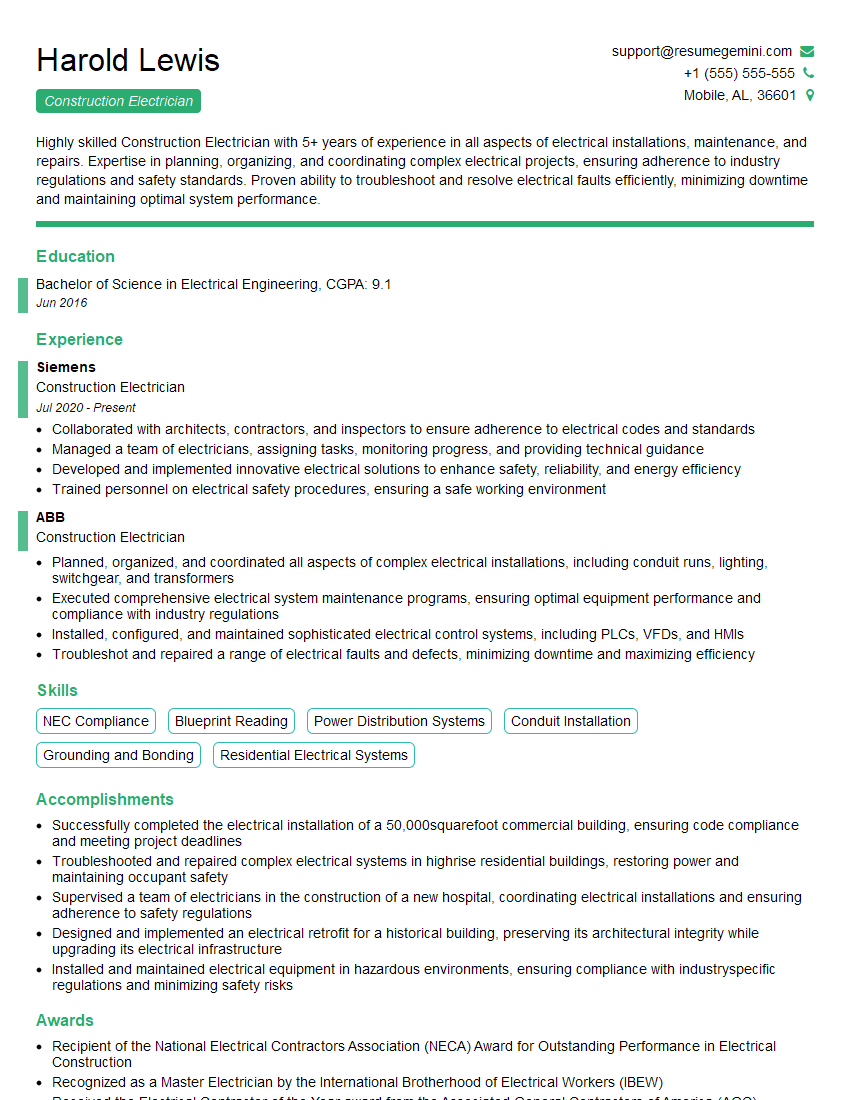
Construction Electrician Resume Sample

Electrical Installer Resume Sample
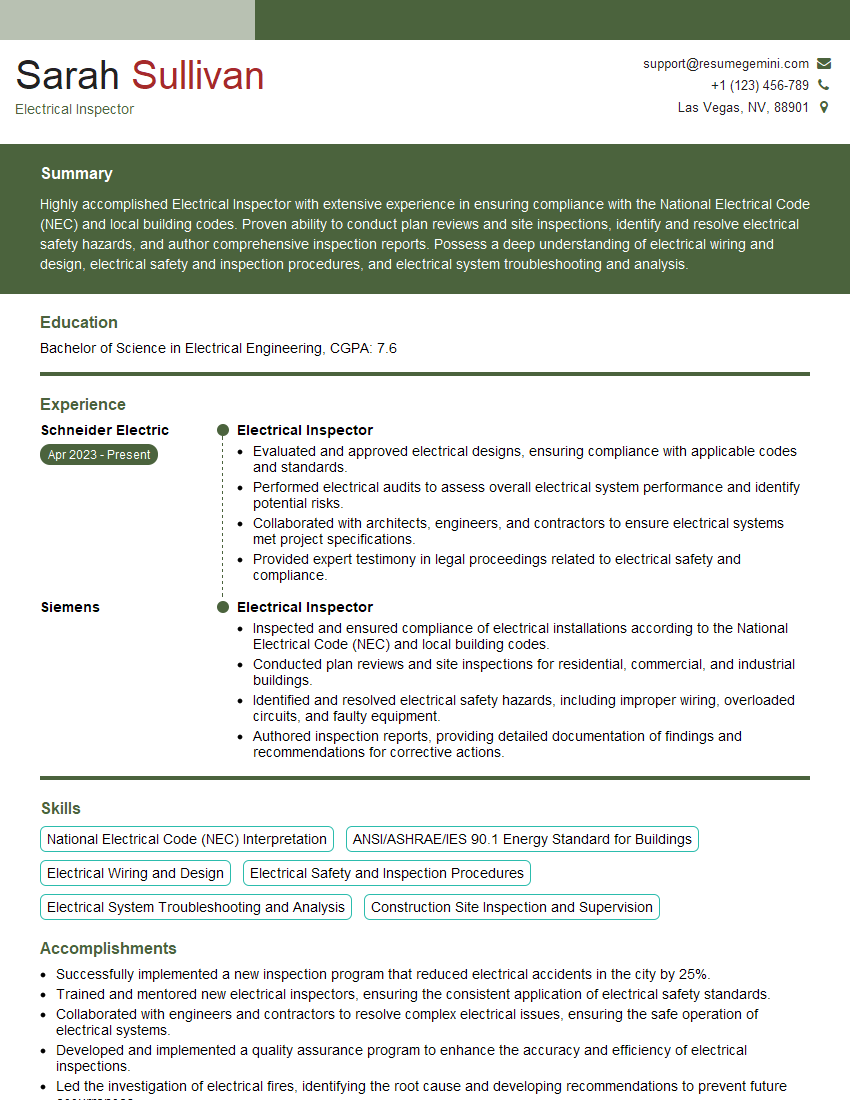
Electrical Inspector Resume Sample

Electrical Maintenance Technician Resume Sample
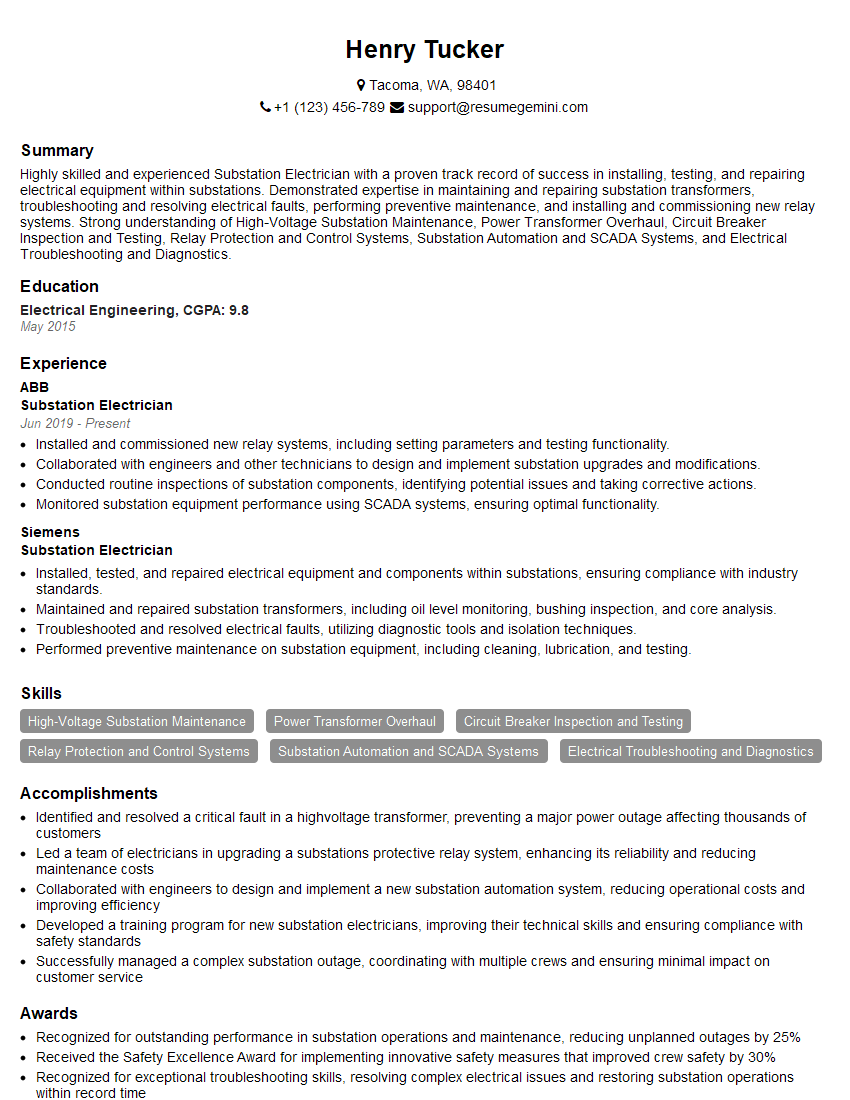
Substation Electrician Resume Sample
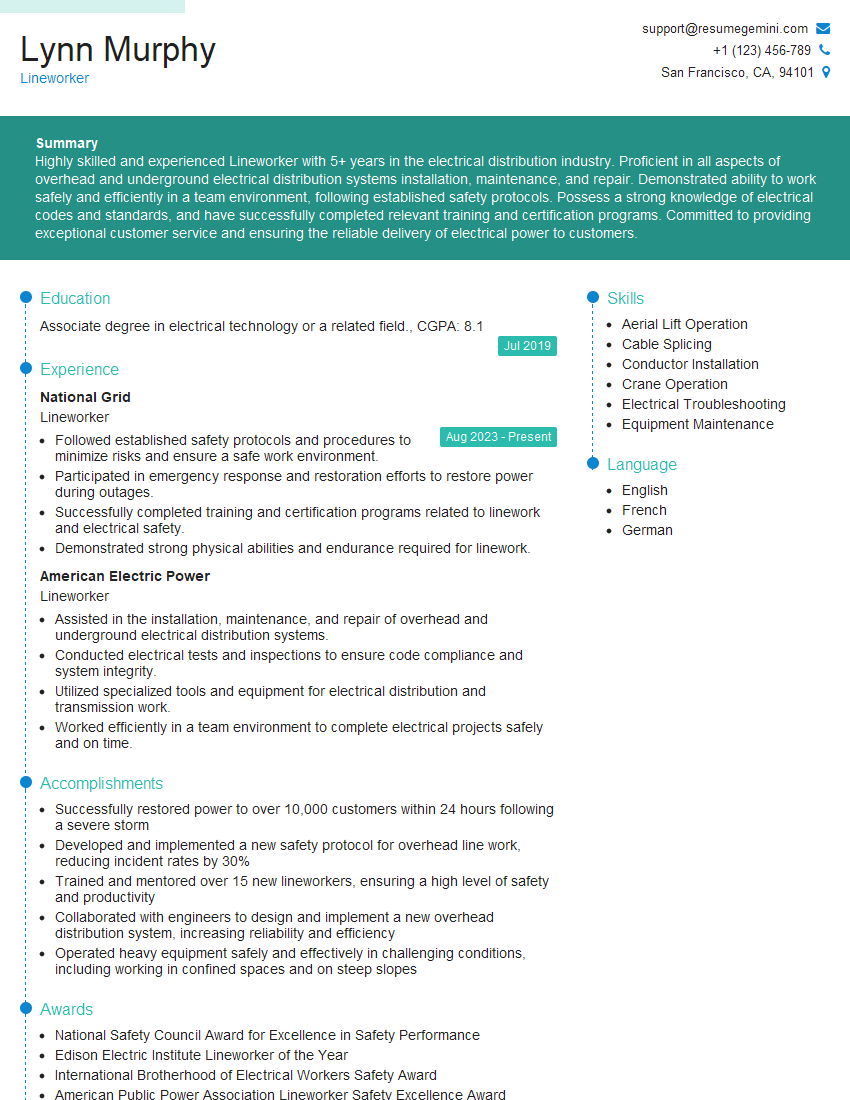
Lineworker Resume Sample
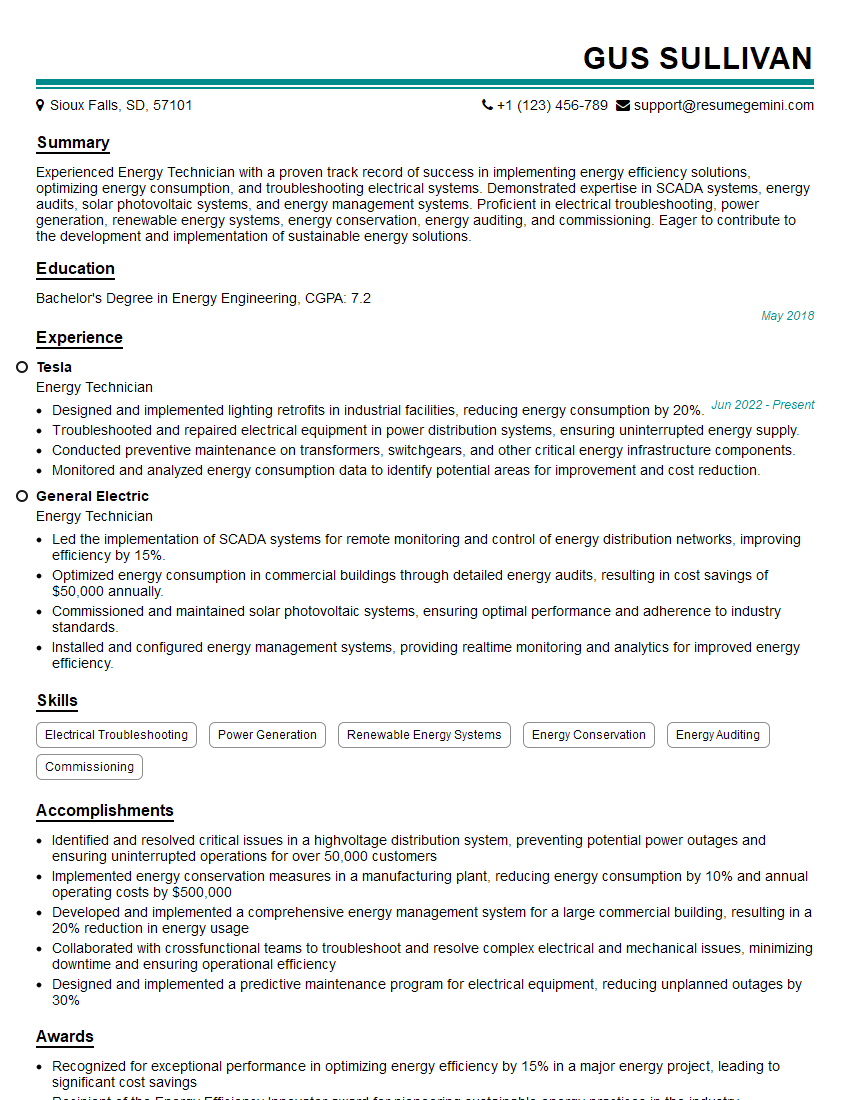
Energy Technician Resume Sample
- Electrical Contractor
- Electrical Estimator
- Utility Worker
- Meter Reader
- Meter Technician
- Utility Technician
- Electrical Foreman
- Electrical Supervisor
- Construction Electrician
- Electrical Installer
- Electrical Inspector
- Electrical Maintenance Technician
- Substation Electrician
- Lineworker
- Energy Technician
Explore more articles
Users Rating of Our Blogs
Share Your Experience
We value your feedback! Please rate our content and share your thoughts (optional).
What Readers Say About Our Blog
To the interviewgemini.com Webmaster.
Very helpful and content specific questions to help prepare me for my interview!
Thank you
To the interviewgemini.com Webmaster.
This was kind of a unique content I found around the specialized skills. Very helpful questions and good detailed answers.
Very Helpful blog, thank you Interviewgemini team.