The thought of an interview can be nerve-wracking, but the right preparation can make all the difference. Explore this comprehensive guide to Sewage Lagoon Operation and Monitoring interview questions and gain the confidence you need to showcase your abilities and secure the role.
Questions Asked in Sewage Lagoon Operation and Monitoring Interview
Q 1. Explain the different types of sewage lagoons and their applications.
Sewage lagoons are wastewater treatment systems that utilize natural biological processes to treat wastewater. There are several types, each suited to different conditions and wastewater characteristics:
- Facultative Lagoons: These are the most common type. They have both aerobic (oxygen-rich) and anaerobic (oxygen-free) zones. Aerobic bacteria break down organic matter near the surface, while anaerobic bacteria work in the deeper, oxygen-depleted areas. They’re suitable for a wide range of climates and wastewater flows.
- Aerated Lagoons: These lagoons use mechanical aerators to increase the dissolved oxygen levels throughout the lagoon. This promotes aerobic digestion, leading to faster treatment and improved effluent quality. They’re particularly useful for treating higher strength wastewaters or in colder climates where anaerobic processes might be slow.
- Anaerobic Lagoons: These lagoons operate entirely under anaerobic conditions. They are typically deeper and have longer retention times than facultative lagoons. While less efficient for overall treatment, they’re suitable in situations where energy is limited and minimizing oxygen demand is paramount.
- Maturation Lagoons: These are used as a polishing step after a primary treatment system (like a facultative lagoon). They provide additional time for settling and further reduction in pollutants. They often have a lower organic load than the preceding treatment stages.
The choice of lagoon type depends on factors like climate, wastewater strength, land availability, budget, and desired effluent quality. For instance, a small community in a warm climate might opt for a facultative lagoon, while a larger community with stringent effluent requirements might choose an aerated lagoon system.
Q 2. Describe the process of anaerobic digestion in a sewage lagoon.
Anaerobic digestion in a sewage lagoon is a crucial process where microorganisms break down organic matter in the absence of oxygen. This happens in the deeper, anoxic (low-oxygen) and anaerobic zones of facultative and anaerobic lagoons. The process involves several stages:
- Hydrolysis: Complex organic molecules (proteins, carbohydrates, fats) are broken down into simpler compounds.
- Acidogenesis: These simpler compounds are further fermented by acid-producing bacteria, resulting in volatile fatty acids (VFAs), alcohols, and carbon dioxide.
- Acetogenesis: VFAs are converted to acetic acid, hydrogen, and carbon dioxide.
- Methanogenesis: Methanogenic archaea convert acetic acid, hydrogen, and carbon dioxide into methane (CH4) and carbon dioxide (CO2). Methane is a potent greenhouse gas.
Imagine it like composting on a larger scale. Just as organic material decomposes in your compost bin, organic matter in the lagoon is broken down by these microbes, producing biogas (primarily methane and carbon dioxide) as a byproduct. Effective anaerobic digestion is crucial for reducing the organic load in the wastewater and minimizing the production of unpleasant odors.
Q 3. How do you monitor the pH levels in a sewage lagoon, and what are the implications of imbalances?
pH monitoring is essential for optimal lagoon operation. We typically use pH meters, either portable or continuously monitoring probes, to measure the pH. These meters are calibrated regularly for accuracy. The ideal pH range for most sewage lagoons is between 6.5 and 8.5.
Implications of Imbalances:
- Low pH (acidic): Inhibits microbial activity, slows down treatment, and can lead to corrosion of lagoon structures.
- High pH (alkaline): Can also hinder microbial activity and cause precipitation of certain metals, potentially impacting effluent quality. Additionally, high pH can contribute to odor problems.
Maintaining the correct pH is crucial. Corrective measures involve adding lime (Ca(OH)2) to raise pH or acids (like sulfuric acid) to lower it. The amount of corrective agent is determined based on the measured pH and lagoon volume. Regular monitoring and prompt corrective action prevent major operational issues and ensure efficient treatment.
Q 4. What are the common methods for controlling odor in sewage lagoons?
Odor control in sewage lagoons is critical for minimizing nuisance complaints. Several strategies are employed:
- Aeration: Increasing dissolved oxygen reduces the production of odorous compounds associated with anaerobic decomposition. Aerated lagoons are inherently less odorous than facultative or anaerobic ones.
- Chemical Treatments: Odor control chemicals, such as activated carbon or specialized biocides, can be added to the lagoon to neutralize or break down odorous compounds. These are typically applied strategically, such as at the inlet or in areas experiencing particularly high odor production.
- Biological Control: Enhancing the microbial community that decomposes odorous compounds can reduce odor intensity. This can involve the addition of specific bacterial cultures or optimization of lagoon conditions to favor beneficial bacteria.
- Covering: Covering the lagoon surface can significantly reduce odor release. This might involve floating covers or using plants to cover the surface.
- Proper Sludge Management: Regular sludge removal reduces anaerobic decomposition in the sludge itself, reducing a major source of odor production.
A multi-pronged approach, combining several of these methods, is often most effective in managing odors from sewage lagoons.
Q 5. Explain the importance of dissolved oxygen (DO) levels in lagoon operation.
Dissolved oxygen (DO) is vital for aerobic biological processes in sewage lagoons. Aerobic bacteria require oxygen to break down organic matter. Adequate DO levels are essential for efficient treatment and good effluent quality.
Importance of DO:
- Efficient Wastewater Treatment: Sufficient DO ensures aerobic bacteria can effectively decompose organic matter, leading to reduced BOD (Biological Oxygen Demand) and COD (Chemical Oxygen Demand).
- Reduced Odor Production: High DO levels suppress the growth of anaerobic bacteria, which produce foul-smelling gases.
- Improved Effluent Quality: Adequate treatment with higher DO yields effluent with lower pollutant levels, meeting regulatory discharge standards.
DO levels are monitored using DO probes, often integrated into continuous monitoring systems. Maintaining sufficient DO often requires mechanical aeration in aerated lagoons. In facultative lagoons, sufficient DO near the surface is often relied upon, but sometimes supplemental aeration is required in colder climates or with high organic loads.
Q 6. How do you manage sludge accumulation in a sewage lagoon?
Sludge accumulation is a natural consequence of sewage treatment in lagoons. Unmanaged sludge can lead to reduced treatment efficiency, odor problems, and decreased lagoon capacity. Several methods are used to manage sludge:
- Sludge Withdrawal: This involves periodically removing accumulated sludge from the lagoon using specialized equipment like suction pumps or dredges. The removed sludge is then transported for further processing, such as land application (after appropriate treatment) or disposal in a landfill.
- Sludge Harvesting: Instead of complete removal, sludge can be concentrated in a designated area of the lagoon. This concentrated sludge can then be removed more efficiently.
- Lagoon Design Considerations: Careful lagoon design, including proper sizing and hydraulic characteristics, can minimize sludge accumulation and facilitate its management.
- Anaerobic Digestion of Sludge: For larger lagoons, dedicated anaerobic digesters can further treat the removed sludge, reducing its volume and potential for odor production.
The frequency of sludge management depends on the lagoon’s size, wastewater characteristics, and climate. Regular monitoring of sludge levels is crucial for timely intervention and preventing issues related to excessive sludge build-up.
Q 7. Describe the process of lagoon cleaning and maintenance.
Lagoon cleaning and maintenance are essential for ensuring optimal performance and longevity. The process involves:
- Regular Inspections: Visual inspections of the lagoon walls, embankments, and surrounding areas help identify potential problems early on. This includes checking for erosion, leaks, and vegetation encroachment.
- Sludge Management: As discussed earlier, regular sludge removal is vital to prevent operational problems.
- Vegetation Control: Excessive vegetation growth can impede treatment processes and affect lagoon aesthetics. Regular weed control measures are therefore needed.
- Repair and Maintenance: Any damage to the lagoon structures, such as cracks or leaks in the walls or liner, should be repaired promptly to prevent environmental contamination and operational issues.
- Effluent Monitoring: Continuous or regular monitoring of effluent quality ensures compliance with discharge permits and identifies potential treatment problems.
- Equipment Maintenance: Aerators, pumps, and other equipment require regular maintenance to ensure reliable operation. This includes routine checks, lubrication, and repairs.
A well-maintained lagoon ensures efficient and reliable treatment, minimizes environmental impact, and extends the operational lifespan of the facility.
Q 8. What are the safety precautions involved in sewage lagoon operation?
Sewage lagoon operation presents inherent safety risks. Protecting workers and the environment is paramount. Key safety precautions include:
- Personal Protective Equipment (PPE): Always wear appropriate PPE, including waterproof boots, gloves, and eye protection. Depending on the task, respirators might also be necessary to avoid inhaling harmful gases like hydrogen sulfide.
- Confined Space Entry Procedures: Lagoons are considered confined spaces. Before entering, rigorous procedures must be followed, including atmospheric testing for oxygen levels, flammable gases, and toxic gases like hydrogen sulfide. A permit-required confined space entry program with proper training and rescue plans is essential.
- Heavy Machinery Operation: Safe operation of machinery like pumps, tractors, and aerators is crucial. Regular maintenance, operator training, and adherence to lockout/tagout procedures are mandatory to prevent accidents.
- Emergency Response Plan: A well-defined emergency response plan addressing potential hazards like gas leaks, equipment malfunctions, and falls must be in place and regularly practiced.
- Signage and Warning Systems: Clear signage warning of hazards, such as dangerous gases and unstable ground, must be prominently displayed around the lagoon.
- Training and Supervision: All personnel involved in lagoon operation must receive comprehensive safety training. Experienced supervisors should oversee all activities to ensure safe practices are followed.
For example, imagine a scenario where a worker needs to access the lagoon for maintenance. Proper atmospheric testing is vital to ensure a safe oxygen level before entry. A failure to do this could result in oxygen deficiency and serious injury or death.
Q 9. How do you monitor and control nutrient levels (nitrogen and phosphorus) in a lagoon?
Monitoring and controlling nutrient levels (nitrogen and phosphorus) is crucial for maintaining a healthy lagoon ecosystem and preventing harmful algal blooms. This involves a combination of regular testing and operational adjustments:
- Regular Monitoring: Samples are collected regularly (frequency depends on factors like lagoon size and loading rate) and analyzed for nitrogen (ammonia, nitrite, nitrate) and phosphorus levels. This involves using standard laboratory techniques.
- Nutrient Loading Control: Influent wastewater should be screened and pretreated to remove excess nutrients before entering the lagoon. This can involve processes like chemical precipitation or biological nutrient removal in upstream treatment units.
- Aeration Management: Optimal aeration promotes nitrification (conversion of ammonia to nitrate), which facilitates the removal of nitrogen through denitrification (conversion of nitrate to nitrogen gas). Strategic aeration can also influence phosphorus uptake by algae and other organisms.
- Harvesting: Periodic harvesting of algal biomass can help reduce nutrient levels, particularly phosphorus. This harvested biomass can be used for biofuel production or other beneficial purposes.
- Chemical Treatment: In situations where nutrient levels remain problematic, chemical treatments like alum addition can be used to precipitate phosphorus out of solution.
For instance, if ammonia levels are consistently high, increased aeration may be implemented to enhance nitrification. Conversely, if algal blooms are excessive, harvesting can reduce nutrient levels.
Q 10. What are the common types of pumps used in sewage lagoon systems?
Several pump types are used in sewage lagoon systems, each suited for specific tasks and conditions:
- Submersible Pumps: These pumps are placed directly within the lagoon, making them ideal for pumping wastewater from the lagoon or transferring it between lagoons. They’re often centrifugal pumps, efficient for moving large volumes of liquid.
- Centrifugal Pumps: These pumps use centrifugal force to move wastewater. They are commonly used for transferring wastewater to and from the lagoon and are efficient for high flow rates.
- Diaphragm Pumps: These pumps are suitable for pumping sludge or thick liquids and are particularly useful in situations involving high solids concentrations. They can handle more abrasive materials than centrifugal pumps.
- Progressive Cavity Pumps: These pumps are used for high-viscosity sludge transfer and can handle solids without clogging.
The selection of a pump depends on factors such as the wastewater characteristics (solids content, viscosity), required flow rate, and head (vertical distance the wastewater needs to be lifted).
Q 11. Explain the role of aeration in sewage lagoon treatment.
Aeration plays a vital role in sewage lagoon treatment by providing dissolved oxygen (DO) necessary for aerobic microbial processes. Aerobic microorganisms consume organic matter and nutrients, resulting in a cleaner effluent.
Benefits of aeration include:
- Improved Organic Matter Removal: Aerobic bacteria break down organic matter more effectively, resulting in a reduction in biochemical oxygen demand (BOD).
- Enhanced Nutrient Removal: Aeration promotes nitrification, converting ammonia to nitrate, which can subsequently be removed through denitrification. Aeration also influences phosphorus cycling and uptake.
- Odor Control: Aeration reduces the production of odorous gases, such as hydrogen sulfide, improving the overall environment surrounding the lagoon.
- Algal Control (in some cases): While excessive algae can be a problem, controlled aeration can improve the balance of the lagoon ecosystem and help to prevent algal blooms.
Think of it like this: Aeration is like providing the microorganisms with the air they need to effectively do their job of cleaning the wastewater. Without sufficient aeration, anaerobic conditions develop leading to the formation of foul-smelling gases and less efficient treatment.
Q 12. Describe the process of wastewater influent screening and pretreatment.
Wastewater influent screening and pretreatment are essential steps before the wastewater enters the lagoon system. This helps prevent clogging, protects equipment, and improves treatment efficiency. The process typically involves:
- Screening: Coarse screens remove large debris like rags, plastics, and sticks that could clog pumps and other equipment. Fine screens remove smaller solids.
- Grit Removal: Grit chambers allow heavier inorganic materials (sand, gravel) to settle out, preventing abrasion and wear on pumps and other equipment.
- Flow Equalization: Equalization basins help to even out variations in wastewater flow, providing a more consistent influent to the lagoon system.
- pH Adjustment: The pH of the wastewater might be adjusted to an optimal range for microbial activity in the lagoon.
- Chemical Pretreatment: In some cases, chemicals might be added to improve the removal of specific pollutants, such as phosphorus or heavy metals.
For example, a rag getting caught in a pump could cause significant damage or even a complete system failure. Proper screening is therefore crucial to prevent such incidents.
Q 13. How do you identify and address potential sources of lagoon contamination?
Identifying and addressing sources of lagoon contamination is critical for maintaining treatment efficiency and environmental protection. This involves:
- Regular Inspection: Regular visual inspections of the lagoon and surrounding areas can identify potential sources of contamination, such as illegal dumping, stormwater runoff, or leaks from nearby facilities.
- Water Quality Monitoring: Regular monitoring of water quality parameters (BOD, COD, nutrients, pathogens) can indicate the presence of contamination. Changes in these parameters can pinpoint potential issues.
- Source Tracing: If contamination is detected, tracing its source is crucial. This may involve investigating nearby industrial facilities, agricultural operations, or stormwater drainage systems.
- Corrective Actions: Once the source is identified, appropriate corrective actions must be taken. This could include addressing illegal dumping, improving stormwater management, repairing leaks, or implementing enhanced pretreatment processes.
- Documentation: Thorough documentation of all inspections, monitoring data, and corrective actions is essential for compliance and record-keeping.
Imagine a sudden increase in ammonia levels. Investigation might reveal a leak from a nearby fertilizer storage facility, requiring immediate action to address the leak and mitigate the impact on the lagoon.
Q 14. What are the environmental regulations and permits related to sewage lagoon operation?
Sewage lagoon operation is subject to stringent environmental regulations and requires various permits. Specific regulations vary by location (state, country), but common requirements include:
- National Pollutant Discharge Elimination System (NPDES) Permits (US): These permits regulate the discharge of treated wastewater from the lagoon system. They set limits on various pollutants and require regular monitoring and reporting.
- Water Quality Standards: Regulations specify water quality standards for receiving waters (streams, rivers, lakes) that receive the effluent from the lagoon. The effluent must meet these standards.
- Solid Waste Management Permits: Permits are often required for the management of sludge or other solid wastes generated during lagoon operation.
- Air Quality Permits: In some cases, permits may be required to control air emissions, particularly odorous gases.
- Construction Permits: Permits are needed for the construction or modification of sewage lagoons and associated infrastructure.
Failure to comply with these regulations can result in significant penalties, including fines and legal action. Therefore, staying informed about the specific regulations and acquiring the necessary permits is crucial.
Q 15. How do you perform routine inspections and maintenance of lagoon equipment?
Routine inspections and maintenance of sewage lagoon equipment are crucial for ensuring optimal performance and preventing costly failures. My approach involves a multi-faceted strategy combining visual checks, operational data review, and preventative maintenance scheduling.
Visual Inspections: I regularly inspect all components, including pumps (checking for leaks, wear, and proper operation), aerators (assessing oxygen transfer efficiency and mechanical integrity), and effluent discharge structures (looking for blockages or damage).
Operational Data Review: I meticulously review operational data, including flow rates, dissolved oxygen levels, and power consumption, to detect any anomalies that might signal a developing problem. This often involves using data loggers and SCADA systems.
Preventative Maintenance: I adhere to a strict preventative maintenance schedule, including regular lubrication, cleaning, and component replacement as needed. This is far more cost-effective than dealing with emergency repairs.
Example: In one instance, a slight vibration in a pump during a routine inspection led to the early detection of a bearing failure. Replacing the bearing prevented a catastrophic pump failure and avoided significant downtime and repair costs.
Career Expert Tips:
- Ace those interviews! Prepare effectively by reviewing the Top 50 Most Common Interview Questions on ResumeGemini.
- Navigate your job search with confidence! Explore a wide range of Career Tips on ResumeGemini. Learn about common challenges and recommendations to overcome them.
- Craft the perfect resume! Master the Art of Resume Writing with ResumeGemini’s guide. Showcase your unique qualifications and achievements effectively.
- Don’t miss out on holiday savings! Build your dream resume with ResumeGemini’s ATS optimized templates.
Q 16. Explain the importance of record-keeping and data logging in lagoon management.
Record-keeping and data logging are paramount in sewage lagoon management; they form the backbone of informed decision-making, regulatory compliance, and effective troubleshooting.
Regulatory Compliance: Many jurisdictions require detailed records of lagoon operations to demonstrate compliance with environmental regulations. These records often include effluent quality data, maintenance logs, and chemical treatment records.
Operational Optimization: Consistent data logging allows for trend analysis, enabling proactive adjustments to optimize lagoon performance and minimize operational costs. For example, we can identify seasonal variations in influent characteristics and adjust aeration strategies accordingly.
Troubleshooting: Comprehensive records are indispensable when troubleshooting problems. By analyzing historical data, we can pinpoint the root cause of issues more efficiently.
Example: During a period of unusually high BOD (Biochemical Oxygen Demand) in the effluent, historical data revealed a correlation with a recent change in the influent characteristics. This allowed for a targeted investigation of the influent source and appropriate adjustments to the treatment process.
Q 17. What are the different methods for measuring and analyzing wastewater parameters?
Various methods are employed for measuring and analyzing wastewater parameters, ranging from simple field tests to sophisticated laboratory analyses.
Field Tests: These include using test kits to measure parameters like pH, dissolved oxygen (DO), and chlorine residual. These provide immediate on-site results.
Laboratory Analyses: More comprehensive analyses are conducted in accredited laboratories. These include tests for BOD, Chemical Oxygen Demand (COD), suspended solids (SS), nitrogen (nitrate, nitrite, ammonia), phosphorus, and various pathogens.
Automated Monitoring Systems: Modern sewage lagoons often incorporate automated monitoring systems with sensors that continuously measure key parameters and transmit data to a central control system. This allows for real-time monitoring and alerts in case of abnormal conditions.
Example: In a recent project, we employed a combination of field tests for quick assessments and laboratory analysis for precise data on BOD, COD, and nutrient levels to optimize aeration strategies and nutrient removal efficiency.
Q 18. Describe your experience with troubleshooting common problems in sewage lagoon systems.
Troubleshooting in sewage lagoon systems requires a systematic approach, combining observation, data analysis, and a strong understanding of lagoon microbiology and hydraulics.
High BOD/COD: This could indicate overloading, inadequate aeration, or issues with the influent quality. Troubleshooting involves checking flow rates, aeration efficiency, and analyzing influent characteristics.
Odor Problems: These often stem from anaerobic conditions. Solutions involve increasing aeration, improving mixing, or addressing influent issues.
Excessive Algae Growth: This can be due to high nutrient levels (nitrogen and phosphorus) and excessive sunlight. Solutions include nutrient removal strategies and shading techniques.
Example: I once encountered a lagoon with persistent odor problems. After analyzing operational data and conducting field tests, we identified a malfunctioning aerator as the root cause. Replacing the aerator immediately resolved the odor issue.
Q 19. How do you ensure the effective disinfection of treated effluent?
Effective disinfection of treated effluent from sewage lagoons is critical for protecting public health and the environment. Methods used depend on factors like effluent quality, local regulations, and cost considerations.
Chlorination: This is a common method, involving the addition of chlorine to kill pathogens. Careful monitoring of chlorine residual is essential to ensure effective disinfection without excessive residual chlorine in the receiving water body.
UV Disinfection: Ultraviolet (UV) light can effectively inactivate pathogens without adding chemicals. However, it’s important to ensure the proper UV dose and maintain the lamp’s efficiency.
Other Methods: Other disinfection methods, including ozonation, may be employed in certain situations. The choice of method is highly site-specific.
Example: In a project with stringent effluent discharge limits, we implemented UV disinfection to ensure compliance with pathogen reduction standards while minimizing the environmental impact of chemical disinfectants.
Q 20. What are the signs of a failing lagoon system, and what actions should be taken?
Recognizing the signs of a failing lagoon system is crucial for preventing environmental damage and public health risks. Several indicators suggest potential problems:
Persistent foul odors: This points to anaerobic conditions.
High BOD/COD levels in effluent: Indicates insufficient treatment.
Excessive algae blooms: Suggests high nutrient levels.
Reduced dissolved oxygen (DO) levels: Points to aeration issues.
Sludge accumulation: Requires regular removal and disposal.
Actions to take: Prompt action is vital. This involves thorough investigation, including analysis of influent and effluent parameters, inspection of equipment, and possibly consulting with specialists. Corrective actions might include increasing aeration, improving mixing, nutrient removal, sludge removal, or even lagoon re-design.
Q 21. Explain your experience with SCADA systems in wastewater treatment.
SCADA (Supervisory Control and Data Acquisition) systems are increasingly used in modern wastewater treatment plants, including sewage lagoons, to enhance efficiency and operational control.
Real-time monitoring: SCADA systems provide real-time monitoring of key parameters like flow rates, DO levels, pH, and pump performance.
Automated control: They enable automated control of aerators, pumps, and other equipment, optimizing energy consumption and treatment efficiency.
Alarm and notification systems: SCADA systems provide alarms and notifications to alert operators of abnormal conditions, allowing for timely interventions.
Data logging and reporting: They collect and store vast amounts of data, providing valuable insights for operational optimization and regulatory compliance.
Example: In a recent project, we integrated a SCADA system into a large sewage lagoon facility, allowing for remote monitoring and control of the entire system. This resulted in significant improvements in energy efficiency and reduced operational costs.
Q 22. How do you manage emergency situations, such as equipment failure or spills?
Emergency situations in sewage lagoon operation demand swift, decisive action. My approach is based on a pre-planned emergency response protocol, regular drills, and proactive maintenance. For example, if a pump fails, our protocol dictates immediate switching to a backup system. We then assess the extent of the failure and initiate repairs or replacements while constantly monitoring the lagoon’s parameters. In the case of a spill, the immediate priority is containment—using booms and absorbent materials to prevent further spread. We then identify the source of the spill, clean up the affected area, and notify the relevant authorities as required by our permits. Regular safety training ensures that our team is equipped to handle various emergency scenarios effectively and safely. We document each incident thoroughly, learn from our experiences, and refine our emergency response plan for future situations.
Q 23. Describe your understanding of the different types of lagoon liners.
Sewage lagoon liners are crucial for preventing leakage and protecting groundwater. Several types exist, each with its own strengths and weaknesses.
- Clay Liners: These are the most traditional, relying on the natural low permeability of compacted clay. They are cost-effective but require careful design and construction to ensure sufficient thickness and uniformity. A downside is their susceptibility to cracking and erosion.
- Geomembrane Liners: These are synthetic, high-density polyethylene (HDPE) sheets that offer excellent impermeability. They’re durable and require less space than clay liners but are more expensive and vulnerable to puncture damage. Regular inspections are key.
- Composite Liners: These combine geomembranes with clay liners, leveraging the benefits of both. The clay layer provides additional protection against punctures, while the geomembrane ensures high impermeability. This approach balances cost and performance.
Q 24. What are the potential environmental impacts of improper sewage lagoon operation?
Improper sewage lagoon operation can have severe environmental consequences. Uncontrolled effluent discharge can pollute surface and groundwater sources, impacting aquatic life and potentially affecting human health. Excessive nutrient release (nitrogen and phosphorus) can cause eutrophication in receiving waters, leading to algal blooms, oxygen depletion, and fish kills. Methane emissions from poorly managed anaerobic lagoons contribute to greenhouse gas effects. Furthermore, leachate from lagoons can contaminate soil and groundwater with pathogens and harmful chemicals. Finally, odors emanating from overloaded or improperly maintained lagoons can create nuisance conditions for nearby communities. We implement strict operational procedures and regular monitoring to minimize these risks. For instance, we maintain accurate records of lagoon levels, and if it exceeds limit, we can immediately alert the concerned authorities and take appropriate steps to avoid such issues.
Q 25. How do you ensure compliance with discharge permits and regulations?
Compliance with discharge permits and regulations is paramount. We maintain meticulous records of all lagoon operations, including influent and effluent flow rates, water quality parameters (BOD, COD, TSS, ammonia, etc.), and sludge removal activities. Our monitoring program, adhering to the permit’s stipulations, includes regular sampling and laboratory analysis. We use a specialized software to track these data and generate reports for regulatory submissions. We also conduct regular inspections of the lagoon and its infrastructure to identify potential compliance issues proactively. Proactive measures are vital to ensuring we meet regulatory standards, preventing penalties and protecting the environment. Any deviations from the permitted limits are investigated thoroughly, and corrective actions are implemented promptly. In addition, we actively participate in relevant training and workshops to keep abreast of any changes in regulations.
Q 26. Explain your experience with different types of lagoon configurations (e.g., facultative, anaerobic).
I have extensive experience with various lagoon configurations.
- Facultative Lagoons: These are the most common type, utilizing a combination of aerobic and anaerobic zones for wastewater treatment. They offer a balance between treatment efficiency and cost-effectiveness. In one project, we optimized a facultative lagoon system by implementing a rotating biological contactor (RBC) to enhance biological activity and improve effluent quality.
- Anaerobic Lagoons: These lagoons rely solely on anaerobic microorganisms for treatment, which is effective for reducing BOD but doesn’t remove nitrogen effectively. In a previous role, we used anaerobic lagoons to pre-treat high-strength industrial wastewaters before discharging it to a facultative lagoon for polishing.
- Aerated Lagoons: These lagoons utilize mechanical aeration to maintain aerobic conditions throughout, enhancing treatment efficiency, especially for nitrogen removal. We’ve successfully implemented an aerated lagoon system to treat wastewater from a dairy farm, significantly reducing ammonia concentrations.
Q 27. What software or tools do you use for data analysis and reporting?
For data analysis and reporting, we use a combination of software tools. We employ a dedicated wastewater management software package that automates data collection from sensors, manages our laboratory data, and generates comprehensive reports. This software allows for real-time monitoring of key parameters, enabling us to identify and address potential issues promptly. We also utilize spreadsheet software (like Excel) for data analysis and visualization, creating charts and graphs to illustrate trends and identify patterns in the data. For more advanced statistical analysis, we use statistical software packages as needed. Our reporting is compliant with regulatory requirements, and we maintain a robust system for data archiving and retrieval.
Q 28. How do you stay updated on the latest technologies and best practices in sewage lagoon operation?
Staying updated in this field is crucial. I actively participate in professional organizations like the Water Environment Federation (WEF), attending conferences and workshops to learn about the latest technologies and best practices. I regularly review peer-reviewed journals and industry publications, keeping abreast of new research and advancements in wastewater treatment. Online resources, webinars, and training courses also play a significant role. Networking with colleagues and experts in the field is another valuable way to share knowledge and stay informed about emerging trends. For example, recently I attended a workshop on the application of advanced oxidation processes in sewage lagoon treatment, learning about new methods to improve effluent quality and reduce energy consumption. Continuous learning ensures that our operations remain efficient, effective, and compliant with evolving standards.
Key Topics to Learn for Sewage Lagoon Operation and Monitoring Interview
- Lagoon Design and Construction: Understanding different lagoon types (aerated, anaerobic, facultative), their design parameters, and the implications of construction choices on operation and maintenance.
- Process Monitoring and Control: Practical application of monitoring techniques for key parameters like pH, dissolved oxygen (DO), BOD, COD, and TSS. Understanding how to interpret data and adjust operational strategies based on these readings.
- Wastewater Treatment Principles: Understanding the biological and chemical processes occurring within the lagoon, including microbial decomposition, nutrient removal, and solids settling.
- Safety and Environmental Compliance: Familiarization with relevant safety regulations and environmental protection guidelines related to sewage lagoon operation and potential hazards (e.g., H2S). Understanding reporting and compliance procedures.
- Troubleshooting and Problem Solving: Developing skills to diagnose issues such as odor control, excessive algal growth, or operational inefficiencies. Ability to implement corrective actions and preventative measures.
- Equipment Operation and Maintenance: Practical knowledge of operating and maintaining pumps, aerators, and other equipment associated with sewage lagoon systems. Performing routine maintenance and troubleshooting malfunctions.
- Data Analysis and Reporting: Analyzing collected data to identify trends, generate reports, and communicate findings effectively to supervisors and stakeholders.
- Regulatory Compliance and Reporting: Understanding and adhering to local, state, and federal regulations regarding wastewater discharge and environmental monitoring.
Next Steps
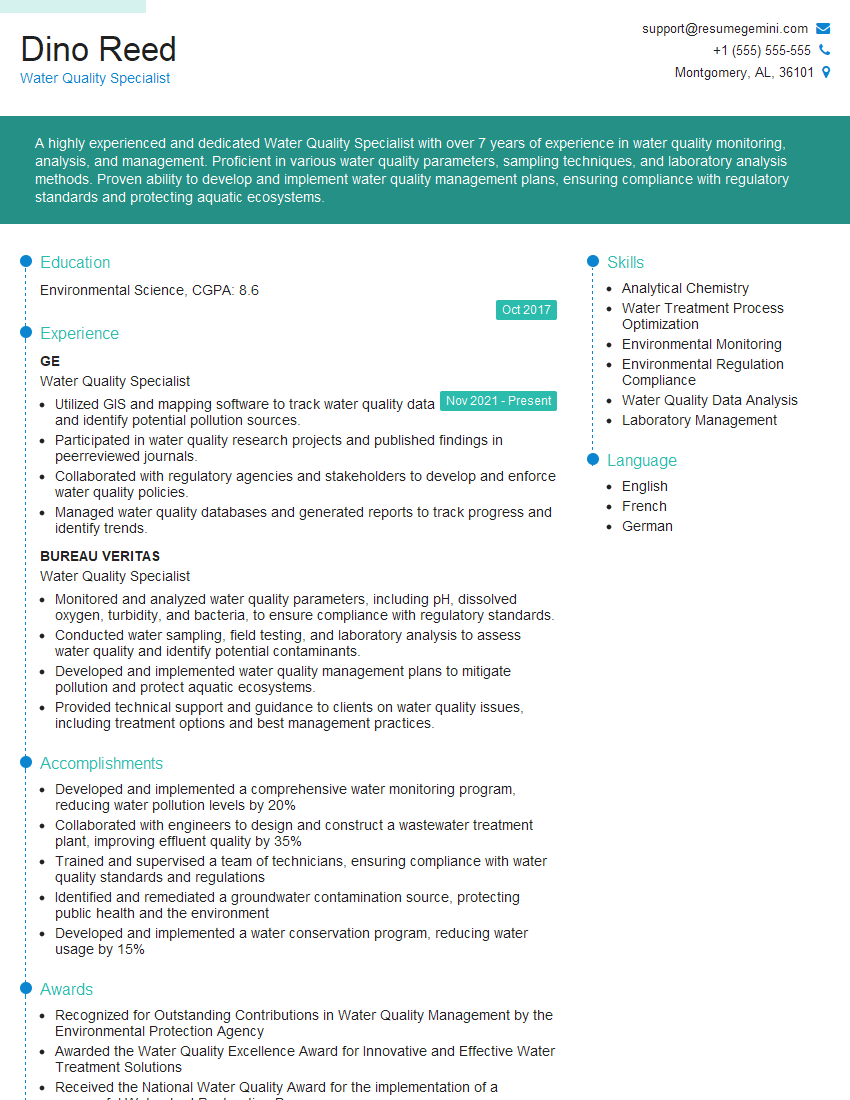
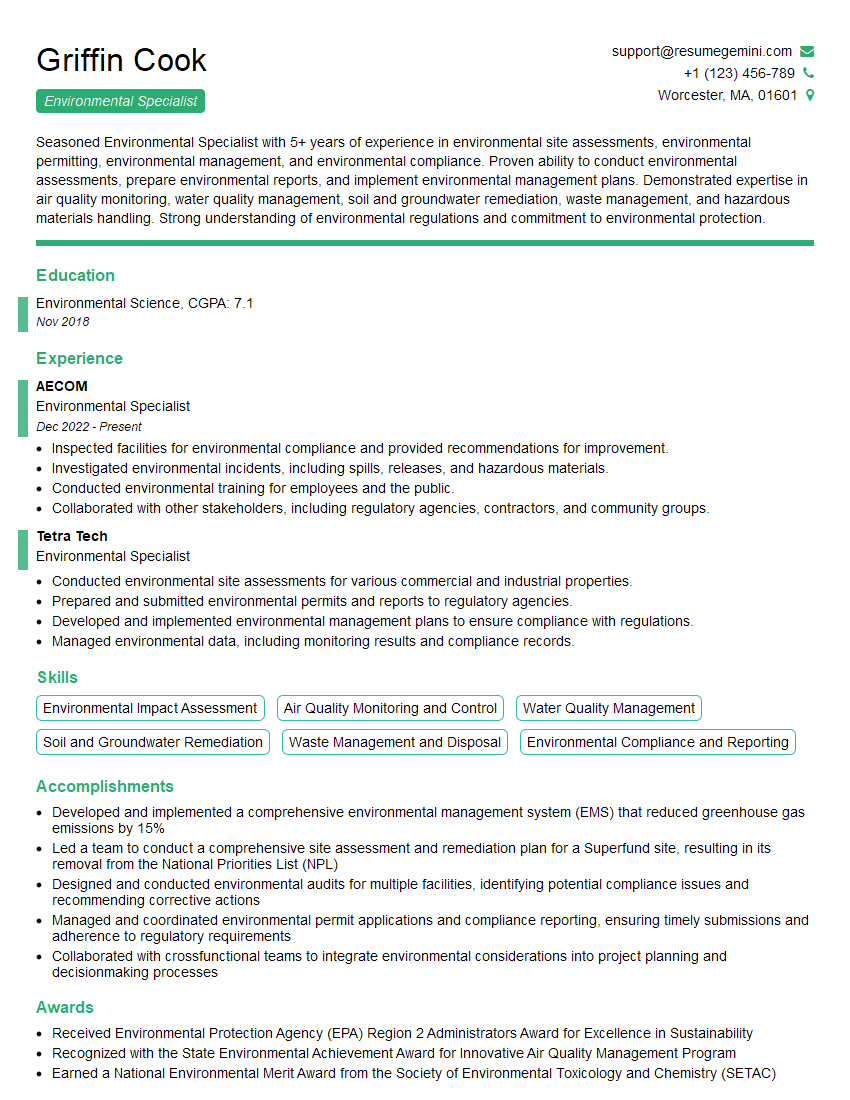
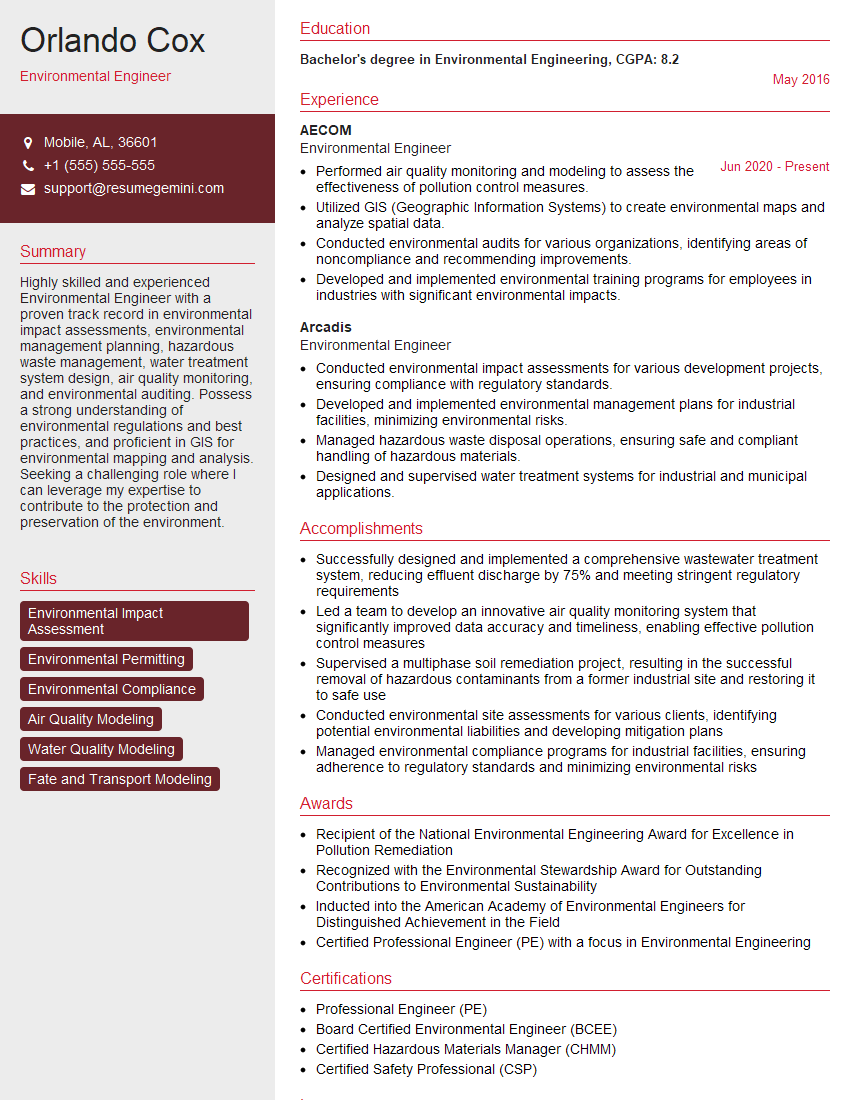
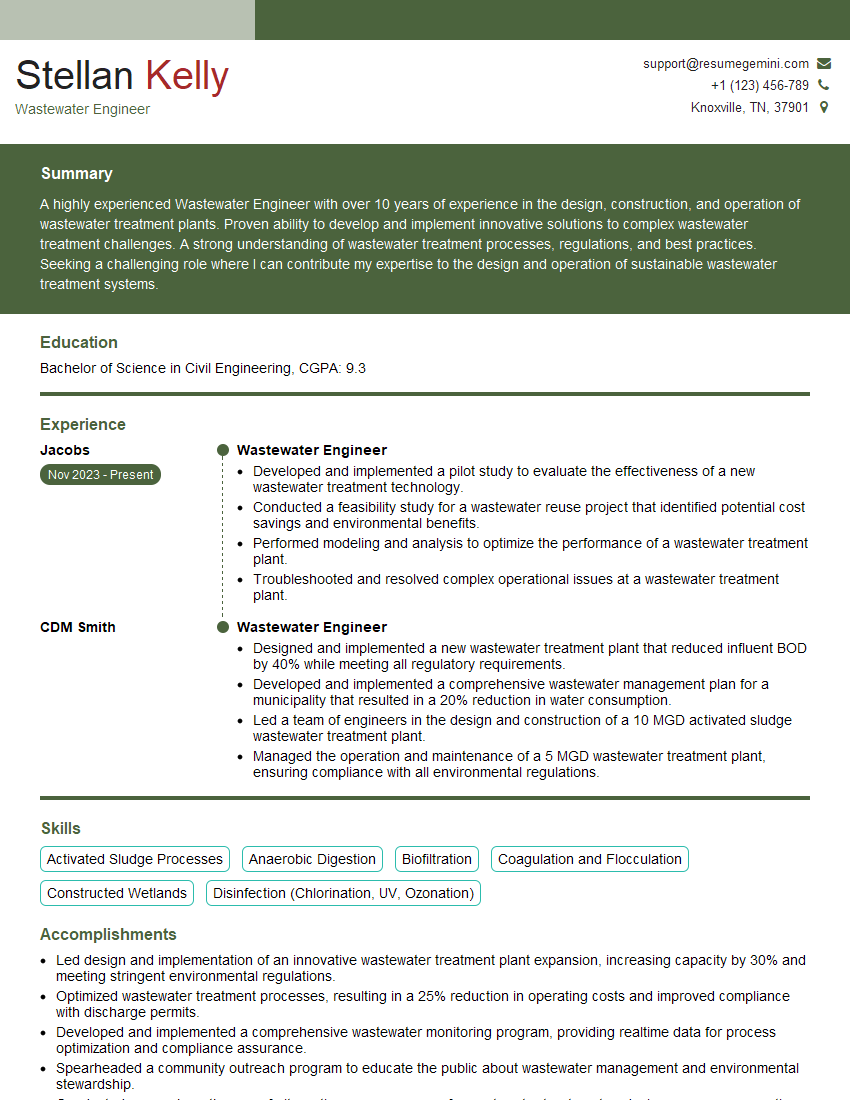
Mastering Sewage Lagoon Operation and Monitoring opens doors to a rewarding career with opportunities for advancement and specialization. A strong understanding of these crucial concepts demonstrates your commitment to environmental responsibility and technical proficiency, making you a highly desirable candidate. To significantly boost your job prospects, invest time in creating an ATS-friendly resume that highlights your skills and experience effectively. ResumeGemini is a trusted resource that can help you build a professional and impactful resume tailored to the specific demands of this field. Examples of resumes tailored to Sewage Lagoon Operation and Monitoring are available to guide you through the process.
Explore more articles
Users Rating of Our Blogs
Share Your Experience
We value your feedback! Please rate our content and share your thoughts (optional).
What Readers Say About Our Blog
To the interviewgemini.com Webmaster.
Very helpful and content specific questions to help prepare me for my interview!
Thank you
To the interviewgemini.com Webmaster.
This was kind of a unique content I found around the specialized skills. Very helpful questions and good detailed answers.
Very Helpful blog, thank you Interviewgemini team.