The right preparation can turn an interview into an opportunity to showcase your expertise. This guide to Sharps Management interview questions is your ultimate resource, providing key insights and tips to help you ace your responses and stand out as a top candidate.
Questions Asked in Sharps Management Interview
Q 1. Describe the different types of sharps used in a healthcare setting.
Healthcare settings utilize a wide variety of sharps, each designed for specific procedures. These can be broadly categorized as:
- Needles: These come in various sizes and designs, including hypodermic needles for injections, intravenous (IV) cannula needles for accessing veins, and needles used with syringes for drawing blood or administering medication. For example, insulin syringes use very short, fine needles, while epidural needles are much longer and thinner to accurately reach the epidural space.
- Scalpels: Used for surgical incisions, these come in various shapes and sizes, from small blades for delicate procedures to larger blades for more extensive surgeries. Different blade numbers correspond to differing blade shapes and sizes, a crucial consideration for surgeons.
- Lancets: These small, sharp instruments are used for collecting blood samples, often through finger pricks for glucose testing. Disposable lancets are commonplace in many healthcare settings.
- Broken Glass: While not a sharp in the traditional sense, broken glass from vials, ampoules, or even shattered test tubes poses a significant sharps risk, requiring careful handling and disposal.
- Other sharps: This category includes items like suture needles, broken glass slides, and even dental equipment. The definition of a sharp is anything with the potential to puncture or cut the skin.
Understanding the specific type of sharp is crucial for proper handling and disposal procedures, as certain sharps may require specialized containers or handling techniques.
Q 2. Explain the proper procedure for handling and disposing of sharps.
Proper sharps handling and disposal is paramount to preventing injuries. The procedure involves several key steps:
- Immediate disposal: Never recap needles or leave sharps unattended. Immediately after use, place the sharp directly into an appropriate sharps container without recapping. Think of it like this: the moment you use a sharp, it’s considered contaminated. Immediate disposal is the best practice.
- One-handed scoop technique (if recapping is absolutely necessary): If recapping is unavoidable (a rare exception), the one-handed scoop technique should be used to prevent needlestick injuries. This involves using the cap to scoop the needle into the container and never using your fingers.
- Use of designated sharps containers: Sharps must be disposed of in puncture-resistant containers clearly labeled as ‘sharps’. These containers must be readily accessible and easy to use in every area where sharps are used.
- Never overfilling containers: Containers should never be overfilled. Dispose of full containers according to the facility’s policy and guidelines. Overfilling compromises safety.
- Proper container disposal: Once full, the sharps container should be sealed according to the manufacturer’s instructions and handled as regulated medical waste by the appropriate personnel. This process includes following all local and national regulations for disposal of medical waste.
Regular training and reinforcement of these steps are essential for ensuring consistent safe practice.
Q 3. What are the OSHA regulations regarding sharps safety?
OSHA (Occupational Safety and Health Administration) regulations regarding sharps safety are designed to protect healthcare workers from needlestick injuries and other sharps-related hazards. Key regulations include:
- Implementation of a sharps injury prevention program: OSHA mandates that employers implement a comprehensive program to identify, evaluate, and control sharps-related hazards. This includes the selection of safer medical devices.
- Use of safer medical devices: OSHA encourages and in some cases mandates the use of devices designed to reduce sharps injuries, such as needleless systems, self-sheathing needles, and retractable needles.
- Provision of personal protective equipment (PPE): Employers must provide appropriate PPE, such as gloves and protective eyewear, to minimize exposure risks.
- Training and education: Employees must receive comprehensive training on safe sharps handling procedures, including proper disposal techniques and the use of safer medical devices.
- Record-keeping and reporting: Employers must keep detailed records of all sharps injuries, near misses, and the associated corrective actions. Reporting mechanisms should be in place to identify trends and prevent future incidents.
Non-compliance with OSHA’s regulations can result in significant fines and legal repercussions for employers.
Q 4. Describe the different types of sharps containers and their appropriate uses.
Sharps containers vary in size, material, and design, each suited for specific applications. Common types include:
- Puncture-resistant containers: These are the most common type, made of heavy-duty plastic designed to prevent punctures. They are available in various sizes, from small desk-side containers to larger floor-standing units.
- Wall-mounted containers: These containers are affixed to walls for convenient disposal, particularly in areas with high sharps use.
- Containers with specific features: Some containers have features such as self-sealing lids or biohazard labels to improve safety and regulatory compliance. These are usually chosen based on regulatory requirements and the specific types of sharps being handled.
- Specialized containers: Certain sharps, such as large-bore needles or broken glass, may require specialized containers to accommodate their size and shape, ensuring safe containment.
The choice of sharps container should always align with the type and quantity of sharps being generated, adhering to all relevant regulations and best practices.
Q 5. What are the potential risks associated with improper sharps management?
Improper sharps management presents several significant risks, including:
- Needlestick injuries: The most immediate and serious risk is needlestick injuries, which can lead to the transmission of bloodborne pathogens such as HIV, Hepatitis B, and Hepatitis C. This can result in significant health issues and long-term medical care.
- Exposure to other infectious agents: Improper sharps disposal can lead to exposure to other infectious agents present in bodily fluids.
- Injuries to healthcare workers and patients: Accidental punctures or cuts from improperly handled sharps can cause injuries to both healthcare workers and patients.
- Environmental contamination: Improperly disposed sharps can contaminate the environment, posing a risk to waste handlers and the public.
- Legal and regulatory penalties: Organizations failing to adhere to sharps safety regulations face substantial fines and legal consequences.
These risks emphasize the critical need for a comprehensive and well-implemented sharps management program.
Q 6. How do you ensure compliance with sharps safety protocols?
Ensuring compliance with sharps safety protocols requires a multi-faceted approach:
- Regular training and education: All staff should receive regular and thorough training on proper sharps handling and disposal techniques, including the use of safer devices and the importance of reporting incidents. This should be considered ongoing training and not a one-time event.
- Effective communication: Establish clear communication channels to ensure that all staff members are informed of policies, procedures, and any changes. This includes clear signage, memos, and regular team meetings.
- Regular audits and inspections: Conduct regular audits and inspections to monitor compliance, identify potential hazards, and ensure that sharps containers are readily available and properly used. These audits should be documented.
- Incident reporting and investigation: Establish a system for reporting and investigating all sharps injuries and near misses to identify contributing factors and implement corrective actions. This is crucial for continuous improvement.
- Use of appropriate sharps containers: Ensure that appropriate sharps containers are readily available in all areas where sharps are used. Containers should be appropriately labeled and sized.
By implementing and consistently monitoring these strategies, organizations can significantly reduce the risk of sharps injuries and maintain compliance.
Q 7. What is your experience with sharps injury prevention programs?
Throughout my career, I’ve been actively involved in developing and implementing sharps injury prevention programs. This has included:
- Needs assessment and risk identification: Conducting thorough assessments to identify high-risk areas and behaviors related to sharps use within the facility.
- Selection and implementation of safer medical devices: Working with clinical staff to identify and implement safer medical devices, such as needleless systems and self-sheathing needles, to reduce needlestick injuries.
- Training program development and delivery: Designing and delivering engaging training programs for all staff on proper sharps handling, disposal, and the use of safer devices.
- Data collection and analysis: Developing and maintaining systems for collecting and analyzing data on sharps injuries and near misses to identify trends and evaluate the effectiveness of prevention strategies.
- Policy and procedure development: Participating in the development and revision of policies and procedures related to sharps safety, ensuring alignment with OSHA regulations and best practices.
- Collaboration with stakeholders: Working collaboratively with healthcare professionals, infection control staff, and management to create a culture of safety around sharps management.
I have a strong track record of successfully reducing sharps injuries through targeted interventions and comprehensive programs. For example, in a previous role, we implemented a new sharps safety program that resulted in a 30% reduction in needlestick injuries within one year.
Q 8. Describe a time you had to address a sharps-related incident.
During my time at County General Hospital, a nurse accidentally sustained a needlestick injury while disposing of a used syringe. This highlighted a gap in our existing sharps safety protocols. Immediately, we implemented a thorough investigation. We reviewed the incident report, interviewed the nurse and her colleagues, and examined the sharps container in use. The investigation revealed that the container was nearly full and lacked sufficient space for proper disposal, leading to the accidental puncture. This incident underscored the importance of consistent monitoring of sharps containers and reinforced the need for proactive replacement before they reach capacity. We subsequently updated our policy to include more frequent checks and implemented a color-coded system to quickly identify containers nearing capacity, ensuring prompt replacement.
The incident also led to a refresher training session for all staff on proper sharps disposal techniques, emphasizing safe handling practices and the importance of reporting even near misses to prevent future occurrences. Following this, we saw a significant decrease in reported sharps-related incidents.
Q 9. How do you train staff on proper sharps management techniques?
Sharps safety training is a multi-faceted approach, combining didactic instruction with hands-on practice. We begin with a comprehensive overview of relevant regulations and hospital policies. This includes detailed information on the risks associated with sharps injuries, the chain of infection, and the importance of reporting all incidents.
- Interactive Modules: We use engaging online modules and videos to illustrate proper techniques. These modules include realistic scenarios and quizzes to assess comprehension.
- Hands-on Workshops: Practical sessions are crucial, allowing staff to practice using safety-engineered devices like retractable needles and sharps disposal containers. This kinesthetic learning enhances retention.
- Demonstrations & Role-Playing: We conduct demonstrations of correct sharps handling, disposal, and appropriate response to accidental injuries. Role-playing scenarios help participants develop decision-making skills in real-life situations.
- Ongoing Reinforcement: Training isn’t a one-time event. We incorporate regular reminders through posters, email updates, and short in-service sessions to reinforce proper techniques and address emerging issues.
Regular competency assessments through observation and practical testing ensure that staff maintain the knowledge and skills necessary for safe sharps handling.
Q 10. What are the best practices for selecting and using sharps containers?
Selecting and using sharps containers is critical to effective sharps management. The containers must meet OSHA and other relevant regulatory requirements. Key considerations include:
- Container Type: We prioritize puncture-resistant containers designed specifically for sharps waste. These containers are typically made from heavy-duty plastic and have features that prevent punctures and leaks.
- Capacity: Containers should be appropriately sized for the volume of sharps generated in a given area and replaced before they reach capacity. Overfilling increases the risk of accidental needlesticks.
- Accessibility: Containers must be conveniently located near where sharps are used, reducing the distance sharps need to be transported and minimizing the risk of accidental drops.
- Secure Closure: Containers need secure, tamper-resistant lids that prevent accidental spills or unauthorized access.
- Labeling: Containers must be clearly labeled with biohazard symbols and specific instructions for disposal.
Regular inspections to ensure that containers are in good condition and appropriately labeled are essential. Damaged or leaking containers must be handled immediately following the procedures outlined in the facility’s sharps management plan.
Q 11. How do you monitor the effectiveness of your sharps management program?
Monitoring the effectiveness of a sharps management program involves a multi-pronged approach. We track several key performance indicators (KPIs):
- Incident Reporting Rates: The number of reported sharps-related incidents is a critical indicator. A reduction in these numbers suggests a successful program.
- Sharps Container Usage Data: Tracking container usage patterns helps us identify areas needing more containers or more frequent changes, optimizing container placement and management.
- Employee Surveys & Feedback: Regular surveys assess employee satisfaction with the program, identify areas for improvement, and gauge the understanding and application of sharps safety procedures.
- Audits & Inspections: Regular audits of sharps handling practices and container management ensure compliance with safety protocols and identify potential deficiencies.
- Waste Management Data: Tracking the volume of sharps waste generated and its proper disposal helps assess overall program efficacy and identify any potential environmental concerns.
Regular analysis of these KPIs allows us to identify areas of strength and weakness, enabling continuous improvement and adjustments to our sharps management protocols. This data-driven approach ensures our program remains effective and safe.
Q 12. Explain the importance of proper labeling and segregation of sharps waste.
Proper labeling and segregation of sharps waste are paramount for both safety and regulatory compliance. Accurate labeling ensures that all personnel, including waste handlers, understand the contents and associated risks. Segregation prevents cross-contamination and simplifies waste management.
- Clear Labeling: Sharps containers must display the universal biohazard symbol and the words “Biohazard” or “Sharps”.
- Segregation: Sharps waste must be kept separate from other types of medical waste to avoid accidental injuries and cross-contamination during handling and transportation.
- Color-Coding: Some facilities utilize color-coded systems to further categorize sharps waste based on risk levels.
- Documentation: Detailed records of sharps waste generation, segregation, and disposal are maintained for regulatory compliance and internal tracking.
Failure to properly label and segregate sharps waste can result in serious safety hazards for healthcare workers and waste management personnel, and can lead to regulatory non-compliance and penalties.
Q 13. How do you handle damaged or leaking sharps containers?
Damaged or leaking sharps containers present a significant safety risk and must be handled immediately. Our protocols include:
- Immediate Isolation: The damaged container should be immediately isolated from other containers and personnel.
- Protective Equipment: Staff must wear appropriate personal protective equipment (PPE), including gloves and eye protection, to prevent exposure to potentially contaminated materials.
- Containment: The damaged container should be carefully placed within a secondary container to prevent leakage or spills.
- Notification: The incident should be reported to appropriate personnel, such as infection control or environmental services, to initiate appropriate cleanup and remediation procedures.
- Disposal: Damaged containers are treated as medical waste and disposed of according to established protocols.
Our staff undergoes specialized training to handle such situations safely and efficiently. Regular inspections and a robust reporting system minimize the occurrence of damaged containers, but prompt and effective response remains a cornerstone of our safety plan.
Q 14. What is your understanding of the role of engineering controls in sharps safety?
Engineering controls play a vital role in minimizing sharps-related injuries by reducing or eliminating exposure to sharps. These controls are designed into the work environment and involve modifications to equipment, procedures, and processes. Examples include:
- Safety-Engineered Devices: Using retractable needles, self-sheathing needles, and other safety-engineered devices eliminates or reduces the need for manual recapping and reduces the risk of accidental needlesticks.
- Sharps Disposal Systems: Implementing a well-designed and easily accessible sharps disposal system is critical. This includes conveniently located, appropriately sized containers and standardized disposal procedures.
- Work Practices: Establishing standardized work practices, such as avoiding recapping needles, minimizes exposure and promotes safer handling.
- Improved Equipment Design: Modifications to medical equipment, like using blunt-ended instruments where appropriate, reduces the risk of accidental punctures.
Engineering controls are a proactive approach to sharps safety. They focus on preventing incidents before they occur, complementing other safety measures such as administrative controls (like training) and personal protective equipment (PPE).
Q 15. How do you ensure the safe transportation and disposal of sharps waste?
Safe sharps transportation and disposal are paramount to preventing accidental needlesticks and protecting the environment. This involves using robust, puncture-resistant containers, properly labeling them with biohazard symbols, and adhering to strict regulatory guidelines.
- Transportation: Sharps containers should be sealed securely and transported in a secondary container to prevent leakage or damage during transit. Imagine transporting a box of fragile glass – the same level of care is needed here, only with added biohazard considerations. Dedicated transport routes and trained personnel are crucial.
- Disposal: The containers are then transferred to a licensed medical waste disposal facility which follows strict protocols for incineration or autoclaving, rendering the waste safe for the environment. We track all movements using detailed manifests and maintain comprehensive records to ensure complete accountability.
For example, in a hospital setting, we use color-coded sharps containers to easily identify the type of waste (e.g., red for regulated medical waste, yellow for chemotherapy waste). This system enhances efficiency and reduces the risk of mishandling.
Career Expert Tips:
- Ace those interviews! Prepare effectively by reviewing the Top 50 Most Common Interview Questions on ResumeGemini.
- Navigate your job search with confidence! Explore a wide range of Career Tips on ResumeGemini. Learn about common challenges and recommendations to overcome them.
- Craft the perfect resume! Master the Art of Resume Writing with ResumeGemini’s guide. Showcase your unique qualifications and achievements effectively.
- Don’t miss out on holiday savings! Build your dream resume with ResumeGemini’s ATS optimized templates.
Q 16. What are the different methods for decontaminating sharps?
Decontamination of sharps is critical, but it’s important to note that most sharps are disposed of directly into puncture-resistant containers without prior decontamination. The incineration or autoclaving process at the medical waste facility handles decontamination. However, in specific situations, such as accidental exposure or research settings, specific decontamination methods may be necessary.
- Autoclaving: This involves using high-pressure steam to sterilize the sharps, killing any microorganisms. This method is effective but requires specialized equipment.
- Chemical Sterilization: Some chemicals, such as glutaraldehyde, can be used to sterilize sharps, but this method requires careful handling and adherence to specific safety protocols due to the toxicity of the chemicals.
It’s crucial to always consult relevant safety data sheets (SDS) for proper handling and disposal of any chemicals used in decontamination.
Q 17. Describe the process for documenting sharps injuries and incidents.
Documenting sharps injuries and incidents is vital for tracking trends, identifying areas for improvement, and ensuring compliance with regulations. A comprehensive incident report should be filed immediately after any event.
- Incident Report: This includes details such as the date, time, location, type of injury (e.g., needlestick, cut), the type of sharp involved, the source of the injury (e.g., patient, contaminated waste), and the immediate first aid rendered. The injured party should receive immediate medical attention and post-exposure prophylaxis (PEP) as needed.
- Follow-up: Regular follow-up with the injured individual is essential to monitor their health and to ensure they receive any necessary testing and treatment.
- Root Cause Analysis: We conduct a thorough root cause analysis to identify contributing factors and implement corrective actions to prevent future incidents. This might involve improving training, enhancing safety procedures, or modifying equipment.
For instance, if a needlestick occurred during a patient procedure, we meticulously document the patient’s information, the procedure, the specific device involved, and all actions taken to address the situation. We also review video footage from the location if available.
Q 18. How do you conduct regular audits to assess sharps management practices?
Regular audits are essential to ensure our sharps management program remains effective and compliant. These audits involve a multi-faceted approach.
- Documentation Review: We check that all incident reports, waste manifests, and training records are accurate and complete.
- On-site Observation: We observe staff handling sharps to ensure compliance with established protocols – proper use of safety devices, correct disposal techniques, and appropriate use of PPE (personal protective equipment).
- Container Inspections: We check for proper labeling, capacity levels, and overall condition of the sharps containers across different locations.
- Compliance Checklist: A standardized checklist ensures consistency and completeness in our audit process.
For example, we might conduct unannounced observations to assess the real-time application of safety protocols, thus gaining a more realistic picture of actual practices.
Q 19. What are the key performance indicators (KPIs) you use to measure sharps safety success?
Key Performance Indicators (KPIs) provide measurable data demonstrating the effectiveness of our sharps safety program. We track several metrics, including:
- Sharps Injury Rate: Number of sharps injuries per 100 employees or per 1000 patient encounters.
- Incident Reporting Rate: Percentage of sharps injuries reported within a specific timeframe.
- Compliance Rate: Percentage of staff members adhering to established sharps safety protocols.
- Waste Management Efficiency: Volume of sharps waste generated per unit of service.
- Cost per incident: Provides insight into the financial impact of sharps related events.
By tracking these KPIs, we can identify trends, pinpoint areas needing improvement, and demonstrate the effectiveness of our interventions to stakeholders. A consistent decrease in the sharps injury rate, for example, shows our program is working effectively.
Q 20. What is your experience with using sharps management technology (e.g., safety-engineered devices)?
Safety-engineered sharps devices play a crucial role in reducing needlestick injuries. I have extensive experience with various technologies, such as needleless systems, retractable needles, and sharps with built-in safety mechanisms.
- Needleless Systems: These eliminate the use of needles altogether, significantly reducing the risk of accidental punctures.
- Retractable Needles: These needles retract automatically after use, preventing accidental exposure.
- Self-sheathing needles: These needles automatically retract into a protective sheath, preventing accidental contact with the needle.
We regularly evaluate new technologies to ensure we are employing the most effective and up-to-date safety features. For example, we’ve recently implemented a system that tracks the usage and disposal of each safety-engineered device, enhancing our data collection and analysis capabilities.
Q 21. How do you communicate sharps safety protocols to all stakeholders?
Effective communication is the cornerstone of a successful sharps safety program. We employ a multi-pronged approach to ensure everyone understands and adheres to protocols.
- Training Programs: Comprehensive training programs covering all aspects of sharps safety are provided to all staff, including hands-on demonstrations and practical exercises. Training is tailored to each role, addressing specific tasks and potential risks.
- Regular Updates: We regularly update staff on new procedures, technologies, and regulations through newsletters, meetings, and online resources.
- Visual Aids: Posters, flyers, and visual reminders are strategically placed throughout the workplace to reinforce key safety messages.
- Open Communication Channels: We actively encourage staff to report any concerns or near misses, creating a culture of safety and open feedback.
For example, we hold regular safety huddles where staff can discuss sharps-related issues, share best practices, and receive immediate feedback on concerns. This fosters a collaborative environment that prioritizes safety.
Q 22. Describe your knowledge of relevant state and local regulations on sharps management.
State and local regulations on sharps management are crucial for protecting healthcare workers and the public from needlestick injuries and the spread of infectious diseases. These regulations vary by location but generally cover aspects like sharps disposal containers, their labeling, the training requirements for healthcare personnel, and the procedures for handling and disposing of sharps waste. For instance, many jurisdictions mandate the use of puncture-resistant containers, clearly marked with biohazard symbols, and require specific training programs for all personnel who handle sharps. They also often stipulate requirements for transportation and disposal of sharps waste, including detailed tracking and record-keeping procedures to ensure compliance and accountability.
Understanding these regulations requires regular review of the relevant state and local health department websites and potentially consulting with regulatory bodies or environmental agencies. Staying updated is key, as regulations are subject to change. For example, a new regulation might require the use of specific types of sharps containers or modify the transportation protocols for off-site disposal. I’d always ensure I’m familiar with the latest updates in the specific region I’m working in.
Q 23. How do you manage sharps waste in different healthcare settings (e.g., inpatient, outpatient)?
Sharps management practices differ slightly depending on the healthcare setting. In inpatient settings, like hospitals, the volume of sharps waste is generally higher, requiring a more robust system. This involves strategically placed sharps containers in patient rooms, treatment areas, and labs, frequent collection and disposal schedules, and adherence to strict protocols for handling and transportation. We also usually have designated sharps disposal personnel who ensure proper container changes and waste transport.
Outpatient settings, like clinics, may have a lower volume of sharps waste. This often means fewer containers, potentially relying on single-use containers that can be directly disposed of according to local regulations. However, the principles remain consistent: proper labeling, safe handling, and compliance with all relevant regulations. Training for staff is just as important in both settings to ensure consistent, safe handling practices. For example, proper needle recapping techniques and disposal procedures must be emphasized and practiced to prevent accidental injuries.
Q 24. What are some of the common challenges in sharps management, and how do you address them?
Common challenges in sharps management include inadequate training, insufficient supply of appropriate containers, inconsistent adherence to safety protocols, and difficulties with proper waste disposal pathways. Inadequate training leads to improper handling, increasing the risk of needlestick injuries. A lack of sufficient containers can lead to overflowing containers, increasing the risk of sharps exposure. Inconsistent protocol adherence reduces overall safety. Finally, inefficient waste disposal systems can create logistical and compliance hurdles.
To address these challenges, a multi-pronged approach is crucial. This includes providing comprehensive and regular sharps safety training to all healthcare personnel, ensuring an adequate supply of appropriately sized and labeled sharps containers in accessible locations, reinforcing safety protocols through regular audits and feedback, and establishing efficient, streamlined systems for waste management and disposal in compliance with all regulations. A strong emphasis on safety culture and accountability also contributes to better results. For instance, reporting near misses or incidents allows us to analyze contributing factors and proactively improve safety procedures.
Q 25. How do you stay updated on the latest best practices and regulations in sharps safety?
Staying current with best practices and regulations in sharps safety requires continuous professional development and engagement with relevant resources. I actively participate in professional organizations like the Association for Professionals in Infection Control and Epidemiology (APIC) and attend conferences and webinars focused on infection prevention and sharps safety. I also regularly review publications from reputable sources like the CDC and OSHA, and subscribe to relevant journals and newsletters. Furthermore, I participate in internal continuing education programs and regularly review and update our organization’s sharps safety policies and procedures to maintain compliance.
It’s also vital to engage with regulatory updates provided by local health departments and environmental agencies. This might involve reviewing agency websites, participating in informational seminars, or receiving alerts concerning changes in regulations or guidelines. Being proactive in these efforts ensures not only compliance but also the implementation of the most up-to-date and effective sharps safety practices within our organization.
Q 26. Describe your experience with incident reporting and root cause analysis related to sharps incidents.
Incident reporting and root cause analysis (RCA) are critical for continuous improvement in sharps safety. When a sharps injury occurs, a thorough investigation is launched immediately to identify the circumstances leading to the incident. This process includes gathering detailed information from witnesses, examining the sharps container, reviewing the employee’s training records, and evaluating the workflow processes. A root cause analysis uses structured techniques to identify the underlying systemic factors contributing to the incident, rather than just focusing on individual error.
RCA methods such as the “5 Whys” technique or fishbone diagrams are used to systematically probe the causes. For example, an RCA might uncover a poorly designed workflow, inadequate training, or a lack of appropriate PPE as root causes of a sharps injury. This information is then used to implement corrective actions to prevent similar incidents in the future. These corrective actions might include changes to workplace design, improved training programs, and updated safety protocols. The entire process is meticulously documented, with regular reviews of effectiveness to ensure ongoing improvements in safety.
Q 27. How do you contribute to a culture of safety within your organization regarding sharps management?
Cultivating a culture of safety regarding sharps management involves a multifaceted approach that engages all levels of the organization. It starts with visible leadership commitment to safety, ensuring that sharps safety is a top priority reflected in organizational policies and resource allocation. This includes providing adequate funding for sharps containers, training, and other safety resources.
Open communication and employee engagement are crucial. We encourage employees to report near misses and unsafe conditions without fear of reprisal. Regular safety meetings, training sessions, and the implementation of feedback mechanisms ensure that employees feel heard and that their concerns are addressed promptly. Regular audits and safety inspections help identify and rectify potential hazards before they lead to incidents. Recognition and rewards for safe practices reinforce positive behaviors and contribute to a culture where safety is valued and prioritized by everyone.
Q 28. Explain your understanding of the role of personal protective equipment (PPE) in sharps safety.
Personal Protective Equipment (PPE) plays a vital role in minimizing the risk of sharps injuries. PPE relevant to sharps safety includes puncture-resistant gloves, gowns, and eye protection. Puncture-resistant gloves are designed to reduce the risk of needlestick injuries during procedures involving sharps. Gowns offer an extra layer of protection, shielding the skin from splashes and potential exposure. Eye protection protects the eyes from splashes of blood or other potentially infectious materials. The appropriate selection and use of PPE are crucial and are governed by the nature of the task and the potential exposure risks.
It’s not enough to just provide PPE; training is critical. Healthcare personnel must be trained on the correct selection, use, disposal, and limitations of PPE. For instance, even puncture-resistant gloves can fail if improperly used or punctured in a vulnerable area. Therefore, understanding the proper techniques for handling sharps and wearing PPE is crucial for optimal protection. Regular reviews of PPE policies and protocols are needed to ensure they reflect current best practices and regulatory updates, ensuring maximum effectiveness in protecting healthcare workers from sharps injuries.
Key Topics to Learn for Sharps Management Interview
- Waste Management Procedures: Understanding the regulations, protocols, and best practices for handling sharps waste, including segregation, containment, and disposal methods.
- Safety Regulations and Compliance: Familiarity with OSHA, HIPAA, and other relevant regulations concerning sharps safety and the legal implications of non-compliance. This includes understanding incident reporting and investigation procedures.
- Risk Assessment and Mitigation: Analyzing potential hazards related to sharps handling and developing strategies to minimize risks. This includes identifying high-risk areas and implementing preventative measures.
- Sharps Container Management: Knowing the different types of sharps containers, their proper usage, capacity limits, and disposal procedures. This also involves understanding the importance of proper labeling and tracking.
- Employee Training and Education: Understanding the principles of effective sharps safety training programs, including content, delivery methods, and assessment techniques.
- Data Analysis and Reporting: The ability to track and analyze sharps waste data to identify trends, improve efficiency, and ensure compliance. This may involve using various reporting tools and techniques.
- Budgeting and Cost Control: Understanding the financial aspects of sharps management, including procurement, disposal costs, and waste reduction strategies.
- Technological Solutions: Familiarity with various technologies used in sharps management, such as automated systems, tracking software, and innovative disposal methods.
Next Steps
Mastering Sharps Management demonstrates a crucial commitment to safety and compliance, significantly enhancing your career prospects in healthcare and related fields. A strong understanding of these principles opens doors to leadership roles and positions requiring advanced knowledge of regulatory compliance and risk management. To maximize your chances of landing your dream role, focus on creating an ATS-friendly resume that highlights your relevant skills and experience. ResumeGemini is a trusted resource to help you build a professional and impactful resume that showcases your qualifications effectively. Examples of resumes tailored to Sharps Management are available to help guide your resume creation process.

Quality Assurance Manager Resume Sample
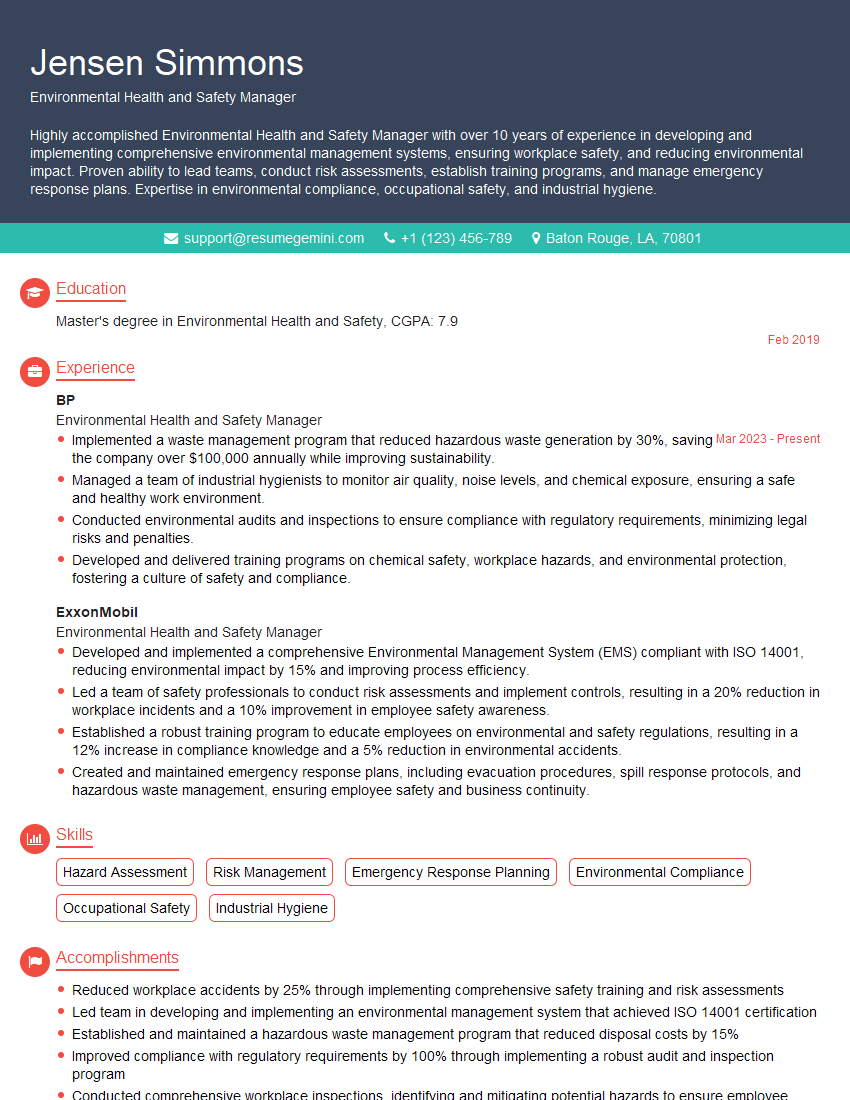
Environmental Health and Safety Manager Resume Sample
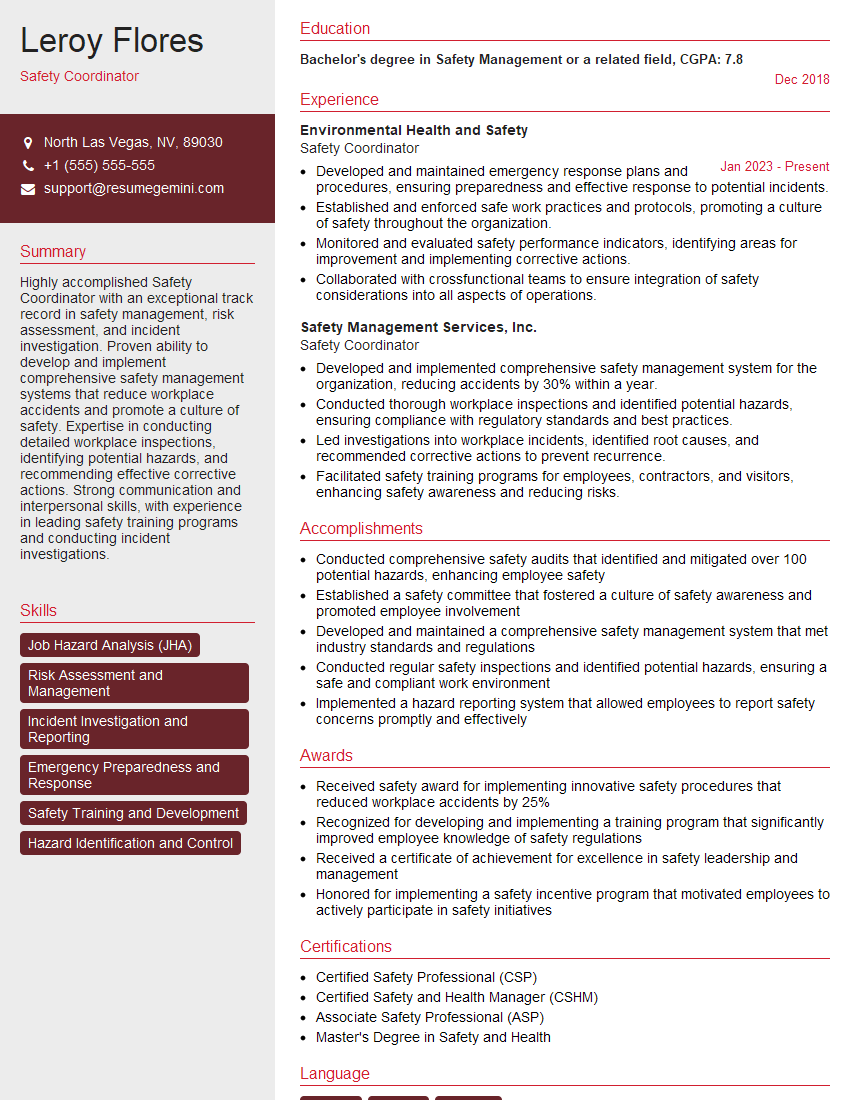
Safety Coordinator Resume Sample

Compliance Officer Resume Sample
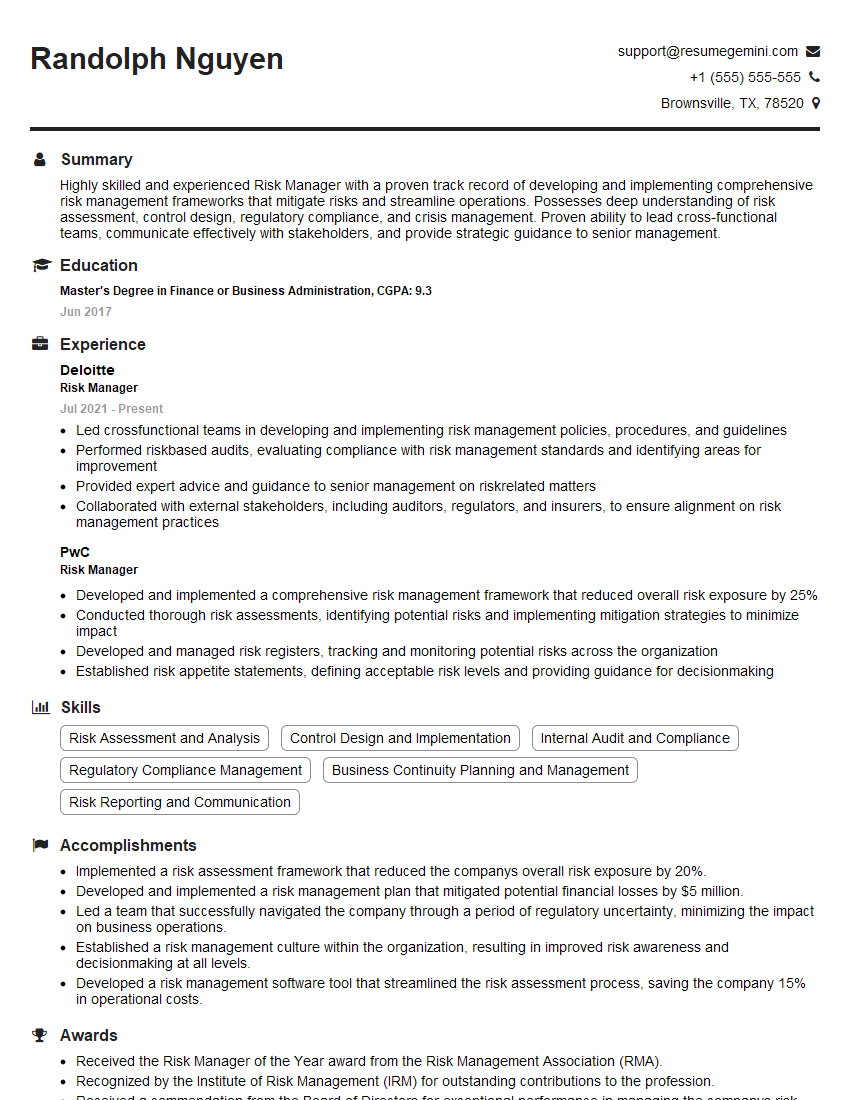
Risk Manager Resume Sample
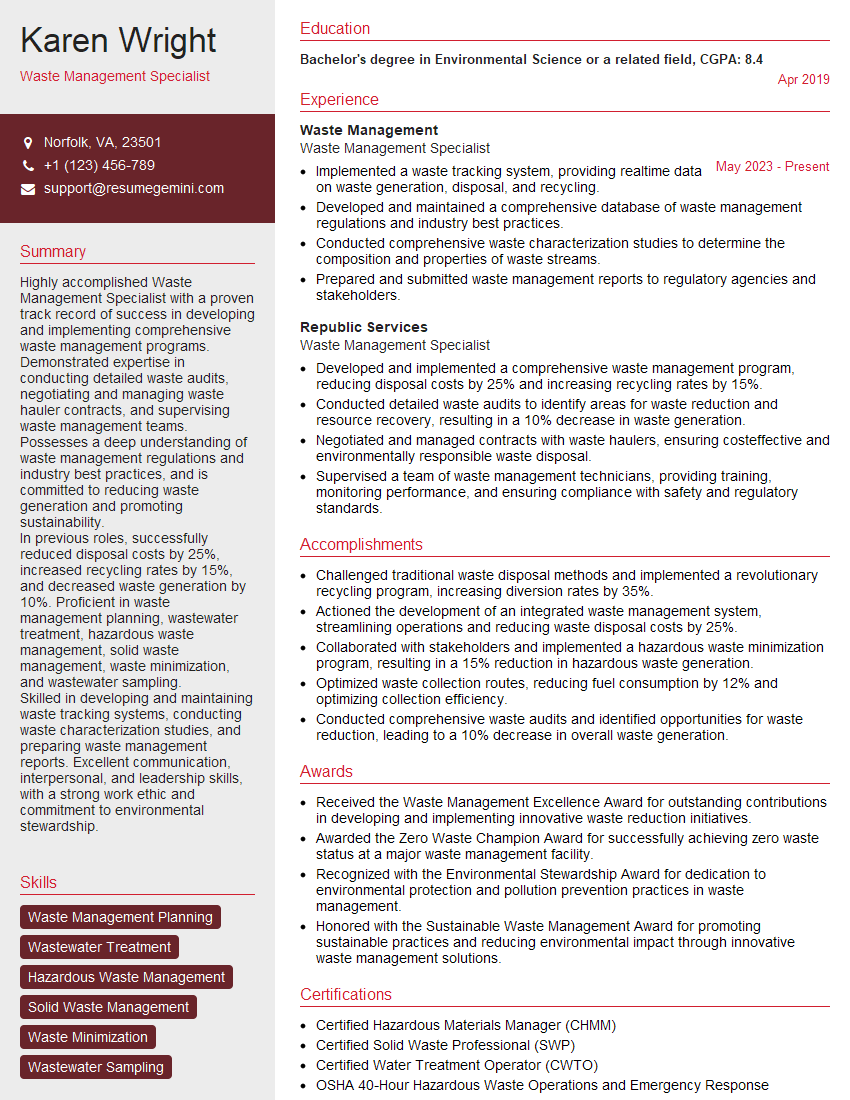
Waste Management Specialist Resume Sample
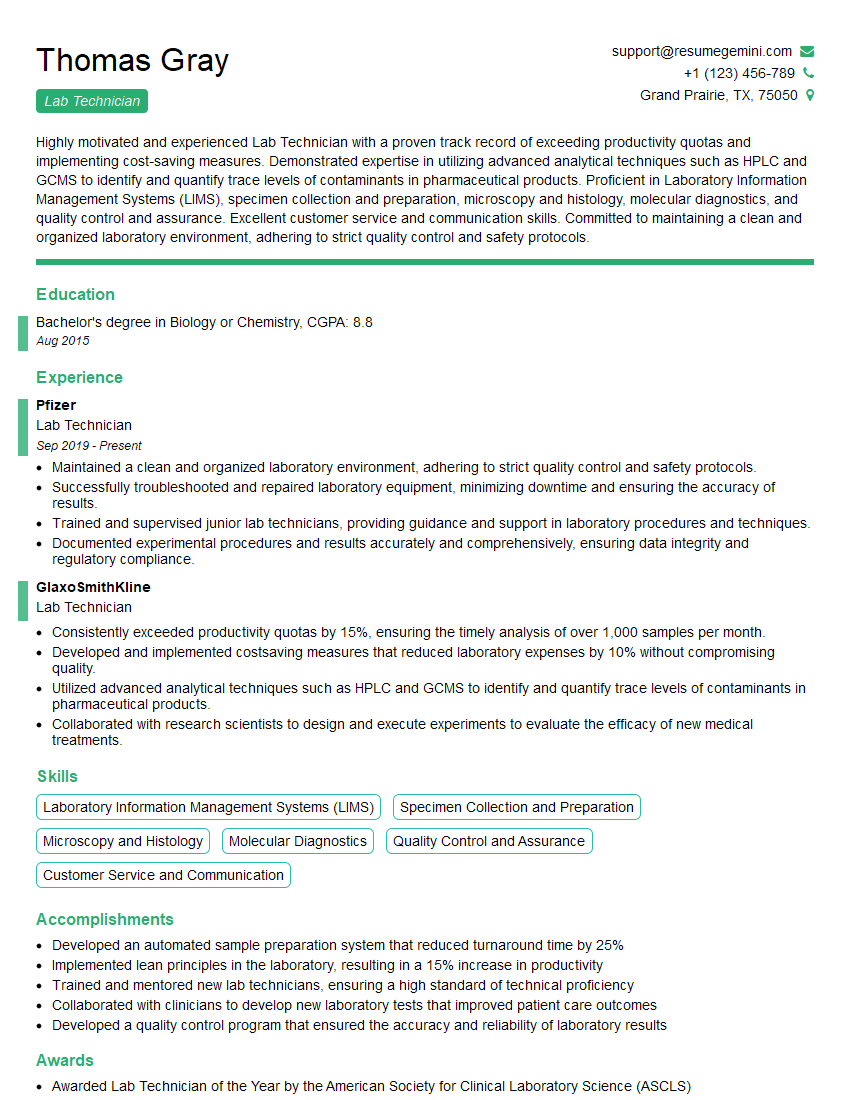
Lab Technician Resume Sample
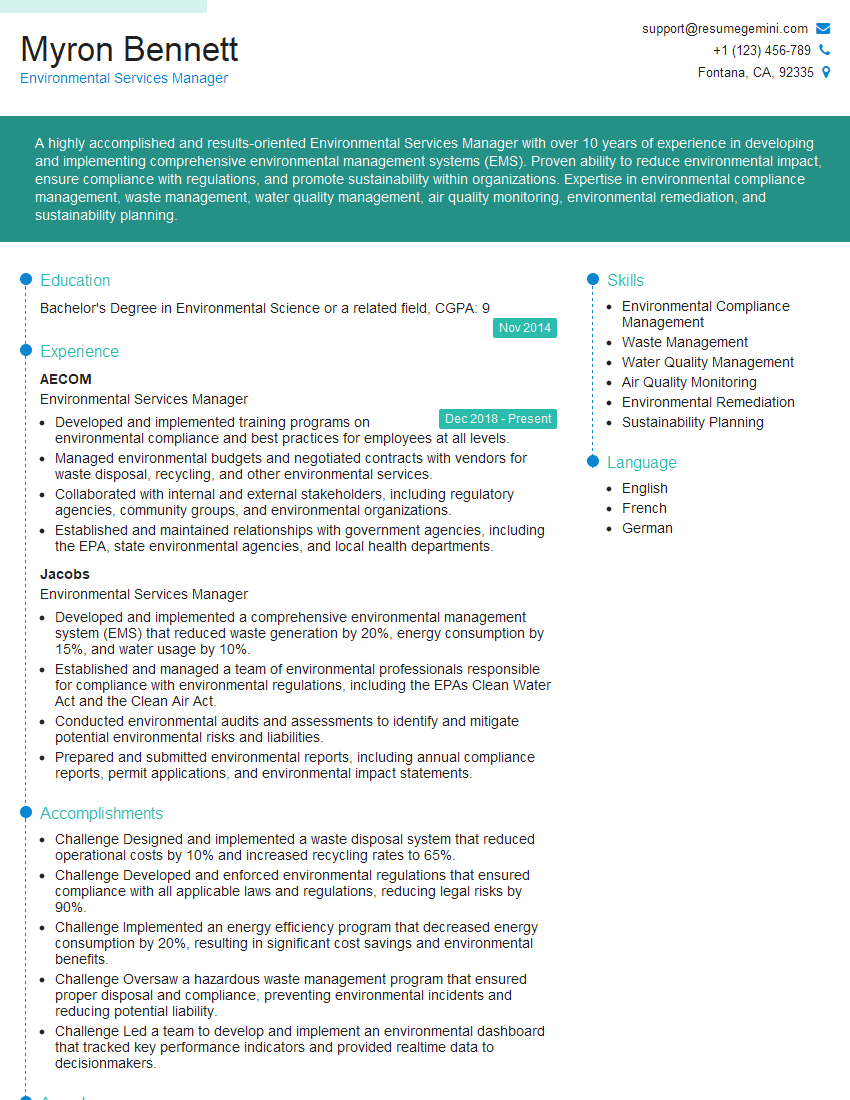
Environmental Services Manager Resume Sample
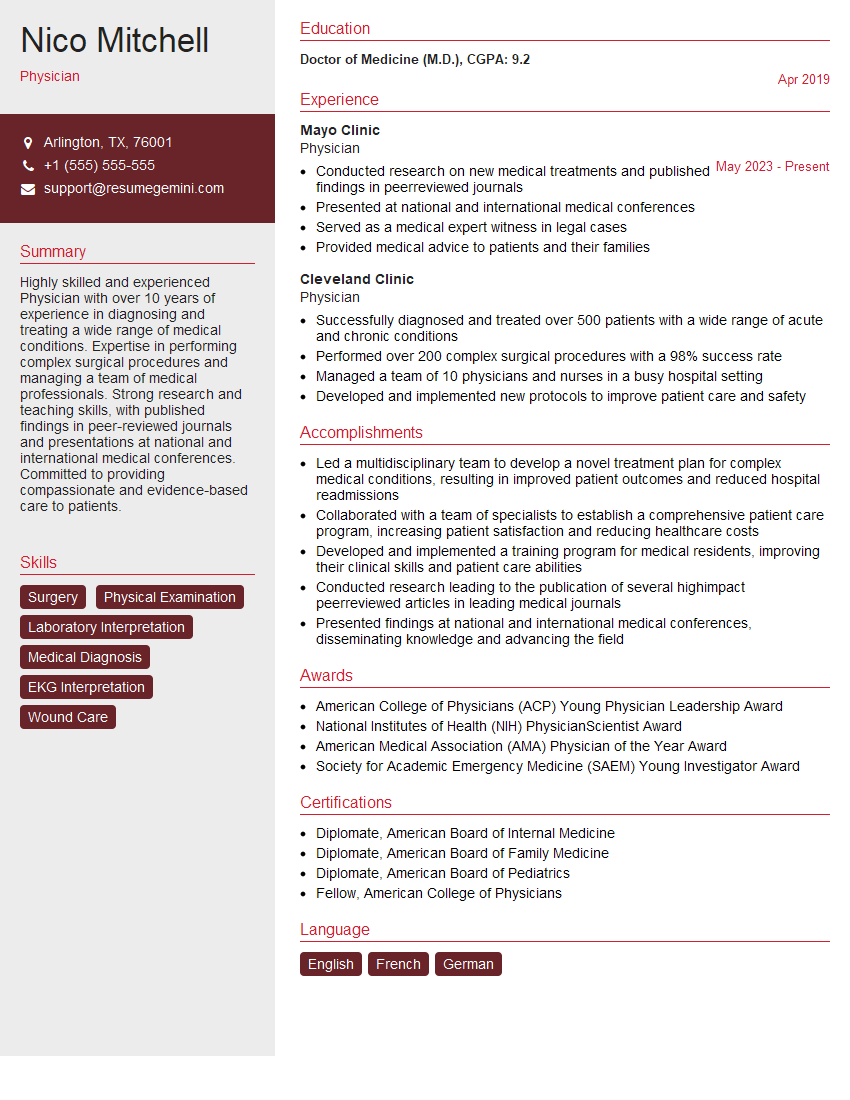
Physician Resume Sample
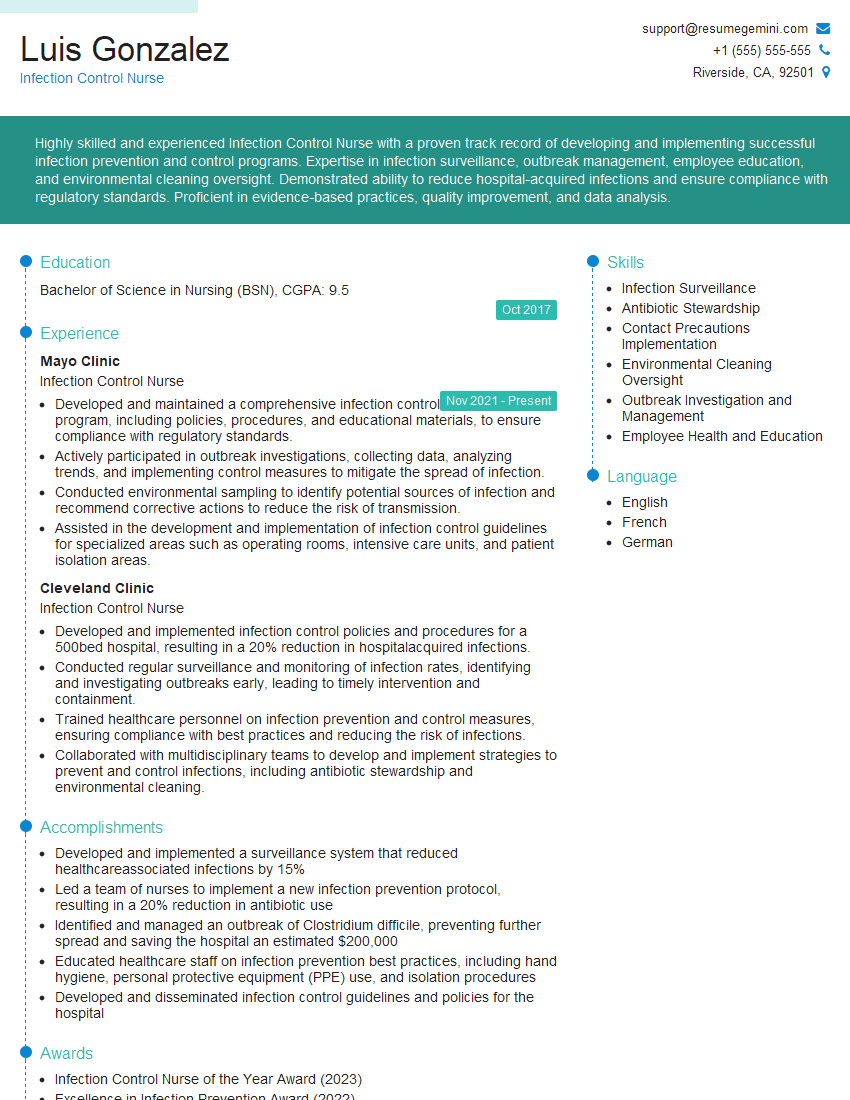
Infection Control Nurse Resume Sample
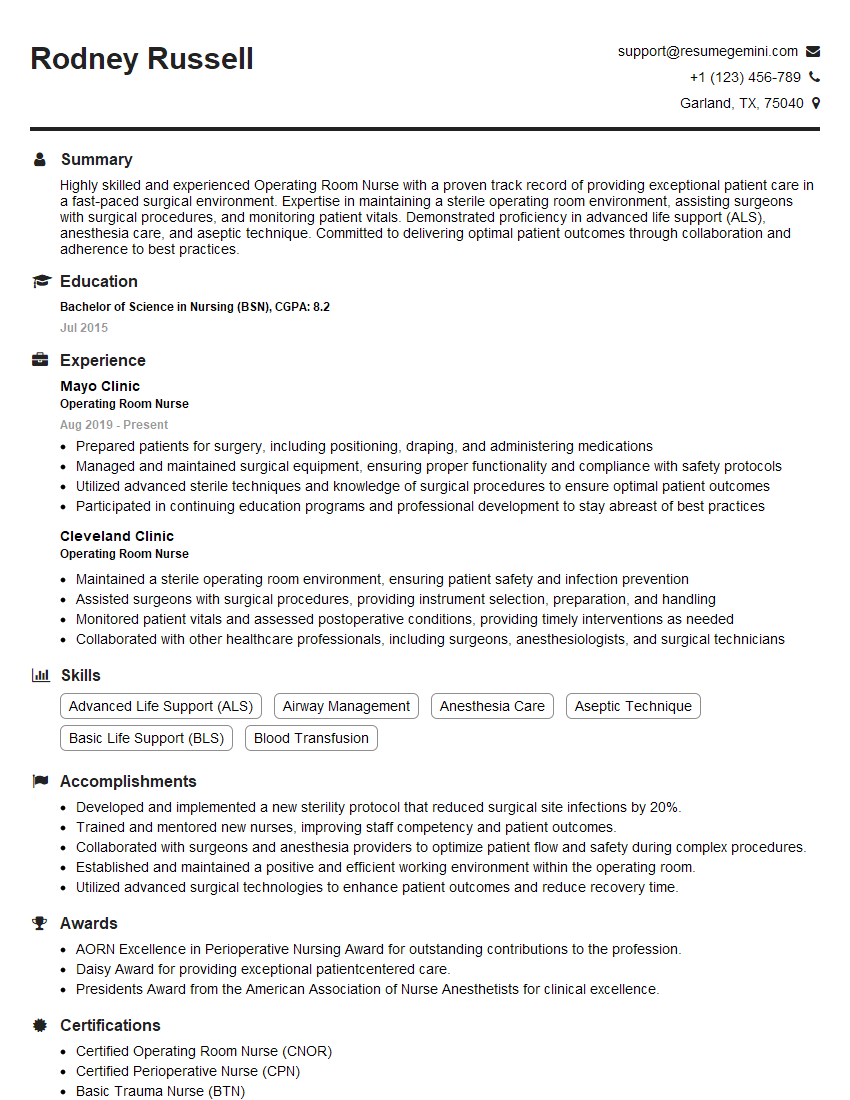
Operating Room Nurse Resume Sample
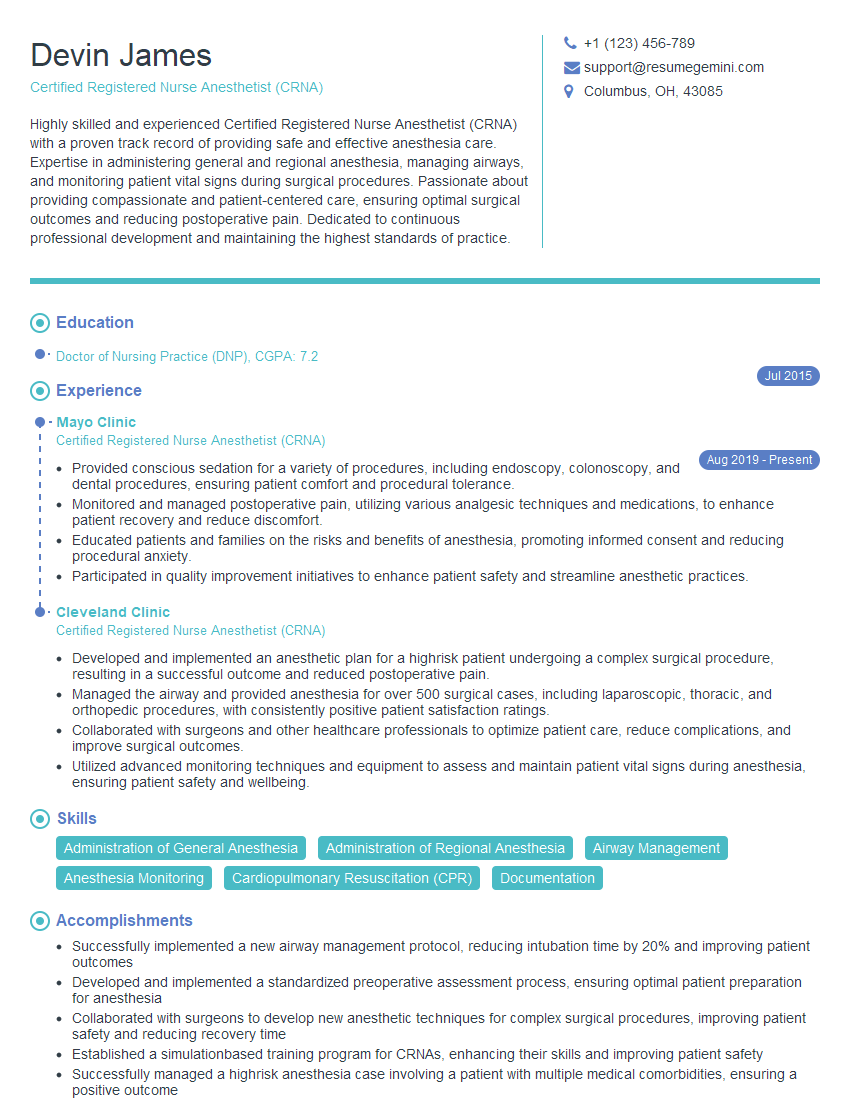
Certified Registered Nurse Anesthetist (CRNA) Resume Sample
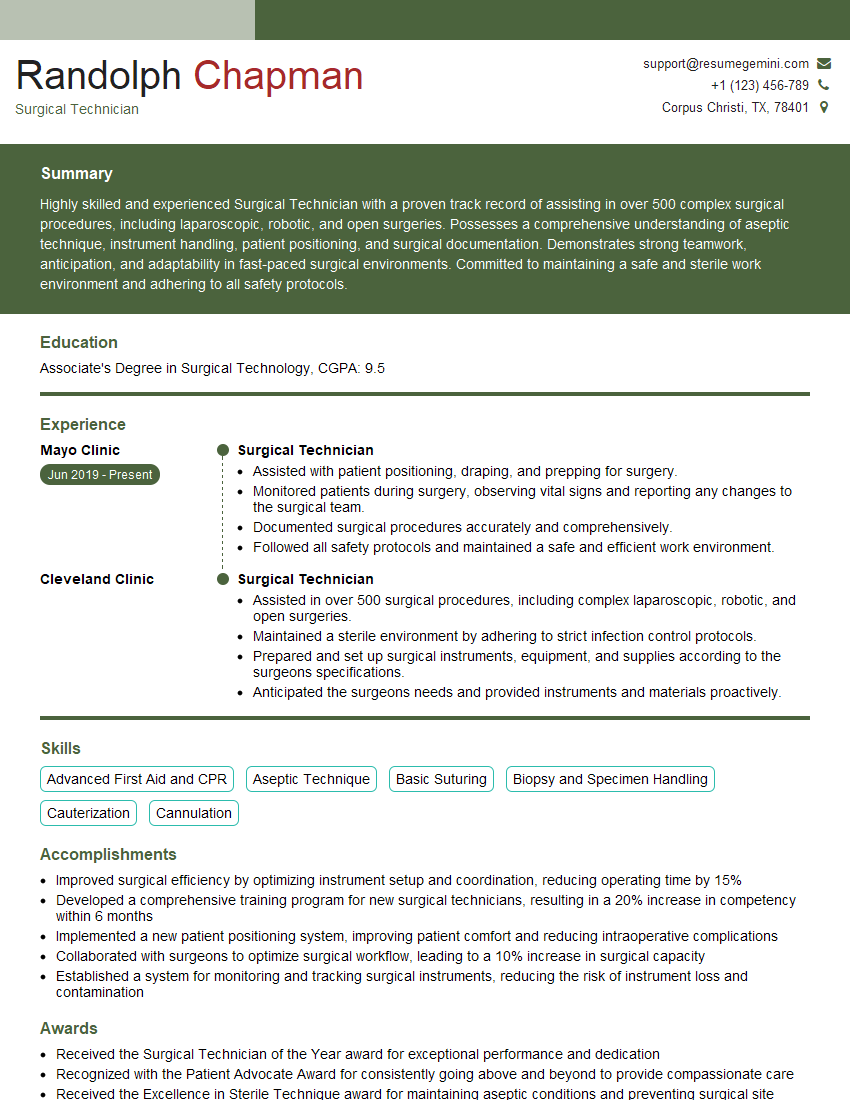
Surgical Technician Resume Sample
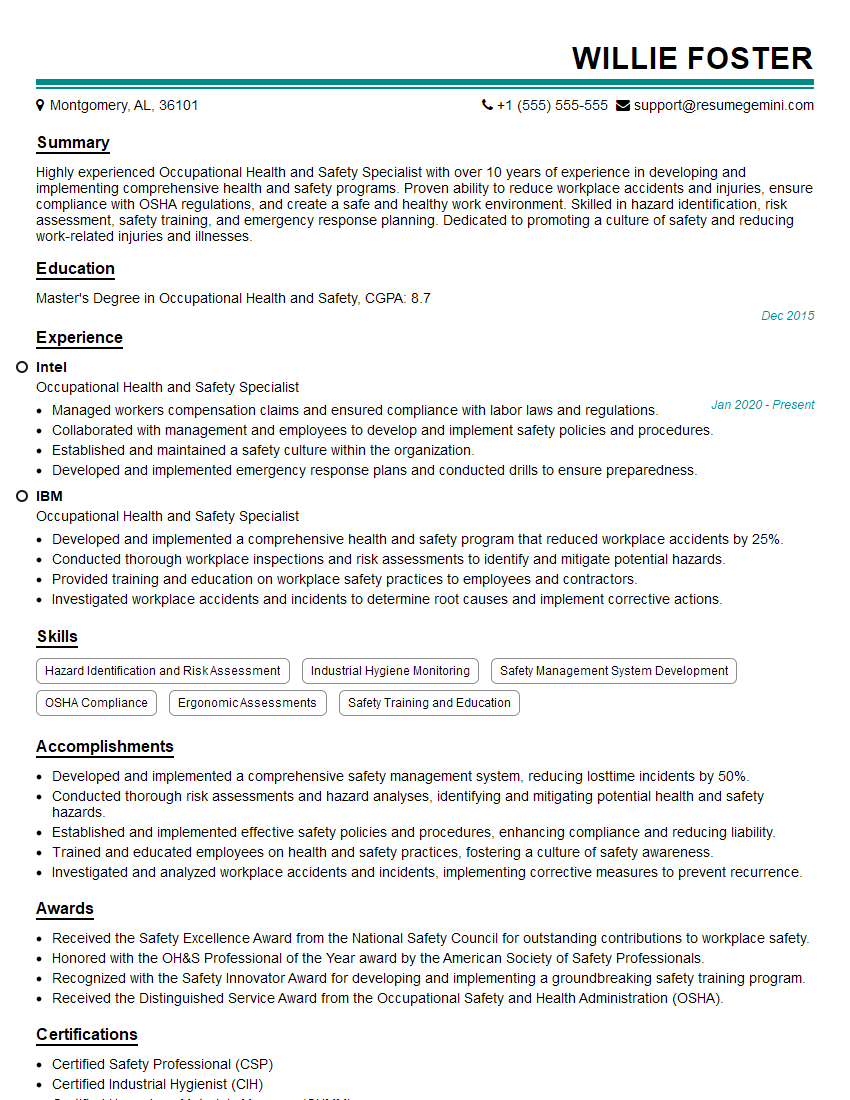
Occupational Health and Safety Specialist Resume Sample
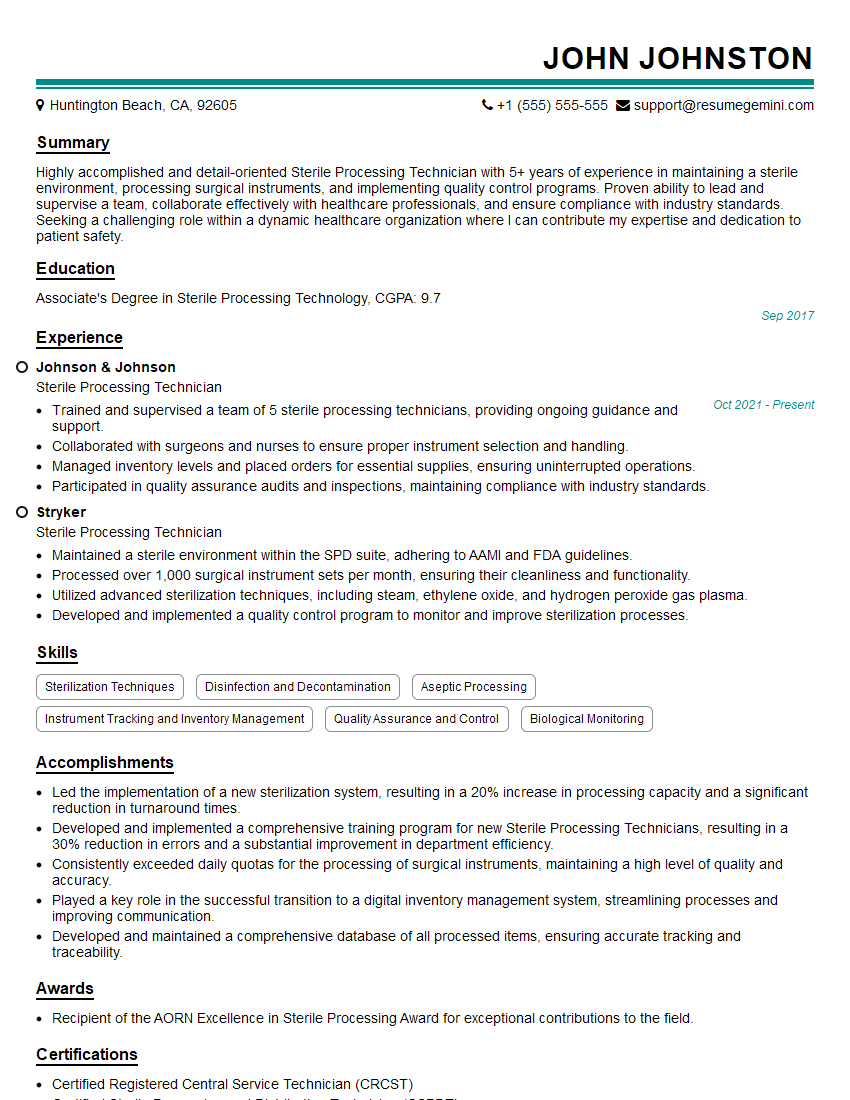
Sterile Processing Technician Resume Sample
- Quality Assurance Manager
- Environmental Health and Safety Manager
- Safety Coordinator
- Compliance Officer
- Risk Manager
- Waste Management Specialist
- Lab Technician
- Environmental Services Manager
- Physician
- Infection Control Nurse
- Operating Room Nurse
- Certified Registered Nurse Anesthetist (CRNA)
- Surgical Technician
- Occupational Health and Safety Specialist
- Sterile Processing Technician
Explore more articles
Users Rating of Our Blogs
Share Your Experience
We value your feedback! Please rate our content and share your thoughts (optional).
What Readers Say About Our Blog
To the interviewgemini.com Webmaster.
Very helpful and content specific questions to help prepare me for my interview!
Thank you
To the interviewgemini.com Webmaster.
This was kind of a unique content I found around the specialized skills. Very helpful questions and good detailed answers.
Very Helpful blog, thank you Interviewgemini team.