Feeling uncertain about what to expect in your upcoming interview? We’ve got you covered! This blog highlights the most important Ship Loading interview questions and provides actionable advice to help you stand out as the ideal candidate. Let’s pave the way for your success.
Questions Asked in Ship Loading Interview
Q 1. Explain the different types of ship loading methods.
Ship loading methods vary significantly depending on the type of cargo and the vessel’s design. Generally, they can be categorized into:
- Container Loading: This involves loading standardized containers onto a container ship using cranes, gantry cranes, or shipboard cranes. It’s highly efficient for diverse cargo and allows for quick loading and unloading. Think of it like stacking building blocks, where each container is a precisely sized unit.
- Bulk Loading: This is used for homogenous, unpackaged goods like grain, ore, or coal. Methods include conveyor belts, bucket elevators, and gravity flow. Imagine a massive funnel pouring the cargo directly into the ship’s hold.
- Breakbulk Loading: This is for varied, unpackaged cargo such as machinery, timber, or steel. It involves individual handling of each piece using cranes, forklifts, and other specialized equipment. This method is less efficient than containerized shipping but necessary for irregular-shaped or oversized cargo.
- RoRo (Roll-on/Roll-off) Loading: This is designed for wheeled cargo like cars, trucks, and trailers. Vehicles are driven directly onto the ship via ramps. This is akin to driving your car onto a large ferry.
- Liquid Bulk Loading: This method utilizes specialized pumps and pipelines to transfer liquids like oil or chemicals into dedicated tanks within the vessel. Safety protocols are extremely stringent in this area, to avoid spillage or contamination.
The choice of loading method depends on a number of factors, including cargo type, vessel characteristics, port infrastructure, and cost considerations.
Q 2. Describe your experience with cargo securing techniques.
Cargo securing is paramount to prevent damage and ensure safety during transit. My experience encompasses a wide range of techniques, tailored to the specific cargo and voyage conditions. For containers, I utilize lashing systems—strong straps and twistlocks—to secure them firmly to the deck or in the cell guides. I’ve also extensively worked with dunnage—wood or other materials—to create a stable base and prevent shifting for breakbulk cargo. For bulk cargo, we carefully consider the cargo’s properties and potential for shifting, adjusting loading patterns and sometimes adding internal supports to minimize risks. I ensure that all securing methods comply with international standards like the IMO’s Code of Safe Practice for Cargo Securing and are documented meticulously. For example, I’ve encountered instances where we had to re-secure a load due to unexpected weather, necessitating the immediate application of additional lashings and the use of specialized wedges to prevent shifting. I’ve always prioritized proactive measures and documented every step to maintain a safe and secure load.
Q 3. How do you ensure the safe and efficient loading of hazardous materials?
Loading hazardous materials requires rigorous adherence to safety protocols and regulations. This starts with proper identification and classification of the hazardous goods according to the IMDG Code (International Maritime Dangerous Goods Code). Each material will have specific storage requirements, and I ensure these are followed to the letter. This includes segregation of incompatible materials, the use of appropriate packaging and containment systems, and the implementation of emergency response plans. All personnel involved are trained on handling hazardous materials, and appropriate personal protective equipment (PPE) is used. Detailed manifests and documentation are maintained throughout the loading process, and I personally conduct inspections to ensure that all requirements are strictly met. For instance, a recent shipment of flammable chemicals required constant monitoring of temperature and pressure, along with strict ventilation procedures to prevent a build-up of potentially dangerous gases. Any deviation is immediately reported and addressed.
Q 4. What are the key safety regulations you adhere to during ship loading?
Safety is paramount. I meticulously adhere to a range of regulations, including the SOLAS (Safety of Life at Sea) convention, the IMDG Code, and port-specific regulations. These dictate safe working practices, proper use of PPE, load securing procedures, and emergency response plans. Pre-loading inspections are crucial for ensuring the vessel is seaworthy, and I personally conduct detailed checks of the cargo hold, stability calculations, and securing equipment before any loading begins. All personnel involved in loading operations undergo regular safety training, and I oversee that training to ensure competence. Any potential hazards are identified and mitigated proactively. For example, during a heavy-lift operation, I made sure we implemented additional safety measures like crane capacity checks and emergency stops to manage risks associated with large heavy items. Detailed records are maintained of all safety procedures and inspections.
Q 5. How do you manage the loading process to meet tight deadlines?
Meeting tight deadlines requires meticulous planning and efficient execution. I start by thoroughly reviewing the loading plan and manifest to understand the scope and identify any potential bottlenecks. This involves coordinating with various stakeholders, including the stevedores, terminal operators, and vessel crew. I optimize the loading sequence to maximize efficiency, utilizing technology like loading software and real-time tracking to monitor progress. Communication is key—clear and consistent updates are given to all parties throughout the process. Should delays occur, I develop contingency plans to mitigate their impact, perhaps by readjusting the loading sequence or bringing in additional resources. For example, I once managed to meet a tight deadline for perishable goods by re-sequencing the load and proactively communicating with all involved, ensuring quick unloading at the destination. Flexibility and proactive problem-solving are critical in these scenarios.
Q 6. Explain your experience with different types of cargo (e.g., containers, bulk, breakbulk).
My experience covers a diverse range of cargo types. I’ve worked extensively with containers, handling both standard and oversized units, ensuring proper stacking and securing. Bulk cargo experience includes loading grains, ores, and fertilizers, requiring a deep understanding of cargo properties and appropriate handling techniques. Breakbulk cargoes, from project cargo to general cargo, have been a regular part of my operations, requiring specialized expertise in securing and stowing diverse items. Each type requires a different approach to loading and securing, focusing on safety and efficiency for that particular type of cargo. For instance, loading heavy project cargo necessitates careful consideration of the vessel’s stability and the use of specialized lifting equipment. The experience has given me a versatile skillset capable of handling a wide spectrum of challenges.
Q 7. Describe your experience with using loading plans and manifests.
Loading plans and manifests are crucial for effective ship loading. The loading plan provides a detailed layout of cargo placement within the vessel, ensuring optimal weight distribution and stability. I use this as a blueprint to guide the loading operation, confirming cargo dimensions and weights against the manifest. The manifest serves as a comprehensive inventory of all goods on board, verifying the quantity, description, and any hazardous material classifications. I meticulously check both documents before, during, and after loading. Discrepancies are investigated and resolved immediately. Accurate documentation is essential for regulatory compliance, smooth customs clearance, and preventing potential disputes. I’ve had instances where a minor discrepancy in the manifest was detected and promptly resolved, preventing potential delays at the port of discharge. Using these documents efficiently is crucial for smooth, error-free, and legally compliant operations.
Q 8. How do you handle unforeseen delays or challenges during the loading process?
Unforeseen delays are inevitable in ship loading. My approach involves proactive risk assessment and a multi-pronged response strategy. First, we maintain constant communication with all stakeholders – the vessel’s crew, stevedores, port authorities, and the cargo owner. This allows us to anticipate potential problems, such as equipment malfunctions or weather disruptions.
If a delay occurs, I prioritize identifying the root cause. Is it a mechanical issue, a regulatory hold-up, or a labor dispute? Once identified, I work with the relevant parties to develop a mitigation plan. This might involve bringing in additional equipment, re-sequencing loading operations, or negotiating with authorities to expedite clearances. Effective documentation of every step, including delay reasons and mitigation efforts, is crucial for transparency and potential future claims.
For example, during a recent project, a sudden storm threatened to halt operations. By swiftly coordinating with the port authorities and the ship’s captain, we were able to temporarily secure the cargo and resume loading once the storm subsided, minimizing overall delay.
Q 9. Explain your knowledge of weight distribution and stability calculations.
Weight distribution and stability calculations are paramount for safe and efficient ship loading. These calculations ensure the vessel remains stable and within its operational limits throughout the voyage. I utilize specialized software and established procedures to determine the center of gravity (CG) of the loaded vessel. This involves inputting data such as cargo weight, dimensions, and stowage location.
The calculations consider various factors including the ship’s structural characteristics (like its metacentric height), the type of cargo (liquid or solid, homogeneous or heterogeneous), and the planned voyage conditions (sea state and weather). The goal is to ensure the vessel’s stability margin is adequate to withstand expected stresses and prevent capsizing or excessive rolling.
Imagine loading heavy containers on one side of the ship while leaving the other side relatively empty. This would create an unstable situation. My expertise lies in ensuring an even distribution of weight to maintain the ship’s stability within safe parameters, illustrated by stability curves and calculations provided in the loading plan.
Q 10. How do you manage communication between the ship’s crew, stevedores, and other stakeholders?
Effective communication is the cornerstone of successful ship loading. I employ a multi-faceted approach involving regular meetings, clear communication protocols, and technological tools. Pre-loading meetings with all stakeholders (ship’s crew, stevedores, port authorities, and cargo representatives) are essential to establish a shared understanding of the loading plan, timelines, and potential challenges.
During loading, I utilize two-way radios, mobile phones, and even digital communication platforms to ensure real-time updates are shared. This includes reporting progress, addressing unexpected events, and clarifying any instructions. A dedicated communication log meticulously documents all exchanges, providing a transparent record for review and auditing.
For instance, using a shared digital platform allows instant updates on container locations, reducing the possibility of errors and delays. This structured communication approach ensures all parties are informed, improving overall efficiency and safety.
Q 11. What are the common causes of ship loading accidents, and how can they be prevented?
Ship loading accidents can stem from various causes, often linked to human error, equipment malfunction, or inadequate planning. Common causes include improper weight distribution (leading to instability), inadequate securing of cargo (resulting in shifting during transit), unsafe working practices (causing injury or damage), and equipment failures (like crane malfunctions).
Preventing accidents requires a layered approach. Pre-loading inspections of equipment are essential, along with rigorous adherence to safety regulations. Thorough training for all personnel involved, including stevedores and ship’s crew, is crucial. Regular safety briefings and emergency drills reinforce best practices. Furthermore, robust loading plans, incorporating weight distribution calculations and securing procedures, are vital. Finally, regular maintenance of loading equipment is non-negotiable.
A simple example: failing to properly secure a heavy container can lead to it shifting during transit, causing damage or even capsizing the vessel. Regular checks and secure lashing procedures directly mitigate this risk.
Q 12. Describe your experience with using loading equipment (e.g., cranes, forklifts).
My experience with loading equipment encompasses various types, including cranes (both gantry and shipboard cranes), forklifts, and specialized cargo handling machinery. I am proficient in operating and supervising these machines, adhering strictly to safety protocols. This includes pre-operational checks, understanding weight limits, and ensuring proper operator training. I also possess knowledge of different lifting techniques and strategies for handling various cargo types.
For instance, handling oversized or heavy cargo requires specialized lifting techniques and equipment, and I have extensive experience coordinating such lifts using heavy-lift cranes. My skills encompass not just operation, but also maintenance scheduling, troubleshooting minor malfunctions, and coordinating repairs when necessary.
I always prioritize safety during equipment operation, conducting regular inspections to prevent accidents and maintain efficiency.
Q 13. How do you ensure the accurate recording and documentation of all loading activities?
Accurate record-keeping is crucial for accountability and legal compliance. We use a combination of digital and physical methods to ensure comprehensive documentation. A detailed loading plan serves as the initial record, outlining cargo details, stowage locations, weight distribution calculations, and securing methods. During loading, each step is documented: cargo arrival, weight verification, location recording, and securing procedures. This often involves using handheld scanners to input data directly into the system.
Digital systems, like dedicated loading management software, provide a centralized repository for all information. This allows for real-time tracking, reporting, and analysis. Hard copies of key documents, such as loading manifests and inspection reports, are also maintained for backup and auditing purposes. Regular reconciliation of digital and physical records ensures data integrity. This comprehensive approach ensures traceability and transparency throughout the entire process.
A well-maintained logbook, signed by relevant personnel at each stage, further strengthens accountability.
Q 14. How do you handle discrepancies between the cargo manifest and the actual cargo loaded?
Discrepancies between the cargo manifest and the actual cargo loaded are serious issues requiring immediate attention. My approach involves a systematic investigation, beginning with a thorough recount and verification of the loaded cargo. This involves cross-referencing the manifest with physical inventory, utilizing weight measurements, and checking cargo identification markings.
The investigation pinpoints the source of the discrepancy: Was there an error in the original manifest, a mistake during cargo handling, or theft? Once identified, corrective actions are implemented, including adjusting the cargo manifest, issuing amended documents, and, if necessary, reporting any potential loss or damage. A full report documenting the discrepancy, the investigation, and the corrective actions is essential for transparency and future prevention.
For instance, if a certain number of pallets are missing, we’d investigate whether it’s due to miscounting before loading or an actual loss during transit. Full documentation of this process ensures that everyone involved is aware of the situation and appropriate steps are taken.
Q 15. Explain your experience with different types of cargo securing equipment.
My experience encompasses a wide range of cargo securing equipment, crucial for ensuring safe and efficient transportation. This includes:
- Lashing systems: I’m proficient with various lashing techniques using chains, wire ropes, and webbing, adapting methods to suit different cargo types and vessel stability requirements. For instance, securing oversized machinery requires meticulous planning and robust lashing points to prevent shifting during transit.
- Dunnage: I’m experienced in selecting and utilizing appropriate dunnage materials like timber, plywood, and inflatable airbags to fill voids and prevent cargo movement. Proper dunnage is critical, especially with irregularly shaped cargo, to maintain structural integrity and prevent damage.
- Container securing: I’m well-versed in securing containers on deck and below deck using twist locks and other securing mechanisms, adhering strictly to safety guidelines and international standards (like the CSC plate verification). I also understand the importance of proper stacking plans to maximize container stability.
- Specialized equipment: My experience extends to the use of specialized equipment like heavy-lift gear, cranes, and forklifts for loading and securing oversized or heavy cargo, including the critical task of load calculations and risk assessments.
Throughout my career, I’ve consistently prioritized safety and efficiency in cargo securing, ensuring compliance with all relevant regulations and best practices.
Career Expert Tips:
- Ace those interviews! Prepare effectively by reviewing the Top 50 Most Common Interview Questions on ResumeGemini.
- Navigate your job search with confidence! Explore a wide range of Career Tips on ResumeGemini. Learn about common challenges and recommendations to overcome them.
- Craft the perfect resume! Master the Art of Resume Writing with ResumeGemini’s guide. Showcase your unique qualifications and achievements effectively.
- Don’t miss out on holiday savings! Build your dream resume with ResumeGemini’s ATS optimized templates.
Q 16. Describe your experience with inventory management in the ship loading process.
Inventory management is paramount in ship loading to ensure smooth operations and prevent delays. My approach involves several key steps:
- Pre-loading verification: I meticulously cross-reference the cargo manifest with the actual goods received, verifying quantities, dimensions, and condition before commencement of loading. Discrepancies are immediately reported and resolved to avoid problems further down the line.
- Real-time tracking: Using advanced inventory management systems (WMS or similar), I track cargo movement in real-time, providing updated information on loaded, unloaded, and in-transit quantities. This ensures efficient stock management and facilitates proactive problem-solving.
- Space optimization: I leverage my understanding of vessel stowage plans to maximize space utilization, minimizing wasted space and enhancing loading efficiency. This involves careful planning and consideration of weight distribution for optimal vessel stability.
- Post-loading reconciliation: After the loading process, I conduct a thorough reconciliation of the cargo inventory to ensure consistency between the initial manifest, the loaded cargo, and the final vessel report. This ensures accurate documentation and facilitates smooth customs clearance procedures.
Efficient inventory management reduces the likelihood of errors, delays, and cargo damage, contributing to overall cost savings and improved customer satisfaction.
Q 17. How do you ensure the integrity of the cargo during loading and transport?
Maintaining cargo integrity throughout the loading and transport process requires a multi-faceted approach:
- Proper packaging: I ensure that all cargo is suitably packaged to withstand the stresses of handling and transportation, considering factors like weight, fragility, and environmental conditions (temperature, humidity). This includes the use of protective materials and appropriate packaging types.
- Careful handling: I oversee the loading process, ensuring that cargo is handled with utmost care to avoid damage. This includes using appropriate equipment and procedures for lifting, moving, and securing the cargo. Any necessary specialized handling procedures, such as those for hazardous materials, are followed meticulously.
- Monitoring and inspection: Regular checks and inspections are carried out during loading and throughout the voyage to detect any signs of damage or deterioration. Temperature and humidity monitoring is crucial for temperature-sensitive goods. Any issues are immediately addressed to minimize further damage.
- Documentation: Detailed records of the loading process, including cargo condition and any incidents, are kept throughout the process to facilitate damage claim investigation if necessary.
By implementing these measures, I aim to minimize cargo damage and maintain its integrity, protecting the interests of both the shipper and the carrier.
Q 18. What are your methods for optimizing ship loading efficiency?
Optimizing ship loading efficiency involves strategic planning and execution:
- Advanced planning: I work closely with the port authorities, terminal operators, and other stakeholders to coordinate vessel berthing, cargo handling equipment, and labor. Detailed stowage plans are developed well in advance, considering cargo types, weights, dimensions, and handling requirements.
- Efficient cargo flow: Streamlining the cargo handling process, from arrival at the port to loading onto the vessel, is critical. This includes optimizing the use of cranes, forklifts, and other equipment, as well as effective labor management.
- Technology utilization: Employing technology such as Vessel Management Systems (VMS) and container tracking systems can significantly improve efficiency. Real-time tracking and data analysis allow for proactive problem-solving and optimization of loading strategies.
- Crew training: Well-trained and experienced crews are crucial for efficient loading operations. This requires ongoing training and development to improve handling techniques and enhance safety awareness.
By focusing on these areas, I contribute to reduced loading times, minimized costs, and improved overall productivity.
Q 19. Describe your knowledge of international shipping regulations.
My knowledge of international shipping regulations is comprehensive, encompassing various conventions and codes:
- SOLAS (Safety of Life at Sea): I’m fully aware of the SOLAS regulations related to cargo securing, stowage, and stability, ensuring compliance in every operation.
- IMDG Code (International Maritime Dangerous Goods Code): I have extensive experience in handling dangerous goods, adhering strictly to the IMDG Code’s regulations, including documentation, packaging, and segregation requirements.
- International Convention for the Safety of Life at Sea (SOLAS) and its amendments: I am familiar with the numerous amendments and regulations pertaining to the carriage of goods.
- IMO (International Maritime Organization) conventions and guidelines: I stay updated on all relevant IMO regulations and guidelines, ensuring compliance with all international standards.
- Port State Control: I’m aware of the requirements and procedures for Port State Control inspections and ensure full compliance to avoid delays and penalties.
Staying up-to-date with these regulations is critical to ensuring legal and safe operations. I actively participate in professional development to maintain my knowledge and expertise.
Q 20. How do you handle damaged cargo during or after the loading process?
Handling damaged cargo requires a systematic approach:
- Immediate assessment: Upon discovery of damaged cargo, I conduct a thorough assessment of the extent of the damage, documenting the details with photographs and written reports. This includes identifying the cause of the damage if possible.
- Damage control: Steps are taken to prevent further damage. This might involve temporary repairs or relocating the cargo to a more secure location.
- Investigation: An investigation is launched to determine the cause of the damage, whether it occurred during loading, handling, or transit. This process involves reviewing procedures, interviewing personnel, and examining relevant documentation.
- Documentation: All findings from the assessment and investigation are meticulously documented, including photographs, reports, and witness statements. This documentation is essential for insurance claims and dispute resolution.
- Claim process: If the damage is significant, I work with the relevant parties (shippers, insurers, etc.) to facilitate the claims process and ensure fair compensation for the losses.
Transparent communication and clear documentation are critical for resolving issues efficiently and fairly.
Q 21. What is your experience with different types of loading ports and their specific challenges?
My experience includes various loading ports, each presenting unique challenges:
- Deep-sea ports: These ports typically offer efficient handling capabilities with modern equipment but can be susceptible to weather disruptions. Planning is crucial to avoid delays due to inclement weather.
- River ports: River ports often have shallower drafts and more constrained waterways, requiring careful consideration of vessel size and draft limitations. Navigational challenges and limited space can impact efficiency.
- Smaller ports: These ports may lack the infrastructure and equipment found in larger ports, requiring more adaptable handling strategies and potentially slower loading times. Logistical planning is key to navigate limitations effectively.
Adapting to the specific constraints and characteristics of each port is crucial for optimizing loading operations. This involves thorough pre-planning, communication with local authorities and efficient resource allocation. For example, navigating congested ports requires advance scheduling and potentially specialized equipment to facilitate timely loading operations.
Q 22. Explain your familiarity with various cargo handling systems and technology.
My familiarity with cargo handling systems and technology spans a wide range, encompassing both traditional and modern methods. I’ve worked extensively with various types of cranes – from conventional gantry cranes and ship-to-shore cranes to automated stacking cranes in container terminals. I understand the intricacies of different loading mechanisms, including grabs for bulk cargo, conveyor belts for efficient material flow, and specialized equipment for handling liquids and gases.
In terms of technology, I’m proficient in using Terminal Operating Systems (TOS) to optimize loading schedules, track cargo, and manage resources effectively. I’m also experienced with various software packages for ship planning and stability calculations, ensuring safe and efficient loading practices. For example, I’ve used software that simulates loading plans to identify potential stability issues before commencement, minimizing risks. My experience also extends to using real-time data tracking systems that monitor crane performance, vessel stability, and cargo conditions, allowing for proactive problem-solving and operational adjustments.
Furthermore, I’m knowledgeable about emerging technologies like automated guided vehicles (AGVs) and robotics in cargo handling, understanding their potential to improve efficiency and safety. I believe staying up-to-date with technological advancements is crucial in optimizing ship loading operations and maintaining a competitive edge.
Q 23. How do you manage the environmental impact of ship loading operations?
Managing the environmental impact of ship loading is a paramount concern, and a key aspect of my work. We employ several strategies to minimize our environmental footprint. Firstly, we adhere strictly to all relevant environmental regulations and standards. This includes minimizing air emissions from equipment by using low-sulfur fuels and implementing appropriate emission control technologies.
Secondly, we focus on preventing water pollution. This involves using containment systems to prevent spills of cargo or other harmful substances into the surrounding waters. We also diligently manage ballast water to prevent the introduction of invasive species. Regular maintenance of equipment is critical in preventing leaks and spills. For example, we routinely inspect loading equipment for leaks and immediately address any issues.
Thirdly, we actively work to reduce noise pollution from equipment. This includes using noise-reducing equipment and implementing noise control measures where feasible. We also strive to minimize the time spent loading and unloading to reduce overall disturbance.
Finally, we’re committed to continuous improvement in environmental performance. We regularly evaluate our environmental impact and implement improvements where possible. This might involve using alternative fuels, exploring green technologies, or improving our operational efficiency to reduce energy consumption. Sustainability is an ongoing priority, and our environmental efforts are regularly reviewed and improved upon.
Q 24. Describe your experience with risk assessment and mitigation in ship loading.
Risk assessment and mitigation are fundamental to safe ship loading. My approach follows a structured process, beginning with a thorough identification of potential hazards. This includes considering factors such as weather conditions, cargo type and characteristics, the condition of the vessel and loading equipment, and the expertise of the personnel involved. We use checklists, HAZOP (Hazard and Operability) studies, and other risk assessment techniques to comprehensively identify potential risks.
Once hazards are identified, we analyze their likelihood and potential severity, prioritizing risks based on their potential impact. This prioritization informs our mitigation strategies. Mitigation measures can include implementing specific safety procedures, providing additional training to personnel, using specialized equipment, or modifying loading procedures. For instance, if we identify a high risk of cargo shifting during transit due to high seas, we might implement stricter lashing procedures and reduce the loading density.
We also implement comprehensive monitoring systems to track key parameters throughout the loading process, such as vessel stability, crane operation, and weather conditions. Any deviations from established parameters trigger immediate action, ensuring that any emerging risks are promptly addressed. Post-loading checks and reviews are part of our process to refine our assessment techniques and mitigate future risks.
Q 25. How do you prioritize tasks during peak loading periods?
During peak loading periods, efficient prioritization is crucial. We utilize a combination of techniques to manage tasks effectively. First, we have a detailed loading plan that outlines the sequence of operations. This plan is created considering vessel specifications, cargo characteristics, and available resources. This plan acts as our primary guide.
Second, we employ a real-time tracking system that monitors progress and identifies potential bottlenecks. This enables us to dynamically adjust the loading sequence if unforeseen delays occur. If a specific crane is experiencing technical issues, for example, we may temporarily prioritize tasks that can be handled by other cranes.
Third, we ensure clear communication between all stakeholders, including the ship’s crew, terminal staff, and other involved parties. This open communication streamlines operations and ensures everyone is aware of priorities and potential issues. Regular briefings and updates help to keep the team focused and efficient.
Finally, we maintain flexible work schedules and may allocate additional resources if necessary, to address high demand situations. Our goal is to complete the loading process efficiently while maintaining high safety standards.
Q 26. Explain your problem-solving skills in relation to ship loading challenges.
My problem-solving skills are crucial in navigating ship loading challenges. I approach problem-solving systematically, using a structured approach. First, I clearly define the problem. This involves identifying the specific issue, its impact, and the constraints involved. For example, if a specific type of cargo is causing loading delays, the problem is clearly defined as the inefficient handling of that specific cargo type.
Next, I brainstorm possible solutions. This is often a collaborative effort, involving discussions with relevant teams and experts. We consider various options and evaluate their feasibility and potential impact. In the example of delayed cargo, we might explore using alternative loading equipment, refining the loading procedures, or even negotiating a revised delivery schedule.
After generating solutions, we analyze and evaluate each option, considering factors like cost, time, risk, and resource availability. We select the most suitable solution based on a comprehensive evaluation. In this case, we might choose to implement a new loading procedure, as it might be the most efficient and cost-effective option.
Finally, we implement the chosen solution and monitor its effectiveness. This involves making necessary adjustments and refining the solution as needed to ensure its effectiveness. Post-implementation review helps ensure that the solution solves the problem and does not create new ones.
Q 27. What are your methods for improving safety standards in ship loading operations?
Improving safety standards is a continuous process that involves several key strategies. First, we prioritize thorough training and education for all personnel involved in ship loading operations. This includes comprehensive safety training, regular refresher courses, and specialized training on handling specific cargo types. We also emphasize the importance of reporting near misses and incidents to learn from mistakes and prevent future occurrences.
Second, we implement strict safety protocols and procedures, ensuring all activities are conducted in accordance with established best practices. This includes using proper safety equipment, conducting regular inspections of equipment, and implementing clear communication protocols to prevent accidents. For example, we insist on using personal protective equipment (PPE) and conducting thorough pre-operational checks before using cranes or other machinery.
Third, we leverage technology to enhance safety. This includes using sensors to monitor critical parameters like crane load limits and vessel stability, and employing automated systems to minimize manual handling and reduce the risk of human error. Real-time monitoring systems help us to react swiftly to any potential safety issues.
Fourth, we foster a strong safety culture where safety is the top priority. This includes encouraging open communication, empowering employees to raise safety concerns, and promoting a culture of continuous improvement. We regularly conduct safety audits and reviews to identify areas for improvement and ensure that our safety measures are effective.
Q 28. Describe your experience with using ship loading software and systems.
I have extensive experience with various ship loading software and systems. This includes TOS (Terminal Operating Systems) for managing the entire loading process, from scheduling and planning to real-time monitoring and tracking. These systems help optimize workflows, minimize delays, and improve overall efficiency. I’m also proficient in using software for ship stability calculations, ensuring the vessel remains within safe stability limits throughout the loading process. This involves inputting details such as cargo weight, stowage plans, and vessel particulars. The software then generates calculations to verify the safety of the loading plan.
Furthermore, I’m experienced with specialized software for cargo planning and stowage optimization. This software helps to determine the optimal placement of cargo to maximize space utilization, minimize weight imbalances, and ensure stability. I’ve also used software that integrates with other systems, such as weather forecasting and real-time crane performance monitoring systems, giving a comprehensive overview of the loading process.
My experience extends to using data analytics tools to identify patterns and trends in loading operations, allowing for data-driven improvements in efficiency and safety. For instance, I’ve used data analysis to identify peak loading times and propose adjustments to schedules to improve overall throughput.
Key Topics to Learn for Ship Loading Interview
- Cargo Handling Techniques: Understanding different cargo types (bulk, breakbulk, containerized), handling equipment (cranes, forklifts, conveyors), and safe loading procedures.
- Stowage Planning & Stability: Practical application of weight distribution principles to ensure vessel stability and prevent shifting during transit. This includes understanding trim, list, and the impact of different cargo densities.
- Documentation & Compliance: Familiarity with shipping documents (bills of lading, packing lists), international regulations (SOLAS, IMO), and safety procedures related to cargo securing and handling.
- Safety Procedures & Risk Management: Identifying and mitigating potential hazards during loading operations, including fire prevention, hazardous materials handling, and personal protective equipment (PPE) usage.
- Efficiency & Optimization: Understanding techniques to maximize loading speed and minimize downtime, including port logistics, communication protocols, and coordination with other stakeholders.
- Troubleshooting & Problem Solving: Developing strategies for addressing unexpected challenges, such as equipment malfunctions, cargo damage, or weather delays. This includes demonstrating effective communication and decision-making skills under pressure.
- Technology & Automation: Understanding the role of modern technologies in ship loading, including automated systems, data analysis, and digital documentation.
Next Steps
Mastering ship loading opens doors to exciting career advancements within the maritime industry, offering opportunities for increased responsibility, higher earning potential, and global travel. To maximize your job prospects, it’s crucial to present your skills effectively. Create an ATS-friendly resume that highlights your expertise and experience in a way that Applicant Tracking Systems can easily understand. ResumeGemini is a trusted resource that can help you build a professional and impactful resume tailored to the maritime industry. Examples of resumes specifically designed for Ship Loading professionals are available for your review, helping you showcase your qualifications effectively and confidently land your dream job.
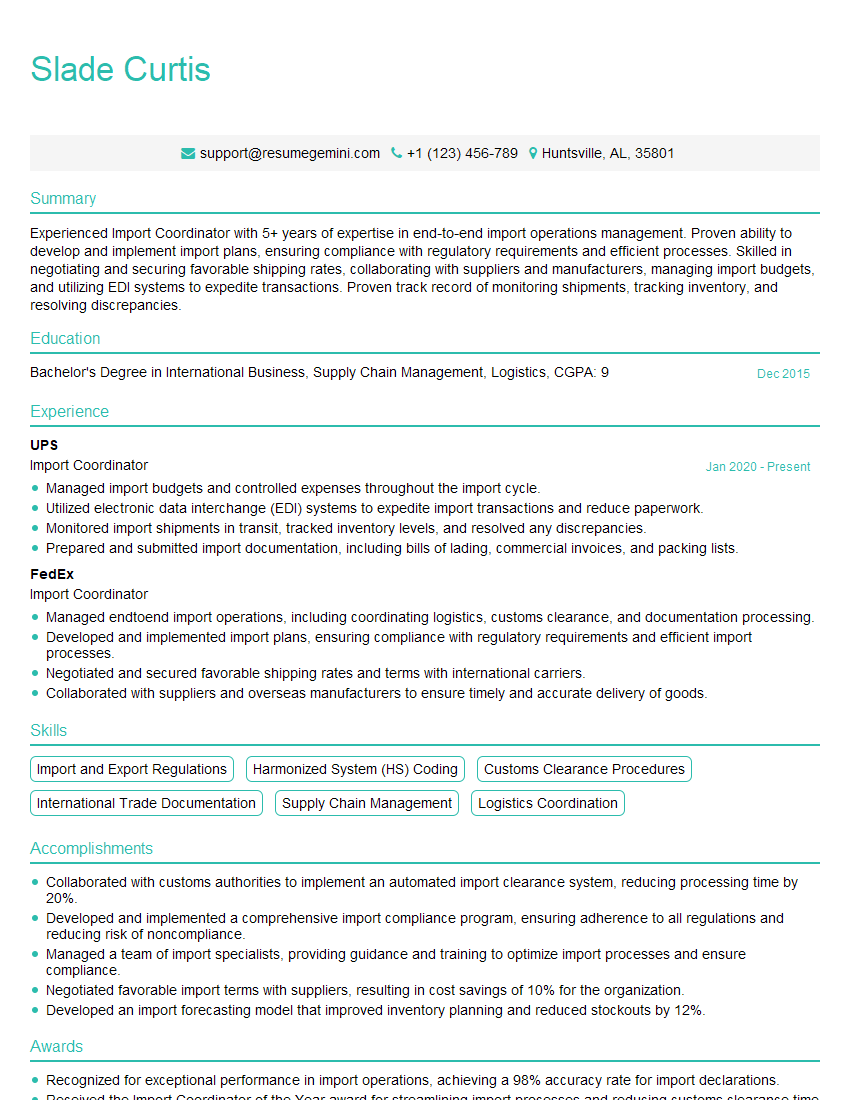
Import Coordinator Resume Sample
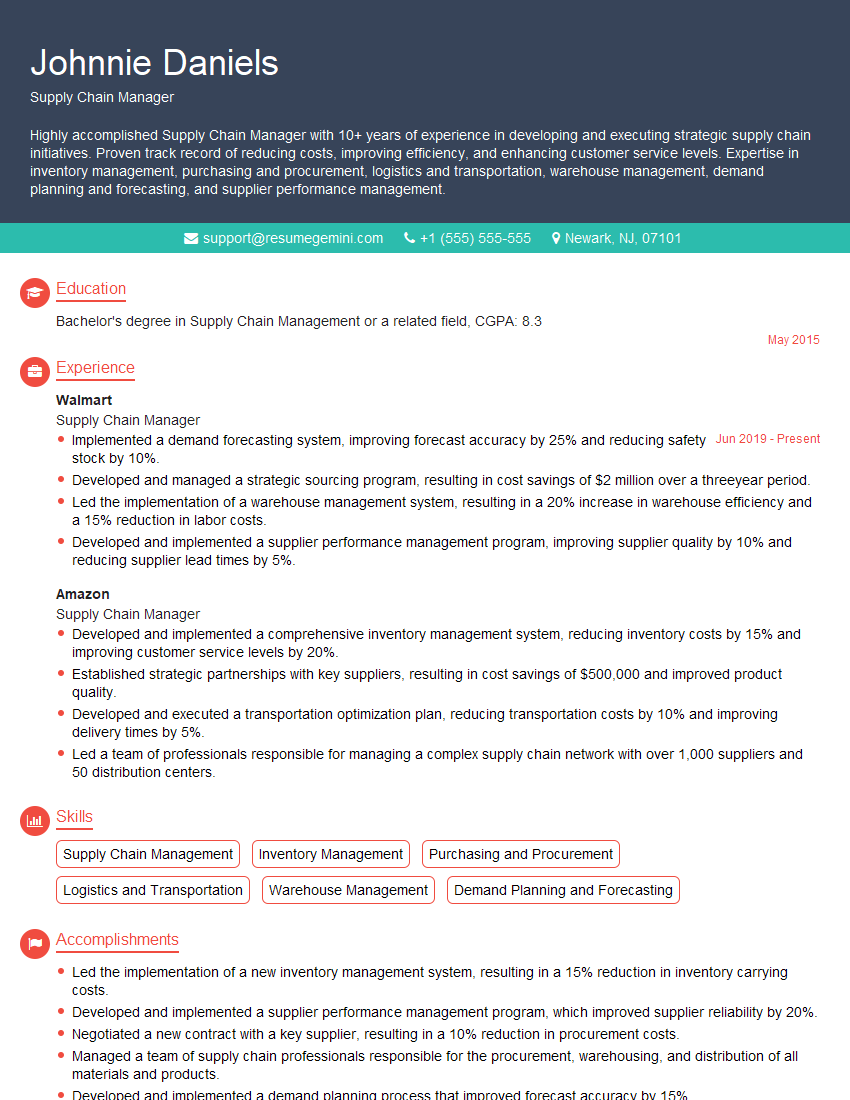
Supply Chain Manager Resume Sample
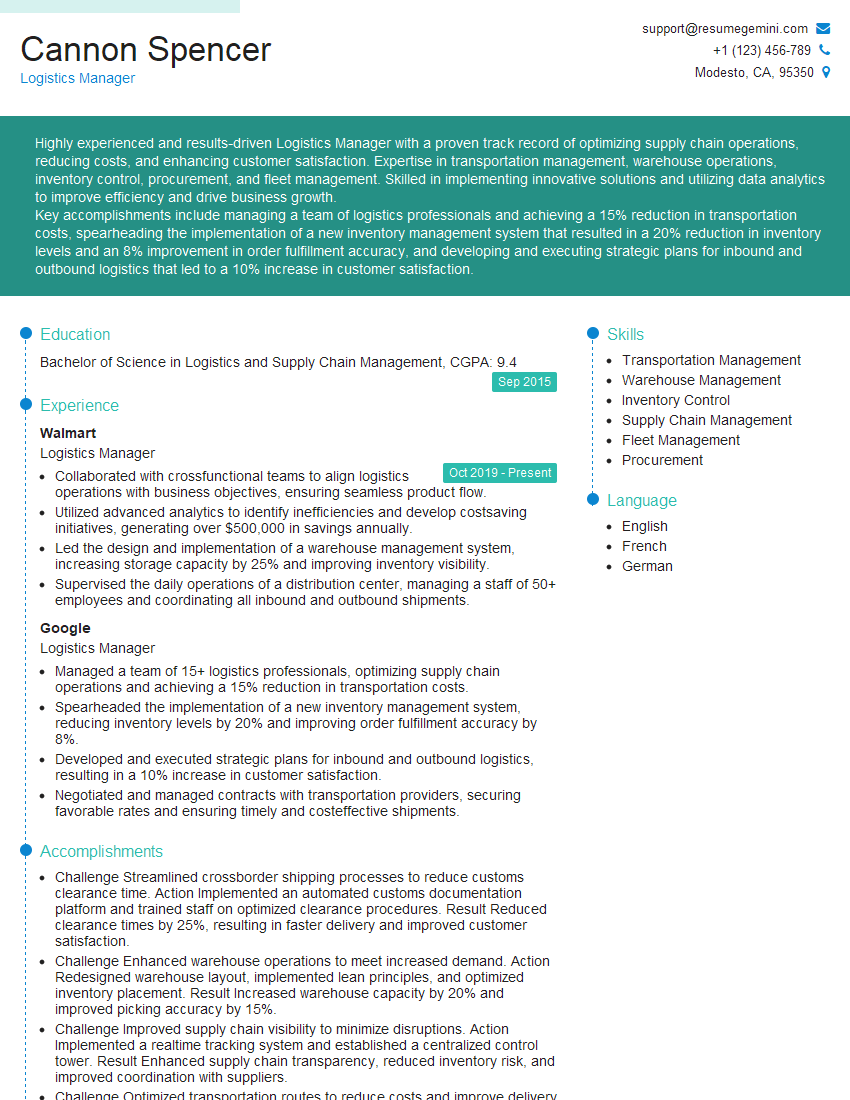
Logistics Manager Resume Sample
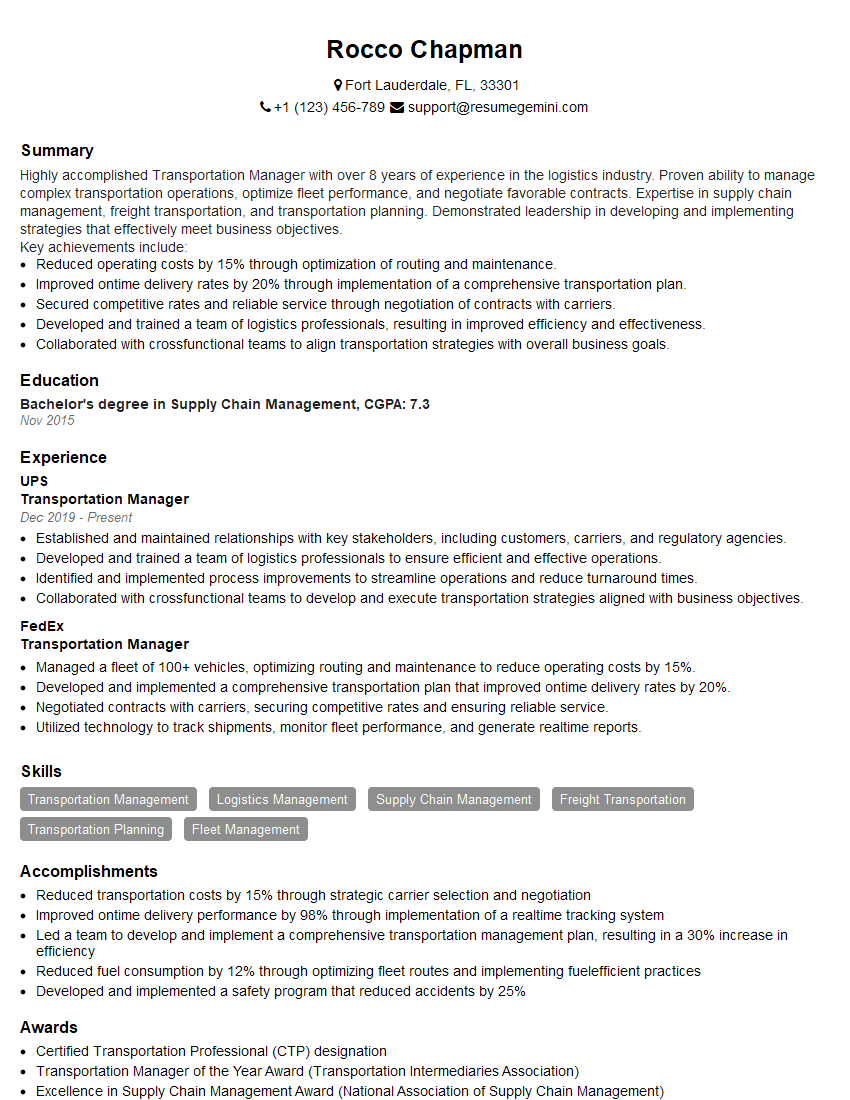
Transportation Manager Resume Sample
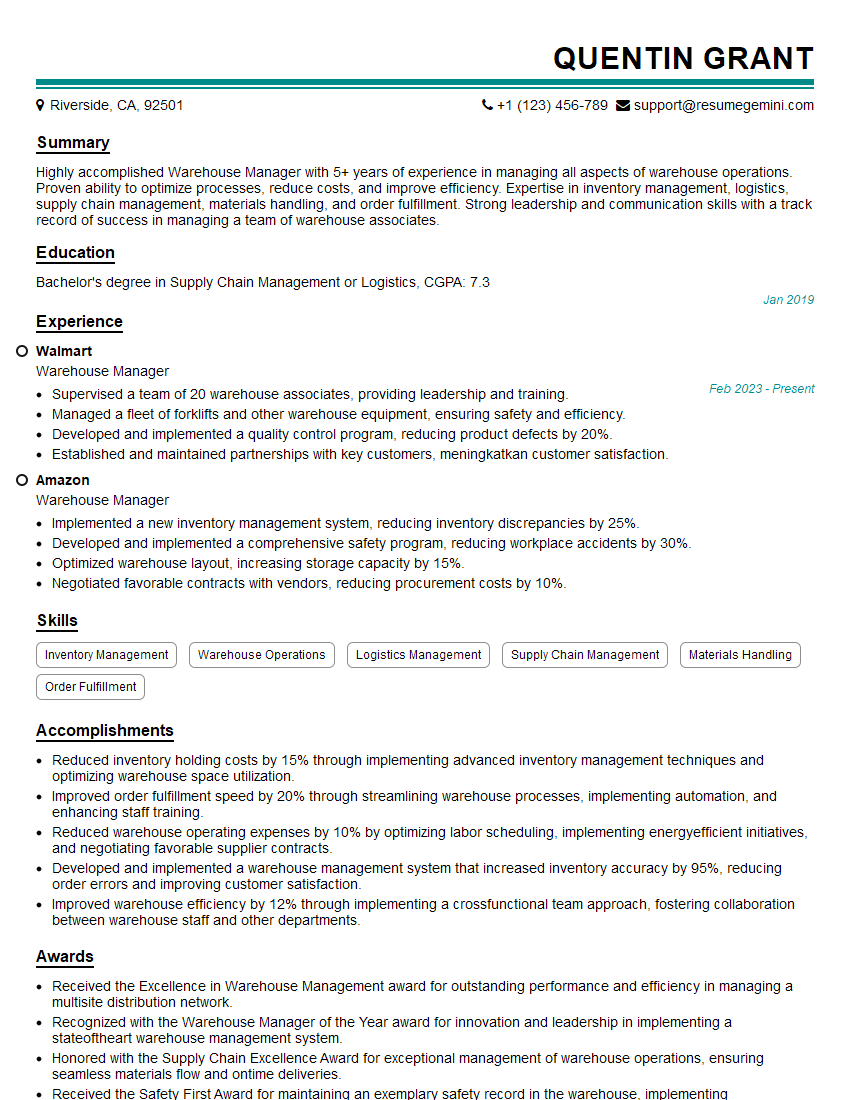
Warehouse Manager Resume Sample
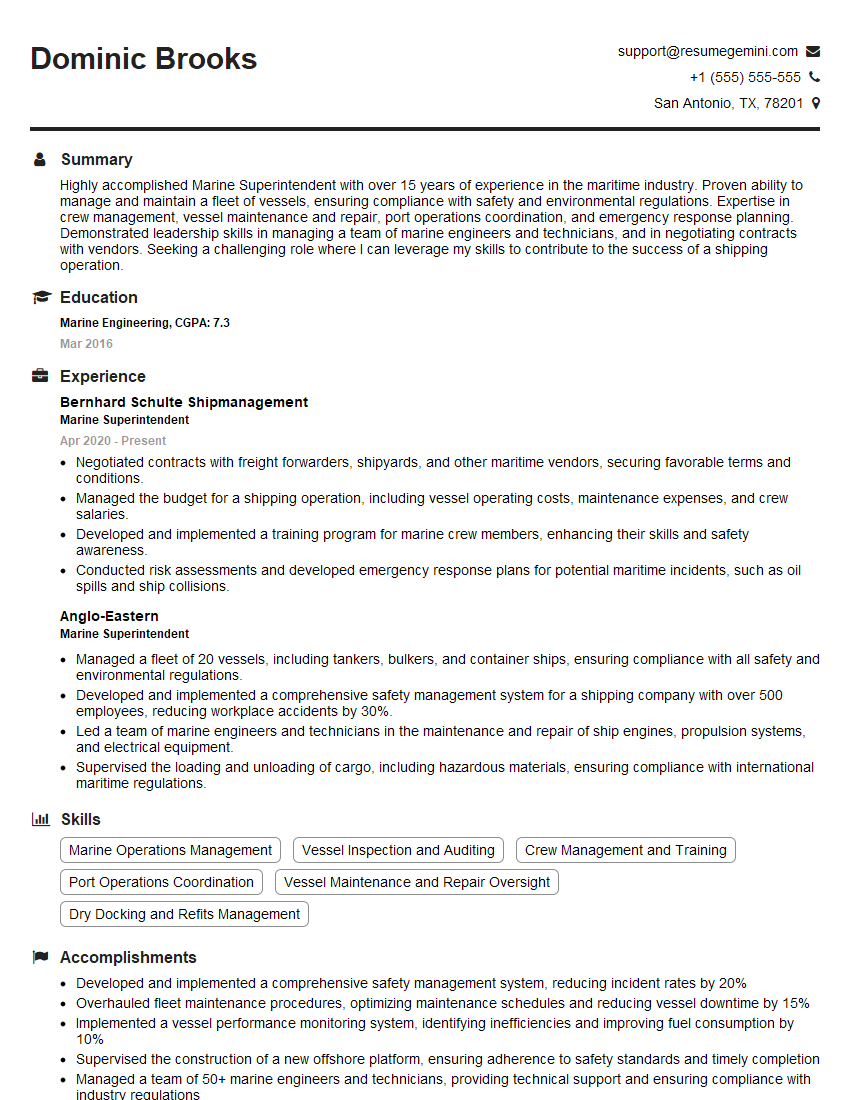
Marine Superintendent Resume Sample
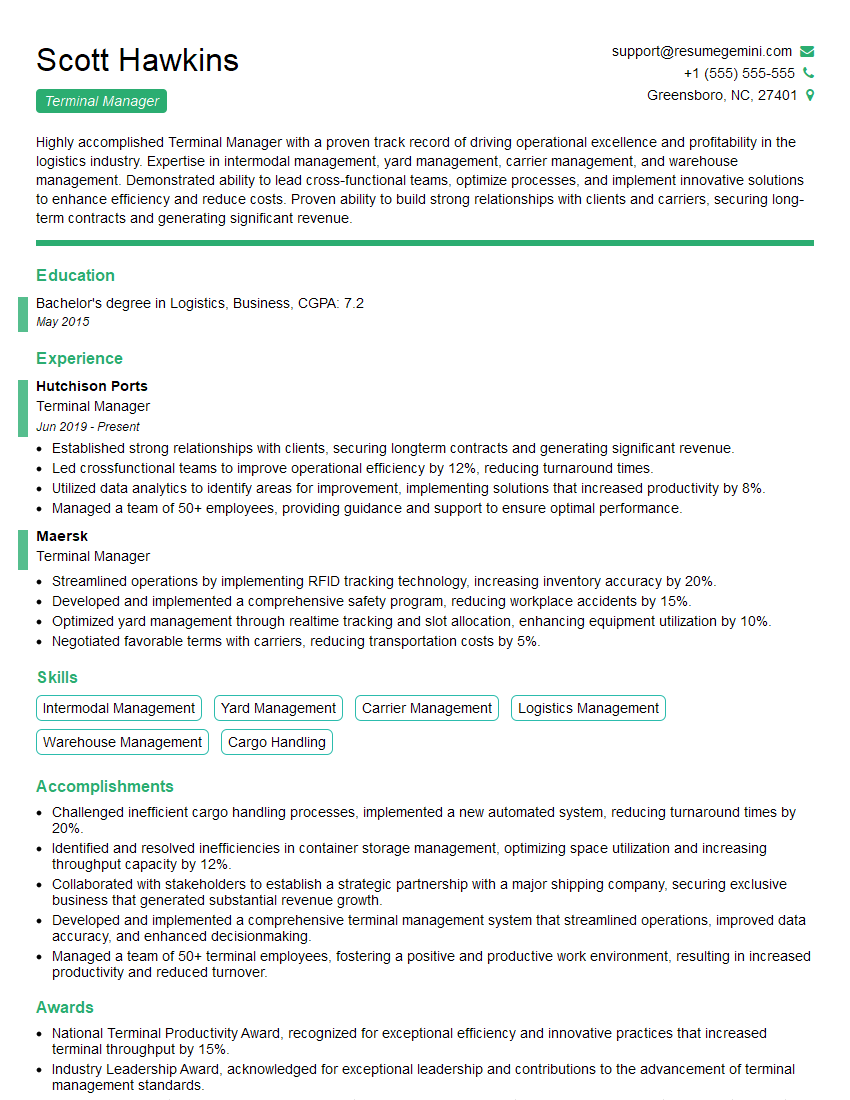
Terminal Manager Resume Sample
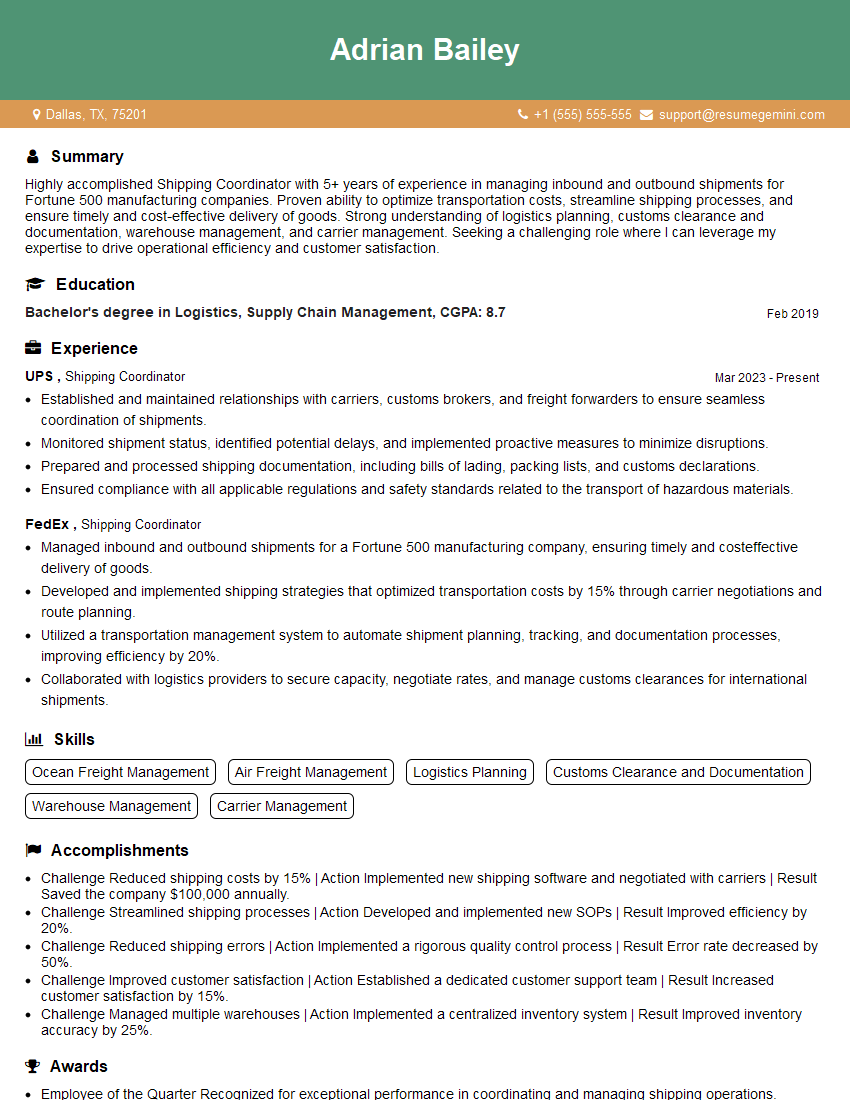
Shipping Coordinator Resume Sample
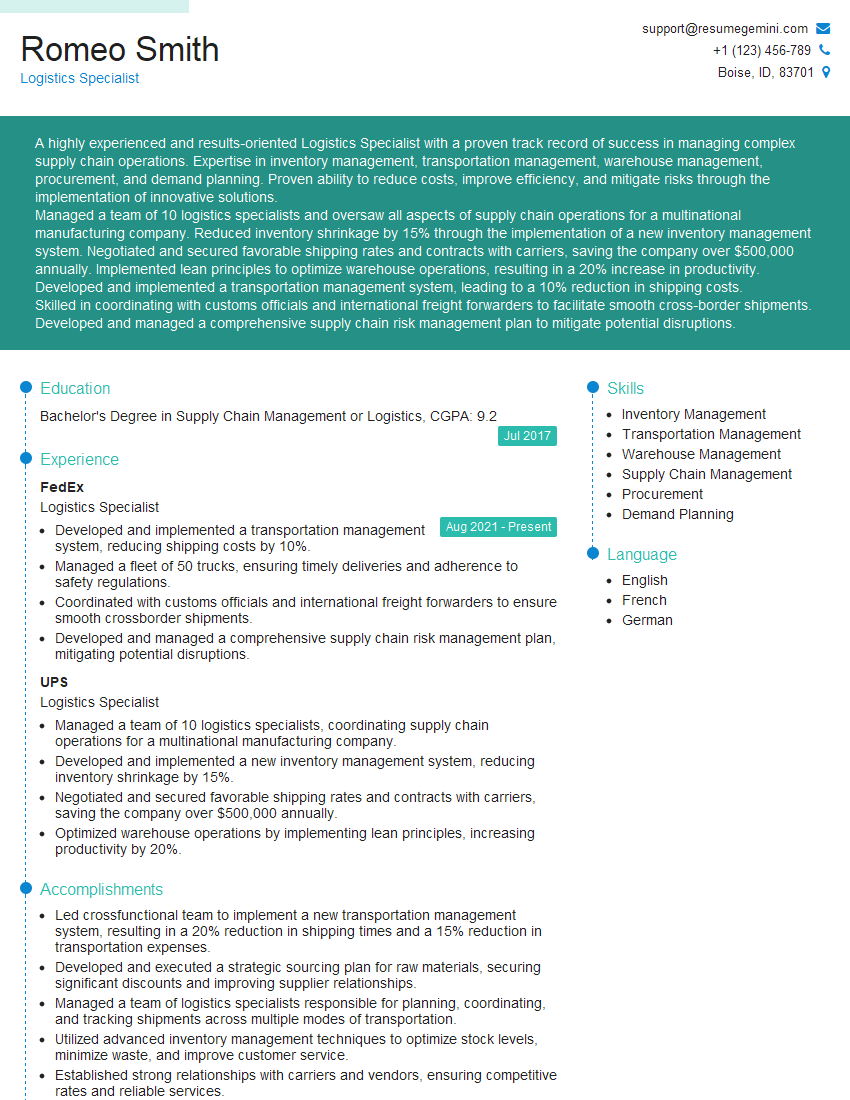
Logistics Specialist Resume Sample
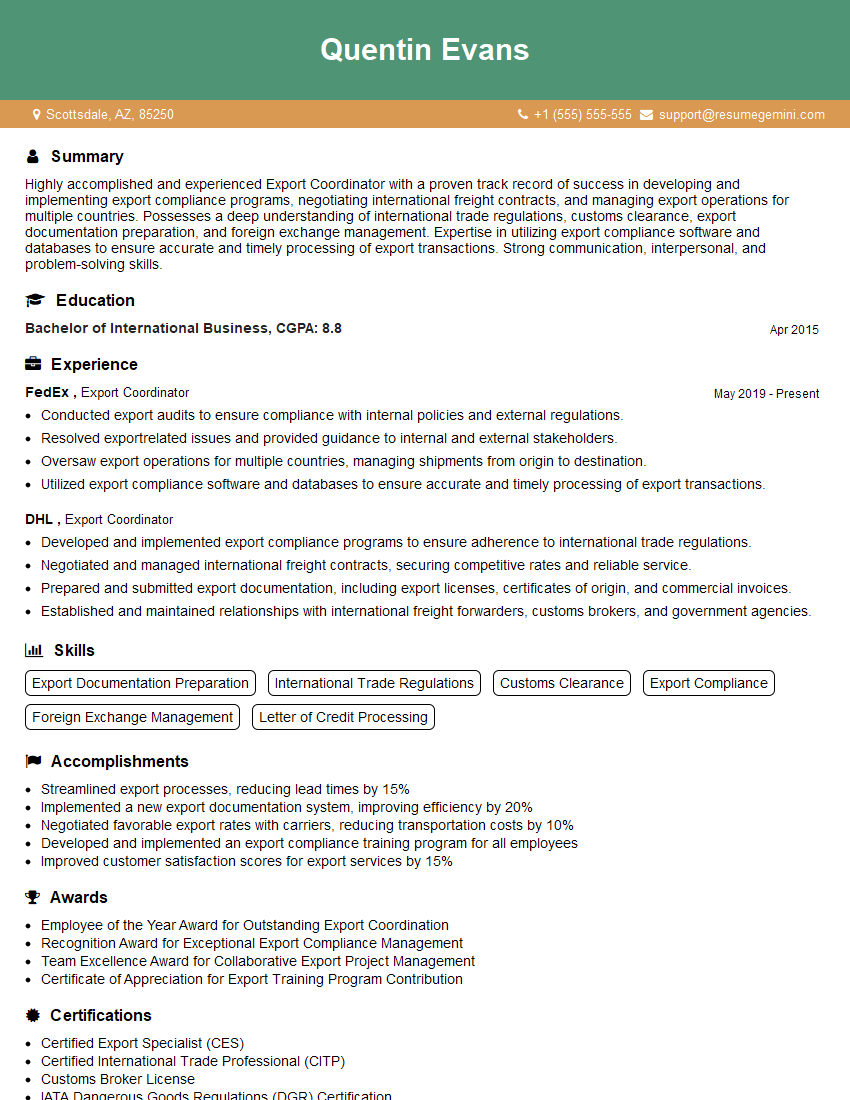
Export Coordinator Resume Sample
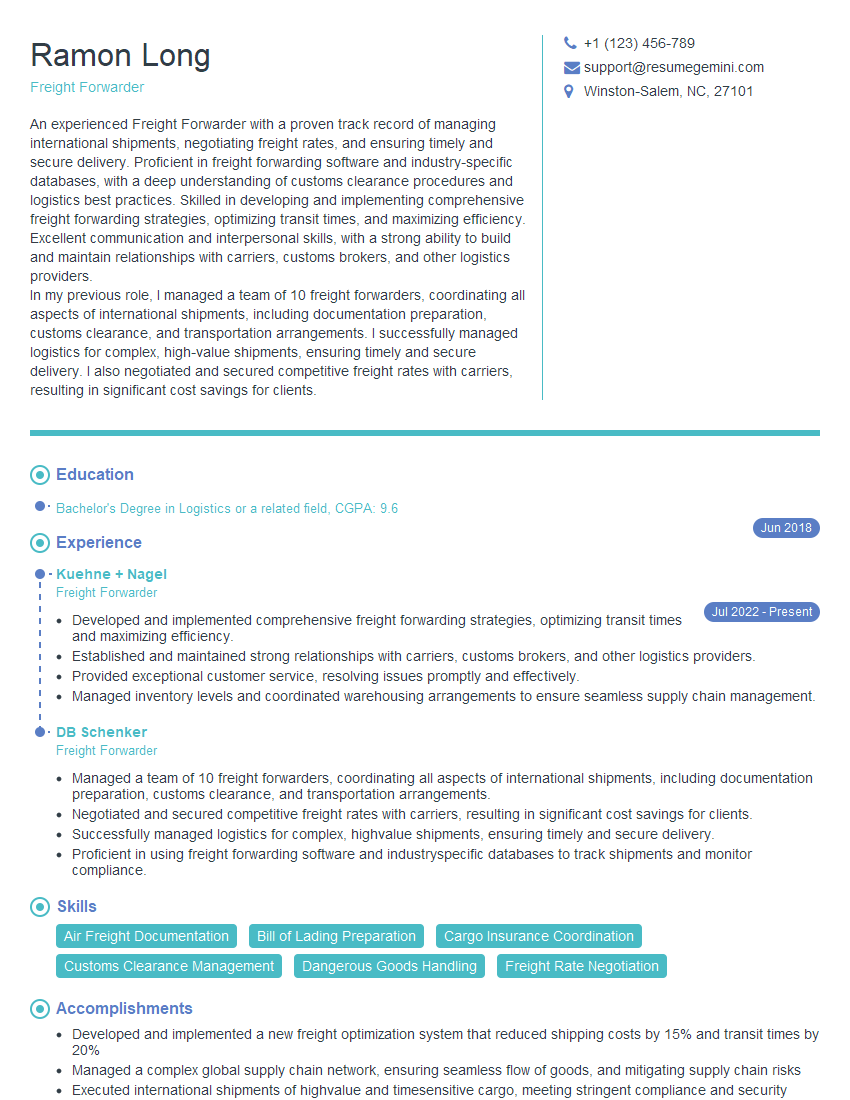
Freight Forwarder Resume Sample
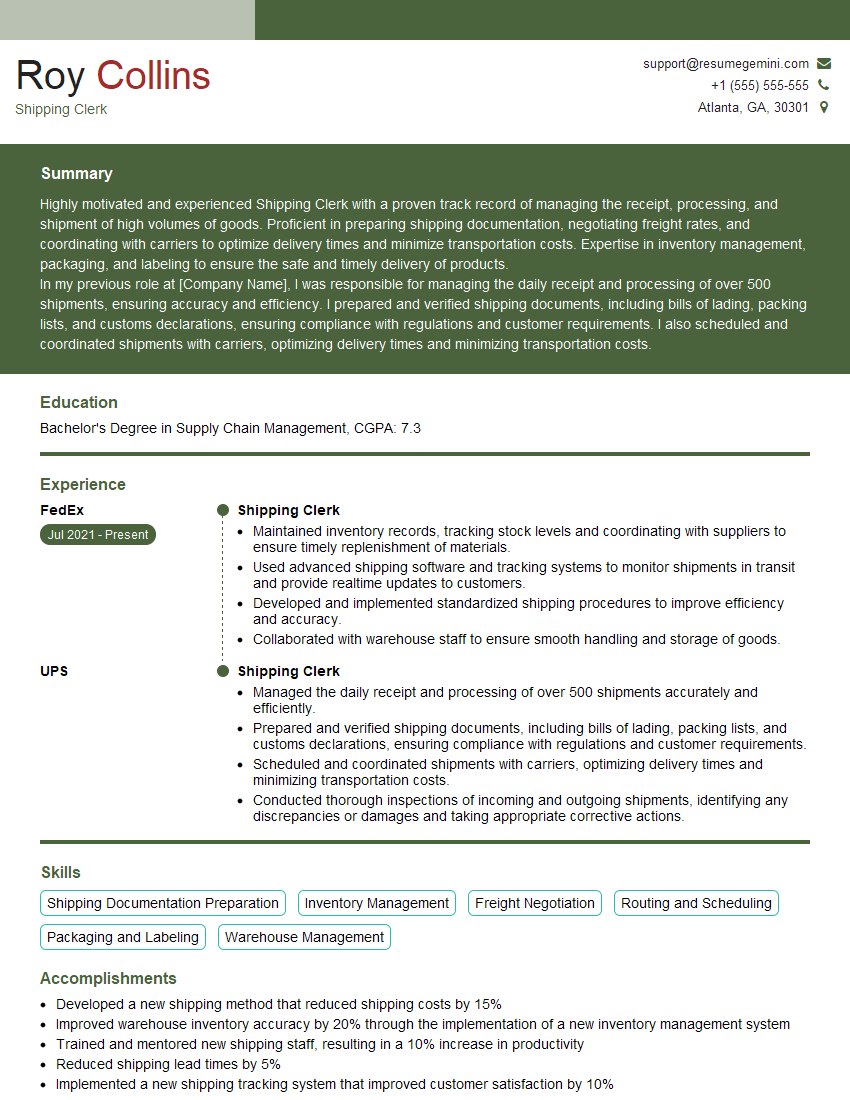
Shipping Clerk Resume Sample
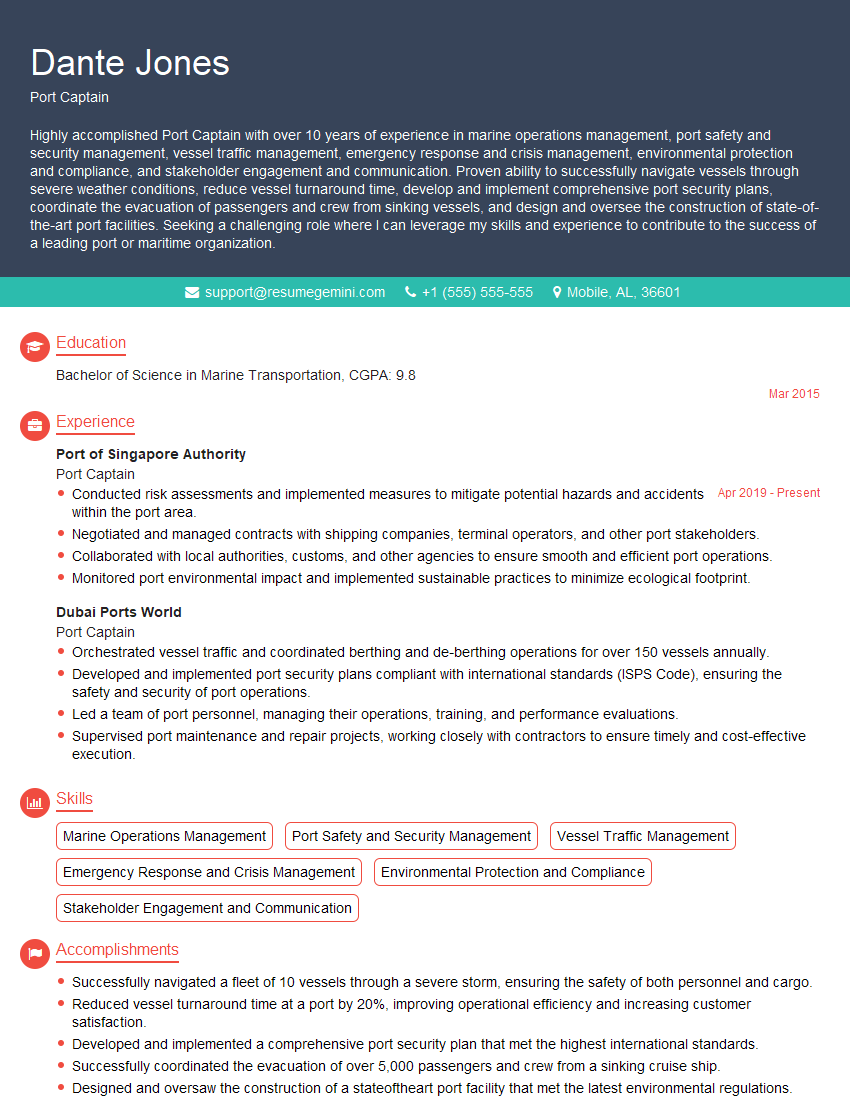
Port Captain Resume Sample
Explore more articles
Users Rating of Our Blogs
Share Your Experience
We value your feedback! Please rate our content and share your thoughts (optional).
What Readers Say About Our Blog
To the interviewgemini.com Webmaster.
Very helpful and content specific questions to help prepare me for my interview!
Thank you
To the interviewgemini.com Webmaster.
This was kind of a unique content I found around the specialized skills. Very helpful questions and good detailed answers.
Very Helpful blog, thank you Interviewgemini team.