Cracking a skill-specific interview, like one for Shock and Hemodynamic Management, requires understanding the nuances of the role. In this blog, we present the questions you’re most likely to encounter, along with insights into how to answer them effectively. Let’s ensure you’re ready to make a strong impression.
Questions Asked in Shock and Hemodynamic Management Interview
Q 1. Define hypovolemic, cardiogenic, obstructive, and distributive shock.
Shock represents a critical state where the body’s tissues and organs are not adequately perfused with oxygenated blood, leading to cellular dysfunction and potentially organ failure. There are four main types:
- Hypovolemic Shock: This occurs when there’s insufficient blood volume to fill the circulatory system. Think of it like trying to run a garden hose with very little water in the bucket – the flow is weak. Causes include hemorrhage, severe dehydration, and burns.
- Cardiogenic Shock: This results from the heart’s inability to pump enough blood to meet the body’s demands. Imagine a powerful pump malfunctioning; the garden hose still has plenty of water, but the pump is failing to deliver it effectively. This is often seen in heart attacks, severe heart valve problems, and cardiomyopathy.
- Obstructive Shock: Here, blood flow is impeded by physical obstruction within the circulatory system. This is like a blockage in the garden hose, preventing proper flow, despite a functional pump and adequate water supply. Examples include pulmonary embolism, pericardial tamponade, and tension pneumothorax.
- Distributive Shock: This involves widespread vasodilation (widening of blood vessels), leading to a reduction in vascular resistance and decreased blood pressure, despite adequate blood volume. It’s like the garden hose suddenly becomes much larger, so the water spreads thin and lacks the force needed for proper irrigation. Examples include septic shock, anaphylactic shock, and neurogenic shock.
Q 2. Explain the pathophysiology of septic shock.
Septic shock is a life-threatening condition arising from an overwhelming systemic inflammatory response to infection. The pathophysiology is complex but involves several key steps:
- Infection: A bacterial, fungal, or viral infection initiates the process. The body recognizes these invading pathogens as threats.
- Immune Response: The immune system mounts a vigorous response, releasing an array of inflammatory mediators such as cytokines (e.g., TNF-α, IL-1, IL-6). These mediators cause widespread vasodilation and increased vascular permeability.
- Vasodilation and Increased Permeability: The vasodilation leads to decreased systemic vascular resistance (SVR), a hallmark of septic shock. Increased capillary permeability causes fluid leakage from the vascular space into the interstitial tissues, contributing to hypovolemia.
- Organ Dysfunction: The reduced tissue perfusion due to vasodilation and hypovolemia leads to organ dysfunction, potentially affecting the lungs (Acute Respiratory Distress Syndrome – ARDS), kidneys (acute kidney injury – AKI), and other organs.
- Metabolic Disturbances: Septic shock is often associated with significant metabolic derangements, including hyperlactatemia (elevated lactic acid levels) reflecting anaerobic metabolism due to poor tissue perfusion.
This cascade of events results in a vicious cycle where the initial infection triggers an exaggerated immune response, leading to severe hemodynamic instability and organ damage.
Q 3. Describe the clinical presentation of a patient in septic shock.
A patient in septic shock might present with a combination of the following:
- Hypotension: Low blood pressure, often refractory to fluid resuscitation.
- Tachycardia: Rapid heart rate, the body’s attempt to compensate for low blood pressure.
- Tachypnea: Rapid breathing, due to poor tissue oxygenation and metabolic acidosis.
- Altered Mental Status: Confusion, lethargy, or even coma due to reduced cerebral perfusion.
- Fever or Hypothermia: Body temperature may be elevated or decreased depending on the stage of the infection.
- Elevated Lactate Levels: Indicating poor tissue perfusion and anaerobic metabolism.
- Signs of Infection: These could include localized inflammation (e.g., redness, swelling, warmth at the site of infection), purulent drainage, and altered white blood cell count.
The clinical picture can be highly variable depending on the source of the infection and the individual patient’s characteristics.
Q 4. What are the key hemodynamic parameters to monitor in a shock patient?
Monitoring key hemodynamic parameters is crucial in managing shock. These include:
- Heart Rate (HR): Reflects the heart’s attempt to compensate for reduced cardiac output.
- Blood Pressure (BP): A direct indicator of tissue perfusion; low BP signifies inadequate perfusion.
- Mean Arterial Pressure (MAP): A more accurate reflection of tissue perfusion than systolic or diastolic pressure alone (MAP = (Systolic BP + 2*Diastolic BP)/3).
- Central Venous Pressure (CVP): Estimates right atrial pressure, reflecting right ventricular preload.
- Pulmonary Capillary Wedge Pressure (PCWP): Estimates left atrial pressure, reflecting left ventricular preload.
- Cardiac Output (CO): The amount of blood the heart pumps per minute; reduced CO is a hallmark of shock.
- Systemic Vascular Resistance (SVR): The resistance to blood flow in the systemic circulation; changes in SVR reflect vasodilation or vasoconstriction.
- Lactate Levels: Indicates the extent of anaerobic metabolism, reflecting tissue hypoperfusion.
- Urine Output: Reduced urine output indicates decreased renal perfusion.
Continuous monitoring of these parameters allows for timely adjustments in treatment and assessment of response to therapy.
Q 5. How do you interpret a patient’s central venous pressure (CVP)?
Central venous pressure (CVP) reflects the pressure in the right atrium. It provides an estimate of right ventricular preload (the volume of blood returning to the heart). A normal CVP is typically between 2-8 mmHg.
- Elevated CVP (e.g., >8 mmHg): Could indicate fluid overload, right ventricular failure, or tricuspid stenosis. Imagine a garden hose with the tap wide open and the pipe partially blocked further downstream. Pressure builds up behind the obstruction.
- Low CVP (e.g., <2 mmHg): Could suggest hypovolemia, decreased venous return, or right ventricular dysfunction. It’s like running the garden hose with very little water in the bucket.
It’s crucial to remember that CVP is just one piece of the puzzle and should be interpreted in conjunction with other hemodynamic parameters and the clinical context.
Q 6. How do you interpret a patient’s pulmonary capillary wedge pressure (PCWP)?
Pulmonary capillary wedge pressure (PCWP) estimates the pressure in the left atrium, reflecting left ventricular preload. A normal PCWP is typically between 6-12 mmHg.
- Elevated PCWP (e.g., >12 mmHg): May suggest left ventricular failure, mitral stenosis, or fluid overload. This is similar to the CVP example, but on the left side of the heart. The elevated pressure reflects a back-up of blood because the left ventricle isn’t able to pump blood effectively.
- Low PCWP (e.g., <6 mmHg): Could indicate hypovolemia or decreased left ventricular filling.
PCWP measurement requires a pulmonary artery catheter, which is an invasive procedure. Its interpretation requires careful consideration of the overall clinical picture.
Q 7. How do you interpret a patient’s cardiac output (CO)?
Cardiac output (CO) represents the volume of blood pumped by the heart per minute (usually expressed in liters/minute). It is a critical indicator of the heart’s ability to deliver oxygen and nutrients to the tissues.
- Reduced CO: Indicates inadequate tissue perfusion, a central feature of shock. Causes can include decreased stroke volume (the amount of blood ejected per beat) and/or decreased heart rate.
- Increased CO: May occur as a compensatory mechanism in early stages of shock or in certain conditions like sepsis or hyperthyroidism. However, if not matched with adequate oxygen delivery, it will not resolve the issue.
CO measurement can be obtained through various methods, including thermodilution or echocardiography. Its interpretation is essential for guiding fluid management, inotropic support, and overall shock management.
Q 8. How do you interpret a patient’s systemic vascular resistance (SVR)?
Systemic vascular resistance (SVR) is a measure of the resistance that blood encounters as it flows through the systemic circulation. Think of it like the friction in a pipe – higher friction means higher resistance. A high SVR indicates that the blood vessels are constricted, making it harder for the heart to pump blood. A low SVR, conversely, suggests vasodilation, where blood vessels are wider, and blood flow is easier. Interpreting SVR requires considering the clinical context. For example, a high SVR might be expected in a patient with severe hypertension or hypovolemic shock (due to compensatory vasoconstriction), while a low SVR is typical in septic shock (due to vasodilation). We use the formula: SVR = (Mean Arterial Pressure – Central Venous Pressure) / Cardiac Output. Always consider other hemodynamic parameters, such as cardiac output and blood pressure, for a complete picture.
For instance, a patient with a high SVR and low cardiac output might be in cardiogenic shock, whereas a patient with low SVR and low cardiac output may be in septic shock. It is vital to analyze the overall clinical picture rather than focusing solely on the SVR value.
Q 9. Explain the role of fluid resuscitation in shock management.
Fluid resuscitation is a cornerstone of shock management, aiming to restore adequate tissue perfusion by increasing intravascular volume. Think of it like refilling a leaky bucket – the bucket represents the circulatory system, and the leak represents the loss of fluids due to trauma, burns, or dehydration. The goal is to improve preload (the volume of blood in the heart before contraction), cardiac output, and ultimately, organ perfusion. The type and amount of fluid administered depend on the specific type of shock and the patient’s response to treatment. Effective fluid resuscitation can be life-saving, preventing organ damage and improving survival rates.
For example, a patient in hypovolemic shock from hemorrhage needs rapid volume replacement with crystalloids or colloids to restore blood volume and blood pressure. Careful monitoring of vital signs, urine output, and central venous pressure (CVP) is crucial to guide fluid administration.
Q 10. Describe the different types of fluids used in fluid resuscitation.
Several types of fluids are used in fluid resuscitation, each with its own advantages and disadvantages.
- Crystalloids (e.g., normal saline, lactated Ringer’s solution): These are solutions containing electrolytes and water. They’re readily available, inexpensive, and distribute throughout the body’s fluid compartments. However, a significant portion leaks out of the vascular space, requiring larger volumes to achieve the desired effect.
- Colloids (e.g., albumin, dextran): These contain larger molecules that remain in the intravascular space longer than crystalloids, requiring smaller volumes. They’re more expensive than crystalloids and carry a risk of allergic reactions.
- Blood products (e.g., packed red blood cells, fresh frozen plasma): These are indicated in cases of significant blood loss. They replace lost red blood cells and clotting factors, offering superior oxygen-carrying capacity and hemostasis.
The choice of fluid depends on the specific clinical scenario. For example, in hemorrhagic shock, blood products are preferred, while crystalloids may suffice in mild dehydration.
Q 11. What are the limitations of fluid resuscitation?
Fluid resuscitation, while crucial, has limitations. Over-resuscitation can lead to fluid overload, pulmonary edema (fluid buildup in the lungs), and increased cardiac work, potentially worsening the patient’s condition. Additionally, fluid resuscitation alone may not be sufficient in certain types of shock, such as cardiogenic shock (where the heart’s pumping ability is impaired) or septic shock (where vasodilation and inflammation are dominant). In these cases, additional interventions such as inotropes (drugs that increase the force of heart contractions), vasopressors (drugs that constrict blood vessels), and treatment of the underlying cause are necessary. Careful monitoring is essential to avoid complications.
For example, a patient with severe heart failure who receives excessive fluid may experience acute pulmonary edema, potentially resulting in respiratory distress and even death.
Q 12. Explain the role of vasopressors in shock management.
Vasopressors are medications that increase blood pressure by causing vasoconstriction (narrowing of blood vessels). They are primarily used in distributive shock (e.g., septic shock) and in situations where fluid resuscitation alone is insufficient to maintain adequate blood pressure. Vasopressors are not a first-line treatment; rather, they are used to support blood pressure when other measures are not enough. They are carefully titrated to achieve the desired effect, avoiding over-constriction which can compromise organ perfusion. Common vasopressors include norepinephrine, epinephrine, and dopamine.
Imagine a garden hose with a small hole – vasoconstrictors are like tightening the hole, increasing the water pressure (blood pressure) in the hose.
Q 13. Describe the mechanism of action of norepinephrine.
Norepinephrine, a potent vasoconstrictor, primarily acts by stimulating alpha-1 adrenergic receptors in the vascular smooth muscle. This stimulation leads to vasoconstriction, increasing systemic vascular resistance (SVR) and raising blood pressure. It also has some beta-1 adrenergic effects, causing an increase in heart rate and contractility. Careful titration is crucial to avoid excessive vasoconstriction, which can impair tissue perfusion. Norepinephrine is often the first-line vasopressor in septic shock.
Think of it as a key that fits perfectly into the lock of blood vessels, causing them to constrict. This effect leads to increased blood pressure, but too much norepinephrine can hinder the flow.
Q 14. Describe the mechanism of action of dopamine.
Dopamine has a more complex mechanism of action than norepinephrine. At low doses, it primarily stimulates dopamine receptors, causing renal vasodilation (widening of blood vessels in the kidneys) and increased renal blood flow. At intermediate doses, it stimulates beta-1 adrenergic receptors, increasing heart rate and contractility. At high doses, it predominantly activates alpha-1 adrenergic receptors, causing vasoconstriction. Because of its dose-dependent effects, it requires careful titration to achieve the desired effect and avoid unwanted side effects.
Dopamine is a bit more versatile, working in several ways depending on the dose. It’s like having multiple keys that open different parts of the lock – you need to select the correct key to unlock the desired effect, but an incorrect dose can be detrimental.
Q 15. Describe the mechanism of action of epinephrine.
Epinephrine, also known as adrenaline, is a potent catecholamine with a multifaceted mechanism of action. It primarily acts by binding to alpha and beta-adrenergic receptors throughout the body, triggering a cascade of effects crucial for managing shock.
- Alpha-adrenergic effects: Epinephrine’s stimulation of alpha-1 receptors leads to vasoconstriction, increasing peripheral vascular resistance and raising blood pressure. This is particularly important in hypotensive shock states where blood pressure needs immediate support.
- Beta-adrenergic effects: Activation of beta-1 receptors in the heart increases heart rate and contractility, enhancing cardiac output. Beta-2 receptor stimulation causes bronchodilation, improving airflow, which is vital in cases of shock accompanied by respiratory distress.
Think of it like this: epinephrine is like a ‘jump-start’ for the circulatory system. It rapidly increases blood pressure and improves oxygen delivery to vital organs when the body is struggling to do so on its own. For example, in anaphylactic shock, epinephrine is the first-line treatment because it reverses the widespread vasodilation and bronchospasm almost immediately.
Career Expert Tips:
- Ace those interviews! Prepare effectively by reviewing the Top 50 Most Common Interview Questions on ResumeGemini.
- Navigate your job search with confidence! Explore a wide range of Career Tips on ResumeGemini. Learn about common challenges and recommendations to overcome them.
- Craft the perfect resume! Master the Art of Resume Writing with ResumeGemini’s guide. Showcase your unique qualifications and achievements effectively.
- Don’t miss out on holiday savings! Build your dream resume with ResumeGemini’s ATS optimized templates.
Q 16. Describe the mechanism of action of vasopressin.
Vasopressin, also known as antidiuretic hormone (ADH), is a hormone primarily known for its role in fluid balance, but it also plays a significant role in hemodynamic support. Its main mechanism of action in shock management is through its vasoconstricting properties.
Vasopressin binds to V1 receptors on vascular smooth muscle, causing intense vasoconstriction, particularly in the splanchnic and cutaneous vascular beds. This leads to an increase in systemic vascular resistance and a subsequent rise in blood pressure. Unlike epinephrine, vasopressin has minimal impact on heart rate or contractility.
Imagine vasopressin as a ‘vascular clamp’. It directly tightens the blood vessels, improving blood pressure by increasing resistance, not by increasing the pump’s (heart’s) power directly. This is particularly beneficial in situations where patients are unresponsive to fluid resuscitation or have a relatively preserved cardiac output but still demonstrate hypotension, such as in septic shock.
Q 17. When would you consider using inotropic support?
Inotropic support is considered when the heart is failing to adequately pump blood to meet the body’s metabolic demands, leading to insufficient tissue perfusion. This is often seen in various forms of shock (cardiogenic, septic, hypovolemic) where the patient remains hypotensive despite fluid resuscitation and other supportive measures.
Specific indications for inotropic support include:
- Persistent hypotension despite adequate fluid resuscitation
- Low cardiac output despite adequate preload
- Elevated filling pressures and low cardiac index (suggestive of heart failure)
- Signs of end-organ hypoperfusion (e.g., oliguria, altered mental status)
The decision to initiate inotropic support is complex and requires careful consideration of the patient’s overall clinical picture. It is not a first-line treatment and should be implemented only when other supportive measures have proven insufficient.
Q 18. What are the potential complications of inotropic support?
Inotropic agents, while life-saving in certain situations, carry a risk of significant complications. These can include:
- Arrhythmias: Inotropes can alter the heart’s electrical activity, increasing the risk of dangerous heart rhythms such as tachycardia, ventricular fibrillation, or atrial fibrillation.
- Myocardial ischemia: Increased myocardial oxygen demand without a corresponding increase in supply can lead to ischemia and potentially infarction.
- Increased risk of bleeding: Some inotropes can impair platelet function and increase bleeding risk.
- Electrolyte imbalances: Inotropes can affect electrolyte balance, particularly potassium levels.
- Hypotension (paradoxical): In some instances, particularly with high doses, inotropes can paradoxically worsen hypotension.
Therefore, close monitoring of vital signs, electrocardiogram (ECG), and electrolytes is crucial during inotropic support. Titration of the inotrope to the lowest effective dose and continuous hemodynamic monitoring are essential to minimize complications. Careful selection of the appropriate inotrope based on the patient’s specific clinical picture is equally important.
Q 19. Explain the importance of oxygenation in shock management.
Oxygenation is paramount in shock management because it addresses the fundamental problem: inadequate tissue perfusion. Shock, by definition, involves insufficient oxygen delivery to the body’s tissues and organs. Without adequate oxygen, cells cannot generate energy, leading to cellular dysfunction and organ failure.
Efficient oxygenation ensures that the body’s cells receive the oxygen they need to function properly. This improves cellular respiration, reduces metabolic acidosis, and minimizes organ damage. It is essentially the cornerstone of shock resuscitation, laying the groundwork for other interventions to be effective.
Imagine trying to run a marathon without enough air. You would quickly tire and collapse. Similarly, without adequate oxygenation, the body’s cells cannot sustain their functions, leading to a cascade of negative events in shock.
Q 20. What are the different methods of monitoring oxygenation?
Monitoring oxygenation involves several methods, each providing valuable information about different aspects of oxygen delivery and utilization:
- Pulse oximetry: Measures the percentage of hemoglobin saturated with oxygen (SpO2). It’s a non-invasive and readily available method, giving a quick assessment of oxygen saturation in arterial blood. While essential, it doesn’t provide full picture.
- Arterial blood gas (ABG) analysis: Provides precise measurements of partial pressure of oxygen (PaO2), carbon dioxide (PaCO2), pH, and bicarbonate levels. This detailed analysis offers a comprehensive picture of oxygenation and acid-base balance, guiding further management.
- Mixed venous oxygen saturation (SvO2): Measures the oxygen saturation of blood returning to the right atrium. It reflects the balance between oxygen delivery and consumption. A low SvO2 can indicate inadequate oxygen delivery or increased oxygen consumption.
- Lactate levels: Lactate is a byproduct of anaerobic metabolism, which occurs when cells are deprived of oxygen. Elevated lactate levels indicate cellular hypoxia and can serve as a marker of tissue hypoperfusion.
Combining these monitoring methods provides a comprehensive assessment of oxygenation, enabling timely and effective interventions to improve oxygen delivery and tissue oxygenation.
Q 21. How do you manage acute respiratory distress syndrome (ARDS) in a shock patient?
Managing ARDS in a shock patient presents a formidable challenge, requiring a multi-faceted approach. The goal is to improve oxygenation and protect the lungs from further injury.
Management strategies include:
- Mechanical ventilation: This is often crucial, using lung-protective ventilation strategies (low tidal volumes, low plateau pressures) to minimize further lung injury.
- Positive end-expiratory pressure (PEEP): PEEP helps keep the alveoli open, improving oxygenation and reducing atelectasis (collapse of alveoli).
- Prone positioning: Rotating the patient to a prone position can improve oxygenation by improving ventilation-perfusion matching.
- Fluid management: Careful fluid management is vital, avoiding fluid overload which can worsen lung edema.
- Inotropic support: May be necessary to support hemodynamics if the shock state is impacting oxygen delivery further.
- Supportive measures: Addressing underlying causes of shock and providing nutritional support are equally important.
- ECMO (extracorporeal membrane oxygenation): In severe cases refractory to other therapies, ECMO can provide temporary respiratory and circulatory support.
Managing ARDS in shock requires a highly collaborative approach between intensivists, respiratory therapists, and other healthcare professionals. It is a complex condition, and the optimal management strategy varies greatly depending on the patient’s individual characteristics and the severity of their condition.
Q 22. Describe the role of mechanical ventilation in shock management.
Mechanical ventilation plays a crucial role in shock management, primarily by supporting oxygenation and ventilation when the patient’s own respiratory system is failing. In shock, inadequate tissue perfusion can lead to hypoxemia (low blood oxygen) and hypercapnia (high blood carbon dioxide). Mechanical ventilation helps correct these gas exchange abnormalities.
The ventilator helps maintain adequate oxygen levels by controlling the delivery of oxygen-rich air and removing carbon dioxide. Different ventilation strategies, such as volume-controlled ventilation or pressure-controlled ventilation, may be employed depending on the patient’s specific needs and lung mechanics. Positive end-expiratory pressure (PEEP) is often used to improve oxygenation by keeping the alveoli (tiny air sacs in the lungs) open and preventing collapse. Protecting the lungs from ventilator-induced lung injury is paramount and involves careful monitoring of ventilator settings and the patient’s response.
For example, a patient in septic shock might present with rapid, shallow breathing and hypoxemia. Mechanical ventilation, potentially with PEEP, can assist in improving oxygenation and reducing the respiratory workload, allowing the body to focus on combating the infection and restoring tissue perfusion.
Q 23. What are the indications for extracorporeal membrane oxygenation (ECMO)?
Extracorporeal membrane oxygenation (ECMO) is a life-support technique that provides temporary respiratory and/or circulatory support for patients with life-threatening cardiopulmonary failure. It’s essentially a heart-lung machine outside the body. Indications for ECMO are generally reserved for patients with severe refractory respiratory or cardiac failure when other therapies have failed.
- Respiratory failure: This includes cases of severe acute respiratory distress syndrome (ARDS) where the lungs are severely damaged and unable to provide adequate oxygenation despite maximal ventilator support.
- Cardiogenic shock: This refers to shock caused by the heart’s inability to pump enough blood to meet the body’s demands. ECMO can provide temporary circulatory support while allowing the heart to rest and recover.
- Bridge to recovery: ECMO can be used as a bridge to recovery, allowing time for the underlying condition to improve (e.g., allowing time for the lungs to heal after ARDS) or to bridge to a heart transplant.
- Bridge to decision: In cases where the patient’s prognosis is uncertain and the family needs time to make difficult decisions, ECMO can offer temporary life support.
ECMO is a high-risk procedure with potential complications, so the decision to initiate ECMO is made carefully, considering the patient’s overall condition, prognosis, and the availability of experienced personnel and resources.
Q 24. How do you assess the effectiveness of your treatment in a shock patient?
Assessing the effectiveness of shock treatment relies on continuous monitoring and evaluating several key parameters. It’s not just about one single metric, but rather a holistic approach.
- Hemodynamic parameters: This includes monitoring blood pressure (mean arterial pressure – MAP is particularly important), heart rate, central venous pressure (CVP), and pulmonary capillary wedge pressure (PCWP) to gauge the effectiveness of fluid resuscitation and vasoactive medications.
- Oxygenation and ventilation: Monitoring arterial blood gases (ABGs) to assess oxygen saturation (SpO2) and partial pressures of oxygen (PaO2) and carbon dioxide (PaCO2). Respiratory rate and ventilator settings are also important.
- Lactate levels: Lactate is a marker of tissue perfusion. Decreasing lactate levels indicate improved tissue oxygenation and perfusion.
- Urine output: Adequate urine output suggests sufficient renal perfusion and overall improvement in hemodynamics.
- Organ function: Assessment of organ function (e.g., kidney function, liver function) helps determine the overall response to treatment.
- Mental status and capillary refill: These are simple bedside assessments providing vital information about perfusion.
For instance, if a patient’s MAP is increasing, lactate is decreasing, and urine output is improving, it indicates the shock treatment is likely effective. However, continuous monitoring is essential as the patient’s condition can change rapidly.
Q 25. Describe your experience with managing different types of shock.
My experience encompasses managing various types of shock, each requiring a tailored approach. The key is to identify the underlying cause promptly to guide effective treatment.
- Hypovolemic shock: This is caused by fluid loss (e.g., hemorrhage, dehydration). Management focuses on rapid fluid resuscitation with crystalloids and colloids, potentially blood transfusion if blood loss is significant. Close monitoring of hemodynamic parameters is critical.
- Cardiogenic shock: Caused by the heart’s inability to pump effectively. Management involves inotropes (to increase heart contractility), vasodilators (to reduce afterload), and potentially mechanical circulatory support like ECMO. Careful hemodynamic monitoring, including invasive hemodynamic monitoring, is essential.
- Septic shock: This is a life-threatening condition due to overwhelming infection. Management includes broad-spectrum antibiotics, fluid resuscitation, vasopressors to maintain blood pressure, and supportive care. Early recognition and aggressive treatment are vital.
- Anaphylactic shock: A severe allergic reaction. Management is focused on immediate administration of epinephrine, fluids, and antihistamines. Airway management is critical.
- Neurogenic shock: Caused by spinal cord injury. Management typically focuses on supportive care, including fluid resuscitation and vasopressors, along with addressing the underlying neurological injury.
Each of these types of shock presents unique challenges requiring an understanding of the pathophysiology and application of specific therapies to optimize the patient’s chances of recovery.
Q 26. Explain your approach to hemodynamic optimization in a critically ill patient.
Hemodynamic optimization in a critically ill patient requires a systematic and individualized approach focusing on restoring and maintaining adequate tissue perfusion. This involves careful monitoring of hemodynamic parameters and a tiered approach to treatment.
- Assessment: Begin with a thorough assessment including history, physical exam, and initial laboratory tests to determine the underlying cause of hemodynamic instability.
- Fluid resuscitation: For hypovolemic shock, judicious fluid resuscitation with crystalloids is the first-line treatment. Response to fluids needs to be closely monitored to avoid fluid overload.
- Vasoactive medications: If fluid resuscitation is insufficient, vasopressors (e.g., norepinephrine, dopamine) or vasodilators (e.g., nitroglycerin) may be used to optimize blood pressure and organ perfusion.
- Inotropic support: If cardiac contractility is impaired, inotropic medications (e.g., dobutamine, milrinone) can be used to increase the heart’s pumping ability.
- Advanced hemodynamic monitoring: Invasive hemodynamic monitoring (e.g., arterial line, pulmonary artery catheter) may be necessary to guide treatment decisions, particularly in complex cases.
- Mechanical circulatory support: In severe cases of refractory shock, mechanical circulatory support such as ECMO may be considered.
The goal is not to simply achieve a normal blood pressure but to ensure adequate tissue perfusion, as evidenced by improving organ function and decreasing lactate levels. Continuous monitoring and adjustment of treatment are essential based on the patient’s response.
Q 27. Discuss your knowledge of advanced hemodynamic monitoring techniques.
Advanced hemodynamic monitoring techniques provide valuable insights into the circulatory system’s function, allowing for a more precise and individualized approach to shock management. These techniques go beyond basic blood pressure and heart rate monitoring.
- Arterial line: Provides continuous blood pressure monitoring and allows for frequent blood sampling for arterial blood gas analysis.
- Central venous catheter (CVC): Allows for measurement of central venous pressure (CVP), which reflects right atrial pressure and can provide insight into fluid status.
- Pulmonary artery catheter (PAC): Provides more comprehensive hemodynamic data, including pulmonary artery pressure, pulmonary capillary wedge pressure (PCWP), cardiac output, and systemic vascular resistance. While less commonly used now due to concerns about complications, it can be valuable in certain complex cases.
- Echocardiography: Provides real-time images of the heart, allowing for assessment of cardiac function, valvular function, and ejection fraction. It is crucial in diagnosing and managing cardiogenic shock.
- Bioimpedance monitoring: Non-invasive technique providing continuous cardiac output and stroke volume information.
The choice of monitoring techniques depends on the clinical scenario, the patient’s condition, and the available resources. The data obtained from these advanced monitoring tools are crucial in guiding treatment strategies and optimizing hemodynamic support.
Q 28. Describe a challenging case involving shock management and how you addressed it.
I recall a particularly challenging case involving a young, previously healthy patient who presented with septic shock secondary to a rapidly progressing necrotizing fasciitis after a minor skin laceration. The patient arrived hypotensive, tachycardic, and with rapidly deteriorating organ function.
The initial challenge was the speed of deterioration. Standard fluid resuscitation was insufficient to maintain blood pressure, and the patient developed refractory hypotension despite multiple vasopressors. We quickly implemented broad-spectrum antibiotics and surgical debridement, crucial for removing the infected tissue. Aggressive source control was paramount to stop the progression of the infection.
Throughout this process, close hemodynamic monitoring with an arterial line and central venous catheter was crucial in guiding fluid management and vasopressor support. We used advanced hemodynamic monitoring and echocardiography to continuously assess the patient’s cardiac function and guide therapy. Despite our interventions, the patient’s condition remained critical, raising concerns about the need for ECMO. However, with persistent aggressive management and close monitoring, the patient’s condition gradually stabilized over several days, allowing us to eventually wean off vasopressors and supportive measures.
This case highlighted the importance of prompt recognition of severe sepsis, aggressive source control, multidisciplinary collaboration, and close hemodynamic monitoring in managing life-threatening conditions. The rapid deterioration and the need for a swift, multi-pronged approach emphasized the critical nature of time-sensitive interventions in the treatment of septic shock and necrotizing fasciitis.
Key Topics to Learn for Shock and Hemodynamic Management Interview
- Types of Shock: Understanding the pathophysiology of different shock states (hypovolemic, cardiogenic, obstructive, distributive) and their distinguishing features.
- Hemodynamic Monitoring: Proficiency in interpreting arterial blood pressure waveforms, central venous pressure, pulmonary artery catheter data, and echocardiographic findings to assess hemodynamic status.
- Fluid Resuscitation Strategies: Knowledge of appropriate fluid selection (crystalloids vs. colloids), administration techniques, and monitoring response to resuscitation.
- Vasopressor and Inotropic Support: Understanding the mechanisms of action, indications, and potential complications associated with various vasopressors (e.g., norepinephrine, dopamine) and inotropes (e.g., dobutamine, milrinone).
- Mechanical Circulatory Support: Familiarity with different types of mechanical circulatory support devices (e.g., IABP, ECMO) and their appropriate application in managing shock.
- Early Goal-Directed Therapy (EGDT): Applying the principles of EGDT in the management of shock, focusing on optimizing oxygen delivery and tissue perfusion.
- Advanced Hemodynamic Concepts: Explore concepts like cardiac output, systemic vascular resistance, stroke volume, and their interrelationships in the context of shock.
- Case-Based Problem Solving: Practice analyzing clinical scenarios involving patients in shock, applying your knowledge to formulate appropriate treatment plans and anticipate potential complications.
- Recent Advances: Stay updated on the latest research and guidelines regarding shock and hemodynamic management.
Next Steps
Mastering Shock and Hemodynamic Management is crucial for career advancement in critical care and emergency medicine. A strong understanding of these concepts demonstrates expertise and significantly enhances your competitiveness in the job market. To further improve your job prospects, focus on creating an ATS-friendly resume that highlights your skills and experience effectively. ResumeGemini is a trusted resource to help you build a professional and impactful resume. They provide examples of resumes tailored to Shock and Hemodynamic Management to guide you through the process. Take the next step towards your dream career today!
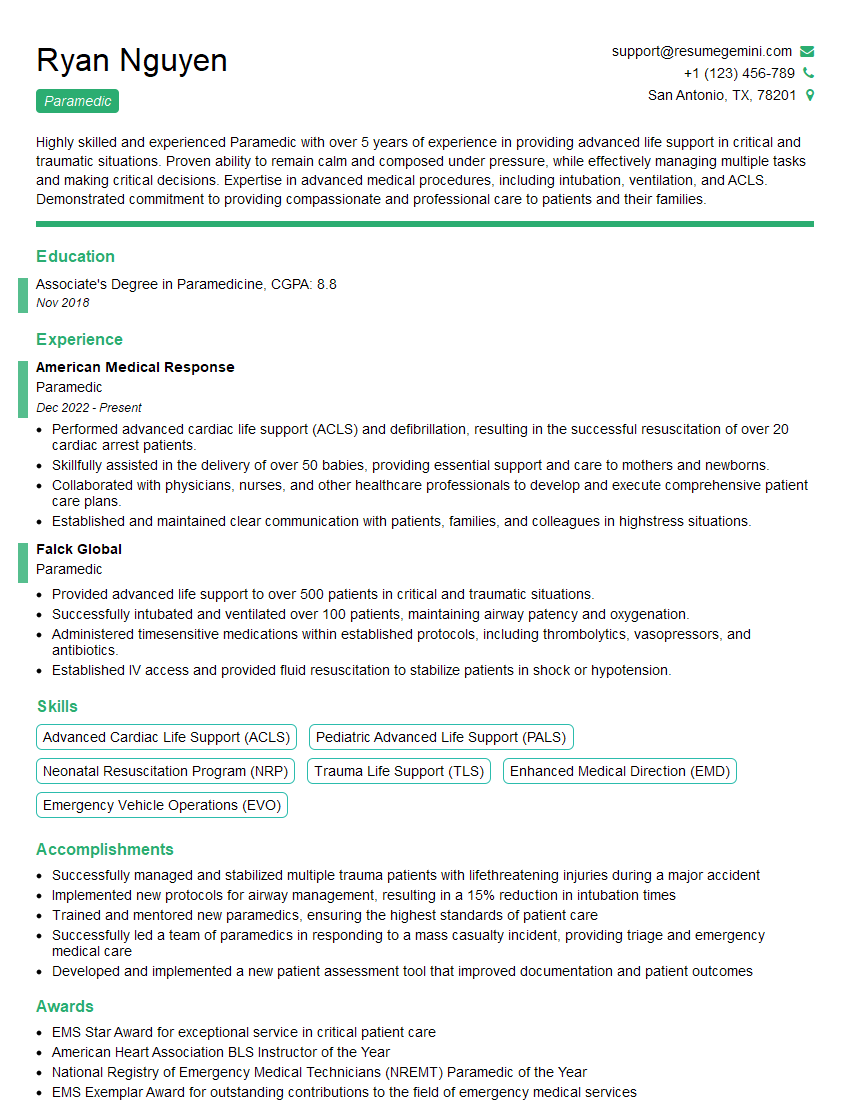
Paramedic Resume Sample

Anesthesiologist Resume Sample

Emergency Medicine Physician Resume Sample
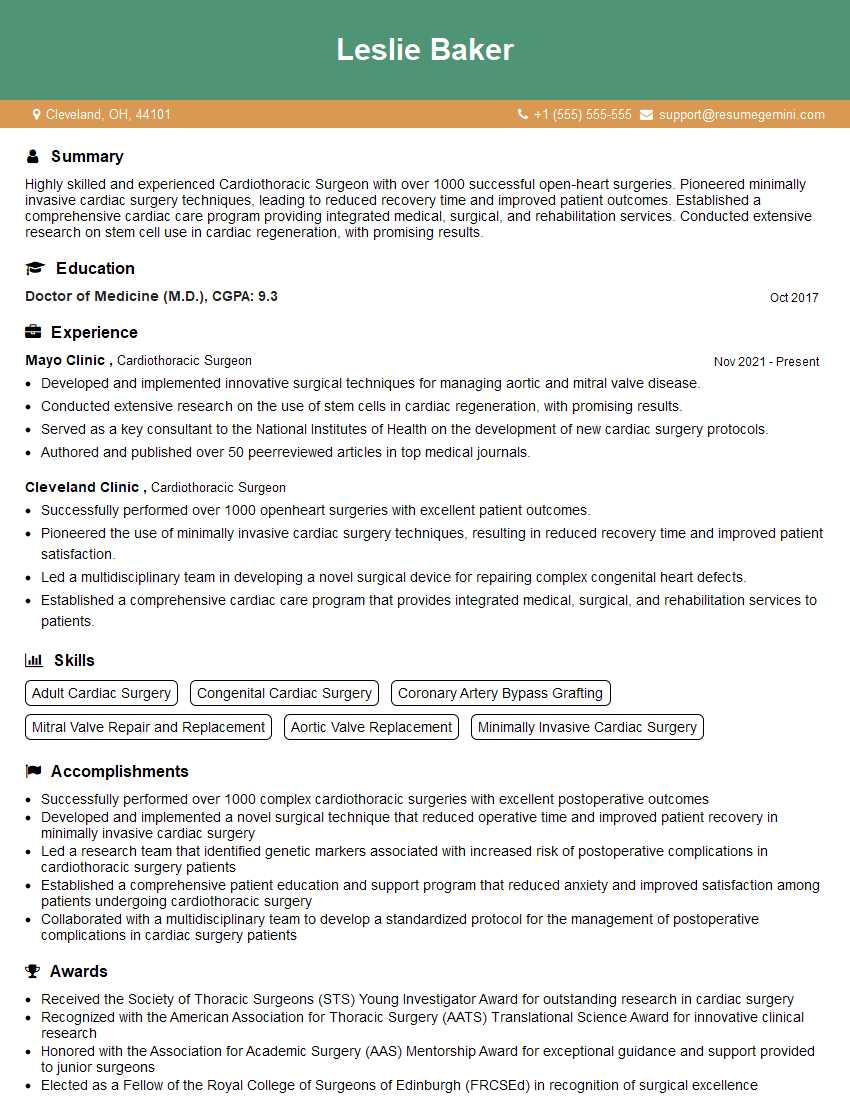
Cardiothoracic Surgeon Resume Sample

Trauma Surgeon Resume Sample
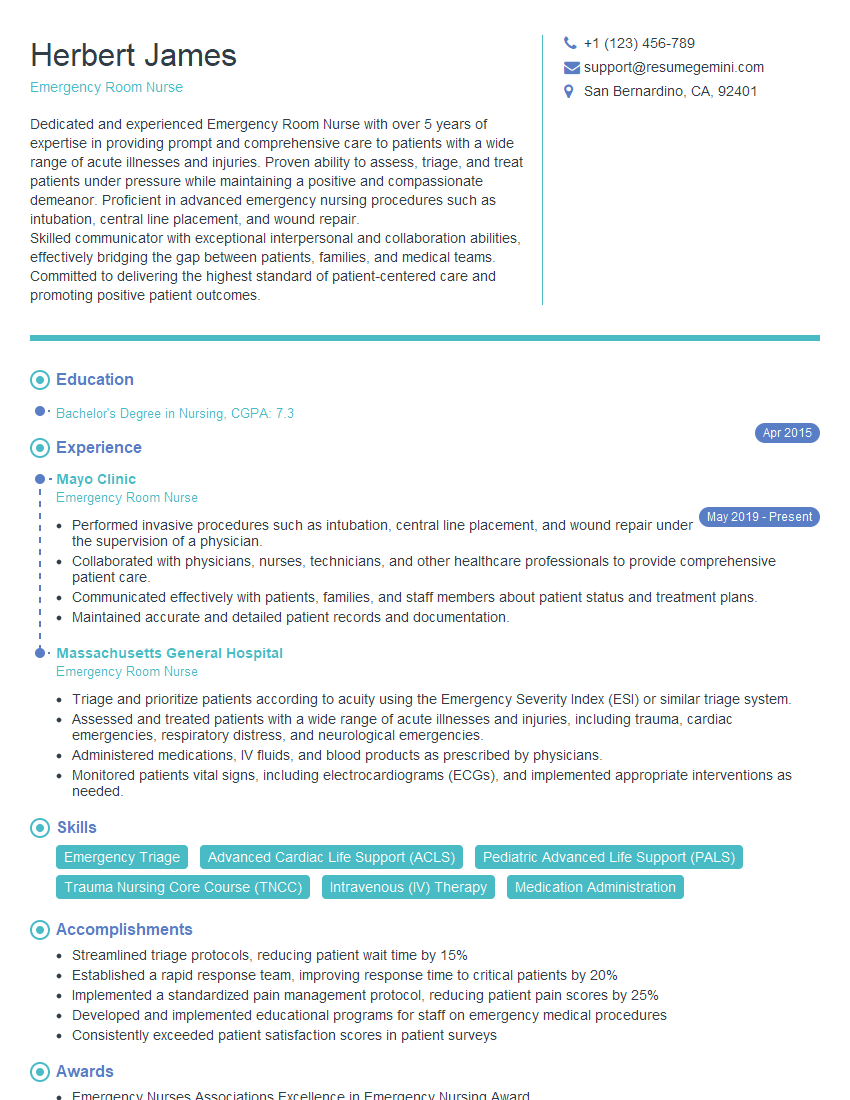
Emergency Room Nurse Resume Sample
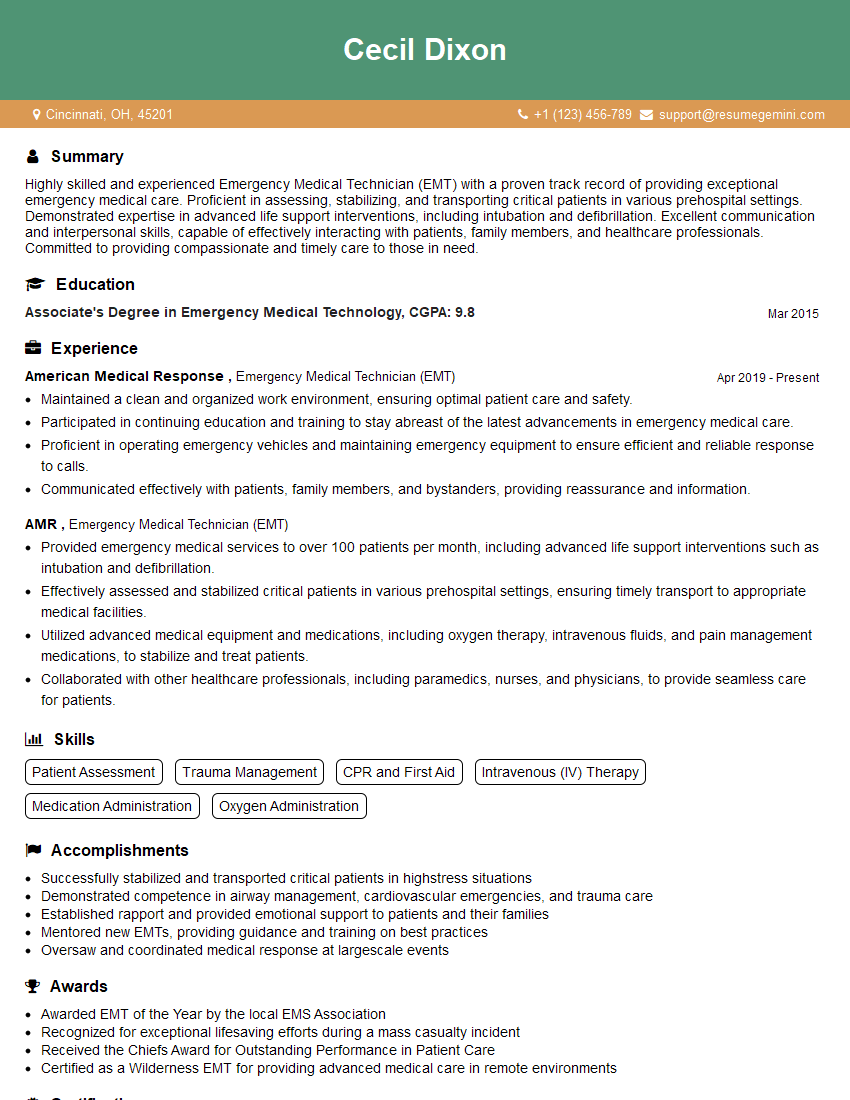
Emergency Medical Technician (EMT) Resume Sample
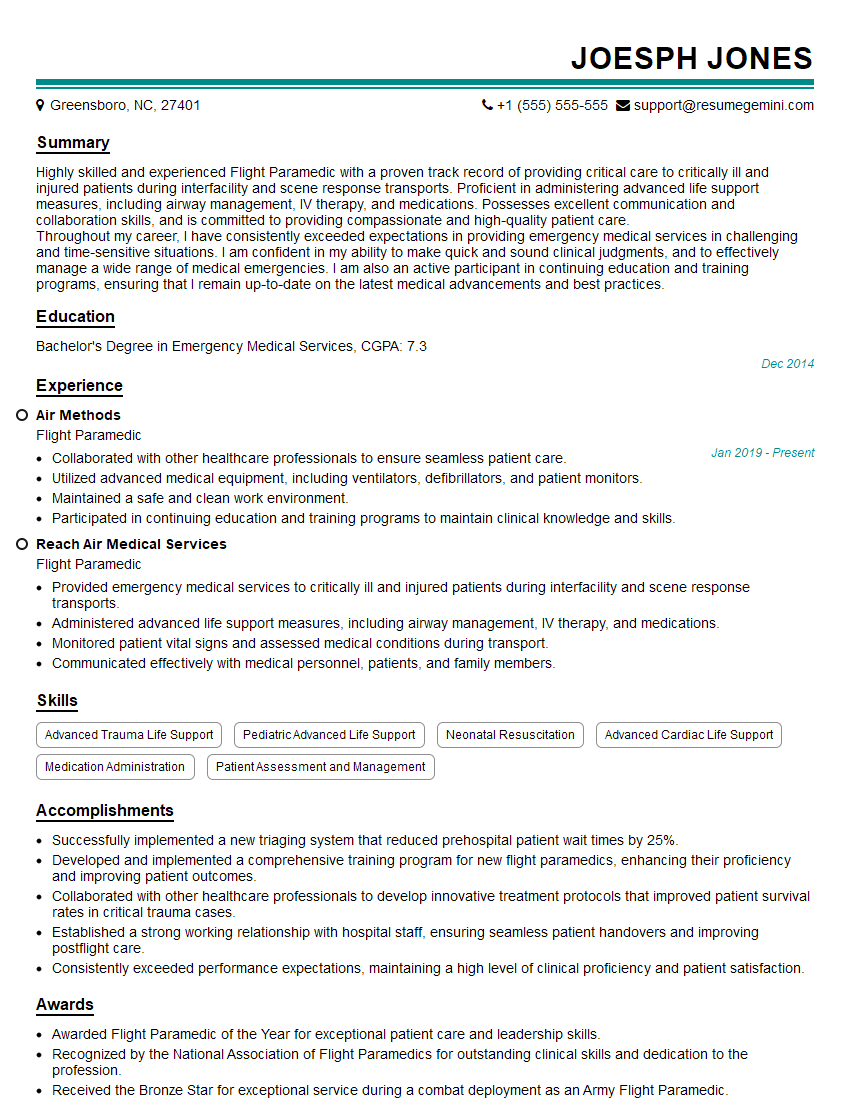
Flight Paramedic Resume Sample
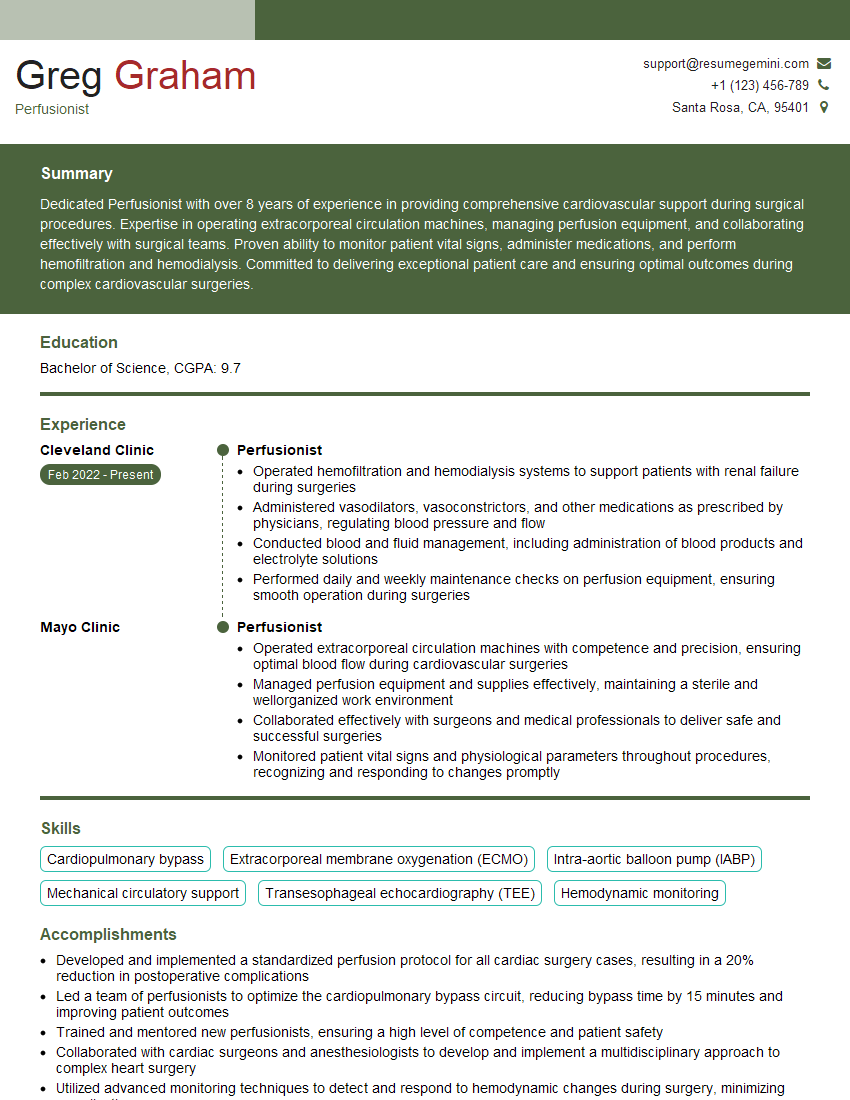
Perfusionist Resume Sample
Explore more articles
Users Rating of Our Blogs
Share Your Experience
We value your feedback! Please rate our content and share your thoughts (optional).
What Readers Say About Our Blog
To the interviewgemini.com Webmaster.
Very helpful and content specific questions to help prepare me for my interview!
Thank you
To the interviewgemini.com Webmaster.
This was kind of a unique content I found around the specialized skills. Very helpful questions and good detailed answers.
Very Helpful blog, thank you Interviewgemini team.