Are you ready to stand out in your next interview? Understanding and preparing for Shouldering interview questions is a game-changer. In this blog, we’ve compiled key questions and expert advice to help you showcase your skills with confidence and precision. Let’s get started on your journey to acing the interview.
Questions Asked in Shouldering Interview
Q 1. Describe your experience with various shoulder rigs.
My experience with shoulder rigs spans over a decade, encompassing a wide range of models from lightweight consumer-grade rigs to heavy-duty professional systems. I’ve worked with rigs from manufacturers like RED, Arri, and various smaller independent brands. This experience includes rigs designed for everything from small mirrorless cameras to large cinema cameras. I’m familiar with both traditional rigs with adjustable post configurations and more modern designs incorporating integrated camera plates and counterbalance systems. I’ve used rigs on various shoots, from documentaries and independent films to commercials and corporate videos, allowing me to adapt my technique to diverse shooting styles and environments.
For example, on a recent documentary shoot, we utilized a lightweight carbon fiber rig with a focus on maneuverability and ease of use. The shoot involved a lot of handheld movement, and the rig’s ergonomic design proved invaluable in maintaining comfort during extended shooting periods. In contrast, for a recent commercial, the need for stability and precision dictated the use of a larger, heavier rig equipped with a more robust support system.
Q 2. What are the key safety considerations when using a shoulder rig?
Safety is paramount when working with shoulder rigs. The most significant concern is the weight and potential for strain injuries. Improper balance can lead to neck, back, and shoulder problems. It’s crucial to ensure the rig is properly balanced and adjusted to the operator’s physique. Regularly checking all fastenings – including the camera plate, the shoulder pad, and the counterbalance weights – is crucial to prevent equipment damage and potential injury from components detaching.
- Proper Weight Distribution: Ensure the weight is evenly distributed to avoid strain on any one area.
- Ergonomic Design: Use rigs with comfortable shoulder pads and adjustable components.
- Regular Breaks: Take frequent breaks to avoid fatigue and strain.
- Safe Operating Procedures: Always be aware of your surroundings and avoid bumping into objects or people.
- Maintenance: Regularly inspect and maintain the rig to ensure all components are functioning correctly.
Q 3. How do you balance a shoulder rig for optimal stability?
Balancing a shoulder rig is a crucial step for optimal stability and comfort. It’s an iterative process involving several adjustments. First, I start with the camera securely mounted on the rig. Then, I add counterbalance weights gradually, usually starting with smaller weights and adding more as needed. I achieve balance by meticulously adjusting the position of these weights along the counterbalance arm. The goal is to create a horizontal equilibrium so the rig feels weightless on the shoulder, minimizing strain and allowing for smooth, controlled movements.
Testing is essential: I’ll test the balance by holding the rig and making small movements. If the rig tips or feels imbalanced, I’ll adjust the weight distribution until the rig remains level and stable. This process often requires fine-tuning, with small adjustments made until the desired level of balance is achieved.
Q 4. Explain your process for setting up a shoulder rig for a specific shot.
Setting up a shoulder rig for a specific shot involves careful consideration of several factors. The process begins with understanding the requirements of the shot, including camera movement, framing, and the overall desired aesthetic. First, I select the appropriate rig based on the camera’s size and weight and the type of shots planned.
- Camera Mounting: Securely attach the camera to the rig’s mounting plate, ensuring it’s level and properly aligned.
- Weight Balancing: Add counterbalance weights to achieve a balanced and comfortable setup, as described previously.
- Monitor and Accessory Attachment: Mount any necessary accessories, such as external monitors, follow focus units, and matte boxes, paying close attention to weight distribution.
- Shoulder Pad Adjustment: Adjust the shoulder pad to ensure comfortable support and to prevent strain.
- Final Check: Perform a final check to ensure everything is secure and functioning correctly before commencing shooting.
For example, if a shot requires smooth tracking movements, I’d make sure the rig’s design and balance allow for fluid movement. Conversely, if it’s a static shot, stability is paramount, so I’d concentrate on achieving perfect balance and minimizing any unwanted movement.
Q 5. What are the limitations of shoulder rigs?
While shoulder rigs offer significant advantages, they do have limitations. Their primary limitation is size and weight, making them less suitable for certain shooting environments or styles. Maneuverability in tight spaces can be challenging, and prolonged use can lead to operator fatigue. Also, the added weight can impact the overall agility and responsiveness of the camera system. The added bulk can also sometimes make the rig less versatile in environments needing discreet camera operation.
For example, shooting in crowded areas or on uneven terrain can be difficult with a shoulder rig. Similarly, certain types of shots, such as low-angle shots or shots requiring extreme close-ups, may be challenging or impossible to achieve with a shoulder rig.
Q 6. How do you adjust a shoulder rig for different camera sizes and weights?
Adjusting a shoulder rig for different camera sizes and weights involves utilizing the rig’s adjustable components. Most rigs incorporate adjustable counterbalance systems, allowing you to compensate for varying camera weights. This typically involves adding or removing counterbalance weights to restore balance. Furthermore, many rigs have adjustable support arms and shoulder pads to accommodate different camera sizes and operator body types. Proper adjustment is crucial for comfort and stability.
I always begin by securely mounting the camera. Then, I adjust the counterbalance weights, often incrementally, until the rig feels balanced on my shoulder. If the rig’s support arms are adjustable, I’ll ensure they’re properly positioned for optimal camera support and stability. Finally, I’ll fine-tune the shoulder pad adjustment to ensure comfortable and ergonomic support.
Q 7. Describe your experience with different types of shoulder rig mounts.
My experience with shoulder rig mounts includes a variety of types, each with its own advantages and disadvantages. I’ve worked with traditional rod-based systems, offering flexibility and adaptability, and more integrated systems with quick-release plates, prioritizing speed and efficiency. Some mounts emphasize precise camera alignment and stability, while others prioritize ease of use and rapid setup. I’ve also encountered rigs utilizing specialized mounts for specific camera models or accessories.
The choice of mount often depends on the specific needs of the shoot and the type of rig being used. For example, a rapid-release plate system is ideal for quickly switching cameras or for situations demanding fast setups and breakdowns. A more traditional rod-based system, on the other hand, offers more flexibility in terms of accessory placement and configuration.
Q 8. How do you maintain and clean a shoulder rig?
Maintaining a shoulder rig involves regular cleaning and careful storage. Think of it like maintaining a precision instrument – consistent care prevents problems and extends its lifespan.
- Cleaning: After each shoot, gently wipe down the rig with a soft, lint-free cloth. Pay close attention to the areas where the camera and accessories connect, removing any dust or debris. For tougher grime, use a lens cleaning solution and a microfiber cloth. Avoid harsh chemicals or abrasive cleaners.
- Lubrication: Moving parts, like the shoulder pad adjustment mechanisms, may benefit from periodic lubrication with a light, camera-safe lubricant. Consult your rig’s manual for specific recommendations.
- Storage: Store the rig in a clean, dry, and padded case to protect it from damage during transport. Keep it away from extreme temperatures and direct sunlight.
- Inspection: Regularly inspect the rig for any signs of wear and tear, loose screws, or damaged parts. Tighten any loose screws and replace damaged components as needed. This proactive approach prevents malfunctions during critical shoots.
For example, I once neglected to clean the quick-release plate on my rig after a shoot in a dusty environment. This resulted in a shaky shot during a crucial scene because the plate was slightly obstructed by grit. Regular cleaning would have prevented this.
Q 9. What are the common problems encountered when using a shoulder rig, and how do you troubleshoot them?
Common shoulder rig problems often stem from imbalance, wear and tear, or improper setup. Troubleshooting requires a systematic approach.
- Imbalance: If the rig feels unstable or pulls heavily on one side, the counterbalance needs adjustment. This usually involves shifting weights or readjusting the camera position. I find it helpful to meticulously check the weight distribution with the camera and accessories attached before each shoot.
- Loose connections: Check all screws, quick-release plates, and other connections to ensure they are securely fastened. Loose connections can lead to camera slippage or instability.
- Shoulder pad discomfort: If the shoulder pad causes discomfort, try adjusting its position or replacing it with a more comfortable pad. Different pads offer varying levels of support and cushioning.
- Camera shake: This can be caused by several factors including loose connections, poor counterbalance, or the shooter’s technique. Addressing the loose connections and counterbalance first and then refining the shooting technique with practice is crucial.
For instance, I once encountered excessive camera shake. After checking all connections, I realised that the counterweight was insufficient for the heavier lenses used that day. Adjusting the counterweight immediately improved stability.
Q 10. How do you adapt to changing shooting conditions with a shoulder rig?
Adapting to changing shooting conditions with a shoulder rig involves quick adjustments and strategic problem-solving.
- Weather: In rain or harsh sun, use weather protection for both the camera and the rig itself. Rain covers are essential. Consider using a sunshade to prevent overheating.
- Terrain: Uneven terrain requires careful maneuvering and possibly changing to a more stable support, such as a tripod or monopod, if the rig becomes too difficult to handle.
- Lighting: Changing light conditions require adjustments to camera settings (ISO, shutter speed, aperture). The shoulder rig itself doesn’t directly impact lighting, but a stable shot is crucial for good exposure in any lighting condition.
- Crowds: In crowded environments, be mindful of your surroundings and take extra precautions to avoid collisions while operating the rig. Perhaps consider a smaller, lighter rig in such situations.
I remember shooting a documentary in a busy marketplace. The crowd was dense, so I switched from my heavier rig to a lighter setup to maneuver more easily and prevent accidentally bumping into people. This improved both safety and shot quality.
Q 11. Explain your understanding of counterbalance and its importance in shoulder rig operation.
Counterbalance is crucial for comfortable and stable operation of a shoulder rig. It’s all about achieving equilibrium. Imagine a seesaw: If the weights aren’t balanced, it tips. Similarly, an unbalanced shoulder rig will cause strain and instability.
The counterbalance weight opposes the weight of the camera and accessories. Proper counterbalance ensures that the rig rests comfortably on the operator’s shoulder without pulling downwards excessively. It minimizes operator fatigue and results in smoother footage. It allows for fluid camera movements without jarring shakes. The balance point is typically found through trial and error. The goal is to minimise any pull in any direction which is easily acheived through small adjustments of the weight balance.
Incorrect counterbalance leads to fatigue, shaky footage, and potential camera damage. A properly balanced rig is less stressful on the operator and improves the quality of the final product. Think of it as the foundation for smooth, professional-looking shots.
Q 12. Describe your experience with different types of camera stabilizers (e.g., gimbals).
My experience encompasses various camera stabilizers, each offering unique advantages. I’ve worked extensively with both handheld gimbals and Steadicams.
- Handheld Gimbals: These are excellent for smoother, handheld shots, especially in dynamic situations. They offer great stabilization for run-and-gun style shooting, however, they can be less suitable for very heavy camera setups.
- Steadicams: Steadicams provide unparalleled smoothness for longer, more controlled shots. They are more complex to operate and require significant skill and training to use effectively. They are suitable for more demanding scenes and filming requirements and less prone to operator shake.
For example, on a recent project, we used a gimbal for quick, dynamic shots through a crowded street. For the more controlled scenes in the same project, I used a Steadicam to achieve fluid, cinematic movements. The choice depends on the specific needs of the shot.
Q 13. How do you work effectively as part of a camera crew?
Effective teamwork is essential on any film set. With a shoulder rig, I am integral to the camera department, working closely with the camera operator, focus puller, and other crew members.
- Collaboration: I communicate effectively with the camera operator to ensure the rig is set up correctly and that we’re both comfortable with the shot setup and anticipated camera movement.
- Support: I provide support during shots, adjusting the rig as needed and helping maintain a steady platform.
- Problem-solving: I proactively identify and help resolve potential issues to ensure a smooth workflow.
- Safety: I am mindful of my own and others’ safety during filming and maintain awareness of my surroundings.
One time, during a fast-paced scene, a loose connection threatened to disrupt filming. By quickly identifying and resolving the problem, I helped keep the shoot on schedule and prevent wasted time and resources.
Q 14. What is your experience with on-set communication protocols?
On-set communication is critical for efficiency and safety. I adhere strictly to established protocols.
- Clear Communication: I use clear and concise language to avoid misunderstandings and ensure everyone is on the same page.
- Active Listening: I pay close attention to instructions and feedback from the director and other crew members.
- Professional Conduct: I maintain a professional demeanor and communicate respectfully to build rapport within the team.
- Radio Communication: When necessary, I use radio communication to ensure efficient and safe communication during the shoot.
For instance, using standardized language like “camera speed,” “mark,” and “rolling” is crucial to avoid confusion and potential errors during a shot. Clear communication ensures smooth, efficient operation.
Q 15. Describe a time you had to adapt quickly to a technical problem with your shoulder rig.
During a shoot in a confined attic space, the shoulder rig’s monitor unexpectedly malfunctioned, obscuring the camera’s viewfinder. This happened mid-take, jeopardizing a crucial scene. Instead of panicking, I immediately assessed the problem. I knew the rig had a backup power source, so I quickly switched to it, restoring the feed. Then, I checked the monitor’s cable connections, identifying a loose cable as the culprit. Securing the cable solved the issue, and we resumed filming with minimal disruption. This situation highlighted the importance of understanding your equipment intimately and having backup plans in place.
This experience taught me the value of redundancy in critical equipment and the need for quick problem-solving under pressure. The quick transition to the backup power source minimized downtime, and systematically checking the connections allowed for rapid diagnosis and resolution of the issue.
Career Expert Tips:
- Ace those interviews! Prepare effectively by reviewing the Top 50 Most Common Interview Questions on ResumeGemini.
- Navigate your job search with confidence! Explore a wide range of Career Tips on ResumeGemini. Learn about common challenges and recommendations to overcome them.
- Craft the perfect resume! Master the Art of Resume Writing with ResumeGemini’s guide. Showcase your unique qualifications and achievements effectively.
- Don’t miss out on holiday savings! Build your dream resume with ResumeGemini’s ATS optimized templates.
Q 16. How do you ensure the safety of yourself and others when operating a shoulder rig?
Safety is paramount when operating a shoulder rig. Before each shoot, I conduct a thorough pre-flight check of the equipment – this includes ensuring all connections are secure, the rig is balanced correctly, and the camera is properly mounted. I pay particular attention to the weight distribution to avoid strain and potential injury.
- Communication: Constant communication with the crew is essential, particularly when navigating crowded or challenging environments. I clearly communicate my movements and intentions to ensure everyone is aware of the camera’s position and path.
- Awareness of Surroundings: I remain acutely aware of my surroundings, paying attention to obstacles, other crew members, and potential hazards. I avoid operating the rig in unsafe conditions and halt operation immediately if a hazard is detected.
- Proper Technique: Maintaining proper posture and technique reduces strain on my body, minimizing the risk of injury. Regular breaks are taken to avoid fatigue.
- Safe Operating Procedures: Strict adherence to safe operating procedures, including the appropriate use of safety harnesses and equipment, is crucial, especially in potentially hazardous locations.
For example, during an outdoor shoot, I ensured everyone maintained a safe distance when I was operating the rig on uneven terrain to prevent accidents caused by unexpected movements or tripping hazards.
Q 17. How familiar are you with different types of camera lenses and their impact on shoulder rig operation?
I’m very familiar with a wide range of camera lenses and their effects on shoulder rig operation. Different lenses impact balance, weight distribution, and the overall feel of the rig.
- Focal Length: Longer lenses (telephoto) significantly change the rig’s balance point, requiring adjustments to the counterweights. This shifts the center of gravity, potentially making the rig more cumbersome and demanding of better stabilization techniques. Shorter lenses (wide-angle) offer improved balance.
- Lens Weight: Heavier lenses increase the overall weight of the rig, putting more strain on the operator. This necessitates careful counterweight adjustments to prevent strain and fatigue.
- Image Stabilization: Certain lenses incorporate image stabilization which can reduce the need for intense stabilization techniques during operation, but this isn’t a replacement for good rig operation.
For instance, when using a long telephoto lens for a wildlife shoot, I carefully adjusted the counterweights to maintain balance and used a more stable shooting posture to compensate for the increased sensitivity of the longer focal length. In contrast, with a wider lens for a more dynamic shot, I might opt for a more fluid, less rigid shooting style.
Q 18. Explain your understanding of shot composition and how it relates to shoulder rig operation.
Shot composition is fundamental to filmmaking, and the shoulder rig is a powerful tool for achieving desired compositions. My understanding of shot composition guides my operation of the shoulder rig, ensuring I capture the vision of the director.
- Framing and Perspective: The shoulder rig allows for fluid and dynamic framing, enabling me to creatively compose shots by adjusting the camera’s angle and position, changing perspective and adding depth.
- Rule of Thirds: I frequently utilize the rule of thirds, placing key elements off-center for more visually appealing compositions.
- Leading Lines: I use the physical movement of the rig to follow leading lines in the environment, creating a sense of movement and drawing the viewer’s eye.
- Depth of Field: The shoulder rig provides the stability necessary for using shallow depth of field to isolate subjects while allowing for smooth camera movements.
For example, if I need to capture a character’s emotional reaction, I’d adjust the camera angle to create a close-up shot, employing a shallow depth of field to draw focus to their facial expressions. In a wide shot establishing a location, I’d utilize smooth, deliberate movements of the rig to take in the whole scene. This illustrates how I apply composition techniques during operation.
Q 19. How do you maintain a steady shot while moving with a shoulder rig?
Maintaining a steady shot while moving with a shoulder rig is critical. This involves a combination of proper technique, equipment, and practice.
- Proper Posture: Maintaining a balanced and relaxed posture is vital to reduce camera shake. This includes keeping my back straight, core engaged, and elbows tucked close to my body.
- Body Movement: I use smooth, controlled movements of my entire body to execute camera pans and tilts, rather than solely relying on the rig’s articulation.
- Footwork: Smooth and controlled footwork is essential. I use small, deliberate steps, keeping my feet planted firmly.
- Breathing Technique: Controlled breathing helps maintain stability and prevent jerky movements.
- Equipment: Utilizing accessories like a good shoulder pad and counterweights helps balance the rig and ease strain, resulting in steadier footage.
For instance, when tracking a moving subject, I maintain consistent and controlled movement, matching my body’s rhythm with the subject’s motion. A good shoulder pad ensures comfort and better stability during longer tracking shots.
Q 20. What techniques do you use to achieve smooth camera movements with a shoulder rig?
Achieving smooth camera movements with a shoulder rig requires a combination of technique and practice.
- Fluid Body Movements: Smooth, controlled body movements are essential. Instead of jerky movements, I use my entire body to execute pans, tilts, and tracking shots, making movements appear seamless.
- Proper Weight Distribution: Balanced weight distribution ensures the rig remains stable and minimizes unwanted movements.
- Practice: Practice is crucial for mastering smooth camera movements. Regular practice helps build muscle memory and improves coordination, resulting in smoother camera work.
- Camera Rig Techniques: Techniques such as the ‘crouch and rise’ method (for tilting the camera smoothly), or ‘pivot and pan’ (for smoother panning), are incorporated based on the shot’s requirements.
For example, a slow, graceful pan across a landscape would be achieved using a ‘pivot and pan’ technique, maintaining a fluid rotation with my body, while keeping my core engaged. This ensures the shot remains stable and visually appealing.
Q 21. How do you prepare a shoulder rig for different shooting environments (e.g., indoor, outdoor, challenging terrain)?
Preparing a shoulder rig for different shooting environments involves careful consideration and adaptation.
- Indoor vs. Outdoor: Indoors often requires less rugged equipment and potentially additional lighting considerations. Outdoors, weatherproofing becomes crucial. Rain covers, lens protection, and appropriate clothing are essential. The rig itself might also need additional protection.
- Challenging Terrain: When shooting on uneven or unstable terrain, additional support and safety measures are needed. This includes the use of safety harnesses, and possibly additional support or tripod usage when stationary. Choosing lighter equipment becomes a priority to avoid increased strain.
- Lighting Conditions: Different lighting conditions necessitate adjustments to the camera settings and potentially the addition of lighting equipment. For example, bright sunlight might require the use of ND filters. Low-light conditions necessitate adjusting ISO and aperture.
For example, during a shoot on a mountainside, I would use a smaller, lighter shoulder rig to manage the difficult terrain, ensuring the stability and safety of both myself and the equipment. The rig would be weatherproofed, and I’d wear appropriate clothing and use a safety harness.
Q 22. Describe your experience with different types of shoulder rig vests and harnesses.
My experience with shoulder rig vests and harnesses spans a wide range of designs, from lightweight models ideal for smaller cameras like the Sony a7S III to heavier-duty rigs supporting larger cinema cameras such as the RED Komodo. I’ve worked with vests featuring various support structures – some with rigid frames for enhanced stability, others with more flexible designs for greater comfort during extended shoots. I’ve also used harnesses that offer significant weight distribution across the hips and shoulders, particularly beneficial for longer shoots with heavier setups. The choice of vest or harness depends heavily on the camera system, the duration of the shoot, and the intended style of shooting. For example, a lightweight vest with a simple mounting plate would be ideal for run-and-gun situations, while a more substantial rig with a robust harness is necessary for longer, more static shots with heavier equipment. I’m comfortable adjusting and modifying rigs to fit different body types and shooting styles, ensuring optimal comfort and stability.
- Example 1: I’ve extensively used the Porta Brace vests known for their durability and comfort. These are perfect for a wide range of cameras and shooting scenarios.
- Example 2: For heavier setups, I’ve found the Tiffen Steadicam vests to be excellent choices, distributing weight effectively and providing significant support.
Q 23. How do you manage cable management when using a shoulder rig?
Cable management is paramount when using a shoulder rig to avoid tangles, tripping hazards, and unwanted noise. My approach is multifaceted. First, I use Velcro straps, cable clips, and specialized cable organizers to neatly bundle all cables – power, video, audio, and monitoring. These are strategically attached to the rig itself, keeping cables away from moving parts and preventing them from snagging on clothing or the environment. Second, I employ a color-coded system for easy identification of each cable. Third, I use longer cables than strictly necessary, providing slack to allow for movement and preventing strain on connectors. For longer shoots, I often employ a dedicated cable wrangler to assist in managing cables and avoiding any accidental disconnections or damage. This is especially important in fast-paced or dynamic shooting environments.
Imagine shooting a fast-paced action sequence; poorly managed cables could cause a disastrous trip or equipment malfunction. Meticulous cable management ensures a smooth and efficient workflow, allowing me to focus on the shot.
Q 24. What are the advantages and disadvantages of using a shoulder rig compared to other camera support systems?
Shoulder rigs offer several advantages over other camera support systems, but also have some drawbacks. The primary advantage is their mobility and stability. They allow for smooth, fluid movement while maintaining a stable shot. This is perfect for handheld work, allowing for intimate and dynamic shots that might not be possible with a tripod or gimbal. However, this stability comes at the cost of potential fatigue, especially during long shoots. Other support systems such as gimbals offer superior image stabilization but can be less versatile for certain types of movement. Tripods provide excellent stability but lack mobility.
- Advantages: Mobility, stability for handheld shots, relatively easy to operate.
- Disadvantages: Potential fatigue during extended use, less image stabilization than gimbals, can be bulky.
The choice of support system depends entirely on the context – a fast-paced documentary might benefit from a shoulder rig while a slow, deliberate scene might be better suited to a gimbal or tripod.
Q 25. Describe your experience working with different types of cameras on a shoulder rig.
My experience encompasses a broad spectrum of cameras, from lightweight mirrorless systems to professional cinema cameras. Each camera presents unique challenges and considerations when mounted on a shoulder rig. Lightweight cameras, for example, may require additional counterweights to maintain balance. Larger cameras, on the other hand, demand more robust rigs and a well-fitting harness to distribute the weight effectively. I’ve worked with cameras like the RED Gemini, ARRI Alexa Mini, Blackmagic Pocket Cinema Camera 6K Pro, and various Sony and Canon DSLRs. The key is understanding each camera’s weight, center of gravity, and any unique mounting requirements to ensure proper balance and operational comfort.
For instance, the ARRI Alexa Mini, due to its size and weight distribution, required a more sophisticated rigging solution and thorough balancing compared to a smaller mirrorless camera. Proper balance is critical for preventing fatigue and maintaining smooth, steady shots.
Q 26. How do you handle unexpected equipment malfunctions during a shoot?
Unexpected equipment malfunctions are an inevitable part of filmmaking. My approach involves a combination of preventative measures and quick problem-solving skills. Before every shoot, I conduct a thorough equipment check, ensuring all batteries are charged, cables are secure, and cameras are functioning correctly. During the shoot, I’m always prepared with backup equipment, including extra batteries, memory cards, and even a spare camera. If a malfunction occurs, my first step is to assess the situation – is it something minor that can be quickly resolved, or does it require a more significant intervention? For minor issues, like a loose cable, I can quickly fix it myself. More serious issues might involve contacting a technician or switching to backup equipment. Communication with the director and crew is crucial to minimize downtime.
For example, I once experienced a sudden battery failure during a critical scene. Having a spare battery ready, I was able to swiftly replace it with minimal interruption to the shoot.
Q 27. How do you ensure the proper balance and weight distribution when operating a shoulder rig?
Proper balance and weight distribution are essential for comfortable and effective operation of a shoulder rig. This is achieved through a combination of techniques. First, I carefully adjust the position of the camera and any accessories on the rig to ensure the center of gravity is aligned with the user’s body. Second, I utilize counterweights to balance any uneven weight distribution, preventing strain on the operator’s neck, shoulders, and back. Third, I use a well-fitting vest or harness to distribute weight evenly across the body, reducing stress points. This is an iterative process – I might make small adjustments throughout the shoot, especially during breaks, to account for changes in equipment setup.
Think of it like balancing a seesaw – careful placement of the fulcrum and weights is necessary to achieve equilibrium. Proper balance on a shoulder rig leads to smoother shots and reduced operator fatigue.
Q 28. How do you stay physically fit and prepared for long hours of operating a shoulder rig?
Operating a shoulder rig for extended periods demands physical fitness and stamina. I maintain my fitness through regular exercise, focusing on strength training for my core, shoulders, and back. This helps to support the weight of the equipment and reduce strain. I also incorporate cardiovascular exercises to improve stamina and endurance. Prior to a long shoot, I ensure I’m well-rested and hydrated. During breaks, I stretch regularly, focusing on neck, shoulder, and back stretches to relieve tension and prevent muscle fatigue. Maintaining physical fitness isn’t just about strength; it’s also about endurance, flexibility, and overall wellbeing, making me more efficient and resilient during long filming days.
A strong core and back are key to minimizing fatigue and ensuring I can focus on the shot, not on the physical strain of the equipment.
Key Topics to Learn for Shouldering Interview
- Understanding the Shouldering Process: Explore the fundamental stages involved in shouldering, from initial assessment to final implementation. Consider the various methodologies and best practices employed.
- Practical Application of Shouldering Techniques: Analyze case studies and scenarios where shouldering principles have been successfully applied. Focus on problem-solving approaches and the ability to adapt techniques to different contexts.
- Risk Assessment and Mitigation in Shouldering: Understand the potential risks and challenges associated with shouldering and how to effectively mitigate them. Develop strategies for proactive risk management.
- Collaboration and Communication in Shouldering Projects: Examine the importance of effective teamwork and communication in successfully executing shouldering initiatives. Discuss strategies for stakeholder management and conflict resolution.
- Ethical Considerations in Shouldering: Explore the ethical implications of shouldering and how to ensure responsible and ethical practices throughout the process.
- Technological Aspects of Shouldering (if applicable): Depending on the specific role, familiarize yourself with any relevant technologies or software used in shouldering operations. This could include data analysis tools, project management software, or specific industry applications.
Next Steps
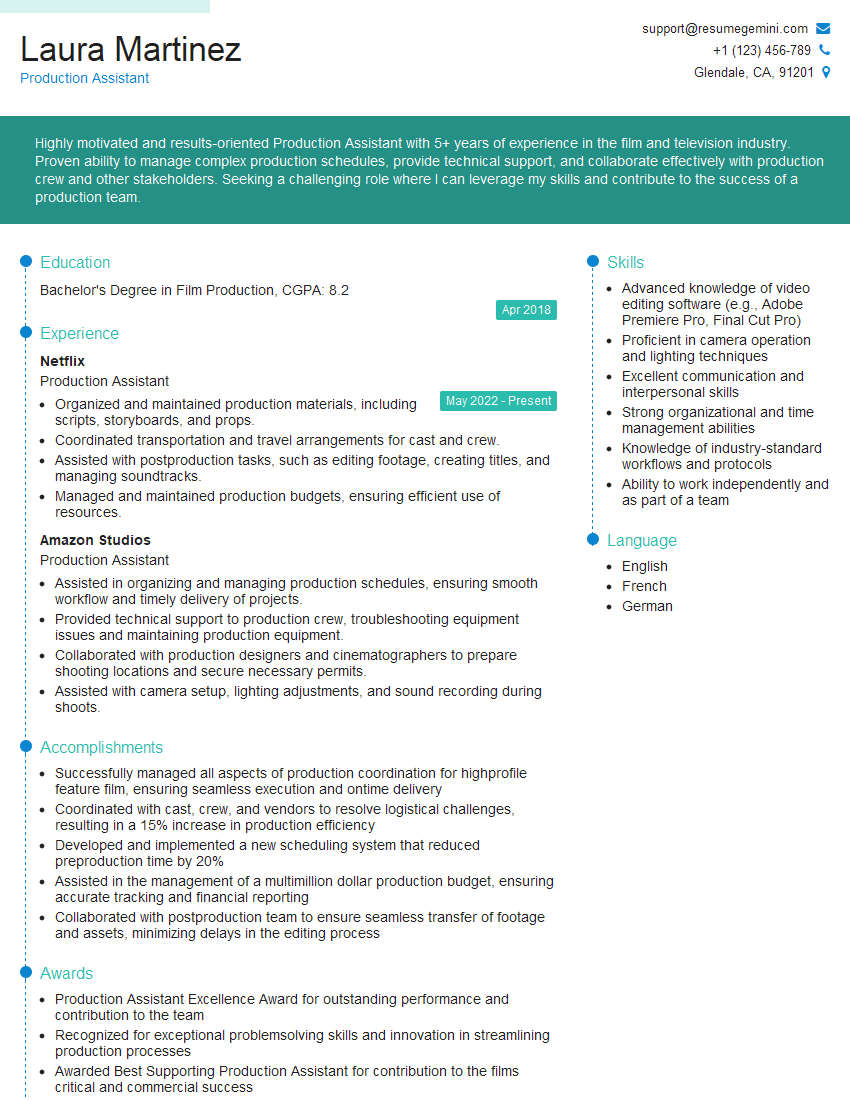
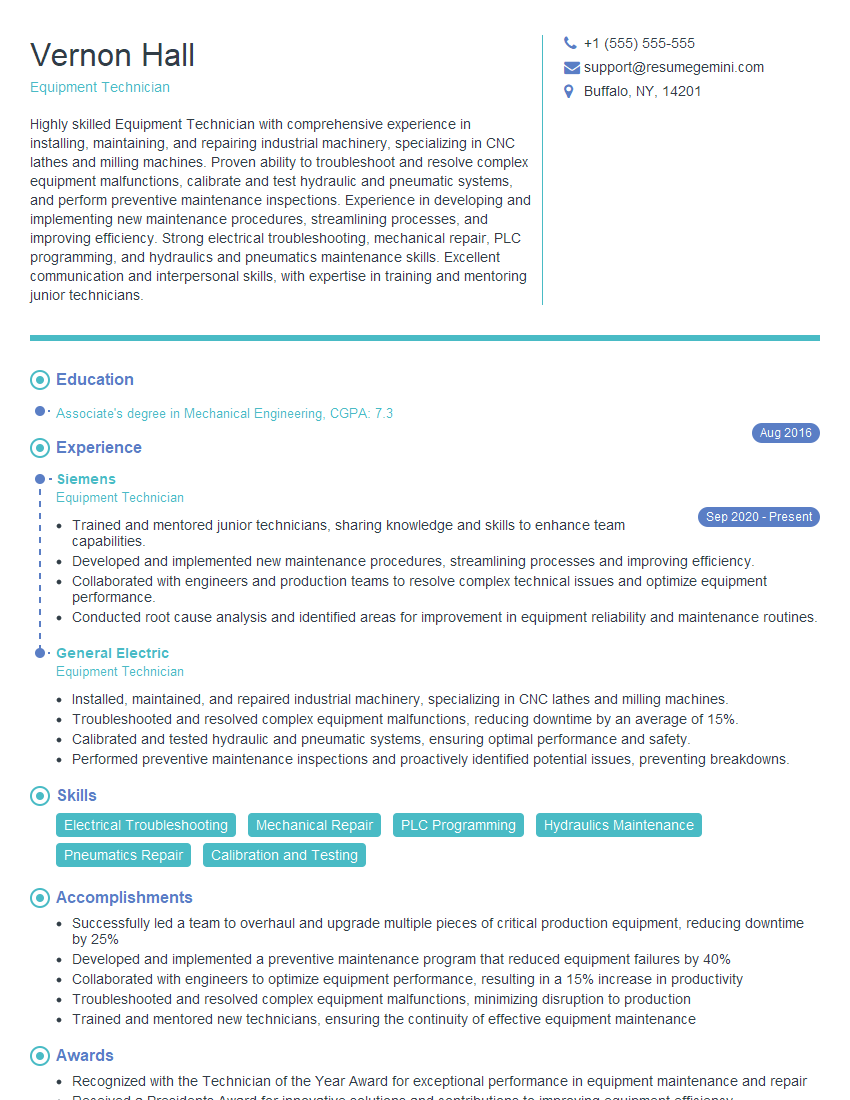
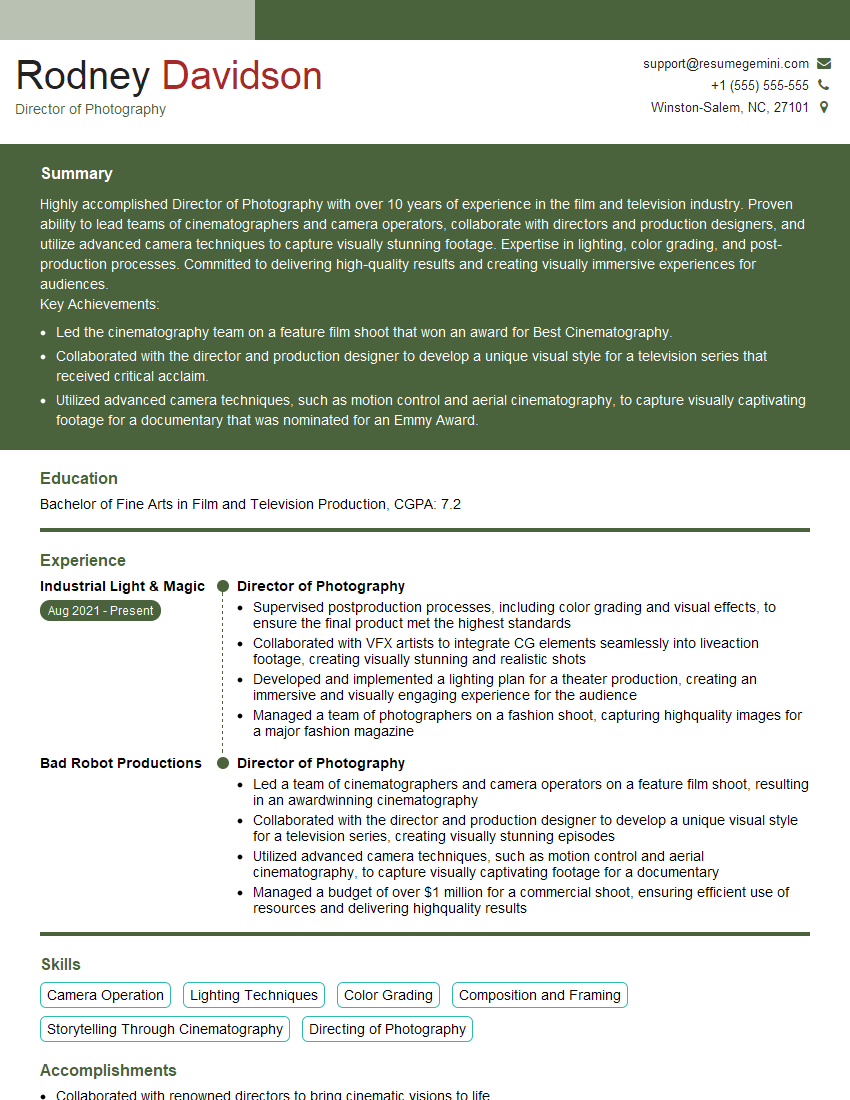
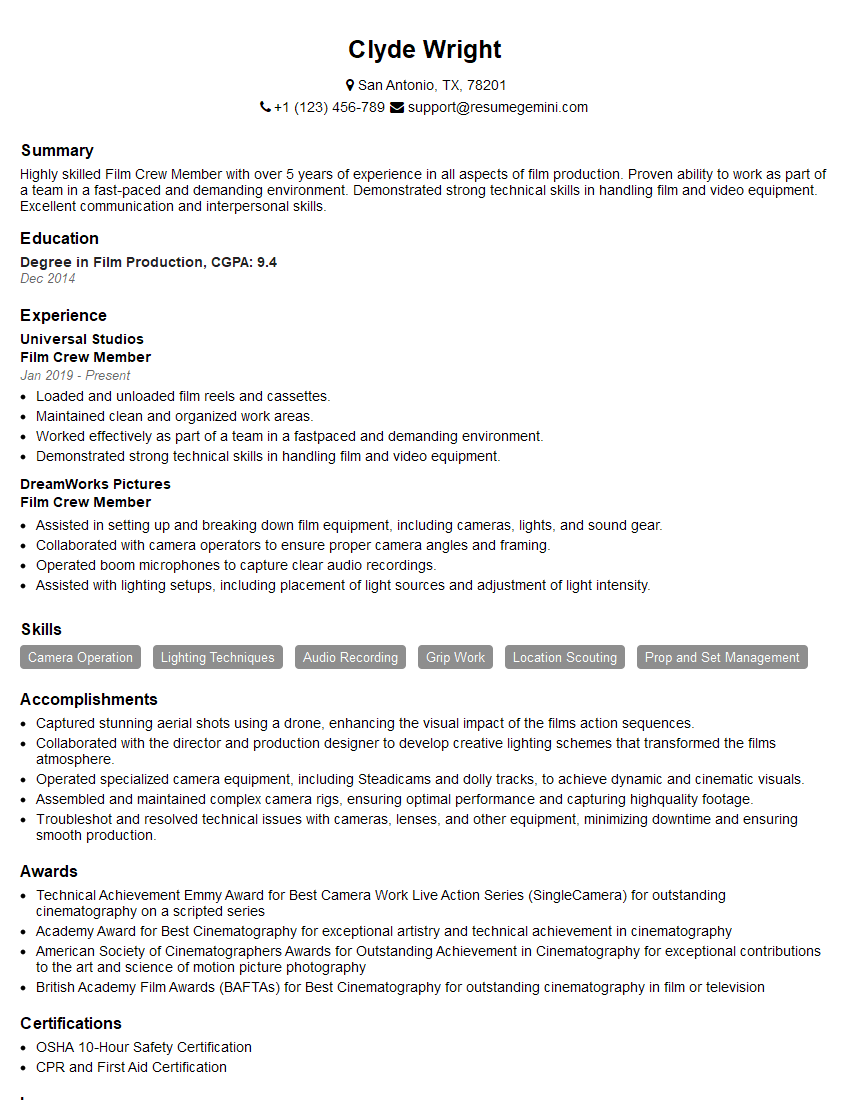
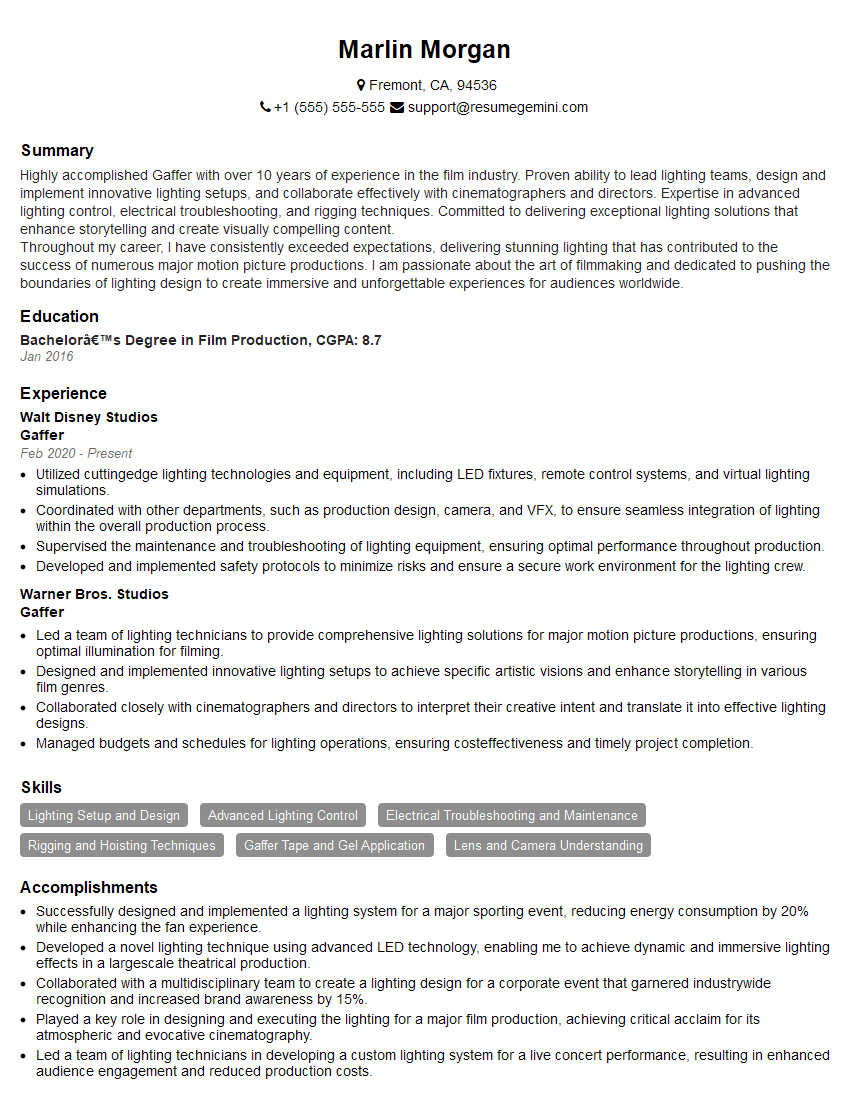
Mastering Shouldering opens doors to exciting career opportunities and positions you as a highly valuable asset in your field. To maximize your job prospects, crafting an ATS-friendly resume is crucial. This ensures your application gets noticed by recruiters and hiring managers. We highly recommend using ResumeGemini, a trusted resource for building professional and effective resumes. Examples of resumes tailored to Shouldering are available to help you create a compelling application that showcases your skills and experience.

Explore more articles
Users Rating of Our Blogs
Share Your Experience
We value your feedback! Please rate our content and share your thoughts (optional).
What Readers Say About Our Blog
To the interviewgemini.com Webmaster.
Very helpful and content specific questions to help prepare me for my interview!
Thank you
To the interviewgemini.com Webmaster.
This was kind of a unique content I found around the specialized skills. Very helpful questions and good detailed answers.
Very Helpful blog, thank you Interviewgemini team.