The right preparation can turn an interview into an opportunity to showcase your expertise. This guide to Shovel Environmental Regulations interview questions is your ultimate resource, providing key insights and tips to help you ace your responses and stand out as a top candidate.
Questions Asked in Shovel Environmental Regulations Interview
Q 1. Describe your experience with interpreting and applying Shovel Environmental Regulations.
My experience with Shovel Environmental Regulations spans over 15 years, encompassing interpretation of complex regulations, permit application preparation, compliance auditing, and risk assessment. I’ve worked on projects ranging from small-scale excavation to large-scale mining operations, gaining expertise in diverse regulatory frameworks across different jurisdictions. For example, I successfully navigated the complex permitting process for a major highway construction project, ensuring compliance with all relevant soil disturbance, water management, and air quality standards.
I’m proficient in interpreting regulations concerning soil erosion and sediment control, handling hazardous materials, groundwater protection, and wildlife habitat preservation. My expertise also extends to understanding and applying best management practices (BMPs) as outlined in various regional and national guidelines, ensuring projects meet not only the minimum legal requirements but also strive for environmental stewardship.
Q 2. Explain the key components of a Shovel Environmental Permit application.
A comprehensive Shovel Environmental Permit application typically includes several key components. Think of it as a detailed roadmap for environmentally responsible project execution.
- Project Description: A thorough outline of the project’s scope, location, and duration, including details on the type of soil and its properties.
- Environmental Baseline Data: This includes pre-construction environmental assessments, such as soil surveys, hydrological studies, and ecological assessments to establish the existing conditions.
- Mitigation and Monitoring Plan: This is a crucial section detailing the strategies to minimize environmental impacts, including erosion and sediment control measures, water quality management plans, and air quality control measures. This also includes a plan for ongoing monitoring to ensure the effectiveness of these strategies.
- Emergency Response Plan: A plan for responding to unforeseen events such as spills or accidents, outlining procedures to contain and remediate environmental damage.
- Closure and Reclamation Plan: A description of how the site will be restored to its pre-construction state or a better condition upon completion of the project. This often involves re-vegetation, soil stabilization, and contouring.
- Compliance Certification: A statement confirming adherence to all applicable regulations and commitment to maintaining environmental compliance throughout the project’s lifespan.
Each of these components is critical for approval and demonstrates a commitment to environmental protection.
Q 3. How do you ensure compliance with emission standards under Shovel regulations?
Ensuring compliance with emission standards under Shovel regulations is a multi-faceted process that requires careful planning, implementation, and monitoring. Think of it as a continuous loop of proactive measures and reactive adjustments.
- Regular Monitoring: Employing air quality monitoring equipment to track emissions levels, adhering to the prescribed frequency and parameters outlined in the permit. This data is crucial for demonstrating compliance and identifying potential issues early on.
- Equipment Maintenance: Regular maintenance of equipment, especially those with potential for emissions, is vital. This includes optimizing engine performance, ensuring proper functioning of emission control systems, and using appropriate fuels to minimize emissions.
- Best Management Practices (BMPs): Implementing BMPs like dust suppression techniques (e.g., water spraying, chemical stabilizers) and controlling fugitive dust during excavation and transportation to minimize particulate matter emissions.
- Record Keeping: Maintaining detailed records of all emissions monitoring activities, maintenance schedules, and corrective actions taken, ensuring clear documentation for audit purposes.
- Reporting and Compliance: Submitting regular reports on emission levels to the relevant regulatory bodies, ensuring transparency and prompt reporting of any deviations from permit conditions.
By consistently following this approach, potential environmental violations can be proactively identified and rectified, minimizing risks and maintaining compliance with Shovel environmental regulations.
Q 4. What are the common penalties for non-compliance with Shovel Environmental Regulations?
Penalties for non-compliance with Shovel Environmental Regulations can be severe and vary depending on the severity and nature of the violation, as well as the jurisdiction. The consequences can significantly impact a company’s reputation and financial stability.
- Fines: Significant monetary fines can be levied for violations, potentially reaching hundreds of thousands of dollars, depending on the extent of non-compliance.
- Permit Suspension or Revocation: In serious cases, permits can be suspended or revoked, bringing project operations to a halt until corrective actions are implemented and compliance is restored.
- Legal Action: Legal action, including lawsuits from affected parties or government agencies, can result in further financial penalties and reputational damage.
- Criminal Charges: In cases of gross negligence or willful violation, criminal charges can be filed, leading to severe penalties, including imprisonment.
- Reputational Damage: Non-compliance can damage a company’s reputation, leading to loss of public trust, difficulty securing future projects, and negative impacts on investor relations.
Therefore, prioritizing compliance is not merely a legal obligation but a critical aspect of responsible business practice.
Q 5. Describe your experience conducting environmental audits related to Shovel operations.
My experience in conducting environmental audits related to Shovel operations involves a systematic and thorough process, ensuring comprehensive evaluation of environmental performance. I’ve led numerous audits for various clients, ranging from small contractors to large mining companies. For example, I recently conducted a comprehensive audit for a mining operation, identifying several areas for improvement in their sediment control measures and resulting in the implementation of a more effective erosion control program.
This includes reviewing project documentation, conducting site inspections, sampling and testing environmental media (soil, water, air), interviewing personnel, and verifying compliance with permits and regulations. The audit process provides insights into potential environmental liabilities, allowing companies to proactively address any shortcomings before they escalate into significant issues.
Q 6. How do you identify and assess environmental risks associated with Shovel activities?
Identifying and assessing environmental risks associated with Shovel activities necessitates a proactive and systematic approach. It’s about anticipating potential problems before they occur.
- Hazard Identification: This involves thoroughly identifying all potential environmental hazards associated with the project, such as soil erosion, water contamination, air emissions, and impacts on wildlife and habitats.
- Risk Assessment: For each identified hazard, a risk assessment is conducted, evaluating the likelihood and potential severity of the risk. This often involves using qualitative or quantitative methods, such as risk matrices or probabilistic modeling.
- Vulnerability Assessment: Determining the sensitivity of the surrounding environment to the identified hazards. For instance, assessing the proximity to sensitive ecological areas or water bodies.
- Regulatory Review: Reviewing all applicable environmental regulations and permits to determine compliance requirements and identify potential areas of non-compliance.
This comprehensive approach ensures that potential environmental risks are identified, prioritized, and addressed effectively, reducing the potential for environmental damage and liability.
Q 7. What strategies do you employ to mitigate environmental impacts from Shovel projects?
Mitigating environmental impacts from Shovel projects requires a multifaceted strategy, combining proactive planning and reactive measures. It’s about minimizing the footprint and maximizing environmental stewardship.
- Erosion and Sediment Control: Implementing effective erosion and sediment control measures, such as silt fences, sediment basins, and vegetated buffers, to minimize soil erosion and prevent sediment from entering waterways.
- Water Quality Management: Implementing measures to prevent water contamination, such as proper handling and disposal of hazardous materials, the use of best management practices during construction, and the implementation of stormwater management plans.
- Air Quality Control: Implementing dust suppression techniques (water spraying, chemical stabilizers) to minimize particulate matter emissions, using low-emission equipment, and properly managing fuel storage and handling.
- Habitat Protection and Restoration: Protecting existing habitats, implementing habitat restoration plans, and minimizing the project’s impact on wildlife.
- Waste Management: Developing and implementing a comprehensive waste management plan to minimize waste generation and ensure proper disposal of all waste materials.
By employing these strategies, projects can significantly reduce their environmental footprint and promote responsible environmental stewardship.
Q 8. Explain your understanding of waste management regulations specific to Shovel operations.
Waste management in shovel operations is strictly regulated to minimize environmental impact. This involves a multifaceted approach encompassing waste segregation, proper handling, transportation, and disposal. Regulations vary depending on the type of waste generated (e.g., hazardous vs. non-hazardous) and the location of the operation. Key aspects include adherence to permits, manifest systems for tracking hazardous waste, and comprehensive waste management plans that are regularly audited.
For example, excavated soil may be considered non-hazardous if uncontaminated, but if contaminated with heavy metals or other pollutants, it transitions to hazardous waste, requiring specialized handling and disposal at a licensed facility. Similarly, used oil, paints, and solvents are all considered hazardous wastes and require meticulous management according to established protocols.
- Waste Characterization: Accurately identifying the type and characteristics of waste is crucial for determining the appropriate disposal method.
- Segregation: Proper separation of different waste streams (hazardous, recyclable, etc.) is essential for efficient and safe management.
- Transportation: Waste transportation must comply with stringent regulations, including the use of approved containers and vehicles.
- Disposal: Final disposal must occur at licensed facilities approved to handle the specific waste type.
Q 9. How do you ensure the proper disposal of hazardous waste generated during Shovel activities?
Ensuring proper disposal of hazardous waste generated during shovel activities requires meticulous attention to detail and strict adherence to regulations. This begins with a robust hazardous waste management plan that identifies potential hazardous waste streams, outlines procedures for handling, storage, and transportation, and details the disposal process at a permitted facility. Key steps involve:
- Waste Minimization: Implementing practices to reduce hazardous waste generation at the source (e.g., using less hazardous materials).
- Proper Labeling and Packaging: Hazardous waste must be clearly labeled and packaged to prevent accidents and ensure safe handling.
- Manifest System: A detailed manifest accompanies the waste from generation to disposal, tracking its journey and ensuring accountability.
- Compliance with Regulations: Stringent adherence to all federal, state, and local regulations governing hazardous waste disposal is paramount. This includes maintaining accurate records and undergoing regular audits.
- Emergency Response Planning: Having a detailed emergency plan to handle spills or accidents involving hazardous waste is crucial.
For instance, I’ve personally overseen projects where we implemented a closed-loop system for used oil, recycling it for reuse rather than disposal, significantly reducing waste and associated costs. This exemplifies a proactive approach to hazardous waste management that aligns with environmental best practices.
Q 10. Describe your experience with environmental monitoring and reporting for Shovel projects.
My experience in environmental monitoring and reporting for shovel projects involves a comprehensive approach, encompassing both air and water quality monitoring, as well as soil and sediment sampling. This ensures we comply with all environmental regulations and identify any potential problems early on. It also includes detailed record keeping and regular reporting to relevant agencies.
For instance, I have led teams that performed regular water quality monitoring of nearby streams and rivers, analyzing parameters such as pH, turbidity, and dissolved oxygen. These results are documented in regular reports, which are then submitted to the relevant environmental agencies. Similarly, air quality monitoring around the project site is critical, especially concerning dust generation. We employed techniques like dust suppression methods, and also monitored particulate matter levels to ensure compliance with air quality standards. This data is crucial for demonstrating compliance and informing any necessary corrective actions. The detailed reporting process ensures transparency and accountability to all stakeholders.
Q 11. What are the key differences between federal and state Shovel environmental regulations?
The key differences between federal and state shovel environmental regulations often lie in the specificity and stringency of requirements. Federal regulations, such as those established by the EPA, generally set minimum standards and broad guidelines. State regulations often build upon these federal standards, adding more stringent requirements or specific rules tailored to the unique environmental conditions of that state.
For example, federal regulations might outline general standards for water quality, while a specific state might have stricter limits on certain pollutants based on local ecosystem sensitivities. This layered approach necessitates a thorough understanding of both federal and state-specific regulations to ensure full compliance. In some cases, even local ordinances can further refine environmental requirements.
Q 12. How familiar are you with the latest updates and amendments to Shovel Environmental Regulations?
I actively stay updated on the latest amendments and updates to Shovel Environmental Regulations through various channels, including subscriptions to relevant professional journals, participation in industry conferences, and ongoing professional development courses. I also monitor the websites of relevant regulatory agencies for any changes or announcements.
This ongoing learning is crucial because environmental regulations are constantly evolving to reflect advancements in scientific understanding and technological capabilities. Staying current ensures that our projects remain compliant and that we employ the most effective environmental protection measures. A recent example would be the changes in permissible noise levels for construction activities, which necessitated adjustments in our operating procedures and equipment usage.
Q 13. How do you handle conflicting environmental regulations from different agencies?
Handling conflicting environmental regulations from different agencies requires a systematic and collaborative approach. The first step is to meticulously identify all applicable regulations from each agency, analyzing any overlaps or inconsistencies. Next, I would consult with legal counsel specializing in environmental law to gain a clear understanding of the legal implications of each regulation and determine which regulations take precedence.
Communication and collaboration with the relevant agencies is crucial. By engaging in open dialogue, we can strive to find mutually agreeable solutions that satisfy all regulatory requirements. Sometimes, this may involve seeking clarification or waivers from agencies to reconcile conflicting requirements. Documenting the entire process is essential for transparency and accountability.
Q 14. Describe your experience with environmental impact assessments related to Shovel projects.
My experience with environmental impact assessments (EIAs) for shovel projects is extensive. EIAs are crucial for evaluating the potential environmental consequences of a proposed project. A typical EIA begins with identifying potential impacts – such as habitat loss, water pollution, or air emissions – followed by an evaluation of the significance of those impacts. Mitigation strategies are then developed to reduce or eliminate adverse effects, and the effectiveness of these strategies is assessed. The entire process is documented in a comprehensive report, which is reviewed by regulatory agencies before project approval.
I’ve been involved in numerous EIAs, where we used various modeling techniques to predict the impact of a project on air and water quality and employed advanced GIS mapping to visualize potential ecological effects. For example, during one project, we identified a potential threat to a sensitive wetland area. Our EIA included a detailed assessment of that risk and proposed a rerouting of the project to minimize impacts, which was subsequently approved by regulatory agencies.
Q 15. How do you communicate complex environmental information to non-technical audiences?
Communicating complex environmental information to non-technical audiences requires a strategic approach focusing on clarity, simplicity, and relevance. I employ several techniques. First, I avoid technical jargon whenever possible, replacing complex terms with plain language equivalents. For example, instead of saying “bioremediation,” I might say “using natural processes to clean up pollution.” Second, I use visuals like charts, graphs, and infographics to present data in an easily digestible format. A pie chart illustrating the proportion of different pollutants in a soil sample is far more effective than a lengthy table of numbers. Third, I tailor my communication to the audience’s specific level of understanding and interests, recognizing that a community meeting will require a different approach than a presentation to environmental regulators. Finally, I use real-world analogies and relatable examples to make complex concepts more accessible. For instance, explaining groundwater contamination by comparing it to the spreading of a spilled glass of water can significantly improve comprehension.
For example, when explaining the potential environmental impact of a shovel operation near a sensitive wetland, I would first visually represent the wetland’s location and importance, perhaps using a map and highlighting its ecological value. Then, I would use simple language to explain how sediment runoff from the shovel operation could affect the wetland’s water quality and the plants and animals that depend on it. Finally, I might provide a real-world example of a similar project elsewhere that experienced similar impacts, underscoring the importance of mitigation strategies.
Career Expert Tips:
- Ace those interviews! Prepare effectively by reviewing the Top 50 Most Common Interview Questions on ResumeGemini.
- Navigate your job search with confidence! Explore a wide range of Career Tips on ResumeGemini. Learn about common challenges and recommendations to overcome them.
- Craft the perfect resume! Master the Art of Resume Writing with ResumeGemini’s guide. Showcase your unique qualifications and achievements effectively.
- Don’t miss out on holiday savings! Build your dream resume with ResumeGemini’s ATS optimized templates.
Q 16. What is your approach to problem-solving when facing unexpected environmental challenges?
My approach to problem-solving in unexpected environmental challenges involves a structured, multi-step process. First, I thoroughly assess the situation, gathering all available data and information relevant to the challenge. This includes reviewing existing environmental reports, conducting site visits, and engaging with stakeholders. Second, I identify the root cause of the problem, using critical thinking and problem-solving techniques such as root cause analysis (RCA) to pinpoint the underlying factors. Third, I brainstorm potential solutions, considering their feasibility, cost-effectiveness, and environmental impact. Fourth, I evaluate the potential solutions and select the most appropriate option based on a thorough risk assessment. Finally, I implement the chosen solution, carefully monitor its effectiveness, and make adjustments as needed. Throughout the entire process, I maintain transparent communication with all stakeholders, keeping them informed of progress and any unforeseen developments. Documentation is crucial; detailed records are kept at each stage, ensuring compliance and facilitating future reviews.
For instance, if unexpected high levels of arsenic were found during a site investigation at a shovel operation, I would first gather all the data, including historical site information and any previous environmental assessments. I would then investigate potential sources – could it be naturally occurring or linked to past activities? Next, I would research suitable remediation techniques such as soil excavation, solidification/stabilization, or phytoremediation, weighing their pros and cons in terms of effectiveness, cost, and time constraints. Following a risk assessment and stakeholder consultation, I would implement the chosen method, closely monitor the progress, and potentially adjust my approach based on evolving circumstances.
Q 17. Describe your experience working with environmental consultants and regulatory agencies.
I have extensive experience collaborating with environmental consultants and regulatory agencies. My collaborations with consultants often involve integrated project teams where I leverage their specialized expertise in areas such as hydrogeology, geochemistry, or ecological risk assessment. This collaborative approach is key to successful project delivery, allowing for the efficient completion of comprehensive environmental assessments and the implementation of effective remedial solutions. My interactions with regulatory agencies, such as the EPA (or equivalent) are characterized by clear, accurate, and timely communication. I understand the regulatory framework and prioritize adherence to all applicable laws and permits. This includes preparing and submitting comprehensive reports, attending meetings, and responding to agency requests for information promptly and efficiently. Building strong working relationships with agencies is crucial for successful navigation of the permitting and compliance processes.
In one particular project involving a historical mine site near a shovel operation, I worked closely with a geotechnical consultant to assess potential slope instability issues and with an ecological consultant to develop a habitat restoration plan. These reports were then used in communication with the regulatory agency, demonstrating our commitment to environmentally sound practices and facilitating a streamlined permitting process.
Q 18. How familiar are you with environmental remediation techniques applicable to Shovel sites?
I am very familiar with various environmental remediation techniques applicable to shovel sites. These sites often present unique challenges due to the potential for soil and groundwater contamination from fuel spills, heavy metals, and other hazardous substances. Common remediation techniques I utilize include:
- Excavation and disposal: Removing contaminated soil and disposing of it in a permitted landfill.
- Soil washing: Separating contaminants from the soil using water and various chemicals.
- Bioremediation: Utilizing microorganisms to break down contaminants.
- Phytoremediation: Employing plants to remove or stabilize contaminants.
- Pump and treat: Extracting contaminated groundwater and treating it before reinjection.
- In-situ chemical oxidation (ISCO): Injecting oxidizing agents into the subsurface to break down contaminants.
- Solidification/stabilization: Treating contaminated soil to reduce contaminant mobility.
The choice of technique depends on numerous factors discussed in the following answer.
Q 19. What are the key considerations for selecting appropriate environmental remediation technologies?
Selecting appropriate environmental remediation technologies requires careful consideration of several key factors. First, the nature and extent of the contamination must be thoroughly characterized. This includes identifying the specific contaminants present, their concentrations, and their distribution in the soil and groundwater. Second, the site-specific conditions play a crucial role. Factors like soil type, hydrogeology, and climate influence the effectiveness of different remediation technologies. Third, the regulatory requirements and permit conditions must be fully understood and adhered to. Fourth, the cost-effectiveness of each option needs careful evaluation, considering both the upfront investment and long-term maintenance costs. Finally, the potential risks and environmental impacts of each technology should be thoroughly assessed. For example, certain remediation techniques might generate hazardous waste that requires additional management. The goal is to select the most effective and environmentally sound technology that meets all regulatory requirements within budgetary constraints.
For example, if a shovel site is contaminated with petroleum hydrocarbons, bioremediation might be a suitable option if the site conditions are appropriate (e.g., presence of suitable microorganisms). However, if the contamination is severe or involves heavy metals, excavation and disposal might be necessary. A cost-benefit analysis, considering the risks and regulatory constraints, would be performed to make the final decision.
Q 20. Describe your experience with environmental modeling and simulation software.
I have significant experience with environmental modeling and simulation software. My proficiency includes software packages such as MODFLOW (groundwater flow modeling), MT3DMS (groundwater transport modeling), and various GIS applications. I use these tools to simulate contaminant transport, assess the effectiveness of remediation strategies, and predict future environmental conditions. This allows for informed decision-making, optimized remediation design, and the development of robust risk assessment reports. The outputs from these models provide valuable insights into the complex interplay between environmental factors, enabling a deeper understanding of site-specific challenges. Furthermore, the ability to visually represent complex data through these models aids in communication with both technical and non-technical stakeholders.
For example, in a case involving a suspected plume of groundwater contamination, I would use MODFLOW to model the groundwater flow patterns and MT3DMS to simulate the movement of the contaminant plume over time. This would help to predict the extent of contamination and assess the potential impact on nearby receptors. The results of these simulations would inform the design of a pump-and-treat system, optimizing its location and capacity for maximum efficiency.
Q 21. Explain your understanding of the life cycle assessment methodology in the context of Shovel operations.
Life cycle assessment (LCA) methodology, in the context of shovel operations, involves evaluating the environmental impacts associated with all stages of a project’s life, from raw material extraction and manufacturing to operation, maintenance, decommissioning, and waste management. This comprehensive approach provides a holistic view of the environmental footprint of the operation. Key stages considered in an LCA for a shovel operation include: material acquisition (e.g., steel for the shovel, fuel for the engines), manufacturing, transportation, operation (fuel consumption, emissions, noise, vibrations), maintenance (waste generation), decommissioning (removal of the shovel and site restoration), and waste management. Each stage’s impact is assessed based on parameters such as greenhouse gas emissions, energy consumption, water usage, waste generation, and resource depletion. The LCA aims to identify environmental hotspots, areas where environmental impact is most significant, to inform better design choices, operational strategies, and waste management practices for reducing overall environmental burden.
By conducting an LCA, we can identify, for example, the relative contributions of different fuel types on greenhouse gas emissions or compare different designs of the shovel in terms of their material use and manufacturing processes. The insights gained from the LCA can then be utilized to make decisions regarding sustainable procurement, operation optimization, and end-of-life management of the shovel and associated infrastructure, leading to a more environmentally responsible shovel operation.
Q 22. How do you incorporate sustainability principles into Shovel environmental management plans?
Sustainability is woven into every fiber of a responsible shovel environmental management plan. It’s not just about compliance; it’s about proactively minimizing our footprint and maximizing resource efficiency. We achieve this through several key strategies:
- Resource Optimization: Implementing techniques like precision excavation to reduce material waste and energy consumption. For example, using GPS-guided machinery to minimize over-excavation and precisely target resource extraction.
- Waste Management: Developing robust waste management plans that prioritize reduction, reuse, and recycling. This might include on-site composting of organic materials and implementing a rigorous system for sorting and diverting recyclable materials from landfills.
- Water Conservation: Utilizing water-efficient technologies, such as dust suppression systems that use recycled water, and implementing water recycling programs where feasible.
- Emission Reduction: Transitioning to cleaner energy sources for equipment and operations, improving fuel efficiency through regular maintenance and operator training, and exploring the use of electric or hybrid machinery where suitable.
- Biodiversity Protection: Implementing measures to protect and restore native habitats, such as creating buffer zones around environmentally sensitive areas and undertaking re-vegetation efforts post-operation.
Ultimately, integrating sustainability isn’t a checklist; it’s a continuous process of improvement and innovation. We constantly seek ways to reduce our environmental impact while ensuring the long-term viability of our projects.
Q 23. Describe your experience with developing and implementing environmental management systems (EMS).
I have extensive experience in developing and implementing Environmental Management Systems (EMS), primarily based on ISO 14001 standards. My approach involves a structured methodology, beginning with a comprehensive environmental baseline assessment to identify potential risks and opportunities. This involves reviewing permits, conducting site surveys, and analyzing historical environmental data.
Following the assessment, we develop an EMS that outlines clear environmental objectives, targets, and action plans. These are tailored to the specific operational context of the shovel project, addressing aspects like dust control, water management, waste handling, and fuel efficiency. The EMS also includes procedures for emergency response, non-compliance management, and continual improvement. I then oversee the implementation of the EMS, conducting regular audits to ensure compliance and effectiveness.
For instance, on a recent large-scale mining project, I led the development and implementation of an EMS that resulted in a 15% reduction in water consumption and a 10% decrease in greenhouse gas emissions within the first year. This success was driven by a strong commitment from the project team, regular monitoring and reporting, and an adaptive approach that continually refined our strategies based on performance data.
Q 24. What are the key performance indicators (KPIs) you would use to measure environmental performance in a Shovel operation?
Key Performance Indicators (KPIs) are crucial for measuring and managing environmental performance in shovel operations. We use a suite of KPIs to track progress across various environmental aspects:
- Waste Generation: Tons of waste generated per unit of material extracted, percentage of waste recycled or reused.
- Water Consumption: Liters of water used per unit of material extracted, percentage of water recycled or reused.
- Greenhouse Gas Emissions: Tons of CO2e emitted per unit of material extracted, energy consumption per unit of production.
- Air Quality: Particulate matter (PM10, PM2.5) levels in ambient air, dust events frequency and severity.
- Soil Erosion: Rate of soil erosion on-site, area of land disturbed, vegetation cover percentage.
- Biodiversity Indicators: Number and types of species present, changes in habitat quality.
- Compliance Incidents: Number of environmental permit violations.
These KPIs are tracked regularly, analyzed to identify trends, and used to inform management decisions and guide continuous improvement efforts. Regular reporting to stakeholders keeps everyone informed about our performance against established targets.
Q 25. How do you ensure continuous improvement in environmental performance within a Shovel project?
Continuous improvement is paramount. We achieve this through a structured approach that includes:
- Regular Monitoring and Auditing: Conducting routine environmental monitoring to identify deviations from expected performance and regularly auditing the EMS to ensure its effectiveness.
- Data Analysis: Analyzing environmental data to identify trends, pinpoint areas for improvement, and refine our strategies.
- Management Reviews: Holding regular management reviews to assess environmental performance, review KPIs, and identify opportunities for optimization. This involves input from all levels of the project team.
- Employee Training and Engagement: Providing ongoing training to employees on environmental best practices and promoting a culture of environmental responsibility.
- Technological Innovation: Exploring and implementing new technologies and techniques to improve environmental performance. This could include using more efficient equipment or adopting advanced waste management methods.
- Corrective and Preventive Actions: Implementing corrective actions to address any non-conformances identified and preventive actions to mitigate potential future environmental risks.
The Plan-Do-Check-Act (PDCA) cycle is a cornerstone of our continuous improvement approach. By consistently monitoring, evaluating, and adjusting our strategies, we ensure that our environmental performance is constantly improving.
Q 26. Describe your experience with environmental due diligence in the context of Shovel projects.
Environmental due diligence is critical before commencing any shovel project. This involves a thorough assessment of potential environmental liabilities and risks associated with the project site. My approach is comprehensive and includes:
- Site Assessment: A detailed review of the project site to identify any potential environmental concerns, such as contaminated soil or presence of endangered species.
- Regulatory Review: A comprehensive review of all applicable environmental regulations, permits, and licenses.
- Historical Data Review: Analyzing historical environmental data, including previous site investigations and environmental reports.
- Stakeholder Consultation: Engaging with local communities and relevant stakeholders to understand their concerns and expectations.
- Risk Assessment: Conducting a thorough risk assessment to identify and evaluate potential environmental risks.
The findings of the due diligence process are crucial for informing the development of the environmental management plan and for ensuring that the project can proceed in a safe and environmentally responsible manner. For example, a previous project involved identifying a previously unrecorded wetland area during the due diligence phase. This led to a redesign of the project layout to avoid impacting the wetland, avoiding potential regulatory violations and reputational damage.
Q 27. What are your preferred methods for managing and reporting environmental data?
Effective environmental data management is crucial. We use a combination of methods for managing and reporting this data:
- Dedicated Environmental Database: We utilize a dedicated database system to store and manage environmental data. This ensures data integrity, consistency, and accessibility.
- Geographic Information Systems (GIS): GIS technology is invaluable for visualizing and analyzing spatial environmental data, such as soil contamination levels or vegetation patterns.
- Data Logging and Monitoring Systems: We use automated data logging and monitoring systems for real-time monitoring of key environmental parameters, such as water quality or air emissions. This allows for prompt identification of potential issues.
- Regular Reporting: We produce regular reports to track progress towards environmental objectives and to communicate performance to stakeholders. These reports often utilize charts, graphs, and maps for clear and concise communication.
Data security and integrity are paramount. We ensure that our data management systems adhere to the highest standards of data security and that all data is properly documented and archived in accordance with legal requirements.
Q 28. How would you handle a situation where a Shovel operation is found to be in violation of environmental regulations?
A violation of environmental regulations is a serious matter, demanding a swift and decisive response. My approach follows a structured process:
- Immediate Action: First, we immediately cease any activity that is contributing to the violation. This might involve temporarily halting a specific operation or implementing immediate corrective measures.
- Investigation: We launch a thorough investigation to determine the root cause of the violation, gather all relevant data, and document the findings.
- Regulatory Reporting: We promptly report the violation to the relevant regulatory authorities, providing them with all necessary information and cooperating fully with their investigation.
- Corrective Actions: We develop and implement effective corrective actions to address the root cause of the violation and prevent recurrence. This might involve equipment upgrades, improved operational procedures, or staff training.
- Preventive Actions: We implement preventive actions to mitigate the risk of future violations. This might include changes to the environmental management system or enhanced monitoring protocols.
- Communication: We maintain open communication with regulatory agencies and stakeholders throughout the process, keeping them informed of our progress and actions.
Transparency and cooperation are key to managing such situations effectively. Our aim is not just to address the immediate violation but to learn from it and prevent similar incidents from happening in the future.
Key Topics to Learn for Shovel Environmental Regulations Interview
- Permitting and Compliance: Understanding the application process, permit types, and ongoing compliance requirements under Shovel Environmental Regulations. This includes knowing how to interpret regulations and ensure adherence.
- Waste Management and Disposal: Practical application of regulations concerning hazardous waste, soil remediation, and appropriate disposal methods. Be prepared to discuss case studies or scenarios involving waste management challenges.
- Environmental Impact Assessments (EIAs): Theoretical understanding of EIA methodologies and their practical application in evaluating the environmental impact of projects. Focus on data analysis, risk assessment, and mitigation strategies.
- Water Quality and Management: Knowledge of regulations related to water discharge, pollution control, and the protection of aquatic ecosystems. Explore relevant monitoring techniques and reporting procedures.
- Air Quality Monitoring and Control: Understanding regulations related to air emissions, monitoring protocols, and control technologies. Be ready to discuss strategies for minimizing air pollution from industrial processes.
- Remediation and Restoration: Practical application of remediation techniques for contaminated sites. Be prepared to discuss different remediation technologies and their effectiveness in specific contexts.
- Stakeholder Engagement and Communication: Understanding the importance of communicating effectively with stakeholders, including regulators, communities, and other interested parties. This includes conflict resolution and negotiation skills.
- Relevant Legislation and Case Law: Familiarize yourself with key legislation and landmark court cases related to Shovel Environmental Regulations. This demonstrates a deeper understanding of the legal framework.
Next Steps
Mastering Shovel Environmental Regulations is crucial for career advancement in this specialized field. A strong understanding of these regulations opens doors to higher-level positions and demonstrates your commitment to environmental stewardship. To maximize your job prospects, creating an ATS-friendly resume is essential. ResumeGemini can help you build a professional and effective resume that highlights your skills and experience, ensuring your application stands out. Examples of resumes tailored to Shovel Environmental Regulations are available to help guide you.
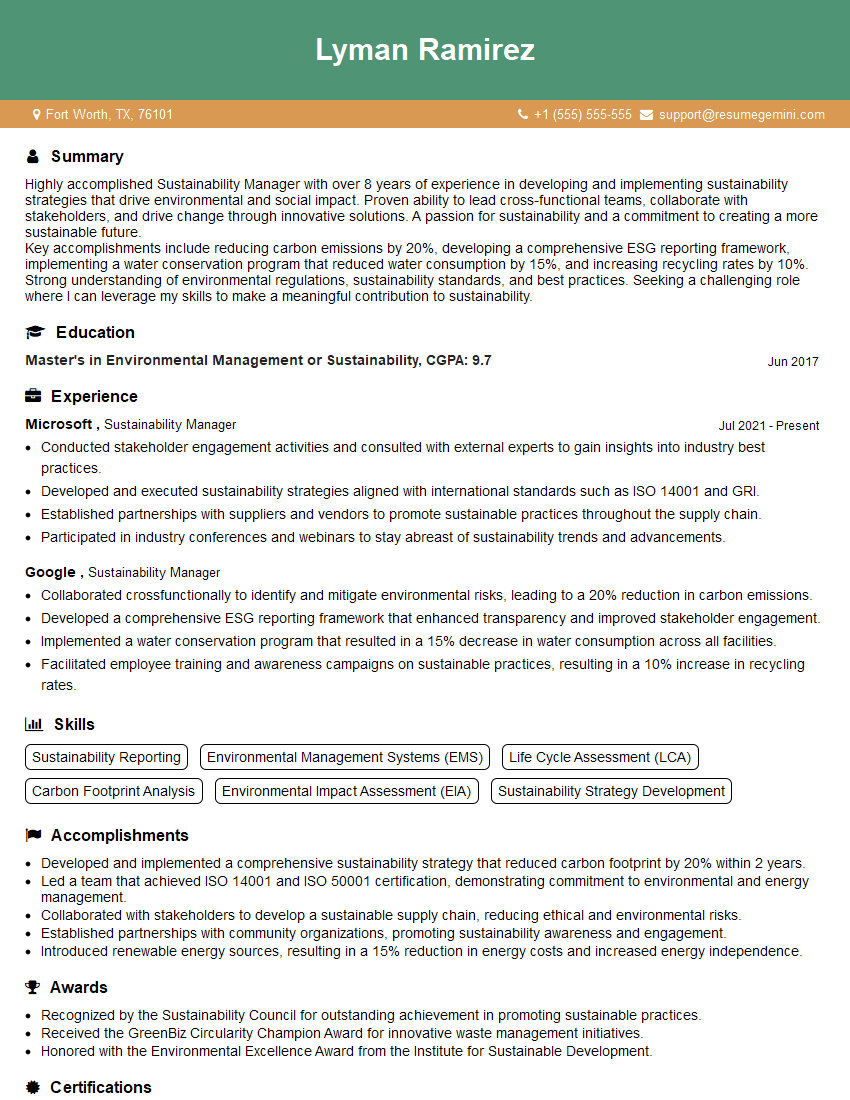
Sustainability Manager Resume Sample
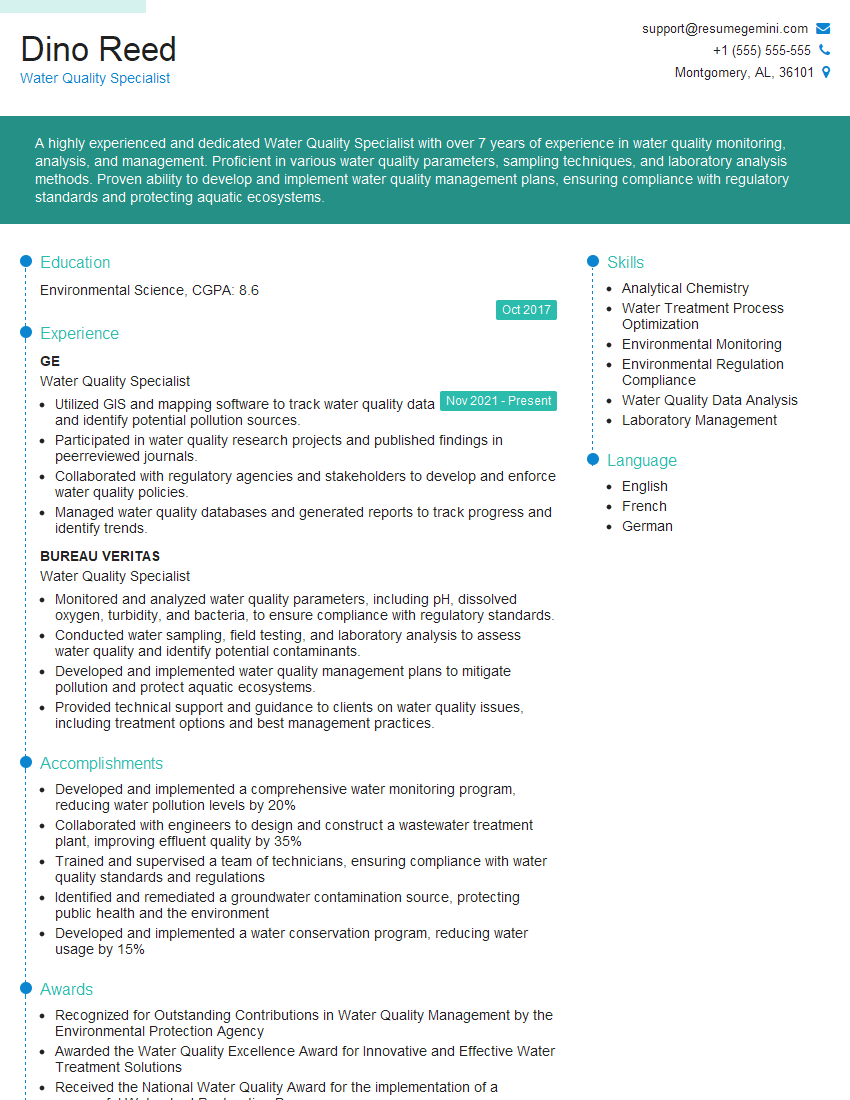
Water Quality Specialist Resume Sample
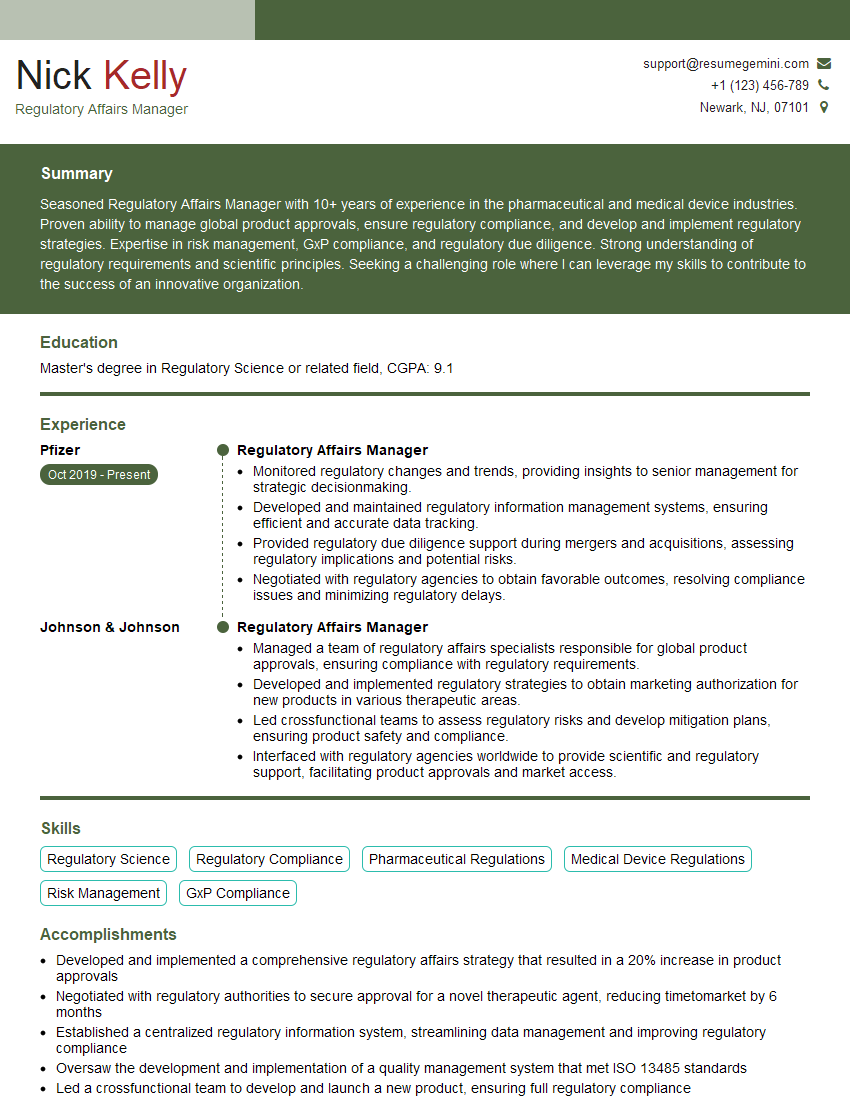
Regulatory Affairs Manager Resume Sample
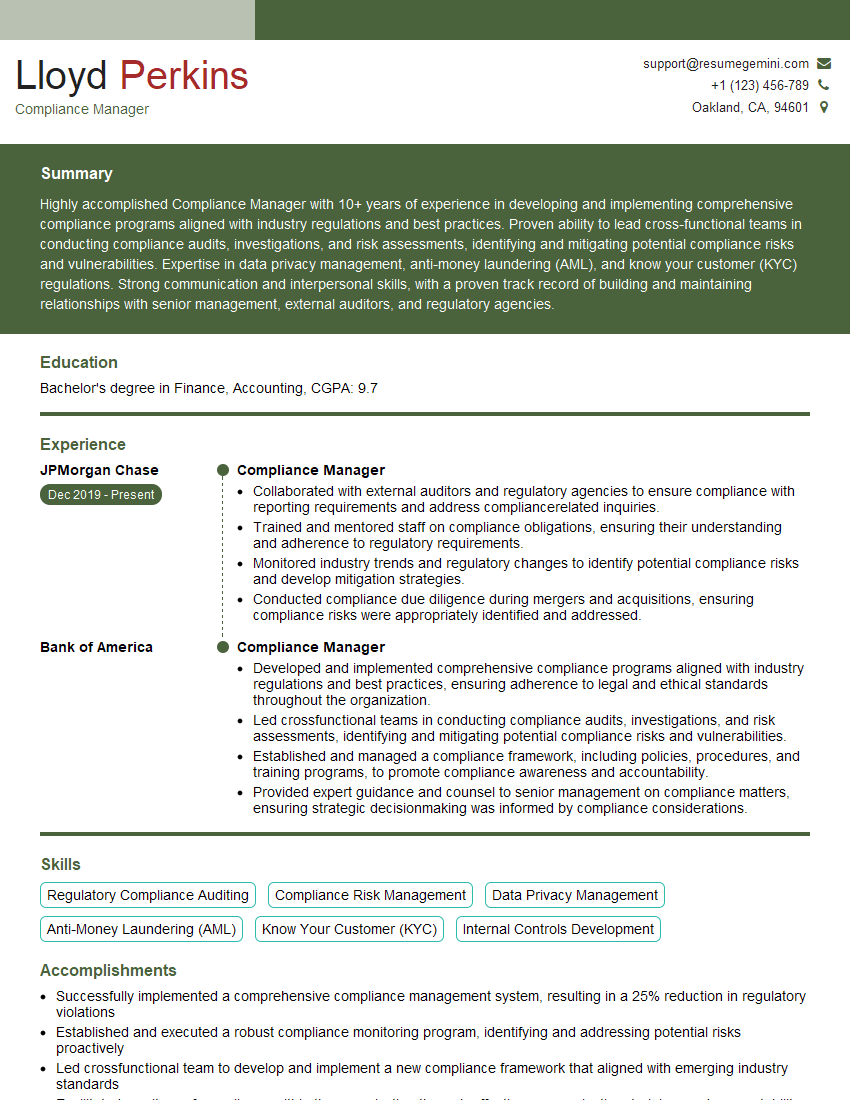
Compliance Manager Resume Sample
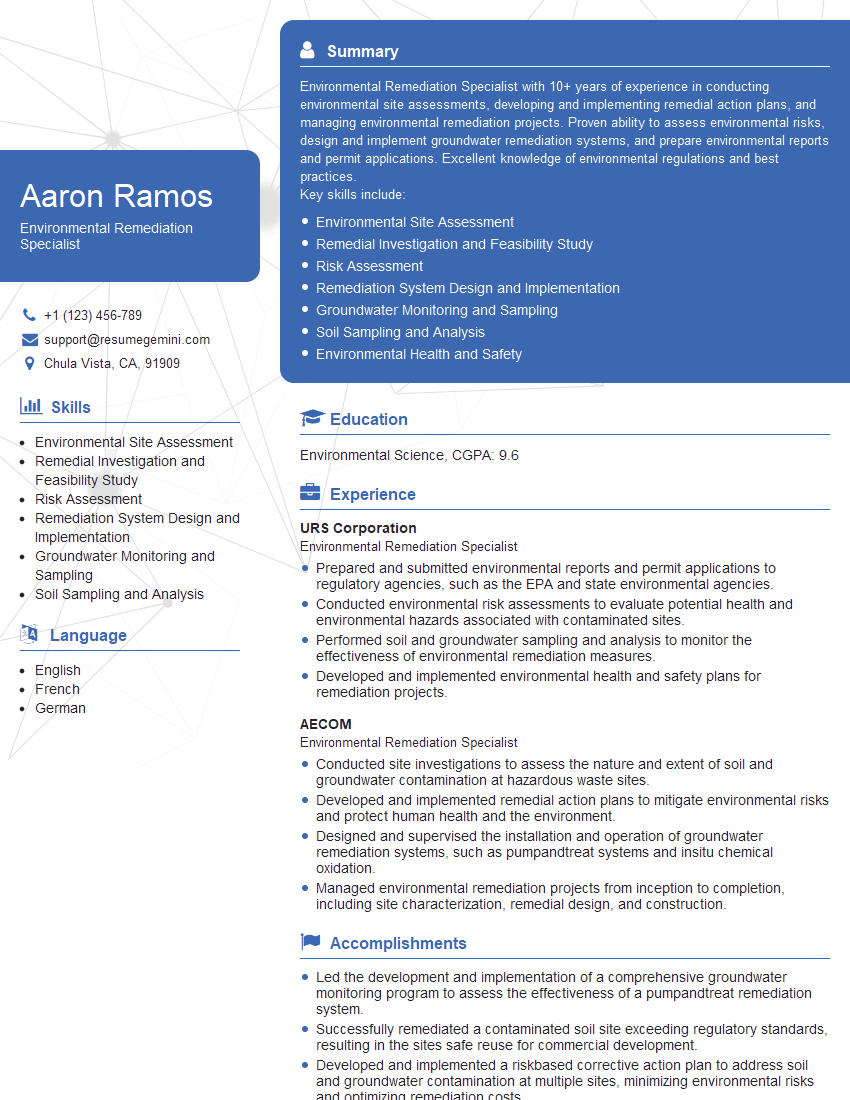
Environmental Remediation Specialist Resume Sample
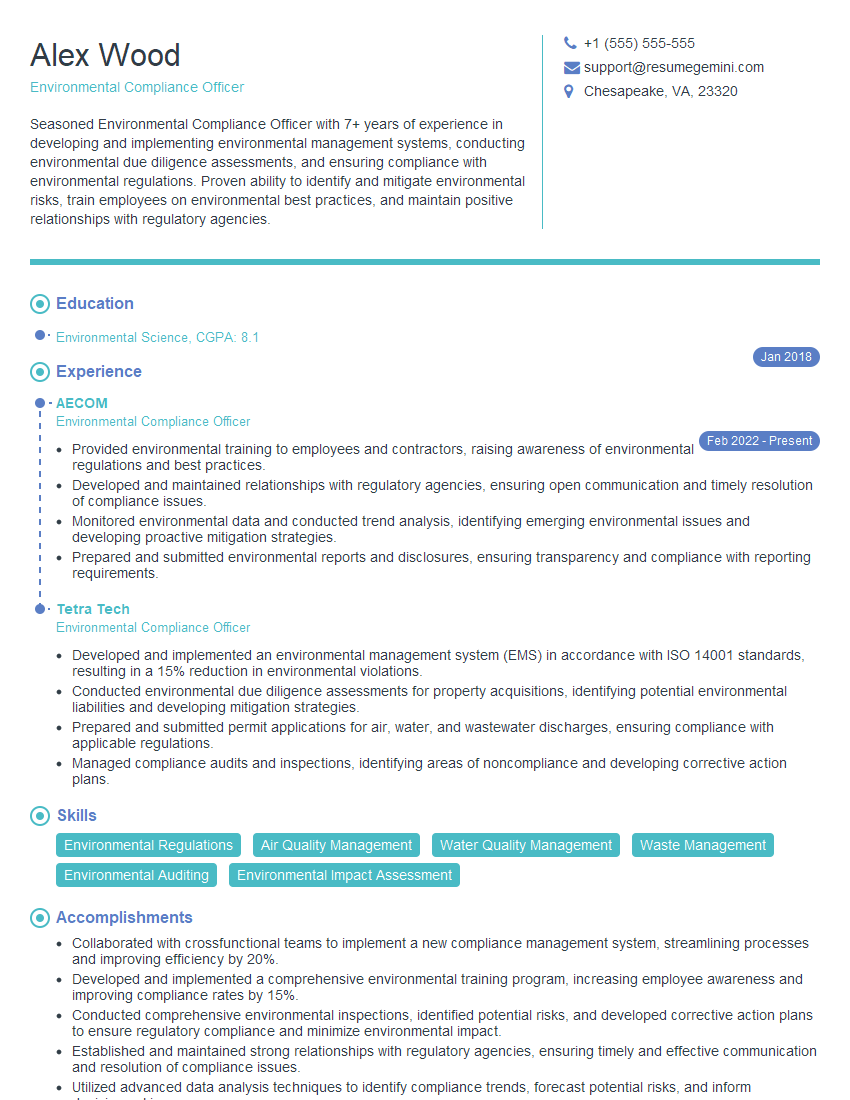
Environmental Compliance Officer Resume Sample
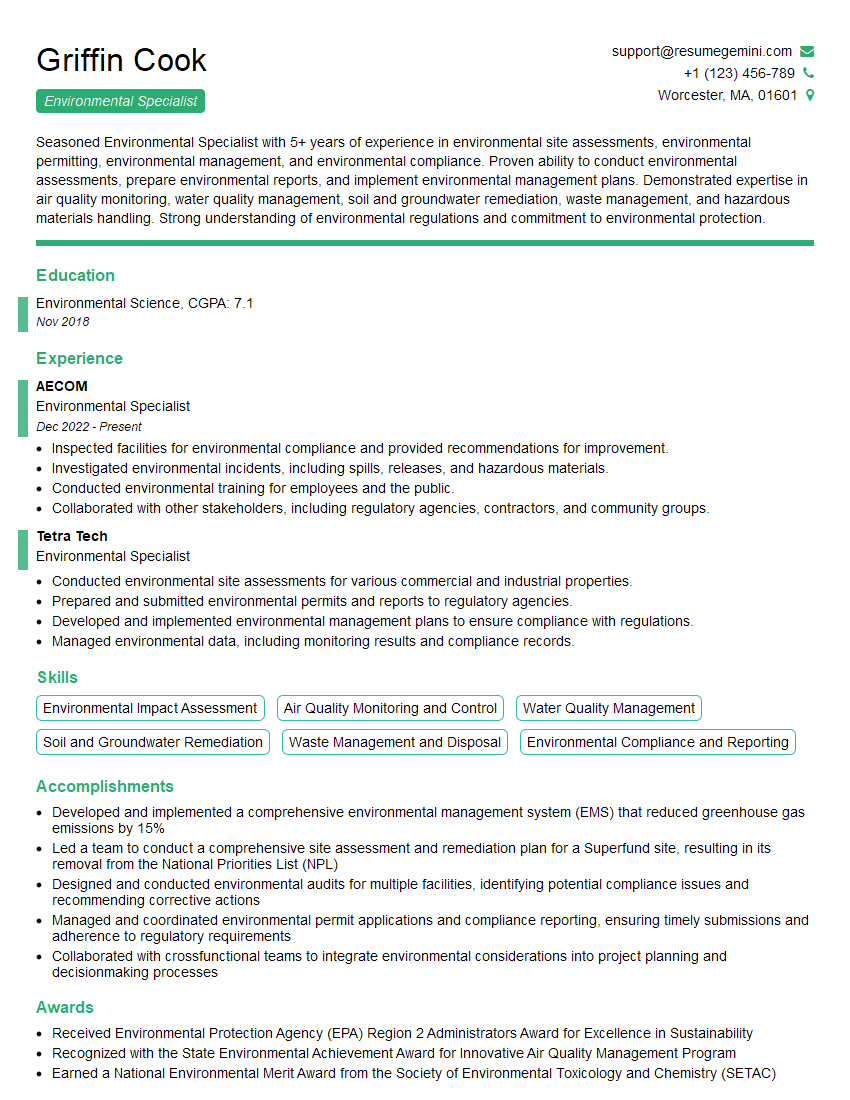
Environmental Specialist Resume Sample
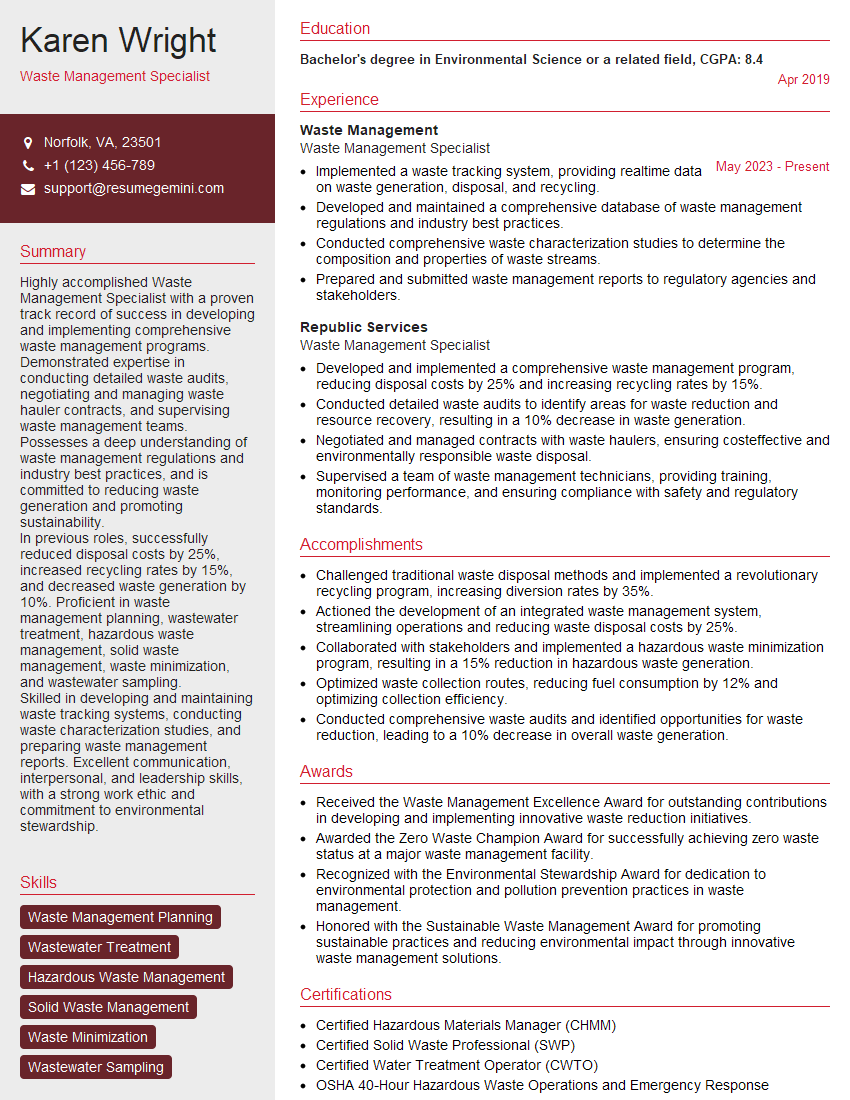
Waste Management Specialist Resume Sample

Sustainability Consultant Resume Sample
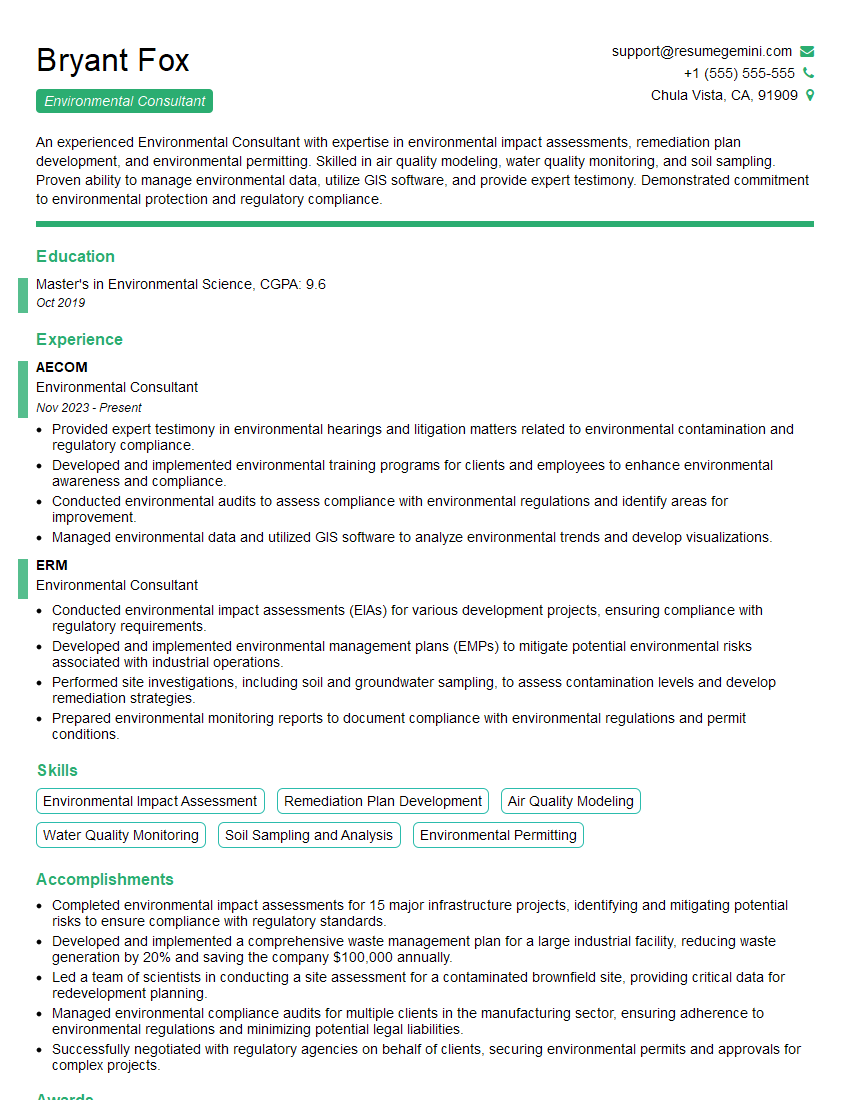
Environmental Consultant Resume Sample
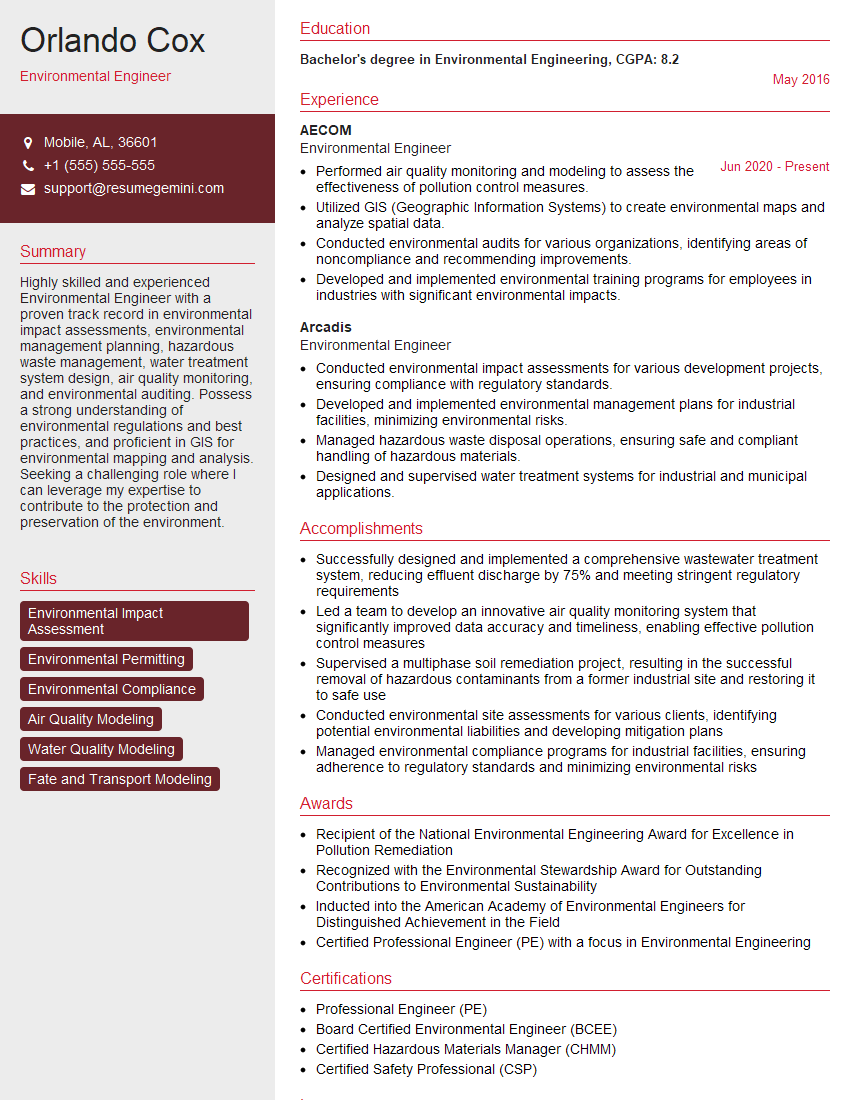
Environmental Engineer Resume Sample
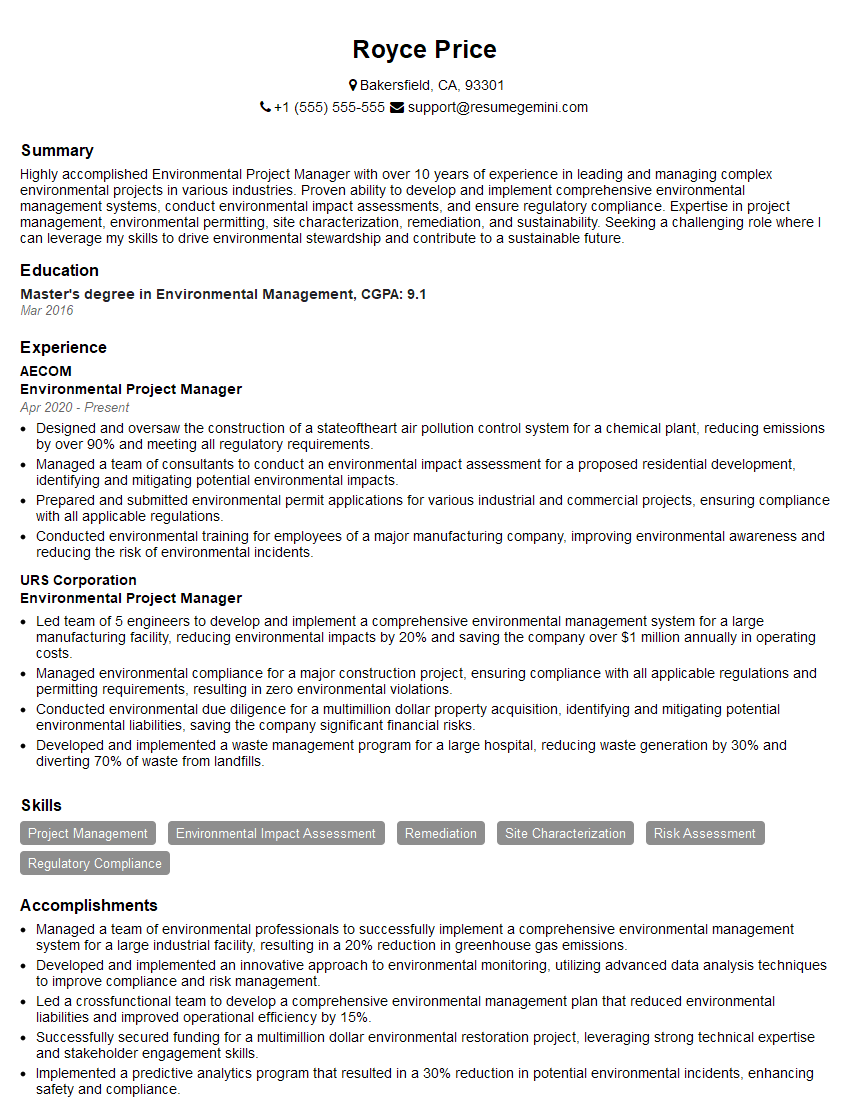
Environmental Project Manager Resume Sample
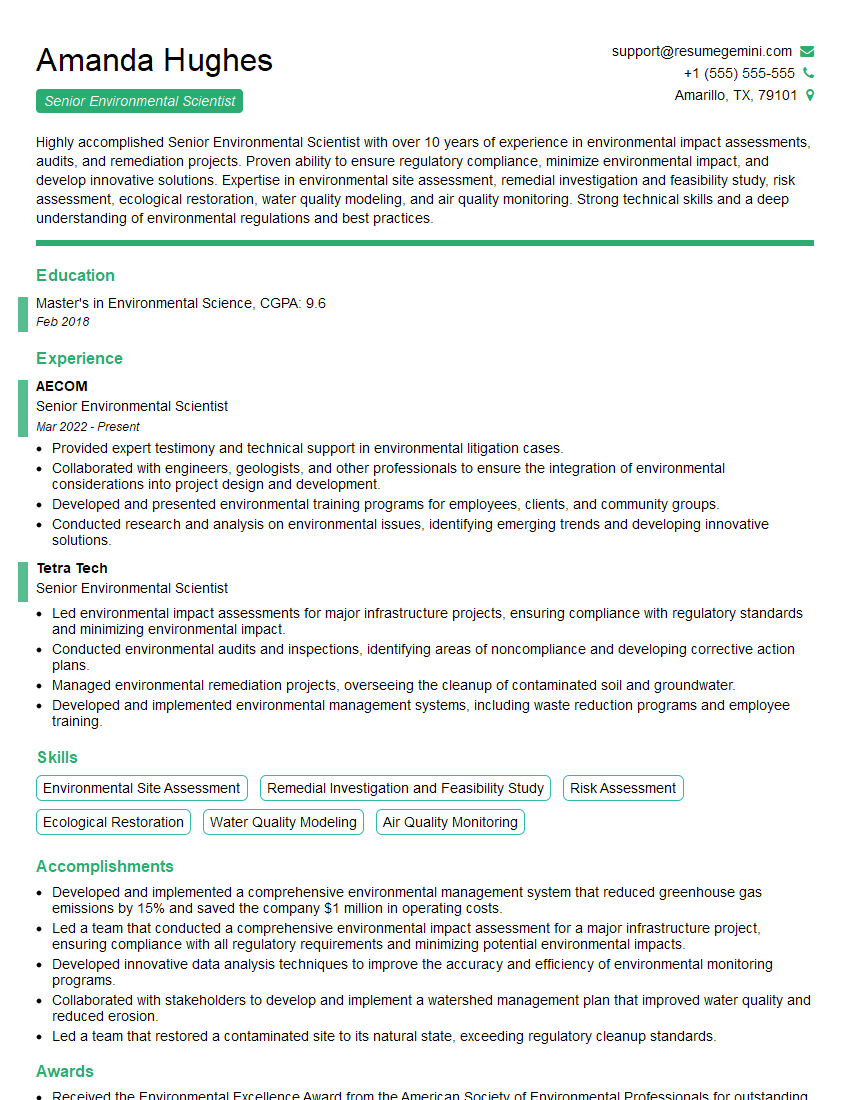
Senior Environmental Scientist Resume Sample
- Sustainability Manager
- Water Quality Specialist
- Regulatory Affairs Manager
- Compliance Manager
- Environmental Remediation Specialist
- Environmental Compliance Officer
- Environmental Specialist
- Waste Management Specialist
- Sustainability Consultant
- Environmental Consultant
- Environmental Engineer
- Environmental Project Manager
- Senior Environmental Scientist
Explore more articles
Users Rating of Our Blogs
Share Your Experience
We value your feedback! Please rate our content and share your thoughts (optional).
What Readers Say About Our Blog
To the interviewgemini.com Webmaster.
Very helpful and content specific questions to help prepare me for my interview!
Thank you
To the interviewgemini.com Webmaster.
This was kind of a unique content I found around the specialized skills. Very helpful questions and good detailed answers.
Very Helpful blog, thank you Interviewgemini team.