The thought of an interview can be nerve-wracking, but the right preparation can make all the difference. Explore this comprehensive guide to Shovel Teamwork interview questions and gain the confidence you need to showcase your abilities and secure the role.
Questions Asked in Shovel Teamwork Interview
Q 1. Describe your experience working collaboratively on a physically demanding task.
Collaborative work on physically demanding tasks like shoveling requires a blend of individual strength and coordinated effort. It’s not just about digging; it’s about strategic teamwork. My experience includes numerous large-scale projects where efficient shoveling was crucial. For example, during a landscaping project, our team of five had to move several tons of topsoil within a tight deadline. We didn’t simply start digging; we divided the workload strategically. Two people focused on loosening and lifting the soil, two on carrying it in wheelbarrows to the designated area, and one managed the overall flow, ensuring a consistent supply and minimizing wasted movement. This division of labor, coupled with clear communication, allowed us to complete the task efficiently and safely, avoiding exhaustion and injuries. Another project involved trenching for utilities. Here, we adopted a rotation system to prevent burnout. This rotating system ensures everyone gets a chance to rest and not overexert themselves.
Q 2. How do you ensure safety protocols are followed during collaborative shovel work?
Safety is paramount in any physically demanding collaborative task, especially shoveling. We begin by establishing clear safety protocols before starting any work. This includes a brief pre-task meeting outlining potential hazards, like uneven terrain, underground utilities, or heavy equipment in the vicinity. We emphasize proper lifting techniques to avoid back injuries, stressing the importance of bending at the knees and lifting with the legs. We also ensure everyone wears appropriate safety gear, including gloves and sturdy footwear. Communication is key; individuals should immediately alert the team to any potential safety concerns. Regular breaks are scheduled to prevent fatigue, a significant safety risk. Finally, a designated team member regularly checks on the work area for any evolving hazards. For example, during a large-scale earth moving project, we had a designated safety officer who made regular inspections and adjusted the work plan if necessary, ensuring a safe and efficient workflow.
Q 3. Explain a time you had to adapt your work style to accommodate a teammate’s strengths and weaknesses.
Adaptability is essential in teamwork. On one project, we had a teammate who was physically strong but lacked the precision needed for delicate excavation near underground cables. Instead of assigning him tasks requiring such precision, which could have led to mistakes and damage, I assigned him to the more physically demanding aspects of the job, like breaking up large clumps of soil. This played to his strengths. Another team member, though physically less strong, possessed superior spatial awareness and accuracy; thus he was given the careful tasks near the utility lines. This optimized our team’s overall productivity by focusing each individual on tasks where they performed best.
Q 4. How do you effectively communicate progress and challenges within a shovel team?
Effective communication is the backbone of any successful shovel team. We use a combination of verbal and visual cues. Regular progress checks—for example, every 30 minutes—allow us to assess how we’re doing against the planned schedule. Challenges are addressed immediately. For instance, if we encounter unexpectedly hard ground, we communicate this to the whole team so that we can adjust our techniques or seek assistance with more specialized tools. We also use visual cues like hand signals to communicate quickly and efficiently in noisy environments. For large projects, we use simple checklists to track progress against deliverables, ensuring transparency and accountability.
Q 5. Describe your approach to resolving conflicts within a team during a construction project.
Conflicts within a team are inevitable. My approach focuses on open and respectful communication. If a conflict arises, I facilitate a discussion where each member can express their perspective without interruption. This usually allows us to identify the root cause of the issue—often a misunderstanding or a perceived unfairness in workload distribution. Once the root cause is identified, we collaboratively brainstorm solutions, finding a way that allows everyone to feel heard and respected. I believe in reaching a mutually agreeable solution, prioritizing the overall success of the project over individual preferences. If needed, I will step in to mediate, ensuring a balanced and objective perspective.
Q 6. How do you maintain efficiency and productivity within a shovel team?
Maintaining efficiency and productivity in a shovel team relies heavily on planning and execution. Before starting, we have a clear understanding of the task, including the area to be covered, the type of soil, and the expected output. We then develop a detailed plan, dividing the work into manageable chunks, optimizing workflow to minimize unnecessary movements. Regular breaks, to prevent fatigue, are crucial, as are consistent progress checks to ensure we’re on track. Using appropriate tools, like shovels designed for the specific type of soil, and maintaining those tools in good condition, directly impacts productivity. Finally, a positive team environment, characterized by mutual respect and support, fosters efficient work habits.
Q 7. How do you delegate tasks effectively in a shovel team environment?
Effective task delegation within a shovel team is about understanding each team member’s strengths and limitations. Tasks are assigned based on individual capabilities, matching the individual’s skillset with the task requirements. For example, more experienced members may handle tasks that require precision or more complex techniques, while newer members might be given tasks that require more physical strength, always ensuring proper supervision. Delegation isn’t just assigning work; it’s also about providing guidance and support to ensure everyone feels confident in their role. Clear instructions, coupled with regular check-ins to address questions or concerns, guarantee smooth execution and high-quality results.
Q 8. How do you handle unexpected delays or obstacles while working in a shovel team?
Unexpected delays and obstacles are inevitable in shoveling, whether it’s encountering a rock, dealing with shifting ground, or experiencing equipment malfunction. Effective teamwork is crucial here. My approach involves first identifying the problem – is it a material issue, a logistical one, or something else entirely? Then, we communicate openly; no one should be afraid to highlight a potential problem. We brainstorm solutions as a team, often involving a quick re-assessment of the task and a possible division of labor to tackle the obstacle effectively. For instance, if we hit a large rock, we might have some team members work to loosen it while others continue shoveling around it to maintain momentum. If the delay is due to a lack of materials, we’d immediately relay the issue to the supervisor. Finally, we document the delay and its resolution for future planning and process improvement.
Q 9. Explain a time you had to adjust your work based on changing conditions on site.
During a large-scale landscaping project, we encountered unexpectedly heavy clay soil. Our initial plan, based on estimations of lighter soil, needed revision. The original strategy of using a quick, ‘scoop and toss’ method was proving inefficient and physically demanding. We immediately adapted, introducing a ‘break-and-lift’ technique. We used shovels to break up large clods of clay, then used smaller shovels for easier lifting and throwing. This involved more effort per shovelful, but significantly reduced strain, preventing injuries and improving overall team efficiency. We also adjusted our team formation for better leverage and a smoother workflow. By openly communicating the change and implementing the new technique, we completed the project successfully, demonstrating adaptability and teamwork.
Q 10. How do you identify and resolve potential safety hazards in a team shoveling environment?
Safety is paramount. Before any shoveling begins, we conduct a thorough site assessment. This involves checking for any trip hazards (rocks, uneven ground, holes), identifying potential overhead hazards (falling branches, power lines), and ensuring adequate lighting and visibility. We also check for any potential exposure to harmful materials (chemicals, contaminated soil). During the work, we establish clear communication channels using hand signals to prevent accidents. If any safety hazards emerge unexpectedly—like a sudden gust of wind threatening to blow debris around—we immediately pause the work, assess the situation, and implement necessary safety measures before resuming. Regular breaks are also crucial to prevent exhaustion and maintain focus.
Q 11. Describe your experience with different shoveling techniques and when each is most effective.
My experience encompasses various shoveling techniques: The ‘scoop and toss’ is best for light, loose materials and requires quick, repetitive motions, ideal for large-scale, less strenuous tasks. The ‘break-and-lift’ method, as described earlier, is perfect for denser materials needing breaking up before shoveling. The ‘underhand’ technique is excellent for scooping under objects. The ‘overhand’ technique offers more control and leverage for heavier lifting. Choosing the right technique depends on the material, terrain, and the desired speed and efficiency. We often discuss and choose the most appropriate method before beginning a task, considering the nature of the work and potential fatigue.
Q 12. How do you monitor the pace of work to ensure overall team efficiency?
Monitoring pace requires a balance between maintaining efficiency and preventing burnout. I frequently observe the team’s rhythm and overall progress, ensuring even distribution of workload and rest breaks. Visible markers (like completing a designated section) help track progress. We avoid pushing too hard, recognizing that fatigue leads to slower work and higher risk of injury. Instead, we focus on consistent effort. If I notice one person lagging, I offer assistance or suggest adjustments to the workload. Open communication about pace and effort is key to ensuring a sustainable and productive work rate for the entire team.
Q 13. Describe your experience using hand signals or other communication methods for team coordination.
Clear communication is essential, and we rely heavily on hand signals to maintain a steady flow. Simple signals like pointing to indicate the direction of the next dump spot, raising a hand to signal a stop, or a thumbs-up to indicate all is well, all prevent verbal communication distractions in noisy environments or conditions hindering verbal clarity. We established these signals early on, ensuring everyone understands them fully. We’ve also adjusted signals to accommodate differing needs or limitations of team members, demonstrating flexibility and inclusivity in our communication protocols.
Q 14. How do you contribute to maintaining a positive and supportive team environment during physically strenuous work?
Maintaining a positive team environment during physically demanding tasks involves fostering mutual respect, encouragement, and open communication. We regularly take breaks to hydrate and rest, using this time for informal chats to build camaraderie. We share workload and offer help where needed. Positive reinforcement and acknowledgment of individual contributions goes a long way in maintaining morale. Small acts of kindness, such as helping someone who is struggling or offering encouragement during a difficult section, can greatly improve team cohesion and make the job feel less arduous. I actively work towards ensuring everyone feels valued, supported, and respected within the team.
Q 15. How do you ensure fair distribution of work among team members during a collaborative effort?
Fair work distribution in a shoveling team hinges on effective communication and task delegation. We begin by assessing the workload – the volume of material, the terrain’s difficulty, and the distance to the disposal site. Then, we consider each team member’s physical capabilities and experience. A strong team leader, for example, will know that assigning someone with back issues to the most physically demanding part of the task is not an efficient or fair strategy.
We often utilize a rotating system for the most strenuous tasks. This ensures everyone contributes equally to the demanding parts of the job and avoids burnout. For instance, we might rotate who handles the heaviest shoveling, or who carries the filled buckets the longest distances. Smaller, less strenuous tasks like clearing debris or smoothing the surface can be distributed based on individual preferences or any additional needs or skills.
- Example: If we have 4 people and are moving a large pile of gravel, we might assign the 2 strongest people to do the initial shoveling in a rotating manner and the other 2 can assist with moving the gravel to the designated area.
Career Expert Tips:
- Ace those interviews! Prepare effectively by reviewing the Top 50 Most Common Interview Questions on ResumeGemini.
- Navigate your job search with confidence! Explore a wide range of Career Tips on ResumeGemini. Learn about common challenges and recommendations to overcome them.
- Craft the perfect resume! Master the Art of Resume Writing with ResumeGemini’s guide. Showcase your unique qualifications and achievements effectively.
- Don’t miss out on holiday savings! Build your dream resume with ResumeGemini’s ATS optimized templates.
Q 16. Explain a time you had to troubleshoot a problem that arose during teamwork while shoveling.
During a large-scale landscaping project, we encountered a problem with a section of compacted clay. Our standard shovels weren’t effective enough to break it up. This significantly slowed down our progress and threatened to impact our deadline.
To troubleshoot, we first held a brief team meeting. We discussed the problem and brainstormed solutions. We realized we needed a different tool – a more heavy-duty, pointed shovel, or even a pickaxe, would be more suitable for breaking up the compacted clay. Luckily, our supervisor had anticipated such a scenario and had alternative equipment on standby. Once we obtained the pickaxe and the correct type of shovel, we effectively loosened the clay, and the rest of the team quickly finished removing it.
This experience taught me the importance of problem identification, collaborative brainstorming, and having contingency plans for unforeseen challenges during any teamwork effort. It also highlighted the need to assess the material being moved to select the right tools for the job.
Q 17. Describe your experience working with different types of shovels and their appropriate uses.
My experience spans various shovel types, each with its strengths. The common round-point shovel is ideal for general scooping and moving loose materials like soil, sand, and gravel. Its design allows for efficient loading and unloading. The square-point shovel is excellent for moving heavier materials or more compact materials, as its flat, square blade provides more stability and increased surface area for scooping.
For breaking up hard-packed earth or clay, I’ve found that a pointed shovel is the most effective; the pointed blade easily penetrates and breaks up compacted materials, facilitating the removal of the loosened soil. For moving snow, a snow shovel is indispensable, designed with a wider blade and often a curved shape for efficient snow removal. Each shovel’s application is dependent on the material and the task at hand; understanding this is critical for efficient and safe work.
Q 18. How do you handle situations where a team member is not performing their share of the workload?
Addressing a team member’s underperformance requires a sensitive yet direct approach. First, I try to understand the reason. Are they injured? Are they overwhelmed? Do they lack the necessary skills? Open communication is key. I would approach them privately, expressing my concern, and asking if there are any issues hindering their contribution.
If it’s a skill issue, I offer guidance and support, demonstrating techniques and offering practical assistance. If it’s a physical limitation, we adjust their tasks to match their abilities. However, if the underperformance stems from lack of effort or motivation, I might need to speak to the team leader. Ultimately, team success depends on everyone pulling their weight, and addressing issues proactively ensures fairness and productivity for everyone.
Q 19. How do you measure the success of a team’s collaborative effort during a shoveling task?
Measuring the success of a collaborative shoveling effort goes beyond just completing the task. We evaluate based on several factors. The primary metric is the efficiency of the work completed: did we meet the deadlines? Was the material moved effectively to the designated spot? We also assess the safety of the operation – were there any injuries? Were proper safety procedures followed?
Finally, we evaluate the teamwork aspect. Did the team work collaboratively and efficiently? Was there effective communication and mutual support amongst members? A successful team shoveling project is one that’s completed safely, efficiently, and collaboratively, demonstrating strong teamwork.
Q 20. Explain how you ensure the proper disposal of materials during a team shoveling project.
Proper disposal of materials is paramount. We always adhere to environmental regulations and project-specific guidelines. This might involve separating different types of waste – organic materials from inorganic ones – and using designated disposal areas or containers. Sometimes, this involves coordinating with waste management services to ensure appropriate removal.
On smaller projects, we might simply ensure the materials are neatly piled and stored in designated spots. If working with hazardous materials like contaminated soil or chemicals, we would follow strict safety protocols and use appropriate personal protective equipment. Safety and environmental responsibility are always our top priorities.
Q 21. How do you maintain your energy levels and stamina during extended periods of collaborative shovel work?
Maintaining energy levels during prolonged shoveling requires a multi-pronged strategy. Prior to starting, we ensure everyone is well-hydrated and has had a nutritious meal. Regular breaks are crucial. We schedule short, frequent rest periods to prevent fatigue and allow for hydration and brief rest.
Proper posture and technique are essential to avoid unnecessary strain. We emphasize the importance of lifting with our legs, not our backs, to conserve energy and avoid injuries. We might also rotate strenuous tasks, sharing the most physically demanding work amongst team members to prevent individual burnout. Finally, teamwork itself boosts morale, which contributes significantly to maintaining motivation and stamina throughout the task.
Q 22. Describe your experience with working under pressure within a team environment.
Working under pressure in a team is all about maintaining composure and effective communication. My experience shows that staying calm under stress is crucial. For instance, during a blizzard, we had a tight deadline to clear a large parking lot. The pressure was immense, but we broke down the task into smaller, manageable sections, focusing on one area at a time. Clear communication ensured everyone knew their role and responsibilities, preventing confusion and improving efficiency. Regular check-ins helped us monitor progress and adjust our strategy as needed. This systematic approach allowed us to not only meet the deadline but also maintain team morale.
Another example involved a large-scale snow removal project after a heavy snowfall. We were short-handed and faced a very tight deadline. To manage the pressure, we used a rotating system of short breaks and prioritized the most critical areas first. Constant communication amongst team members ensured no one was overburdened and everyone felt supported.
Q 23. How do you stay organized and efficient during collaborative shoveling tasks?
Organization and efficiency in collaborative shoveling are paramount. We employ a system based on clear task delegation, area assignment, and regular progress checks. Before starting, we assess the area, divide it into sections, and assign teams to each. A team leader is responsible for coordinating efforts within their assigned zone. We use visual cues such as marking sections with cones or flags to maintain clarity and avoid overlap. Regular communication keeps everyone informed about progress and allows for adjustments to the strategy as needed. For example, if one area proves more challenging than anticipated, we can re-allocate resources to address it.
In larger projects, we might even use a simple spreadsheet or whiteboard to track progress. We regularly communicate with each other, using clear and concise language, avoiding jargon. This helps maintain efficiency and minimize wasted effort.
Q 24. How do you adapt your communication style based on the team members’ personalities and working styles?
Adapting my communication style is essential for effective teamwork. I understand that different people respond to various communication methods. Some team members prefer direct, task-oriented instructions; others thrive on collaborative discussions. I actively listen to understand each individual’s preferences and adjust my approach accordingly. For example, with a more reserved team member, I might opt for one-on-one check-ins rather than public announcements. With a more outgoing individual, a more collaborative, brainstorming approach would be more effective.
Furthermore, I am mindful of non-verbal cues such as body language to ensure everyone feels included and understood. This personalized approach ensures that everyone feels heard and respected, fostering a strong team dynamic.
Q 25. How do you handle feedback from team members regarding workload distribution or efficiency?
Handling feedback is a key aspect of collaborative work. I welcome feedback, regarding workload or efficiency, as an opportunity for improvement. When receiving such feedback, I actively listen, acknowledging the concerns raised. I refrain from becoming defensive and focus on understanding the perspective of the team member. For instance, if someone feels overburdened, I would investigate the reasons behind it. This could involve examining task allocation, skill sets, or unforeseen challenges. Once the issue is identified, we collaborate to find a solution that’s fair and efficient, ensuring everyone feels valued.
If the feedback is constructive, I would implement necessary changes and update the team. Open dialogue and a willingness to adapt are vital in maintaining a positive and productive work environment.
Q 26. Explain your experience with working with various team sizes on different shoveling projects.
My experience encompasses working with various team sizes on diverse shoveling projects. From small, two-person teams clearing residential driveways to larger crews handling commercial parking lots, I’ve adapted my approach to optimize efficiency. Smaller teams allow for more direct communication and coordination, with a greater emphasis on individual contributions. Larger teams necessitate a more structured approach with clearly defined roles and responsibilities, potentially utilizing team leaders to oversee different sections. For example, in a large-scale snow removal project, we divided the work based on individual strengths and experience, assigning individuals or small teams to specific areas.
Regardless of team size, maintaining clear communication and a collaborative spirit remains crucial for success.
Q 27. How do you contribute to the overall team morale and maintain a positive attitude during challenging tasks?
Maintaining positive team morale during challenging tasks is essential for productivity and success. I contribute to this by fostering a supportive and collaborative environment. I actively appreciate individual contributions, acknowledging hard work and dedication. I also encourage breaks to prevent exhaustion and burnout and create opportunities for team members to socialize informally, strengthening camaraderie. Humor and positive reinforcement can greatly improve morale and make even the most demanding tasks more manageable. For example, I might share a joke during a break or offer words of encouragement when someone is facing a particularly difficult task. A positive attitude, coupled with effective problem-solving and fair distribution of tasks, goes a long way in keeping morale high.
Q 28. How do you ensure that the worksite is kept clean and organized during and after the completion of a shoveling project?
Maintaining a clean and organized worksite is crucial for safety and efficiency. Before we begin, we establish a designated area for discarded snow, keeping it away from walkways and entrances. Throughout the project, we ensure that our work area is free of obstacles. We use designated containers for trash and debris. After completing the job, we meticulously clear the area, ensuring no leftover snow or debris is left behind. We even sweep or brush the area if necessary to leave it cleaner than we found it. This attention to detail not only demonstrates professionalism but also ensures the safety of others who might use the space after we’ve finished.
Key Topics to Learn for Shovel Teamwork Interview
- Collaboration & Communication: Understanding how effective communication and collaboration strategies contribute to successful project completion. This includes active listening, clear articulation of ideas, and constructive feedback.
- Task Allocation & Delegation: Learning how to efficiently assign tasks based on team members’ strengths and expertise, ensuring everyone feels valued and contributes meaningfully. Practical application involves scenarios where you might need to delegate or prioritize tasks under pressure.
- Conflict Resolution & Negotiation: Developing strategies for identifying and resolving conflicts within a team environment. This involves understanding different conflict styles and practicing negotiation skills to find mutually beneficial solutions.
- Shared Goals & Vision: Understanding how to align individual efforts towards a common objective. This includes contributing to the creation of a shared vision and understanding how your individual work impacts the larger team goal.
- Performance Evaluation & Feedback: Knowing how to both provide and receive constructive feedback to optimize team performance. This includes understanding different feedback styles and how to use them effectively to promote improvement.
- Time Management & Productivity: Mastering time management techniques to ensure efficient workflow and on-time project delivery. Practical application includes scenarios involving prioritizing tasks, managing deadlines, and adapting to unexpected challenges.
- Problem-Solving as a Team: Understanding collaborative problem-solving methodologies – brainstorming, decision-making frameworks, and utilizing diverse perspectives for finding creative solutions.
Next Steps
Mastering Shovel Teamwork principles is crucial for career advancement, opening doors to leadership roles and high-impact collaborative projects. An ATS-friendly resume significantly improves your chances of landing an interview. To create a professional and effective resume that showcases your Shovel Teamwork abilities, we recommend using ResumeGemini. This powerful tool will help you build a resume that stands out. Examples of resumes tailored to highlight Shovel Teamwork skills are available below to guide you.
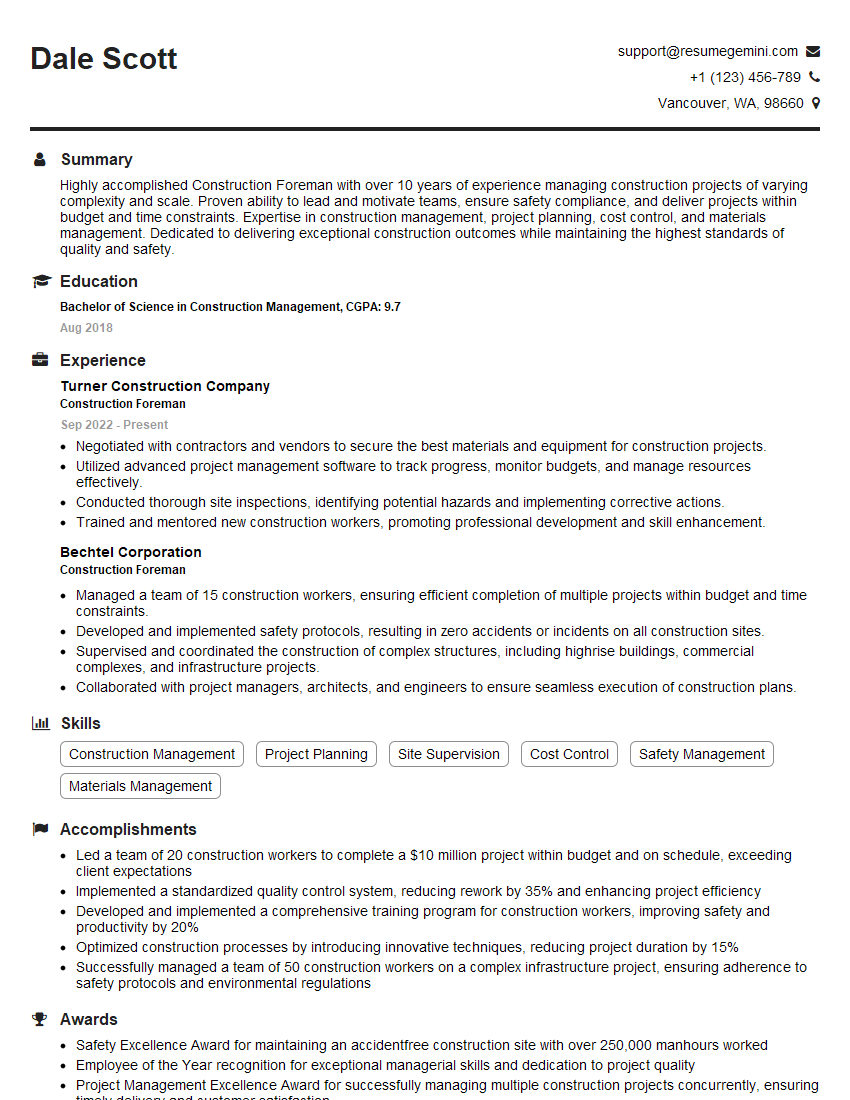
Construction Foreman Resume Sample

Construction Superintendent Resume Sample
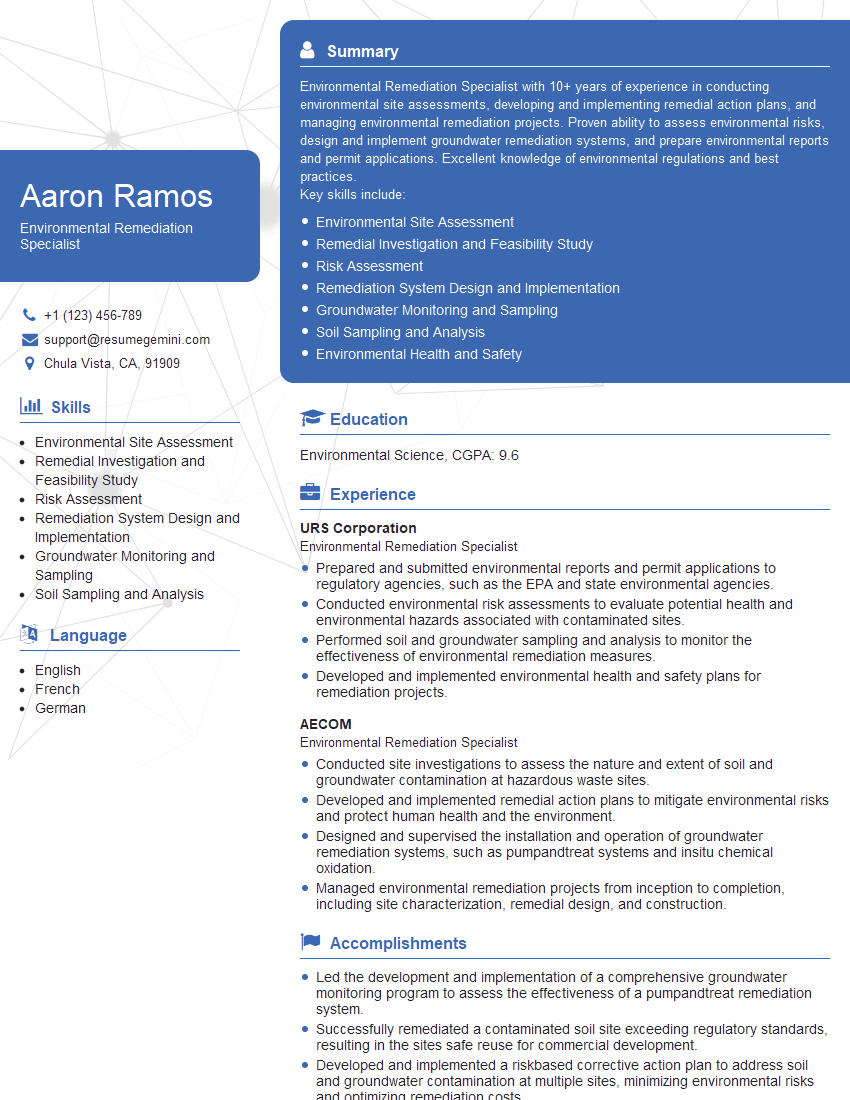
Environmental Remediation Specialist Resume Sample
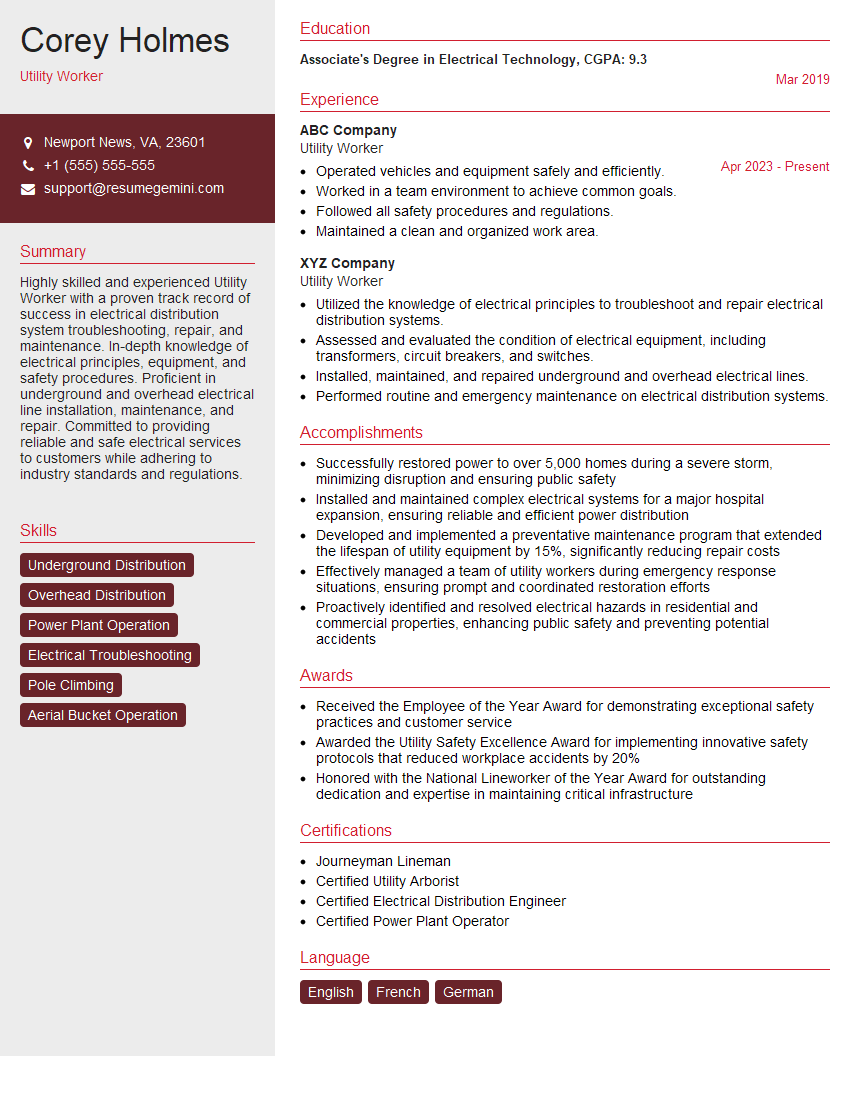
Utility Worker Resume Sample
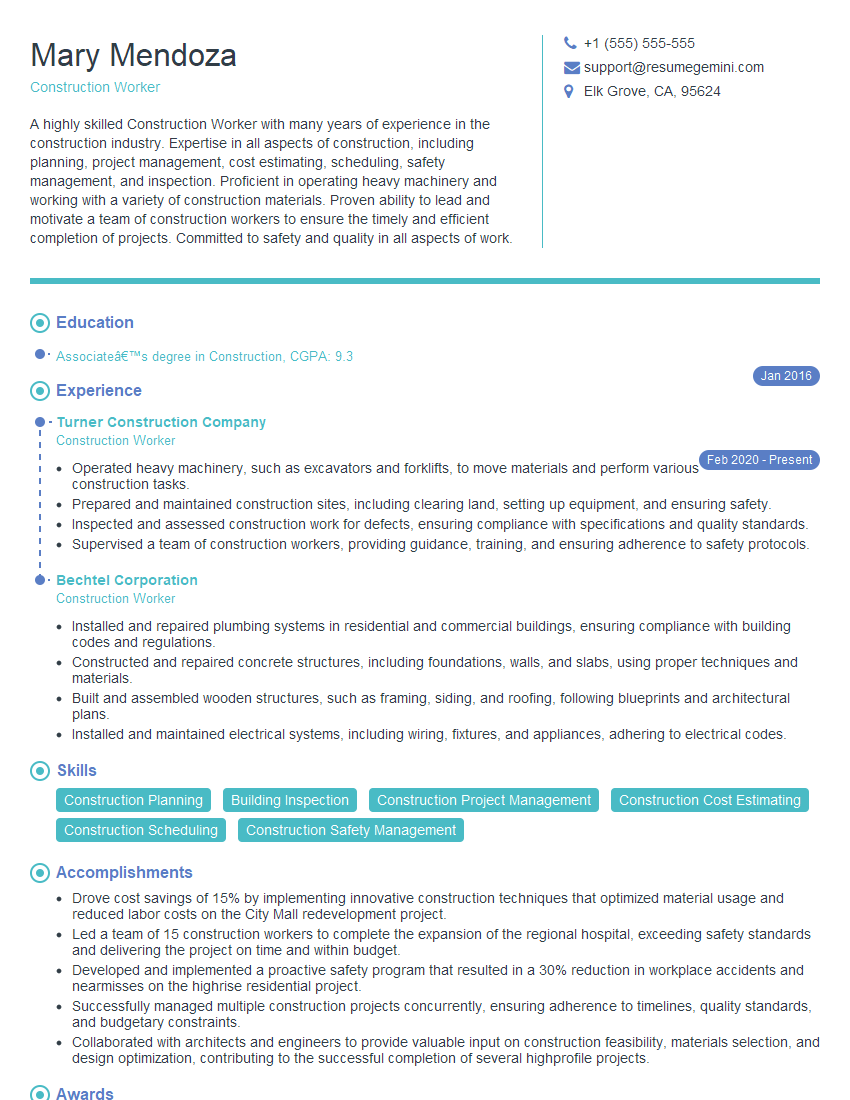
Construction Worker Resume Sample
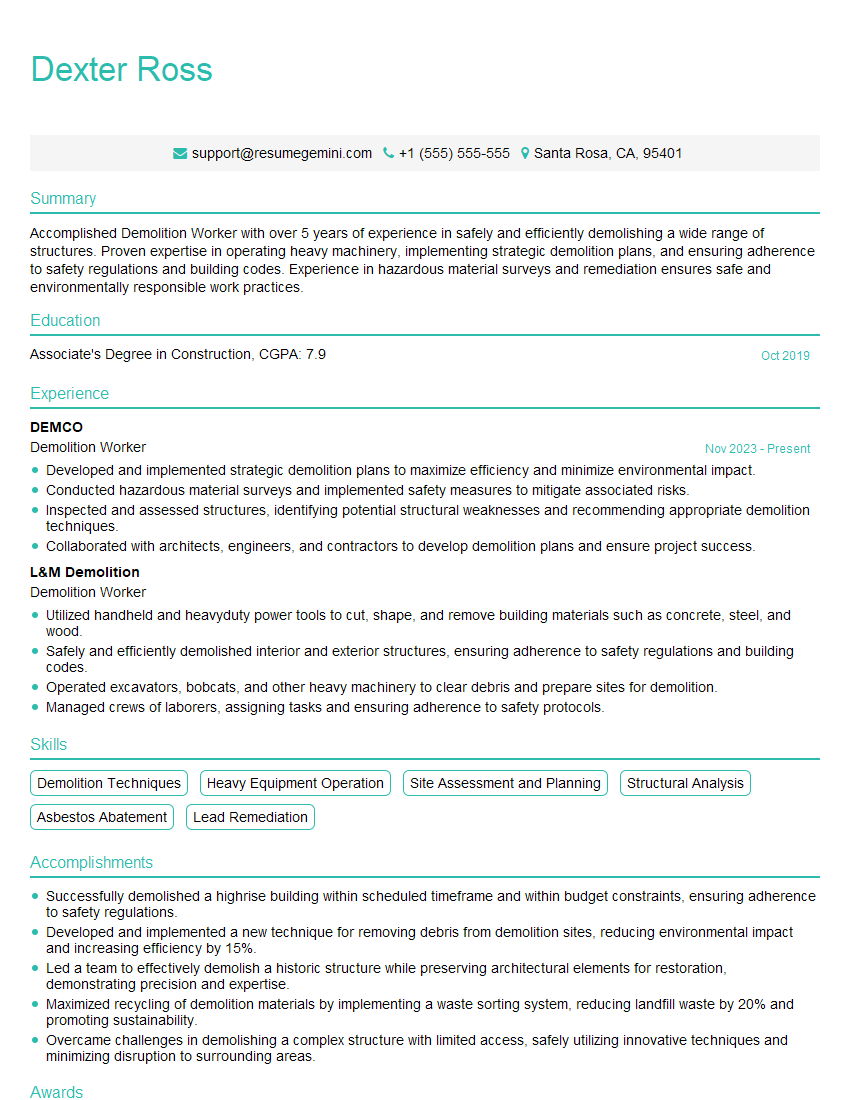
Demolition Worker Resume Sample
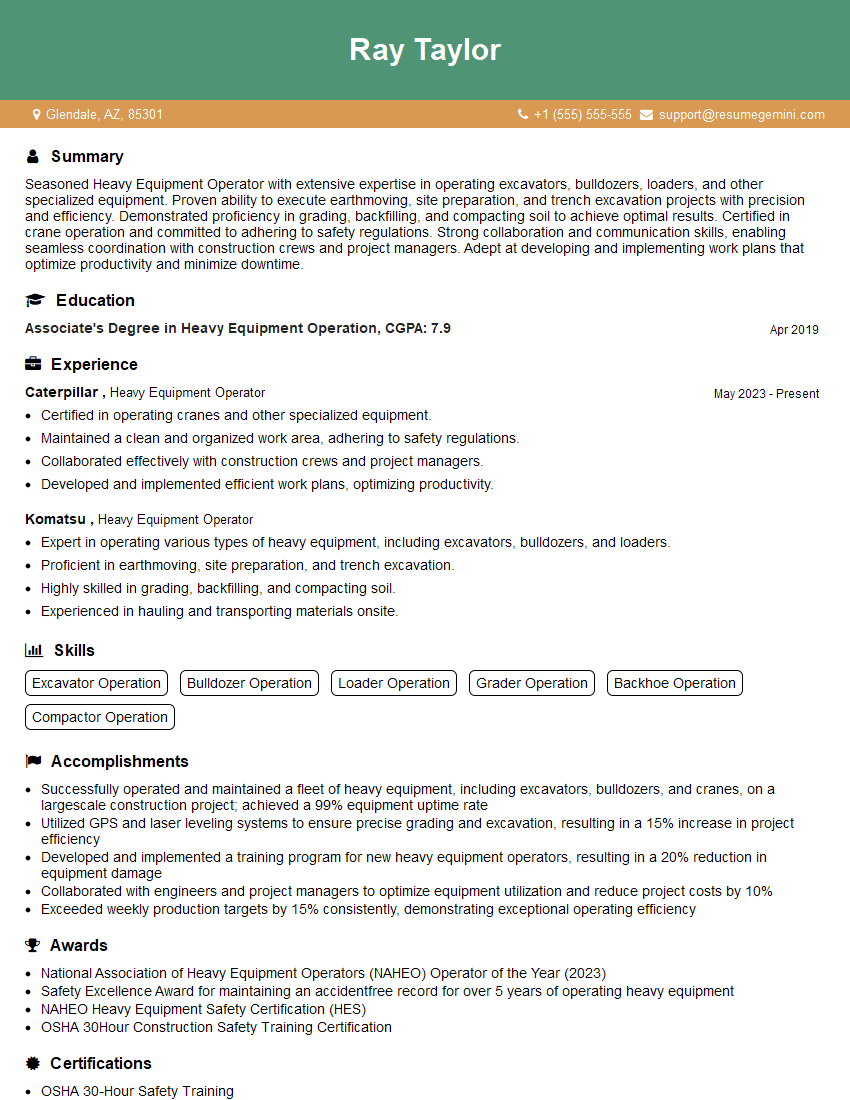
Heavy Equipment Operator Resume Sample
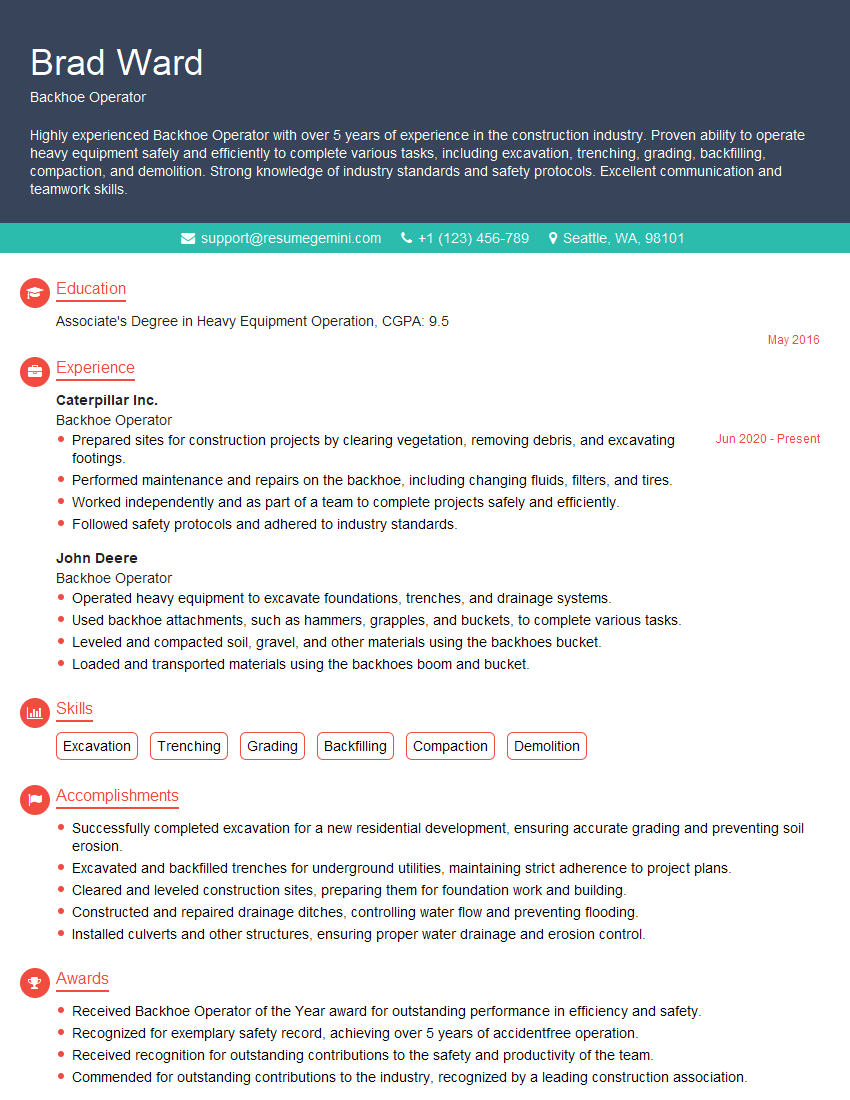
Backhoe Operator Resume Sample
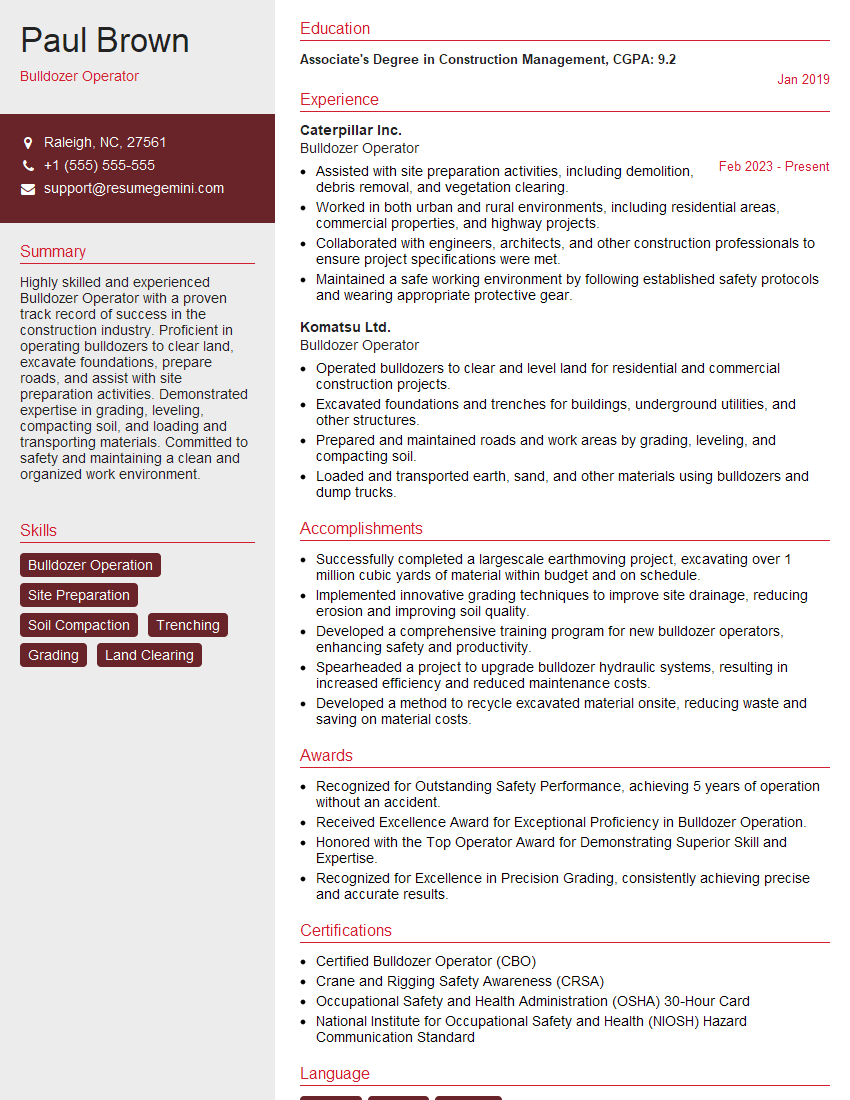
Bulldozer Operator Resume Sample
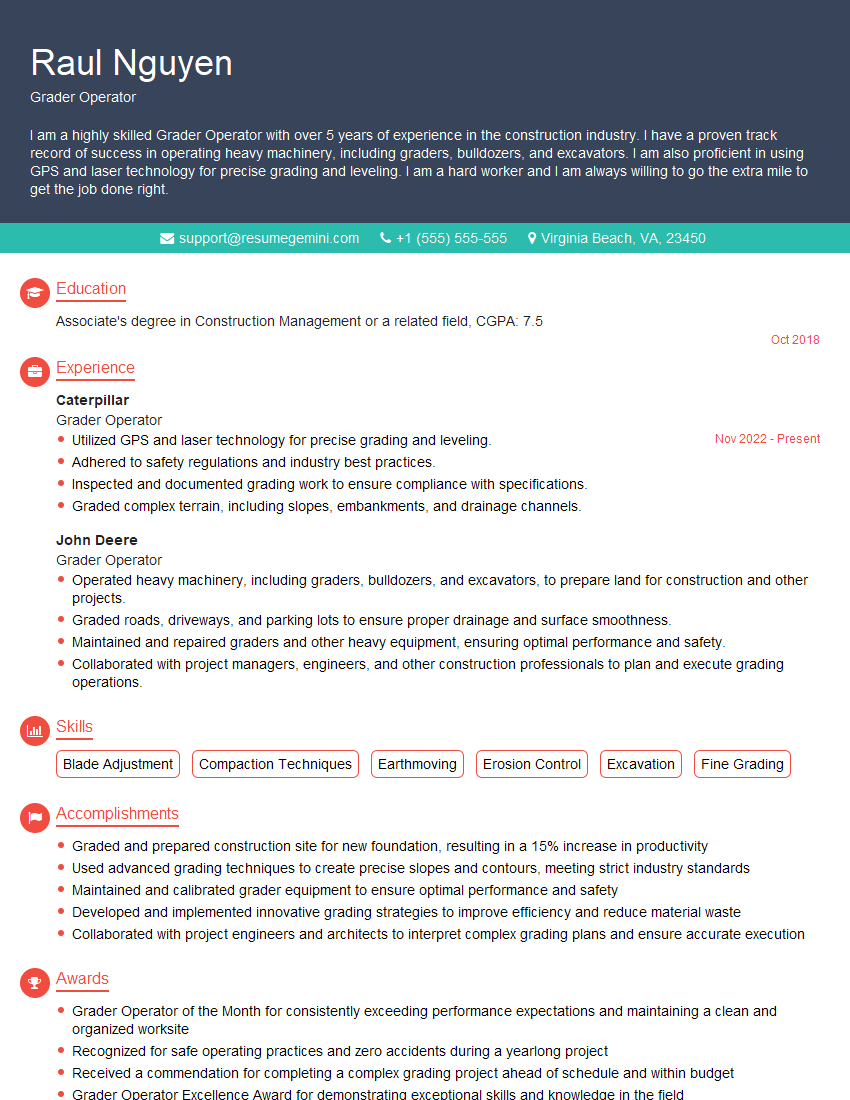
Grader Operator Resume Sample
Explore more articles
Users Rating of Our Blogs
Share Your Experience
We value your feedback! Please rate our content and share your thoughts (optional).
What Readers Say About Our Blog
To the interviewgemini.com Webmaster.
Very helpful and content specific questions to help prepare me for my interview!
Thank you
To the interviewgemini.com Webmaster.
This was kind of a unique content I found around the specialized skills. Very helpful questions and good detailed answers.
Very Helpful blog, thank you Interviewgemini team.