Preparation is the key to success in any interview. In this post, we’ll explore crucial Skill in providing evidence-based interventions for children with neurodevelopmental disorders interview questions and equip you with strategies to craft impactful answers. Whether you’re a beginner or a pro, these tips will elevate your preparation.
Questions Asked in Skill in providing evidence-based interventions for children with neurodevelopmental disorders Interview
Q 1. Describe your experience implementing evidence-based interventions for children with Autism Spectrum Disorder.
My experience with evidence-based interventions for children with Autism Spectrum Disorder (ASD) spans over [Number] years, encompassing a wide range of settings including home-based therapy, clinic-based therapy, and school consultations. I’ve worked with children exhibiting diverse ASD symptom profiles, from mild social communication difficulties to significant challenges in adaptive behavior. A significant portion of my work has involved designing and implementing individualized intervention plans based on the principles of Applied Behavior Analysis (ABA), focusing on improving communication skills, reducing challenging behaviors, and enhancing adaptive functioning. For example, I worked with a young boy who struggled with severe tantrums. Through functional behavior assessment, we determined the function of his tantrums was to escape demands. We collaboratively developed a BIP which used positive reinforcement and visual supports to help him learn more adaptive ways to communicate his needs, resulting in a significant decrease in tantrums and an increase in his ability to participate in activities.
I regularly employ data-driven approaches, meticulously tracking progress and modifying interventions as needed. I’ve developed expertise in incorporating various evidence-based strategies, such as visual supports, social stories, and pivotal response training, into treatment plans to create a holistic and effective approach to therapy.
Q 2. Explain the principles of Applied Behavior Analysis (ABA) and its application in a clinical setting.
Applied Behavior Analysis (ABA) is a scientifically validated approach to understanding and changing behavior. It’s based on the principles of learning and behaviorism, emphasizing the importance of environmental factors in shaping behavior. The core principles include:
- Antecedents (A): Events or stimuli that precede a behavior. Understanding the antecedents helps to predict when a behavior is likely to occur.
- Behavior (B): The observable action or response. ABA focuses on measurable behaviors.
- Consequences (C): Events that follow a behavior and influence its likelihood of occurring again. Consequences can be reinforcing (increasing the behavior) or punishing (decreasing the behavior).
In a clinical setting, ABA is applied through various techniques. For instance, we might use positive reinforcement to increase desired behaviors, such as rewarding a child for completing a task. Conversely, we might employ extinction (removing reinforcement) to decrease undesired behaviors, such as ignoring a child’s tantrum to reduce its frequency. Functional Behavior Assessments (FBAs) are crucial in this process, helping us identify the function of a behavior before implementing an intervention. The goal is always to teach functional skills and replacement behaviors, allowing the child greater independence and improved quality of life.
For example, if a child is engaging in self-injurious behavior, an FBA would help determine the underlying reason – is it to gain attention, escape a task, or communicate a need? This determines the appropriate intervention strategy.
Q 3. What are the key differences between Discrete Trial Training (DTT) and naturalistic teaching strategies?
Discrete Trial Training (DTT) and naturalistic teaching strategies are both evidence-based ABA methods but differ significantly in their approach.
- Discrete Trial Training (DTT): Highly structured, teacher-directed approach. It involves breaking down skills into small, teachable units, presented in a controlled environment with clear prompts and consequences. Each trial is distinct, focusing on a specific skill. Think of it as highly organized skill building.
- Naturalistic Teaching (NT): Child-led approach that focuses on incorporating learning opportunities within naturally occurring activities and contexts. Skills are taught within the child’s natural environment, making learning more engaging and functional. Think of it as embedding learning into everyday life.
Key Differences:
- Structure: DTT is highly structured; NT is flexible and less structured.
- Environment: DTT occurs in a controlled setting; NT takes place in the child’s natural environment.
- Initiation: DTT is teacher-initiated; NT is often child-initiated or naturally occurring.
- Reinforcement: Both use reinforcement, but DTT may use more contrived reinforcers, while NT uses naturally occurring reinforcers.
For example, teaching a child to say ‘ball’ might involve repeated trials using a ball in DTT. In contrast, NT might involve playing with a ball and spontaneously prompting the child to label the ball in the context of play.
Q 4. How do you assess a child’s developmental needs and create individualized intervention plans?
Assessing a child’s developmental needs involves a multi-faceted approach. It begins with gathering comprehensive information from various sources, including parents, caregivers, educators, and medical professionals. This information is supplemented by standardized assessments, such as developmental scales (e.g., Bayley Scales of Infant and Toddler Development, Mullen Scales of Early Learning) and diagnostic tools specific to neurodevelopmental disorders (e.g., Autism Diagnostic Observation Schedule (ADOS), Childhood Autism Rating Scale (CARS)).
The assessment process also considers the child’s strengths, challenges, and preferences. Observation of the child in various settings (home, school, clinic) is crucial to gain a holistic understanding of their behaviors and skills. Once a thorough assessment is completed, an individualized intervention plan (IIP) is created. This plan outlines specific goals, interventions, and methods for measuring progress. It’s a collaborative effort, involving the family, therapists, and other relevant professionals to ensure alignment and shared responsibility.
The IIP is not static; it’s regularly reviewed and adjusted based on the child’s progress and changing needs. Regular data collection and feedback mechanisms help to ensure the effectiveness and relevance of the IIP.
Q 5. Describe your experience with functional behavior assessments (FBAs) and the development of behavior intervention plans (BIPs).
Functional Behavior Assessments (FBAs) are crucial for understanding the function of challenging behaviors. An FBA involves gathering information to determine the antecedents (what triggers the behavior), the behavior itself, and the consequences (what maintains the behavior). This information is gathered through various methods, including direct observation, interviews with caregivers, and review of existing data. The goal is to identify the ‘why’ behind the behavior, not just the ‘what’.
Once the function of the behavior is understood, a Behavior Intervention Plan (BIP) is developed. The BIP outlines specific strategies to decrease challenging behaviors and teach replacement behaviors. The BIP uses positive behavior support principles and includes proactive strategies to prevent problem behaviors. For example, if an FBA reveals that a child’s aggression is maintained by attention, the BIP might focus on teaching the child alternative ways to communicate their needs and ignoring attention-seeking aggression.
I’ve utilized FBAs and BIPs extensively to help children with a wide range of challenging behaviors, such as aggression, self-injury, and tantrums. The development and implementation of BIPs are always collaborative, involving the child, family, and other professionals to ensure that the plan is practical, effective, and respectful of the child’s rights and dignity.
Q 6. What are some common challenges in working with families of children with neurodevelopmental disorders, and how do you address them?
Working with families of children with neurodevelopmental disorders presents unique challenges. Parents often experience significant stress, anxiety, and grief, coupled with the complex demands of caring for a child with special needs. Some common challenges include:
- Emotional Distress: Parents may struggle with feelings of guilt, helplessness, and isolation.
- Financial Strain: The costs associated with therapy, medication, and specialized services can be substantial.
- Time Constraints: Caring for a child with special needs requires significant time and commitment.
- Communication Difficulties: Understanding and communicating effectively about the child’s needs and treatment can be challenging.
Addressing these challenges requires a sensitive, empathetic, and collaborative approach. Building a strong therapeutic alliance with families is paramount. This involves actively listening to their concerns, providing education and support, and empowering them to be active participants in their child’s treatment. I use open communication, regularly scheduled meetings, and shared decision-making to ensure that families feel supported and heard. Connecting families with relevant support groups and resources is also crucial.
Sometimes, family conflict is an issue that needs to be navigated. In these instances, I may involve a mediator and encourage healthy communication among family members. Creating a supportive and collaborative environment helps families cope with the stresses associated with raising a child with a neurodevelopmental disorder.
Q 7. Explain your understanding of different neurodevelopmental disorders, including their diagnostic criteria and common symptoms.
My understanding of neurodevelopmental disorders encompasses a broad range of conditions, each with its unique diagnostic criteria and symptoms. These disorders often present with overlapping symptoms, making accurate diagnosis crucial.
Autism Spectrum Disorder (ASD): Characterized by persistent deficits in social communication and interaction, and restricted, repetitive patterns of behavior, interests, or activities. The severity varies greatly. Diagnostic criteria typically include social interaction challenges, difficulties with communication, and repetitive behaviors.
Attention-Deficit/Hyperactivity Disorder (ADHD): Characterized by inattention, hyperactivity, and impulsivity. Symptoms can present differently in children and adults, leading to difficulties in school, work, and social interactions. Diagnostic criteria emphasize a pattern of inattention and/or hyperactivity-impulsivity impacting daily life.
Intellectual Disability (ID): Characterized by significant limitations both in intellectual functioning (reasoning, problem-solving, planning) and in adaptive behavior (conceptual, social, and practical skills). Diagnostic criteria focus on IQ scores and adaptive functioning.
Specific Learning Disorders (SLDs): Characterized by difficulties in acquiring and using academic skills (reading, writing, mathematics). The difficulties are not due to intellectual disability, lack of educational opportunity, or other conditions. Diagnostic criteria assess achievement levels relative to age expectations.
Accurate diagnosis relies on a comprehensive assessment involving developmental history, behavioral observations, standardized assessments, and, when necessary, medical evaluations to rule out other conditions. Treatment strategies vary depending on the specific disorder and the individual’s needs, emphasizing evidence-based interventions tailored to address specific challenges and improve functional outcomes.
Q 8. How do you adapt interventions based on a child’s individual strengths and weaknesses?
Adapting interventions to a child’s unique profile is crucial for effective treatment. It’s like building a custom-fit suit – you wouldn’t use a standard size for everyone! We begin with a comprehensive assessment to pinpoint both strengths and weaknesses across various domains: cognitive, social-emotional, communication, and motor skills.
For example, a child with autism might exhibit exceptional visual memory but struggle with social reciprocity. In this case, I’d leverage visual aids and structured routines heavily within the intervention, minimizing reliance on verbal cues while simultaneously incorporating social skills training using methods that specifically target their strengths, perhaps utilizing visual social stories or peer-mediated interventions.
Conversely, a child with ADHD might show great creativity and impulsivity. The intervention would focus on channeling their creativity through structured tasks that incorporate movement to offset hyperactivity while implementing strategies to improve impulse control, such as visual timers and structured breaks. This personalized approach ensures that interventions are not only effective but also engaging and motivating for the child.
Q 9. Describe your experience with data collection and analysis in the context of evidence-based interventions.
Data collection and analysis are fundamental to evidence-based practice. We use a variety of methods, carefully selected based on the child’s needs and the specific intervention. This might include standardized assessments, such as the Autism Diagnostic Observation Schedule (ADOS) or the Bayley Scales of Infant and Toddler Development, as well as observational checklists and progress monitoring tools specific to the targeted skills.
For example, during a social skills group, I might track the frequency of appropriate social interactions, such as initiating conversations or sharing toys, using a structured observation form. For a child working on communication, I might use frequency data charts documenting the number of words they utilize throughout therapy sessions. These data points are then meticulously analyzed to determine the effectiveness of the interventions, identify areas requiring adjustment, and track overall progress. I use graphs and spreadsheets to visualize the data, making it easily understandable for both the child and their parents.
Q 10. How do you measure the effectiveness of your interventions, and what adjustments would you make if progress is not being made?
Measuring intervention effectiveness involves ongoing monitoring and frequent adjustments. We use a combination of quantitative and qualitative data. Quantitative data include scores from standardized assessments, frequency counts of target behaviors, and performance on specific tasks. Qualitative data come from observations, parent feedback, and the child’s engagement and enjoyment.
If progress isn’t being made, we systematically investigate possible reasons. This may involve refining the intervention’s intensity, frequency, or strategies. We might also consider adjusting the goals, adapting the delivery method (e.g., from one-on-one to group therapy), or exploring alternative interventions based on the latest research. Regular meetings with the interdisciplinary team allow us to collectively evaluate the effectiveness of the interventions and implement the necessary adjustments.
For instance, if a child isn’t progressing in a speech therapy program using a traditional approach, we might introduce augmentative and alternative communication (AAC) methods. This iterative process of data collection, analysis, and adjustment ensures the most effective and responsive approach to meet the individual needs of each child.
Q 11. What is your experience with working collaboratively with interdisciplinary teams (e.g., therapists, teachers, parents)?
Collaboration is essential when working with children with neurodevelopmental disorders. I regularly work with a diverse interdisciplinary team including therapists (occupational, speech, physical), teachers, psychologists, and, most importantly, parents. We hold regular case conferences to share observations, data, and strategies. This collaborative approach ensures a holistic perspective and well-rounded support for the child.
For instance, if a child is struggling with attention in the classroom, I might collaborate with the teacher to implement strategies such as preferential seating, frequent breaks, or visual supports. Meanwhile, the occupational therapist might focus on improving sensory processing skills which often affect focus and attention. Through shared understanding and strategies, we aim for a consistent therapeutic environment that maximizes the child’s progress across all settings.
Q 12. How do you communicate effectively with parents and caregivers about their child’s progress and treatment plan?
Effective communication with parents and caregivers is paramount. I use clear, jargon-free language and visual aids to explain assessments, interventions, and progress. Regular meetings, both in-person and virtually, allow us to discuss any concerns or questions. Progress reports summarizing data and observations are shared, and I always encourage open communication to facilitate a strong therapeutic alliance.
For instance, after a session, I might share specific examples of progress with parents, explaining how their child’s performance improves across sessions and highlight strategies they can incorporate at home to support their child’s growth. It’s all about maintaining open lines of communication and actively involving the parents as partners in the intervention process.
Q 13. What are some ethical considerations in providing interventions for children with neurodevelopmental disorders?
Ethical considerations are central to my practice. This includes ensuring informed consent from parents, maintaining confidentiality, and avoiding any form of bias or discrimination. I adhere to strict professional guidelines and regulations. Cultural sensitivity is crucial; interventions must respect the family’s values and beliefs.
For example, I might need to adapt interventions based on the family’s cultural background and preferences. I would ensure that any assessments or interventions used are culturally appropriate and sensitive. The primary goal is always to promote the child’s well-being and autonomy within the limitations of their abilities and developmental stage. Ethical decision-making considers the child’s best interests as paramount.
Q 14. Describe your understanding of different assessment tools used to diagnose neurodevelopmental disorders.
A variety of assessment tools are used to diagnose neurodevelopmental disorders. These tools are carefully selected based on the child’s age and suspected diagnosis. They range from standardized tests that quantify specific skills (like the Wechsler Intelligence Scale for Children or the Clinical Autism Rating Scale) to observational measures assessing behaviors in naturalistic settings. The choice is critical as the assessment should be developmentally appropriate and sensitive to cultural differences.
For example, for suspected autism, we might use the ADOS to observe social interactions and communication patterns, complementing this with questionnaires like the Autism Diagnostic Interview-Revised (ADI-R) to gather information from parents and caregivers. For ADHD, assessments might include behavioral rating scales completed by parents and teachers, alongside cognitive tests evaluating attention and executive functioning. It is crucial to combine various measures to build a comprehensive understanding of the child’s strengths and challenges, ensuring a precise diagnosis that supports the development of a targeted intervention plan.
Q 15. How do you incorporate play-based therapy into your interventions?
Play-based therapy is a cornerstone of my interventions for children with neurodevelopmental disorders. It leverages the natural inclination of children to learn and develop through play, transforming therapeutic activities into engaging and enjoyable experiences. Instead of direct instruction, we use play to address specific developmental goals. For example, a child struggling with social skills might participate in collaborative games to practice turn-taking and sharing. A child with language delays might engage in storytelling with puppets to improve vocabulary and narrative skills.
My approach involves carefully selecting toys and activities that align with the child’s developmental level and specific needs. I observe the child’s play style and preferences to tailor the session effectively. We might use building blocks to work on fine motor skills and problem-solving, or role-playing to practice social interactions and emotional regulation. Regular assessments are crucial to track progress and adjust the play-based strategies accordingly. For instance, if a child is easily frustrated with complex games, we’d simplify the rules or break down the activity into smaller, more manageable steps.
Example: I worked with a child diagnosed with autism who had difficulty with communication. Using his fascination with cars, we created a miniature car-wash scenario where he had to narrate the car-washing process. This transformed language therapy from a tedious exercise into a fun and engaging activity, resulting in significant improvement in his verbal communication.
Career Expert Tips:
- Ace those interviews! Prepare effectively by reviewing the Top 50 Most Common Interview Questions on ResumeGemini.
- Navigate your job search with confidence! Explore a wide range of Career Tips on ResumeGemini. Learn about common challenges and recommendations to overcome them.
- Craft the perfect resume! Master the Art of Resume Writing with ResumeGemini’s guide. Showcase your unique qualifications and achievements effectively.
- Don’t miss out on holiday savings! Build your dream resume with ResumeGemini’s ATS optimized templates.
Q 16. Explain your experience with sensory integration therapy and its application to children with sensory processing disorders.
Sensory integration therapy is a crucial component of my practice, especially for children with sensory processing disorders (SPD). SPD affects how the brain processes sensory information from the body and environment, leading to challenges in daily life. Sensory integration therapy aims to improve the child’s ability to process and organize sensory input, leading to improved behavioral regulation, motor skills, and overall functioning.
My experience includes using various therapeutic approaches such as weighted blankets for calming, vestibular swings for balance and spatial awareness, and proprioceptive activities (like pushing, pulling, or carrying heavy objects) to enhance body awareness. I also incorporate tactile activities, using different textures and materials to desensitize or improve sensory registration. The goal isn’t to avoid sensory input, but to help the child better manage and organize it.
Example: A child with tactile defensiveness might initially refuse to touch certain textures. We gradually introduce different textures, starting with those that are minimally aversive and progressively introducing more challenging ones, always ensuring a supportive and encouraging environment. We might use a textured brush to gently stroke their arms, progressing to playing with playdough or sand.
Careful assessment and individualized treatment plans are paramount. Each child’s sensory profile is unique, requiring a tailored approach. I regularly collaborate with parents and other professionals (occupational therapists, etc.) to create a cohesive and supportive intervention plan.
Q 17. How do you ensure cultural sensitivity and inclusivity in your interventions?
Cultural sensitivity and inclusivity are not add-ons but integral aspects of my therapeutic approach. I recognize that culture profoundly impacts a child’s development, family dynamics, and responses to interventions. I begin by learning about the family’s cultural background, values, beliefs, and communication styles. This involves open conversations with parents and caregivers, actively listening to their perspectives and experiences.
Practical application: For example, I might adapt therapeutic activities to incorporate elements of the child’s culture. If a child is from a specific cultural background with traditional games, I would incorporate these into the therapy sessions. I ensure materials used in therapy reflect the diversity of the community, avoiding biases or stereotypes. I am mindful of non-verbal communication, understanding that gestures and eye contact can have varying meanings across cultures.
Language barriers: If there’s a language barrier, I utilize interpreters or bilingual therapists to ensure clear and effective communication. I collaborate with community organizations and resources to access culturally relevant support systems and build strong partnerships with families.
Q 18. Describe your experience with supporting the transition of children with neurodevelopmental disorders to different settings (e.g., school, community)?
Supporting children with neurodevelopmental disorders through transitions is a critical part of my work. Transitions to school, new classrooms, or community activities can be exceptionally challenging for these children, often triggering anxiety or behavioral issues. My approach is proactive and collaborative, focusing on early planning and preparation.
Strategies: I work closely with parents, educators, and community support staff to create a smooth transition. This involves visiting the new setting beforehand, meeting teachers and staff, and creating a visual schedule or social story to familiarize the child with the new environment and routines. We might practice specific skills needed in the new setting, such as following instructions or interacting with peers, during therapy sessions.
Communication: Open and consistent communication with all stakeholders is vital. Regular communication helps ensure everyone is aligned with the child’s needs and supports a consistent approach across different settings. For instance, if a child requires specific accommodations at school, I collaborate closely with educators to ensure these are implemented effectively. I also provide training and support to parents and educators to manage challenges that may arise during the transition.
Q 19. What is your familiarity with assistive technology and its role in supporting children with neurodevelopmental disorders?
Assistive technology (AT) plays a significant role in supporting children with neurodevelopmental disorders. AT encompasses a wide range of tools and technologies designed to enhance their learning, communication, and independence. My familiarity includes various AT options, such as augmentative and alternative communication (AAC) devices (e.g., speech-generating devices, communication boards), adaptive toys, and software for learning and cognitive support.
Examples: AAC devices can significantly improve communication for children with speech impairments. Specialized software can support cognitive skills development through interactive games and learning activities. Adaptive toys can modify traditional toys, making them accessible for children with physical limitations. I’m skilled in assessing the child’s needs to recommend appropriate AT and train the child and their family on how to use it effectively. This often involves collaboration with other professionals like occupational therapists or speech-language pathologists. I also help with sourcing and obtaining the required technology, considering funding availability and accessibility.
Q 20. How would you address a situation where a child is exhibiting challenging behaviors during a therapy session?
Challenging behaviors during therapy sessions are expected, and I have strategies to address them effectively. First, I strive to understand the underlying cause of the behavior. Is the child overwhelmed, frustrated, or seeking attention? Once the trigger is identified, I adjust the therapeutic approach. This often involves modifying the activity, providing sensory breaks, or changing the environment.
Strategies: If the behavior is stemming from sensory overload, we might move to a quieter space or engage in calming sensory activities. If the child is frustrated, I may break down tasks into smaller steps or provide more support. Positive reinforcement is crucial; I praise and reward positive behaviors to encourage them. If the behavior continues, I collaborate with parents and other professionals to develop a comprehensive behavioral management plan.
Example: If a child is exhibiting self-injurious behavior, I prioritize their safety first, while simultaneously trying to identify the underlying cause of the behavior and implementing strategies to prevent recurrence. This may involve using protective equipment, adjusting the environment, and teaching the child alternative coping mechanisms.
Q 21. Describe your experience with crisis intervention strategies for children with neurodevelopmental disorders.
Crisis intervention for children with neurodevelopmental disorders requires a calm, structured, and supportive approach. My experience involves using de-escalation techniques to manage challenging behaviors that threaten the child’s safety or well-being. This includes staying calm, using a calm voice, minimizing external stimuli, and providing a safe and predictable environment.
Strategies: I utilize sensory strategies to help regulate the child’s emotional state (deep breathing, weighted blankets). I ensure the child feels safe and understood. Communication is key: I try to understand the child’s perspective and help them express their feelings. If necessary, I employ physical interventions, only when absolutely necessary and with appropriate training, prioritizing the child’s safety while minimizing restraint.
Collaboration: Crisis situations often require collaboration with parents, caregivers, and other professionals. I maintain open communication and work together to develop strategies to prevent future crises. Post-crisis, we conduct a thorough review of the event to identify triggers and improve intervention strategies. This proactive approach helps create a more secure and predictable environment, reducing the likelihood of future crises.
Q 22. What are some strategies for promoting generalization of skills learned during therapy sessions to real-world settings?
Generalization, the ability to apply learned skills across different settings and situations, is crucial for children with neurodevelopmental disorders. It’s not enough for a child to master a skill in the therapy room; they need to use it at home, school, and in the community. We achieve this through a multi-pronged approach.
- Naturalistic Teaching: We incorporate therapy into the child’s everyday routines and environments. For instance, if a child struggles with social interaction, we might work on it during playtime with peers, rather than in a sterile clinical setting.
- Multiple Exemplar Training: We teach the skill using various examples and contexts. If teaching a child to identify shapes, we’d use different sizes, colors, and orientations of those shapes, found in books, toys, and the environment.
- Generalization Probes: We regularly assess whether the skill is transferring to different settings. This involves observing the child in various environments and prompting them to use the skill. If a child learns to ask for help during therapy, we’d check if they do so during art class or during playtime.
- Reinforcement and Maintenance: We work closely with parents and educators to ensure consistent reinforcement of the skills at home and school. We also provide strategies for maintaining skills over time and preventing skill regression.
- Self-Monitoring Strategies: As the child gets older, we teach them strategies for self-monitoring and problem-solving, helping them to identify situations where they need to apply the skill and address any challenges they face independently. For example, role-playing different social situations and practicing self-talk strategies.
Think of it like learning to ride a bike. You don’t just learn in one place – you practice on different surfaces, hills, and with various weather conditions. Generalization is that broader application of the learned skill.
Q 23. How do you manage your caseload effectively and prioritize tasks?
Managing a caseload effectively requires careful planning and prioritization. I use a combination of strategies:
- Prioritized Task Lists: I start each week by creating a prioritized task list, focusing on the most urgent and impactful tasks first. This involves considering the child’s individual needs and the urgency of their goals. For example, addressing immediate safety concerns or crisis situations takes precedence.
- Time Blocking: I allocate specific time blocks for different tasks, ensuring I have enough time for sessions, documentation, parent communication, and professional development. This helps me stay on track and avoid feeling overwhelmed.
- Electronic Health Records (EHR): I utilize EHR systems to efficiently manage client information, scheduling, and documentation. This eliminates paperwork and allows me to access information quickly.
- Regular Review and Adjustment: I regularly review my schedule and task lists to assess progress and make adjustments as needed. Unexpected needs or delays might necessitate shifting priorities.
- Delegation and Collaboration: When appropriate, I collaborate with other team members, such as teachers, parents, or other therapists, to share responsibilities and ensure efficient use of time.
It’s not just about squeezing in as many clients as possible, but about providing high-quality, effective services to each individual. That requires a balanced and thoughtful approach to caseload management.
Q 24. Explain your knowledge of relevant legislation and regulations related to children with disabilities (e.g., IDEA, ADA).
I have a thorough understanding of relevant legislation, particularly the Individuals with Disabilities Education Act (IDEA) and the Americans with Disabilities Act (ADA). IDEA governs the provision of special education services to children with disabilities in public schools. It mandates Individualized Education Programs (IEPs) which outline specific educational goals and supports. I am familiar with the IEP process, including assessment, goal setting, and participation in IEP meetings.
The ADA ensures equal access to services and opportunities for individuals with disabilities in all areas of life, including healthcare settings. This means understanding accessibility requirements, both physical and programmatic, for children with disabilities, and ensuring that the services I provide are compliant with the ADA’s stipulations.
My understanding of these laws extends to procedural safeguards, parental rights, due process, and the importance of informed consent. I regularly review updates and changes to these regulations to ensure I maintain compliance and provide the best possible service to my clients and their families.
Q 25. Describe your experience with documentation and record-keeping requirements.
Accurate and thorough documentation is critical in this field, both for legal and clinical reasons. My experience includes maintaining detailed session notes, progress reports, and other relevant documentation within the electronic health record system. I follow all privacy regulations, including HIPAA, to ensure client confidentiality.
My documentation includes a clear description of the session goals, activities conducted, the child’s performance and progress, and any modifications made to the intervention plan. I also document observations regarding the child’s behavior, interactions, and any relevant contextual factors impacting their progress. This allows for consistent tracking of progress and provides valuable information for future treatment planning.
I’m familiar with various documentation formats and can adapt my style to meet the specific requirements of the setting. Clear and concise documentation ensures effective communication between myself, parents, educators, and other professionals involved in the child’s care. It is also essential for demonstrating accountability and providing evidence-based practices.
Q 26. What are your professional development goals related to working with children with neurodevelopmental disorders?
My professional development goals focus on continually enhancing my expertise in working with children with neurodevelopmental disorders. I aim to:
- Expand my knowledge of emerging therapies: The field is constantly evolving, and I want to stay abreast of the latest evidence-based interventions and technologies, such as those focused on augmentative and alternative communication (AAC) or sensory integration techniques.
- Improve my skills in specific areas: I am particularly interested in advancing my proficiency in working with children with autism spectrum disorder and their families, focusing on behavioral interventions and social skills development.
- Enhance my collaboration skills: I want to strengthen my ability to collaborate effectively with other professionals in interdisciplinary teams, including educators, occupational therapists, speech-language pathologists, and psychologists.
- Obtain further certifications or training: I plan to pursue advanced training in specific areas of neurodevelopmental disorders to deepen my expertise.
Continual learning is essential to provide the best possible care to my clients. I see professional development as an ongoing commitment to excellence in my profession.
Q 27. What are your salary expectations for this position?
My salary expectations are commensurate with my experience, qualifications, and the demands of this position. I am happy to discuss this further in more detail, considering the specifics of the role and compensation package. I’m more interested in a position that offers opportunities for growth and development along with a competitive compensation.
Q 28. Why are you interested in this specific position?
I’m highly interested in this position because of [Organization’s Name]’s reputation for providing high-quality, evidence-based care to children with neurodevelopmental disorders. I’m particularly drawn to [mention a specific program, initiative, or value of the organization that resonates with you]. The opportunity to work alongside a dedicated and experienced team, contributing to a supportive and collaborative environment, is very appealing.
Furthermore, the emphasis on [mention a specific aspect of the job description, e.g., family involvement, specific therapeutic approaches, or commitment to professional development] aligns perfectly with my own professional values and goals. I believe that my skills and experience would be a valuable asset to your team, and I am confident that I could make a significant contribution to [Organization’s Name]’s mission.
Key Topics to Learn for Skill in providing evidence-based interventions for children with neurodevelopmental disorders Interview
- Understanding Neurodevelopmental Disorders: A solid grasp of common disorders like Autism Spectrum Disorder (ASD), ADHD, and developmental delays, including their diagnostic criteria and associated challenges.
- Evidence-Based Intervention Models: Familiarity with various therapeutic approaches such as Applied Behavior Analysis (ABA), Speech-Language Therapy, Occupational Therapy, and their underlying principles and effectiveness.
- Assessment and Goal Setting: Understanding the process of conducting comprehensive assessments to identify strengths, weaknesses, and individualized needs, and translating these into measurable goals.
- Intervention Planning and Implementation: Developing and implementing individualized intervention plans based on assessment results and evidence-based practices, adapting strategies as needed.
- Data Collection and Analysis: Proficiency in collecting, analyzing, and interpreting data to monitor progress, evaluate intervention effectiveness, and make data-driven adjustments.
- Collaboration and Communication: Understanding the importance of effective communication and collaboration with parents, caregivers, other professionals, and the child to ensure a cohesive and supportive treatment team.
- Ethical Considerations: Awareness of ethical principles related to working with children with neurodevelopmental disorders, including confidentiality, informed consent, and cultural sensitivity.
- Case Study Analysis: Ability to analyze case studies, identify relevant information, and apply knowledge of evidence-based interventions to develop appropriate strategies.
- Problem-Solving and Adaptability: Demonstrating the ability to adapt interventions based on the child’s response and unforeseen circumstances.
Next Steps
Mastering the skill of providing evidence-based interventions for children with neurodevelopmental disorders is crucial for a rewarding and impactful career in this field. It opens doors to diverse roles with increasing responsibility and allows you to make a significant difference in the lives of children and their families. To increase your chances of landing your dream job, crafting an ATS-friendly resume is paramount. ResumeGemini is a trusted resource that can help you build a professional and impactful resume, showcasing your skills and experience effectively. Examples of resumes tailored specifically to highlight expertise in providing evidence-based interventions for children with neurodevelopmental disorders are available to help you create a compelling application.
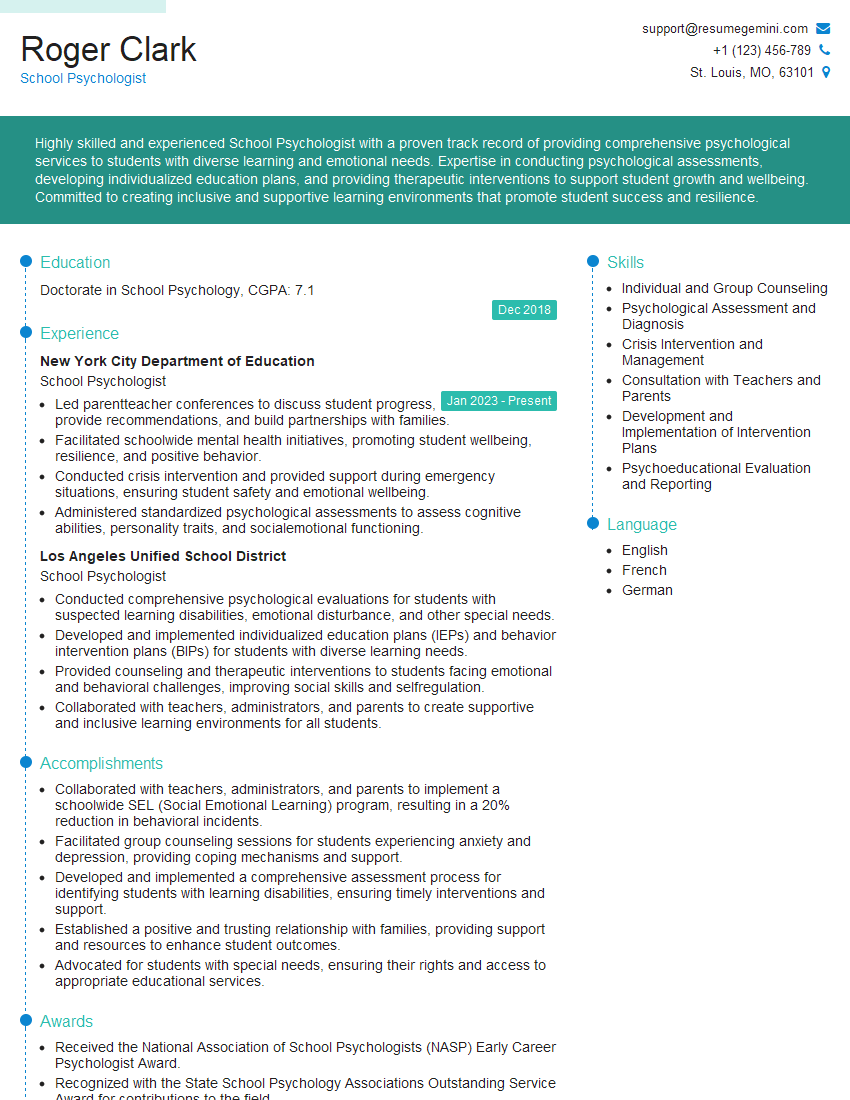
School Psychologist Resume Sample
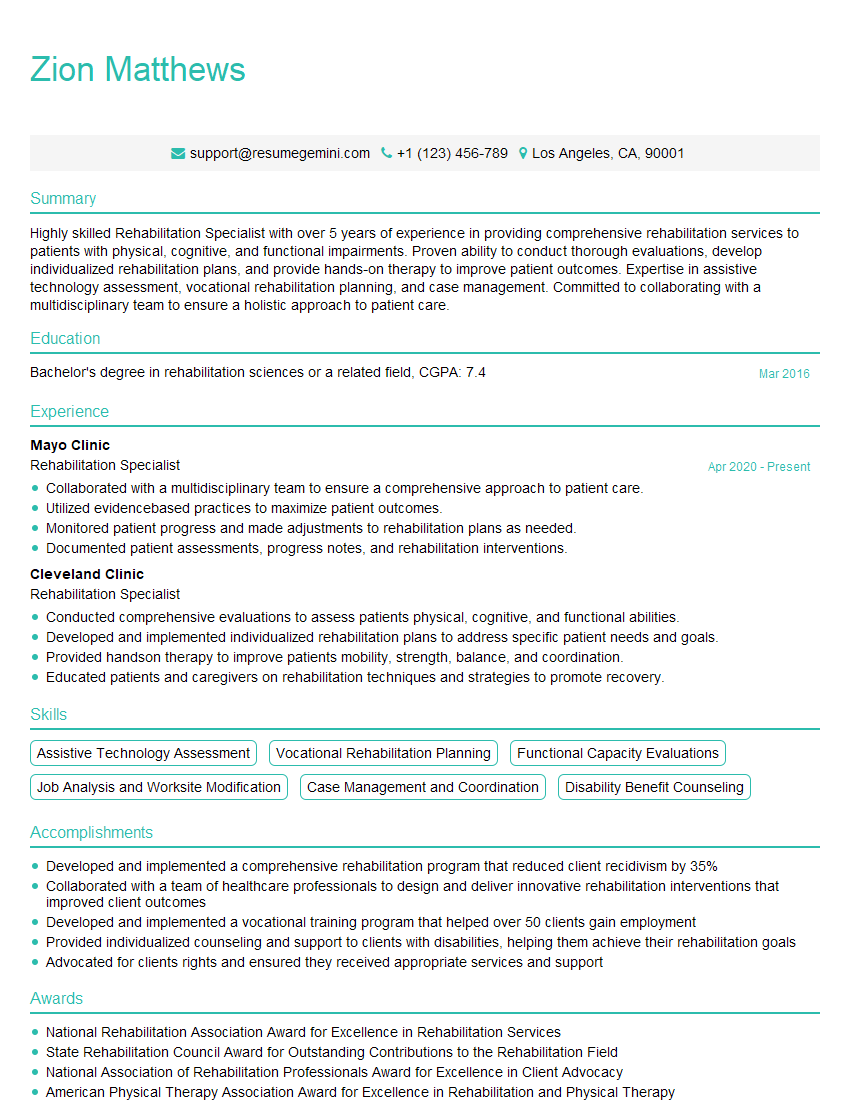
Rehabilitation Specialist Resume Sample
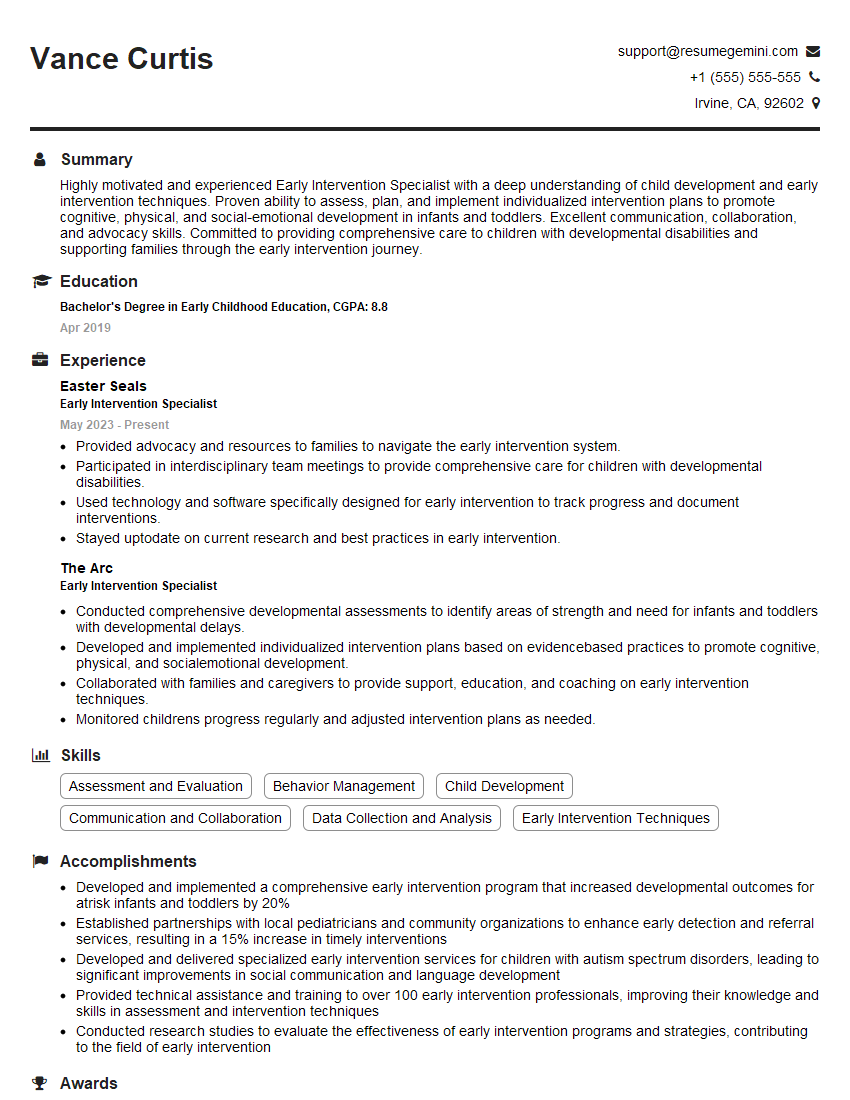
Early Intervention Specialist Resume Sample
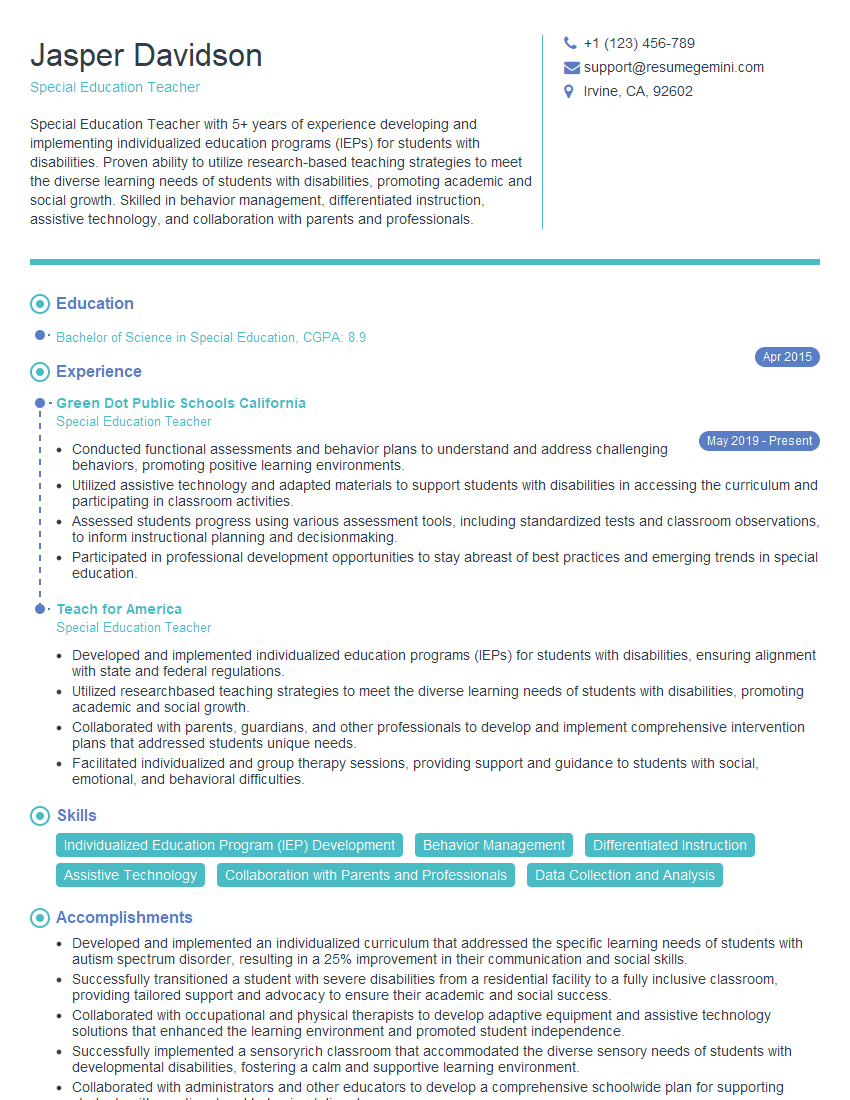
Special Education Teacher Resume Sample
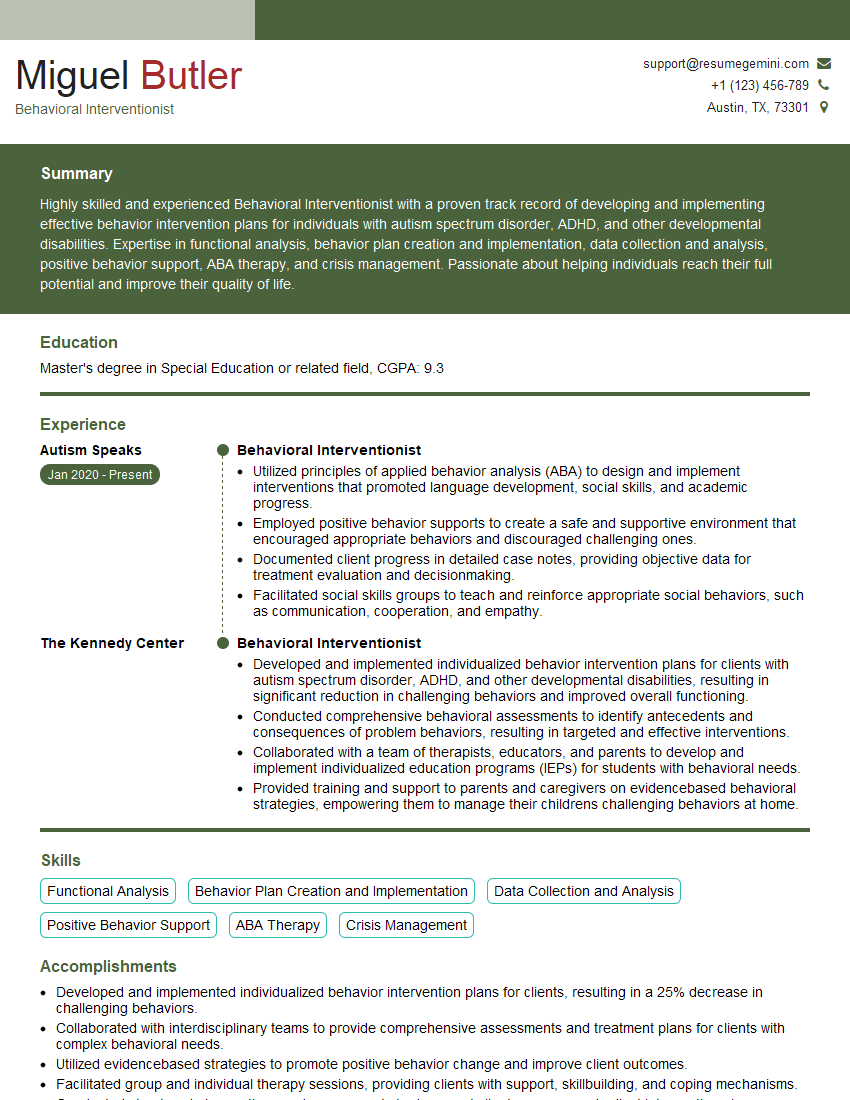
Behavioral Interventionist Resume Sample
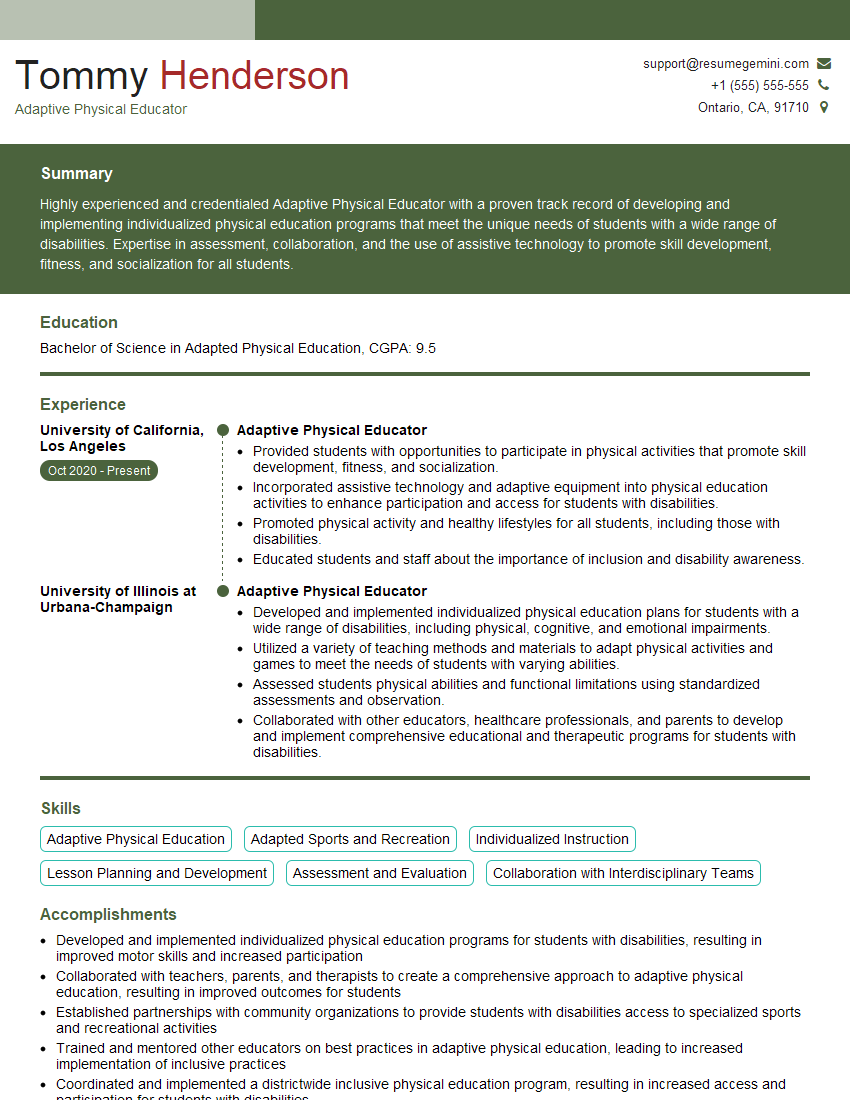
Adaptive Physical Educator Resume Sample
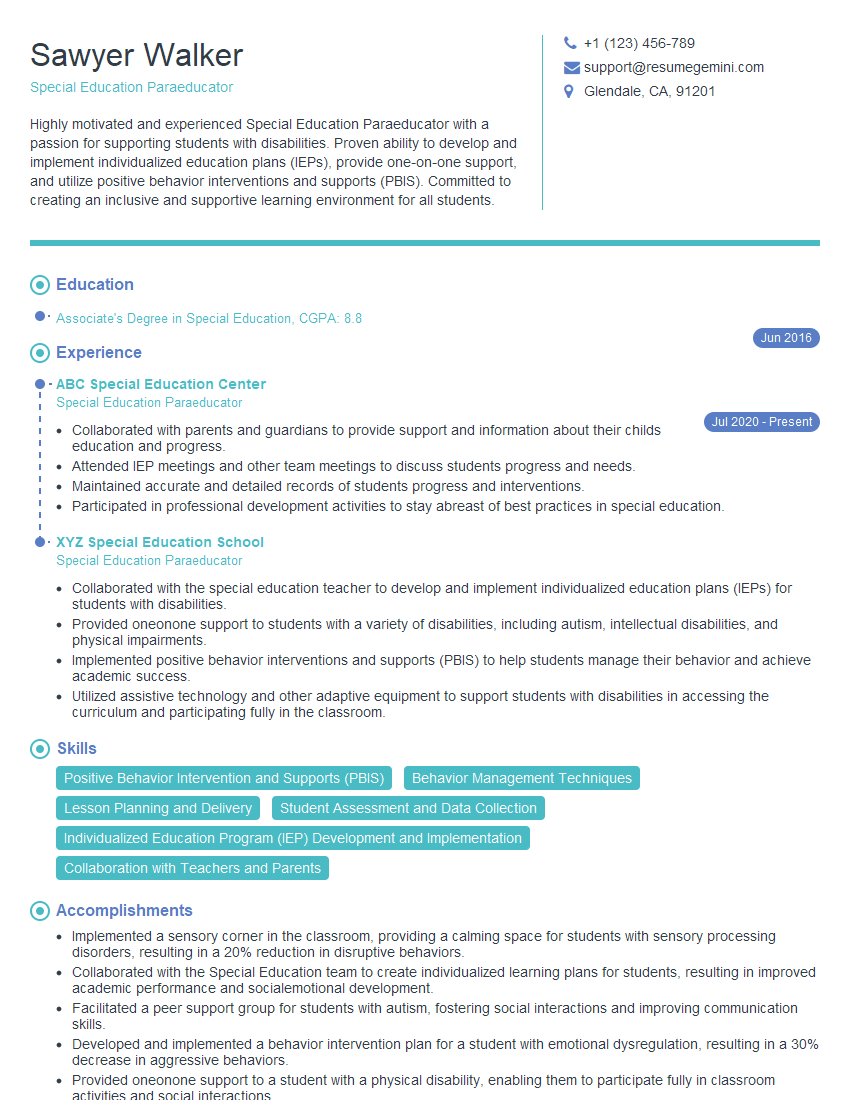
Special Education Paraeducator Resume Sample
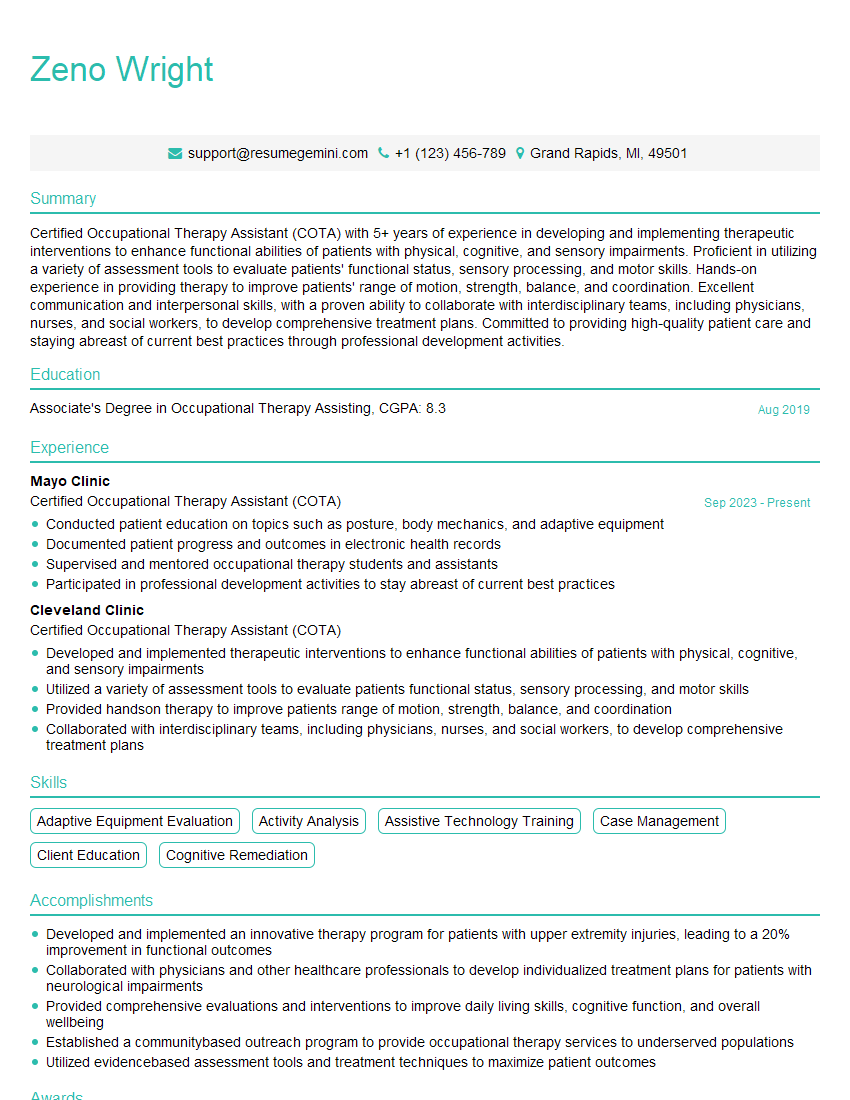
Certified Occupational Therapy Assistant (COTA) Resume Sample
Explore more articles
Users Rating of Our Blogs
Share Your Experience
We value your feedback! Please rate our content and share your thoughts (optional).
What Readers Say About Our Blog
To the interviewgemini.com Webmaster.
Very helpful and content specific questions to help prepare me for my interview!
Thank you
To the interviewgemini.com Webmaster.
This was kind of a unique content I found around the specialized skills. Very helpful questions and good detailed answers.
Very Helpful blog, thank you Interviewgemini team.