Every successful interview starts with knowing what to expect. In this blog, we’ll take you through the top Social Work Assessment and Intervention interview questions, breaking them down with expert tips to help you deliver impactful answers. Step into your next interview fully prepared and ready to succeed.
Questions Asked in Social Work Assessment and Intervention Interview
Q 1. Explain the difference between a bio-psychosocial assessment and a functional assessment.
Both bio-psychosocial and functional assessments are crucial in social work, but they focus on different aspects of a client’s situation. A bio-psychosocial assessment considers the interplay of biological, psychological, and social factors influencing a person’s well-being. Think of it as a holistic view, exploring medical history, mental health, family dynamics, social support, and environmental factors. For instance, we might consider a client’s diabetes (biological), depression (psychological), and lack of access to healthy food (social) when assessing their overall health and ability to function.
A functional assessment, on the other hand, zeroes in on the client’s current level of functioning in specific areas of their life. This is more targeted, focusing on what the client *can* and *cannot* do independently. We might assess their ability to manage personal care, maintain employment, or engage in social activities. For example, we might assess a client’s ability to prepare meals, manage their finances, and maintain hygiene as part of a functional assessment.
The difference is best illustrated by an example: A client with schizophrenia (bio-psychosocial factor) might have difficulty maintaining employment (functional limitation). The bio-psychosocial assessment would explore the root causes – the schizophrenia itself, medication side effects, social isolation, and lack of job skills. The functional assessment would focus on the practical consequences, developing strategies to improve their ability to work, perhaps through vocational training or supported employment.
Q 2. Describe your experience utilizing the DSM-5 in assessment.
The DSM-5 (Diagnostic and Statistical Manual of Mental Disorders, 5th Edition) is an essential tool in my practice. I use it to understand and diagnose mental health disorders, which informs my assessment and treatment planning. I’m trained to carefully consider the criteria for each diagnosis, avoiding premature labeling. The process involves a thorough clinical interview, review of history, and sometimes collateral information. I don’t solely rely on the DSM-5; instead, I use it in conjunction with my clinical judgment and understanding of the client’s unique context. For example, I might observe symptoms consistent with Generalized Anxiety Disorder, but I’d also consider the client’s cultural background, life stressors, and personal history to ensure an accurate and culturally sensitive diagnosis. It is critical to understand that the DSM-5 provides a framework, not a rigid set of rules. My clinical decision-making incorporates professional ethics, cultural competency, and a person-centered approach to ensure appropriate care.
Q 3. How do you determine the most appropriate intervention strategy for a client?
Selecting the right intervention strategy requires a multi-step process. It begins with a comprehensive assessment, using both bio-psychosocial and functional approaches. Next, I consider the client’s goals, strengths, and preferences. I look for evidence-based interventions that align with the diagnosis and the client’s identified needs. Factors such as the severity of the issue, the client’s resources, and the availability of services also inform my decision. For instance, a client struggling with substance abuse might benefit from a combination of individual therapy, group support, and medication-assisted treatment. For a client experiencing homelessness, I might prioritize connecting them with shelter, case management, and job training programs. A collaborative approach with the client is critical – it’s not about imposing a treatment plan, but about co-creating a plan that empowers the client to achieve their goals.
Q 4. What are the ethical considerations when conducting a social work assessment?
Ethical considerations are paramount in social work assessment. Confidentiality is key – I must protect client information and only share it with those who have a legitimate need to know. Informed consent is crucial; clients must understand the purpose of the assessment, the procedures involved, and how their information will be used before they agree to participate. Self-determination demands that clients have autonomy in their decision-making – I must respect their choices even if I disagree with them. Cultural competence is essential; assessments must be sensitive to cultural differences and avoid bias. Boundaries must be carefully maintained to prevent conflicts of interest. Lastly, I must be aware of the potential for power imbalances in the therapeutic relationship and strive to create a safe and equitable environment.
Q 5. Describe your experience with crisis intervention techniques.
My experience with crisis intervention involves working with individuals facing immediate threats to their safety or well-being. This might include suicidal ideation, domestic violence, or acute mental health episodes. My approach is grounded in a framework of assessment, intervention, and referral. The initial step is a rapid assessment to determine the level of risk and immediate needs. This involves assessing the client’s emotional state, identifying potential triggers, and evaluating their safety plan. Intervention strategies may include providing emotional support, de-escalation techniques, and connecting clients to emergency services, such as mobile crisis units or hospitals. Referral to appropriate resources is crucial, such as mental health services, domestic violence shelters, or substance abuse treatment centers. For example, I might use active listening and validating techniques to de-escalate a client experiencing an acute panic attack, simultaneously connecting them with a crisis hotline.
Q 6. How do you build rapport and trust with clients during the assessment process?
Building rapport and trust is fundamental. I start by creating a safe and non-judgmental environment where clients feel comfortable sharing their experiences. I use active listening skills, demonstrating empathy and genuine interest. I show respect for their autonomy and their perspectives, avoiding interruptions or judgmental statements. I actively work on building a positive and collaborative relationship. Small gestures such as remembering details about their lives and showing genuine care can build trust over time. Clearly explaining the assessment process and answering questions openly are essential to fostering transparency. For example, starting a session by asking about their week and their comfort level is a good way to encourage open communication and ensure trust is established.
Q 7. What are the key components of a comprehensive treatment plan?
A comprehensive treatment plan is more than just a list of services. It’s a dynamic document that outlines goals, interventions, and evaluation methods. Goals are client-centered, specific, measurable, achievable, relevant, and time-bound (SMART). Interventions detail the specific strategies and approaches to be used, including the frequency, duration, and location of services. Evaluation involves a plan to monitor progress toward the goals, using various methods such as self-reports, clinical observations, and outcome measures. The plan also includes a section on discharge planning outlining how the client will transition to a lower level of care or independent functioning. Furthermore, the plan should incorporate the client’s strengths, cultural background, available resources, and any ethical considerations. This is a living document, regularly updated based on the client’s progress and changing needs.
Q 8. Explain your understanding of evidence-based practices in social work.
Evidence-based practice (EBP) in social work means using the best available research and scientific evidence to inform our assessments, interventions, and overall practice. It’s not just about following the latest fad; it’s a commitment to using data and rigorous studies to ensure we’re providing the most effective and ethical help to our clients.
This involves several key steps:
- Formulating a clinical question: Clearly identifying the client’s problem and what we hope to achieve.
- Searching for the evidence: Using reliable databases and journals to find relevant research on effective interventions for the specific issue.
- Critically appraising the evidence: Evaluating the quality and relevance of the research, considering factors like sample size, methodology, and generalizability.
- Integrating the evidence with clinical expertise and client values: EBP isn’t a cookbook; it requires tailoring interventions to each client’s unique circumstances and preferences while grounded in research.
- Evaluating the outcomes: Measuring the effectiveness of the intervention to see if it’s meeting the client’s goals and making adjustments as needed.
For example, if I’m working with a client struggling with depression, I wouldn’t just rely on my intuition. I would search for research on effective treatments like Cognitive Behavioral Therapy (CBT) or interpersonal therapy, evaluate the studies, and then work with the client to determine the best approach for them, considering their personal preferences and cultural background.
Q 9. Describe your experience working with diverse populations and their unique needs.
Working with diverse populations is fundamental to social work. I have extensive experience working with clients from various racial, ethnic, socioeconomic, religious, and LGBTQ+ backgrounds. Understanding and addressing the unique needs of each population requires cultural humility and a commitment to anti-oppressive practice.
For instance, I’ve worked with immigrant families facing language barriers and navigating the complexities of the legal and social service systems. In these cases, culturally sensitive communication, collaboration with interpreters, and advocacy for equitable access to resources were crucial. Similarly, when working with LGBTQ+ youth, creating a safe and affirming space free from judgment is paramount; it involves acknowledging their lived experiences and understanding the specific challenges they may face related to discrimination, stigma, and family acceptance.
Recognizing these differences isn’t just about acknowledging them; it’s about actively seeking out appropriate resources and adapting my approach to reflect an understanding of their unique experiences and needs. It demands continuous learning and self-reflection to avoid imposing my own biases and perspectives.
Q 10. How do you handle ethical dilemmas encountered during assessment and intervention?
Ethical dilemmas are inevitable in social work. When confronted with such a situation, I follow a systematic approach:
- Identify the dilemma: Clearly define the conflict of values or principles involved.
- Gather information: Collect relevant facts, consult with colleagues and supervisors, and review ethical codes (like the NASW Code of Ethics).
- Explore options: Brainstorm possible courses of action, considering their potential consequences.
- Consult: Discuss the dilemma with experienced colleagues, supervisors, or ethics committees to gain different perspectives.
- Document: Thoroughly document the process, including the dilemma, the steps taken, and the rationale behind the decision made.
For example, if a client discloses information that indicates they might harm themselves or others, I have a legal and ethical obligation to take steps to protect them, even if it means breaching confidentiality. This involves careful consideration of the client’s rights, my obligations, and the potential risks involved. Navigating such situations demands careful ethical reflection, robust documentation, and collaboration with supervisors and relevant authorities.
Q 11. What are some common barriers to effective assessment and intervention?
Several barriers can hinder effective assessment and intervention. These include:
- Client resistance: Clients may be reluctant to engage in the process due to mistrust, fear, or previous negative experiences.
- Lack of resources: Limited access to services, financial constraints, and transportation issues can severely impact progress.
- Cultural differences: Communication barriers and differing cultural norms can create misunderstandings and hinder rapport-building.
- Systemic barriers: Complex bureaucracy, long waiting lists, and fragmented service delivery systems can impede access to care.
- Clinician biases: Unconscious biases can affect assessment and intervention, leading to inaccurate judgments and ineffective treatment.
Addressing these barriers often involves building trust, advocating for resources, utilizing culturally sensitive approaches, collaborating with other professionals, and engaging in self-reflection to mitigate personal biases. Flexibility and adaptability are key to navigating these challenges effectively.
Q 12. Describe your experience using motivational interviewing techniques.
Motivational Interviewing (MI) is a client-centered, directive counseling style designed to elicit and strengthen motivation for change. I have extensive experience using MI techniques to help clients explore their ambivalence, identify their own reasons for change, and develop action plans.
MI’s core principles include expressing empathy, developing discrepancy (helping clients see the difference between their current behavior and their goals), rolling with resistance (avoiding direct confrontation), and supporting self-efficacy (helping clients believe in their ability to change).
In practice, I use open-ended questions, affirmations, reflective listening, and summaries to guide clients through the change process. For example, if working with a client struggling with substance abuse, instead of lecturing them, I might use reflective listening to understand their perspective, highlight their strengths, and gently explore the discrepancies between their current behavior and their desired future. I’d focus on their intrinsic motivation rather than imposing external pressures.
Q 13. Explain your understanding of trauma-informed care.
Trauma-informed care recognizes the widespread impact of trauma and emphasizes a strength-based and collaborative approach to working with survivors. It’s about understanding that trauma can significantly affect a person’s behavior, relationships, and overall well-being, and that this needs to be addressed holistically in assessment and intervention.
Key principles include:
- Safety: Creating a secure and predictable environment.
- Trustworthiness and transparency: Building rapport and fostering open communication.
- Peer support: Utilizing the strength of community and support systems.
- Collaboration and mutuality: Working in partnership with the client, respecting their autonomy and choices.
- Empowerment, voice, and choice: Focusing on client strengths and giving them control over their treatment.
In practice, this means being mindful of triggering situations, avoiding retraumatization, and empowering clients to share their experiences at their own pace. For example, I might start by building trust through consistent communication and respecting boundaries before delving into potentially triggering topics related to their trauma.
Q 14. How do you document your assessment and intervention strategies accurately and thoroughly?
Accurate and thorough documentation is crucial for ethical, legal, and practical reasons. My documentation includes:
- Identifying information: Client’s name, date of birth, contact details (with appropriate considerations for privacy).
- Assessment information: Detailed description of the client’s presenting problem, history, strengths, and needs using objective and subjective data.
- Intervention plan: Clearly defined goals, strategies, and interventions used, including the rationale behind each choice.
- Progress notes: Regular updates documenting client progress, challenges encountered, and adjustments to the intervention plan. These notes follow a clear chronological order.
- Termination summary: A comprehensive summary of the client’s progress, achieved goals, and recommendations for ongoing support.
I use a clear, concise, and professional writing style, avoiding jargon and ensuring all entries are factually accurate, well-organized, and easily understandable. I adhere to agency policies and legal requirements regarding confidentiality and data security. Regular supervision provides an additional layer of review and ensures compliance with best practices.
Q 15. How do you measure the effectiveness of your interventions?
Measuring the effectiveness of social work interventions is crucial for ensuring we’re providing the best possible care and for demonstrating accountability. We use a multi-faceted approach that combines quantitative and qualitative data.
- Quantitative measures: These involve tracking specific, measurable outcomes. For example, if working with a client experiencing depression, we might track changes in their scores on standardized depression scales (like the PHQ-9) over time. Similarly, with a client struggling with homelessness, we might monitor successful housing placements, days of employment, or reduction in emergency room visits. We use pre- and post-intervention assessments to establish a baseline and measure progress.
- Qualitative measures: These provide a richer understanding of the client’s experience and perspective. We use methods like client feedback surveys, progress notes documenting behavioral changes and client self-reports, and regular sessions to assess their subjective experiences. These qualitative data help to paint a more holistic picture of the impact of our interventions beyond simple numbers.
- Goal Attainment Scaling (GAS): This is a powerful technique where we collaboratively set individualized goals with the client, assigning numerical weights based on their importance and difficulty. We then track progress towards these goals, providing a tailored measure of success.
Ultimately, effectiveness isn’t just about numbers; it’s about the meaningful positive changes in the client’s life. We always consider whether the intervention led to improved well-being, increased self-sufficiency, and enhanced quality of life.
Career Expert Tips:
- Ace those interviews! Prepare effectively by reviewing the Top 50 Most Common Interview Questions on ResumeGemini.
- Navigate your job search with confidence! Explore a wide range of Career Tips on ResumeGemini. Learn about common challenges and recommendations to overcome them.
- Craft the perfect resume! Master the Art of Resume Writing with ResumeGemini’s guide. Showcase your unique qualifications and achievements effectively.
- Don’t miss out on holiday savings! Build your dream resume with ResumeGemini’s ATS optimized templates.
Q 16. Describe your experience working with clients with substance abuse issues.
I have extensive experience working with clients struggling with substance abuse. My approach is grounded in a harm reduction model, recognizing that addiction is a complex health issue, not a moral failing. I focus on building a strong therapeutic relationship based on trust and empathy. This foundation is crucial for fostering motivation and engagement in treatment.
- Assessment: I begin by conducting a thorough biopsychosocial assessment, considering the client’s history of substance use, medical history, mental health status, social support system, and environmental factors. This helps identify underlying issues contributing to their addiction and informs the treatment plan.
- Treatment Planning: Treatment plans are individualized and may involve referrals to detox programs, medication-assisted treatment (MAT), individual and/or group therapy, and support groups like Alcoholics Anonymous (AA) or Narcotics Anonymous (NA). I also work closely with their family members when appropriate and with their permission.
- Relapse Prevention: A critical component of my work is relapse prevention planning. This includes identifying triggers, developing coping mechanisms, and creating a strong support network to help the client navigate challenging situations. Relapse is a part of the process, and I approach it as an opportunity for learning and adjustment.
For example, I worked with a client who struggled with opioid addiction. Through motivational interviewing techniques and collaborative goal setting, we developed a plan that included medication-assisted treatment with methadone, individual therapy to address underlying trauma, and participation in a support group. The client demonstrated significant progress, including achieving sustained abstinence and securing stable housing.
Q 17. How do you integrate client strengths into the treatment process?
Integrating client strengths is fundamental to a strengths-based approach in social work. Instead of solely focusing on deficits and problems, we emphasize the client’s inherent capabilities and resources. This empowers them and fosters a sense of hope and agency.
- Identifying Strengths: I start by actively listening and observing the client to identify their strengths. This can involve identifying past successes, positive personality traits, skills, talents, supportive relationships, and personal values. Techniques like the ‘strengths finder’ assessment can be helpful.
- Utilizing Strengths: Once identified, we brainstorm ways to leverage these strengths to achieve their goals. For instance, a client with strong communication skills might use them to advocate for their needs or to build rapport with support systems. A client with artistic talents might use that as a form of self-expression and stress management.
- Building on Strengths: We work collaboratively to develop strategies that build upon existing strengths and cultivate new ones. This could involve connecting the client with resources that help them develop new skills or offering support to strengthen existing relationships.
For example, a client struggling with anxiety might have a strong sense of resilience and a supportive family. We would use the client’s resilience to help navigate anxiety triggers and utilize the family’s support to create a safety net. The focus is on empowering the client to utilize their internal and external resources.
Q 18. Describe your experience with case management and coordination of services.
Case management involves coordinating and advocating for services for clients who need multiple forms of support. My experience includes coordinating care across various agencies and systems, navigating bureaucratic processes, and ensuring clients receive the comprehensive support they require.
- Assessment of Needs: This begins with a comprehensive assessment to understand the client’s needs and the services they require. This might involve medical, mental health, housing, financial, or legal services.
- Service Coordination: I then work to connect the client with appropriate services, making referrals, scheduling appointments, and facilitating communication between various providers. This might involve coordinating appointments with multiple doctors, therapists, or case managers from different agencies.
- Advocacy: A crucial part of my role is advocating for the client’s needs and rights. This often involves navigating complex systems, negotiating with providers, and ensuring the client’s voice is heard.
- Monitoring Progress: I regularly monitor the client’s progress, adjusting the plan as needed, and providing ongoing support.
For instance, I worked with a client who experienced homelessness and severe mental illness. I coordinated services with a mental health clinic, a housing agency, and a social security administration office to ensure the client received medication, housing, and disability benefits. This collaborative approach ultimately helped the client achieve housing stability and improved mental health.
Q 19. How do you work collaboratively with other professionals in a treatment team?
Collaborative teamwork is essential in social work. Effective communication and a shared understanding of goals are key to providing holistic care. I approach team collaboration by prioritizing open communication, mutual respect, and a shared focus on client needs.
- Regular Meetings: I actively participate in treatment team meetings, sharing updates on the client’s progress and collaborating on treatment strategies. This might involve attending meetings with therapists, psychiatrists, case managers, and other professionals.
- Information Sharing: I ensure clear and timely communication, sharing relevant information with team members, and documenting all interactions in a systematic manner. I utilise shared electronic health records wherever available.
- Shared Decision Making: I work collaboratively to develop and implement treatment plans, ensuring everyone’s perspectives are considered and that the plan aligns with the client’s goals.
- Conflict Resolution: I am prepared to address conflicts constructively, focusing on finding solutions that are in the client’s best interest.
For instance, I worked with a team to manage the care of a child with behavioral problems. We met regularly, sharing observations and strategies. This coordination led to a consistent approach, improving the child’s behavior and strengthening the family’s ability to provide support.
Q 20. How do you maintain professional boundaries with clients?
Maintaining professional boundaries is paramount in social work to ensure the safety and well-being of the client and the integrity of the therapeutic relationship. It involves establishing clear limits and avoiding dual relationships.
- Professional Conduct: I adhere strictly to the professional code of ethics, which provides guidelines on appropriate conduct, including avoiding personal relationships with clients, gifts, or favors.
- Self-Awareness: Maintaining self-awareness is key. I regularly reflect on my own emotional responses and ensure my personal needs don’t compromise the therapeutic relationship.
- Clear Communication: I establish clear expectations regarding the nature of the professional relationship from the outset. This includes clearly defining roles and responsibilities and setting boundaries about contact outside of sessions.
- Supervision: Regular supervision helps in maintaining professional boundaries and managing challenging situations that might blur those boundaries.
For example, I might avoid accepting social invitations from a client, refuse gifts beyond a small token of appreciation, and clearly communicate that the relationship is professional and limited to the therapeutic context. If I sense any boundary crossing, I’ll address it immediately, perhaps seeking consultation from a supervisor.
Q 21. Describe a time you had to adapt your intervention strategy due to client resistance.
Client resistance is a common occurrence in social work. It’s essential to approach it with empathy and flexibility. Rather than seeing resistance as defiance, it often signals unmet needs or concerns that need addressing.
I once worked with a client who was resistant to engaging in therapy for their substance abuse. Initially, I attempted a more directive approach, outlining the benefits of treatment. However, this increased their resistance. I realized I needed to adjust my strategy.
- Understanding Resistance: I shifted my approach to a more collaborative one. Instead of imposing a treatment plan, I actively listened to their concerns and explored the reasons behind their resistance. I discovered their fear of judgment and past negative experiences with treatment programs.
- Adapting the Intervention: Based on this understanding, I adapted my approach by focusing on building rapport, validating their feelings, and offering a non-judgmental environment. I emphasized their autonomy and collaborated with them to develop a treatment plan that addressed their specific needs and concerns.
- Finding Common Ground: We identified areas of common ground, focusing on smaller, achievable goals rather than overwhelming them with a large-scale plan. This collaborative approach helped build trust and foster engagement.
Through this adapted strategy, the client gradually became more open to treatment and eventually made significant progress in their recovery. This experience highlighted the importance of adaptability, empathy, and understanding client perspectives in overcoming resistance.
Q 22. How do you manage client confidentiality effectively?
Maintaining client confidentiality is paramount in social work. It’s the cornerstone of trust and a legal obligation. I adhere to strict ethical guidelines and legal mandates, like HIPAA in the US, to protect sensitive information. This includes:
- Secure Storage: All client records, both physical and electronic, are stored securely, utilizing password-protected systems and locked filing cabinets. I also follow agency protocols for data encryption and access control.
- Limited Disclosure: I only share information with others involved in the client’s care (with their informed consent) or when legally mandated, such as suspected child abuse or harm to self or others. Even then, I share only the minimum necessary information.
- Confidentiality in Conversations: I am mindful of my surroundings when discussing clients, avoiding public spaces or situations where others might overhear. I also avoid using client names in casual conversations.
- Data Protection: I stay updated on best practices for data security and actively participate in any agency training on this matter. I’m vigilant against phishing attempts and other cyber threats.
- Informed Consent: Before sharing any information, I ensure clients understand how their data will be used and who it might be shared with. I obtain their explicit consent whenever possible.
For example, I once had a client who disclosed a sensitive family matter. I ensured their privacy by only documenting essential details relevant to the case, and I never discussed the matter outside of the required clinical supervision.
Q 23. What is your experience with risk assessment and safety planning?
Risk assessment is a crucial part of my practice. It involves identifying potential threats to a client’s safety or well-being, whether from themselves, others, or their environment. I use a structured approach, often employing standardized tools, to evaluate various risk factors. Safety planning comes next; it’s a collaborative process where we develop strategies to mitigate those risks.
My experience includes assessing risks related to domestic violence, substance abuse, suicidal ideation, and child neglect. I’ve worked with clients to develop individualized safety plans that might involve:
- Developing a crisis plan: This includes identifying warning signs, creating a list of support contacts (friends, family, crisis hotlines), and outlining coping mechanisms for managing difficult situations.
- Creating a safety network: Connecting clients with resources like support groups, shelters, or legal aid.
- Developing strategies for managing triggers: Identifying situations or people that might increase risk and developing strategies for avoidance or coping.
- Collaborating with other agencies: When necessary, I work with law enforcement, child protective services, or mental health providers to ensure the client’s safety.
For example, with a client experiencing domestic violence, a safety plan might include establishing a code word with a trusted friend, identifying a safe place to go in an emergency, and developing a plan for escaping the home safely.
Q 24. How do you address cultural considerations in assessment and intervention?
Cultural competence is essential for effective social work. It’s about understanding and respecting the diverse cultural backgrounds of clients and tailoring interventions to meet their unique needs. This involves:
- Self-reflection: Regularly examining my own biases and assumptions about different cultures. This is ongoing, requiring critical reflection on one’s own values and beliefs.
- Cultural awareness: Learning about various cultures and their values, beliefs, and practices. This can include seeking out training, attending cultural events, and reading relevant literature.
- Client-centered approach: Working collaboratively with clients to understand their perspectives, rather than imposing my own views. It’s crucial to ask open-ended questions and actively listen.
- Adaptation of techniques: Modifying assessment and intervention methods to be culturally appropriate and respectful. What works in one culture may not work in another.
- Seeking cultural consultation: When facing challenges understanding a particular culture, I seek expert guidance from colleagues, community leaders, or cultural consultants.
For instance, when working with a family from a collectivist culture, I would focus on strengthening family support systems rather than solely focusing on individual goals. It’s crucial to be sensitive to the family structure and dynamics before implementing interventions.
Q 25. Describe your experience with working with families and children.
I have extensive experience working with families and children, encompassing various settings like schools, community centers, and in-home interventions. My work has included:
- Child welfare: Conducting assessments of child safety and well-being, and developing case plans in collaboration with families and the child welfare agency.
- Family therapy: Facilitating family sessions to improve communication, conflict resolution skills, and parental effectiveness.
- Parenting education: Providing education and support to parents on a range of topics, such as child development, discipline, and stress management.
- School social work: Collaborating with school staff to support students’ academic, social, and emotional well-being.
- Advocacy: Working with families to advocate for their needs within the school system, healthcare system, or other relevant agencies.
One case involved a family struggling with sibling rivalry. Through family therapy sessions, we worked to improve communication, teach conflict resolution skills, and foster empathy between siblings. This involved creating a safe space for them to express their feelings and working collaboratively to develop solutions.
Q 26. Explain your approach to working with individuals experiencing mental health challenges.
My approach to working with individuals experiencing mental health challenges is based on a holistic and person-centered perspective. I utilize a strengths-based approach, focusing on the client’s resilience, coping mechanisms, and existing support systems. My work includes:
- Assessment: Conducting a comprehensive assessment, including a thorough history, symptom evaluation, and exploration of strengths and challenges.
- Collaboration: Working collaboratively with clients, psychiatrists, and other members of the treatment team to develop a treatment plan that addresses their unique needs.
- Psychoeducation: Educating clients and their families about their condition, treatment options, and self-management strategies.
- Crisis intervention: Providing immediate support during times of crisis, helping clients manage their symptoms and maintain safety.
- Connecting clients to resources: Connecting clients to appropriate mental health services, including therapy, medication management, and support groups.
One example involved a client experiencing severe anxiety. We worked together to identify their triggers, develop coping mechanisms, and access therapy. Throughout this process, I emphasized their strengths and resilience, helping them build confidence in managing their condition.
Q 27. What are the different theoretical frameworks you utilize in your practice?
My practice integrates several theoretical frameworks to offer a comprehensive approach to assessment and intervention. These include:
- Ecological Systems Theory: This framework helps understand individuals within their larger environment, considering the interconnectedness of family, community, and societal influences on their well-being.
- Strengths-Based Perspective: I focus on identifying and building upon clients’ existing strengths and resources rather than solely concentrating on deficits. This fosters empowerment and self-efficacy.
- Cognitive Behavioral Therapy (CBT): I use CBT techniques to help clients identify and change negative thought patterns and behaviors that contribute to their challenges.
- Solution-Focused Brief Therapy: This approach emphasizes identifying and building upon solutions rather than dwelling extensively on the problem’s history. This is especially helpful in brief interventions.
- Trauma-Informed Care: This is central to my practice. I understand the impact of trauma on individuals’ lives and tailor my interventions to be sensitive and avoid re-traumatization.
The choice of framework depends on the client’s specific needs and the presenting issue. I often integrate elements from multiple frameworks to create a tailored approach.
Q 28. How do you ensure culturally competent assessment and intervention
Ensuring culturally competent assessment and intervention requires a multifaceted approach going beyond simple awareness. It necessitates a continuous process of learning, reflection, and adaptation. Key strategies include:
- Cultural Humility: This involves recognizing the limits of my own knowledge and understanding, acknowledging the client’s expertise in their own culture, and approaching each interaction with humility and a willingness to learn.
- Linguistic Competence: Providing services in the client’s preferred language, or utilizing interpreters when necessary, to ensure clear communication and avoid misinterpretations.
- Culturally Relevant Assessment Tools: Using assessment tools that are valid and reliable for the client’s cultural group, or adapting existing tools to minimize cultural bias. Sometimes, informal assessments might be more appropriate.
- Community Collaboration: Working with community organizations and cultural leaders to access culturally sensitive resources and understand community-specific needs and perspectives.
- Ongoing Training and Education: Continuously expanding my knowledge of diverse cultures through workshops, conferences, and other professional development opportunities.
For example, understanding the nuances of family decision-making processes within different cultural contexts ensures that interventions are aligned with the client’s values and expectations, leading to better outcomes.
Key Topics to Learn for Social Work Assessment and Intervention Interview
- Person-in-Environment Perspective: Understanding the interplay between individuals and their social environments, including systems theory and ecological perspectives. Practical application: Analyzing case studies to identify environmental factors influencing client challenges.
- Strengths-Based Approach: Identifying and utilizing client strengths and resources to facilitate positive change. Practical application: Developing intervention plans that leverage client assets and community support.
- Assessment Frameworks and Methods: Mastering various assessment tools and techniques, including interviews, observations, and standardized assessments. Practical application: Critically evaluating the reliability and validity of different assessment methods.
- Ethical Considerations in Assessment and Intervention: Navigating ethical dilemmas related to confidentiality, informed consent, and cultural competency. Practical application: Analyzing case scenarios to determine appropriate ethical responses.
- Intervention Planning and Implementation: Developing and implementing individualized intervention plans aligned with client goals and needs. Practical application: Designing interventions that address multiple levels of the ecosystem (individual, family, community).
- Crisis Intervention Techniques: Understanding and applying effective strategies for managing crisis situations and providing immediate support. Practical application: Applying various de-escalation techniques in simulated scenarios.
- Documentation and Reporting: Mastering clear and concise documentation practices for case management and reporting. Practical application: Producing well-organized and legally compliant case notes.
- Evidence-Based Practices: Understanding and applying research-supported interventions to ensure effective and ethical practice. Practical application: Justifying the selection of specific interventions based on empirical evidence.
Next Steps
Mastering Social Work Assessment and Intervention is crucial for career advancement in the field, opening doors to diverse opportunities and specialized roles. A strong foundation in these areas demonstrates your competence and commitment to effective client care. To enhance your job prospects, crafting an ATS-friendly resume is paramount. ResumeGemini is a trusted resource that can help you create a professional and impactful resume tailored to highlight your skills and experience. Examples of resumes specifically designed for Social Work Assessment and Intervention roles are available through ResumeGemini to provide valuable guidance and inspiration.
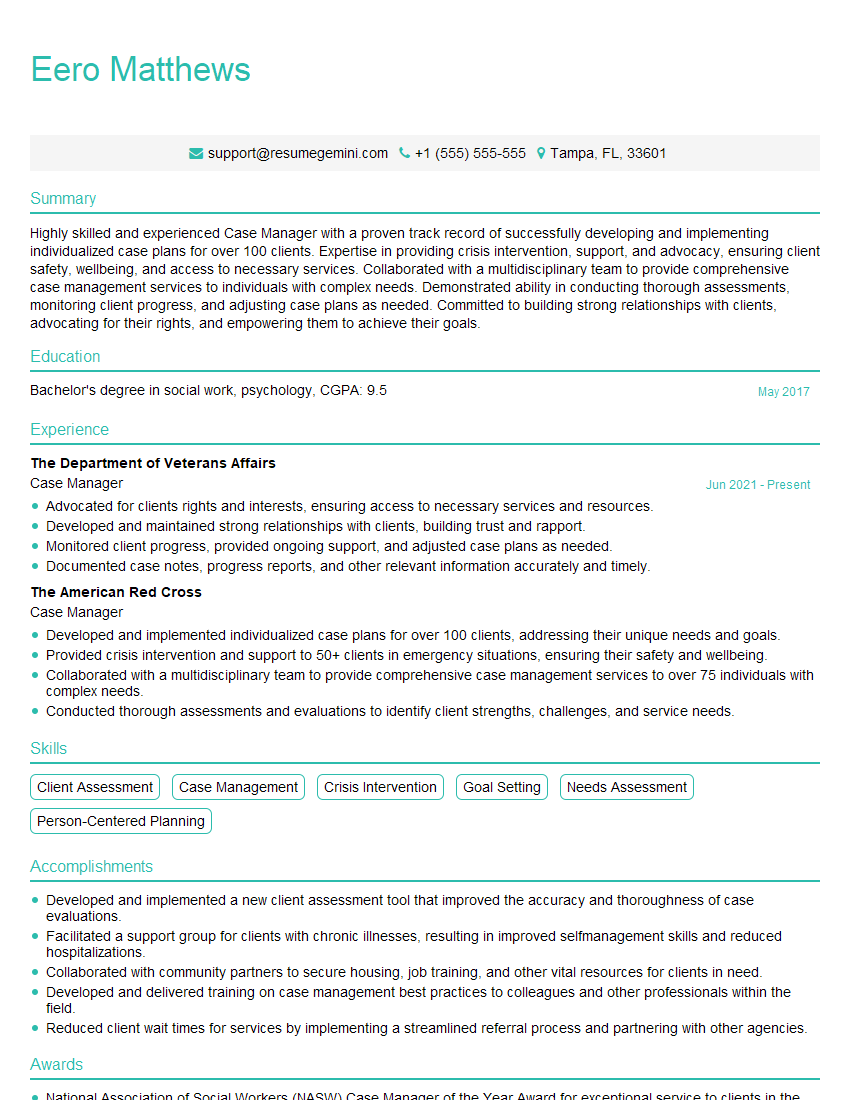
Case Manager Resume Sample
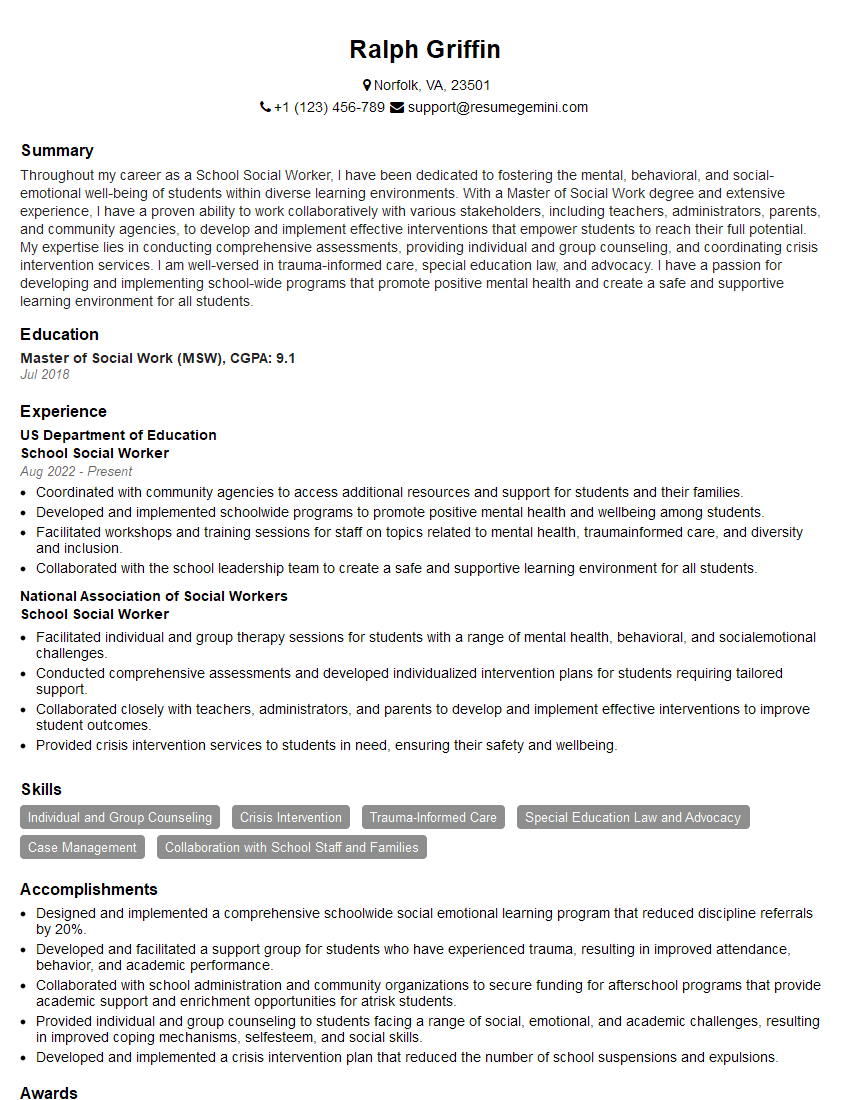
School Social Worker Resume Sample
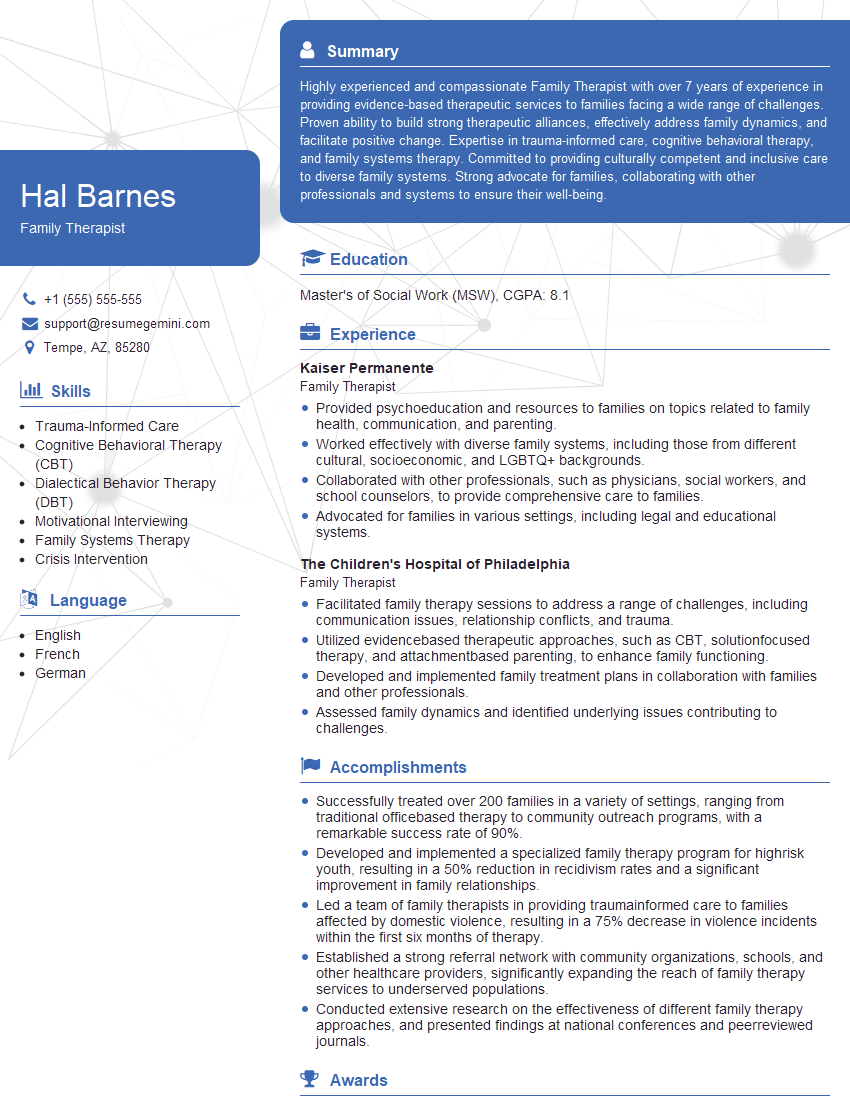
Family Therapist Resume Sample
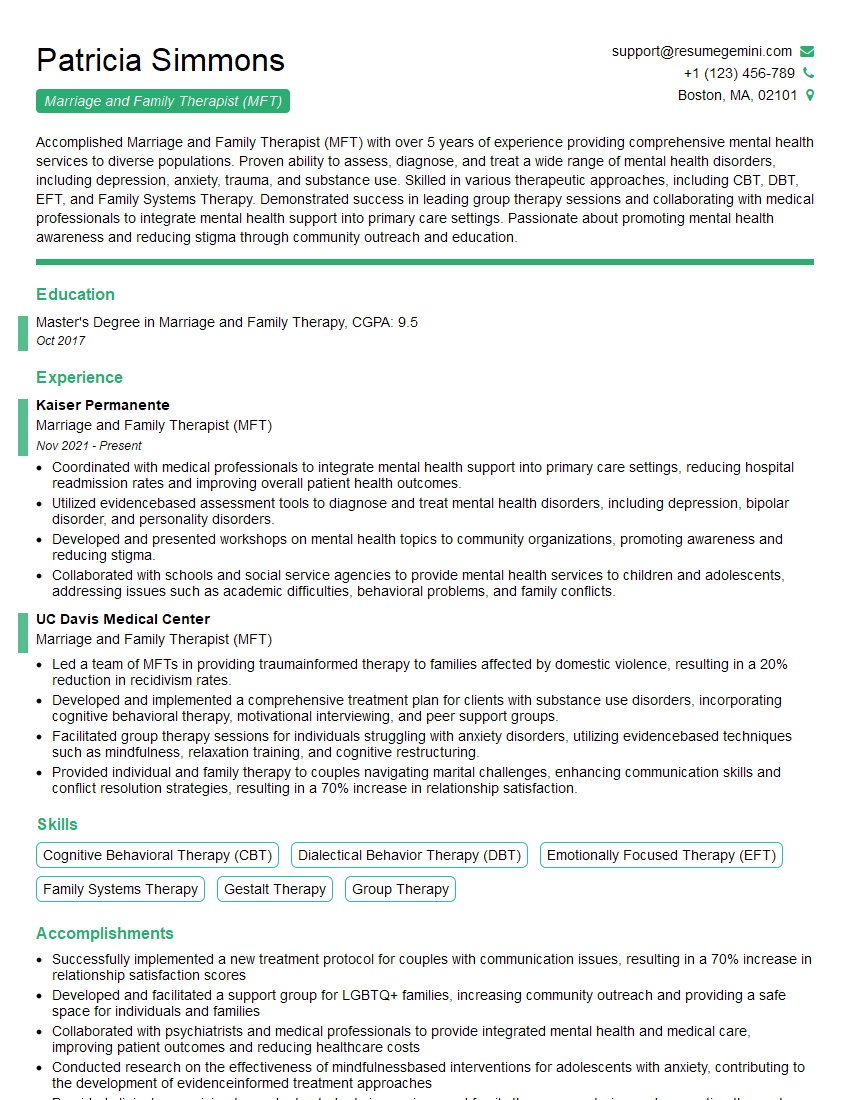
Marriage and Family Therapist (MFT) Resume Sample

Rehabilitation Counselor Resume Sample
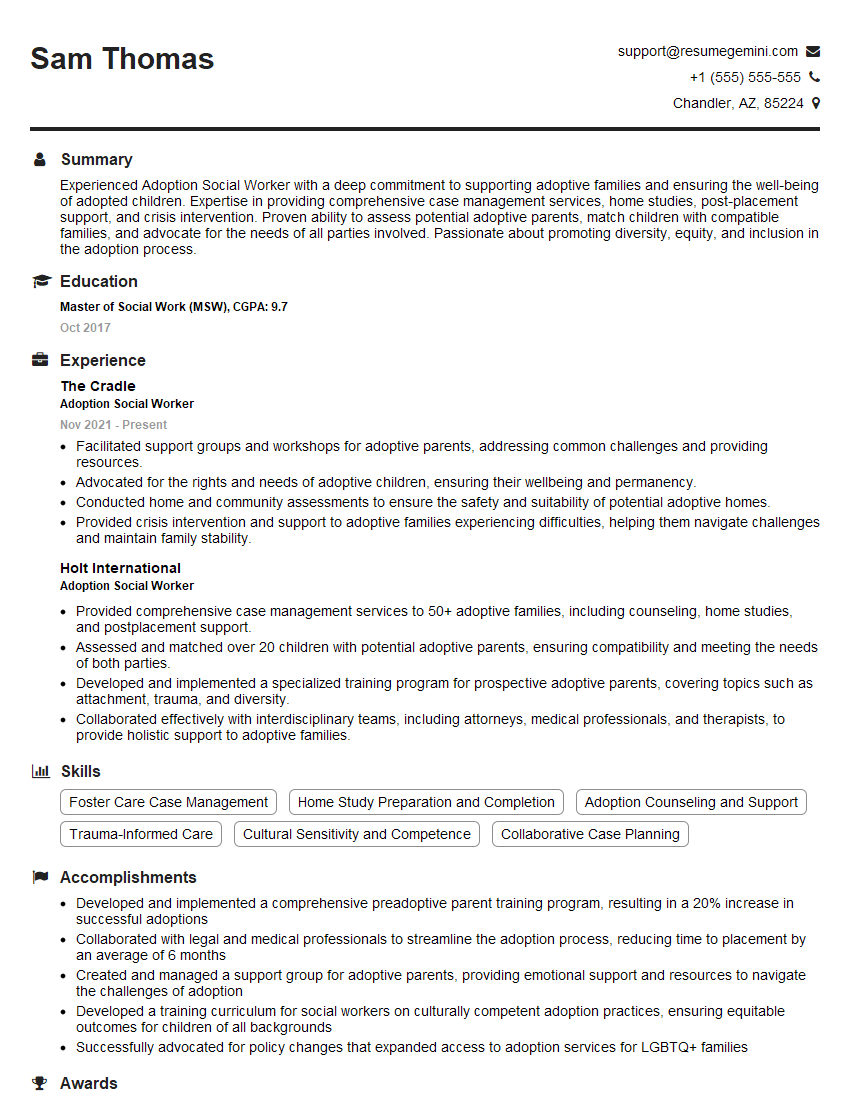
Adoption Social Worker Resume Sample
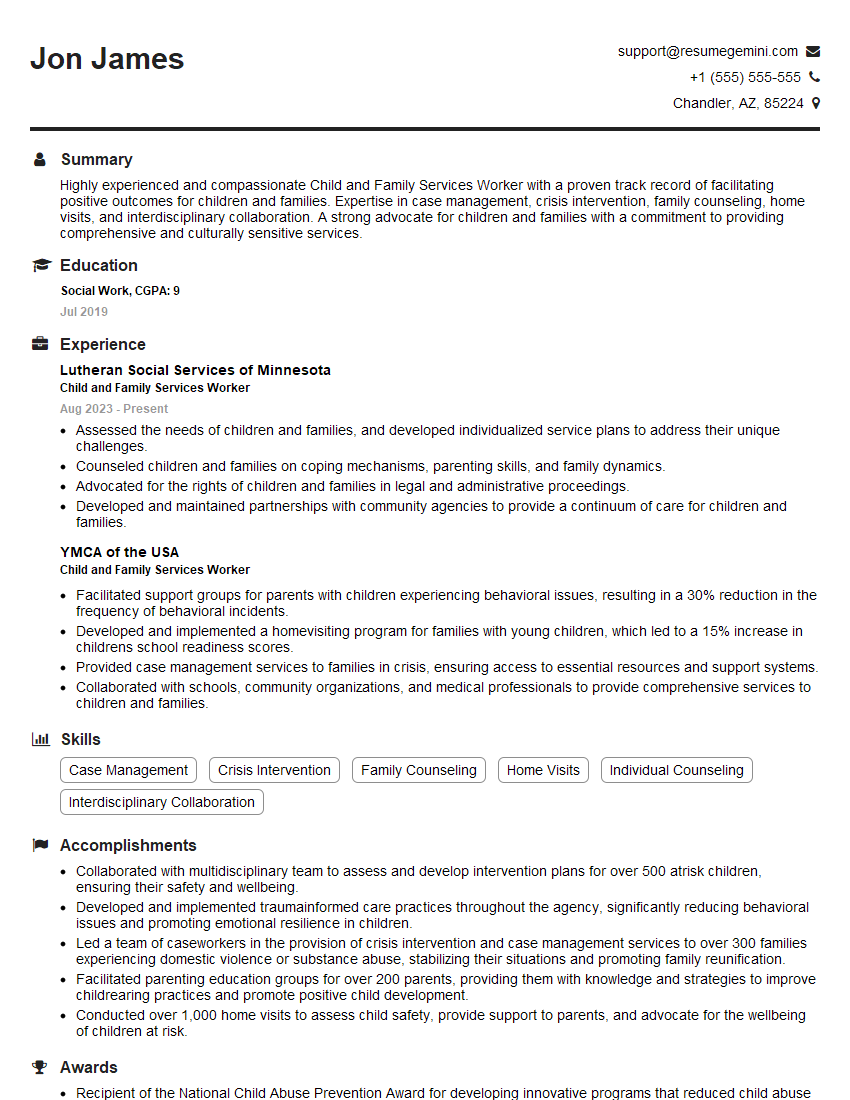
Child and Family Services Worker Resume Sample
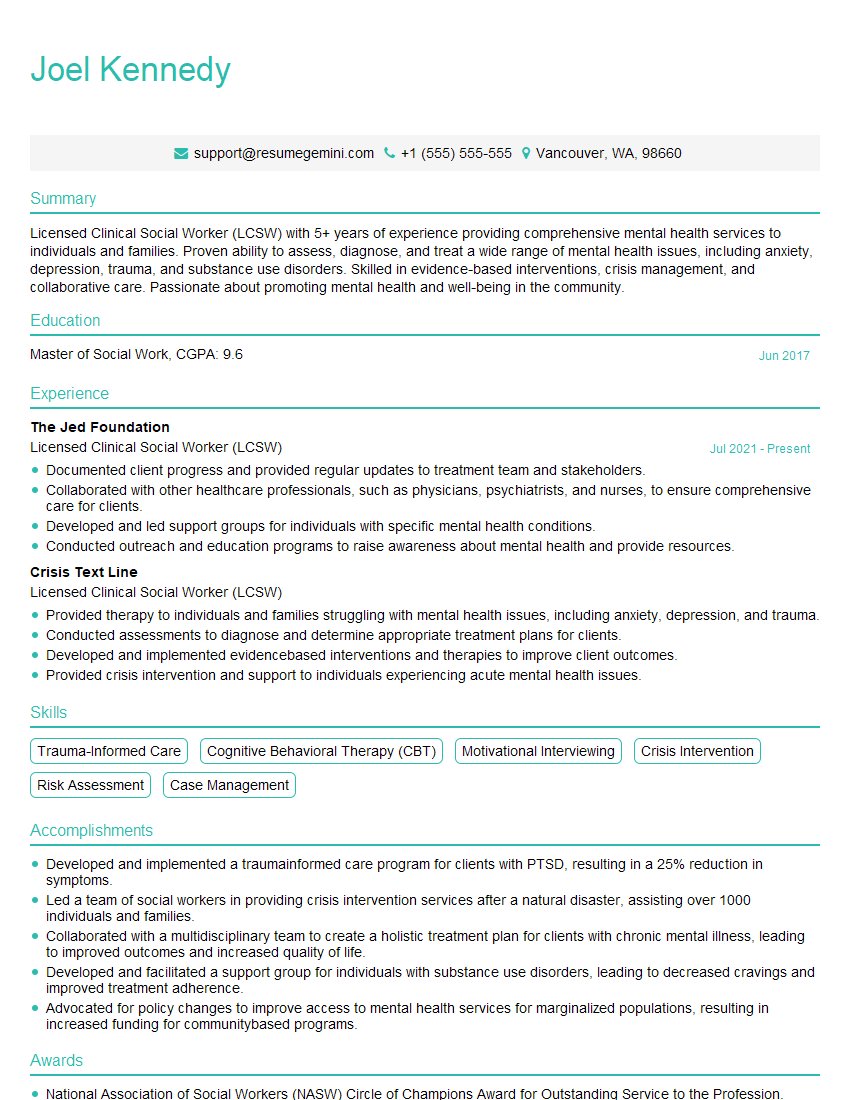
Licensed Clinical Social Worker (LCSW) Resume Sample
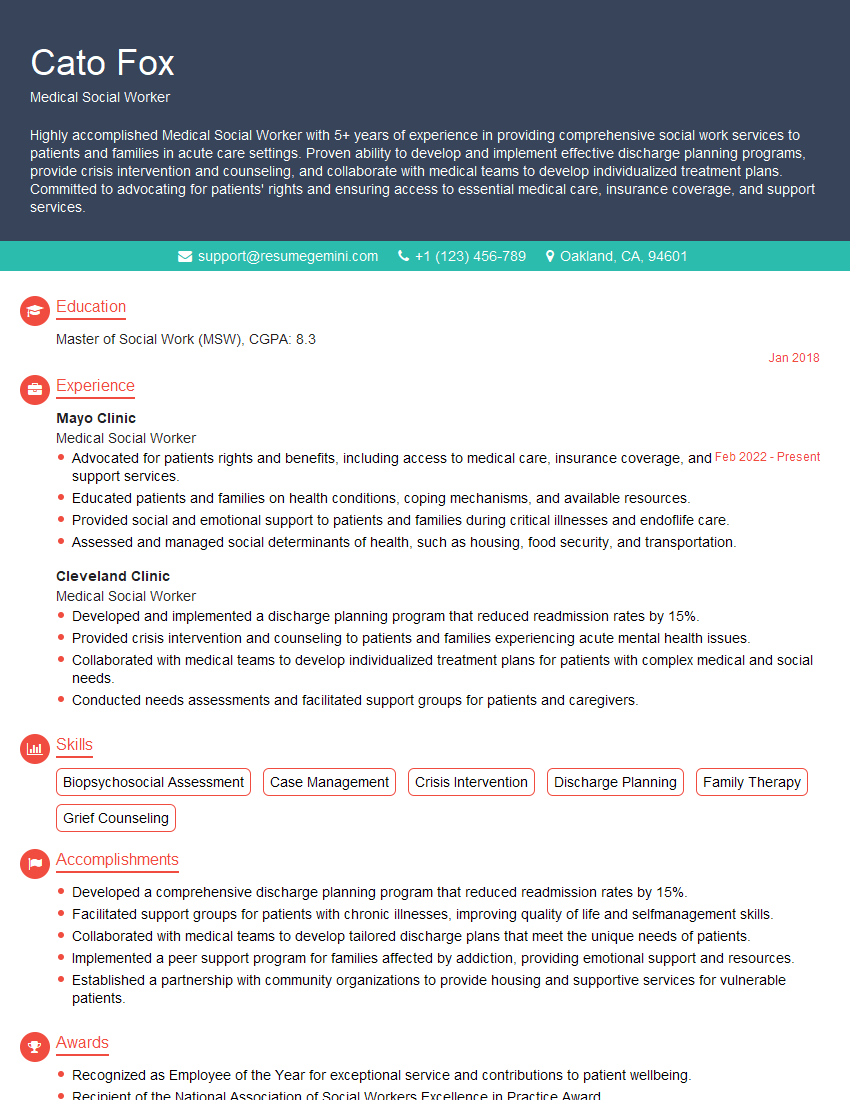
Medical Social Worker Resume Sample
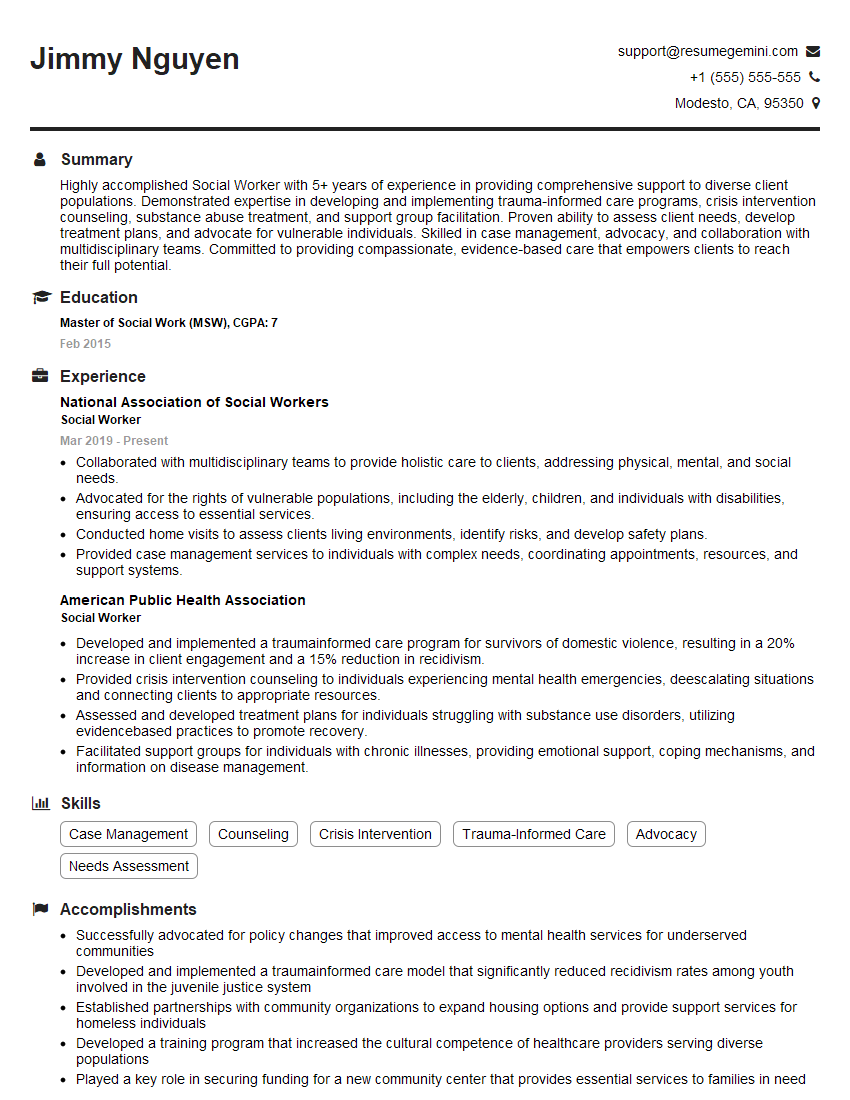
Social Worker Resume Sample
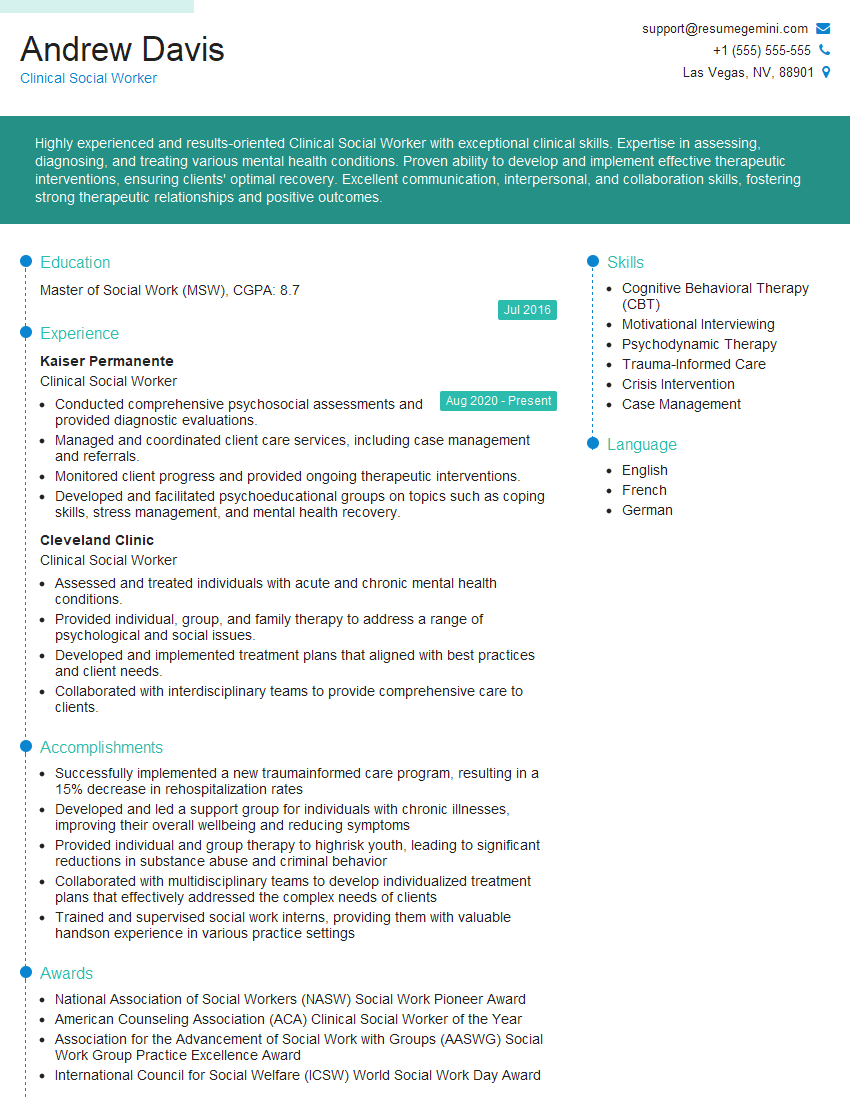
Clinical Social Worker Resume Sample
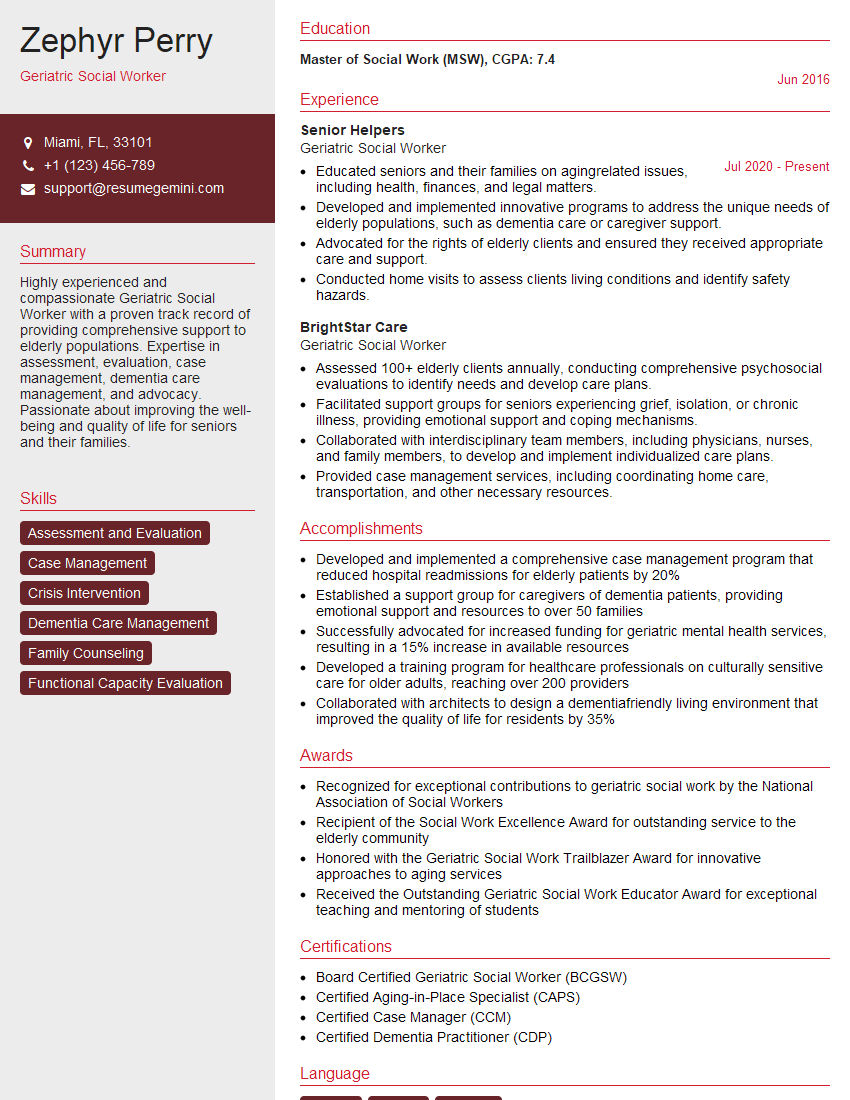
Geriatric Social Worker Resume Sample
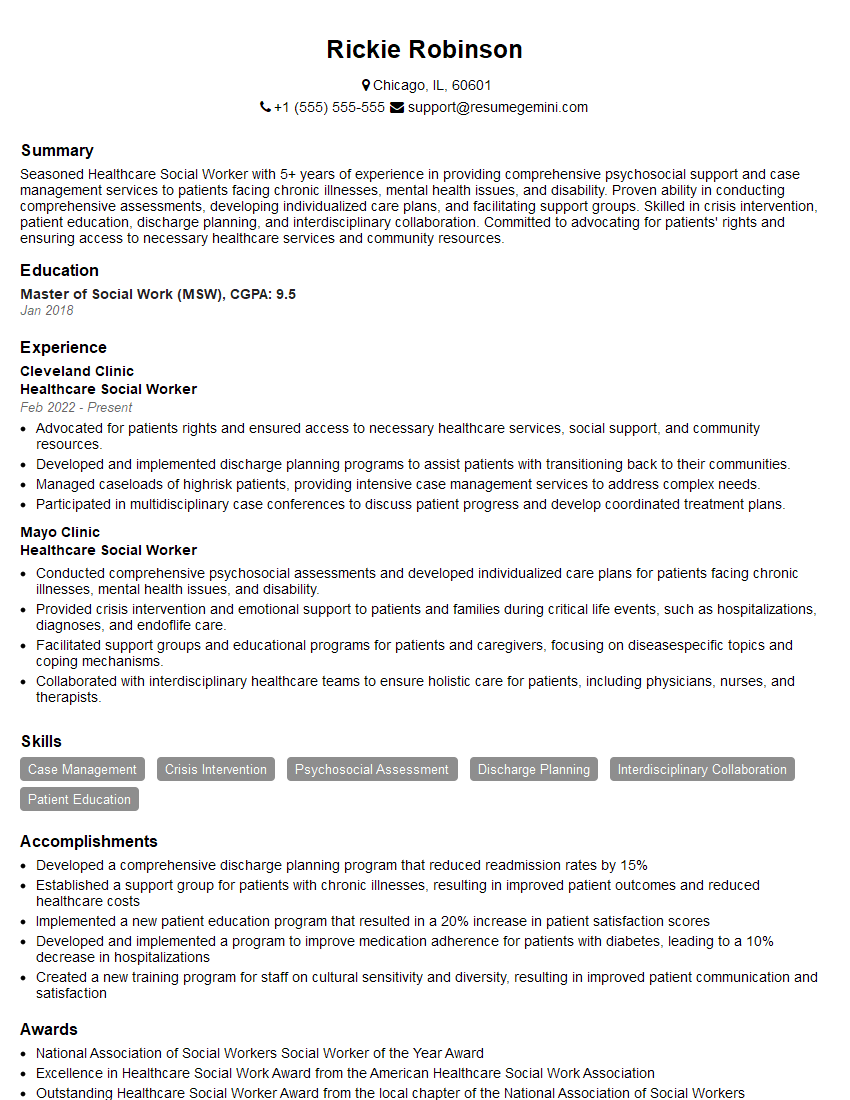
Healthcare Social Worker Resume Sample
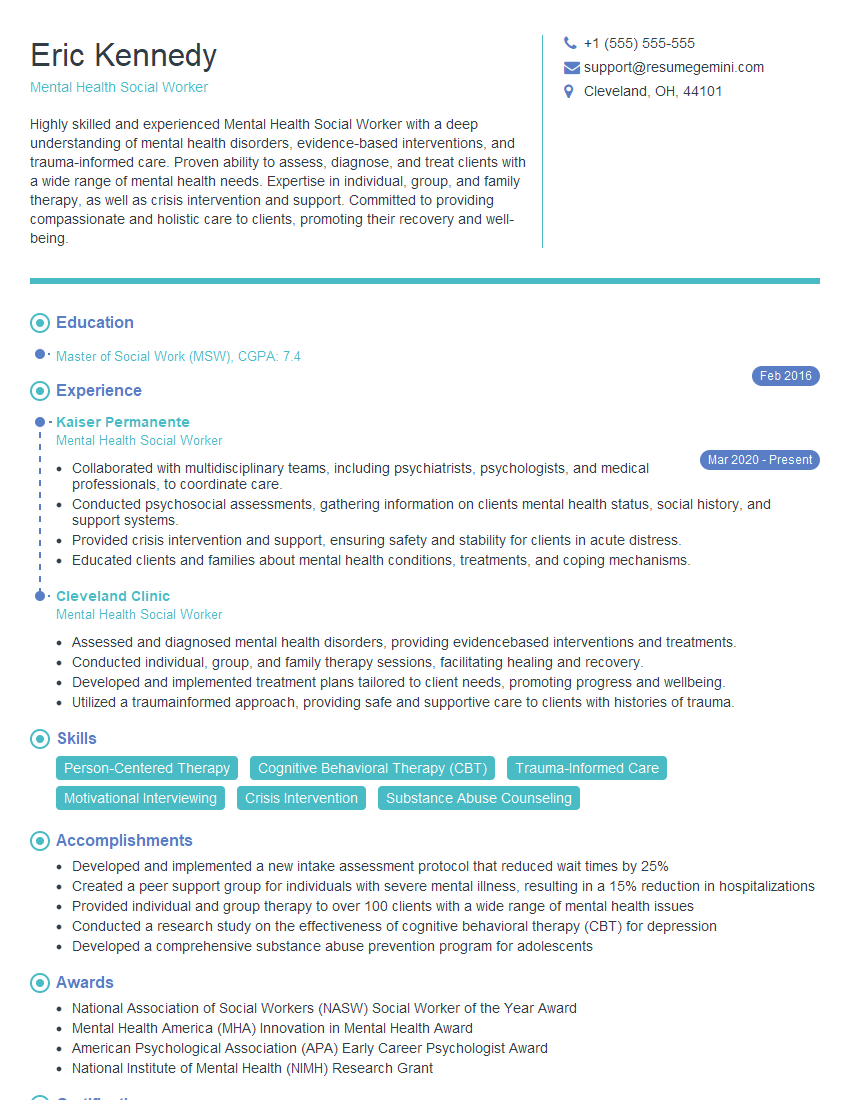
Mental Health Social Worker Resume Sample
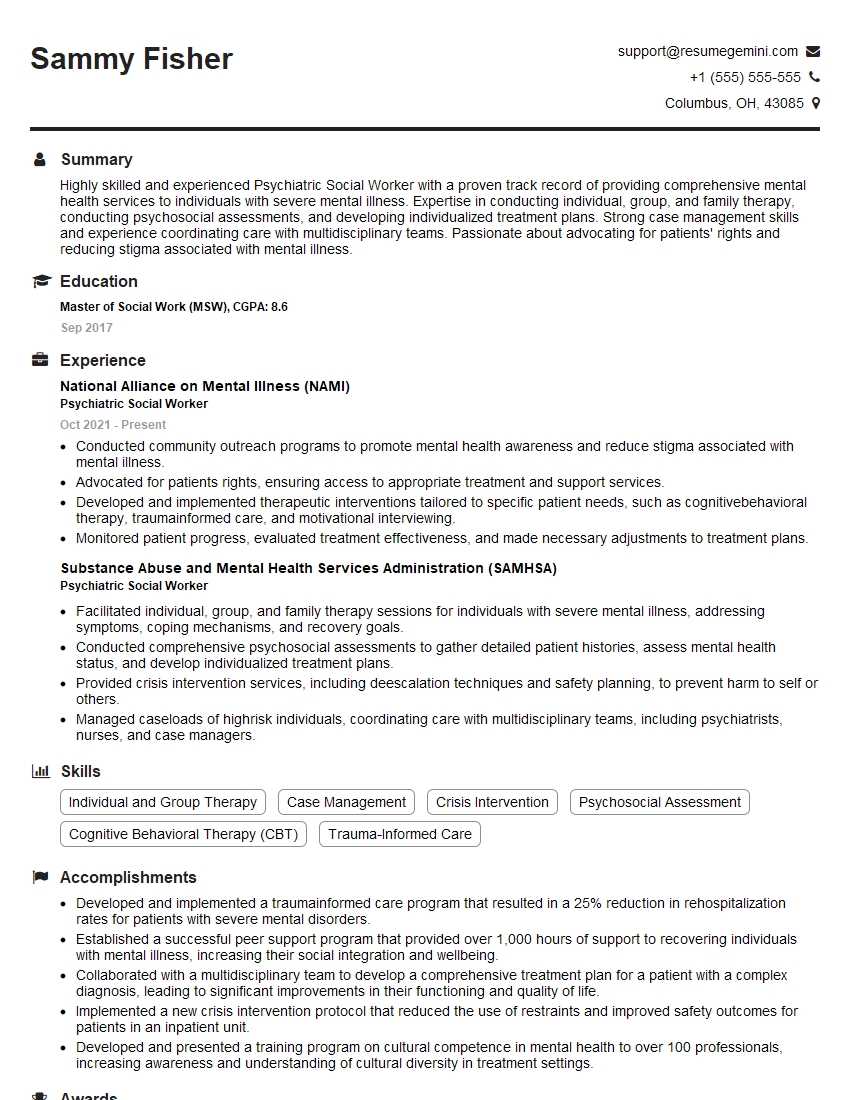
Psychiatric Social Worker Resume Sample
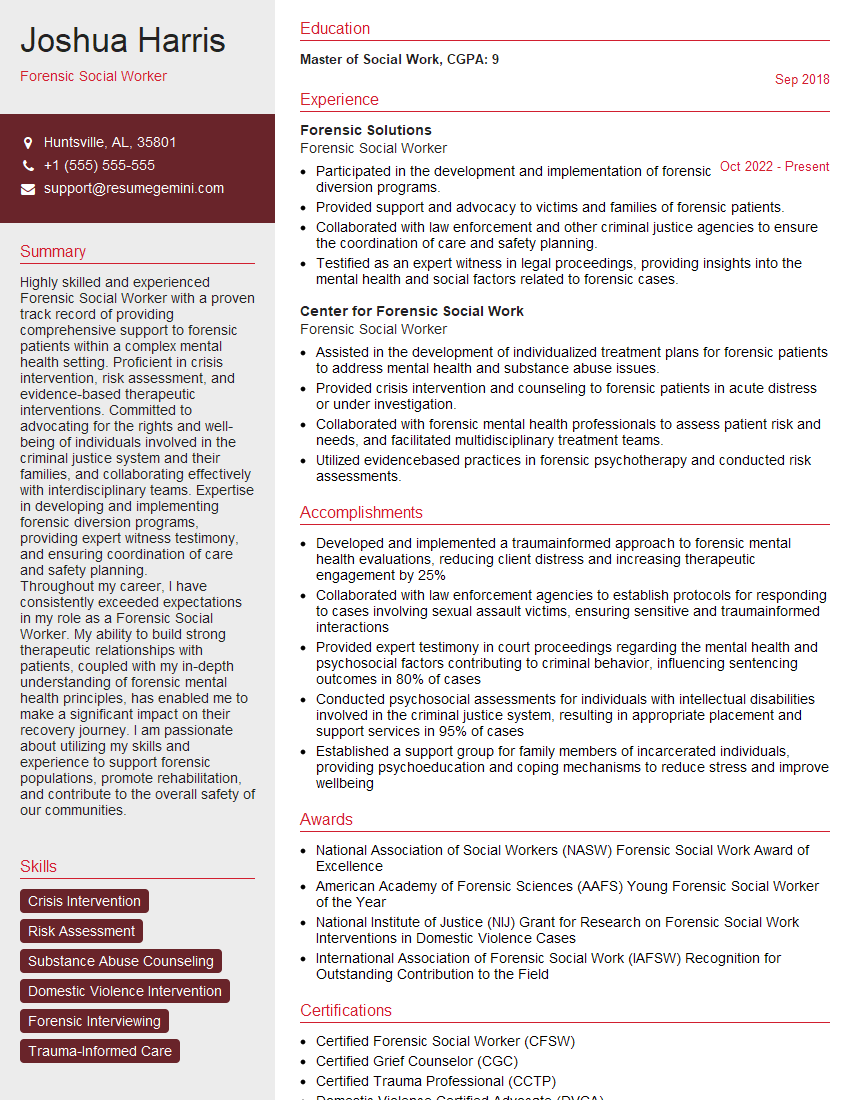
Forensic Social Worker Resume Sample
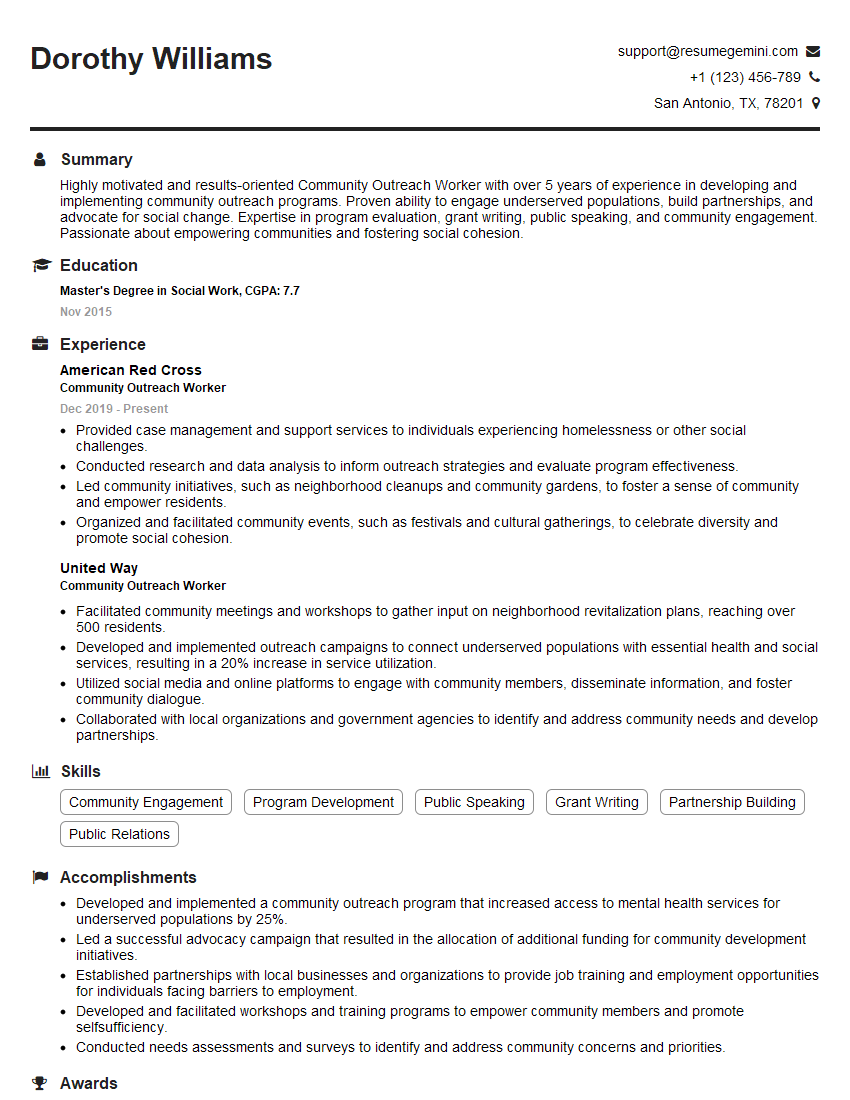
Community Outreach Worker Resume Sample
- Case Manager
- School Social Worker
- Family Therapist
- Marriage and Family Therapist (MFT)
- Rehabilitation Counselor
- Adoption Social Worker
- Child and Family Services Worker
- Licensed Clinical Social Worker (LCSW)
- Medical Social Worker
- Social Worker
- Clinical Social Worker
- Geriatric Social Worker
- Healthcare Social Worker
- Mental Health Social Worker
- Psychiatric Social Worker
- Forensic Social Worker
- Community Outreach Worker
Explore more articles
Users Rating of Our Blogs
Share Your Experience
We value your feedback! Please rate our content and share your thoughts (optional).
What Readers Say About Our Blog
To the interviewgemini.com Webmaster.
Very helpful and content specific questions to help prepare me for my interview!
Thank you
To the interviewgemini.com Webmaster.
This was kind of a unique content I found around the specialized skills. Very helpful questions and good detailed answers.
Very Helpful blog, thank you Interviewgemini team.