Every successful interview starts with knowing what to expect. In this blog, we’ll take you through the top Socialization Support interview questions, breaking them down with expert tips to help you deliver impactful answers. Step into your next interview fully prepared and ready to succeed.
Questions Asked in Socialization Support Interview
Q 1. Describe your experience developing and implementing socialization support plans.
Developing and implementing socialization support plans involves a multi-stage process that begins with a thorough assessment of the individual’s needs and strengths. I collaborate closely with the individual, their family, and other professionals to create a personalized plan. This plan outlines specific, measurable, achievable, relevant, and time-bound (SMART) goals focused on improving social skills. For example, a goal might be to initiate conversations with peers three times during a group activity within a week. The plan then details strategies and interventions to achieve those goals, including specific techniques, resources, and support systems. Implementation involves consistent monitoring, regular progress reviews, and adapting the plan as needed based on the individual’s response and feedback. I’ve found success using a combination of role-playing, social stories, and positive reinforcement techniques.
For example, I worked with a young adult with social anxiety who struggled to initiate conversations. We developed a plan that incorporated gradual exposure to social situations, starting with small group activities and progressively moving toward larger, more complex interactions. We used role-playing to practice conversation starters and practiced active listening skills. Throughout this process, we celebrated each small success to build confidence and motivation.
Q 2. How do you assess an individual’s socialization skills and needs?
Assessing an individual’s socialization skills and needs requires a holistic approach. It involves gathering information from multiple sources, including observations, interviews, and standardized assessments. Observations involve watching the individual in various social settings to assess their communication skills, interaction styles, and ability to navigate social situations. Interviews involve speaking with the individual, their family, and other relevant individuals to gather their perspectives and understand their experiences. Standardized assessments, such as the Social Skills Improvement System (SSIS), provide a structured way to measure specific social skills. I also consider factors like the individual’s developmental stage, cultural background, and any diagnosed conditions that might affect socialization. The data gathered informs the creation of a tailored support plan.
For instance, with a child diagnosed with autism, I might use a combination of observation during play therapy sessions, parent interviews, and standardized assessments like the Autism Diagnostic Observation Schedule (ADOS) to determine specific areas of strength and weakness in communication, social interaction, and play.
Q 3. What strategies do you employ to teach social skills to individuals with diverse needs?
Teaching social skills to individuals with diverse needs requires employing a variety of evidence-based strategies tailored to their specific strengths and challenges. These strategies often involve a combination of direct instruction, modeling, role-playing, and reinforcement. Direct instruction might involve explicitly teaching social skills such as initiating conversations, taking turns, or understanding nonverbal cues. Modeling involves demonstrating appropriate social behaviors for individuals to observe and imitate. Role-playing allows individuals to practice social skills in a safe and supportive environment. Positive reinforcement strengthens desired behaviors through rewards and praise. I adapt my approach based on the individual’s learning style, communication preferences, and cognitive abilities. For example, visual aids, social stories, and technology-based interventions can be beneficial for certain individuals.
For an individual with intellectual disabilities, I might use visual schedules and simplified instructions to teach social skills. For someone with ADHD, I might use strategies like breaking down tasks into smaller, more manageable steps and providing frequent positive reinforcement.
Q 4. Explain your approach to addressing challenging behaviors that interfere with socialization.
Addressing challenging behaviors that interfere with socialization requires a functional behavioral assessment (FBA) to identify the underlying causes of the behavior. An FBA involves systematically analyzing the antecedents (events that precede the behavior), the behavior itself, and the consequences (events that follow the behavior). Once the function of the behavior is understood, a positive behavior support (PBS) plan is developed to replace the challenging behavior with more appropriate responses. This plan typically involves teaching alternative behaviors, modifying the environment to reduce triggers, and providing positive reinforcement for appropriate behavior. It’s crucial to work collaboratively with the individual, their family, and other professionals to ensure the plan is effective and respectful.
For example, if a child exhibits aggression during group activities, an FBA might reveal that the aggression is a way to gain attention. The PBS plan would then focus on teaching alternative ways for the child to get attention, such as raising their hand or verbally requesting help, while simultaneously reducing opportunities for attention-seeking aggression.
Q 5. How do you promote positive peer interactions and group dynamics?
Promoting positive peer interactions and group dynamics requires creating a supportive and inclusive environment where individuals feel safe, respected, and valued. This involves teaching cooperative skills, such as sharing, taking turns, and compromising. I also facilitate opportunities for peer interaction through structured activities, such as group games and projects, that encourage collaboration and communication. Peer mentoring programs, where more socially skilled peers support less skilled peers, can also be highly effective. It’s important to model positive social interactions and provide explicit feedback and reinforcement for prosocial behaviors. Conflict resolution skills are also taught to help peers resolve disagreements peacefully.
For example, in a group therapy setting, I might introduce a cooperative game that requires teamwork to achieve a common goal. Observing and guiding interactions throughout the activity provides opportunities to coach collaborative skills.
Q 6. How do you facilitate community integration for individuals with socialization challenges?
Facilitating community integration for individuals with socialization challenges involves gradually introducing them to community settings and providing the necessary support to navigate these environments successfully. This might involve teaching community-based skills, such as using public transportation, ordering food, or interacting with store clerks. I collaborate with community organizations and support agencies to create inclusive opportunities for participation. I might also use supported employment or volunteer opportunities to help individuals gain experience and build confidence in community settings. Gradual exposure to increasingly challenging situations, combined with ongoing support and positive reinforcement, is crucial for successful community integration.
For example, we might start with supervised outings to local parks, then progress to shopping trips with gradual reduction in supervision, ultimately working toward independent community access. This is all documented and evaluated regularly to refine the plan.
Q 7. Describe your experience working with individuals with autism spectrum disorder (ASD).
My experience working with individuals with autism spectrum disorder (ASD) emphasizes understanding the diverse ways autism presents. I utilize evidence-based practices such as Applied Behavior Analysis (ABA) and social skills training, tailored to each individual’s unique strengths and challenges. For example, I utilize visual supports like schedules and social stories to increase predictability and understanding of social situations. I emphasize the importance of teaching functional communication skills and addressing sensory sensitivities which can impact social interactions. Collaborating with families and other professionals is key, as is using a strengths-based approach to build on the individual’s existing skills and foster their independence. Success involves patience, a deep understanding of autism, and a willingness to adapt approaches as needed.
I worked with a young boy with ASD who struggled with nonverbal communication. We used picture exchange communication system (PECS) to help him express his needs and wants, which in turn significantly improved his social interactions as his frustration lessened. This also allowed him to participate more fully in group activities.
Q 8. How do you adapt your methods to suit different learning styles and developmental levels?
Adapting socialization support to diverse learning styles and developmental levels is crucial for effective intervention. I utilize a multi-sensory, individualized approach. This means I assess each individual’s strengths, weaknesses, and preferred learning modalities – visual, auditory, kinesthetic, or a combination. For example, a child who learns best through visual aids might benefit from social stories with pictures, while a kinesthetic learner might thrive in role-playing activities.
Developmental level is equally important. My methods differ significantly when working with a preschooler compared to a teenager. Preschoolers benefit from highly structured, play-based activities focusing on basic social skills like sharing and turn-taking. Teenagers, on the other hand, may require more advanced strategies, such as conflict resolution skills training and peer mentoring programs. I regularly adapt the complexity and content of activities to match the individual’s cognitive, emotional, and social maturity.
I also incorporate differentiated instruction within group settings. This involves offering various activity choices and support levels to cater to the diverse needs within a group. For example, during a group social skills session, some participants might need more one-on-one guidance, while others can work independently on a related task. Regular monitoring and flexible adjustments are key to ensuring all participants are engaged and challenged appropriately.
Q 9. What are some common barriers to socialization, and how do you address them?
Several barriers can hinder socialization. Communication difficulties, such as language delays or social communication disorders (like autism), can make it hard to interact effectively. Anxiety and social phobia often lead to avoidance of social situations. Sensory sensitivities can make certain environments overwhelming and distressing. Lack of social skills, such as understanding social cues or initiating conversations, can lead to social isolation. Negative past experiences can create a reluctance to engage socially.
Addressing these barriers requires a multifaceted approach. For communication difficulties, I incorporate speech therapy techniques and augmentative communication strategies (AAC). For anxiety, I use relaxation techniques, cognitive behavioral therapy (CBT) principles, and gradual exposure to social settings. Sensory sensitivities require creating comfortable and predictable environments, adapting activities to reduce sensory overload, and providing sensory breaks when needed. Social skills training focuses on teaching practical skills through role-playing, modeling, and positive reinforcement. Finally, addressing past trauma might necessitate working with a therapist specializing in trauma-informed care.
Q 10. How do you measure the effectiveness of your socialization support interventions?
Measuring the effectiveness of socialization support interventions requires a multi-pronged approach, combining quantitative and qualitative data. Quantitative measures might include pre- and post-intervention assessments using standardized social skills checklists or questionnaires. These tools track changes in specific skills, such as initiating interactions or understanding social cues. We can also use data from observations during social activities, measuring things like participation, interaction frequency, and positive social behaviors.
Qualitative data provides valuable insights into the individual’s experiences and perspectives. This data comes from interviews with the individual, their family, and other professionals involved. It helps us understand the individual’s self-perception of their social skills and their satisfaction with the intervention. For example, we might use open-ended questions like, ‘How comfortable do you feel initiating conversations now?’ or ‘What do you find most helpful about the activities?’ Analyzing both quantitative and qualitative data gives a comprehensive picture of the intervention’s impact.
Q 11. Describe a time you had to modify a socialization plan due to unforeseen circumstances.
I once worked with a young boy who was participating in a weekly group social skills program. The program involved structured games and activities designed to build cooperation and communication skills. However, the boy’s mother unexpectedly had to be hospitalized, and his anxiety levels increased significantly, making it difficult for him to participate. His withdrawal from the group activities was noticeable.
To address this, I modified his plan by incorporating more individual support. I scheduled one-on-one sessions to talk about his feelings about his mother’s hospitalization and to provide emotional support. I also adjusted the group activities to be less demanding and more flexible, offering him choices and allowing for breaks when needed. Instead of focusing solely on group interaction, we integrated some individual calming activities, such as art therapy. This individualized approach helped to mitigate the stress and allow him to gradually re-engage with the group as his emotional state improved.
Q 12. How do you collaborate with families and other professionals to support socialization?
Collaboration is fundamental to effective socialization support. I regularly communicate with families to understand the individual’s social context, preferences, and challenges at home and in the wider community. This collaborative relationship helps me tailor interventions to be relevant and practical, ensuring the support extends beyond therapy sessions.
Collaboration with other professionals, such as teachers, therapists, and medical personnel, is equally important. Regular meetings and shared information ensure a coordinated and holistic approach. For example, I might work with a teacher to implement strategies in the classroom to support the individual’s social skills, or with an occupational therapist to address any sensory issues impacting their participation in social activities. Open communication and shared goal setting are key to providing seamless and comprehensive support.
Q 13. How do you ensure the safety and well-being of individuals during socialization activities?
Ensuring safety and well-being is paramount. This includes conducting thorough risk assessments before planning activities, considering the individual’s needs and potential vulnerabilities. Appropriate adult-to-child ratios are maintained during group activities, and activities are chosen to be developmentally appropriate and safe. Clear boundaries and expectations are established beforehand to prevent misunderstandings or potential harm.
Safe spaces are provided where individuals can take breaks if they feel overwhelmed. I’m always prepared to adapt activities based on the individual’s needs and responses. I also incorporate strategies to prevent bullying and harassment, including teaching assertiveness skills and providing support to individuals who experience these challenges. Finally, reporting procedures are established to ensure any safety concerns are addressed promptly and appropriately.
Q 14. What are your strategies for promoting independence and self-advocacy in social situations?
Promoting independence and self-advocacy is an ongoing process. I use several strategies, including teaching self-regulation techniques to manage emotions and behaviors in social situations. For example, we might practice deep breathing or mindfulness exercises to help manage anxiety. We also use role-playing to practice assertive communication skills, enabling them to express their needs and opinions confidently.
Another important aspect is providing opportunities for choice and decision-making during socialization activities, empowering individuals to take control of their social experiences. I gradually reduce the level of support provided as their independence and self-confidence grow. We might start with structured activities with a lot of guidance and gradually transition to less-structured activities requiring more self-direction. Ultimately, the goal is to equip individuals with the skills and confidence to navigate social situations successfully and advocate for their own needs and preferences.
Q 15. How do you handle conflict resolution among individuals in a group setting?
Conflict resolution in group settings requires a calm, structured approach. My strategy focuses on active listening, fostering empathy, and guiding individuals towards collaborative solutions. I start by ensuring everyone feels heard and understood. This often involves asking clarifying questions to ensure I comprehend each perspective completely. Then, I help them identify the root cause of the conflict, rather than focusing solely on the symptoms. We collaboratively brainstorm potential solutions, ensuring that they are fair and mutually agreeable. Finally, I facilitate the implementation of the chosen solution and monitor its effectiveness, ensuring adjustments are made if needed.
For example, if two members of a support group are arguing about the best way to approach a shared task, I wouldn’t simply mediate by imposing a solution. Instead, I’d guide them through a structured process: First, I’d have each person explain their preferred approach, emphasizing the reasons behind it. Second, I’d help them identify the common ground and the areas of disagreement. Third, we’d explore different approaches that incorporate aspects of both, until we find a solution that respects both perspectives. Regular check-ins ensure the agreed-upon solution is working effectively and addresses any potential future conflicts.
Career Expert Tips:
- Ace those interviews! Prepare effectively by reviewing the Top 50 Most Common Interview Questions on ResumeGemini.
- Navigate your job search with confidence! Explore a wide range of Career Tips on ResumeGemini. Learn about common challenges and recommendations to overcome them.
- Craft the perfect resume! Master the Art of Resume Writing with ResumeGemini’s guide. Showcase your unique qualifications and achievements effectively.
- Don’t miss out on holiday savings! Build your dream resume with ResumeGemini’s ATS optimized templates.
Q 16. Describe your understanding of different socialization theories and models.
Socialization theories provide valuable frameworks for understanding how individuals learn to interact within society. Several prominent models offer different perspectives. For instance, Social Learning Theory emphasizes observational learning and modeling, suggesting individuals learn social behaviors by observing others and imitating those deemed successful or rewarding. In contrast, Symbolic Interactionism highlights the role of symbols, language, and shared meanings in shaping social interactions. This theory emphasizes how individuals construct their understanding of the world through interactions with others and interpreting symbols.
Attachment Theory focuses on the early relationships between children and caregivers and their impact on social development. Secure attachment, characterized by a trusting relationship with a caregiver, typically leads to more positive social interactions later in life. Conversely, insecure attachment can negatively impact social skills and relationships. Finally, Erikson’s Psychosocial Stages offers a lifespan perspective, outlining key developmental tasks and social challenges individuals encounter across their lives. Each stage presents opportunities for positive social development, but failure to successfully navigate these challenges can lead to difficulties in social functioning.
Q 17. What are your experience with utilizing assistive technology to enhance socialization?
Assistive technology plays a crucial role in enhancing socialization, especially for individuals with communication or physical limitations. I have extensive experience utilizing various technologies to support social interaction. For example, I’ve used augmentative and alternative communication (AAC) devices, such as tablets with speech-generating software, to empower individuals with limited verbal skills to participate actively in group discussions and activities. This technology allows them to express themselves clearly and meaningfully, significantly boosting their confidence and sense of belonging.
Furthermore, I’ve employed video conferencing tools to facilitate remote social interaction, connecting individuals with family and friends who might be geographically distant or have mobility challenges. This technology bridges physical gaps and maintains vital social connections. Additionally, I’ve explored using social media platforms under careful supervision and guidance to help individuals build social networks and participate in online communities, fostering a sense of community and belonging. Always, ethical considerations and individual preferences are paramount in selecting and utilizing assistive technologies.
Q 18. How do you incorporate evidence-based practices into your socialization support?
Evidence-based practices are fundamental to my approach. I consistently research and integrate the latest findings from peer-reviewed studies and best practice guidelines into my work. This involves using validated assessment tools to accurately measure an individual’s social skills and needs and selecting interventions based on empirical evidence of their effectiveness. For example, instead of using a generalized approach to improve social skills, I might use a structured teaching approach based on Applied Behavior Analysis (ABA) principles if data suggest the individual needs support in specific areas, such as initiating conversations or understanding social cues.
Regular monitoring and data collection are crucial to evaluating the effectiveness of chosen interventions. If an intervention isn’t yielding the desired results, I’ll analyze the data, consult relevant research, and modify the approach accordingly. This data-driven approach ensures that the support I provide is tailored, efficient, and ultimately, maximizes the individual’s social growth and well-being. This iterative process, guided by evidence and data, is critical to providing high-quality socialization support.
Q 19. What are some ethical considerations when providing socialization support?
Ethical considerations are paramount in socialization support. Confidentiality is crucial; all information shared by individuals must be treated with utmost discretion. Informed consent is necessary before implementing any interventions, ensuring individuals understand the process and have the right to refuse participation. Respect for autonomy means valuing an individual’s choices and decisions regarding their social interactions and support plans, even if those choices differ from my recommendations.
Avoiding biases and ensuring cultural sensitivity are essential. My approach must be tailored to each individual’s unique background and preferences, avoiding generalizations or stereotypes. Finally, maintaining professional boundaries and avoiding dual relationships, such as developing personal friendships with the individuals I support, is crucial for maintaining ethical practice and ensuring the individual receives unbiased support. Regular reflection on my practice and ethical decision-making is essential to uphold the highest standards of professional conduct.
Q 20. How do you maintain professional boundaries while building rapport with individuals?
Building rapport is essential for effective socialization support, but it must be balanced with maintaining professional boundaries. I strive to build a warm and trusting relationship by demonstrating genuine empathy, active listening, and respect. I use appropriate language and communicate clearly and honestly, creating a safe and comfortable environment where individuals feel valued and understood. However, I also maintain clear professional boundaries by avoiding self-disclosure beyond what’s necessary for building rapport, ensuring that conversations remain focused on the individual’s needs and goals, and refraining from engaging in activities that could be interpreted as personal or inappropriate.
For instance, I might share a relevant personal anecdote to demonstrate empathy or to create connection, but I’d never disclose deeply personal information or engage in social activities outside the context of professional support. Regular supervision and reflective practice help me consistently review my interactions to ensure I’m balancing rapport-building with the necessary professional boundaries. These boundaries are crucial to preserving trust, ensuring ethical practice, and providing the most effective and appropriate support.
Q 21. Describe your experience with data collection and documentation related to socialization support.
Data collection and documentation are vital for evidence-based practice and accountability. I use various methods, including structured observation checklists, rating scales, and progress notes, to record an individual’s progress towards their socialization goals. These data inform my decision-making, allowing me to tailor interventions to meet individual needs and make adjustments as needed. For instance, I might use a checklist to observe an individual’s participation in group activities, a rating scale to measure their communication skills, or progress notes to record qualitative observations and reflections on sessions.
All data are kept securely and confidentially in accordance with relevant regulations and ethical guidelines. I utilize electronic health records (EHRs) whenever possible, ensuring data security and efficient access for collaborative care. Regular reporting and data analysis inform my supervisors, stakeholders, and the individual themselves, enabling them to track progress, understand the effectiveness of interventions, and to modify the support plan as necessary. These processes ensure transparency, accountability, and continuous improvement in the quality of socialization support I provide.
Q 22. What is your approach to crisis intervention in relation to socialization challenges?
My approach to crisis intervention in socialization challenges is multifaceted and prioritizes immediate safety and stabilization. It begins with a calm and empathetic assessment of the situation, focusing on understanding the individual’s emotional state and the triggers leading to the crisis. This might involve active listening, validating their feelings, and providing a safe space. Depending on the severity, this could involve de-escalation techniques, such as using calming language, offering choices, and setting clear, concise boundaries. If the crisis involves self-harm or harm to others, immediate professional intervention (e.g., contacting emergency services or a crisis hotline) is paramount.
Following the immediate crisis, I focus on helping the individual process the experience, identify coping mechanisms, and develop strategies to prevent future crises. This might include connecting them with support groups, individual therapy, or other relevant resources. Crucially, the long-term plan involves addressing the underlying socialization challenges that may have contributed to the crisis. For instance, if social anxiety was a factor, we might work on developing social skills through role-playing or gradual exposure to social situations. The goal is to build resilience and empower the individual to manage similar situations independently in the future.
Q 23. How do you ensure confidentiality and privacy within your socialization support work?
Confidentiality and privacy are paramount in my work. I adhere strictly to professional ethical codes and relevant data protection regulations. This includes obtaining informed consent before sharing any information, ensuring all records are stored securely (both physically and electronically), and only disclosing information on a need-to-know basis to relevant professionals involved in the individual’s care (e.g., therapists, caseworkers) with their explicit permission. I always emphasize the importance of confidentiality to the individual and answer any questions they may have regarding data handling. In my practice, I use anonymized data when presenting case studies or sharing information for training purposes.
Additionally, I regularly review my procedures to ensure they are up-to-date with best practices and legal requirements. For example, I use secure messaging platforms and encrypted files to protect electronic information, and physical records are locked in a secure location.
Q 24. What is your experience with creating and using visual aids to improve socialization?
I have extensive experience creating and using visual aids to improve socialization. Visuals can be particularly helpful for individuals with communication difficulties, autism spectrum disorder, or learning differences. For example, I’ve used social stories with pictures to help children understand social situations and appropriate behaviors. These stories depict scenarios in a sequential manner, breaking down complex social interactions into manageable steps. I’ve also used visual schedules to help individuals plan and anticipate activities, reducing anxiety and promoting independence.
In group settings, I’ve used visual aids like charts and diagrams to illustrate group rules or facilitate discussions. For instance, a feelings chart with pictures representing different emotions can help children express themselves nonverbally. Another example is using a simple chart to track participation in group activities, reinforcing positive behaviours and promoting peer interaction. The key is to use visuals that are clear, concise, and tailored to the individual’s needs and learning style.
Q 25. How do you promote a positive and inclusive environment for socialization?
Creating a positive and inclusive environment for socialization involves building a culture of respect, empathy, and understanding. This begins with fostering a safe space where everyone feels comfortable expressing themselves without fear of judgment or criticism. I achieve this through active listening, non-judgmental feedback, and consistently reinforcing positive interactions. I actively promote peer support and collaboration through group activities that encourage teamwork and shared experiences.
I ensure that all individuals feel valued and respected, regardless of their background, abilities, or differences. This includes actively challenging stereotypes, promoting diversity and inclusion, and adapting activities to meet individual needs. For example, I might modify group games to make them accessible to individuals with physical limitations or adapt communication strategies to support individuals with diverse communication needs. Regularly evaluating the environment and seeking feedback from participants are crucial aspects of continuously improving inclusivity.
Q 26. What are your professional development goals related to socialization support?
My professional development goals focus on enhancing my expertise in trauma-informed care and culturally responsive practices. I want to deepen my understanding of how trauma can impact socialization and develop more effective strategies to support individuals who have experienced adversity. I also aim to enhance my proficiency in working with diverse populations, understanding the nuances of different cultural perspectives and tailoring my approach accordingly. This involves continuous learning through attending workshops, conferences, and pursuing further education in relevant areas.
Furthermore, I am interested in exploring innovative technologies that can be used to enhance socialization support, such as telehealth platforms or virtual reality simulations. Developing and refining my skills in data analysis would allow me to more effectively track progress and measure the impact of my interventions.
Q 27. Describe your understanding of different cultural considerations when supporting socialization.
Cultural considerations are fundamental to effective socialization support. Different cultures have diverse norms and expectations regarding social interaction, communication styles, and personal space. For instance, direct eye contact is considered respectful in some cultures, while in others it can be perceived as aggressive. Similarly, physical touch and proximity vary significantly across cultures. Ignoring these differences can lead to misunderstandings and hinder the socialization process.
My approach involves researching and understanding the cultural backgrounds of individuals I work with. This involves engaging in respectful dialogue, asking open-ended questions, and being mindful of potential cultural biases in my own approach. I actively seek out resources and training to increase my cultural competency and consult with cultural experts when needed. Adapting my communication style, activities, and strategies to align with the individual’s cultural context is essential for creating a culturally sensitive and effective support environment.
Q 28. How do you adapt your communication style to effectively support individuals with diverse communication needs?
Adapting communication style to support individuals with diverse communication needs is crucial. This involves recognizing that communication encompasses more than just verbal language. It includes non-verbal cues, body language, and various forms of assistive technology. I use a range of communication methods, including visual supports, written communication, sign language (where appropriate and I have the skills), and augmentative and alternative communication (AAC) devices. The key is to be flexible and responsive to the individual’s preferences and abilities.
For example, if I’m working with someone who has limited verbal skills, I might use picture cards or a communication board to facilitate interaction. If someone has difficulty understanding complex language, I simplify my vocabulary and use clear, concise sentences. I actively observe their communication style, noting any nonverbal cues, and adapt my approach based on their responses. Regularly checking for understanding and ensuring the person feels heard and respected is paramount to effective communication.
Key Topics to Learn for Socialization Support Interview
- Understanding Socialization Processes: Explore the developmental stages of socialization, the influence of various agents (family, peers, media), and the impact of cultural norms on individual behavior. Consider the differences in socialization across various age groups and populations.
- Practical Application: Case Studies & Scenarios: Practice analyzing case studies involving individuals facing socialization challenges. Think critically about how you would assess their needs, develop appropriate interventions, and evaluate their progress. This could involve role-playing or hypothetical situations.
- Communication & Interpersonal Skills: Develop your skills in active listening, empathetic communication, conflict resolution, and building rapport. Prepare examples demonstrating your ability to connect with diverse individuals and build trust.
- Ethical Considerations: Familiarize yourself with ethical guidelines and best practices within Socialization Support. Consider issues of confidentiality, informed consent, and cultural sensitivity.
- Assessment & Intervention Strategies: Learn about different assessment tools used to identify socialization needs. Understand various intervention strategies, including individual and group therapy techniques, and community-based support programs.
- Collaboration & Teamwork: Demonstrate your understanding of the importance of collaboration with other professionals (e.g., therapists, educators, family members) to provide holistic support.
- Program Evaluation & Outcomes: Understand how to measure the effectiveness of Socialization Support interventions and demonstrate your ability to analyze data and track progress.
Next Steps
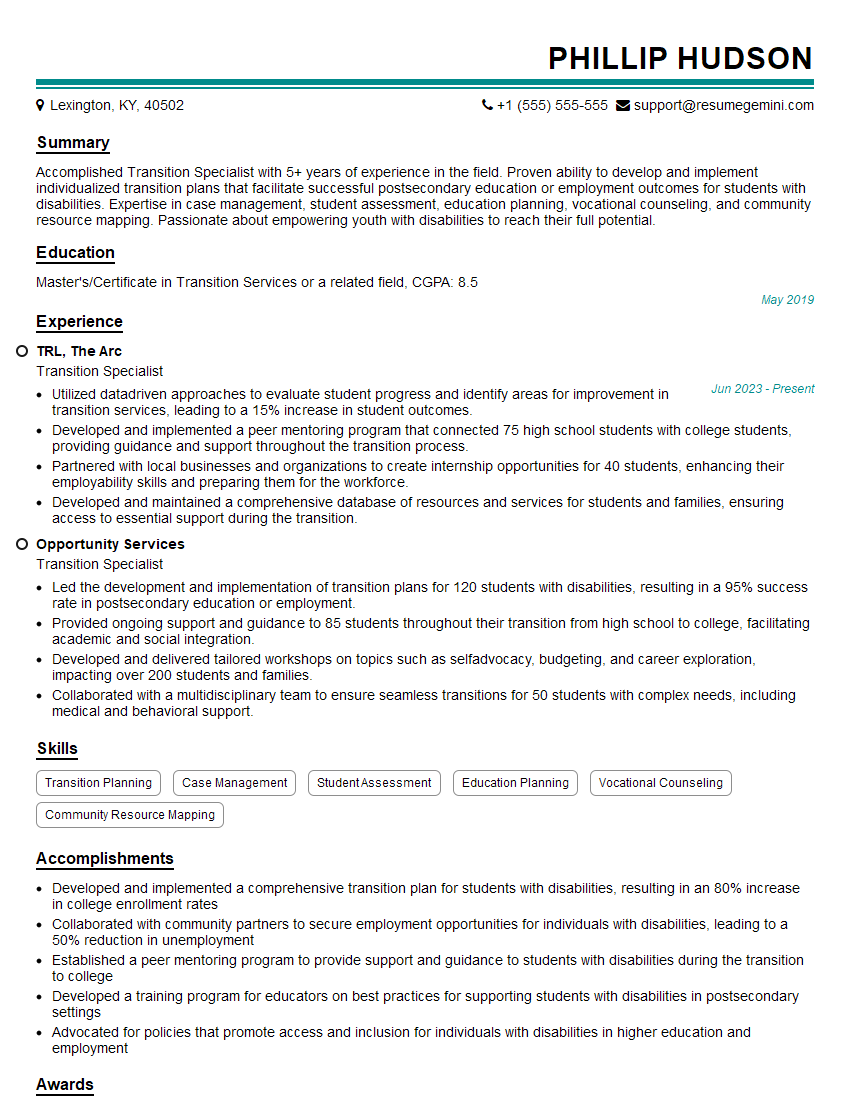
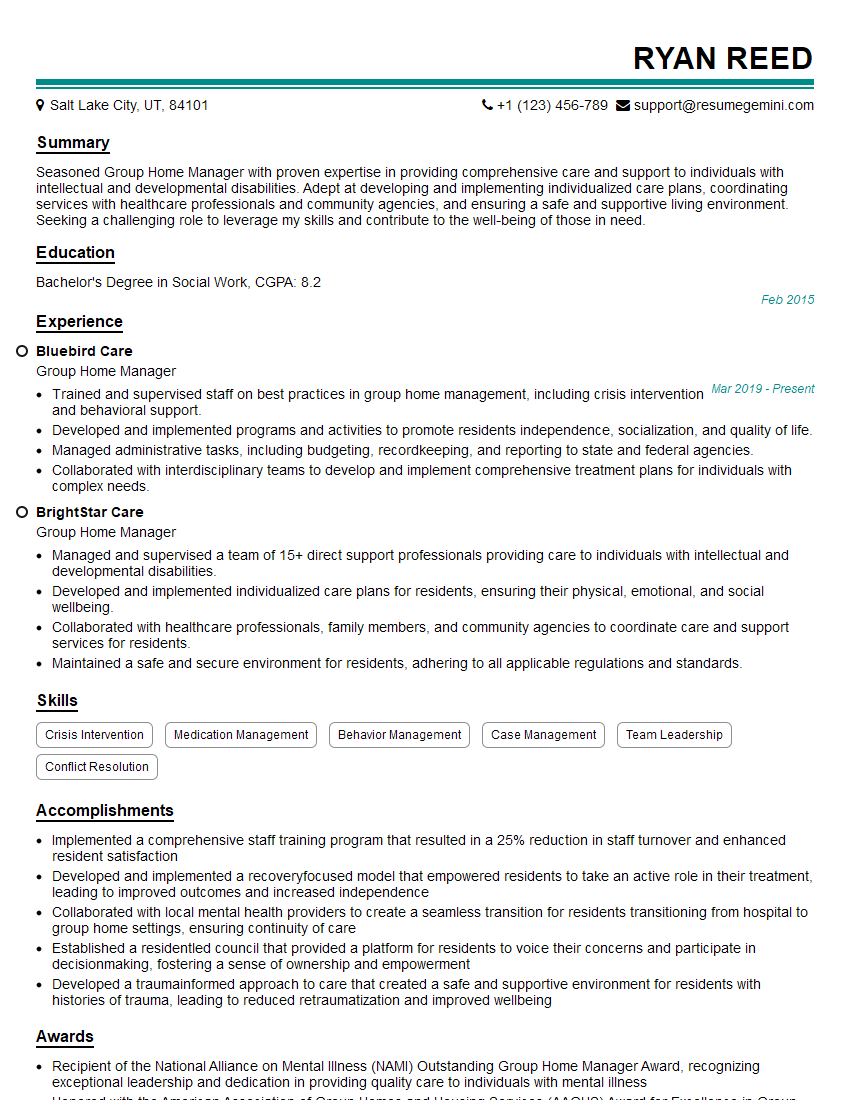
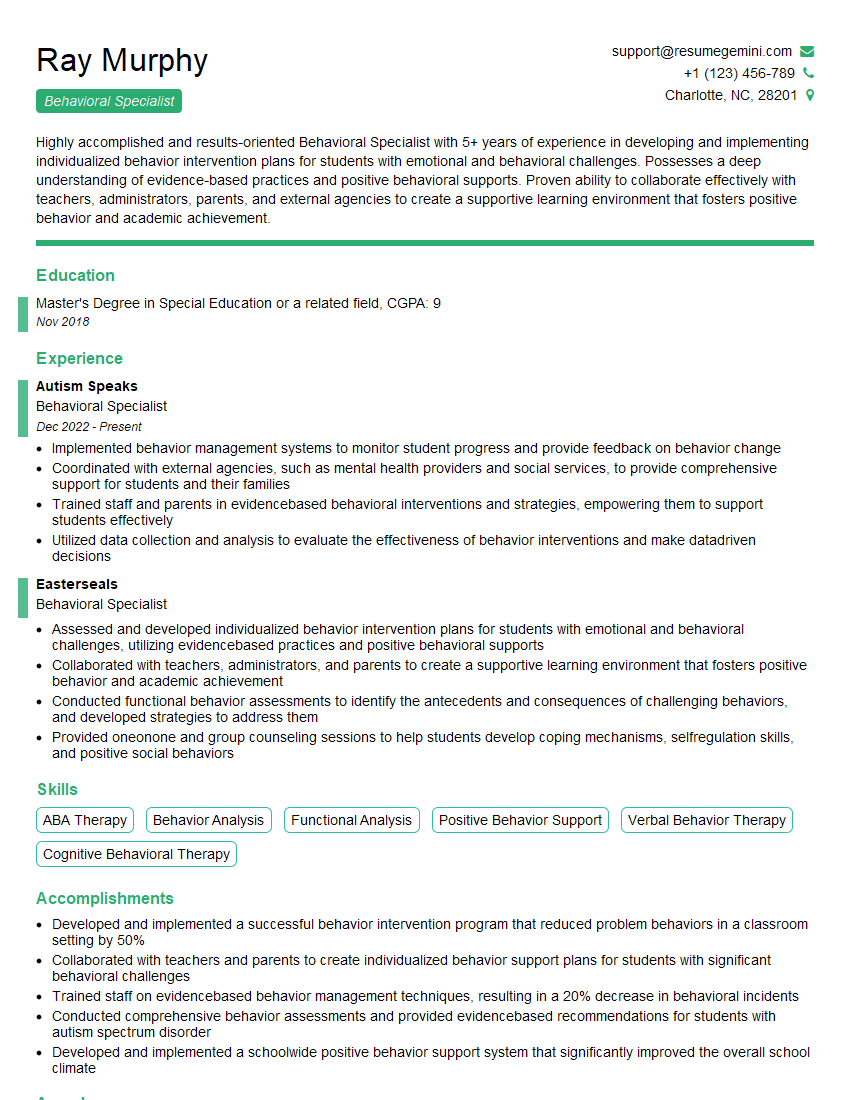
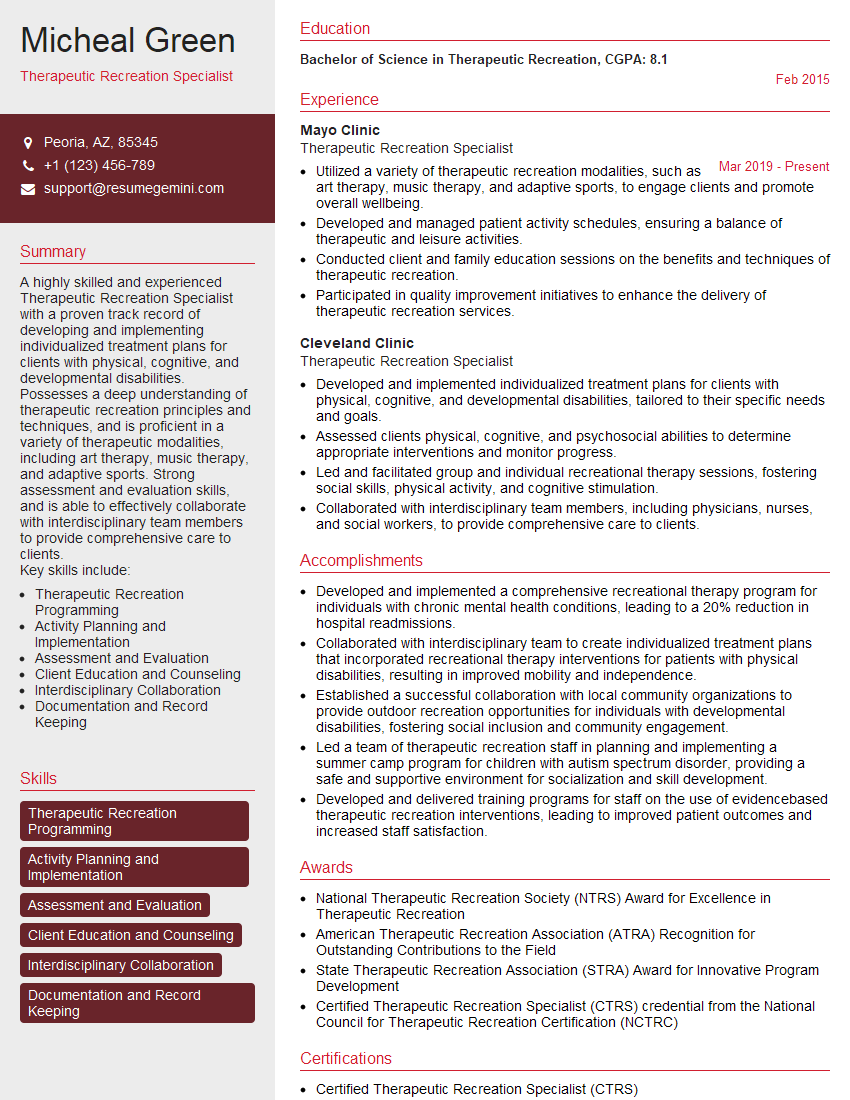
Mastering Socialization Support opens doors to a rewarding career impacting lives positively. Your expertise in building connections and fostering growth is highly valued. To significantly increase your job prospects, creating an ATS-friendly resume is crucial. ResumeGemini is a trusted resource that can help you craft a professional resume highlighting your unique skills and experience. Examples of resumes tailored to Socialization Support are available within ResumeGemini to guide you.


Explore more articles
Users Rating of Our Blogs
Share Your Experience
We value your feedback! Please rate our content and share your thoughts (optional).
What Readers Say About Our Blog
To the interviewgemini.com Webmaster.
Very helpful and content specific questions to help prepare me for my interview!
Thank you
To the interviewgemini.com Webmaster.
This was kind of a unique content I found around the specialized skills. Very helpful questions and good detailed answers.
Very Helpful blog, thank you Interviewgemini team.