Feeling uncertain about what to expect in your upcoming interview? We’ve got you covered! This blog highlights the most important Solid Knowledge of Machine Shop Safety Procedures interview questions and provides actionable advice to help you stand out as the ideal candidate. Let’s pave the way for your success.
Questions Asked in Solid Knowledge of Machine Shop Safety Procedures Interview
Q 1. What are the three main types of machine shop hazards?
Machine shop hazards broadly fall into three main categories: mechanical hazards, chemical hazards, and physical hazards.
- Mechanical Hazards: These are dangers associated with moving machinery parts. Examples include rotating shafts, spinning cutting tools (like those on lathes and milling machines), pinch points (where moving parts come close together), and flying debris from machining operations. Think of it like this: any part of a machine that moves quickly or forcefully is a potential source of mechanical hazard. A poorly maintained machine, with loose guards or worn-out parts, significantly increases the risk.
- Chemical Hazards: These stem from exposure to various substances used in machining, such as coolants, lubricants, cleaning solvents, and metalworking fluids. Some of these can be toxic, flammable, or corrosive, causing skin irritation, respiratory problems, or even more serious health consequences. Always check the Safety Data Sheets (SDS) for any chemical you’re using to understand the risks and proper handling procedures.
- Physical Hazards: These include aspects of the work environment that can lead to injury or illness. Examples are poor lighting, excessive noise, slippery floors, and improper lifting techniques. Fatigue is also a significant physical hazard because it can compromise an operator’s concentration and lead to mistakes.
Q 2. Describe the proper use of personal protective equipment (PPE) in a machine shop.
Proper use of PPE is paramount in a machine shop. The type of PPE required depends on the specific task. A comprehensive approach typically includes:
- Eye Protection: Safety glasses with side shields are minimum requirements. For operations involving flying debris, face shields offer added protection. Consider impact-resistant goggles or full-face shields for high-risk tasks.
- Hearing Protection: Machine shops are often noisy environments. Ear plugs or ear muffs are necessary, particularly during prolonged periods of operation of noisy machinery. The right protection depends on the noise level and comfort preferences of the operator.
- Hand Protection: Gloves are essential to protect against cuts, abrasions, chemical exposure, and burns. The selection of gloves is task-specific. Cut-resistant gloves are suitable for handling sharp materials, while chemical-resistant gloves are necessary for handling hazardous chemicals.
- Respiratory Protection: In environments with airborne particles or fumes, respirators are crucial. The type of respirator will depend on the specific hazard present; some may require fit testing and training.
- Foot Protection: Steel-toe safety shoes protect feet from falling objects and crushing hazards. Metatarsal guards can add extra protection.
- Other PPE: Depending on the task, other PPE might include aprons, coveralls, or welding shields.
Crucially: PPE must always be in good condition and worn correctly. Inspect your PPE before each use. Damaged PPE is useless and can actually increase risk. Regular training on proper PPE usage is also essential.
Q 3. Explain the lockout/tagout procedure.
Lockout/Tagout (LOTO) is a critical safety procedure to prevent the accidental start-up of machinery during maintenance or repair. It ensures that energy sources are isolated and machines are rendered inoperable.
- Preparation: Identify all energy sources connected to the machine (electricity, compressed air, hydraulics, etc.). Gather the necessary lockout/tagout devices (locks, tags).
- Lockout: Turn off the machine’s main power supply. Then, apply a personal lockout device to the main disconnect switch or energy isolation point, making sure it is securely fastened. The lock should only be removable by the person who applied it.
- Tagout: Attach a tag clearly identifying the employee performing the work, the date and time, and a warning message.
- Verification: After the lockout and tagout are complete, verify that the machine is de-energized and cannot be started. This might involve testing the circuit or the machine’s operating mechanisms.
- Energy Isolation Verification: Before starting work on machinery, use a designated testing instrument to verify that the power has been completely cut off. For instance, use a non-contact voltage tester.
- Release: Only the person who applied the lockout/tagout device can remove it after ensuring the work is complete and the machine is safe to restart. The tag should only be removed once the person who applied the lock removes the lock themselves.
Think of LOTO as a fail-safe system. It’s better to be overly cautious than to risk a serious accident due to an unexpected machine restart.
Q 4. What are the safety regulations surrounding the operation of a milling machine?
Operating a milling machine safely requires adherence to several key regulations:
- Proper Training: Operators must receive adequate training on the machine’s operation, safety features, and emergency procedures before being allowed to operate it independently.
- Machine Guards: All guards and safety interlocks must be in place and functioning correctly. Never operate a milling machine with missing or damaged guards.
- Workholding: Securely clamp the workpiece to the milling machine table to prevent movement during operation. Use appropriate clamps, vises, or fixtures designed for the specific task and material.
- Tooling: Use only appropriate cutting tools and ensure they are sharp and securely mounted in the spindle. Damaged or dull tools should be replaced immediately.
- Speed and Feed: Select the correct cutting speed and feed rate for the material being machined and the cutting tool being used. Consult the machine’s manual and relevant engineering data. Incorrect settings can lead to tool breakage or damage to the workpiece.
- Personal Protective Equipment (PPE): Always wear appropriate PPE, including safety glasses, hearing protection, and appropriate hand protection. Depending on the job, this can also include a face shield.
- Machine Inspection: Inspect the milling machine before each use to check for any damage or loose parts. Report any issues immediately to your supervisor.
- Emergency Stop: Familiarize yourself with the location and operation of the emergency stop button. Know how to use it in case of an emergency.
Following these safety regulations is not just about following rules, but about ensuring personal safety and preventing costly equipment damage.
Q 5. How do you identify and report unsafe conditions in a machine shop?
Identifying and reporting unsafe conditions is crucial for maintaining a safe work environment. This involves a proactive approach.
- Regular Inspections: Regularly inspect your work area for potential hazards, such as spills, obstructions, damaged equipment, or inadequate lighting. Consider having a checklist or routine inspection procedure.
- Near-Miss Reporting: Reporting near misses (incidents that could have resulted in an accident) is just as important as reporting actual accidents. Near misses can help identify potential hazards before they cause injury.
- Hazard Communication: If you identify an unsafe condition, immediately report it to your supervisor or safety officer. Describe the hazard clearly and concisely, detailing its location and potential consequences.
- Documentation: Maintain records of all reported hazards and corrective actions taken. This helps track safety issues and evaluate the effectiveness of safety measures.
- Incident Reporting Systems: Follow the established incident reporting procedures within your workplace to ensure that hazards are properly documented and addressed.
Remember, reporting unsafe conditions is not about blaming anyone; it’s about protecting yourself and your colleagues.
Q 6. What are the emergency procedures in case of a machine malfunction?
In case of a machine malfunction, your immediate response is key.
- Stop the Machine: If possible, safely and immediately shut down the machine using the emergency stop button or the designated power shutoff procedure.
- Assess the Situation: Evaluate the nature of the malfunction and any potential hazards, such as sparks, escaping fluids, or damaged parts.
- Clear the Area: Keep other people away from the malfunctioning machine. Warn those nearby of the situation.
- Report the Incident: Report the incident to your supervisor or safety officer immediately. Provide a clear description of what happened.
- Do Not Attempt Repairs: Unless specifically trained and authorized to do so, do not attempt to repair the machine yourself. Wait for qualified personnel to assess and fix the problem.
- Follow Company Protocols: Adhere to all company safety procedures and protocols that pertain to equipment malfunctions.
Emergency procedures should be clearly defined and regularly practiced through drills or training sessions. Everyone in the machine shop should be thoroughly familiar with their responsibilities in an emergency.
Q 7. Describe the proper handling and disposal of hazardous materials in a machine shop.
Proper handling and disposal of hazardous materials is critical for environmental protection and worker safety. This involves:
- Storage: Hazardous materials should be stored in appropriately labeled containers in designated areas, away from incompatible substances. Follow the recommendations on the Safety Data Sheets (SDS) for each material.
- Handling: Use appropriate PPE when handling hazardous materials, such as gloves, eye protection, and respirators. Follow safe handling procedures outlined in the SDS.
- Spill Response: Have a plan for handling spills of hazardous materials. This usually includes containment, cleanup, and disposal in accordance with local and national regulations.
- Waste Disposal: Dispose of hazardous waste according to local, state, and federal regulations. This may involve using a licensed hazardous waste disposal company. Never mix different types of hazardous waste.
- SDS Access: Ensure that readily accessible Safety Data Sheets (SDS) are available for all hazardous materials present in the workshop. SDS provide detailed information about the hazards and handling procedures of the materials.
- Training: Employees must be trained on the proper handling, storage, and disposal of hazardous materials before they are permitted to work with them.
Remember, improper handling of hazardous materials can have severe consequences for both the environment and the health of workers. Always prioritize safety and compliance with all applicable regulations.
Q 8. What are the safety precautions when using powered hand tools?
Safety when using powered hand tools hinges on diligent preparation and cautious operation. Think of each tool as a potentially dangerous weapon if mishandled. Before you even plug it in, inspect the tool for damage – frayed cords, loose parts, or dull blades are immediate red flags. Always wear appropriate personal protective equipment (PPE), including safety glasses or a face shield to protect your eyes from flying debris, hearing protection for noisy tools, and work gloves to enhance grip and protect your hands.
- Secure your workpiece: Use clamps or vises to hold material firmly in place, preventing kickback or accidental slippage.
- Maintain a firm grip: Avoid reaching too far, maintain a balanced stance, and keep your body clear of the tool’s path.
- Use the right tool for the job: Don’t force a tool beyond its capacity. Using a screwdriver as a chisel, for instance, is incredibly dangerous.
- Regular maintenance is key: Keep tools clean, lubricated, and sharp. A dull blade requires more force, increasing the risk of accidents.
- Disconnect the power: Always unplug the tool before changing bits, blades, or making any adjustments. Never leave a running power tool unattended.
For example, imagine using an angle grinder. Without safety glasses, a tiny fragment of metal could cause serious eye damage. Without a firm grip, the grinder could spin uncontrollably, leading to injury.
Q 9. Explain the importance of machine guarding.
Machine guarding is paramount; it’s the unsung hero of machine shop safety. Guards prevent accidental contact with moving parts, which are the leading cause of serious injuries. Think of a guard as a shield, protecting workers from the potentially lethal inner workings of machinery. Different machines require different types of guards, such as point-of-operation guards, which cover the area where work is performed, or fixed guards, which are permanently attached to the machine. Properly designed and maintained guards significantly reduce the risk of amputation, crushing injuries, and entanglement.
Imagine a lathe without a guard – a worker’s hand could easily get caught in the spinning chuck, leading to a devastating accident. Guards protect not only against immediate injuries but also against the long-term effects of repetitive strain injuries that could develop from constant exposure to hazardous machine environments.
Q 10. How do you ensure proper ventilation in a machine shop?
Proper ventilation in a machine shop is crucial for removing harmful dusts, fumes, and gases generated by various processes. These airborne contaminants can cause respiratory problems, headaches, and even serious long-term health issues. Effective ventilation involves a combination of local exhaust ventilation (LEV) and general ventilation.
- Local Exhaust Ventilation (LEV): This focuses on capturing contaminants at their source, such as a welding hood that extracts fumes directly from the welding arc. This method is highly effective for specific tasks.
- General Ventilation: This involves using fans, vents, and other systems to circulate fresh air throughout the shop, diluting the concentration of airborne contaminants. This is important for overall air quality.
Regular maintenance of ventilation systems is crucial; filters should be changed frequently, and exhaust ducts should be inspected for blockages. A poorly maintained system is practically useless and could even become hazardous.
Q 11. What is the correct procedure for lifting heavy objects?
Lifting heavy objects incorrectly is a major cause of back injuries. The correct procedure involves planning, technique, and the use of assistive devices where necessary.
- Assess the weight: If unsure about whether you can lift it safely, get help.
- Get a good grip: Maintain a firm hold of the object, close to your body.
- Bend your knees: Avoid twisting or bending at the waist. Instead, bend at your knees and hips, keeping your back straight.
- Lift smoothly: Use your leg muscles to lift the object, keeping it close to your body.
- Avoid twisting: Turn your feet to change direction rather than twisting your body.
- Lower carefully: Reverse the lifting motion, using your legs to control the descent.
- Use mechanical aids: For extremely heavy items, use forklifts, hand trucks, or other lifting devices.
Think of it like this: lifting with your back is like trying to lift a heavy box with a flimsy straw; lifting with your legs is like using a strong, sturdy beam. Always prioritize safety over speed.
Q 12. Describe the different types of fire extinguishers and their appropriate uses.
Different fire extinguishers are designed to tackle different types of fires. The wrong extinguisher can be ineffective, or worse, could make the fire worse.
- Class A: Used for ordinary combustibles like wood, paper, and cloth. These typically contain water or water-based agents.
- Class B: Used for flammable liquids like gasoline, oil, and grease. These usually contain carbon dioxide (CO2), dry chemical, or foam.
- Class C: Used for electrical fires. These should always contain a non-conductive agent, such as CO2 or dry chemical.
- Class D: Used for flammable metals. These require specialized agents and should only be used by trained personnel.
- Class K: Used for cooking oils and greases. These often contain a wet chemical agent that helps prevent reignition.
Remembering the classes is critical. Using a water extinguisher on an oil fire (Class B) can spread the fire and intensify it. Always check the extinguisher’s label before use and follow the PASS method: Pull, Aim, Squeeze, Sweep.
Q 13. What are the signs and symptoms of heat exhaustion and heat stroke?
Heat exhaustion and heat stroke are serious heat-related illnesses, and knowing the difference can save lives.
- Heat Exhaustion: Symptoms include heavy sweating, weakness, dizziness, headache, nausea, and muscle cramps. The person’s skin will be clammy (damp and cool).
- Heat Stroke: This is a medical emergency. Symptoms include high body temperature (above 103°F), confusion, seizures, loss of consciousness, and rapid breathing. The skin may be dry, hot, and flushed.
Heat exhaustion is often a precursor to heat stroke, so prompt treatment is vital. If someone experiences heat exhaustion, move them to a cool place, provide fluids, and loosen clothing. If heat stroke is suspected, call emergency services immediately.
Q 14. How do you prevent accidents caused by fatigue?
Fatigue dramatically increases the risk of accidents. A tired worker is more prone to errors, slower reaction times, and reduced concentration, leading to slips, trips, falls, and machine-related injuries.
- Adequate rest: Ensure workers get enough sleep and regular breaks throughout the workday. Encourage them to avoid working excessive overtime.
- Proper nutrition and hydration: Provide access to clean drinking water and encourage healthy eating habits to maintain energy levels.
- Rotate tasks: To avoid monotony and repetitive strain, rotate workers through different tasks to prevent fatigue.
- Monitor workload: Don’t overload employees; ensure workloads are realistic and achievable. Avoid pressure and encourage them to report if feeling tired.
- Recognize signs of fatigue: Train supervisors and employees to recognize the signs of fatigue in themselves and others.
Think of fatigue as a silent saboteur slowly chipping away at your concentration. By preventing and addressing fatigue, you’re building a safer and more productive work environment.
Q 15. What is your understanding of OSHA regulations related to machine shops?
OSHA (Occupational Safety and Health Administration) regulations for machine shops are extensive and aim to minimize workplace hazards. They cover a broad spectrum, including machine guarding, lockout/tagout procedures, personal protective equipment (PPE) requirements, emergency response plans, and training protocols. Specific standards relevant to machine shops include those addressing general industry hazards (like Subpart I, Personal Protective Equipment), machinery and machine guarding (Subpart O), and hazardous energy control (Subpart S, Lockout/Tagout). Non-compliance can lead to significant fines and legal repercussions. For instance, a machine shop failing to properly guard a lathe could face substantial penalties if an accident results in injury.
Understanding these regulations requires regular review of the OSHA website and relevant publications. Staying updated is crucial, as these regulations are periodically revised to reflect advances in safety technology and best practices. Think of it like this: OSHA regulations are the rulebook for a safe machine shop; following them carefully is essential for everyone’s well-being.
Career Expert Tips:
- Ace those interviews! Prepare effectively by reviewing the Top 50 Most Common Interview Questions on ResumeGemini.
- Navigate your job search with confidence! Explore a wide range of Career Tips on ResumeGemini. Learn about common challenges and recommendations to overcome them.
- Craft the perfect resume! Master the Art of Resume Writing with ResumeGemini’s guide. Showcase your unique qualifications and achievements effectively.
- Don’t miss out on holiday savings! Build your dream resume with ResumeGemini’s ATS optimized templates.
Q 16. Explain the importance of regular machine maintenance in relation to safety.
Regular machine maintenance is paramount for safety in a machine shop. Neglecting maintenance directly increases the risk of accidents. A poorly maintained machine can malfunction unexpectedly, leading to injuries or damage. For example, a dull cutting tool might cause the machine to vibrate excessively, potentially resulting in a tool breaking and causing injury. Or, worn-out belts could slip, causing unexpected movements. Routine lubrication reduces friction, extending the life of parts and preventing overheating that could lead to fires.
Regular maintenance also includes thorough inspections for any signs of wear and tear. This proactive approach prevents minor issues from escalating into major safety hazards. Think of it as preventative medicine for machinery – it’s much more cost-effective and safer to address issues early rather than waiting for catastrophic failure.
Q 17. How do you conduct a pre-operational safety check on machinery?
A pre-operational safety check is a crucial step before operating any machine. It’s a systematic process to identify and mitigate potential hazards. The specific steps vary depending on the machine, but a general approach includes:
- Visual Inspection: Check for any visible damage, loose parts, leaks, or signs of wear and tear. Look for cracks in the frame, damaged cables, loose bolts etc.
- Functional Test: Test all safety mechanisms, such as emergency stops, guards, and interlocks. Make sure they function correctly.
- Tooling Check: Verify that all tools are securely mounted and in good condition. Ensure no tooling is loose or damaged. A dull tool is a dangerous tool.
- Lubrication: Check lubrication levels and add lubricant as needed. Inadequate lubrication increases friction leading to heat and machine failure.
- Clearance Check: Ensure adequate clearance around the machine to prevent accidental contact with other objects or personnel.
- Safety Equipment Check: Verify that appropriate safety equipment such as PPE (e.g., safety glasses, hearing protection) is available and in good working order.
Documenting the checks is critical. This creates a record for tracking maintenance and can be vital in case of an accident investigation.
Q 18. What are the safety implications of using compressed air?
Compressed air, while useful in many machine shop operations, poses significant safety risks if not handled correctly. The high pressure can cause serious injuries. The most obvious danger is the force of the air itself. It can propel small objects at high speed, causing eye injuries or cuts. Additionally, directing compressed air at skin can cause serious damage, including embolisms. Another potential hazard is the risk of equipment damage or malfunction due to improper usage or maintenance.
Safety measures include using properly maintained equipment, ensuring all nozzles are designed for safe use, never pointing the nozzle at anyone, wearing appropriate eye protection, using only approved air blow guns, and always employing a low pressure for cleaning instead of high pressure. Think of compressed air like a powerful tool – respect it and use it safely.
Q 19. Describe the procedures for dealing with spills of hazardous chemicals.
Spills of hazardous chemicals require immediate and controlled action. The specific procedure depends on the nature of the chemical, but general steps include:
- Evacuation: Immediately evacuate the area, ensuring all personnel are safely clear of the spill.
- Contain the Spill: If possible and safe to do so, use appropriate absorbent materials (like spill kits) to contain the spread of the chemical. Preventing the spill from spreading limits the contamination area.
- PPE: Don appropriate personal protective equipment (PPE), such as gloves, eye protection, and respirators, before approaching the spill. This protection prevents exposure to harmful chemicals.
- Neutralization/Cleanup: Use the proper neutralizing agent or cleanup method as specified on the chemical’s Safety Data Sheet (SDS). Never mix chemicals without understanding the potential reactions. The SDS provides critical information on safe handling and cleanup.
- Disposal: Dispose of the contaminated materials according to local regulations and the SDS instructions. Improper disposal can lead to environmental contamination.
- Report: Report the spill to the appropriate personnel and document the incident.
Remember, the SDS is your guide. It’s crucial to have SDS readily available for all hazardous chemicals used in the shop.
Q 20. What are the proper procedures for handling sharp objects and tools?
Handling sharp objects and tools requires meticulous attention to detail to prevent injuries. Basic procedures include:
- Sharp Tools Only: Only use sharp, well-maintained tools. Dull tools require more force, increasing the risk of slipping or mishaps.
- Proper Handling: Carry sharp tools with the cutting edge pointed away from the body and others. When passing tools to a co-worker, ensure both your hands are clear and the tool is passed safely.
- Secure Storage: Store sharp tools in designated, secure locations to prevent accidental cuts. This often involves using tool holders or magnetic strips.
- Protective Gear: Wear appropriate protective gloves when necessary to reduce the risk of cuts. Gloves provide an extra barrier against accidental cuts.
- Safe Cutting Practices: Always use appropriate cutting mats and ensure proper posture and support while cutting to prevent sudden movements that can cause injuries.
Think of it this way: treat every sharp object as if it’s loaded. The careful approach minimizes the risk of accidents.
Q 21. How do you ensure the safety of visitors in a machine shop?
Ensuring visitor safety in a machine shop is critical. This involves several key measures:
- Designated Areas: Restrict visitor access to designated areas away from active machinery. This keeps them from being exposed to potential hazards.
- Safety Briefing: Provide all visitors with a comprehensive safety briefing before entering the shop, highlighting potential hazards and required safety precautions. This ensures everyone understands the risks.
- PPE: Provide visitors with appropriate PPE, such as safety glasses and closed-toe shoes. This is critical even for a short visit.
- Supervision: Ensure visitors are always accompanied by a trained employee while in the machine shop. This allows for quick intervention if needed.
- Signage: Use clear and conspicuous signage to warn visitors of potential hazards. This proactive measure helps to prevent accidents.
- Emergency Procedures: Make sure visitors are aware of emergency procedures, including the location of emergency exits and first-aid stations. This ensures they know what to do in an emergency.
A safe environment for visitors protects the reputation of the machine shop and prevents potential liabilities.
Q 22. Describe the importance of using proper lifting techniques.
Proper lifting techniques are crucial in a machine shop to prevent musculoskeletal injuries like strains, sprains, and back problems. These injuries are common in environments where heavy materials are frequently handled. Think of it like this: lifting incorrectly is like trying to carry a heavy box by only holding it at one end – it’s unstable and puts immense strain on your body. The correct approach is to distribute the weight evenly and use your legs, not your back.
- Assess the load: Before you lift, determine the weight and size of the object. If it’s too heavy, get assistance.
- Get a firm grip: Ensure a secure grasp, using your whole hand, not just your fingers.
- Position your feet: Stand with your feet shoulder-width apart, positioned close to the object.
- Bend your knees: Squat down, keeping your back straight, and lift with your legs, not your back. Imagine using your legs as a powerful lever.
- Keep the load close: Hold the object close to your body throughout the lift.
- Lift smoothly: Avoid jerky movements. Lift slowly and steadily.
- Turn your feet: Instead of twisting your torso, pivot your feet to change direction.
- Lower carefully: Reverse the process to lower the load.
Ignoring these techniques can lead to serious, long-term health issues and lost work time. Prioritizing safe lifting habits is a cornerstone of a productive and injury-free machine shop.
Q 23. What are the emergency exits and assembly points in your hypothetical machine shop?
In my hypothetical machine shop, safety is paramount. We have multiple clearly marked emergency exits strategically placed throughout the facility to ensure quick evacuation in case of fire or other emergencies. These exits are regularly inspected and kept unobstructed. We have two main assembly points, located in the north and south parking lots away from the building. These locations are easily accessible and offer sufficient space for all personnel to gather. Signage and regular drills ensure everyone knows the location of the exits and assembly points. Emergency lighting is in place to assist during power outages.
Q 24. Explain the importance of regular safety training in the machine shop environment.
Regular safety training is non-negotiable in a machine shop environment. It’s not just about complying with regulations; it’s about fostering a culture of safety and preventing accidents. Machine shops deal with potentially hazardous equipment and materials, so continuous training ensures that all personnel understand and follow safety procedures.
- New Equipment Training: All employees receive thorough training on how to safely operate new machines and equipment before being allowed to use them independently.
- Refresher Courses: Regular refresher courses reinforce best practices and address any changes in safety regulations or shop procedures. This keeps safety top of mind.
- Hazard Identification: Training also includes how to identify potential hazards in the workspace and report them promptly.
- Emergency Procedures: Regular drills ensure everyone is familiar with emergency evacuation procedures and knows the location of emergency equipment such as fire extinguishers and first aid kits.
- Lockout/Tagout Procedures: Employees are trained to properly lock out and tag out machinery before performing maintenance or repairs, preventing accidental startup injuries.
Investing in regular safety training is an investment in the well-being and productivity of the workforce, resulting in a safer and more efficient workplace.
Q 25. How would you handle a situation where a colleague is not following safety procedures?
If I observe a colleague not following safety procedures, I would address the situation immediately and privately, focusing on education and guidance rather than confrontation. My approach would be:
- Approach them calmly and respectfully: Explain my concerns in a non-judgmental way.
- Point out the specific violation: Clearly state the safety procedure they are not adhering to and why it’s important.
- Explain the potential consequences: Describe the risks associated with their actions, and how they could lead to injury or damage.
- Offer assistance and clarification: If they are unsure of the procedure, provide clear explanations and demonstrate the correct technique. If it requires more advanced knowledge, suggest additional training.
- Follow up: After addressing the issue, I would follow up to ensure they are following the correct procedure. If the behavior continues, I would inform my supervisor.
The goal is to create a supportive environment where everyone feels comfortable addressing safety concerns without fear of reprisal. Open communication and a commitment to safety are essential for a successful and accident-free machine shop.
Q 26. Describe a time you had to deal with a workplace safety incident. What steps did you take?
In a previous role, a colleague accidentally caught their sleeve on a rotating chuck while operating a lathe. The sleeve was slightly torn, and thankfully, there were no serious injuries. However, it highlighted the need for stricter adherence to safety regulations.
- Immediate Action: I immediately stopped the machine and helped my colleague. I checked for injuries and ensured they were okay.
- First Aid: I administered first aid to the minor wound on their arm.
- Incident Report: A thorough incident report was filed, detailing the event, the cause, and the actions taken. This report was crucial for improving future safety measures.
- Investigation and Root Cause Analysis: We conducted a thorough review to determine the root cause of the incident, which was identified as loose clothing near the machine.
- Safety Measures Implementation: We implemented additional safety training focused on the dangers of loose clothing around machinery. We also reinforced the importance of following the lockout/tagout procedures before performing any maintenance or cleaning work.
This incident underscored the importance of proactive safety measures and continuous improvement of safety protocols within the workplace.
Q 27. What are the specific safety concerns associated with CNC machining?
CNC machining presents several unique safety concerns due to the high-speed operation of automated machinery and the use of sharp cutting tools. These include:
- Moving Parts: The rapid movement of cutting tools and machine components poses a significant risk of injuries such as cuts, crushes, and impacts. Protective guarding is absolutely essential.
- Sharp Tools and Cutting Fluids: CNC machines use extremely sharp cutting tools, posing a severe risk of lacerations. The cutting fluids used can also cause skin irritation or allergic reactions. Proper handling, PPE (Personal Protective Equipment), and emergency eyewash stations are necessary.
- Workpiece Handling: Handling heavy workpieces can lead to musculoskeletal injuries. Use proper lifting techniques and mechanical aids whenever possible.
- Chip and Debris Ejection: High-velocity chips and debris from the machining process can cause eye injuries, and appropriate eye protection must always be worn. Proper enclosure and collection systems are also critical.
- Electrical Hazards: CNC machines require a substantial electrical supply, increasing the risk of electrical shock or fire. Regular maintenance and grounding are crucial.
- Noise Pollution: CNC machines generate significant noise, requiring hearing protection for workers.
Addressing these concerns requires stringent safety procedures, regular machine maintenance, and ongoing safety training for all personnel involved in CNC machining operations.
Q 28. How do you ensure that all machinery is properly grounded and electrically safe?
Ensuring all machinery is properly grounded and electrically safe is paramount in a machine shop to prevent electrical shocks, fires, and equipment damage. We accomplish this through a multi-pronged approach:
- Regular Electrical Inspections: We conduct regular inspections of all electrical systems and equipment by qualified electricians. This includes checking for frayed wires, damaged insulation, and improper grounding.
- Grounding System: A robust grounding system is essential. All machinery is connected to the ground using properly sized and installed grounding wires. This provides a path for fault currents to flow safely to the ground, preventing electrical shock.
- Ground Fault Circuit Interrupters (GFCIs): GFCIs are installed on all power outlets to quickly detect and interrupt ground faults, preventing electrical shocks.
- Lockout/Tagout Procedures: Before any maintenance or repair work is performed, machines are properly locked out and tagged out to prevent accidental energizing.
- Emergency Shut-Off Switches: Emergency shut-off switches are readily accessible and clearly marked on all machinery for immediate power disconnection in case of an emergency.
- Personal Protective Equipment (PPE): Employees are required to wear appropriate PPE, including insulated gloves and footwear, when working near electrical equipment.
By adhering to these measures, we maintain a safe and reliable electrical environment in the machine shop, significantly minimizing the risk of electrical hazards.
Key Topics to Learn for Solid Knowledge of Machine Shop Safety Procedures Interview
- Personal Protective Equipment (PPE): Understanding the types of PPE required for various machine shop operations (e.g., eye protection, hearing protection, gloves, safety shoes), their proper use, and limitations. Practical application: Describe scenarios where specific PPE is crucial and the consequences of not using it.
- Machine-Specific Safety Procedures: Detailed knowledge of safety protocols for common machine shop equipment (lathes, mills, grinders, etc.). This includes pre-operation checks, safe operating procedures, emergency shut-off procedures, and lockout/tagout procedures. Practical application: Explain the steps involved in safely operating a specific machine and handling potential malfunctions.
- Hazardous Materials Handling: Safe handling, storage, and disposal of various materials found in a machine shop, including lubricants, coolants, and solvents. Understanding relevant safety data sheets (SDS) and appropriate waste disposal procedures. Practical application: Describe a scenario involving a hazardous material spill and the correct response protocol.
- Workplace Organization and Housekeeping: Maintaining a clean and organized workspace to prevent accidents. Understanding the importance of proper tool storage, material handling, and waste disposal practices. Practical application: Explain how a cluttered workspace contributes to accidents and how to mitigate such risks.
- Emergency Procedures: Knowledge of emergency procedures, including first aid, fire safety, and evacuation plans. Understanding the location of safety equipment (e.g., fire extinguishers, eyewash stations) and how to use them effectively. Practical application: Describe your actions in case of a specific emergency, such as a machine malfunction or fire.
- Lockout/Tagout Procedures: Thorough understanding and practical application of lockout/tagout procedures to prevent accidental machine startup during maintenance or repairs. Practical application: Explain the step-by-step process of properly locking out and tagging out a machine.
- Incident Reporting and Investigation: Understanding the importance of reporting all incidents, no matter how minor, and the process of investigating workplace accidents to prevent recurrence. Practical application: Describe the information that should be included in an incident report.
Next Steps
Mastering machine shop safety procedures is crucial for a successful and safe career. Demonstrating a solid understanding of these procedures during your interview will significantly improve your chances of landing your dream job. Creating an ATS-friendly resume is essential to get your application noticed. ResumeGemini is a trusted resource that can help you build a professional and effective resume that highlights your skills and experience. Examples of resumes tailored to showcasing Solid Knowledge of Machine Shop Safety Procedures are available – let ResumeGemini help you present your qualifications in the best possible light!

Facilities Manager Resume Sample

Operations Manager Resume Sample
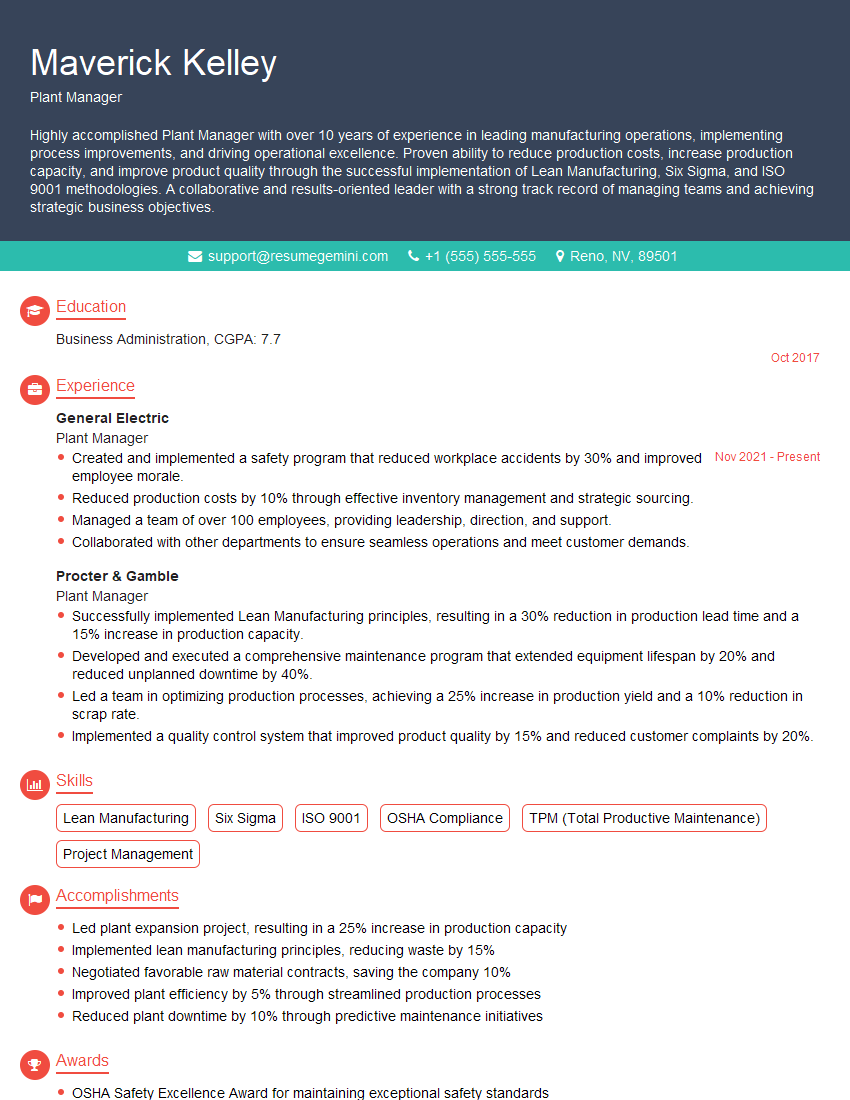
Plant Manager Resume Sample
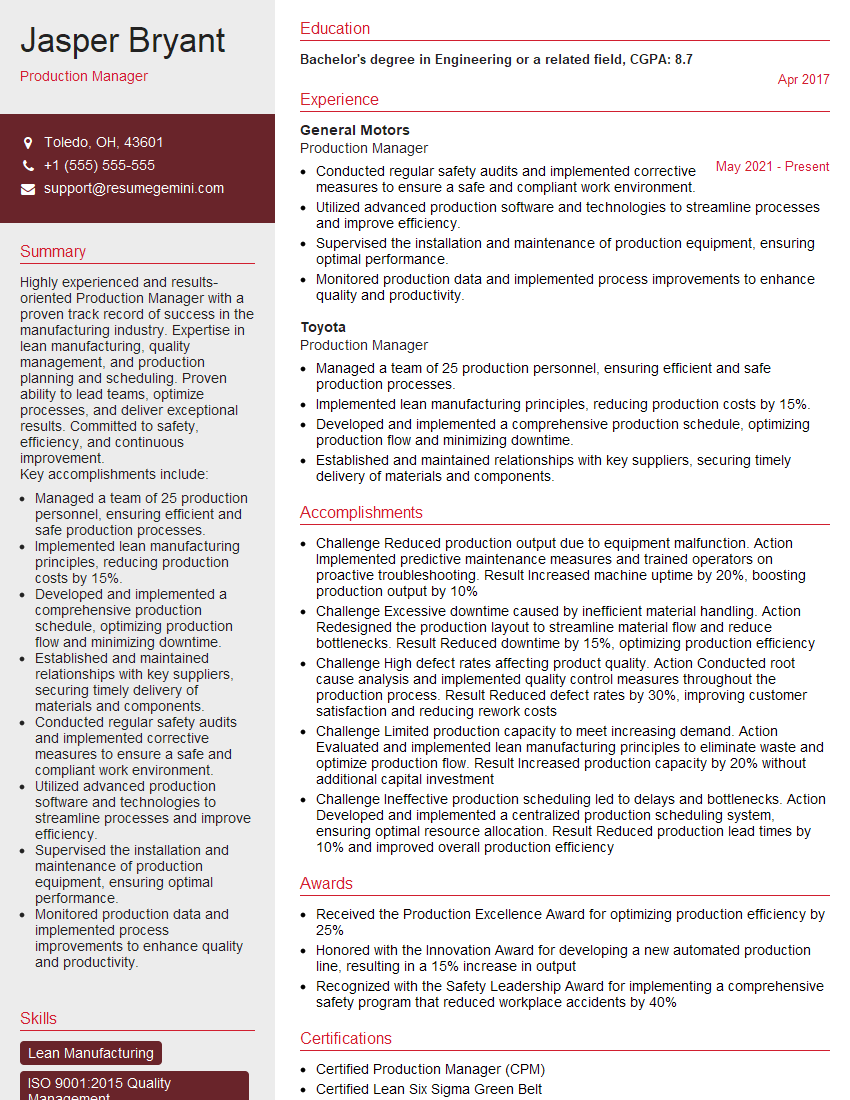
Production Manager Resume Sample

Maintenance Planner Resume Sample

Quality Assurance Manager Resume Sample

Technical Trainer Resume Sample
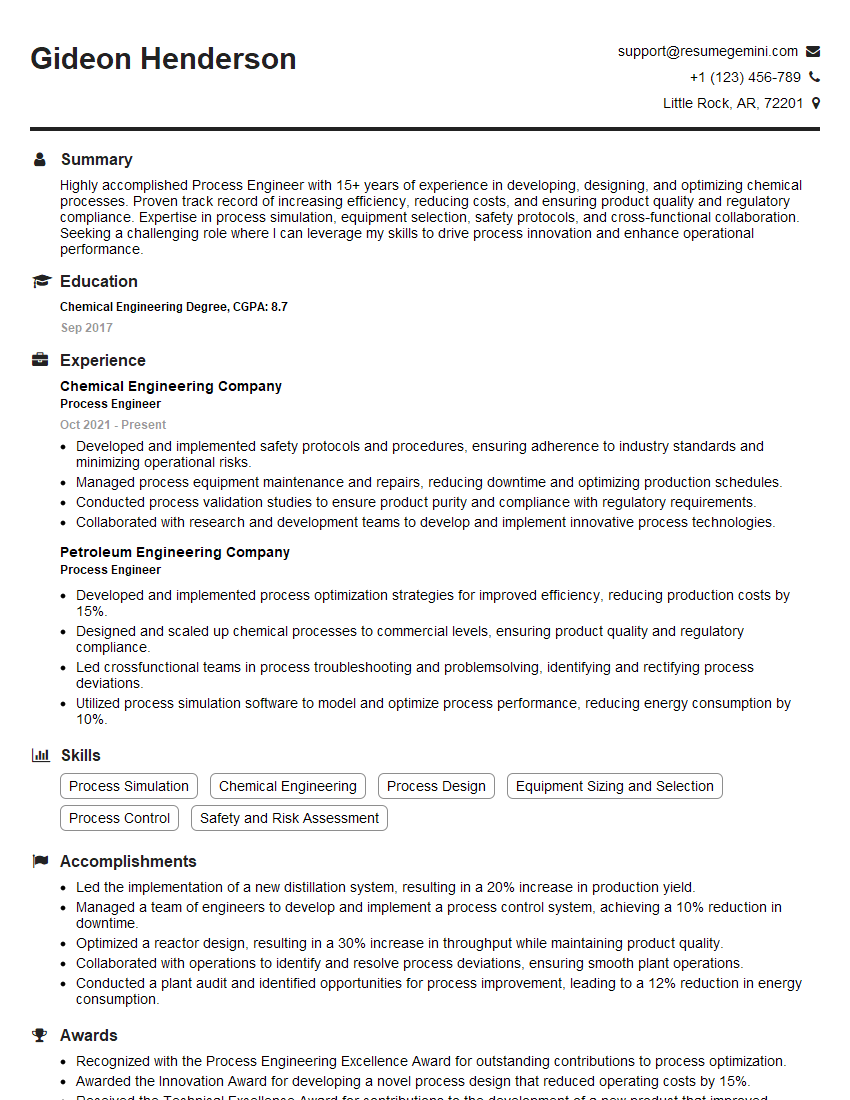
Process Engineer Resume Sample
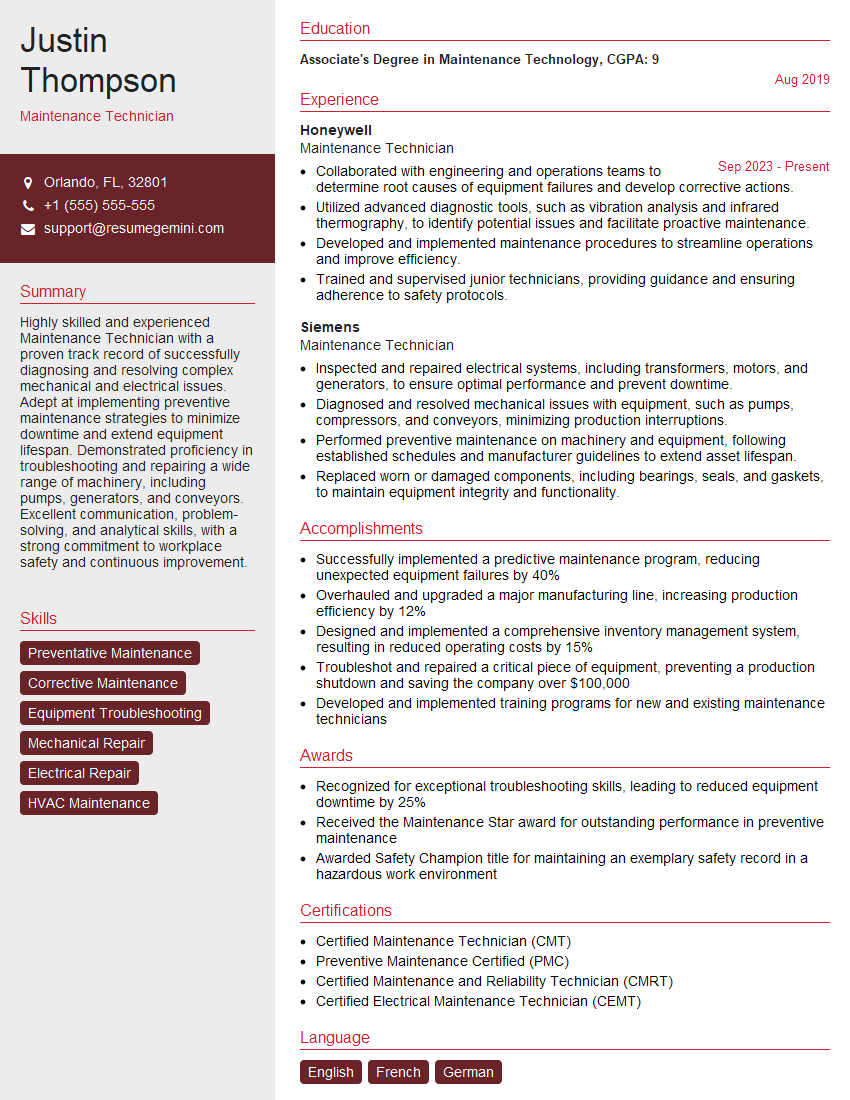
Maintenance Technician Resume Sample

Engineering Technician Resume Sample

Health and Safety Manager Resume Sample

Manufacturing Engineer Resume Sample

Robotics Technician Resume Sample

Manufacturing Technician Resume Sample

Safety Officer Resume Sample

Shop Foreman Resume Sample

Machine Shop Supervisor Resume Sample

Manufacturing Supervisor Resume Sample

Machinist Apprentice Resume Sample
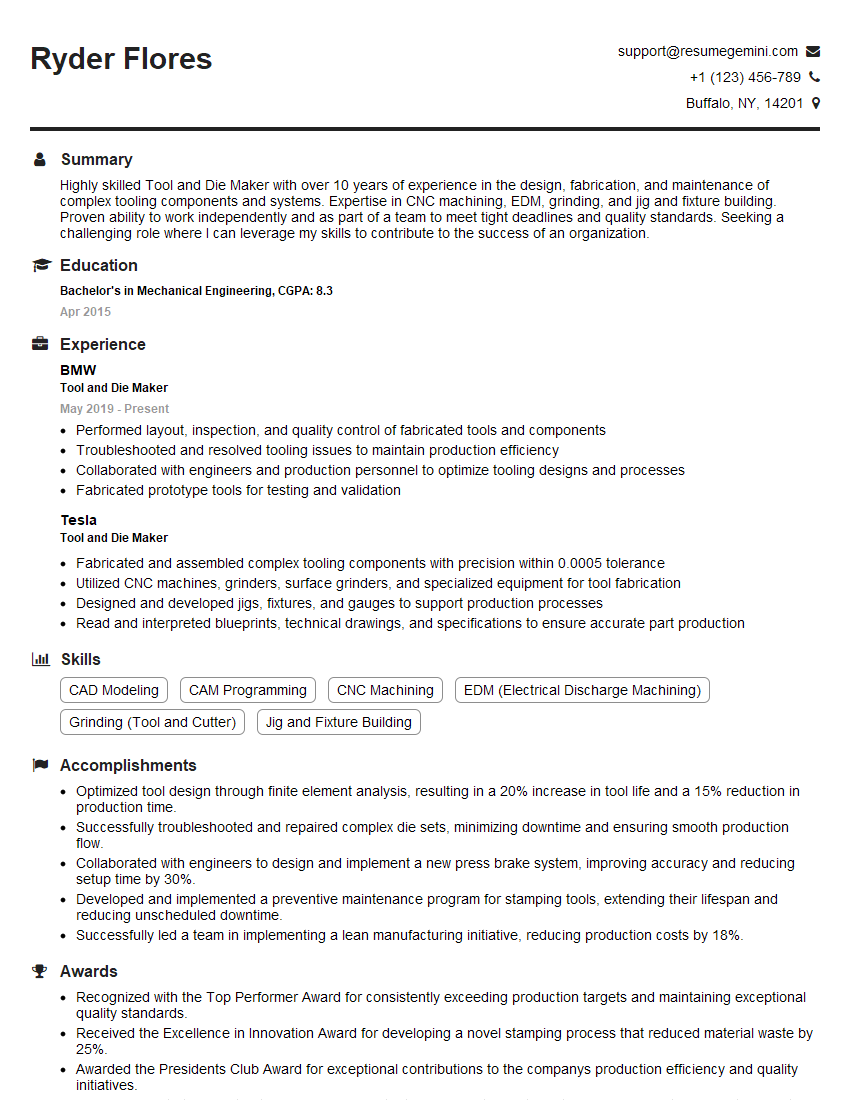
Tool and Die Maker Resume Sample
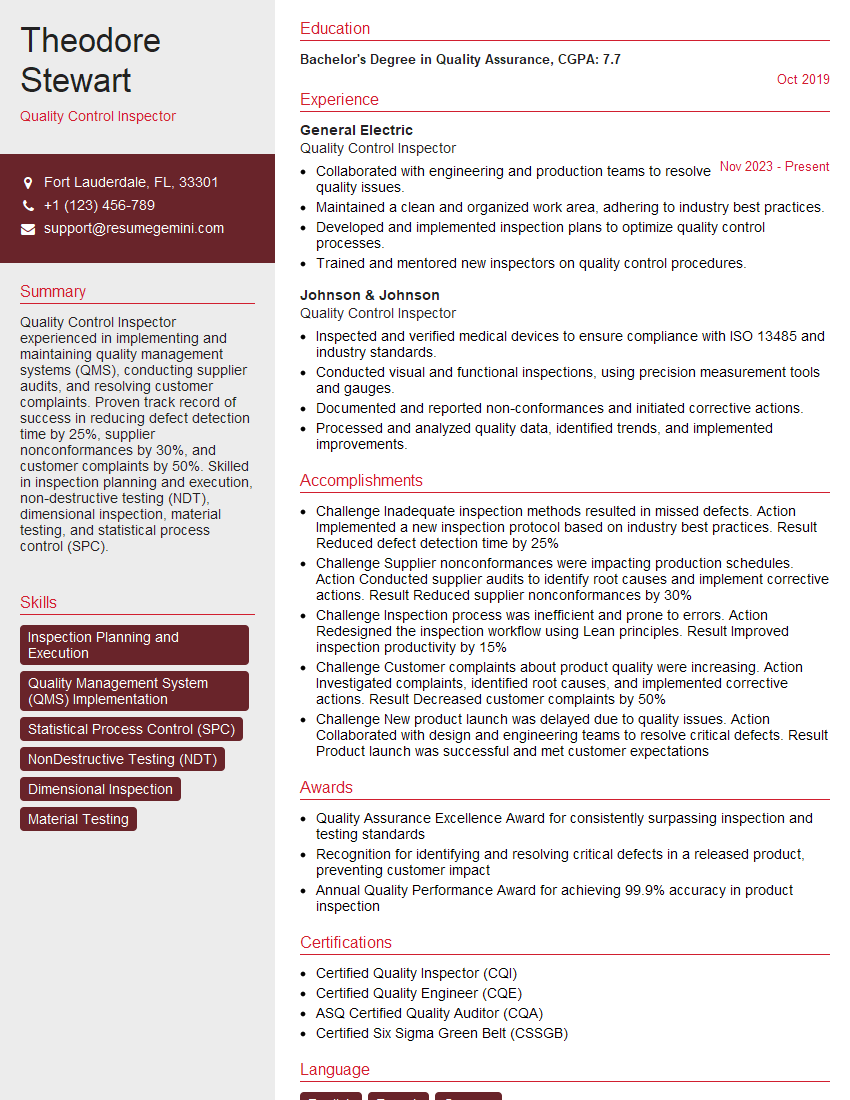
Quality Control Inspector Resume Sample
- Facilities Manager
- Operations Manager
- Plant Manager
- Production Manager
- Maintenance Planner
- Quality Assurance Manager
- Technical Trainer
- Process Engineer
- Maintenance Technician
- Engineering Technician
- Health and Safety Manager
- Manufacturing Engineer
- Robotics Technician
- Manufacturing Technician
- Safety Officer
- Shop Foreman
- Machine Shop Supervisor
- Manufacturing Supervisor
- Machinist Apprentice
- Tool and Die Maker
- Quality Control Inspector
Explore more articles
Users Rating of Our Blogs
Share Your Experience
We value your feedback! Please rate our content and share your thoughts (optional).
What Readers Say About Our Blog
To the interviewgemini.com Webmaster.
Very helpful and content specific questions to help prepare me for my interview!
Thank you
To the interviewgemini.com Webmaster.
This was kind of a unique content I found around the specialized skills. Very helpful questions and good detailed answers.
Very Helpful blog, thank you Interviewgemini team.