Feeling uncertain about what to expect in your upcoming interview? We’ve got you covered! This blog highlights the most important Spill Prevention, Control, and Countermeasure (SPCC) Plan Management interview questions and provides actionable advice to help you stand out as the ideal candidate. Let’s pave the way for your success.
Questions Asked in Spill Prevention, Control, and Countermeasure (SPCC) Plan Management Interview
Q 1. What are the key components of a comprehensive SPCC Plan?
A comprehensive SPCC Plan is a crucial document outlining how a facility will prevent, contain, and clean up oil spills. Think of it as a detailed emergency response plan, specifically for oil. It’s not just about reacting to spills; it’s about proactively minimizing their likelihood.
- Facility Description: A detailed description of the facility, including locations of oil storage and handling areas.
- Oil Storage and Handling Areas: A precise map showing the location of all oil storage tanks, pipelines, and other equipment. This is vital for emergency response.
- Spill Prevention Measures: This section details the specific steps the facility takes to prevent spills, such as regular inspections, maintenance schedules, and employee training. For example, it might include regular checks of tank seals and valves.
- Spill Reporting Procedures: Clear guidelines outlining the reporting process to appropriate agencies (like the EPA) in case of a spill. This ensures timely and effective responses.
- Spill Response Procedures: Detailed steps for containing and cleaning up spills, including the equipment to be used (booms, sorbents, etc.) and personnel responsibilities. Regular drills are crucial to ensure preparedness.
- Contingency Planning: A plan for handling larger or more complex spills, potentially involving external contractors or emergency services. This involves anticipating worst-case scenarios.
- Training Program: Details about the employee training program, which should cover spill prevention, response procedures, and emergency contact information.
- Record Keeping: Procedures for maintaining records of inspections, maintenance, training, and spill incidents.
Imagine a manufacturing plant with multiple oil tanks. Their SPCC Plan would need to address each tank’s specific characteristics, the type of oil stored, and potential spill pathways.
Q 2. Describe the process for conducting a facility-specific SPCC Plan assessment.
An SPCC Plan assessment is a systematic evaluation of a facility’s oil handling practices to identify potential spill risks and ensure compliance with regulations. It’s like a health check for your oil storage and handling systems.
- Identify Oil Storage and Handling Areas: Begin by creating a detailed map of the facility showing all locations where oil is stored, transferred, or processed.
- Assess Potential Spill Sources: Identify potential spill sources such as tanks, pipelines, pumps, and equipment. Look for vulnerabilities like corrosion, leaks, or inadequate secondary containment.
- Evaluate Existing Spill Prevention and Control Measures: Review current practices to determine their effectiveness in preventing and containing spills. Are inspections frequent enough? Are emergency response systems properly maintained?
- Determine Compliance with Regulations: Verify that the facility’s practices adhere to all applicable SPCC regulations. This might include tank capacity thresholds, secondary containment requirements, and training standards.
- Identify Gaps and Develop Corrective Actions: Based on the assessment, identify any deficiencies in spill prevention and control measures. Develop and implement corrective actions to address these weaknesses. This might involve upgrading equipment, improving training, or implementing new procedures.
- Document Findings and Recommendations: Prepare a comprehensive report documenting the assessment findings, recommendations, and corrective action plans. This report should serve as a basis for updating the SPCC Plan.
For example, an assessment might reveal inadequate diking around a storage tank, leading to a recommendation for the construction of secondary containment.
Q 3. Explain the requirements for secondary containment under the SPCC regulations.
Secondary containment is a crucial safety measure designed to prevent spills from reaching the environment. Think of it as a backup plan – if the primary container (tank) fails, the secondary containment catches the spill.
The regulations require secondary containment for many aboveground storage tanks, depending on factors like tank capacity and the type of oil stored. The specifics of the required secondary containment will vary based on several factors. It often includes:
- Dikes: Earth embankments or concrete walls surrounding tanks to prevent spills from spreading.
- Basins or Sumps: Concrete structures designed to hold the contents of a spilled tank.
- Curbs or Berms: Raised structures to contain spills.
The capacity of the secondary containment must be sufficient to hold the entire contents of the largest tank within the containment area. For example, a 10,000-gallon tank would require a secondary containment system capable of holding at least 10,000 gallons of oil.
There are exemptions for certain types of tanks and situations, but the general principle is to always have a backup plan to prevent oil from reaching waterways or the ground.
Q 4. How do you determine the appropriate spill prevention measures for various types of stored oil?
Choosing the right spill prevention measures depends heavily on the specific properties of the stored oil and the potential environmental consequences of a spill. Different oils have different viscosities, flammabilities, and toxicities.
- High-Viscosity Oils: These oils flow slowly, requiring measures focused on preventing leaks from the storage tank itself. Regular inspections, leak detection systems, and robust tank maintenance are vital.
- Low-Viscosity Oils: These oils flow easily, increasing the risk of larger, faster-spreading spills. Secondary containment is often critical, along with quick-response measures like absorbent materials and spill booms.
- Flammable Oils: These require additional measures to prevent ignition, such as grounding and bonding, vapor recovery systems, and fire suppression systems. Regular inspection of electrical equipment near storage tanks is also critical.
- Toxic Oils: Spills of toxic oils demand rapid response procedures with specialized equipment and trained personnel to minimize environmental and health risks. Protective clothing is crucial for cleanup crews.
For example, a facility storing highly flammable gasoline would need a more robust SPCC Plan than one storing a less volatile lubricating oil. The plan must address the specific risks associated with each oil type.
Q 5. What are the reporting requirements for oil spills under the SPCC regulations?
Reporting requirements for oil spills under SPCC regulations depend on the size and nature of the spill. Generally, any oil spill must be reported, and the specifics are dictated by regulatory agencies such as the EPA.
- Immediate Reporting: Spills exceeding a certain threshold (usually defined by volume) require immediate notification to relevant agencies and authorities. This ensures prompt response and minimizes environmental impact.
- Written Reporting: A more detailed written report is usually required within a specified timeframe (often 24 hours to several days) providing details about the spill’s cause, volume, cleanup methods, and environmental impact.
- Follow-up Reports: Additional reports might be required to track cleanup progress, environmental remediation efforts, and any ongoing issues related to the spill.
Failure to report spills accurately and timely can result in significant penalties, highlighting the critical importance of prompt and transparent communication with regulatory bodies.
The specific reporting thresholds and procedures vary by location and the regulatory agency involved. Always consult the relevant regulations in your area.
Q 6. Describe your experience with developing and implementing SPCC Plans.
I have extensive experience developing and implementing SPCC Plans for various industries, including manufacturing, transportation, and energy. I’ve worked with clients of all sizes, from small businesses with a few storage tanks to large industrial facilities with complex oil handling systems. This has included every step of the process, from initial assessments to final plan implementation and ongoing maintenance.
In one project, I worked with a refinery that had inadequate secondary containment around several large storage tanks. My assessment revealed a significant risk of a major spill. I developed a comprehensive plan that included the construction of new concrete basins, implementation of a robust inspection program, and updated employee training on spill prevention and response. The successful implementation of this plan significantly reduced the risk of environmental damage.
Another project involved helping a logistics company update their SPCC plan to comply with new regulations. This involved reviewing their existing procedures, identifying gaps in their spill response capabilities, and developing a new training program for their drivers and warehouse personnel. The result was a plan that not only met regulatory requirements but also improved their overall operational efficiency and safety.
Q 7. How do you ensure the ongoing effectiveness of an SPCC Plan?
Ensuring the ongoing effectiveness of an SPCC Plan requires a proactive approach focused on continuous improvement and regular review. It’s not a one-time task; it’s an ongoing commitment.
- Regular Inspections and Maintenance: Conduct frequent inspections of oil storage tanks, pipelines, and equipment to identify and address potential problems before they lead to spills.
- Employee Training and Drills: Provide regular refresher training for all employees involved in oil handling and spill response. Conduct periodic drills to ensure that everyone is prepared to react effectively in the event of a spill.
- Plan Updates: Regularly review and update the SPCC Plan to reflect changes in facility operations, oil storage capacity, and regulatory requirements. This could involve changes to the facility layout, upgrades in equipment, or new regulatory mandates.
- Spill Response Records and Analysis: Maintain detailed records of all spill incidents and analyze this data to identify trends and potential areas for improvement. This data-driven approach allows for targeted improvements.
- Third-Party Audits: Periodically engage third-party auditors to independently assess the effectiveness of the SPCC Plan and identify any areas needing attention. An external review offers an objective perspective.
Think of it like regular car maintenance; small preventative measures will prevent major problems. By continually reviewing and refining the SPCC Plan, facilities can ensure their operations remain compliant, safe, and environmentally responsible.
Q 8. What are the common causes of oil spills, and how can they be prevented?
Oil spills, a significant environmental and economic concern, stem from various sources. Common causes include equipment failure (leaking pipes, damaged tanks), human error (improper handling, inadequate training), natural disasters (storms, floods), and vandalism. Prevention focuses on proactive measures. Think of it like building a strong dam to prevent a flood – multiple layers of protection are needed.
- Regular maintenance and inspections: This is akin to regularly checking the dam for cracks. Scheduled inspections of equipment identify and rectify potential problems before they escalate into spills.
- Employee training and awareness: Well-trained employees understand safe operating procedures, reducing the likelihood of human error. It’s like having experienced dam keepers who know how to react to potential threats.
- Secondary containment: Implementing containment systems like berms or double-walled tanks prevents oil from spreading widely if a leak occurs. This is like having a secondary dam in place to catch spills.
- Emergency response planning: Having a detailed SPCC plan, including spill response procedures and emergency contact information, is crucial for quick and effective action in case of a spill. It’s similar to having a detailed emergency plan for the dam in case of a breach.
- Proper spill cleanup supplies: Having readily available absorbent materials, booms, and other cleanup equipment enables prompt and efficient spill response.
For instance, a poorly maintained valve on a storage tank could lead to a significant spill. Regular inspections and preventative maintenance, however, would likely identify and resolve this issue before it becomes a problem. Similarly, inadequate training can lead to human error, such as improper handling of oily waste, which can result in smaller, but cumulative spills.
Q 9. Explain the role of regular inspections in maintaining SPCC compliance.
Regular inspections are the cornerstone of SPCC compliance. They’re not just a box-ticking exercise; they’re a proactive approach to preventing spills and ensuring the ongoing effectiveness of the SPCC plan. Think of it as a regular health check-up – identifying small issues before they become major problems.
Inspections should cover all aspects of the facility’s oil handling operations, including storage tanks, transfer lines, equipment, and secondary containment areas. They should look for leaks, corrosion, damage, and any other signs of potential failure. Documentation of each inspection is crucial for demonstrating compliance.
Frequency depends on the facility’s specific operations and risk profile, but regular monthly or quarterly inspections are typical. More frequent inspections might be necessary for high-risk areas or equipment. A well-structured inspection checklist helps ensure consistency and thoroughness.
Findings from these inspections inform necessary maintenance and repairs, ensuring the continued integrity of the oil handling system. Any deficiencies noted must be addressed promptly and documented. Without regular inspections, the potential for a significant spill is drastically increased, leading to environmental damage and regulatory penalties.
Q 10. Describe your experience with conducting spill response drills and training.
I have extensive experience designing and conducting both full-scale and tabletop spill response drills and training programs. These aren’t theoretical exercises; they are crucial for ensuring that personnel are prepared to respond effectively to real-world spill scenarios. My approach is hands-on and realistic, aiming to foster confidence and preparedness in employees and contractors alike.
Drills usually involve simulating various spill scenarios – from small leaks to large-scale releases – to test the effectiveness of the SPCC plan and the response team’s capabilities. For example, a recent drill involved a simulated leak from a transfer line. The drill tested communication protocols, equipment deployment, and containment strategies. We evaluated response times, the efficacy of absorbent materials, and the overall efficiency of the cleanup process.
Training focuses on both theoretical knowledge and practical skills. Employees learn about spill prevention techniques, proper use of equipment, and emergency response procedures. This includes hands-on training with absorbent booms, skimmers, and other spill response equipment. We utilize a variety of methods, including interactive workshops, simulations, and videos, tailored to different learning styles. Post-drill evaluations identify areas for improvement and adjust our training and plans accordingly. The goal is continuous improvement, ensuring our preparedness to handle any potential spill situation.
Q 11. How do you handle SPCC plan updates and revisions?
SPCC plan updates and revisions are essential for maintaining compliance. They are not one-time events but rather a dynamic process, reflecting changes in facility operations, regulatory requirements, and lessons learned from incidents.
Triggers for updates include changes in storage capacity, the addition of new equipment, changes in personnel, modifications to the facility’s layout, or updates to regulatory requirements. The revision process typically involves a thorough review of the existing plan, assessing changes and potential impact on spill risk. This often includes a site visit and assessment to verify current operations and conditions.
The revised plan should incorporate any necessary changes to procedures, equipment specifications, or response strategies. It’s crucial to ensure that all updates are clearly documented and that all personnel involved in oil handling are properly informed of the revisions. This usually includes a review and approval by relevant management personnel.
A well-maintained SPCC plan is a living document. Regular reviews, even without major changes, ensure that the plan remains current and effective. This proactive approach mitigates the risk of non-compliance and ensures continued environmental protection.
Q 12. How do you communicate SPCC plan requirements to employees and contractors?
Effective communication is paramount for SPCC compliance. Employees and contractors must understand their roles and responsibilities in preventing and responding to oil spills. My approach involves a multi-faceted strategy to ensure everyone is informed and engaged.
Initial training is vital. This includes comprehensive training on the SPCC plan’s contents, procedures, and their specific responsibilities. This might involve classroom sessions, hands-on training, and online modules, depending on the audience and the complexity of the material.
Beyond initial training, regular refresher courses and communication updates keep everyone informed of changes to the SPCC plan or relevant regulations. This could involve email announcements, safety meetings, or posting information in prominent locations around the facility. In addition to this, we utilize signage throughout the facility to remind people of key safety practices and emergency procedures.
Open communication channels are crucial. Employees and contractors should feel comfortable reporting potential hazards or near-miss incidents without fear of reprisal. Regular feedback and open dialogue ensure that the SPCC plan remains relevant and effective in practice. Engaging employees at all levels ensures a culture of safety and responsibility.
Q 13. What are the penalties for non-compliance with SPCC regulations?
Penalties for non-compliance with SPCC regulations can be severe and vary depending on the severity of the violation and the regulatory agency involved. Penalties can include significant financial fines, administrative orders for corrective actions, and even criminal charges in cases of gross negligence or willful misconduct leading to significant environmental harm.
Fines can range from thousands to millions of dollars, depending on the size of the spill, the extent of environmental damage, and the history of violations. Beyond financial penalties, companies may face reputational damage, loss of business, and legal challenges from affected parties.
The EPA and other relevant agencies have the authority to issue enforcement actions, including injunctions to cease operations, until compliance is achieved. The severity of the penalty is often determined by factors such as the quantity of oil spilled, the presence of endangered species in the affected area, and the company’s history of compliance.
To avoid these penalties, strict adherence to SPCC regulations and proactive risk management are essential. Regular inspections, employee training, and maintaining up-to-date documentation help prevent violations and minimize the potential for spills.
Q 14. Explain your understanding of different types of oil spill containment and cleanup methods.
Oil spill containment and cleanup methods vary based on the type of oil, the environment, and the spill’s size. A diverse toolkit is needed to handle the myriad of scenarios.
Containment focuses on preventing further spread of the oil. This can include using booms (floating barriers) to contain oil on water, berms (earth barriers) to contain oil on land, or absorbent pads and pillows to soak up spills. The choice of containment method depends heavily on the location and characteristics of the spill. For example, booms are ineffective on land, while berms are useless in open water.
Cleanup methods also depend on the circumstances. For example, skimming removes oil from the surface of water using specialized equipment. Absorbents soak up oil from various surfaces. Dispersants break down oil into smaller droplets, facilitating quicker biodegradation, but their use is carefully regulated. Bioremediation uses microorganisms to degrade the oil naturally; it’s a slower but environmentally friendly approach.
In a real-world scenario, a spill on a waterway might necessitate the deployment of booms to prevent the oil from spreading, followed by skimming to remove the oil from the surface. On land, absorbent materials would likely be used to clean up the spill, with potentially more aggressive methods like excavation used for larger, more embedded spills. The selection of containment and cleanup methods requires experience, careful planning and knowledge of the best practices for a variety of scenarios.
Q 15. How do you ensure compliance with all applicable federal, state, and local regulations?
Ensuring SPCC compliance involves a multi-faceted approach. It starts with a thorough understanding of all applicable regulations at the federal, state, and local levels. This requires regularly reviewing the Environmental Protection Agency’s (EPA) regulations, specifically 40 CFR Part 112, which outlines the SPCC rule. We must also stay updated on any state-specific regulations, which can often be stricter than federal requirements. Local ordinances may also add further layers of compliance.
My process involves:
- Regular Regulatory Updates: Subscribing to regulatory updates and newsletters to stay informed about changes.
- Compliance Audits: Conducting internal audits to ensure our SPCC plan is current, accurate, and being followed.
- Third-Party Audits: Employing third-party audits periodically for independent verification of our compliance efforts.
- Record Keeping: Maintaining meticulous records of all inspections, training, maintenance, and spill incidents.
- Training Programs: Providing comprehensive training to all relevant personnel on SPCC procedures and responsibilities.
For example, if a new state regulation regarding secondary containment standards for certain types of oil is introduced, we immediately adjust our SPCC plan and implement necessary modifications to our facilities, equipment, and procedures to meet the new requirements. This proactive approach ensures we are always in compliance and minimize the risk of environmental damage.
Career Expert Tips:
- Ace those interviews! Prepare effectively by reviewing the Top 50 Most Common Interview Questions on ResumeGemini.
- Navigate your job search with confidence! Explore a wide range of Career Tips on ResumeGemini. Learn about common challenges and recommendations to overcome them.
- Craft the perfect resume! Master the Art of Resume Writing with ResumeGemini’s guide. Showcase your unique qualifications and achievements effectively.
- Don’t miss out on holiday savings! Build your dream resume with ResumeGemini’s ATS optimized templates.
Q 16. Describe a situation where you had to troubleshoot a problem related to SPCC compliance.
During a routine inspection, we discovered a discrepancy between the documented secondary containment capacity for one of our storage tanks and the actual capacity. The documented capacity was significantly lower than the measured capacity. This posed a significant risk because the actual containment might not be sufficient to handle a large spill, violating our SPCC plan.
My troubleshooting steps involved:
- Verification: First, we re-measured the secondary containment to confirm the discrepancy.
- Root Cause Analysis: We then investigated the reason for the inaccurate documentation. It turned out to be an error during a previous plan update.
- Corrective Action: We corrected the SPCC plan to reflect the accurate capacity.
- Gap Analysis: We analyzed whether the existing containment was sufficient for worst-case scenarios. If not, we developed and implemented a plan to upgrade the containment system to meet or exceed regulatory requirements.
- Documentation: All corrective actions were thoroughly documented and included in the updated SPCC plan.
This experience highlighted the critical importance of regular inspections, accurate record-keeping, and proactive identification of potential non-compliance issues.
Q 17. What are the key differences between primary and secondary containment?
Primary containment refers to the tank or vessel itself that holds the oil. Think of it as the first line of defense against a spill. Secondary containment is a separate structure designed to hold the oil in case of a primary containment failure. It’s like a backup safety net.
Here’s a table summarizing the key differences:
| Feature | Primary Containment | Secondary Containment |
|---|---|---|
| Purpose | Holds the oil | Contains spills from primary containment failure |
| Examples | Storage tanks, drums, pipelines | Dikes, berms, sumps, catch basins |
| Regulations | Subject to specific design and construction standards | Must have sufficient capacity to handle the worst-case scenario spill |
For instance, a large aboveground storage tank (AST) would be the primary containment, and a concrete berm surrounding the tank would act as secondary containment. If the tank leaks, the berm would prevent the oil from spreading beyond the contained area.
Q 18. How do you manage and track SPCC plan documentation?
Managing SPCC plan documentation requires a structured and organized approach. I use a combination of physical and digital methods.
My approach includes:
- Centralized Repository: All documents are stored in a centralized, easily accessible location, both physically (in a secure, climate-controlled location) and digitally (using a secure, cloud-based document management system).
- Version Control: Each update or revision to the SPCC plan is clearly marked, with previous versions archived for audit trails.
- Regular Reviews: The plan is reviewed at least annually, or more frequently if there are significant changes to the facility, equipment, or regulatory requirements.
- Metadata Tagging: Documents are tagged with relevant metadata, such as document type, date created, author, etc., to ensure easy searchability.
- Access Control: Access to the SPCC plan is restricted to authorized personnel.
This organized system ensures that the SPCC plan is always up-to-date, easily accessible for review and audit, and allows for efficient tracking of all changes and modifications.
Q 19. What is your experience with spill reporting software or databases?
I have extensive experience with various spill reporting software and databases. This includes both dedicated SPCC management systems and more general environmental management systems (EMS) that incorporate SPCC functionalities.
My experience involves using software to:
- Track Spill Incidents: Recording details of each spill, including date, time, location, type and quantity of spilled material, and corrective actions taken.
- Generate Reports: Creating reports for regulatory agencies and internal management on spill frequency, types, causes, and remediation efforts.
- Manage Inspections: Scheduling and documenting routine inspections and maintenance activities.
- Maintain Training Records: Tracking employee training on SPCC procedures.
Examples of software I’m familiar with include [mention specific software, if comfortable. Otherwise, use generic examples like]: ‘SpillTrack Pro’, ‘EnviroManager’, and custom-developed databases. The key benefits of using such software are improved accuracy, reduced paperwork, and enhanced compliance reporting.
Q 20. Explain your familiarity with various types of oil and their properties relevant to spill prevention.
Understanding the properties of different oils is crucial for effective spill prevention. Different oils have varying viscosities, densities, and volatilities, all of which affect how they behave in a spill and how they are contained and cleaned up.
My familiarity includes:
- Crude Oil: High viscosity, varying density and composition; can create significant environmental damage.
- Fuel Oils (Diesel, Heating Oil): Lower viscosity than crude oil, readily flammable, can contaminate soil and water sources.
- Lubricating Oils: High viscosity, less volatile, persistent in the environment, difficult to clean up.
- Waste Oils: A mixture of various used oils, potentially containing hazardous substances, require specialized handling and disposal.
For example, the high viscosity of heavy crude oil requires different containment and cleanup strategies compared to the more readily dispersible nature of lighter fuel oils. Knowing these properties allows for the development of tailored spill prevention and response plans.
Q 21. How do you integrate SPCC plan requirements into facility operations?
Integrating SPCC plan requirements into facility operations requires a proactive and multi-pronged approach.
My strategy involves:
- Training: Providing regular training to all employees who handle or are near oil and related materials. This training covers spill prevention procedures, emergency response protocols, and their responsibilities in maintaining SPCC compliance.
- Standard Operating Procedures (SOPs): Developing clear and concise SOPs that outline specific procedures for handling, storing, transferring, and disposing of oil and related materials, integrating SPCC requirements into everyday workflows.
- Regular Inspections: Conducting regular inspections of oil storage areas, equipment, and containment systems to ensure they meet SPCC requirements and are in good working condition.
- Maintenance Programs: Implementing preventive maintenance programs to prevent equipment failures that can lead to spills.
- Emergency Response Drills: Conducting regular drills to ensure that employees are prepared to respond effectively to oil spills.
- Communication: Establishing a system for effective communication during emergencies, so personnel can respond promptly and efficiently.
For example, if the facility is undertaking a major construction project, we ensure that the SPCC plan is updated to reflect any changes in storage capacity, handling processes, or potential environmental impacts. This integrated approach ensures that SPCC requirements are not merely a checklist, but an integral part of the overall facility management system.
Q 22. How do you ensure that your SPCC plan is properly maintained and updated?
Maintaining an effective SPCC plan is an ongoing process, not a one-time event. Think of it like regularly servicing your car – preventative maintenance is key to avoiding costly breakdowns. My approach involves a multi-pronged strategy:
Regular Inspections: I conduct routine inspections of all oil storage areas and handling equipment, checking for leaks, corrosion, and proper functioning of containment systems. This might involve visually inspecting tanks, checking for spills around pumps, and verifying the integrity of secondary containment. I document all findings meticulously.
Scheduled Maintenance: Preventative maintenance on equipment is crucial. This includes things like regular tank inspections (internal and external), pump servicing, and testing of spill response equipment. A detailed schedule, often aligned with manufacturer recommendations, is essential.
Annual Review and Updates: At least annually, and often more frequently depending on operational changes, I conduct a comprehensive review of the entire SPCC plan. This involves checking for regulatory updates, changes in operations, and evaluating the effectiveness of existing prevention and response measures. Any necessary revisions are documented and implemented.
Record Keeping: Meticulous record-keeping is paramount. This includes inspection reports, maintenance logs, training records, and any incident reports. This ensures accountability and allows for a clear history of plan maintenance and effectiveness.
Emergency Response Drills: Regular drills are critical to ensure that employees are trained and prepared to respond effectively in the event of a spill. These drills should test different scenarios and refine our procedures.
For example, at my previous role, a change in our oil storage capacity triggered a complete plan update, including an increase in the size of our secondary containment and a review of our emergency response procedures. This proactive approach ensured we remained compliant and prepared for any potential incident.
Q 23. Describe your experience in conducting training for employees on spill prevention and response.
Training is the cornerstone of a successful SPCC program. It’s not just about compliance; it’s about fostering a safety culture where employees understand their roles and responsibilities in preventing and responding to spills. My approach is multifaceted:
Needs Assessment: I begin by assessing the specific training needs of the employees, considering their roles, responsibilities, and level of experience. This ensures the training is relevant and effective.
Interactive Training: Rather than just lectures, I use interactive methods such as hands-on training, demonstrations, and simulations to engage employees and enhance knowledge retention. For example, I’ve used mock spill scenarios to practice the use of containment booms and absorbent pads.
Practical Exercises: I incorporate practical exercises into the training, allowing employees to practice the techniques and procedures they’ve learned. This ensures they are prepared for real-world scenarios.
Regular Refresher Training: Regular refresher training is crucial to maintain competency and address any changes in procedures or regulations. This keeps knowledge current and prevents complacency.
Documentation: I maintain detailed records of all training activities, including attendance, participation, and competency assessments. This documentation serves as proof of compliance and provides a record of employee training.
In one instance, I developed a comprehensive online training module that significantly increased employee engagement and standardized training across multiple locations. The module incorporated videos, interactive quizzes, and simulations to make the learning experience more effective.
Q 24. What is your understanding of the regulatory framework for SPCC compliance?
The regulatory framework for SPCC compliance is complex and varies somewhat depending on location, but generally stems from the EPA’s 40 CFR Part 112. It mandates the development and implementation of an SPCC plan for facilities that store certain amounts of oil. This regulation aims to prevent oil spills into navigable waters and adjoining shorelines. Key aspects include:
Facility Identification: Determining whether your facility is subject to the regulation based on storage capacity and proximity to navigable waters.
Plan Development: Developing a comprehensive plan that outlines spill prevention measures, containment strategies, and emergency response procedures.
Compliance Certification: Certifying that the plan is up to date and reflects current operating procedures and conditions.
Record Keeping: Maintaining accurate records of inspections, maintenance, training, and any spill incidents.
Inspections and Audits: Undergoing regular inspections and audits to ensure compliance with the regulation.
Understanding the nuances of these regulations, including specific thresholds for oil storage and the required elements of an SPCC plan, is crucial for ensuring compliance. Failure to comply can result in significant penalties.
Q 25. How do you assess the effectiveness of your SPCC plan?
Assessing the effectiveness of an SPCC plan is an ongoing process, not a one-time event. It requires a combination of proactive monitoring and reactive evaluation. I use a multi-faceted approach:
Regular Inspections and Audits: These provide a continuous assessment of the plan’s effectiveness in preventing spills and ensuring that equipment is functioning properly. Any deficiencies identified are addressed promptly.
Spill Incident Analysis: If a spill occurs, a thorough investigation is conducted to identify the root cause and any weaknesses in the plan. This information is used to improve future spill prevention and response measures.
Employee Feedback: Regularly gathering feedback from employees involved in oil handling and spill response can identify areas for improvement and enhance the plan’s practicality and effectiveness.
Performance Indicators: Tracking key performance indicators (KPIs), such as the number of spills, the volume of oil spilled, and the time taken to respond to spills, provides quantifiable data on the plan’s effectiveness.
Tabletop Exercises and Drills: These allow for testing the plan’s effectiveness in a controlled environment, helping to identify areas that need improvement before a real spill occurs.
For instance, by tracking the number and size of spills over time, we can identify trends and areas where improvements are needed. Analyzing the reasons behind these spills allows us to implement more effective prevention strategies.
Q 26. How do you identify and mitigate potential risks associated with oil storage and handling?
Identifying and mitigating risks associated with oil storage and handling is a proactive and systematic process. It involves a detailed risk assessment and the implementation of appropriate control measures. My approach includes:
Hazard Identification: This involves identifying all potential hazards associated with oil storage and handling, such as leaks, spills, fires, and explosions. This often involves a walk-through of the facility and a review of operating procedures.
Risk Assessment: Each identified hazard is assessed based on its likelihood and potential consequences. This allows for prioritizing risk mitigation efforts.
Control Measures: Appropriate control measures are implemented to mitigate the identified risks. These might include engineering controls (such as secondary containment), administrative controls (such as proper training and procedures), and personal protective equipment (PPE).
Regular Monitoring: The effectiveness of control measures is regularly monitored and evaluated. This ensures that the measures remain effective and are adapted as needed.
Emergency Preparedness: A comprehensive emergency response plan is developed and regularly tested to ensure that the facility is prepared to respond effectively to any oil spill incidents.
For example, at a previous facility, we identified a high risk of spills during tanker unloading. By implementing improved procedures and installing a secondary containment system around the unloading area, we significantly reduced this risk.
Q 27. Describe your experience with emergency response planning and execution in relation to SPCC.
Emergency response planning and execution are critical components of any effective SPCC program. It’s not enough to just have a plan; you need to ensure that everyone understands their roles and responsibilities and that the plan can be effectively implemented in a real-world emergency. My experience includes:
Developing Emergency Response Plans: I have extensive experience in developing detailed emergency response plans that include procedures for spill containment, cleanup, notification of authorities, and employee safety. These plans are tailored to the specific hazards and risks associated with each facility.
Conducting Drills and Exercises: Regular drills and exercises are essential for testing the effectiveness of the emergency response plan and ensuring that employees are adequately trained and prepared. These exercises should simulate various scenarios, including large-scale spills and equipment failures.
Maintaining Emergency Equipment: All emergency response equipment, such as spill containment booms, absorbent pads, and personal protective equipment, must be properly maintained and readily accessible. Regular inspections and maintenance are crucial.
Communication and Coordination: Effective communication and coordination among employees, emergency responders, and regulatory agencies are essential during an emergency. Pre-established communication protocols and contact lists are crucial.
Post-Incident Analysis: After any spill incident, a thorough post-incident analysis is conducted to identify areas for improvement in the emergency response plan and procedures. This continuous improvement process is key to enhancing preparedness.
In one situation, our well-rehearsed emergency response plan allowed us to contain a significant spill within minutes, minimizing environmental damage and preventing further contamination. The effectiveness of our response was a direct result of thorough training and regular drills.
Key Topics to Learn for Spill Prevention, Control, and Countermeasure (SPCC) Plan Management Interview
- SPCC Plan Development & Implementation: Understand the regulatory requirements for developing and implementing a comprehensive SPCC plan, including facility assessments, spill prevention measures, and contingency planning.
- Spill Prevention Measures: Learn about various prevention techniques, such as secondary containment, leak detection systems, proper storage and handling procedures, and employee training programs. Be prepared to discuss practical applications and cost-benefit analyses.
- Spill Response Procedures: Master the elements of a robust spill response plan, including notification procedures, cleanup methods, equipment requirements, and personnel responsibilities. Consider case studies involving different types of spills and environmental conditions.
- Regulatory Compliance: Familiarize yourself with relevant EPA regulations and industry best practices. Be prepared to discuss how to ensure ongoing compliance and address potential non-compliance scenarios.
- Record Keeping & Reporting: Understand the importance of accurate record-keeping and reporting requirements, including spill reports, training records, and plan updates. Discuss methods for maintaining comprehensive documentation.
- Risk Assessment & Management: Demonstrate your understanding of conducting risk assessments to identify potential spill sources and vulnerabilities. Discuss strategies for mitigating risks and prioritizing prevention efforts.
- Emergency Response & Coordination: Be ready to discuss effective communication and coordination during spill response events, including interaction with emergency responders and regulatory agencies.
- Training & Personnel: Explain the importance of comprehensive employee training programs on spill prevention, response, and regulatory compliance. Discuss the role of training in minimizing spill incidents and maximizing response effectiveness.
- Plan Updates & Revisions: Discuss the process for regularly reviewing and updating the SPCC plan to reflect changes in operations, regulations, or technology. Be prepared to explain the rationale behind any modifications.
Next Steps
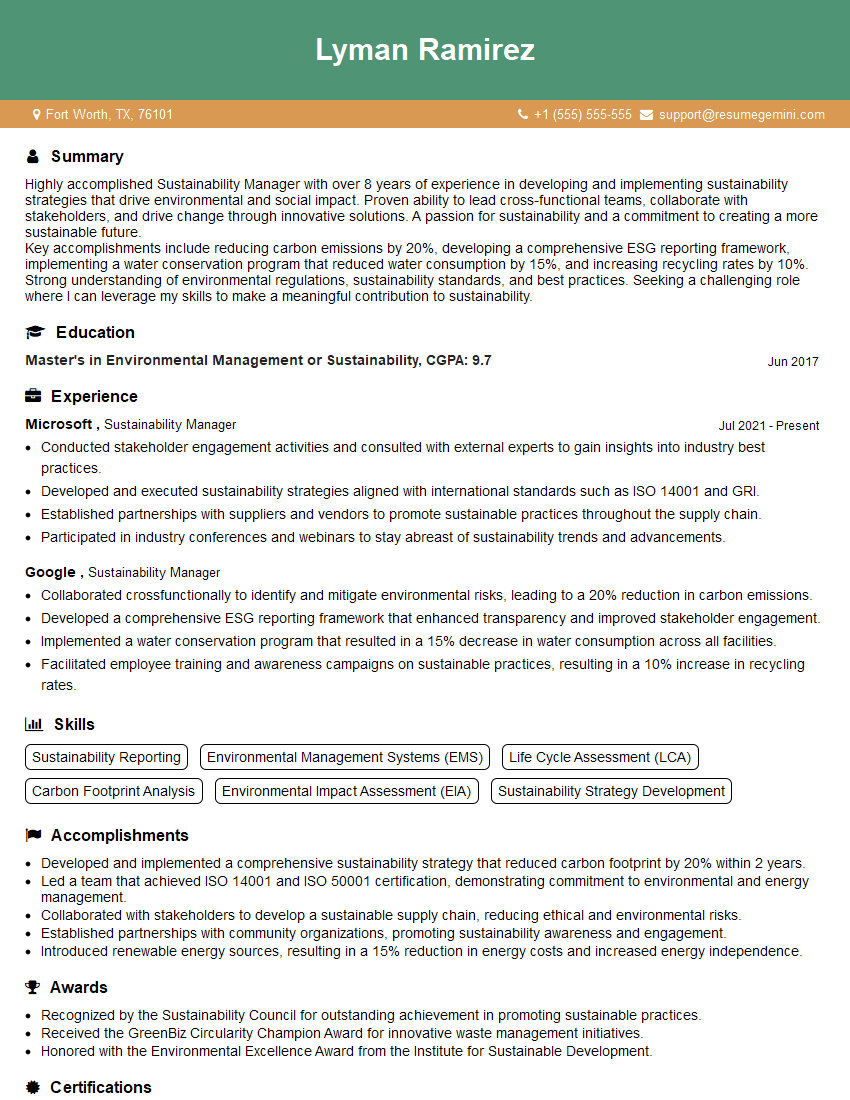
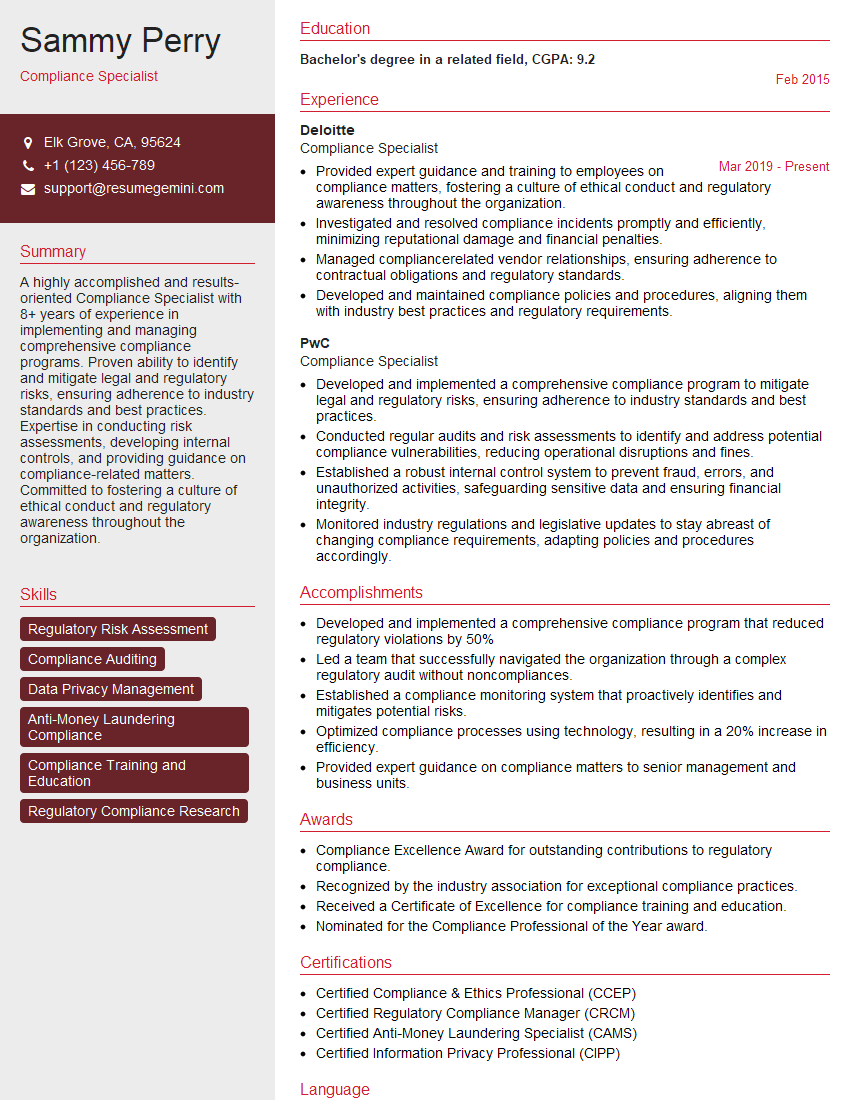
Mastering SPCC Plan Management significantly enhances your career prospects in environmental health and safety. It demonstrates a crucial skillset highly valued by employers in various industries. To maximize your job search success, create an ATS-friendly resume that highlights your qualifications and experience effectively. ResumeGemini is a trusted resource that can help you build a professional and impactful resume tailored to the specific requirements of SPCC Plan Management roles. Examples of resumes tailored to this field are available to help you get started.
Explore more articles
Users Rating of Our Blogs
Share Your Experience
We value your feedback! Please rate our content and share your thoughts (optional).
What Readers Say About Our Blog
To the interviewgemini.com Webmaster.
Very helpful and content specific questions to help prepare me for my interview!
Thank you
To the interviewgemini.com Webmaster.
This was kind of a unique content I found around the specialized skills. Very helpful questions and good detailed answers.
Very Helpful blog, thank you Interviewgemini team.