Interviews are more than just a Q&A session—they’re a chance to prove your worth. This blog dives into essential Sports Medicine and Physical Activity Counseling interview questions and expert tips to help you align your answers with what hiring managers are looking for. Start preparing to shine!
Questions Asked in Sports Medicine and Physical Activity Counseling Interview
Q 1. Describe the common causes of ACL injuries in athletes.
ACL injuries, unfortunately common in athletes, are often caused by a combination of factors. Think of the ACL (Anterior Cruciate Ligament) as the critical stabilizer in your knee joint, preventing excessive forward movement of the shinbone. When this ligament is overloaded, it can tear.
- Valgus Loading: This is a major culprit. Imagine a force pushing your knee inward, like during a sudden change of direction in basketball or soccer. This inward force puts tremendous strain on the ACL.
- Hyperextension: When the knee is forced backward beyond its normal range of motion, as can happen in a fall, the ACL can be injured. Think of someone falling awkwardly on a straight leg.
- Rotation with Valgus Loading: This is a particularly damaging combination. A twisting motion coupled with the inward force on the knee is a recipe for disaster, often seen in pivoting sports.
- Direct Impact: While less common than the above, a direct blow to the knee can also lead to an ACL tear.
- Muscle Weakness: Weak hamstrings and quadriceps muscles are significant risk factors. They play a crucial role in stabilizing the knee joint, and insufficient strength leaves the ACL more vulnerable.
- Proprioception Deficits: Poor body awareness – the inability to sense the position of your joints in space – increases the risk of injury by hindering proper balance and control.
Understanding these mechanisms is key to developing prevention strategies, including strengthening programs focused on dynamic stability, and agility training to improve proprioception.
Q 2. Explain the difference between Type I and Type II muscle fibers.
Muscle fibers are categorized into different types based on their metabolic and contractile properties. Type I and Type II fibers differ significantly in their function and characteristics.
- Type I (Slow-twitch): These fibers are designed for endurance. They contract slowly but have high resistance to fatigue. Think of a marathon runner – their legs need to keep going for hours! They rely heavily on aerobic metabolism (using oxygen to produce energy).
- Type II (Fast-twitch): These fibers are all about power and speed. They contract rapidly but fatigue quickly. Imagine a sprinter – they need explosive power for a short burst of activity. They rely more on anaerobic metabolism (producing energy without oxygen).
Within Type II fibers, there are further subdivisions (Type IIa and Type IIx), but the fundamental distinction remains in the speed of contraction and fatigue resistance. The proportion of Type I and Type II fibers varies greatly between individuals and is partly genetically determined, which influences an athlete’s suitability for different sports.
Q 3. What are the key components of a pre-participation physical examination?
A pre-participation physical examination (PPE) is crucial for identifying any health concerns that might impact an athlete’s safety and performance. It’s a comprehensive assessment rather than a simple check-up. Key components include:
- Medical History: This involves detailed questioning about past injuries, illnesses, surgeries, medications, and family history of cardiac conditions.
- Physical Examination: This includes a thorough assessment of vital signs (heart rate, blood pressure, respiration), musculoskeletal system (joint range of motion, muscle strength), cardiovascular system (listening to the heart and lungs), and neurological system (checking reflexes and coordination).
- Orthopedic Screening: This focuses on assessing joint stability, muscle strength, and flexibility, particularly relevant to the sport the athlete participates in.
- Cardiovascular Screening: This may include an electrocardiogram (ECG) or echocardiogram in high-risk individuals or those with a relevant family history.
- Vision and Hearing Tests: These are important for safety, particularly in sports with high-speed impacts or close-quarters contact.
The PPE aims to identify conditions that might predispose an athlete to injury or sudden cardiac events. It’s an essential part of ensuring athlete safety and promoting participation in sports.
Q 4. How would you assess an athlete’s readiness to return to play after an injury?
Assessing an athlete’s readiness to return to play after an injury requires a multi-faceted approach. It’s not just about the absence of pain; it’s about ensuring full functional capacity and minimizing the risk of re-injury. My process includes:
- Medical Clearance: The athlete needs clearance from their physician, indicating that the injury has healed sufficiently.
- Functional Assessment: This involves a series of tests to assess range of motion, strength, flexibility, balance, and neuromuscular control. Specific tests are chosen based on the nature and location of the injury. For example, a jump test for ACL recovery.
- Sport-Specific Testing: The athlete must demonstrate the ability to perform the demands of their sport without pain or compensatory movements. This could involve drills or activities representative of their sport. For a basketball player it could be sprinting and lateral movements.
- Pain-Free Activity: The athlete should be able to participate in progressively challenging activities without experiencing pain or discomfort. We gradually increase the intensity and duration of activity.
- Psychological Readiness: The athlete needs to feel confident and comfortable returning to play, both physically and mentally. We address fear of re-injury or anxiety that may impact performance.
A phased return-to-play protocol is crucial, ensuring gradual progression through different stages, allowing the body to adapt.
Q 5. Describe your experience with designing individualized exercise programs.
Designing individualized exercise programs is central to my work. I approach this with a holistic perspective, considering the athlete’s specific needs, goals, and limitations. My process involves:
- Needs Assessment: Thoroughly understanding the athlete’s goals (e.g., improve strength, increase endurance, rehabilitate from injury) and current fitness level is crucial. I use questionnaires, interviews, and physical assessments to gather necessary information.
- Goal Setting: Collaborative goal setting is essential. This should be SMART: Specific, Measurable, Achievable, Relevant, and Time-bound. For instance, ‘improve 5K run time by 2 minutes in 8 weeks’ is a SMART goal.
- Exercise Selection: The program must include exercises tailored to address the athlete’s specific needs and goals. For example, a runner needing strength training for injury prevention might include plyometrics and core strengthening exercises.
- Progression and Overload: The program must gradually increase the intensity, duration, or frequency of exercise to stimulate continual improvement (principles discussed further in the next question).
- Monitoring and Adjustment: Regular monitoring of progress is crucial. If an athlete is not progressing adequately, the program is adjusted to optimize results. This might involve modifying exercises, changing the intensity, or altering the training schedule.
I’ve designed programs for athletes ranging from youth soccer players to elite-level marathon runners, always ensuring a personalized approach that maximizes performance and minimizes injury risk.
Q 6. Explain the principles of overload and progression in exercise training.
Overload and progression are fundamental principles of exercise training. They are like building a house – you need a solid foundation and gradual construction.
- Overload: This principle states that to improve fitness, the body must be subjected to greater stress than it’s accustomed to. It’s about pushing your limits but safely. This can involve increasing the intensity (weight lifted, speed of running), duration (longer workouts), or frequency (more training sessions) of exercise.
- Progression: This refers to the gradual increase in overload over time. You don’t want to jump from zero to hero. It’s vital to avoid injury and allow the body to adapt. Progression ensures that the body continues to be challenged and adapt to increase fitness levels. We often use the 10% rule, increasing volume or intensity by no more than 10% per week.
Think of it like this: If you always lift the same weight, your muscles won’t grow. To see gains, you need to gradually increase the weight or repetitions. Similarly, if you run the same distance at the same pace consistently, your endurance won’t improve. Gradually increasing the distance or pace is essential for progression.
Q 7. How do you counsel patients on the importance of proper nutrition for athletic performance?
Counseling patients about proper nutrition for athletic performance involves emphasizing the critical link between what they eat and their physical capabilities. My approach is educational and personalized.
- Macronutrient Balance: I explain the importance of consuming adequate carbohydrates for energy, lean protein for muscle repair and growth, and healthy fats for hormone production and overall health. The ratio of these macronutrients varies depending on the athlete’s sport and training load. Endurance athletes need more carbohydrates, for example.
- Hydration: Maintaining proper hydration is crucial, as even mild dehydration can significantly impair performance. I advise athletes on the importance of drinking fluids throughout the day, especially during and after training.
- Micronutrients: Essential vitamins and minerals are critical for various bodily functions, including energy metabolism, immune function, and bone health. I discuss the importance of a varied diet to ensure adequate intake.
- Timing of Nutrition: The timing of food intake is important for optimizing performance. I discuss the benefits of pre-workout snacks for energy, post-workout nutrition for muscle recovery, and the overall distribution of food throughout the day.
- Individualized Dietary Plans: I avoid a “one-size-fits-all” approach. Dietary recommendations are individualized based on the athlete’s sport, training schedule, dietary preferences, and any relevant medical conditions or allergies.
I use relatable examples and practical advice to empower athletes to make informed choices about their nutrition. I might provide them with sample meal plans, recipes, or connect them with registered dietitians for more tailored support.
Q 8. What are the signs and symptoms of heat exhaustion and heat stroke?
Heat exhaustion and heat stroke are serious conditions resulting from the body’s inability to regulate its temperature. Heat exhaustion is a milder form, acting as a warning sign that the body is struggling. Heat stroke, however, is a life-threatening emergency.
- Heat Exhaustion Signs and Symptoms: Heavy sweating, weakness, dizziness, headache, nausea, vomiting, muscle cramps, fast pulse.
- Heat Stroke Signs and Symptoms: High body temperature (above 103°F or 39.4°C), altered mental state (confusion, delirium, seizures), lack of sweating, rapid strong pulse, throbbing headache, red, hot, dry skin.
Think of it like this: heat exhaustion is like your car’s overheating warning light – you still have time to fix the problem. Heat stroke is like the engine seizing – immediate action is crucial.
Immediate Action for Heat Exhaustion: Move to a cool place, drink fluids (water or sports drinks), loosen clothing, apply cool cloths. Immediate Action for Heat Stroke: Call emergency services immediately. This is a medical emergency requiring immediate cooling (e.g., ice baths) and hospitalization.
Q 9. Describe your experience with managing concussions in athletes.
Managing concussions in athletes requires a multi-faceted approach, prioritizing the athlete’s safety and long-term health. My experience involves a detailed assessment, adherence to return-to-play protocols, and close collaboration with other healthcare professionals.
The assessment includes a thorough neurological exam, cognitive testing (e.g., using ImPACT testing), and symptom evaluation. I then develop a personalized rehabilitation plan, focusing on gradual symptom reduction and cognitive retraining. This might include physical therapy, vestibular rehabilitation (for balance issues), and occupational therapy (for cognitive function). Return-to-play decisions are made collaboratively, using evidence-based guidelines and considering the athlete’s symptoms and cognitive function. We don’t rush the process; a gradual return is crucial to minimize the risk of secondary impact syndrome.
For instance, I recently worked with a young soccer player who sustained a concussion. After initial assessment, we implemented a phased return-to-play protocol starting with light aerobic exercise, then progressing to sport-specific drills only after symptom resolution and satisfactory cognitive test results. This careful approach ensured their complete recovery.
Q 10. What are the different types of stretching techniques and their applications?
Stretching is crucial for flexibility, injury prevention, and improved athletic performance. Several techniques exist, each with unique applications.
- Static Stretching: Holding a stretch for a sustained period (15-30 seconds). This is ideal for improving flexibility and reducing muscle tightness. Example: Holding a hamstring stretch.
- Dynamic Stretching: Moving through a range of motion. This is useful for warming up before activity, improving active flexibility and dynamic balance. Example: Arm circles, leg swings.
- Ballistic Stretching: Using momentum to increase range of motion. Generally avoided due to the higher risk of injury. Example: Rapid bouncing stretches.
- PNF Stretching (Proprioceptive Neuromuscular Facilitation): Involves contracting and relaxing muscles to increase range of motion. This is more advanced and often requires guidance from a qualified professional. Example: Contract-relax stretching for hamstrings.
The choice of stretching technique depends on the goal. Static stretching is better post-activity for improving flexibility, while dynamic stretching is preferable pre-activity for warming up muscles and preparing them for movement.
Q 11. How would you address a patient’s concerns about pain management during rehabilitation?
Addressing patient concerns about pain management during rehabilitation is paramount. Open communication, empathy, and a holistic approach are key.
I begin by actively listening to their concerns, validating their feelings, and clarifying their understanding of pain. I explain the different pain management strategies available, including physical modalities (e.g., heat, ice, ultrasound), manual therapy, medication (if appropriate and prescribed by a physician), and psychological strategies (e.g., mindfulness, relaxation techniques). We’ll discuss the potential benefits and risks of each method, tailoring a plan that aligns with their preferences and goals. I always emphasize the importance of adherence to the rehabilitation plan, assuring them that pain is often a normal part of the healing process, and that our aim is to manage it effectively while promoting recovery.
For example, a patient fearing opioid medication might benefit from a combination of physical therapy, non-steroidal anti-inflammatory drugs (NSAIDs), and guided meditation. Regular check-ins help monitor their progress and adjust the pain management plan as needed.
Q 12. Explain the role of plyometrics in sports performance training.
Plyometrics are exercises that use explosive movements to develop power and strength. They involve rapid stretching and contraction of muscles, leading to improved muscle elasticity and force production.
In sports performance training, plyometrics are invaluable for enhancing speed, agility, and jumping ability. The key is to perform these exercises correctly, following appropriate progressions and ensuring adequate conditioning to prevent injuries. Examples include box jumps, depth jumps, and medicine ball throws.
For a basketball player, plyometric drills like jump squats and lateral bounds can significantly improve their vertical leap and quickness on the court. For a sprinter, exercises that focus on explosive leg drive, like bound jumps, can increase their acceleration and top speed.
Q 13. How do you use technology (e.g., wearable sensors, apps) in your practice?
Technology plays a significant role in my practice. Wearable sensors and apps provide valuable objective data that complements subjective patient reporting. For instance, wearable sensors can track an athlete’s activity levels, sleep patterns, and heart rate variability, providing insights into their recovery and overall well-being.
I use apps to monitor progress, track exercise adherence, and communicate with patients. For example, I might use an app to send personalized exercise plans and track their completion, allowing for real-time feedback and adjustments to the program. This data-driven approach allows for more personalized care and a better understanding of the factors affecting recovery. It helps me identify potential problems early and adjust the rehabilitation plan accordingly, making the process more efficient and effective.
Q 14. Describe your experience with working with athletes with chronic injuries.
Working with athletes with chronic injuries requires patience, persistence, and a deep understanding of the condition’s impact on their physical and psychological well-being. My approach involves a thorough assessment to understand the injury’s nature, its impact on the athlete’s performance, and their overall goals.
Chronic injuries often require a multi-disciplinary approach, integrating physical therapy, medication management (if appropriate), psychological counseling (to address potential frustration and depression), and ongoing education to manage the condition effectively. The focus is on maximizing function, managing pain, and improving the athlete’s quality of life. We set realistic goals, often using a phased approach, celebrating small victories to maintain motivation. Regular monitoring and adjustments to the plan are necessary for long-term management.
For example, I’ve worked with marathon runners with chronic plantar fasciitis. The approach involved custom orthotics, strengthening exercises, flexibility training, gradual increase in training load, and stress management techniques to optimize their training and minimize pain.
Q 15. How do you educate patients on injury prevention strategies?
Educating patients on injury prevention is a cornerstone of sports medicine. It involves a multifaceted approach, going beyond simply listing exercises. I start by building a strong rapport with the patient, understanding their sport, training regimen, and past injury history. This allows me to tailor my advice to their specific needs and risk factors.
Proper Warm-up and Cool-down: I emphasize the importance of dynamic stretching before activity and static stretching after, explaining how this prepares the muscles and reduces the risk of strains and tears. For example, I’ll show them specific dynamic stretches relevant to their sport, like arm circles for a baseball player or leg swings for a runner.
Progressive Overload: I explain the concept of gradually increasing training intensity and volume over time to avoid overtraining and injury. I use the analogy of building a house – you wouldn’t try to build the roof before the foundation. Similarly, athletes shouldn’t suddenly increase their mileage or weight significantly.
Proper Technique: I highlight the importance of learning and maintaining correct form during exercises and sporting activities. Video analysis can be incredibly helpful here, allowing us to identify and correct any flaws in their technique that might increase injury risk. I might show a video of correct running form and compare it to the athlete’s own running style.
Strength and Conditioning: I advocate for a comprehensive strength and conditioning program tailored to their sport to improve muscle balance, strength, and power, reducing the risk of injuries like ACL tears or hamstring strains. This isn’t just about lifting heavy weights; it encompasses flexibility, core strength, and plyometrics.
Rest and Recovery: I stress the significance of adequate rest and recovery to allow the body to repair and rebuild. This includes getting enough sleep, proper nutrition, and incorporating rest days into training schedules. Burnout and fatigue are major contributors to injury.
Finally, I empower patients by providing them with resources and tools, such as educational materials and workout plans, to continue practicing injury prevention strategies independently.
Career Expert Tips:
- Ace those interviews! Prepare effectively by reviewing the Top 50 Most Common Interview Questions on ResumeGemini.
- Navigate your job search with confidence! Explore a wide range of Career Tips on ResumeGemini. Learn about common challenges and recommendations to overcome them.
- Craft the perfect resume! Master the Art of Resume Writing with ResumeGemini’s guide. Showcase your unique qualifications and achievements effectively.
- Don’t miss out on holiday savings! Build your dream resume with ResumeGemini’s ATS optimized templates.
Q 16. What are the ethical considerations in sports medicine practice?
Ethical considerations in sports medicine are paramount. My practice is guided by principles of beneficence (acting in the best interest of the patient), non-maleficence (avoiding harm), autonomy (respecting the patient’s right to make decisions), and justice (fair and equitable treatment).
Confidentiality: Maintaining patient confidentiality is crucial. Information shared during consultations, including medical history and test results, is strictly protected.
Informed Consent: Before any procedure or treatment, I ensure the patient fully understands the risks and benefits, alternatives, and potential outcomes. They must give voluntary, informed consent.
Conflicts of Interest: I avoid any situations that could compromise my professional judgment or create a conflict of interest, such as accepting gifts from equipment companies or favoring certain treatment providers.
Return to Play Decisions: Determining an athlete’s readiness to return to play involves careful consideration of their physical and psychological well-being. Pressuring an athlete to return before they are fully recovered is unethical. The athlete’s safety always comes first.
Doping and Performance Enhancement: I firmly adhere to anti-doping regulations and educate athletes on the risks and ethical implications of performance-enhancing substances.
Navigating ethical dilemmas requires careful consideration, often involving consultation with colleagues and adhering to professional guidelines. My commitment is always to act with integrity and prioritize the well-being of my patients.
Q 17. Describe your experience with creating and implementing rehabilitation protocols.
I have extensive experience designing and implementing rehabilitation protocols. My approach is individualized and evidence-based, adapting to each patient’s unique needs and progress. The process typically involves several steps:
Assessment: This starts with a thorough evaluation of the injury, including a physical examination, imaging review (if necessary), and functional movement assessment. Understanding the extent of the injury and its impact on the patient’s daily life is critical.
Goal Setting: Collaborative goal setting with the patient is vital. This ensures buy-in and motivation throughout the rehabilitation process. Goals might include regaining range of motion, increasing strength, improving balance, or returning to a specific activity level.
Program Design: Based on the assessment and goals, I develop a personalized rehabilitation plan. This might include manual therapy (such as joint mobilization), therapeutic exercises (range of motion exercises, strengthening exercises, proprioceptive training), modalities (e.g., ultrasound, electrical stimulation), and activity modification strategies.
Implementation and Monitoring: The plan is implemented, with regular monitoring of progress. I make adjustments as needed based on the patient’s response and feedback. This might involve modifying exercise intensity or adding new exercises. I consistently document patient progress.
Progression and Return to Activity: As the patient progresses, the rehabilitation plan is gradually advanced to challenge them appropriately. The ultimate goal is a safe and successful return to their chosen activity, at a level suitable for their recovery.
For example, I recently worked with a soccer player who suffered a medial collateral ligament (MCL) sprain. The rehabilitation program progressed from range-of-motion exercises and pain management to strengthening exercises focused on the quadriceps and hamstrings and finally to functional drills simulating soccer movements. Throughout the process, the player’s progress was carefully monitored, and adjustments were made to ensure a safe return to the field.
Q 18. How would you deal with a conflict between an athlete’s desire to return to play and medical advice?
Conflicts between an athlete’s desire to return to play and medical advice are common. Resolution requires careful communication, empathy, and a clear understanding of the risks involved.
Open Communication: I begin by having an open and honest conversation with the athlete, listening to their concerns and understanding their perspective. This allows me to address their anxieties and fears.
Education: I clearly explain the potential risks of returning to play prematurely, including the risk of re-injury, further damage to the healing tissues, and potentially a longer recovery time. I also clarify the benchmarks that need to be met before a safe return to play.
Collaboration: I work collaboratively with the athlete to develop a realistic plan for a gradual and safe return to play. This plan involves clear timelines and milestones, with regular monitoring of the athlete’s progress. I involve the coaching staff and other healthcare professionals if appropriate.
Shared Decision-Making: Ultimately, the decision of when to return to play is a shared one between the athlete and me. I provide my expert medical opinion, but the final decision rests on the athlete’s informed consent. I emphasize the importance of prioritizing long-term health and well-being.
Documentation: Thorough documentation of the entire process, including discussions, assessment findings, treatment plan, and progress notes, is essential to protect both the athlete and myself. This documentation may be crucial if legal issues arise.
It’s important to remember that my role is to protect the athlete’s well-being. While I want to support their athletic aspirations, safety and long-term health are always paramount. Sometimes, it requires setting clear boundaries to prevent potential harm.
Q 19. Explain the principles of resistance training program design.
Resistance training program design involves several key principles to maximize effectiveness and minimize injury risk.
Specificity: Exercises should be chosen to target specific muscle groups relevant to the sport or activity. For example, a swimmer might focus on exercises that improve shoulder strength and endurance.
Progressive Overload: Gradually increasing the training load (weight, repetitions, sets) over time is essential to stimulate muscle growth and strength gains. This could involve increasing the weight lifted, the number of repetitions performed, or the number of sets completed.
Variation: Varying exercises and training methods prevents plateaus and reduces the risk of overuse injuries. This might involve switching between different exercises that target the same muscle groups, or changing the training split (e.g., training different muscle groups on different days).
Recovery: Adequate rest and recovery are crucial for muscle growth and repair. This involves including rest days between training sessions and getting sufficient sleep. Active recovery, such as light cardio or stretching, can also be beneficial.
Individualization: Programs should be tailored to the individual’s fitness level, training experience, goals, and any existing injuries or limitations. A novice lifter will have a very different program compared to a seasoned athlete.
Periodization: This involves structuring the training program into different phases or cycles, each with specific goals and training intensities. For example, a strength-focused phase might be followed by a power-focused phase.
Proper Technique: Maintaining proper form during exercises is essential to prevent injuries and maximize effectiveness. This requires attention to detail and often, professional guidance.
A well-designed resistance training program considers all these factors, leading to safe and effective strength gains, which ultimately translates to improved athletic performance and reduced injury risk. It’s important to emphasize quality over quantity. It’s better to do a few sets of an exercise with good form than many sets with poor form.
Q 20. What are the common psychological factors affecting athletic performance?
Psychological factors play a significant role in athletic performance. These can significantly impact an athlete’s motivation, focus, and overall ability to perform at their peak.
Motivation: Intrinsic motivation (driven by internal factors like enjoyment and satisfaction) is crucial for long-term success and commitment to training. Extrinsic motivation (driven by external rewards, like prizes or recognition) can be helpful but often less sustainable.
Anxiety and Stress: High levels of anxiety and stress can impair performance by affecting focus, decision-making, and physical arousal. Strategies like mindfulness and relaxation techniques can be valuable coping mechanisms.
Self-Confidence and Self-Efficacy: Belief in one’s ability to succeed (self-efficacy) is a strong predictor of performance. Positive self-talk and goal setting can enhance self-confidence.
Concentration and Focus: The ability to concentrate and maintain focus on the task at hand is crucial for optimal performance. Training mental skills through visualization and attention control can enhance focus.
Emotional Regulation: Managing emotions effectively, both positive and negative, is crucial for consistent performance. Learning to regulate emotions is an important skill for athletes.
Team Dynamics: In team sports, positive team dynamics and strong social support networks contribute to motivation and performance. Conversely, team conflict can negatively impact individual and team performance.
Understanding and addressing these psychological factors is crucial in helping athletes reach their full potential. Collaboration with sports psychologists can provide athletes with tools and strategies to enhance their mental game.
Q 21. How do you assess cardiovascular fitness in athletes?
Assessing cardiovascular fitness in athletes involves multiple methods, depending on the sport, training level, and available resources.
Graded Exercise Test (GXT): This is a common method involving gradually increasing exercise intensity on a treadmill or cycle ergometer while monitoring heart rate, blood pressure, and oxygen consumption (VO2). It provides a comprehensive measure of cardiorespiratory fitness and helps identify potential underlying cardiac issues. This test is usually done in a clinical setting.
Submaximal Exercise Tests: These tests are less strenuous than GXTs and often used for screening purposes. They involve exercising at a submaximal intensity and using prediction equations to estimate maximal oxygen uptake (VO2max). Examples include the YMCA 3-minute step test or the Astrand-Rhyming cycle ergometer test.
Field Tests: These tests, such as the 1.5-mile run or the 12-minute run, are easy to administer and require minimal equipment. While they provide a less precise measure of VO2max compared to GXTs, they are useful for monitoring progress and comparing fitness levels within a group.
Heart Rate Monitoring: Tracking heart rate during training provides insights into training intensity and recovery. Heart rate monitors, including wearable devices, allow athletes to monitor their heart rate throughout training sessions and analyze training load.
Lactate Threshold Testing: This test determines the exercise intensity at which lactate production exceeds lactate clearance. It provides valuable information on an athlete’s endurance capacity and training zones.
The choice of assessment method depends on several factors and often involves a combination of methods for a comprehensive evaluation of cardiovascular fitness. It is important to consider individual factors, like previous medical history and health conditions, when selecting an appropriate test.
Q 22. Describe your experience with treating musculoskeletal injuries.
My experience with treating musculoskeletal injuries spans over ten years, encompassing a broad range of conditions from acute injuries like sprains and strains to chronic issues such as tendinitis, bursitis, and osteoarthritis. I utilize a holistic approach that integrates thorough assessment, diagnosis, and a tailored rehabilitation plan. This involves a detailed history taking, physical examination including range of motion, strength testing, and palpation, sometimes supplemented by imaging studies (X-rays, MRI, ultrasound) when necessary. My treatment strategies are individualized and may include manual therapy techniques like mobilization and manipulation, therapeutic exercises focusing on strengthening, flexibility, and proprioception (body awareness), and modalities such as ultrasound and electrical stimulation to reduce pain and inflammation. For example, I recently treated a collegiate basketball player with a patellar tendinopathy. After careful assessment revealing weakness in hip abductors and poor quadriceps flexibility, I developed a program focusing on eccentric strengthening exercises, manual therapy for pain management, and flexibility improvements. This resulted in a significant reduction in his pain and a successful return to competition.
Beyond the initial treatment, I emphasize patient education empowering them to understand their injury and actively participate in their recovery. This includes providing clear instructions, home exercise programs, and ongoing support to ensure long-term success and injury prevention. I also focus on identifying and addressing any underlying biomechanical factors contributing to the injury, to prevent recurrence.
Q 23. What are the benefits and risks of different types of exercise modalities?
Different exercise modalities offer diverse benefits and risks. Choosing the right modality depends on individual fitness levels, goals, and potential health concerns.
- Cardiovascular Exercise (e.g., running, swimming, cycling): Benefits include improved cardiovascular health, weight management, and stress reduction. Risks can include overuse injuries (e.g., runner’s knee), cardiac events (especially in individuals with pre-existing conditions), and dehydration.
- Strength Training (e.g., weightlifting, bodyweight exercises): Benefits include increased muscle mass, strength, bone density, and metabolic rate. Risks involve muscle strains, sprains, and joint injuries if proper form and progressive overload principles aren’t followed.
- Flexibility and Balance Exercises (e.g., yoga, Pilates, tai chi): Benefits include improved flexibility, balance, and posture; reduced risk of falls and back pain. Risks are generally low, but improper technique can lead to strains or sprains.
- High-Intensity Interval Training (HIIT): Benefits include improved cardiovascular fitness and fat burning in a short time. Risks include increased risk of injury and muscle soreness if not performed correctly, and may not be suitable for all fitness levels.
For example, a sedentary individual starting an exercise program should begin with low-impact activities like walking or cycling before progressing to higher intensity activities. Proper warm-up and cool-down routines are crucial to minimizing injury risk regardless of the modality. Individualized programming considering pre-existing conditions and fitness levels is paramount.
Q 24. How would you counsel a patient with an eating disorder related to sport?
Counseling a patient with an eating disorder related to sport requires a multi-faceted approach involving collaboration with a registered dietitian, psychologist, and potentially other specialists. My role focuses on addressing the physiological and psychological impact of the disorder on athletic performance and overall health.
The first step is establishing trust and a safe environment for open communication. I would assess the patient’s nutritional intake, exercise habits, body image concerns, and overall health status. This might involve reviewing food diaries, measuring body composition, and conducting functional movement screenings. Next, I’d help them understand the connection between their eating disorder and their athletic performance, highlighting the negative effects on energy levels, strength, immune function, and injury risk. The focus shifts to establishing a healthy relationship with food and exercise, promoting intuitive eating, and fostering self-compassion. For example, a gymnast struggling with anorexia might be encouraged to focus on fueling their body for optimal performance, rather than restricting calories to achieve a certain body weight.
Throughout the process, I would work closely with the other professionals to create a holistic treatment plan. The dietitian might help develop a meal plan, the psychologist can address underlying psychological issues like body image and perfectionism. Regular monitoring and adjustments to the plan based on patient progress are crucial. Recovery is a long-term process that requires patience, support, and a personalized approach.
Q 25. How do you assess an athlete’s movement patterns and identify biomechanical limitations?
Assessing an athlete’s movement patterns involves a systematic approach combining observation, palpation, and functional movement screenings. This helps identify biomechanical limitations which might increase injury risk or hinder performance.
I begin with a thorough observation of the athlete performing various movements relevant to their sport. This involves assessing posture, gait, and specific sport-specific skills. Palpation helps to identify muscle tightness, joint restrictions, and tissue tenderness. Functional movement screens, such as the FMS (Functional Movement Screen) or a modified version tailored to the sport, provide standardized assessment of fundamental movement patterns. For instance, if an athlete displays limited hip extension during a squat, it suggests potential dysfunction in the hip musculature which could lead to knee injuries.
Once limitations are identified, I perform further assessments to pinpoint the underlying causes. This could involve muscle strength and length testing, range-of-motion measurements, and potentially referrals for more specialized testing (e.g., gait analysis). This comprehensive evaluation informs the development of an individualized intervention plan that addresses the identified biomechanical limitations, improving movement efficiency and minimizing injury risk.
Q 26. Explain your experience with working within a multidisciplinary healthcare team.
My experience working within multidisciplinary healthcare teams is extensive. I’ve collaborated effectively with physicians, physical therapists, registered dietitians, athletic trainers, psychologists, and coaches to provide holistic care for athletes and active individuals. For example, in a recent case involving a soccer player with recurrent ankle sprains, I worked closely with the orthopedic surgeon, who provided the initial diagnosis and surgical intervention (when necessary), the physical therapist for rehabilitation, and the athletic trainer for ongoing injury prevention strategies. My expertise in movement analysis and exercise prescription was vital in creating a comprehensive rehabilitation and return-to-play plan that minimized the chance of re-injury.
Effective teamwork requires clear communication, shared decision-making, and mutual respect for each professional’s expertise. Regular communication with the team, using patient-centered care as a guiding principle, ensures coordinated care and optimal patient outcomes. The effective exchange of information ensures everyone is on the same page, facilitating seamless transitions between different phases of care and minimizing inconsistencies in treatment.
Q 27. Describe your approach to providing patient education and counseling.
My approach to patient education and counseling emphasizes patient empowerment through clear, concise, and relatable communication. I tailor my communication style and the complexity of the information to individual patient’s needs and understanding, avoiding overwhelming them with medical jargon. Visual aids, analogies, and practical demonstrations are used to make complex concepts easier to grasp. For example, when explaining the importance of proper warm-up before exercise, I might use the analogy of warming up a car engine before driving it – to prepare the body for physical activity and reduce the risk of injury.
I believe in active listening and creating a collaborative environment where patients feel comfortable asking questions and expressing their concerns. I incorporate shared decision-making, involving the patient actively in the development and implementation of their treatment plan. This collaborative approach builds trust and ensures adherence to the plan. Furthermore, I provide written materials summarizing key information discussed during sessions and encourage patients to maintain a journal documenting their progress, allowing them to track their progress and stay accountable. Ongoing support and follow-up are crucial for long-term success and behavior change.
Key Topics to Learn for Sports Medicine and Physical Activity Counseling Interview
- Injury Prevention and Management: Understanding common sports injuries, risk factors, and evidence-based prevention strategies. Practical application: Designing a tailored injury prevention program for a specific sport or population.
- Exercise Prescription and Programming: Developing safe and effective exercise programs based on individual needs and goals. Practical application: Creating a rehabilitation program post-injury, considering patient limitations and progress.
- Biomechanics and Movement Analysis: Analyzing movement patterns to identify potential injury risks and improve performance. Practical application: Assessing a client’s gait and recommending corrective exercises.
- Nutritional Counseling for Athletes: Understanding the nutritional needs of athletes at different training levels and designing appropriate dietary plans. Practical application: Educating a client on proper hydration and fueling strategies for optimal performance.
- Psychological Aspects of Sport and Exercise: Addressing the mental and emotional aspects of athletic performance and recovery. Practical application: Developing coping mechanisms for stress and anxiety related to competition.
- Rehabilitation and Return-to-Play: Designing and implementing rehabilitation programs to facilitate safe and effective return to activity. Practical application: Collaborating with other healthcare professionals to ensure a smooth transition back to sport.
- Health and Wellness Promotion: Educating individuals and communities on the importance of physical activity and healthy lifestyles. Practical application: Leading a community-based health and wellness program.
- Ethical and Legal Considerations: Understanding the ethical and legal responsibilities of a sports medicine and physical activity counselor. Practical application: Maintaining confidentiality and adhering to professional codes of conduct.
Next Steps
Mastering Sports Medicine and Physical Activity Counseling opens doors to a rewarding career helping individuals achieve their health and fitness goals. A strong foundation in these key areas will significantly enhance your interview performance and career prospects. To maximize your chances of landing your dream role, it’s crucial to present your qualifications effectively. An ATS-friendly resume is key to getting your application noticed by recruiters. We highly recommend using ResumeGemini to craft a professional and impactful resume tailored to the specific demands of this field. ResumeGemini provides valuable tools and even offers examples of resumes designed for Sports Medicine and Physical Activity Counseling professionals – giving you a head start in the application process.
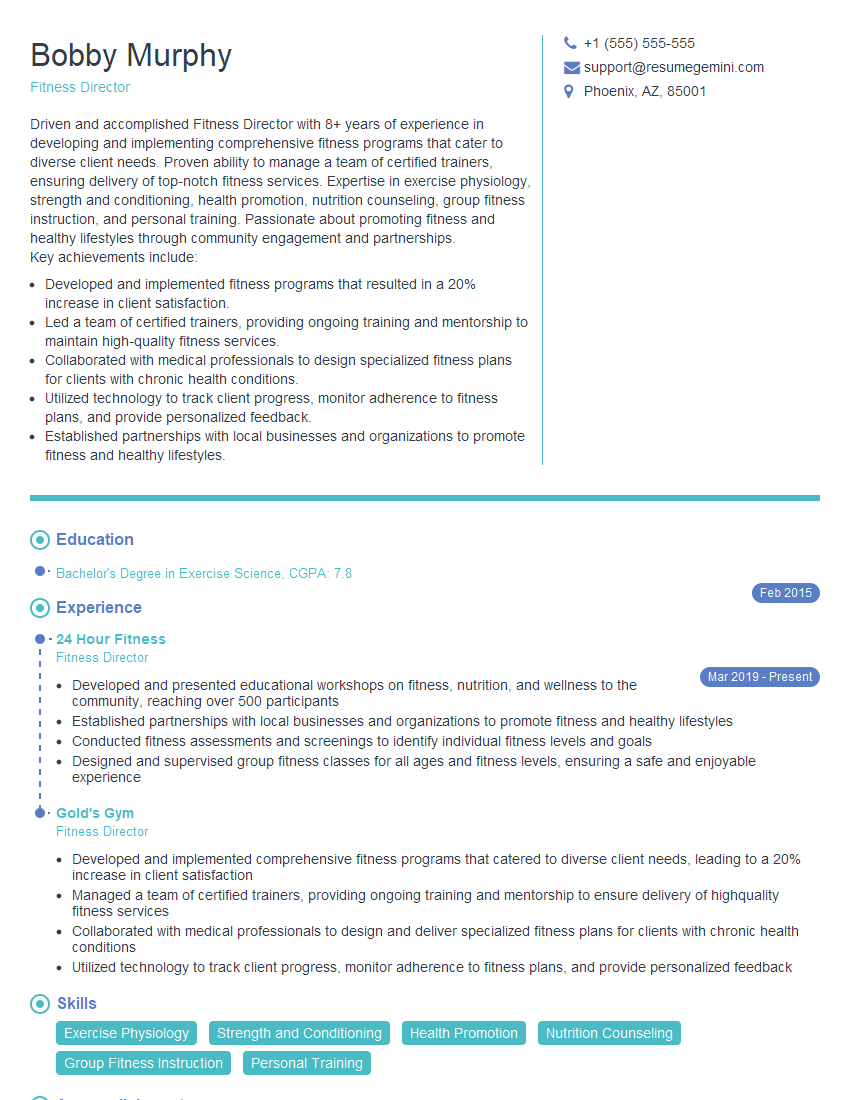
Fitness Director Resume Sample

Wellness Coach Resume Sample
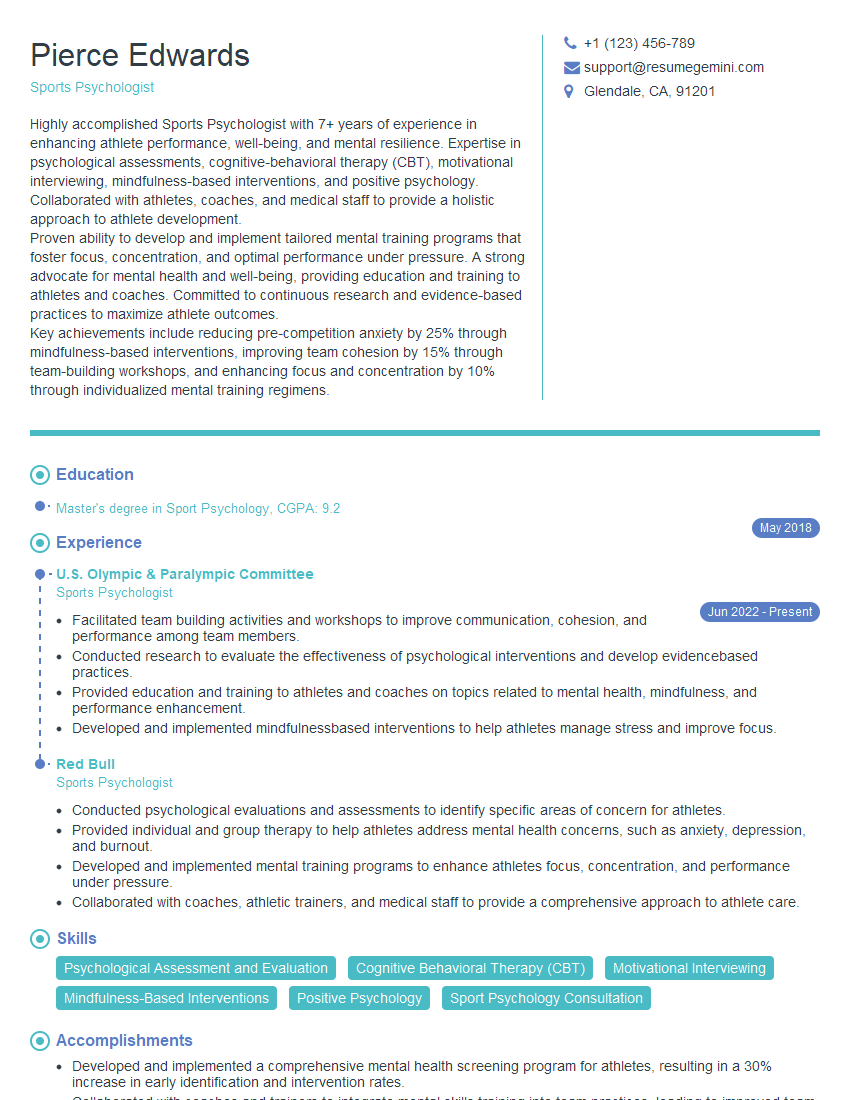
Sports Psychologist Resume Sample
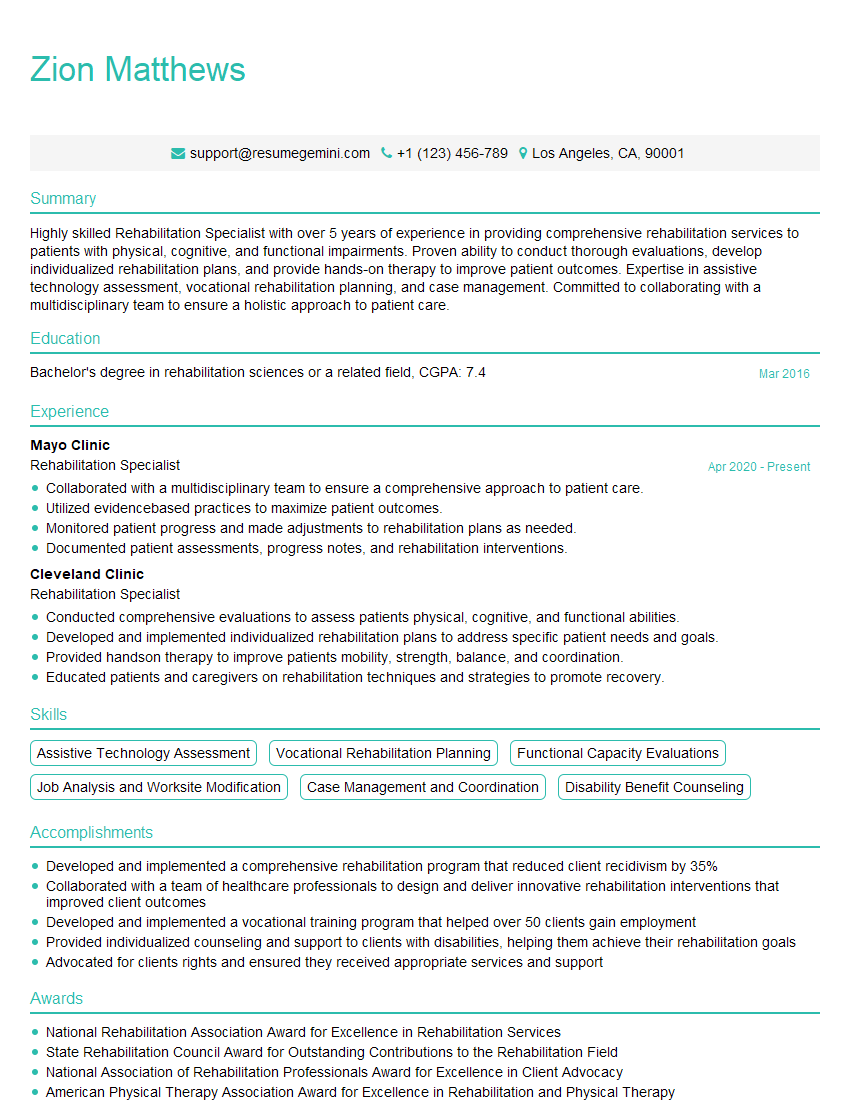
Rehabilitation Specialist Resume Sample
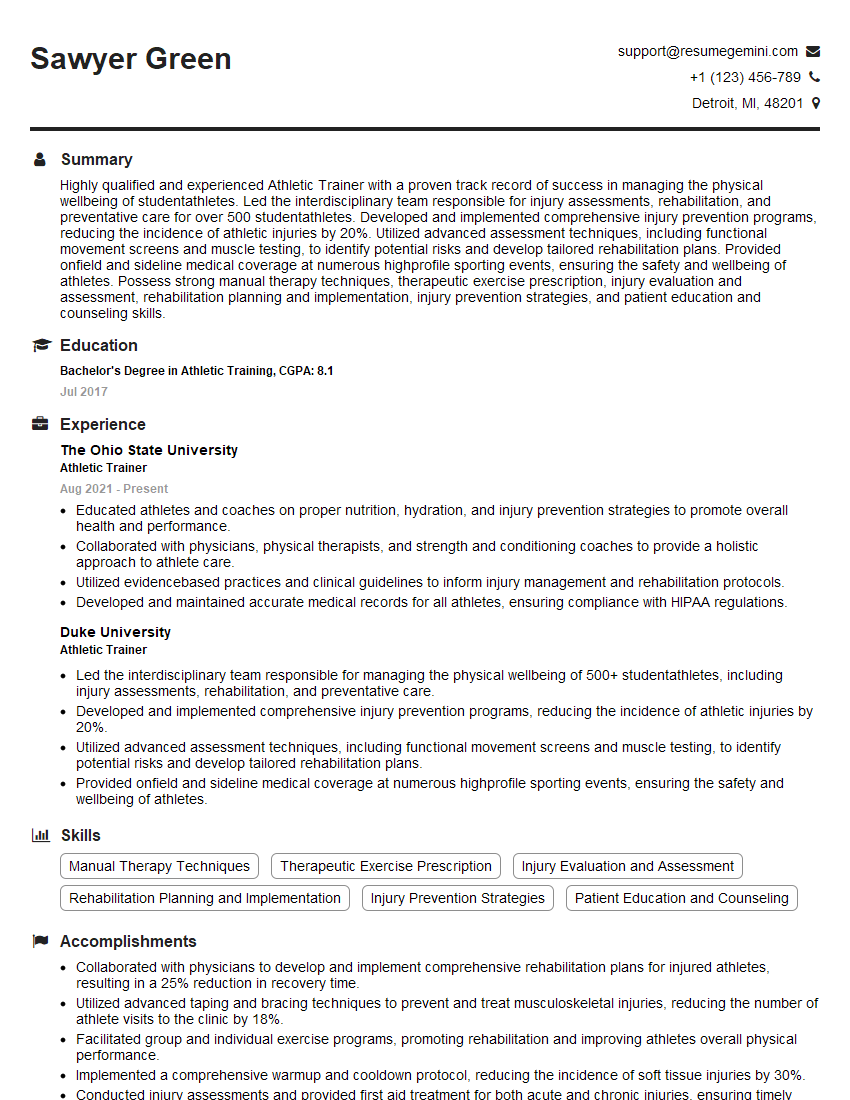
Athletic Trainer Resume Sample
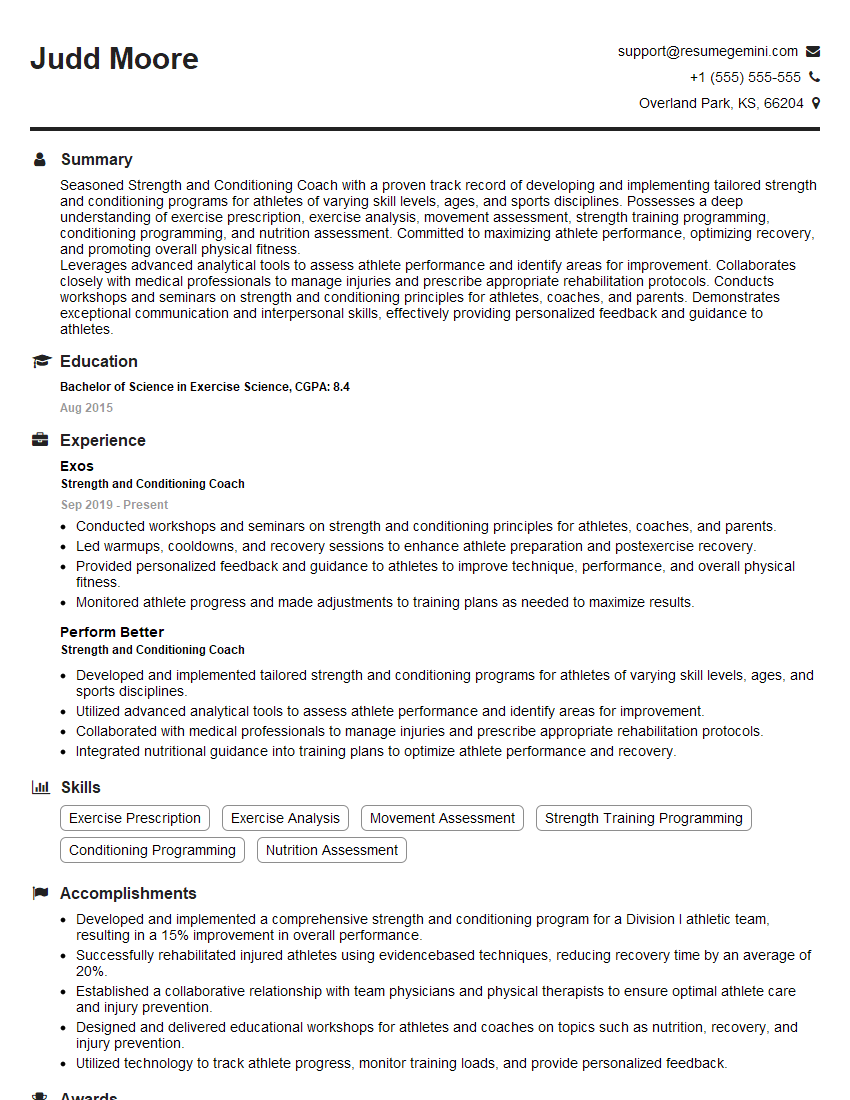
Strength and Conditioning Coach Resume Sample
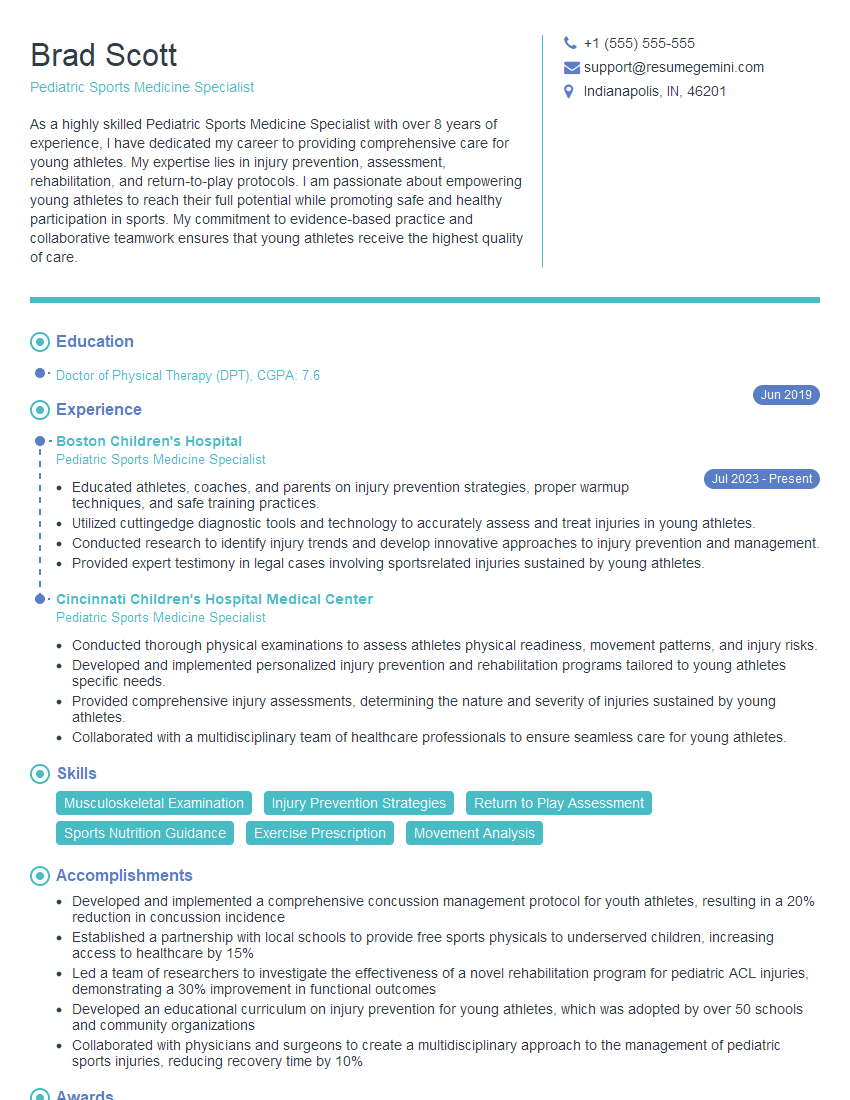
Pediatric Sports Medicine Specialist Resume Sample
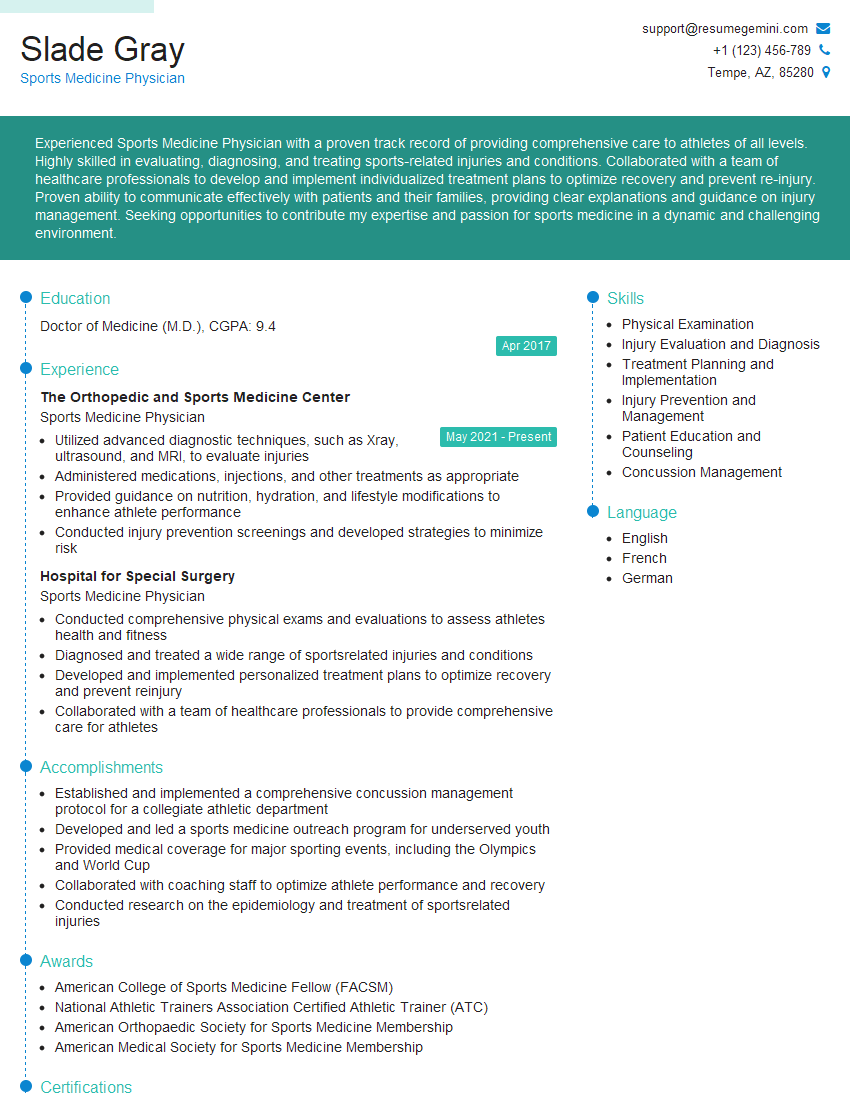
Sports Medicine Physician Resume Sample
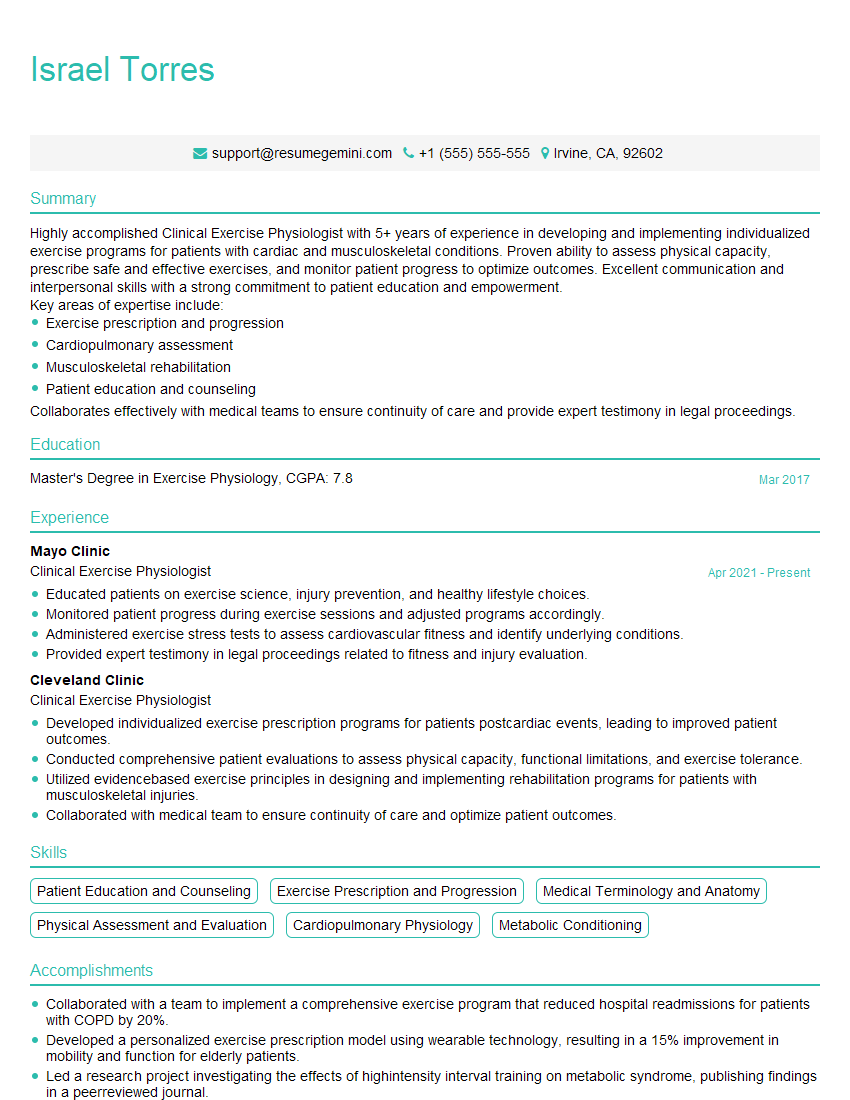
Clinical Exercise Physiologist Resume Sample
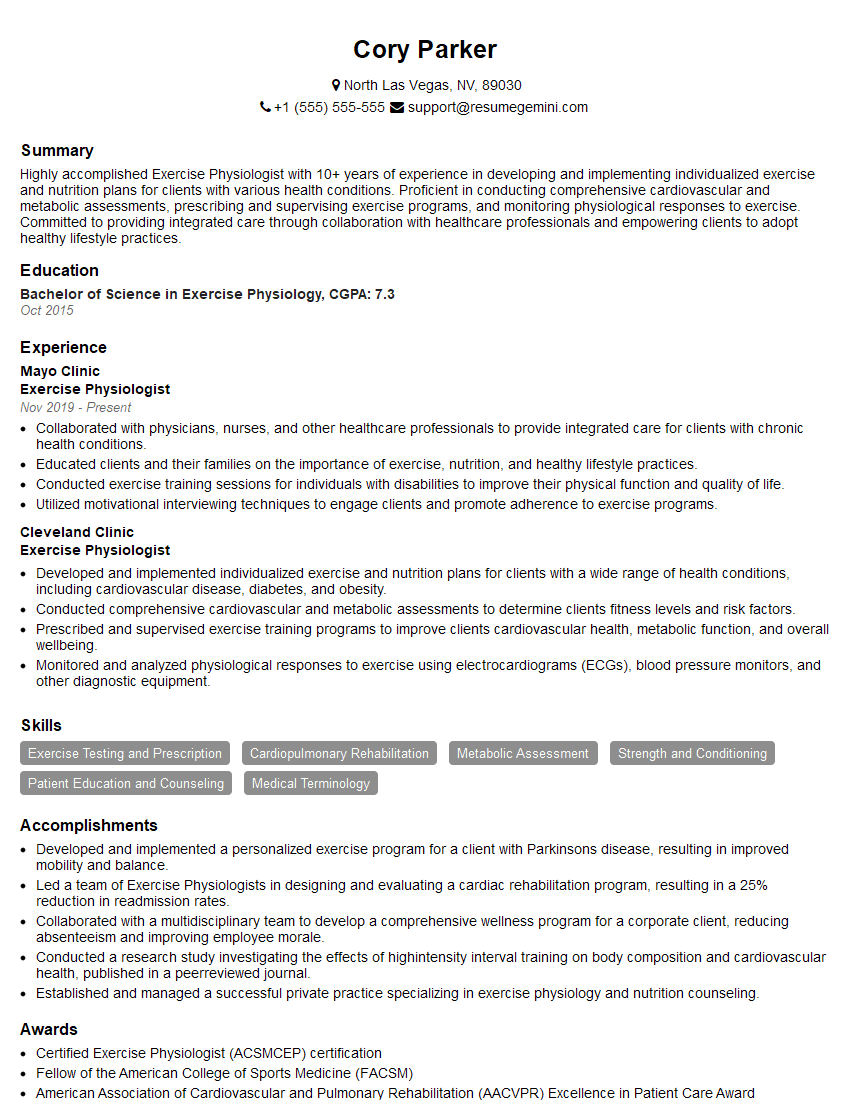
Exercise Physiologist Resume Sample
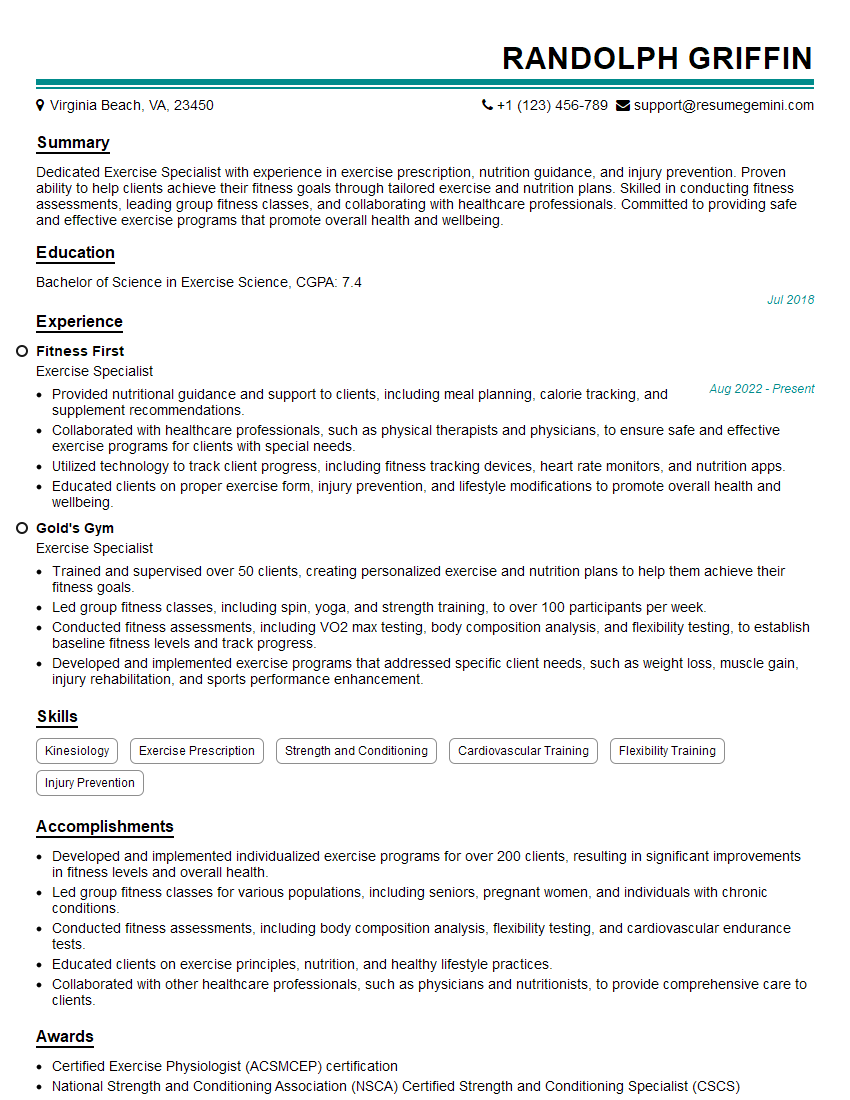
Exercise Specialist Resume Sample
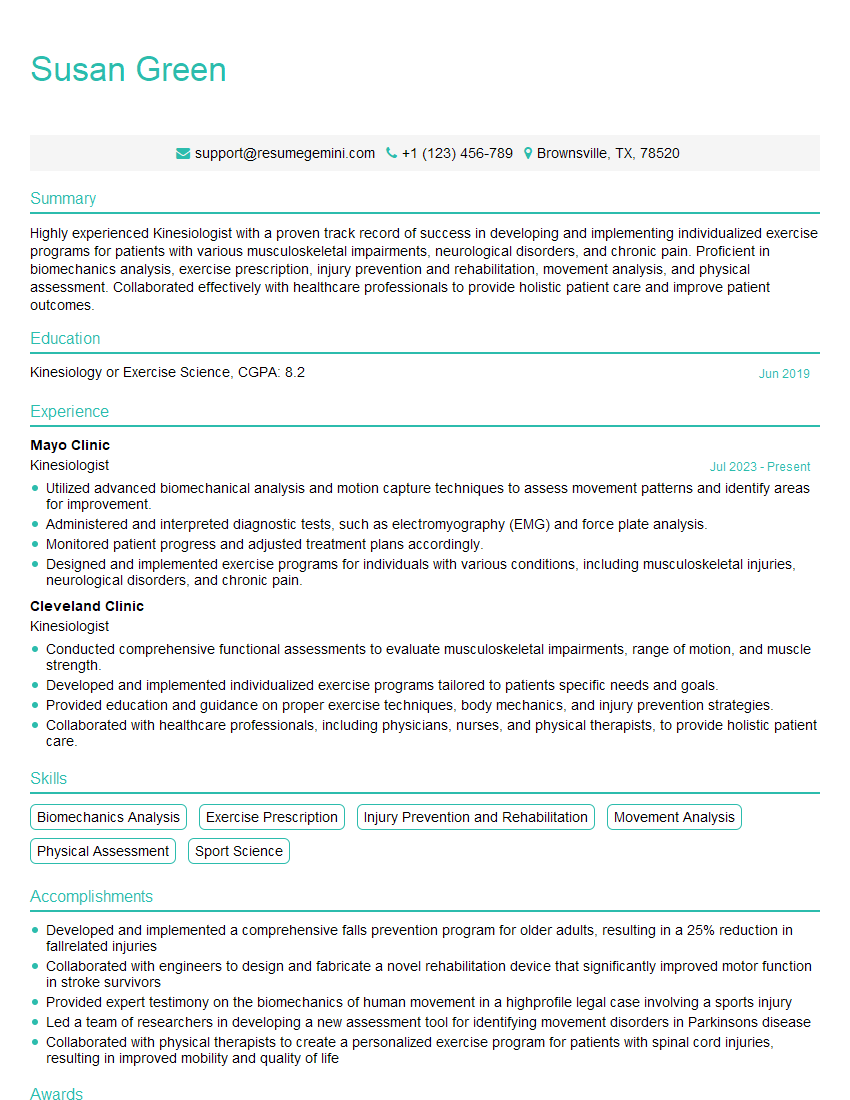
Kinesiologist Resume Sample
Explore more articles
Users Rating of Our Blogs
Share Your Experience
We value your feedback! Please rate our content and share your thoughts (optional).
What Readers Say About Our Blog
To the interviewgemini.com Webmaster.
Very helpful and content specific questions to help prepare me for my interview!
Thank you
To the interviewgemini.com Webmaster.
This was kind of a unique content I found around the specialized skills. Very helpful questions and good detailed answers.
Very Helpful blog, thank you Interviewgemini team.