Interviews are more than just a Q&A session—they’re a chance to prove your worth. This blog dives into essential Sports-Related Concussion Management interview questions and expert tips to help you align your answers with what hiring managers are looking for. Start preparing to shine!
Questions Asked in Sports-Related Concussion Management Interview
Q 1. Describe the current best practices for initial assessment of a suspected concussion.
The initial assessment of a suspected concussion is crucial and should follow a systematic approach, prioritizing the athlete’s safety. It begins with removing the athlete from play immediately, regardless of the apparent severity. The assessment should then focus on identifying both observable signs and reported symptoms.
Immediate Steps:
- Observe for immediate loss of consciousness (LOC): Even a brief period of LOC signifies a significant injury.
- Assess the athlete’s level of consciousness and alertness: Use standardized scales like the Glasgow Coma Scale (GCS) if necessary, which quantifies eye opening, verbal response, and motor response.
- Check for any signs of neurological deficit: This includes assessing pupil size and reactivity, balance, coordination, and strength. Observe for asymmetrical findings.
- Gather a detailed history: Ask about the mechanism of injury, the presence of LOC, and any post-traumatic amnesia (PTA).
On-Field Assessment: This quick assessment on the field determines the need for further, more detailed evaluation. This might involve a simplified version of the SCAT5 (see question 2).
Post-Injury Assessment: This happens after the athlete is transported off the field, and involves a more thorough neurological exam, SCAT5 administration, and further symptom evaluation. Any concerns lead to immediate referral to an emergency room.
Q 2. Explain the SCAT5 (or equivalent) assessment tool and its components.
The SCAT5 (Sport Concussion Assessment Tool, 5th edition) is a standardized tool used worldwide for assessing concussion in athletes. It’s not just a test; it’s a comprehensive assessment combining several components:
- Symptom Evaluation: A checklist of common concussion symptoms (headache, dizziness, nausea, etc.), rated for severity. This allows for tracking symptom progression over time.
- Standardized Assessment of Concussion (SAC): This section evaluates orientation, immediate memory, concentration, and delayed recall, offering objective data.
- Maddocks Score: A brief neurological test assessing cognitive function and memory.
- Balance Tests: These are objective measurements that assess balance and postural stability. Examples include the Balance Error Scoring System (BESS) and computerized dynamic posturography (CDP).
- Neurocognitive Testing: This may involve more in-depth neuropsychological testing, especially in cases where concerns remain or symptoms are prolonged (see question 7).
Importance: The SCAT5 provides a baseline assessment and allows for comparisons at later stages. Changes in scores can indicate persistent symptoms or ongoing effects of concussion. It’s designed to help healthcare professionals make informed decisions regarding return-to-play protocols.
Q 3. What are the key signs and symptoms of a concussion?
Concussion symptoms are incredibly diverse, and their severity can vary greatly. They can be broadly classified as physical, cognitive, and emotional/behavioral. It’s crucial to remember that not all individuals experience the same symptoms, and the absence of some classic symptoms doesn’t rule out a concussion.
Physical Symptoms: Headache, dizziness, nausea/vomiting, balance problems, visual disturbances, fatigue, sensitivity to light or noise.
Cognitive Symptoms: Confusion, difficulty concentrating, memory problems (both short- and long-term), slowed processing speed, difficulty with schoolwork or work tasks.
Emotional/Behavioral Symptoms: Irritability, sadness, anxiety, emotional lability (rapid mood swings), sleep disturbances (insomnia or excessive sleeping).
Example: An athlete might experience a headache, difficulty concentrating during practice, and feel unusually irritable after a seemingly minor bump to the head.
Q 4. Differentiate between a concussion and a more serious head injury.
While both a concussion and a more serious head injury involve trauma to the brain, the severity and consequences differ significantly. A concussion is a mild traumatic brain injury (mTBI), characterized by a temporary alteration in brain function. More serious head injuries, such as skull fractures, epidural or subdural hematomas, and diffuse axonal injury, involve structural damage to the brain and can lead to life-threatening complications.
Key Differences:
- Severity of Brain Damage: Concussion involves functional disruption, while serious head injuries cause structural damage.
- Symptoms: Concussions often present with a range of subtle symptoms, whereas more serious injuries may have clear signs like LOC, persistent neurological deficits, and severe headaches.
- Imaging: In most cases, imaging studies (CT or MRI) are normal for concussions, while more severe injuries often show evidence of structural damage on scans.
- Prognosis: Most individuals recover completely from a concussion, but serious head injuries can have permanent neurological consequences.
In essence: A concussion is a ‘functional’ problem; a serious head injury is a ‘structural’ problem, with potentially life-threatening implications.
Q 5. Outline the stages involved in a typical return-to-play protocol for athletes after a concussion.
Return-to-play protocols after concussion are carefully designed to minimize the risk of further injury and ensure complete recovery. They are staged and individualized, based on the athlete’s symptoms and response to each stage.
Typical Stages:
- Stage 1: No Activity: Complete physical and cognitive rest until the athlete is symptom-free at rest.
- Stage 2: Light Aerobic Exercise: Gradual introduction of low-intensity aerobic exercise (e.g., walking, stationary cycling) without any symptoms.
- Stage 3: Sport-Specific Exercise: Adding sport-specific drills without contact or high intensity.
- Stage 4: Non-Contact Training Drills: Full participation in team training, excluding contact.
- Stage 5: Full Contact Practice: Gradual reintroduction of contact drills. The athlete’s response is carefully monitored.
- Stage 6: Return to Competition: Full participation in games and matches.
Important Note: Each stage should be symptom-free before proceeding to the next. A setback at any stage requires a return to a previous stage. Collaboration between the athlete, medical professionals, coaches, and parents (for younger athletes) is vital.
Q 6. What are the potential long-term effects of untreated or poorly managed concussions?
Untreated or poorly managed concussions can lead to a range of serious long-term consequences. These effects can significantly impact an individual’s quality of life.
Potential Long-Term Effects:
- Post-concussion syndrome (PCS): Prolonged and debilitating symptoms (headaches, dizziness, cognitive impairment) lasting weeks, months, or even years.
- Chronic Traumatic Encephalopathy (CTE): A progressive neurodegenerative disease linked to repetitive head trauma, with symptoms including memory loss, cognitive impairment, behavioral changes, and dementia. This is of particular concern in athletes with repeated head impacts over their career.
- Depression and anxiety: Increased risk of developing mood disorders.
- Cognitive impairments: Difficulties with attention, memory, processing speed, and executive functions.
- Sleep disturbances: Insomnia or hypersomnia.
Prevention is Key: Early diagnosis, proper management, and adherence to return-to-play protocols significantly reduce the risk of these long-term consequences.
Q 7. Discuss the role of neuropsychological testing in concussion management.
Neuropsychological testing plays a vital role in concussion management, particularly in cases with prolonged or complex symptoms. It helps provide objective measures of cognitive function and can aid in diagnosis, monitoring recovery, and guiding return-to-play decisions.
Types of Tests:
- Computerized Neurocognitive Tests: These tests assess various cognitive domains like attention, memory, processing speed, and executive functions.
- Symptom Questionnaires: These gather information on the subjective experiences of the athlete, helping to understand the impact of the concussion on daily life.
Benefits of Neuropsychological Testing:
- Objective assessment: Provides quantifiable data to supplement clinical observation.
- Baseline data: Allows for comparison of pre- and post-injury performance.
- Monitoring recovery: Helps track progress and identify potential setbacks.
- Return-to-play decisions: Provides objective evidence to inform decisions regarding safe return to sports.
Example: An athlete with lingering cognitive difficulties might undergo neuropsychological testing to assess specific areas of impairment and determine when it’s safe to return to training.
Q 8. How do you manage an athlete who experiences a second concussion before full recovery from the first?
Managing a second concussion before full recovery from the first is incredibly serious and requires immediate medical attention. This situation, often referred to as a ‘second-impact syndrome,’ carries a significantly increased risk of severe brain injury, even death. The athlete must be removed from all activity immediately.
My approach involves:
- Immediate cessation of all physical activity: No exceptions. This is paramount to prevent catastrophic consequences.
- Urgent medical evaluation: A thorough neurological examination by a physician experienced in concussion management is critical. This might include a CT scan or MRI to rule out structural damage.
- Strict adherence to a prolonged recovery period: Return-to-play protocols will be significantly extended, potentially requiring months of complete rest and a gradual, monitored return to activity under strict medical supervision.
- Psychological support: The athlete may experience anxiety, fear, or depression related to the second concussion. Access to mental health professionals is crucial.
- Collaboration with parents/guardians and coaches: Open communication is key to ensure everyone understands the severity of the situation and the need for complete compliance with the recovery plan.
Imagine it like this: if you have a fractured bone, you wouldn’t rush back to playing a sport. A concussion is a brain injury, and a second impact before healing can cause irreparable harm. Absolute rest and careful medical oversight are essential.
Q 9. Explain your understanding of the role of rest and cognitive load management in concussion recovery.
Rest and cognitive load management are cornerstones of concussion recovery. The brain needs time to heal after a traumatic injury, and pushing it too soon can prolong symptoms and potentially cause further damage.
Rest isn’t just about physical inactivity. It encompasses cognitive rest, meaning limiting activities that strain the brain, such as reading, studying, watching TV, or using computers and phones. This allows the brain to focus on the healing process.
Cognitive load management involves gradually increasing mental demands as the athlete recovers. This might start with short periods of simple tasks, and gradually increase complexity over time as tolerated. A stepwise approach is crucial to avoid overstimulation and symptom exacerbation.
For example, an athlete might start with 15 minutes of light reading, then progress to 30 minutes, then an hour, carefully monitoring for any symptom return, like headache or dizziness. Each step needs to be successfully tolerated before advancing. This personalized approach considers the individual’s needs and progress.
Q 10. Describe different types of concussions (e.g., mild, moderate, severe).
Concussions are classified based on their severity, though the classification can be subjective and influenced by the symptoms experienced. It’s crucial to remember that even a ‘mild’ concussion is a brain injury that requires attention.
- Mild Concussion (Grade 1): Transient confusion, no loss of consciousness, symptoms resolve in less than 15 minutes.
- Moderate Concussion (Grade 2): Confusion lasting more than 15 minutes, possible loss of consciousness for a short period (less than 30 seconds).
- Severe Concussion (Grade 3): Prolonged loss of consciousness (longer than 30 seconds), or any signs of neurological deficits. This may require hospitalization.
It’s important to note that the grading system isn’t foolproof. The presence of symptoms and their duration are key indicators, regardless of the specific grade. What might be a mild concussion for one individual could be more severe for another.
Q 11. What are the limitations of current concussion diagnostic tools?
Current concussion diagnostic tools have limitations. While neurocognitive tests like ImPACT can help assess cognitive function, they aren’t perfect predictors of concussion or recovery.
- Subjectivity of Symptoms: Many concussion symptoms are subjective, relying on the athlete’s self-reporting. Symptoms can vary widely, and athletes may underreport symptoms due to pressure to return to play.
- Lack of Objective Biomarkers: There’s no single, universally accepted biological marker for a concussion. Blood tests or imaging techniques may not always detect changes even when significant symptoms are present.
- Variability in Individual Responses: Every individual’s brain is different. What constitutes a significant impairment in one athlete might be inconsequential in another.
- Potential for False Positives/Negatives: The tests can yield false positives (identifying a concussion when none exists) or false negatives (missing a concussion).
The lack of definitive biological markers means diagnosis relies heavily on clinical examination, symptom evaluation, and careful consideration of the mechanism of injury. These tools are helpful but should be interpreted alongside a thorough clinical assessment.
Q 12. How do you communicate effectively with athletes, coaches, and parents about concussion management?
Effective communication is crucial in concussion management. I use a clear, concise, and empathetic approach tailored to the audience.
- Athletes: I explain the injury in simple terms, emphasizing that it’s a serious brain injury requiring rest and recovery. I actively listen to their concerns and validate their experiences.
- Coaches: I educate them on the importance of recognizing concussion symptoms, adhering to return-to-play protocols, and avoiding pressure on athletes to return prematurely. I emphasize the long-term risks associated with rushing the recovery process.
- Parents/Guardians: I provide comprehensive information about concussion, its potential complications, and the recovery process. I encourage their active participation in the recovery plan and address their concerns and anxieties.
Open communication, active listening, and a collaborative approach are essential to build trust and foster compliance with the treatment plan. Using relatable analogies and avoiding overly technical jargon are helpful strategies to ensure everyone understands the information.
Q 13. What resources do you utilize to stay current with concussion management guidelines and research?
Staying current with concussion management guidelines and research is essential. I utilize various resources:
- Professional organizations: I actively follow the guidelines and recommendations of organizations like the American Academy of Neurology, the American Medical Society for Sports Medicine, and the Centers for Disease Control and Prevention.
- Peer-reviewed journals: I regularly read leading sports medicine journals and research articles to stay abreast of the latest findings.
- Conferences and workshops: I attend conferences and workshops focused on concussion management to network with colleagues and learn about new techniques and approaches.
- Continuing medical education (CME): I participate in CME courses to maintain my certifications and expand my knowledge base.
Continuous learning is vital in this rapidly evolving field. Staying updated ensures that I provide the best possible care for my patients.
Q 14. Describe the importance of baseline neurocognitive testing.
Baseline neurocognitive testing is crucial in concussion management. It provides a pre-injury snapshot of the athlete’s cognitive abilities – memory, attention, reaction time, etc. This baseline serves as a comparison point when evaluating a suspected concussion.
By comparing post-injury test results to the baseline, clinicians can more accurately identify cognitive deficits resulting from the concussion. This makes it easier to assess the severity of the injury and monitor recovery progress. Without a baseline, it can be challenging to determine if changes in cognitive function are due to a concussion or simply normal variation.
Think of it like a photograph taken before a car accident. After the accident, doctors can compare subsequent photos to identify injuries that might not be otherwise apparent. The baseline provides this crucial pre-injury reference for a clearer assessment.
Q 15. What are the red flags indicating a need for immediate medical attention after a head injury?
Red flags after a head injury that necessitate immediate medical attention are signs of potentially serious complications. These aren’t minor symptoms; they indicate a need for urgent evaluation and treatment. Think of it like this: if you suspect a broken bone, you go to the ER; similarly, these red flags mean immediate medical help is crucial.
- Loss of consciousness: Even a brief period of unconsciousness is a serious sign.
- Severe headache: A headache that worsens rapidly or is described as the “worst headache of their life” is a major warning sign.
- Vomiting or repeated nausea: Persistent vomiting suggests increased intracranial pressure.
- Seizures: Any seizure activity after a head injury requires immediate medical attention.
- Pupil dilation or unequal pupil size: This can indicate damage to the brain stem.
- Weakness, numbness, or tingling in the extremities: This points towards possible neurological damage.
- Difficulty speaking or slurred speech: Changes in speech patterns signal potential brain injury.
- Confusion, disorientation, or memory loss: Significant cognitive changes are serious red flags.
- Balance problems or incoordination: Difficulty walking or maintaining balance can indicate brain dysfunction.
- Changes in behavior or personality: Significant shifts in personality or behavior, such as increased aggression or unusual lethargy, require immediate medical evaluation.
Remember, this is not an exhaustive list, and any concerning symptom warrants prompt medical attention. Don’t hesitate; it’s always better to be safe than sorry when it comes to head injuries.
Career Expert Tips:
- Ace those interviews! Prepare effectively by reviewing the Top 50 Most Common Interview Questions on ResumeGemini.
- Navigate your job search with confidence! Explore a wide range of Career Tips on ResumeGemini. Learn about common challenges and recommendations to overcome them.
- Craft the perfect resume! Master the Art of Resume Writing with ResumeGemini’s guide. Showcase your unique qualifications and achievements effectively.
- Don’t miss out on holiday savings! Build your dream resume with ResumeGemini’s ATS optimized templates.
Q 16. How do you address emotional and psychological aspects of concussion recovery in athletes?
Addressing the emotional and psychological aspects of concussion recovery is just as important as the physical recovery. Athletes often experience a wide range of emotions, including frustration, anxiety, depression, and fear. This can significantly impact their recovery journey and overall well-being. We need to treat the whole athlete, not just the injury.
Our approach involves a multi-pronged strategy:
- Psychological assessment: We start with a thorough evaluation to understand the athlete’s emotional state and identify any potential mental health concerns.
- Cognitive behavioral therapy (CBT): CBT helps athletes manage negative thoughts and develop coping mechanisms for stress and anxiety related to their injury and return-to-play process. For example, we might work on managing fear of re-injury.
- Mindfulness and relaxation techniques: These techniques can help athletes manage symptoms such as headaches and irritability.
- Support groups and peer interaction: Connecting athletes with others facing similar challenges can provide valuable emotional support and reduce feelings of isolation. Sharing experiences can be remarkably helpful.
- Collaboration with mental health professionals: In cases where significant mental health concerns arise, we work closely with psychologists or psychiatrists to provide appropriate care.
For instance, I recently worked with a young soccer player who experienced significant anxiety after a concussion. We used CBT to help him manage his fear of heading the ball again, gradually reintroducing the activity with his therapist’s guidance and monitoring.
Q 17. Discuss the role of physical therapy in concussion rehabilitation.
Physical therapy plays a crucial role in concussion rehabilitation by focusing on restoring physical function and promoting safe return to activity. It’s not just about strength; it’s about carefully rebuilding the athlete’s physical capabilities.
The therapy typically involves:
- Vestibular rehabilitation: This addresses balance problems and dizziness often experienced after concussion.
- Oculomotor exercises: These exercises improve eye movement and coordination, which can be affected by a concussion.
- Cervical spine exercises: These are designed to address neck pain and improve neck mobility. Neck injuries are frequently associated with concussions.
- Concussion-specific exercise programs: Gradual progression of physical activity is crucial. This starts with light aerobic exercise and progresses to more intense activities as tolerated.
- Postural rehabilitation: This addresses posture problems which may contribute to symptoms and help establish proper biomechanics.
- Strength and conditioning exercises: These are introduced progressively as the athlete recovers to improve overall physical fitness.
We use a graded exercise approach, starting with low-intensity activities and gradually increasing intensity and duration as the athlete’s symptoms improve. For example, a basketball player might start with simple stationary bike riding before progressing to light ball handling drills.
Q 18. Explain the process of gradually increasing physical activity in athletes recovering from concussions.
Gradually increasing physical activity after a concussion is essential to prevent re-injury and ensure a safe return to sport. It’s a carefully managed process, not a race. The goal is to challenge the athlete without causing symptom exacerbation. This approach is often referred to as a step-wise or graded return to activity.
The process typically involves several stages:
- Complete rest: Initially, the athlete needs complete physical and cognitive rest, limiting screen time and avoiding intense activity.
- Light aerobic exercise: Once symptoms are under control, low-intensity aerobic exercise such as walking is introduced.
- Sport-specific exercise: Gradually, sport-specific activities are introduced, starting with non-contact drills and progressing to more intense activities.
- Return to practice: The athlete participates in full practices under close medical supervision.
- Return to competition: If the athlete tolerates practice well, they can return to competition, but this is done in a carefully controlled manner.
We monitor the athlete closely at each stage, looking for any signs of symptom return. If symptoms worsen, we step back to the previous stage. This process requires regular communication and collaboration between the athlete, their parents (if applicable), the coaching staff, and the medical team. It’s a collaborative effort, tailored to the individual athlete and their unique needs.
Q 19. How do you educate athletes about concussion prevention?
Educating athletes about concussion prevention is vital for minimizing the risk of injury. This involves a multifaceted approach combining education, rule changes, equipment improvement, and skill training.
Key elements of concussion prevention education include:
- Proper tackling technique: Teaching athletes the correct techniques for tackling and blocking in contact sports is crucial to reduce the risk of head impact.
- Helmet fitting and maintenance: Ensuring helmets fit properly and are maintained in good condition can significantly reduce the impact force to the head.
- Recognizing symptoms: Athletes need to understand the signs and symptoms of concussion, both in themselves and in their teammates.
- Reporting injuries: Creating a culture where athletes feel comfortable reporting any head injuries, regardless of severity, is essential.
- Concussion awareness programs: Implementing comprehensive concussion awareness programs that educate athletes, coaches, parents, and school staff about the risks, prevention, and management of concussions.
- Rule changes: In many sports, rule changes have been implemented to minimize head-to-head contact.
I use interactive workshops, videos, and real-life case studies to make the education engaging and memorable. It’s about instilling a culture of safety and responsibility on the field.
Q 20. Describe your experience with managing concussions in different age groups and sports.
My experience with concussion management spans various age groups and sports, from youth soccer players to professional hockey players. Each age group and sport presents unique challenges and considerations.
In younger athletes, education of parents and coaches is paramount, ensuring everyone understands the risks and the importance of early intervention. With younger athletes, the recovery process might involve close monitoring in school settings, ensuring modifications are made in academic demands as needed.
Professional athletes, on the other hand, face intense pressures to return to play quickly. Ethical considerations are magnified here, requiring careful balance between the athlete’s desire to compete and their long-term health. This often includes detailed return-to-play protocols and stringent monitoring.
Across all sports, the approach is tailored to the individual. Factors such as the severity of the injury, the athlete’s baseline physical condition, and their specific sport influence the recovery plan. The focus is always on individualised, safe return to play that prioritizes long-term health and well-being.
Q 21. Discuss the ethical considerations surrounding athlete return-to-play decisions.
Ethical considerations surrounding athlete return-to-play decisions are complex and multifaceted, involving a delicate balance between the athlete’s desire to compete, the team’s needs, and the athlete’s long-term health. These decisions should never be rushed.
Key ethical considerations include:
- Autonomy: Respecting the athlete’s autonomy to make informed decisions about their health and well-being, but also protecting them from their own potentially poor judgment.
- Beneficence: Acting in the best interests of the athlete’s long-term health and preventing further injury.
- Non-maleficence: Avoiding actions that could cause harm to the athlete.
- Justice: Ensuring fair and equitable treatment of all athletes, regardless of their level of play or sport.
- Conflict of interest: Avoiding conflicts of interest that might influence the return-to-play decision, such as pressure from coaches or team owners.
In practice, this means prioritizing the athlete’s health above all else, fostering open communication, and making decisions based on objective evidence rather than external pressures. Independent medical evaluations and a stepwise return to play are valuable safeguards.
Q 22. What are the legal implications for school/organization in concussion management?
Schools and organizations face significant legal implications regarding concussion management. Failure to properly identify, manage, and treat concussions can lead to lawsuits alleging negligence, resulting in substantial financial penalties and reputational damage. These legal ramifications stem from a duty of care owed to athletes under their supervision. This duty encompasses providing appropriate training for staff on concussion recognition and management, implementing clear return-to-play protocols, and ensuring access to qualified medical professionals. For example, a school that allows a concussed athlete to return to play prematurely, resulting in further injury, could face serious legal consequences. Laws like those governing the duty of care for minors place a particularly high standard on schools and youth organizations. Furthermore, inadequate record-keeping of concussion incidents and subsequent medical evaluations can be used against an institution in legal proceedings. To mitigate legal risk, organizations should proactively implement comprehensive concussion management plans, ensure staff receive appropriate training, and maintain meticulous records of all concussion-related incidents and interventions.
Q 23. Explain the differences between post-concussion syndrome and other disorders with similar symptoms.
Post-concussion syndrome (PCS) is a complex condition characterized by persistent symptoms following a concussion that extend beyond the typical recovery period. These symptoms can vary widely, including headaches, dizziness, fatigue, cognitive difficulties (memory problems, difficulty concentrating), and emotional disturbances (irritability, anxiety, depression). Differentiating PCS from other disorders with overlapping symptoms requires a thorough medical evaluation. For instance, PCS can mimic symptoms of depression, anxiety, or chronic fatigue syndrome. However, PCS is distinct because its onset is directly linked to a traumatic brain injury, unlike these other conditions which often have different etiologies. Similarly, migraines and vestibular disorders can share symptoms with PCS, but the history of head trauma and the constellation of symptoms are crucial for differentiation. A detailed symptom history, neurological examination, and potentially neuropsychological testing are essential to distinguish PCS from other conditions. Accurate diagnosis is vital for appropriate treatment planning and improved prognosis.
Q 24. How do you differentiate concussion symptoms from other medical conditions with overlapping symptoms?
Differentiating concussion symptoms from other medical conditions with overlapping symptoms requires a careful and systematic approach. Many conditions, such as migraines, inner ear infections, anxiety disorders, and even certain neurological diseases, can present with symptoms similar to those seen after a concussion. The key lies in taking a comprehensive history, including details about the mechanism of injury (if any), the temporal relationship between the onset of symptoms and the potential injury, and a thorough physical and neurological examination. For instance, a sudden onset of headache, dizziness, and confusion immediately following a blow to the head strongly suggests concussion, whereas gradually developing symptoms over days or weeks may point towards a different etiology. Furthermore, neurological testing, such as balance testing or cognitive assessments, can aid in distinguishing between concussion and other conditions. Detailed symptom questionnaires can also help. If the initial assessment is unclear, referral to specialists such as neurologists or neuropsychologists may be necessary to rule out other potential causes.
Q 25. Describe your familiarity with different concussion management guidelines (e.g., CDC, NCAA, NFL).
I am intimately familiar with various concussion management guidelines, including those published by the Centers for Disease Control and Prevention (CDC), the National Collegiate Athletic Association (NCAA), and the National Football League (NFL). Each set of guidelines shares the overarching goal of minimizing the risk of long-term complications from concussion, but they differ slightly in their approach based on the unique contexts of their respective populations. The CDC guidelines provide a general framework applicable across all ages and sports, emphasizing early identification and removal from play following suspected concussion, rest, and a gradual return to activity. The NCAA guidelines are more sport-specific, outlining detailed protocols for different collegiate sports, considering the varying physical demands. The NFL guidelines, focused on professional athletes, incorporate extensive resources and specialized medical personnel. Although varying in detail, all these guidelines emphasize the importance of a stepwise return-to-play protocol, careful symptom monitoring, and the involvement of medical professionals in the decision-making process. My understanding of these varied approaches allows me to tailor my management strategies based on the specific needs and context of the patient.
Q 26. What is your experience with concussion management software and documentation systems?
My experience with concussion management software and documentation systems is extensive. I have utilized several platforms designed to streamline the process of recording, tracking, and managing concussion cases. These systems typically include features for documenting initial assessments, symptom tracking over time, managing return-to-play protocols, and generating reports for healthcare providers and administrators. Such systems ensure consistency in data collection, improve communication among stakeholders, and facilitate adherence to guidelines. For example, I’ve used software that allows for remote monitoring of symptoms, providing valuable real-time data for informed decision-making. Moreover, these systems often incorporate features to aid in compliance with legal and regulatory requirements related to concussion management. The ability to generate comprehensive reports and ensure complete documentation has been instrumental in my practice, helping to minimize risks and maximize the effectiveness of our concussion management program.
Q 27. How do you address non-compliance with return-to-play protocols?
Addressing non-compliance with return-to-play protocols requires a multifaceted approach that prioritizes the athlete’s well-being and safety. This starts with open communication and education. I work with the athlete and their family to thoroughly explain the risks of premature return and the importance of adhering to the stepwise progression of the protocol. Sometimes, athletes may feel pressure to return to play quickly due to team dynamics or personal goals; in such cases, addressing these underlying pressures becomes crucial. We discuss individualized goals to motivate the athlete to prioritize their health. If non-compliance persists, stricter measures may be needed, including involving parents/guardians, coaches, and even school administrators. Collaboration with other healthcare professionals, such as psychologists, is important when underlying issues such as anxiety or depression are affecting an athlete’s decision-making. Ultimately, the safety of the athlete is paramount, and in cases of persistent non-compliance, the athlete may need to be temporarily suspended from participation until compliance is achieved. The goal is not punitive, but protective.
Q 28. Describe a challenging concussion case you’ve managed and how you overcame the challenges.
One challenging case involved a young soccer player who experienced persistent cognitive symptoms—difficulty concentrating and memory problems—several weeks after a seemingly minor head injury. Initial assessments were inconclusive, and the player’s symptoms did not align perfectly with typical concussion presentations. The challenge was differentiating between PCS and other possible causes for her cognitive difficulties, including anxiety related to returning to high-stakes competition. I implemented a comprehensive approach including neuropsychological testing, detailed symptom tracking, and regular consultations with the athlete, her parents, and her coach. The neuropsychological assessment helped rule out significant underlying neurological conditions. Through ongoing communication and collaboration, we identified the impact of her anxieties about returning to play on her cognitive functioning. This insight allowed us to tailor a modified return-to-play protocol that incorporated strategies for managing her anxiety, alongside physical and cognitive rehabilitation. This combined approach resulted in a gradual improvement in her symptoms and her successful return to the playing field. The key to overcoming the challenge was the holistic assessment, encompassing not only the medical but also the psychological and social aspects of her situation.
Key Topics to Learn for Sports-Related Concussion Management Interview
- Concussion Recognition and Assessment: Understanding the signs and symptoms of concussion, both immediately post-injury and in the days following, and proficiency in utilizing standardized assessment tools (e.g., SCAT5).
- Return-to-Play Protocols: Applying evidence-based guidelines for gradual return to physical activity, including cognitive and physical exertion thresholds, and understanding the role of medical clearance.
- Management Strategies: Developing and implementing individualized management plans encompassing rest, symptom monitoring, cognitive rehabilitation, and physical reconditioning. This includes familiarity with various treatment approaches and their efficacy.
- Differential Diagnosis: Differentiating concussion from other injuries with similar symptoms, ensuring accurate diagnosis and appropriate management.
- Legal and Ethical Considerations: Understanding the legal implications of concussion management, including liability, reporting procedures, and patient confidentiality, and upholding ethical standards in patient care.
- Long-Term Effects of Concussion: Awareness of the potential long-term consequences of concussion, including post-concussion syndrome, and strategies for mitigating risks.
- Communication and Collaboration: Effectively communicating with athletes, coaches, parents/guardians, and other healthcare professionals regarding concussion management. This also includes working collaboratively within a multidisciplinary healthcare team.
- Current Research and Best Practices: Staying updated on the latest research and best practices in concussion management to ensure optimal patient care.
- Case Studies and Problem-Solving: Applying knowledge to real-world scenarios and demonstrating problem-solving skills in handling various concussion cases and situations.
Next Steps
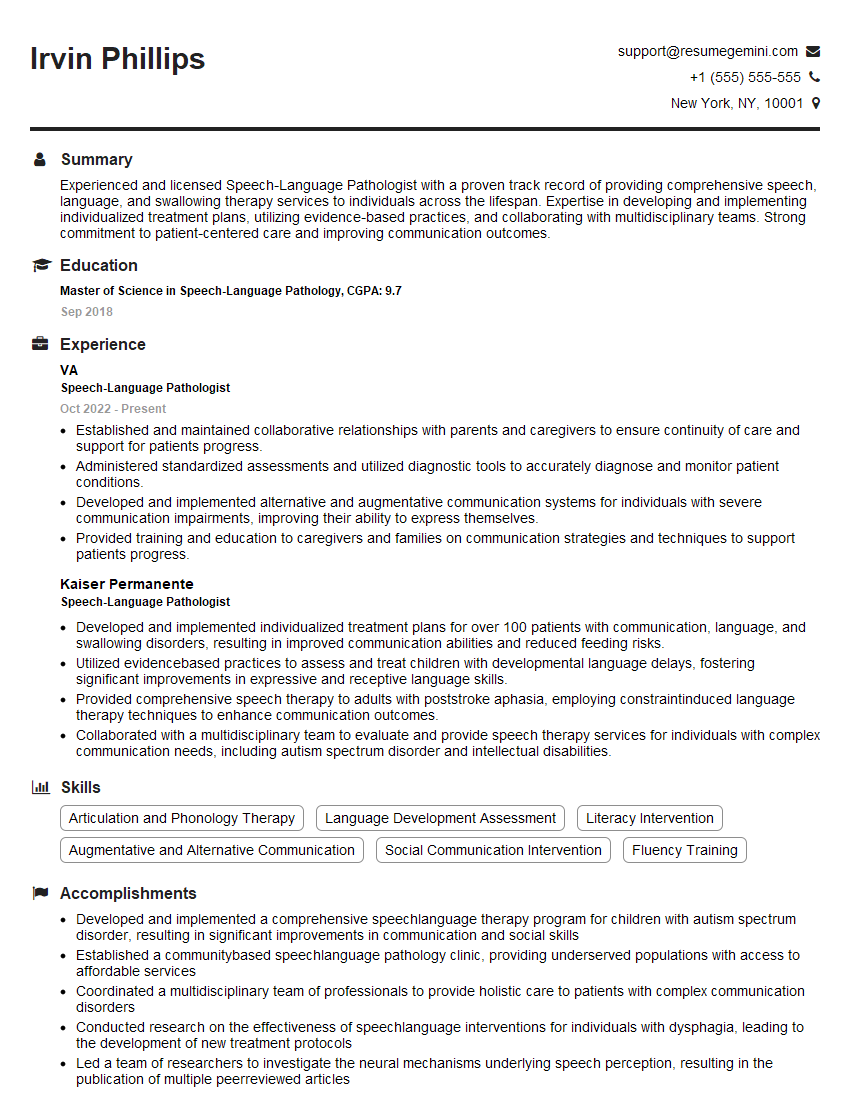
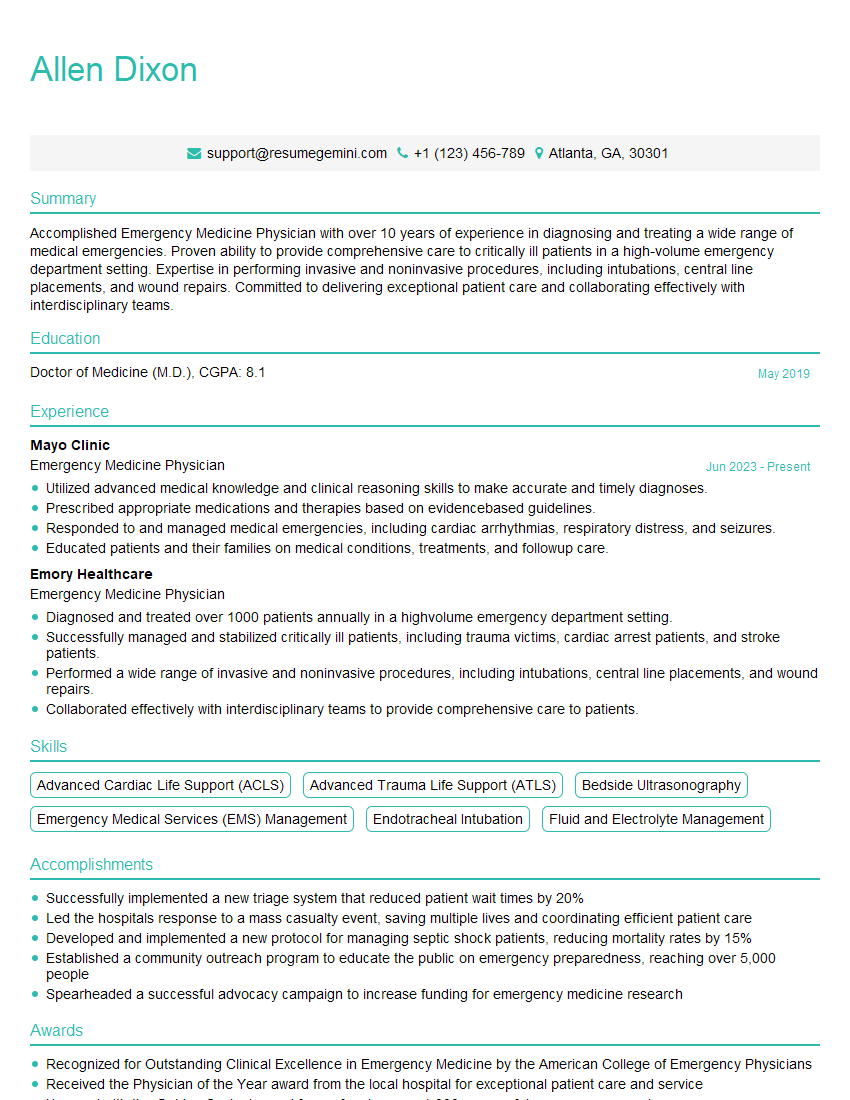
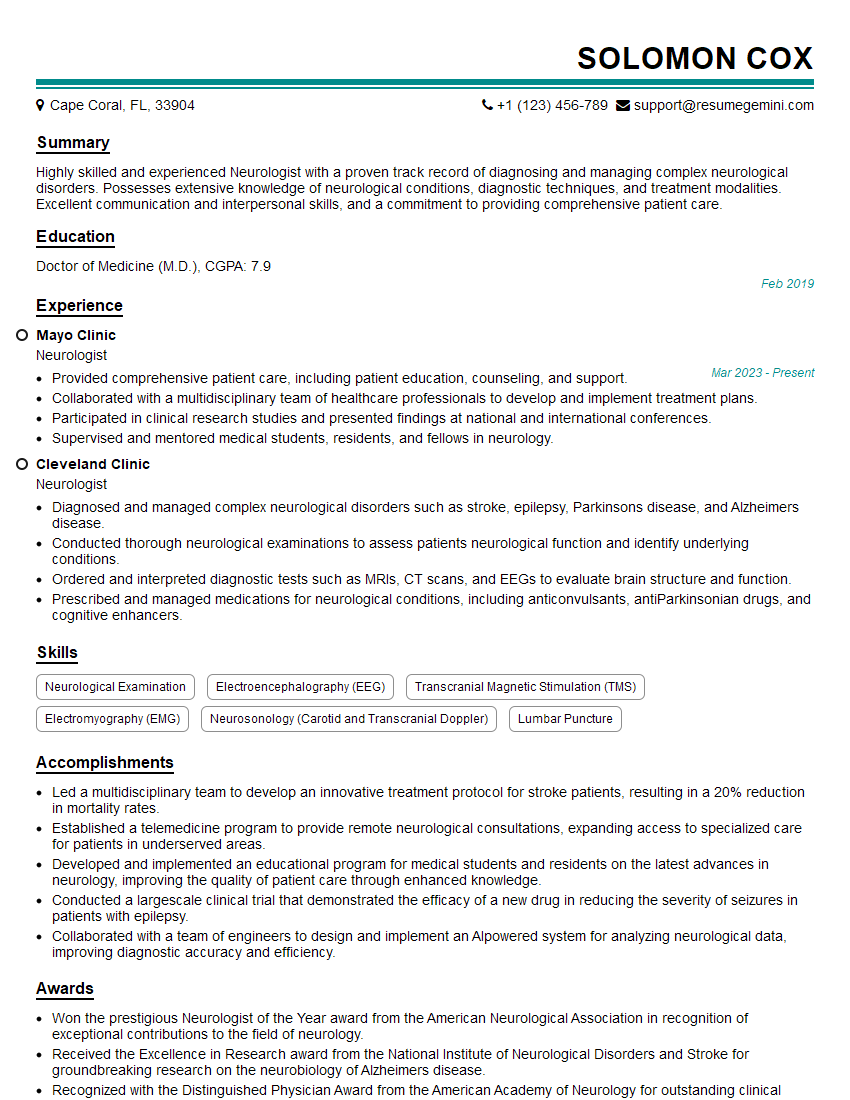
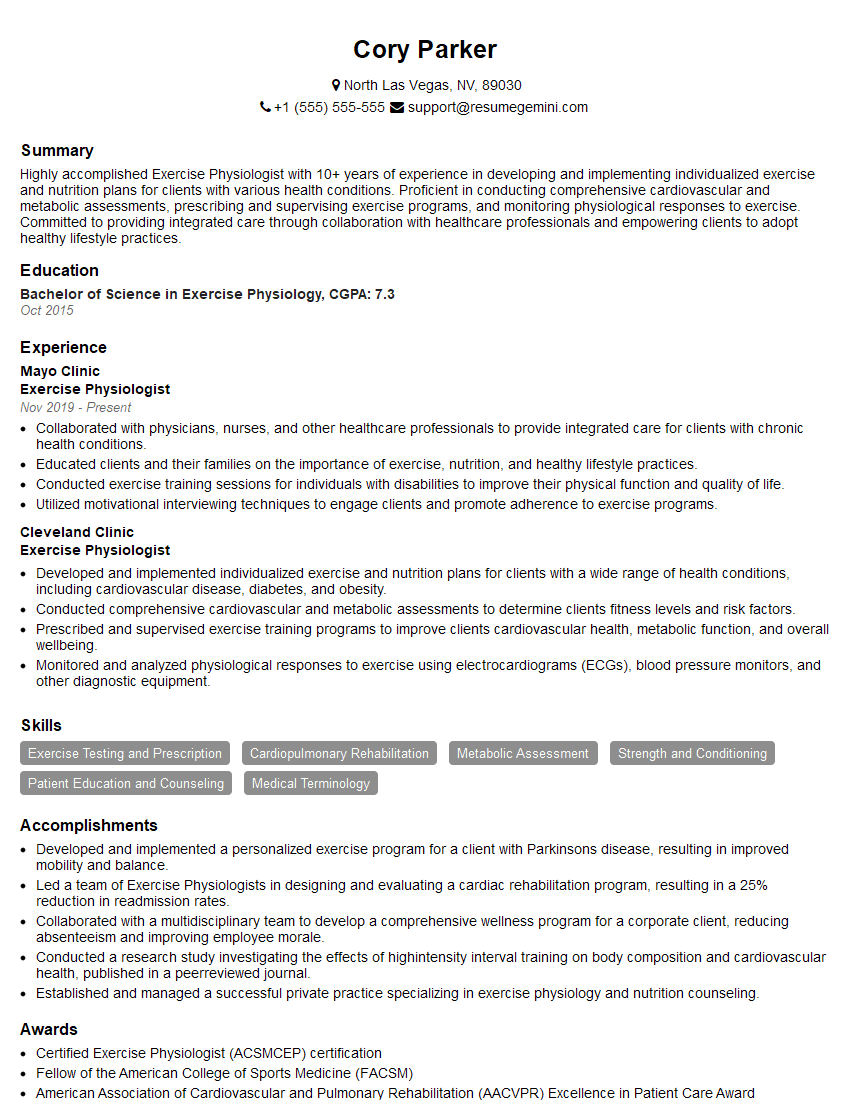
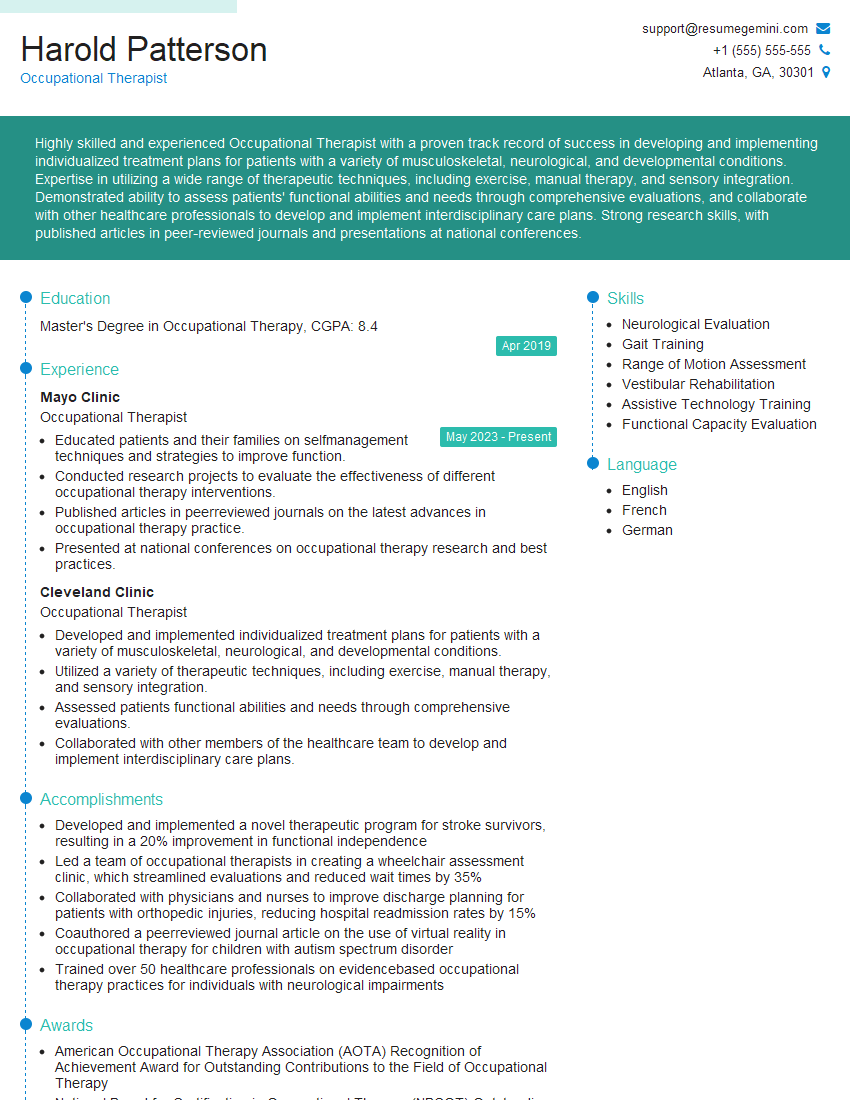
Mastering Sports-Related Concussion Management is crucial for career advancement in athletic training, sports medicine, and related fields. Demonstrating your expertise through a well-crafted resume is essential to securing your desired position. An ATS-friendly resume is key to getting noticed by employers. To enhance your resume and increase your job prospects, we strongly recommend utilizing ResumeGemini, a trusted resource for creating professional and impactful resumes. ResumeGemini provides examples of resumes tailored to Sports-Related Concussion Management, helping you showcase your skills and experience effectively.
Explore more articles
Users Rating of Our Blogs
Share Your Experience
We value your feedback! Please rate our content and share your thoughts (optional).
What Readers Say About Our Blog
To the interviewgemini.com Webmaster.
Very helpful and content specific questions to help prepare me for my interview!
Thank you
To the interviewgemini.com Webmaster.
This was kind of a unique content I found around the specialized skills. Very helpful questions and good detailed answers.
Very Helpful blog, thank you Interviewgemini team.