Interviews are opportunities to demonstrate your expertise, and this guide is here to help you shine. Explore the essential Statistical Analysis (SPC, Six Sigma) interview questions that employers frequently ask, paired with strategies for crafting responses that set you apart from the competition.
Questions Asked in Statistical Analysis (SPC, Six Sigma) Interview
Q 1. Explain the concept of Statistical Process Control (SPC).
Statistical Process Control (SPC) is a powerful collection of statistical methods used to monitor and control a process to ensure it operates efficiently and produces consistent outputs meeting quality standards. Imagine baking a cake – SPC would help ensure every cake is consistently delicious, not one too dry and the next too moist. It focuses on identifying and reducing variation within a process, leading to improved product quality and reduced waste.
SPC relies on collecting data from a process over time and using statistical techniques to analyze it. By monitoring the data, we can quickly detect shifts in the process that might lead to defects. This allows us to take corrective action before a significant number of defective products are created, saving time, money, and resources.
Q 2. What are control charts and how are they used in SPC?
Control charts are the heart of SPC. They are graphical tools that display data collected from a process over time, showing the process’s central tendency and variability. Think of them as a visual speedometer for your process – instantly showing whether it’s performing within acceptable limits or veering off course.
Control charts typically include a central line representing the average of the data, an upper control limit (UCL), and a lower control limit (LCL). Data points plotted above the UCL or below the LCL signal potential problems in the process that require investigation. By regularly monitoring these charts, we can quickly identify and address issues before they lead to widespread defects.
Q 3. Describe the different types of control charts (e.g., X-bar and R chart, p-chart, c-chart).
Several types of control charts exist, each designed for a specific type of data:
- X-bar and R chart: Used for continuous data (e.g., weight, length, temperature). The X-bar chart tracks the average of a sample, while the R chart tracks the range (difference between the highest and lowest values) within the sample. These charts are excellent for monitoring both central tendency and variability.
- p-chart: Used for attribute data representing the proportion of nonconforming units in a sample (e.g., percentage of defective parts). This chart focuses on the proportion of defects.
- c-chart: Used for attribute data counting the number of defects per unit (e.g., number of scratches on a surface). This chart monitors the count of defects.
- u-chart: Similar to a c-chart but tracks the average number of defects per unit when the sample size varies.
The choice of control chart depends entirely on the type of data being collected and the specific process being monitored.
Q 4. How do you interpret control chart patterns?
Interpreting control chart patterns is crucial for effective SPC. Points outside the control limits (UCL or LCL) strongly suggest the presence of special cause variation, requiring immediate investigation. However, patterns within the control limits can also indicate issues:
- Trends: A consistent upward or downward trend indicates a gradual shift in the process mean.
- Cycles: Recurring patterns suggest periodic influences affecting the process.
- Stratification: Data points consistently clustering above or below the center line might point to an underlying factor influencing the process.
- Runs: A series of consecutive points above or below the center line, even within the limits, indicates increased variability that needs attention.
Analyzing these patterns helps pinpoint root causes and implement corrective actions to stabilize the process.
Q 5. Explain the difference between common cause and special cause variation.
Understanding the difference between common cause and special cause variation is vital in SPC. Common cause variation is the inherent variability within a process due to numerous small, unpredictable factors. Think of it as the background noise. This variation is expected and inherent to the process. Special cause variation, on the other hand, indicates the presence of assignable causes—specific factors impacting the process’s performance, leading to unusual or out-of-control behavior. This is unexpected and needs investigation.
For example, small variations in the temperature of a reaction vessel are common cause, while a sudden malfunction of the heating system is a special cause. Common cause variation is inherent to the system and requires process improvement to reduce, while special cause variation points to a specific problem that needs immediate correction.
Q 6. What is the purpose of a process capability analysis?
Process capability analysis determines whether a process is capable of consistently producing outputs that meet predetermined specifications. In essence, it answers the question: “Can this process reliably produce products meeting customer requirements?” It’s a critical step to ensure product quality and customer satisfaction. A capable process produces products within the specified tolerance limits consistently, while an incapable process frequently produces outputs outside these limits.
This analysis is performed after the process is in statistical control (i.e., only common cause variation is present), ensuring the capability assessment is accurate and reflects the process’s inherent performance.
Q 7. How do you calculate Cp and Cpk?
Cp and Cpk are two key process capability indices:
- Cp (Process Capability Index): Measures the potential capability of a process, comparing the process spread (usually 6 standard deviations) to the specification tolerance (USL – LSL, where USL is the Upper Specification Limit and LSL is the Lower Specification Limit). A Cp of 1 indicates the process spread is equal to the tolerance. Cp greater than 1 indicates capability, while less than 1 indicates incapability.
- Cpk (Process Capability Index): Measures the actual capability of a process, considering both the process spread and its centering relative to the specification limits. It takes into account the process mean’s position within the tolerance. Cpk considers the minimum of (USL – mean)/(3σ) and (mean – LSL)/(3σ). A Cpk of 1 or greater is generally desirable.
Calculation:
Cp = (USL - LSL) / (6σ)
Cpk = min[(USL - mean) / (3σ), (mean - LSL) / (3σ)] where σ is the process standard deviation.
For example, if USL = 10, LSL = 0, mean = 5 and σ = 1, then Cp = (10-0)/(6*1) = 1.67 and Cpk = min[(10-5)/(3*1), (5-0)/(3*1)] = min(1.67, 1.67) = 1.67. Both values indicate a capable process.
Q 8. What are the limitations of Cp and Cpk?
Cp and Cpk are process capability indices that measure how well a process performs relative to its specifications. While valuable, they have limitations. Cp, the process capability ratio, indicates the potential capability of a process assuming the process is centered on the target. However, it doesn’t account for process centering. A high Cp doesn’t guarantee that the process is producing outputs within specifications if the process mean is significantly shifted from the target. Cpk, the process capability index, addresses this by considering both the process spread and its centering relative to the specifications. However, both Cp and Cpk rely on several assumptions:
- Normality: Both indices assume the process data follows a normal distribution. If the data is significantly non-normal, the results can be misleading.
- Stability: Accurate Cp and Cpk calculations necessitate a stable process. Variations in the process mean or standard deviation over time invalidate the results.
- Accurate Measurement System: The measurements used must be accurate and precise. Measurement system variability can inflate the apparent process variation, leading to an underestimation of capability.
- Short-Term vs. Long-Term Capability: Cp and Cpk usually represent short-term capability. Long-term capability, which considers shifts in the process mean and other variations over time, is typically lower.
- Specification Limits: The indices heavily rely on well-defined and appropriate specification limits. Poorly defined limits can result in inaccurate capability assessments.
For example, imagine a process with a high Cp but a mean significantly off-target. While the process has the *potential* for high capability, it’s currently producing many defective units. This highlights the limitation of Cp alone. Similarly, a process affected by significant short-term variation might appear less capable based on long-term data, emphasizing the importance of understanding the timeframe considered.
Q 9. Explain the DMAIC methodology.
DMAIC is a data-driven methodology used in Six Sigma for process improvement. It’s an acronym standing for Define, Measure, Analyze, Improve, Control. Think of it as a structured roadmap to tackle process problems systematically.
- Define: Clearly define the problem, project goals, scope, and customer requirements. This involves identifying the critical-to-quality (CTQ) characteristics and setting measurable objectives.
- Measure: Collect data to understand the current process performance. This includes identifying key metrics, gathering baseline data, and verifying measurement system accuracy. Tools like process maps, check sheets, and histograms are used here.
- Analyze: Analyze the collected data to determine the root causes of the problem. Techniques like Pareto charts, fishbone diagrams (Ishikawa diagrams), and regression analysis are employed. The goal is to understand the ‘why’ behind the performance issues.
- Improve: Develop and implement solutions to address the root causes identified in the analysis phase. This may involve process redesign, technology upgrades, or training initiatives. Design of Experiments (DOE) can be used to optimize solutions.
- Control: Implement controls to sustain the improvements achieved. This includes monitoring key metrics, developing control charts, and implementing standard operating procedures (SOPs) to prevent regression to the mean.
For instance, imagine a manufacturing process with excessive defects. DMAIC would systematically address this: define the defect rate as the target, measure the current defect rate, analyze the root causes (e.g., faulty equipment, operator error), improve by fixing the equipment and retraining operators, and then control the process by implementing a monitoring system and regular checks.
Q 10. Describe the roles of a Six Sigma Green Belt and Black Belt.
Six Sigma Green Belts and Black Belts play crucial roles in driving process improvement initiatives within an organization. They differ primarily in their level of training, project scope, and leadership responsibilities.
- Green Belt: Green Belts receive intermediate-level Six Sigma training. They participate in projects typically within their own departments or functional areas. They are team members, actively contributing to project execution under the guidance of a Black Belt or project leader. Their focus is on applying Six Sigma tools and methodologies to solve specific problems within their area of expertise. They typically dedicate a portion of their time to Six Sigma projects.
- Black Belt: Black Belts are Six Sigma experts with extensive training. They lead and manage complex, organization-wide Six Sigma projects. They are responsible for all aspects of a project, from defining the problem to implementing and controlling solutions. They mentor Green Belts, coach project teams, and often have a full-time or significant portion of their time dedicated to Six Sigma initiatives. They are often responsible for training and development within the Six Sigma program.
Think of it like this: a Black Belt is a seasoned project manager with deep expertise in Six Sigma, while a Green Belt is a skilled team member contributing to project success under the Black Belt’s supervision. Both roles contribute significantly to enhancing the organization’s performance.
Q 11. What are some common Six Sigma tools and techniques?
Six Sigma utilizes a wide array of tools and techniques, many of which are also used in general statistical process control. Some common ones include:
- Process Mapping: Visually representing the steps involved in a process to identify bottlenecks or inefficiencies (e.g., SIPOC diagrams, Value Stream Mapping).
- Control Charts: Monitoring process stability and detecting variations using statistical control limits (e.g., X-bar and R charts, p-charts, c-charts).
- Histograms: Displaying the frequency distribution of data to understand its shape and identify potential outliers.
- Pareto Charts: Identifying the vital few causes contributing to the majority of effects (more on this later).
- Fishbone Diagrams (Ishikawa Diagrams): Brainstorming potential root causes of a problem, categorized by factors like manpower, methods, machines, materials, and environment.
- Scatter Diagrams: Investigating relationships between two variables to identify potential correlations.
- Design of Experiments (DOE): Systematically testing factors and their interactions to determine the optimal settings for a process.
- Failure Mode and Effects Analysis (FMEA): Identifying potential failure modes in a process and their impact to prioritize preventative actions.
- 5 Whys: A simple, iterative technique to repeatedly ask “why?” to uncover root causes.
The selection of tools depends on the specific project phase and the nature of the problem.
Q 12. How do you identify and prioritize improvement projects?
Identifying and prioritizing improvement projects requires a structured approach. A common framework involves:
- Identifying Potential Projects: This might involve reviewing customer complaints, analyzing process data, brainstorming sessions, or utilizing process capability studies. Look for areas with high defect rates, long cycle times, high costs, or significant customer dissatisfaction.
- Quantifying the Impact: For each potential project, estimate the potential cost savings, improvements in efficiency, or reduction in defects. Use data to support these estimations. This could involve calculating the potential return on investment (ROI) for each project.
- Prioritization Matrix: Create a matrix to rank projects based on factors like impact (potential savings/improvements) and feasibility (ease of implementation, resource availability). Projects with high impact and high feasibility should be prioritized.
- Financial Justification: Develop a cost-benefit analysis for each prioritized project. This demonstrates the financial value of undertaking the improvement effort and secures necessary resources and support.
- Alignment with Strategic Goals: Ensure the selected projects align with the organization’s overall strategic goals and objectives. This ensures that improvement efforts contribute to the larger organizational vision.
For example, a company might identify high customer returns as a problem. By analyzing return data, they can prioritize projects targeting specific product defects or processes linked to those returns, demonstrating quantifiable benefits of addressing those issues.
Q 13. Explain the concept of a Pareto chart.
A Pareto chart is a bar graph that ranks causes of problems from most significant to least significant. It’s based on the Pareto principle, which suggests that 80% of effects come from 20% of causes. This helps focus improvement efforts on the most impactful areas.
The chart visually represents the frequency of each cause, with bars arranged in descending order of frequency. A line graph is often superimposed to show the cumulative percentage of effects. This highlights the ‘vital few’ causes contributing to most of the problems, helping teams prioritize their efforts.
For instance, if a manufacturing plant is experiencing high defect rates, a Pareto chart might reveal that a small percentage of the machines are responsible for the majority of the defects. This allows the team to focus improvement efforts on those specific machines, rather than spreading resources thinly across all possible sources of defects. This enables a more targeted and efficient approach to problem-solving.
Q 14. How do you perform a root cause analysis?
Root cause analysis (RCA) is a systematic process to identify the underlying causes of a problem, rather than just addressing its symptoms. Several techniques can be employed, including:
- 5 Whys: Repeatedly asking ‘why’ to drill down to the root cause. This is a simple but effective method, particularly for straightforward problems.
- Fishbone Diagram (Ishikawa Diagram): Categorizing potential causes and brainstorming to identify the most likely root causes. Useful for complex problems with multiple potential causes.
- Fault Tree Analysis (FTA): A top-down approach visually representing the different ways a problem could occur, from the top-level event down to the individual contributing factors.
- Failure Mode and Effects Analysis (FMEA): Identifying potential failure modes, their effects, and their severity to prioritize preventative actions. This is particularly useful in design and development phases.
- Statistical Analysis: Employing statistical methods like regression analysis or correlation analysis to identify the statistically significant factors contributing to the problem.
The choice of technique depends on the nature of the problem and the available data. Often, a combination of techniques is used to ensure a thorough and accurate root cause analysis. For example, you might use 5 Whys initially for a quick overview, then use a Fishbone diagram to ensure nothing is missed and finally use data analysis to confirm the leading causes.
Q 15. What is a fishbone diagram (Ishikawa diagram) and how is it used?
A fishbone diagram, also known as an Ishikawa diagram, is a visual tool used for brainstorming and identifying the root causes of a problem. Think of it as a skeletal structure where the ‘head’ represents the problem, and the ‘bones’ represent the potential causes categorized into different groups. This systematic approach helps teams explore various contributing factors and understand the problem’s complexity before implementing solutions.
How it’s used: A team gathers around a whiteboard or uses specialized software to draw a fishbone. The problem statement is written at the head of the fish. Then, major categories of potential causes (e.g., Manpower, Machines, Materials, Methods, Measurement, Environment) are drawn as main bones extending from the head. Each team member then brainstorms potential causes within each category, adding smaller ‘bones’ branching off the main ones. This process continues until all relevant causes are identified. The diagram becomes a roadmap for further investigation and problem-solving. For example, if the problem is ‘High defect rate in production,’ the ‘Machines’ category might list causes like ‘faulty equipment’ or ‘lack of proper maintenance,’ while ‘Manpower’ might include ‘inadequate training’ or ‘high employee turnover’.
Practical Application: Imagine a manufacturing plant experiencing frequent machine breakdowns. Using a fishbone diagram, the team might identify root causes such as poor maintenance practices, inadequate operator training, insufficient spare parts inventory, or even environmental factors like extreme temperature fluctuations affecting machine performance. The diagram provides a structured way to tackle the issue and prioritize corrective actions.
Career Expert Tips:
- Ace those interviews! Prepare effectively by reviewing the Top 50 Most Common Interview Questions on ResumeGemini.
- Navigate your job search with confidence! Explore a wide range of Career Tips on ResumeGemini. Learn about common challenges and recommendations to overcome them.
- Craft the perfect resume! Master the Art of Resume Writing with ResumeGemini’s guide. Showcase your unique qualifications and achievements effectively.
- Don’t miss out on holiday savings! Build your dream resume with ResumeGemini’s ATS optimized templates.
Q 16. Explain the concept of Design of Experiments (DOE).
Design of Experiments (DOE) is a powerful statistical method used to efficiently determine the relationship between factors (inputs) and responses (outputs) of a process. Instead of changing factors one at a time, DOE allows for the systematic manipulation of multiple factors simultaneously, revealing both main effects (how individual factors affect the response) and interaction effects (how factors influence each other). This leads to a deeper understanding of the process and allows for optimization and improvement.
Concept: DOE utilizes structured experimental designs to minimize the number of experiments needed while maximizing the information gained. This is crucial as conducting many individual experiments can be time-consuming and resource-intensive. The designs are carefully planned to ensure statistical significance and the ability to draw reliable conclusions about the factors affecting the process. Statistical analysis is then performed on the collected data to identify the significant factors and their interactions.
Example: Consider a chemical process where the yield is influenced by temperature and pressure. A DOE approach would involve carefully chosen combinations of temperature and pressure levels to run a series of experiments. By analyzing the data using statistical techniques like ANOVA, we can determine which factor (temperature or pressure) has a greater impact on yield and whether they interact. This leads to optimal settings for maximizing yield.
Q 17. What are some common DOE techniques?
Several common DOE techniques exist, each suited for different situations and levels of complexity:
- Full Factorial Designs: These designs involve testing all possible combinations of factor levels. They are effective for identifying main and interaction effects but can become very large for many factors.
- Fractional Factorial Designs: These designs test a subset of all possible combinations, making them more efficient than full factorial designs when dealing with a large number of factors. They are particularly useful in screening experiments to identify the most influential factors.
- Response Surface Methodology (RSM): RSM is used for optimization, focusing on finding the optimal settings of factors to maximize or minimize the response. It often uses central composite or Box-Behnken designs.
- Taguchi Methods: These methods emphasize robustness and minimizing the variability of the response, which is particularly valuable in manufacturing processes. They are useful in situations where noise factors are present and difficult to control.
The choice of technique depends on the number of factors, the resources available, and the goals of the experiment. A skilled practitioner will select the most appropriate design based on a thorough understanding of the process and the research questions.
Q 18. How do you measure the effectiveness of a process improvement project?
Measuring the effectiveness of a process improvement project requires a clear definition of success metrics before the project even begins. Simply put, did the project achieve what it set out to do? This measurement involves both qualitative and quantitative assessments.
Quantitative Metrics: These are measurable results that demonstrate improvement. Examples include:
- Defect Rate Reduction: A decrease in the number of defects per unit produced.
- Cycle Time Reduction: A decrease in the time it takes to complete a process.
- Cost Savings: A reduction in the cost of materials, labor, or overhead.
- Throughput Increase: An increase in the number of units produced or services rendered per unit time.
- Customer Satisfaction Improvement: Measured through surveys or feedback mechanisms.
Qualitative Metrics: These are harder to quantify but equally important. Examples include:
- Improved Employee Morale: Observed through employee feedback and surveys.
- Increased Efficiency: Observed by the smoother operation of the processes.
- Better Teamwork and Communication: Observed through improved collaboration and information flow within the team and across departments.
Before & After Comparisons: The effectiveness is typically measured by comparing these metrics before and after the implementation of the improvement project. Statistical methods, such as hypothesis testing, can be used to determine if the observed changes are statistically significant.
Q 19. What is the difference between descriptive and inferential statistics?
Descriptive statistics summarizes and describes the main features of a dataset. It focuses on presenting data in a meaningful way using measures like mean, median, mode, standard deviation, and visualizations such as histograms and box plots. It doesn’t make inferences or generalizations beyond the data at hand.
Inferential statistics goes beyond simply describing the data. It uses sample data to make inferences and draw conclusions about a larger population. This involves techniques like hypothesis testing, confidence intervals, and regression analysis. It allows us to make predictions and generalizations about the population from which the sample was drawn.
Example: Imagine you collect the heights of 100 students in a class (sample). Descriptive statistics would provide the average height, the standard deviation of heights, and perhaps a histogram showing the distribution of heights within that class. Inferential statistics could then be used to estimate the average height of *all* students in the university (population) based on the data from the sample, and to quantify the uncertainty associated with that estimate.
Q 20. What is hypothesis testing and how is it used in SPC?
Hypothesis testing is a formal procedure used to make decisions about a population based on sample data. It involves stating a null hypothesis (a claim about the population that we want to test) and an alternative hypothesis (what we believe to be true if the null hypothesis is false). We then gather sample data and use statistical tests to assess the evidence against the null hypothesis.
In SPC: Hypothesis testing is crucial for monitoring process stability and identifying shifts in process parameters. For instance, we might use a control chart to monitor the mean of a process. If a point falls outside the control limits, we perform a hypothesis test to determine if this is due to random variation or a significant shift in the process mean. The null hypothesis would be that the process mean remains unchanged, while the alternative hypothesis would be that the mean has shifted. If the test shows strong evidence against the null hypothesis, we conclude that a shift has occurred and investigate the causes.
Example: In a bottling plant, the target fill volume is 1 liter. We use a control chart to monitor the fill volume. If a sample shows a mean significantly above or below 1 liter, we conduct a hypothesis test to determine if the filling machine needs adjustment. This could involve a t-test or other appropriate test depending on the data characteristics and the nature of the hypothesis being tested.
Q 21. Explain Type I and Type II errors.
Type I and Type II errors are two types of mistakes that can occur during hypothesis testing. They represent the trade-off between accepting a false claim and failing to reject a false claim.
Type I Error (False Positive): This occurs when we reject the null hypothesis when it is actually true. We conclude there is a significant effect when there isn’t one. The probability of making a Type I error is denoted by α (alpha) and is often set at 0.05 (5%). Think of this as a false alarm – you’re saying there’s a problem when there isn’t.
Type II Error (False Negative): This occurs when we fail to reject the null hypothesis when it is actually false. We conclude there is no significant effect when there actually is one. The probability of making a Type II error is denoted by β (beta). The power of a test (1-β) represents the probability of correctly rejecting a false null hypothesis. This is like missing a real problem – you don’t realize there’s something wrong.
Example: Imagine testing a new drug. A Type I error would be concluding the drug is effective when it’s not. A Type II error would be concluding the drug is ineffective when it actually is effective. The choice of α and the power of the test involve balancing the risk of these two errors depending on the consequences of each error.
Q 22. What is a p-value and how is it interpreted?
The p-value is a crucial concept in hypothesis testing. It represents the probability of observing results as extreme as, or more extreme than, the ones obtained, assuming the null hypothesis is true. In simpler terms, it tells us how likely it is that our observed results happened by random chance, rather than due to a real effect.
A small p-value (typically less than 0.05) indicates strong evidence against the null hypothesis. We might then reject the null hypothesis and conclude there’s a statistically significant effect. Conversely, a large p-value suggests that the observed results are consistent with the null hypothesis, and we fail to reject it. It’s important to remember that a p-value doesn’t measure the size of an effect, only the strength of evidence against the null hypothesis. For example, a p-value of 0.01 suggests stronger evidence against the null hypothesis than a p-value of 0.08.
Example: Let’s say we’re testing a new drug to lower blood pressure. Our null hypothesis is that the drug has no effect. If we conduct a study and get a p-value of 0.03, we might conclude there’s sufficient evidence to reject the null hypothesis and suggest the drug is effective. However, a p-value of 0.12 would suggest the data doesn’t provide enough evidence to conclude the drug is effective, even if it might have a slight effect. The p-value helps us make an informed decision based on statistical evidence.
Q 23. What is regression analysis and how is it used in process improvement?
Regression analysis is a powerful statistical method used to model the relationship between a dependent variable and one or more independent variables. It allows us to understand how changes in the independent variables are associated with changes in the dependent variable. In process improvement, regression analysis is invaluable for identifying key factors influencing a process output and optimizing the process for better results.
Types of Regression: There are several types of regression, including linear regression (for a linear relationship), polynomial regression (for curved relationships), and multiple regression (for multiple independent variables).
Application in Process Improvement: Imagine a manufacturing process where the yield (dependent variable) is influenced by temperature and pressure (independent variables). Regression analysis can help us build a model that predicts yield based on temperature and pressure. We can then use this model to identify optimal settings of temperature and pressure that maximize yield, thus improving the process.
Example: In a Six Sigma project aimed at reducing defects in a manufacturing process, regression analysis can be employed to understand the relationship between various process parameters (e.g., machine speed, material quality) and the number of defects. This information can guide the improvement effort by indicating which parameters have the strongest influence on defects, allowing for targeted adjustments.
Q 24. Describe your experience with statistical software (e.g., Minitab, JMP).
I have extensive experience using Minitab and JMP for statistical analysis. Minitab is a robust and user-friendly package ideal for conducting statistical process control (SPC) analyses, designing experiments (DOE), and performing regression analysis. I’ve used Minitab extensively for control chart creation, capability analysis, and gage R&R studies, crucial tools for monitoring and improving processes. For instance, I leveraged Minitab’s capabilities to analyze control charts for a manufacturing process, identifying sources of variation and suggesting corrective actions.
JMP, on the other hand, is particularly powerful for its visualization capabilities and its integration with data exploration. Its dynamic visualizations allow for a deeper understanding of data relationships. I have utilized JMP for more complex analyses such as multi-variate analysis and design of experiments, especially in situations needing extensive data visualization and rapid prototyping of models.
In both cases, my skills extend beyond basic functionalities. I am proficient in interpreting the statistical output, selecting appropriate tests and models, and effectively communicating the findings to both technical and non-technical audiences.
Q 25. How do you handle outliers in your data?
Handling outliers requires careful consideration and a systematic approach. Outliers are data points that significantly deviate from the rest of the data. They can be genuine anomalies or errors. Simply removing them isn’t always appropriate. My strategy involves a multi-step process:
- Identification: I use visual methods like box plots and scatter plots, and statistical methods like Z-scores or interquartile range (IQR) to identify potential outliers.
- Investigation: I carefully investigate the context of each outlier. Is it a data entry error? Is it a genuine anomaly representing a special cause of variation? Or is it an indication of a systematic problem in the data collection or process?
- Treatment: The treatment depends on the investigation. If it’s an error, it’s corrected or removed. If it represents a special cause of variation, it might be kept, but its impact should be assessed. If it’s a systematic problem, fixing the root cause is prioritized over dealing with the outliers themselves.
- Robust Methods: For statistical analyses sensitive to outliers, I use robust methods such as median instead of mean, and non-parametric tests instead of parametric tests. These methods are less affected by extreme values.
It’s crucial to document all steps in outlier handling to ensure transparency and reproducibility of results.
Q 26. Explain your understanding of process variation and its impact on quality.
Process variation is the inherent variability in any process. No two units produced by a process are ever exactly the same. This variation can stem from various sources, including common causes (inherent to the process) and special causes (external factors impacting the process). Understanding and managing this variation is critical for achieving high quality.
Impact on Quality: Excessive variation leads to poor quality. It results in inconsistent products or services, increased defects, higher costs, and customer dissatisfaction. For example, if a manufacturing process has high variation in the dimensions of a product, many units might fall outside the acceptable specifications, leading to scrap or rework.
Managing Variation: Statistical Process Control (SPC) techniques, such as control charts, are essential tools for monitoring and managing process variation. Control charts help us distinguish between common and special cause variation, enabling targeted actions to improve the process.
Reducing variation often requires identifying and eliminating root causes of special cause variation and reducing the effects of common cause variation through process improvement initiatives. Six Sigma methodologies are particularly effective in this regard.
Q 27. Describe a time you used statistical analysis to solve a problem.
During my time at [Previous Company Name], we were experiencing high variability in the response time of our customer service system. This resulted in long wait times for customers and negatively impacted customer satisfaction. To address this, I conducted a thorough data analysis using Minitab.
I collected data on various factors potentially influencing response time, including call volume, agent availability, system load, and day of the week. Using regression analysis, I identified that call volume and system load were the most significant predictors of response time. I also performed a detailed analysis of variation using control charts, pinpointing specific periods with unusually high response times.
Based on these findings, I recommended solutions such as increasing agent staffing during peak hours and optimizing the system’s capacity to handle higher call volumes. These improvements resulted in a significant reduction in response time and a considerable improvement in customer satisfaction scores, validated through post-implementation monitoring.
Q 28. How would you explain complex statistical concepts to a non-technical audience?
Explaining complex statistical concepts to a non-technical audience requires clear and concise communication, avoiding jargon whenever possible. I use analogies and real-world examples to make the concepts relatable.
For instance, when explaining the p-value, instead of defining it as ‘the probability of observing results as extreme as, or more extreme than, the ones obtained, assuming the null hypothesis is true,’ I might say: ‘Imagine flipping a coin 10 times and getting 9 heads. The p-value tells us how likely it is that this happened by chance, even if the coin is fair. A very small p-value would suggest the coin might be biased.’
Similarly, for regression analysis, I might use an example like: ‘Imagine trying to predict house prices based on size and location. Regression analysis helps us find the relationship between house size/location and price, allowing us to estimate the price of a new house based on its characteristics.’
Visual aids, like graphs and charts, are crucial for enhancing understanding. I always tailor my explanations to the audience’s prior knowledge and keep the message simple and focused on the key takeaways.
Key Topics to Learn for Statistical Analysis (SPC, Six Sigma) Interview
- Control Charts (SPC): Understanding the construction and interpretation of various control charts (X-bar and R, X-bar and s, p, np, c, u) is fundamental. Focus on identifying patterns indicating process stability or instability and the implications for process improvement.
- Process Capability Analysis (SPC): Learn to calculate and interpret Cp, Cpk, Pp, and Ppk indices. Understand how these metrics assess process performance relative to specification limits and what actions to take based on the results.
- Six Sigma Methodology (DMAIC): Familiarize yourself with the Define, Measure, Analyze, Improve, and Control phases. Understand the tools and techniques used in each phase, such as FMEA, Pareto charts, and root cause analysis.
- Hypothesis Testing: Master the concepts of null and alternative hypotheses, Type I and Type II errors, p-values, and confidence intervals. Practice applying these concepts to real-world scenarios in process improvement.
- Design of Experiments (DOE): Gain a foundational understanding of DOE principles, including factorial designs and their application in optimizing processes and identifying significant factors.
- Regression Analysis: Learn to perform and interpret linear and multiple regression analyses to model relationships between variables and make predictions. Understand the assumptions and limitations of regression models.
- Data Analysis and Interpretation: Develop strong skills in data visualization, summarizing data using descriptive statistics, and interpreting results in a clear and concise manner. Practice communicating your findings effectively.
Next Steps
Mastering Statistical Analysis (SPC and Six Sigma) significantly enhances your career prospects in quality improvement, manufacturing, and data-driven decision-making roles. These skills are highly sought after, leading to greater job opportunities and higher earning potential. To maximize your chances of landing your dream job, crafting a compelling and ATS-friendly resume is crucial. ResumeGemini is a trusted resource to help you build a professional resume that highlights your skills and experience effectively. We offer examples of resumes tailored to Statistical Analysis (SPC and Six Sigma) roles to guide you in showcasing your qualifications. Take the next step towards your career goals – build a resume that makes a lasting impression!
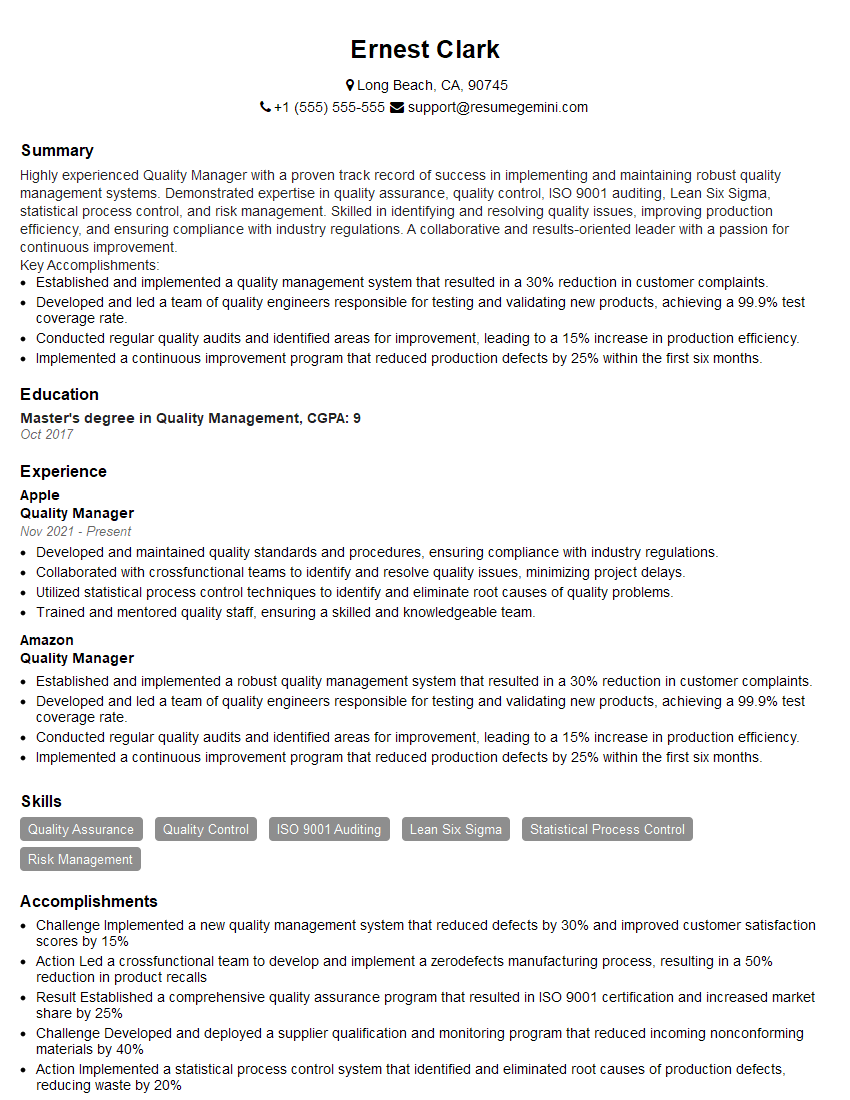
Quality Manager Resume Sample

Quality Assurance Manager Resume Sample
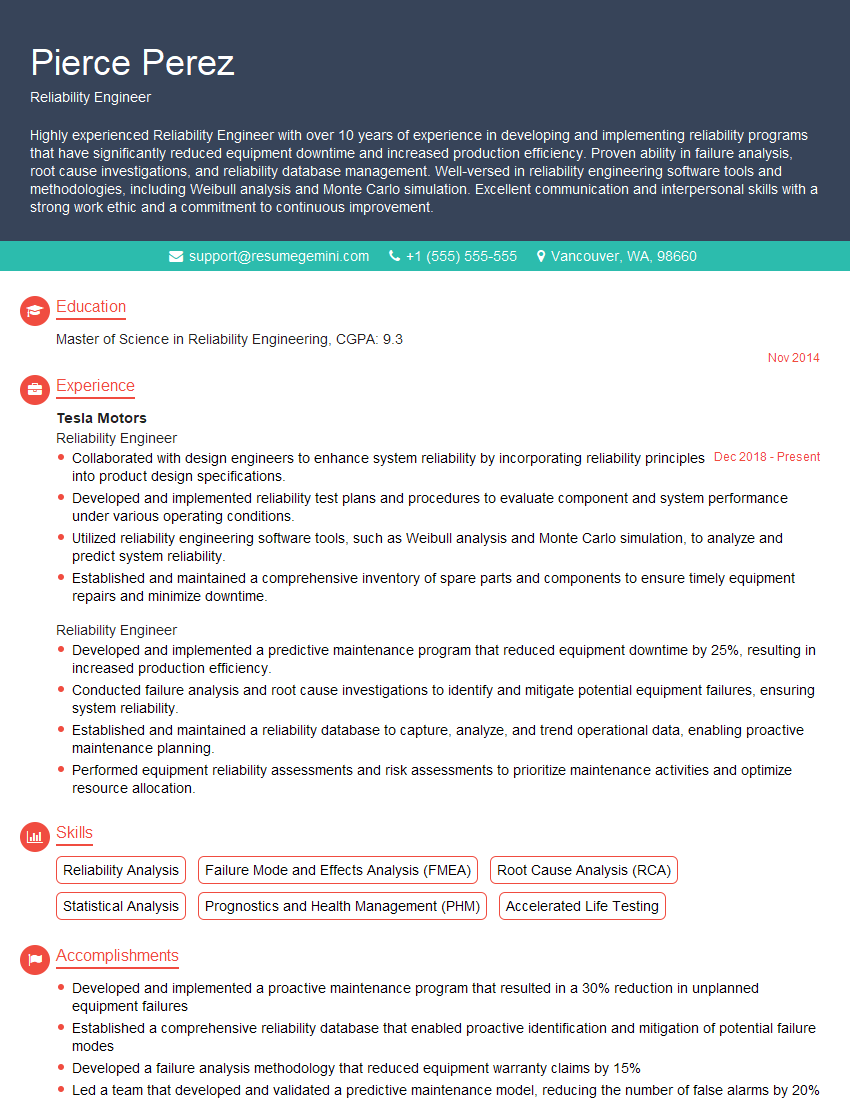
Reliability Engineer Resume Sample
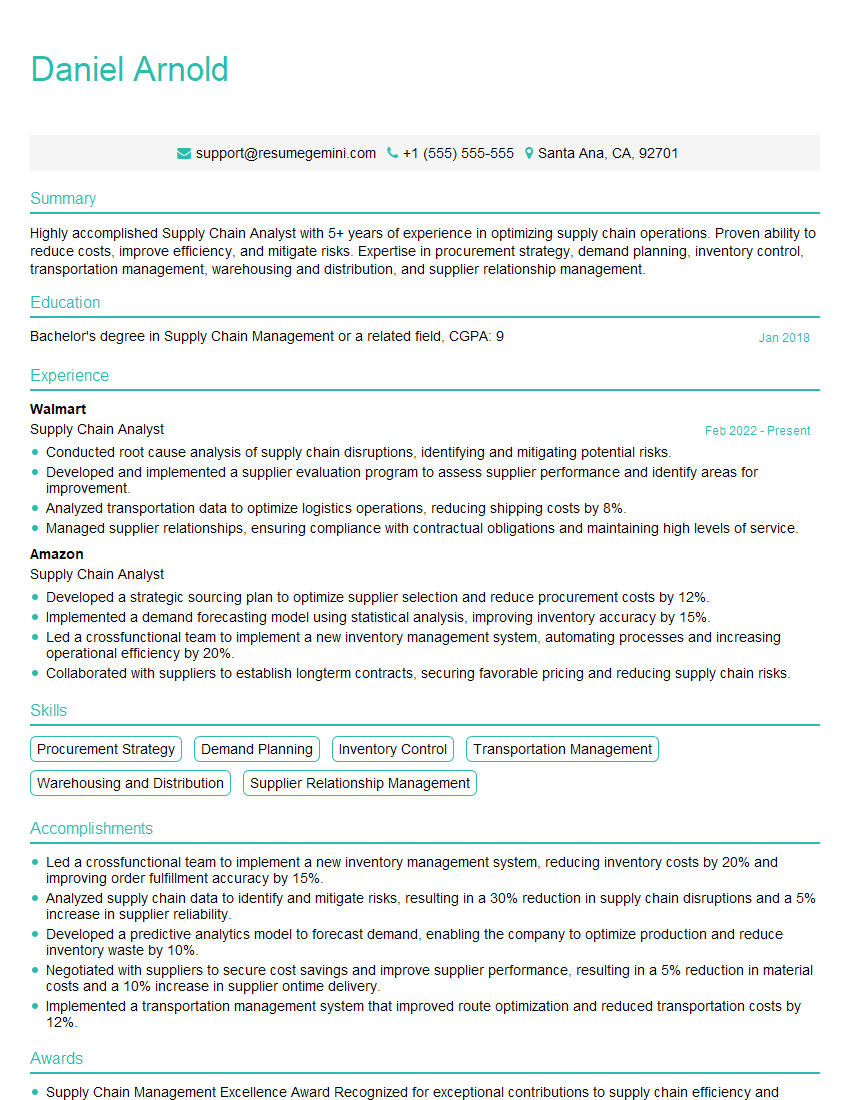
Supply Chain Analyst Resume Sample
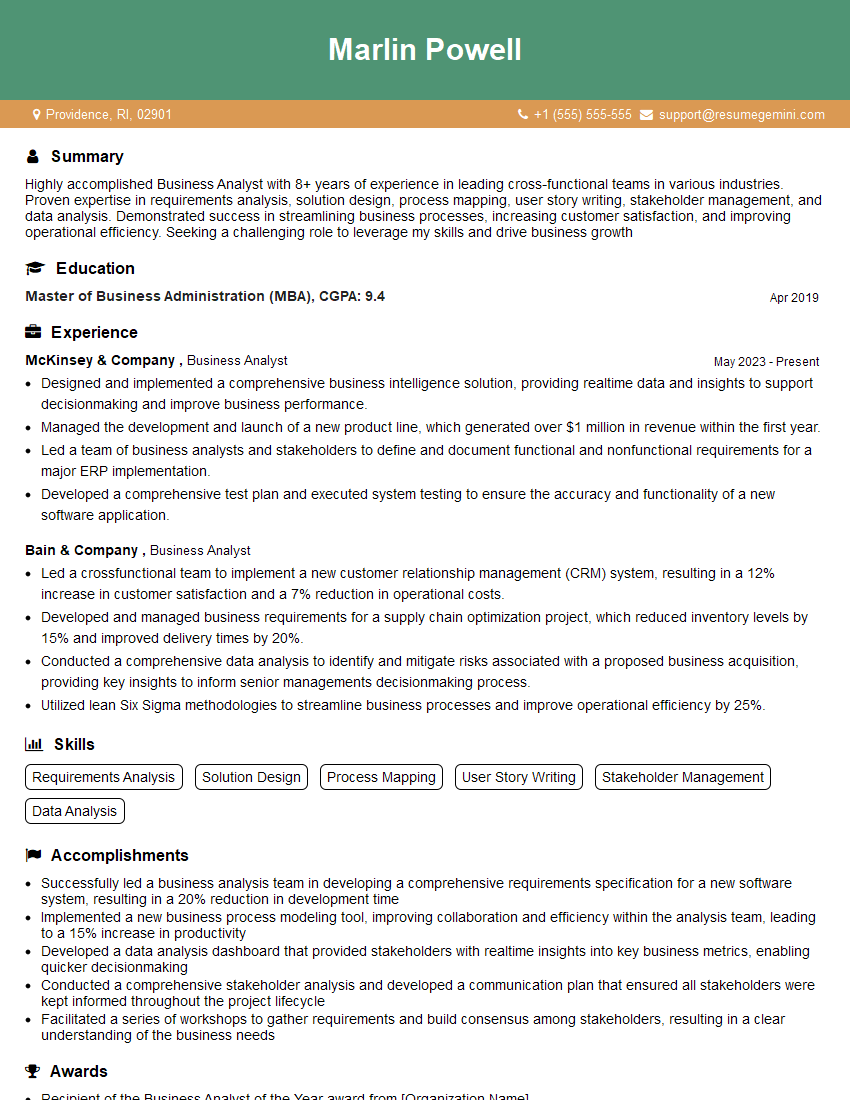
Business Analyst Resume Sample

Data Analyst Resume Sample
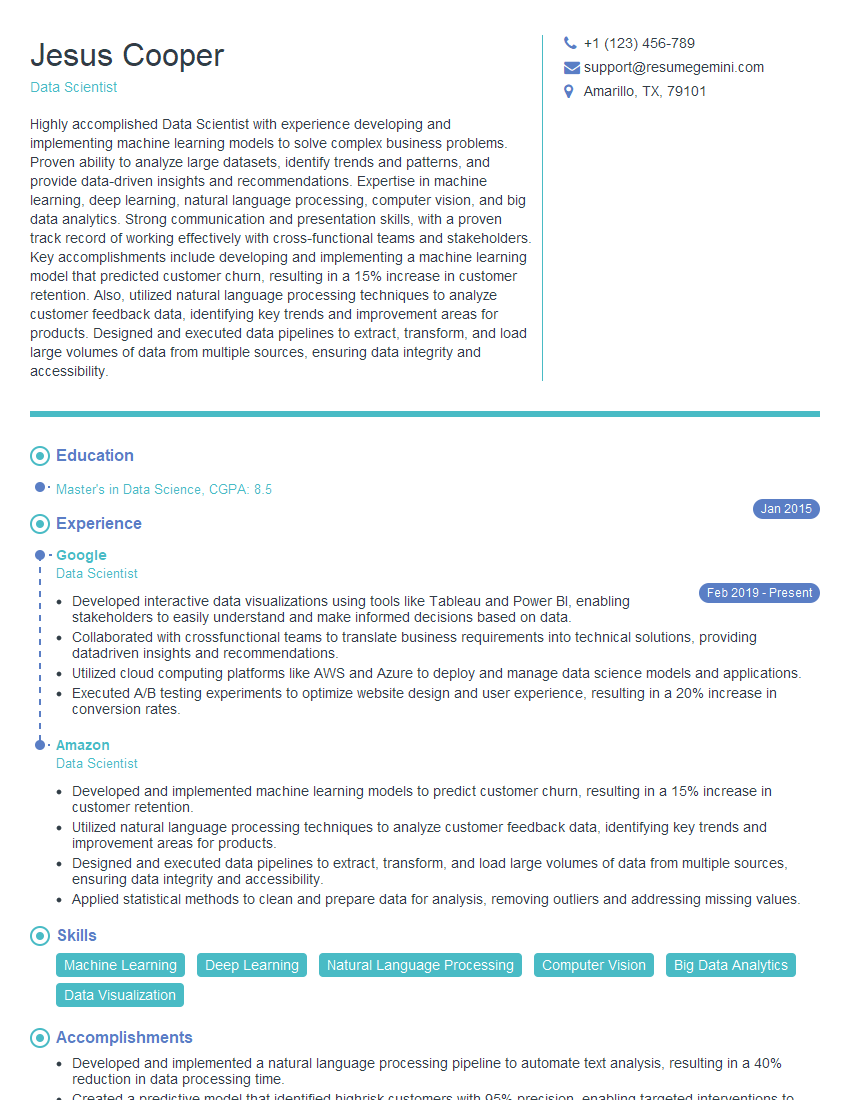
Data Scientist Resume Sample
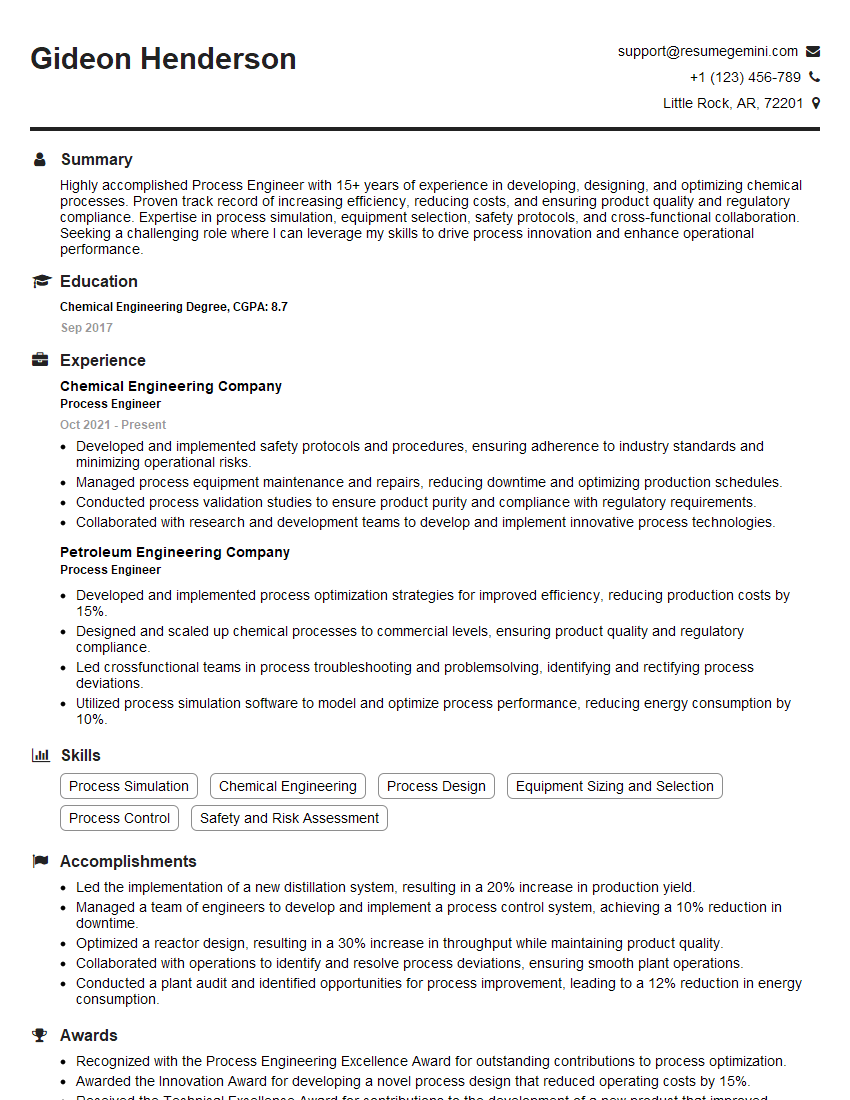
Process Engineer Resume Sample
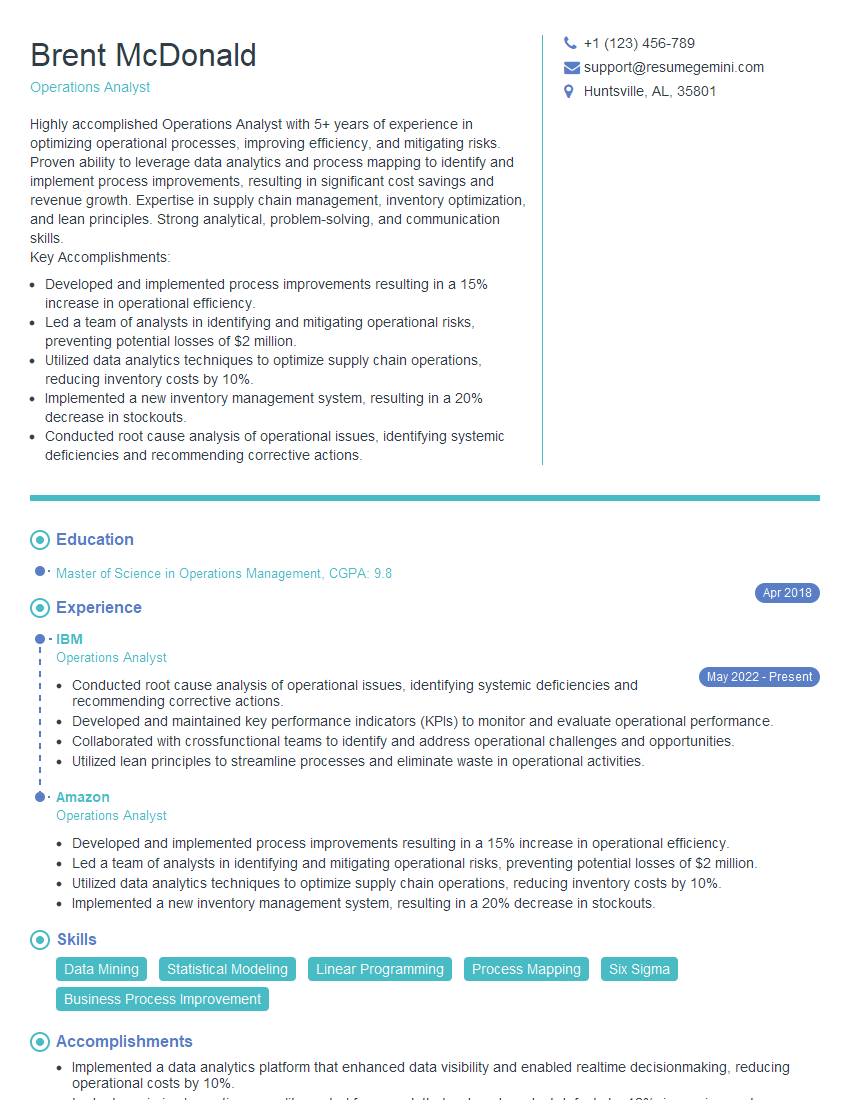
Operations Analyst Resume Sample

Statistical Analyst Resume Sample
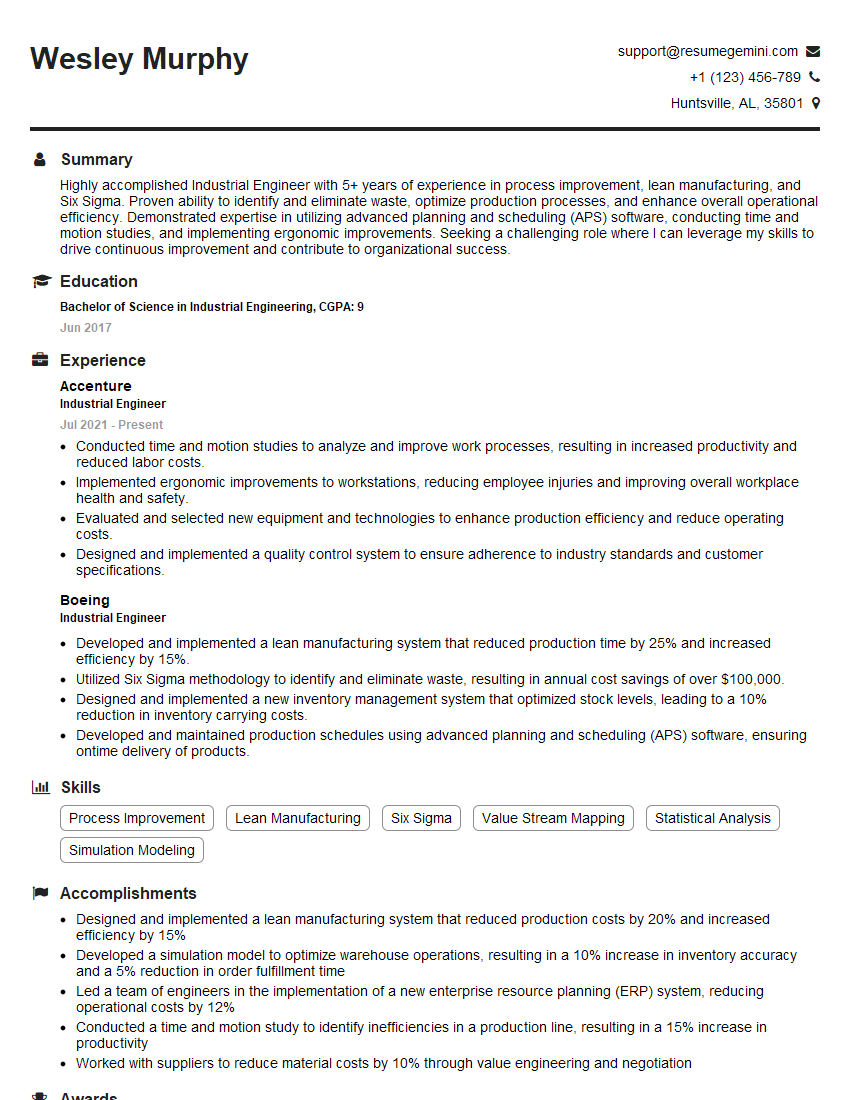
Industrial Engineer Resume Sample
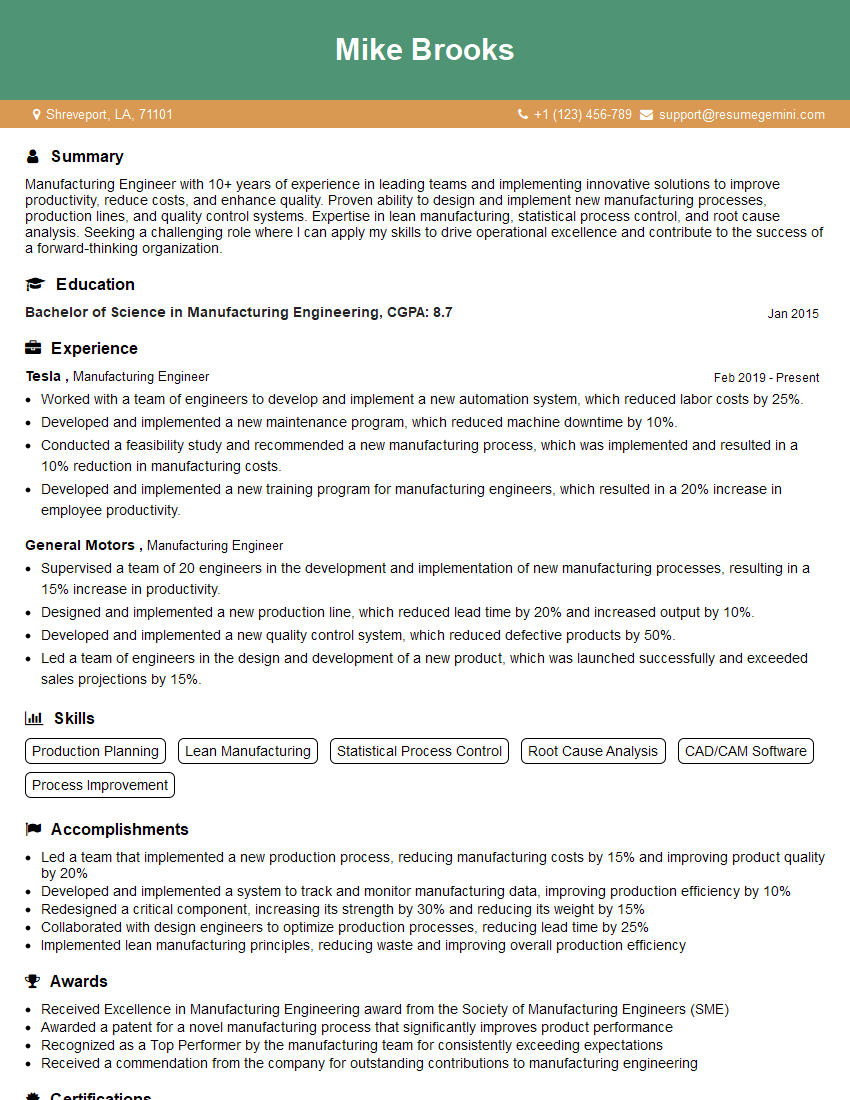
Manufacturing Engineer Resume Sample
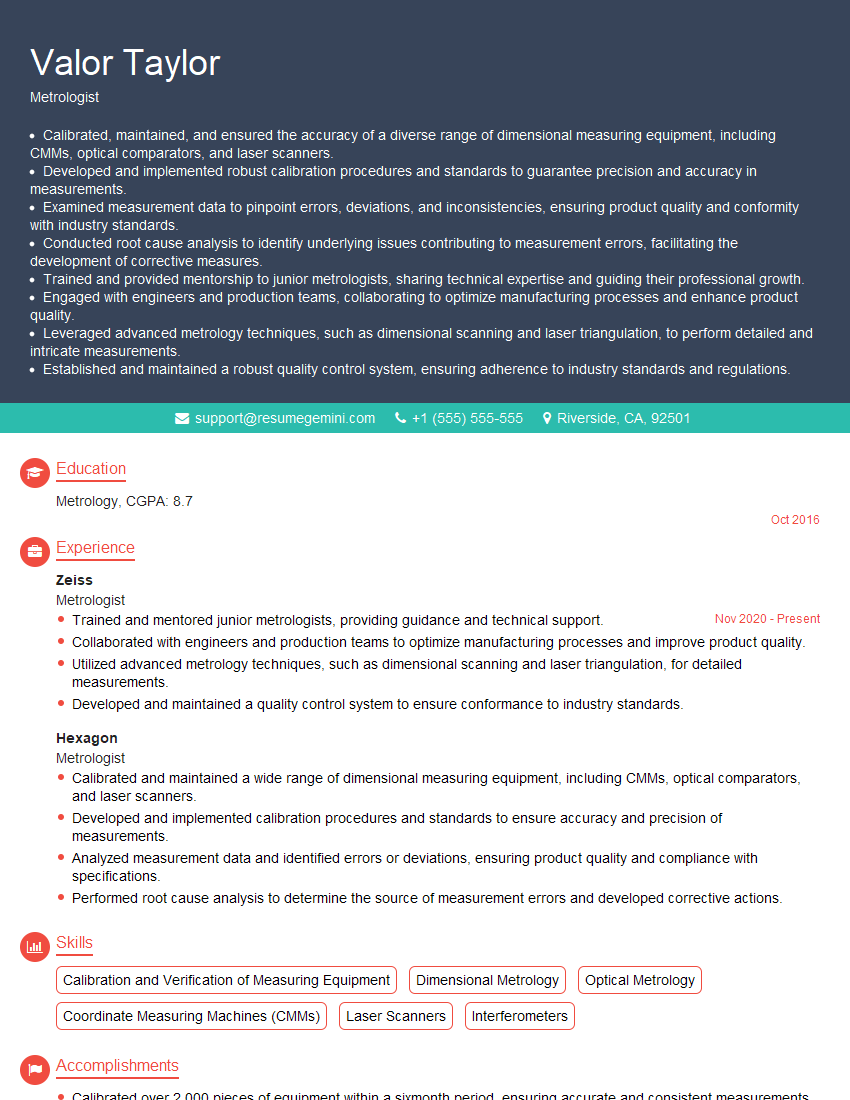
Metrologist Resume Sample
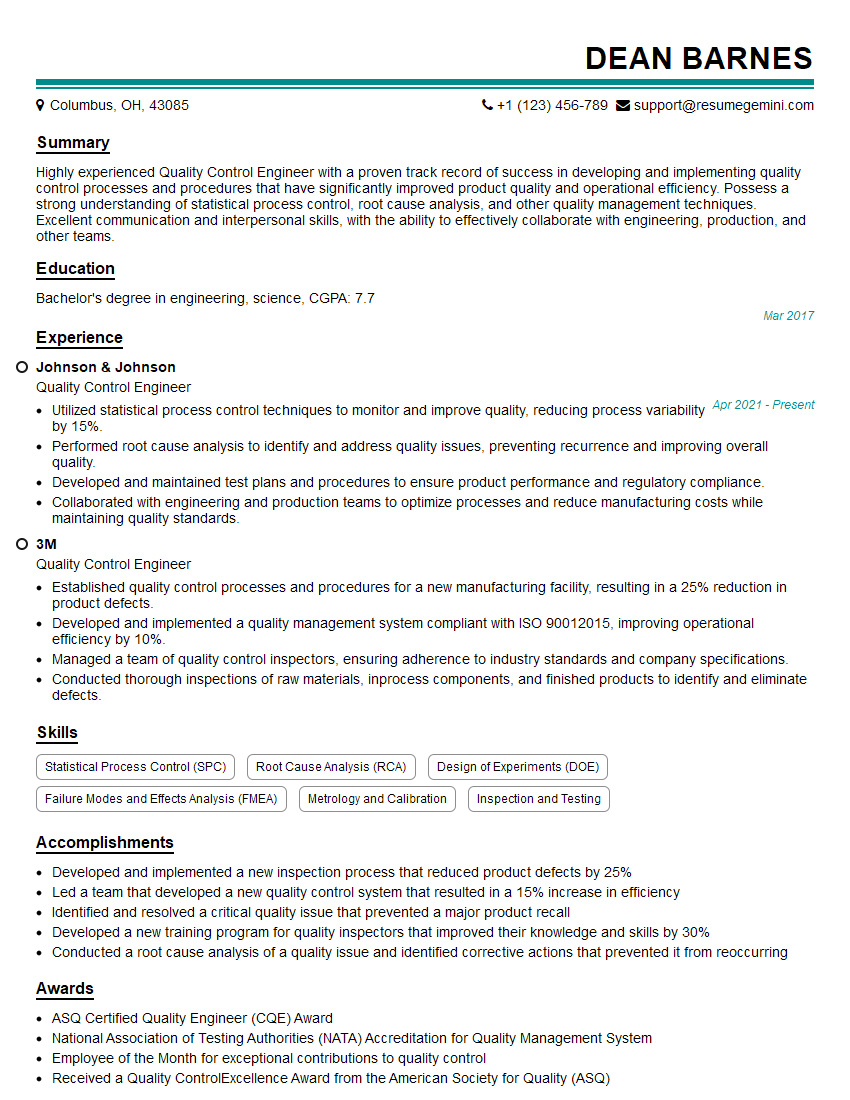
Quality Control Engineer Resume Sample
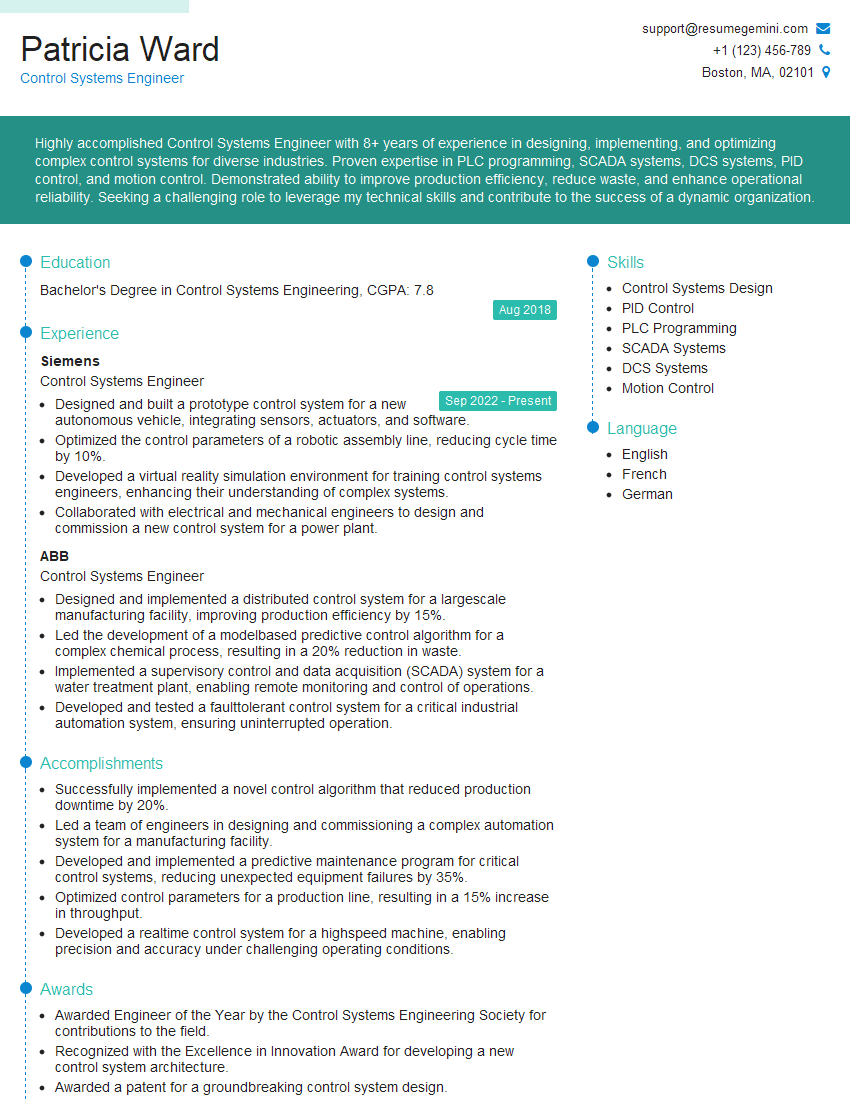
Control Systems Engineer Resume Sample
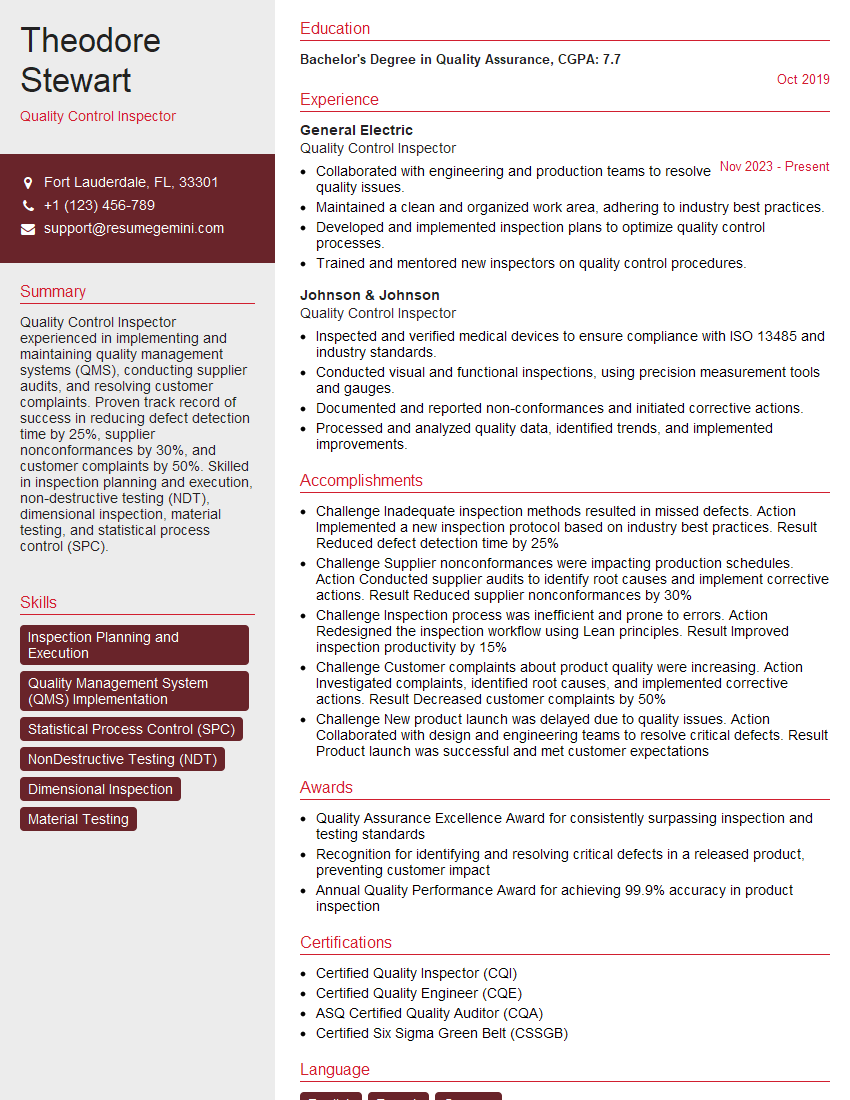
Quality Control Inspector Resume Sample
- Quality Manager
- Quality Assurance Manager
- Reliability Engineer
- Supply Chain Analyst
- Business Analyst
- Data Analyst
- Data Scientist
- Process Engineer
- Operations Analyst
- Statistical Analyst
- Industrial Engineer
- Manufacturing Engineer
- Metrologist
- Quality Control Engineer
- Control Systems Engineer
- Quality Control Inspector
Explore more articles
Users Rating of Our Blogs
Share Your Experience
We value your feedback! Please rate our content and share your thoughts (optional).
What Readers Say About Our Blog
To the interviewgemini.com Webmaster.
Very helpful and content specific questions to help prepare me for my interview!
Thank you
To the interviewgemini.com Webmaster.
This was kind of a unique content I found around the specialized skills. Very helpful questions and good detailed answers.
Very Helpful blog, thank you Interviewgemini team.