Unlock your full potential by mastering the most common Strong knowledge of team dynamics interview questions. This blog offers a deep dive into the critical topics, ensuring you’re not only prepared to answer but to excel. With these insights, you’ll approach your interview with clarity and confidence.
Questions Asked in Strong knowledge of team dynamics Interview
Q 1. Describe your experience fostering a positive team environment.
Fostering a positive team environment is crucial for productivity and morale. It’s not just about avoiding conflict; it’s about actively building a culture of trust, respect, and collaboration. My approach involves several key strategies:
- Open Communication: I establish regular team meetings, both formal and informal, creating a safe space for open dialogue. This allows team members to share ideas, concerns, and feedback without fear of judgment.
- Recognition and Appreciation: I actively acknowledge and celebrate individual and team accomplishments, both big and small. This can be through verbal praise, public acknowledgment, or small gestures of appreciation.
- Team-Building Activities: I regularly incorporate team-building exercises, both work-related and social, to foster camaraderie and improve collaboration. This could range from brainstorming sessions to informal social gatherings.
- Clear Roles and Responsibilities: Ensuring that everyone understands their roles and how they contribute to the overall goals minimizes confusion and frustration. Clear delegation and accountability are key here.
- Promoting Work-Life Balance: I emphasize the importance of work-life balance and encourage team members to take breaks and prioritize their well-being. A burnt-out team is an unproductive team.
For example, in a previous project, I noticed a dip in team morale. I organized a team-building activity – a volunteer day at a local charity – that resulted in renewed energy and a stronger sense of connection within the team.
Q 2. How do you identify and address personality conflicts within a team?
Identifying and addressing personality conflicts requires a delicate balance of empathy and directness. I typically follow these steps:
- Identify the Conflict: I start by privately speaking with each individual involved, listening to their perspectives without judgment. The goal is to understand the root of the issue, not to assign blame.
- Facilitate Dialogue: Once I understand the individual perspectives, I bring the conflicting parties together in a neutral setting. I facilitate a discussion, ensuring both individuals have equal opportunity to express their views. The focus is on understanding each other’s perspectives, not necessarily finding immediate agreement.
- Mediation, not Arbitration: My role is to guide the conversation, not to dictate a solution. I encourage active listening and help the parties find common ground.
- Establish Ground Rules: Before the discussion begins, I set clear ground rules, such as respecting each other’s opinions and maintaining a calm and respectful tone.
- Focus on Behavior, Not Personality: I focus the conversation on specific behaviors that contribute to the conflict, rather than labeling individuals with negative personality traits. This helps avoid escalation and defensiveness.
- Document and Follow-Up: If necessary, I document the agreement reached and follow up with the individuals to ensure the agreed-upon solutions are implemented and are effective.
For instance, I once mediated a conflict between two team members with vastly different working styles. By focusing on their behavioral differences and finding ways to accommodate each other’s preferences, we were able to resolve the conflict and improve overall team effectiveness.
Q 3. Explain your approach to conflict resolution in a team setting.
My approach to conflict resolution is collaborative and focuses on finding mutually acceptable solutions. I employ a structured approach:
- Listen and Understand: I start by actively listening to all parties involved, seeking to understand their perspectives and the underlying issues fueling the conflict.
- Identify the Core Issues: I work to identify the root causes of the conflict, separating emotions from facts. Often, the surface-level disagreement masks deeper underlying issues.
- Brainstorm Solutions: I facilitate a brainstorming session where all parties contribute to generating potential solutions. This encourages a sense of ownership and buy-in.
- Evaluate and Choose a Solution: We evaluate the proposed solutions based on feasibility, effectiveness, and impact on team dynamics. We select a solution that addresses the core issue and is acceptable to all parties involved.
- Implement and Monitor: We implement the chosen solution and monitor its effectiveness. Regular follow-up ensures that the solution is working and addresses any emerging challenges.
Think of it like a doctor diagnosing an illness – you need to understand the symptoms (the conflict) before you can treat the underlying cause (the root issue).
Q 4. How do you build consensus among team members with differing opinions?
Building consensus among team members with differing opinions requires skillful facilitation and a commitment to finding common ground. My strategy typically involves:
- Open Discussion and Active Listening: I encourage open discussion where each member can express their views without interruption. Active listening ensures everyone feels heard and understood.
- Identify Common Goals: I help the team identify shared objectives and priorities. This creates a shared vision that can guide the discussion towards a mutually acceptable solution.
- Identify Areas of Agreement: I focus on finding points of agreement, even if they are small. This builds momentum and demonstrates that collaboration is possible.
- Compromise and Negotiation: I encourage compromise and negotiation, helping team members find solutions that address the needs and concerns of all parties. This might involve making trade-offs or finding creative solutions.
- Voting or Prioritization: If consensus can’t be reached, I may facilitate a structured voting or prioritization process to determine the best course of action. Transparency is key here.
For example, in a project where team members had differing opinions on the project’s design, I guided them through a structured prioritization process, weighting different design elements based on feasibility and user needs. This resulted in a design that incorporated aspects from each member’s perspective, leading to a stronger and more cohesive final product.
Q 5. Describe a time you had to motivate a team member who was underperforming.
Motivating an underperforming team member requires a sensitive and supportive approach. My strategy involves a combination of understanding, support, and accountability:
- Private Conversation: I initiate a private conversation to understand the root cause of underperformance. This might be due to lack of skills, lack of motivation, personal issues, or unclear expectations.
- Identify Obstacles: I work with the team member to identify any obstacles preventing them from performing at their best. Are there resource constraints? Lack of training? Burnout?
- Set Clear Expectations and Goals: I work collaboratively to set clear, achievable goals and expectations. These goals should be specific, measurable, achievable, relevant, and time-bound (SMART).
- Provide Support and Resources: I offer support and resources, such as training, mentorship, or additional resources, to help the team member improve their performance. This demonstrates my commitment to their success.
- Regular Check-ins and Feedback: I schedule regular check-ins to provide constructive feedback, monitor progress, and offer additional support. Feedback should be specific and actionable.
- Accountability and Consequences: While support is crucial, accountability is also necessary. If performance doesn’t improve despite support, consequences, outlined in advance, may need to be implemented.
I once had a team member who was struggling to meet deadlines due to a lack of confidence in their skills. Through mentoring and regular feedback, I helped them build confidence and improve their performance. Open communication and a focus on their strengths were key.
Q 6. How do you delegate tasks effectively within a team?
Effective task delegation maximizes team productivity and develops individual skills. My approach includes:
- Assess Team Members’ Skills and Strengths: I carefully assess each team member’s skills, experience, and strengths before assigning tasks. Delegating tasks aligned with individuals’ skills improves both efficiency and job satisfaction.
- Clearly Define Tasks and Expectations: I clearly define each task, including specific instructions, deadlines, and desired outcomes. Ambiguity leads to errors and frustration.
- Provide Necessary Resources and Support: I ensure team members have the necessary resources, tools, and information to complete their tasks effectively. This might include access to data, software, or training materials.
- Set Clear Deadlines and Accountability: I set realistic deadlines and clearly communicate the accountability associated with each task. This helps manage expectations and ensures timely completion.
- Regular Check-ins and Feedback: I schedule regular check-ins to monitor progress, provide feedback, and address any challenges. This proactive approach prevents minor issues from becoming major problems.
- Empowerment and Ownership: I empower team members by giving them autonomy and ownership of their tasks. This fosters responsibility and boosts morale.
For example, I once delegated a complex project to a team by breaking it down into smaller, manageable tasks, assigning them based on individual expertise. This not only ensured timely project completion but also provided valuable learning opportunities for team members.
Q 7. How do you ensure effective communication within a team?
Effective communication is the cornerstone of any high-performing team. My approach to ensuring effective communication involves several key strategies:
- Establish Clear Communication Channels: I establish clear and accessible communication channels, such as email, instant messaging, project management software, and regular team meetings. The right channel for the right message is crucial.
- Regular Team Meetings: I hold regular team meetings to discuss progress, address challenges, share information, and foster collaboration. This facilitates open dialogue and keeps everyone informed.
- Active Listening: I encourage active listening during all interactions. This means paying attention not only to what is said, but also to how it is said, and understanding the underlying emotions.
- Clear and Concise Communication: I emphasize clear and concise communication, avoiding jargon and technical language whenever possible. The message should be easily understood by everyone.
- Constructive Feedback: I encourage constructive feedback, both giving and receiving. Feedback should be specific, actionable, and delivered in a respectful manner.
- Documentation and Record-Keeping: I maintain clear documentation and records of decisions, tasks, and communications. This reduces confusion and ensures everyone is on the same page.
In one project, we implemented a daily stand-up meeting using a project management tool, which significantly improved communication flow and project visibility, leading to more efficient collaboration.
Q 8. How do you measure team performance and identify areas for improvement?
Measuring team performance requires a multi-faceted approach, going beyond simply looking at project deadlines. I utilize a combination of quantitative and qualitative methods. Quantitative measures might include on-time project delivery, adherence to budget, and key performance indicators (KPIs) specific to the project’s goals. For example, in a software development project, this could include lines of code written, bugs resolved, or user story points completed.
Qualitative measures, however, are equally important. These include conducting regular team feedback sessions, using anonymous surveys to gauge team morale and identify challenges, and observing team dynamics during meetings and collaborative work. Looking at individual contributions alongside overall team output provides a comprehensive picture.
Identifying areas for improvement involves analyzing the data collected. Low scores on certain KPIs may indicate a need for additional training, improved processes, or better resource allocation. Negative feedback from team members could point to communication breakdowns, leadership issues, or conflicting work styles. Addressing these issues proactively, with data-driven decisions, is key to continuous improvement. For example, consistent delays in a particular phase of a project might indicate a process bottleneck needing re-engineering.
Q 9. How do you handle disagreements among team members regarding project priorities?
Disagreements over project priorities are inevitable, but they can be valuable opportunities for growth and clarification. My approach centers around structured discussion and collaborative problem-solving. First, I create a safe space for open dialogue, ensuring every team member feels comfortable expressing their perspective. I facilitate a discussion by asking clarifying questions and ensuring all viewpoints are heard and understood. We then explore the underlying reasons for the disagreement, uncovering potential misunderstandings or conflicting goals.
Next, I guide the team through a prioritization process, using frameworks like MoSCoW (Must have, Should have, Could have, Won’t have) or a simple cost-benefit analysis. This ensures we are making decisions based on objective criteria, rather than opinions alone. Finally, we document the agreed-upon priorities clearly, ensuring everyone is on the same page. This documented agreement serves as a reference point throughout the project. The key is to ensure everyone feels heard and involved in the decision-making process, fostering a sense of ownership and shared responsibility.
Q 10. Describe your experience working with diverse teams.
I have extensive experience working with diverse teams, both in terms of cultural backgrounds and professional skills. In one project, my team included members from the US, India, and Germany. This diversity enriched our perspective and brought a range of experiences to the table, leading to more creative and innovative solutions. However, managing such diversity requires careful consideration. Effective communication is paramount. We established clear communication protocols, considering time zone differences and preferred communication styles. Regular check-ins helped to ensure everyone felt valued and included.
Understanding and respecting different cultural norms and working styles is crucial. For example, some cultures prioritize direct communication while others prefer a more indirect approach. Being mindful of these differences prevents misinterpretations and fosters a more inclusive team environment. Building trust and establishing strong relationships are critical components for successful collaboration within a diverse team. We organized team-building activities outside of work, fostering camaraderie and breaking down cultural barriers. I regularly facilitated discussions regarding inclusivity and cultural sensitivity to create a safe and supportive space for all team members.
Q 11. How do you facilitate effective team meetings?
Effective team meetings are crucial for project success and team cohesion. I start by defining a clear agenda and distributing it in advance, ensuring everyone knows what will be discussed and can come prepared. The meeting starts with a quick review of action items from the previous meeting, ensuring accountability and follow-through. I then guide the discussion, keeping it focused on the agenda and managing time effectively. Active listening and encouraging participation from all team members are essential.
To maintain engagement, I incorporate various techniques. Brainstorming sessions, using visual aids, and breaking down complex tasks into smaller, manageable steps all contribute to productive meetings. I avoid lengthy presentations and encourage collaborative problem-solving. Finally, the meeting concludes with clear action items, assigned owners, and deadlines, ensuring that decisions made are translated into concrete actions. Post-meeting, I send out a summary of the meeting with action items, promoting transparency and accountability.
Q 12. How do you encourage open communication and feedback within a team?
Open communication and feedback are fundamental for a high-performing team. I foster this by creating a psychologically safe environment where team members feel comfortable expressing their opinions and concerns without fear of judgment or retribution. This involves actively listening to their feedback, both positive and negative, and showing genuine appreciation for their contributions. I utilize various methods to gather feedback; these include regular one-on-one meetings, anonymous surveys, and team feedback sessions.
I make it a point to regularly solicit feedback on my own performance as a leader. This demonstrates vulnerability and encourages reciprocal feedback within the team. Furthermore, I provide constructive feedback regularly, focusing on specific behaviors and outcomes rather than making personal attacks. I frame feedback as an opportunity for growth and improvement, focusing on both strengths and areas for development. Implementing feedback mechanisms like regular check-ins and using project management software to track progress and provide transparent updates are also valuable.
Q 13. How do you promote a culture of collaboration and teamwork?
Promoting a culture of collaboration and teamwork involves more than just assigning tasks; it requires building trust, fostering mutual respect, and establishing shared goals. I begin by clearly defining team goals and ensuring everyone understands their role in achieving those goals. Team-building activities, both formal and informal, help build relationships and foster a sense of camaraderie. This might include team lunches, social events, or even informal brainstorming sessions.
Encouraging knowledge sharing and peer-to-peer learning is also critical. I create opportunities for team members to learn from each other, share best practices, and mentor one another. I also make a conscious effort to recognize and celebrate team successes, both big and small. This can be done through public acknowledgements, small rewards, or simply expressing sincere appreciation. Ultimately, creating a positive and supportive team environment where everyone feels valued and respected is key to fostering a culture of collaboration and teamwork.
Q 14. Describe a time you had to adapt your leadership style to suit a specific team.
In one instance, I was leading a team that was experiencing significant challenges with communication and collaboration. Initially, my leadership style was more directive, providing clear instructions and setting expectations. However, I soon realized this approach wasn’t working; the team felt micromanaged and lacked motivation. I adapted my leadership style to a more participative and coaching approach.
I started by holding more frequent team meetings, actively listening to the team’s concerns, and involving them in decision-making processes. I delegated more responsibility, empowering team members and giving them greater ownership of their work. I also provided more individualized support and coaching, helping them develop their skills and overcome challenges. This shift in leadership style led to a significant improvement in team morale, communication, and overall performance. The team became more engaged, proactive, and ultimately more successful in achieving project goals. The key was recognizing the team’s needs and adapting my style to best support them in achieving success.
Q 15. How do you build trust and rapport within a team?
Building trust and rapport is the cornerstone of any successful team. It’s about fostering a safe and collaborative environment where everyone feels valued and respected. This isn’t achieved overnight; it requires consistent effort and mindful actions.
Open Communication: Regular, transparent communication is crucial. This includes team meetings, one-on-one check-ins, and readily available channels for questions and concerns. Active listening is key – truly hearing and understanding what team members are saying.
Vulnerability and Empathy: Sharing relevant personal experiences (while maintaining professional boundaries) can humanize the team dynamic. Demonstrating empathy and understanding when team members face personal or professional challenges builds strong connections.
Celebrating Successes: Acknowledging and celebrating both individual and team accomplishments reinforces positive contributions and builds morale. It’s not just about large milestones; small wins should also be celebrated.
Consistent Actions: Trust is built through consistent behavior. Following through on commitments, being reliable, and demonstrating integrity are vital for earning the trust of your team.
Conflict Resolution: Addressing conflicts constructively and fairly is essential. This means creating a space where disagreements can be voiced without fear of retribution and focusing on finding solutions rather than assigning blame.
For example, in a previous project, I initiated weekly ‘coffee chats’ with team members, fostering informal discussions and getting to know them personally. This greatly enhanced our collaborative spirit and communication.
Career Expert Tips:
- Ace those interviews! Prepare effectively by reviewing the Top 50 Most Common Interview Questions on ResumeGemini.
- Navigate your job search with confidence! Explore a wide range of Career Tips on ResumeGemini. Learn about common challenges and recommendations to overcome them.
- Craft the perfect resume! Master the Art of Resume Writing with ResumeGemini’s guide. Showcase your unique qualifications and achievements effectively.
- Don’t miss out on holiday savings! Build your dream resume with ResumeGemini’s ATS optimized templates.
Q 16. How do you handle situations where team members are not meeting deadlines?
Missed deadlines are a serious concern, but addressing them effectively requires a calm and solution-oriented approach. It’s important to understand the why before jumping to conclusions.
Understanding the Root Cause: The first step is to have a conversation with the team member(s) who missed the deadline. Ask open-ended questions to identify the reasons behind the delay. Was it due to a lack of resources, unforeseen challenges, unclear expectations, or personal issues?
Collaborative Problem Solving: Once you understand the root cause, work collaboratively with the team member to find a solution. This might involve adjusting priorities, reallocating resources, providing additional training or support, or extending the deadline (if feasible and justifiable).
Setting Clear Expectations: Preventing future missed deadlines requires setting clear and realistic expectations from the outset. This includes clearly defined deliverables, timelines, and communication protocols. Regular progress check-ins are also essential.
Accountability and Consequences: While understanding and empathy are crucial, accountability is also important. Consequences for consistently missed deadlines should be clearly communicated and fairly enforced, within the framework of company policy.
In one instance, a team member consistently missed deadlines due to being overwhelmed. By understanding this, we adjusted the workload, provided additional support, and implemented a new project management system which significantly improved task organization and visibility.
Q 17. Describe your experience using team-building activities to improve team cohesion.
Team-building activities are invaluable for enhancing cohesion and fostering collaboration. The key is choosing activities that are relevant to the team’s needs and encourage interaction and communication.
Escape Rooms: These require teamwork, problem-solving, and communication under pressure. It highlights strengths and weaknesses in a fun, low-stakes environment.
Volunteer Work: Participating in a community project fosters a sense of shared purpose and accomplishment, creating strong bonds.
Creative Workshops: Activities like painting, building, or collaborative storytelling encourage creativity and communication while allowing for individual expression.
Retreats: A dedicated team retreat can offer more focused time for team building and strategic planning.
I once organized a team-building retreat involving a ropes course and problem-solving challenges. Initially, there was some apprehension, but the activities successfully broke down barriers, boosted team morale, and resulted in stronger collaboration on future projects.
Q 18. How do you identify and utilize each team member’s strengths?
Identifying and utilizing each team member’s strengths is vital for optimal team performance. This involves careful observation, open communication, and a willingness to delegate effectively.
Observation and Feedback: Pay close attention to how team members perform their tasks. Observe their strengths, skills, and preferred working styles. Encourage them to provide self-assessments and solicit feedback from their peers.
Strengths-Based Delegation: Once you have a clear understanding of each team member’s strengths, delegate tasks accordingly. Give individuals opportunities to leverage their skills and expertise, leading to greater job satisfaction and improved efficiency.
Skill Development: While leveraging strengths is key, also identify areas for skill development. Provide opportunities for training, mentorship, or shadowing to help team members expand their capabilities.
Regular Feedback: Provide regular feedback on performance, highlighting both strengths and areas for improvement. This fosters a culture of continuous growth and improvement.
In my experience, using a simple skills matrix helped visually represent team member strengths, making delegation clearer and more effective. This approach allowed team members to contribute in areas where they excelled, boosting overall productivity and morale.
Q 19. How do you provide constructive feedback to team members?
Constructive feedback is about helping team members improve, not criticizing them. It requires a thoughtful and balanced approach focused on specific behaviors and outcomes.
Specificity: Avoid vague generalizations. Focus on specific behaviors or instances, providing concrete examples to illustrate your points. Instead of saying ‘your work is sloppy,’ say ‘in the report, the formatting inconsistencies on page 3 made it difficult to read.’
Balance: Acknowledge both strengths and weaknesses. Start with positive feedback, then transition to areas for improvement. End with encouragement and a plan for moving forward.
Focus on Behavior, Not Personality: Frame feedback around observable behaviors rather than making judgments about personality traits. Instead of saying ‘you’re lazy,’ say ‘the missed deadlines on this project indicate a need for better time management.’
Actionable Suggestions: Provide concrete suggestions for improvement. Instead of just pointing out a problem, offer solutions or resources that can help the team member address the issue.
Open Dialogue: Create a safe space for open discussion. Encourage the team member to share their perspective and ask clarifying questions.
For instance, when providing feedback to a team member whose presentation lacked clarity, I started by highlighting their strong command of the subject matter. Then, I provided specific suggestions for improving the organization and visual aids, ensuring they understood how these changes would enhance their message.
Q 20. How do you manage team workload and prevent burnout?
Managing workload and preventing burnout requires a proactive and holistic approach that considers both individual capacity and team dynamics.
Prioritization and Planning: Clearly define project priorities and ensure tasks are appropriately allocated based on individual skill sets and capacity. Use project management tools to track progress and identify potential bottlenecks.
Time Management Techniques: Encourage team members to adopt effective time management techniques, such as time blocking, the Pomodoro Technique, or Eisenhower Matrix (urgent/important).
Workload Balancing: Regularly assess team workloads. If one member is consistently overloaded, redistribute tasks or provide additional support. Avoid creating a culture where overworking is normalized.
Open Communication: Encourage open communication about workload. Create a safe space for team members to voice concerns about feeling overwhelmed without fear of judgment.
Promoting Work-Life Balance: Support team members’ efforts to maintain a healthy work-life balance. Encourage breaks, vacation time, and discourage working excessive overtime.
I once implemented a system of daily stand-up meetings where team members could briefly discuss their progress and any roadblocks. This allowed for early identification of potential workload issues and enabled proactive interventions to prevent burnout.
Q 21. Describe a time you had to manage a team through a challenging situation.
During a major product launch, we faced a critical bug that threatened the entire release. The pressure was immense, and team morale was plummeting.
Transparency and Open Communication: I immediately addressed the team, acknowledging the severity of the situation but emphasizing our collective ability to overcome it. We established open communication channels to keep everyone informed of progress and address concerns.
Problem-Solving Focus: We shifted our focus from blame to problem-solving. We broke down the problem into smaller, manageable tasks, assigning them based on team members’ expertise. This approach fostered a sense of shared responsibility.
Empowerment and Support: I empowered team members to make decisions and take ownership of their tasks. I also provided ongoing support, offering guidance, and addressing any roadblocks they encountered.
Regular Check-ins: We held regular check-in meetings to monitor progress, address emerging issues, and maintain morale. We celebrated small wins along the way to keep everyone motivated.
Despite the immense pressure, the team rallied together. Through collaborative problem-solving and strong communication, we successfully identified and resolved the bug, launching the product on time. This experience underscored the importance of strong leadership, open communication, and trust in navigating challenging situations.
Q 22. How do you assess individual and team contributions to project success?
Assessing individual and team contributions to project success requires a multifaceted approach that goes beyond simply looking at who did what. It involves understanding the quality of the work, the impact of that work on the overall project, and the collaborative aspects of the process.
I use a combination of methods: Regular check-ins provide a pulse on individual progress and allow for early identification of roadblocks. Project management software (like Jira or Asana) tracks task completion and allows me to visualize individual and team workloads. Peer reviews offer valuable feedback on the quality of work and collaborative spirit. Finally, post-project retrospectives are crucial for analyzing what worked, what didn’t, and identifying areas for improvement. For example, in a past project, while one team member delivered a technically impressive feature, the lack of integration with the rest of the system significantly hampered the project timeline. The retrospective highlighted the need for more robust communication and collaboration from the start.
I also look for evidence of initiative, problem-solving skills, and proactive communication. These qualities are often just as important as simply meeting deadlines.
Q 23. How do you promote innovation and creativity within a team?
Fostering innovation and creativity requires creating a safe and supportive environment where team members feel comfortable taking risks and sharing unconventional ideas. This starts with establishing a culture of psychological safety – where individuals feel they can express themselves without fear of judgment or retribution.
- Brainstorming sessions: Structured brainstorming sessions using techniques like ‘brainwriting’ (writing ideas down individually first) can help generate a wider range of ideas than traditional group brainstorming.
- Hackathons/Innovation days: Dedicated time for exploring new ideas outside of regular project work can lead to breakthrough solutions.
- Cross-functional collaboration: Combining individuals with different backgrounds and expertise can spark novel perspectives and approaches.
- Idea incubation programs: Providing resources and support for developing promising ideas, even if they are initially outside the scope of the main project, encourages a culture of experimentation.
- Celebrating successes (both big and small): Acknowledging and celebrating creative solutions, even if they don’t fully materialize, reinforces the importance of innovation.
For instance, in a previous team, we instituted ‘Innovation Fridays,’ where we dedicated one afternoon a month to exploring new technologies or approaches relevant to our work. This led to the development of a new, more efficient workflow that saved us considerable time and resources.
Q 24. How do you use technology to enhance team communication and collaboration?
Technology plays a vital role in enhancing team communication and collaboration. The right tools can break down geographical barriers, improve information sharing, and streamline workflows.
- Project Management Software (Jira, Asana, Trello): These platforms centralize tasks, deadlines, and communication, improving transparency and accountability.
- Communication Platforms (Slack, Microsoft Teams): Instant messaging and video conferencing tools facilitate quick and efficient communication, reducing email overload.
- Collaboration Tools (Google Docs, Microsoft Office 365): Real-time collaborative document editing fosters seamless teamwork and minimizes version control issues.
- Knowledge Management Systems (SharePoint, Confluence): Centralized repositories of project documentation, best practices, and learning resources ensure everyone is on the same page.
In one project, we used Slack to establish dedicated channels for different aspects of the project. This allowed team members to easily find information and communicate with relevant stakeholders without cluttering inboxes. We also utilized Google Docs for collaborative document creation, ensuring everyone had access to the most up-to-date version.
Q 25. How do you handle situations where team members lack motivation?
Addressing a lack of motivation requires a nuanced understanding of the root cause. It’s rarely a simple issue; it often stems from a combination of factors.
My approach involves:
- One-on-one conversations: Open and honest conversations with the team member to understand their concerns. This allows me to uncover whether the issue is related to the work itself, the team dynamics, or personal factors.
- Re-evaluating roles and responsibilities: Sometimes, a lack of motivation stems from a mismatch between the individual’s skills and the tasks assigned. Re-evaluating roles and responsibilities can help better utilize their strengths and re-engage them.
- Providing more challenging or meaningful work: Offering opportunities to take on more responsibility or work on projects that align with their interests can increase their engagement.
- Offering support and mentoring: If the lack of motivation stems from skill gaps or a lack of confidence, providing support and mentoring can help boost their morale and performance.
- Recognizing and rewarding achievements: Publicly acknowledging their contributions, however small, can boost their morale and encourage them to continue their efforts.
For example, I once worked with a team member who felt their work was repetitive and unchallenging. By involving them in a new project that allowed them to utilize their skills in a more creative way, I was able to rekindle their enthusiasm and significantly improve their productivity.
Q 26. Describe your experience with different team structures (e.g., hierarchical, matrix).
I’ve worked with various team structures, and each has its own strengths and weaknesses.
- Hierarchical structures offer clear lines of authority and responsibility, but can hinder communication and innovation if not managed well. I’ve found success in these structures by actively promoting open communication and feedback mechanisms, ensuring that information flows freely between levels.
- Matrix structures, where individuals report to multiple managers, can leverage expertise from different areas, but they can also lead to conflicting priorities and confusion. In these settings, effective communication and clear role definitions are crucial. I’ve used tools like shared project management software and regular team meetings to keep everyone informed and aligned.
In a previous role, I managed a team within a matrix structure. To mitigate potential conflicts, I established clear communication protocols, regular meetings with each reporting manager, and utilized a shared project management tool to keep all stakeholders updated on progress and potential roadblocks. This approach fostered transparency and helped avoid conflicts arising from conflicting priorities.
Q 27. How do you encourage continuous learning and development within a team?
Encouraging continuous learning and development is paramount for maintaining a high-performing team. It ensures the team stays relevant, adaptable, and engaged.
- Providing access to training and development resources: This could include online courses, workshops, conferences, or mentorship opportunities.
- Encouraging knowledge sharing within the team: Brown bag sessions, peer learning, and internal presentations can facilitate the transfer of knowledge and skills.
- Creating opportunities for skill development: Assigning team members to projects that challenge them and allow them to learn new skills is a powerful way to foster continuous learning.
- Establishing a culture of feedback and reflection: Regular performance reviews and team retrospectives provide valuable opportunities for self-assessment and improvement.
- Providing resources for personal development: Supporting team members in pursuing personal development goals, even if those goals are unrelated to their immediate work, demonstrates a commitment to their growth.
For instance, in a previous team, we implemented a ‘Skills Swap’ program where team members volunteered to teach each other new skills. This not only enhanced individual capabilities but also fostered a stronger sense of community and collaboration.
Q 28. Describe your approach to coaching and mentoring team members.
My coaching and mentoring approach is centered around active listening, providing constructive feedback, and fostering self-reliance. I believe that my role is to empower team members to reach their full potential.
- Active Listening: I begin by actively listening to the team member’s concerns, understanding their challenges, and identifying their aspirations.
- Constructive Feedback: I provide specific, actionable feedback, focusing on both strengths and areas for improvement. I frame feedback positively, focusing on solutions rather than solely on problems.
- Goal Setting: I work collaboratively with team members to set clear, measurable, achievable, relevant, and time-bound (SMART) goals for their development.
- Mentorship and Guidance: I provide guidance, share my expertise, and connect them with relevant resources to support their growth. This could include connecting them with more senior colleagues, recommending relevant training, or assisting with networking opportunities.
- Regular Check-ins: I conduct regular check-ins to track their progress, offer ongoing support, and adjust strategies as needed.
I recently mentored a junior team member who was struggling with a specific technical challenge. By providing tailored guidance, suggesting relevant online resources, and regularly checking in on their progress, I helped them overcome the challenge and significantly boost their confidence. This experience showed the power of a personalized and supportive approach.
Key Topics to Learn for Strong Knowledge of Team Dynamics Interview
- Team Roles & Communication Styles: Understanding different personality types (e.g., Myers-Briggs, Belbin) and how they impact team collaboration. Practical application: Analyzing past team experiences to identify strengths and weaknesses in communication and role allocation.
- Conflict Resolution & Negotiation: Developing strategies for identifying and addressing team conflicts constructively. Practical application: Preparing examples demonstrating your ability to mediate disagreements and find mutually beneficial solutions.
- Team Building & Motivation: Exploring techniques to foster a positive and productive team environment. Practical application: Describing experiences where you’ve actively contributed to team cohesion and morale.
- Leadership & Influence: Understanding different leadership styles and their effectiveness in various team contexts. Practical application: Illustrating instances where you’ve influenced team decisions or guided colleagues towards shared goals.
- Collaboration Tools & Technologies: Familiarity with project management software (e.g., Jira, Asana) and communication platforms (e.g., Slack, Microsoft Teams). Practical application: Highlighting proficiency in these tools and how they enhance team efficiency.
- Team Dynamics in Diverse Settings: Understanding and addressing challenges related to diverse team compositions (e.g., cultural differences, generational gaps). Practical application: Providing examples demonstrating your ability to navigate diverse team dynamics and foster inclusivity.
Next Steps
Mastering team dynamics is crucial for career advancement. Strong collaboration skills are highly valued by employers, opening doors to leadership roles and enhanced career progression. To increase your job prospects, create an ATS-friendly resume that effectively showcases your team dynamics expertise. ResumeGemini is a trusted resource to help you build a professional and impactful resume. We provide examples of resumes tailored to highlight strong knowledge of team dynamics – take advantage of this valuable resource to present yourself effectively to potential employers.
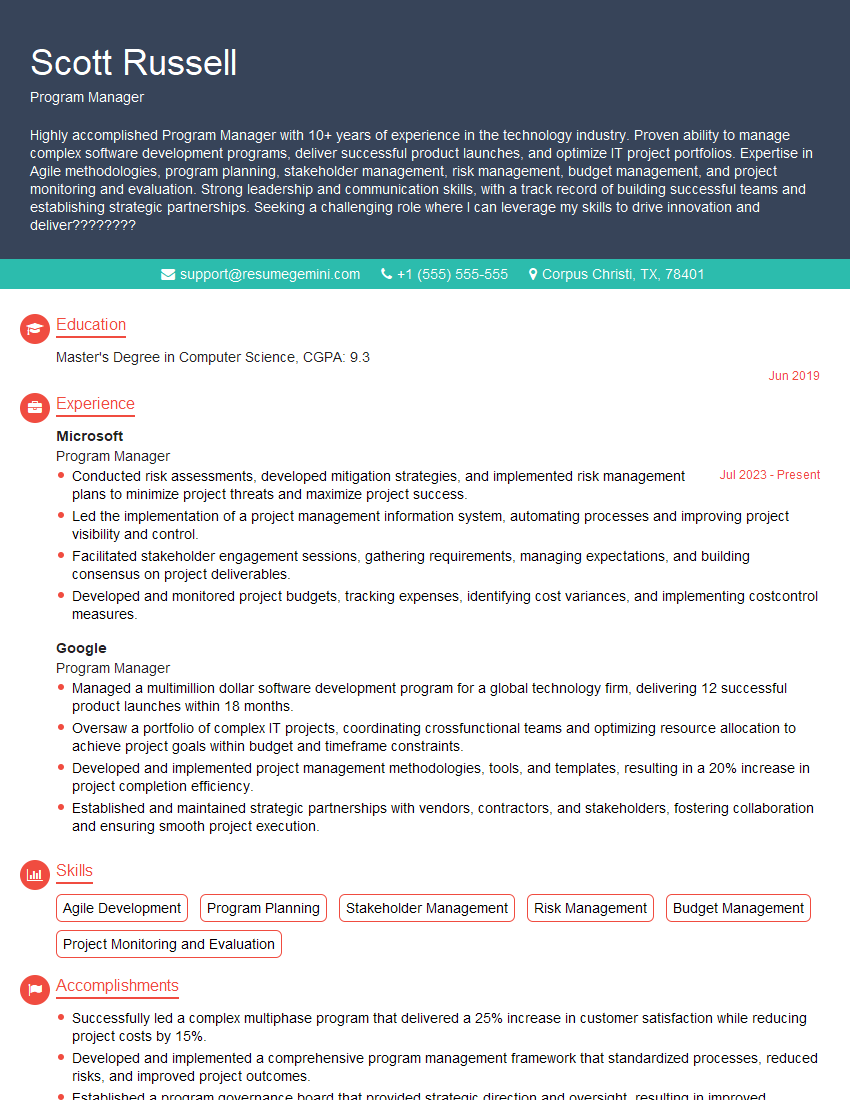
Program Manager Resume Sample

Operations Manager Resume Sample
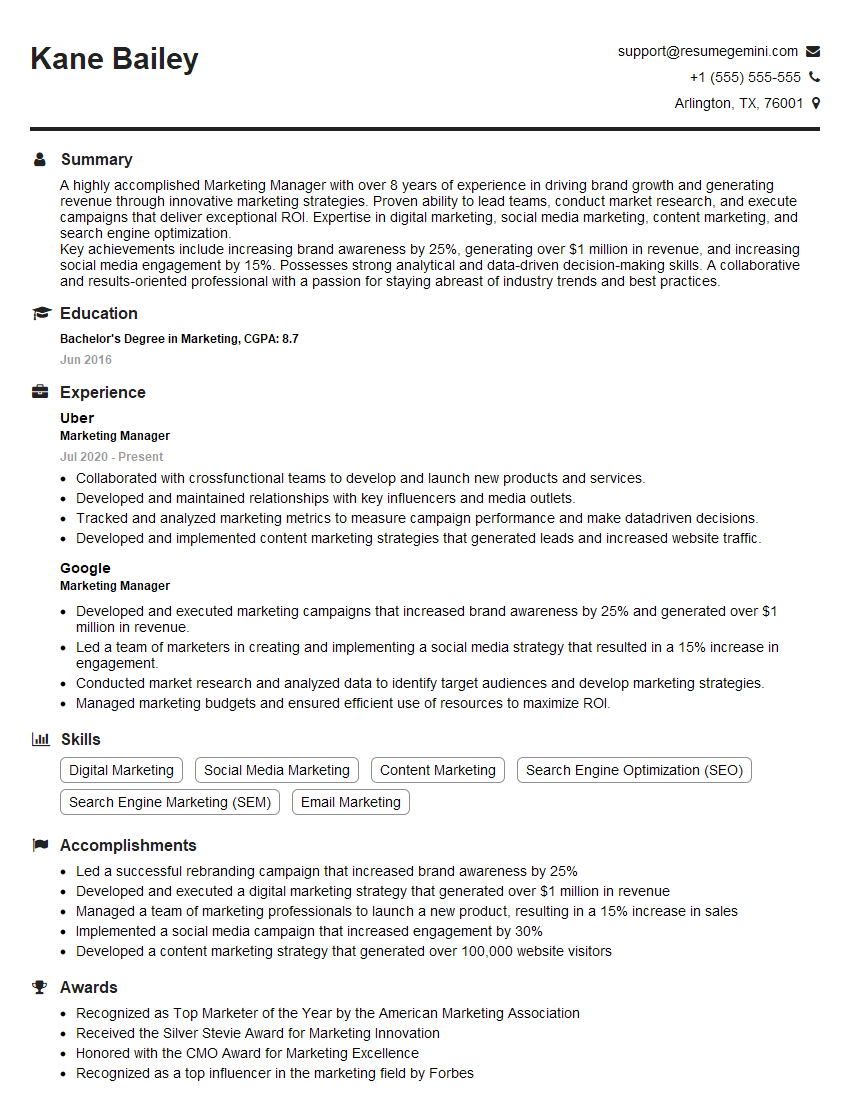
Marketing Manager Resume Sample
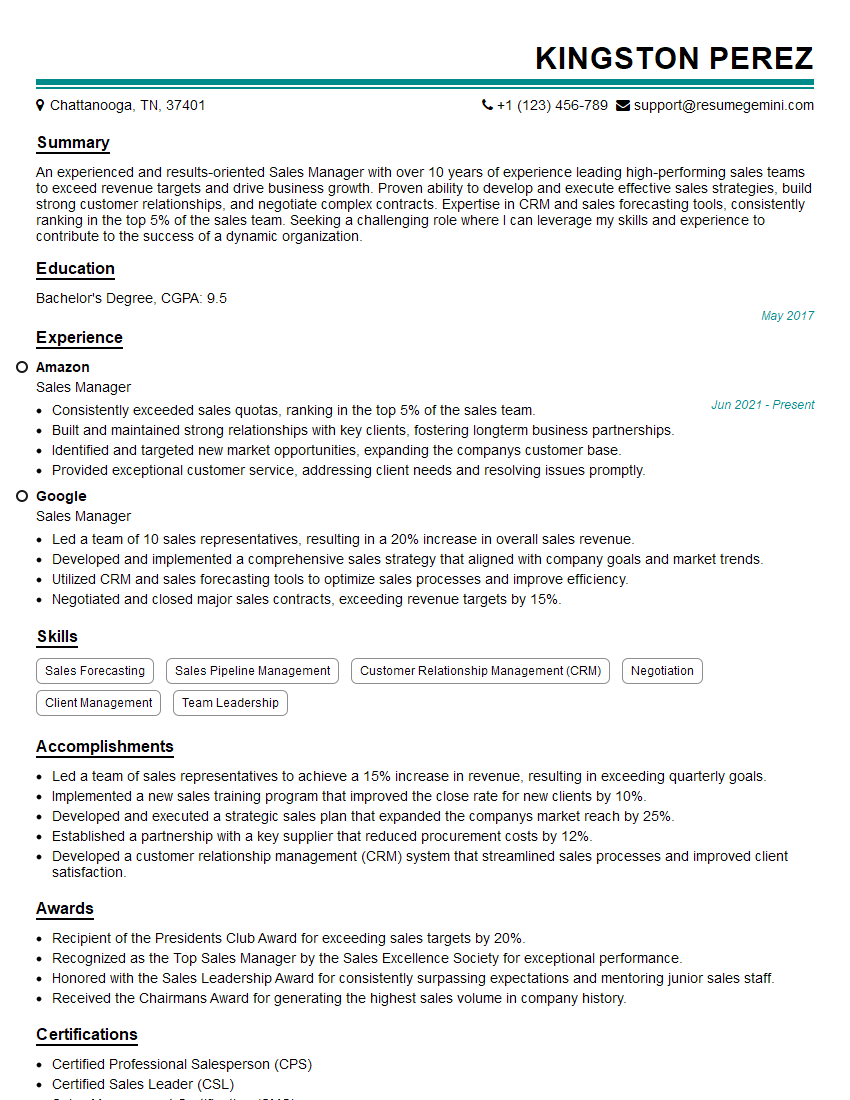
Sales Manager Resume Sample
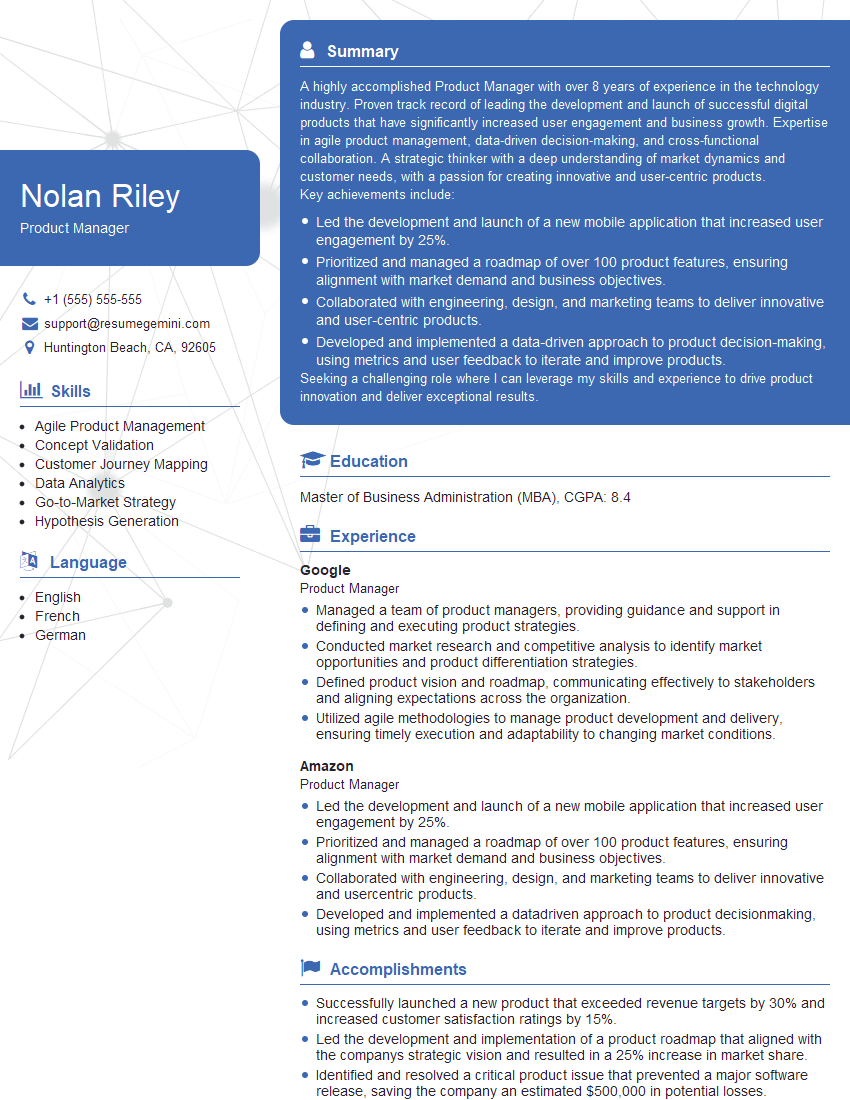
Product Manager Resume Sample
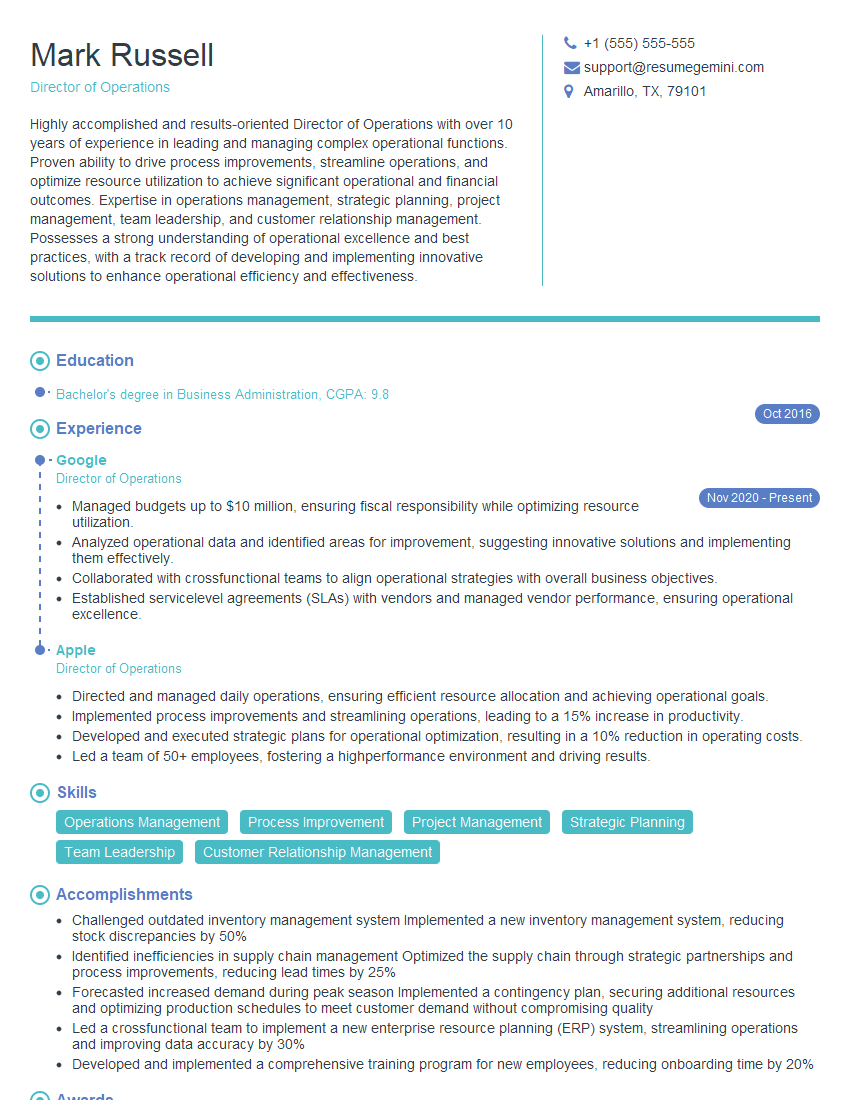
Director of Operations Resume Sample
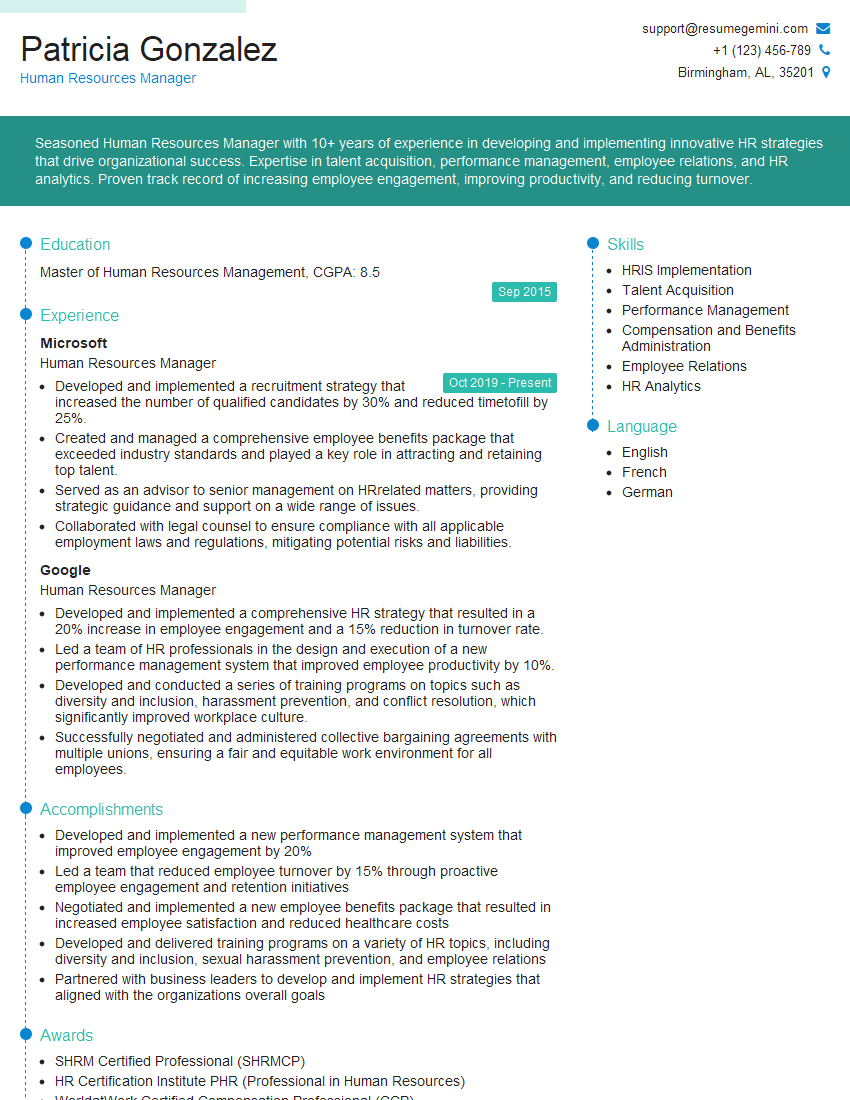
Human Resources Manager Resume Sample
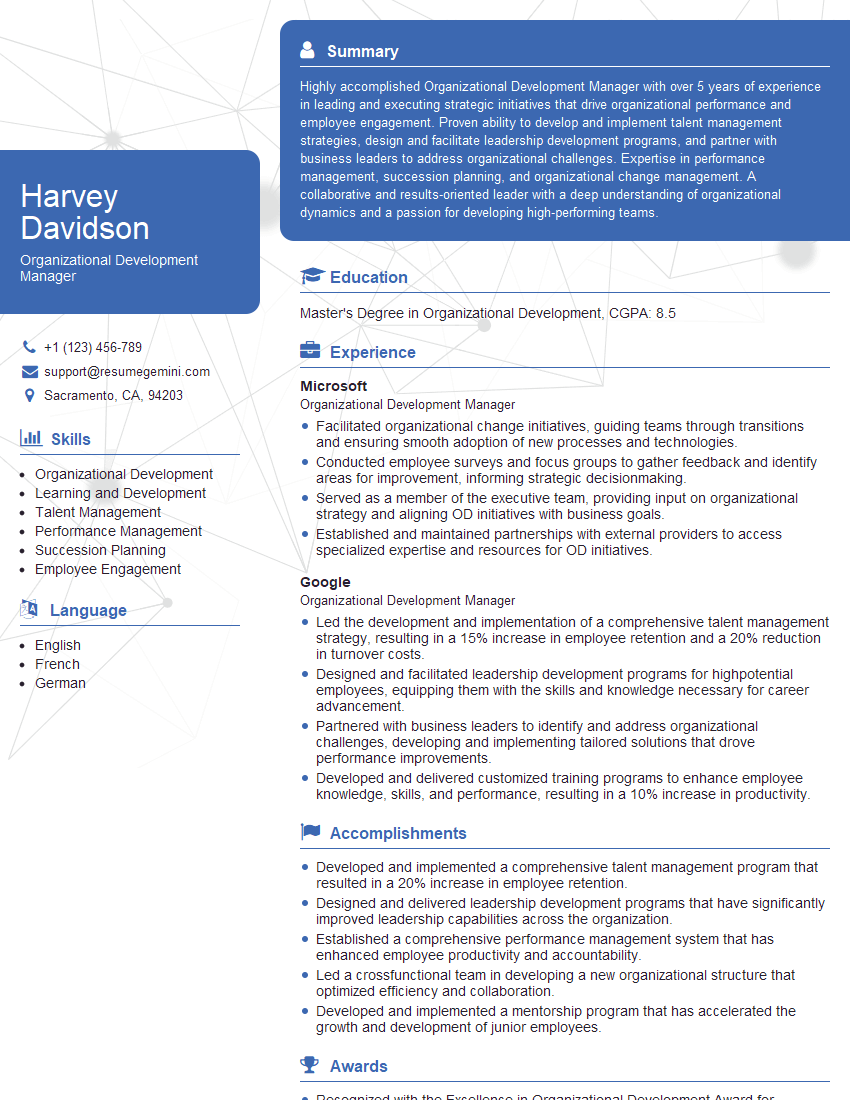
Organizational Development Manager Resume Sample
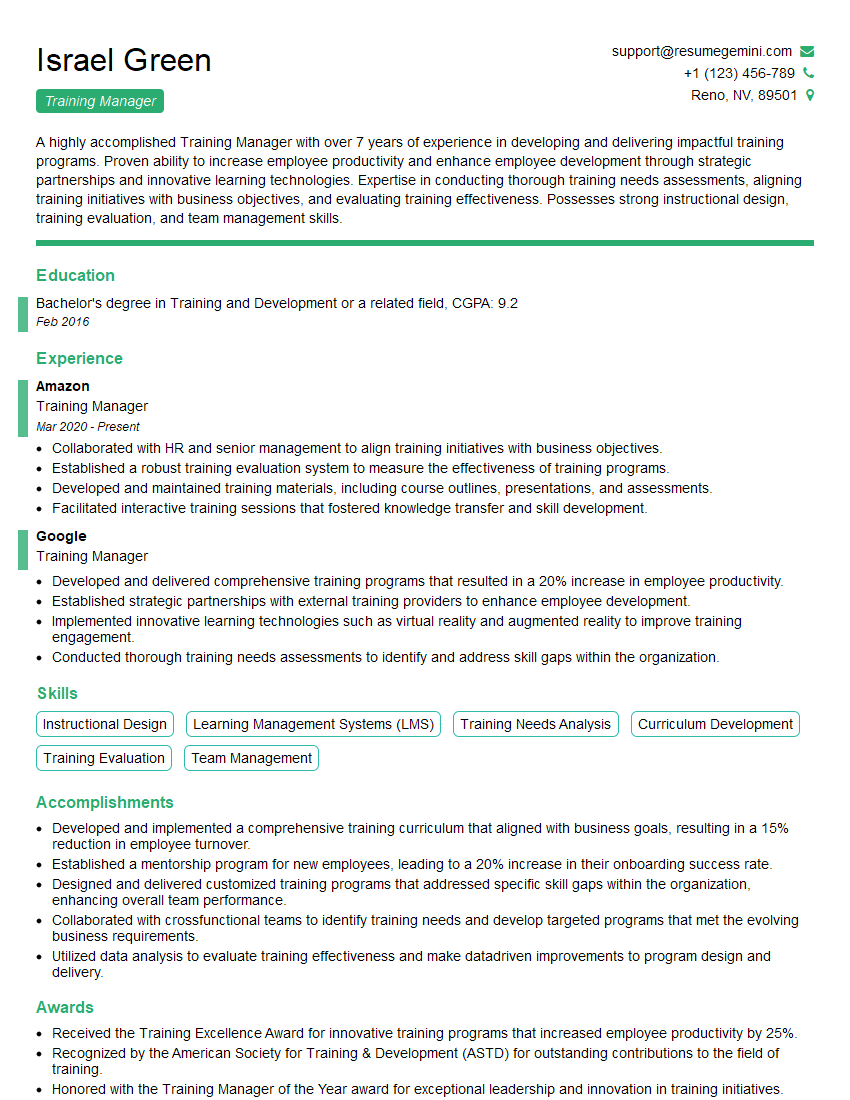
Training Manager Resume Sample

Project Manager Resume Sample
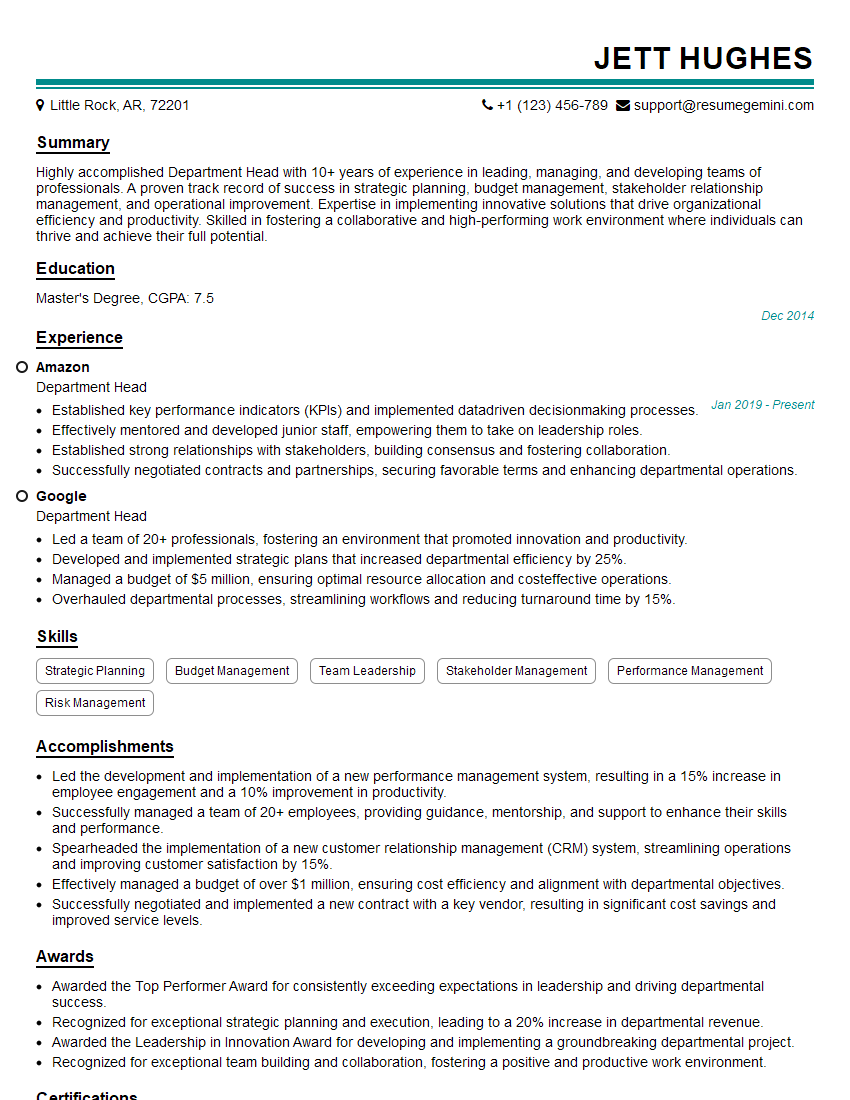
Department Head Resume Sample
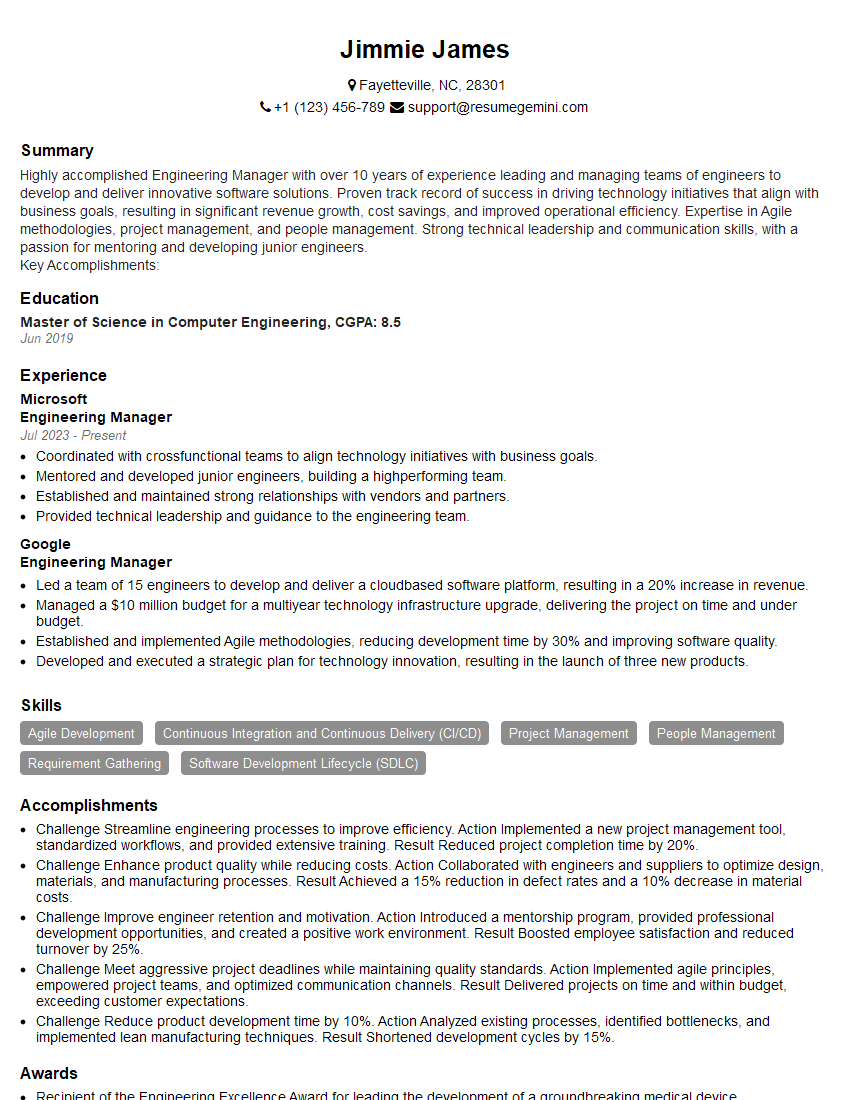
Engineering Manager Resume Sample
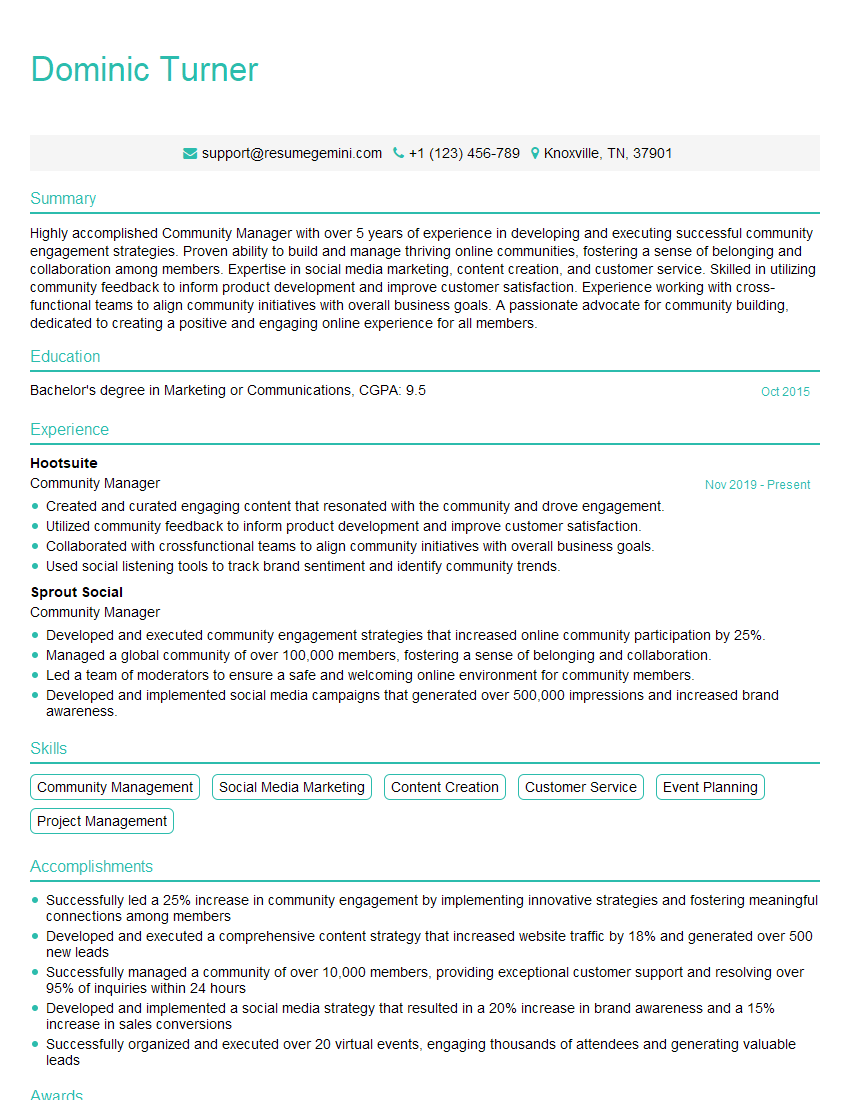
Community Manager Resume Sample
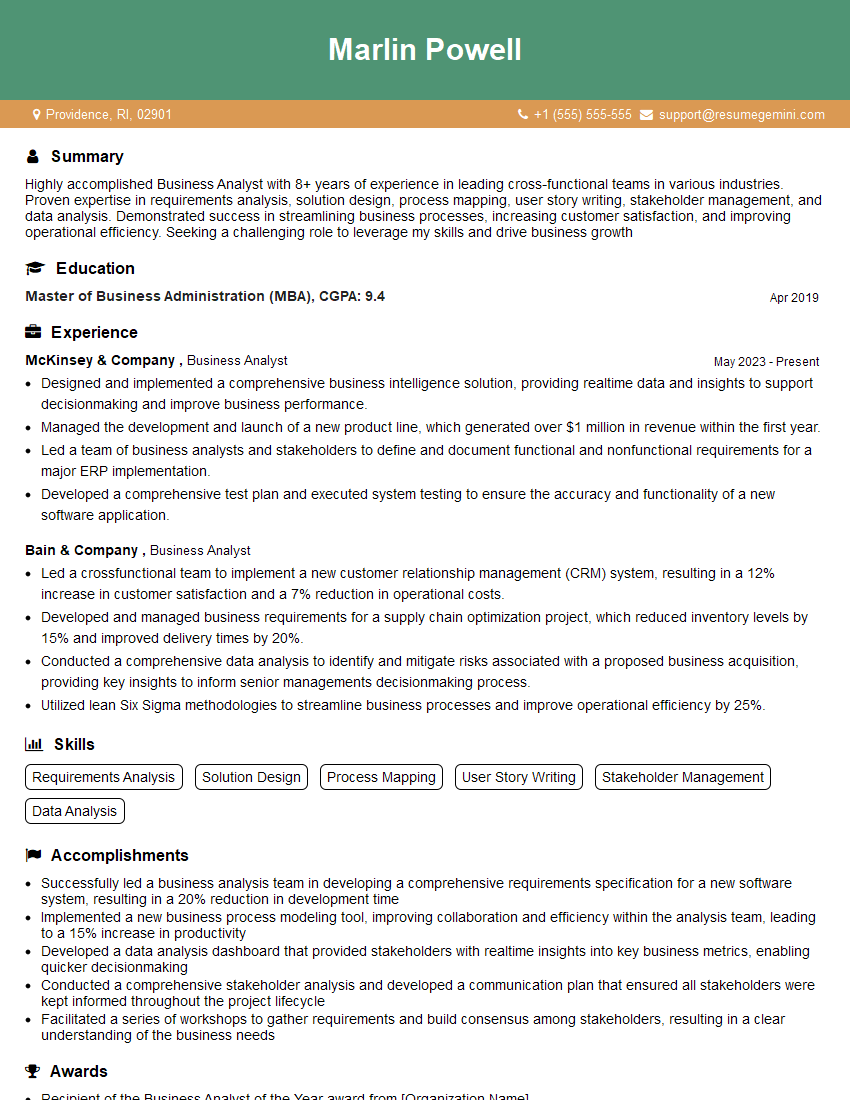
Business Analyst Resume Sample
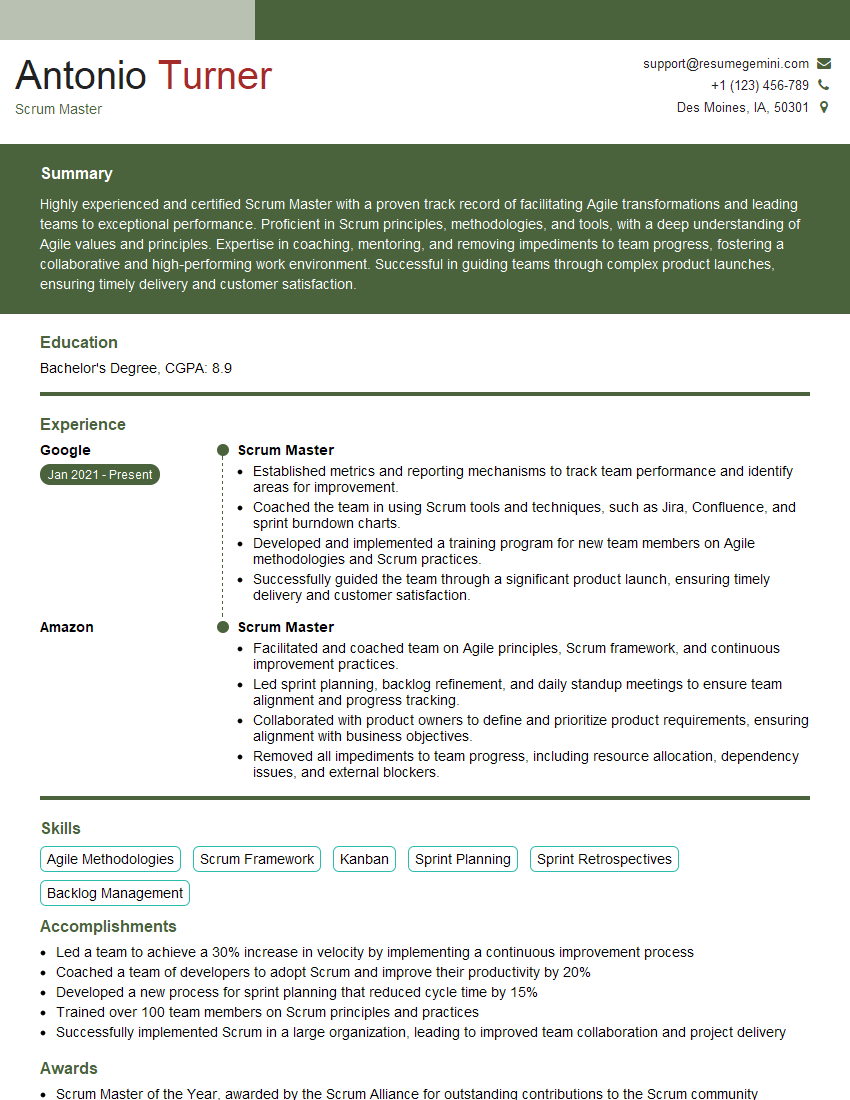
Scrum Master Resume Sample
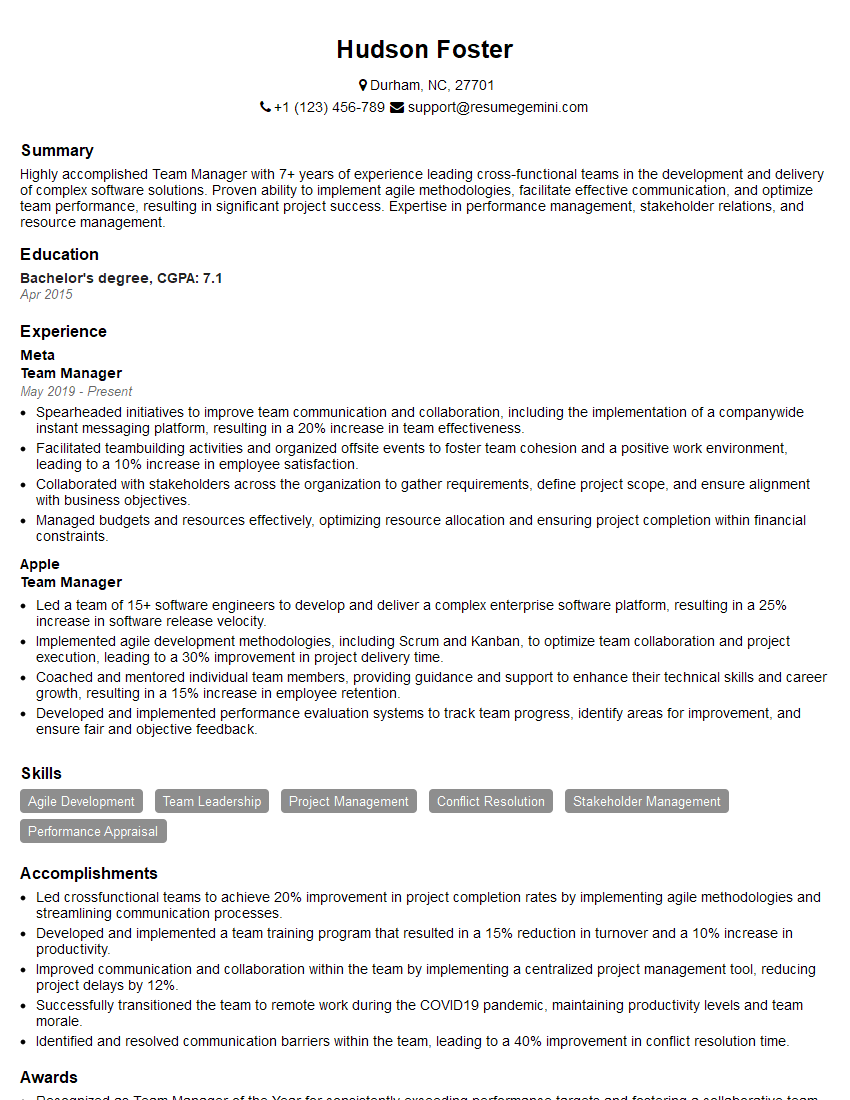
Team Manager Resume Sample
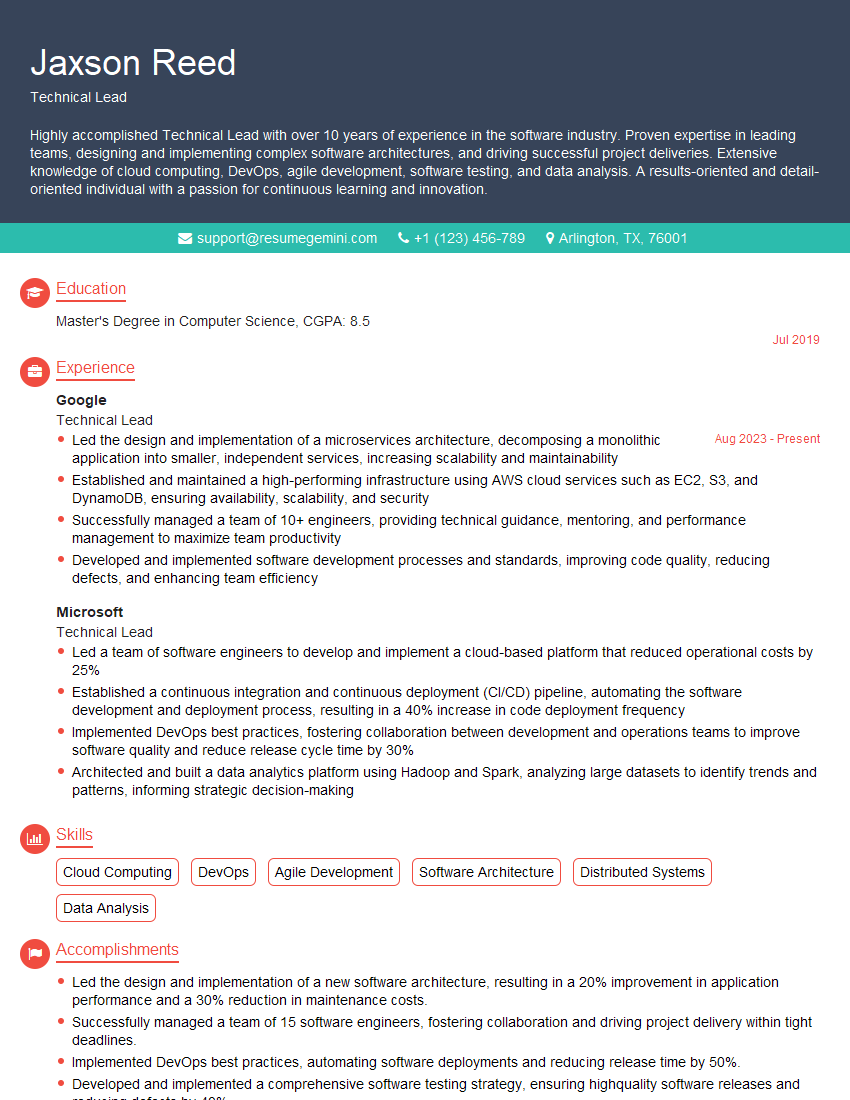
Technical Lead Resume Sample
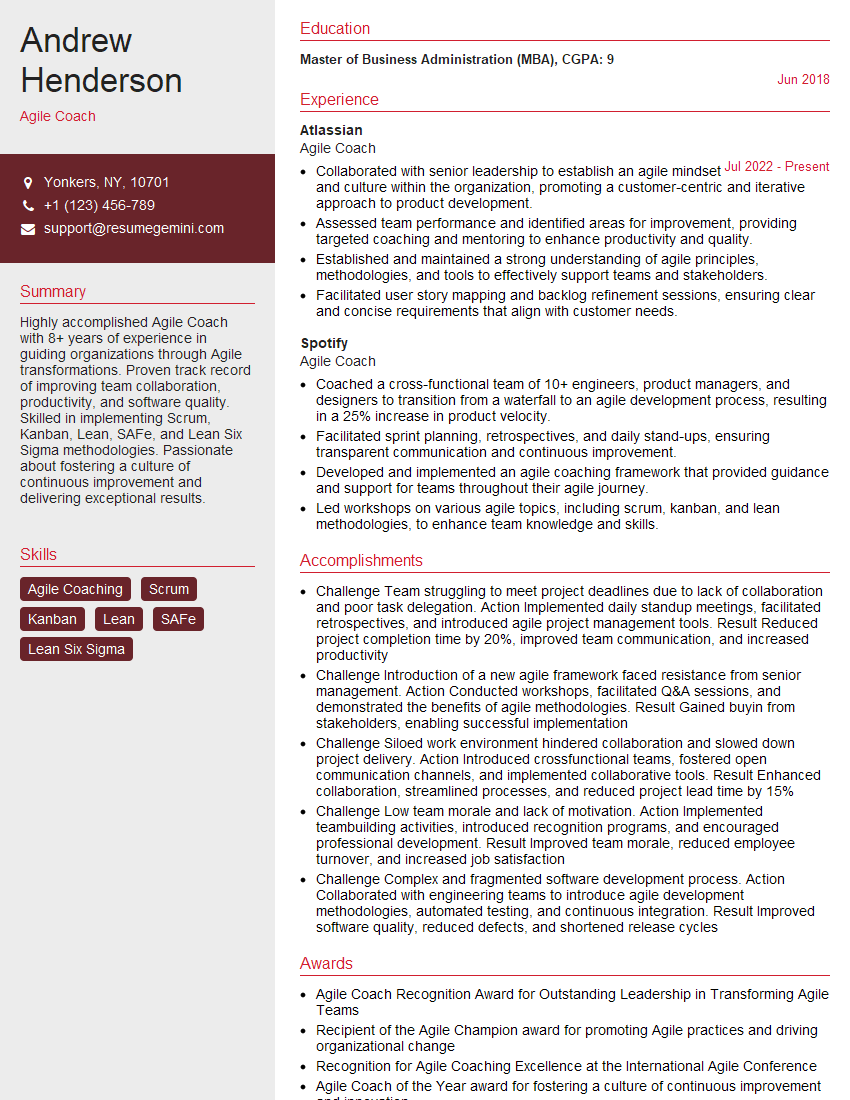
Agile Coach Resume Sample
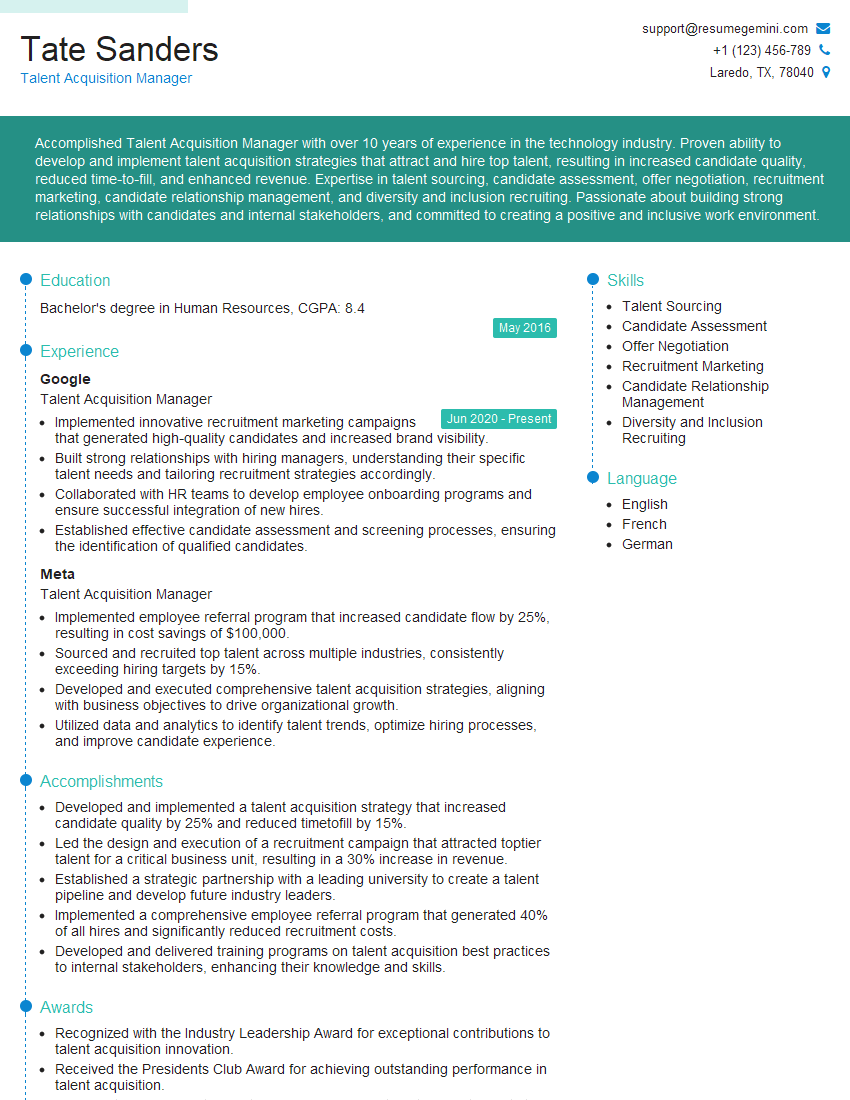
Talent Acquisition Manager Resume Sample
- Program Manager
- Operations Manager
- Marketing Manager
- Sales Manager
- Product Manager
- Director of Operations
- Human Resources Manager
- Organizational Development Manager
- Training Manager
- Project Manager
- Department Head
- Engineering Manager
- Community Manager
- Business Analyst
- Scrum Master
- Team Manager
- Technical Lead
- Agile Coach
- Talent Acquisition Manager
Explore more articles
Users Rating of Our Blogs
Share Your Experience
We value your feedback! Please rate our content and share your thoughts (optional).
What Readers Say About Our Blog
To the interviewgemini.com Webmaster.
Very helpful and content specific questions to help prepare me for my interview!
Thank you
To the interviewgemini.com Webmaster.
This was kind of a unique content I found around the specialized skills. Very helpful questions and good detailed answers.
Very Helpful blog, thank you Interviewgemini team.