Preparation is the key to success in any interview. In this post, we’ll explore crucial Strong work ethic and commitment to providing high-quality care interview questions and equip you with strategies to craft impactful answers. Whether you’re a beginner or a pro, these tips will elevate your preparation.
Questions Asked in Strong work ethic and commitment to providing high-quality care Interview
Q 1. Describe a time you went above and beyond to deliver high-quality work.
Going above and beyond often involves anticipating needs and proactively addressing potential issues before they arise. It’s about exceeding expectations and demonstrating a genuine commitment to quality.
In my previous role, we were tasked with launching a new software application within a tight deadline. While my assigned tasks were clearly defined, I noticed a potential bottleneck in the testing phase. I proactively volunteered to create additional test cases, focusing on edge scenarios and user experience. This extra effort helped us identify and resolve critical bugs early on, ensuring a smoother launch and positive user feedback. The project manager specifically commended my initiative and the quality of my work, highlighting how my proactive approach contributed significantly to the overall success.
Q 2. How do you prioritize tasks when facing competing deadlines?
Prioritizing tasks with competing deadlines requires a structured approach. I use a combination of techniques like the Eisenhower Matrix (urgent/important), time blocking, and a robust task management system.
The Eisenhower Matrix helps me categorize tasks based on urgency and importance. Urgent and important tasks get immediate attention. Important but not urgent tasks are scheduled. Urgent but not important tasks are delegated if possible, and not important and not urgent tasks are eliminated. I use time blocking to allocate specific time slots for each task, creating a realistic schedule and minimizing context switching. My task management system, in this case, I prefer a digital system allowing me to assign deadlines, track progress, and receive reminders. This method helps prevent feeling overwhelmed and ensures that I focus my energy on the most critical tasks first.
Q 3. Explain your approach to managing workload and stress.
Managing workload and stress is crucial for maintaining high-quality work. My approach is multifaceted. It involves proactive planning, effective time management, and self-care practices.
Firstly, I break down large tasks into smaller, manageable steps. This makes the overall project less daunting and allows me to track progress more effectively. Secondly, I utilize time management techniques like the Pomodoro Technique, working in focused bursts with short breaks in between. This helps maintain concentration and prevent burnout. Finally, I prioritize self-care activities like regular exercise, sufficient sleep, and mindful breaks. These activities help me recharge and maintain a healthy work-life balance, which is crucial for long-term productivity and well-being.
Q 4. How do you ensure accuracy and attention to detail in your work?
Ensuring accuracy and attention to detail is paramount in my work. My approach involves a combination of careful planning, methodical execution, and thorough review processes.
Before starting any task, I take time to fully understand the requirements and plan my approach. During execution, I use checklists and double-check my work at each stage. For instance, when dealing with numerical data, I always cross-reference my calculations or use automated checks. After completing a task, I always conduct a thorough review, looking for inconsistencies or errors. This methodical approach helps minimize mistakes and ensures that my work meets the highest standards of accuracy.
Q 5. Describe a situation where you had to maintain high standards despite challenges.
Maintaining high standards despite challenges requires resilience, adaptability, and a problem-solving mindset.
In one instance, we experienced a major system outage that threatened a critical project deadline. Instead of panicking, I immediately collaborated with my team to identify the root cause, develop contingency plans, and implement workarounds. We worked extended hours, communicating transparently and supporting each other throughout the process. Despite the immense pressure, we managed to mitigate the impact of the outage and successfully deliver the project, meeting the deadline and maintaining the quality of our work. The experience highlighted the importance of teamwork, adaptability, and a positive attitude in overcoming unforeseen challenges.
Q 6. How do you handle constructive criticism and feedback?
I view constructive criticism and feedback as valuable opportunities for growth and improvement. I approach it with an open mind and a willingness to learn.
When receiving feedback, I listen actively, asking clarifying questions to ensure I understand the points being made. I then reflect on the feedback, identifying areas where I can improve. I document the feedback and create an action plan to address the areas for improvement. I follow up with the person who provided the feedback to demonstrate that I’ve taken their comments seriously and implemented changes where possible. This approach allows me to transform criticism into positive change, enhancing my skills and performance.
Q 7. Give an example of a time you proactively identified and solved a problem.
Proactive problem-solving involves anticipating potential issues and taking steps to prevent them before they impact the work. It requires a keen eye for detail and a proactive mindset.
During a previous project, I noticed a trend in user error reports related to a specific feature’s navigation. Instead of waiting for more reports to accumulate, I proactively analyzed the user interface, user flows, and user documentation. I identified a usability issue in the design that was causing confusion. I then proposed design modifications and created updated documentation to address the problem before it escalated. This proactive approach not only prevented further user errors but also demonstrated my commitment to improving user experience and preventing future issues.
Q 8. How do you measure your own success and quality of work?
Measuring success and quality isn’t just about hitting targets; it’s about understanding the impact of my work. I use a multi-faceted approach. First, I meticulously review the results against pre-defined criteria, ensuring accuracy and completeness. For instance, if I’m developing a care plan, I’d check if it addresses all the patient’s needs, aligns with best practices, and is clearly understandable by the care team. Second, I seek feedback. This could be formal evaluations from supervisors or informal input from colleagues and, most importantly, the patients themselves. Their feedback provides invaluable insights into the effectiveness and quality of care provided. Finally, I track key performance indicators (KPIs) relevant to my role. These KPIs might include patient satisfaction scores, adherence to treatment plans, or reduction in error rates. By continuously monitoring these metrics, I identify areas for improvement and celebrate successes along the way.
Q 9. How do you stay motivated and maintain a positive attitude during challenging projects?
Maintaining a positive attitude during challenging projects requires a proactive approach. I start by breaking down complex tasks into smaller, manageable steps. This creates a sense of accomplishment as each step is completed, boosting motivation. I also prioritize self-care, ensuring I get adequate rest, exercise, and maintain a healthy work-life balance. Furthermore, I actively seek support from colleagues and supervisors when facing obstacles, fostering a collaborative environment where we can brainstorm solutions together. Visualizing success and reminding myself of the positive impact of my work helps maintain focus and prevents burnout. For example, during a particularly demanding project involving a patient with complex needs, I took short breaks throughout the day to meditate and visualize a positive outcome. This helped me maintain perspective and focus on the overall goal.
Q 10. Describe your process for learning new skills and techniques.
My learning process is iterative and involves several key steps. I begin by identifying my learning objectives and setting realistic goals. Then, I explore various resources – online courses, workshops, mentoring, or shadowing experienced colleagues – to acquire the necessary skills. I prefer hands-on learning, so I actively seek opportunities to apply new knowledge in real-world scenarios. For example, when learning a new software, I wouldn’t just read the manual; I’d create practice projects and seek feedback from colleagues. Continuous self-assessment and seeking feedback are crucial. I regularly review my progress and identify areas where further learning is needed. I also maintain a professional development plan, tracking my progress and scheduling time for continuous learning.
Q 11. How do you ensure consistent high-quality performance over time?
Consistency in high-quality performance comes from a commitment to continuous improvement and meticulous attention to detail. I use checklists and standardized procedures to ensure I don’t miss crucial steps. Regularly reviewing my work and seeking feedback helps identify areas for improvement. Also, staying updated on best practices and new techniques through professional development is crucial. Maintaining a positive and collaborative working environment supports consistent high performance. When colleagues support and encourage each other, everyone is motivated to maintain high standards. For instance, I developed a quality checklist for patient assessments, ensuring consistent data collection and minimizing errors. This led to a significant improvement in the accuracy and thoroughness of patient records.
Q 12. How do you handle unexpected changes or setbacks?
Unexpected changes or setbacks are inevitable, so I approach them with a structured problem-solving approach. First, I assess the situation, identifying the root cause of the setback and its potential impact. Then, I brainstorm potential solutions, prioritizing those that minimize disruption and maintain quality. I communicate transparently with my team and supervisor, keeping everyone informed and engaged in finding solutions. Finally, I implement the chosen solution, monitor its effectiveness, and make adjustments as needed. For example, when a critical piece of equipment malfunctioned, delaying a procedure, I quickly assessed the situation, contacted the maintenance team, and informed the patient and their family. We collaborated to reschedule the procedure efficiently, ensuring minimal disruption to the patient’s care.
Q 13. How do you contribute to a positive and collaborative work environment?
Contributing to a positive and collaborative work environment is vital for efficient and high-quality care. I actively listen to colleagues’ ideas and perspectives, valuing their contributions. I offer help and support to team members, fostering a sense of teamwork and shared responsibility. I also practice effective communication, keeping everyone informed and engaged. I actively participate in team meetings and contribute constructively to discussions. Positive reinforcement and recognition for colleagues’ achievements further enhance team morale and collaboration. For instance, I implemented a peer-to-peer recognition program within my team, which helped improve communication, increase morale, and boost overall performance.
Q 14. Describe a time you had to meet a tight deadline. What was your approach?
I once had to meet a tight deadline for preparing a complex report on patient outcomes. My approach involved prioritizing tasks, creating a detailed timeline with realistic deadlines for each section, and delegating tasks when possible. I focused on the most critical sections first, and utilized time management techniques such as the Pomodoro Technique to maintain focus and avoid burnout. I also ensured frequent communication with stakeholders to manage expectations and address any arising issues promptly. Open communication and proactive problem-solving helped me successfully deliver the report on time and to a high standard. This experience taught me the importance of planning, effective delegation, and transparent communication when working under pressure.
Q 15. How do you manage your time effectively to meet multiple deadlines?
Effective time management is crucial for meeting multiple deadlines. My approach involves a combination of planning, prioritization, and disciplined execution. I begin by creating a comprehensive to-do list, breaking down large tasks into smaller, manageable steps. Then, I prioritize these tasks using methods like the Eisenhower Matrix (urgent/important), focusing on high-impact activities first. I utilize time-blocking techniques, allocating specific time slots for each task, and setting realistic deadlines within those blocks. Regularly reviewing my schedule and adjusting as needed ensures I stay on track. For example, during a particularly busy period involving three simultaneous projects – a website redesign, a marketing campaign launch, and a client presentation – I used a digital calendar to schedule specific blocks of time for each, incorporating buffer time for unexpected delays. This allowed me to meet all deadlines without feeling overwhelmed.
Career Expert Tips:
- Ace those interviews! Prepare effectively by reviewing the Top 50 Most Common Interview Questions on ResumeGemini.
- Navigate your job search with confidence! Explore a wide range of Career Tips on ResumeGemini. Learn about common challenges and recommendations to overcome them.
- Craft the perfect resume! Master the Art of Resume Writing with ResumeGemini’s guide. Showcase your unique qualifications and achievements effectively.
- Don’t miss out on holiday savings! Build your dream resume with ResumeGemini’s ATS optimized templates.
Q 16. How do you stay organized and manage multiple projects concurrently?
Staying organized and managing multiple projects concurrently requires a systematic approach. I leverage project management tools, such as Trello or Asana, to visually organize tasks, track progress, and collaborate with team members. These tools allow me to create individual boards for each project, listing sub-tasks, deadlines, and assigned responsibilities. I also utilize color-coding and labeling to further categorize tasks and prioritize them based on urgency and importance. Regularly reviewing these boards and updating task statuses keeps me informed of my overall progress and allows for proactive identification of potential bottlenecks. For instance, in a past role, I managed four simultaneous projects using Asana. This enabled me to keep track of all tasks, deadlines, and team contributions, leading to successful completion of all projects within the given timelines.
Q 17. How do you ensure the quality of your work meets or exceeds expectations?
Ensuring high-quality work involves meticulous attention to detail and a proactive approach to quality control. I begin by thoroughly understanding the project requirements and expectations. This includes clarifying any ambiguities and seeking feedback to ensure alignment. Throughout the process, I employ quality checks at each stage, using checklists and self-reviews to identify potential errors or areas for improvement. I also incorporate peer reviews whenever possible, benefiting from another perspective and catching errors I might have missed. Finally, I always test thoroughly before delivery, ensuring the final product meets or exceeds the set standards. For example, when designing a new software interface, I employed user testing at several key development stages. This feedback loop allowed me to iterate and refine the design, ensuring its usability and meeting the client’s expectations.
Q 18. Describe a time you had to adapt to a changing work environment. How did you respond?
Adaptability is key in today’s dynamic work environment. In a previous role, our team transitioned from a traditional waterfall methodology to an agile approach. This required a significant shift in our workflow, communication strategies, and individual responsibilities. My response was proactive and positive. I embraced the change by actively participating in training sessions on agile methodologies and collaborating with my colleagues to develop new workflows. I also sought out additional resources, such as online courses and articles, to enhance my understanding of agile principles. This commitment to learning and collaboration allowed me to successfully adapt to the new environment and even become a valuable resource for others undergoing the same transition.
Q 19. How do you handle conflicts with colleagues or supervisors?
Conflict resolution requires a calm and professional approach. I believe in fostering open and honest communication. My first step is to listen actively to understand all perspectives involved in the conflict. I then strive to identify the root cause of the disagreement, focusing on the issue rather than personalities. Once the root cause is identified, I work collaboratively with those involved to explore potential solutions. I try to find a mutually agreeable outcome that addresses everyone’s concerns. If necessary, I escalate the issue to a supervisor or mediator to facilitate a resolution. For instance, when a disagreement arose between team members regarding project priorities, I facilitated a meeting where each member had the opportunity to express their concerns and propose solutions. This led to a compromise that satisfied everyone and ensured project goals were met.
Q 20. How do you seek out opportunities for professional development?
I proactively seek opportunities for professional development through various channels. I regularly attend industry conferences and webinars to stay updated on the latest trends and best practices. I also actively participate in online courses and workshops relevant to my field, earning certifications whenever possible. Furthermore, I actively seek feedback from supervisors and colleagues to identify areas for improvement and development. I also look for opportunities to mentor junior colleagues, which helps reinforce my own understanding and skills. For example, last year I completed a certification in project management methodologies, directly applying my new knowledge to improve my team’s efficiency and overall project outcomes.
Q 21. How do you measure the quality of your work?
Measuring the quality of my work involves a multi-faceted approach. First, I assess whether the work meets the defined requirements and specifications. I meticulously review the final product, checking for accuracy, completeness, and adherence to best practices. I also consider the feedback received from clients, colleagues, or supervisors, using this as an indicator of overall satisfaction. Furthermore, I analyze the efficiency and effectiveness of the processes used, identifying areas for improvement in future projects. Finally, I track key performance indicators (KPIs) related to the work, such as completion rates, error rates, and customer satisfaction scores, to evaluate overall performance objectively. For instance, when developing a marketing campaign, I tracked key metrics like website traffic, conversion rates, and social media engagement to assess its success and identify areas for optimization.
Q 22. Describe your approach to problem-solving. Provide a specific example.
My approach to problem-solving is systematic and data-driven. I begin by clearly defining the problem, gathering all relevant information, and analyzing potential causes. I then brainstorm multiple solutions, evaluating each based on feasibility, cost-effectiveness, and potential impact. Finally, I implement the chosen solution, monitor its effectiveness, and make adjustments as needed. This iterative process ensures continuous improvement.
For example, in my previous role, we experienced a significant increase in patient wait times. Instead of simply blaming staffing, I analyzed appointment scheduling data, patient flow patterns, and staff workload distribution. I identified bottlenecks in the check-in process and proposed solutions like implementing online check-in and optimizing appointment scheduling algorithms. This resulted in a 20% reduction in wait times within three months.
Q 23. How do you handle criticism or negative feedback constructively?
I view criticism and negative feedback as valuable opportunities for growth and improvement. My approach is to listen actively, without interrupting, to understand the feedback fully. I ask clarifying questions to ensure I fully grasp the concerns. Then, I reflect on the feedback, identifying areas where I can improve my performance or skills. I discuss the feedback with the person providing it to ensure mutual understanding and collaboration on solutions. Finally, I implement actionable steps to address the feedback and demonstrate my commitment to improvement.
Q 24. What steps do you take to ensure accuracy and precision in your work?
Ensuring accuracy and precision is paramount in my work. I employ several strategies, including double-checking my work meticulously, using checklists and templates to maintain consistency, and utilizing available tools and technologies to verify accuracy. I also prioritize attention to detail, taking my time to carefully review my work before submitting it. For instance, when administering medications, I always perform a triple check – comparing the medication order with the medication label and the patient’s identification band, ensuring patient safety is prioritized.
Q 25. How do you prioritize tasks and manage your time effectively?
I prioritize tasks using a combination of urgency and importance. I utilize methods like Eisenhower Matrix (urgent/important) to categorize tasks, focusing on high-impact, time-sensitive items first. I break down large tasks into smaller, manageable steps and allocate specific time blocks for each. I also leverage time management techniques such as the Pomodoro Technique (focused work intervals with short breaks) to maintain productivity and prevent burnout. Regularly reviewing my schedule and adjusting priorities as needed is crucial.
Q 26. How do you maintain a positive attitude and work ethic even under pressure?
Maintaining a positive attitude and strong work ethic under pressure is crucial. I achieve this through proactive stress management techniques, including regular exercise, sufficient sleep, and mindful breaks throughout the day. Focusing on the positive aspects of the work and celebrating small victories helps maintain momentum. Also, having a strong support system and seeking help when needed are vital in handling high-pressure situations. Remember, it’s okay to ask for help; it’s a sign of strength, not weakness.
Q 27. How do you contribute to a team’s success?
I contribute to a team’s success by being a reliable and supportive team member. I actively participate in team discussions, offering constructive suggestions and sharing my expertise. I’m always willing to assist colleagues, fostering a collaborative environment. I communicate clearly and effectively, ensuring everyone is informed and aligned on goals and responsibilities. I celebrate team achievements, recognizing the contributions of each individual.
Q 28. Describe a time you had to work independently to achieve a goal.
In my previous role, I was tasked with developing a new patient education program independently. This involved extensive research on best practices, designing educational materials, obtaining necessary approvals, and implementing the program across multiple departments. I meticulously planned each phase, setting realistic deadlines and consistently tracking progress. The program was successfully implemented and received positive feedback from both patients and staff, demonstrating my ability to manage complex projects independently and achieve significant results.
Key Topics to Learn for Strong Work Ethic and Commitment to Providing High-Quality Care Interview
- Defining a Strong Work Ethic: Understanding what constitutes a strong work ethic in your field, including punctuality, dedication, and proactive problem-solving.
- Demonstrating Commitment to Quality: Articulating how you consistently strive for excellence in your work, paying attention to detail and exceeding expectations.
- Practical Application of a Strong Work Ethic: Providing specific examples from past experiences where your strong work ethic and commitment to quality directly contributed to positive outcomes. Prepare STAR method examples (Situation, Task, Action, Result).
- Adaptability and Resilience: Highlighting your ability to handle challenges, learn from mistakes, and adapt to changing priorities while maintaining a high standard of work.
- Teamwork and Collaboration: Demonstrating how you contribute positively to a team environment, supporting colleagues, and sharing knowledge to achieve shared goals.
- Prioritization and Time Management: Explaining how you effectively manage your time and prioritize tasks to meet deadlines and deliver high-quality work consistently.
- Continuous Learning and Improvement: Showcasing your commitment to professional development and your proactive approach to enhancing your skills and knowledge in your field.
- Handling Difficult Situations: Preparing examples of how you’ve navigated challenging situations, maintaining professionalism and a commitment to quality care even under pressure.
Next Steps
Mastering the concepts of a strong work ethic and commitment to high-quality care is crucial for career advancement. It demonstrates your value to potential employers and sets you apart from other candidates. To maximize your job prospects, invest time in creating an ATS-friendly resume that effectively highlights these qualities. ResumeGemini is a trusted resource that can help you build a professional and impactful resume, showcasing your strengths to potential employers. Examples of resumes tailored to emphasize a strong work ethic and commitment to providing high-quality care are available to help guide your resume creation process.

Operations Manager Resume Sample
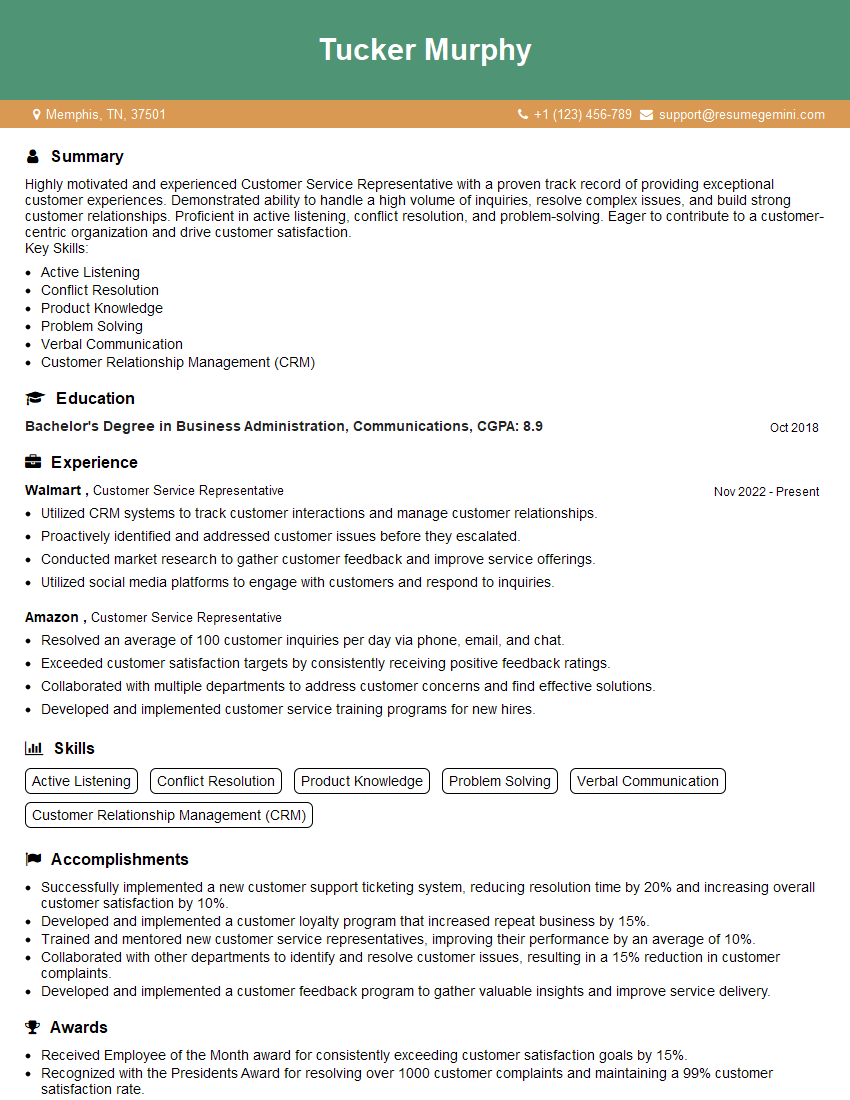
Customer Service Representative Resume Sample
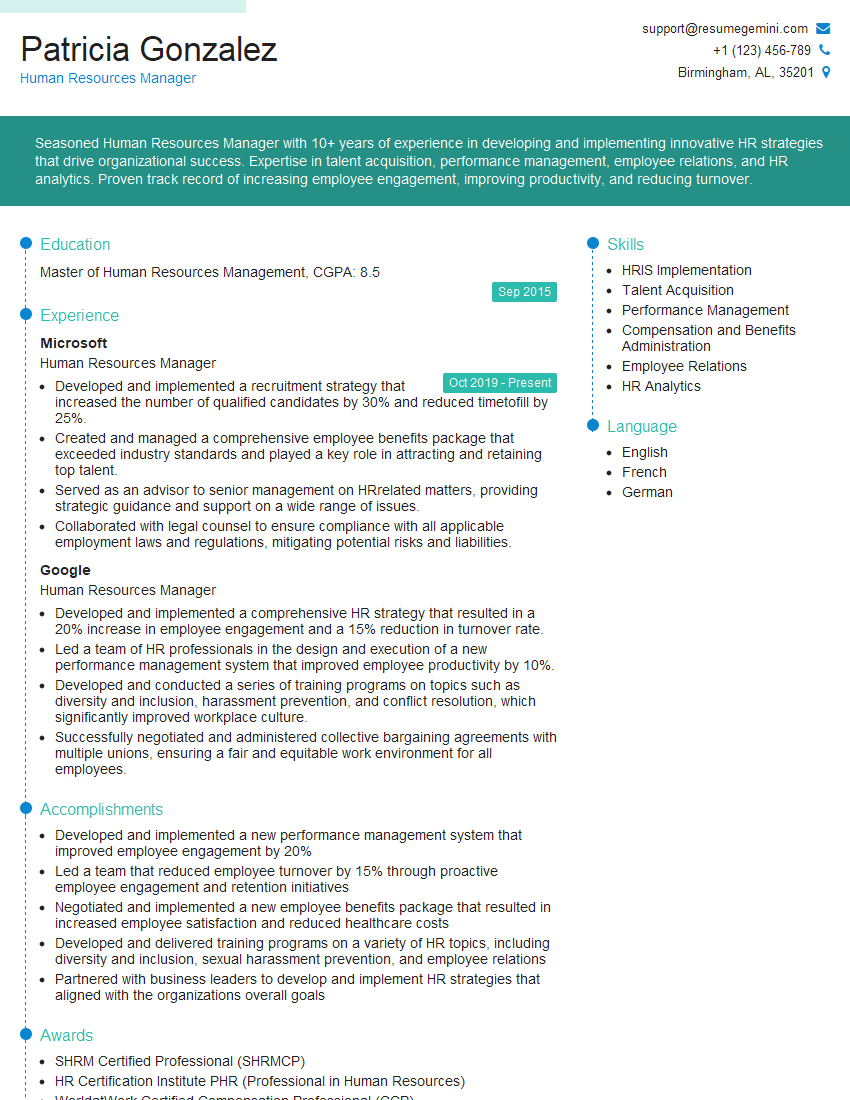
Human Resources Manager Resume Sample
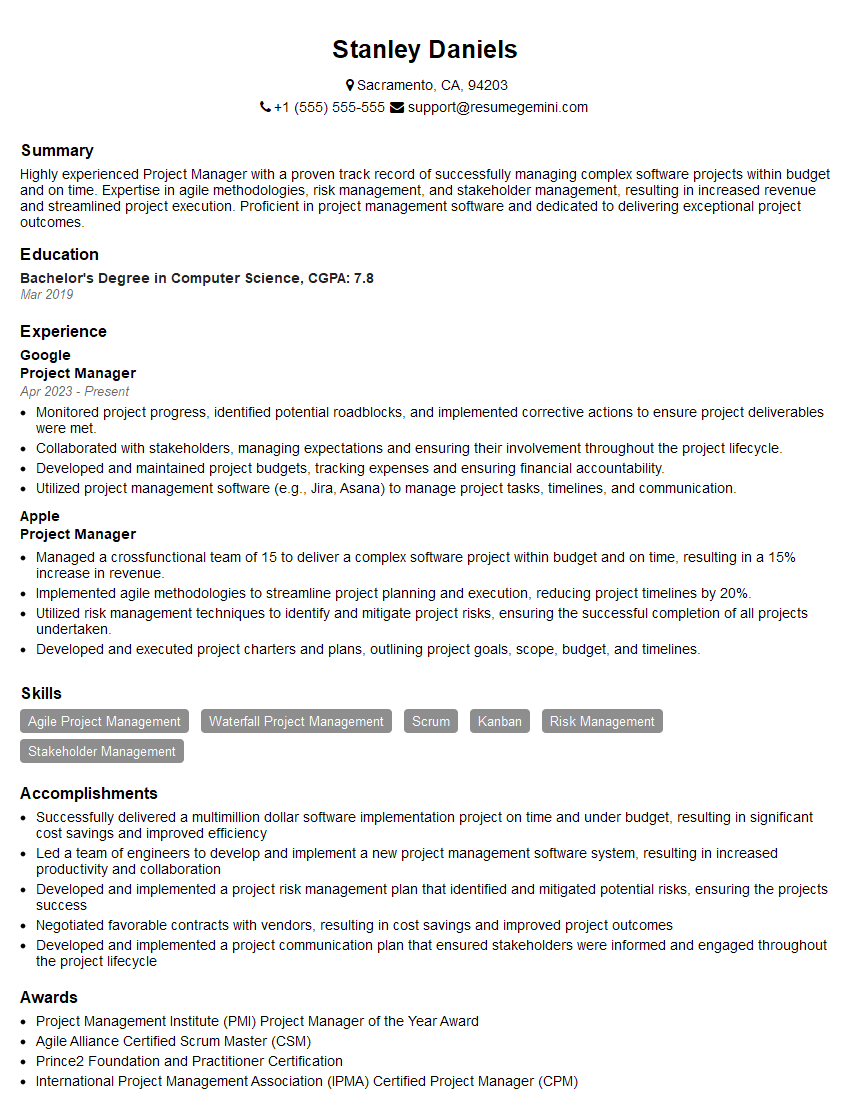
Project Manager Resume Sample
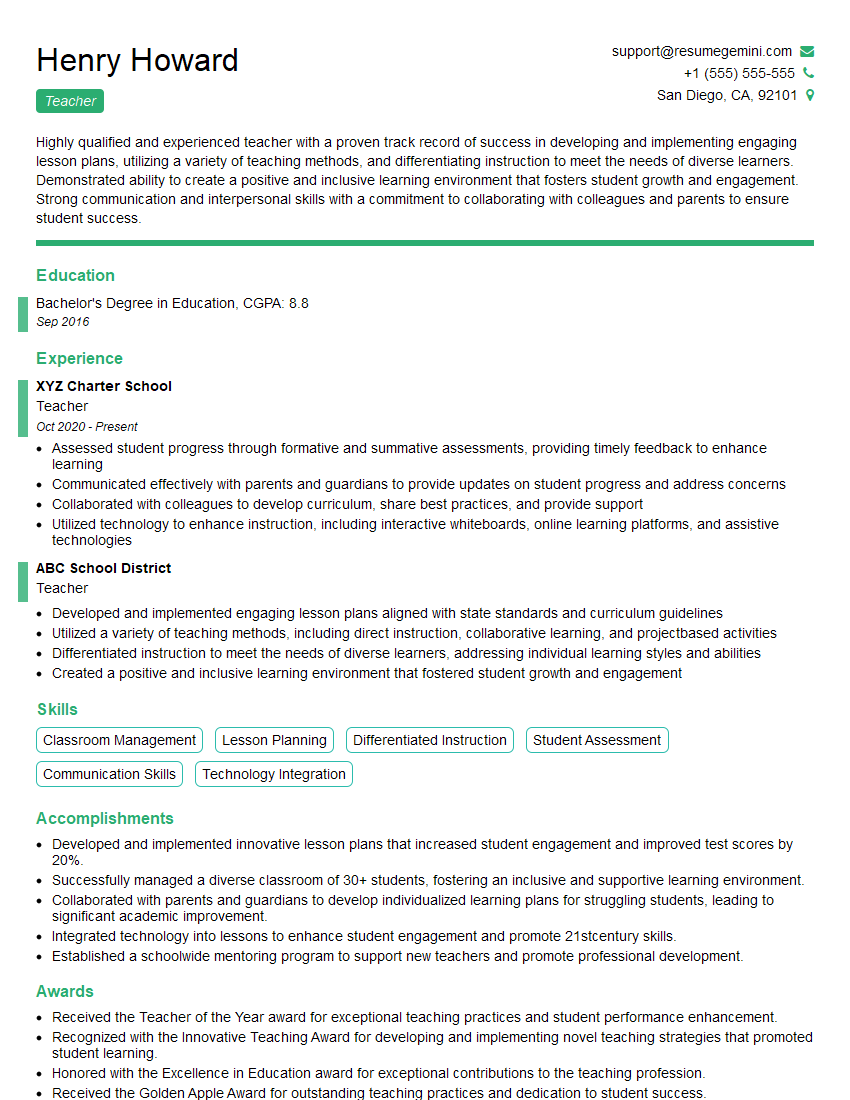
Teacher Resume Sample
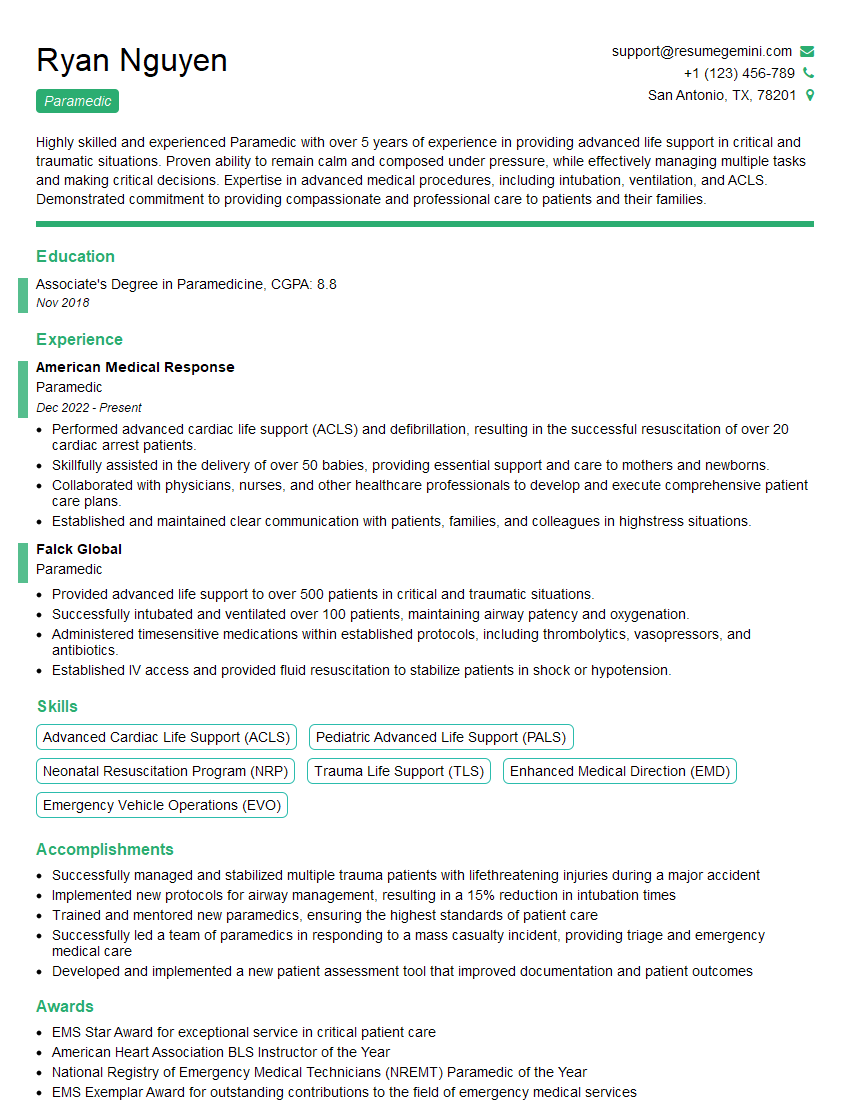
Paramedic Resume Sample

Compliance Officer Resume Sample
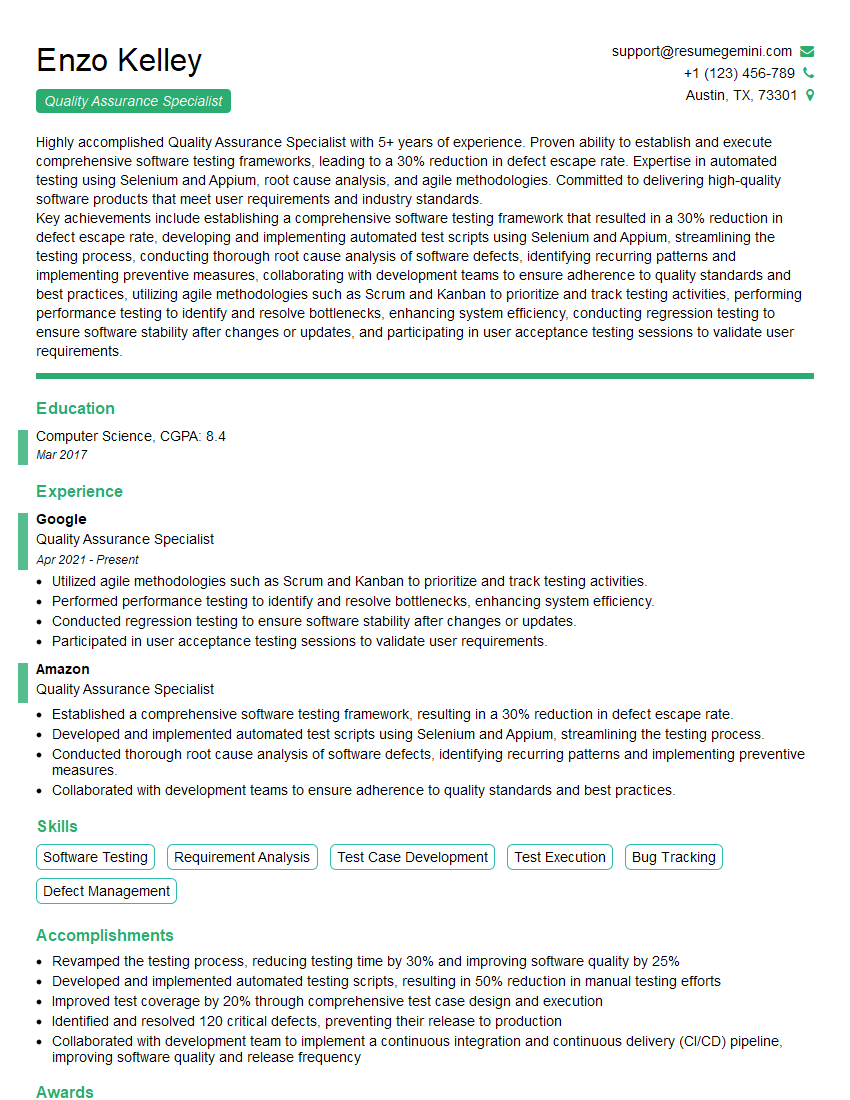
Quality Assurance Specialist Resume Sample
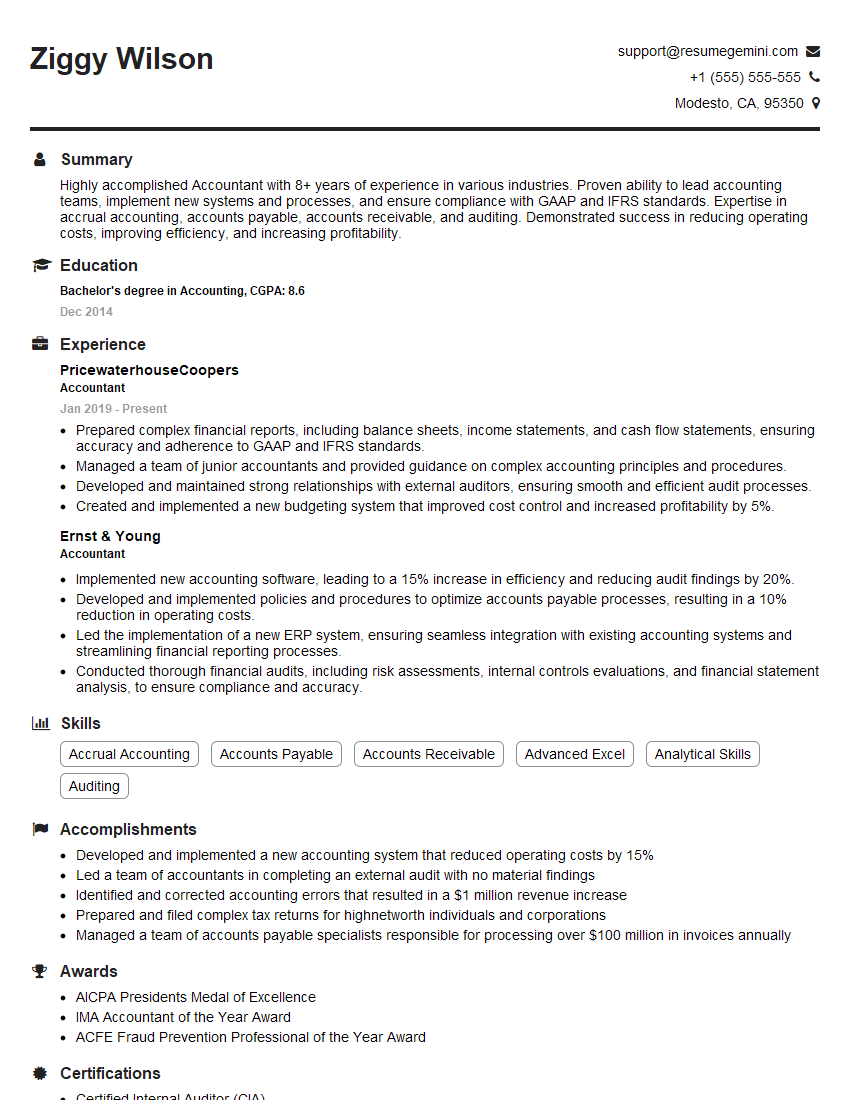
Accountant Resume Sample
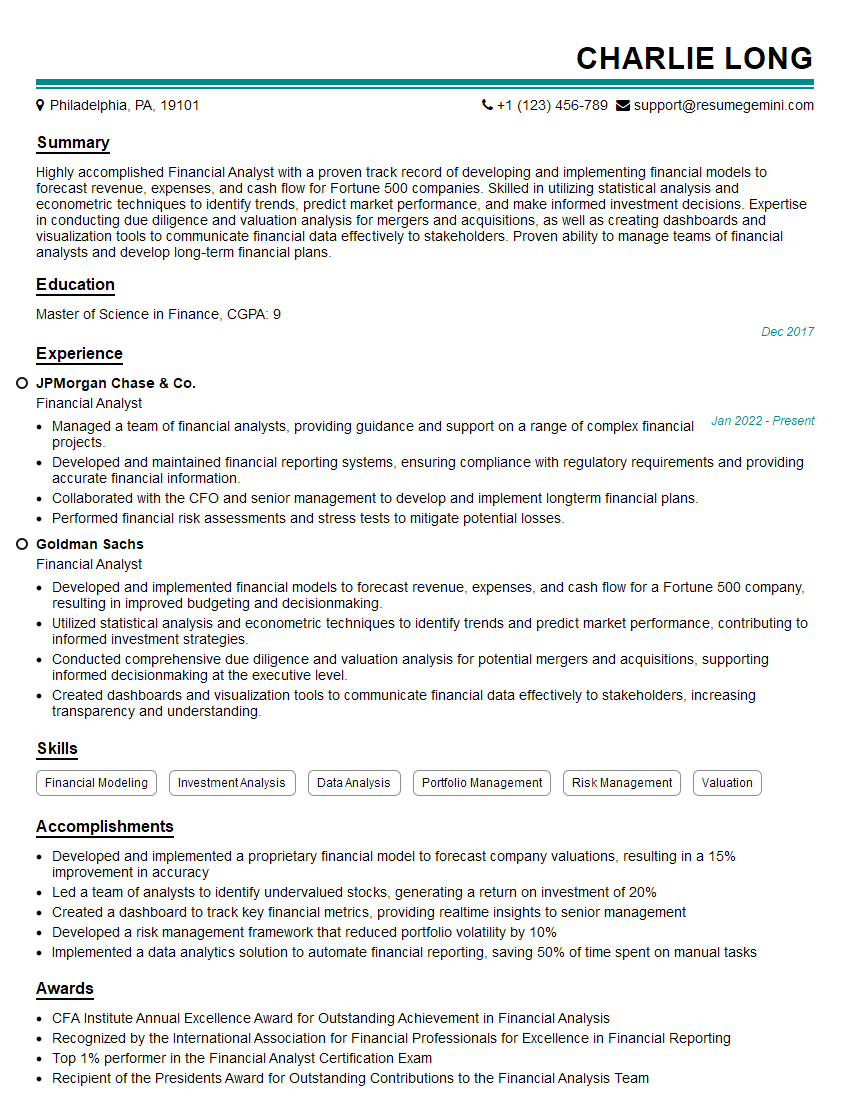
Financial Analyst Resume Sample
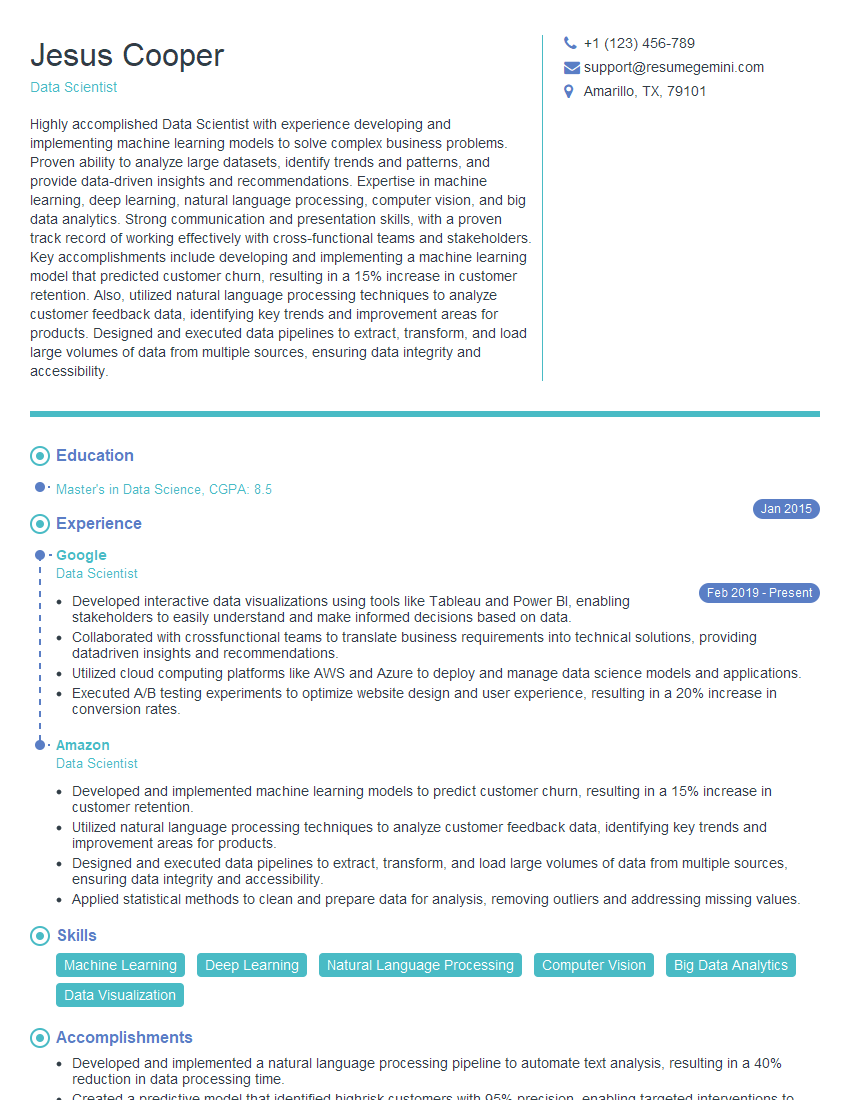
Data Scientist Resume Sample
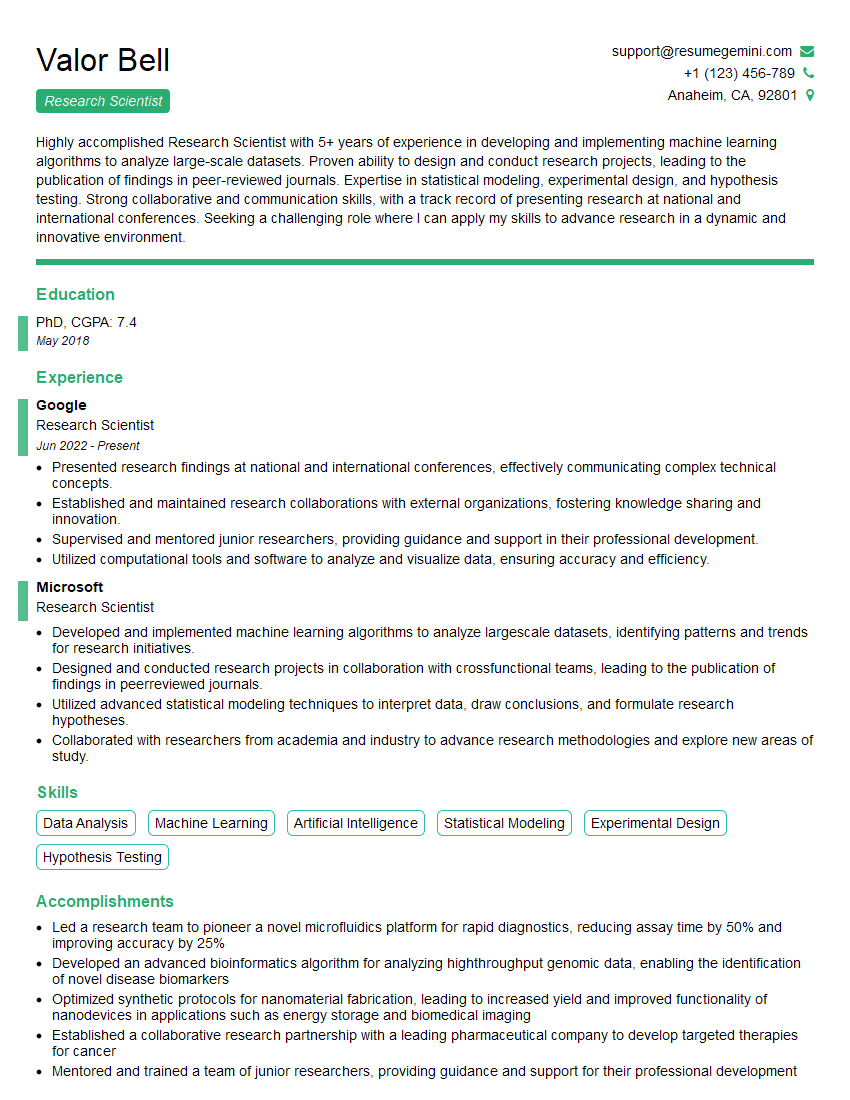
Research Scientist Resume Sample
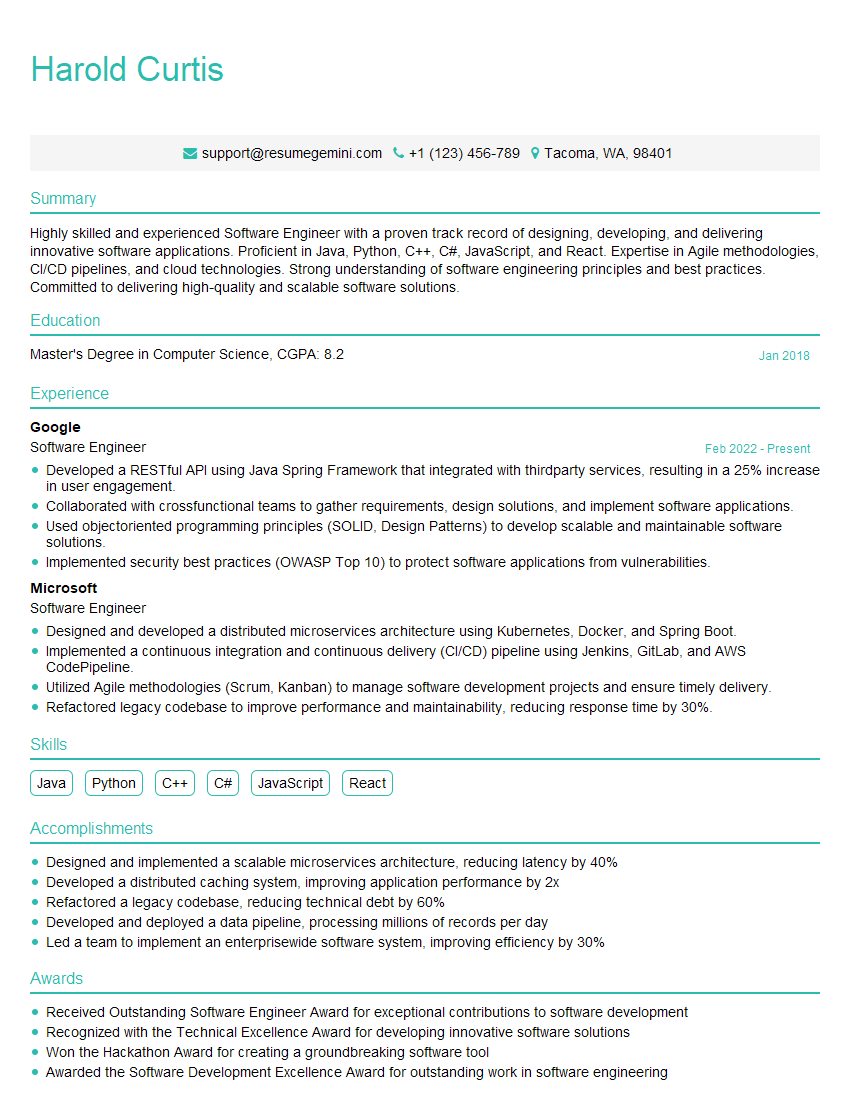
Software Engineer Resume Sample
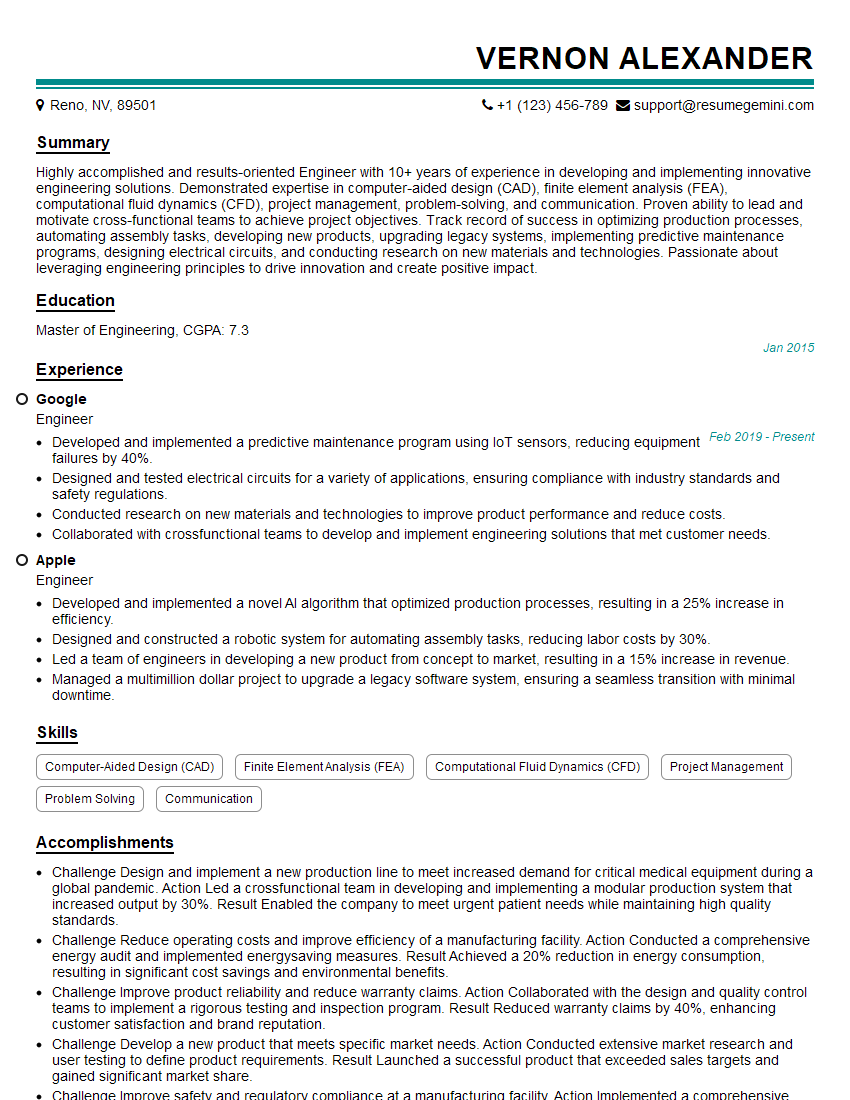
Engineer Resume Sample
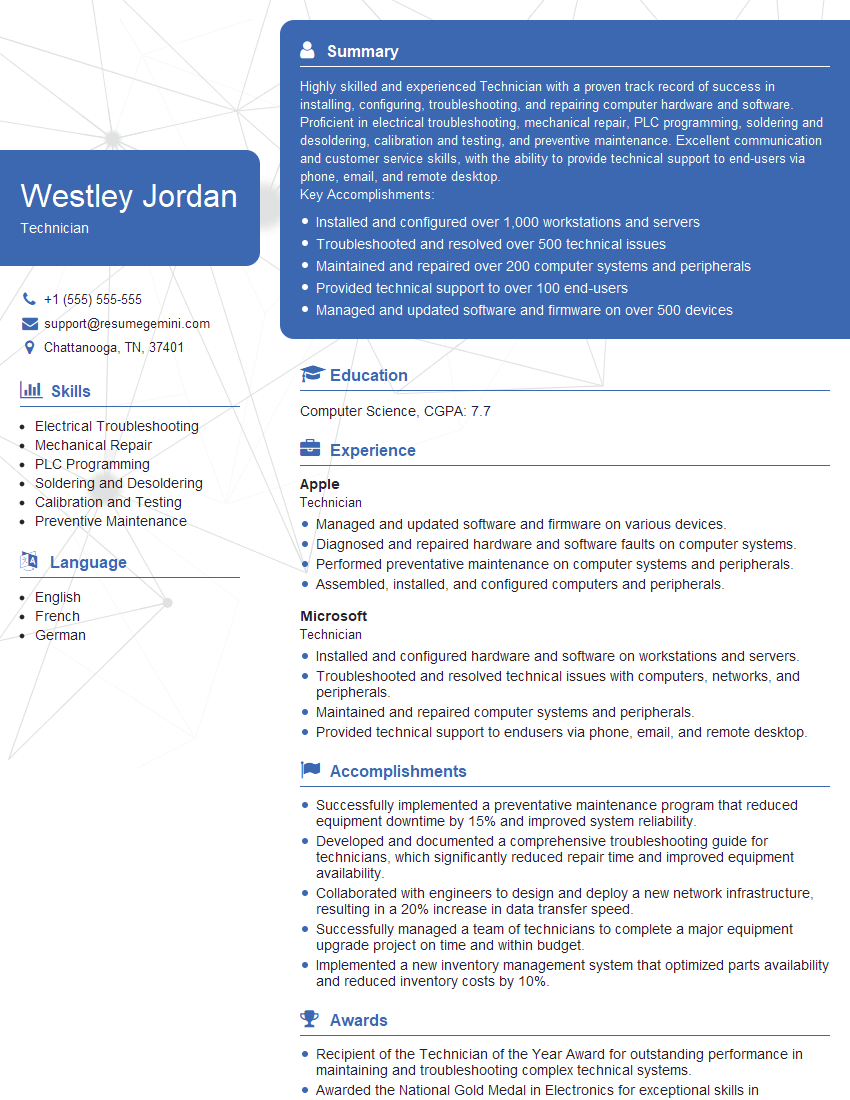
Technician Resume Sample
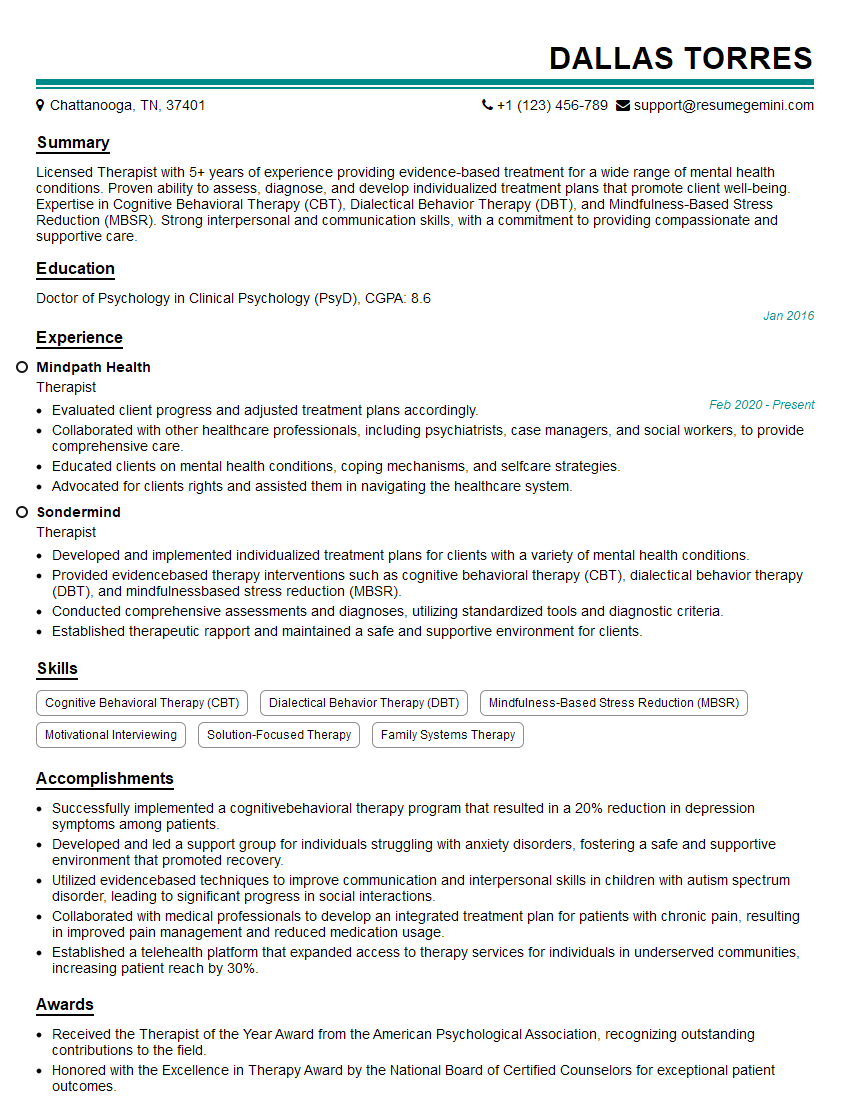
Therapist Resume Sample
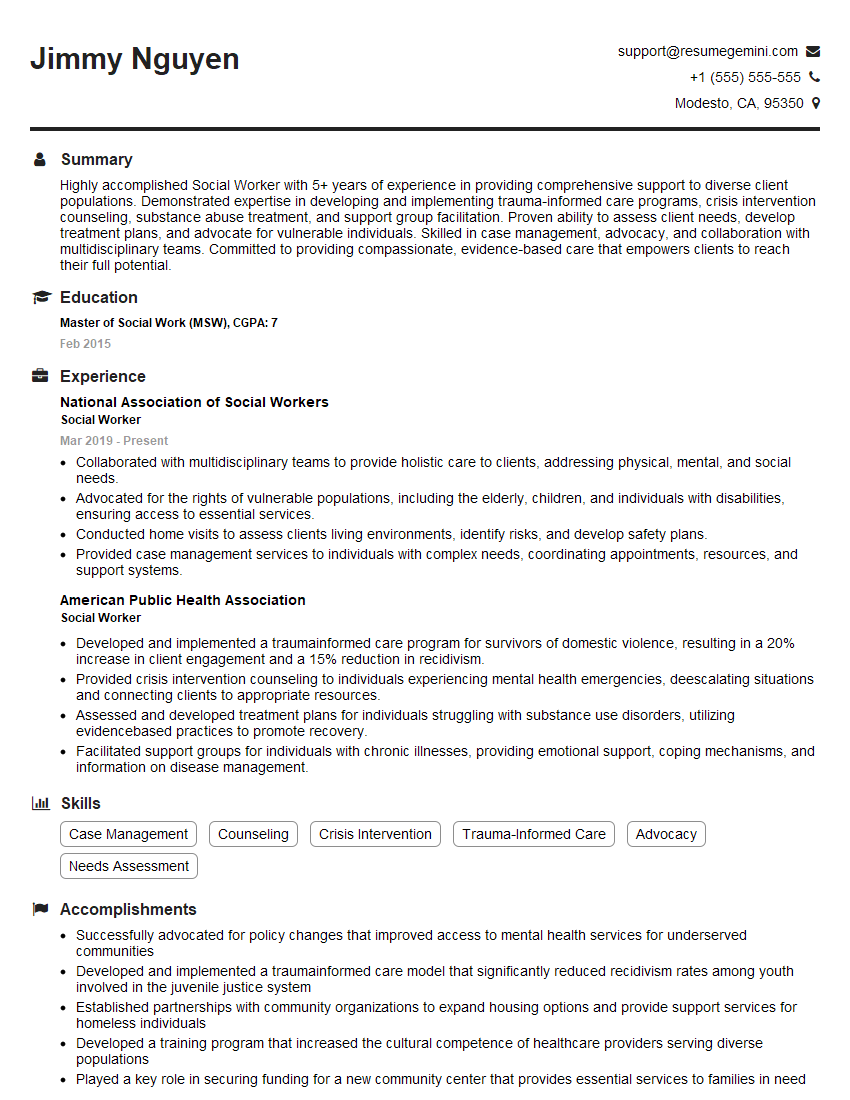
Social Worker Resume Sample
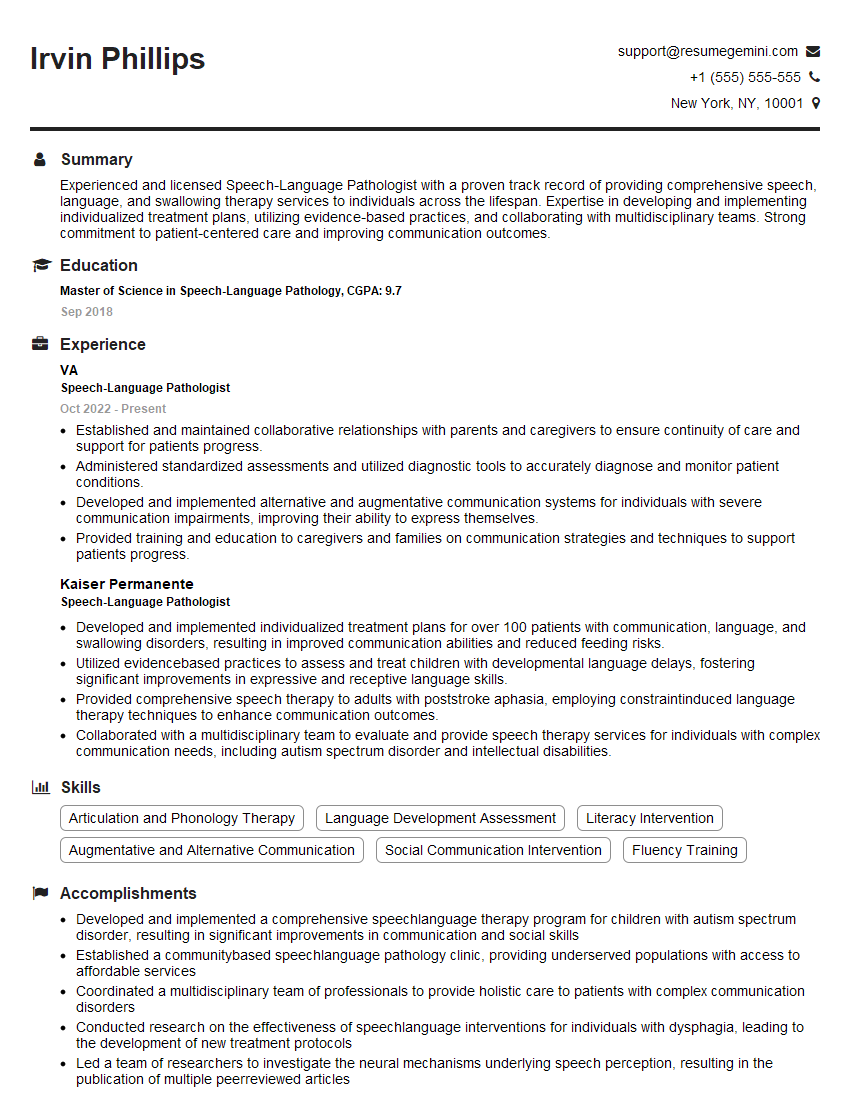
Speech-Language Pathologist Resume Sample
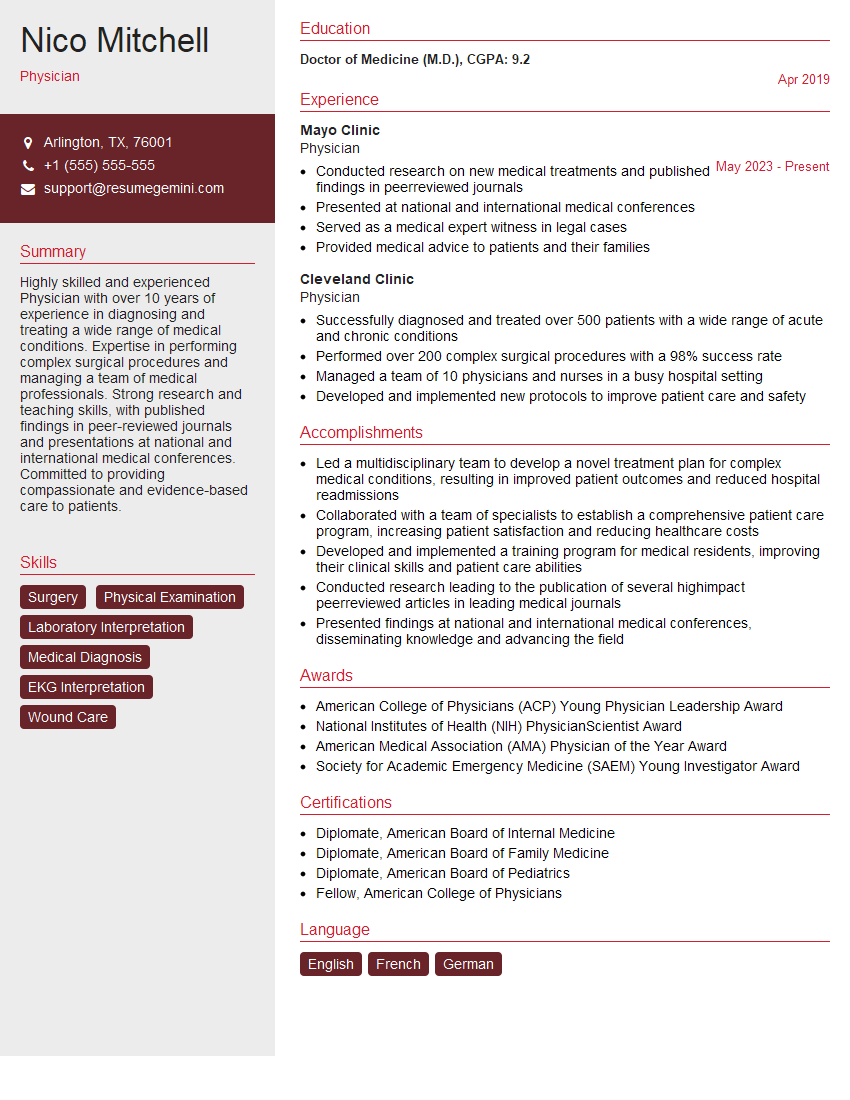
Physician Resume Sample
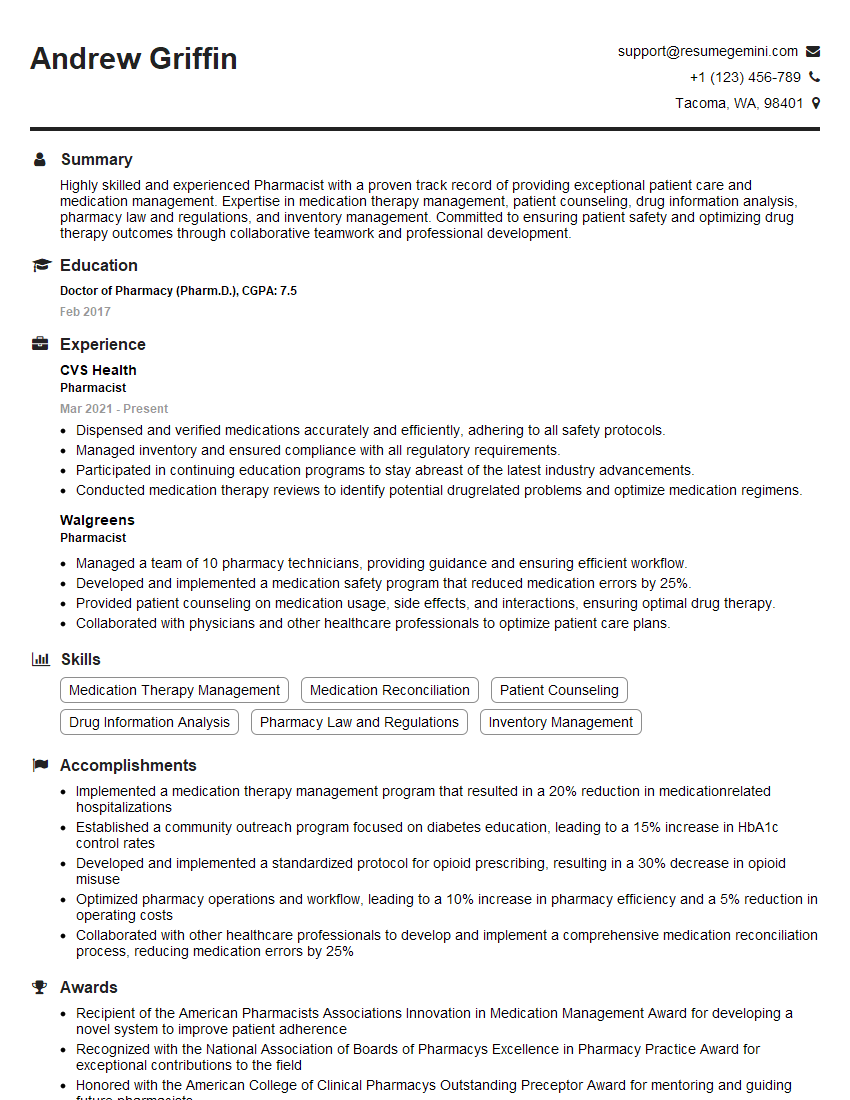
Pharmacist Resume Sample
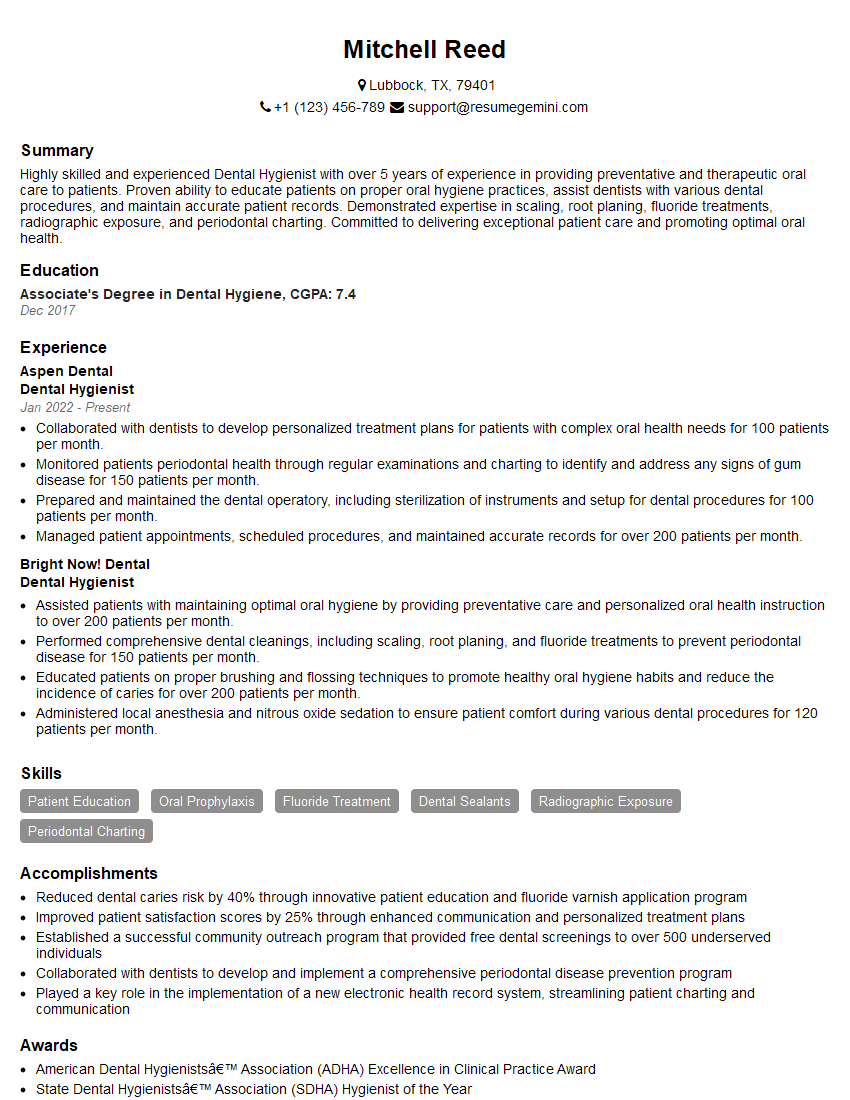
Dental Hygienist Resume Sample
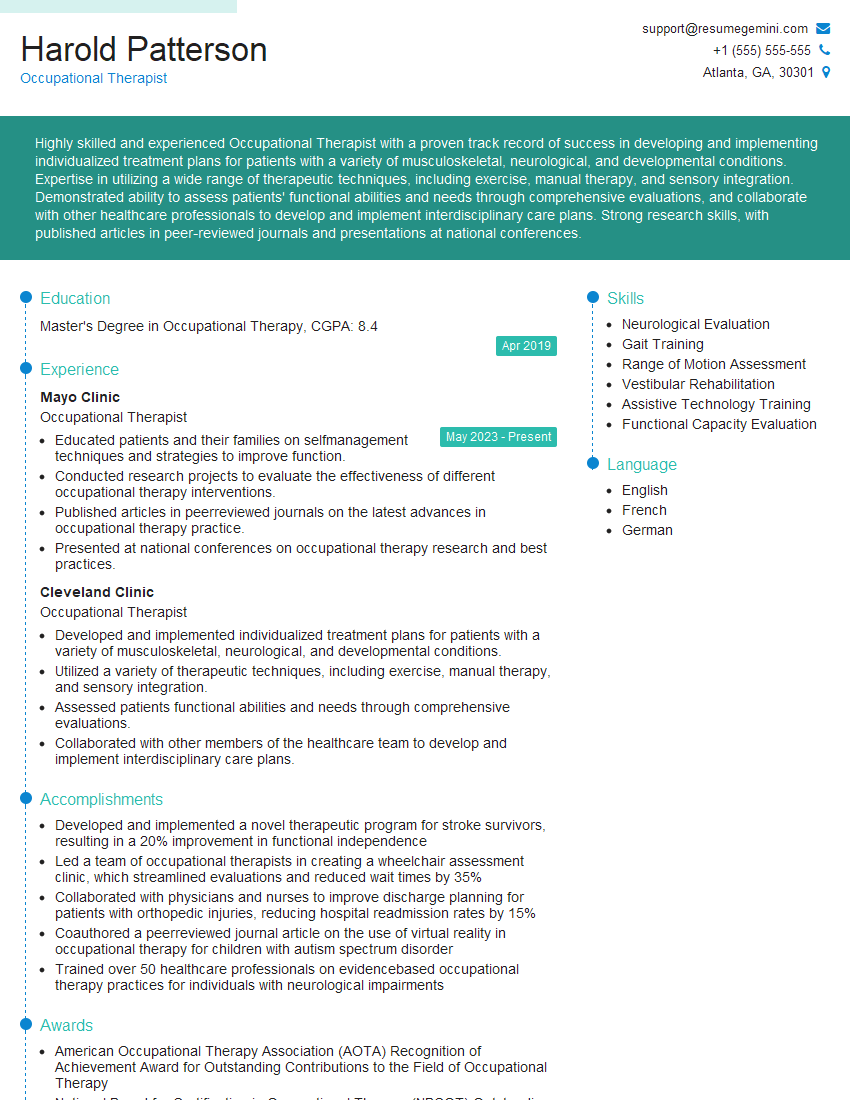
Occupational Therapist Resume Sample
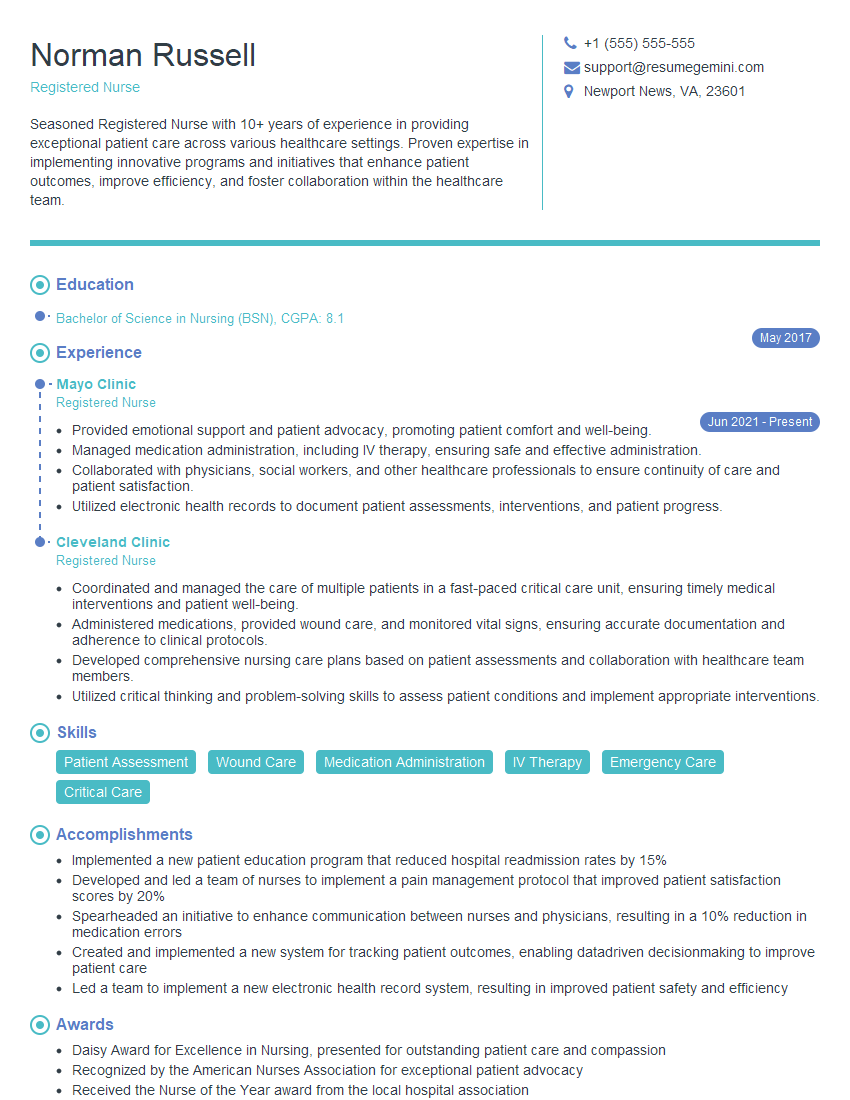
Registered Nurse Resume Sample
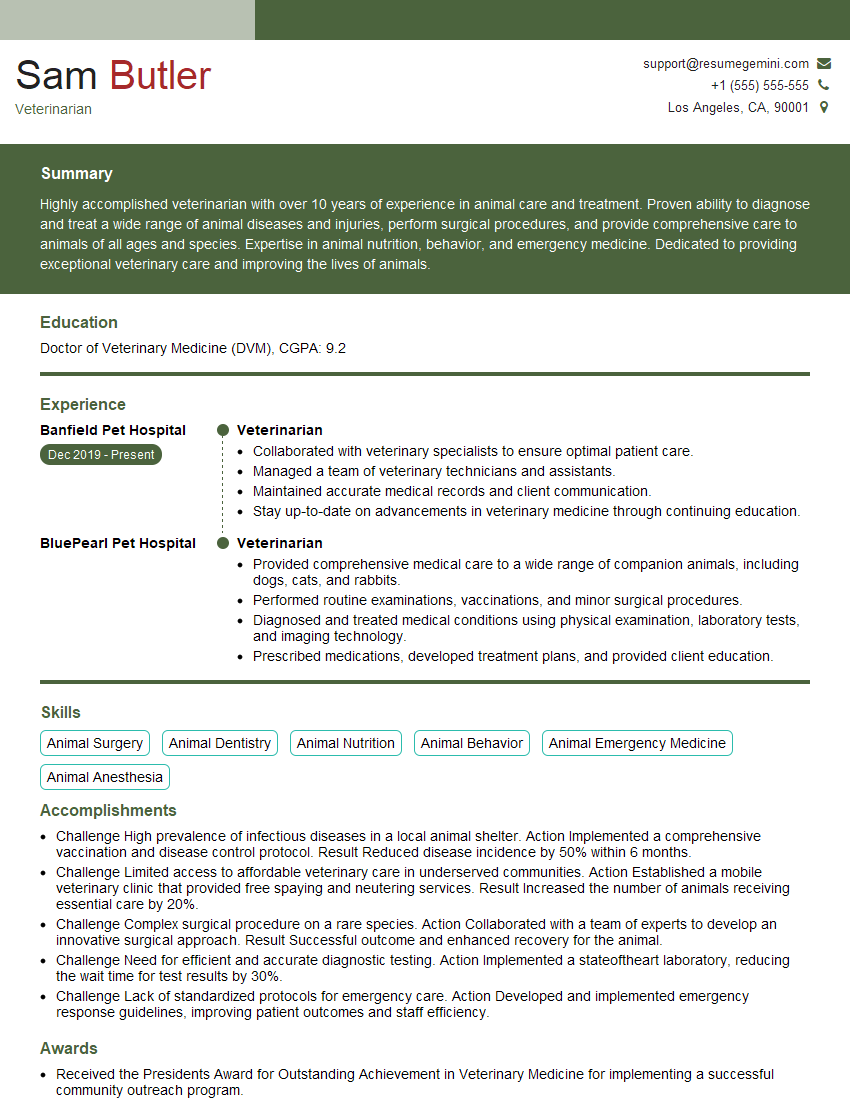
Veterinarian Resume Sample
- Operations Manager
- Customer Service Representative
- Human Resources Manager
- Project Manager
- Teacher
- Paramedic
- Compliance Officer
- Quality Assurance Specialist
- Accountant
- Financial Analyst
- Data Scientist
- Research Scientist
- Software Engineer
- Engineer
- Technician
- Therapist
- Social Worker
- Speech-Language Pathologist
- Physician
- Pharmacist
- Dental Hygienist
- Occupational Therapist
- Registered Nurse
- Veterinarian
Explore more articles
Users Rating of Our Blogs
Share Your Experience
We value your feedback! Please rate our content and share your thoughts (optional).
What Readers Say About Our Blog
To the interviewgemini.com Webmaster.
Very helpful and content specific questions to help prepare me for my interview!
Thank you
To the interviewgemini.com Webmaster.
This was kind of a unique content I found around the specialized skills. Very helpful questions and good detailed answers.
Very Helpful blog, thank you Interviewgemini team.