Interviews are more than just a Q&A session—they’re a chance to prove your worth. This blog dives into essential Strong work ethic and dedication to the profession interview questions and expert tips to help you align your answers with what hiring managers are looking for. Start preparing to shine!
Questions Asked in Strong work ethic and dedication to the profession Interview
Q 1. Describe a time you went above and beyond your job description.
Going above and beyond involves exceeding expectations and proactively contributing beyond the defined scope of my role. It’s about demonstrating a genuine commitment to the success of the team and the organization.
In my previous role at Acme Corp, we were launching a new product with a tight deadline. My responsibilities included data analysis, but I noticed the marketing team was struggling to create compelling visuals to accompany the launch. Knowing my skills in data visualization, I volunteered to create interactive dashboards that showcased key product features and market trends. This went beyond my data analysis role and significantly enhanced the marketing materials, contributing to a more successful product launch. The extra effort was recognized by my manager and the marketing team, boosting team morale and demonstrating my dedication.
Q 2. How do you prioritize tasks when facing competing deadlines?
Prioritizing tasks with competing deadlines requires a structured approach. I typically use a combination of methods, including the Eisenhower Matrix (urgent/important), and a simple task-listing system.
First, I identify all tasks and their deadlines. Then, I categorize them using the Eisenhower Matrix: Urgent and Important tasks are tackled immediately; Important but Not Urgent tasks are scheduled; Urgent but Not Important tasks are delegated or postponed if possible; and Not Urgent and Not Important tasks are eliminated. For my task list, I utilize a system that factors in both urgency and complexity, allowing me to break down complex tasks into smaller, more manageable steps and allocate appropriate time blocks. This helps me stay focused and avoid feeling overwhelmed.
Q 3. Describe your approach to managing workload during periods of high stress.
Managing workload during high-stress periods requires a proactive and adaptable approach. It’s crucial to maintain a clear head and avoid burnout.
My strategies include: breaking down large tasks into smaller, manageable chunks; prioritizing tasks effectively; utilizing time management techniques like the Pomodoro Technique (working in focused intervals with short breaks); ensuring adequate sleep and breaks; seeking support from colleagues or supervisors when needed; and practicing stress-reduction techniques like mindfulness or deep breathing exercises. Effective communication with my team is also essential to ensure everyone understands expectations and can contribute effectively.
Q 4. How do you handle setbacks or unexpected challenges at work?
Setbacks and unexpected challenges are inevitable in any professional environment. My approach focuses on problem-solving, learning, and adapting.
Firstly, I analyze the situation objectively, identifying the root cause of the setback. Then, I brainstorm potential solutions, considering both short-term and long-term impacts. I seek feedback from colleagues or mentors to gain diverse perspectives. Once a solution is implemented, I thoroughly evaluate its effectiveness and document lessons learned for future reference. This iterative process helps me to not only overcome the immediate challenge but also to build resilience and improve my problem-solving skills over time.
Q 5. Give an example of a time you had to work independently to achieve a goal.
Working independently requires self-discipline, organization, and a proactive approach.
During my time at Beta Solutions, I was tasked with developing a new algorithm for optimizing logistics routes. This was a complex project requiring significant independent research and development. I meticulously planned my work, breaking down the project into phases with clear milestones and deadlines. I utilized various programming tools and techniques, regularly documenting my progress and seeking feedback from my supervisor during scheduled check-ins. This independent effort culminated in a highly successful algorithm, showcasing my ability to work autonomously and deliver high-quality results.
Q 6. How do you maintain focus and concentration throughout the workday?
Maintaining focus and concentration throughout the workday requires deliberate effort and a structured approach.
I start by prioritizing tasks and creating a realistic schedule. I minimize distractions by turning off notifications, utilizing noise-canceling headphones, and scheduling focused work blocks. Regular breaks are crucial to prevent burnout; I incorporate short breaks for physical activity or mindfulness exercises. I also practice time management techniques like the Pomodoro Technique to maintain concentration. Regularly reviewing my progress helps me stay motivated and on track. A healthy work-life balance is also key to maintaining long-term focus and preventing fatigue.
Q 7. Describe a time you demonstrated initiative and proactively sought solutions.
Initiative involves proactively identifying problems and developing solutions without being explicitly asked. It demonstrates a commitment to continuous improvement and a strong sense of ownership.
In my previous role, I noticed a recurring issue with data entry errors impacting report accuracy. Instead of simply reporting the problem, I researched potential solutions and proposed implementing a new data validation system. I developed a prototype, presented it to my team, and obtained approval to implement it. This resulted in a significant reduction in data entry errors and improved the overall efficiency and accuracy of our reporting processes, demonstrating my ability to proactively identify and solve problems, leading to tangible improvements within the organization.
Q 8. How do you handle constructive criticism?
Constructive criticism is a gift, not a punishment. I view it as an opportunity for growth and improvement. My approach is threefold: First, I actively listen, ensuring I fully understand the feedback. I avoid interrupting and ask clarifying questions if needed. Second, I reflect on the points raised, separating emotion from the critique. I consider the validity of the feedback and assess how I can apply it to improve my performance. Finally, I implement changes, documenting the improvements made. I also follow up with the person who provided the feedback to demonstrate my action and appreciation for their insights. For example, during a recent project, a colleague pointed out that my reports lacked sufficient visual aids. I reflected on this, acknowledged the validity of the criticism, and incorporated charts and graphs in subsequent reports, resulting in improved clarity and impact. This process has consistently helped me refine my skills and elevate my work.
Q 9. How do you stay organized and manage your time effectively?
Effective time and organization management is crucial for maximizing productivity. My strategy involves a combination of tools and techniques. I utilize digital calendars to schedule tasks and appointments, prioritizing deadlines and allocating sufficient time for each item. To-do lists, broken down into smaller, manageable tasks, help me stay focused and track progress. I also employ the Pomodoro Technique – working in focused bursts with short breaks – to maintain concentration and prevent burnout. Furthermore, I regularly review my schedule and adjust priorities as needed. Batching similar tasks together (e.g., answering emails at designated times) improves efficiency. For example, if I have a major presentation due, I’ll break it down into smaller, manageable tasks – research, outline, slide creation, practice – and allocate specific time slots for each. This structured approach ensures I stay on track and meet deadlines consistently.
Q 10. Describe your process for learning new skills or technologies.
Learning new skills and technologies is an ongoing process that I embrace. My approach is systematic: I begin by identifying the specific skills or technologies needed. Next, I research various learning resources such as online courses, tutorials, documentation, and books. I select resources based on their reputation, relevance, and learning style compatibility. I then establish a structured learning plan, breaking down the learning process into manageable modules and setting realistic goals. Hands-on practice is crucial, so I build small projects to apply the newly acquired skills and test my understanding. Finally, I actively seek feedback and engage with communities or mentors to refine my understanding and address challenges. For instance, when learning Python, I started with introductory online courses, then built small scripts for personal use, and finally, contributed to open-source projects to test my skills and learn from experienced developers.
Q 11. Have you ever had to work on a project with conflicting priorities? How did you resolve it?
Conflicting priorities are a common challenge in any project. My approach is to prioritize tasks based on their urgency and importance using a matrix (like Eisenhower’s Urgent/Important matrix). This helps determine which tasks need immediate attention and which can be delegated or rescheduled. Open communication is key. I discuss the conflicting priorities with my team and stakeholders, presenting a clear overview of the constraints and outlining potential solutions. We collaboratively determine the best course of action, considering the overall project goals and potential risks. For example, during a project with tight deadlines and limited resources, we prioritized the most critical features while postponing less crucial ones. This required transparent communication with the stakeholders to manage expectations and maintain a cohesive team effort.
Q 12. How do you adapt to changing priorities and deadlines?
Adaptability is paramount in today’s dynamic work environment. My approach involves staying flexible, proactively monitoring project progress, and maintaining open communication. I regularly review project plans, identifying potential risks or challenges that may impact deadlines. When changes occur, I immediately reassess priorities, adjust the project timeline if necessary, and communicate updates to the team and stakeholders. Utilizing agile methodologies, like daily stand-ups, helps adapt to changes quickly and ensures everyone is aligned. For example, when a critical component of a software project was delayed, we quickly adapted by re-prioritizing tasks and implementing a phased rollout strategy. This allowed us to meet the overall deadline, even with the unexpected setback.
Q 13. How do you handle disagreements with colleagues?
Disagreements are inevitable in a collaborative environment. My approach focuses on respectful communication and finding common ground. I listen actively to understand the other person’s perspective, even if I don’t agree. I express my own views clearly and respectfully, avoiding accusatory language. We collaborate to identify the root cause of the disagreement and explore solutions that address the concerns of everyone involved. If needed, I involve a neutral third party to mediate and facilitate a constructive resolution. For example, when differing opinions arose regarding a design choice on a marketing campaign, I facilitated a discussion where we weighed the pros and cons of each approach, finally settling on a compromise that incorporated elements from both perspectives.
Q 14. Describe a time you had to meet a challenging deadline under pressure.
Meeting challenging deadlines under pressure requires a strategic approach. I recall a time when I had to launch a major marketing campaign within a significantly compressed timeline. I immediately prioritized tasks based on their criticality, delegating tasks where possible and focusing my efforts on the most essential elements. I extended my working hours and maintained consistent communication with the team to ensure everyone stayed on track. We utilized efficient tools and streamlined processes wherever possible. While challenging, we successfully launched the campaign on time, exceeding expectations and demonstrating our collective dedication and adaptability under pressure. This experience highlighted the importance of efficient planning, collaborative teamwork, and relentless execution in overcoming tight deadlines.
Q 15. How do you ensure your work meets the highest quality standards?
Maintaining the highest quality standards isn’t about perfection; it’s about a consistent commitment to excellence. My approach is multifaceted and involves several key steps. First, I thoroughly understand the project requirements and specifications. This includes not just reading the documentation but actively clarifying any ambiguities with stakeholders. Second, I employ rigorous testing methodologies throughout the development process. This might involve unit testing, integration testing, and user acceptance testing, depending on the project. Third, I embrace a culture of peer review, where colleagues critically examine my work to identify potential flaws or areas for improvement. This collaborative approach ensures a diverse perspective and enhances the overall quality. Finally, I continuously seek opportunities for professional development to stay updated with industry best practices and technological advancements. For instance, I recently completed a course on Agile testing methodologies to enhance my skills in this area. This proactive approach ensures that my work consistently meets, and often exceeds, expectations.
Career Expert Tips:
- Ace those interviews! Prepare effectively by reviewing the Top 50 Most Common Interview Questions on ResumeGemini.
- Navigate your job search with confidence! Explore a wide range of Career Tips on ResumeGemini. Learn about common challenges and recommendations to overcome them.
- Craft the perfect resume! Master the Art of Resume Writing with ResumeGemini’s guide. Showcase your unique qualifications and achievements effectively.
- Don’t miss out on holiday savings! Build your dream resume with ResumeGemini’s ATS optimized templates.
Q 16. How do you contribute to a positive and productive work environment?
Contributing to a positive and productive work environment is crucial for team success. My approach focuses on collaboration, communication, and mutual respect. I actively participate in team discussions, offering constructive feedback and actively listening to the perspectives of my colleagues. I believe in fostering an inclusive environment where everyone feels comfortable sharing their ideas. When challenges arise, I strive to approach them with a solution-oriented mindset, focusing on finding collaborative resolutions rather than placing blame. I also believe in celebrating team achievements, both big and small. This creates a positive atmosphere that boosts morale and motivates the team to achieve shared goals. For example, during a recent project with a tight deadline, I organized a brief team celebration upon completion to acknowledge everyone’s hard work and commitment.
Q 17. Describe your approach to problem-solving.
My problem-solving approach is systematic and data-driven. I typically follow a five-step process: 1) Define the problem: Clearly articulate the issue and its impact. 2) Gather information: Collect relevant data and analyze it objectively. 3) Generate solutions: Brainstorm multiple potential solutions, considering their feasibility and implications. 4) Evaluate solutions: Assess the pros and cons of each solution based on criteria such as cost, effectiveness, and risk. 5) Implement and monitor: Choose the best solution and implement it, monitoring the results to ensure effectiveness. For example, when faced with a recent software bug, I followed this process, starting by meticulously reproducing the error and collecting relevant logs. This led me to identify the root cause, develop a fix, thoroughly test it, and then implement it without causing further complications.
Q 18. How do you measure your own success?
I measure my success based on several key factors. Firstly, I look at the quality of my work and its impact on the organization. This includes client satisfaction, successful project delivery, and demonstrable improvements in efficiency or effectiveness. Secondly, I gauge my success by my contribution to team growth and collaboration. This includes mentoring junior colleagues, sharing my knowledge, and fostering a positive team dynamic. Finally, I assess my success based on my continuous professional development and skill enhancement. This demonstrates my commitment to lifelong learning and improvement. For example, I consider a recent project successful not only because it was completed on time and within budget but also because it received positive client feedback and helped the team develop new skills in a particular technology.
Q 19. What steps do you take to prevent burnout?
Preventing burnout requires proactive measures focusing on both work and personal life. Firstly, I prioritize effective time management, setting realistic goals and deadlines to avoid feeling overwhelmed. Secondly, I maintain a healthy work-life balance, ensuring sufficient time for relaxation, hobbies, and social interactions. Thirdly, I utilize stress-management techniques such as regular exercise, meditation, or spending time in nature. Finally, I proactively communicate with my manager about my workload and any challenges I’m facing. Open communication is key to ensuring I receive the necessary support and avoid reaching a breaking point. For example, I recently started incorporating short meditation sessions into my daily routine, which significantly reduces stress and improves my overall focus.
Q 20. How do you stay motivated and engaged in your work?
Staying motivated and engaged involves intrinsic and extrinsic factors. Intrinsically, I find motivation in the challenges of my work and the opportunity to learn and grow. I am driven by a genuine desire to make a meaningful contribution. Extrinsically, setting challenging yet achievable goals and receiving regular positive feedback from my supervisors and colleagues keeps me engaged. Also, actively seeking new opportunities for learning and skill development helps maintain a sense of purpose and excitement. For example, recently I volunteered for a challenging project that involved learning a new programming language. The intellectual stimulation and the chance to expand my skillset significantly enhanced my engagement and motivation.
Q 21. What are your long-term career goals?
My long-term career goals center on becoming a recognized expert in my field and contributing to significant technological advancements. I aspire to lead and mentor teams, fostering a culture of innovation and excellence. I envision myself taking on increasingly challenging roles with greater responsibility, leveraging my experience and expertise to drive positive impact. This includes potentially pursuing advanced certifications, contributing to open-source projects, or pursuing leadership roles within my organization. Ultimately, I want to build a lasting career that balances my passion for technology with a commitment to making a tangible difference in the world.
Q 22. How do you handle multitasking and managing multiple projects simultaneously?
Effective multitasking isn’t about doing many things at once, but rather efficiently switching between prioritized tasks. I utilize a system based on time blocking and prioritization matrices. For example, I’ll dedicate specific time blocks to high-priority projects, utilizing tools like project management software (e.g., Asana, Trello) to visually track progress and deadlines. I also employ the Eisenhower Matrix (urgent/important) to categorize tasks, ensuring that critical items receive immediate attention while less urgent tasks are scheduled accordingly. This prevents feeling overwhelmed and ensures focus on what truly matters. Regular review and readjustment of my schedule based on project demands is also crucial. Think of it like conducting an orchestra – you have many instruments (tasks) but you need a clear plan to ensure a harmonious performance (successful project completion).
Q 23. Describe your experience with teamwork and collaboration.
Teamwork is fundamental to success in any professional environment. My experience shows that effective collaboration hinges on clear communication, mutual respect, and a shared understanding of goals. I thrive in collaborative settings because I value diverse perspectives and believe in leveraging the strengths of each team member. In a previous project, we faced a challenging deadline for a software launch. By openly communicating roadblocks, actively listening to each team member’s suggestions and creating a shared document to track progress and dependencies, we successfully launched the software on time and exceeded expectations. I actively seek feedback, contribute constructively, and always ensure I’m supporting my colleagues. I believe that the strength of a team far surpasses the sum of its individual parts.
Q 24. How do you stay updated on industry trends and best practices?
Staying current in my field is paramount. I actively participate in industry conferences and webinars, subscribe to relevant professional journals and online publications, and follow thought leaders on social media platforms like LinkedIn and Twitter. I also make it a point to network with colleagues and attend workshops to learn about new tools, techniques, and best practices. Continuous learning keeps me sharp, adaptable and ensures I consistently deliver high-quality work. This isn’t just about staying informed; it’s about proactive growth and continuous improvement.
Q 25. Give an example of a time you had to make a difficult decision.
In a previous role, we faced a significant budget shortfall mid-project. This required a difficult decision: reduce the project scope or risk compromising quality. After thoroughly analyzing the situation, assessing the impact of each option, and consulting with stakeholders, I opted for a strategic reduction in scope, prioritizing core functionalities. This ensured timely delivery while maintaining the quality we were committed to. Although initially challenging, this approach proved to be the most successful long-term solution, saving the project and maintaining client relationships. The experience taught me the value of decisive action in high-pressure situations and the importance of open communication with all parties involved.
Q 26. How do you ensure you meet deadlines and commitments?
Meeting deadlines is a non-negotiable aspect of my work ethic. I employ several strategies: Firstly, I meticulously plan and break down large projects into smaller, manageable tasks with clear deadlines for each. I leverage project management tools to track progress visually and identify potential bottlenecks early on. Secondly, I proactively communicate with stakeholders, ensuring transparency about potential challenges and adapting plans as needed. Finally, I prioritize tasks based on urgency and importance, and I’m not afraid to ask for help when necessary. This proactive and collaborative approach ensures that I consistently deliver on my commitments.
Q 27. How do you balance work and personal life?
Maintaining a healthy work-life balance is crucial for both personal well-being and professional success. It’s about consciously setting boundaries and prioritizing self-care. I diligently adhere to a structured schedule, ensuring I dedicate specific time to family, hobbies, and relaxation. I actively disconnect from work outside of designated hours and avoid checking emails or responding to calls during personal time. This conscious separation allows me to be more focused and productive during work hours and more present and engaged in my personal life.
Q 28. What strategies do you use to maintain a healthy work-life balance?
My strategies for maintaining a healthy work-life balance include regular exercise, sufficient sleep, mindful breaks throughout the workday, and pursuing hobbies outside of work. I also prioritize time with loved ones and make an effort to disconnect digitally, particularly during evenings and weekends. This approach isn’t just about avoiding burnout; it’s about consistently maintaining a healthy and sustainable lifestyle that supports both my personal and professional fulfillment. It’s about actively managing my energy and resources rather than passively letting them deplete.
Key Topics to Learn for Strong Work Ethic and Dedication to the Profession Interview
- Understanding Professionalism: Defining what professionalism means in your field and providing specific examples of how you embody it. This includes attire, communication style, and respectful interactions.
- Demonstrating Initiative: Highlighting instances where you proactively sought out tasks, identified problems, and offered solutions, even beyond your assigned responsibilities. Prepare examples showcasing your problem-solving skills in this context.
- Time Management and Organization: Articulating your methods for prioritizing tasks, managing deadlines, and working efficiently under pressure. Be ready to explain how you handle competing priorities and unexpected challenges.
- Teamwork and Collaboration: Sharing experiences of successful teamwork, highlighting your contributions and ability to work effectively with diverse individuals. Be prepared to address potential conflicts and how you resolved them constructively.
- Commitment and Perseverance: Describing situations where you faced setbacks or challenges and how you maintained your dedication and commitment to achieving your goals. Focus on your resilience and problem-solving abilities.
- Continuous Learning and Development: Showcasing your commitment to professional growth through examples of further education, workshops, or self-learning initiatives. Demonstrate a proactive approach to skill enhancement within your field.
- Adaptability and Flexibility: Explaining how you handle changes in priorities, new technologies, or evolving work environments. Showcase your willingness to learn and adapt to new situations.
Next Steps
Mastering the demonstration of a strong work ethic and dedication to your profession is paramount for career advancement. It showcases reliability, commitment, and a drive for success, all highly valued by employers. To significantly boost your job prospects, creating an ATS-friendly resume is crucial. This ensures your application gets noticed and considered by hiring managers. We strongly recommend using ResumeGemini to build a professional and impactful resume that highlights your skills and experience effectively. ResumeGemini provides examples of resumes tailored to showcase a strong work ethic and dedication to the profession, helping you craft a compelling application.

Operations Manager Resume Sample
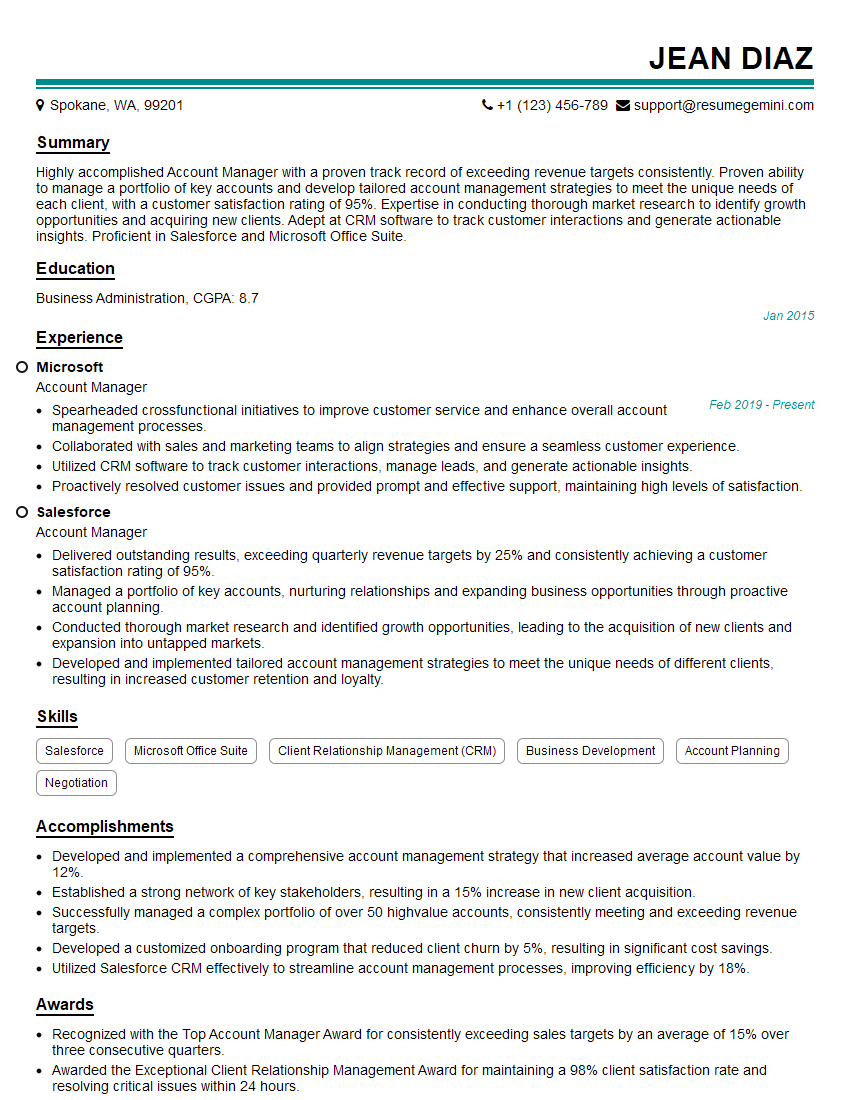
Account Manager Resume Sample
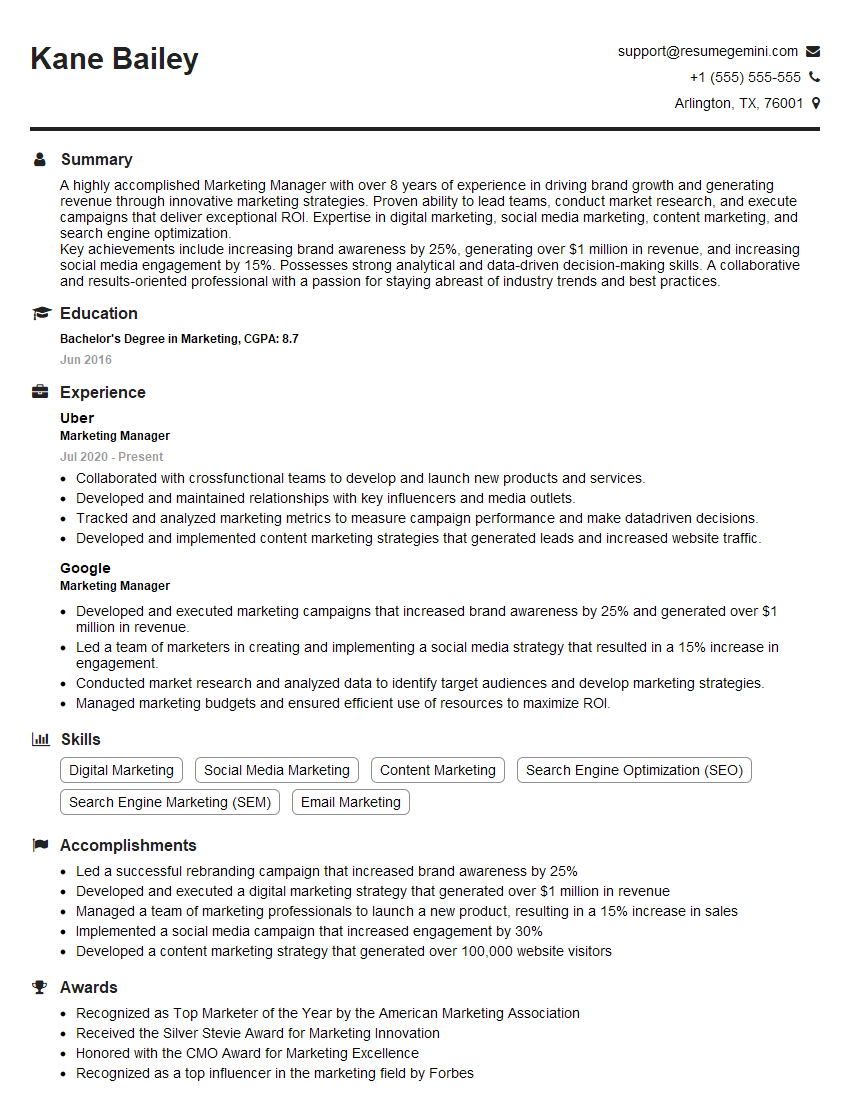
Marketing Manager Resume Sample
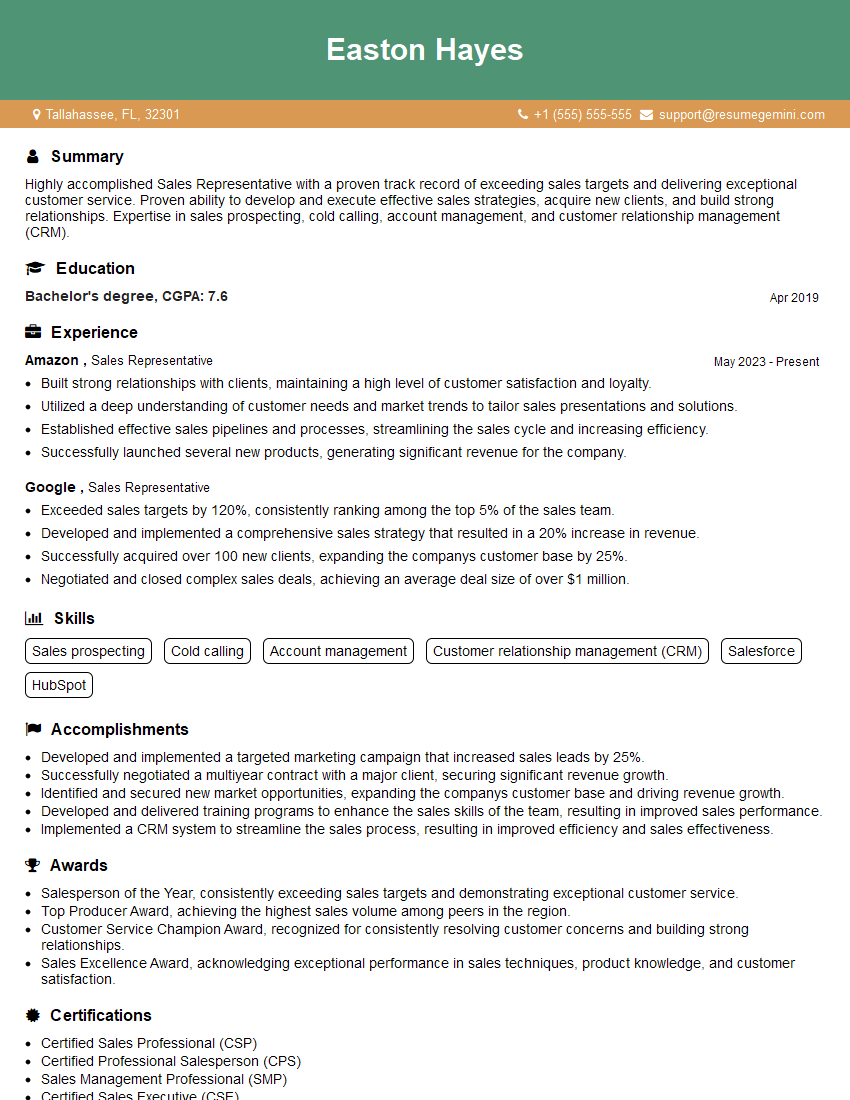
Sales Representative Resume Sample
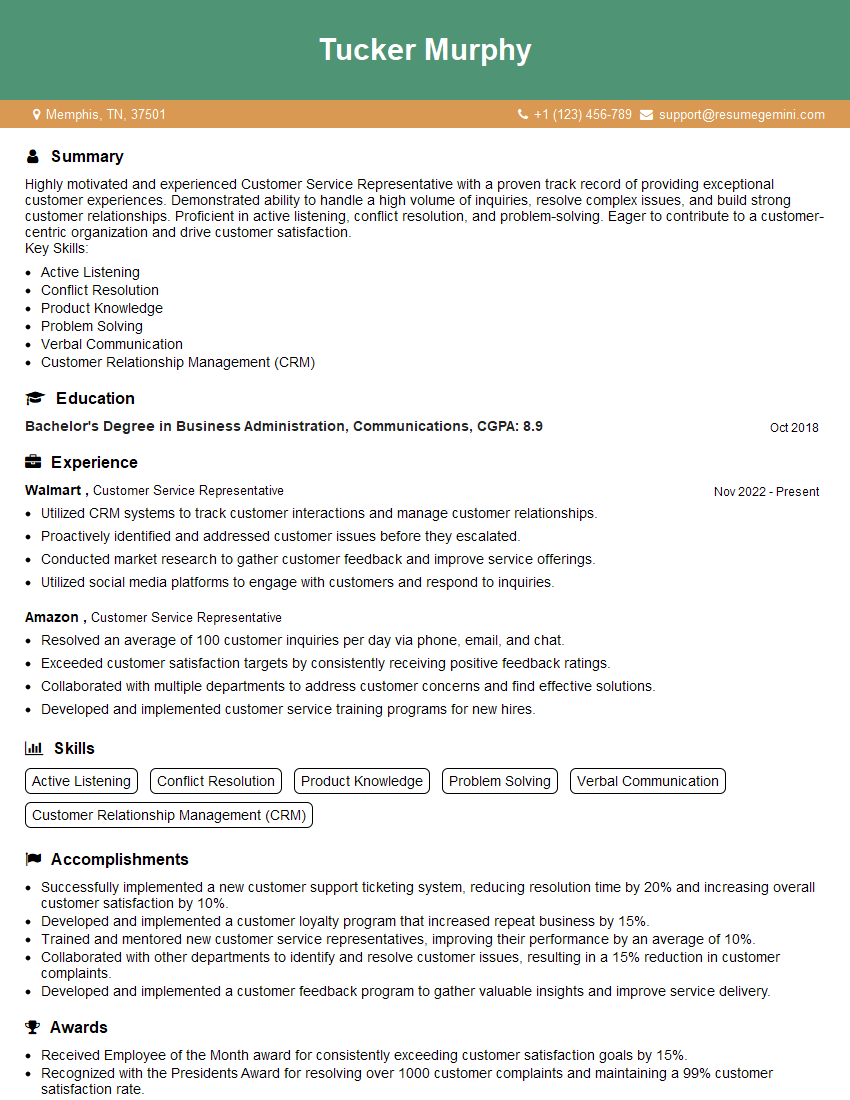
Customer Service Representative Resume Sample
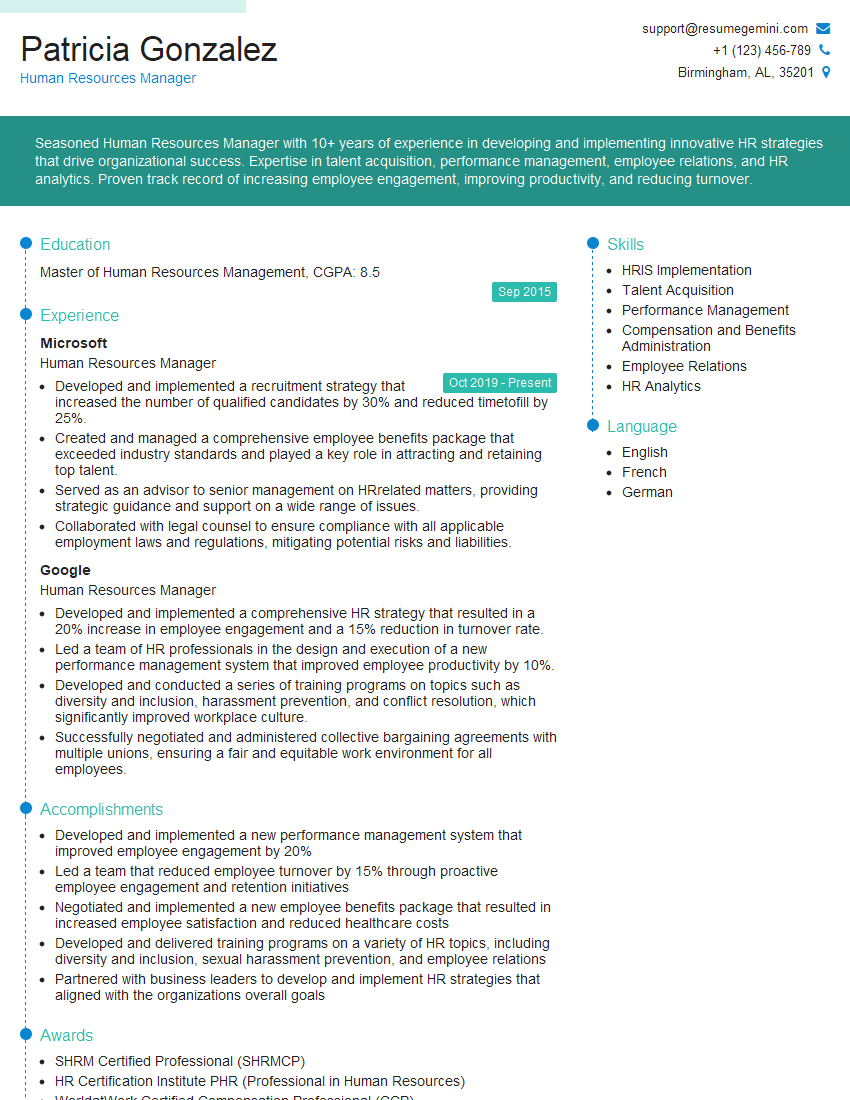
Human Resources Manager Resume Sample

Project Manager Resume Sample
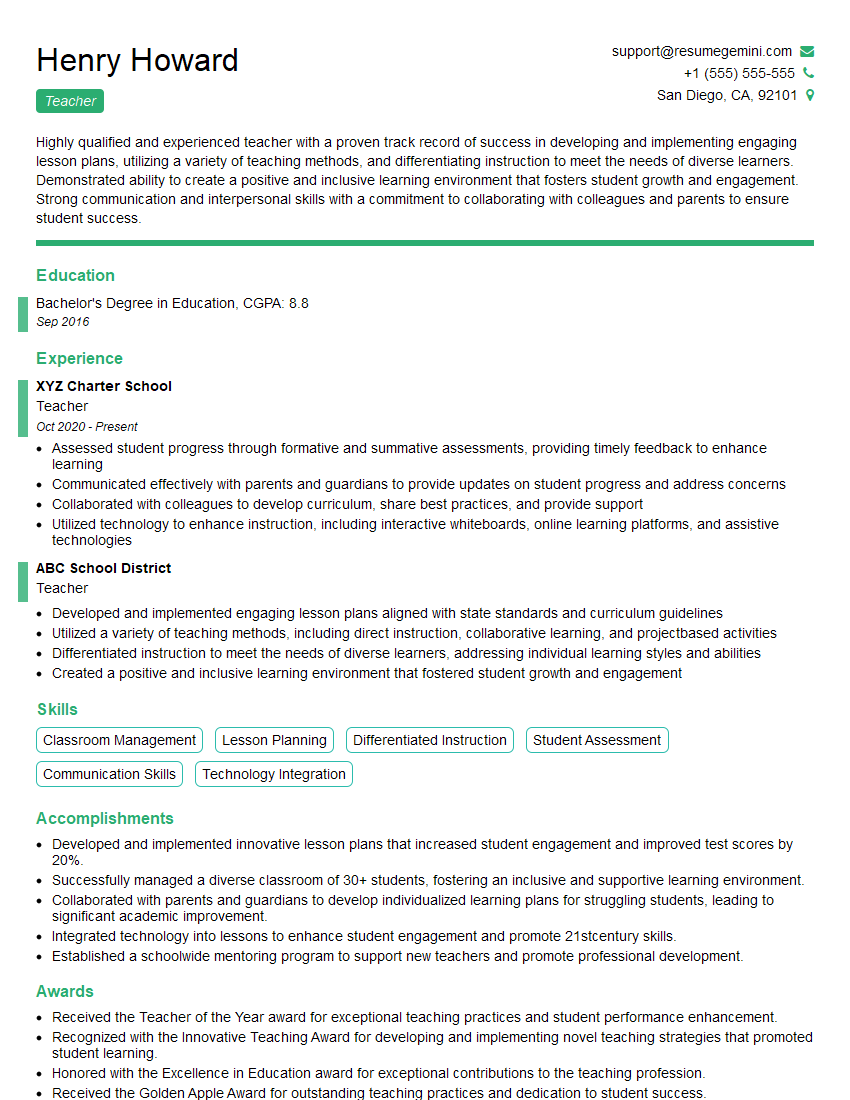
Teacher Resume Sample
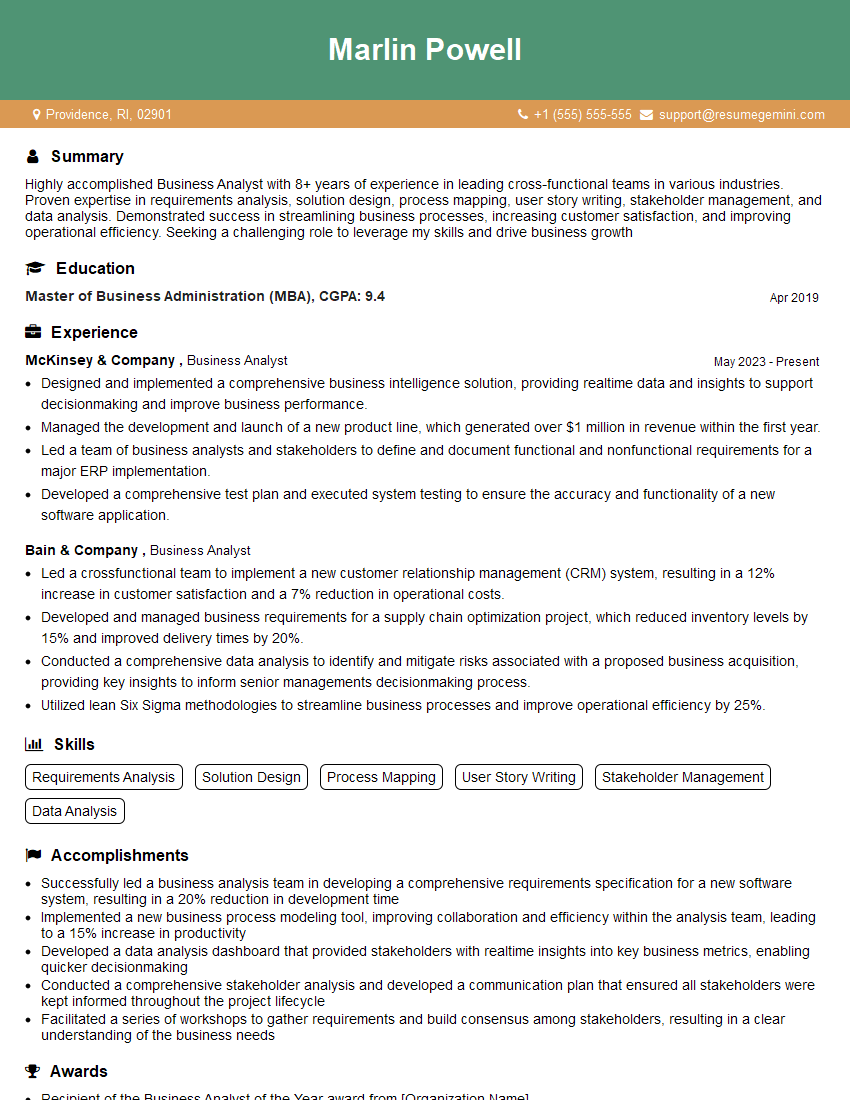
Business Analyst Resume Sample
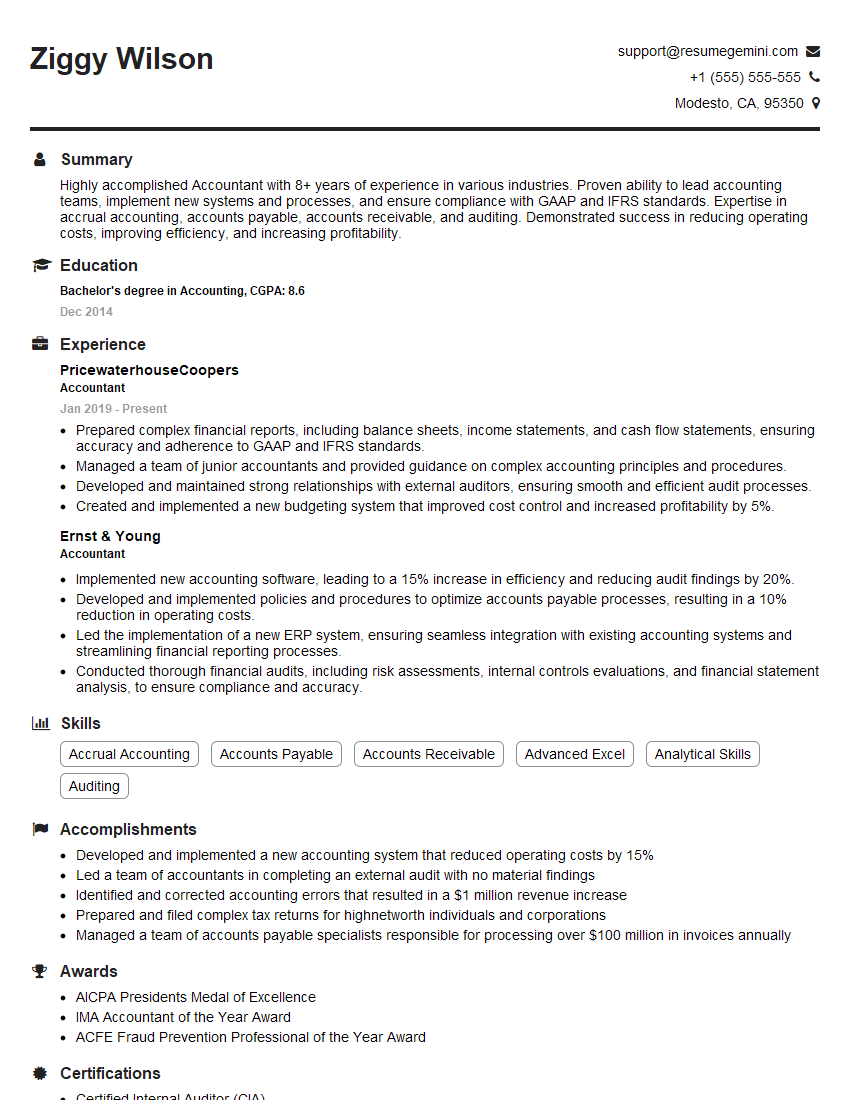
Accountant Resume Sample
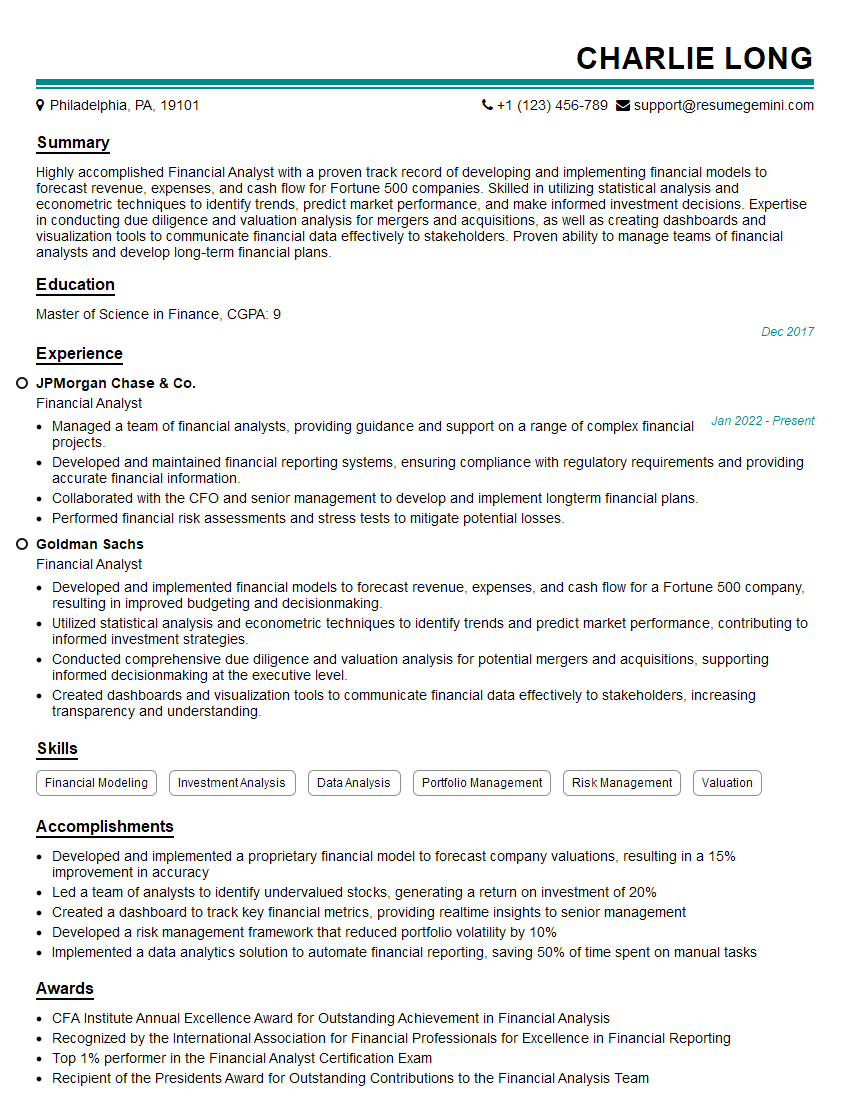
Financial Analyst Resume Sample
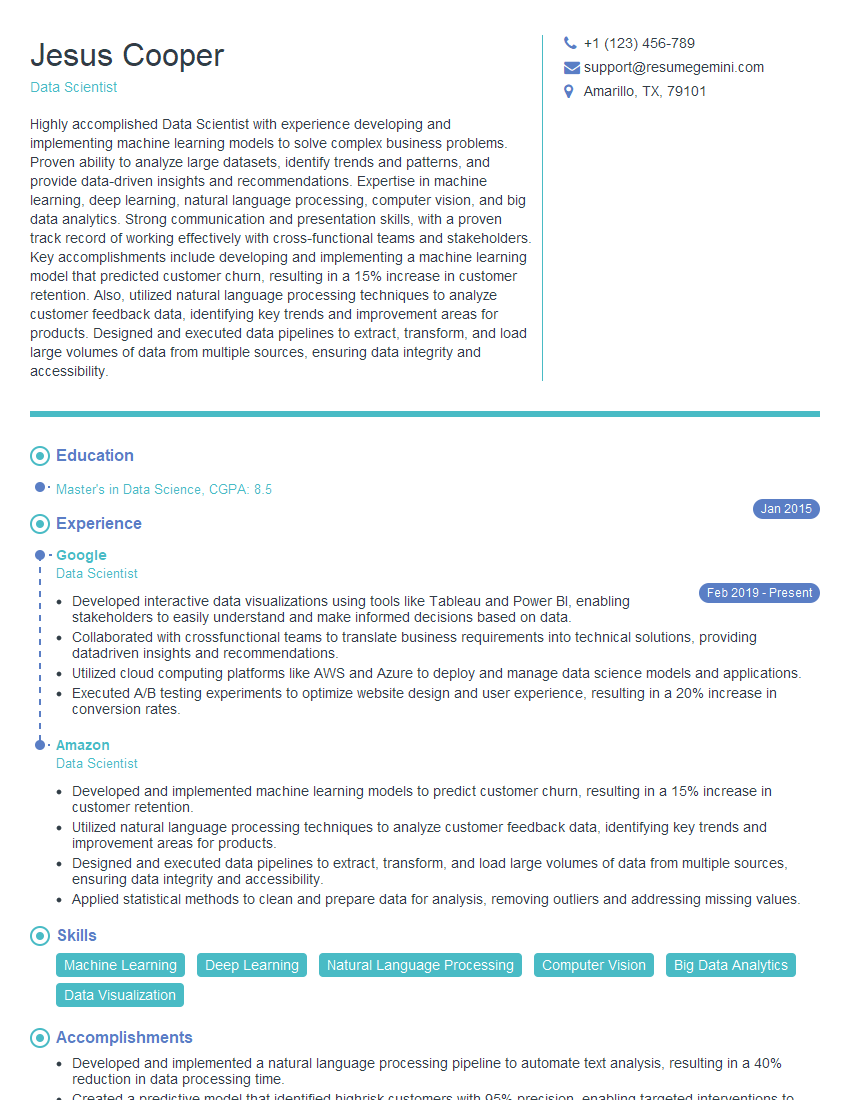
Data Scientist Resume Sample
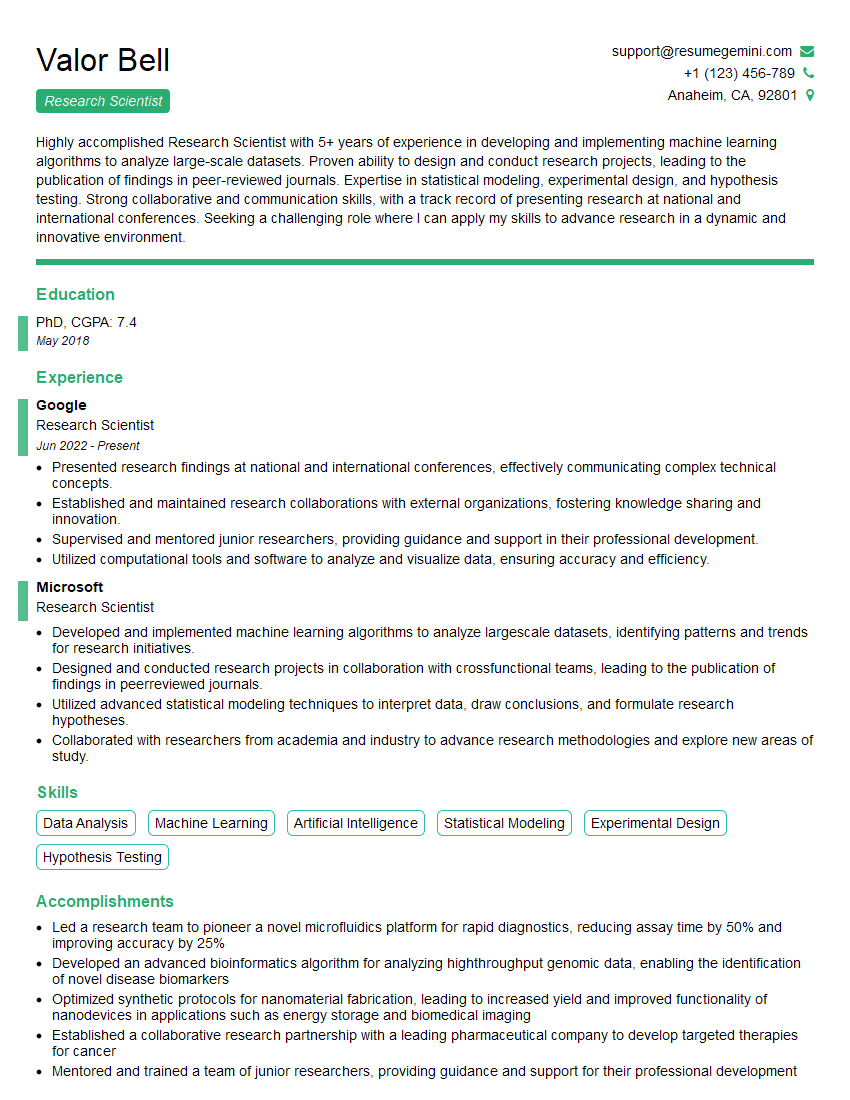
Research Scientist Resume Sample
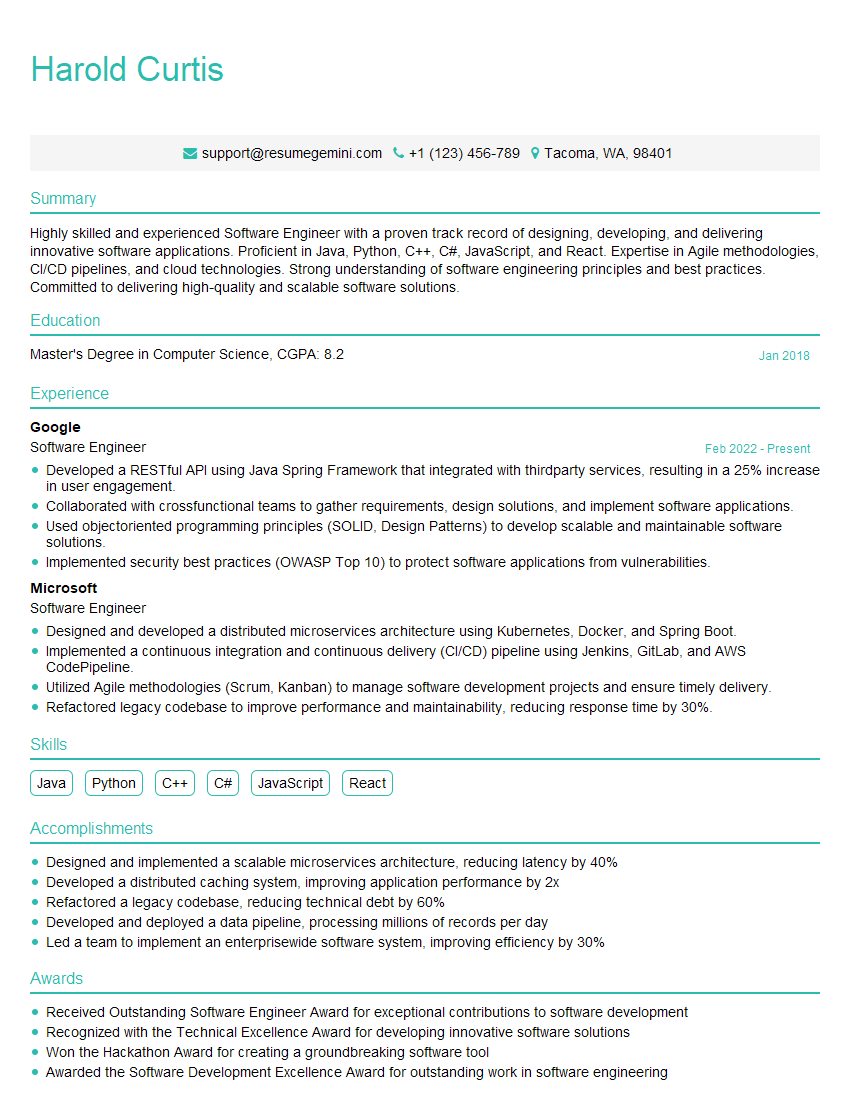
Software Engineer Resume Sample
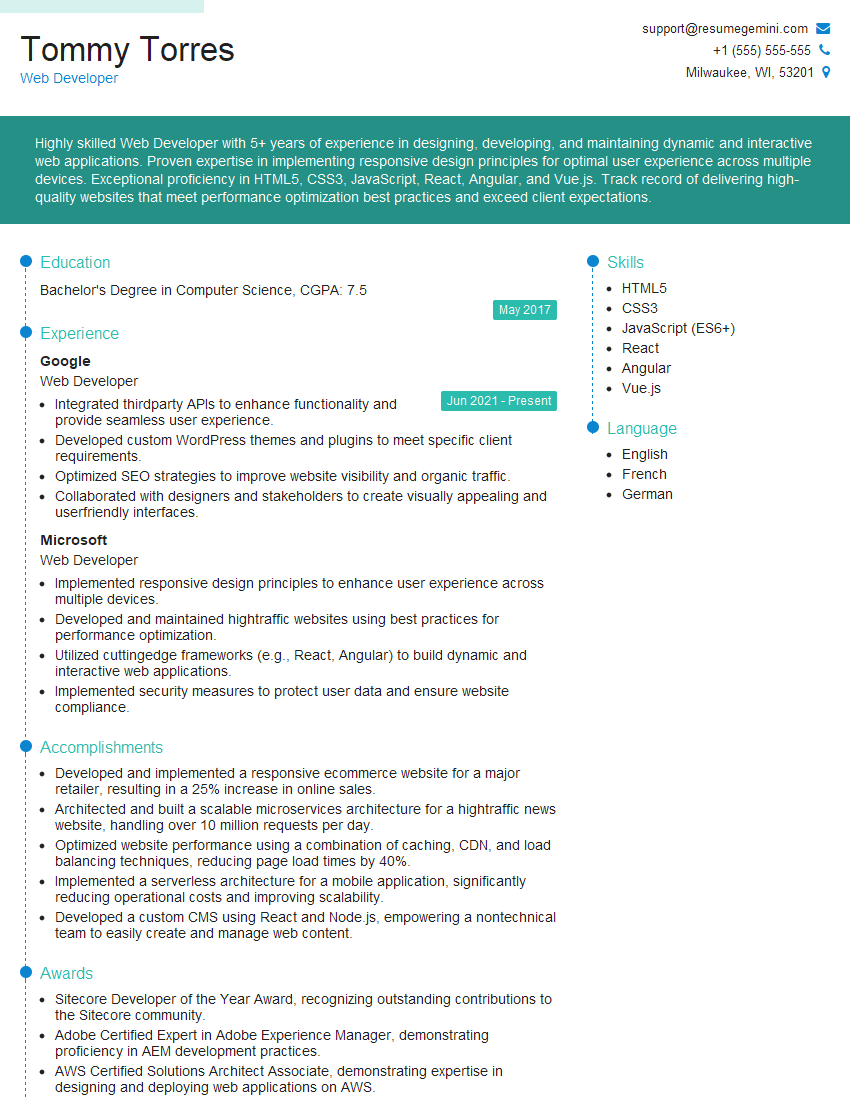
Web Developer Resume Sample
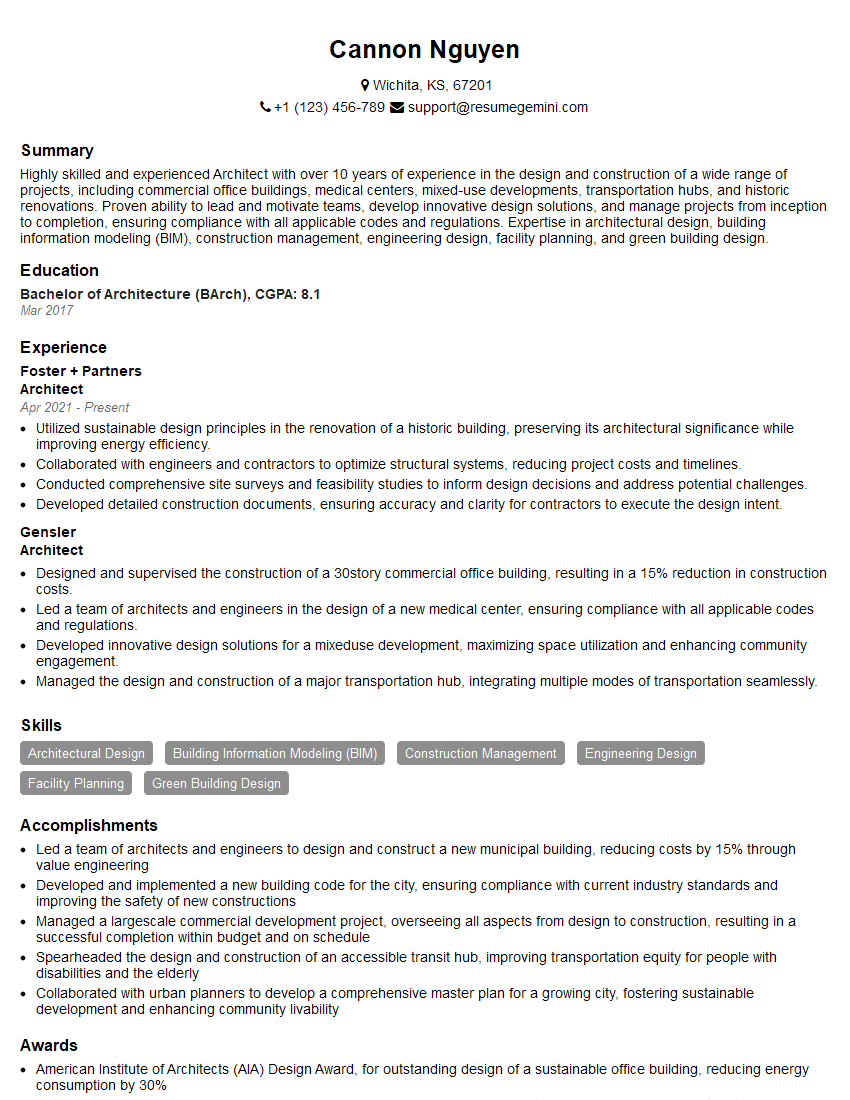
Architect Resume Sample
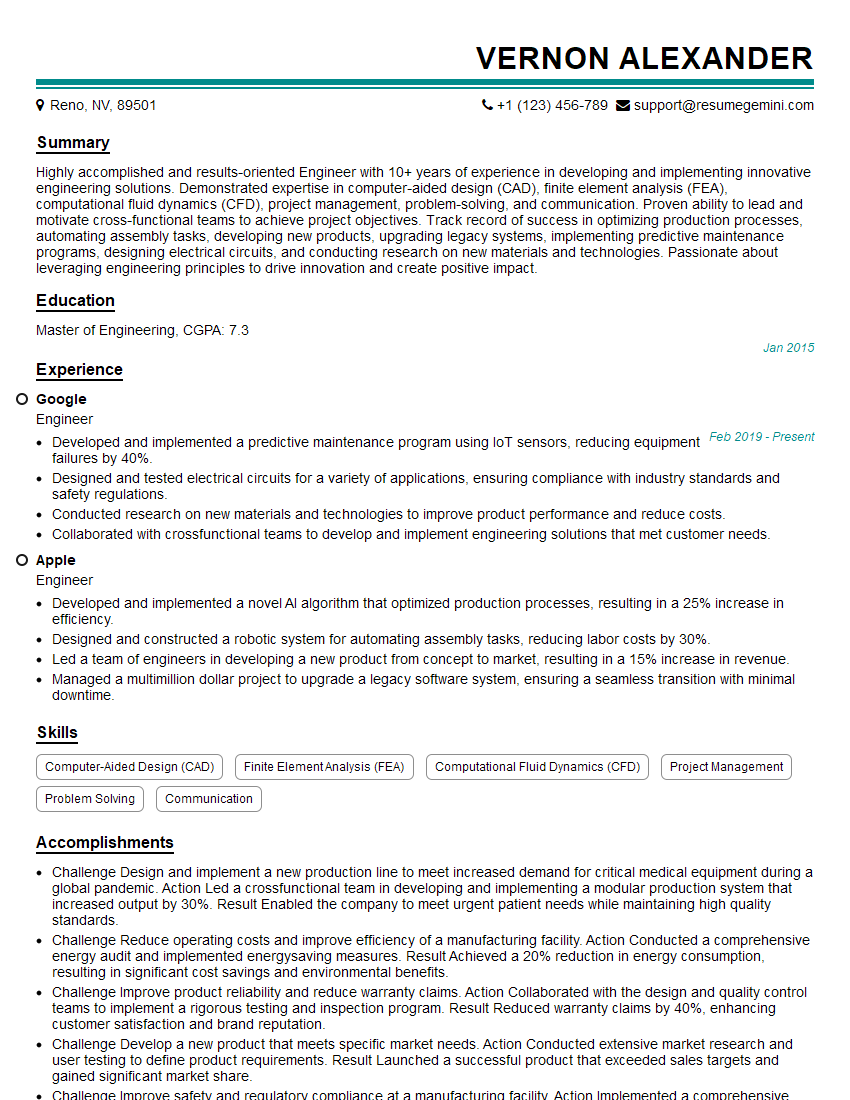
Engineer Resume Sample
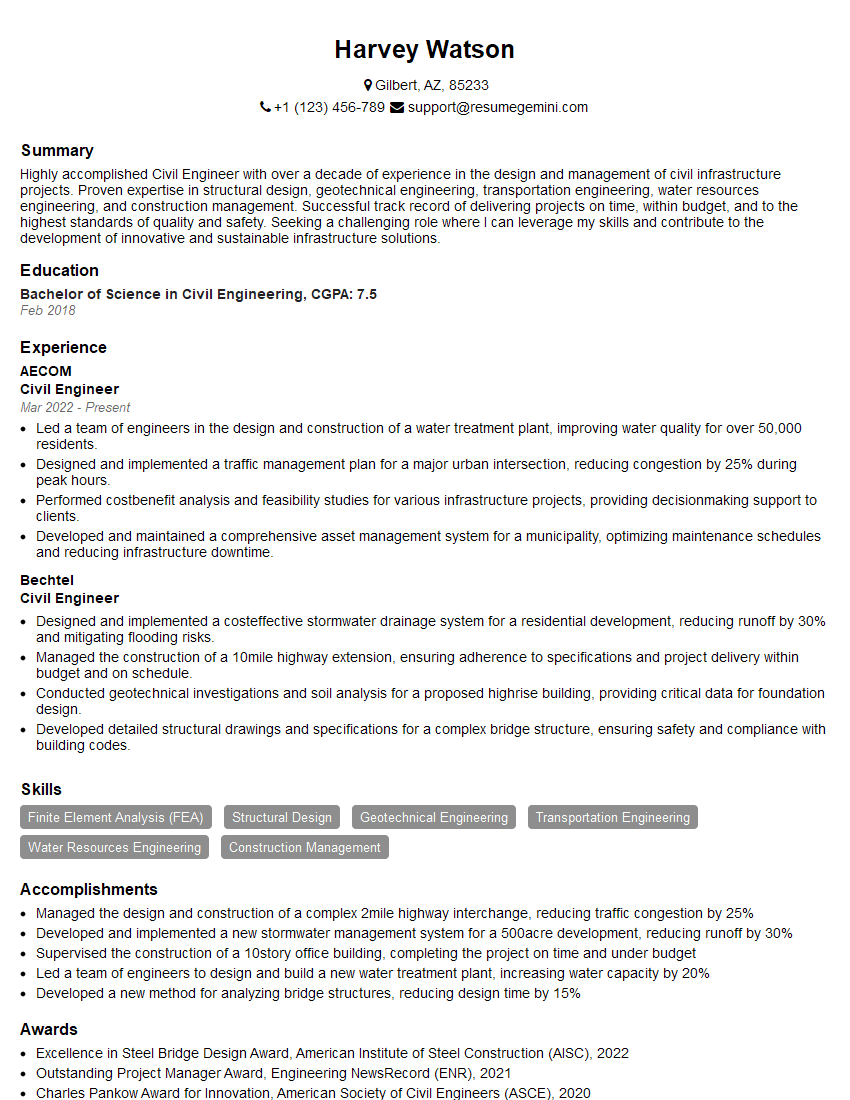
Civil Engineer Resume Sample
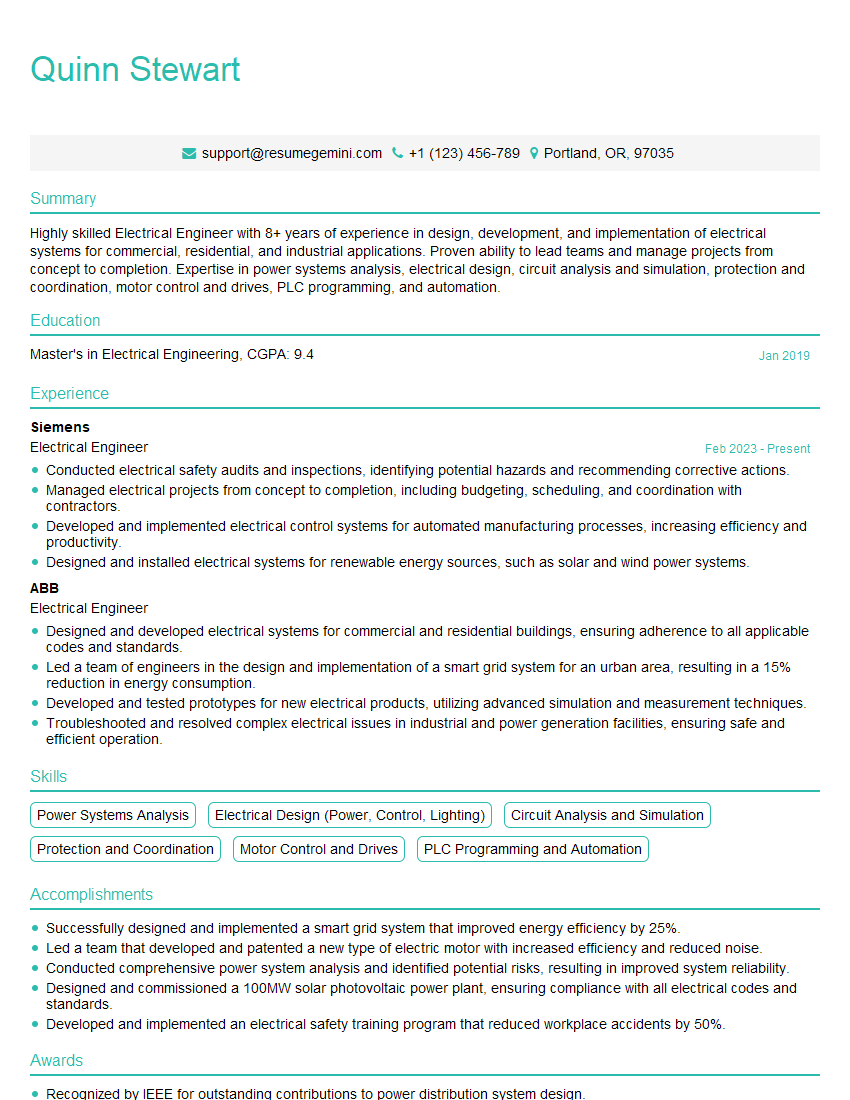
Electrical Engineer Resume Sample
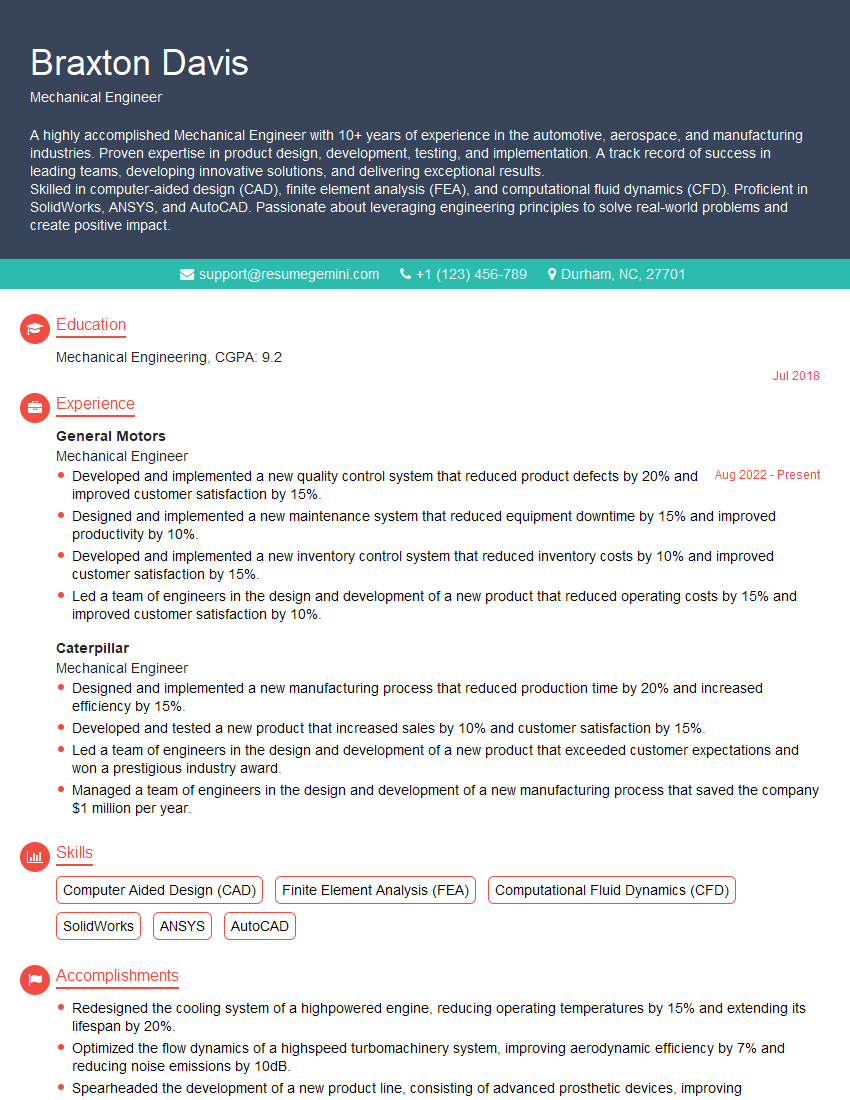
Mechanical Engineer Resume Sample
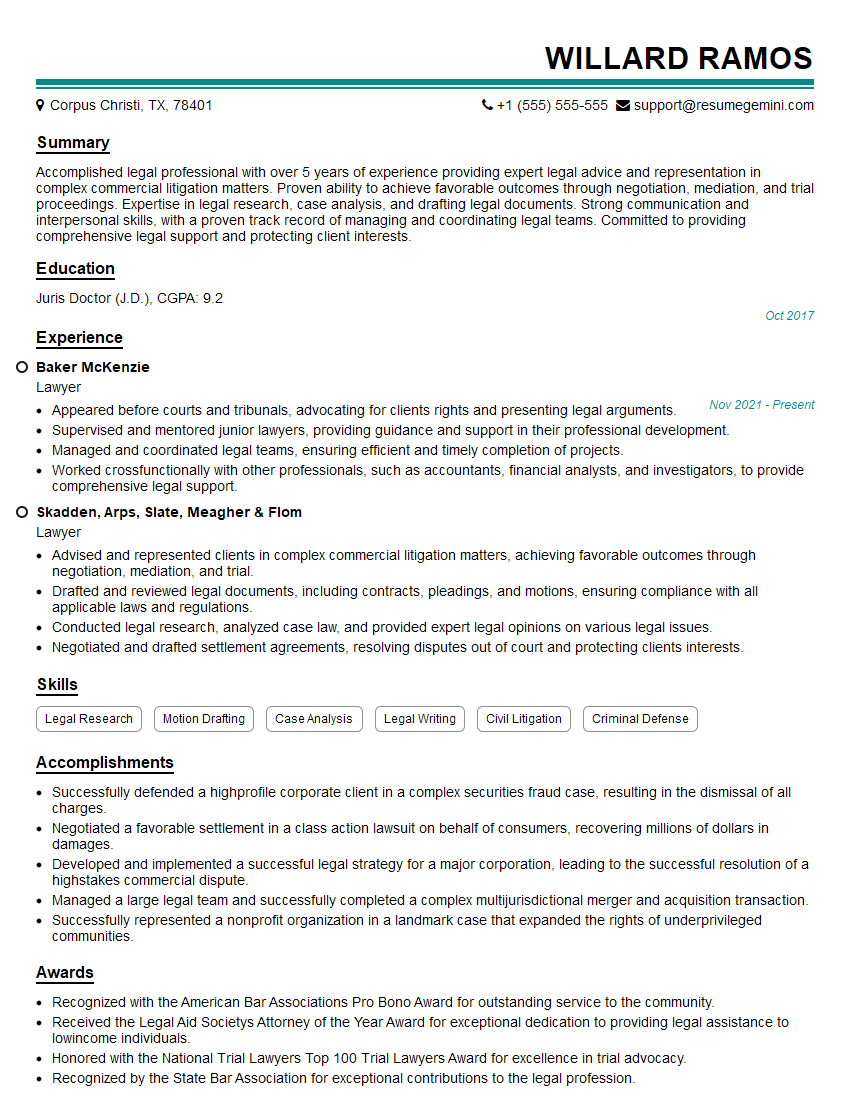
Lawyer Resume Sample
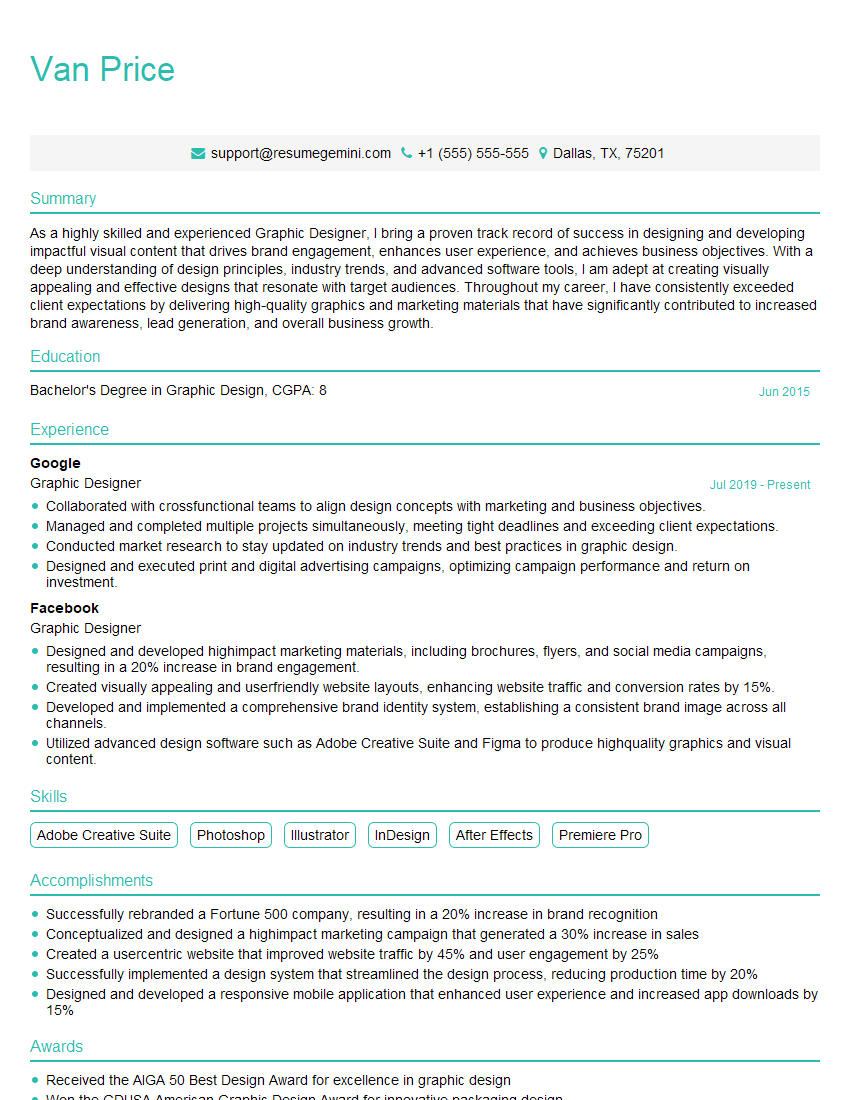
Graphic Designer Resume Sample
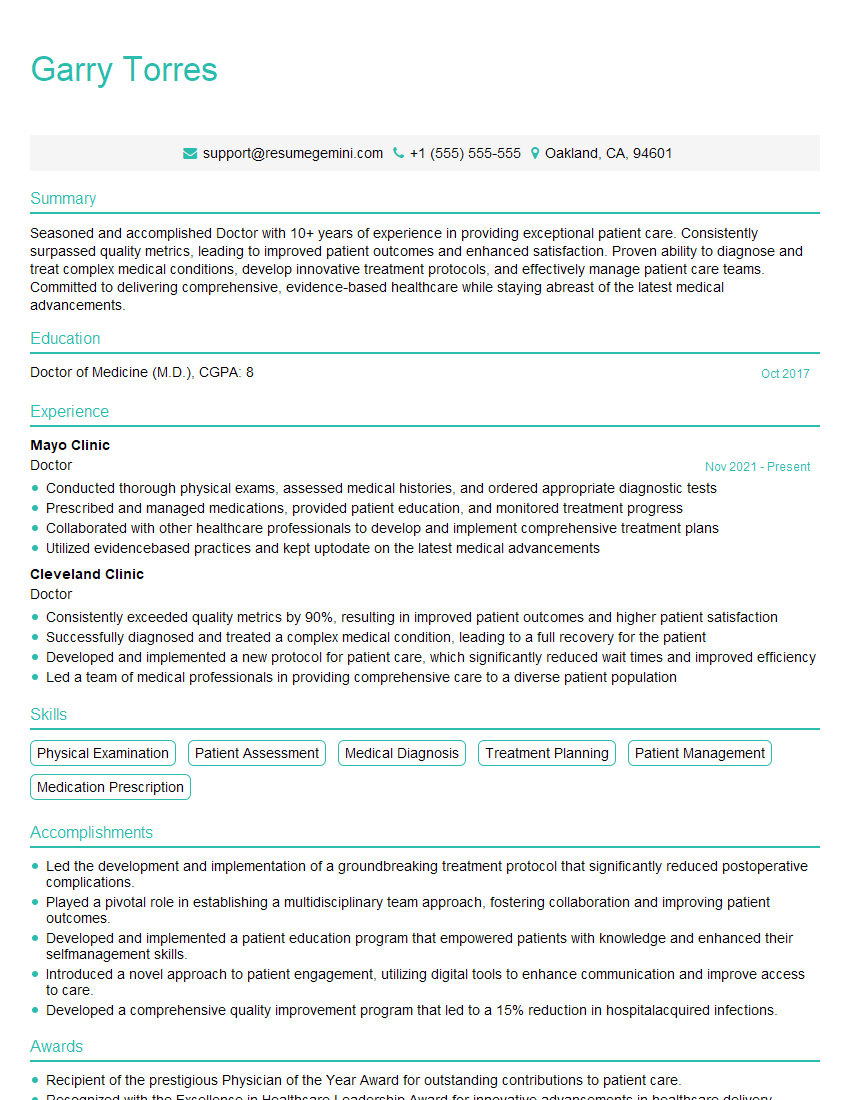
Doctor Resume Sample
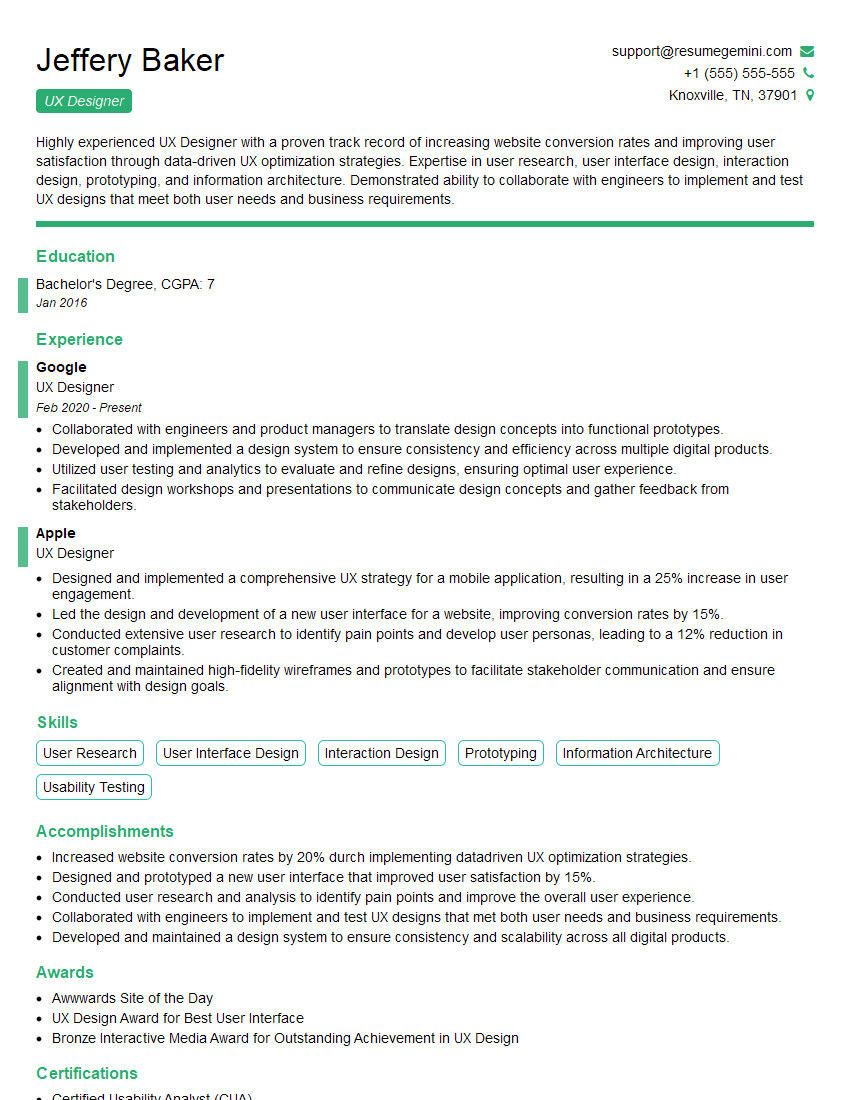
UX Designer Resume Sample
- Operations Manager
- Account Manager
- Marketing Manager
- Sales Representative
- Customer Service Representative
- Human Resources Manager
- Project Manager
- Teacher
- Business Analyst
- Accountant
- Financial Analyst
- Data Scientist
- Research Scientist
- Software Engineer
- Web Developer
- Architect
- Engineer
- Civil Engineer
- Electrical Engineer
- Mechanical Engineer
- Lawyer
- Graphic Designer
- Doctor
- UX Designer
Explore more articles
Users Rating of Our Blogs
Share Your Experience
We value your feedback! Please rate our content and share your thoughts (optional).
What Readers Say About Our Blog
To the interviewgemini.com Webmaster.
Very helpful and content specific questions to help prepare me for my interview!
Thank you
To the interviewgemini.com Webmaster.
This was kind of a unique content I found around the specialized skills. Very helpful questions and good detailed answers.
Very Helpful blog, thank you Interviewgemini team.