Feeling uncertain about what to expect in your upcoming interview? We’ve got you covered! This blog highlights the most important Substance Use Assessment and Management interview questions and provides actionable advice to help you stand out as the ideal candidate. Let’s pave the way for your success.
Questions Asked in Substance Use Assessment and Management Interview
Q 1. Describe the different stages of substance use disorder.
Substance use disorders don’t progress through neatly defined stages like some illnesses. However, we can describe a progression based on the severity and impact on the individual’s life. It’s more of a spectrum than distinct stages. We can visualize it as a climb up a hill, where each step represents increased severity.
Early Stages (Experimentation/Social Use): This involves infrequent use, primarily in social settings. The individual may not experience significant negative consequences. Think of a young adult trying alcohol at a party a few times a year.
Moderate Stages (Regular Use/Abuse): Use becomes more frequent, potentially leading to some negative consequences like missed work or strained relationships. The person might try to control their use but fails consistently. This is where someone might drink every weekend to excess despite knowing it’s affecting their family life.
Severe Stages (Dependence/Addiction): This is characterized by a strong compulsion to use, despite significant negative consequences. There’s often a high degree of tolerance (needing more substance for the same effect) and withdrawal symptoms when use is stopped. A classic example is someone struggling with opioid addiction, experiencing intense cravings and physical withdrawal if they try to quit.
It’s crucial to remember this is a simplified representation; individual experiences vary greatly depending on the substance, the person’s biology, and their social environment.
Q 2. Explain the process of conducting a substance use assessment.
A comprehensive substance use assessment is multifaceted, requiring a thorough gathering of information from various sources. It’s a collaborative process involving the individual, their family (if they consent), and relevant healthcare professionals.
Identifying the Substance(s) Used: This involves determining the types of substances used, the frequency, quantity, and method of use. Open-ended questions are crucial here to avoid biases. For example, instead of asking ‘Do you drink?’, a better approach would be ‘Can you tell me about your alcohol use?’
Assessing the Impact: The assessment must evaluate the consequences of substance use on various areas of the individual’s life, such as physical health, mental health, relationships, employment, and legal issues. This often involves reviewing medical records, talking to family members, and administering standardized assessment tools.
Understanding the Individual’s Perspective: It’s essential to understand the person’s perspective on their substance use. Are they aware of the problems it’s causing? Do they want to change? Motivational interviewing techniques can be invaluable in this stage.
Identifying Co-occurring Disorders: Many individuals with substance use disorders also experience mental health conditions (co-occurring disorders or dual diagnosis). The assessment should screen for these, including depression, anxiety, PTSD, and personality disorders. An example could be someone with an alcohol use disorder also struggling with severe anxiety.
Formulating a Treatment Plan: Based on the assessment findings, a tailored treatment plan can be developed. This will consider the individual’s specific needs, preferences, and resources.
The process is iterative; the initial assessment may lead to further assessments or consultations as needed.
Q 3. What are the key diagnostic criteria for substance use disorders according to the DSM-5?
The Diagnostic and Statistical Manual of Mental Disorders, 5th Edition (DSM-5) outlines criteria for substance use disorders based on a dimensional approach, ranging from mild to severe. A diagnosis requires a clinically significant impairment in social, occupational, or other important areas of functioning, as manifested by at least two of the following criteria within a 12-month period:
Impaired Control: Using more of the substance than intended; unsuccessful attempts to cut down; spending a lot of time obtaining, using, or recovering from the substance.
Social Impairment: Failure to fulfill major role obligations (e.g., work, school, home); continued use despite persistent social or interpersonal problems; giving up important social, occupational, or recreational activities.
Risky Use: Recurrent substance use in physically hazardous situations; continued use despite persistent physical or psychological problems exacerbated by the substance.
Pharmacological Criteria: Tolerance (needing more to get the same effect) or withdrawal (experiencing unpleasant symptoms when substance use stops).
The severity of the disorder is determined by the number of criteria met: mild (2-3 criteria), moderate (4-5 criteria), and severe (6 or more criteria).
Q 4. How do you assess the severity of a substance use disorder?
Assessing the severity of a substance use disorder relies on several factors, not just the number of DSM-5 criteria met. A multi-dimensional approach is crucial.
DSM-5 Criteria Count: As mentioned previously, the number of criteria met (2-3, 4-5, or 6+) directly indicates mild, moderate, or severe SUD, respectively.
Substance-Specific Severity Measures: Tools like the Alcohol Use Disorders Identification Test (AUDIT) or the Drug Abuse Screening Test (DAST) provide scores that reflect the severity of substance use for specific substances.
Impact on Daily Functioning: Assessing the impact of substance use on various life domains (work, relationships, finances, health) is critical. This often involves clinical judgment and collateral information from family or employers.
Medical Complications: The presence and severity of any medical problems directly related to substance use significantly affect the overall severity. For example, alcohol-induced cirrhosis would indicate a more severe disorder.
Mental Health Comorbidities: The presence and severity of co-occurring mental health disorders impact overall severity and treatment planning. A severe depression alongside a substance use disorder complicates treatment.
Integrating these factors creates a holistic picture of the individual’s situation and guides treatment planning accordingly.
Q 5. What screening tools are commonly used for substance use disorders?
Numerous screening tools are available, each designed to identify potential substance use disorders. The choice depends on the specific substance, setting, and available resources.
Alcohol Use Disorders Identification Test (AUDIT): A widely used, 10-item questionnaire assessing alcohol consumption, dependence, and related problems. It’s easy to administer and score.
Drug Abuse Screening Test (DAST): A short questionnaire covering various drugs to screen for drug abuse problems.
CAGE Questionnaire: A simple, four-item screening tool for alcohol problems, focusing on cutting down, annoyance at criticism, guilty feelings, and eye-openers (drinking in the morning to relieve withdrawal).
Simplified Alcohol Dependence Questionnaire (SADQ): A concise measure that provides a score indicating alcohol dependence severity.
ASSIST (Alcohol, Smoking, and Substance Involvement Screening Test): A broader screening instrument that assesses use of various substances including alcohol, tobacco, and illicit drugs.
It is important to note that screening tools are just that – screening tools. A positive result warrants further assessment through a detailed clinical interview.
Q 6. Explain the difference between substance abuse and substance dependence.
The DSM-IV-TR distinguished between substance abuse and substance dependence. The DSM-5 consolidated these into a single diagnosis: Substance Use Disorder (SUD). However, understanding the historical distinction is helpful.
Substance Abuse (DSM-IV-TR): This involved a maladaptive pattern of substance use leading to clinically significant impairment or distress, as manifested by one or more of the following in a 12-month period: failure to fulfill major role obligations; recurrent substance use in situations where it is physically hazardous; recurrent substance-related legal problems; continued substance use despite persistent or recurrent social or interpersonal problems.
Substance Dependence (DSM-IV-TR): This was a more severe condition characterized by a maladaptive pattern of substance use, leading to clinically significant impairment or distress, as manifested by three or more of the following in a 12-month period: tolerance; withdrawal; using larger amounts or over a longer period than intended; persistent desire or unsuccessful efforts to cut down or control substance use; spending a great deal of time obtaining, using, or recovering from substance use; giving up or reducing important social, occupational, or recreational activities; continued substance use despite knowing it is causing physical or psychological problems.
The DSM-5 integrated these criteria into a single spectrum of SUD, reflecting the continuum of severity rather than distinct categories. The severity is now determined by the number of criteria met, as previously explained.
Q 7. Discuss the various treatment modalities used for substance use disorders.
Treatment for substance use disorders is highly individualized and often involves a combination of modalities tailored to the person’s specific needs and preferences. A comprehensive treatment approach usually includes the following:
Detoxification: Medically managed withdrawal from the substance, often necessary for substances causing severe withdrawal symptoms (e.g., opioids, alcohol). This is crucial for safety and comfort.
Medication-Assisted Treatment (MAT): Pharmacological interventions to reduce cravings, manage withdrawal, or block the effects of the substance. Examples include methadone for opioid addiction, naltrexone for alcohol or opioid addiction, and acamprosate for alcohol addiction.
Behavioral Therapies: These focus on changing behaviors and thought patterns associated with substance use. Common examples include Cognitive Behavioral Therapy (CBT), motivational interviewing, and contingency management.
12-Step Programs: Mutual-support groups like Alcoholics Anonymous (AA) or Narcotics Anonymous (NA) provide peer support and a structured recovery process. They are a valuable adjunct to professional treatment.
Family Therapy: Addresses the impact of substance use on the family and helps family members develop coping skills and support the individual in recovery.
Individual Therapy: Provides a safe and supportive space for exploring underlying issues contributing to substance use and developing coping strategies. It is essential for addressing co-occurring mental health disorders.
Aftercare/Relapse Prevention: Long-term support to help individuals maintain abstinence and cope with potential challenges that can trigger relapse. This can include ongoing therapy, participation in support groups, and medication management.
The integration of these modalities is key to achieve sustainable recovery. The treatment plan should be regularly reviewed and adjusted as needed, based on the individual’s progress and evolving needs.
Q 8. How would you tailor a treatment plan to an individual’s specific needs and circumstances?
Tailoring a treatment plan requires a holistic approach, considering the individual’s unique biopsychosocial factors. It’s not a one-size-fits-all approach. We begin with a comprehensive assessment, exploring the individual’s substance use history, current patterns, mental health status, social support network, and personal goals. This involves utilizing validated assessment tools and engaging in open, empathetic conversations.
For example, a young adult struggling with opioid addiction and experiencing homelessness will require a vastly different treatment plan compared to a middle-aged professional with alcohol dependence and a stable family life. The former may need immediate access to detox, housing assistance, and vocational training, while the latter might benefit from outpatient therapy, support groups, and relapse prevention planning. The plan should be dynamic, regularly reviewed and adjusted based on progress and challenges.
The process often includes collaboratively setting achievable goals, selecting appropriate interventions (e.g., medication-assisted treatment, cognitive behavioral therapy, contingency management), and establishing a strong therapeutic alliance built on trust and mutual respect. Regular monitoring and feedback mechanisms ensure the plan remains relevant and effective.
Q 9. What are the ethical considerations in treating individuals with substance use disorders?
Ethical considerations in substance use treatment are paramount. Confidentiality, informed consent, and self-determination are core principles. We must ensure clients understand their treatment options, potential risks and benefits, and have the autonomy to make choices about their care. Maintaining confidentiality, as mandated by HIPAA (in the US), is crucial, especially given the sensitive nature of substance use disorders.
Another critical aspect is avoiding conflicts of interest. For example, maintaining professional boundaries and disclosing any personal relationships that could compromise objectivity or care is vital. Ethical dilemmas might arise regarding mandatory reporting (e.g., child abuse or neglect), managing involuntary treatment situations, or dealing with situations where a client’s actions pose a risk to themselves or others. Regular ethical reflection and consultation with colleagues or supervisors is essential to navigate these complex situations ethically and responsibly.
Q 10. How do you address co-occurring disorders (CODs) in your treatment approach?
Co-occurring disorders (CODs), or dual diagnoses, are extremely common among individuals with substance use disorders. Many experience mental health conditions like depression, anxiety, PTSD, or bipolar disorder alongside their substance use. Ignoring CODs is ineffective and often detrimental. Integrated treatment is crucial. This means addressing both the substance use and the co-occurring disorder concurrently, rather than treating them separately.
For example, a person with alcohol dependence and depression requires both substance abuse treatment (e.g., detoxification, therapy focused on relapse prevention) and mental health treatment (e.g., medication, therapy addressing depressive symptoms). Integrated treatment models often involve collaboration between psychiatrists, therapists, and substance abuse counselors, ensuring a coordinated and comprehensive approach. The goal is to improve both mental health and substance use outcomes simultaneously.
Q 11. Describe your experience working with different populations affected by substance use disorders (e.g., adolescents, adults, older adults).
My experience spans various populations affected by substance use disorders. Working with adolescents requires a different approach than working with older adults, owing to their developmental stages and unique needs. Adolescents are still developing their identities and brains, making them more vulnerable to peer pressure and impulsive behaviors. Treatment often incorporates family therapy and focuses on education, skill-building, and addressing underlying developmental issues.
Adults typically present with more established patterns of substance use, requiring tailored interventions based on their individual circumstances and the severity of their addiction. Older adults may face unique challenges such as physical health problems and social isolation. Treatment often involves adapting interventions to account for age-related factors and providing appropriate support systems. Regardless of age group, the foundational elements remain consistent: building rapport, fostering self-efficacy, and promoting long-term recovery.
Q 12. How do you handle situations where a patient is non-compliant with their treatment plan?
Non-compliance is a common challenge in substance use treatment. Instead of viewing non-compliance as defiance, we must explore the underlying reasons. This involves open communication and collaborative problem-solving. We need to understand whether there are barriers to treatment such as lack of transportation, financial constraints, or unmet needs.
It’s crucial to reassess the treatment plan. Is it the right fit for this person? Are the goals realistic and attainable? Are there alternative treatment options that would be more suitable? Motivational interviewing techniques are highly effective here; we aim to understand the patient’s ambivalence and collaborate to find solutions. Sometimes adjusting the treatment plan, strengthening the support system, or involving family members can greatly improve compliance. In some cases, involuntary commitment may be necessary, but this is a decision taken only with careful consideration of legal and ethical implications.
Q 13. What are some common relapse triggers and how can they be addressed?
Relapse is a common part of the recovery process, not a sign of failure. Understanding relapse triggers is critical for developing effective relapse prevention strategies. Common triggers include stress, negative emotions, social pressure, and exposure to people, places, or things associated with past substance use.
Addressing these triggers requires a multifaceted approach. This might include developing coping mechanisms for stress (e.g., mindfulness, exercise, healthy social activities), learning to manage negative emotions (e.g., through therapy, self-compassion exercises), building a strong support network (e.g., support groups, family support), and avoiding high-risk situations. Relapse prevention planning involves anticipating potential triggers and creating a personalized plan to navigate those situations successfully. Regular check-ins with therapists and support groups can help individuals stay accountable and address challenges proactively.
Q 14. Explain the importance of motivational interviewing in substance use treatment.
Motivational interviewing (MI) is a client-centered, directive counseling method that enhances intrinsic motivation for change. It’s particularly effective in substance use treatment because it empowers individuals to take ownership of their recovery. Instead of imposing a treatment plan, MI guides clients to explore their own ambivalence towards change, identify their personal reasons for wanting to change, and develop their own solutions.
MI employs specific communication techniques, such as open-ended questions, reflective listening, affirming statements, and summarizing, to create a collaborative relationship and guide clients towards self-discovery. It focuses on strengths and resources, recognizing that change is a process that requires patience and understanding. The therapist acts as a guide, helping the client uncover their own motivation and develop a personalized plan for recovery, resulting in increased engagement and better treatment outcomes.
Q 15. Describe your experience with different pharmacological interventions for substance use disorders.
Pharmacological interventions for substance use disorders are crucial components of a comprehensive treatment plan, often used in conjunction with behavioral therapies. My experience encompasses a wide range of medications, tailored to the specific substance being abused and the individual’s unique needs.
- Opioid Use Disorder: I have extensive experience prescribing medications like methadone, buprenorphine/naloxone (Suboxone), and naltrexone. Methadone maintenance therapy, for example, provides a stable dose of an opioid agonist to reduce cravings and withdrawal symptoms, allowing individuals to focus on other aspects of their recovery. Buprenorphine/naloxone offers a similar effect with a lower risk of overdose. Naltrexone, an opioid antagonist, blocks the effects of opioids, reducing the likelihood of relapse. The selection depends on factors such as patient preference, medical history, and level of opioid dependence.
- Alcohol Use Disorder: I’m familiar with using medications like naltrexone (also used for opioid use disorder but with a different mechanism of action here), acamprosate, and disulfiram. Naltrexone reduces cravings, acamprosate helps manage withdrawal symptoms, and disulfiram creates an unpleasant reaction if alcohol is consumed, acting as a deterrent. The choice is made based on individual tolerance, medical conditions, and the patient’s willingness to engage in therapy.
- Stimulant Use Disorder: Treatment options here are more limited. While there’s no FDA-approved medication specifically for stimulant use disorder, I often work with patients to manage comorbid conditions like anxiety or depression and help them access psychosocial therapies that address the underlying issues contributing to their substance use.
Medication alone is not a cure. It’s a vital part of a holistic approach that includes counseling, support groups, and relapse prevention strategies. I regularly monitor patients’ responses to medication, adjusting dosages as needed and closely observing for any side effects.
Career Expert Tips:
- Ace those interviews! Prepare effectively by reviewing the Top 50 Most Common Interview Questions on ResumeGemini.
- Navigate your job search with confidence! Explore a wide range of Career Tips on ResumeGemini. Learn about common challenges and recommendations to overcome them.
- Craft the perfect resume! Master the Art of Resume Writing with ResumeGemini’s guide. Showcase your unique qualifications and achievements effectively.
- Don’t miss out on holiday savings! Build your dream resume with ResumeGemini’s ATS optimized templates.
Q 16. How do you ensure patient confidentiality and adhere to HIPAA regulations?
Patient confidentiality is paramount, and I strictly adhere to HIPAA regulations in all aspects of my practice. This includes:
- Secure Data Storage: All patient information, including electronic health records (EHRs), is stored securely using encrypted systems and password-protected access. We comply with all HIPAA security standards and regularly conduct security audits.
- Limited Access: Access to patient records is granted only to authorized personnel on a need-to-know basis. We have strict protocols for password management and access controls.
- Privacy Practices: Patients receive a copy of our Notice of Privacy Practices (NPP) upon their first visit, outlining how their Protected Health Information (PHI) will be handled. We obtain their written consent for any disclosure of information outside of treatment.
- Communication: All communication regarding patient information, whether electronic or in person, is conducted in a manner that protects patient privacy. We use secure messaging systems and avoid discussing patient matters in public places.
I regularly participate in continuing education to stay updated on the latest HIPAA regulations and best practices for maintaining patient confidentiality. This is not just a matter of compliance; it’s about building trust and fostering a therapeutic relationship where patients feel safe sharing their experiences.
Q 17. What is your approach to crisis intervention in relation to substance use?
My approach to crisis intervention for substance use involves a rapid assessment and stabilization strategy focused on immediate safety and connecting the individual with appropriate resources.
- Immediate Safety: The priority is to ensure the individual is safe from harm, either to themselves or others. This may involve calling emergency services if necessary, or de-escalation techniques if the individual is agitated or exhibiting self-harming behaviors.
- Assessment: A quick yet thorough assessment is performed to determine the nature and severity of the crisis, including the substance(s) involved, the individual’s current physical and mental state, and the presence of any immediate risk factors.
- Stabilization: This phase involves addressing immediate needs, such as providing a safe environment, managing withdrawal symptoms, and offering emotional support. For example, in the case of severe alcohol withdrawal, immediate medical intervention is crucial to prevent life-threatening complications.
- Referral and Support: The individual is connected with appropriate resources, such as a detox facility, inpatient treatment program, or crisis hotline. Ongoing support is provided to ensure a smooth transition and to prevent future crises.
Crisis intervention is a time-sensitive process requiring a calm, empathetic, and decisive approach. The goal is to stabilize the situation, ensure safety, and link the individual to longer-term support systems.
Q 18. Describe your experience working with families of individuals with substance use disorders.
Working with families of individuals with substance use disorders is integral to successful treatment outcomes. Family involvement can be complex, as family members often experience a range of emotions, including anger, guilt, fear, and exhaustion. My approach focuses on creating a safe and supportive space where family members can express their feelings and learn effective coping strategies.
- Education: I provide education about addiction, its effects on the individual and the family, and available treatment options. This helps families understand that addiction is a disease, not a moral failing.
- Family Therapy: I often incorporate family therapy to improve communication, foster understanding, and teach families healthier ways of interacting with the individual struggling with substance use. This might involve helping families set boundaries, learn to support recovery efforts, and identify and address co-occurring family issues.
- Support Groups: I encourage family members to participate in support groups such as Al-Anon or Nar-Anon, where they can connect with others who share similar experiences and learn from each other.
- Addressing Co-occurring Disorders: Family members may also benefit from addressing any co-occurring mental health issues they may have experienced due to the stress of caring for a loved one with addiction.
Working effectively with families requires sensitivity, patience, and a deep understanding of the dynamics of addiction and its impact on families. It’s about empowering family members to become part of the solution and providing them with the tools and support they need to navigate this challenging experience.
Q 19. How do you incorporate evidence-based practices into your treatment approach?
Evidence-based practices are the cornerstone of my treatment approach. This means utilizing interventions that have been rigorously tested and proven effective through scientific research. I integrate various evidence-based practices including:
- Cognitive Behavioral Therapy (CBT): CBT helps individuals identify and change negative thought patterns and behaviors that contribute to substance use. It teaches coping mechanisms for managing cravings and triggers.
- Motivational Interviewing (MI): MI is a collaborative approach that helps individuals explore their ambivalence about change and strengthen their intrinsic motivation to seek recovery.
- Contingency Management (CM): CM involves providing rewards for positive behaviors, such as abstinence from substance use, to reinforce recovery efforts.
- 12-Step Facilitation: I often incorporate 12-step facilitation, guiding individuals through the principles of 12-step programs, empowering them to engage with the community for support and guidance.
- Medication-Assisted Treatment (MAT): As discussed earlier, I utilize MAT, integrating appropriate medications to reduce withdrawal symptoms, cravings, and relapse rates.
I regularly review the latest research to stay current on evidence-based practices and adapt my treatment strategies accordingly. I believe that integrating the latest scientific knowledge ensures that my patients receive the most effective and up-to-date care.
Q 20. How do you evaluate the effectiveness of a treatment plan?
Evaluating the effectiveness of a treatment plan is an ongoing process, not a one-time event. I use a combination of measures to assess progress:
- Self-Report Measures: Patients complete questionnaires and scales that assess their substance use, cravings, mood, and overall well-being. Examples include the Addiction Severity Index (ASI) and the Timeline Followback (TLFB) method.
- Biological Measures: Urine drug testing and blood tests are used to monitor substance use and the presence of other substances.
- Behavioral Observations: I observe changes in the patient’s behavior, such as increased engagement in therapy, improved interpersonal relationships, and decreased involvement in high-risk situations.
- Clinical Interviews: Regular clinical interviews provide insights into the patient’s progress, challenges, and overall coping mechanisms.
- Collaboration with Other Professionals: When appropriate, I collaborate with other members of the treatment team (such as psychiatrists or case managers) to get a comprehensive picture of the patient’s progress.
The data collected from these various sources inform adjustments to the treatment plan, ensuring it remains relevant and effective throughout the recovery journey. Regular monitoring and evaluation allows for early identification of challenges and prompt interventions, increasing the likelihood of sustained recovery.
Q 21. What are some common barriers to accessing substance use treatment?
Access to substance use treatment is often hampered by a number of barriers:
- Financial Barriers: The cost of treatment can be prohibitive for many individuals, especially those without adequate health insurance coverage. This includes not just the cost of therapy but also medication, transportation, and childcare.
- Stigma: Social stigma surrounding substance use disorders discourages many individuals from seeking help, leading to delayed treatment and worse outcomes.
- Geographical Barriers: Access to specialized treatment centers and qualified professionals can be limited in rural or underserved areas. Long waiting lists can also create delays.
- Lack of Awareness: Many individuals are unaware of the available treatment options or where to find them. Increased public awareness campaigns are needed.
- Systemic Barriers: Navigating the healthcare system can be complex and overwhelming, especially for individuals struggling with addiction. Poor coordination between different healthcare providers and fragmented services can create further obstacles.
- Co-occurring Disorders: Individuals with co-occurring mental health disorders frequently face additional challenges accessing treatment that addresses both conditions concurrently.
Addressing these barriers requires a multi-pronged approach involving increased funding for treatment programs, reducing stigma through public awareness campaigns, improving access to care in underserved areas, and simplifying the process of navigating the healthcare system.
Q 22. How do you address cultural considerations in your treatment approach?
Addressing cultural considerations is paramount in substance use treatment. It’s not a ‘one-size-fits-all’ approach. Ignoring cultural nuances can lead to miscommunication, mistrust, and ultimately, treatment failure. My approach involves a deep understanding of the client’s cultural background, including their beliefs, values, family structures, and communication styles. This understanding informs every aspect of treatment, from the initial assessment to the development of a personalized treatment plan.
- Language Access: Ensuring access to interpreters or culturally appropriate materials is crucial for effective communication.
- Cultural Sensitivity in Assessment: Using assessment tools that are culturally valid and avoid bias. For example, some cultures might express symptoms differently than others. An individual from a collectivist culture may be hesitant to disclose personal struggles in the same manner as someone from an individualistic culture.
- Incorporating Traditional Healing Practices: In some cases, integrating culturally appropriate practices alongside Western treatment methods can significantly improve engagement and outcomes. This might involve collaboration with spiritual leaders or traditional healers when appropriate and with the client’s consent.
- Family Involvement: Understanding the role of family within the client’s culture and adapting treatment accordingly to appropriately involve family members in the recovery process, when culturally appropriate and desired by the client.
For instance, I once worked with a client from a Latin American background who found traditional talk therapy less effective than engaging in group support within their community. By tailoring the treatment to incorporate these group dynamics, we saw a significant improvement in their engagement and progress.
Q 23. Explain the stages of change model and how you use it in treatment.
The Stages of Change model, also known as the Transtheoretical Model, is a framework for understanding how people change their behavior. It recognizes that change isn’t linear; rather, it’s a cyclical process with multiple stages. I use this model to meet clients where they are in their journey and tailor interventions to their readiness for change.
- Precontemplation: The client isn’t considering change. My approach here is to build rapport, increase awareness of the problem, and plant seeds of possibility.
- Contemplation: The client is considering change but hasn’t committed. I focus on weighing the pros and cons of change and addressing ambivalence.
- Preparation: The client is ready to take action. We collaboratively develop a plan, set realistic goals, and identify potential obstacles.
- Action: The client is actively taking steps to change their behavior. This stage involves providing support, resources, and strategies to maintain momentum.
- Maintenance: The client is maintaining the changed behavior. This phase focuses on relapse prevention strategies and developing long-term coping mechanisms.
- Relapse: This is not a failure but a part of the process. We explore what triggered the relapse, and develop strategies to prevent future ones.
For example, if a client is in the precontemplation stage, I might focus on motivational interviewing techniques to help them explore their own reasons for change, rather than directly confronting them with the need to quit. If a client relapses, I use this as an opportunity to understand the context and refine the treatment plan.
Q 24. How do you build rapport and trust with clients struggling with addiction?
Building rapport and trust is the foundation of effective addiction treatment. It’s about creating a safe and non-judgmental space where the client feels comfortable being honest and vulnerable. This requires empathy, active listening, and genuine care. I start by demonstrating respect and understanding, validating their experiences, and acknowledging the challenges they’re facing. It’s crucial to remember that people with addiction often face significant stigma and judgment, so creating a therapeutic alliance built on trust is paramount.
- Active Listening: Paying close attention to both verbal and nonverbal cues, reflecting back what I hear to ensure understanding.
- Empathy: Trying to understand their perspective and experiences, even if I don’t necessarily agree with their choices.
- Setting Clear Boundaries: While building trust, it’s crucial to establish clear professional boundaries to maintain therapeutic integrity.
- Collaboration: Working together to develop a personalized treatment plan that addresses the client’s specific needs and goals.
I often use open-ended questions to encourage self-reflection and allow the client to lead the conversation. For example, instead of asking, “Did you use drugs today?” I might ask, “Can you tell me about your day?” This approach allows for a more natural flow of conversation and enables a deeper understanding of their experience. Building trust takes time and consistency – it’s a process built on mutual respect and understanding.
Q 25. What is your understanding of trauma-informed care in substance use treatment?
Trauma-informed care recognizes the significant impact that trauma can have on substance use. Many individuals struggling with addiction have experienced adverse childhood experiences (ACEs) or other traumatic events that can contribute to their substance use as a coping mechanism. Trauma-informed care prioritizes safety, trustworthiness, choice, collaboration, and empowerment. It avoids re-traumatizing the individual through practices that are insensitive or triggering.
- Safety: Creating a physically and emotionally safe environment.
- Trustworthiness: Building a strong therapeutic relationship based on trust and respect.
- Choice: Empowering the client to make decisions about their own care.
- Collaboration: Working collaboratively with the client to develop a treatment plan.
- Empowerment: Focusing on strengths and resilience, helping the client regain a sense of control over their life.
A trauma-informed approach might involve using mindfulness techniques to manage triggers, incorporating trauma-focused therapies such as EMDR or somatic experiencing, and working with the client to identify healthy coping mechanisms that don’t involve substance use. It’s about understanding that substance use is often a symptom of underlying trauma and addressing both the trauma and the addiction.
Q 26. How would you respond to a situation involving a patient experiencing withdrawal symptoms?
Responding to a patient experiencing withdrawal symptoms requires immediate and decisive action. The severity of withdrawal varies depending on the substance and the individual’s history of use. My first step is to assess the severity of the symptoms and the patient’s overall stability. This assessment helps determine whether immediate medical intervention is necessary.
- Assess the Severity: Evaluate vital signs (heart rate, blood pressure, respiratory rate), level of consciousness, and the presence of any life-threatening symptoms.
- Medical Intervention: If the symptoms are severe or life-threatening (e.g., seizures, delirium tremens), immediate medical attention is crucial. This may involve contacting emergency medical services or transferring the patient to a hospital.
- Medication Management: For less severe withdrawal, medication can be used to manage symptoms and ensure safety. This is typically done under medical supervision.
- Supportive Care: Providing a safe and supportive environment, ensuring hydration and nutrition, and offering comfort and reassurance.
- Collaboration with Medical Professionals: Working closely with medical professionals to ensure appropriate care and monitoring.
I would never attempt to manage severe withdrawal symptoms without the assistance of a medical professional. My role is to ensure the safety of the patient and to coordinate care with the appropriate medical team. The immediate priority is to stabilize the patient’s condition and prevent any life-threatening complications.
Q 27. Describe your experience with harm reduction strategies.
Harm reduction strategies are a cornerstone of my approach to substance use treatment. Harm reduction focuses on minimizing the negative consequences of substance use rather than solely aiming for abstinence. It acknowledges that abstinence is not always achievable or desirable for every individual, and that people should be met where they are in their journey.
- Needle Exchange Programs: Providing clean needles and syringes to prevent the spread of infectious diseases.
- Naloxone Distribution: Providing naloxone (Narcan) to reverse opioid overdoses.
- Supervised Consumption Sites: Offering a safe place for individuals to use substances under medical supervision.
- Medication-Assisted Treatment (MAT): Using medication to reduce cravings and withdrawal symptoms and improve treatment outcomes. Examples include methadone, buprenorphine, and naltrexone.
- Education and Counseling: Providing education on safer use practices, risk reduction, and accessing support services.
Harm reduction is not about condoning substance use, but rather about meeting individuals where they are and preventing harm. It’s about saving lives and reducing the negative consequences associated with substance use. For instance, I have worked with clients who were not ready to abstain completely, but were able to make significant progress by focusing on harm reduction strategies. This helped build trust and provided a pathway towards more significant changes later on.
Q 28. How do you maintain your own well-being while working in the field of addiction treatment?
Maintaining my well-being is essential for effectively supporting my clients. Working in addiction treatment can be emotionally demanding, and it’s crucial to avoid burnout. I prioritize self-care through several strategies:
- Regular Supervision: Meeting regularly with a supervisor to process challenging cases and maintain professional boundaries.
- Self-Reflection: Taking time for self-reflection and processing my emotional responses to clients’ struggles.
- Stress Management Techniques: Practicing stress-reduction techniques such as mindfulness, meditation, or exercise.
- Healthy Boundaries: Setting and maintaining clear boundaries between my professional and personal life to avoid emotional exhaustion.
- Support Network: Maintaining a strong support network of friends, family, and colleagues.
- Continuing Education: Staying up-to-date on the latest research and treatment approaches to maintain professional competence and enthusiasm.
Taking care of myself isn’t selfish; it’s a necessity. By prioritizing my well-being, I am better equipped to provide compassionate and effective care to my clients. It’s a continuous process of self-awareness and self-care. Recognizing my own limitations and seeking support when needed are integral parts of my professional practice.
Key Topics to Learn for Substance Use Assessment and Management Interview
- Assessment Techniques: Understanding various assessment methods (e.g., clinical interviews, standardized questionnaires, biological markers) and their appropriate application based on client presentation and setting.
- Diagnostic Criteria: A thorough understanding of DSM-5 and ICD-11 criteria for substance use disorders, including different severity levels and specifiers. Practical application includes differentiating between substance use, abuse, and dependence.
- Ethical Considerations: Navigating ethical dilemmas related to confidentiality, informed consent, mandated reporting, and dual relationships within the context of substance use treatment.
- Treatment Planning: Developing individualized treatment plans based on comprehensive assessments, incorporating evidence-based practices, and collaboratively setting realistic goals with clients.
- Intervention Strategies: Familiarity with motivational interviewing, cognitive behavioral therapy (CBT), contingency management, and other relevant therapeutic approaches used in substance use treatment.
- Co-occurring Disorders: Recognizing and addressing the complexities of co-occurring mental health and substance use disorders (dual diagnosis) and integrated treatment approaches.
- Relapse Prevention: Understanding relapse triggers, developing relapse prevention plans, and strategies for supporting clients during periods of relapse.
- Case Management and Referral: Effective case management skills including coordinating care with other healthcare professionals and community resources, appropriate referrals, and discharge planning.
- Legal and Regulatory Frameworks: Familiarity with relevant laws, regulations, and professional guidelines concerning substance use assessment and management in your specific practice setting.
- Cultural Competence: Demonstrating awareness and sensitivity to cultural factors that may influence substance use behaviors and treatment responses.
Next Steps
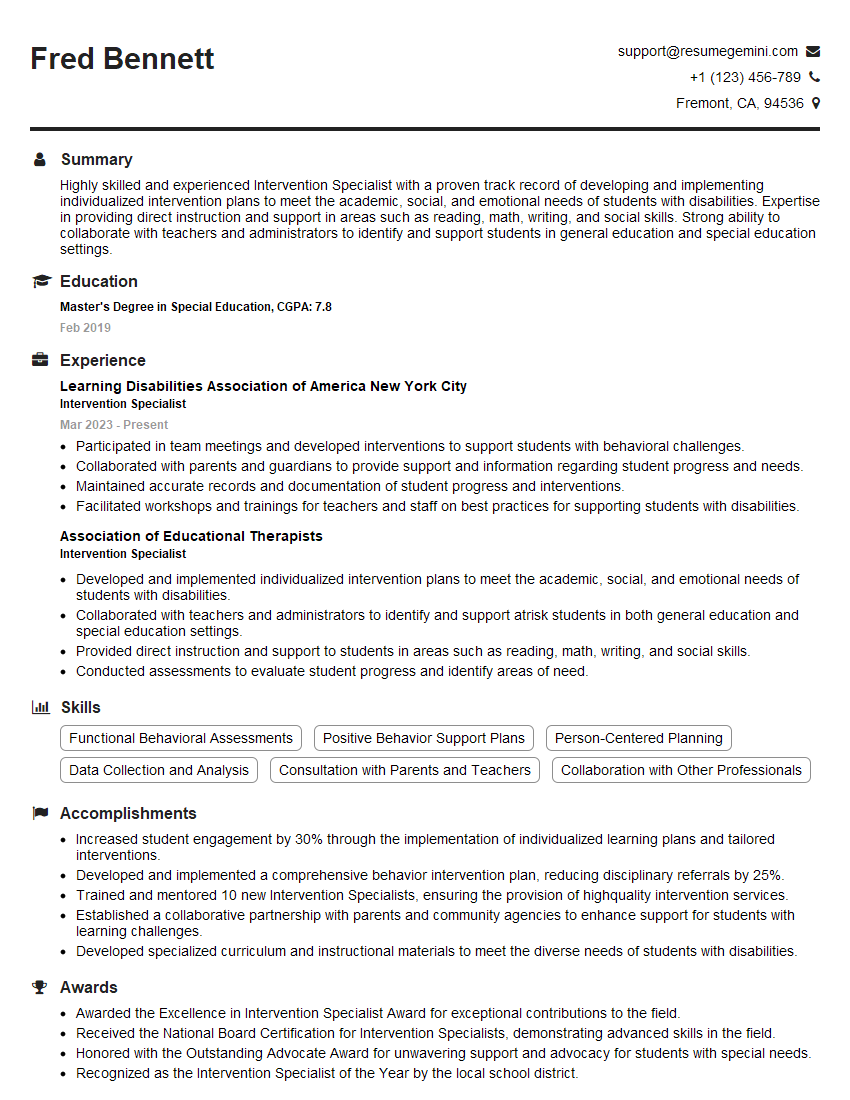
Mastering Substance Use Assessment and Management is crucial for career advancement in the field of behavioral health. A strong understanding of these concepts will significantly improve your interview performance and open doors to a wide range of exciting opportunities. To enhance your job prospects, focus on creating an ATS-friendly resume that highlights your skills and experience effectively. We highly recommend using ResumeGemini, a trusted resource, to build a professional and impactful resume. ResumeGemini provides examples of resumes tailored to Substance Use Assessment and Management, ensuring your application stands out.
Explore more articles
Users Rating of Our Blogs
Share Your Experience
We value your feedback! Please rate our content and share your thoughts (optional).
What Readers Say About Our Blog
To the interviewgemini.com Webmaster.
Very helpful and content specific questions to help prepare me for my interview!
Thank you
To the interviewgemini.com Webmaster.
This was kind of a unique content I found around the specialized skills. Very helpful questions and good detailed answers.
Very Helpful blog, thank you Interviewgemini team.