Preparation is the key to success in any interview. In this post, we’ll explore crucial Substance Use Disorders interview questions and equip you with strategies to craft impactful answers. Whether you’re a beginner or a pro, these tips will elevate your preparation.
Questions Asked in Substance Use Disorders Interview
Q 1. Describe the stages of change in the context of substance use disorder treatment.
The Stages of Change model, also known as the Transtheoretical Model, provides a framework for understanding how individuals progress through the process of behavior change, including recovery from substance use disorders. It’s not a linear process; individuals may cycle through stages.
- Precontemplation: The individual is unaware of or unwilling to acknowledge a problem with their substance use. They may deny any negative consequences or see no need for change.
- Contemplation: The individual begins to acknowledge a problem exists but remains ambivalent about changing their behavior. They weigh the pros and cons of change.
- Preparation: The individual is making plans to change their behavior. They may start taking small steps, such as reducing their substance use or seeking information about treatment options.
- Action: The individual is actively modifying their behavior. This stage requires significant effort and commitment.
- Maintenance: The individual works to maintain their changed behavior and prevent relapse. This stage can last for years.
- Relapse: A return to previous patterns of substance use. This isn’t necessarily a failure, but rather a learning opportunity. Understanding relapse triggers is crucial.
Example: Imagine Sarah, who drinks heavily every night. In the precontemplation stage, she might insist she’s ‘just having a few drinks to unwind’ and denies any problem. In the contemplation stage, she might start to notice her drinking is affecting her work and relationships, but isn’t ready to quit. Preparation might involve researching rehab centers. Action is her attending rehab, and maintenance is her continued sobriety after completing the program. A relapse could be a slip-up, but the important thing is that she learns from it and uses the strategies she learned to get back on track.
Q 2. Explain the difference between motivational interviewing and cognitive behavioral therapy (CBT) in addiction treatment.
Motivational Interviewing (MI) and Cognitive Behavioral Therapy (CBT) are both effective therapeutic approaches for addiction, but they differ significantly in their focus and techniques.
Motivational Interviewing (MI) is a collaborative, person-centered form of guiding to elicit and strengthen motivation for change. The therapist acts as a guide, helping the individual explore their own ambivalence about change and identify their intrinsic reasons for wanting to recover. It emphasizes empathy, understanding the individual’s perspective, and avoiding confrontation.
Cognitive Behavioral Therapy (CBT) focuses on identifying and modifying maladaptive thoughts and behaviors that contribute to substance use. It teaches individuals to recognize and challenge negative thought patterns, develop coping mechanisms for cravings and triggers, and build healthier habits. It is more directive than MI.
In short: MI helps the individual want to change, while CBT provides the tools to change.
Example: With MI, a therapist might ask a patient, ‘What are some reasons you might want to consider reducing your drinking?’ In contrast, CBT would involve directly addressing the patient’s thought patterns: ‘When you feel stressed, you automatically reach for a drink. Let’s explore healthier ways to cope with stress.’
Q 3. What are the common co-occurring disorders associated with substance use disorders?
Substance use disorders frequently co-occur with other mental health conditions, a phenomenon known as comorbidity. These co-occurring disorders significantly complicate treatment and require a holistic approach.
- Anxiety Disorders: Panic disorder, generalized anxiety disorder, social anxiety disorder are common alongside substance use, often as self-medication for anxiety.
- Mood Disorders: Major depressive disorder and bipolar disorder frequently co-occur with substance use, with substance use potentially exacerbating mood symptoms or serving as a coping mechanism.
- Personality Disorders: Individuals with personality disorders such as borderline personality disorder or antisocial personality disorder may be at increased risk for substance abuse.
- Post-Traumatic Stress Disorder (PTSD): Trauma is a significant risk factor for substance use, with individuals using substances to cope with PTSD symptoms.
- Eating Disorders: Substance use and eating disorders often share similar underlying psychological mechanisms and risk factors.
Example: A patient might present with both alcohol dependence and major depressive disorder. Treating only the alcohol dependence without addressing the depression will likely lead to relapse, as the depression might drive the individual back to substance use as a coping mechanism.
Q 4. How do you assess a patient’s readiness for change in an addiction treatment setting?
Assessing a patient’s readiness for change is crucial in addiction treatment. It determines the appropriate treatment strategy and predicts the likelihood of success. Several tools and methods can be employed.
- Motivational Interviewing Techniques: Open-ended questions, reflective listening, and summarizing help gauge the patient’s level of ambivalence and motivation.
- Readiness to Change Scales: Standardized questionnaires, such as the Readiness to Change Questionnaire (RTCQ), provide a quantitative measure of the patient’s stage of change (as per the Transtheoretical Model).
- Clinical Interview: A thorough interview can reveal the patient’s understanding of the problem, their perceived barriers to change, and their personal goals.
- Observation of Behavior: Nonverbal cues, such as eye contact, body language, and engagement, provide insights into the patient’s motivation.
Example: A patient who expresses strong feelings of guilt about their substance use, actively seeks help, and is actively planning for change would be considered more ready for change than a patient who denies any problem and shows no interest in treatment.
Q 5. What are the different pharmacological interventions used in treating substance use disorders?
Pharmacological interventions play a significant role in treating substance use disorders, often used in conjunction with psychotherapy. The specific medication depends on the substance being abused.
- Opioid Use Disorder: Medications like methadone, buprenorphine, and naltrexone help manage cravings and withdrawal symptoms.
- Alcohol Use Disorder: Disulfiram (Antabuse) creates an unpleasant reaction when alcohol is consumed, while naltrexone reduces cravings and the rewarding effects of alcohol.
- Nicotine Dependence: Nicotine replacement therapy (patches, gum, lozenges), bupropion, and varenicline aid in smoking cessation.
- Stimulant Use Disorder: There are no FDA-approved medications specifically for stimulant use disorder, but some medications may help manage certain symptoms.
Important Note: Medication is not a standalone solution; it works best when combined with behavioral therapies.
Q 6. Explain the role of family therapy in addiction recovery.
Family therapy plays a vital role in addiction recovery. It addresses the impact of substance use on family relationships and empowers family members to support the recovering individual.
- Education: Family members learn about the nature of addiction, its effects, and effective coping strategies.
- Improved Communication: Therapy helps family members communicate more effectively and constructively, fostering healthier interactions.
- Setting Boundaries: Family members learn to establish healthy boundaries to protect themselves from the negative consequences of the individual’s addiction.
- Support System: The family becomes a source of support and encouragement during recovery.
- Addressing Family Dynamics: Therapy helps identify and address dysfunctional family patterns that might contribute to or be affected by substance abuse.
Example: A family therapy session might involve teaching the family about enabling behaviors and helping them learn to respond more assertively to the addict’s manipulative tactics. This helps to prevent relapse and create a healthier environment for recovery.
Q 7. Discuss the ethical considerations involved in treating patients with substance use disorders.
Treating patients with substance use disorders involves several crucial ethical considerations.
- Confidentiality: Maintaining patient confidentiality is paramount, especially given the sensitive nature of addiction. However, there are exceptions, such as instances of imminent harm to self or others.
- Informed Consent: Patients must be fully informed about the treatment options, risks, and benefits before making decisions about their care. This includes understanding the limitations of treatment and the possibility of relapse.
- Dual Relationships: Therapists must avoid dual relationships with patients, such as social or financial interactions, to maintain professional boundaries and prevent conflicts of interest.
- Competence: Therapists must only provide services within their area of expertise and refer patients to specialists when necessary.
- Mandatory Reporting: In some situations, therapists are mandated to report certain information to authorities, such as child abuse or neglect.
Example: A therapist must obtain informed consent from a patient before prescribing medication or engaging in a specific therapy approach. They must also carefully navigate situations where a patient’s actions might put themselves or others at risk, balancing patient autonomy with the need to protect safety.
Q 8. How do you address relapse prevention in your treatment plans?
Relapse prevention is a cornerstone of effective substance use disorder (SUD) treatment. It’s not about preventing *all* slips, which are common, but about minimizing their severity and preventing a full-blown return to problematic substance use. My approach is multifaceted and highly individualized, focusing on identifying triggers, developing coping mechanisms, and building a strong support system.
- Identifying High-Risk Situations: We collaboratively identify situations, people, places, emotions, or thoughts that trigger cravings. This might involve keeping a journal to track triggers and responses. For example, a patient might realize that feeling lonely and stressed after work triggers a relapse, allowing us to develop alternative coping strategies for stress management and social connection.
- Developing Coping Skills: This includes teaching relaxation techniques (meditation, deep breathing), problem-solving strategies, and healthy ways to manage emotions. We might practice role-playing difficult social situations or explore alternative recreational activities.
- Building a Support System: Strong social support is critical. This involves engaging family, friends, or support groups like Alcoholics Anonymous (AA) or Narcotics Anonymous (NA). We discuss the importance of open communication and honest self-reflection within these support systems.
- Medication Management (when applicable): For some SUDs, medication can play a vital role in relapse prevention, such as naltrexone for opioid addiction or acamprosate for alcohol addiction. Close monitoring of medication adherence is crucial.
- Relapse Prevention Planning: We develop a detailed plan outlining steps to take if a craving or slip occurs. This ‘relapse prevention plan’ serves as a roadmap to manage urges and avoid a full return to substance use.
The key is to empower the patient to take an active role in their recovery journey. It’s about building resilience and equipping them with the tools they need to navigate challenges.
Q 9. What are the signs and symptoms of opioid withdrawal?
Opioid withdrawal is a physically and psychologically challenging process. Symptoms vary in severity depending on the type and duration of opioid use, as well as individual factors. It’s crucial to manage opioid withdrawal under medical supervision due to potential dangers.
- Physical Symptoms: These can include intense cravings, muscle aches, diarrhea, vomiting, sweating, fever, chills, insomnia, dilated pupils, and increased heart rate and blood pressure.
- Psychological Symptoms: These often include anxiety, irritability, restlessness, depression, and intense drug seeking behavior.
The severity of withdrawal can range from mild discomfort to life-threatening complications, highlighting the need for medically supervised detoxification. Treatment often involves medication-assisted treatment (MAT), such as methadone or buprenorphine, to manage withdrawal symptoms and reduce cravings. Supportive care, including pain management and addressing psychological symptoms, is also essential.
Q 10. What are the different types of substance use disorders based on DSM-5 criteria?
The DSM-5 (Diagnostic and Statistical Manual of Mental Disorders, 5th Edition) categorizes substance use disorders based on a spectrum of severity, ranging from mild to severe. The disorders are not classified by specific substance, but rather by a pattern of problematic substance use.
The criteria include factors like impaired control (e.g., using more substance than intended, unsuccessful attempts to cut down), social impairment (e.g., neglecting responsibilities, strained relationships), risky use (e.g., continued use despite physical or psychological harm), and pharmacological criteria (e.g., tolerance, withdrawal).
Examples include:
- Alcohol Use Disorder: Problematic use of alcohol.
- Opioid Use Disorder: Problematic use of opioids (e.g., heroin, morphine, oxycodone).
- Stimulant Use Disorder: Problematic use of stimulants (e.g., cocaine, methamphetamine).
- Cannabis Use Disorder: Problematic use of cannabis (marijuana).
- Tobacco Use Disorder: Problematic use of tobacco.
The severity is determined by the number of criteria met: mild (2-3 criteria), moderate (4-5 criteria), and severe (6 or more criteria).
Q 11. How do you handle a patient who is non-compliant with their treatment plan?
Non-compliance is a common challenge in SUD treatment. My approach focuses on understanding the underlying reasons for non-compliance before addressing it directly. It’s crucial to avoid judgment and create a safe space for open communication.
- Explore Reasons for Non-Compliance: This involves open and empathetic conversations. Reasons might range from practical barriers (e.g., lack of transportation, childcare issues) to psychological factors (e.g., denial, fear of failure, lack of motivation).
- Adjust Treatment Plan: Based on the identified reasons, we might adjust the treatment plan to make it more accessible or effective. This may involve changing medication, therapy approaches, or support systems. For instance, if transportation is an issue, we could explore telehealth options.
- Motivational Interviewing: This therapeutic technique helps patients explore their ambivalence about change and increase their intrinsic motivation to engage in treatment.
- Collaboration and Shared Decision-Making: Working collaboratively with the patient, involving them in the decision-making process, can increase buy-in and commitment to the treatment plan.
- Referral to Other Services: In some cases, referral to additional services such as housing assistance, financial counseling, or mental health services may be necessary to address underlying issues contributing to non-compliance.
The goal is not to punish non-compliance, but to work collaboratively to identify and overcome the barriers to successful treatment.
Q 12. Describe your experience with crisis intervention in relation to substance use.
Crisis intervention in the context of substance use often involves managing acute situations such as overdose, suicidal ideation, or severe withdrawal symptoms. My experience includes working in both inpatient and outpatient settings, utilizing various techniques to de-escalate situations and provide immediate support.
- Assessment: The first step is a thorough assessment of the patient’s immediate needs and risks, considering the severity of the situation, the presence of medical complications, and suicidal/homicidal ideation.
- Stabilization: This involves addressing immediate medical needs (e.g., managing overdose with naloxone, managing withdrawal symptoms with medication) and ensuring the patient’s safety. This may involve hospitalization or referral to a crisis stabilization unit.
- De-escalation Techniques: Using calm, empathetic communication and active listening, I aim to de-escalate the situation and reduce anxiety. This may involve validating the patient’s feelings and helping them explore their immediate concerns.
- Collaboration: Collaborating with other professionals, including medical staff, law enforcement (when necessary), and family members, is crucial during a crisis.
- Post-Crisis Planning: After stabilizing the crisis, we develop a post-crisis plan that includes immediate steps for continued support and relapse prevention, such as scheduling follow-up appointments and connecting the patient with appropriate resources.
Crisis intervention requires a calm, decisive, and compassionate approach, recognizing the urgency of the situation while maintaining patient-centered care.
Q 13. What is your understanding of harm reduction strategies?
Harm reduction is a philosophy and set of strategies that aim to minimize the negative consequences associated with substance use, rather than focusing solely on abstinence. It acknowledges that abstinence may not be achievable or desirable for everyone.
Examples of harm reduction strategies include:
- Needle exchange programs: Providing clean needles to prevent the spread of infectious diseases among people who inject drugs.
- Methadone or buprenorphine treatment: Reducing cravings and withdrawal symptoms, making it easier for individuals to engage in other aspects of their recovery.
- Controlled drinking programs (for alcohol): Helping individuals moderate their drinking, rather than aiming for complete abstinence.
- Naloxone distribution: Providing naloxone (Narcan) to reverse opioid overdoses.
- Safe injection sites: Providing a supervised environment where individuals can use drugs safely, reducing the risk of overdose and associated harms.
Harm reduction is not about condoning substance use but rather about promoting health and safety within a pragmatic framework. It’s about meeting individuals where they are in their recovery journey and empowering them to make healthier choices, even if they are not yet ready for complete abstinence.
Q 14. How do you maintain confidentiality in a patient’s substance use treatment?
Maintaining patient confidentiality in substance use treatment is paramount and governed by ethical guidelines and legal regulations, primarily HIPAA (Health Insurance Portability and Accountability Act) in the US. My practice adheres strictly to these regulations.
- HIPAA Compliance: I understand and adhere to HIPAA regulations regarding the privacy and security of protected health information (PHI). This includes securing electronic health records, limiting access to PHI, and only disclosing information with appropriate authorization.
- Informed Consent: Before initiating treatment, I obtain informed consent from patients, explaining how their information will be used and protected.
- Limited Disclosure: I only disclose information when required by law (e.g., mandated reporting of child abuse or threats of harm) or when the patient provides explicit consent.
- Secure Communication: I utilize secure methods of communication, including secure messaging platforms and encrypted email, to protect the confidentiality of communications.
- Staff Training: All staff members receive comprehensive training on HIPAA compliance and the importance of maintaining patient confidentiality.
Confidentiality is not just a legal obligation; it’s essential for building trust and fostering a therapeutic relationship that supports recovery. Breaches of confidentiality can severely damage this relationship and hinder the treatment process.
Q 15. Explain the importance of trauma-informed care in addiction treatment.
Trauma-informed care in addiction treatment recognizes the profound impact of past trauma on substance use. Many individuals struggling with addiction have experienced adverse childhood experiences (ACEs) like abuse, neglect, or violence, which can significantly contribute to their substance use as a coping mechanism. Trauma-informed care shifts the focus from blaming the individual to understanding the root causes of their behavior.
It emphasizes safety, trustworthiness, choice, collaboration, and empowerment. Instead of triggering re-traumatization through judgmental or insensitive approaches, this model creates a supportive and validating environment. For instance, a trauma-informed therapist would avoid pressuring a patient to disclose traumatic experiences until they feel safe and ready, opting instead for building rapport and trust. This approach improves treatment engagement, reduces relapse rates, and fosters healing on multiple levels.
- Safety: Ensuring the patient feels physically and emotionally safe in the therapeutic setting.
- Trustworthiness: Building a strong therapeutic alliance based on honesty and respect.
- Choice: Empowering the patient to make decisions about their treatment plan.
- Collaboration: Working collaboratively with the patient to achieve their recovery goals.
- Empowerment: Helping the patient regain a sense of control over their life.
Career Expert Tips:
- Ace those interviews! Prepare effectively by reviewing the Top 50 Most Common Interview Questions on ResumeGemini.
- Navigate your job search with confidence! Explore a wide range of Career Tips on ResumeGemini. Learn about common challenges and recommendations to overcome them.
- Craft the perfect resume! Master the Art of Resume Writing with ResumeGemini’s guide. Showcase your unique qualifications and achievements effectively.
- Don’t miss out on holiday savings! Build your dream resume with ResumeGemini’s ATS optimized templates.
Q 16. What is your experience with different therapeutic modalities such as DBT, EMDR, or 12-step programs?
My experience encompasses a range of therapeutic modalities, each with its strengths. I’ve extensively used Dialectical Behavior Therapy (DBT) with individuals struggling with emotion regulation and impulsive behaviors often associated with addiction. DBT’s focus on mindfulness, distress tolerance, interpersonal effectiveness, and emotional regulation skills significantly improves coping mechanisms. For patients experiencing significant trauma-related symptoms, Eye Movement Desensitization and Reprocessing (EMDR) has proven highly effective in processing traumatic memories and reducing their impact on substance use. I also integrate elements of 12-step programs, particularly the principles of self-reflection, accountability, and community support, into my treatment plans, tailoring them to meet individual needs. However, I always emphasize that 12-step programs are not universally suitable and offer alternatives for those who may not find them beneficial. The choice of modality depends heavily on the individual’s unique needs, history, and preferences.
Q 17. How do you assess for suicidal ideation and risk in individuals with substance use disorders?
Assessing suicidal ideation and risk in individuals with substance use disorders requires a comprehensive approach. I utilize validated screening tools like the Columbia-Suicide Severity Rating Scale (C-SSRS) and carefully consider various factors. This includes direct questioning about suicidal thoughts, plans, and intent; evaluating the lethality of any plan; assessing access to means; and considering their current mental state, including depression, hopelessness, and impulsivity. The presence of substance intoxication or withdrawal can significantly impact judgment and increase risk. I’m also attentive to verbal and nonverbal cues suggesting distress, such as hopelessness, withdrawal, self-harm behaviors, or sudden changes in mood or behavior. If I assess a significant risk, I immediately implement safety measures, which could involve hospitalization, involving family members or significant others, and working with a crisis intervention team. Regular reassessment is critical.
Q 18. What are the signs and symptoms of alcohol withdrawal?
Alcohol withdrawal can range from mild to life-threatening, depending on the severity and duration of alcohol use. Mild symptoms often include anxiety, irritability, insomnia, tremors, and nausea. However, more severe withdrawal, known as delirium tremens (DTs), can include hallucinations, seizures, and severe confusion, and can be fatal. Other symptoms can include tachycardia (rapid heart rate), hypertension (high blood pressure), sweating, and fever. The timeline varies, but symptoms typically begin within 6-24 hours of cessation of alcohol consumption and can peak within 48-72 hours. It’s crucial that individuals experiencing alcohol withdrawal seek immediate medical attention, as medically supervised detox is often necessary to manage these potentially dangerous symptoms. A careful and gradual reduction of alcohol intake under medical supervision is important for mitigating risks.
Q 19. How do you handle a patient exhibiting manipulative behavior?
Manipulative behavior in patients with substance use disorders is often a coping mechanism rooted in underlying issues like low self-esteem, fear of abandonment, and a history of trauma. My approach focuses on setting clear and consistent boundaries while attempting to understand the root cause of the behavior. I address the manipulative actions directly but avoid being drawn into power struggles. This may involve pointing out the manipulation without judgment but asserting the consequences of the behavior for the therapeutic relationship. For example, I might say, “I’ve noticed a pattern of behavior where you try to get me to do things for you by suggesting I’m not understanding you. While I want to understand you, this makes it difficult to build trust.” I focus on building a therapeutic alliance based on honesty and mutual respect, and collaborate with them to find alternative ways of communicating their needs. Documenting the manipulative behaviors is essential for consistency and safety.
Q 20. Discuss your experience working with diverse populations affected by addiction.
Throughout my career, I have worked with diverse populations grappling with addiction, including individuals from various socioeconomic backgrounds, ethnicities, sexual orientations, and genders. Recognizing the profound impact of social determinants of health, cultural nuances, and systemic inequalities on addiction is crucial. For example, I tailor my treatment approach to address the unique challenges faced by LGBTQ+ individuals, who may experience stigma and discrimination within the healthcare system and their communities. Similarly, working with individuals from marginalized communities necessitates cultural sensitivity and an understanding of potential barriers to accessing care. My approach emphasizes providing culturally competent care by considering the patient’s unique cultural background, beliefs, and values and incorporating these factors into the treatment process. This inclusivity is pivotal for effective treatment and long-term recovery.
Q 21. What is your approach to patient education regarding substance use disorders?
Patient education is a cornerstone of effective addiction treatment. I use a collaborative, patient-centered approach, tailoring education to each individual’s understanding and learning style. This includes providing accurate information about the nature of substance use disorders, debunking myths and misconceptions, and explaining the science behind addiction. I also focus on relapse prevention strategies, such as identifying triggers, developing coping mechanisms, and building support systems. I explain different treatment options, including medication-assisted treatment (MAT), therapy, support groups, and self-help strategies. Furthermore, I empower patients to actively participate in their treatment decisions, helping them understand their roles and responsibilities in recovery. Open communication, regular check-ins, and providing accessible resources are key aspects of this process. It’s critical to provide ongoing support and address any questions or concerns as they arise.
Q 22. Explain your understanding of the neurobiological basis of addiction.
Addiction is not simply a matter of willpower; it’s a complex brain disease. The neurobiological basis involves the reward system, primarily centered in the brain’s limbic system. This system, driven by dopamine, releases pleasurable feelings when we engage in rewarding behaviors like eating, socializing, or sex. Substances of abuse hijack this system, flooding the brain with dopamine far exceeding natural rewards, leading to intense cravings and compulsive drug-seeking behavior.
Repeated exposure to drugs causes lasting changes in brain structure and function. The brain adapts to the constant influx of dopamine by downregulating its receptors, meaning it needs more of the substance to achieve the same effect (tolerance). Simultaneously, the brain’s prefrontal cortex—responsible for executive functions like decision-making and impulse control—becomes weakened, making it harder to resist cravings. This is why resisting addiction is often more challenging than simply ‘stopping.’
For example, chronic opioid use alters the brain’s reward pathways and creates physical dependence, leading to withdrawal symptoms when use is stopped. Similarly, stimulants like cocaine dramatically increase dopamine levels, leading to intense euphoria followed by a crash, reinforcing the cycle of compulsive drug seeking.
Q 23. What are the different levels of care available for individuals with substance use disorders?
Treatment for substance use disorders spans a continuum of care, tailored to individual needs and severity. Levels include:
- Outpatient treatment: This involves regular therapy sessions, medication management, and support groups while the individual maintains their normal daily activities. It’s suitable for those with milder addictions or who are stable enough to manage their lives outside of a structured setting.
- Intensive outpatient programs (IOPs): These offer more structured treatment than standard outpatient care, with multiple therapy sessions per week and increased monitoring. They’re a step up from outpatient care, offering a bridge to more intense treatment or a stepping-down point from inpatient care.
- Residential treatment (Inpatient): This involves 24/7 care in a residential setting, providing a safe and controlled environment for detoxification, therapy, and skill-building. It’s appropriate for individuals with severe addictions or those requiring intensive support to manage withdrawal symptoms.
- Detoxification (Medically Supervised): Often the first step in treatment, medically supervised detox manages withdrawal symptoms safely and comfortably, reducing risks associated with abrupt cessation.
The choice of level depends on factors like the individual’s substance of choice, addiction severity, medical and mental health co-morbidities, and social support system.
Q 24. How do you advocate for your patients within the healthcare system?
Advocating for patients involves navigating the healthcare system to ensure they receive appropriate and timely care. This includes:
- Securing necessary services: I work to facilitate access to medication-assisted treatment (MAT), therapy, housing, and other crucial resources, often connecting patients with relevant community organizations.
- Addressing insurance barriers: Many individuals struggle with insurance coverage for addiction treatment. I assist with navigating insurance claims, appealing denials, and exploring alternative funding sources.
- Liaising with other professionals: Effective care often requires collaboration with psychiatrists, primary care physicians, social workers, and case managers. I facilitate communication between these professionals to ensure a coordinated approach.
- Patient education and empowerment: I educate patients about their rights, the treatment process, and how to effectively communicate their needs to healthcare providers.
For example, I recently helped a patient secure a waiver for a costly medication that was vital to their recovery, after their insurance company initially denied coverage. This involved careful documentation, appeal letters, and ongoing communication with the insurance provider and the patient.
Q 25. Describe your experience with case management and referral processes in addiction treatment.
Case management and referrals are central to effective addiction treatment. I have extensive experience coordinating care, starting with a thorough assessment to identify the patient’s needs and goals. This includes evaluating their substance use history, mental health status, social support system, and medical history. Based on this assessment, I develop an individualized treatment plan and initiate appropriate referrals.
The referral process involves contacting various treatment providers, explaining the patient’s needs, and ensuring a smooth transition of care. This often includes facilitating admission to inpatient facilities, coordinating outpatient appointments, and arranging for transportation and other logistical support. I maintain ongoing communication with referring physicians and treatment providers to monitor progress and make adjustments to the plan as needed.
For example, I recently worked with a patient requiring both detox and long-term residential care. I coordinated their admission to a medically supervised detox facility, arranged transportation, and then facilitated their seamless transfer to a residential rehab center after detox was complete.
Q 26. What are some common barriers to accessing addiction treatment?
Many barriers hinder access to addiction treatment, often intersecting and compounding each other. These include:
- Financial barriers: The high cost of treatment, coupled with limited insurance coverage, makes it inaccessible for many.
- Stigma and discrimination: Societal stigma prevents individuals from seeking help, fearing judgment and discrimination from employers, family, and friends.
- Lack of access to care: Geographical limitations, limited availability of treatment providers, and long waiting lists can create significant obstacles.
- Lack of awareness: Many individuals don’t recognize they have a substance use disorder or lack awareness of available treatment options.
- Co-occurring disorders: Mental health issues frequently co-occur with substance abuse, creating complexity in treatment and access.
Addressing these barriers requires a multifaceted approach, including expanding insurance coverage, increasing treatment capacity, reducing stigma through public awareness campaigns, and integrating mental health and substance abuse services.
Q 27. How do you maintain your own well-being while working in the field of addiction treatment?
Working in addiction treatment can be emotionally demanding. Maintaining well-being is crucial to prevent burnout and compassion fatigue. My strategies include:
- Self-care practices: Regular exercise, healthy diet, adequate sleep, and mindfulness techniques help manage stress and maintain mental and physical health.
- Supervision and peer support: Regular supervision with a senior clinician provides a space to process challenging cases and receive guidance. Peer support groups offer a sense of community and shared experience.
- Setting boundaries: Learning to set professional boundaries helps prevent emotional overwhelm and maintain a healthy separation between work and personal life.
- Utilizing employee assistance programs (EAPs): Many employers offer EAPs that provide counseling and support services for employees.
It’s critical to recognize the importance of self-care not only for personal well-being but also to provide the best possible care for patients. A burnt-out clinician is simply not as effective.
Q 28. What are your professional development goals related to substance use disorder treatment?
My professional development goals focus on enhancing my expertise in substance use disorder treatment and advocating for improved access to care. This includes:
- Advanced training in specific areas: I aim to pursue specialized training in areas such as trauma-informed care, medication-assisted treatment (MAT), and the treatment of co-occurring disorders.
- Continuing education: Staying abreast of the latest research and evidence-based practices is critical, through attending conferences and engaging in ongoing professional development activities.
- Leadership roles: I seek opportunities to take on leadership roles to advocate for improved policies and access to care within my organization and the broader community.
- Research and publication: Contributing to the field through research and publication will help advance our understanding of substance use disorders and inform treatment practices.
Ultimately, my goal is to contribute to a system that provides compassionate, effective, and accessible treatment for all individuals struggling with substance use disorders.
Key Topics to Learn for Substance Use Disorders Interview
- Diagnostic Criteria and Classification: Understand the DSM-5 criteria for various substance use disorders, including the differences between abuse and dependence, and the impact of severity specifiers.
- Assessment and Treatment Planning: Familiarize yourself with common assessment tools (e.g., screening questionnaires, clinical interviews) and the development of individualized treatment plans based on client needs and presenting issues.
- Evidence-Based Treatment Modalities: Explore the effectiveness and application of various therapeutic approaches, including Cognitive Behavioral Therapy (CBT), motivational interviewing, medication-assisted treatment (MAT), and contingency management.
- Co-occurring Disorders (COD): Gain a strong understanding of the prevalence and treatment of co-occurring mental health and substance use disorders, and the integrated treatment approaches necessary to address both effectively.
- Relapse Prevention and Recovery Support: Learn about strategies for relapse prevention, including identifying high-risk situations, developing coping mechanisms, and utilizing support systems. Understand the importance of long-term recovery planning.
- Ethical and Legal Considerations: Become familiar with ethical principles relevant to the field, including confidentiality, informed consent, and mandated reporting. Understand relevant legal aspects of substance use disorder treatment.
- Cultural Competence and Diversity: Recognize the influence of cultural factors on substance use and treatment, and develop strategies for culturally sensitive and responsive care.
- Neurobiological Aspects of Addiction: Grasp the fundamental neurobiological mechanisms underlying addiction and the impact of substance use on brain function.
- Case Management and Advocacy: Understand the role of case management in connecting clients with needed resources and services, and the importance of advocacy in reducing barriers to care.
Next Steps
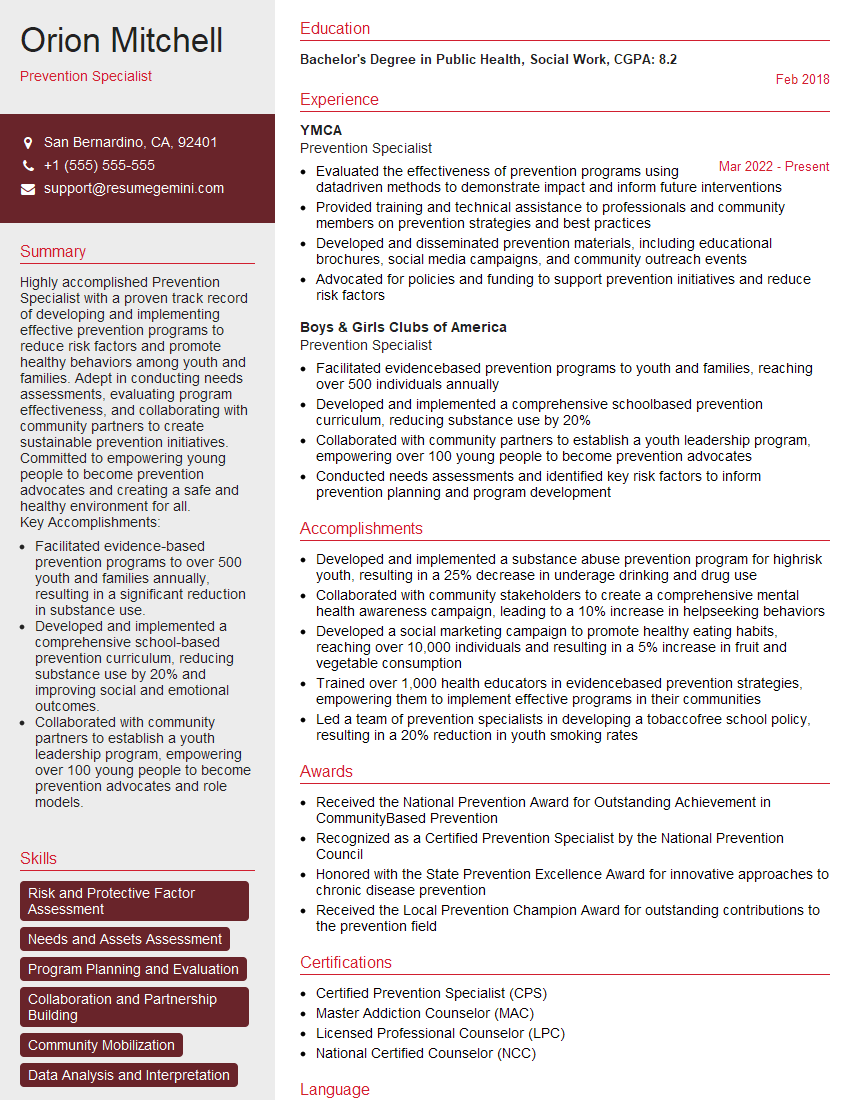
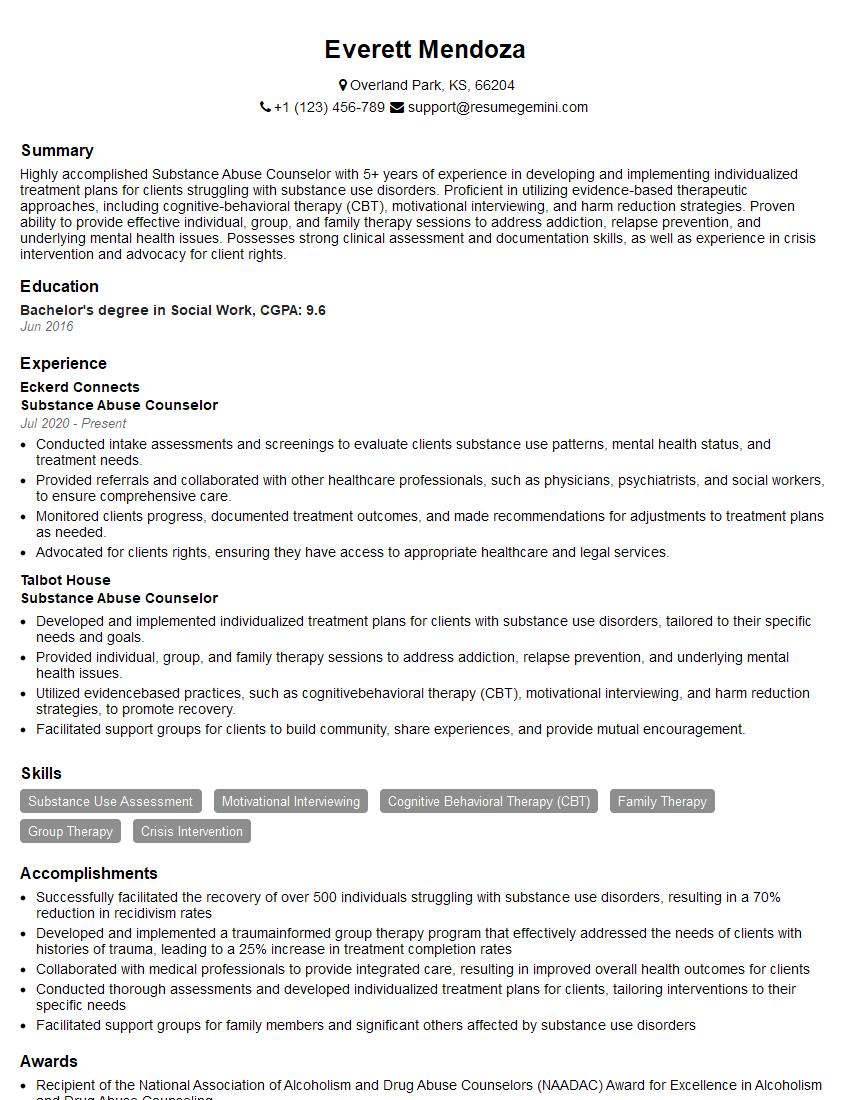
Mastering Substance Use Disorders is crucial for career advancement in a rapidly growing field. A strong understanding of these complexities will significantly enhance your interview performance and increase your employability. To maximize your job prospects, create a professional and ATS-friendly resume that highlights your skills and experience effectively. We highly recommend using ResumeGemini to build a powerful resume that stands out. ResumeGemini provides you with tools and examples to create an impactful resume tailored specifically to the Substance Use Disorders field, including examples of resumes you can adapt. Invest in your future; invest in your resume.
Explore more articles
Users Rating of Our Blogs
Share Your Experience
We value your feedback! Please rate our content and share your thoughts (optional).
What Readers Say About Our Blog
To the interviewgemini.com Webmaster.
Very helpful and content specific questions to help prepare me for my interview!
Thank you
To the interviewgemini.com Webmaster.
This was kind of a unique content I found around the specialized skills. Very helpful questions and good detailed answers.
Very Helpful blog, thank you Interviewgemini team.