The thought of an interview can be nerve-wracking, but the right preparation can make all the difference. Explore this comprehensive guide to Surgical Decision-Making interview questions and gain the confidence you need to showcase your abilities and secure the role.
Questions Asked in Surgical Decision-Making Interview
Q 1. Describe your approach to prioritizing competing surgical needs in a busy OR.
Prioritizing surgical needs in a busy OR requires a systematic approach that balances urgency, patient acuity, and resource availability. I utilize a combination of established triage systems and my own clinical judgment. First, I assess each patient’s condition using a standardized scoring system, such as the American Society of Anesthesiologists (ASA) physical status classification system, which considers the patient’s overall health and the complexity of the surgery. This helps me quickly identify patients requiring immediate attention. Simultaneously, I consider the available OR resources, including the operating room schedule, anesthesia availability, and the surgical team’s expertise. For example, a patient requiring emergency surgery for a life-threatening condition will always take precedence over an elective procedure, even if the elective procedure has been scheduled for a longer time.
Then, I evaluate the potential consequences of delaying each surgery. This involves considering the potential for complications, the impact on patient quality of life, and the overall prognosis. Ultimately, the goal is to optimize the allocation of resources to achieve the best possible outcomes for all patients. This often involves collaboration with colleagues, including anesthesiologists, nurses, and other surgical specialists to ensure efficient scheduling and resource management.
Q 2. Explain your process for evaluating the risk-benefit ratio of a surgical procedure.
Evaluating the risk-benefit ratio of a surgical procedure is a crucial step in surgical decision-making. I approach this systematically by carefully weighing the potential benefits of the intervention against the potential risks and complications. The potential benefits might include improved function, reduced pain, improved quality of life, or potentially even life-saving outcomes. Conversely, the risks can include bleeding, infection, nerve damage, and other complications, some of which can be life-threatening.
My evaluation involves a detailed review of the patient’s medical history, imaging studies, and relevant laboratory results. I consider the patient’s overall health status, their age, any pre-existing conditions, and their tolerance for the surgical procedure. I often engage in shared decision-making with the patient and their family, providing comprehensive information about the potential benefits, risks, and alternatives to surgery. To quantify the risk-benefit ratio, I often utilize established scoring systems and risk stratification tools, which provide probabilistic estimates of the likelihood of different outcomes. Ultimately, the decision is made based on a careful consideration of all available information, balancing the potential benefits against the potential risks in the context of the individual patient’s unique circumstances.
Q 3. How do you incorporate patient preferences into your surgical decision-making process?
Patient preferences are paramount in surgical decision-making. I believe that a patient’s autonomy and right to make informed choices about their own healthcare must be respected. I begin by providing patients with comprehensive information about their condition, including the diagnosis, treatment options, potential benefits, and risks of each option. I explain the surgical procedure in clear, understandable terms, using analogies and visuals when necessary, to ensure that the patient fully understands the implications of their choices. I encourage patients to ask questions and express their concerns openly. I also actively solicit their preferences regarding the treatment plan and work collaboratively to determine the best course of action, aligning their values and goals with the medical recommendations.
For example, if a patient is considering two different surgical approaches, both with similar success rates but differing recovery times, I will discuss these differences with the patient to ensure they can make a decision that aligns with their personal priorities and lifestyle. The decision ultimately remains theirs, and my role is to facilitate an informed decision-making process by providing them with all the necessary information and support. Documentation of these discussions is vital to ensure transparency and accountability.
Q 4. Describe a situation where you had to make a critical surgical decision under pressure. What was the outcome?
During a major trauma call, a patient arrived with severe internal bleeding following a car accident. He was hemodynamically unstable, and the source of bleeding wasn’t immediately apparent. Time was critically short. Under immense pressure, I had to quickly assess the situation, ordering emergency imaging while simultaneously preparing for exploratory laparotomy. The imaging revealed a significant splenic laceration causing the life-threatening bleeding. I had to make a rapid decision—either attempt splenorrhaphy (repairing the spleen) or perform a splenectomy (removal of the spleen).
Given the severity of the bleeding and the patient’s unstable condition, I opted for a splenectomy, knowing this would slightly increase the risk of future infections. The splenectomy was performed successfully, controlling the bleeding and stabilizing the patient’s condition. Post-operative care focused on infection prevention. The patient made a full recovery, though he requires regular vaccinations due to the splenectomy. This situation highlighted the importance of rapid assessment, clear decision-making under duress, and the ability to adapt quickly to unexpected findings during emergency surgery. This experience reinforced the value of teamwork and clear communication in crisis situations.
Q 5. What are the key factors you consider when selecting the appropriate surgical technique?
Selecting the appropriate surgical technique is a multifaceted process based on several key factors. First and foremost is the patient’s specific anatomical condition and the nature of the pathology. For example, the surgical approach for a small, localized tumor will differ significantly from that required for a large, invasive malignancy. Secondly, I consider the patient’s overall health and comorbidities. A high-risk patient may not be a suitable candidate for a lengthy, complex procedure. The availability of specialized equipment and the expertise of the surgical team are also critical factors. A minimally invasive approach might be preferred if the team has the necessary training and equipment, offering potential benefits such as reduced trauma and faster recovery.
Finally, I carefully weigh the potential benefits and risks of each technique. This includes considering factors such as the success rate, the potential for complications, the length of hospital stay, the recovery period, and the long-term functional outcomes. The decision-making process is a balance between the most effective and efficient surgical method, whilst prioritizing patient safety and optimizing outcomes. This often involves a review of current evidence-based guidelines and the latest research in the field.
Q 6. How do you stay updated on the latest advancements in surgical techniques and technologies?
Staying abreast of advancements in surgical techniques and technologies is essential for providing optimal patient care. I actively participate in continuing medical education (CME) courses, attending conferences and workshops focused on surgical innovation. I regularly review peer-reviewed surgical journals and publications, focusing on areas relevant to my practice. I also participate in online learning platforms and subscribe to relevant newsletters and publications that regularly update the surgical community.
Furthermore, I actively engage in professional societies and networking events that provide opportunities to collaborate with colleagues, share best practices, and learn about new techniques and technologies directly from other surgeons. This combination of formal and informal learning approaches ensures I maintain a current understanding of the latest advancements in surgical techniques, enabling me to continually refine my approach and offer my patients the best possible care.
Q 7. Explain your understanding of surgical simulation and its role in enhancing decision-making.
Surgical simulation is an invaluable tool that plays a significant role in enhancing surgical decision-making. It provides a safe and controlled environment to practice complex surgical procedures and refine technical skills. This reduces the risk of errors and complications during actual surgeries. Simulation allows surgeons to develop and refine their decision-making skills in a virtual setting, improving their ability to adapt to unexpected challenges and make timely, informed decisions during real procedures. For example, surgeons can practice managing unexpected bleeding or other complications, strengthening their capacity to react decisively in high-pressure situations.
The use of virtual reality (VR) and augmented reality (AR) in surgical simulation is particularly promising. VR allows surgeons to immerse themselves in realistic surgical environments, practicing complex maneuvers and procedures before operating on a patient. AR can overlay computer-generated information onto real-world images, providing surgeons with valuable data and guidance during a procedure. Simulation, coupled with robust debriefing sessions to review successes and areas for improvement, helps enhance both technical and cognitive skills, ultimately leading to safer and more efficient surgical practice and improved patient outcomes.
Q 8. How do you manage unexpected complications during a surgical procedure?
Unexpected complications during surgery require a calm, systematic approach. My first priority is always patient safety. This involves immediately assessing the situation to understand the nature and severity of the complication. Is it life-threatening? Does it require immediate intervention? Then, I systematically work through a problem-solving process:
- Assessment: A thorough reassessment of the patient’s vital signs, lab values, and the surgical field itself is paramount.
- Team Communication: Clear and concise communication with the entire surgical team is crucial. I’ll openly discuss the complication, potential solutions, and the need for any additional support (e.g., anesthesiologist, other specialists).
- Decision-Making: Based on the assessment and team input, I’ll make a rapid, informed decision about the best course of action. This might involve modifying the surgical plan, calling for additional resources, or even temporarily halting the procedure to address the complication before resuming.
- Documentation: Every step of the process, including the complication, the interventions, and the patient’s response, is meticulously documented in the patient’s medical record.
For example, imagine encountering unexpected massive bleeding during a laparoscopic cholecystectomy. My immediate response would involve securing the bleeding vessel, potentially converting to an open procedure if necessary, and calling for additional blood products. Post-operative care would then focus on hemodynamic stability, monitoring for complications, and appropriate transfusion management.
Q 9. How do you communicate complex surgical risks and benefits to patients and their families?
Communicating complex surgical risks and benefits requires empathy and clear, non-technical language. I always start by establishing a rapport with the patient and their family, creating a safe space for questions. I avoid medical jargon, explaining concepts using analogies and visual aids where appropriate. My approach involves:
- Layman’s Terms: I explain the procedure, its purpose, and potential benefits in simple terms, avoiding medical terminology unless the patient specifically requests it and understands its meaning. For example, instead of saying ‘hemostasis,’ I might say ‘stopping the bleeding.’
- Visual Aids: Diagrams, models, or even videos can be very effective in illustrating the procedure and potential risks.
- Realistic Expectations: It’s crucial to set realistic expectations. I highlight not only the positive outcomes but also the potential complications, their likelihood, and the potential impact on their quality of life. I always frame the discussion within the context of the patient’s specific condition and preferences.
- Shared Decision-Making: My goal is shared decision-making, where the patient feels empowered to make informed choices aligned with their values and goals. I answer all questions patiently and thoroughly and allow ample time for discussion and consideration.
For instance, when discussing a high-risk procedure like a complex cardiac surgery, I would visually demonstrate the area of concern, explain the risks of infection, bleeding, heart failure, stroke and their associated probabilities in a clear manner, emphasizing that even with risks, the potential benefits could significantly improve the patient’s quality of life.
Q 10. Describe your experience with using surgical checklists and protocols.
Surgical checklists and protocols are cornerstones of safe and effective surgical practice. My experience with them has been overwhelmingly positive. I’ve witnessed firsthand how these tools reduce medical errors and improve patient outcomes. I consistently utilize WHO Surgical Safety Checklists before, during, and after the procedure. This structured approach ensures that key steps, such as patient identification, antibiotic prophylaxis, and instrument counts, are not overlooked.
Beyond the WHO checklist, many subspecialties have their own tailored protocols that guide decision-making for specific procedures. These standardized approaches are vital for creating a more predictable and safer surgical environment, and the improvement in overall patient safety makes it integral to my practice.
The implementation of protocols often involves regular review and updates based on new evidence and best practices. Participating in these reviews contributes to refining our surgical processes and continually improving patient safety.
Q 11. How do you integrate data and evidence-based practice into your surgical decision-making?
Evidence-based practice is the foundation of my surgical decision-making. I consistently integrate data and research findings from reputable sources into my clinical practice. This involves several steps:
- Literature Review: I regularly review peer-reviewed medical literature, including clinical trials and meta-analyses, to stay updated on the latest advancements and best practices.
- Databases and Guidelines: I utilize evidence-based databases such as PubMed, Cochrane Library, and professional society guidelines (e.g., ACS, ACSNS, etc.) to guide my treatment choices.
- Critical Appraisal: I critically appraise research studies, considering factors such as study design, sample size, and potential biases before integrating findings into my practice.
- Individualized Approach: While evidence-based practice is essential, I always tailor my approach to each patient’s unique circumstances, considering their medical history, comorbidities, preferences, and overall health status.
For example, when considering a particular surgical technique, I would consult relevant meta-analyses or randomized controlled trials to compare its effectiveness and safety profile to alternative approaches. This data-driven approach ensures that I am providing the most appropriate and effective care for my patients.
Q 12. How do you handle disagreements with other members of the surgical team regarding treatment plans?
Disagreements among the surgical team are inevitable. When this occurs, I prioritize open communication and collaboration to reach a consensus that prioritizes the patient’s best interests. My approach focuses on:
- Respectful Dialogue: I encourage a respectful and open dialogue among team members, ensuring that everyone feels comfortable expressing their opinions and concerns.
- Evidence-Based Discussion: The discussion is grounded in evidence-based medicine. We collaboratively review the available data and discuss the strengths and limitations of different approaches.
- Shared Decision-Making: We aim for a shared decision-making process, where the final treatment plan reflects a consensus among the team members and is tailored to the individual patient’s needs.
- Mediation: If a consensus cannot be reached, I may seek the guidance of a senior colleague or mentor to help mediate the discussion.
- Documentation: All discussions and decisions are meticulously documented in the patient’s chart.
The key is to focus on the patient and the scientific evidence, while fostering a respectful and collaborative team environment. A healthy debate among professionals often leads to the best outcomes for patients.
Q 13. Describe your experience with the informed consent process.
The informed consent process is paramount in surgical practice. It’s not simply a form to be signed but a crucial conversation between the surgeon and the patient. I ensure the process is thorough, transparent, and patient-centered. My approach includes:
- Detailed Explanation: I provide a detailed explanation of the proposed procedure, including its purpose, benefits, risks, and potential complications, using plain language and avoiding medical jargon.
- Alternative Treatments: I discuss alternative treatment options, including conservative management, if appropriate, highlighting the pros and cons of each.
- Question & Answer: I encourage questions and answer them thoroughly and patiently, ensuring the patient fully understands the information.
- Time for Reflection: I allow sufficient time for the patient to reflect on the information and make an informed decision without feeling pressured.
- Documentation: The entire informed consent process, including the discussion and the patient’s understanding, is meticulously documented in the medical record.
I always make it a point to ensure that the patient understands that they can withdraw their consent at any time, even after signing the consent form. This reinforces their autonomy and agency in the decision-making process.
Q 14. What is your approach to postoperative care and decision-making?
Postoperative care and decision-making are just as critical as the surgical procedure itself. My approach is multi-faceted and focuses on optimizing patient recovery and minimizing complications:
- Pain Management: Effective pain management is crucial for patient comfort and promoting early mobilization.
- Infection Prevention: I take proactive steps to prevent surgical site infections through proper wound care and antibiotic prophylaxis.
- Early Mobilization: I encourage early mobilization and physical therapy to accelerate recovery and prevent complications such as pneumonia and deep vein thrombosis.
- Monitoring: I closely monitor the patient’s vital signs, lab values, and overall clinical status, making timely adjustments to the treatment plan as needed.
- Follow-Up: I provide regular follow-up appointments to monitor the healing process and address any concerns.
- Evidence-Based Practice: Postoperative decisions are also informed by evidence-based guidelines and best practices, ensuring optimal patient outcomes.
For example, if a patient experiences post-operative fever, I would promptly investigate the cause (e.g., infection, dehydration), order appropriate tests, and implement effective treatment strategies based on the diagnosis. Close monitoring and prompt intervention are key to a successful postoperative recovery.
Q 15. How do you ensure the safety of your patients during surgical procedures?
Patient safety is paramount in every surgical procedure. It’s a multifaceted process encompassing meticulous pre-operative planning, rigorous intra-operative technique, and diligent post-operative care.
- Pre-operative Safety: This begins with a thorough patient history and physical examination, including a review of medications, allergies, and relevant medical conditions. Advanced imaging, such as CT scans or MRIs, might be utilized to visualize the surgical site and identify potential risks. A detailed surgical plan is formulated, outlining the procedure, potential complications, and contingency plans. Informed consent is obtained, ensuring the patient understands the risks and benefits.
- Intra-operative Safety: This involves the use of sterile techniques to prevent infection, meticulous attention to detail during the procedure, careful monitoring of vital signs (heart rate, blood pressure, oxygen saturation), and a highly coordinated team approach. Time-out procedures are crucial – a moment of verification before incision to ensure the correct patient, site, and procedure. Blood loss is carefully managed, and appropriate measures are taken to address any unexpected issues.
- Post-operative Safety: Post-operative care includes pain management, monitoring for complications (infection, bleeding, etc.), and providing appropriate instructions for recovery. Follow-up appointments are scheduled to monitor healing progress and address any concerns. We also actively engage in patient education, empowering them to manage their recovery effectively.
For example, in a laparoscopic cholecystectomy (gallbladder removal), pre-operative imaging helps identify anatomical variations that might influence the surgical approach. Intra-operatively, careful dissection minimizes bleeding and the risk of injury to adjacent organs. Post-operatively, monitoring for signs of infection or bile leaks is vital.
Career Expert Tips:
- Ace those interviews! Prepare effectively by reviewing the Top 50 Most Common Interview Questions on ResumeGemini.
- Navigate your job search with confidence! Explore a wide range of Career Tips on ResumeGemini. Learn about common challenges and recommendations to overcome them.
- Craft the perfect resume! Master the Art of Resume Writing with ResumeGemini’s guide. Showcase your unique qualifications and achievements effectively.
- Don’t miss out on holiday savings! Build your dream resume with ResumeGemini’s ATS optimized templates.
Q 16. Explain your experience with surgical quality improvement initiatives.
I’ve been actively involved in several surgical quality improvement initiatives. One project focused on reducing surgical site infections (SSIs). We implemented a multi-pronged approach:
- Improved preoperative skin preparation techniques: Standardizing the use of chlorhexidine gluconate instead of povidone-iodine, for instance, demonstrated a statistically significant reduction in SSIs.
- Enhanced perioperative antibiotic prophylaxis: Implementing a protocol for appropriate antibiotic administration and timely discontinuation after surgery significantly lowered infection rates.
- Data collection and analysis: We meticulously tracked SSI rates, identifying contributing factors and areas for improvement through regular audits of our surgical practices.
- Surgical team education: We provided continuous education to the surgical team regarding best practices in infection prevention.
This initiative resulted in a 30% reduction in SSIs within a year, highlighting the effectiveness of a structured, data-driven approach to quality improvement. Another project focused on reducing post-operative ileus (POI) by implementing enhanced recovery after surgery (ERAS) protocols. ERAS involves optimizing fluid management, minimizing opioid use, and early mobilization, all contributing to faster recovery times and reduced complications.
Q 17. What are the key ethical considerations you address in surgical decision-making?
Ethical considerations are fundamental to surgical decision-making. They guide our actions and ensure patient autonomy, beneficence, non-maleficence, and justice.
- Autonomy: Respecting patient choices and preferences is crucial. This means ensuring informed consent, where patients understand the risks, benefits, and alternatives to surgery before making a decision. We must ensure they feel empowered to ask questions and voice their concerns.
- Beneficence: We must act in the best interests of our patients. This involves weighing the potential benefits of surgery against the risks and selecting the most appropriate treatment plan based on the available evidence.
- Non-maleficence: We must avoid causing harm to our patients. This requires meticulous surgical technique, careful risk assessment, and appropriate selection of surgical procedures to minimize potential complications.
- Justice: We should strive for equitable access to quality surgical care. This includes fair allocation of resources and avoiding discrimination based on factors such as race, gender, or socioeconomic status.
For instance, discussing the risks and benefits of a particular surgical procedure with a patient, including the possibility of complications and alternative treatments, exemplifies our commitment to patient autonomy. Weighing the potential benefits of a complex procedure against the risks for an elderly patient with co-morbidities illustrates the balance between beneficence and non-maleficence.
Q 18. How do you assess and manage surgical complications?
Assessing and managing surgical complications requires a proactive and systematic approach.
- Early Detection: Close monitoring of the patient’s vital signs, physical examination, and laboratory results are crucial for early detection of potential complications. This includes watching for signs of infection (fever, elevated white blood cell count), bleeding (hypotension, tachycardia), and other adverse events.
- Prompt Intervention: Once a complication is identified, prompt and appropriate intervention is necessary. This may involve medical management (e.g., antibiotics for infection), surgical intervention (e.g., drainage of an abscess), or intensive care unit admission.
- Risk Mitigation: Post-operative care plans are tailored to minimize the risk of complications. This includes appropriate pain management, early mobilization, and nutritional support.
- Documentation and Reporting: All complications, including their management and outcomes, should be meticulously documented in the patient’s medical record and reported to relevant authorities, if necessary.
For instance, if a patient develops a post-operative infection, we would administer intravenous antibiotics, possibly perform surgical drainage if needed, and monitor their response closely. A meticulous record is kept of the infection, its treatment, and the patient’s progress.
Q 19. Describe your experience in using advanced imaging techniques to inform surgical decisions.
Advanced imaging techniques significantly enhance surgical decision-making. They provide detailed anatomical information, allowing for precise surgical planning and minimizing intraoperative surprises.
- CT scans: Offer cross-sectional images of the body, providing excellent visualization of bony structures, soft tissues, and organs. This is invaluable in planning complex orthopedic procedures or surgeries involving the abdomen or pelvis.
- MRI scans: Provide high-resolution images of soft tissues, particularly useful in neurosurgery, musculoskeletal surgery, and the assessment of vascular structures.
- Ultrasound: Real-time imaging provides guidance during minimally invasive procedures like laparoscopy or biopsies. It allows for precise localization of lesions and reduces the need for extensive open surgery.
- 3D imaging: Creates three-dimensional models of anatomical structures, which are especially useful for complex reconstructions and planning of intricate surgical approaches.
For example, in a complex spinal surgery, pre-operative CT and MRI scans allow us to precisely plan the approach, identify the location of nerves and blood vessels, and determine the optimal placement of implants. In laparoscopic cholecystectomy, intraoperative ultrasound helps identify the cystic duct and artery, minimizing the risk of injury to the bile ducts or blood vessels.
Q 20. How do you address uncertainty in surgical decision-making?
Uncertainty is an inherent part of surgical decision-making. We employ several strategies to address it:
- Shared Decision-Making: Openly discussing the uncertainties with the patient, outlining potential risks and benefits, and involving them in the decision-making process is paramount. This emphasizes patient autonomy and ensures they understand the situation fully.
- Multidisciplinary Consultations: Seeking input from colleagues in other specialties (e.g., radiology, pathology, cardiology) can offer different perspectives and broaden the understanding of the case, facilitating a more comprehensive decision.
- Evidence-Based Practice: Utilizing the latest research and guidelines in surgical practice is essential to making informed decisions based on the best available evidence. This helps minimize bias and promote rational decision-making.
- Risk-Benefit Analysis: Carefully weighing the potential benefits of the surgical intervention against the risks and potential complications aids in making the most appropriate choice.
- Diagnostic and Therapeutic Procedures: Sometimes, further diagnostic investigations (such as a biopsy) or less invasive therapeutic approaches (e.g., less aggressive initial intervention) may help reduce uncertainty before proceeding with major surgery.
For instance, if the preoperative imaging is inconclusive in a case of suspected abdominal cancer, a multidisciplinary team meeting might be convened to discuss the case and determine the best course of action, possibly involving a diagnostic laparoscopy to confirm the diagnosis before proceeding with potentially more extensive surgical intervention.
Q 21. Explain your understanding of the role of technology in improving surgical decision-making.
Technology plays a transformative role in surgical decision-making, improving precision, safety, and efficiency.
- Robotic Surgery: Minimally invasive robotic surgery allows for enhanced dexterity and precision, leading to smaller incisions, reduced trauma, and faster recovery times. The high-definition 3D visualization provided by robotic systems facilitates more precise surgical planning and execution.
- Image-Guided Surgery: Technologies like intraoperative navigation and augmented reality provide real-time information about the patient’s anatomy during surgery, allowing surgeons to accurately target lesions and avoid critical structures.
- Artificial Intelligence (AI): AI algorithms are increasingly being used to analyze medical images, identify potential risks, and assist in surgical planning. AI can also help predict outcomes and personalize treatment plans.
- Virtual Reality (VR) and Simulation: Surgical simulation using VR technology provides a safe environment to practice complex procedures and refine surgical skills, leading to improved performance in the operating room.
For example, using robotic surgery for a prostatectomy allows for precise removal of the prostate gland while minimizing damage to surrounding structures. Image-guided surgery in neurosurgery helps surgeons navigate complex brain anatomy, improving accuracy and reducing the risk of neurological damage. AI-powered analysis of medical images can identify subtle features indicative of malignancy, aiding in earlier diagnosis and timely surgical intervention.
Q 22. How do you maintain your knowledge and skill in Surgical Decision Making?
Maintaining expertise in surgical decision-making is a continuous process requiring a multifaceted approach. It’s not just about staying abreast of the latest research, but also refining clinical judgment and adapting to evolving technologies.
- Continuing Medical Education (CME): I actively participate in relevant conferences, workshops, and online courses focused on advanced surgical techniques, new technologies, and evidence-based guidelines. This ensures I’m up-to-date with the latest advancements and best practices.
- Journal Clubs and Peer Review: I regularly participate in journal clubs with colleagues to critically analyze and discuss recent publications. This collaborative learning enhances critical thinking and allows for the exchange of diverse perspectives. Furthermore, I actively seek feedback and participate in peer review processes, which improve my clinical decision-making skills.
- Mentorship and Collaboration: I actively seek mentorship from experienced surgeons and engage in collaborative efforts with colleagues. This provides invaluable opportunities to learn from their experience and discuss complex cases. The collective wisdom fosters more robust decision-making.
- Case Review and Self-Reflection: Regularly reviewing my own cases, both successes and failures, is crucial. This process encourages self-reflection and allows for identifying areas where I can improve my surgical techniques and decision-making processes. Identifying recurrent patterns and potential areas for improvement is key.
Q 23. Describe a time you had to deviate from your initial surgical plan. Why and what was the outcome?
During a laparoscopic cholecystectomy (gallbladder removal), I encountered unexpected significant inflammation and adhesions around the gallbladder. My initial plan was a straightforward laparoscopic approach. However, the intense inflammation made dissection extremely difficult and risky, increasing the chance of a bile duct injury.
Therefore, I deviated from the initial plan and converted the surgery to an open procedure. This allowed for better visualization and safer dissection, minimizing the risk of complications. The conversion, while seemingly a setback, ultimately ensured the patient’s safety and resulted in a successful outcome with minimal post-operative complications. The decision to convert was based on the principle of primum non nocere (first, do no harm) and the recognition that continuing with the laparoscopic approach would have presented an unacceptable level of risk.
Q 24. What are the limitations of evidence-based medicine in Surgical Decision-Making?
While evidence-based medicine (EBM) is crucial for surgical decision-making, it has limitations, especially in the surgical field.
- Lack of High-Quality Randomized Controlled Trials (RCTs): Many surgical interventions are difficult to study rigorously using RCTs due to ethical considerations, small sample sizes, and variations in surgical techniques and patient populations.
- Generalizability Issues: Results from RCTs might not be generalizable to all patient populations. Individual patient characteristics and comorbidities significantly influence surgical outcomes, making a ‘one-size-fits-all’ approach based solely on EBM challenging.
- Bias and Publication Bias: Publication bias favors the publication of positive results, which can skew the overall evidence. Furthermore, there’s the potential for bias in the design and conduct of studies, potentially leading to inaccurate conclusions.
- Rapid Technological Advancements: The rapid evolution of surgical technology often outpaces the available EBM. New techniques and devices require judgment and experience before sufficient evidence can be accumulated.
- Subjectivity in Surgical Judgment: EBM provides a foundation, but clinical judgment remains essential. Experienced surgeons integrate evidence with their expertise and intuition to make informed decisions based on individual patient needs.
Therefore, surgical decision-making optimally combines EBM with surgeon expertise, patient preferences, and consideration of the unique circumstances of each case. It’s a nuanced and complex process.
Q 25. How do you balance cost-effectiveness with patient outcomes in surgical decision-making?
Balancing cost-effectiveness with patient outcomes is a critical aspect of surgical decision-making. It requires a holistic approach that considers both the immediate and long-term consequences of different treatment options.
- Assess the Evidence: Begin by evaluating the evidence supporting different surgical approaches, considering their respective risks, benefits, and long-term outcomes. This might include comparing minimally invasive techniques to open surgery.
- Cost Analysis: Compare the direct costs (hospital stay, surgical supplies, anesthesia) and indirect costs (lost wages, rehabilitation) associated with each approach. Some minimally invasive procedures might have higher initial costs but result in shorter hospital stays and quicker recovery.
- Patient-Specific Factors: Factor in the patient’s specific condition, comorbidities, and preferences. For instance, a younger, healthier patient might benefit from a more aggressive and potentially costlier intervention to maximize long-term outcomes, while a more frail individual might be better suited to a less intensive, cost-effective procedure.
- Shared Decision-Making: Transparent communication with the patient is essential to ensure that their values and preferences are considered when weighing cost and outcomes. This involves explaining the tradeoffs of different options clearly and providing the patient with all the necessary information.
- Long-Term Perspective: Consider both immediate costs and potential long-term consequences, such as the need for readmission, further surgeries, or long-term disability. A cost-effective approach now may lead to higher costs down the road if it doesn’t result in optimal outcomes. A seemingly expensive procedure now could potentially prevent much greater expenses in the future.
Q 26. Describe your experience with minimally invasive surgical techniques.
I have extensive experience with minimally invasive surgical techniques (MIS), including laparoscopy and robotic surgery. MIS offers numerous advantages over traditional open surgery, such as smaller incisions, reduced pain, shorter hospital stays, and faster recovery times.
My experience encompasses a wide range of procedures, including cholecystectomy, appendectomy, hernia repair, and colorectal surgery. I am proficient in using advanced laparoscopic instruments and robotic systems, which enable greater precision, dexterity, and visualization during complex procedures.
In my practice, I carefully select patients who are suitable candidates for MIS, considering factors such as body habitus, comorbidities, and the complexity of their condition. Not every patient is an ideal candidate, and open surgery may be a better choice in certain circumstances. The decision to utilize MIS is always made on a case-by-case basis, prioritizing patient safety and optimal outcomes.
Q 27. How do you incorporate patient values and beliefs into your decision-making process?
Incorporating patient values and beliefs is crucial for ethical and effective surgical decision-making. It’s not enough to simply focus on the technical aspects of the procedure; the patient’s perspective must be central to the process.
- Shared Decision-Making Model: I employ a shared decision-making model, engaging patients in a detailed discussion of their condition, treatment options, risks, benefits, and potential outcomes. This discussion involves explaining complex medical concepts in a way that the patient can easily understand.
- Active Listening: I prioritize active listening to understand the patient’s concerns, preferences, and expectations regarding treatment. This includes not only what they say, but also their nonverbal communication and emotional state.
- Addressing Patient Fears and Concerns: Surgical procedures often induce fear and anxiety. I actively address these concerns, answering questions honestly and compassionately, providing reassurance, and offering support. This open communication builds trust and allows for informed decisions.
- Respecting Patient Autonomy: Ultimately, the patient has the right to make informed decisions about their own care, even if those decisions differ from what I might initially recommend. Respecting patient autonomy is paramount, and I always strive to support their choices, even if challenging or unconventional.
- Cultural Sensitivity: I also acknowledge and respect cultural, religious, or personal beliefs that might influence the patient’s decision-making. This requires cultural awareness and sensitivity, ensuring the treatment plan aligns with their values and beliefs while remaining medically sound.
Q 28. How do you manage the emotional aspects of surgical decision-making, especially in challenging cases?
Surgical decision-making, particularly in challenging cases, involves significant emotional aspects, both for the surgeon and the patient. Effective management of these emotions is essential for optimal outcomes.
- Self-Awareness: Recognizing and managing my own emotional responses is crucial. High-pressure situations can elicit stress and anxiety, and maintaining self-awareness prevents emotional decision-making.
- Emotional Regulation Techniques: I utilize various techniques, such as mindfulness, deep breathing exercises, and regular physical activity, to manage stress and maintain emotional balance. These help keep a clear mind and improve overall resilience.
- Teamwork and Support: Working effectively with a supportive surgical team is essential. Discussing challenging cases with colleagues, sharing experiences, and seeking feedback helps process emotions and prevents decision-making fatigue.
- Empathy and Compassion: Empathy towards the patient and their family is crucial, especially in difficult situations. Acknowledging their emotions and offering support helps foster trust and a stronger therapeutic relationship.
- Debriefing: After complex or emotionally challenging cases, debriefing sessions with the team are beneficial. This allows for reflective practice, process the events, and identify areas for improvement in the future.
- Seeking Support: When necessary, seeking support from colleagues, mentors, or professional organizations is important. It’s crucial to acknowledge that even experienced surgeons can be affected emotionally by challenging cases, and seeking support does not represent weakness, but rather strength.
Key Topics to Learn for Surgical Decision-Making Interview
- Preoperative Assessment & Planning: Understanding patient history, conducting thorough physical examinations, interpreting diagnostic imaging, and formulating a comprehensive surgical plan. This includes risk stratification and the selection of appropriate surgical techniques.
- Intraoperative Decision-Making: Adapting to unexpected findings during surgery, managing complications effectively, and making real-time adjustments to the surgical plan based on intraoperative data. This involves critical thinking and problem-solving skills under pressure.
- Postoperative Care & Management: Developing a postoperative plan, anticipating potential complications, and managing patient recovery effectively. This encompasses pain management, infection control, and monitoring for adverse events.
- Ethical Considerations & Informed Consent: Understanding the ethical implications of surgical decisions, obtaining informed consent, and navigating complex ethical dilemmas that may arise in surgical practice.
- Surgical Technique & Technology: Demonstrating a strong understanding of various surgical techniques and technologies relevant to your specialty, along with the ability to select the most appropriate approach based on individual patient needs.
- Risk Assessment & Management: Accurately assessing surgical risks, implementing strategies to mitigate those risks, and communicating potential complications and their management to patients and their families.
- Evidence-Based Practice: Staying abreast of the latest research and guidelines, incorporating evidence-based practices into surgical decision-making, and critically evaluating the literature.
Next Steps
Mastering surgical decision-making is crucial for career advancement in the highly competitive field of surgery. A strong foundation in this area demonstrates clinical judgment, problem-solving abilities, and patient safety awareness—all highly valued attributes. To maximize your job prospects, crafting an ATS-friendly resume is essential. ResumeGemini offers a trusted platform to build a professional and impactful resume that highlights your skills and experience effectively. Examples of resumes tailored specifically for candidates specializing in Surgical Decision-Making are provided to help you create a standout application.
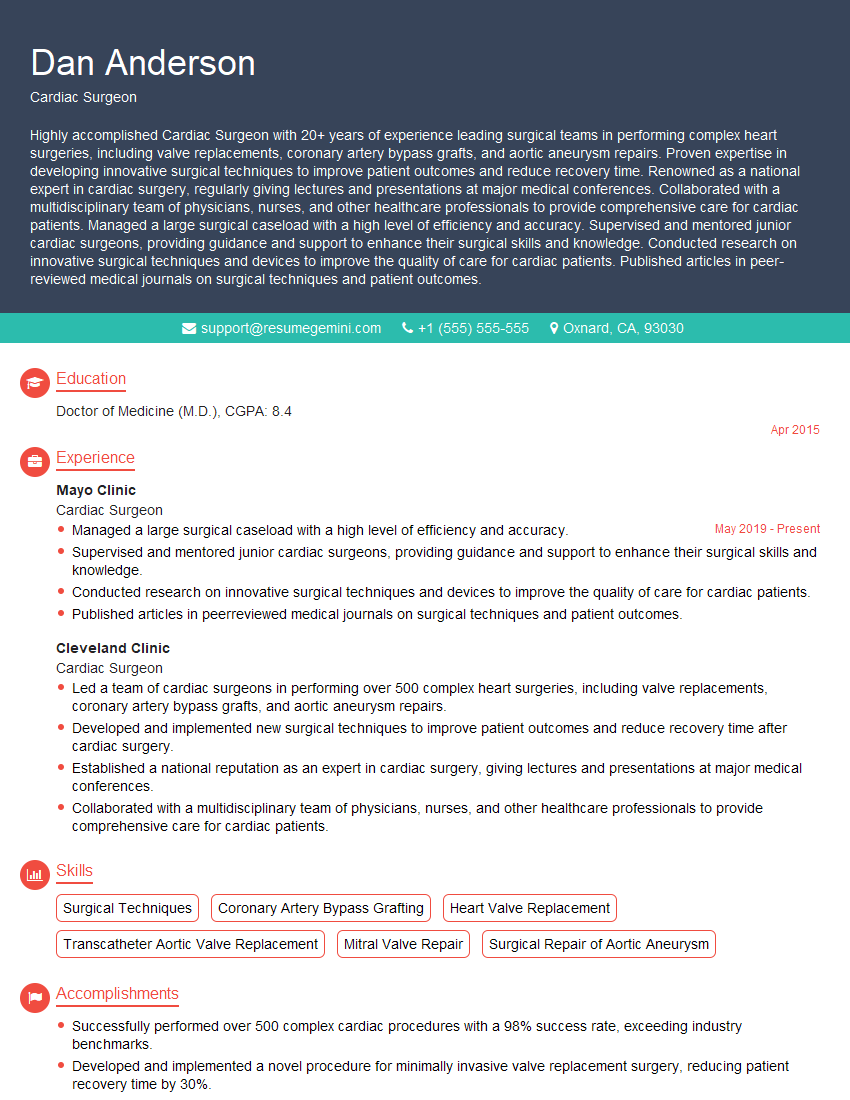
Cardiac Surgeon Resume Sample
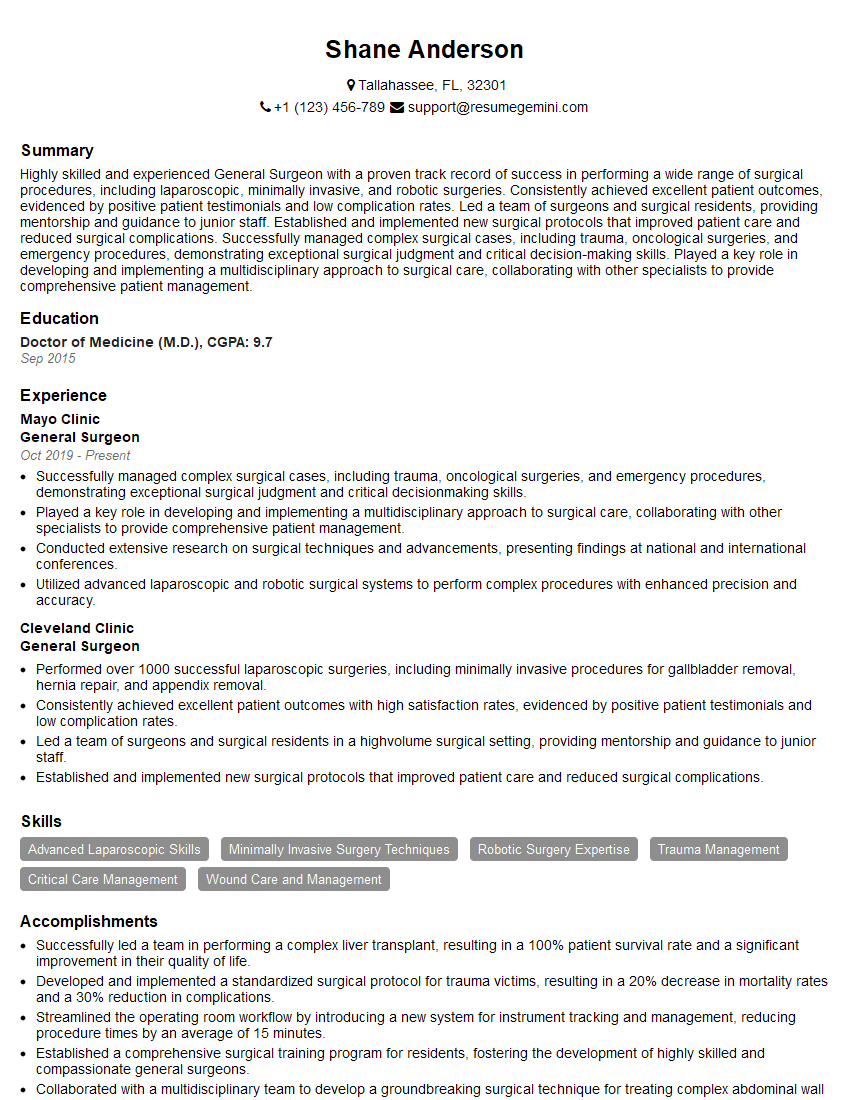
General Surgeon Resume Sample
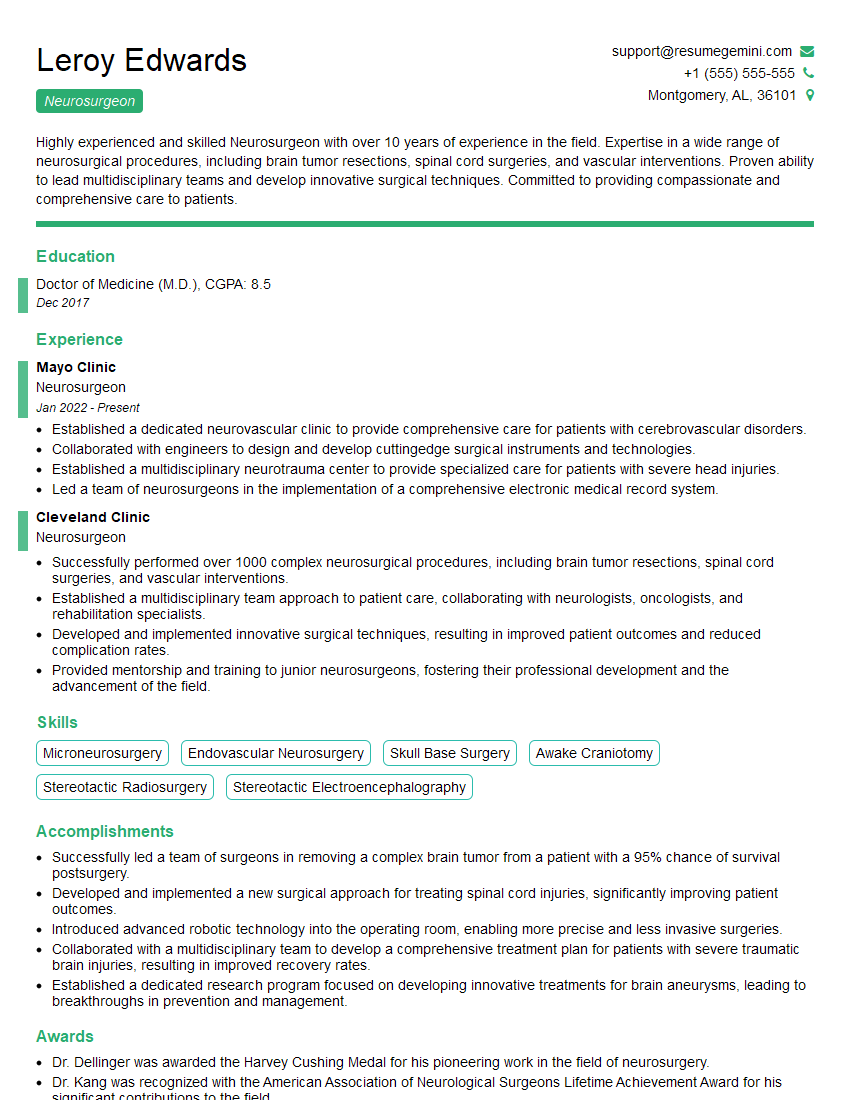
Neurosurgeon Resume Sample
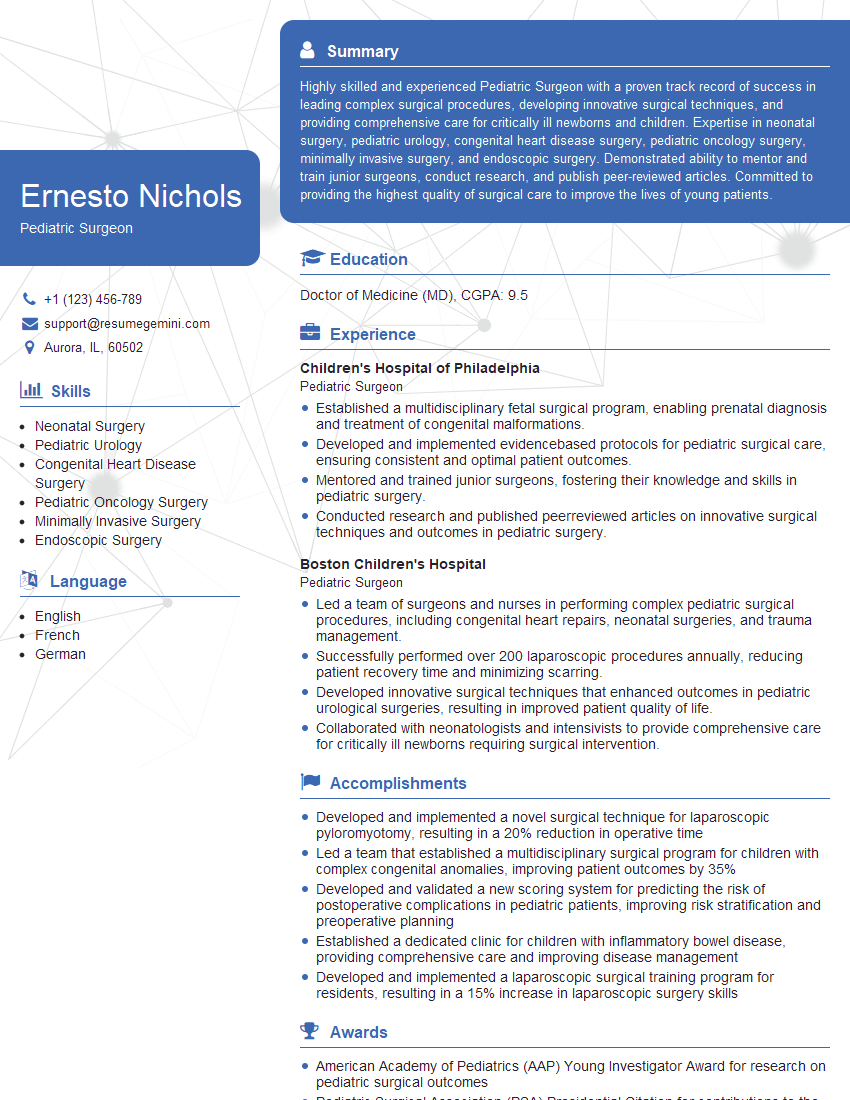
Pediatric Surgeon Resume Sample
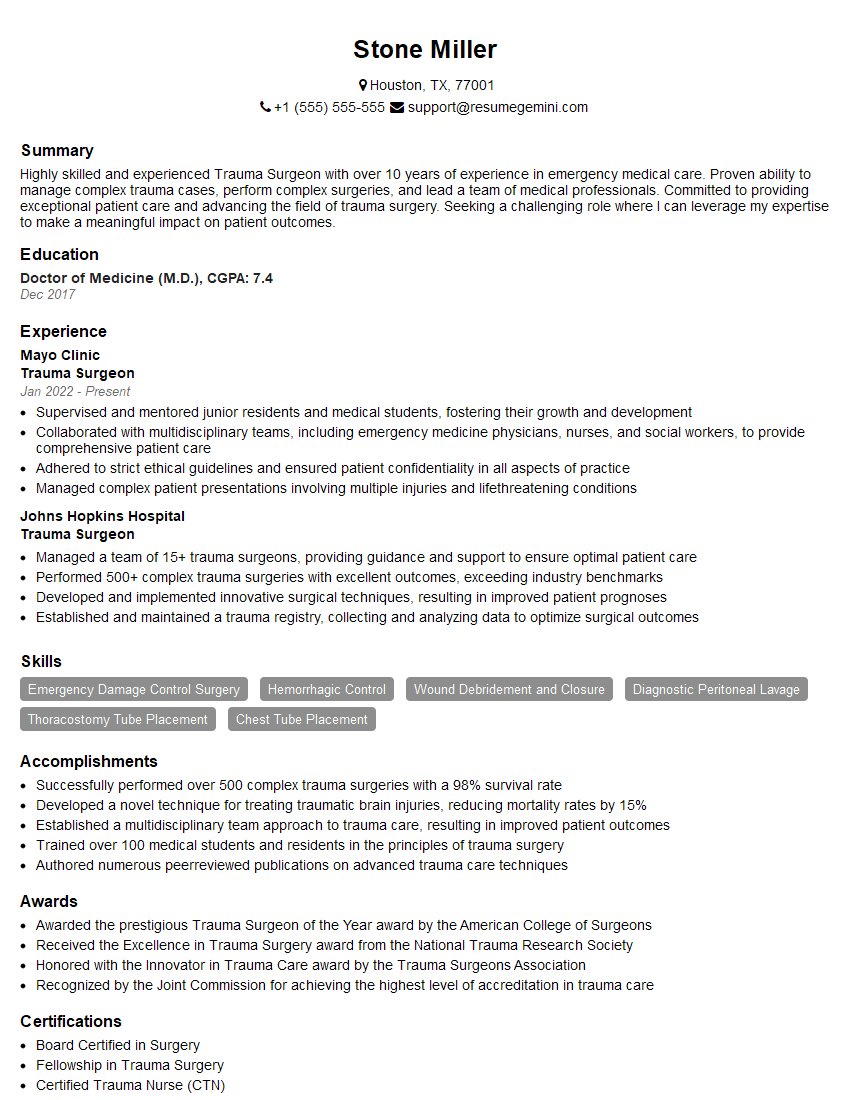
Trauma Surgeon Resume Sample
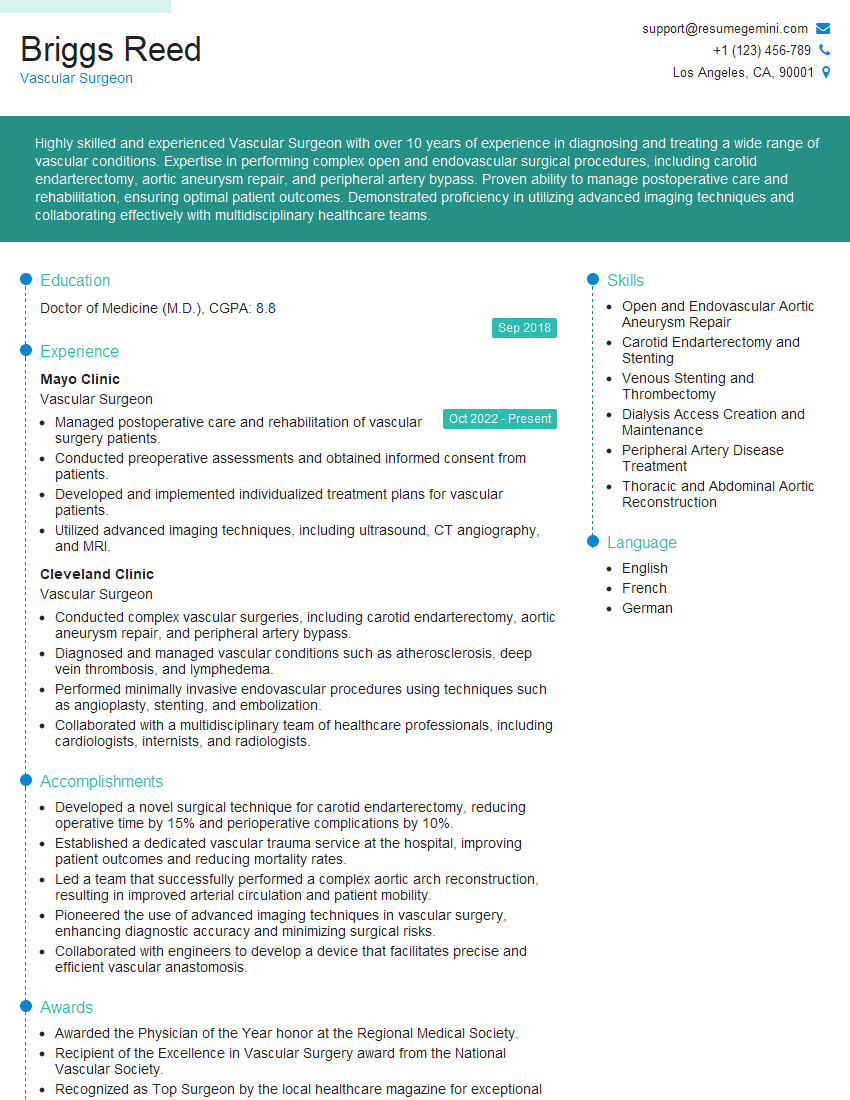
Vascular Surgeon Resume Sample
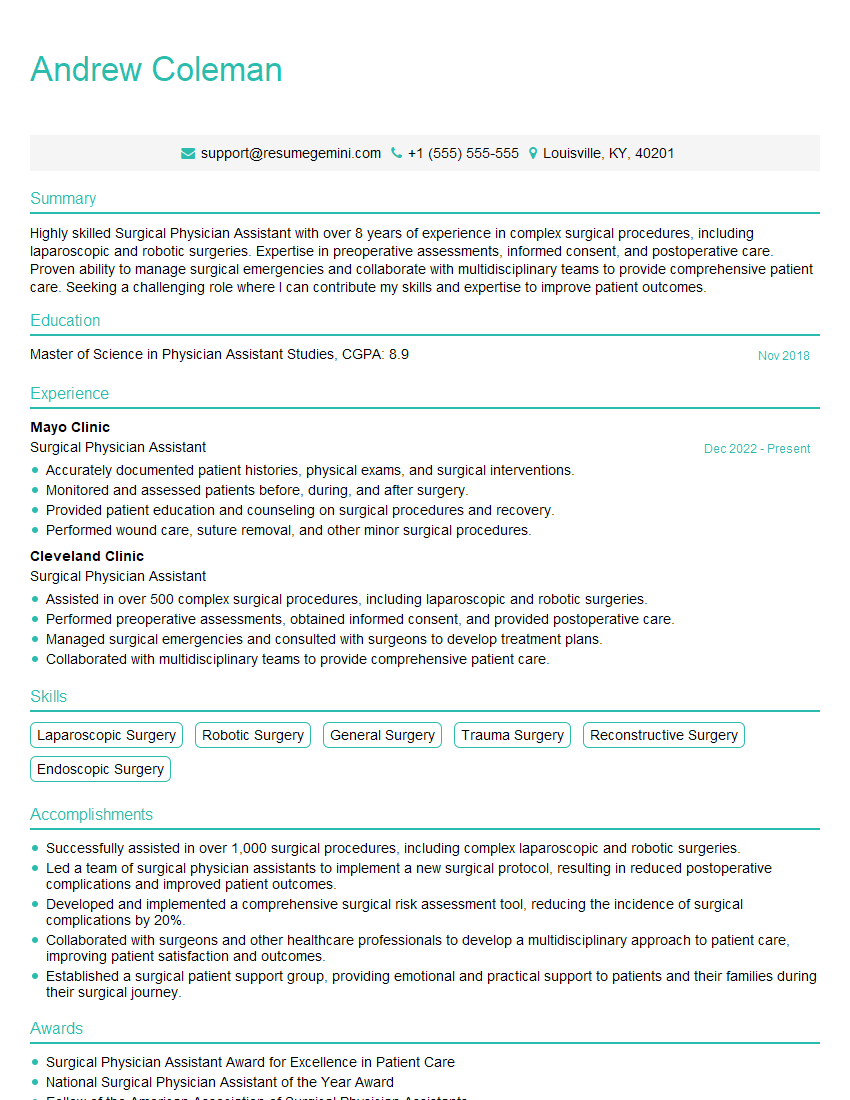
Surgical Physician Assistant Resume Sample

Surgical Nurse Practitioner Resume Sample
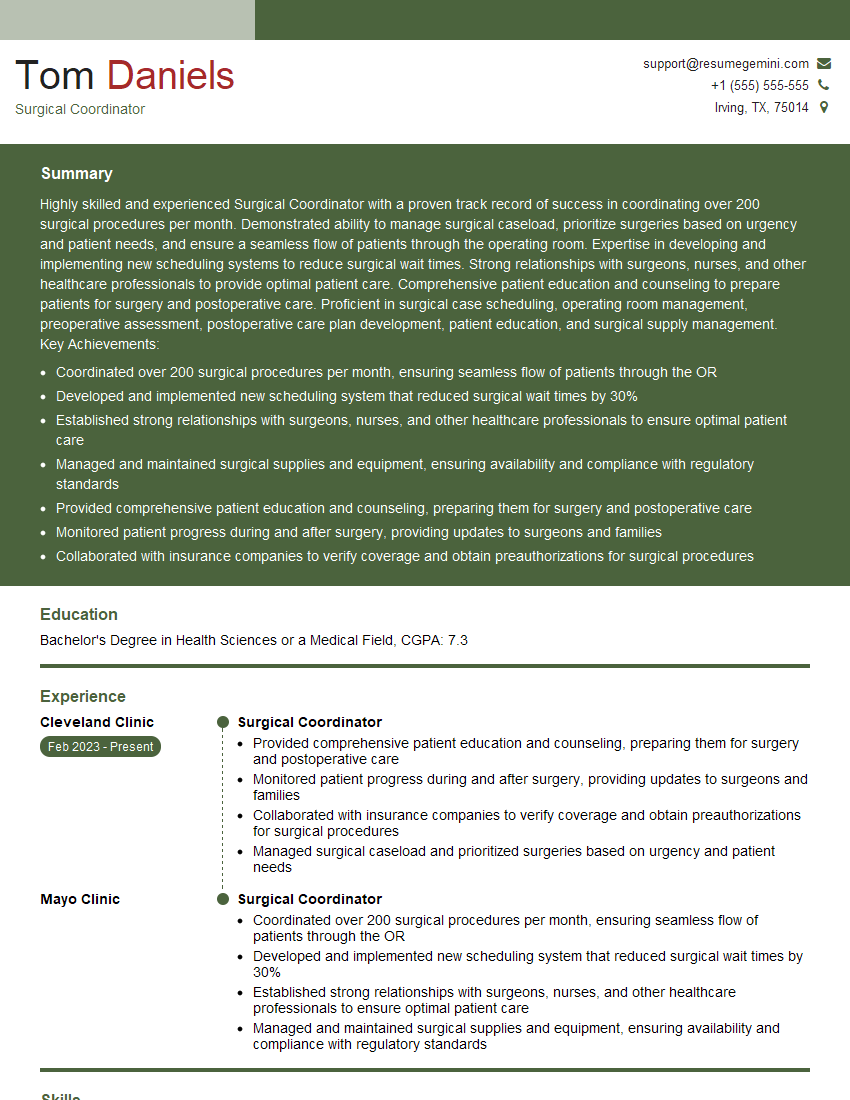
Surgical Coordinator Resume Sample
Explore more articles
Users Rating of Our Blogs
Share Your Experience
We value your feedback! Please rate our content and share your thoughts (optional).
What Readers Say About Our Blog
To the interviewgemini.com Webmaster.
Very helpful and content specific questions to help prepare me for my interview!
Thank you
To the interviewgemini.com Webmaster.
This was kind of a unique content I found around the specialized skills. Very helpful questions and good detailed answers.
Very Helpful blog, thank you Interviewgemini team.