Feeling uncertain about what to expect in your upcoming interview? We’ve got you covered! This blog highlights the most important Transformer Tap Changing interview questions and provides actionable advice to help you stand out as the ideal candidate. Let’s pave the way for your success.
Questions Asked in Transformer Tap Changing Interview
Q 1. Explain the principle of operation of an on-load tap changer (OLTC).
An On-Load Tap Changer (OLTC) is a crucial component of power transformers, allowing for voltage regulation while the transformer remains energized. Its principle of operation relies on a sophisticated mechanism that changes the number of turns in the transformer winding to adjust the voltage ratio. Imagine a dimmer switch for a lightbulb – it doesn’t cut the power completely, it just adjusts the brightness. Similarly, the OLTC adjusts the voltage without interrupting the power flow to the grid. This is achieved through a system of wipers or contactors that move across different taps on the transformer winding under load. Each tap represents a different number of turns, resulting in a slightly different voltage transformation ratio.
The process is carefully controlled to ensure a smooth transition between taps, minimizing voltage disturbances. A crucial element is the diverter switch that helps manage the current during the switching process, preventing arcing and damage to the contacts. The tap changer is typically controlled by a voltage regulator which monitors the output voltage and commands the OLTC to adjust the taps as needed, maintaining a stable voltage output despite fluctuations in load or supply.
Q 2. Describe the different types of tap changers (OLTC, De-energized).
Tap changers are broadly classified into two main categories: On-Load Tap Changers (OLTCs) and De-energized Tap Changers.
- On-Load Tap Changers (OLTCs): As discussed earlier, these allow tap changes while the transformer remains energized, ensuring continuous power supply. They are complex electromechanical devices employing intricate mechanisms to switch taps without interrupting the flow of current.
- De-energized Tap Changers: These require the transformer to be de-energized before any tap change can be made. They are simpler in design and construction than OLTCs, usually involving a simple selector switch. They are more straightforward but less suitable for applications demanding continuous voltage regulation. De-energized tap changers are found in smaller, less critical transformers or those where short outages are acceptable during voltage adjustments. Think of this as adjusting the settings of a device you must first unplug.
Within OLTCs, there are further variations in the specific mechanism used for tap changing (e.g., selector switch, rotating contact arms, etc.), but the core function of allowing on-load adjustment remains consistent.
Q 3. What are the safety precautions to be followed while working on a tap changer?
Working on an OLTC presents significant safety hazards due to high voltages and complex moving parts. Strict adherence to safety protocols is paramount. Here’s a list of key precautions:
- Lockout/Tagout Procedures: Always follow established lockout/tagout procedures to ensure the transformer is completely de-energized and isolated before any work begins.
- Personal Protective Equipment (PPE): Appropriate PPE is essential, including insulated gloves, safety glasses, arc flash suits (depending on voltage), and safety shoes.
- Grounding: Thoroughly ground all components before starting work to prevent accidental energization.
- Specialized Training: Only trained and qualified personnel should work on OLTCs. Thorough understanding of the equipment and associated safety procedures is mandatory.
- Safety Permit-to-Work System: A formal permit-to-work system should be followed, documenting all steps and ensuring proper authorization.
- Hot-Stick Tools: If working near energized parts (even after seemingly isolating sections) the use of hot-stick tools and appropriate insulated equipment are imperative.
Never compromise safety. If unsure about any procedure, always consult with a qualified expert.
Q 4. How does an OLTC maintain constant voltage output?
An OLTC maintains a constant voltage output by continuously monitoring the output voltage and adjusting the tap position accordingly. The system usually includes a voltage regulator that senses the output voltage and sends a signal to the OLTC control system. This system directs the OLTC to change taps in small increments to compensate for fluctuations in load or supply voltage.
For example, if the load increases, the output voltage might drop. The voltage regulator detects this drop and signals the OLTC to shift to a tap with a higher voltage ratio, thus restoring the voltage to the desired level. The reverse happens if the load decreases or the supply voltage increases. This continuous adjustment process ensures the output voltage remains within a pre-defined acceptable range despite variations in operating conditions, providing a stable and reliable power supply.
Q 5. Explain the function of the tap selector switch.
The tap selector switch is a critical component within the OLTC control system. It’s the mechanism that physically selects the tap position on the transformer winding, allowing for voltage adjustments. The switch operates under the direction of the voltage regulator and control circuitry.
Think of it as a gear selector in a car – it chooses the correct ‘gear’ (tap) for the optimal power delivery. The tap selector switch is crucial for ensuring smooth and precise tap changes, and its proper functioning is essential for maintaining consistent voltage output and the overall integrity of the OLTC. Failure of the tap selector switch will directly impact the transformer’s ability to regulate voltage, potentially leading to voltage instability and system malfunctions.
Q 6. What are the common causes of OLTC failure?
OLTC failures can stem from various causes, often interconnected and influenced by the operating environment:
- Worn Contacts: Repeated switching leads to wear and tear on the tap changer contacts, resulting in poor contact and increased resistance, ultimately causing overheating and potential failures.
- Mechanical Issues: Problems within the mechanical components like the selector switch, drive mechanism, and diverter switches can lead to malfunctions. This could include broken parts, binding mechanisms, or misalignment.
- Overheating: Excessive current flow, poor contact, or insufficient cooling can lead to overheating, which damages the insulation and other components, leading to failure.
- Environmental Factors: Exposure to moisture, dust, and extreme temperatures can degrade insulation and other components, increasing the chances of failure.
- Oil Contamination: Contamination of the transformer oil with moisture or other particles can reduce its insulating properties, increasing the risk of electrical breakdown and damage.
- Improper Maintenance: Lack of regular inspection and preventative maintenance increases the likelihood of failures.
Identifying the root cause requires careful investigation, often involving detailed inspection and testing of various components.
Q 7. Describe the process of inspecting an OLTC for wear and tear.
Inspecting an OLTC for wear and tear involves a systematic approach, combining visual inspection with advanced diagnostic techniques. The process would generally include:
- Visual Inspection: Check for any visible signs of damage to the external components, such as loose connections, corrosion, cracked insulation, or signs of overheating (discoloration).
- Oil Analysis: Analyze the transformer oil for contamination, moisture content, and the presence of breakdown products. This provides valuable insights into the overall health of the OLTC and its components.
- Contact Resistance Measurement: Measure the resistance between the contacts to detect any increase in resistance which is indicative of wear and tear or poor contact.
- Mechanical Operation Test: Test the mechanical operation of the tap changer to ensure smooth and proper functioning of all moving parts. This may include operating the tap changer through its full range of motion.
- Insulation Resistance Testing: Measure the insulation resistance of the winding and other components to detect any degradation of insulation that might lead to failure.
- Partial Discharge Measurement: Employ partial discharge (PD) testing to detect internal insulation defects and potential fault locations. This method is sensitive and can detect developing problems that might not be readily apparent through other tests.
The frequency and extent of the inspection depend on factors such as the age of the OLTC, operating conditions, and maintenance history. Regular inspections and preventative maintenance are essential for ensuring the longevity and reliability of the OLTC.
Q 8. How do you test the insulation resistance of an OLTC?
Testing the insulation resistance of an On-Load Tap Changer (OLTC) is crucial for ensuring its safety and proper functioning. We use a megohmmeter, also known as a high-resistance tester, to measure the insulation resistance between various components. This involves applying a high DC voltage and measuring the resulting leakage current. Low insulation resistance indicates potential faults, like moisture ingress or damaged insulation, that can lead to electrical shorts and even fires.
The test typically involves checking the insulation resistance between:
- Each tap position and ground.
- The tap changer windings and ground.
- The tap changer enclosure and ground.
- Between different windings within the tap changer itself.
The acceptable insulation resistance values depend on the voltage rating and age of the OLTC, and are usually specified by the manufacturer. A significantly lower value than the specified minimum indicates a problem that needs to be investigated and rectified before returning the OLTC to service. We often use a trending analysis comparing the test results over time to detect gradual degradation in insulation.
Q 9. What are the different types of tap changer drives?
OLTCs employ different drive mechanisms to change tap positions under load. The most common types include:
- Motor-operated drives: These use an electric motor to rotate a selector mechanism, smoothly switching taps. They offer precise control and are widely used in larger transformers. There are variations within this category: AC motor drives are simpler, while DC motor drives offer better speed and torque control.
- Solenoid-operated drives: These use solenoids to actuate a selector mechanism. They are simpler than motor-operated drives, often found in smaller transformers, and are characterized by their faster switching speed. However, they might not provide the same level of smooth, precise operation.
- Hydraulic drives: While less common now, these utilize hydraulic pressure to change tap positions. These are known for their high torque output but often require more maintenance compared to electrical systems.
The choice of drive depends on factors such as transformer size, voltage rating, required switching speed, and maintenance considerations. Larger transformers generally benefit from motor-operated drives for their reliability and precise control, whereas smaller transformers might suffice with solenoid-operated drives.
Q 10. Explain the role of the tap position indicator.
The tap position indicator is a vital component of an OLTC; it displays the current tap position of the transformer. Think of it like the gear selector in a car, showing the current gear engaged. Knowing the tap position is crucial for various reasons:
- Voltage regulation monitoring: It allows operators to monitor the transformer’s output voltage and ensure it’s within the desired range. A deviation from the ideal tap position may indicate problems in the system.
- Maintenance and troubleshooting: The indicator is essential when troubleshooting OLTC malfunctions. An incorrect tap position could be a symptom of a problem within the tap changer itself.
- Safety: It helps prevent accidental operation and ensures that the transformer is in the correct tap position before maintenance or repairs are undertaken. An incorrect position could lead to voltage surges and equipment damage.
The indicator can be mechanical, such as a pointer on a dial, or electronic, displayed on a control panel or digital meter. The accuracy and reliability of the tap position indicator are paramount for safe and efficient operation of the transformer.
Q 11. How do you troubleshoot a tap changer that is not operating correctly?
Troubleshooting a malfunctioning OLTC requires a systematic approach. We’ll start with a visual inspection, checking for any obvious signs of damage such as loose connections, burnt components, or leaking oil. This is followed by a series of tests and checks, progressing step-by-step.
Here’s a typical troubleshooting sequence:
- Check the tap position indicator: Confirm the indicated position matches the expected voltage output. Discrepancies suggest a problem with the tap changer or its indicator.
- Inspect the drive mechanism: Check for mechanical obstructions, damage, or binding in moving parts. For motor-driven units, check the motor for proper operation and examine the control circuitry for faults.
- Test the control circuitry: Verify proper operation of relays, contactors, and other control components. This may involve using multimeters or specialized test equipment.
- Measure the insulation resistance: As discussed previously, this identifies insulation degradation, a common cause of OLTC failure.
- Check for oil leaks: Leaking oil points towards seal or gasket problems that could affect operation and safety.
- Analyze operational logs: If the OLTC is equipped with a logging system, analyzing it can pinpoint fault patterns and patterns of behavior before the failure.
If the problem persists, specialized testing equipment or the assistance of a transformer specialist may be required to diagnose complex faults within the OLTC mechanism itself.
Q 12. Describe the process of replacing a faulty tap changer.
Replacing a faulty tap changer is a complex procedure that requires specialized knowledge and safety precautions. It’s a high-risk activity, and it is critical to have proper safety protocols in place to protect personnel from high-voltage equipment. The process is usually a multi-step operation involving careful planning, equipment preparation, and a strict adherence to safety standards.
Here’s a general outline:
- De-energize the transformer: This is paramount to ensure the safety of personnel. The transformer must be completely isolated from the power source.
- Lockout/Tagout (LOTO) procedures: Implement strict LOTO procedures to prevent accidental energization during the replacement process.
- Drain the transformer oil: If the tap changer is oil-immersed, the oil needs to be carefully drained and stored appropriately.
- Remove the old tap changer: This will involve disassembling parts of the transformer’s tank to access and remove the faulty unit. Special tools and lifting equipment might be necessary.
- Install the new tap changer: The new tap changer should be carefully installed in place, ensuring proper alignment and connections.
- Refill the transformer with oil (if applicable): The transformer is then refilled with oil to the correct level.
- Test and commission: Once the installation is complete, thorough testing must be done to verify correct operation and insulation integrity. The voltage and current levels will be monitored during commissioning.
This process typically requires a team of trained professionals and might involve specialized equipment such as cranes, oil handling systems, and high-voltage testing equipment.
Q 13. What is the significance of tap changer maintenance?
Tap changer maintenance is essential for ensuring the reliability, safety, and longevity of the transformer. Neglecting maintenance can lead to premature failure, costly repairs, and even catastrophic events like transformer fires or system outages. Regular maintenance minimizes these risks and extends the useful life of the equipment.
The significance of maintenance includes:
- Preventing failures: Regular inspections and tests identify potential issues before they escalate into major problems.
- Ensuring safety: Maintenance checks reduce the risk of electrical hazards and potential damage to other equipment.
- Improving efficiency: Maintaining the tap changer ensures optimal voltage regulation and improves the overall efficiency of the power system.
- Extending lifespan: Proper maintenance significantly extends the operational life of the tap changer.
Preventive maintenance is much more cost-effective than dealing with unexpected breakdowns. A well-maintained OLTC is a reliable asset that supports continuous and efficient power delivery.
Q 14. What are the typical maintenance schedules for an OLTC?
Typical maintenance schedules for OLTCs vary depending on factors such as transformer size, operating conditions, and manufacturer recommendations. However, a general guideline includes:
- Daily inspections: Visual checks for oil leaks, unusual noises, and operational status of the tap position indicator.
- Weekly inspections: More detailed checks of control circuits and mechanisms.
- Monthly inspections: Reviewing operational logs and verifying correct functioning of the tap changer.
- Yearly maintenance: This often involves more extensive checks such as insulation resistance testing, detailed mechanical inspections, and possibly some component replacements depending on the findings of the inspections.
- Multi-year maintenance: This includes major overhauls and more in-depth tests that might involve taking the tap changer out of service.
The exact schedule should be documented and tailored to the specific OLTC and its operating environment. A well-defined maintenance plan ensures optimal performance and minimizes the risks associated with OLTC operation. It is essential to follow the manufacturer’s recommendations for maintenance intervals and procedures.
Q 15. Explain the concept of tap changer synchronization.
Tap changer synchronization, in the context of an On-Load Tap Changer (OLTC), refers to the process of ensuring seamless transitions between tap positions without interrupting power flow. Imagine changing gears in a car while it’s moving – that’s essentially what tap changer synchronization achieves. It’s crucial for maintaining grid stability and preventing voltage fluctuations.
The synchronization process involves a precise sequence of operations. First, the OLTC identifies the desired tap position. Then, it selects the appropriate contacts, making sure that the current is transferred smoothly from the old tap to the new tap. This often involves temporary bridging between the contacts before switching the current fully to the new position to avoid current interruption. Any interruption during the switching could damage the equipment or cause power outages.
Different OLTC designs employ varied synchronization techniques, but the core principle is to manage the current transfer smoothly and reliably. Sophisticated control systems ensure precise timing and monitor the process to prevent disruptions.
Career Expert Tips:
- Ace those interviews! Prepare effectively by reviewing the Top 50 Most Common Interview Questions on ResumeGemini.
- Navigate your job search with confidence! Explore a wide range of Career Tips on ResumeGemini. Learn about common challenges and recommendations to overcome them.
- Craft the perfect resume! Master the Art of Resume Writing with ResumeGemini’s guide. Showcase your unique qualifications and achievements effectively.
- Don’t miss out on holiday savings! Build your dream resume with ResumeGemini’s ATS optimized templates.
Q 16. How does the OLTC interact with the transformer’s protection system?
The OLTC and the transformer’s protection system work together to ensure safe and reliable operation. The OLTC’s control system provides information to the protection system about its current tap position and operational status. This information is vital for the protection system to accurately assess faults and initiate appropriate actions.
For example, if a fault occurs within the transformer, the protection system may use the OLTC’s position data to determine the impact and appropriate tripping strategy. If a fault is detected on a specific winding, knowing the tap position helps to understand the precise voltage level at the time of the fault, aiding fault analysis. Conversely, the protection system can communicate with the OLTC to prevent it from attempting a tap change during a fault condition, preventing potential damage to the OLTC mechanism.
Several safety interlocks are also incorporated. For instance, the OLTC might be prevented from operating if the transformer’s temperature is too high, a condition typically monitored by the protection system. This coordinated action of protection and tap-changing systems is critical for overall power system reliability.
Q 17. What are the common types of tap changer faults and their symptoms?
OLTCs, despite their robust design, are subject to various faults. These can be broadly categorized as mechanical and electrical faults.
- Mechanical Faults: These often involve the tap selector mechanism. Examples include:
- Worn selector switch contacts: Resulting in increased resistance and arcing, leading to overheating and eventual failure. Symptoms include high contact resistance, buzzing sounds, and eventually, complete tap selector failure.
- Damaged selector mechanism: This could be due to wear and tear, excessive vibration, or foreign object intrusion. Symptoms vary based on the specific component failure, but can include erratic tap changes, refusal to operate, or loud mechanical noises.
- Broken or worn tap leads: These connect to the transformer windings. Damage leads to poor contact and overheating. Symptoms may include intermittent operation, high resistance, and localized overheating.
- Electrical Faults: These are generally related to the electrical components of the OLTC.
- Coil failure: This is relatively rare but can cause the tap changer to malfunction. Symptoms can include complete failure to operate or erratic behavior.
- Overheating: Due to high current, poor contacts, or other faults. Symptoms include burning smells, discoloration, and eventual failure of components.
- Insulation breakdown: This can lead to short circuits or ground faults. Symptoms range from erratic operation to complete failure.
Proper maintenance and regular inspections are crucial in mitigating the risk of these faults.
Q 18. Describe the process of setting the tap position on an OLTC.
Setting the tap position on an OLTC is typically a controlled process executed through a sophisticated control system. It isn’t a manual adjustment – the process is designed to prevent damage to the equipment and potential power outages.
The process usually involves these steps:
- Receiving a command: The command to change the tap position originates from a supervisory control and data acquisition (SCADA) system or a local control panel, based on the required voltage regulation.
- Tap position verification: The OLTC control system verifies the current tap position and calculates the required change.
- Sequential switching: The OLTC switches to the new tap position in a step-by-step manner, ensuring that the current is transferred smoothly and safely. This often involves briefly bridging contacts between the old and new tap positions before transferring the load.
- Confirmation and logging: Once the tap change is complete, the system confirms the new tap position and logs the event for record-keeping and troubleshooting purposes.
The entire process is automated and monitored to ensure the safety and reliability of the tap change. Any issues encountered during the sequence will usually trigger an alarm and halt the process.
Q 19. What are the limitations of an OLTC?
OLTCs, while highly efficient, have certain limitations:
- Finite number of taps: An OLTC can only adjust voltage within a limited range, defined by the number of available taps. Fine adjustments beyond the tap range are not possible.
- Mechanical wear and tear: The mechanical components of the OLTC are subject to wear and tear over time, requiring regular maintenance and eventual replacement. The constant switching creates friction and stresses the moving parts.
- Limited switching speed: OLTCs are designed for safe and reliable operation, and therefore don’t switch instantaneously. There is a finite time between successive tap changes, which may be insufficient for rapid load changes.
- Sensitivity to environmental conditions: Extreme temperatures, humidity, and dust can affect the reliability and longevity of the OLTC.
- Potential for arcing and noise: During switching, small arcs can occur, leading to potential noise and interference. However, modern designs greatly minimize this.
These limitations should be carefully considered during the selection and application of an OLTC.
Q 20. How is the condition of an OLTC monitored?
OLTC condition monitoring is essential for ensuring reliable operation and preventing unexpected failures. Various methods are used, ranging from simple visual inspections to sophisticated condition-based monitoring techniques.
Routine inspections involve checking for mechanical damage, loose connections, overheating signs, and oil leaks. Online monitoring systems can track parameters like winding temperature, oil temperature, tap position, and switching times. These systems often include alarms that trigger if parameters exceed predefined thresholds. Advanced diagnostic techniques such as dissolved gas analysis (DGA) can detect early signs of insulation degradation. Vibration monitoring can detect mechanical issues within the OLTC mechanism.
A combination of these methods provides a holistic view of the OLTC’s health, allowing for timely maintenance and preventative actions, thereby reducing the risk of unplanned outages.
Q 21. What are the environmental factors that affect OLTC performance?
Environmental factors significantly affect OLTC performance and longevity. Extreme temperatures, both high and low, can negatively impact the mechanical and electrical components. High temperatures can lead to overheating and insulation degradation, while low temperatures can increase oil viscosity, affecting the smooth operation of the tap changer mechanism.
Humidity can accelerate corrosion and insulation breakdown, while dust and other contaminants can interfere with the mechanical operation and cause premature wear. Pollution can also contribute to insulation degradation and potentially lead to electrical faults. Furthermore, exposure to direct sunlight can lead to higher temperatures, exacerbating the effects of heat.
Proper environmental protection, such as suitable enclosures, ventilation systems, and regular cleaning, is crucial to maintain optimal OLTC performance and extend its lifespan.
Q 22. Describe the difference between a selector switch and a tap changer.
A selector switch and a tap changer, while both used in electrical systems, serve distinct purposes. Think of a selector switch as a simple on/off or position switch, like choosing different speeds on a fan. It connects one circuit to another in a relatively static way. A tap changer, however, dynamically adjusts the voltage of a transformer by changing the number of turns in the winding. It’s more sophisticated, allowing for fine-tuning of the output voltage.
In a power transformer, the tap changer is crucial for voltage regulation, whereas a selector switch might be used for simpler functions like connecting different loads.
- Selector Switch: Offers discrete selections; typically manually operated; simpler in design and operation.
- Tap Changer: Provides continuous or stepped voltage adjustments; often automated (OLTC – On-Load Tap Changer); more complex mechanically and electrically.
Q 23. What safety measures are required during OLTC maintenance?
Safety is paramount during OLTC maintenance. The high voltages and potential for arc flashes necessitate stringent procedures. Key safety measures include:
- Lockout/Tagout (LOTO): Completely de-energizing the transformer and locking out the power source to prevent accidental energization. This is the absolute most critical step.
- Grounding: Thoroughly grounding all accessible parts of the transformer to ensure no residual voltage remains.
- Personal Protective Equipment (PPE): Using appropriate PPE, including insulated gloves, safety glasses, arc flash protective clothing, and hard hats.
- Permit-to-Work System: Following a documented permit-to-work system that outlines all steps and ensures accountability.
- Gas Testing: Before opening any part of the transformer, test for the presence of flammable or hazardous gases within the tank.
- Training and Competency: Ensuring all personnel involved are properly trained and competent in high-voltage safety procedures.
Failure to adhere to these safety measures can lead to severe injury or even fatality.
Q 24. Explain the role of a tap changer in voltage regulation.
A tap changer plays a pivotal role in maintaining a consistent voltage output from a transformer, even when the load or source voltage fluctuates. Imagine a water pump trying to maintain constant pressure. If the demand increases (more taps opened), the pressure drops; similarly, if the power supply to the pump weakens, the pressure decreases. The tap changer in a transformer is like an adjustable valve on the pump, increasing or decreasing the ‘pressure’ (voltage) to maintain a steady output.
By adjusting the number of turns in the transformer winding, the tap changer modifies the turns ratio, which directly impacts the output voltage. This ensures the voltage supplied to the grid or load remains within acceptable limits, regardless of variations in demand or source conditions.
Q 25. How do you determine the appropriate tap setting for a transformer?
Determining the appropriate tap setting involves monitoring the transformer’s output voltage and comparing it to the desired voltage level. This process often involves using sophisticated monitoring and control systems.
- Voltage Monitoring: Continuously monitor the transformer’s secondary voltage using voltage transducers and digital monitoring systems.
- Load Analysis: Assess the current load on the transformer to predict the impact of tap changes.
- Tap Changer Control System: Modern tap changers often have automatic control systems that adjust the tap based on pre-defined settings and voltage thresholds.
- Manual Adjustment: In some cases, manual adjustment might be necessary based on operational requirements and historical data.
The goal is to find the optimal tap setting that provides the correct voltage while minimizing unnecessary tap changes. Excessive tap changes can lead to increased wear and tear on the tap changer.
Example: If the secondary voltage is consistently 5% below the desired voltage, a tap change increasing the turns ratio might be required.
Q 26. What are the challenges in maintaining OLTCs in harsh environments?
Maintaining OLTCs in harsh environments presents several challenges. Think of the difference between keeping a car in a garage versus leaving it out in the desert. The extreme conditions accelerate wear and tear.
- Corrosion: High humidity, salt spray, or dust can lead to corrosion of the tap changer components, affecting their functionality and lifespan.
- Temperature Extremes: Extreme heat or cold can affect the operation of the tap changer’s mechanical components and the insulating oil.
- Contamination: Dust, sand, or other contaminants can enter the tap changer mechanism, causing friction and premature wear.
- Moisture Ingress: Moisture can penetrate seals and cause short circuits or insulation breakdown.
To mitigate these challenges, specialized maintenance procedures, robust materials, and environmental protection measures are crucial. This might involve frequent inspections, enhanced sealing, and the use of corrosion-resistant materials.
Q 27. Explain the use of diagnostic tools for OLTC troubleshooting.
Diagnostic tools are essential for troubleshooting OLTC problems. These tools provide insights into the tap changer’s health and help identify potential issues before they escalate into major failures.
- Resistance Measurements: Checking for changes in winding resistance, which may indicate damage or overheating.
- Contact Resistance Tests: Assessing the contact resistance between tap segments to identify poor connections.
- Oil Analysis: Analyzing the transformer oil for signs of degradation, which can indicate potential problems within the tap changer.
- Dissolved Gas Analysis (DGA): Detecting the presence of gases produced by insulation breakdown, which could pinpoint localized faults.
- Specialized OLTC Testers: Dedicated instruments that can simulate tap operations and measure various parameters to identify mechanical or electrical faults.
By using these diagnostic tools, technicians can precisely pinpoint the root cause of an OLTC malfunction and plan effective repairs, preventing catastrophic failures.
Q 28. Describe the process of commissioning a new tap changer.
Commissioning a new tap changer is a systematic process ensuring its proper installation and functionality. This process validates the design and installation while ensuring safe operation.
- Visual Inspection: Thoroughly inspect the tap changer for any physical damage during shipping or installation.
- Mechanical Checks: Verify the correct operation of the mechanical components, including the selector switch and drive mechanism.
- Electrical Tests: Perform various electrical tests, such as insulation resistance testing, continuity checks, and tap-to-tap resistance checks.
- Functional Testing: Operate the tap changer through its entire range, verifying that it switches taps smoothly and correctly.
- Calibration and Setting: Calibrate the tap changer control system and configure the tap position settings according to the operational requirements.
- Protective Relay Testing: Test the protective relays associated with the tap changer to ensure they function correctly and provide adequate protection.
- Documentation: Meticulously document all test results and commissioning procedures for future reference.
Commissioning a new tap changer is crucial to ensure the transformer operates safely and reliably, meeting its specified voltage regulation capabilities.
Key Topics to Learn for Transformer Tap Changing Interview
- Transformer Tap Changer Operation: Understand the different types of tap changers (on-load, off-circuit), their mechanisms, and operational principles. Consider the advantages and disadvantages of each type.
- Tap Changer Control Systems: Explore the various control systems used to regulate tap positions, including automatic voltage regulators (AVRs) and their integration with tap changers. Analyze the impact of control system failures.
- Voltage Regulation and Tap Position Calculation: Master the theoretical calculations involved in determining the optimal tap position to maintain desired voltage levels. Practice applying these calculations to real-world scenarios.
- Troubleshooting and Maintenance: Familiarize yourself with common tap changer problems, their causes, and effective troubleshooting techniques. Understand preventative maintenance procedures and their importance.
- Safety Procedures and Regulations: Review the safety protocols and regulations associated with working on and maintaining tap changers. Understand lockout/tagout procedures and other relevant safety measures.
- Impact of Tap Changing on Power System Stability: Analyze how tap changer operation affects power system stability and voltage profiles. Understand the implications of incorrect tap settings.
- Economic Considerations: Explore the economic impact of tap changer operation, including energy losses and maintenance costs. Understand optimization strategies for efficient tap changer management.
Next Steps
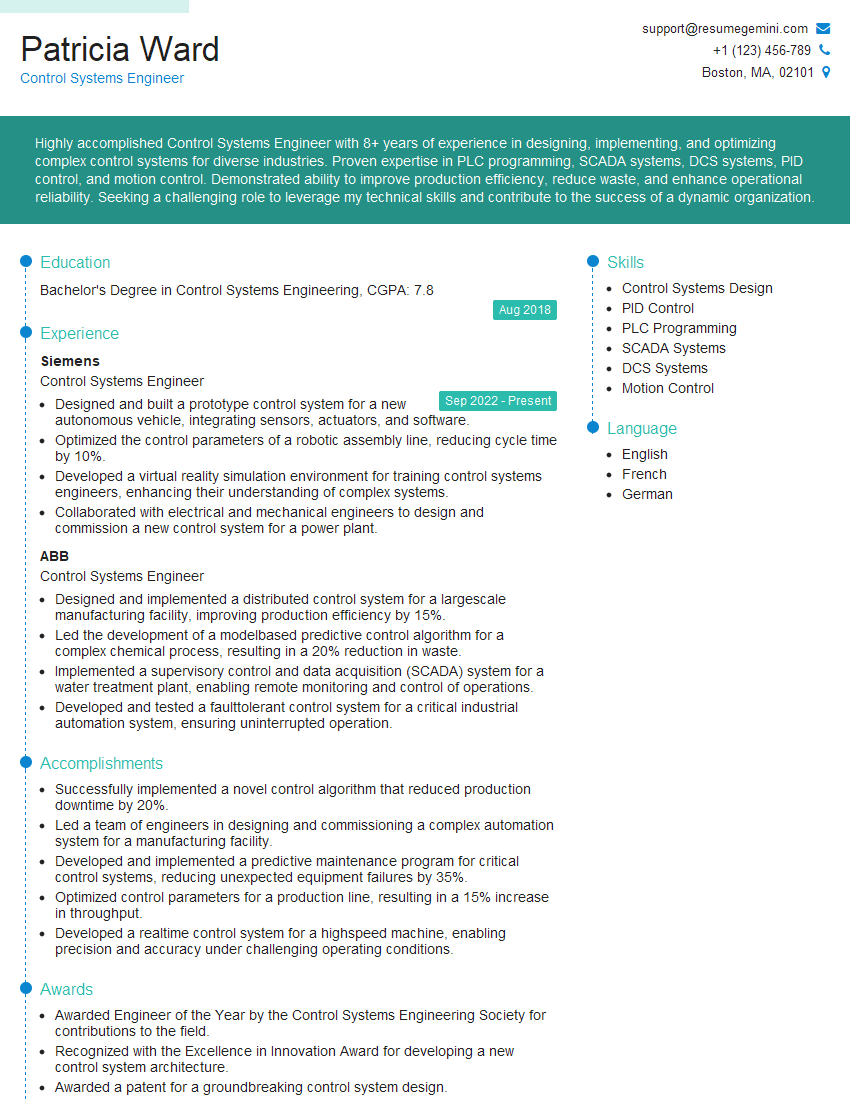
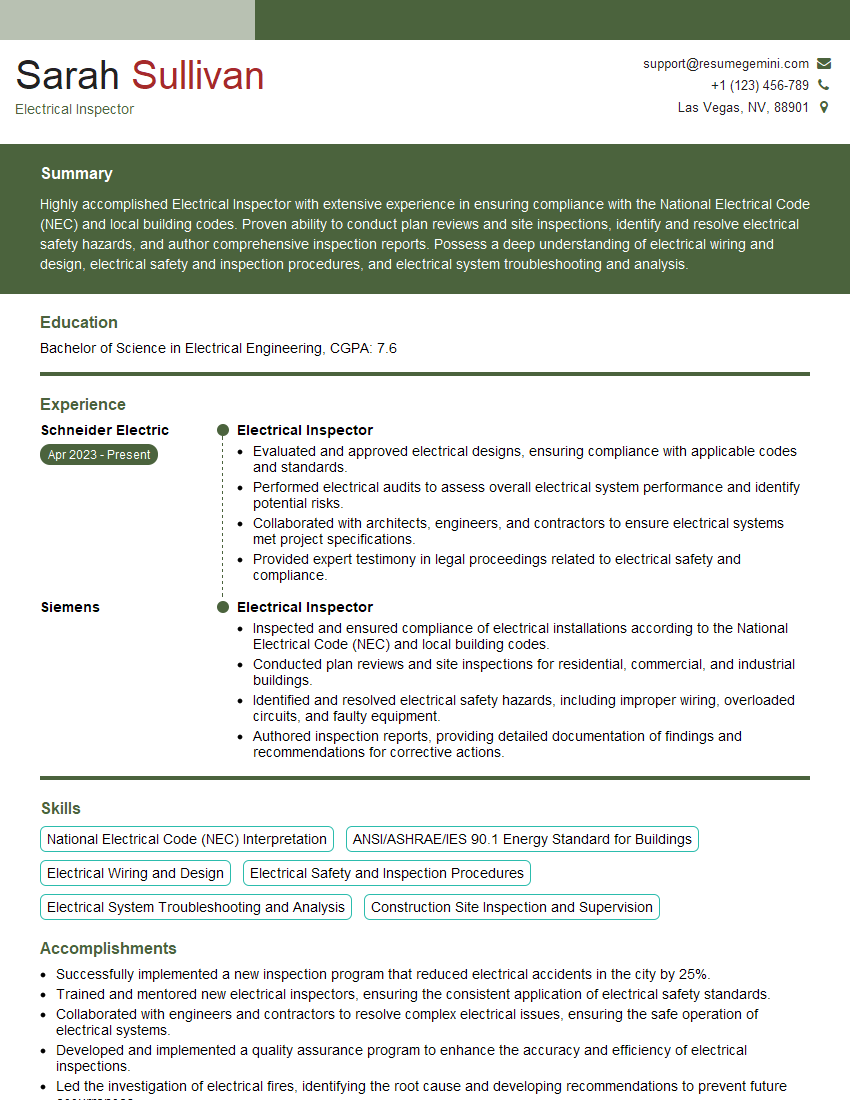
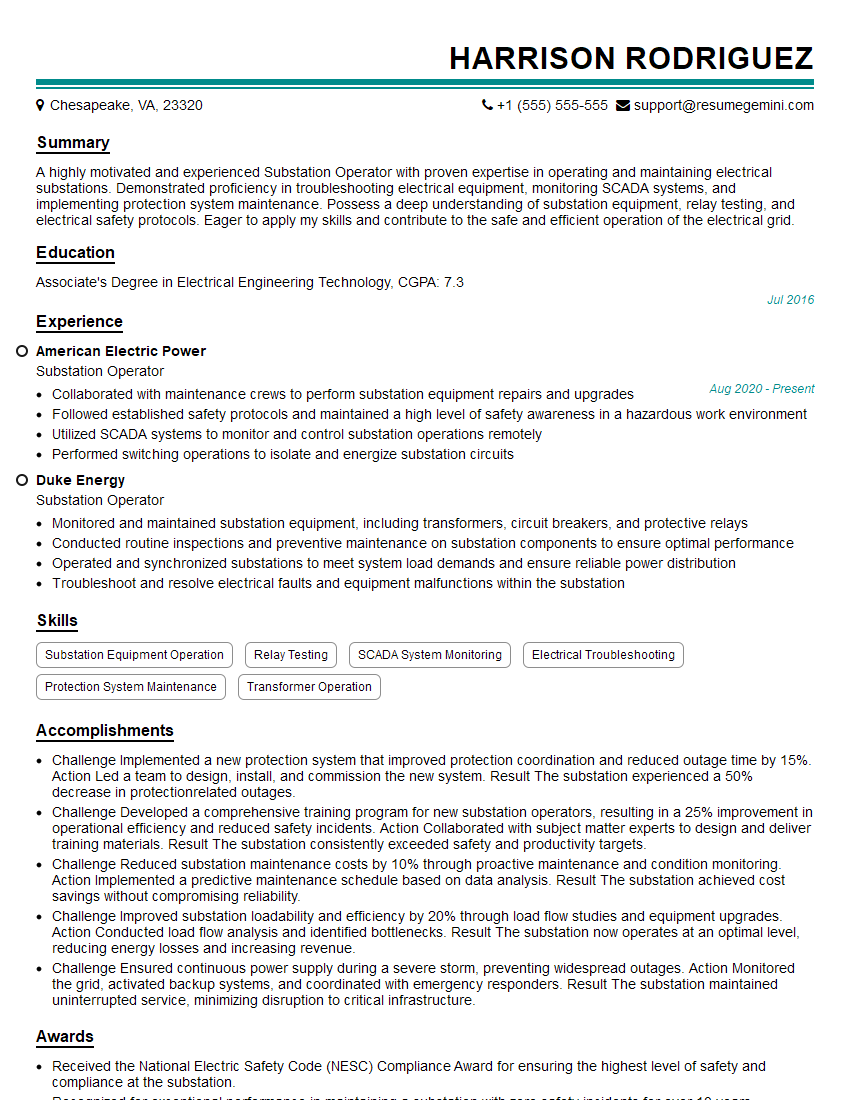
Mastering Transformer Tap Changing opens doors to exciting opportunities in power systems engineering and maintenance. A strong understanding of this critical component is highly valued by employers and can significantly advance your career. To maximize your job prospects, it’s crucial to present your skills effectively. Creating an ATS-friendly resume is essential for getting your application noticed. We highly recommend using ResumeGemini to build a professional and impactful resume. ResumeGemini provides tools and resources to craft a compelling narrative, and we offer examples of resumes tailored to Transformer Tap Changing to guide you. Invest time in crafting a resume that highlights your expertise – it’s a vital step in securing your next role.
Explore more articles
Users Rating of Our Blogs
Share Your Experience
We value your feedback! Please rate our content and share your thoughts (optional).
What Readers Say About Our Blog
To the interviewgemini.com Webmaster.
Very helpful and content specific questions to help prepare me for my interview!
Thank you
To the interviewgemini.com Webmaster.
This was kind of a unique content I found around the specialized skills. Very helpful questions and good detailed answers.
Very Helpful blog, thank you Interviewgemini team.