Are you ready to stand out in your next interview? Understanding and preparing for Treatment of Neurological Disorders interview questions is a game-changer. In this blog, we’ve compiled key questions and expert advice to help you showcase your skills with confidence and precision. Let’s get started on your journey to acing the interview.
Questions Asked in Treatment of Neurological Disorders Interview
Q 1. Describe the pathophysiology of multiple sclerosis.
Multiple sclerosis (MS) is a chronic, autoimmune disease affecting the central nervous system (CNS), which includes the brain, spinal cord, and optic nerves. Its pathophysiology is complex but centers around immune system dysfunction.
Essentially, the body’s immune system mistakenly attacks the myelin sheath, a protective layer surrounding nerve fibers. This demyelination disrupts the transmission of nerve impulses, leading to a wide range of neurological symptoms. Imagine the myelin sheath as the insulation around an electrical wire; damage to it causes short circuits and signal loss.
- Autoimmune Response: The exact trigger is unknown, but genetic predisposition and environmental factors likely play a role in initiating an autoimmune response against myelin proteins.
- Inflammation: The immune attack causes inflammation in the CNS, further damaging nerve fibers and contributing to lesions (plaques) visible on MRI scans.
- Demyelination: Loss of myelin slows or blocks nerve signals, leading to the diverse symptoms experienced by MS patients.
- Axonal Damage: Over time, the repeated inflammatory attacks can damage the axons themselves, the core of the nerve fibers, leading to irreversible neurological deficits.
- Neurodegeneration: In later stages, neurodegeneration contributes significantly to disability.
This cascade of events – autoimmunity, inflammation, demyelination, axonal damage, and neurodegeneration – explains the progressive and unpredictable nature of MS.
Q 2. Explain the diagnostic criteria for Parkinson’s disease.
Diagnosing Parkinson’s disease (PD) relies on a combination of clinical features and the exclusion of other conditions. There isn’t a single definitive test. The diagnosis is based on the presence of specific motor symptoms and a progressive course.
Key Diagnostic Criteria:
- Bradykinesia (slowness of movement): This is a cardinal feature, often noticed in everyday activities like buttoning a shirt or writing.
- Resting tremor: A tremor that occurs when the limbs are at rest and diminishes or disappears with voluntary movement.
- Rigidity (muscle stiffness): Resistance to passive movement of the limbs.
- Postural instability: Impaired balance and coordination, leading to falls.
Additional supporting features:
- Asymmetry of symptoms: Symptoms often begin on one side of the body before spreading to the other.
- Response to levodopa: A significant improvement in motor symptoms after treatment with levodopa (a dopamine precursor) strongly supports the diagnosis.
Important Note: A thorough neurological examination, including a detailed medical history, is crucial to rule out other conditions that might mimic PD. Imaging studies (like brain MRI) are primarily used to exclude other causes rather than directly confirming PD.
Think of it like a puzzle: the presence of bradykinesia, resting tremor, rigidity, and postural instability, along with a positive response to levodopa, fit together to create the picture of Parkinson’s disease.
Q 3. What are the different types of stroke and their management?
Strokes are broadly classified into two main types: ischemic and hemorrhagic.
1. Ischemic Stroke: This is the most common type, caused by a blockage in a blood vessel supplying the brain. Imagine a plumbing problem where a clot blocks the flow of water. The brain tissue deprived of oxygen and nutrients begins to die.
- Thrombotic stroke: A blood clot forms within a cerebral artery.
- Embolic stroke: A blood clot or other material (e.g., plaque from the heart) travels from elsewhere in the body and lodges in a brain artery.
Management of Ischemic Stroke:
- Thrombolysis (tPA): This is a clot-busting drug given intravenously within a narrow time window (usually within 4.5 hours of stroke onset) to restore blood flow.
- Mechanical Thrombectomy: A minimally invasive procedure where a catheter is used to remove the clot directly from the blocked artery.
- Supportive care: This includes managing blood pressure, preventing complications, and providing rehabilitation.
2. Hemorrhagic Stroke: This type occurs when a blood vessel in the brain ruptures, causing bleeding into the brain tissue. Think of a burst pipe flooding the surrounding area.
- Intracerebral hemorrhage (ICH): Bleeding directly into the brain tissue.
- Subarachnoid hemorrhage (SAH): Bleeding into the space surrounding the brain.
Management of Hemorrhagic Stroke:
- Blood pressure control: Carefully lowering blood pressure to minimize further bleeding.
- Surgical intervention: May be necessary to evacuate the blood clot or repair the ruptured vessel.
- Supportive care: Similar to ischemic stroke, focusing on preventing complications and providing rehabilitation.
The key to effective stroke management is rapid diagnosis and treatment. Time is brain; the sooner treatment begins, the better the outcome.
Q 4. Discuss the pharmacological treatment options for epilepsy.
Pharmacological treatment for epilepsy aims to reduce the frequency and severity of seizures. The choice of medication depends on several factors, including the type of epilepsy, seizure frequency, and the patient’s individual characteristics. There are many anti-epileptic drugs (AEDs), each with its own mechanism of action and potential side effects.
Examples of AEDs and their mechanisms include:
- Sodium channel blockers (e.g., phenytoin, carbamazepine): These drugs stabilize the neuronal membranes, making it harder for neurons to fire excessively.
- Calcium channel blockers (e.g., ethosuximide): These drugs reduce the influx of calcium ions into neurons, reducing their excitability.
- GABA agonists (e.g., benzodiazepines, gabapentin): These drugs enhance the effects of GABA, the brain’s main inhibitory neurotransmitter, thereby reducing neuronal excitability.
- Other mechanisms: Some AEDs work through other mechanisms, such as affecting glutamate receptors (e.g., levetiracetam) or modifying potassium channels (e.g., zonisamide).
Treatment often involves a trial-and-error approach, starting with a single AED and adjusting the dose or switching to a different medication if seizures are not adequately controlled or intolerable side effects occur. It’s crucial to monitor drug levels and patient response closely.
Important Note: Abruptly stopping AEDs can trigger seizures, so any dosage changes must be done under the guidance of a neurologist.
Q 5. How do you assess cognitive impairment in patients with neurological disorders?
Assessing cognitive impairment in patients with neurological disorders requires a multi-faceted approach, combining various methods to gain a comprehensive understanding of the patient’s cognitive abilities.
Methods include:
- Neuropsychological testing: Standardized tests, such as the Mini-Mental State Examination (MMSE) or Montreal Cognitive Assessment (MoCA), assess different cognitive domains, including memory, attention, language, visuospatial skills, and executive functions. These tests provide a quantitative measure of cognitive performance.
- Clinical interview: A detailed history from the patient and their caregivers helps to understand the onset, progression, and nature of cognitive changes. It’s crucial to understand the impact of cognitive impairment on daily functioning.
- Behavioral observations: Observing the patient’s behavior during the interview and testing can provide valuable insights into their cognitive abilities. For example, difficulties with following instructions or maintaining attention might suggest impaired cognitive function.
- Brain imaging: Techniques like MRI or CT scans can identify structural abnormalities in the brain that might contribute to cognitive impairment. Functional MRI (fMRI) can also provide insights into brain activity during cognitive tasks.
The interpretation of results needs to be tailored to the individual patient, considering their age, education, cultural background, and premorbid level of functioning. It’s important to remember that cognitive impairment is a spectrum, and the severity can vary considerably.
Q 6. What are the common causes of peripheral neuropathy?
Peripheral neuropathy, damage to nerves outside the brain and spinal cord, can stem from various causes. It’s often described as a “glove and stocking” distribution of symptoms due to the way the numbness and tingling typically affect the hands and feet.
Common causes include:
- Diabetes: High blood sugar levels damage blood vessels, leading to nerve damage. This is the most frequent cause of peripheral neuropathy.
- Alcohol abuse: Excessive alcohol consumption can lead to nutritional deficiencies and direct nerve toxicity.
- Vitamin deficiencies: Deficiencies in B vitamins (especially B1, B6, and B12) can disrupt nerve function.
- Autoimmune diseases: Conditions like rheumatoid arthritis and lupus can attack peripheral nerves.
- Infections: Viral or bacterial infections, such as Lyme disease, can sometimes cause neuropathy.
- Toxicity: Exposure to heavy metals or certain medications can damage nerves.
- Inherited disorders: Genetic conditions can predispose individuals to peripheral neuropathy.
- Trauma: Physical injury to nerves can cause damage.
Determining the underlying cause is crucial for effective management. This often involves a detailed medical history, physical examination, nerve conduction studies, and sometimes a muscle biopsy.
Q 7. Explain the role of rehabilitation in stroke recovery.
Rehabilitation plays a pivotal role in stroke recovery, helping patients regain lost function and improve their quality of life. It is a multidisciplinary approach involving various specialists working together.
Key components of stroke rehabilitation include:
- Physiotherapy: Aims to improve mobility, strength, balance, and coordination. This might involve exercises to regain movement in affected limbs and improve gait.
- Occupational therapy: Focuses on improving activities of daily living (ADLs), such as dressing, eating, and bathing. It helps patients adapt to their limitations and learn compensatory strategies.
- Speech therapy: Addresses communication and swallowing difficulties. This might involve exercises to improve articulation, language comprehension, and swallowing safety.
- Cognitive rehabilitation: Helps to improve cognitive functions such as memory, attention, and problem-solving. This may involve memory aids or strategies to enhance cognitive abilities.
- Psychological support: Addressing emotional and psychological challenges following a stroke is crucial. This includes managing depression, anxiety, and adjusting to a new lifestyle.
The intensity and duration of rehabilitation are tailored to the individual’s needs and recovery progress. Early intervention is key to maximizing functional recovery. Imagine it as rebuilding a damaged house; rehabilitation provides the scaffolding and materials needed to restore functionality.
Q 8. Describe the management of Guillain-Barré syndrome.
Guillain-Barré syndrome (GBS) is a rare autoimmune disorder where the body’s immune system mistakenly attacks the peripheral nervous system. Management focuses on supportive care and potentially accelerating recovery.
Supportive Care: This is the cornerstone of GBS management and includes respiratory support (mechanical ventilation if necessary), monitoring vital signs, managing pain, and preventing complications like blood clots (deep vein thrombosis) and pressure sores. Regular assessment of neurological function is crucial.
Plasmapheresis: This procedure removes antibodies from the blood, helping to reduce the immune system’s attack on the nerves. It’s typically used early in the disease course.
Intravenous Immunoglobulin (IVIG): This therapy involves administering high doses of antibodies intravenously. It’s believed to block the damaging antibodies and modulate the immune response. It is often a preferred treatment over plasmapheresis due to its convenience and reduced risk of complications.
Physical and Occupational Therapy: Once the acute phase subsides, intensive physiotherapy and occupational therapy are crucial for regaining strength, mobility, and independence. This may involve exercises, assistive devices, and retraining in daily living skills.
Pain Management: Pain can be significant, and effective pain management with analgesics and other approaches is vital for patient comfort and recovery.
For example, a patient presenting with progressive weakness and numbness may undergo plasmapheresis followed by intensive physiotherapy to recover walking ability after the acute phase.
Q 9. What are the potential complications of traumatic brain injury?
Traumatic brain injury (TBI) can result in a wide range of complications, both immediate and long-term. The severity of the injury dictates the potential complications.
Immediate Complications: These can include increased intracranial pressure (ICP), leading to brain herniation, seizures, bleeding (hematoma), and loss of consciousness. These require immediate medical intervention.
Long-Term Complications: These are more varied and can include:
Cognitive impairments: Memory loss, difficulty concentrating, and executive dysfunction are common.
Physical impairments: Weakness, paralysis (hemiparesis), ataxia (loss of coordination), and difficulty with speech (aphasia).
Emotional and behavioral changes: Irritability, depression, anxiety, and personality changes.
Post-traumatic epilepsy: Seizures that develop after the injury.
Chronic pain: Headaches, dizziness, and other types of pain are frequently reported.
Imagine a patient who suffered a moderate TBI in a car accident. They might experience initial confusion and amnesia, followed by long-term challenges with memory, concentration, and potential mood disturbances. Rehabilitation and ongoing support are essential for improving their quality of life.
Q 10. How do you differentiate between Alzheimer’s disease and other dementias?
Differentiating Alzheimer’s disease from other dementias requires a thorough clinical assessment, including cognitive testing and brain imaging. While many share overlapping symptoms, key distinctions exist.
Alzheimer’s Disease: Characterized by progressive decline in memory, particularly recent memory, followed by language difficulties, visuospatial problems, and eventually, significant personality changes. Amyloid plaques and neurofibrillary tangles are characteristic neuropathological findings.
Vascular Dementia: Caused by reduced blood flow to the brain, often resulting from stroke or other vascular events. Symptoms often appear suddenly or in a stepwise fashion, and cognitive deficits may be focal (affecting specific brain areas).
Lewy Body Dementia: Involves the accumulation of abnormal protein deposits (Lewy bodies) in brain cells. Symptoms include fluctuations in cognition, visual hallucinations, and Parkinsonian features like tremors and rigidity.
Frontotemporal Dementia: Affects the frontal and temporal lobes, resulting in early personality changes, behavioral problems, and language difficulties. Memory loss is often less prominent in the early stages.
Neuropsychological testing helps quantify cognitive deficits, differentiating the pattern of impairment. Brain imaging (MRI, PET scans) assists in visualizing brain atrophy, identifying strokes, or detecting characteristic markers of specific dementias. For example, a patient with sudden onset of cognitive decline and focal neurological deficits is more suggestive of vascular dementia than Alzheimer’s disease, which usually presents with a more gradual, global decline.
Q 11. Discuss the ethical considerations in end-of-life care for patients with advanced neurological disease.
Ethical considerations in end-of-life care for patients with advanced neurological disease are complex and multifaceted. They center around patient autonomy, beneficence, and non-maleficence.
Autonomy: Respecting the patient’s wishes regarding life-sustaining treatment is paramount. This includes ensuring informed consent, considering advance directives (living wills, durable power of attorney for healthcare), and involving family members in decision-making when the patient lacks capacity.
Beneficence: Providing care that is in the patient’s best interest, even if it means forgoing life-sustaining measures that may prolong suffering. This requires carefully weighing the potential benefits and burdens of treatments.
Non-maleficence: Avoiding actions that cause harm. This includes preventing unnecessary pain and suffering and ensuring a dignified and peaceful death.
Justice: Ensuring equitable access to quality end-of-life care, regardless of the patient’s socioeconomic status or diagnosis.
Surrogate Decision-Making: When a patient lacks decision-making capacity, ethical considerations involve identifying the appropriate surrogate (family member, legal guardian) and ensuring their decisions align with the patient’s best interests and previously expressed wishes, as much as possible.
A common ethical dilemma is when a patient’s family wishes to continue life-sustaining treatment despite overwhelming evidence of futility and suffering for the patient. Open communication, empathetic counseling, and ethical consultation can help navigate such situations.
Q 12. Explain the principles of managing spasticity in patients with cerebral palsy.
Managing spasticity in cerebral palsy requires a multidisciplinary approach, aiming to improve function, reduce pain, and enhance quality of life. Treatment is individualized based on the severity and location of spasticity.
Physical Therapy: Stretching, strengthening, and range-of-motion exercises are crucial to maintain flexibility and prevent contractures.
Occupational Therapy: Adapting daily living tasks and using assistive devices to maximize independence and reduce the impact of spasticity.
Pharmacological Interventions: Medications like baclofen (oral or intrathecal), tizanidine, and benzodiazepines can reduce muscle spasms. Intrathecal baclofen involves delivering the medication directly to the spinal cord, allowing for higher efficacy with lower systemic side effects.
Botulinum Toxin (Botox) Injections: Botox injections into specific muscles temporarily weaken them, reducing spasticity and improving range of motion. The effects are temporary, requiring repeat injections.
Surgical Interventions: Selective dorsal rhizotomy (SDR) involves surgically severing some of the nerve roots in the spinal cord that transmit signals causing spasticity. Other surgical procedures may address contractures or improve musculoskeletal alignment.
Orthopedic Interventions: Splints, braces, and other orthopedic devices can help manage contractures and improve joint alignment.
For example, a child with severe leg spasticity might benefit from a combination of Botox injections, physical therapy, and orthoses (braces) to improve gait and mobility. Regular monitoring and adjustments to the treatment plan are necessary.
Q 13. What are the various imaging techniques used to diagnose neurological disorders?
Neurological disorders are diagnosed using a range of imaging techniques, each offering unique insights into the brain and nervous system.
Computed Tomography (CT): Provides detailed cross-sectional images of the brain, useful for detecting hemorrhages, tumors, skull fractures, and other structural abnormalities. It’s relatively quick and widely available.
Magnetic Resonance Imaging (MRI): Offers superior soft tissue contrast compared to CT, enabling better visualization of brain structures, white matter tracts, and lesions. Different MRI sequences (e.g., T1, T2 weighted) highlight different tissue characteristics. Functional MRI (fMRI) can assess brain activity.
Electroencephalography (EEG): Measures electrical activity in the brain using electrodes placed on the scalp. It’s essential for diagnosing seizures and evaluating sleep disorders.
Positron Emission Tomography (PET): Uses radioactive tracers to assess metabolic activity in the brain. It can be used to detect tumors, Alzheimer’s disease pathology, and other metabolic disturbances.
Magnetic Resonance Spectroscopy (MRS): Uses MRI technology to assess the chemical composition of brain tissue. It can be used to detect metabolic changes associated with certain neurological diseases.
Myelography: Involves injecting contrast dye into the spinal canal to visualize the spinal cord and nerve roots. It can be used to assess spinal stenosis, tumors, and other spinal cord pathology.
For instance, a patient suspected of having a stroke might undergo a CT scan to rule out hemorrhage, followed by an MRI for a more detailed assessment of brain damage. EEG would be used if seizures are suspected.
Q 14. Describe the use of Botox in the treatment of neurological conditions.
Botulinum toxin (Botox) is a neurotoxin that temporarily blocks the release of acetylcholine, a neurotransmitter involved in muscle contraction. This leads to muscle relaxation. It’s used to treat various neurological conditions characterized by muscle spasms or hyperactivity.
Spasticity Management: Botox is frequently used to treat spasticity in conditions like cerebral palsy, multiple sclerosis, and stroke. Injections are targeted at specific hypertonic muscles, reducing muscle stiffness, improving range of motion, and potentially improving function.
Dystonia: Botox can reduce muscle spasms and improve posture in patients with dystonia, a neurological movement disorder characterized by involuntary muscle contractions.
Blepharospasm: Botox injections can be beneficial in managing blepharospasm, an involuntary contraction of the eyelid muscles.
Cervical Dystonia: Botox can help manage neck pain and stiffness associated with cervical dystonia by reducing muscle spasms.
Chronic Migraine: Botox is also FDA approved for the preventive treatment of chronic migraine in adults, by affecting the release of neurotransmitters that trigger migraines.
The effects of Botox are temporary, lasting several weeks to months, and require repeat injections. For example, a patient with cerebral palsy might receive Botox injections into their leg muscles every few months to reduce spasticity and improve gait.
Q 15. What are the different types of headaches and their treatments?
Headaches are a common neurological complaint, broadly categorized into primary and secondary headaches. Primary headaches, like migraines and tension headaches, aren’t caused by another underlying medical condition. Secondary headaches are symptoms of another issue, such as a brain tumor or meningitis.
- Migraines: Intense, throbbing headaches often accompanied by nausea, vomiting, and sensitivity to light and sound. Treatment involves pain relievers (like ibuprofen or naproxen), triptans (specific migraine medications), and preventative medications (beta-blockers, anticonvulsants) for frequent migraines.
- Tension Headaches: Dull, aching pain often described as a tight band around the head. Treatment includes over-the-counter pain relievers, stress management techniques (yoga, meditation), and muscle relaxants in severe cases.
- Cluster Headaches: Severe, recurring headaches localized to one side of the head, often accompanied by tearing and nasal congestion. Treatment includes oxygen therapy, triptans, and preventative medications like verapamil.
- Secondary Headaches: These require a thorough investigation to identify the underlying cause, which may involve imaging studies (CT scan, MRI) and neurological examination. Treatment focuses on addressing the root cause.
It’s crucial to consult a healthcare professional for persistent or severe headaches to rule out serious underlying conditions and determine the most appropriate treatment plan.
Career Expert Tips:
- Ace those interviews! Prepare effectively by reviewing the Top 50 Most Common Interview Questions on ResumeGemini.
- Navigate your job search with confidence! Explore a wide range of Career Tips on ResumeGemini. Learn about common challenges and recommendations to overcome them.
- Craft the perfect resume! Master the Art of Resume Writing with ResumeGemini’s guide. Showcase your unique qualifications and achievements effectively.
- Don’t miss out on holiday savings! Build your dream resume with ResumeGemini’s ATS optimized templates.
Q 16. Discuss the role of genetic testing in neurological disorders.
Genetic testing plays an increasingly important role in diagnosing and managing neurological disorders. It helps identify specific genes or genetic mutations associated with a wide range of conditions. This information is crucial for:
- Diagnosis: For example, identifying the specific gene mutation in Huntington’s disease or confirming a suspected diagnosis of familial Alzheimer’s disease.
- Risk Assessment: Determining an individual’s risk of developing a neurological disorder, even before symptoms appear. This is particularly useful for conditions with a strong genetic component, like early-onset Alzheimer’s disease.
- Treatment Selection: In some cases, genetic testing can guide treatment decisions by identifying mutations that influence drug response or predict potential adverse effects. For instance, pharmacogenomics can be used to guide medication selection in epilepsy.
- Genetic Counseling: Provides families with information about inheritance patterns and the likelihood of passing on a genetic disorder to their children.
However, it’s important to note that genetic testing isn’t always definitive. Some conditions have complex genetic underpinnings, and environmental factors also play a crucial role. Ethical considerations regarding genetic testing must be carefully addressed, with discussions about the potential implications of positive or negative results.
Q 17. How do you manage a patient experiencing a seizure?
Managing a patient experiencing a seizure requires immediate action and careful observation. The priority is to ensure the patient’s safety and prevent further injury.
- Protect the patient from injury: Gently guide the person to the floor, protecting their head and clearing the surrounding area of any sharp objects. Do not restrain them unless absolutely necessary, as this could cause further harm.
- Time the seizure: Note the duration of the seizure; this is crucial for medical assessment.
- Turn the patient on their side: This helps prevent choking on saliva or vomit.
- Do not put anything in their mouth: Contrary to popular belief, you should not attempt to restrain the tongue or place anything in the mouth.
- Monitor breathing and pulse: If breathing stops or the pulse is absent, initiate CPR.
- After the seizure: Once the seizure has ended, stay with the patient and monitor their recovery. They may be confused, disoriented, or tired.
- Seek immediate medical attention: Call emergency services if it’s the patient’s first seizure, the seizure lasts longer than five minutes, the patient doesn’t regain consciousness, or they experience repeated seizures.
Following these steps ensures the patient’s safety and facilitates a proper medical evaluation. Understanding the patient’s medical history and the type of seizure will help the healthcare team provide the appropriate treatment and management plan.
Q 18. Explain the concept of neuroplasticity and its implications for rehabilitation.
Neuroplasticity refers to the brain’s remarkable ability to reorganize itself by forming new neural connections throughout life. This adaptability allows the brain to compensate for injury or disease, learn new skills, and adapt to changing environments.
Implications for Rehabilitation: Neuroplasticity is the foundation of neurological rehabilitation. Therapeutic interventions, such as physical therapy, occupational therapy, and speech therapy, aim to stimulate neuroplasticity and promote functional recovery. These interventions work by:
- Repetitive practice: Repeated engagement in specific tasks or movements strengthens neural pathways.
- Task-specific training: Focusing on activities relevant to the patient’s daily life enhances functional recovery.
- Environmental enrichment: Creating a stimulating environment encourages brain plasticity.
- Constraint-induced movement therapy: Restricting the use of the unaffected limb forces the brain to rely more on the affected limb, promoting its recovery.
For example, after a stroke, intensive physical therapy can help patients regain lost motor function by stimulating the formation of new neural connections in the brain. The concept underscores the importance of early and consistent intervention in maximizing the potential for recovery after neurological injury or illness.
Q 19. What are the risk factors for developing Alzheimer’s disease?
Alzheimer’s disease is a progressive neurodegenerative disorder characterized by memory loss and cognitive decline. Several risk factors are associated with its development:
- Age: The most significant risk factor. The likelihood of developing Alzheimer’s increases substantially with age.
- Family history: Having a family history of Alzheimer’s significantly increases the risk. This indicates a genetic predisposition.
- Genetics: Specific genes have been linked to an increased risk of developing Alzheimer’s, such as APOE ε4.
- Head injuries: A history of traumatic brain injury (TBI) has been associated with an increased risk.
- Cardiovascular disease: Conditions like high blood pressure, high cholesterol, and stroke can increase the risk of Alzheimer’s.
- Diabetes: Type 2 diabetes is a risk factor for developing Alzheimer’s.
- Lifestyle factors: Lack of physical exercise, unhealthy diet, smoking, and limited cognitive stimulation are also associated with increased risk.
While some risk factors are modifiable (such as lifestyle choices), others are not (such as age and family history). Research is ongoing to better understand the complex interplay of these factors and develop effective preventative strategies.
Q 20. Describe the different types of nerve conduction studies and their interpretation.
Nerve conduction studies (NCS) are electrodiagnostic tests used to assess the function of peripheral nerves. They measure the speed and amplitude of nerve signals, helping to identify nerve damage or dysfunction. Different types of NCS exist, each designed to assess different aspects of nerve function:
- Motor Nerve Conduction Studies: These measure the speed and amplitude of signals traveling along motor nerves that control muscle movement. Stimulating electrodes are placed over the nerve, and the resulting muscle response is measured. A slowed conduction velocity suggests nerve damage (e.g., in carpal tunnel syndrome).
- Sensory Nerve Conduction Studies: Similar to motor studies, but these assess sensory nerve function. They measure the speed and amplitude of signals traveling along sensory nerves responsible for touch, temperature, and pain sensation.
- Electromyography (EMG): EMG measures the electrical activity of muscles, providing information about muscle function and its response to nerve stimulation. It’s often performed in conjunction with NCS. EMG can detect muscle diseases (myopathies) as well as nerve disorders (neuropathies). For example, EMG can show signs of denervation in muscular dystrophy.
Interpretation: The results of NCS and EMG are analyzed by a neurologist or other trained healthcare professional. They look for abnormalities such as slowed nerve conduction velocity, reduced amplitude, or abnormal muscle activity. These findings help determine the location, severity, and type of nerve damage, facilitating an accurate diagnosis and guiding treatment decisions.
Q 21. How do you assess the swallowing function in patients with neurological conditions?
Assessing swallowing function, or dysphagia, in patients with neurological conditions is crucial to prevent aspiration pneumonia and malnutrition. Several methods are used:
- Clinical Examination: A thorough history taking, including inquiries about swallowing difficulties, cough, or choking, is crucial. A bedside examination assesses the patient’s oral cavity, oral-motor function (tongue movement, lip strength), and cranial nerve function.
- Videofluoroscopic Swallow Study (VFSS): VFSS is a dynamic imaging technique that uses X-rays to visualize the entire swallowing process, from the oral cavity to the esophagus. It provides detailed information about the timing and coordination of the swallowing mechanism and allows for the identification of aspiration (food or liquid entering the airway). This is considered the gold standard for assessing swallowing.
- Fiberoptic Endoscopic Evaluation of Swallowing (FEES): FEES uses a thin, flexible endoscope inserted through the nose to visualize the pharynx and larynx during swallowing. It allows for direct visualization of the swallowing process and assessment of pharyngeal sensation. It is less invasive than VFSS.
- Instrumental Swallowing Assessment Scales: Various scales are available to quantify the severity of dysphagia and track the patient’s progress over time.
The choice of assessment method depends on the patient’s condition, clinical suspicion, and available resources. The information gathered from these assessments guides the development of an individualized swallowing therapy plan, often involving dietary modifications, swallowing exercises, and compensatory strategies.
Q 22. What are the common side effects of commonly used neurological medications?
Neurological medications, while crucial for managing various disorders, often come with side effects. These vary widely depending on the specific drug, dosage, and individual patient factors. Common side effects can be broadly categorized into:
- Central Nervous System Effects: This includes drowsiness, dizziness, headache, insomnia, tremor, confusion, and in some cases, more serious neurological events like seizures. For example, many anticonvulsants used for epilepsy can cause drowsiness as a common side effect.
- Gastrointestinal Effects: Nausea, vomiting, constipation, and diarrhea are frequently reported. Some Parkinson’s disease medications, for instance, are notorious for causing nausea and constipation.
- Cardiovascular Effects: Changes in heart rate or blood pressure are possible. Certain medications can affect heart rhythm, a critical consideration in patients with pre-existing heart conditions.
- Metabolic Effects: Weight gain or loss, changes in blood sugar levels, and electrolyte imbalances are common. Some antipsychotic medications, for example, are known to cause weight gain and metabolic syndrome.
- Psychiatric Effects: Anxiety, depression, and changes in mood are possible. Many medications used to treat neurological disorders can impact the patient’s emotional wellbeing.
It’s essential to remember that this isn’t an exhaustive list, and the severity and frequency of these side effects vary significantly. Careful monitoring by healthcare professionals is crucial to manage these side effects effectively and to adjust medication regimens as needed. Open communication between the patient, their family, and the medical team is essential for early identification and management of any adverse reactions.
Q 23. Explain the principles of managing pain in patients with neurological disorders.
Managing pain in neurological disorders requires a multifaceted approach, going beyond simply prescribing analgesics. The principles revolve around:
- Comprehensive Assessment: Pain in neurological conditions can be neuropathic (nerve damage related), nociceptive (tissue damage related), or a combination. A thorough assessment identifying the type and location of pain, its intensity, and contributing factors is paramount. This often involves detailed patient interviews, neurological examinations, and potentially imaging studies.
- Pharmacological Interventions: Medication choices depend on the pain type. Neuropathic pain might require antidepressants (like amitriptyline), anticonvulsants (like gabapentin), or other specialized medications. Nociceptive pain may be managed with opioids, NSAIDs, or acetaminophen, with careful consideration of potential side effects and risks of addiction.
- Non-Pharmacological Strategies: These are crucial adjuncts to medication. Physical therapy can improve mobility and reduce pain. Occupational therapy focuses on adaptive strategies for daily living. Cognitive behavioral therapy (CBT) can help manage pain perception and coping mechanisms. Other strategies include transcutaneous electrical nerve stimulation (TENS), acupuncture, and relaxation techniques.
- Interdisciplinary Collaboration: Effective pain management often involves a team including neurologists, pain specialists, physical therapists, occupational therapists, psychologists, and nurses. Collaboration ensures a holistic and individualized approach tailored to each patient’s unique circumstances.
For example, a patient with multiple sclerosis experiencing neuropathic pain might benefit from a combination of gabapentin, physical therapy, and CBT. The specific combination and intensity are tailored based on continuous assessment of the pain and the patient’s overall condition.
Q 24. Describe the role of interdisciplinary teamwork in managing neurological disorders.
Managing neurological disorders is rarely a solo effort. Interdisciplinary teamwork is essential for optimal patient outcomes. The team typically includes:
- Neurologist: Diagnoses and manages the neurological condition.
- Nurses: Provide direct patient care, administer medications, and monitor vital signs.
- Physical Therapists: Focus on mobility and strength training.
- Occupational Therapists: Help patients adapt to daily living challenges.
- Speech-Language Pathologists: Address communication and swallowing difficulties.
- Psychologists/Psychiatrists: Address emotional and behavioral aspects, particularly crucial for managing chronic illness and its effects on quality of life.
- Social Workers: Assist with social support systems and access to resources.
For instance, a stroke patient might benefit from a team that includes a neurologist for managing the stroke itself, a physical therapist to help regain mobility, an occupational therapist to adapt daily living activities, and a speech-language pathologist to improve communication. Regular team meetings, shared medical records, and open communication among team members ensure coordinated and effective care.
Q 25. How do you communicate complex medical information to patients and their families?
Communicating complex medical information requires clear, concise, and empathetic language, avoiding medical jargon whenever possible. I utilize the following strategies:
- Plain Language: Avoid technical terms or define them clearly when necessary. Use analogies and metaphors to explain complex concepts in relatable ways. For example, instead of saying “cerebrovascular accident,” I’d explain that it is a “stroke” — a disruption of blood flow to the brain.
- Visual Aids: Diagrams, charts, or models can greatly improve understanding. A simple picture illustrating the location of a brain tumor can be far more effective than a lengthy description.
- Teach-Back Method: After explaining information, I ask the patient or family to summarize it in their own words to ensure comprehension. This helps identify any gaps in understanding and allows for clarification.
- Written Materials: Providing summaries of the discussion and important information in writing reinforces understanding and allows patients and families to refer back to it later.
- Empathy and Patience: Neurological diagnoses can be emotionally challenging. A compassionate and patient approach builds trust and encourages open communication.
- Involving Family: Involving family members in the discussion ensures that everyone has a shared understanding and can contribute to the patient’s care.
For example, when discussing a diagnosis of Alzheimer’s disease, I would use simple language to describe the progressive nature of the disease and its impact on memory and cognitive function. I’d also provide written materials and resources to support the family and address their emotional needs.
Q 26. What is your experience with different types of assistive devices for neurological patients?
My experience encompasses a wide range of assistive devices for neurological patients, tailored to their specific needs and impairments. These include:
- Mobility Aids: Wheelchairs, walkers, canes, and other mobility devices are crucial for patients with impaired mobility due to stroke, multiple sclerosis, or other neurological conditions. The selection process considers the patient’s physical capabilities, living environment, and personal preferences.
- Communication Devices: For patients with aphasia or other communication impairments, augmentative and alternative communication (AAC) devices, including speech-generating devices and communication boards, can significantly improve communication.
- Adaptive Equipment: These devices help patients perform daily tasks more easily. This might include adaptive eating utensils, button hooks, zipper pulls, or specialized keyboards for individuals with dexterity challenges.
- Assistive Technology: This category encompasses a wider range of devices, from smart home technology for controlling lights and appliances to computer software with voice recognition or eye-tracking capabilities, facilitating independence in daily life.
- Orthotics and Prosthetics: These are used to support weakened limbs or replace lost limbs. For example, a patient who has suffered a stroke might use a splint to improve hand function, while a patient with a spinal cord injury might use a prosthetic leg.
I always prioritize a thorough assessment of the patient’s needs to determine the most suitable assistive devices and ensure proper training in their use. It’s critical to incorporate the patient’s and family’s preferences and to adapt the devices as the patient’s condition evolves.
Q 27. Describe your approach to managing a patient with a suspected subdural hematoma.
Suspected subdural hematoma requires immediate attention. My approach involves:
- Rapid Neurological Assessment: This includes assessing the patient’s level of consciousness (Glasgow Coma Scale), pupillary response, and neurological function. Any deterioration in neurological status is a critical warning sign.
- Neuroimaging: A non-contrast CT scan of the head is the initial imaging modality of choice. It quickly identifies the presence, location, and size of the hematoma.
- Stabilization of Vital Signs: Maintaining airway, breathing, and circulation (ABCs) is paramount. Intravenous fluids and blood pressure monitoring are essential.
- Surgical Consultation: If a significant subdural hematoma is identified, neurosurgical consultation is crucial to determine the need for surgical evacuation (craniotomy or burr holes). The decision depends on the size and location of the hematoma and the patient’s clinical status.
- Intensive Care Monitoring: Post-surgery, the patient requires close monitoring in an intensive care unit to assess for complications such as increased intracranial pressure, seizures, or infection.
- Postoperative Management: This includes managing pain, preventing complications, and initiating rehabilitation.
Time is of the essence in managing subdural hematomas. Rapid diagnosis and intervention are crucial to improve patient outcomes. Delay in treatment can lead to severe neurological deficits or death.
Q 28. How would you assess the efficacy of a particular treatment regimen in a neurological patient?
Assessing the efficacy of a treatment regimen in a neurological patient necessitates a multi-pronged approach:
- Clinical Evaluation: Regular monitoring of the patient’s symptoms and functional status is crucial. This includes assessing changes in motor function, cognition, sensation, and pain levels. Standardized scales and questionnaires can objectively measure these changes. For example, the modified Rankin Scale is used to assess disability after stroke.
- Neurological Examination: Regular neurological examinations are essential to track the progression or improvement of neurological deficits.
- Neuroimaging: Depending on the condition, neuroimaging techniques such as MRI or CT scans can provide objective evidence of treatment effects. For instance, monitoring the size of a brain tumor after radiotherapy.
- Biomarkers: In some neurological disorders, blood or other biological samples can be analyzed for biomarkers that reflect disease activity or treatment response.
- Patient-Reported Outcomes: Patient-reported outcomes, such as questionnaires assessing quality of life or functional abilities, provide valuable insights into the patient’s experience and perspective.
- Statistical Analysis: When applicable, statistical analysis can help determine whether observed improvements are clinically significant and not merely due to chance.
Ultimately, assessing efficacy involves integrating clinical observations, imaging data, and patient-reported outcomes to form a comprehensive picture of the treatment’s effectiveness. A collaborative discussion between the medical team and the patient is essential in interpreting these results and making informed decisions about continuing, adjusting, or changing the treatment plan.
Key Topics to Learn for Treatment of Neurological Disorders Interview
- Neurological Examination Techniques: Mastering the skills to accurately assess neurological function, including cranial nerve examination, motor and sensory testing, and reflexes.
- Pharmacological Treatments: Understanding the mechanisms of action, indications, and potential side effects of medications used to treat various neurological disorders (e.g., Parkinson’s disease, multiple sclerosis, epilepsy).
- Non-Pharmacological Interventions: Exploring therapies like physiotherapy, occupational therapy, speech therapy, and their role in improving patient outcomes. Consider the evidence-based rationale behind these choices.
- Diagnosis and Differential Diagnosis: Developing the ability to differentiate between various neurological conditions based on clinical presentation, diagnostic tests (e.g., MRI, EEG), and patient history.
- Rehabilitation Strategies: Familiarize yourself with the principles and techniques involved in restoring function and improving quality of life for patients with neurological impairments.
- Ethical Considerations: Understanding ethical dilemmas related to patient autonomy, informed consent, and end-of-life care in the context of neurological disorders.
- Case Studies and Problem Solving: Practice analyzing complex clinical scenarios, formulating differential diagnoses, and developing treatment plans based on evidence-based medicine.
- Research and Current Trends: Stay updated on the latest advancements in the treatment and management of neurological disorders, demonstrating an ongoing commitment to professional development.
Next Steps
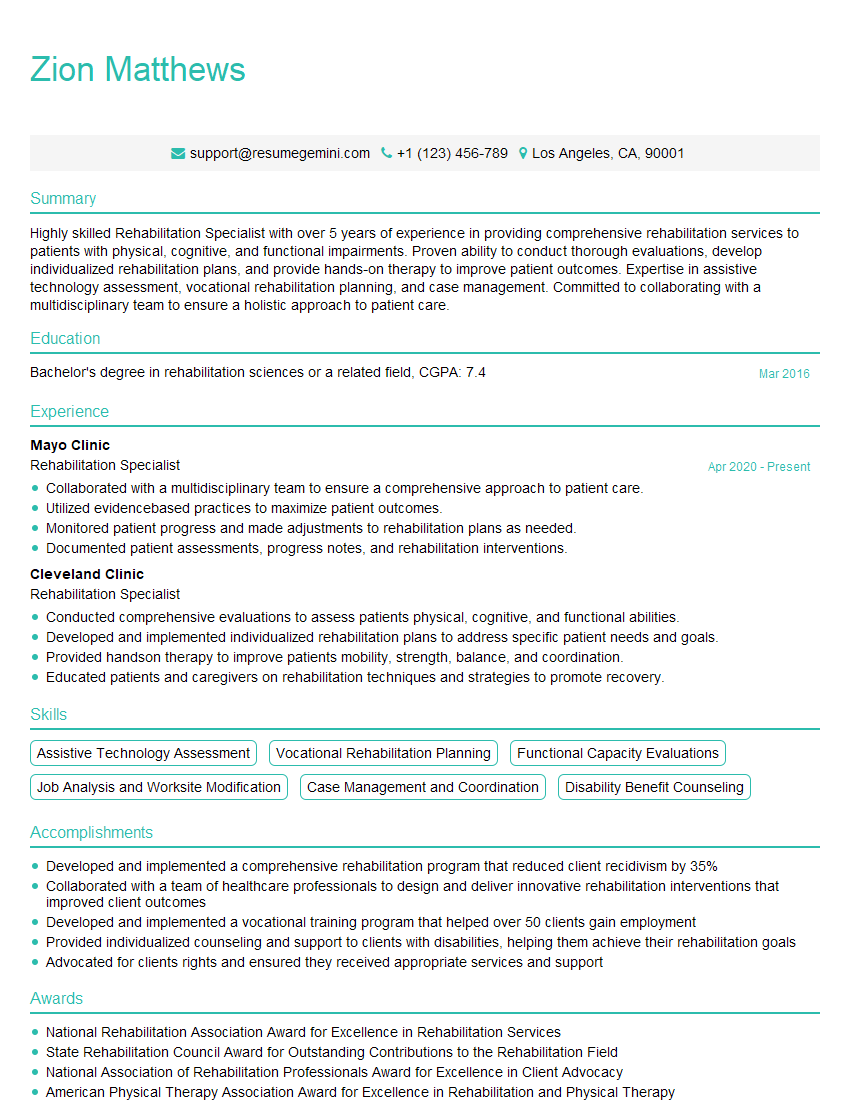
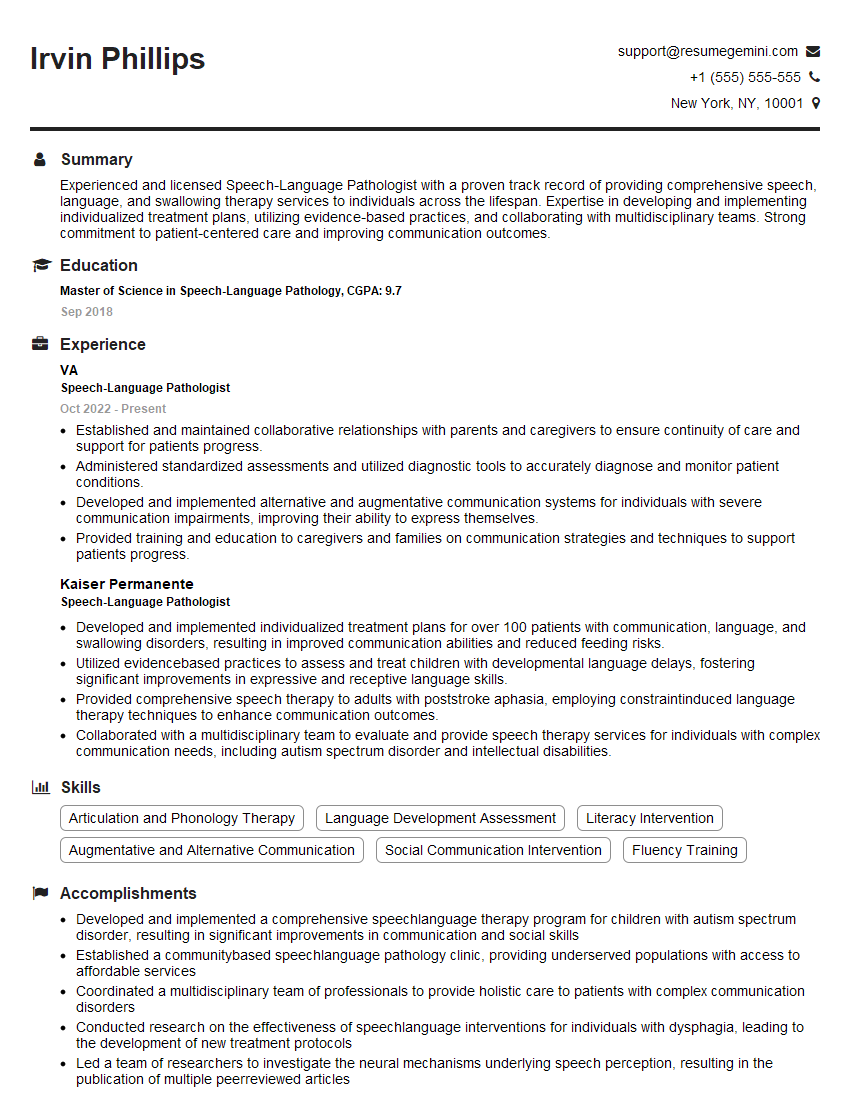
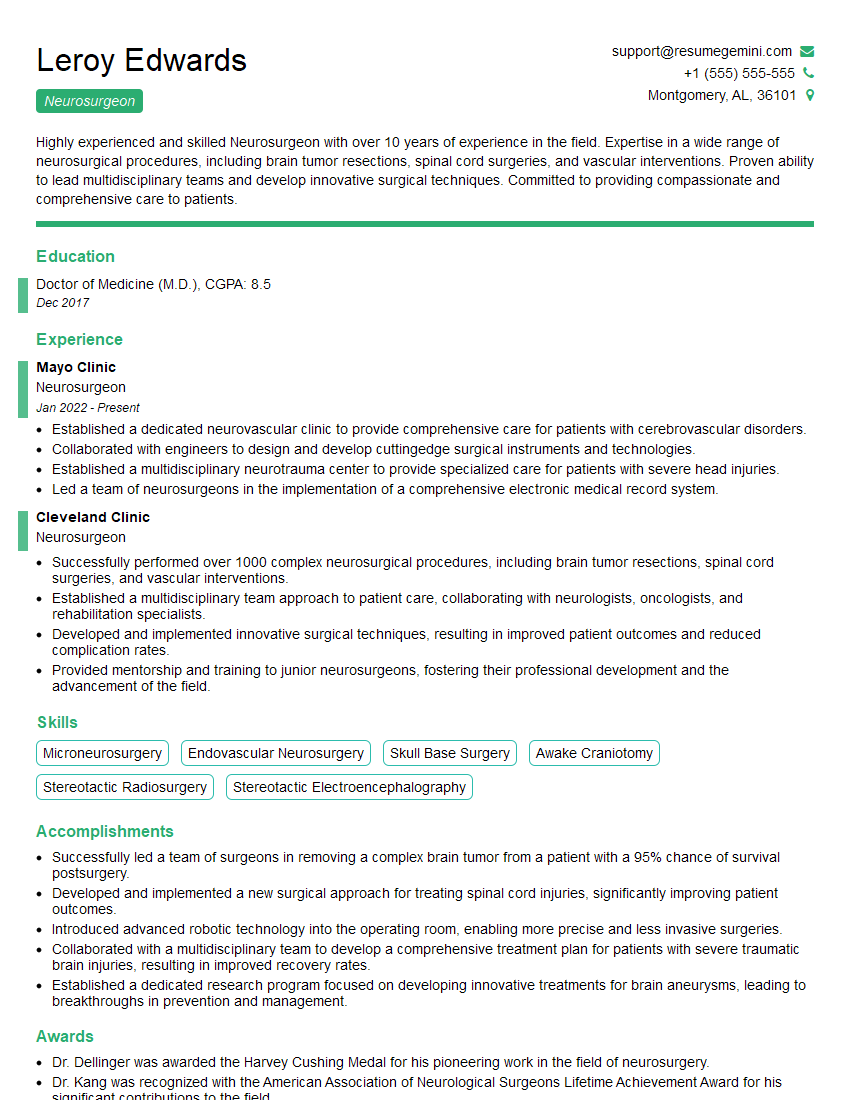
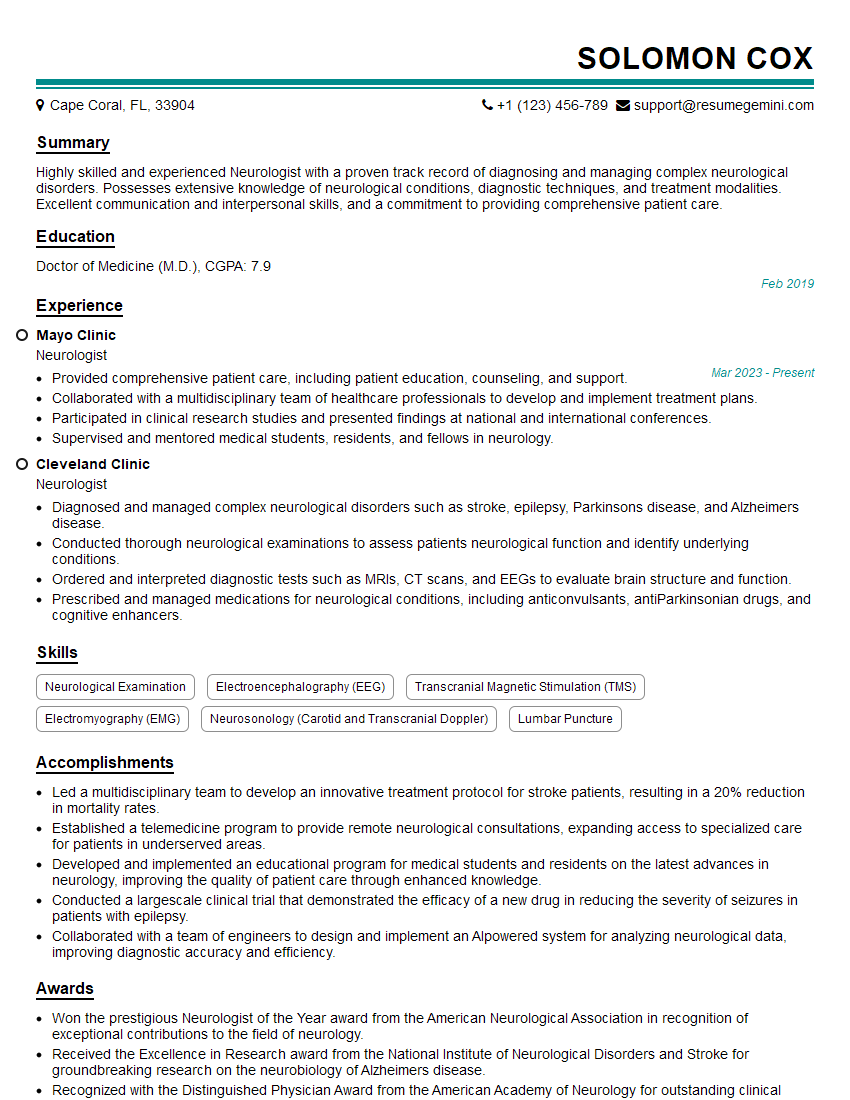
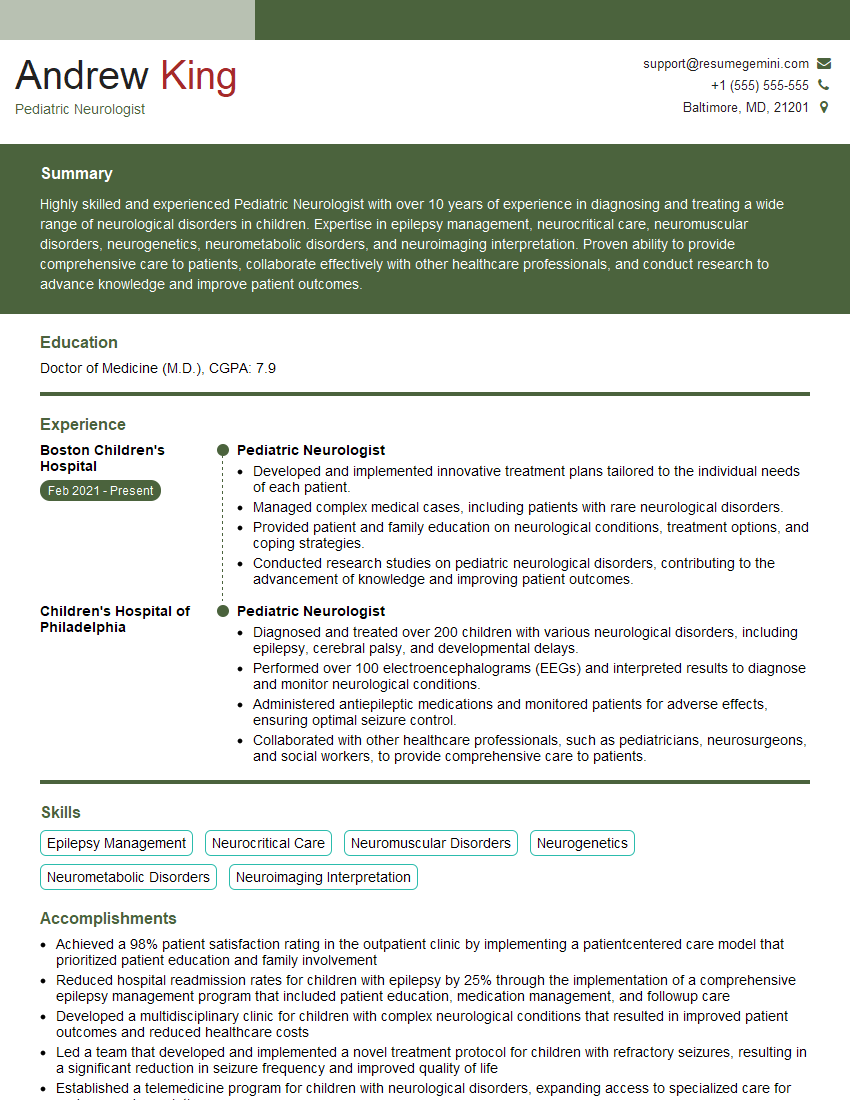
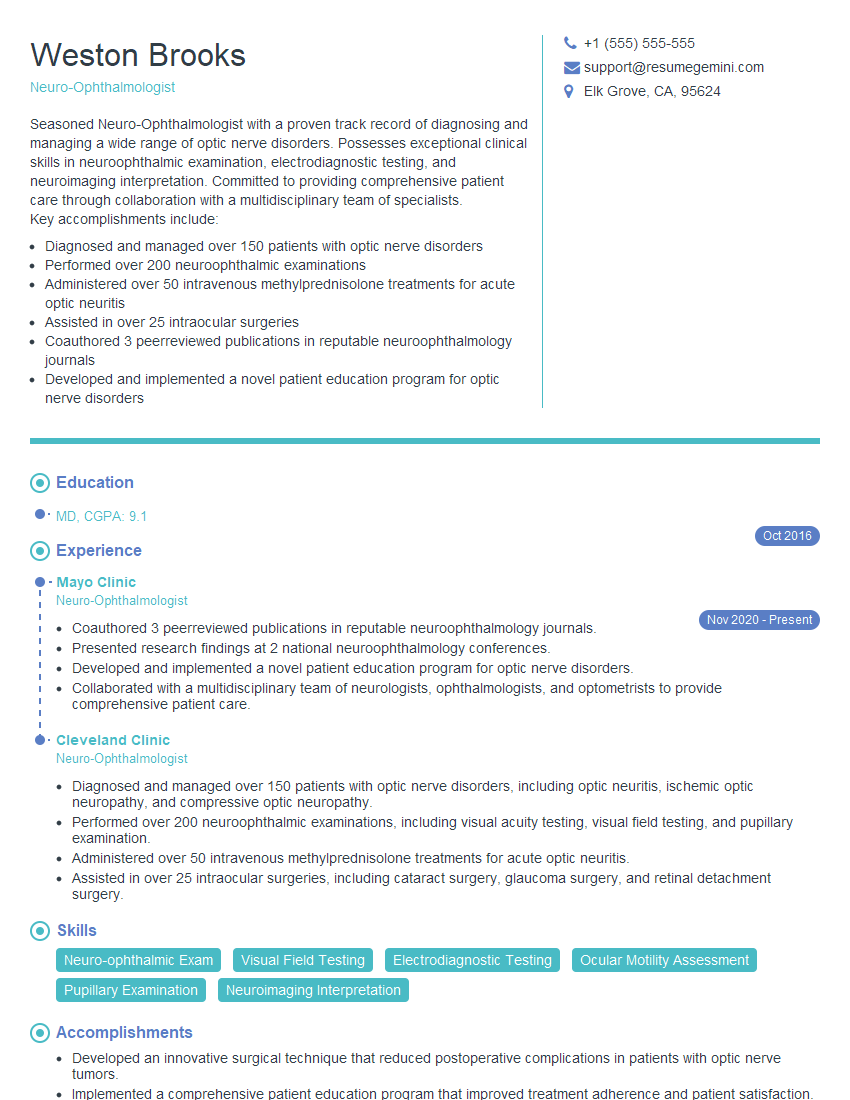
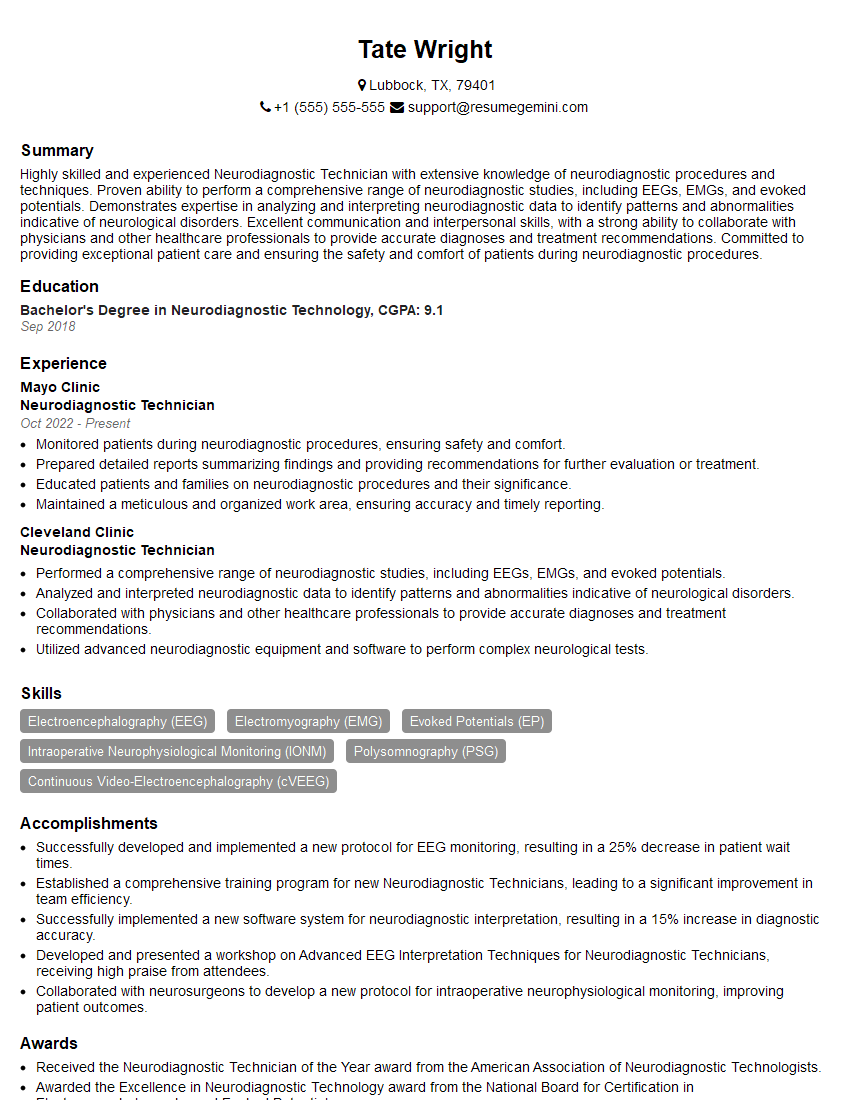
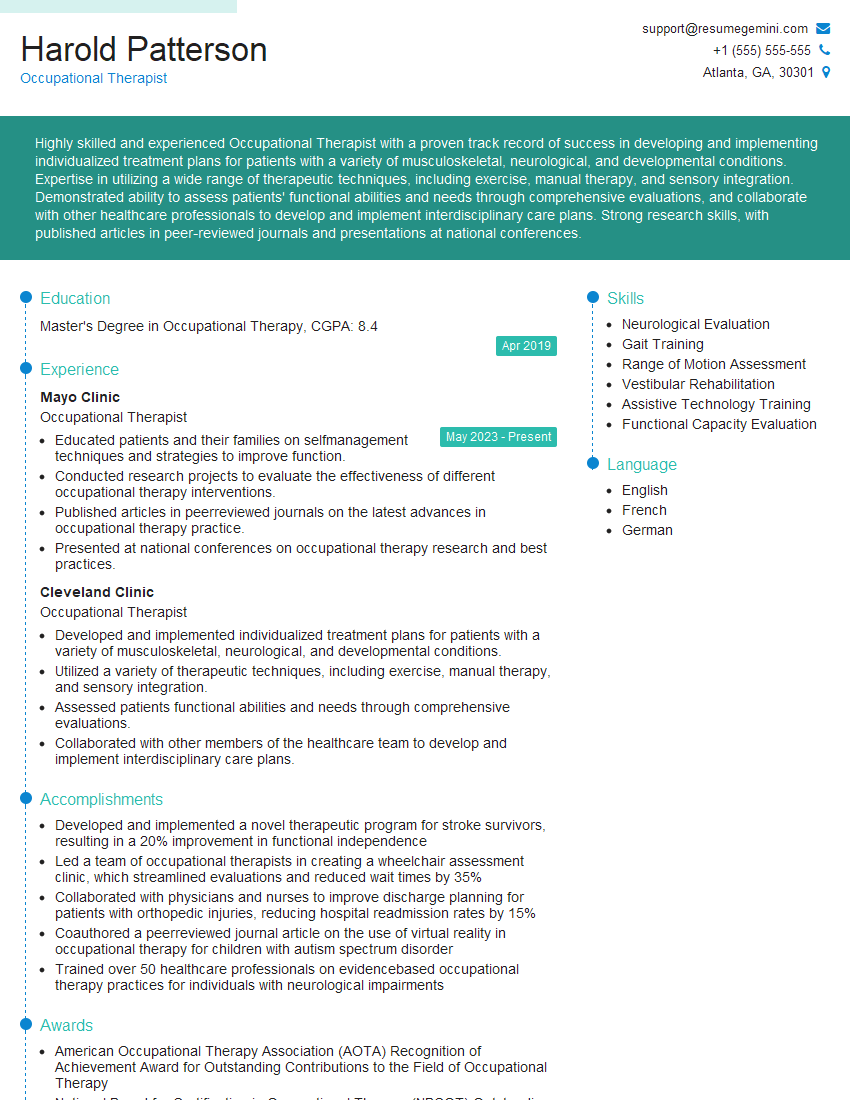
Mastering the treatment of neurological disorders is crucial for career advancement in this rapidly evolving field. A strong understanding of these complex conditions and their management is highly valued by employers. To maximize your job prospects, it’s essential to create an ATS-friendly resume that effectively showcases your skills and experience. We highly recommend using ResumeGemini to build a professional and impactful resume. ResumeGemini provides valuable tools and resources, including examples of resumes tailored to Treatment of Neurological Disorders, to help you present yourself in the best possible light to potential employers.
Explore more articles
Users Rating of Our Blogs
Share Your Experience
We value your feedback! Please rate our content and share your thoughts (optional).
What Readers Say About Our Blog
To the interviewgemini.com Webmaster.
Very helpful and content specific questions to help prepare me for my interview!
Thank you
To the interviewgemini.com Webmaster.
This was kind of a unique content I found around the specialized skills. Very helpful questions and good detailed answers.
Very Helpful blog, thank you Interviewgemini team.