Interviews are more than just a Q&A session—they’re a chance to prove your worth. This blog dives into essential Urinary Catheterization interview questions and expert tips to help you align your answers with what hiring managers are looking for. Start preparing to shine!
Questions Asked in Urinary Catheterization Interview
Q 1. Describe the proper technique for inserting a Foley catheter.
Inserting a Foley catheter, a type of indwelling urinary catheter, requires meticulous technique to minimize the risk of infection and trauma. Think of it like carefully threading a thin, flexible tube into a delicate pathway. Here’s a step-by-step guide:
- Preparation: Gather all necessary sterile supplies (catheter, gloves, antiseptic solution, drapes, lubricant, collection bag), verify patient identity, explain the procedure, and ensure patient privacy. Proper hand hygiene is paramount.
- Positioning: Position the patient appropriately – typically supine with knees slightly bent for females, and supine with legs extended for males. For female patients, separate the labia gently. For male patients, clean the glans penis thoroughly.
- Cleaning: Using aseptic technique, cleanse the urethral meatus with antiseptic wipes, using a single stroke from the center outward. Repeat this process multiple times with fresh wipes. For females, clean each labium majus from the clitoris to the perineum.
- Lubrication: Lubricate the catheter tip generously to facilitate smooth insertion and reduce friction.
- Insertion: Gently insert the catheter into the urethra. For females, advance the catheter approximately 2-3 inches; for males, advance it until urine flows freely. The catheter should not be forced.
- Inflation: Once urine flows, inflate the balloon with sterile water, according to the manufacturer’s instructions. Gently pull back on the catheter to ensure the balloon is properly seated within the bladder.
- Connection and Securing: Connect the catheter to the drainage bag, ensuring the tubing is free of kinks. Secure the catheter to the patient’s thigh using hypoallergenic tape to prevent accidental dislodgement.
- Post-Insertion Care: Ensure proper drainage and monitor urine output regularly. Document the procedure, including catheter size and type, amount of inflation fluid used, and the patient’s response to the procedure.
Remember, sterile technique and gentleness are crucial throughout the entire process.
Q 2. Explain the indications for urinary catheterization.
Urinary catheterization is a procedure with several justifiable indications. We only catheterize when absolutely necessary, weighing the benefits against the risks of infection and other complications. The most common indications include:
- Obstruction of urinary outflow: This can result from kidney stones, prostate enlargement (BPH), or strictures in the urethra. The catheter provides temporary relief until further intervention can be applied.
- Urinary retention: When the bladder is unable to empty itself, a catheter allows the patient to drain their bladder, relieving discomfort and potential for bladder damage.
- Surgical procedures: Catheters are often used before, during, or after certain surgical procedures, particularly those involving the lower abdomen or pelvic area, to keep the bladder empty and monitor urinary output. This reduces the risk of bladder injury during surgery.
- Accurate measurement of urinary output: In critically ill patients, closely monitoring fluid balance is crucial, and catheterization provides a precise method to track urine production.
- Wound care: In cases of extensive wounds around the perineum, or during prolonged periods of incontinence, catheterization might aid in wound healing by keeping the area clean and dry.
- Chronic conditions: Some patients with chronic diseases and neurological impairment may require long-term catheterization due to incontinence.
The decision to catheterize should always be made carefully and based on the individual patient’s needs. Every effort should be made to explore less invasive methods first.
Q 3. What are the potential complications of urinary catheterization?
While essential in many cases, urinary catheterization carries potential complications. It’s important to understand these risks to take appropriate preventative measures. These complications can range from minor discomfort to severe systemic infections:
- Catheter-associated urinary tract infection (CAUTI): This is the most common complication, often caused by bacteria ascending the catheter.
- Urethral trauma: Improper insertion can cause injury to the urethra, leading to bleeding, pain, and possible stricture formation.
- Bladder spasms: The presence of the catheter can irritate the bladder lining, causing painful spasms.
- Encrustation: Mineral deposits can build up on the catheter, obstructing urine flow.
- Urinary incontinence: In some cases, after catheter removal, the bladder may have difficulty regaining its normal function, leading to temporary or persistent incontinence.
- Sepsis: In rare, but serious instances, infection can spread from the urinary tract to the bloodstream, leading to a life-threatening condition.
- Bladder perforation: In rare instances, the catheter can puncture the bladder wall during insertion.
It’s vital to follow strict aseptic techniques, monitor patients closely for signs of infection (fever, cloudy urine, pain), and promptly remove the catheter when it is no longer medically necessary.
Q 4. How do you prevent catheter-associated urinary tract infections (CAUTIs)?
Preventing CAUTIs is a top priority in catheter management. It involves a multi-pronged approach focusing on minimizing bacterial contamination and promoting hygiene.
- Strict aseptic technique during insertion: Adherence to sterile procedures is paramount to prevent initial contamination.
- Proper hand hygiene: Healthcare professionals must diligently wash their hands before and after any interaction with the catheter or the patient.
- Closed drainage system: Maintaining a closed system prevents the entry of external contaminants into the catheter and drainage bag.
- Adequate fluid intake: Encouraging patients to drink plenty of fluids helps flush out bacteria from the urinary tract.
- Prompt catheter removal: As soon as the need for the catheter is over, it should be removed to minimize the risk of infection.
- Catheter care: Regular cleaning of the catheter insertion site using antiseptic solutions can significantly reduce bacterial colonization.
- Regular assessment for infection: Patients should be carefully monitored for signs of infection.
- Appropriate catheter selection: Using smaller-gauge catheters when appropriate can reduce trauma to the urethra and reduce the risk of infection.
Remember, prophylactic antibiotics are generally not recommended for routine catheterization unless there is a specific indication such as a high risk of infection.
Q 5. What are the different types of urinary catheters and their uses?
Several types of urinary catheters exist, each designed for specific purposes. The choice depends on the patient’s needs and the duration of catheterization:
- Foley Catheter (Indwelling Catheter): This is the most common type, with a balloon at the tip that keeps it in place within the bladder. It’s used for long-term drainage.
- Straight Catheter (Intermittent Catheter): Inserted to drain urine and then immediately removed. Used for intermittent bladder emptying, often in patients with urinary retention who can’t void normally.
- Suprapubic Catheter: Inserted surgically through the abdominal wall directly into the bladder. Used for long-term drainage when urethral catheterization isn’t feasible.
- Coude Catheter: A Foley catheter with a curved tip, designed for easier passage around obstructions in the urethra, such as an enlarged prostate.
- Three-way Catheter: A Foley catheter with three lumens (channels). One for drainage, one for inflation, and one for irrigation of the bladder. Often used to irrigate blood clots or debris in the bladder after surgery.
Selecting the appropriate catheter involves careful consideration of patient anatomy, medical history, and the reason for catheterization.
Q 6. How do you measure the correct length for catheter insertion?
Accurately measuring the catheter length is crucial to prevent bladder trauma. Improper length can lead to urethral damage or failure to reach the bladder. We measure the distance from the urethral meatus (opening) to the pubic symphysis (joint in the pelvis). Then, add approximately 2-3 inches (5-7.5 cm) for females and 7-10 inches (17.5-25 cm) for males to ensure it reaches into the bladder. For suprapubic catheters, imaging guidance is necessary.
Important Note: This is an estimated measurement and might need adjustment based on patient’s individual anatomy. For males, this measurement might need adjustment if the patient has an enlarged prostate which would require a slightly longer length.
Q 7. How do you confirm proper catheter placement?
Confirmation of proper catheter placement is essential to prevent complications. Several methods are used:
- Visual confirmation of urine flow: The most straightforward method is observing free urine flow following catheter insertion.
- Palpation of the inflated balloon: Gently palpate the area just above the pubic bone. A properly placed catheter with an inflated balloon should be palpable.
- X-ray (if needed): In ambiguous cases, an X-ray can confirm catheter placement and rule out any complications, like bladder perforation.
- Urine output monitoring: Monitor urine output frequently. Absence or significantly reduced urine output could indicate improper placement, obstruction or other complications.
It is essential to document the method used for confirming proper catheter placement. A detailed record is important to maintain accurate patient care.
Q 8. What is the procedure for removing a urinary catheter?
Removing a urinary catheter is a relatively straightforward procedure, but it’s crucial to perform it gently and aseptically to minimize the risk of infection and discomfort. The steps typically involve:
- Hand Hygiene: Thorough handwashing with soap and water, or the use of an alcohol-based hand rub, is paramount.
- Gather Supplies: You’ll need clean gloves, sterile drapes, a basin, and possibly lubricant.
- Patient Assessment: Check the patient’s overall condition and comfort level. Assess the catheter’s position and securement.
- Deflate Balloon (if applicable): If the catheter has a balloon, carefully aspirate the fluid using a syringe, following the instructions provided by the manufacturer. It’s crucial to fully deflate the balloon to avoid trauma during removal.
- Gentle Removal: Slowly and gently withdraw the catheter while maintaining aseptic technique. Avoid jerking or pulling.
- Observe Urine: Check the urine for any abnormalities. Immediately afterwards, measure the first void of urine.
- Post-Removal Care: Provide perineal care, ensuring the area is clean and dry. Monitor the patient for any signs of infection or discomfort.
- Documentation: Record the time of removal, the amount of fluid aspirated (if applicable), and the patient’s response to the procedure.
For example, I recently removed a catheter from a patient recovering from a prostate surgery. By meticulously following these steps, we ensured a smooth, comfortable experience, and the patient experienced no complications post-removal.
Q 9. How do you manage a blocked urinary catheter?
A blocked urinary catheter is a serious complication that requires prompt intervention. The first step is to assess the patient for signs of bladder distension (pain, discomfort, and increased abdominal girth). Never force fluid through a blocked catheter.
- Check for Kinks: Gently examine the tubing for any kinks or bends that could be obstructing the flow. Straightening the tubing often resolves the issue.
- Irrigate (with caution): Sterile irrigation with saline solution might be necessary. However, this should only be done if the cause of the blockage is suspected to be particulate matter and should be performed only with the guidance of a medical professional or a clear protocol. Over-irrigation can cause bladder trauma or infection.
- Consider Recatheterization: In some cases, the catheter may need to be removed and a new one inserted. This is especially true if the blockage is caused by blood clots, sediment, or damage to the catheter itself. If the blockage persists, always consult a physician.
- Assess for underlying causes: Consider if the cause is related to infection, clot formation, or anatomical issues which will dictate the next course of action.
Imagine a patient with a Foley catheter experiencing sudden urinary retention. By systematically checking for kinks, and carefully assessing if irrigation is necessary, we might be able to restore urine flow, avoiding the need for a new catheter insertion.
Q 10. How do you irrigate a urinary catheter?
Catheter irrigation is the process of flushing a catheter with a sterile solution to clear blockages, maintain patency (keep it open), or to administer medications. It requires strict adherence to sterile technique to prevent infection.
- Hand Hygiene: Always start with thorough handwashing.
- Gather Supplies: You’ll need sterile gloves, a sterile irrigation syringe (usually 30-60ml), a sterile irrigation solution (usually normal saline), and possibly a drainage bag for collecting fluid.
- Prepare the Syringe and Solution: Draw up the appropriate amount of sterile irrigation solution into the syringe.
- Clamp the Catheter: Clamp the catheter tubing distal (away) to the injection port to prevent backflow of fluid into the urinary tract.
- Connect the Syringe: Attach the syringe to the injection port using sterile technique.
- Instill the Solution: Gently instill the solution into the catheter, observing for resistance. Stop immediately if you encounter resistance.
- Unclamp and Drain: Unclamp the catheter and allow the solution, along with any debris, to drain.
- Repeat as Necessary: Repeat the process as needed until the blockage is cleared or until the physician deems it appropriate.
- Document: Record the procedure, the amount of solution used, and the patient’s response.
For instance, if a patient’s catheter becomes clogged with blood clots after a surgery, careful irrigation with normal saline can help restore patency, relieving discomfort and preventing bladder distention. However, it is vital to remember this is not a first-line treatment and is often not indicated without consulting a physician.
Q 11. What are the signs and symptoms of a urinary tract infection (UTI) related to catheterization?
Catheter-associated urinary tract infections (CAUTIs) are a significant concern. Signs and symptoms can vary in severity but commonly include:
- Cloudy or foul-smelling urine: A change in the appearance or odor of the urine is a strong indicator of infection.
- Fever and chills: Systemic signs of infection, such as fever and chills, are common.
- Increased frequency or urgency of urination: Patients may experience a strong urge to urinate more often than usual.
- Pain or burning during urination (dysuria): Pain or discomfort during urination is another common sign.
- Suprapubic pain: Pain above the pubic bone indicates bladder irritation.
- Hematuria: Blood in the urine, which can range from barely visible to very noticeable. This requires prompt attention.
For example, a patient with a catheter might present with a sudden onset of fever, cloudy urine, and complaints of pain in the lower abdomen. These findings would immediately trigger a suspicion of CAUTI, prompting further investigation and treatment, such as urine culture and antibiotic therapy.
Q 12. How do you assess for catheter-related discomfort or complications?
Assessing for catheter-related discomfort and complications involves regular monitoring and a thorough assessment of the patient.
- Regular Checks: Regularly assess the catheter site for signs of infection (redness, swelling, tenderness, purulent drainage), and ensure the catheter is securely taped and positioned correctly to avoid kinking or blockage.
- Patient Interview: Regularly ask the patient about their comfort level and any discomfort they experience in the urinary tract or the insertion area. It’s important to create a safe environment where the patient feels comfortable sharing their issues.
- Urine Output Monitoring: Track the amount and characteristics of urine output. Decreased output or changes in color or odor can be indicative of problems.
- Bladder Scan: A bladder scan can be used to assess post-void residual volume, helping to detect possible bladder distention or incomplete emptying.
- Physical Exam: Pay attention to vital signs, abdominal examination, and assessment of the catheter insertion site.
For example, during a routine check-up, if a patient reports increased burning sensation during urination and has slightly cloudy urine, it calls for a prompt examination of the catheter and urine sample, potentially indicating the onset of an infection.
Q 13. Describe your experience with different catheter sizes and materials.
My experience encompasses a wide range of catheter sizes and materials. Catheter size is determined by the French (Fr) scale, which indicates the outer diameter of the catheter. Larger Fr numbers indicate larger catheters. Material selection depends on the patient’s needs and the duration of catheterization.
- Sizes: I’ve worked with catheters ranging from 8 Fr (for pediatric or some female patients) to 24 Fr (for male patients with significant urinary retention). The appropriate size is determined by factors such as patient anatomy and expected urine output.
- Materials: Common materials include latex, silicone, and polyurethane. Latex is the most common and cost-effective but carries an increased risk of allergic reactions. Silicone and polyurethane catheters are biocompatible, reducing the risk of irritation and infection, and are typically preferred for long-term use.
- Types: I have experience with various catheter types, including Foley catheters (indwelling catheters with balloons), Coude catheters (curved tip for easier insertion in men with enlarged prostates), and straight catheters (intermittent catheters used for temporary drainage).
For example, I chose a silicone coated catheter for a patient with a history of latex allergy, prioritizing patient comfort and minimizing the risk of a reaction. Selecting the appropriate material and size is crucial for patient comfort and to prevent complications.
Q 14. Explain the importance of maintaining a sterile field during catheterization.
Maintaining a sterile field during catheterization is paramount to prevent the introduction of microorganisms into the urinary tract, thus significantly reducing the risk of CAUTI. A CAUTI can lead to serious complications and prolonged hospital stays. Think of it like a surgical procedure – the goal is to create an environment free from bacteria.
- Hand Hygiene: This is the foundation; thorough handwashing before and after the procedure is crucial.
- Sterile Gloves: Always use sterile gloves to minimize contamination.
- Sterile Drapes: Use sterile drapes to create a barrier around the catheterization area. This creates a clean zone where microorganisms can not spread.
- Sterile Equipment: Use only sterile equipment. This includes the catheter, syringes, lubricant, and any other materials used in the procedure.
- Aseptic Technique: This goes beyond just using sterile materials. It also includes proper preparation of the patient, careful handling of equipment to avoid contamination, and avoiding unnecessary touching.
Failing to maintain a sterile field can lead to a high risk of infection. Even a small lapse in technique can introduce bacteria that will multiply and colonize in the urinary tract. I’ve seen firsthand the devastating consequences of neglecting sterile technique; meticulously following the protocol is non-negotiable in this procedure.
Q 15. How do you handle a situation where you encounter resistance during catheter insertion?
Encountering resistance during catheter insertion is a common challenge, and how we handle it is crucial to patient safety and comfort. The first step is to stop immediately. Forcing a catheter can cause trauma to the urethra, leading to bleeding, infection, and significant pain.
Next, we assess the situation. Is the resistance due to anatomical factors like a stricture (narrowing) of the urethra, an enlarged prostate (in men), or a kink in the catheter? Or could it be due to incorrect positioning or a poorly lubricated catheter? We carefully assess the patient’s medical history, noting any conditions that might contribute to this issue.
Strategies to overcome resistance include:
- Re-assessing technique: Gently rotate the catheter and try a slightly different angle. This can help navigate around anatomical obstacles.
- Adjusting lubrication: Insufficient lubrication is a frequent cause of resistance. Ensure adequate lubrication of the catheter and the urethral meatus (opening).
- Applying gentle pressure: Once the obstruction is identified, we apply *gentle* pressure, avoiding forceful insertion. A small amount of forward pressure with frequent pauses may allow the catheter to pass through the obstruction.
- Seeking assistance: If resistance persists, we seek assistance from a senior colleague or a physician. They may be able to offer different techniques or identify underlying anatomical issues requiring further investigation.
- Consider alternative techniques: In some situations, a different type of catheter or a different insertion technique may be necessary.
It’s crucial to document all attempts, including any resistance encountered, the techniques used to overcome it, and any interventions taken. Patient discomfort should be monitored and addressed throughout the process.
Career Expert Tips:
- Ace those interviews! Prepare effectively by reviewing the Top 50 Most Common Interview Questions on ResumeGemini.
- Navigate your job search with confidence! Explore a wide range of Career Tips on ResumeGemini. Learn about common challenges and recommendations to overcome them.
- Craft the perfect resume! Master the Art of Resume Writing with ResumeGemini’s guide. Showcase your unique qualifications and achievements effectively.
- Don’t miss out on holiday savings! Build your dream resume with ResumeGemini’s ATS optimized templates.
Q 16. What are the legal and ethical considerations related to urinary catheterization?
Urinary catheterization carries significant legal and ethical implications. Consent is paramount. We must obtain informed consent from the patient, or their legal guardian, before initiating the procedure. This means explaining the procedure, its benefits, risks, and potential alternatives in terms they understand.
Confidentiality is another key aspect. All information related to the procedure, the patient’s condition, and the results must be kept strictly confidential in accordance with privacy regulations such as HIPAA (in the US) or equivalent legislation in other countries.
Infection control is a major legal and ethical concern. Strict adherence to aseptic techniques minimizes the risk of catheter-associated urinary tract infections (CAUTIs), a serious complication. Failure to follow these protocols can lead to legal liability.
Competence is also vital. Only properly trained and qualified healthcare professionals should perform this procedure. Performing catheterization without proper training is both unethical and potentially illegal.
Furthermore, the principle of least restriction should guide the decision-making process. If less invasive methods, such as intermittent catheterization or other strategies to improve urinary function, are available and suitable, these should be prioritized over indwelling catheterization.
Q 17. How do you document the catheterization procedure accurately?
Accurate documentation of the catheterization procedure is essential for maintaining a complete and accurate patient record and minimizing any risk of complications. The documentation should be concise, clear, and objective.
Key elements of the documentation should include:
- Date and time: Precisely record when the procedure was performed.
- Type of catheter used: Specify the size, type (e.g., Foley, Coude), and material of the catheter.
- Insertion technique: Briefly describe the method used and any difficulties encountered.
- Amount of urine drained: Record the initial volume of urine collected post-catheterization.
- Patient’s response: Note any discomfort, bleeding, or other observations.
- Post-insertion assessment: Record the catheter’s position (e.g., whether it’s properly positioned in the bladder) and the patient’s comfort level.
- Any complications: Document any complications or unusual events during or after the procedure (e.g., bleeding, infection).
- Orders: Include any orders for follow up care or additional interventions.
Documentation should be written according to the facility’s established standards and protocols and should be easily understandable by other healthcare professionals.
Q 18. What is your experience with intermittent catheterization?
Intermittent catheterization (IC) is a technique where a catheter is inserted into the bladder to drain urine, and then removed immediately after the bladder is emptied. This contrasts with indwelling catheters which remain in place for a prolonged period. I have extensive experience with IC, particularly in patients with spinal cord injuries or neurological conditions affecting bladder function.
Advantages of IC over indwelling catheters include:
- Reduced risk of CAUTIs: Because the catheter is only in place for a short period, the risk of infection is significantly lower.
- Preservation of bladder function: Regular IC can help maintain bladder tone and function in some patients.
- Improved patient comfort: Many patients find IC more comfortable and less intrusive than an indwelling catheter.
However, IC requires patient or caregiver training, and adherence to sterile technique is crucial to prevent infection. We thoroughly teach patients (or caregivers) the correct procedure, emphasizing the importance of hand hygiene, proper catheter insertion, and bladder emptying techniques. We also provide regular follow-up and assess for any signs of infection or complications.
Q 19. Describe your understanding of the different types of urinary retention.
Urinary retention is the inability to empty the bladder completely. There are several types:
- Acute urinary retention (AUR): This is a sudden inability to urinate, often accompanied by severe bladder distension and pain. It’s a medical emergency requiring immediate intervention, often involving catheterization to relieve pressure.
- Chronic urinary retention (CUR): This is a gradual development of urinary retention, where the bladder doesn’t fully empty over time. It can lead to frequent urination, incontinence, and recurrent urinary tract infections. It’s typically managed with lifestyle modifications, medications, or intermittent catheterization.
- Overflow urinary retention: This occurs when the bladder is overdistended and urine leaks out involuntarily, even though the bladder hasn’t emptied completely. It is often caused by an obstruction in the bladder outlet or a neurological problem affecting bladder control.
- Post-void residual (PVR): This refers to the amount of urine remaining in the bladder after urination. A high PVR can indicate urinary retention, but it’s not always a symptom of retention itself. A PVR can be found in a variety of circumstances including some patients who urinate normally.
The causes of urinary retention are diverse and depend on the type of retention, ranging from benign prostatic hyperplasia (BPH) and neurological disorders to medication side effects and urethral strictures. Appropriate diagnosis and management require a thorough assessment of the patient’s history, physical examination, and potentially imaging studies.
Q 20. How would you explain the procedure to a patient before catheterization?
Explaining the catheterization procedure to a patient before it begins is crucial for gaining their trust and cooperation. I always start by addressing the patient’s concerns and questions in a calm and reassuring manner. My approach involves using clear, simple language, avoiding medical jargon, and ensuring the patient understands the purpose of the procedure and what to expect.
My explanation generally includes:
- A clear explanation of why the catheter is necessary: The reasoning should be simple and easy to understand, relating the need for catheterization to the patient’s condition or symptoms.
- A step-by-step description of the procedure: I explain the steps involved, emphasizing that I will use sterile technique and try to minimize any discomfort.
- A discussion of the potential risks and benefits: I highlight the benefits of the procedure (e.g., relief of bladder distension, preventing infection), and acknowledge potential risks such as infection, bleeding, and discomfort.
- An opportunity for questions: I encourage patients to ask any questions they have and answer them truthfully and patiently.
- A discussion of post-procedure care: I inform patients on what to expect after the procedure (e.g., how to care for the catheter if it’s indwelling).
I ensure that the patient feels empowered to make an informed decision and understands that they can stop the procedure at any time if they feel uncomfortable.
Q 21. How do you ensure patient comfort during the procedure?
Ensuring patient comfort during urinary catheterization is a top priority. This begins with a calm and reassuring demeanor. A relaxed and confident approach can help reduce the patient’s anxiety.
Specific strategies include:
- Privacy: Providing a private and comfortable environment is essential. Closing the curtains or door and ensuring that only necessary personnel are present can help the patient feel more at ease.
- Positioning: The patient’s position should be comfortable and conducive to the procedure. In most cases, a supine (lying on the back) position with knees slightly bent works well. Adjusting pillows and supporting the body can enhance comfort.
- Pain management: Adequate lubrication of the catheter is vital to minimize discomfort. For patients who are particularly anxious or sensitive, topical anesthetic gel can be applied to the urethral meatus prior to insertion.
- Distraction: Engaging the patient in conversation or offering relaxation techniques can help to distract them from the procedure.
- Gentle handling: Using gentle and careful techniques during the entire process is crucial. Avoid quick movements or unnecessary pressure.
- Post-procedure care: After catheter insertion, ensure appropriate post-procedure care, addressing any discomfort and providing information on how to maintain hygiene and catheter care.
Regularly assessing the patient’s comfort level throughout the procedure and making necessary adjustments based on their feedback is essential to a positive patient experience.
Q 22. How do you assess for patient allergies before catheterization?
Assessing for allergies before catheterization is crucial to prevent adverse reactions. It’s a fundamental step in ensuring patient safety. I always begin by directly asking the patient about any known allergies, particularly to latex, adhesives, iodine, and various antiseptic solutions. This verbal assessment is documented in the patient’s chart. I also review the patient’s medical record for any documented allergies. If there’s any uncertainty or if the patient has a history of allergic reactions, I consult the allergy specialist or review the patient’s allergy record in detail before proceeding. For example, a patient who’s allergic to latex would require a latex-free catheter and gloves. Similarly, sensitivity to povidone-iodine necessitates the use of alternative antiseptics like chlorhexidine. This meticulous approach minimizes risks and improves the patient’s experience.
Q 23. What is the appropriate fluid balance management for patients with urinary catheters?
Fluid balance management in patients with urinary catheters is paramount to prevent complications. The goal is to maintain adequate hydration while avoiding fluid overload, which can stress the kidneys and heart. This involves carefully monitoring fluid intake and output (I&O). I regularly assess the patient’s urine output, noting color, clarity, and volume. The catheter provides a precise measurement of urine output, which is crucial for accurate I&O tracking. I correlate this data with the patient’s overall fluid intake, including intravenous fluids, oral fluids, and any other sources. For example, a patient with reduced urine output despite adequate fluid intake might suggest kidney dysfunction or other complications requiring further investigation. Close monitoring and timely intervention are critical in maintaining optimal fluid balance.
Q 24. What are the signs of urinary catheter leakage?
Signs of urinary catheter leakage can vary. The most obvious sign is the presence of urine around the catheter insertion site, on the bedding, or on the patient’s clothing. Other indicators include decreased urine output in the collection bag despite expected urine production, or a sudden drop in urine output followed by an increase in the patient’s abdominal distension. A palpable bladder, even when the catheter bag appears empty, also suggests leakage. The patient may report discomfort or dampness around the catheter site. Addressing leakage promptly involves checking catheter placement and securing the catheter appropriately. If the leak persists, further evaluation may be needed to identify potential causes, such as a damaged catheter or bladder perforation.
Q 25. How do you recognize and respond to catheter-associated bladder spasms?
Catheter-associated bladder spasms manifest as sudden, intense pain in the lower abdomen, often accompanied by urgency and frequency of urination. The patient may also experience involuntary bladder contractions and spasms. Recognizing these symptoms is crucial. Immediate response involves assessing the patient’s comfort level and relieving bladder spasms. This usually involves temporarily disconnecting the catheter’s drainage tubing to relieve pressure and assessing the status of the system. For severe spasms, pain medication may be necessary. Sometimes the cause lies in the type of catheter or the need for catheter irrigation. In other cases, a change in the patient’s position or careful assessment for other underlying issues can help.
Q 26. What is your experience with suprapubic catheters?
I have extensive experience with suprapubic catheters, which are placed surgically through the abdominal wall directly into the bladder. These catheters are often preferred for long-term drainage and reduce the risk of urethral infections and trauma, compared to indwelling urethral catheters. I am proficient in the procedure’s insertion and removal, along with managing potential complications such as infections and blockages. For example, I’ve managed several patients with suprapubic catheters for neurogenic bladder conditions, where urethral catheterization isn’t feasible. I always emphasize meticulous aseptic technique during insertion and regular monitoring to prevent infections. Patient education is vital; I teach patients and caregivers how to identify signs of infection or blockage, how to manage urine collection, and how to maintain appropriate catheter care to ensure optimal patient outcomes.
Q 27. How do you manage a patient with a suspected catheter-related bloodstream infection?
Suspected catheter-related bloodstream infections (CRBSIs) require immediate and aggressive action. The first step is to obtain blood cultures to identify the causative organism and perform a urine culture. The catheter is removed promptly, followed by initiating broad-spectrum intravenous antibiotics guided by culture results. I collaborate with the infection control team to review infection prevention protocols and identify potential sources of contamination. Closely monitoring the patient’s vital signs, including temperature, heart rate, and blood pressure, is crucial. Supportive care, including hydration and pain management, is provided as needed. I meticulously document all interventions and patient responses, ensuring proper follow-up and adherence to infection control guidelines to prevent further spread.
Q 28. What is your understanding of the use of urinary catheters in specific patient populations (e.g., pediatric, geriatric)?
Urinary catheterization practices differ across patient populations. In pediatrics, catheter size and type are chosen based on the child’s age and size. Special care is taken to minimize trauma and discomfort. For geriatric patients, consideration is given to their physical frailty, potential cognitive impairment, and increased risk of infection. Frequent monitoring for complications like urinary tract infections (UTIs) and bladder spasms is crucial. For example, in elderly patients, a smaller-gauge catheter is often used to reduce urethral trauma. Moreover, in both pediatric and geriatric patients, appropriate patient and family education on proper catheter care is provided to ensure the longevity of the catheter and prevent infection.
Key Topics to Learn for Urinary Catheterization Interview
- Indications and Contraindications: Understanding the medical necessity and potential risks associated with catheterization.
- Types of Catheters: Familiarize yourself with different catheter types (e.g., Foley, Coude, straight), their uses, and appropriate selection based on patient needs.
- Sterile Technique and Infection Control: Mastering aseptic techniques to minimize the risk of urinary tract infections (UTIs).
- Catheter Insertion Procedure: Thorough knowledge of the step-by-step process, including patient preparation, positioning, lubrication, and insertion techniques.
- Post-Insertion Care: Understanding proper catheter maintenance, including bladder irrigation, fluid intake monitoring, and signs of infection or complications.
- Catheter Removal Procedure: Knowing the safe and efficient method for removing the catheter and providing post-removal care.
- Complications and Troubleshooting: Recognizing potential complications (e.g., bleeding, infection, blockage) and implementing appropriate interventions.
- Documentation and Reporting: Understanding the importance of accurate and detailed documentation of the procedure and patient’s response.
- Legal and Ethical Considerations: Familiarize yourself with patient rights, informed consent, and potential legal ramifications.
- Patient Education and Communication: Understanding how to effectively communicate with patients and their families about the procedure and post-procedure care.
Next Steps
Mastering urinary catheterization is crucial for career advancement in healthcare, demonstrating proficiency in a vital clinical skill. A strong resume is your key to unlocking exciting opportunities. Creating an ATS-friendly resume increases your chances of getting your application noticed. We recommend using ResumeGemini to build a professional and impactful resume that highlights your skills and experience. ResumeGemini provides examples of resumes tailored to Urinary Catheterization to help guide you. Invest in your future – build a winning resume today!
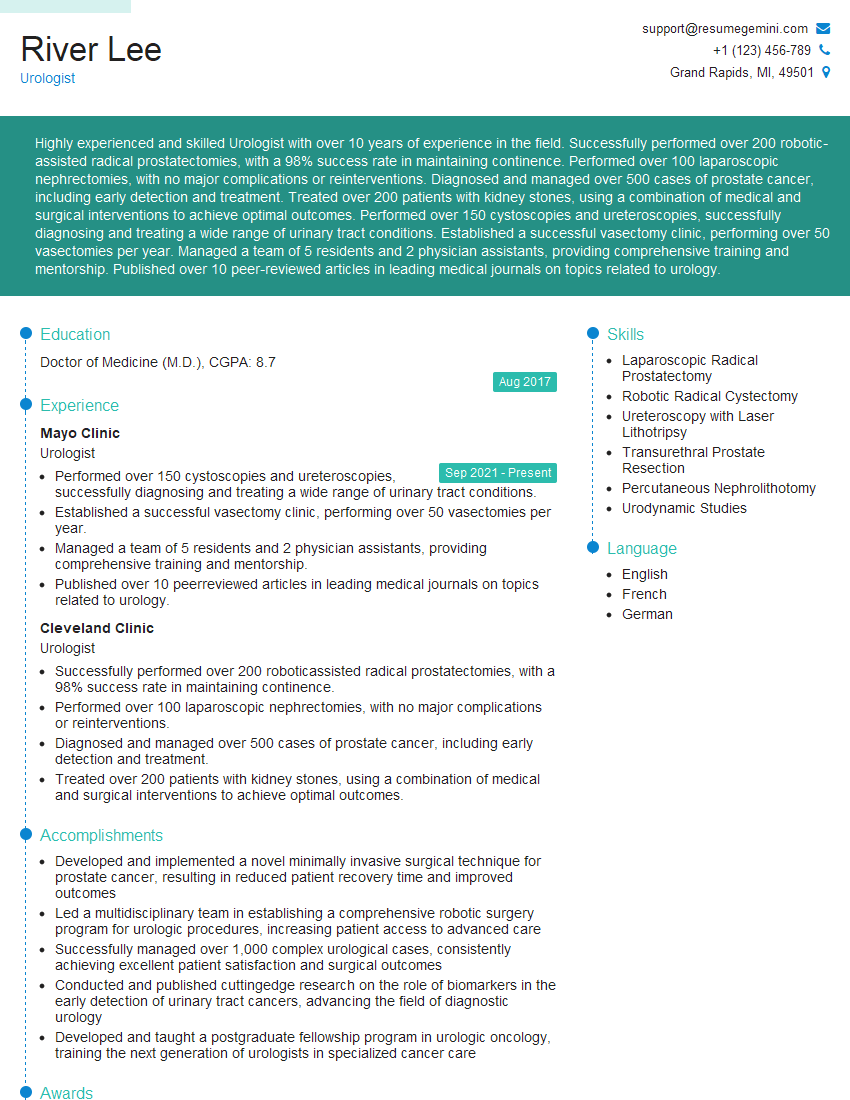
Urologist Resume Sample
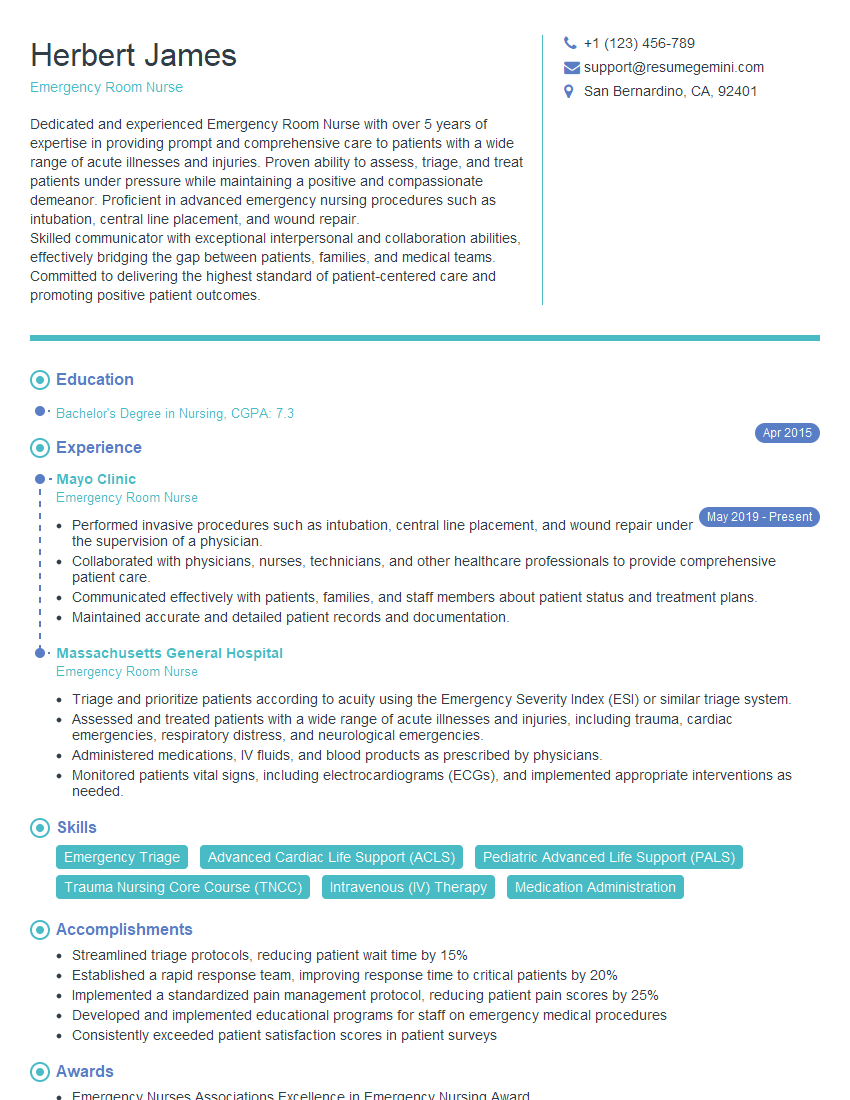
Emergency Room Nurse Resume Sample
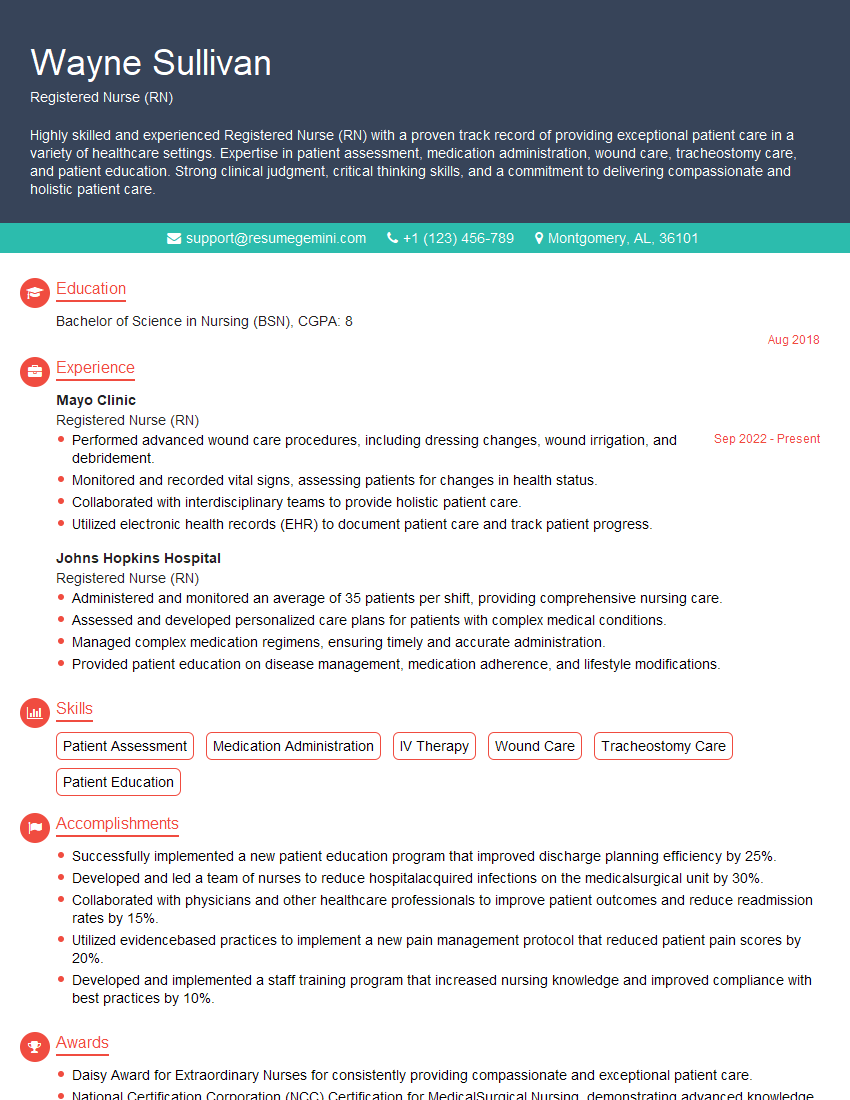
Registered Nurse (RN) Resume Sample
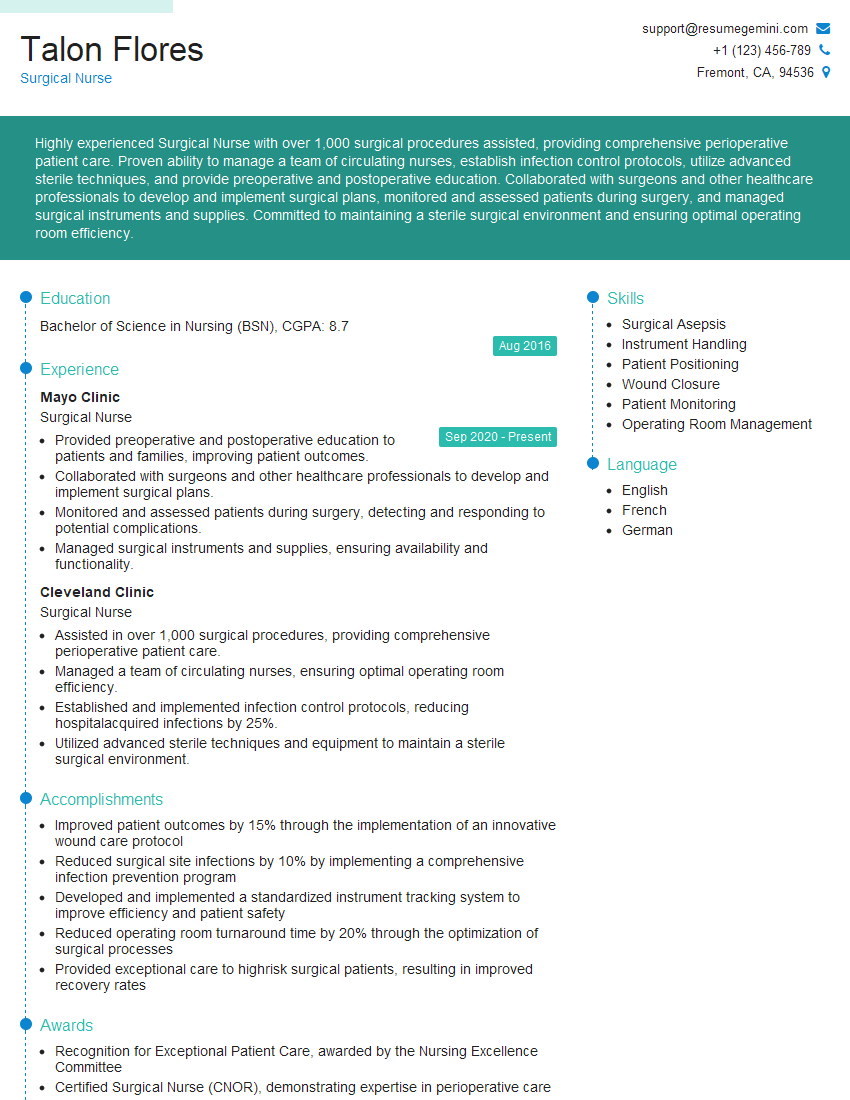
Surgical Nurse Resume Sample
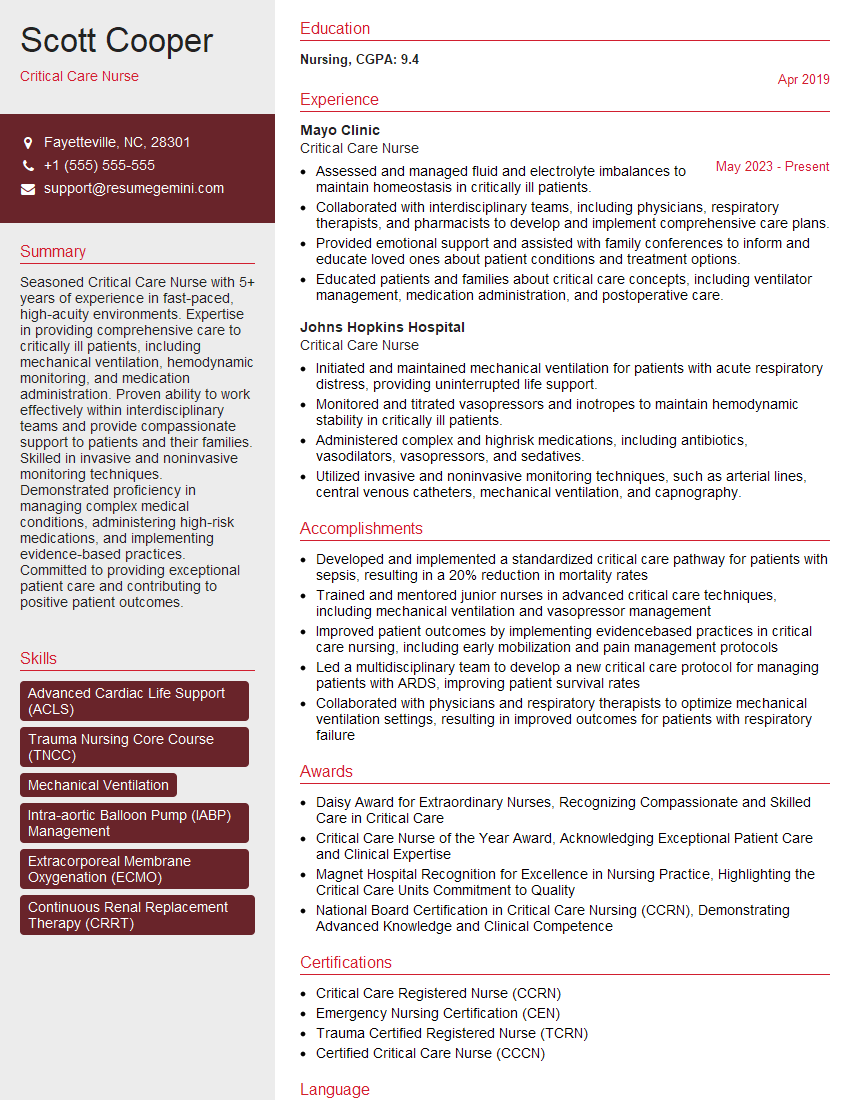
Critical Care Nurse Resume Sample
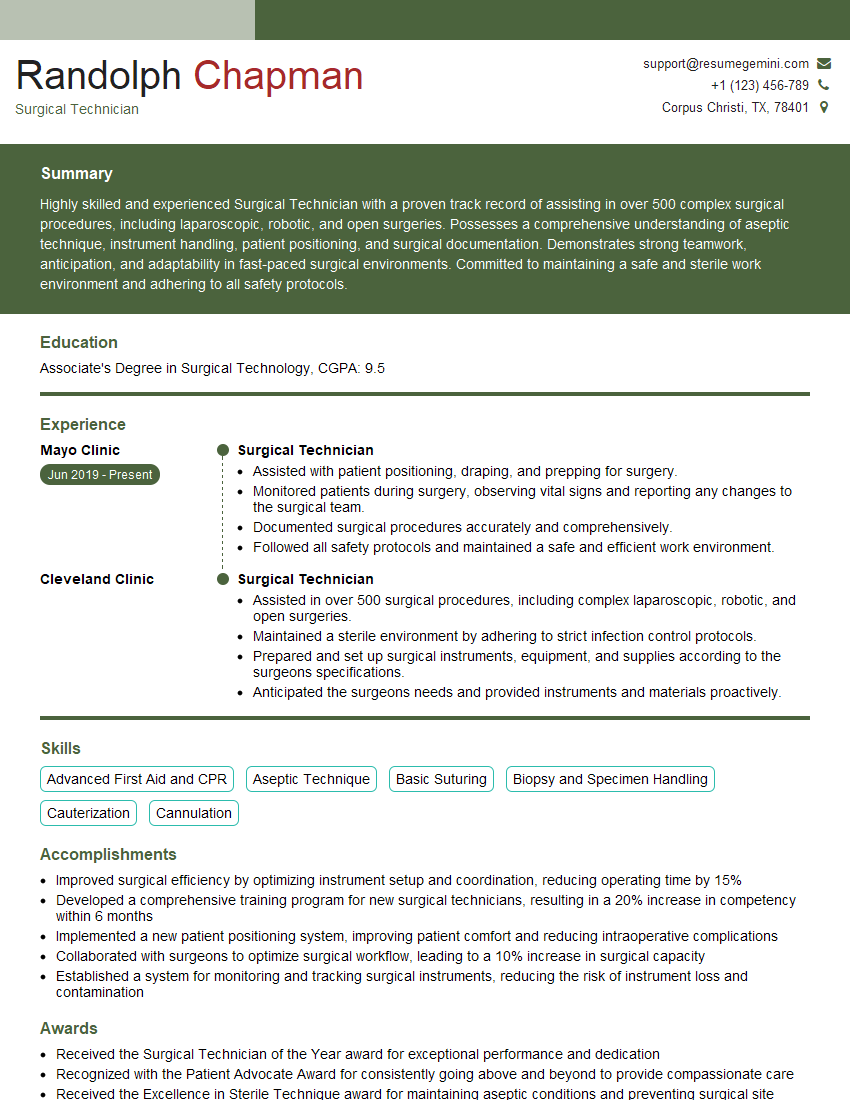
Surgical Technician Resume Sample
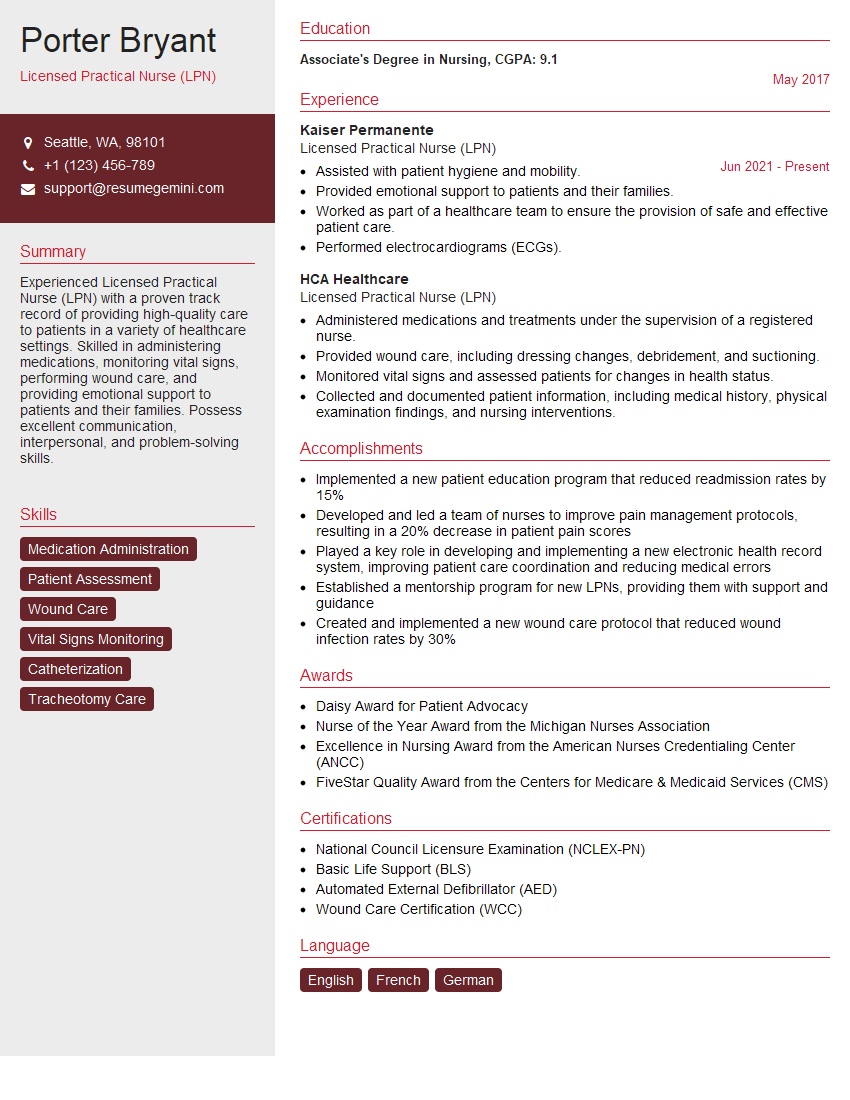
Licensed Practical Nurse (LPN) Resume Sample

Home Care Aide Resume Sample
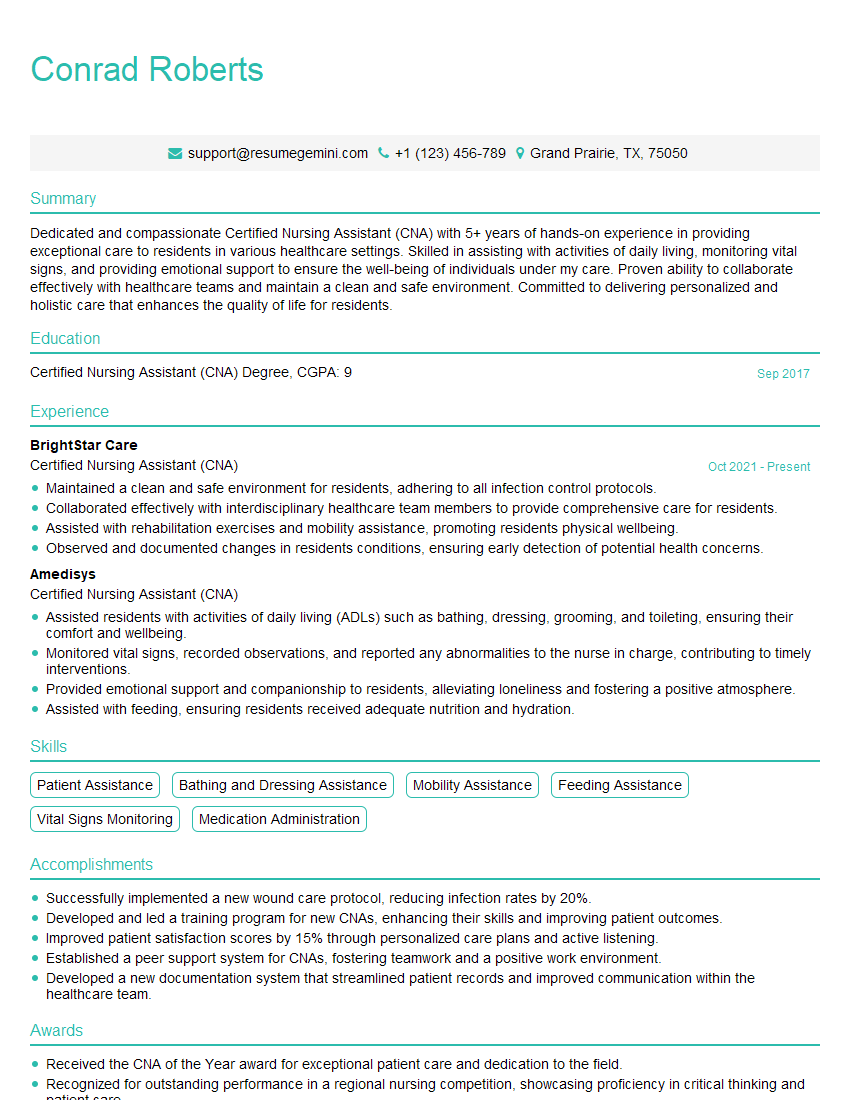
Certified Nursing Assistant (CNA) Resume Sample
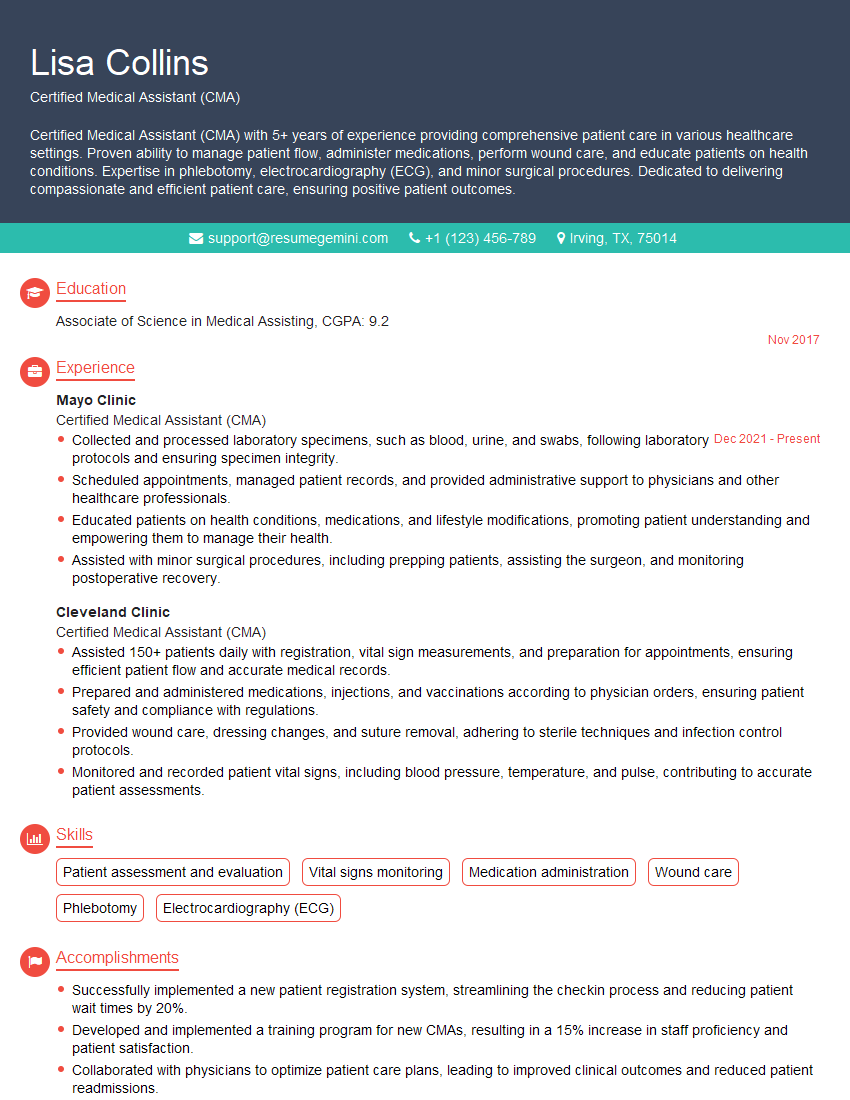
Certified Medical Assistant (CMA) Resume Sample
Explore more articles
Users Rating of Our Blogs
Share Your Experience
We value your feedback! Please rate our content and share your thoughts (optional).
What Readers Say About Our Blog
To the interviewgemini.com Webmaster.
Very helpful and content specific questions to help prepare me for my interview!
Thank you
To the interviewgemini.com Webmaster.
This was kind of a unique content I found around the specialized skills. Very helpful questions and good detailed answers.
Very Helpful blog, thank you Interviewgemini team.