Every successful interview starts with knowing what to expect. In this blog, we’ll take you through the top Urticaria Management interview questions, breaking them down with expert tips to help you deliver impactful answers. Step into your next interview fully prepared and ready to succeed.
Questions Asked in Urticaria Management Interview
Q 1. Describe the different types of urticaria.
Urticaria, commonly known as hives, is classified into several types based on duration and etiology. The primary distinction is between acute and chronic urticaria.
- Acute Urticaria: This type lasts less than six weeks. It’s often triggered by an identifiable cause, such as an allergic reaction to food, medication, or insect bites. Symptoms usually resolve spontaneously.
- Chronic Urticaria: This is a more persistent condition, lasting longer than six weeks. It can be further subdivided into:
- Chronic Spontaneous Urticaria (CSU): The most common type, with recurring hives and angioedema (swelling) without a clear trigger.
- Chronic Inducible Urticaria: Hives appear only after exposure to a specific trigger, such as pressure, cold, heat, or sunlight.
- Physical Urticaria: A subcategory of chronic inducible urticaria, encompassing various types triggered by physical stimuli (e.g., cholinergic urticaria from heat or exercise, dermographism from skin scratching).
- Other types: Rare forms include autoimmune urticaria and urticaria associated with specific underlying medical conditions like thyroid disorders or autoimmune diseases.
Understanding the different types is crucial for accurate diagnosis and targeted treatment.
Q 2. Explain the pathophysiology of acute and chronic urticaria.
The pathophysiology of urticaria involves the release of histamine and other inflammatory mediators from mast cells in the skin. This process leads to vasodilation, increased vascular permeability, and edema (swelling).
- Acute Urticaria: Often triggered by an allergen that binds to IgE antibodies on mast cells, initiating degranulation and the release of inflammatory mediators. This is a classic type I hypersensitivity reaction. Other mechanisms, such as direct mast cell activation by certain medications or infections, can also cause acute urticaria.
- Chronic Urticaria: The underlying mechanisms are more complex and often involve autoimmunity. In many cases of chronic spontaneous urticaria, autoantibodies against IgE receptors on mast cells (anti-FcεRI antibodies) or against other components of the mast cell itself are implicated. These autoantibodies trigger mast cell degranulation, leading to persistent inflammation and hives. Non-immunological mechanisms, such as dysregulation of the complement system or other inflammatory pathways, may also play a role.
It’s important to note that while the acute form often has a clear trigger, chronic urticaria’s causes are frequently elusive, adding to the diagnostic and therapeutic challenges.
Q 3. What are the key diagnostic criteria for chronic urticaria?
The key diagnostic criterion for chronic urticaria is the presence of recurrent urticarial wheals or angioedema for at least six weeks. This definition is crucial for differentiating chronic from acute urticaria. Further investigations may be needed to identify potential triggers or underlying conditions, but the prolonged duration of symptoms is the defining characteristic.
A thorough history and physical examination are essential. For example, a patient presenting with recurring hives for eight weeks clearly fits the criteria, while someone with a single episode of hives after eating shellfish would be classified as acute urticaria.
Q 4. Discuss the role of autoantibodies in chronic urticaria.
Autoantibodies play a significant role, particularly in chronic spontaneous urticaria (CSU). These antibodies can target various components of the mast cell, including the high-affinity IgE receptor (FcεRI). By binding to these receptors, the autoantibodies can trigger mast cell degranulation and release of inflammatory mediators, resulting in the characteristic hives and angioedema. The presence of these autoantibodies can be detected through specific laboratory tests, although their absence does not rule out CSU.
Think of it like this: In healthy individuals, IgE antibodies bind to allergens to trigger a response. In CSU, the body mistakenly produces autoantibodies that bind to its own mast cells, initiating a similar inflammatory cascade without the presence of an external allergen.
Q 5. What are the common triggers for urticaria?
Triggers for urticaria are diverse and vary from person to person. Some common triggers include:
- Food: Nuts, shellfish, eggs, milk, and certain fruits (e.g., strawberries)
- Medications: NSAIDs (like ibuprofen and naproxen), antibiotics, and some blood pressure medications
- Infections: Viral or bacterial infections can sometimes trigger hives.
- Insect bites and stings: Reactions can range from localized swelling to widespread hives.
- Physical factors: Heat, cold, pressure (dermographism), sunlight, vibration, and exercise.
- Stress: Psychological stress can exacerbate urticaria symptoms.
- Autoimmune diseases: Conditions like lupus or thyroid disorders.
Identifying specific triggers can be challenging, and it’s important to note that a trigger may not always be identifiable.
Q 6. How would you approach the diagnosis of urticaria in a patient?
Diagnosing urticaria begins with a thorough history and physical examination. This includes a detailed review of the onset, duration, location, and character of the rash, as well as any potential triggers. The patient’s medical history, including medications, allergies, and underlying conditions, is crucial. The physical exam focuses on the skin lesions, checking for the characteristic wheals and angioedema.
Laboratory investigations are often needed to exclude other conditions or identify potential underlying causes. These might include:
- Complete blood count (CBC)
- Thyroid function tests
- Autoantibody testing (e.g., anti-FcεRI antibodies)
- Allergy testing (skin prick or blood tests)
Careful evaluation helps distinguish between acute and chronic urticaria and identify any associated conditions. For example, a patient with a history of widespread hives after taking penicillin needs a different approach than someone with chronic, spontaneous hives of unknown origin.
Q 7. Outline your approach to managing acute urticaria.
Managing acute urticaria often involves addressing the underlying cause and providing symptomatic relief. This is usually straightforward as acute urticaria is often triggered by an identifiable factor.
- Identify and remove the trigger: This is the most important step. For example, discontinuing a medication suspected to be the cause or avoiding a food allergen.
- Antihistamines: Oral second-generation antihistamines (like cetirizine or fexofenadine) are the cornerstone of treatment. These are generally well-tolerated and effective at reducing itch and swelling. They can be used on an as-needed or regular basis.
- Corticosteroids: Oral corticosteroids (like prednisone) are used in more severe cases or when antihistamines are insufficient. They are generally not recommended for long-term use due to side effects.
In cases of severe reactions with significant angioedema or respiratory compromise, immediate medical attention is necessary, often involving epinephrine injection and close monitoring.
For example, if a patient presents with widespread hives and difficulty breathing after a bee sting, epinephrine would be administered immediately, followed by antihistamines and possibly corticosteroids.
Q 8. Detail your strategy for managing chronic urticaria.
Managing chronic urticaria, which is hives lasting longer than six weeks, requires a multifaceted approach focusing on symptom control and identifying potential triggers. My strategy involves a thorough history taking to uncover potential allergens or underlying conditions, followed by a stepwise therapeutic approach starting with the safest and most effective options. This includes patient education on self-management, trigger avoidance, and medication adherence. We then gradually escalate treatment if initial therapies prove insufficient.
Crucially, regular monitoring is vital to assess treatment efficacy and adjust the plan accordingly. This collaborative approach ensures the best possible quality of life for the patient. We frequently reassess the treatment plan based on the severity of the symptoms and the patient’s response to the therapy. For example, if a patient experiences breakthrough symptoms despite taking the prescribed medication, we will consider increasing the dose or switching to a more potent medication.
Q 9. What first-line treatments would you consider for chronic urticaria?
First-line treatment for chronic urticaria typically involves second-generation, non-sedating oral antihistamines. These are preferred due to their efficacy, safety profile and manageable side-effect burden. Examples include cetirizine, fexofenadine, loratadine, and desloratadine. The choice depends on individual patient factors such as cost, existing medical conditions, and potential drug interactions. The initial dose is usually standard, but we sometimes need to increase it up to four times the standard dose, a practice known as ‘up-dosing’, depending on the severity of symptoms.
A thorough explanation of the medication’s use, potential side effects, and the importance of consistent daily dosing is crucial. For instance, I might explain to a patient that even if their symptoms improve, they need to continue the medication as directed to prevent a recurrence. This ensures that the treatment is successful and minimizes the chance of flare-ups.
Q 10. Discuss the use of antihistamines in urticaria management.
Antihistamines are the cornerstone of urticaria management. Second-generation (non-sedating) antihistamines are preferred for their improved safety profile, particularly compared to older, sedating options. They work by blocking histamine receptors, reducing the inflammatory response that causes hives. They are often used as a first-line treatment and are generally well-tolerated.
In some cases of chronic urticaria, even increasing the dosage of second-generation antihistamines (up-dosing), sometimes four times the regular dose, is necessary to achieve adequate symptom control. This demonstrates the critical role antihistamines play, even when adjusting dosage based on patient response. We regularly monitor patients for any adverse effects, but these are generally mild and infrequent at standard doses.
Q 11. Explain the role of omalizumab in treating chronic urticaria.
Omalizumab is a targeted biologic therapy reserved for patients with chronic urticaria who have not responded adequately to high-dose antihistamines. It’s a monoclonal antibody that inhibits immunoglobulin E (IgE), a key mediator in allergic reactions, thereby reducing the inflammatory cascade causing urticaria.
It’s administered by subcutaneous injection, typically every 2-4 weeks, and its effectiveness is usually observed within several weeks of commencing treatment. However, it’s important to remember that omalizumab is not suitable for all patients and carries its own potential side effects, requiring careful patient selection and close monitoring.
I would only consider omalizumab for patients with severe chronic urticaria who haven’t seen improvement with high-dose antihistamines and other treatment strategies. It’s a powerful medication, but not without potential risks, so it’s crucial to carefully weigh its benefits against the potential drawbacks in each individual case.
Q 12. When would you consider referral to a specialist for urticaria?
Referral to a specialist, such as an allergist or dermatologist, is considered when chronic urticaria is unresponsive to initial treatment, when there are associated complications like angioedema or severe symptoms impacting quality of life, or when suspicion of an underlying autoimmune disease exists.
For example, if a patient experiences recurrent episodes of severe angioedema alongside urticaria, or if symptoms are not controlled with multiple antihistamines and dose adjustments, this would prompt a referral. Additionally, if there’s a strong suspicion of an underlying condition, such as autoimmune urticaria, specialist input is essential for proper diagnosis and management.
Q 13. Describe the management of urticaria associated with angioedema.
Urticaria accompanied by angioedema, swelling of deeper skin layers, requires prompt and careful management because of the potential for life-threatening airway obstruction. Treatment usually involves high-dose antihistamines, sometimes requiring up-dosing as discussed earlier. In severe cases, where airway compromise is a concern, corticosteroids and potentially even adrenaline (epinephrine) may be necessary.
Close monitoring of the patient’s airway is crucial in such instances. The focus is on rapidly alleviating the symptoms and preventing serious complications. This might involve hospitalization depending on the severity of the angioedema. Understanding the specific triggers and developing strategies for avoidance is also a significant component of ongoing management.
Q 14. How would you differentiate urticaria from other similar skin conditions?
Differentiating urticaria from other skin conditions requires a keen clinical eye. Urticaria presents with characteristic wheals (raised, itchy welts) that are typically transient, lasting from minutes to hours. These lesions are often migratory, appearing and disappearing in different locations on the body.
Conditions like psoriasis, eczema, or contact dermatitis have distinct clinical presentations. Psoriasis is characterized by well-demarcated, erythematous plaques with silvery scaling. Eczema typically presents as intensely itchy, inflamed, and sometimes weeping lesions. Contact dermatitis manifests as an inflammatory response in the area of contact with an allergen or irritant. A detailed history, thorough physical examination, and potentially further investigations, like skin biopsies, may be required for a definitive diagnosis, particularly if the presentation is atypical or if treatment isn’t effective.
Q 15. What are the potential complications of untreated urticaria?
Untreated urticaria, while not usually life-threatening, can significantly impact a patient’s quality of life and, in some cases, lead to complications. The constant itching and hives can disrupt sleep, leading to fatigue and reduced productivity. Severe cases can cause psychological distress, manifesting as anxiety and depression due to the chronic nature of the condition and its impact on daily activities. Furthermore, while rare, angioedema (swelling of the deeper tissues) associated with urticaria can be dangerous if it affects the airways, causing breathing difficulties. In such cases, immediate medical attention is crucial. Additionally, chronic urticaria can sometimes be associated with increased risk of autoimmune diseases, although the exact relationship is still being investigated. Imagine the impact of constant, intense itching – it affects not just the skin but the entire well-being of the individual.
Career Expert Tips:
- Ace those interviews! Prepare effectively by reviewing the Top 50 Most Common Interview Questions on ResumeGemini.
- Navigate your job search with confidence! Explore a wide range of Career Tips on ResumeGemini. Learn about common challenges and recommendations to overcome them.
- Craft the perfect resume! Master the Art of Resume Writing with ResumeGemini’s guide. Showcase your unique qualifications and achievements effectively.
- Don’t miss out on holiday savings! Build your dream resume with ResumeGemini’s ATS optimized templates.
Q 16. Discuss the importance of patient education in urticaria management.
Patient education is paramount in urticaria management. It empowers individuals to actively participate in their care and improves treatment adherence. Effective education should cover various aspects, including understanding the nature of urticaria (acute vs. chronic), identifying and avoiding triggers (foods, medications, stress, etc.), recognizing the signs and symptoms of worsening condition, and proper use of prescribed medications. Practical tips like using cool compresses, taking lukewarm showers, and choosing loose-fitting clothing can significantly alleviate symptoms. For example, explaining that stress can exacerbate symptoms helps patients implement stress-reduction techniques like meditation or yoga. We also discuss the importance of consistent medication adherence, emphasizing the potential consequences of skipping doses. Finally, educating patients about recognizing potential warning signs, such as swelling of the face, lips, or tongue, and when to seek immediate medical attention, is crucial.
Q 17. What are some common challenges in managing chronic urticaria?
Managing chronic urticaria presents unique challenges. One major hurdle is identifying and avoiding triggers, which can be complex and vary significantly among individuals. Even with careful avoidance strategies, some triggers remain elusive. Another challenge is treatment response; not all patients respond equally to first-line therapies, and finding the optimal medication and dosage can require trial and error, potentially leading to frustration and delays in achieving symptom control. Moreover, the long-term use of certain medications can lead to side effects, necessitating careful monitoring and adjustments. The psychological impact on patients should not be underestimated, as chronic itching and skin lesions can affect self-esteem and social interactions. Finally, the lack of objective measures to assess disease severity adds to the complexity of management and makes it difficult to compare outcomes across different treatments or patient populations. For instance, one patient might respond well to a H1 antihistamine, while another might require a second-generation antihistamine, a leukotriene inhibitor, or even biologic therapies.
Q 18. How would you assess the effectiveness of treatment for urticaria?
Assessing treatment effectiveness involves a multifaceted approach. We primarily focus on symptom control. This includes evaluating the reduction in the frequency, intensity, and duration of hives and itching. We use standardized questionnaires like the Urticaria Activity Score (UAS) and the Dermatology Life Quality Index (DLQI) to quantify symptom burden and its impact on daily life. These provide objective measures of improvement. Patient-reported outcomes, such as subjective assessment of itch intensity and sleep quality, are also crucial. Objective measures, such as skin lesion assessment, can also be used. Physical examination during follow-up appointments plays a vital role. Improvement should be observed across all these parameters to confirm effective treatment. For example, a significant reduction in UAS scores combined with improved sleep and better quality of life indicates successful treatment.
Q 19. Describe your experience with urticaria management in different patient populations (e.g., children, elderly).
My experience with urticaria spans diverse patient populations. In children, the focus is on minimizing side effects of medications and involving parents or guardians in treatment strategies. We often need to adapt treatment plans to accommodate a child’s developmental stage and lifestyle, ensuring medication is easy to administer and avoiding potential interactions with other medications. In elderly patients, the management strategy needs to consider potential drug interactions and the increased risk of adverse effects due to age-related physiological changes. Careful medication selection and close monitoring are vital, often starting with lower doses and gradually increasing them as tolerated. For example, some medications might be unsuitable for elderly patients with underlying heart conditions. Managing urticaria in these different age groups requires a tailored approach that balances effective symptom control with patient safety and individual needs.
Q 20. What are the latest advancements in urticaria treatment?
Recent advancements in urticaria treatment are significant. The development of new biologic therapies targeting specific inflammatory pathways has revolutionized the management of chronic urticaria, offering effective treatment options for patients who have failed to respond adequately to conventional therapies. These biologics often target cytokines involved in the inflammatory cascade. There are also ongoing research efforts focused on better understanding the underlying mechanisms of urticaria, leading to the development of more targeted and effective therapies with potentially fewer side effects. Improved diagnostic tools are also being explored to aid in earlier diagnosis and better stratification of treatment approaches. For example, research into the role of specific genetic factors in urticaria development may lead to personalized treatment strategies in the future.
Q 21. How do you stay up-to-date on the latest research in urticaria?
Staying current in urticaria research requires a multi-pronged approach. I regularly review leading dermatology journals such as the Journal of Allergy and Clinical Immunology and the British Journal of Dermatology. Attendance at national and international dermatology conferences is crucial for learning about the latest research findings and clinical trials. I also actively participate in professional societies like the American Academy of Allergy, Asthma & Immunology (AAAAI) to stay connected with the latest guidelines and developments in the field. Moreover, I regularly consult reputable online resources, such as those maintained by the World Allergy Organization, to access the most up-to-date clinical practice recommendations and research summaries. Continuous learning is integral to providing optimal patient care in this evolving field.
Q 22. Explain your understanding of the Urticaria Activity Score (UAS) and its clinical significance.
The Urticaria Activity Score (UAS) is a simple yet effective tool used to measure the severity of urticaria. It considers both the extent and intensity of hives, allowing for a more objective assessment of disease activity compared to relying solely on subjective patient descriptions. The score is calculated by summing scores for three components: the number of hives (0-6), the size of the largest wheal (0-3), and the intensity of itch (0-3). The maximum UAS score is 12.
Clinical Significance: The UAS plays a vital role in guiding treatment decisions, monitoring treatment response, and assessing disease severity over time. A higher UAS indicates more active and severe urticaria. Tracking UAS scores helps clinicians and patients collaboratively assess the effectiveness of various treatments, allowing for timely adjustments to optimize patient outcomes. For example, a consistently high UAS despite treatment may prompt a change in medication or the addition of other therapies.
Imagine a patient presenting with widespread hives (6), large wheals (3), and intense itching (3); their UAS would be 12, reflecting severe disease. This differs from a patient with a few small wheals (1), minimal itch (1), and a few small hives (1), whose UAS is 3 and signifies milder disease.
Q 23. Describe your experience with managing urticaria-related complications such as anaphylaxis.
Managing urticaria-related complications, particularly anaphylaxis, requires immediate and decisive action. Anaphylaxis is a life-threatening allergic reaction characterized by airway compromise, hypotension, and widespread skin involvement, often including severe urticaria. My experience involves prompt initiation of emergency treatment, beginning with securing the airway, administering intramuscular epinephrine, and providing supportive care, such as intravenous fluids and oxygen.
I’ve had cases where patients, initially presenting with milder urticaria, experienced rapid escalation to anaphylaxis following exposure to a trigger, emphasizing the importance of educating patients about recognizing their triggers and carrying an auto-injector. Post-anaphylaxis management includes close monitoring in the hospital, identifying and avoiding future triggers, allergy testing, and potentially starting prophylactic medication, such as an antihistamine, to prevent recurrence.
I also emphasize patient education and the development of a personalized action plan to empower them to manage potential future reactions. This includes training on using epinephrine auto-injectors and recognizing early warning signs of anaphylaxis. Regular follow-up appointments are crucial to monitor their progress and adjust their management plan.
Q 24. How do you handle patients with treatment-resistant urticaria?
Treatment-resistant urticaria poses a significant challenge, requiring a multi-faceted approach. My strategy begins with a thorough review of the patient’s history, including medications, potential triggers, and previous treatment responses. We often need to revisit the diagnosis, ensuring it’s indeed chronic urticaria and not another condition mimicking its symptoms. Then, I may consider the following steps:
- Optimizing current therapy: This could involve adjusting the dose of existing medications or ensuring adherence to the prescribed regimen.
- Adding or switching medications: Second-generation antihistamines at high doses are usually the cornerstone of treatment. If insufficient, I might consider adding another antihistamine with a different mechanism of action or switching to a higher-potency drug. In some cases, leukotriene inhibitors or other immunomodulatory therapies might be incorporated.
- Exploring biological therapies: For patients with severe, persistent, and refractory disease, newer biological therapies such as omalizumab or anti-IL-5 agents can be very beneficial.
- Addressing comorbid conditions: Underlying conditions, like autoimmune diseases, often co-exist and must be addressed. Effective management of these may indirectly reduce urticaria severity.
It’s crucial to have open communication with the patient, setting realistic expectations and adapting treatment based on ongoing assessment and regular UAS tracking.
Q 25. Explain the role of physical urticaria testing.
Physical urticaria testing helps identify the specific triggers causing hives in physical urticarias such as cholinergic urticaria (heat, exercise), cold urticaria, pressure urticaria, or delayed pressure urticaria (DUP). This testing is crucial for diagnosis and management.
For example, in suspected cold urticaria, an ice cube is applied to the skin for a few minutes. If hives develop in that area, it confirms a positive reaction. Similarly, dermographism (skin writing) can be tested by firmly stroking the skin with a blunt instrument. The appearance of a wheal confirms this diagnosis. The various tests aim to reproduce the symptoms observed in the patient’s daily life, providing critical insights into their trigger mechanisms. This individualized approach leads to tailored management, including advice on avoiding triggers and, in some cases, exploring medication options targeting the specific physiological pathways.
Q 26. Discuss the impact of stress on urticaria.
Stress significantly impacts urticaria, both its onset and severity. While not directly causing urticaria in most cases, stress acts as a potent trigger or exacerbating factor. It can influence the release of histamine and other inflammatory mediators, increasing the likelihood of flares. Stress management techniques, such as meditation, yoga, and cognitive behavioral therapy, are vital adjuncts to urticaria treatment. I often encourage patients to practice stress reduction techniques and identify personal stress management strategies.
Consider a patient who experiences flares of urticaria before major presentations at work. Addressing the stress component through relaxation techniques, counselling, or even workplace adjustments can significantly reduce the frequency and severity of their hives. It’s essential to approach urticaria management holistically, integrating both pharmacological and psychological interventions for optimal outcomes.
Q 27. How would you counsel a patient about the prognosis of their urticaria?
Counselling a patient about urticaria prognosis depends significantly on the type of urticaria. Acute urticaria typically resolves within six weeks, so the prognosis is generally excellent. I reassure patients that their symptoms will likely subside with time and appropriate management. However, chronic urticaria, which lasts longer than six weeks, has a variable course. While there’s no cure, many patients achieve significant symptom relief with appropriate treatment. I emphasize that long-term management involves close monitoring, proactive treatment, and the ongoing need to identify and avoid triggers.
It’s crucial to be empathetic and honest with the patient, acknowledging their concerns while providing realistic expectations. I stress the importance of maintaining a positive attitude, engaging actively in their management plan, and seeking support when needed. The overall goal is to help them manage their symptoms effectively and improve their quality of life, regardless of the chronicity.
Q 28. What is your approach to managing side effects associated with urticaria treatments?
Managing side effects associated with urticaria treatments is an integral part of care. Common side effects include drowsiness (from antihistamines), headache, and gastrointestinal upset. My approach focuses on identifying the culprit, assessing the severity of the side effects, and then taking appropriate action.
For example, if a patient experiences excessive drowsiness from an antihistamine, we could try switching to a non-sedating option or adjusting the dosage and timing. If gastrointestinal side effects are prominent, we might explore alternative medications or recommend taking them with food. Close monitoring, patient education, and open communication are crucial to mitigate side effects and ensure treatment compliance.
In cases of severe or intolerable side effects, I would carefully weigh the risks and benefits of continuing the medication, potentially exploring alternative treatment options. Patient safety and wellbeing are paramount in navigating the balance between effective treatment and manageable side effects.
Key Topics to Learn for Urticaria Management Interview
- Acute vs. Chronic Urticaria: Understanding the differences in presentation, diagnosis, and treatment approaches for both types.
- Pathophysiology of Urticaria: A solid grasp of the underlying mechanisms, including mast cell activation and inflammatory pathways.
- Diagnostic Criteria and Assessment: Familiarize yourself with the various diagnostic tools and methods used to assess urticaria severity and identify potential triggers.
- Treatment Strategies: Mastering the use of first-line treatments (e.g., antihistamines), second-line options (e.g., leukotriene inhibitors), and management of severe cases.
- Practical Application: Case Studies: Prepare to discuss case scenarios, explaining your approach to diagnosis, treatment selection, and patient management.
- Adverse Drug Reactions & Interactions: Understand common side effects of urticaria medications and how to manage them. Know potential drug interactions.
- Patient Education & Counseling: Learn how to effectively communicate with patients, explaining their condition and treatment plan in a clear and compassionate manner.
- Special Populations: Understand the unique challenges in managing urticaria in children, pregnant women, and individuals with comorbidities.
- Emerging Therapies and Research: Stay updated on the latest advancements in urticaria research and novel treatment modalities.
- Problem-solving approaches: Be prepared to discuss how you would approach challenging cases, such as treatment-resistant urticaria or the management of severe anaphylaxis.
Next Steps
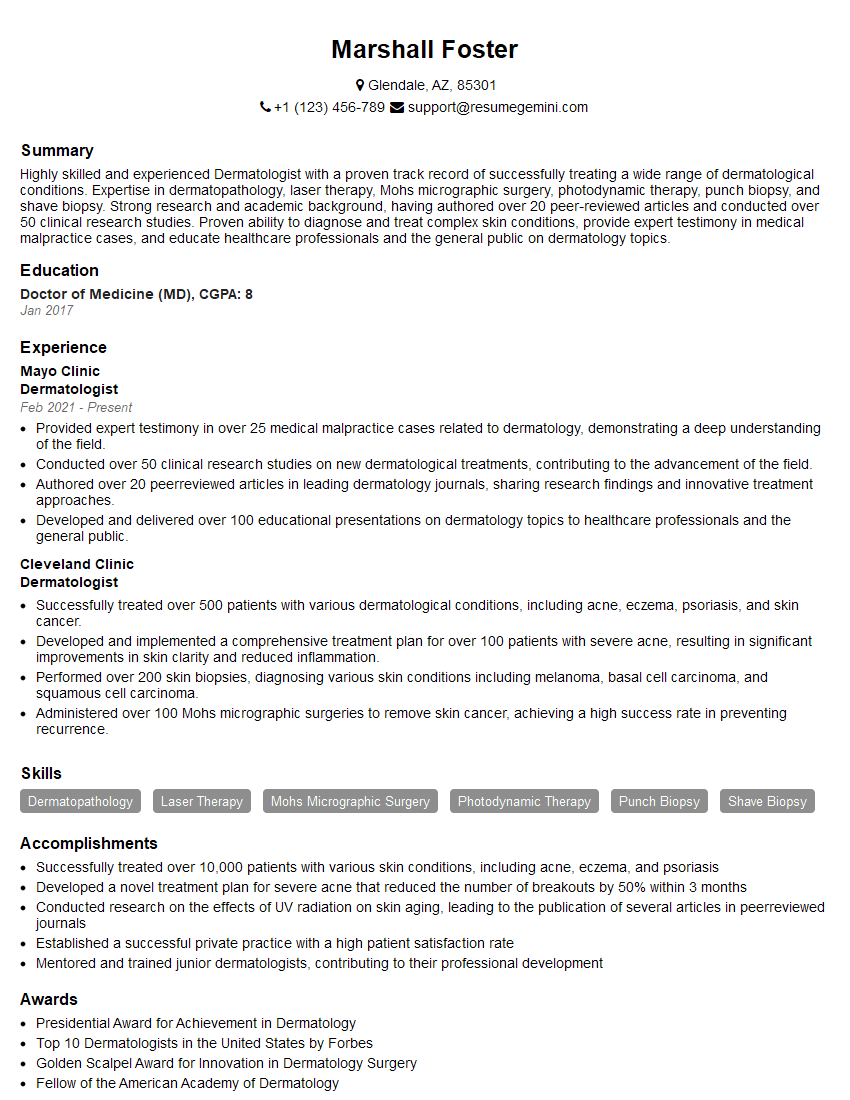
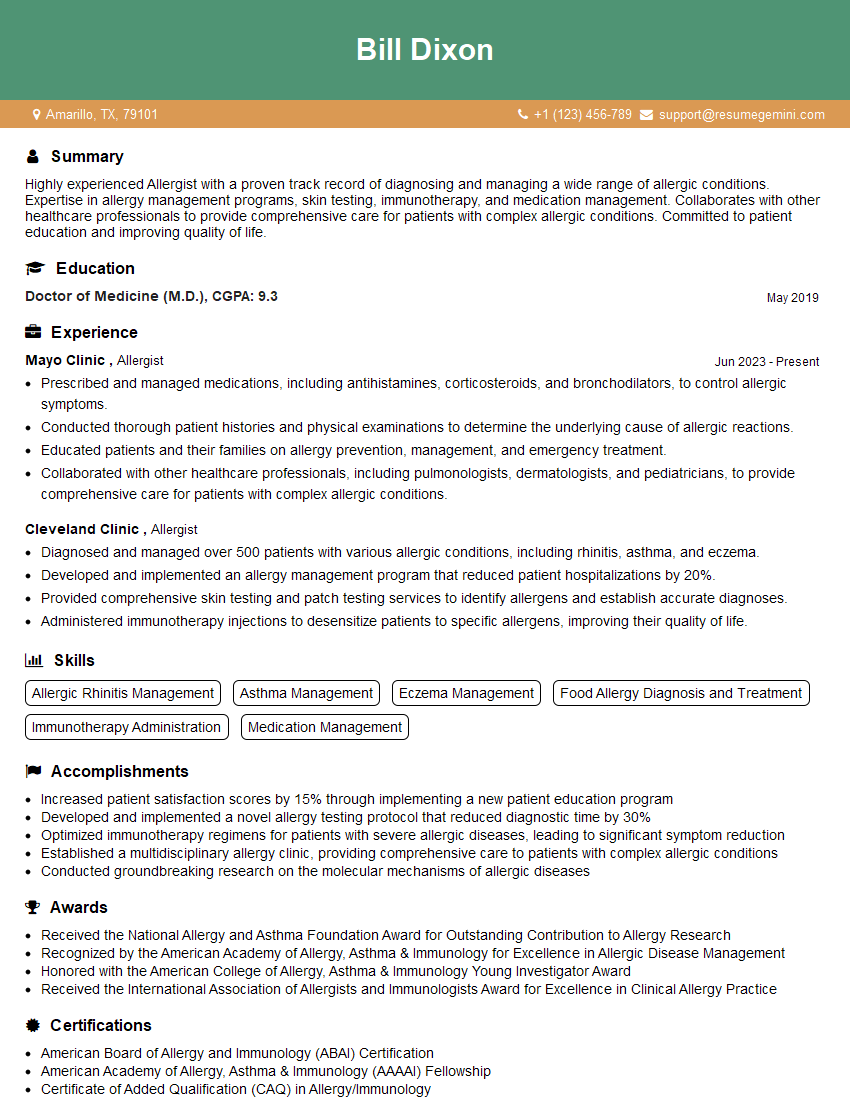
Mastering Urticaria Management is crucial for a successful career in dermatology, allergy, or related fields. It demonstrates a deep understanding of complex medical conditions and your ability to provide effective patient care. To stand out from other candidates, focus on creating a strong, ATS-friendly resume that showcases your skills and experience. ResumeGemini is a trusted resource to help you build a professional and impactful resume that highlights your expertise in Urticaria Management. Examples of resumes tailored to this specialty are available to guide your resume creation process.

Explore more articles
Users Rating of Our Blogs
Share Your Experience
We value your feedback! Please rate our content and share your thoughts (optional).
What Readers Say About Our Blog
To the interviewgemini.com Webmaster.
Very helpful and content specific questions to help prepare me for my interview!
Thank you
To the interviewgemini.com Webmaster.
This was kind of a unique content I found around the specialized skills. Very helpful questions and good detailed answers.
Very Helpful blog, thank you Interviewgemini team.