Interviews are opportunities to demonstrate your expertise, and this guide is here to help you shine. Explore the essential Vaginal Delivery interview questions that employers frequently ask, paired with strategies for crafting responses that set you apart from the competition.
Questions Asked in Vaginal Delivery Interview
Q 1. Describe the stages of labor in vaginal delivery.
Labor in vaginal delivery is divided into three stages, each with distinct characteristics and tasks. Think of it like a three-act play, each act essential for a successful conclusion.
- Stage 1: Cervical Dilation and Effacement. This is the longest stage, often lasting hours or even days. It’s divided into latent (early) and active phases. The cervix, the opening of the uterus, gradually thins (effaces) and dilates (opens) from closed to 10 centimeters (cm), allowing the baby to pass through. Contractions become more frequent, longer, and stronger during this stage. We monitor the mother’s progress using various tools, including vaginal exams to assess cervical dilation and effacement, and electronic fetal monitoring to assess fetal heart rate.
- Stage 2: Expulsion of the Fetus. This stage starts when the cervix is fully dilated (10cm) and ends with the baby’s birth. The mother experiences a strong urge to push. The baby descends through the birth canal, rotating to accommodate the pelvic shape. This phase is intense and physically demanding for the mother. Continuous fetal monitoring is crucial here to detect any signs of fetal distress.
- Stage 3: Expulsion of the Placenta. The final stage involves the delivery of the placenta and membranes. This typically occurs within 30 minutes of the baby’s birth. Contractions continue to help expel the placenta. We carefully inspect the placenta to ensure its completeness to prevent postpartum hemorrhage.
Understanding these stages helps anticipate potential complications and guide interventions during the birthing process.
Q 2. Explain the different types of vaginal delivery.
Vaginal delivery encompasses various types, each determined by the circumstances of labor and delivery. Imagine different pathways leading to the same destination – a healthy baby and mother.
- Spontaneous Vaginal Delivery (SVD): This is the most common type, occurring without the aid of instruments or interventions. The mother’s contractions and pushing efforts alone deliver the baby.
- Instrumental Vaginal Delivery: This involves using instruments like forceps or vacuum extraction to assist the delivery. This is often necessary when the mother’s pushing efforts are insufficient or when the baby’s descent is slow.
- Operative Vaginal Delivery: This is a broader term encompassing both instrumental vaginal delivery and episiotomy (a surgical incision to enlarge the vaginal opening).
- Augmented Vaginal Delivery: This refers to situations where labor is stimulated artificially using medications like oxytocin to either induce labor or augment contractions when they’re insufficient.
The choice of vaginal delivery method depends on factors like the mother’s health, fetal position and well-being, and progress of labor.
Q 3. What are the key risk factors associated with vaginal delivery?
Vaginal delivery, while natural, carries inherent risks. These risks can be increased by certain factors. Understanding these factors allows for better risk assessment and management.
- Maternal Age: Women over 35 are at higher risk for complications.
- Pre-existing Medical Conditions: Conditions such as hypertension, diabetes, and heart disease increase risk.
- Previous Cesarean Delivery: Increased risk of uterine rupture.
- Fetal Position and Presentation: Breech or transverse lie positions pose challenges.
- Gestational Age: Premature or post-term pregnancies increase risks.
- Obstetrical History: History of previous difficult deliveries or complications.
A thorough assessment of risk factors during prenatal care allows for personalized care and appropriate interventions to minimize complications. For example, a woman with gestational diabetes will require closer monitoring during labor and delivery to manage potential issues related to her blood glucose levels.
Q 4. How do you monitor fetal well-being during labor?
Monitoring fetal well-being during labor is crucial to ensure a safe delivery. It’s like constantly checking the vital signs of the passenger during a long journey. We employ various techniques to assess fetal health.
- Intermittent Auscultation: Listening to the fetal heart rate using a stethoscope at regular intervals (every 15-30 minutes during the first stage and every 5-15 minutes during the second stage).
- Electronic Fetal Monitoring (EFM): Continuous monitoring of the fetal heart rate and uterine contractions using external or internal transducers. EFM provides a continuous record, allowing for immediate detection of abnormalities.
- Fetal Scalp Blood Sampling (FBS): In situations of suspected fetal compromise, FBS can directly assess fetal acidosis (a dangerous build-up of acid in the blood).
The chosen method depends on the mother’s risk factors and the progress of labor. Abnormal fetal heart rate patterns are promptly addressed, potentially necessitating interventions like assisted delivery or cesarean section.
Q 5. What are the indications for instrumental vaginal delivery?
Instrumental vaginal delivery, using forceps or vacuum extraction, is indicated when the mother or baby are at risk. It is not a routine procedure, but a tool to help in challenging situations.
- Prolonged Second Stage of Labor: When the pushing stage extends beyond a reasonable duration without progress.
- Fetal Distress: Abnormal fetal heart rate patterns suggesting oxygen deprivation.
- Maternal Exhaustion: When the mother is physically unable to continue pushing effectively.
- Failure of Descent: If the baby’s head is not descending despite adequate maternal pushing efforts.
The decision to use instruments is made based on careful assessment of the situation, considering potential risks associated with each method. For example, forceps can cause facial bruising or swelling in the baby, whereas vacuum extraction can lead to scalp hematomas or subgaleal hemorrhages (bleeding below the scalp). Informed consent is crucial before proceeding.
Q 6. Explain the process of episiotomy and when it’s indicated.
Episiotomy is a surgical incision made in the perineum (the area between the vagina and anus) to enlarge the vaginal opening during delivery. It’s a procedure that has become less common in recent years due to concerns over its potential benefits and drawbacks.
Indications for Episiotomy:
- Shoulder Dystocia: When the baby’s shoulder gets stuck during delivery.
- Fetal Distress: To facilitate quicker delivery in cases of fetal compromise.
- Instrumental Delivery: To minimize trauma during forceps or vacuum extraction.
- Protection Against Perineal Tears: Although less frequent now, it was used to prevent severe perineal tears.
The decision to perform an episiotomy is made on a case-by-case basis, weighing the potential benefits against the risks of increased pain, infection, and prolonged healing. Many healthcare providers now favor a more conservative approach, allowing for spontaneous perineal tearing which often heals just as well.
Q 7. Describe your experience with managing postpartum hemorrhage.
Postpartum hemorrhage (PPH), defined as blood loss exceeding 500ml after vaginal delivery, is a serious complication requiring immediate attention. My experience involves a systematic approach, incorporating rapid assessment and prompt intervention.
Management of PPH involves:
- Early Identification: Close monitoring of blood loss and vital signs (blood pressure, pulse) is crucial.
- Fundal Massage: Gently massaging the uterus to help it contract and reduce bleeding.
- Uterotonics: Administering medications such as oxytocin to stimulate uterine contractions.
- Blood Transfusion: If significant blood loss occurs, blood transfusion is necessary.
- Surgical Interventions: In cases of unresponsive bleeding, surgical procedures such as uterine artery embolization or hysterectomy may be required.
I have managed several cases of PPH, employing a combination of these techniques. Early recognition and prompt intervention are key to a positive outcome. One specific case involved a patient who experienced significant blood loss after a vaginal delivery. Through immediate fundal massage, oxytocin administration, and careful monitoring, we were able to stabilize her and avoid more invasive interventions. Teamwork and swift decision-making are crucial in such situations.
Q 8. How do you assess for and manage shoulder dystocia?
Shoulder dystocia is an obstetric emergency where the fetal anterior shoulder gets impacted behind the maternal pubic symphysis after the head is delivered. Assessment involves recognizing risk factors (e.g., maternal diabetes, macrosomia, previous shoulder dystocia) and identifying the situation during delivery. Management follows the mnemonic HELPERR:
- Hands off the uterus: Avoid fundal pressure, which can worsen the impaction.
- Episiotomy: May provide additional space.
- Leg maneuvers (McRoberts maneuver): Hyperflexing the maternal hips can rotate the fetal pelvis and alleviate the impaction.
- Pressure on suprapubic area: Applying suprapubic pressure can help dislodge the shoulder.
- Enter the delivery room: Ensure a fully equipped team is available for potential maneuvers and neonatal resuscitation.
- Roll the mother onto her side (left lateral tilt): Attempts to improve fetal positioning.
- Reach for maneuvers (Wood’s corkscrew maneuver, Rubin II maneuver): Advanced techniques that may require significant experience; should only be used by trained clinicians.
These maneuvers are attempted sequentially. Documentation of the specific maneuvers attempted, in what order, and the timing is crucial. If all attempts fail, delivery of the posterior shoulder may be necessary. Post-delivery assessment of both the mother and baby is critical. The baby requires careful evaluation for brachial plexus injury (Erb’s palsy) and clavicular or humeral fractures.
Q 9. What are the common complications of vaginal delivery?
Vaginal delivery, while generally safe, carries potential complications for both mother and baby. Maternal complications can include:
- Postpartum hemorrhage (PPH): Excessive bleeding after delivery, potentially life-threatening.
- Perineal lacerations: Tears in the tissues surrounding the vagina.
- Uterine rupture: A tear in the uterine wall, a rare but serious complication.
- Infection (e.g., endometritis): Infection of the uterine lining.
- Anal sphincter injury: Tears affecting the anal sphincter muscle.
- Rectovaginal fistula: An abnormal connection between the rectum and vagina.
Fetal/neonatal complications can include:
- Cephalohematoma: A collection of blood between the skull bone and the periosteum.
- Caput succedaneum: Swelling of the scalp.
- Birth trauma: Injuries sustained during delivery (e.g., brachial plexus injury, clavicular fracture).
- Hypoxia: Decreased oxygen levels in the baby’s blood.
- Neonatal jaundice: Yellow discoloration of the skin and whites of the eyes.
The risk of these complications varies based on several factors, including maternal and fetal health, the course of labor, and the management of the delivery. Careful monitoring and timely interventions are key to minimizing these risks.
Q 10. Describe your approach to pain management during labor.
Pain management during labor is a personalized approach focusing on patient preferences and the stage of labor. Options include:
- Non-pharmacological methods: Breathing techniques, relaxation exercises, aromatherapy, hydrotherapy, counter pressure, and position changes. These are especially helpful in early labor to delay the need for medication.
- Pharmacological methods:
- Analgesics: such as acetaminophen (paracetamol) or NSAIDs (ibuprofen) for mild pain.
- Epidural anesthesia: Provides excellent pain relief during labor and delivery.
- Spinal anesthesia: Provides pain relief for delivery but generally not labor.
- Nitrous oxide: Inhalational analgesia that can be self-administered by the laboring patient, providing pain relief without causing significant side effects.
The choice of pain management is a collaborative decision made between the patient and her care provider. It’s crucial to thoroughly discuss the benefits, risks, and alternatives for each option, ensuring the patient feels informed and empowered in their decision. A patient’s medical history is also an important consideration as some pain relief methods may be contraindicated.
Q 11. How do you counsel patients about their options for vaginal delivery?
Counseling patients about vaginal delivery options involves a thorough discussion covering several aspects:
- Physiological aspects of labor and delivery: Educating the patient on the stages of labor, what to expect, and common sensations.
- Potential interventions: Including episiotomy, assisted vaginal delivery (forceps or vacuum), and potential need for Cesarean section if vaginal delivery is not progressing safely.
- Pain management options: A detailed explanation of various pain relief choices as discussed above.
- Alternative birthing positions: Exploring upright positions, squatting, and lateral positions that can potentially facilitate labor progress.
- Potential complications and risks: Openly discussing the possible complications and associated risks of vaginal delivery.
- Postpartum recovery: Informing patients about what to expect following vaginal delivery, such as perineal care, pain management, and emotional changes.
Active listening and addressing the patient’s concerns are crucial during this process. A shared decision-making model, empowering patients to choose the approach that best suits their values and preferences, should be followed.
Q 12. Explain the importance of informed consent in vaginal delivery.
Informed consent in vaginal delivery is paramount. It ensures the patient understands the procedure, potential benefits, risks, and alternatives. It’s not merely a signature on a form, but a process involving:
- Comprehensive explanation: The healthcare provider must clearly and thoroughly explain the procedure, its purpose, and the anticipated outcomes.
- Disclosure of risks and benefits: All potential risks, complications, and benefits, both common and rare, should be disclosed in a way the patient can understand.
- Discussion of alternatives: The patient should be aware of alternative options, such as a Cesarean section, and understand the reasons for recommending one approach over another.
- Patient understanding and questions: The provider must verify the patient understands the information and answer all questions in a way the patient can understand.
- Voluntary decision: The patient must have the ability to make a voluntary decision without coercion or pressure.
- Documentation: The consent process should be meticulously documented.
Informed consent ensures patient autonomy and respect, leading to a positive birthing experience and a stronger patient-provider relationship.
Q 13. What are the contraindications for vaginal delivery?
Contraindications to vaginal delivery are situations where the risk of vaginal delivery outweighs the potential benefits for the mother or baby. These can include:
- Previous uterine rupture: Increased risk of uterine rupture during subsequent labors.
- Placenta previa: The placenta is positioned over the cervix.
- Transverse lie or breech presentation: The baby is not positioned head down.
- Active genital herpes: To prevent transmission to the baby.
- Severe fetal distress: The baby is not tolerating labor well, requiring immediate intervention.
- Severe maternal medical conditions: Certain conditions such as uncontrolled hypertension or severe heart disease might make vaginal delivery too risky.
- Umbilical cord prolapse: The umbilical cord is compressed, compromising fetal oxygenation.
The decision to proceed with a Cesarean section is often made when vaginal delivery is contraindicated to ensure the safety of both the mother and the baby. Each case is assessed individually, considering the specifics of the mother’s and baby’s condition and the potential risks.
Q 14. How do you manage a patient with a prolonged second stage of labor?
A prolonged second stage of labor is defined as a second stage longer than 3 hours in nulliparous women (first-time mothers) or 2 hours in multiparous women. Management depends on several factors, including maternal and fetal well-being and the cause of the prolonged second stage.
- Assessment: Careful assessment of the mother’s pushing efforts, fetal heart rate monitoring, and cervical dilation are essential. Identify factors such as inadequate pushing, fetal malposition, or cephalopelvic disproportion.
- Non-pharmacological interventions: Encouragement, changing maternal positions, assisted pushing techniques.
- Pharmacological interventions: Use of oxytocin to stimulate uterine contractions may be necessary, but should be used cautiously.
- Assisted vaginal delivery: If progress is not made and the fetus is well-tolerating labor, forceps or vacuum-assisted delivery might be considered.
- Cesarean section: If the above interventions fail, or if fetal distress occurs, a Cesarean section is the safest option.
The decision to proceed with intervention is determined based on continuous assessment and careful consideration of the mother and baby’s condition. Regular assessment of both mother and fetal wellbeing must be maintained throughout the labor and subsequent delivery.
Q 15. What are the signs of fetal distress?
Fetal distress refers to a situation where the baby isn’t receiving enough oxygen during labor. This can have serious consequences. Signs can be subtle or dramatic, and recognizing them promptly is crucial.
- Changes in fetal heart rate (FHR): This is the most important indicator. Bradycardia (slow heart rate), tachycardia (fast heart rate), late decelerations (heart rate drops after a contraction and recovers slowly), and variable decelerations (sudden drops and rises unrelated to contractions) all suggest potential distress. Think of the FHR as a vital sign reflecting the baby’s wellbeing; any significant deviation is a cause for concern.
- Meconium-stained amniotic fluid: Meconium is the baby’s first stool. Its presence in the amniotic fluid indicates fetal distress and the possibility of aspiration (inhalation) at birth, which can cause respiratory problems.
- Reduced fetal movement: A sudden decrease in fetal movement, especially if the mother is used to feeling regular activity, should be investigated immediately. Think of this as the baby’s way of signaling that something is wrong.
- Abnormal fetal acid-base balance (pH): This is measured using fetal scalp blood sampling (though less commonly done now due to advancements in monitoring) and shows the baby’s oxygenation levels directly. A low pH signifies acidosis and indicates severe distress.
- Other signs: These can include abnormal uterine activity (e.g., hypertonic contractions), maternal fever, or prolonged labor.
Example: In my practice, I once managed a case where a mother presented with late decelerations in the fetal heart rate. We immediately initiated interventions, including administering oxygen to the mother and changing her position, which resolved the issue. Had we not acted promptly, the baby could have experienced hypoxia (oxygen deprivation).
Career Expert Tips:
- Ace those interviews! Prepare effectively by reviewing the Top 50 Most Common Interview Questions on ResumeGemini.
- Navigate your job search with confidence! Explore a wide range of Career Tips on ResumeGemini. Learn about common challenges and recommendations to overcome them.
- Craft the perfect resume! Master the Art of Resume Writing with ResumeGemini’s guide. Showcase your unique qualifications and achievements effectively.
- Don’t miss out on holiday savings! Build your dream resume with ResumeGemini’s ATS optimized templates.
Q 16. How do you handle a breech presentation?
Breech presentation means the baby is positioned feet or buttocks first instead of head first for delivery. This is a high-risk situation as it increases the risk of complications for both mother and baby. Management depends on several factors, including gestational age, fetal maturity, and the specific type of breech (frank, complete, or footling).
- External Cephalic Version (ECV): This is an attempt to manually turn the baby to a head-down position. It’s usually performed between 36 and 38 weeks of gestation and involves carefully manipulating the baby’s position through the mother’s abdomen. Success rate is variable, and it carries the risk of complications like placental abruption, umbilical cord compression, or preterm labor.
- Planned Cesarean Section: This is usually the recommended approach, particularly if ECV fails or is contraindicated. It significantly reduces the risk of complications associated with vaginal breech delivery.
- Vaginal breech delivery: This is a high-risk option considered only under specific circumstances and in specialized centers. It requires an experienced team and close monitoring, as the baby’s head may become stuck during delivery.
Example: I recently managed a patient with a frank breech presentation at 37 weeks. After careful assessment, we successfully performed an ECV, resulting in a safe vaginal delivery. However, I’ve also managed several breech presentations where a Cesarean section was the safest course of action.
Q 17. Describe your experience with managing umbilical cord prolapse.
Umbilical cord prolapse is a serious obstetric emergency where the umbilical cord slips down ahead of the presenting part of the baby, potentially compressing the cord and reducing blood flow to the fetus. Immediate action is crucial to prevent fetal hypoxia.
- Immediate action: The first priority is to relieve the pressure on the cord. This is typically done by using a sterile gloved hand to elevate the presenting part off the cord.
- Administer oxygen to the mother: Increasing the mother’s oxygen supply enhances the baby’s oxygenation.
- Expedite delivery: This is critical and often involves immediate Cesarean section. The goal is to get the baby out as quickly as possible to prevent further cord compression.
- Continuous fetal monitoring: Close monitoring of the fetal heart rate is essential throughout the process.
Example: I once experienced a sudden umbilical cord prolapse during a vaginal delivery. Acting swiftly, we immediately positioned the patient in a modified Trendelenburg position (head down, tilted), relieved the pressure on the cord manually, and proceeded for an emergency Cesarean section, resulting in a healthy baby despite the initial complication.
Q 18. Explain the process of performing a vaginal examination.
A vaginal examination is a procedure used to assess the cervix and the progress of labor. It involves inserting a gloved, lubricated finger into the vagina to assess the following:
- Cervical dilation: The opening of the cervix, measured in centimeters (cm) from closed (0 cm) to fully dilated (10 cm).
- Cervical effacement: Thinning of the cervix, expressed as a percentage from 0% (thick) to 100% (completely thinned).
- Station: The descent of the presenting part (usually the baby’s head) in relation to the ischial spines of the pelvis, measured in centimeters above or below the spines. Zero station is at the ischial spines.
- Presenting part: Identification of the fetal part presenting at the cervix (head, breech, etc.).
- Membrane status: Assessment of whether the amniotic sac has ruptured.
Process: The procedure is performed with the woman in a comfortable position (usually lithotomy). Sterile gloves and lubricant are used. The examiner gently inserts a finger into the vagina, palpating the cervix and the presenting part. Findings are documented carefully. Infection control is paramount.
Example: During a labor assessment, a vaginal examination revealed 8 cm dilation, 100% effacement, and the baby at +1 station. This information guides management decisions about the timing of pushing and potential pain management strategies.
Q 19. How do you differentiate between true and false labor?
Differentiating between true and false labor is crucial because only true labor leads to progressive cervical change and delivery. False labor, also known as Braxton Hicks contractions, does not.
- Regularity: True labor contractions become progressively closer together and more intense. False labor contractions are irregular and unpredictable.
- Intensity: True labor contractions increase in strength and intensity over time. False labor contractions remain relatively weak and don’t significantly increase in intensity.
- Duration: True labor contractions are longer in duration (typically lasting 45-60 seconds or longer) compared to false labor contractions.
- Location: True labor contractions usually begin in the back and radiate to the front. False labor contractions are often felt only in the front of the abdomen.
- Cervical change: This is the most critical distinguishing factor. True labor leads to progressive cervical dilation and effacement. False labor shows no or minimal changes in the cervix.
Example: A patient arriving at the hospital experiencing contractions every 10-15 minutes, lasting 20-30 seconds, and unchanged cervical examination likely indicates false labor. In contrast, contractions occurring every 3-5 minutes, lasting 60-90 seconds, and progressing cervical dilation indicate true labor.
Q 20. What are the signs of uterine rupture?
Uterine rupture is a life-threatening complication where there’s a tear in the uterine wall. It’s a rare but serious event. The signs can be subtle or dramatic, and prompt recognition and management are critical.
- Sudden, severe abdominal pain: This is the hallmark symptom, described as a sharp, tearing pain.
- Changes in fetal heart rate: Sudden fetal bradycardia or loss of fetal heart rate suggests compromised fetal circulation.
- Vaginal bleeding: May be present, but not always.
- Loss of fetal station: The baby may suddenly descend lower or even retract.
- Signs of maternal shock: Such as hypotension (low blood pressure), tachycardia (fast heart rate), and pallor (pale skin). This indicates significant blood loss.
- Palpable fetal parts through the abdominal wall: Indicates rupture of the uterus.
Example: A patient in active labor experienced a sudden, intense tearing pain, followed by a loss of fetal heart rate. A rapid examination revealed the presence of fetal parts through the abdominal wall, confirming uterine rupture. Immediate Cesarean section and surgical repair were performed.
Q 21. Describe your experience with managing a patient with pre-eclampsia.
Pre-eclampsia is a pregnancy-specific condition characterized by high blood pressure and protein in the urine. Management depends on the severity and the gestational age.
- Close monitoring: Blood pressure, urine protein levels, and fetal surveillance (using fetal heart rate monitoring and Doppler ultrasound) are closely monitored.
- Lifestyle modifications: Dietary changes (reducing salt intake), rest, and avoidance of stress are recommended.
- Medication: Antihypertensive medications may be used to control blood pressure if it remains elevated.
- Magnesium sulfate: Administered to prevent seizures (eclampsia), particularly in severe cases.
- Delivery: The optimal timing of delivery is based on the gestational age and the severity of pre-eclampsia. If the condition is severe, delivery may be indicated before term to protect the mother and the baby.
Example: I’ve managed several patients with pre-eclampsia. One patient with severe pre-eclampsia at 34 weeks gestation required hospitalization, medication to control her blood pressure, and ultimately, a Cesarean section to deliver a healthy, albeit premature, baby. Postpartum, her blood pressure returned to normal.
Q 22. How do you manage a patient with gestational diabetes?
Managing gestational diabetes (GDM) in a pregnant patient requires a multidisciplinary approach focused on maintaining blood glucose levels within a healthy range to minimize risks to both mother and baby. This typically involves a combination of dietary modifications, regular blood glucose monitoring, and, if necessary, insulin therapy.
Dietary Management: We begin by educating the patient on carbohydrate counting and portion control, emphasizing whole grains, fruits, vegetables, and lean proteins. We work with a registered dietitian to create a personalized meal plan.
Blood Glucose Monitoring: Regular blood glucose testing, often several times a day, is crucial to track glucose levels and adjust treatment accordingly. We provide detailed instructions and support to ensure the patient feels confident performing this at home.
Medication Management: If dietary modifications and lifestyle changes aren’t sufficient to control blood glucose, we may prescribe insulin or other medications. The type and dosage are carefully adjusted based on the patient’s individual needs and response to treatment.
Monitoring Fetal Growth: We closely monitor fetal growth using ultrasound scans to detect any signs of macrosomia (large-for-gestational-age baby), a common complication of GDM. This helps us plan for potential challenges during delivery.
Delivery Planning: We discuss delivery options with the patient, considering potential risks associated with GDM, such as shoulder dystocia. A planned cesarean section may be necessary in certain situations.
Postpartum Care: After delivery, we continue to monitor blood glucose levels and provide guidance on maintaining healthy blood sugar levels postpartum. The risk of developing type 2 diabetes later in life is increased after GDM, so we emphasize the importance of ongoing monitoring and lifestyle modifications.
Q 23. Explain the process of assisting with a forceps or vacuum delivery.
Assisting with forceps or vacuum delivery is a complex procedure requiring meticulous technique and careful monitoring to avoid complications. Both are used to assist in vaginal delivery when the mother’s pushing efforts are insufficient to deliver the baby.
Forceps Delivery: Forceps are curved instruments applied to the fetal head to provide traction and rotation, facilitating delivery. The procedure requires a thorough understanding of fetal position and presentation, ensuring proper placement of the forceps to avoid injury to the mother or baby. The process involves careful assessment of the mother’s condition, including cervical dilation and fetal heart rate, and continuous monitoring throughout the procedure. We meticulously document each step.
Vacuum Delivery: Vacuum extraction uses a suction cup applied to the fetal head to assist in delivery. The vacuum cup is attached and controlled by the physician. The amount of suction is carefully regulated, and the fetal heart rate is monitored continuously. The process involves assessing the vacuum application and gradually applying traction while the mother pushes.
Shared Decision-Making: Before either procedure, I have a comprehensive discussion with the patient and her family to explain the benefits, risks, and alternatives. Informed consent is paramount.
Post-procedure Care: After either procedure, we carefully assess the mother and baby for any signs of injury or complications. This includes observing the baby for bruising, swelling, or cephalohematoma and the mother for perineal lacerations, vaginal trauma, or uterine atony.
Q 24. What are the potential long-term effects of vaginal delivery on the mother?
Vaginal delivery, while a natural process, can have some potential long-term effects on the mother’s physical and mental health. These effects can vary widely, depending on factors like the duration and complexity of labor, any complications that arise, and the individual’s physical condition before and after childbirth.
Pelvic Floor Issues: The pelvic floor muscles can be stretched or damaged during vaginal delivery, leading to conditions like urinary incontinence, fecal incontinence, pelvic organ prolapse (where organs descend from their normal position), and sexual dysfunction. These issues can have a significant impact on quality of life.
Perineal Trauma: Tears in the perineum (the area between the vagina and anus) are relatively common during vaginal delivery. While many heal uneventfully, some can lead to long-term discomfort, scarring, and even chronic pain. Proper repair techniques are crucial to minimize this risk.
Mental Health: The postpartum period can be challenging for many women, with some experiencing mood disturbances such as postpartum depression or anxiety. The emotional impact of delivery, coupled with the physical changes, can contribute to these conditions.
Sexual Health: Some women experience changes in sexual function after vaginal delivery, including pain during intercourse (dyspareunia) or decreased libido. These can stem from pelvic floor damage, hormonal changes, or psychological factors.
It’s crucial to emphasize that the vast majority of women experience a positive recovery following vaginal delivery, and proper postpartum care can help minimize these potential long-term complications.
Q 25. How do you counsel patients on postpartum care after vaginal delivery?
Postpartum care after vaginal delivery is critical for the mother’s physical and emotional recovery and her overall well-being. My counseling includes several key aspects:
Physical Recovery: I discuss proper hygiene practices to prevent infection and promote healing. This includes perineal care and guidance on managing any pain or discomfort. I emphasize the importance of rest and gradual resumption of activity. I advise on dietary needs, including adequate hydration and nutrient intake for optimal healing.
Mental Health: I openly discuss the emotional and psychological changes that can occur after delivery, such as postpartum depression and anxiety. I provide resources and information about support groups and mental health professionals. I regularly assess her mood and provide emotional support.
Sexual Health: I discuss sexual activity after delivery, addressing concerns about pain or discomfort. I emphasize the importance of proper communication with their partner and providing information on when it is safe to resume sexual activity.
Breastfeeding or Formula Feeding: I provide comprehensive information and support to those choosing to breastfeed or formula feed. I answer questions about latch, milk supply, and any challenges they might be facing.
Follow-up Appointments: I schedule regular follow-up appointments to monitor the mother’s recovery, address any concerns, and answer questions. I provide guidance on when to seek medical attention.
Overall Well-being: I encourage the mother to prioritize self-care, including adequate rest, healthy nutrition, and social support.
Q 26. Describe your experience with managing a patient with a perineal laceration.
Managing a patient with a perineal laceration involves careful assessment, repair, and post-operative care. The severity of the laceration determines the management strategy.
Assessment: Immediately after delivery, I carefully assess the extent of the laceration, classifying it according to the degree of tissue involvement (first, second, third, or fourth degree). This influences the repair technique.
Repair: First- and second-degree lacerations often heal spontaneously with conservative management. Higher-degree lacerations require surgical repair under local or regional anesthesia. The goal is to meticulously repair all layers of the perineum, restoring anatomical integrity. Meticulous hemostasis (stopping bleeding) is critical.
Post-operative Care: Post-repair care focuses on pain management, wound hygiene, and prevention of infection. I often prescribe analgesics, provide instructions on perineal cleansing, and advise the patient to use ice packs to reduce swelling.
Follow-up: Regular follow-up visits are important to monitor wound healing and address any concerns. I also provide guidance on resuming normal activities, sexual intercourse, and bowel movements.
Example: I recently managed a patient with a third-degree laceration. After careful assessment and repair under local anesthesia, she received detailed instructions on perineal care and pain management. She had regular follow-up visits, and her wound healed without complications.
Q 27. What are the benefits and risks of using an epidural during labor?
Epidural analgesia is a commonly used pain relief method during labor, but like any medical intervention, it carries both benefits and risks.
Benefits: The primary benefit is effective pain relief, allowing the mother to relax and conserve energy during labor. This can lead to a more positive birthing experience. It can also facilitate the progress of labor in some cases. It allows for effective pain management during the entire process of labor, rather than only addressing pain at its peak.
Risks: Risks include hypotension (low blood pressure), fever, prolonged labor in some cases, headache (postdural puncture headache), backache, and urinary retention. Rare, but serious, complications include nerve damage. There is also the risk of needing assistance with getting out of bed, since mobility can be somewhat decreased.
Informed Consent: Before offering an epidural, I thoroughly explain the benefits and risks to the patient. I discuss alternatives, such as other pain management techniques, and together we make an informed decision that aligns with her preferences and medical condition.
Q 28. How do you assess the effectiveness of pain management interventions?
Assessing the effectiveness of pain management interventions is crucial to ensure the patient receives appropriate and adequate care. This involves both objective and subjective measures.
Subjective Assessment: This involves directly asking the patient about her pain level using validated pain scales (e.g., a numerical rating scale from 0 to 10, where 0 is no pain and 10 is the worst imaginable pain). We also explore how the pain affects her ability to cope with labor, her overall comfort, and her satisfaction with the pain relief provided. Open-ended questions allow her to describe her pain experience in her own words.
Objective Assessment: Objective measures may include observing the patient’s behavior (e.g., facial expressions, body language), monitoring her vital signs (e.g., heart rate, blood pressure), and assessing the progress of labor. For example, a reduction in heart rate variability during contractions, coupled with increased anxiety, would suggest insufficient pain relief even if the patient reported a low pain score.
Combination of Measures: The most reliable assessment combines both subjective and objective methods. It’s important to recognize that a patient’s perception of pain is subjective, and what constitutes adequate pain relief can vary. We aim to provide individualized care that respects the patient’s preferences and manages pain effectively while monitoring for potential adverse effects.
Key Topics to Learn for Vaginal Delivery Interview
- Stages of Labor: Understanding the physiological changes and processes in each stage, including the latent, active, and transition phases.
- Monitoring Fetal Heart Rate (FHR): Mastering the interpretation of FHR patterns and recognizing indications of fetal distress.
- Pain Management Techniques: Familiarize yourself with various pharmacological and non-pharmacological approaches to pain relief during labor.
- Maternal Assessment: Proficiently assessing maternal vital signs, progress of labor, and identifying potential complications.
- Vaginal Examination Techniques: Understanding proper techniques for performing vaginal examinations and interpreting findings.
- Instrumentation and Procedures: Knowledge of forceps and vacuum extraction, indications, contraindications, and potential risks.
- Postpartum Care: Understanding immediate postpartum assessment, hemorrhage prevention, and management of common postpartum complications.
- Emergency Situations: Prepare for scenarios such as shoulder dystocia, umbilical cord prolapse, and postpartum hemorrhage, including appropriate responses.
- Evidence-Based Practices: Understanding and applying current evidence-based guidelines for vaginal delivery.
- Communication and Collaboration: Highlighting effective communication with patients, families, and other healthcare professionals.
Next Steps
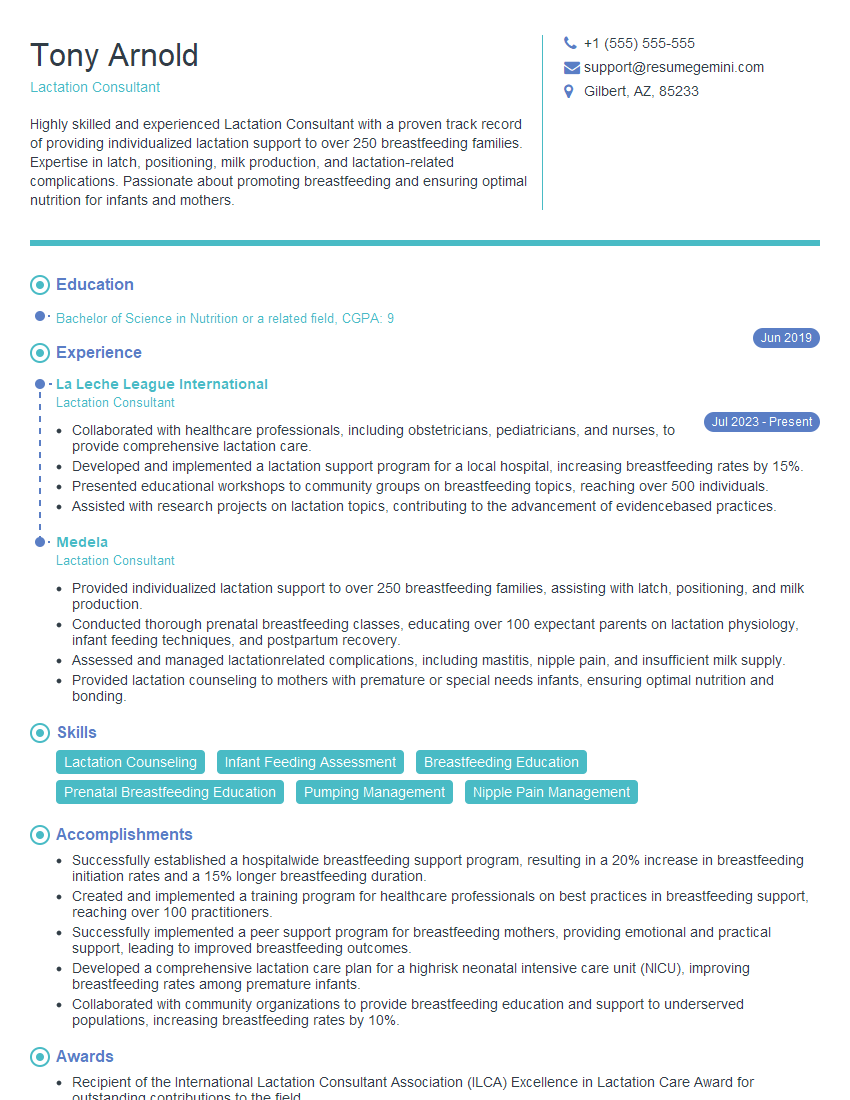
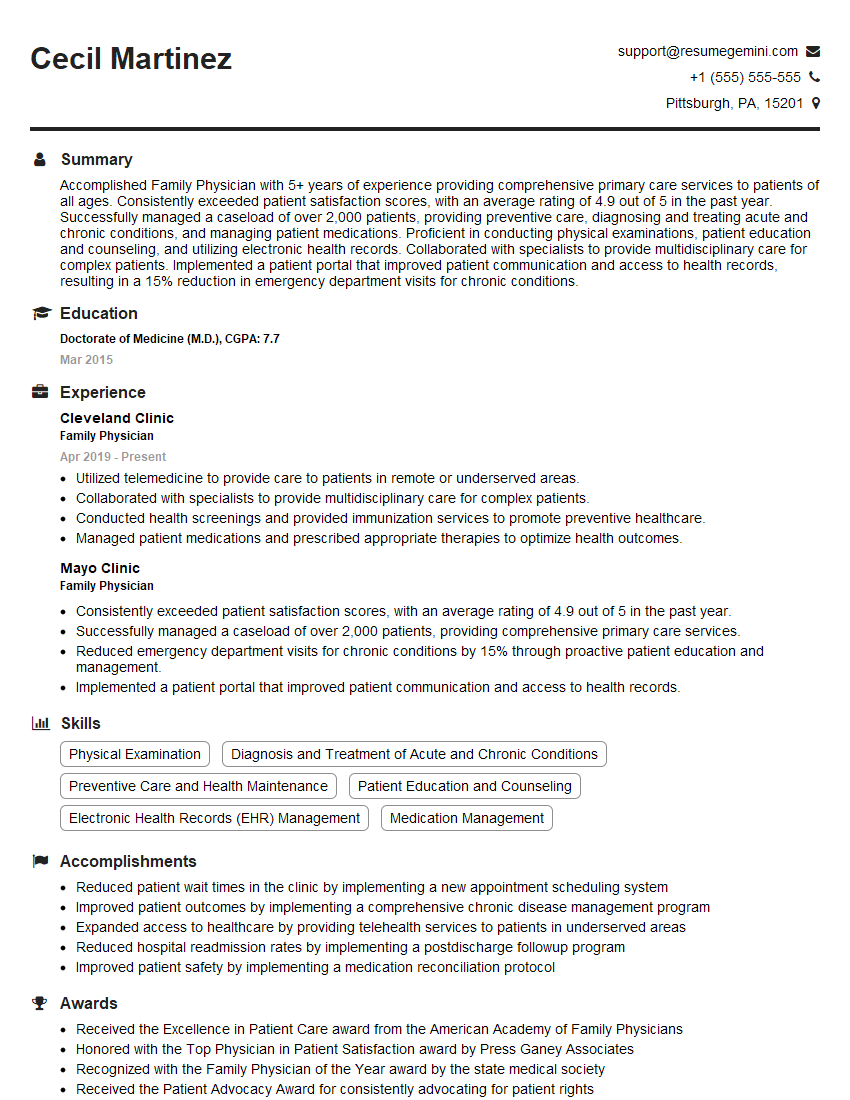
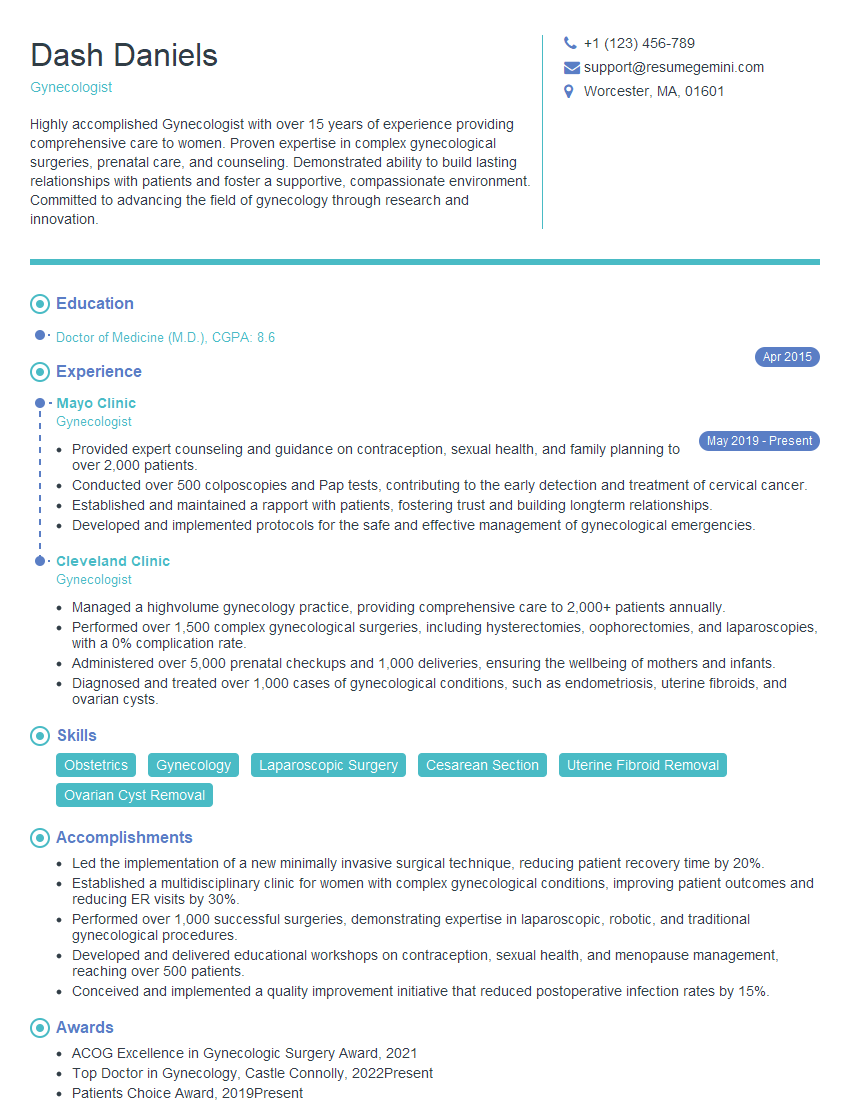
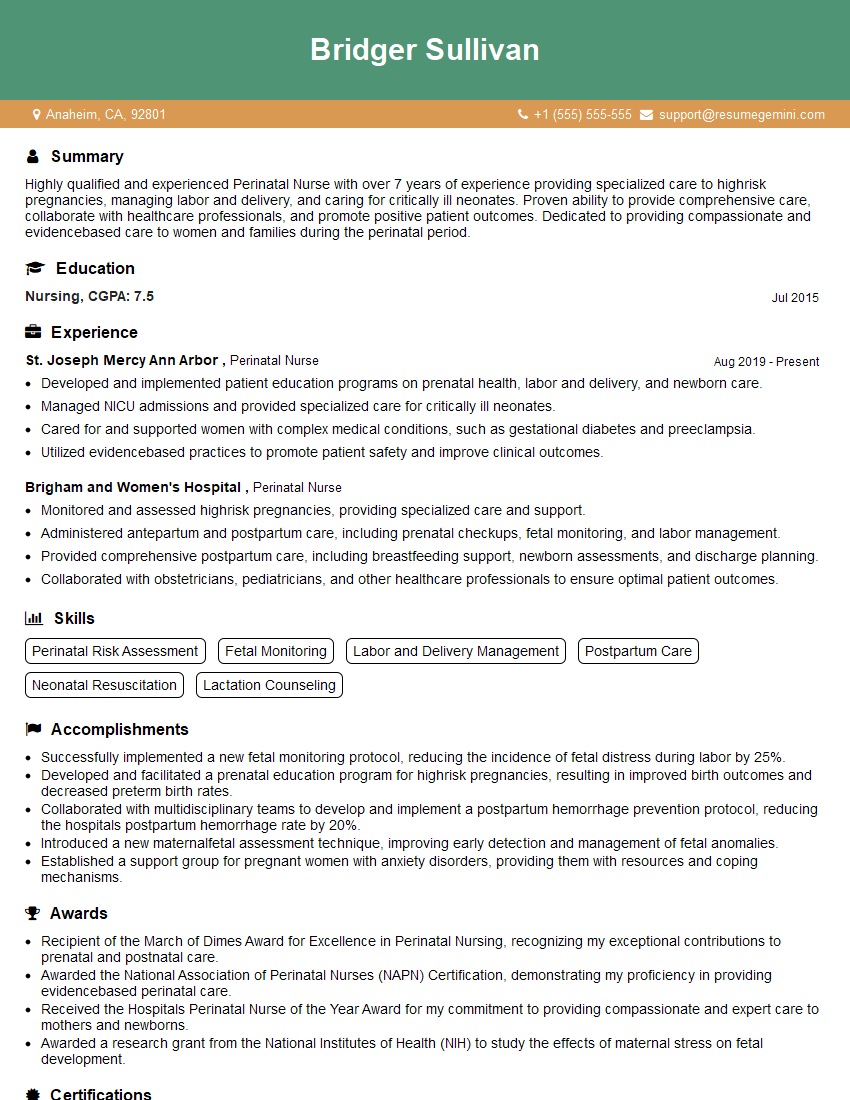
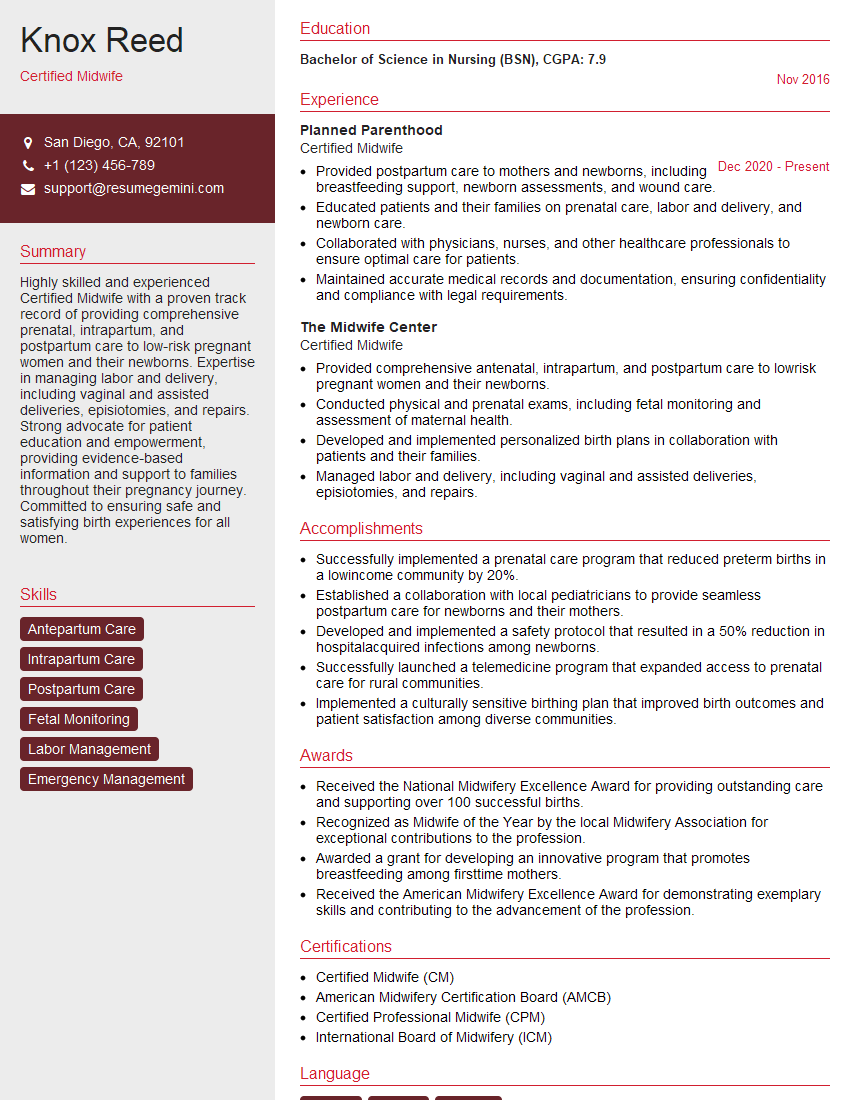
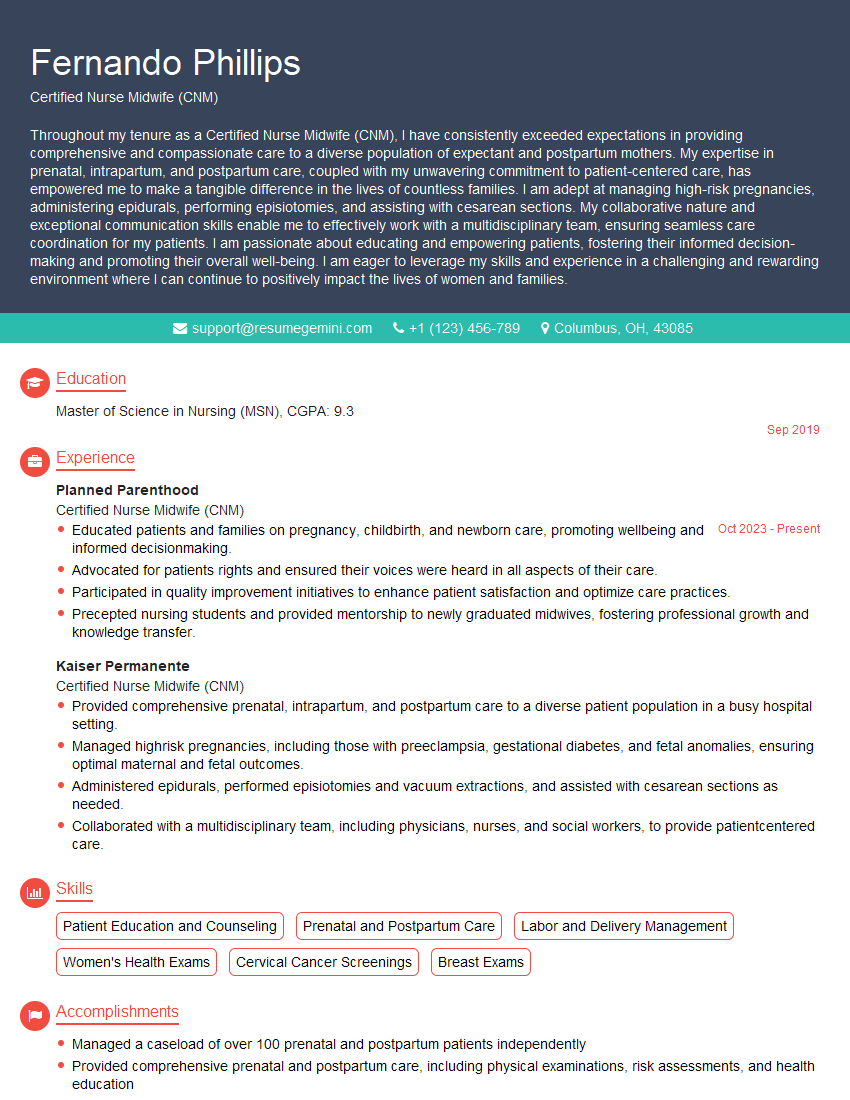
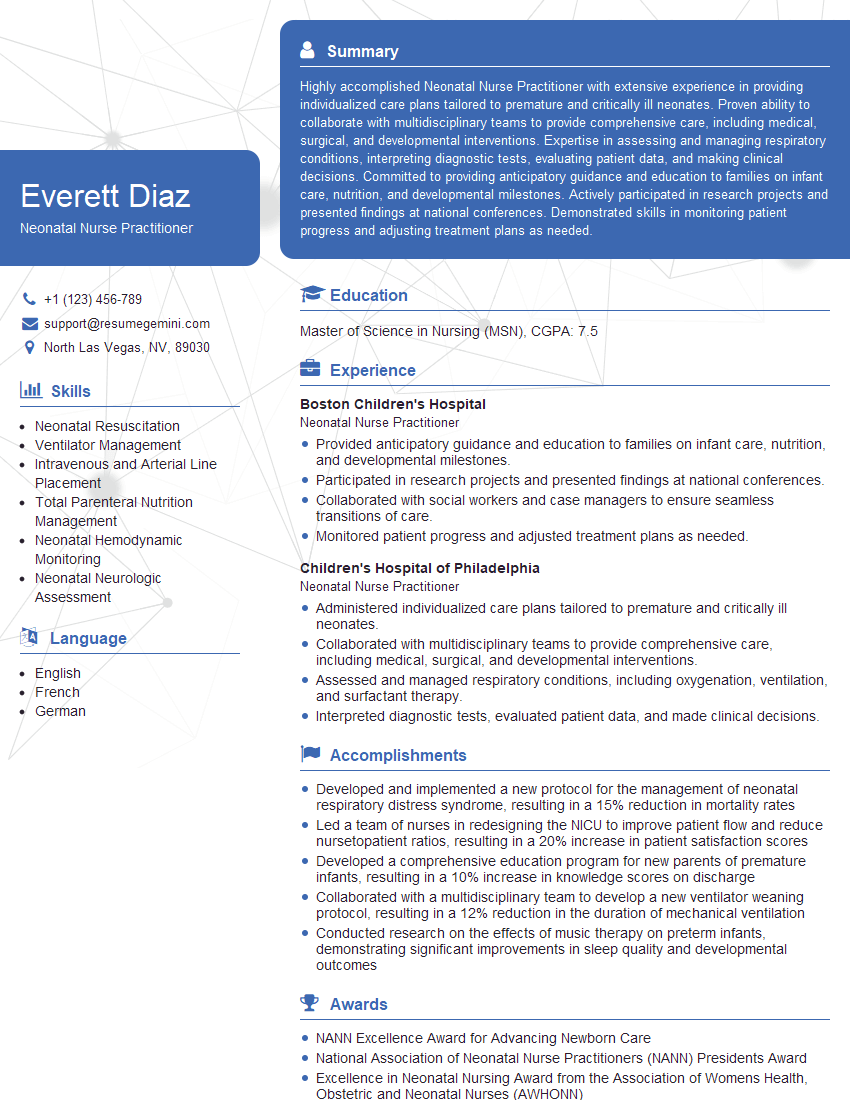
Mastering the intricacies of vaginal delivery is crucial for career advancement in obstetrics and gynecology. A strong understanding of these processes showcases your clinical expertise and commitment to patient safety. To maximize your job prospects, crafting an ATS-friendly resume is paramount. ResumeGemini is a trusted resource to help you build a professional and impactful resume that highlights your skills and experience. Examples of resumes tailored to Vaginal Delivery are available within ResumeGemini to guide you in showcasing your expertise effectively. Take the next step towards your dream career today!
Explore more articles
Users Rating of Our Blogs
Share Your Experience
We value your feedback! Please rate our content and share your thoughts (optional).
What Readers Say About Our Blog
To the interviewgemini.com Webmaster.
Very helpful and content specific questions to help prepare me for my interview!
Thank you
To the interviewgemini.com Webmaster.
This was kind of a unique content I found around the specialized skills. Very helpful questions and good detailed answers.
Very Helpful blog, thank you Interviewgemini team.