Interviews are opportunities to demonstrate your expertise, and this guide is here to help you shine. Explore the essential Visual acuity assessment interview questions that employers frequently ask, paired with strategies for crafting responses that set you apart from the competition.
Questions Asked in Visual acuity assessment Interview
Q 1. Explain the difference between visual acuity and visual fields.
Visual acuity and visual fields are distinct aspects of vision, both crucial for assessing overall eye health. Visual acuity measures the sharpness or clarity of vision – essentially, how well you can see details at a specific distance. Think of it like the resolution of a camera. Visual fields, on the other hand, refer to the entire area you can see while looking straight ahead. It’s the total extent of your vision, akin to the camera’s field of view. A person might have excellent visual acuity (sharp central vision) but a reduced visual field (difficulty seeing things peripherally), or vice versa.
For example, someone with macular degeneration might have excellent peripheral vision but severely reduced central visual acuity, making it hard to read or recognize faces. Conversely, someone with glaucoma might have good central vision but a significantly narrowed visual field, increasing their risk of accidents.
Q 2. Describe the procedure for administering a Snellen chart test.
Administering a Snellen chart test is a standardized procedure for assessing visual acuity. The patient stands 20 feet from the chart. They cover one eye at a time and read the smallest line they can clearly distinguish. The test is conducted under adequate lighting. Proper instruction to the patient is critical to ensure they are not guessing, straining, or squinting. It’s important to note whether the patient needs to use corrective lenses (glasses or contacts), and the result is recorded separately for each eye, with or without correction. The whole process should be explained clearly and calmly to the patient to alleviate any anxiety.
For instance, if a patient can read the line labeled ’20/40′ without correction, it means they can see at 20 feet what a person with normal vision can see at 40 feet.
Q 3. What are the common causes of reduced visual acuity?
Reduced visual acuity has numerous causes, broadly categorized into refractive errors, diseases of the eye, and neurological conditions.
- Refractive errors: Myopia (nearsightedness), hyperopia (farsightedness), and astigmatism (blurred vision at all distances) are common culprits. These are usually correctable with glasses or contact lenses.
- Eye diseases: Cataracts (clouding of the lens), macular degeneration (damage to the central retina), glaucoma (damage to the optic nerve), and diabetic retinopathy (damage to the blood vessels in the retina) can all significantly impair visual acuity.
- Neurological conditions: Conditions like stroke, multiple sclerosis, and brain tumors can affect the visual pathways and lead to decreased visual acuity or visual field defects.
- Other factors: Certain medications, injuries, and genetic conditions can also contribute to reduced visual acuity.
It’s crucial to perform a thorough eye examination to determine the underlying cause of reduced visual acuity and initiate appropriate treatment.
Q 4. How do you interpret a visual acuity result of 20/40?
A visual acuity result of 20/40 means that the patient can see at 20 feet what a person with normal vision can see at 40 feet. This indicates that their visual acuity is less than optimal, implying some degree of visual impairment. The numerator (20) represents the testing distance, and the denominator (40) represents the distance at which a person with normal vision can read the same line. The lower the denominator relative to the numerator, the better the visual acuity. 20/20 is considered normal visual acuity.
For example, a person with 20/40 vision might struggle to read street signs from a distance or have difficulty driving at night. This finding necessitates further investigation to identify the underlying cause and explore management options, which may include corrective lenses or treatment for an underlying eye condition.
Q 5. Explain the concept of refractive errors and how they affect visual acuity.
Refractive errors are imperfections in the shape of the eye that prevent light from focusing properly on the retina, resulting in blurred vision. These errors are caused by the eye’s inability to accurately bend (refract) light. The three primary refractive errors are myopia, hyperopia, and astigmatism.
- Myopia (nearsightedness): The eyeball is too long, or the cornea is too curved, causing light to focus in front of the retina.
- Hyperopia (farsightedness): The eyeball is too short, or the cornea is too flat, causing light to focus behind the retina.
- Astigmatism: The cornea is irregularly shaped, resulting in multiple focal points and blurry vision.
These errors directly affect visual acuity, causing blurred vision and reduced ability to see details clearly. Corrective lenses (glasses or contact lenses) or refractive surgery can correct these errors, significantly improving visual acuity.
Q 6. Describe different types of visual acuity charts and their applications.
Several visual acuity charts are used depending on the patient’s age, cognitive ability, and the specific purpose of the assessment.
- Snellen Chart: The most common chart used for adults, consisting of rows of letters decreasing in size. It’s used to assess distance visual acuity.
- LogMAR Chart: Uses logarithmic progression of letter sizes, allowing for more precise measurement of visual acuity and more sensitive to small changes in acuity compared to the Snellen Chart.
- Lea Symbols Chart: Used for young children or individuals who cannot read letters, utilizing pictures instead.
- Tumbling E Chart: Uses the letter ‘E’ in different orientations, useful for patients who cannot read letters or have limited literacy.
- Bailey-Lovie Chart: A modification of the Snellen chart with more letters per line, improving the precision of measurements and reducing the effect of guessing.
The choice of chart depends on the individual needs and the clinical context. For example, the Lea Symbols chart is ideal for preschool-aged children, while the LogMAR chart is preferred for research purposes due to its precise measurement of visual acuity.
Q 7. How do you handle a patient who is unable to perform a standard visual acuity test?
If a patient is unable to perform a standard visual acuity test, alternative methods need to be employed. The approach depends on the reason for their inability.
- For patients with cognitive impairments or very young children: Using charts with pictures (like the Lea Symbols chart) or assessing their ability to follow a moving object or recognize faces can provide some information about their visual acuity.
- For patients with severe visual impairments: Counting fingers, hand motion, or light perception tests are used to assess their functional visual capacity. These are less precise than standard acuity tests but still provide valuable clinical information.
- For patients with communication difficulties: Careful non-verbal communication techniques, adapting the test to suit their needs, and utilizing other assessment tools like near vision testing may be helpful.
The goal is to obtain as much information as possible about the patient’s vision to facilitate appropriate diagnosis and management. Thorough documentation of the methods used and the results obtained is essential.
Q 8. What are the limitations of using only visual acuity assessment to diagnose a vision problem?
Visual acuity, while crucial, only measures the sharpness of vision at a specific distance. It doesn’t provide a complete picture of overall eye health. Think of it like checking only your car’s speedometer – you know how fast you’re going, but you don’t know the condition of your engine, brakes, or tires. Similarly, a normal visual acuity reading doesn’t rule out other vision problems.
- Color vision deficiencies: Visual acuity tests don’t assess the ability to distinguish colors.
- Peripheral vision problems: Visual acuity focuses on central vision, neglecting peripheral vision which is vital for navigation and safety.
- Eye muscle imbalances (strabismus): Visual acuity might be normal, even with an eye turning inwards or outwards, affecting binocular vision.
- Eye diseases: Conditions like glaucoma and macular degeneration can affect vision beyond just acuity. Early stages may show normal acuity, while significant damage is already occurring.
- Neurological issues: Problems in the brain’s visual processing areas can affect vision even if the eyes themselves are healthy.
Therefore, a comprehensive eye exam including tests for color vision, visual fields, eye muscle balance, and retinal examination is necessary for a thorough diagnosis.
Q 9. Describe the process of assessing visual acuity in children.
Assessing visual acuity in children requires patience and age-appropriate techniques. We can’t just ask a toddler to read an eye chart!
- Infants (0-6 months): We use preferential looking techniques, observing which direction the child looks when presented with stimuli. We assess the ability to track objects and follow light.
- Toddlers (6 months – 3 years): We might use picture charts with familiar objects instead of letters. The Teller acuity cards are commonly used. Playful interaction is key to engage the child’s attention.
- Preschoolers (3-5 years): We can begin introducing letter charts, but using simple symbols or pictures alongside letters can be helpful. Positive reinforcement and praise are important.
- School-aged children (5+ years): Standard visual acuity charts like the Snellen chart can be used, but always ensure the child understands the instructions and feels comfortable.
Throughout, it’s important to consider the child’s developmental stage and attention span, keeping the process short and fun. We adapt our approach to the individual child’s needs. For example, using a favorite toy can help keep a child focused during the exam.
Q 10. How do you explain visual acuity results to patients in a clear and understandable way?
Explaining visual acuity results requires clear and simple language, avoiding technical jargon. I use analogies to help patients understand.
For example, if a patient’s visual acuity is 20/40, I might say: “Your vision is a little blurry. Imagine you can see clearly at 20 feet what a person with perfect vision can see at 40 feet.” Or, I might use a more relatable example if the patient is familiar with driving, saying “You can only see clearly at 20 feet, what someone with perfect vision can see at 40 feet while driving. This means it will be harder to distinguish things from farther away.”
I always emphasize the importance of discussing any concerns or difficulties they are experiencing, beyond just the numerical result. It’s a collaborative discussion, ensuring they feel heard and understood. We discuss the implications for their daily life and the possible corrective measures available, like glasses or contact lenses.
Q 11. What are the key differences between distance and near visual acuity?
Distance visual acuity assesses the clarity of vision at a distance, typically 20 feet. Near visual acuity assesses vision at a near-working distance, usually 14 inches. They differ in the distance from which the eye chart is read and what they assess.
- Distance VA: Primarily assesses refractive errors like myopia (nearsightedness), hyperopia (farsightedness), and astigmatism. It uses charts like the Snellen chart.
- Near VA: Primarily assesses presbyopia (age-related loss of near vision) and accommodative problems. It uses near vision charts with smaller print sizes, often Jaeger charts or other age-appropriate tools.
While both are important, near visual acuity becomes increasingly relevant as we age. Many individuals need reading glasses for near tasks, even if their distance vision remains good. The results of both tests are necessary for a complete understanding of a patient’s overall vision status.
Q 12. Explain the significance of visual acuity assessment in driving safety.
Visual acuity is critical for driving safety. Reduced visual acuity significantly impairs the ability to see road signs, other vehicles, pedestrians, and hazards effectively. This increases the risk of accidents.
Many jurisdictions have minimum visual acuity requirements for driver’s licenses. For example, a person may be required to have at least 20/40 vision in at least one eye to obtain a license. Regular eye exams are essential to ensure drivers maintain the visual acuity required for safe driving. Difficulties with night vision, glare sensitivity, and peripheral vision, which are often correlated to decreased visual acuity, further emphasize the importance of visual acuity testing in this context. Those with diminished vision may need assistive devices or require modifications to their driving habits.
Q 13. Describe the role of visual acuity assessment in detecting early signs of eye diseases.
Visual acuity assessment isn’t solely for detecting refractive errors; it plays a crucial role in detecting early signs of eye diseases. Changes in visual acuity can be an early indicator of underlying problems.
- Glaucoma: While peripheral vision loss is a hallmark, reduced visual acuity can occur later in the disease progression.
- Macular degeneration: This disease affects the central part of the retina, causing a gradual loss of central vision; this is directly reflected in reduced visual acuity.
- Diabetic retinopathy: Reduced visual acuity is a common symptom, often due to swelling, bleeding, or blockage of blood vessels in the retina.
- Cataracts: Cataracts cloud the lens, gradually reducing visual acuity, often starting with blurred vision and glare sensitivity.
Regular visual acuity testing, especially in high-risk individuals (e.g., those with diabetes or family history of eye disease), is vital for detecting these conditions early. Early detection allows for timely intervention and can help prevent irreversible vision loss.
Q 14. How do you manage patients with low vision?
Managing patients with low vision involves a multidisciplinary approach. The goal isn’t to cure low vision (which is often irreversible), but to maximize remaining vision and improve quality of life.
- Comprehensive eye exam: Determining the underlying cause of low vision and its extent is crucial.
- Low vision aids: Magnifiers, large-print materials, electronic magnification devices, and other assistive technologies can significantly help.
- Vision rehabilitation: This involves training patients to use their remaining vision more effectively and adapting to their vision loss through specialized exercises and strategies.
- Adaptive strategies: We help patients learn strategies for daily living, such as adapting their environment and using assistive technology to maximize independence.
- Emotional support: Vision loss can be emotionally challenging. Referrals to support groups and counseling can be beneficial.
It’s a collaborative effort, involving the patient, their family, and a team of ophthalmologists, optometrists, low vision specialists, and other healthcare professionals. The aim is to empower patients to live as fulfilling a life as possible, despite their vision limitations.
Q 15. What are the implications of untreated visual impairments on daily life?
Untreated visual impairments significantly impact daily life, affecting everything from simple tasks to complex activities. Imagine trying to read a menu, drive a car, or even recognize a friend’s face – all become challenging with uncorrected vision problems.
- Safety: Impaired vision increases the risk of accidents, falls, and injuries at home, work, or while driving.
- Independence: Difficulty with everyday tasks like cooking, dressing, and managing finances can reduce independence and self-esteem.
- Social interaction: Struggling to see facial expressions or read body language can lead to social isolation and communication difficulties.
- Education and employment: Poor vision affects academic performance and limits career opportunities. A student might struggle to read a textbook, and an employee might have difficulty performing tasks that require visual precision.
- Mental health: Frustration, anxiety, and depression are often associated with untreated vision problems, impacting overall well-being.
For example, a person with uncorrected myopia (nearsightedness) might constantly squint, leading to headaches and eye strain. Someone with age-related macular degeneration might struggle to recognize faces or read, severely impacting their quality of life. Early detection and appropriate intervention are crucial to mitigate these impacts.
Career Expert Tips:
- Ace those interviews! Prepare effectively by reviewing the Top 50 Most Common Interview Questions on ResumeGemini.
- Navigate your job search with confidence! Explore a wide range of Career Tips on ResumeGemini. Learn about common challenges and recommendations to overcome them.
- Craft the perfect resume! Master the Art of Resume Writing with ResumeGemini’s guide. Showcase your unique qualifications and achievements effectively.
- Don’t miss out on holiday savings! Build your dream resume with ResumeGemini’s ATS optimized templates.
Q 16. Explain the principles behind different visual acuity correction methods (e.g., glasses, contact lenses).
Visual acuity correction methods aim to improve the clarity and sharpness of vision by compensating for refractive errors (how light focuses on the retina). The principles differ slightly depending on the method but fundamentally rely on bending light to correct the focus.
- Glasses (spectacles): Lenses are used to refract (bend) light rays before they reach the eye. Concave lenses diverge light rays to correct myopia (nearsightedness), while convex lenses converge light rays to correct hyperopia (farsightedness) and presbyopia (age-related farsightedness). Astigmatism, a condition where the cornea is irregularly shaped, is corrected with lenses that have different curvatures in different meridians.
- Contact lenses: Similar to glasses, contact lenses correct refractive errors by bending light. However, they sit directly on the eye’s surface, offering a wider field of vision and potentially better cosmetic appearance. Different types exist, including soft, rigid gas permeable (RGP), and toric (for astigmatism).
In essence, both glasses and contact lenses work by manipulating the path of light entering the eye, ensuring a sharp image is formed on the retina. The choice between them depends on individual preferences, lifestyle, and the nature of the refractive error.
Q 17. What are some common errors in administering a visual acuity test and how can they be avoided?
Common errors during visual acuity testing can lead to inaccurate results and inappropriate treatment. It’s crucial to follow standardized procedures meticulously.
- Incorrect distance: The patient must be positioned at the exact specified distance (typically 6 meters or 20 feet for Snellen charts).
- Improper illumination: Adequate lighting is essential for clear vision of the chart. Too much or too little light can affect the test results.
- Patient fatigue or inattention: The patient should be rested and attentive. If they’re tired or distracted, the results won’t be reliable.
- Uncorrected refractive errors: The patient should remove existing glasses or contact lenses unless the test specifically aims to evaluate the effect of correction.
- Incorrect chart use: The examiner needs to ensure the chart is properly illuminated and positioned. The patient should only cover one eye at a time.
- Failing to record results accurately: Results should be documented precisely, including any limitations or difficulties encountered.
Avoiding these errors involves careful preparation, adherence to standardized protocols, and paying close attention to patient comfort and engagement. A structured and organized testing environment is key to ensuring accuracy.
Q 18. Describe your experience with different types of visual acuity testing equipment.
My experience encompasses various visual acuity testing equipment, each with its own advantages and limitations.
- Snellen charts: These are the most common, featuring letters of decreasing size. They are simple, affordable, and widely used for initial screening.
- E-charts: Similar to Snellen charts, but use symbols (Es) that can be oriented in various directions, useful for young children or individuals with limited literacy.
- Tumbling E charts: Variation of the E chart useful for non-readers.
- Automated phoropters: These computerized devices allow for precise measurement of refractive errors and automated testing.
- Projectors: Project standardized charts onto a screen or wall, offering flexibility in setting up the testing environment.
- Digital visual acuity systems: These advanced systems provide objective measurements and incorporate various features such as contrast sensitivity testing.
Each piece of equipment has its strengths. For example, automated phoropters offer greater precision compared to traditional charts, but they can be expensive. I adapt my choice of equipment to the specific needs of the patient and the testing environment.
Q 19. How do you maintain the accuracy and calibration of visual acuity testing equipment?
Maintaining the accuracy and calibration of visual acuity testing equipment is crucial for reliable results. This involves regular checks and maintenance.
- Regular calibration: Automated equipment requires periodic calibration according to the manufacturer’s instructions, typically using standardized test targets.
- Visual inspection: Regularly inspect charts for any damage, fading, or deterioration. Replace charts that show any signs of wear and tear.
- Lighting checks: Ensure consistent and adequate lighting during testing. Use a light meter if necessary to maintain consistent luminance.
- Distance verification: Regularly verify the testing distance using a measuring tape to ensure accuracy.
- Software updates: For digital systems, install software updates as recommended by the manufacturer to maintain optimal performance.
- Preventive maintenance: Follow manufacturer’s recommendations for preventive maintenance schedules to extend the lifespan and reliability of the equipment.
Accurate calibration and maintenance prevent errors and ensure that the results obtained are reliable and comparable across different time points and locations. This is paramount for proper diagnosis and patient care.
Q 20. Discuss the ethical considerations of visual acuity assessment.
Ethical considerations are central to visual acuity assessment. Respect for patient autonomy, confidentiality, and informed consent are vital.
- Informed consent: Patients should be fully informed about the purpose of the test, the procedure, and potential risks before proceeding.
- Confidentiality: Patient information should be kept strictly confidential and handled according to HIPAA regulations (in the US) or equivalent privacy laws in other jurisdictions.
- Accurate reporting: Test results should be documented accurately and objectively. Any limitations or uncertainties should be clearly stated.
- Cultural sensitivity: The examiner should be mindful of cultural differences and adapt the communication style and testing procedures as necessary.
- Accessibility: Testing procedures should be adapted to accommodate patients with disabilities.
- Professional boundaries: Maintaining professional boundaries and avoiding any conflict of interest is essential.
For example, a patient may have concerns about the implications of their test results; providing thorough explanations and emotional support is crucial in maintaining ethical practice. Ethical behavior fosters trust and ensures that patients receive the best possible care.
Q 21. How do you document visual acuity results accurately and comprehensively?
Accurate and comprehensive documentation of visual acuity results is critical for effective patient care and legal protection.
- Patient demographics: This includes name, date of birth, medical record number, and other relevant identifying information.
- Date and time of testing: This ensures accurate tracking of results over time.
- Equipment used: Specify the type of chart or device used for testing.
- Visual acuity results: Record the results using standardized notation (e.g., Snellen fraction, decimal equivalent). Note any limitations or corrections used.
- Testing conditions: Document the lighting conditions, distance from the chart, and any other relevant factors.
- Observations: Record any observations about the patient’s behavior during the test, such as squinting or difficulty with specific letters or symbols.
- Diagnosis and recommendations: Summarize the findings and provide appropriate recommendations for correction or further evaluation.
For instance, documenting visual acuity as ’20/40 OD, 20/30 OS, with correction’ clearly indicates the visual acuity in each eye (OD = right eye, OS = left eye) and specifies that a correction was used during the testing. Maintaining clear and detailed records allows for easy comparison of results over time and facilitates communication among healthcare professionals.
Q 22. Explain the importance of patient education in visual acuity assessment.
Patient education is paramount in visual acuity assessment because it fosters collaboration and ensures accurate results. A well-informed patient understands the purpose of each test, how to participate effectively, and what the results mean. This leads to a more relaxed and cooperative testing environment, improving the reliability of the assessment.
- Understanding the Procedure: Explaining the steps involved, such as covering one eye at a time and reading the letters on the chart, reduces anxiety and ensures the patient knows what to expect. For example, I always explain the Snellen chart and its purpose before beginning the test.
- Interpreting Results: Clearly explaining the results in simple terms, avoiding technical jargon, helps patients understand their vision status and its implications for their daily lives. For instance, instead of saying “You have 20/40 vision,” I might explain, “This means you need to be at 20 feet to see what someone with normal vision can see at 40 feet.”
- Managing Expectations: Setting realistic expectations about the assessment process and potential outcomes prevents disappointment and ensures patients feel heard and understood. If a patient has concerns about a specific condition, I address those concerns directly and honestly.
Q 23. What are the latest advancements in visual acuity assessment technology?
Visual acuity assessment technology is constantly evolving. Recent advancements include automated visual acuity systems that eliminate the need for human interpretation, reducing subjectivity and improving efficiency. These systems often incorporate digital displays and advanced algorithms for more precise measurements.
- Computerized Visual Acuity Charts: These charts use digital displays and can present various test types and adapt to individual patient needs, offering flexibility and accuracy. They can also be easily adjusted for different languages or symbols.
- Adaptive Testing Algorithms: These algorithms intelligently adjust the difficulty of the test based on the patient’s responses, leading to a more efficient and accurate assessment, particularly useful for patients with varying degrees of visual impairment.
- Optical Coherence Tomography (OCT): While not a direct visual acuity measure, OCT provides detailed retinal imaging, crucial for diagnosing underlying conditions impacting visual acuity. This helps determine the cause of poor vision and guides treatment strategies.
- Artificial Intelligence (AI) in Image Analysis: AI is being employed to analyze retinal images to detect subtle abnormalities that might influence visual acuity, potentially leading to earlier diagnosis and intervention.
Q 24. How do you address patient anxieties related to visual acuity testing?
Addressing patient anxieties is crucial for obtaining accurate and reliable results. Building rapport and creating a comfortable environment are key. I always start by making a friendly connection with the patient, listening to their concerns, and addressing any questions they have before beginning the test.
- Empathetic Communication: I use simple, clear language and avoid technical jargon. Active listening and reflecting the patient’s concerns show that I am attentive to their needs.
- Creating a Relaxing Atmosphere: Ensuring a calm, quiet testing environment, adjusting lighting as needed, and offering breaks if the patient feels overwhelmed can significantly reduce anxiety.
- Positive Reinforcement: I provide positive feedback during the testing process, praising their effort and cooperation, even if they encounter difficulties. This builds confidence and encourages participation.
- Explaining the Importance of the Test: Clearly explaining how the results will help in their overall eye care empowers patients and reduces their anxiety.
Q 25. Describe a challenging case you encountered in visual acuity assessment and how you resolved it.
I once encountered a patient with severe nystagmus (involuntary eye movement) who found it extremely difficult to fixate on the Snellen chart. Standard visual acuity testing methods proved unreliable. To resolve this, I used alternative methods, including preferential looking techniques (assessing the infant’s preference for looking towards a patterned stimulus) and visually evoked potentials (measuring brainwave responses to visual stimuli). This multi-faceted approach yielded a more accurate and representative assessment of their visual capabilities.
Q 26. How do you stay updated on the latest research and best practices in visual acuity assessment?
Staying updated is essential in this rapidly evolving field. I regularly attend professional conferences, workshops, and continuing education courses related to ophthalmology and optometry. I also subscribe to relevant journals and online resources, such as the publications of the American Academy of Ophthalmology and the American Optometric Association.
- Professional Organizations: Active membership in professional organizations provides access to the latest research, guidelines, and networking opportunities with other professionals.
- Peer-Reviewed Journals: Reading peer-reviewed articles in journals such as Investigative Ophthalmology & Visual Science and Ophthalmology ensures I stay abreast of current research and best practices.
- Online Resources: Utilizing reputable online resources, such as the National Eye Institute website, keeps me updated on new technologies and treatments.
Q 27. Explain the legal and regulatory aspects relevant to visual acuity assessment.
Legal and regulatory aspects are crucial in visual acuity assessment. These aspects vary depending on the location and the context of the assessment (e.g., driver’s license requirements, employment screening, or medical diagnosis). However, some common themes include maintaining patient confidentiality (HIPAA in the US), adhering to professional standards of practice, ensuring proper calibration and maintenance of equipment, and accurately documenting results.
- HIPAA Compliance (US): Protecting patient health information is paramount. All assessment-related data must be handled securely and confidentially.
- Licensing and Certification: Practitioners must be properly licensed and certified to perform visual acuity assessments, with requirements varying by jurisdiction.
- Equipment Calibration and Maintenance: Accurate and reliable results depend on properly calibrated and maintained equipment. Regular calibration and documentation are essential for legal compliance.
- Documentation: Maintaining thorough and accurate records of the assessment procedure, results, and any relevant observations is critical for legal and professional accountability.
Key Topics to Learn for Visual Acuity Assessment Interview
- Understanding Visual Acuity: Definitions, measurement units (e.g., Snellen chart, decimal notation), and the significance of different acuity levels.
- Testing Methods and Instruments: Familiarize yourself with various techniques like Snellen chart testing, pinhole testing, and automated phoropters. Understand their applications and limitations.
- Interpreting Results: Learn to analyze test results, identify potential vision impairments (myopia, hyperopia, astigmatism), and understand the implications for patient care.
- Refractive Errors: Gain a comprehensive understanding of common refractive errors, their causes, and correction methods (glasses, contact lenses, refractive surgery).
- Visual Acuity in Different Populations: Explore how visual acuity assessment varies across age groups (pediatrics, geriatrics) and specific patient populations (e.g., those with neurological conditions).
- Practical Application in Clinical Settings: Consider how visual acuity assessments are integrated into comprehensive eye exams, pre- and post-operative evaluations, and monitoring disease progression.
- Troubleshooting and Quality Control: Develop an understanding of potential sources of error in visual acuity testing and strategies for ensuring accurate and reliable results.
- Legal and Ethical Considerations: Familiarize yourself with relevant regulations and ethical guidelines related to patient privacy and informed consent in the context of visual acuity assessment.
Next Steps
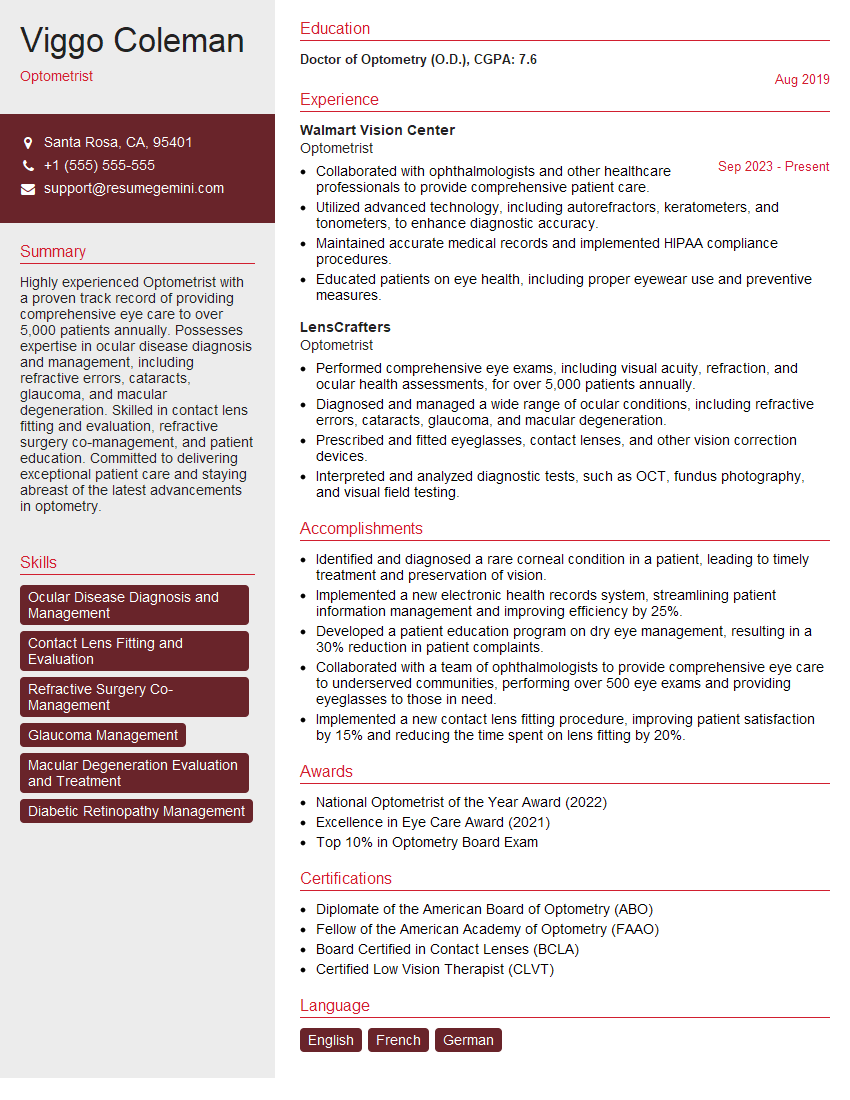
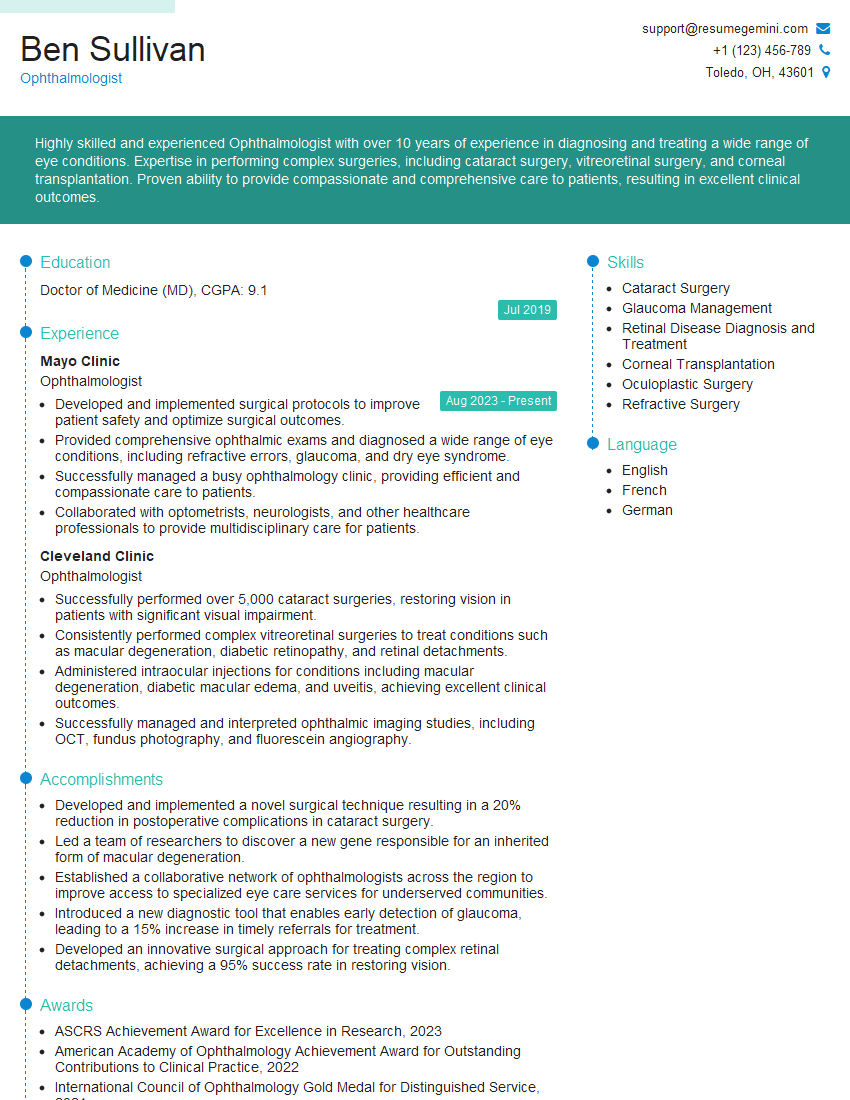
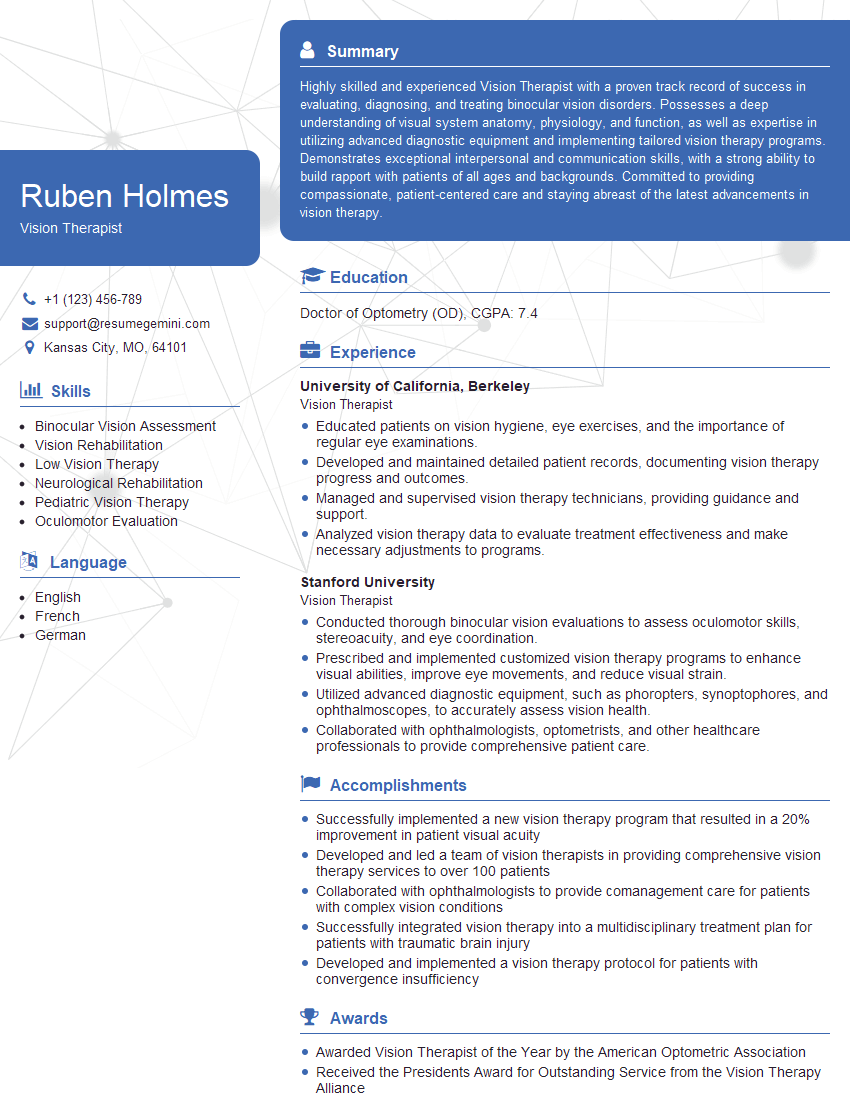
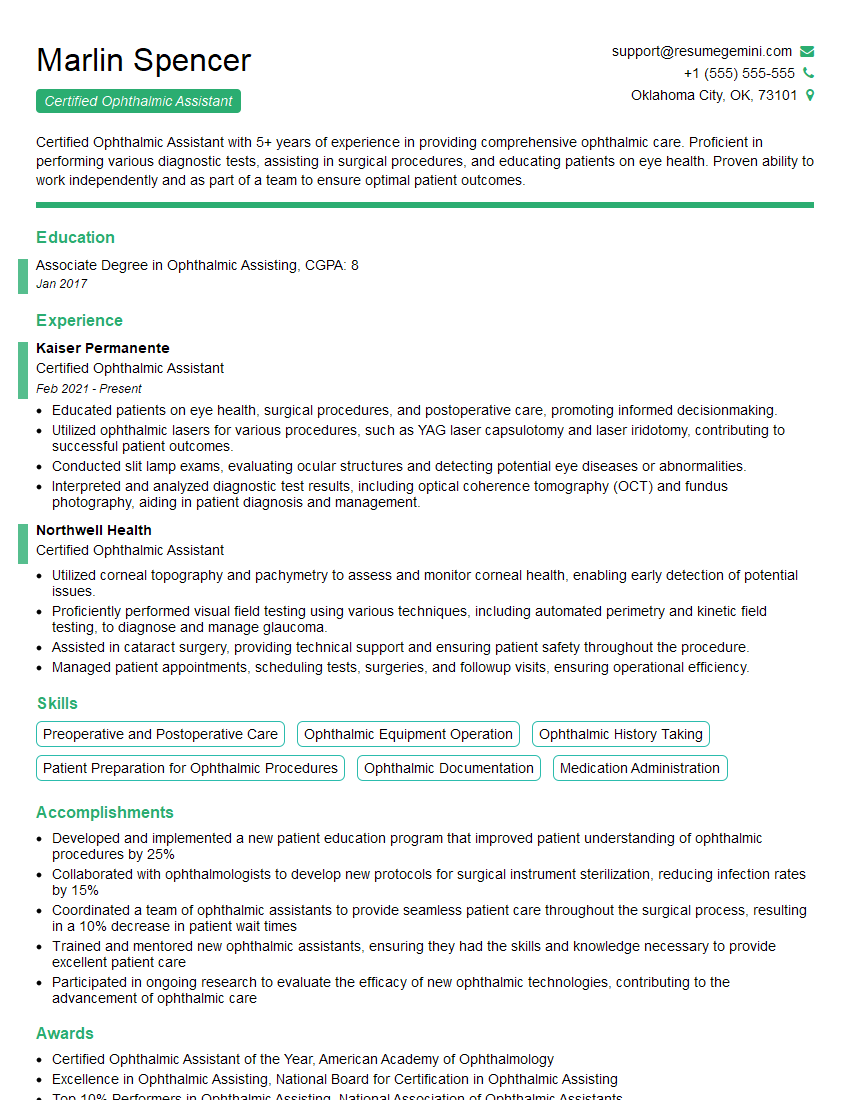
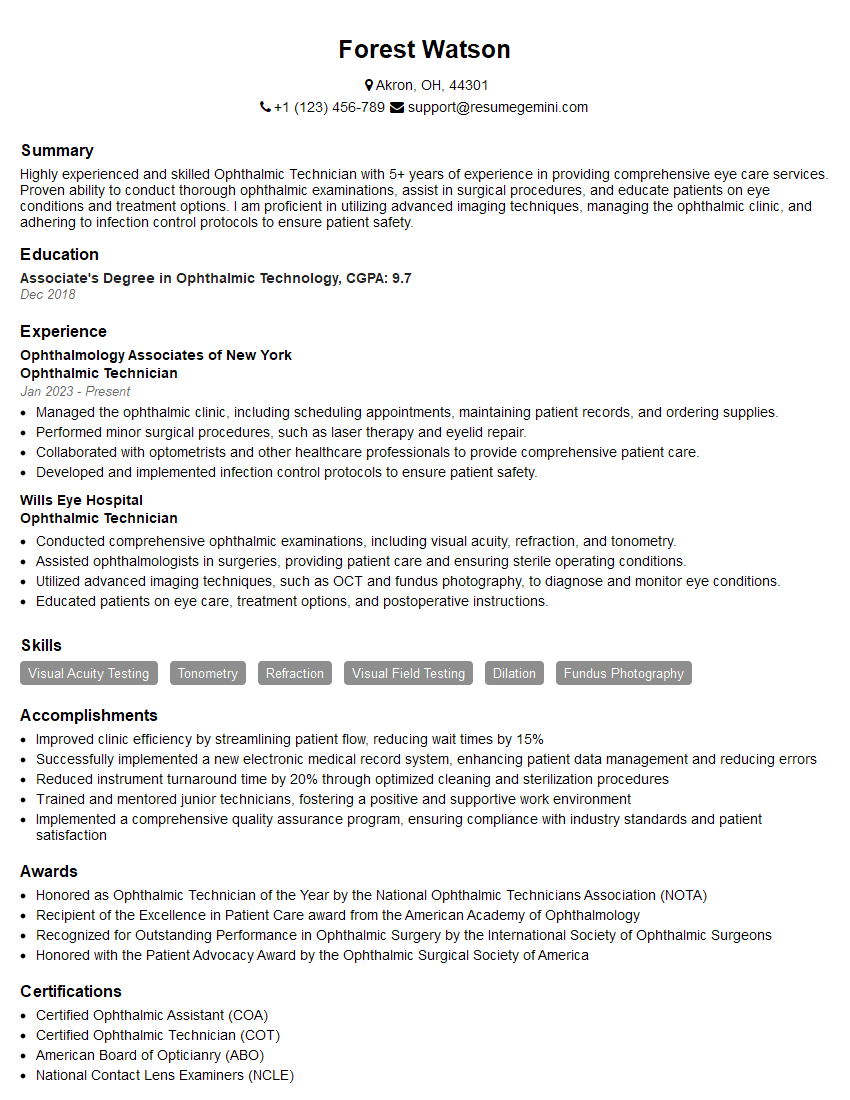
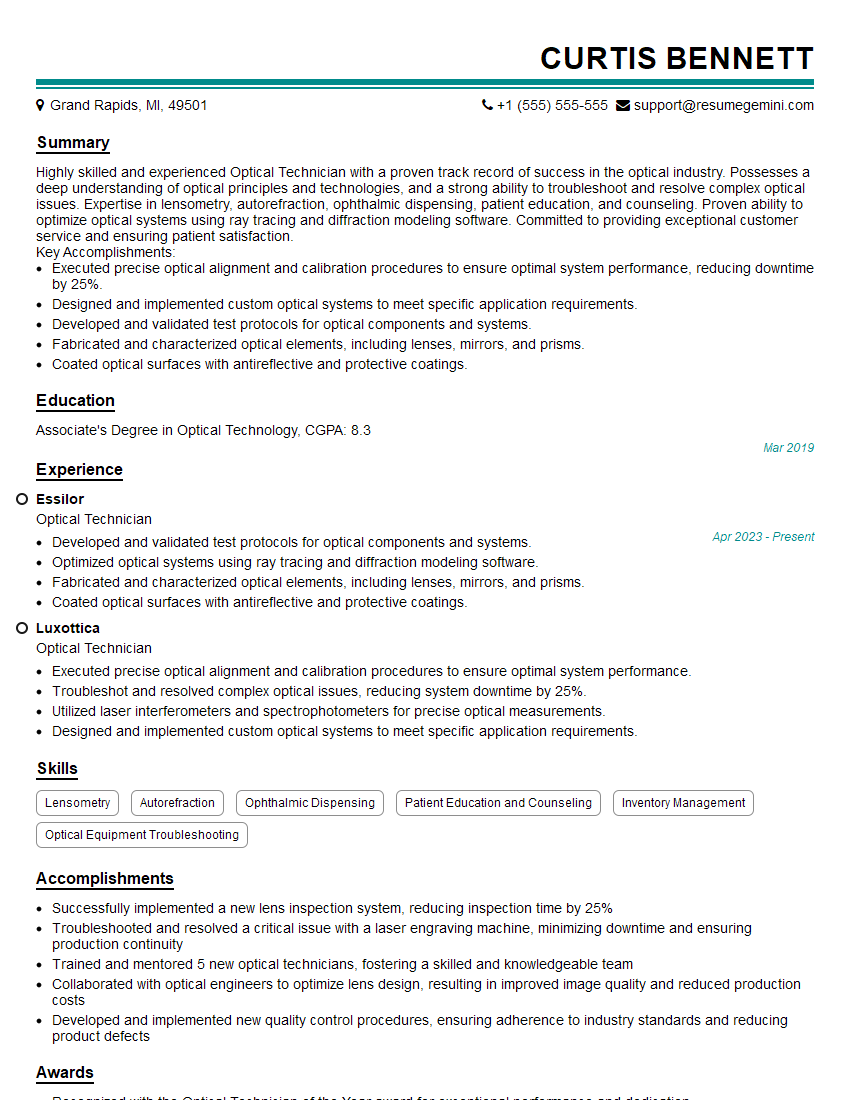
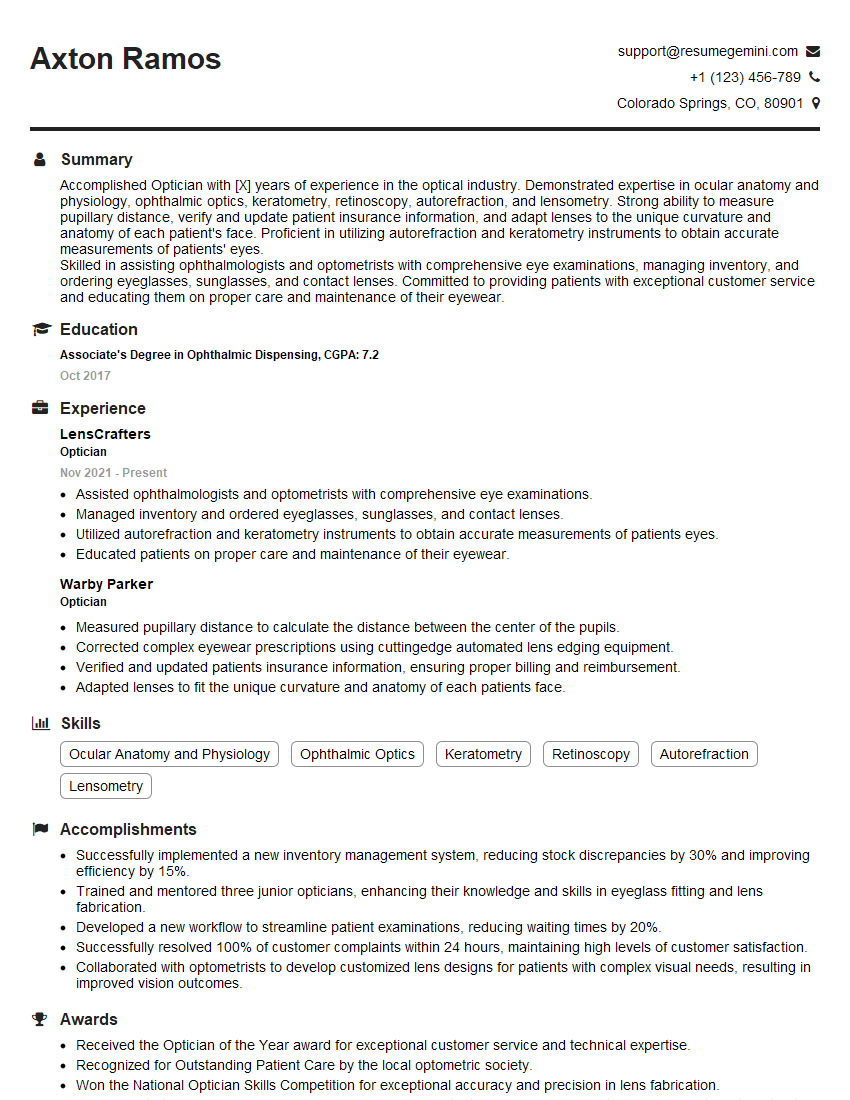
Mastering visual acuity assessment is crucial for career advancement in ophthalmology, optometry, and related healthcare fields. A strong understanding of these concepts demonstrates your competence and readiness to contribute effectively. To maximize your job prospects, create an ATS-friendly resume that highlights your skills and experience. ResumeGemini is a trusted resource to help you build a professional and impactful resume. We provide examples of resumes tailored to visual acuity assessment to guide you through the process. Take the next step towards your dream career today!

Explore more articles
Users Rating of Our Blogs
Share Your Experience
We value your feedback! Please rate our content and share your thoughts (optional).
What Readers Say About Our Blog
To the interviewgemini.com Webmaster.
Very helpful and content specific questions to help prepare me for my interview!
Thank you
To the interviewgemini.com Webmaster.
This was kind of a unique content I found around the specialized skills. Very helpful questions and good detailed answers.
Very Helpful blog, thank you Interviewgemini team.