Interviews are opportunities to demonstrate your expertise, and this guide is here to help you shine. Explore the essential Wastewater Sampling and Monitoring interview questions that employers frequently ask, paired with strategies for crafting responses that set you apart from the competition.
Questions Asked in Wastewater Sampling and Monitoring Interview
Q 1. Describe the different types of wastewater samples and when each is appropriate.
Wastewater samples can be categorized into several types, each serving a distinct purpose. The choice depends on the information needed and the nature of the wastewater source.
- Grab Samples: These are single samples taken at a specific time and location. They provide a snapshot of wastewater quality at that instant. Imagine taking a single photo – you capture a moment in time. Grab samples are useful for quick assessments or when changes in wastewater composition are expected, such as during a spill response.
- Composite Samples: These are created by combining multiple grab samples collected over a specific time period (e.g., 24 hours). They represent the average wastewater quality over that period. Think of it as a time-lapse video – you see the average condition over time. Composite samples are generally preferred for routine monitoring of treatment plant influent and effluent because they offer a more representative picture of the overall wastewater characteristics.
- 24-hour Composite Samples: A specific type of composite sample where grab samples are taken at regular intervals (e.g., hourly) over a 24-hour period. This is particularly useful for monitoring treatment plant performance and complying with discharge permits which often require average daily values.
- Flow-Proportioned Composite Samples: These samples are collected proportionally to the flow rate of the wastewater. So, if the flow rate doubles for a period, the sample volume collected during that period also doubles. This is important because it accurately reflects the pollutant loading during periods of variable flow, giving a more weighted average of the contaminants present.
Selecting the appropriate sampling type is crucial for accurate data interpretation and effective wastewater management. For instance, a grab sample might miss a short-term pollution event, while a composite sample might mask a significant but short-lived increase in a specific pollutant.
Q 2. Explain the proper procedures for collecting a composite wastewater sample.
Collecting a composite wastewater sample requires meticulous attention to detail. Here’s a step-by-step procedure:
- Plan the sampling frequency and duration: Determine the total sampling period (e.g., 24 hours) and the frequency of grab sample collection (e.g., hourly). The specific schedule depends on the objectives of the sampling program and relevant regulations.
- Select the sampling location: Choose a representative location in the wastewater stream. This might be a manhole, access point, or designated sampling port, ensuring homogenous mixing of the wastewater.
- Prepare the sample container: Use a clean, appropriately sized container (usually glass or polyethylene) that’s pre-labeled with a unique identification number, date, time, and location. The container should also be free of any contaminants that could affect the results.
- Collect grab samples: At each scheduled time, collect a grab sample using a clean sampler, avoiding contact with the container’s inner surface. Submerge the sampler below the surface to avoid surface scum or floating debris.
- Add preservative (if required): Certain parameters require preservatives to maintain stability and prevent degradation. For example, pH adjustment or the addition of chemicals like sulfuric acid or mercuric chloride may be needed to preserve certain parameters. Follow established laboratory procedures.
- Combine grab samples: Once all grab samples are collected, combine them in the pre-labeled composite sample container. Mix thoroughly to ensure homogeneity.
- Document the sampling process: Record all relevant information including date, time, location, sampling method, volume of each grab sample, and any observations or anomalies.
- Properly seal and label the composite sample: Securely seal the container, ensuring no leakage. Attach a complete chain-of-custody form.
Imagine collecting samples from a river. A single grab sample might show pollution just in that point, but a 24-hour composite would highlight the overall pollution level over the entire day, giving a more meaningful picture.
Q 3. What safety precautions are essential during wastewater sampling?
Wastewater sampling can expose individuals to a range of hazards. Stringent safety precautions are essential:
- Personal Protective Equipment (PPE): Always wear appropriate PPE, including gloves (nitrile or equivalent), safety glasses or goggles, waterproof boots, and lab coats. Depending on the location and the potential hazards, respirators and other specialized equipment may also be required.
- Hazard Identification: Before starting any sampling, assess potential hazards such as pathogens, toxic substances, sharp objects, and confined spaces. A detailed site-specific risk assessment should be performed.
- Proper Lifting Techniques: Wastewater samples can be heavy. Use proper lifting techniques and mechanical aids (e.g., hoists, pumps) when necessary, to avoid injuries.
- Emergency Preparedness: Have a plan in place for handling emergencies, including access to first aid, decontamination facilities, and emergency contact numbers. This should be part of any safety briefing before starting the sampling operation.
- Working at Heights/Confined Spaces: If sampling involves working at heights or in confined spaces, follow all relevant safety regulations and obtain necessary permits and training.
- Exposure Control: Minimize skin and eye contact with wastewater. If contact occurs, flush immediately with copious amounts of water and seek medical attention if necessary.
Ignoring safety precautions can lead to serious health consequences. Remember, safety is paramount, and a thorough risk assessment is crucial before commencing any sampling activity.
Q 4. How do you ensure the chain of custody for wastewater samples?
Maintaining a robust chain of custody is paramount for ensuring the integrity and admissibility of wastewater samples in legal or regulatory contexts. This process documents the handling and transfer of samples from collection to analysis, preventing any possibility of sample tampering or misidentification.
Key steps to ensure chain of custody include:
- Unique Sample Identification: Assign a unique identification number to each sample. This number must accompany the sample at all times.
- Detailed Documentation: Maintain detailed records of every step in the chain of custody, including the date and time of collection, the collector’s name and signature, the location of collection, the storage conditions, the transfer of custody (date, time, recipient’s name and signature), and the date and time of analysis.
- Secure Transport: Transport samples in secure containers to prevent loss, contamination, or alteration.
- Chain-of-Custody Form: Use a chain-of-custody form that tracks the sample’s movement. This form should be completed meticulously and signed by every individual who handles the sample. Any discrepancy should be documented, allowing investigation into the origin of the error.
- Secure Storage: Store samples appropriately under conditions recommended to prevent degradation before analysis.
Imagine a courtroom scenario where the validity of the evidence (sample) is being challenged. A well-maintained chain of custody effectively eliminates doubts about the sample’s integrity and prevents legal issues.
Q 5. What are the common parameters analyzed in wastewater, and what do they indicate?
Numerous parameters are routinely analyzed in wastewater, providing insights into its characteristics and potential impacts on the environment. Common parameters include:
- pH: Measures the acidity or alkalinity of the wastewater. High or low pH values can negatively affect aquatic life and treatment processes.
- Biochemical Oxygen Demand (BOD): Indicates the amount of oxygen required by microorganisms to decompose organic matter in the wastewater. High BOD values suggest high organic pollution, which can deplete dissolved oxygen in receiving waters, harming aquatic organisms.
- Chemical Oxygen Demand (COD): Measures the total amount of oxygen required to chemically oxidize organic and inorganic matter in the wastewater. COD gives a broader measure of oxygen demand than BOD because it also includes substances not readily biodegradable by microorganisms.
- Total Suspended Solids (TSS): Represents the total amount of solid material suspended in the wastewater. High TSS levels can impair water clarity, clog treatment plant equipment, and harm aquatic life.
- Total Dissolved Solids (TDS): Measures the amount of dissolved inorganic matter in the wastewater. High TDS levels can affect taste and odor and can be harmful to aquatic life.
- Nutrients (Nitrogen and Phosphorus): Excessive nutrients can cause eutrophication in receiving waters, leading to algal blooms and oxygen depletion. This is particularly relevant for wastewater discharges into lakes and rivers.
- Pathogens (bacteria, viruses, parasites): Indicate the presence of disease-causing microorganisms. The absence or presence of fecal indicator bacteria (e.g., E. coli) is a common measure of wastewater treatment effectiveness and water quality.
- Heavy Metals: Toxic metals such as lead, mercury, and cadmium can be present in wastewater and can cause significant environmental and human health problems.
- Organic Micropollutants: A broad range of organic compounds, including pharmaceuticals and personal care products, can be present in trace amounts and can have potential long-term effects on aquatic ecosystems and human health.
Analyzing these parameters allows for comprehensive wastewater characterization and effective monitoring of treatment plant performance.
Q 6. Explain the significance of pH, BOD, COD, and TSS in wastewater analysis.
Several key parameters are crucial indicators of wastewater quality:
- pH: Measures the acidity or alkalinity of the wastewater (scale 0-14, 7 being neutral). Optimal pH ranges are critical for effective biological treatment processes. Deviations from the ideal range can inhibit microbial activity and reduce treatment efficiency. Extreme pH values can also be toxic to aquatic life.
- Biochemical Oxygen Demand (BOD): Represents the amount of dissolved oxygen consumed by aerobic microorganisms while decomposing organic matter in the wastewater. A high BOD indicates a significant organic load, potentially causing oxygen depletion in receiving waters, leading to hypoxia or anoxia (lack of oxygen), which is lethal to fish and other aquatic organisms. BOD is a key parameter for assessing the impact of wastewater discharge on water bodies.
- Chemical Oxygen Demand (COD): Measures the total amount of oxygen required to chemically oxidize all organic and many inorganic substances present. Unlike BOD, COD considers both biodegradable and non-biodegradable organic matter. It provides a faster and broader assessment of organic pollution, though it doesn’t differentiate between readily biodegradable and recalcitrant organic compounds.
- Total Suspended Solids (TSS): Represents the total amount of solid material suspended in the wastewater. High TSS levels can cause turbidity, hindering light penetration in receiving waters and harming aquatic plants. TSS also clogs treatment plant equipment and increases operational costs. Measuring TSS is fundamental in assessing the effectiveness of solids removal processes in wastewater treatment plants.
Monitoring these parameters is crucial for efficient wastewater treatment and environmental protection. For example, a high BOD would signal the need to enhance the biological treatment processes within a wastewater treatment plant, while elevated TSS would suggest potential issues with sedimentation or filtration stages.
Q 7. Describe the different methods used for determining BOD in wastewater.
Several methods exist for determining BOD in wastewater, each with its own advantages and disadvantages.
- Standard BOD5 Test (Dilution Method): This is the most widely used method, measuring the oxygen consumed over 5 days at 20°C. A diluted wastewater sample is incubated in a sealed bottle, and the oxygen consumption is determined by measuring the dissolved oxygen (DO) at the beginning and end of the incubation period. This method is relatively simple but can be time-consuming (5 days) and prone to errors if dilution is not performed correctly.
- Manometric Method: This method measures the pressure change in a sealed bottle due to oxygen consumption. It eliminates the need for DO measurements, making it faster than the dilution method. This method is less prone to error resulting from oxygen transfer from the atmosphere into the sample.
- Respirometry: This method continuously monitors oxygen consumption in real-time using automated respirometers. This provides a more dynamic picture of oxygen demand and is particularly useful for studying the effect of treatment processes on BOD. While providing real-time data, respirometers can be more costly than other methods.
- Rapid BOD Tests: These tests use different techniques to estimate BOD faster than the standard 5-day method. However, these rapid tests often correlate less well with the standard method and may not be suitable for all applications.
The choice of method depends on factors such as the required accuracy, time constraints, available resources, and the specific needs of the analysis. The standard BOD5 test remains a widely accepted benchmark for assessing wastewater quality and treatment effectiveness, despite its longer duration. However, rapid methods and respirometry are increasingly used for specific applications such as process control.
Q 8. How do you interpret wastewater analysis results?
Interpreting wastewater analysis results involves a systematic approach, moving from the basic to the complex. First, we check for the presence and concentrations of key indicators like biochemical oxygen demand (BOD), chemical oxygen demand (COD), suspended solids (SS), pH, and nitrogen and phosphorus compounds. These parameters give a snapshot of the wastewater’s organic load, its potential to deplete oxygen in receiving waters, and its nutrient content. For example, a high BOD indicates a large amount of biodegradable organic matter, potentially leading to oxygen depletion if discharged untreated. Next, we compare the results against regulatory limits set by the relevant environmental agencies. This determines whether the wastewater meets the discharge standards. Finally, we look for trends in the data. Are pollutant levels increasing or decreasing over time? This helps identify potential issues with treatment processes or influent characteristics, enabling timely interventions.
It’s crucial to understand that interpreting results isn’t about isolated numbers; it’s about the bigger picture. We must consider the specific source of the wastewater, the type of treatment applied, and the receiving water’s characteristics when drawing conclusions. For instance, a slightly elevated BOD might be acceptable from a domestic wastewater treatment plant but unacceptable from an industrial source.
Q 9. What are the limitations of different wastewater testing methods?
Different wastewater testing methods have inherent limitations. For example, BOD testing, while a standard measure of organic matter, is time-consuming (typically 5 days) and doesn’t account for all organic compounds. COD analysis, while faster, doesn’t differentiate between biodegradable and non-biodegradable organics. Microbial tests, used to detect pathogens like E. coli, rely on culture methods which might not detect all present organisms or might yield false negatives due to the presence of inhibitors. Spectrophotometric methods, employed for nutrient analysis, can be affected by interferences from other substances present in the sample.
Furthermore, the accuracy of any method is dependent on proper sample collection and preservation. A contaminated or improperly preserved sample will lead to inaccurate and unreliable results, regardless of the sophistication of the analytical technique. It’s a common pitfall that often leads to incorrect conclusions and potentially flawed management decisions. To address this, we should always adhere strictly to the sampling protocols and ensure adequate quality control procedures are in place.
Q 10. How do you troubleshoot issues encountered during wastewater sampling?
Troubleshooting wastewater sampling issues starts with a systematic review. First, I’d investigate the sampling equipment – is it clean, properly calibrated, and functioning correctly? Issues like clogged probes, faulty sensors, or improperly sealed containers can significantly affect results. Next, I’d examine the sampling procedure: was the sample collected at the appropriate location and depth? Was the correct volume collected, and was proper mixing ensured? A poorly mixed sample can lead to non-representative results. Then I’d check the sample chain of custody: was the sample correctly labelled, transported, and stored? Deviations from standard operating procedures during storage and transportation can lead to sample degradation and inaccurate measurements.
For instance, if we consistently observe lower-than-expected BOD values, we might investigate if the sample is inadequately mixed, the BOD bottles aren’t properly sealed, or the incubator temperature is not properly maintained. A systematic approach, combined with an understanding of the potential sources of error, allows for efficient identification and resolution of sampling issues, ensuring the data’s integrity and reliability.
Q 11. Explain the importance of proper sample preservation techniques.
Proper sample preservation is crucial for maintaining the integrity of wastewater samples. The goal is to prevent changes in the sample’s composition between collection and analysis. Many wastewater constituents are susceptible to degradation or transformation. For example, BOD can decrease significantly due to microbial activity, whereas some volatile organic compounds can evaporate, leading to underestimation. Also, chemical reactions can occur between different constituents, altering the measured values.
Preservation techniques vary depending on the parameters being analyzed. Common methods include refrigeration (to slow down microbial activity), addition of preservatives (e.g., sulfuric acid to preserve pH), and filtration (to remove particulate matter). For example, to preserve a sample for BOD analysis, we typically refrigerate it at 4°C and analyze it within 24 hours to minimize the impact of bacterial activity. Failure to follow proper preservation protocols can lead to inaccurate results, which may have significant repercussions, impacting treatment decisions and regulatory compliance.
Q 12. Describe the different types of wastewater treatment processes.
Wastewater treatment processes aim to remove pollutants and make the water safe for discharge into the environment or reuse. Common processes include:
- Primary treatment: Physical processes like screening, grit removal, and sedimentation to remove large solids and settleable materials.
- Secondary treatment: Biological processes that use microorganisms to break down organic matter. Examples include activated sludge, trickling filters, and rotating biological contactors.
- Tertiary treatment: Advanced treatment methods to remove specific pollutants like nutrients (nitrogen and phosphorus), pathogens, and dissolved organics. This may involve processes such as filtration, disinfection, and advanced oxidation processes.
The specific processes employed depend on factors such as the characteristics of the wastewater, the discharge regulations, and the level of treatment required. For instance, a municipal wastewater treatment plant might use a combination of primary, secondary, and tertiary treatment, while an industrial facility might require more specialized processes tailored to its specific effluent.
Q 13. What are the regulatory requirements for wastewater discharge?
Regulatory requirements for wastewater discharge vary widely by location and are typically established by national, regional, or local environmental agencies. These regulations specify allowable limits for various pollutants, such as BOD, COD, SS, nutrients, pH, and specific industrial chemicals. They also outline monitoring and reporting requirements, including the frequency of sampling, the analytical methods to be employed, and the reporting procedures. Non-compliance can result in significant penalties, including fines, legal action, and operational restrictions.
For example, the Environmental Protection Agency (EPA) in the United States sets limits for wastewater discharge under the Clean Water Act, and similar regulations exist in other countries. These regulations are essential for protecting water quality and aquatic ecosystems. Understanding and adhering to these regulations is crucial for any entity discharging wastewater.
Q 14. How do you ensure compliance with wastewater discharge permits?
Ensuring compliance with wastewater discharge permits requires a comprehensive approach. This involves meticulous record-keeping, regular monitoring, and proactive problem-solving. First, we need to develop and implement a robust sampling and analysis program according to the permit stipulations. This includes collecting representative samples at the specified frequency, using approved analytical methods, and documenting all procedures diligently. Then we need to maintain accurate records of all sampling, analysis, and data. Regularly review and analyze data to identify any trends or deviations from permit limits. If deviations occur, we must investigate the cause, implement corrective actions, and report them to the regulatory agency in a timely manner.
For example, if we consistently find elevated levels of a particular pollutant, we may need to optimize treatment processes, investigate the source of the pollutant, or implement additional treatment steps. Proactive compliance not only prevents environmental damage but also demonstrates responsible stewardship and avoids potential legal and financial consequences.
Q 15. Explain the role of quality control in wastewater analysis.
Quality control (QC) in wastewater analysis is paramount to ensuring the reliability and accuracy of our results. Think of it like baking a cake – you wouldn’t trust the recipe if your measurements were unreliable. In wastewater, QC involves a multifaceted approach to minimize errors and ensure data integrity. This includes:
Blanks: These are samples containing only the reagents used in the analysis. They help detect contamination from the lab environment or reagents themselves.
Duplicates: Analyzing the same sample twice to assess the precision of the method. A large difference indicates potential issues with the analysis technique or instrument.
Spikes/Fortified samples: Known amounts of target analytes are added to a wastewater sample to check the accuracy of the measurement. This helps identify any matrix effects that might interfere with the analysis.
Control charts: These graphical tools visually track the performance of the analytical methods over time. They help identify trends, shifts in accuracy, and potential problems before they become significant.
Internal and external quality assurance (QA) programs: Participation in proficiency testing programs allows us to compare our results against other laboratories and helps ensure consistent high-quality data.
For example, if our spike recovery for ammonia is consistently low, we might need to revisit our analytical method, check for reagent degradation, or investigate potential interferences in the sample matrix.
Career Expert Tips:
- Ace those interviews! Prepare effectively by reviewing the Top 50 Most Common Interview Questions on ResumeGemini.
- Navigate your job search with confidence! Explore a wide range of Career Tips on ResumeGemini. Learn about common challenges and recommendations to overcome them.
- Craft the perfect resume! Master the Art of Resume Writing with ResumeGemini’s guide. Showcase your unique qualifications and achievements effectively.
- Don’t miss out on holiday savings! Build your dream resume with ResumeGemini’s ATS optimized templates.
Q 16. How do you identify and address potential sources of error in wastewater analysis?
Identifying and addressing errors in wastewater analysis requires a systematic approach. We start by considering the entire analytical process, from sampling to reporting. Potential sources of error include:
Sampling errors: Incorrect sampling locations, improper preservation techniques, insufficient sample volume, or contamination during collection.
Analytical errors: Instrument malfunction, inaccurate calibration, reagent contamination, operator error, or limitations in the chosen analytical method.
Data handling errors: Transcription errors, incorrect calculations, or data entry mistakes.
Addressing these requires a combination of preventative measures and corrective actions. Preventative measures include regular instrument calibration and maintenance, well-defined Standard Operating Procedures (SOPs), thorough staff training, and use of appropriate sample preservation techniques. Corrective actions involve investigating the source of the error, repeating analyses, implementing improvements to the procedures, and potentially flagging affected data with appropriate notes. For instance, if we detect a drift in our instrument readings, we recalibrate it, investigate the cause, and review all data collected since the last calibration.
Q 17. What is the importance of proper record-keeping in wastewater sampling and monitoring?
Proper record-keeping is crucial for maintaining data integrity, traceability, and compliance. Imagine trying to solve a crime with incomplete or inaccurate records – it would be impossible! In wastewater monitoring, comprehensive records ensure that our data is defensible, auditable, and can be used effectively for compliance reporting, trend analysis, and decision-making. These records should include:
Sample information: Date, time, location, sample type, depth, and preservation methods.
Analytical data: Raw data, calculated results, quality control data, and any dilutions or corrections performed.
Instrument calibration records: Dates, results, and any corrective actions taken.
Chain of custody documentation: Tracking sample handling and transfer from collection to analysis.
Method information: Reference to the specific analytical methods used.
Using a robust laboratory information management system (LIMS) is highly beneficial for maintaining organized, secure, and easily accessible data. The records become an irreplaceable resource for investigating potential issues and providing valuable insights into wastewater characteristics over time.
Q 18. Describe your experience with different types of sampling equipment.
My experience encompasses a wide range of sampling equipment, tailored to different sampling needs and locations. I’ve worked with:
Automatic samplers: These are invaluable for collecting composite samples at predetermined intervals over a given period, offering a more representative picture of wastewater flow characteristics.
Grab samplers: Used for collecting individual samples at a specific time and location. These are important for capturing instantaneous snapshots of wastewater quality.
Depth integrated samplers: These are essential for obtaining representative samples from different depths within a body of water, crucial when dealing with stratified flows or settling solids.
Peri-pump samplers: These minimize sample disturbance and are ideal for sampling sensitive parameters.
Sterile sample containers: Proper sample containers and preservation methods are critical to maintaining the integrity of samples for various analyses, preventing bacterial growth and analyte degradation.
The choice of sampling equipment depends on the specific pollutants of interest, the flow characteristics of the wastewater, and regulatory requirements. For instance, when analyzing volatile organic compounds, we use specialized containers and preservation techniques to prevent loss of these compounds.
Q 19. How do you maintain and calibrate wastewater sampling equipment?
Maintaining and calibrating wastewater sampling equipment is critical to ensure accurate and reliable data. This involves a combination of preventive maintenance and regular calibration checks.
Preventive maintenance: This includes regular cleaning and inspection of equipment parts, checking tubing for leaks and blockages, and replacing worn-out parts as needed. For example, we regularly inspect and clean the peristaltic pumps in our automatic samplers to ensure accurate sample flow rates.
Calibration: This involves verifying the accuracy and precision of the equipment against traceable standards. For example, we regularly calibrate the flow meters in our automatic samplers by measuring the volume of water collected over a set time and comparing it to the expected value.
Documentation: Meticulous record-keeping of all maintenance and calibration activities is crucial for traceability and compliance.
A well-maintained sampling system reduces errors, ensures reliable data, and contributes to overall efficiency in the analysis process.
Q 20. Explain your experience with data analysis software for wastewater data.
I have extensive experience using various data analysis software packages for wastewater data. These range from spreadsheet programs like Microsoft Excel for basic data entry and analysis, to more sophisticated software packages such as:
LIMS (Laboratory Information Management System): A LIMS is vital for managing and tracking samples, tests, and results. It provides a centralized database, reduces human error, and ensures data integrity.
Statistical software (e.g., R, SPSS): These programs are essential for performing statistical analyses on wastewater data, including trend analysis, correlation analysis, and regression modeling. This helps us identify patterns, trends, and correlations between different parameters.
Specialized wastewater modeling software: Software such as EPA’s SWMM (Storm Water Management Model) are used for simulating wastewater flow and pollutant transport in networks.
My proficiency in these software packages allows me to effectively process, analyze, and interpret wastewater data, leading to informed decisions and effective management strategies.
Q 21. How do you handle non-conforming samples?
Handling non-conforming samples – those that don’t meet established quality control criteria – requires a systematic approach ensuring data integrity and regulatory compliance. The first step is to identify the reason for the non-conformity. Possible reasons include:
Preservation issues: Incorrect preservation, leading to analyte degradation.
Contamination: Contamination from the sampling equipment or the environment.
Insufficient sample volume: Leading to inaccurate analysis results.
Analytical errors: Such as instrument malfunction or operator error.
Next, we implement corrective actions, which could include:
Resampling: Collect a new sample following strict SOPs.
Re-analysis: Re-analyze the original sample using a different method or instrument.
Data flagging: Flag the data with notes indicating any potential issues. Transparency is crucial in this case.
Investigation: Conduct a thorough investigation to identify and correct the source of error. This includes reviewing SOPs, recalibrating equipment, and retraining personnel.
Documentation of all steps taken in resolving non-conforming samples is crucial for audit trails and maintaining data reliability.
Q 22. Describe your experience with different laboratory techniques used in wastewater analysis.
My experience encompasses a wide range of laboratory techniques crucial for comprehensive wastewater analysis. This includes both traditional and advanced methods. For instance, I’m proficient in standard microbiological techniques like the membrane filtration method for determining coliform bacteria counts, crucial for assessing fecal contamination. I also have extensive experience with chemical analyses, using techniques such as spectrophotometry to quantify chemical oxygen demand (COD) and biochemical oxygen demand (BOD), which indicate the level of organic pollutants. Furthermore, I’m adept at using chromatography – both gas chromatography (GC) and high-performance liquid chromatography (HPLC) – for identifying and quantifying specific organic compounds, including pharmaceuticals and personal care products (PPCPs) often found in wastewater. Finally, I’ve worked extensively with Ion Chromatography (IC) for analyzing the inorganic composition of wastewater, essential for understanding its salinity and potential impacts on receiving waters. My experience also includes the use of advanced techniques such as mass spectrometry coupled with chromatography (GC-MS or LC-MS), allowing for even greater specificity in identifying contaminants.
Q 23. How do you interpret and report wastewater data to stakeholders?
Interpreting and reporting wastewater data requires a clear understanding of the data’s context and the audience. I begin by thoroughly reviewing the raw data, checking for outliers and inconsistencies. Then, I process the data to calculate key performance indicators (KPIs), such as BOD, COD, total suspended solids (TSS), and nutrient levels. I then present this data in a clear and concise manner tailored to the stakeholder. For technical audiences like engineers, I may present detailed graphs, charts, and statistical analyses. For non-technical audiences, such as community leaders, I use simpler visuals and focus on clear, concise summaries, highlighting key findings and potential implications. For example, if a municipality is considering a new development near a treatment plant, I might present a summary report focused on the plant’s current capacity and the potential impact of increased wastewater volume. In all cases, the reports clearly state the limitations of the data and any assumptions made in the interpretation. For example, if a specific pollutant was below the detection limit, I would clearly state that the actual concentration could be lower than reported. The goal is always transparent and effective communication.
Q 24. What are the potential health and safety hazards associated with wastewater sampling?
Wastewater sampling presents several significant health and safety hazards. The most obvious are biological hazards, as wastewater can contain pathogenic microorganisms like bacteria, viruses, and parasites, potentially causing infectious diseases. Therefore, rigorous personal protective equipment (PPE) is essential, including gloves, eye protection, and potentially respirators depending on the sampling location and conditions. Chemical hazards are another significant concern. Wastewater can contain a variety of toxic chemicals, some of which can be absorbed through the skin or inhaled. Exposure can lead to various health problems, ranging from skin irritation to more severe systemic effects. Therefore, appropriate PPE and safe handling techniques are crucial. Finally, physical hazards exist, including slips, trips, and falls, especially around wet or uneven surfaces. Additionally, some sampling sites might be located in confined spaces or have high levels of hydrogen sulfide gas, requiring specialized safety equipment and procedures. Each sampling event requires a thorough risk assessment to minimize exposure to these hazards. For instance, if I’m sampling from a deep manhole, I’ll ensure a confined space entry permit is obtained and that proper atmospheric monitoring is done prior to entry.
Q 25. Describe your experience working with different types of wastewater treatment plants.
My experience spans various wastewater treatment plant types, including activated sludge plants, lagoon systems, and membrane bioreactor (MBR) facilities. Each type presents unique challenges and requires different monitoring strategies. Activated sludge plants, for example, require frequent monitoring of dissolved oxygen levels, mixed liquor suspended solids (MLSS), and effluent quality indicators. Lagoon systems often involve a different set of parameters, with an emphasis on monitoring nutrient levels and overall water quality in the various lagoon stages. MBR plants, known for their higher treatment efficiency, demand closer monitoring of membrane integrity and performance, requiring specialized testing methods and analysis. Understanding the specific processes and characteristics of each plant type allows for targeted sampling and effective monitoring to ensure optimal plant performance and compliance with regulations. I am comfortable adapting my sampling and analysis techniques based on the specific plant type and its operational parameters, always prioritizing efficiency and accuracy.
Q 26. How do you stay updated on the latest advancements in wastewater sampling and monitoring?
Staying current in this rapidly evolving field requires a multifaceted approach. I regularly attend conferences and workshops organized by organizations such as the Water Environment Federation (WEF) and other relevant professional bodies. I actively participate in professional networking events to exchange information and insights with colleagues. Furthermore, I subscribe to several leading journals and industry publications which keep me abreast of the latest advancements in sampling techniques, analytical methods, and regulatory changes. I regularly review updated standards and guidelines, ensuring my practices align with best practices and current regulations. Online resources such as WEF’s website and other reputable scientific databases are frequently consulted to ensure my knowledge stays relevant and up-to-date.
Q 27. Describe a situation where you had to solve a problem related to wastewater sampling or analysis.
During a routine sampling campaign at a municipal wastewater treatment plant, we encountered consistently high levels of ammonia in the effluent, exceeding regulatory limits. This was unusual, as the plant had a robust nitrification process designed to convert ammonia to nitrates. Initially, we suspected an issue with the nitrification process itself. However, after extensive investigation, including reviewing operational data and conducting additional laboratory analyses, we discovered that a faulty valve had been allowing untreated wastewater to bypass the nitrification tanks. The problem wasn’t with the process itself, but with a critical piece of infrastructure. Reporting our findings immediately allowed for prompt repairs, resolving the effluent ammonia issue and avoiding potential environmental and regulatory consequences. This experience highlighted the importance of meticulous data analysis, thorough investigation, and effective communication in troubleshooting wastewater treatment issues.
Q 28. What are your salary expectations for this position?
My salary expectations are commensurate with my experience and qualifications, and align with the industry standard for a position of this level of responsibility. I’m open to discussing a specific salary range after learning more about the full scope of responsibilities and benefits offered.
Key Topics to Learn for Wastewater Sampling and Monitoring Interview
- Sample Collection Techniques: Understanding various sampling methods (grab, composite, automated), proper preservation techniques, and chain-of-custody procedures.
- Regulatory Compliance: Familiarity with relevant environmental regulations (e.g., NPDES, state-specific permits) and reporting requirements.
- Laboratory Analysis: Knowledge of common wastewater parameters (BOD, COD, TSS, nutrients, pathogens), analytical methods, and quality control procedures.
- Data Interpretation and Analysis: Ability to interpret laboratory results, identify trends, and draw conclusions relevant to treatment plant operations or environmental impact.
- Instrumentation and Equipment: Practical experience with sampling equipment, laboratory instruments, and data loggers.
- Health and Safety: Understanding and adherence to safety protocols related to handling hazardous materials and working in wastewater treatment facilities.
- Problem-Solving and Troubleshooting: Ability to identify and address issues related to sampling, analysis, or data interpretation.
- Wastewater Treatment Processes: A foundational understanding of different wastewater treatment processes and how sampling strategies relate to treatment goals.
- Data Management and Reporting: Experience with data management software and generating clear, concise reports for various stakeholders.
- Quality Assurance/Quality Control (QA/QC): Implementing and maintaining QA/QC protocols to ensure accurate and reliable data.
Next Steps
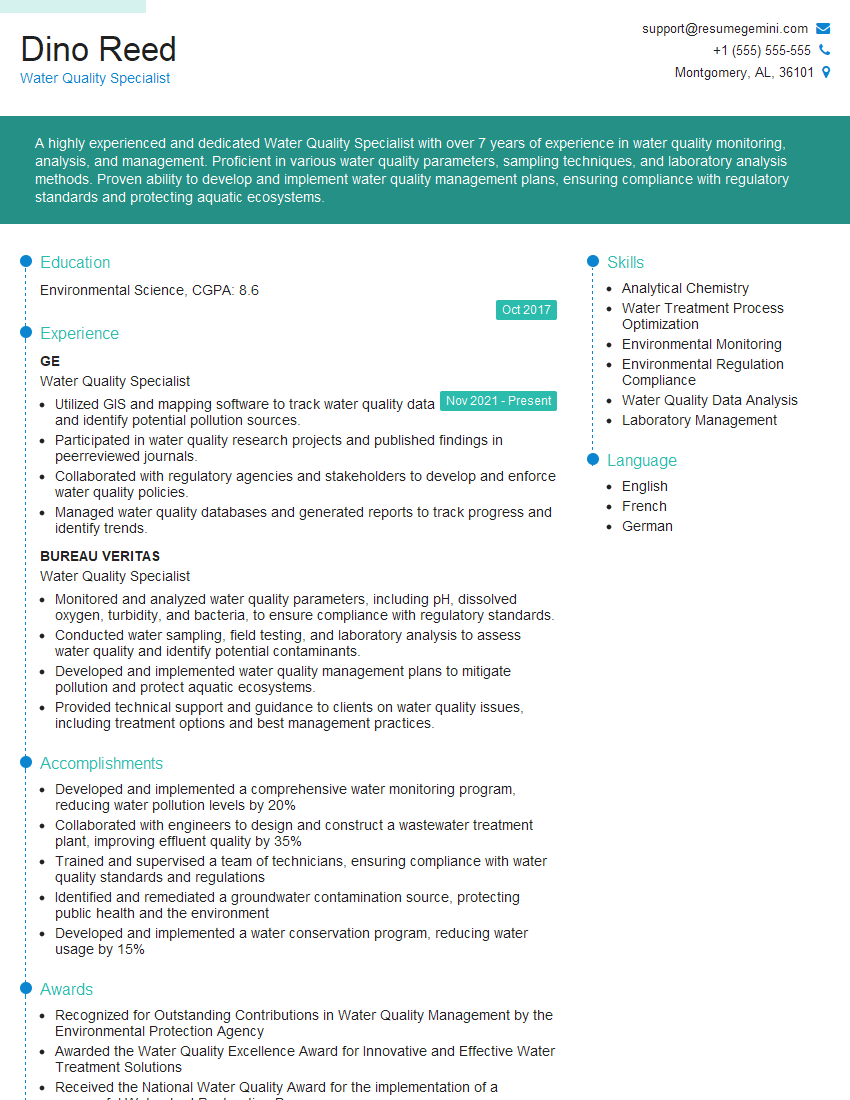
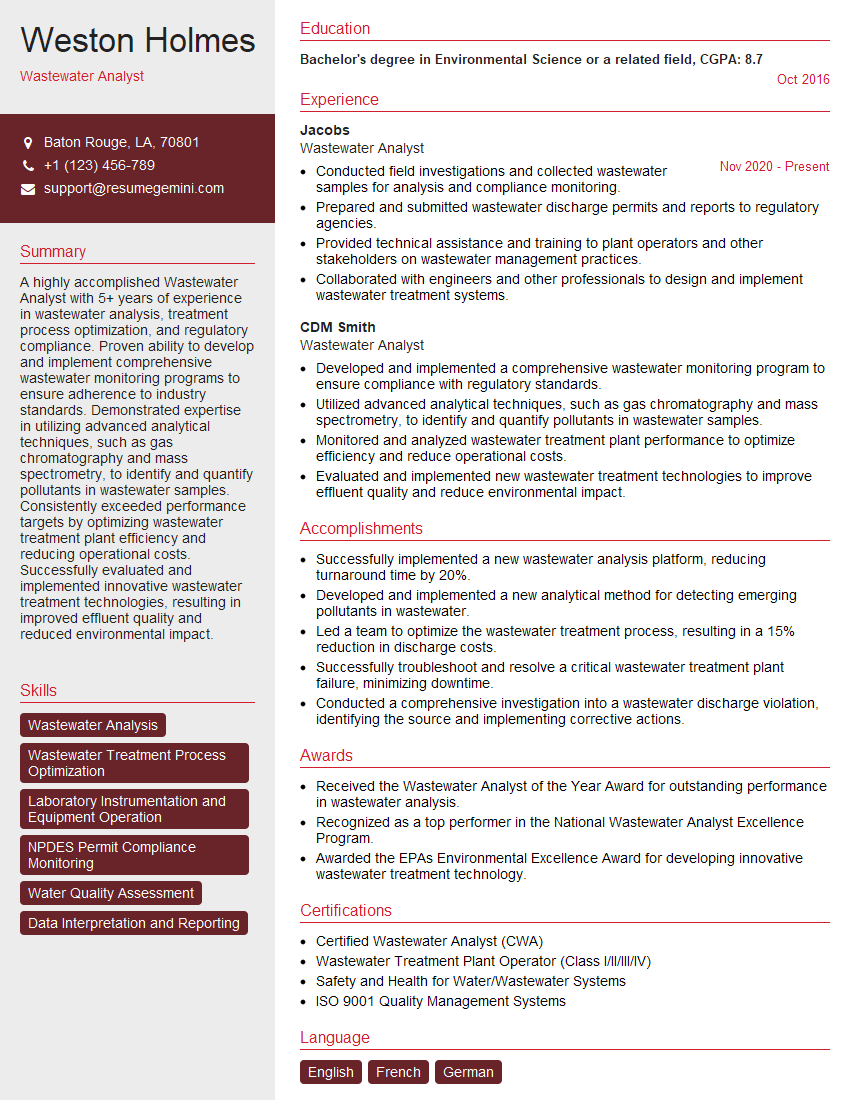
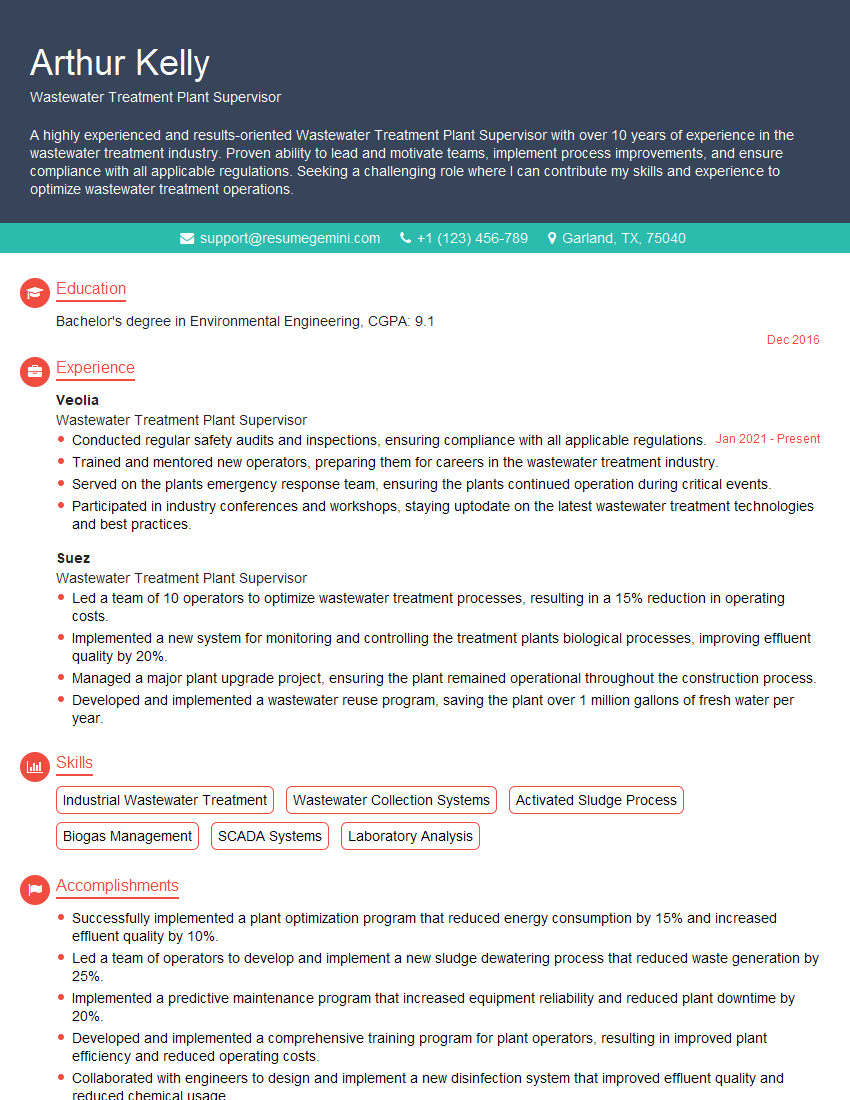
Mastering Wastewater Sampling and Monitoring opens doors to a rewarding career with excellent growth potential in environmental protection and engineering. Your expertise in this crucial field is highly valuable to industries and organizations committed to sustainable practices. To maximize your job prospects, creating a strong, ATS-friendly resume is essential. ResumeGemini can help you build a professional resume that highlights your skills and experience effectively. ResumeGemini provides examples of resumes tailored specifically to Wastewater Sampling and Monitoring, offering you a head start in crafting a compelling application that gets noticed.
Explore more articles
Users Rating of Our Blogs
Share Your Experience
We value your feedback! Please rate our content and share your thoughts (optional).
What Readers Say About Our Blog
To the interviewgemini.com Webmaster.
Very helpful and content specific questions to help prepare me for my interview!
Thank you
To the interviewgemini.com Webmaster.
This was kind of a unique content I found around the specialized skills. Very helpful questions and good detailed answers.
Very Helpful blog, thank you Interviewgemini team.