Interviews are opportunities to demonstrate your expertise, and this guide is here to help you shine. Explore the essential Water Chemistry and Hydrodynamics interview questions that employers frequently ask, paired with strategies for crafting responses that set you apart from the competition.
Questions Asked in Water Chemistry and Hydrodynamics Interview
Q 1. Explain the concept of water hardness and its impact on water treatment.
Water hardness refers to the mineral content, primarily calcium and magnesium ions, dissolved in water. These ions originate from water’s interaction with rocks and soil. High hardness levels aren’t inherently harmful to health, but they cause several problems. Think of it like this: hard water is like trying to wash your clothes with soapy water that’s already full of minerals – it reduces the soap’s effectiveness and leaves a film.
In water treatment, hardness impacts several processes. It reduces the effectiveness of soaps and detergents, leading to more consumption and potentially skin irritation. Hard water can also scale pipes and appliances, reducing efficiency and lifespan. Water treatment often involves softening processes like ion exchange (replacing Ca2+ and Mg2+ with Na+) or lime softening (precipitating the hardness minerals). The choice of treatment method depends on the hardness level and other water quality parameters.
Q 2. Describe different types of water pollutants and their sources.
Water pollutants encompass a wide range of substances that degrade water quality. We can broadly categorize them into:
- Biological Pollutants: Bacteria, viruses, protozoa, and other microorganisms that can cause diseases. Sources include sewage, agricultural runoff, and animal waste.
- Chemical Pollutants: Inorganic substances like heavy metals (lead, mercury, arsenic), pesticides, herbicides, industrial chemicals, and fertilizers. Sources include industrial discharge, agricultural runoff, and improper waste disposal.
- Physical Pollutants: Sediments, suspended solids, plastics, and other debris. Sources include soil erosion, construction activities, and littering.
- Thermal Pollutants: Water heated by industrial processes or power plants, which can harm aquatic life by altering their habitats. Sources include power plants and industrial cooling systems.
The sources are often interconnected. For instance, heavy rainfall can wash pesticides from agricultural fields (chemical pollutants) into rivers, carrying with it soil sediments (physical pollutants) and potentially harmful bacteria (biological pollutants).
Q 3. What are the key parameters used to assess water quality?
Assessing water quality involves analyzing a range of parameters, which can be broadly classified into physical, chemical, and biological indicators. Key parameters include:
- pH: Measures acidity or alkalinity, impacting aquatic life and corrosion potential. A neutral pH is around 7.
- Temperature: Affects dissolved oxygen levels and the metabolic rates of aquatic organisms.
- Turbidity: Measures water cloudiness, indicating the presence of suspended solids.
- Dissolved Oxygen (DO): Essential for aquatic life; low DO levels indicate pollution.
- Biochemical Oxygen Demand (BOD): Indicates the amount of oxygen needed by microorganisms to decompose organic matter; high BOD suggests high organic pollution.
- Chemical Oxygen Demand (COD): Measures the total amount of oxygen required to oxidize organic and inorganic matter, providing a broader picture than BOD.
- Nutrient levels (Nitrate, Phosphate): Excess nutrients can lead to eutrophication, causing algal blooms and oxygen depletion.
- Heavy metals (e.g., lead, mercury): Toxic even at low concentrations; their presence indicates potential industrial or mining contamination.
- Total coliform bacteria: Indicates fecal contamination and potential health risks.
The specific parameters analyzed depend on the intended use of the water and potential sources of contamination.
Q 4. Explain the process of coagulation and flocculation in water treatment.
Coagulation and flocculation are crucial steps in water treatment for removing suspended solids and turbidity. Imagine trying to clean a muddy pond – you wouldn’t be able to simply filter out all the mud. Coagulation and flocculation are like adding a ‘glue’ to clump the mud together, making it easier to remove.
Coagulation: involves adding a coagulant, usually a chemical like alum (aluminum sulfate) or ferric chloride, to destabilize the suspended particles. This reduces the repulsive forces between particles, allowing them to come closer.
Flocculation: is the gentle mixing of the coagulated water, allowing the destabilized particles to clump together and form larger aggregates called flocs. These flocs are large enough to settle out of the water during sedimentation.
The entire process aims to convert small, dispersed particles into larger, easily removable flocs. This improved settling enhances the efficiency of subsequent treatment steps such as sedimentation and filtration.
Q 5. Describe the principles of reverse osmosis and its applications.
Reverse osmosis (RO) is a membrane separation process that uses pressure to force water through a semi-permeable membrane. Think of it as a highly selective filter that allows water molecules to pass but rejects dissolved salts, minerals, and other impurities. This is the opposite of osmosis, where water naturally flows from a region of low solute concentration to a region of high concentration.
In RO, pressure is applied to overcome osmotic pressure, pushing water across the membrane. The resulting permeate (the water that passes through) is purified water, while the rejected impurities (concentrate) are removed. RO is used extensively in various applications:
- Water purification for drinking: Producing high-quality drinking water from seawater, brackish water, or contaminated sources.
- Industrial processes: Providing ultrapure water for pharmaceuticals, electronics, and other industries.
- Wastewater treatment: Removing contaminants and recovering water from industrial wastewater.
While effective, RO has some drawbacks. It requires high pressure, consumes energy, and produces a waste stream (concentrate) that requires disposal or further treatment.
Q 6. What is the difference between laminar and turbulent flow?
Laminar and turbulent flow describe two distinct patterns of fluid movement. Imagine pouring honey versus water – the honey flows smoothly, while the water can become chaotic.
Laminar flow: Fluid particles move in smooth, parallel layers. There’s minimal mixing between layers, and the flow is highly predictable. Think of a slow, steady stream of water. The Reynolds number (Re), a dimensionless quantity, is low in laminar flow (Re < 2000).
Turbulent flow: Fluid particles move in a chaotic, irregular manner, characterized by swirling and mixing. Predicting the flow pattern is more complex. Imagine a rapidly flowing river with eddies and whirlpools. The Reynolds number is high in turbulent flow (Re > 4000). The transition region between laminar and turbulent flow occurs at Re values approximately between 2000 and 4000.
The type of flow impacts design choices in hydraulic structures, pipe sizing, and other engineering applications.
Q 7. Explain Bernoulli’s equation and its application in hydrodynamics.
Bernoulli’s equation describes the relationship between pressure, velocity, and elevation in a moving fluid. It’s a fundamental principle in hydrodynamics, analogous to the conservation of energy. Imagine water flowing through a pipe with varying diameters – where the pipe narrows, the water speeds up.
The equation is typically expressed as: P + (1/2)ρv2 + ρgh = constant
Where:
Pis the pressureρis the fluid densityvis the fluid velocitygis the acceleration due to gravityhis the elevation
The equation states that the sum of pressure energy, kinetic energy, and potential energy remains constant along a streamline in an ideal fluid (inviscid and incompressible). Applications include designing pipelines, predicting flow rates in open channels, and analyzing the lift generated by airplane wings.
Q 8. Describe the concept of Reynolds number and its significance.
The Reynolds number (Re) is a dimensionless quantity in fluid mechanics that helps predict whether fluid flow will be laminar or turbulent. It’s the ratio of inertial forces to viscous forces within a fluid. Imagine a river – a slow, smooth flow is laminar (Re is low), while a fast, chaotic flow is turbulent (Re is high). The formula is Re = (ρVD)/μ, where:
- ρ is the fluid density
- V is the flow velocity
- D is a characteristic length (e.g., pipe diameter, river depth)
- μ is the dynamic viscosity of the fluid
A low Reynolds number indicates laminar flow, characterized by smooth, parallel streamlines. A high Reynolds number indicates turbulent flow, which is chaotic and involves eddies and mixing. This distinction is crucial in designing pipelines, predicting sediment transport, and understanding water quality dispersion. For instance, in water treatment plants, understanding the Reynolds number ensures efficient mixing of chemicals for optimal treatment. A too-low Re might mean inadequate mixing, while a too-high Re could lead to excessive energy consumption.
Q 9. Explain the principles of open channel flow.
Open channel flow refers to the flow of water in a channel with a free surface, meaning the flow is not completely enclosed like in a pipe. Gravity is the primary driving force. Think of rivers, canals, and irrigation ditches. Key principles include:
- Manning’s equation: This empirical equation relates flow velocity to channel geometry and roughness. It’s commonly used to estimate flow rates in open channels.
V = (1/n)R^(2/3)S^(1/2)where V is velocity, n is the Manning roughness coefficient, R is the hydraulic radius, and S is the channel slope. - Specific energy: This is the sum of the depth of flow and the velocity head. It’s a crucial concept for analyzing flow profiles and energy transitions in open channels.
- Hydraulic jump: A sudden transition from supercritical flow (high velocity, shallow depth) to subcritical flow (low velocity, deep depth). This phenomenon is often observed in spillways and hydraulic structures.
- Critical depth: The depth of flow at which the specific energy is minimum for a given discharge. This depth is crucial in designing hydraulic structures to prevent undesirable flow conditions.
Understanding open channel flow is essential in designing efficient irrigation systems, managing river floodplains, and designing safe and effective spillways for dams.
Q 10. What are the different types of hydraulic structures?
Hydraulic structures are artificial constructions designed to control, divert, or manage water flow. Examples include:
- Dams: Used for water storage, flood control, hydropower generation.
- Weirs: Structures used to measure flow rate or control water levels.
- Spillways: Safely release excess water from reservoirs.
- Culverts: Allow water to pass under roads or other barriers.
- Channels and canals: Guide and transport water for irrigation or navigation.
- Intake structures: Collect water for various purposes like water supply or hydropower plants.
- Pumping stations: Increase water pressure and move it uphill.
The design of these structures requires a detailed understanding of hydrodynamics, material science, and geotechnical engineering to ensure stability and functionality. For example, spillway design requires careful consideration of the expected flood discharge to prevent dam failure during extreme events.
Q 11. Describe the process of sediment transport in rivers.
Sediment transport in rivers is a complex process where various forces act on sediment particles, causing them to be eroded, transported, and deposited. The process involves:
- Erosion: The detachment of sediment particles from the riverbed and banks due to shear stress from flowing water.
- Transportation: Movement of sediment particles within the flow, either as bedload (rolling, sliding, or saltating along the bottom), suspended load (carried within the water column), or wash load (fine material in constant suspension).
- Deposition: Sediment particles settle out of the flow when the transporting capacity of the water decreases (e.g., due to reduced flow velocity or changes in channel geometry).
Factors influencing sediment transport include flow velocity, sediment size and shape, channel slope, and vegetation. Understanding sediment transport is crucial for managing river morphology, designing river restoration projects, and assessing the impact of human activities on river systems. For example, dam construction can significantly alter sediment transport patterns downstream, leading to erosion or deposition problems.
Q 12. Explain the concept of Darcy’s law and its application in groundwater flow.
Darcy’s law is an empirical relationship that describes the flow of groundwater through porous media. It states that the discharge rate (Q) is proportional to the hydraulic gradient (i) and the hydraulic conductivity (K) of the aquifer. Imagine groundwater flowing through sand – Darcy’s law helps predict how much water will flow through a given area.
The equation is Q = -KA(dh/dl), where:
- Q is the discharge rate
- K is the hydraulic conductivity
- A is the cross-sectional area of flow
- dh/dl is the hydraulic gradient (change in head over distance)
The negative sign indicates flow occurs from high to low hydraulic head. Darcy’s law is fundamental in groundwater modeling, predicting well yields, assessing contaminant transport, and managing groundwater resources. For instance, understanding hydraulic conductivity is essential in designing efficient groundwater wells and predicting the spread of pollutants in aquifers.
Q 13. What are the different methods for measuring water flow rate?
Several methods exist for measuring water flow rate, each suited to different flow conditions and scales:
- Current meters: Measure the velocity of water at various points in a channel, allowing calculation of the total discharge. These are widely used in rivers and streams.
- Velocity-area method: Measures the cross-sectional area of the flow and the average velocity, allowing for discharge calculation.
- Flow meters (e.g., electromagnetic, ultrasonic): These instruments measure flow rate directly, often used in pipes or closed conduits.
- Weirs and flumes: Structures that create a controlled flow over a known geometry, enabling discharge calculation based on head measurements.
- Dilution gauging: A tracer (e.g., salt or dye) is injected into the flow, and its concentration downstream is measured to estimate discharge.
The choice of method depends on factors such as flow conditions, accuracy requirements, and available resources. For example, a weir is suitable for smaller channels, while current meters are more appropriate for larger rivers.
Q 14. Describe the principles of hydraulic modeling.
Hydraulic modeling involves using mathematical models to simulate the behavior of water flow systems. These models use governing equations (like the Navier-Stokes equations for complex flows or simpler equations like Manning’s equation for open channels) and numerical techniques to predict water levels, velocities, and other flow characteristics. These models are incredibly useful for solving real-world problems.
Principles include:
- Governing equations: The fundamental equations describing fluid motion (continuity, momentum, energy).
- Numerical methods: Techniques used to solve the governing equations, such as finite difference, finite element, or finite volume methods.
- Model calibration and validation: Comparing model predictions to field measurements to ensure accuracy and reliability.
- Boundary conditions: Defining the inflow, outflow, and other conditions at the model’s boundaries.
Hydraulic modeling is extensively used in various applications, including flood forecasting, dam design, water resource management, and environmental impact assessments. For example, a model can predict the impact of a proposed dam on downstream water levels and sediment transport, informing decision-making processes.
Q 15. Explain the impact of climate change on water resources.
Climate change significantly impacts water resources through alterations in the hydrological cycle. This involves changes in precipitation patterns, leading to more intense droughts in some regions and severe flooding in others. Rising temperatures increase evaporation rates from reservoirs and rivers, reducing water availability. Glacier and snowpack melt, crucial sources of freshwater for many regions, are accelerating, impacting downstream water supplies. Furthermore, sea-level rise due to thermal expansion and melting ice contributes to saltwater intrusion into coastal aquifers, contaminating freshwater sources. These changes affect water quantity and quality, leading to challenges in water security, agricultural production, and ecosystem health. For instance, the shrinking Aral Sea in Central Asia is a stark example of the consequences of unsustainable water management practices exacerbated by climate change.
Career Expert Tips:
- Ace those interviews! Prepare effectively by reviewing the Top 50 Most Common Interview Questions on ResumeGemini.
- Navigate your job search with confidence! Explore a wide range of Career Tips on ResumeGemini. Learn about common challenges and recommendations to overcome them.
- Craft the perfect resume! Master the Art of Resume Writing with ResumeGemini’s guide. Showcase your unique qualifications and achievements effectively.
- Don’t miss out on holiday savings! Build your dream resume with ResumeGemini’s ATS optimized templates.
Q 16. Describe different types of water distribution systems.
Water distribution systems vary considerably depending on factors like population density, geographic location, and economic resources. However, several common types exist.
- Gravity-fed systems: These utilize elevation differences to move water from a source (e.g., reservoir) to consumers. They are simple, reliable, and energy-efficient but are limited geographically.
- Pumped systems: These utilize pumps to move water against gravity, allowing for greater flexibility in system design and reach, serving larger and more dispersed populations. They require energy and are more susceptible to power outages.
- Combined systems: Many systems integrate gravity and pumped elements, taking advantage of the best features of both. For example, water might be initially transported via gravity from a high elevation reservoir and then pumped to higher elevation areas.
- Pressure-managed systems: These implement advanced control mechanisms to optimize water pressure within the network, minimizing water loss due to leaks and improving efficiency. They typically utilize sophisticated SCADA (Supervisory Control and Data Acquisition) systems.
The choice of system depends on a cost-benefit analysis considering factors such as initial investment, operational costs, maintenance requirements, and environmental impact.
Q 17. What are the challenges associated with wastewater treatment?
Wastewater treatment faces several significant challenges:
- Emerging contaminants: Pharmaceuticals, personal care products, and industrial chemicals pose increasing threats to water quality and aquatic life. Traditional treatment processes are often ineffective against these substances.
- Nutrient pollution: Excessive nitrogen and phosphorus from agricultural runoff and wastewater lead to eutrophication, harming water bodies. Effective nutrient removal remains a challenge, particularly in cost-effective and environmentally friendly ways.
- Microplastics: Microplastics are ubiquitous pollutants, entering wastewater systems from a variety of sources. Their removal is difficult, and their long-term environmental impact is still being researched.
- Sludge management: The by-product of wastewater treatment, sludge, requires safe and sustainable disposal or beneficial reuse. This poses logistical and environmental challenges.
- Climate change impacts: Increased rainfall intensity can overwhelm treatment facilities, while prolonged droughts can concentrate pollutants, impacting treatment efficiency.
- Funding and infrastructure: Many areas, especially developing countries, lack adequate wastewater infrastructure and funding, leading to untreated or poorly treated wastewater discharge into the environment.
Addressing these challenges requires innovative treatment technologies, improved regulations, and sustainable management practices.
Q 18. Explain the concept of dissolved oxygen and its importance in aquatic ecosystems.
Dissolved oxygen (DO) refers to the amount of oxygen gas (O2) dissolved in water. It’s crucial for aquatic life because most aquatic organisms, including fish, insects, and bacteria, require oxygen for respiration. Sufficient DO levels support healthy ecosystems, allowing for diverse biological communities to thrive. Low DO levels, often termed hypoxia or anoxia (complete absence of oxygen), can lead to fish kills, habitat degradation, and shifts in community structure, favoring organisms tolerant of low oxygen conditions. Factors affecting DO include temperature (higher temperatures reduce DO), photosynthesis (aquatic plants produce oxygen), respiration (organisms consume oxygen), and decomposition (organic matter decomposition consumes oxygen). Monitoring DO is a key indicator of water quality and ecosystem health.
Q 19. Describe the process of eutrophication and its consequences.
Eutrophication is the enrichment of water bodies with nutrients, primarily nitrogen and phosphorus. This leads to excessive growth of algae and aquatic plants (algal blooms), which can severely impact water quality and ecosystem health. Consequences include:
- Oxygen depletion: As algae and plants die and decompose, bacteria consume large amounts of dissolved oxygen, creating hypoxic or anoxic conditions that harm or kill fish and other aquatic organisms.
- Reduced water clarity: Algal blooms can reduce water clarity, hindering the growth of submerged aquatic plants and impacting recreational activities.
- Harmful algal blooms (HABs): Some algae species produce toxins harmful to humans, animals, and the environment. HABs can lead to fish kills, shellfish poisoning, and other health problems.
- Changes in species composition: Eutrophication favors algae and tolerant species, while sensitive organisms decline, simplifying the ecosystem’s structure and reducing biodiversity.
Sources of nutrient pollution include agricultural runoff, wastewater discharge, and atmospheric deposition. Managing eutrophication requires controlling nutrient inputs from various sources, implementing best management practices in agriculture, improving wastewater treatment, and restoring degraded aquatic ecosystems.
Q 20. What are the different types of water treatment processes?
Water treatment processes vary depending on the source water quality and intended use. Common processes include:
- Coagulation and flocculation: Chemicals are added to destabilize suspended particles, causing them to clump together (flocculate) for easier removal.
- Sedimentation: Flocculated particles settle out of the water by gravity.
- Filtration: Water is passed through filters (e.g., sand, gravel, membrane filters) to remove remaining suspended solids and other impurities.
- Disinfection: Chlorine, ozone, UV light, or other disinfectants are used to kill harmful microorganisms.
- Membrane filtration (e.g., microfiltration, ultrafiltration, reverse osmosis): Membrane technologies remove dissolved solids, pathogens, and other contaminants.
- Aeration: Air is bubbled into the water to remove volatile compounds and increase dissolved oxygen.
- Chemical treatment: Various chemicals are used to adjust pH, remove specific contaminants (e.g., fluoride, arsenic), or improve water quality.
The specific combination of processes used depends on the water quality parameters and regulatory requirements.
Q 21. Explain the concept of water footprint and its significance.
A water footprint represents the total volume of freshwater used to produce goods and services consumed by a person or community. It accounts for both direct and indirect water use. Direct water use involves water withdrawn directly from sources like rivers and aquifers. Indirect water use considers the water embedded in the production of goods and services, such as agriculture, manufacturing, and energy generation. For example, a cotton t-shirt has a significant water footprint because of the substantial water needed to grow and process cotton. Understanding water footprints is crucial for sustainable water management. It helps quantify water consumption patterns, identify water-intensive products and processes, and promote water efficiency measures. By assessing individual and national water footprints, we can promote informed decision-making, develop strategies for water conservation, and address water scarcity issues globally. This framework can help create a more sustainable relationship between humanity and our planet’s precious water resources.
Q 22. How do you calculate the hydraulic retention time of a reservoir?
Hydraulic retention time (HRT) is a crucial parameter in reservoir design and operation, representing the average time water spends within the reservoir. It’s a simple calculation but has significant implications for water quality and treatment processes.
The calculation is straightforward: HRT = Reservoir Volume / Reservoir Flow Rate
Let’s break it down:
- Reservoir Volume: This is the total volume of water the reservoir can hold, typically measured in cubic meters (m³) or gallons. Accurate volume determination requires bathymetric surveys (measuring depth at various points) to account for irregular shapes.
- Reservoir Flow Rate: This is the rate at which water enters (or leaves) the reservoir, typically measured in cubic meters per day (m³/day) or gallons per day. This can be a complex measurement depending on the inflows from rivers, streams, or other sources, and the outflow rates controlled by dam operations or natural seepage.
Example: Consider a reservoir with a volume of 1,000,000 m³ and an average inflow rate of 50,000 m³/day. The HRT would be: HRT = 1,000,000 m³ / 50,000 m³/day = 20 days. This means, on average, a water molecule will reside in the reservoir for 20 days.
A longer HRT generally allows for better settling of suspended solids and improved biological processes for water purification, but it also increases the risk of stratification and the development of anoxic (oxygen-deficient) conditions in deeper waters.
Q 23. Describe different methods for groundwater remediation.
Groundwater remediation addresses the contamination of subsurface aquifers, a significant environmental challenge. Several methods exist, often used in combination depending on the specific contaminant, aquifer characteristics, and cost considerations.
- Pump and Treat: This is the most common method, involving extracting groundwater, treating it to remove contaminants, and then re-injecting the treated water or discharging it. This is effective for volatile organic compounds (VOCs) and some dissolved metals. However, it can be expensive and time-consuming, particularly for large plumes.
- Bioremediation: This utilizes naturally occurring microorganisms to break down contaminants. It can be in situ (in place) or ex situ (extracted and treated). This method is environmentally friendly but requires careful monitoring and is dependent on suitable microbial populations and environmental conditions.
- Air Sparging: This involves injecting air into the contaminated aquifer to volatilize contaminants, which are then removed by soil vapor extraction (SVE).
- Soil Vapor Extraction (SVE): This technique removes volatile contaminants from the unsaturated zone (above the water table) using vacuum systems. It often works in tandem with air sparging.
- Permeable Reactive Barriers (PRBs): These are trenches filled with reactive materials that intercept and treat the groundwater flow. These barriers can be designed to target specific contaminants, offering a cost-effective, in-situ solution for many scenarios.
- Phytoremediation: This involves using plants to remove or degrade contaminants. Plants absorb contaminants through their roots, effectively removing them from the groundwater. This is a more sustainable and aesthetically pleasing method for specific contaminants, but it requires a significant land area and suitable plant species.
The choice of method depends on many factors. A thorough site characterization (including contaminant identification, hydrogeology, and risk assessment) is crucial for selecting the most effective and cost-efficient remediation strategy.
Q 24. Explain the concept of aquifer recharge.
Aquifer recharge is the process by which water replenishes underground aquifers. Think of it as nature’s way of topping off an underground water storage tank. It’s essential for maintaining groundwater levels and ensuring the long-term sustainability of water resources.
Recharge can occur through various pathways:
- Infiltration: Precipitation (rain and snowmelt) that infiltrates the ground surface and percolates down through the soil, reaching the water table.
- River Leakage: Water from rivers and streams that seeps into the surrounding aquifer.
- Irrigation Return Flow: Water used for irrigation that percolates back into the groundwater system.
- Artificial Recharge: Human-managed activities aimed at increasing aquifer recharge, such as spreading surface water over infiltration basins or injecting treated wastewater into aquifers.
Factors affecting recharge rates include soil type (sandy soils have higher infiltration rates than clay soils), topography, vegetation, and climate. Over-extraction of groundwater can deplete aquifers faster than they can recharge, leading to water shortages and land subsidence. Understanding and managing aquifer recharge is crucial for sustainable groundwater management.
Q 25. What are the different types of pumps used in water systems?
Pumps are the workhorses of water systems, moving water from one location to another. The choice of pump depends on factors like flow rate, head (vertical lift), fluid properties, and energy efficiency.
- Centrifugal Pumps: These are the most common type, using a rotating impeller to increase the velocity and pressure of the fluid. They are relatively inexpensive, efficient at moderate heads, and suitable for a wide range of applications.
- Positive Displacement Pumps: These pumps displace a fixed volume of fluid with each stroke, producing a steady flow. Examples include piston pumps, diaphragm pumps, and rotary pumps. They are ideal for high-pressure applications or handling viscous fluids.
- Submersible Pumps: These pumps are located underwater, directly within the source. They are frequently used in wells, sump pumps, and other applications where space is limited or direct immersion is advantageous.
- Axial Flow Pumps: These pumps move water axially (parallel to the pump shaft), making them suitable for large flow rates and low heads. Often used in irrigation and wastewater treatment.
- Vertical Turbine Pumps: These are large, multi-stage pumps used for high-head applications, such as pumping water from deep wells or to elevated storage tanks.
Selecting the right pump is a critical design aspect, considering factors like capacity, head, efficiency, and maintenance requirements. Improper pump selection can lead to increased energy consumption, reduced performance, and premature failure.
Q 26. Describe the principles of pipe network analysis.
Pipe network analysis involves determining the flow and pressure distribution within a network of interconnected pipes. This is crucial for designing efficient and reliable water distribution systems, ensuring adequate pressure and flow to all consumers.
The analysis relies on fundamental principles of fluid mechanics, particularly the application of the Bernoulli equation and conservation of mass. Methods used include:
- Hardy Cross Method: An iterative method that adjusts flow rates in loops until the head loss around each loop is balanced.
- Linear Programming: A mathematical optimization technique used to determine the optimal flow rates that minimize energy consumption or maximize network efficiency.
- Computer Simulation Software: Sophisticated software packages use numerical methods to simulate flow and pressure in complex networks, taking into account pipe roughness, pump characteristics, and demand patterns. Examples include EPANET and WaterGEMS.
The goal is to ensure sufficient pressure at all points in the network to meet demand, minimize energy consumption, and avoid pipe bursts due to excessive pressure. Accurate network modeling is essential for effective water resource management and system optimization.
Q 27. Explain the impact of urbanization on water quality.
Urbanization significantly impacts water quality through increased impervious surfaces (roads, buildings), altered hydrology, and increased pollutant loads. Think of a city as a massive, concentrated source of pollutants.
- Increased Runoff: Impervious surfaces prevent water from infiltrating into the ground, leading to increased surface runoff. This runoff carries pollutants such as oil, heavy metals, fertilizers, and pesticides directly into water bodies, increasing sediment loads and nutrient levels.
- Combined Sewer Overflows (CSOs): In older cities, combined sewer systems carry both wastewater and stormwater. During heavy rainfall, these systems can overflow, discharging untreated sewage directly into waterways, leading to significant water quality degradation.
- Nutrient Pollution: Fertilizers from lawns and gardens, along with pet waste, contribute to nutrient enrichment in water bodies, causing eutrophication (excessive algae growth) and oxygen depletion.
- Heat Island Effect: Urban areas tend to be warmer than surrounding areas, affecting water temperature and dissolved oxygen levels in nearby water bodies.
- Increased Demand: Urban populations have high water demands, placing strain on water resources and increasing the likelihood of over-extraction of groundwater.
Managing the impacts of urbanization requires integrated approaches, including green infrastructure (rain gardens, permeable pavements), improved wastewater treatment, stricter regulations on pollutant discharges, and sustainable water management practices.
Q 28. Describe the role of GIS in water resources management.
Geographic Information Systems (GIS) are powerful tools for water resources management, providing a visual platform to integrate, analyze, and display spatial data.
GIS applications in water resources management include:
- Spatial Data Management: GIS stores and manages various spatial data related to water resources, such as rainfall data, stream networks, aquifer boundaries, water quality monitoring locations, and infrastructure locations (pipes, wells, dams).
- Hydrological Modeling: GIS facilitates the integration of spatial data into hydrological models to simulate water flow, predict flood events, and assess the impacts of land use changes on water resources.
- Water Quality Monitoring and Assessment: GIS allows for mapping and analyzing water quality data to identify pollution sources, track contaminant plumes, and assess the overall health of water bodies.
- Infrastructure Management: GIS helps in managing water distribution networks, identifying leaks, optimizing pipe network design, and planning for future infrastructure development.
- Water Resource Planning and Management: GIS supports decision-making processes related to water allocation, drought management, and the development of sustainable water resources policies.
The visual and analytical capabilities of GIS provide a powerful framework for understanding complex water systems, facilitating effective planning, management, and decision-making in the face of growing water scarcity and environmental challenges.
Key Topics to Learn for Water Chemistry and Hydrodynamics Interview
- Water Chemistry Fundamentals: Understanding pH, alkalinity, dissolved oxygen, and their impact on aquatic ecosystems. Consider the role of various ions and their interactions.
- Hydrodynamic Principles: Mastering concepts like fluid mechanics, Bernoulli’s principle, laminar and turbulent flow, and their applications in water systems.
- Water Quality Analysis: Familiarize yourself with common water quality parameters, analytical techniques (e.g., titration, spectroscopy), and data interpretation.
- Practical Applications: Explore case studies focusing on water treatment processes (e.g., coagulation, filtration, disinfection), wastewater management, and environmental remediation.
- Transport Phenomena: Understand the principles of mass and heat transfer in aquatic environments, and how these processes affect water quality and ecosystem dynamics.
- Modeling and Simulation: Gain familiarity with using computational tools and models to analyze water systems and predict their behavior.
- Environmental Regulations: Become aware of relevant environmental regulations and their impact on water management and treatment strategies.
- Problem-Solving Approaches: Practice applying your knowledge to real-world scenarios. Develop your ability to analyze problems, identify key parameters, and propose solutions.
Next Steps
Mastering Water Chemistry and Hydrodynamics opens doors to exciting careers in environmental engineering, water resource management, and research. A strong understanding of these fields significantly enhances your value to potential employers. To maximize your job prospects, crafting a compelling and ATS-friendly resume is crucial. ResumeGemini offers a trusted platform to build professional and effective resumes, tailored to your specific skills and experience. We provide examples of resumes specifically designed for candidates in Water Chemistry and Hydrodynamics to help you create a document that truly showcases your expertise. Invest time in building a strong resume – it’s your first impression and a key to unlocking your career potential.
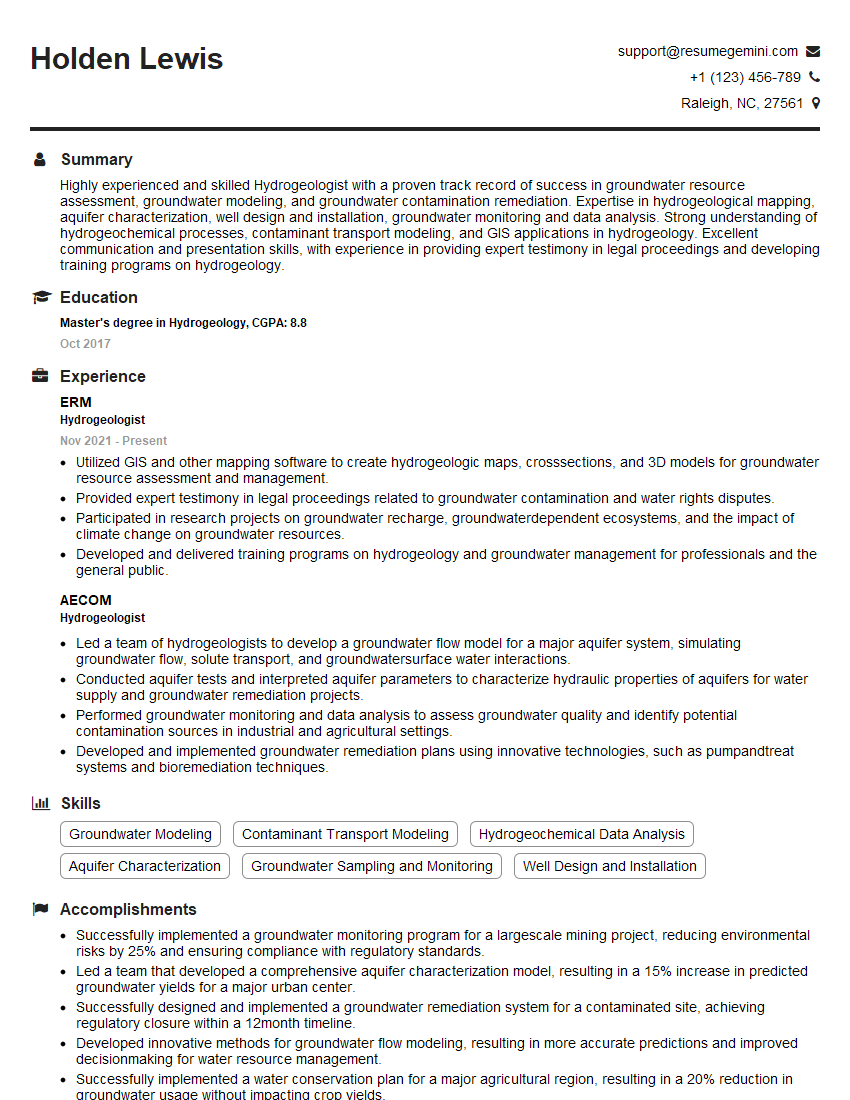
Hydrogeologist Resume Sample
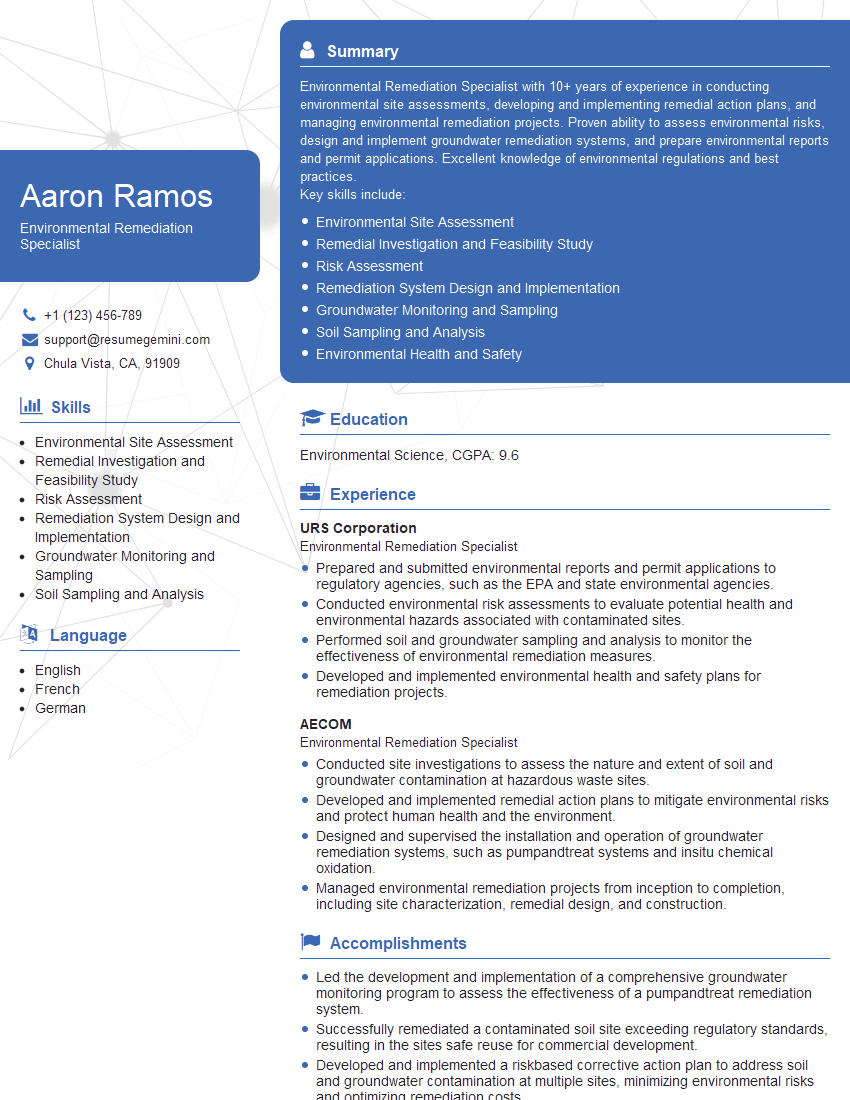
Environmental Remediation Specialist Resume Sample
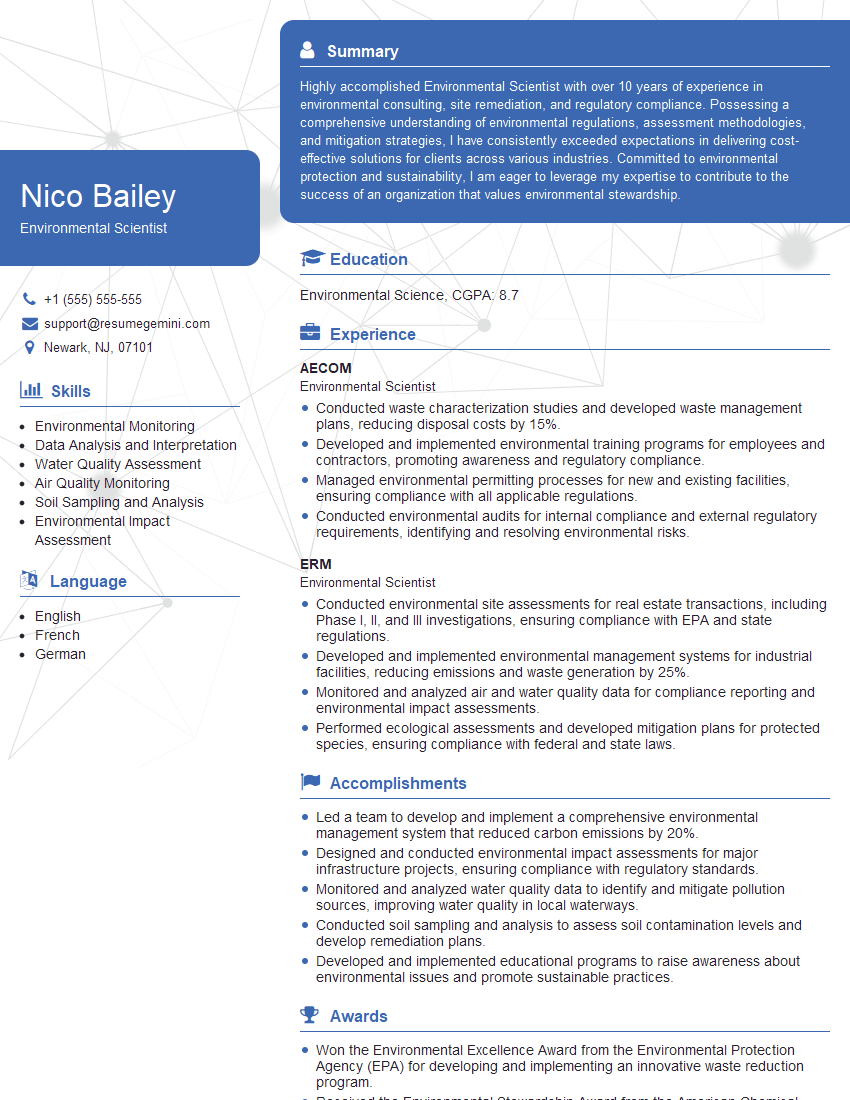
Environmental Scientist Resume Sample
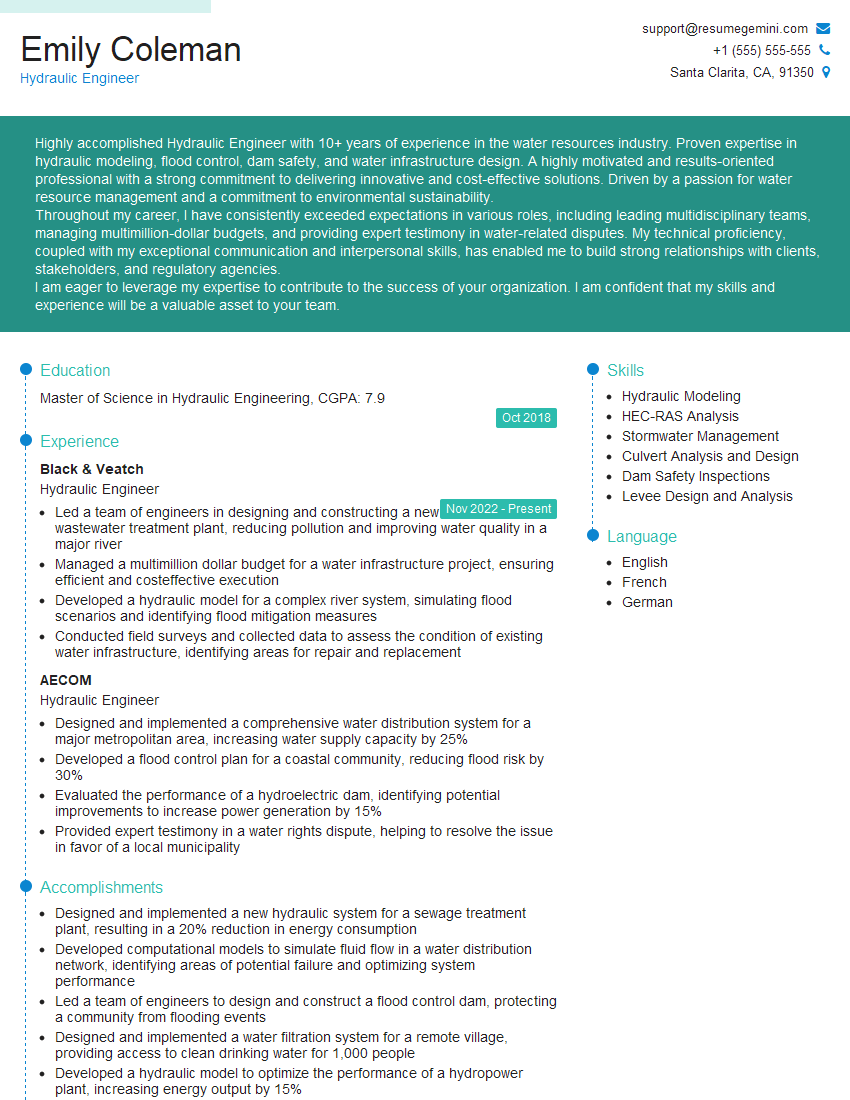
Hydraulic Engineer Resume Sample
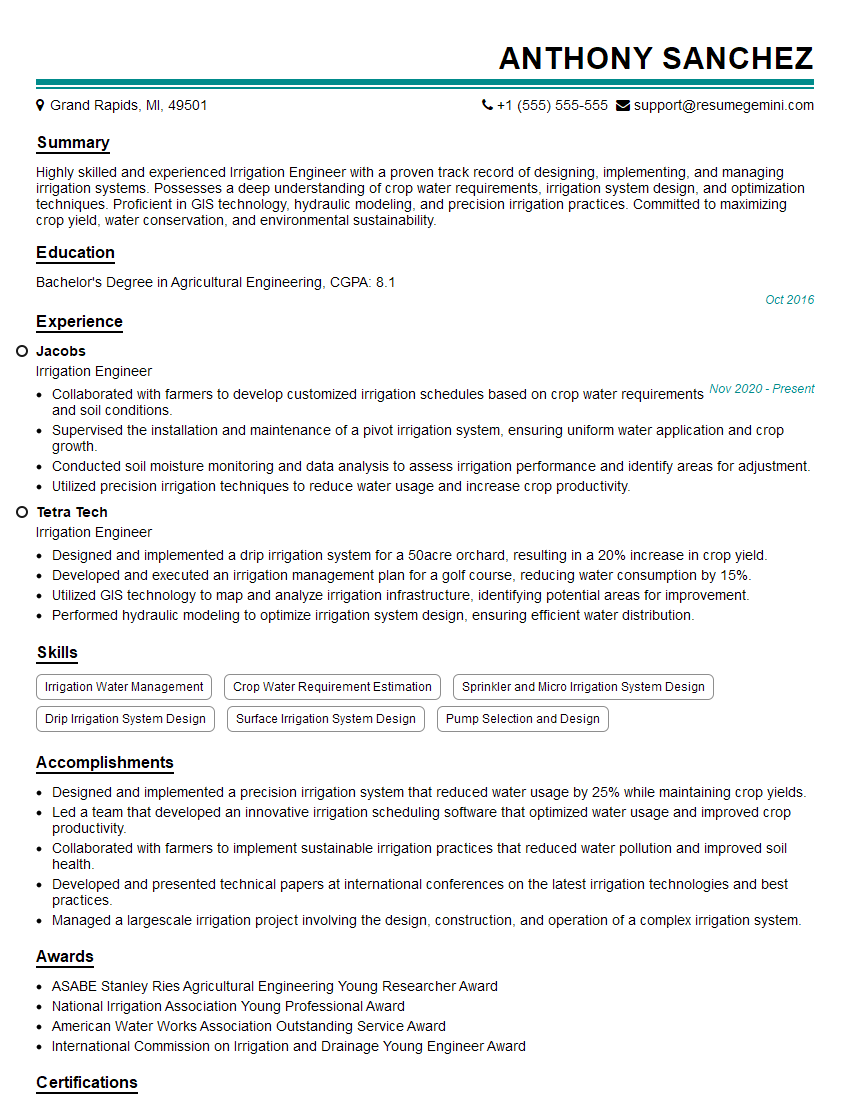
Irrigation Engineer Resume Sample

Reservoir Engineer Resume Sample
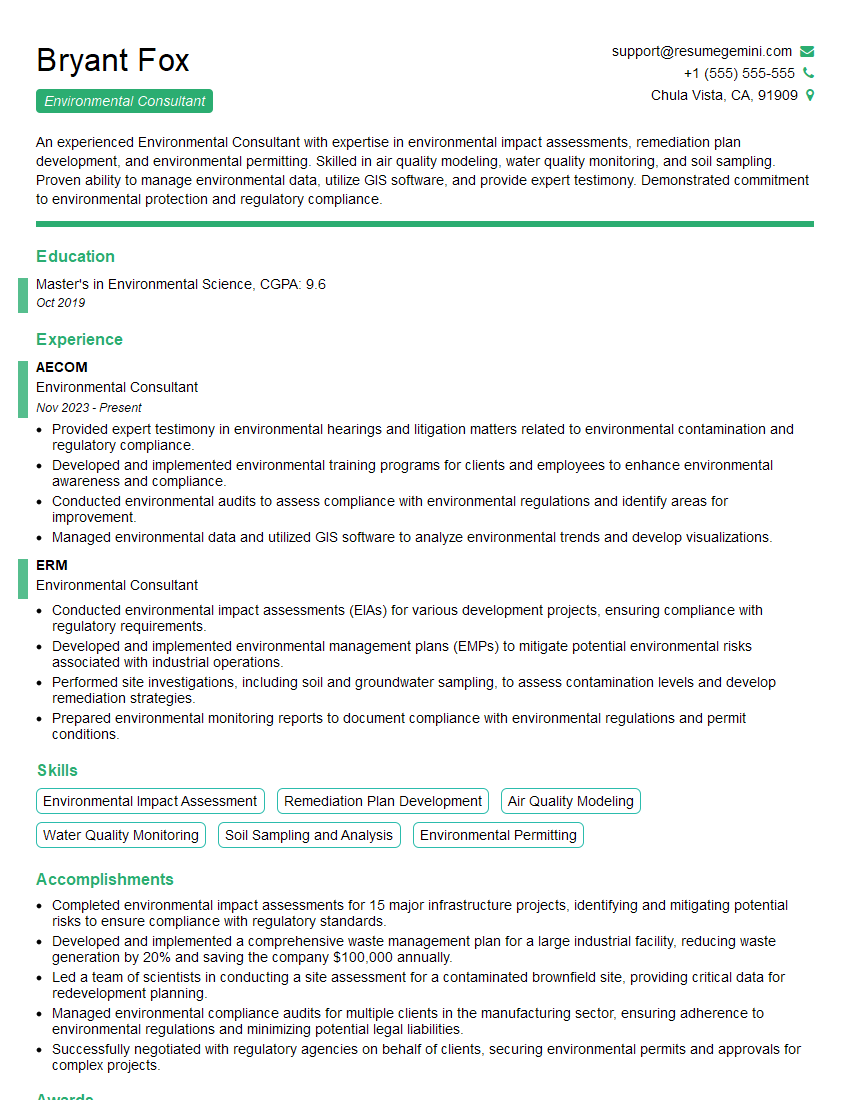
Environmental Consultant Resume Sample

Wastewater Treatment Engineer Resume Sample
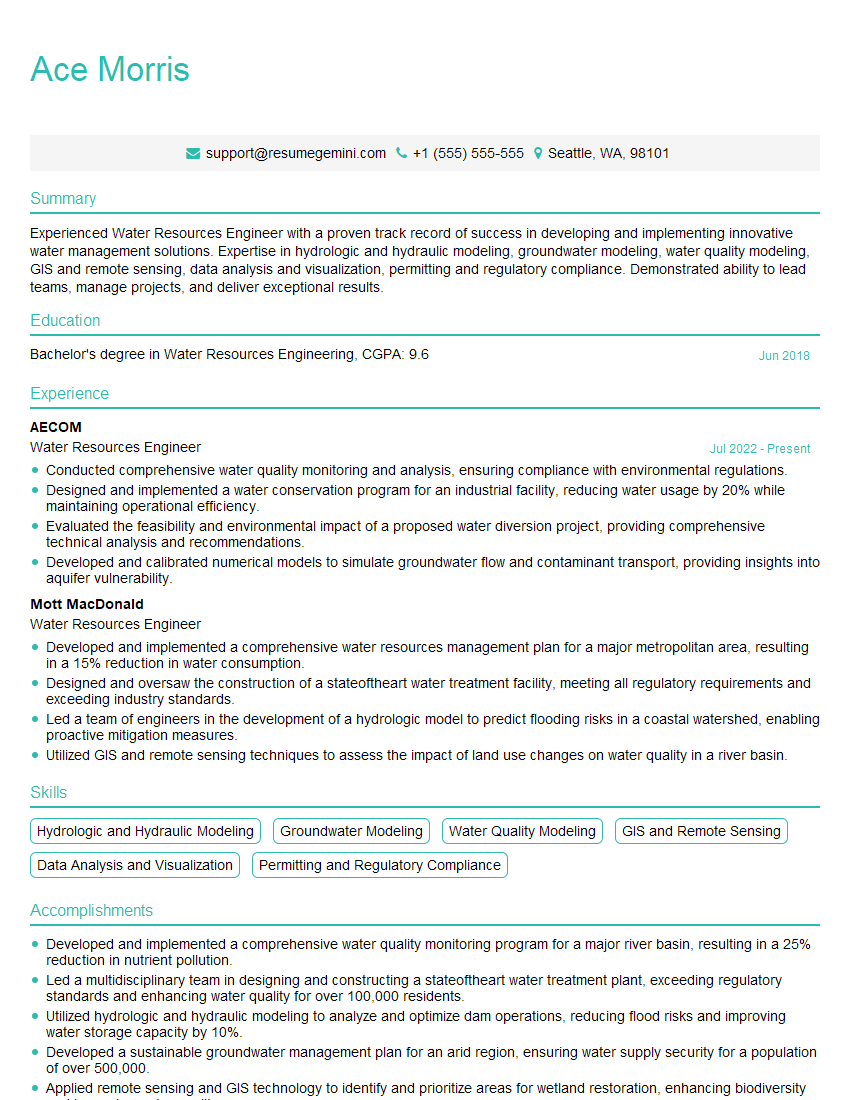
Water Resources Engineer Resume Sample
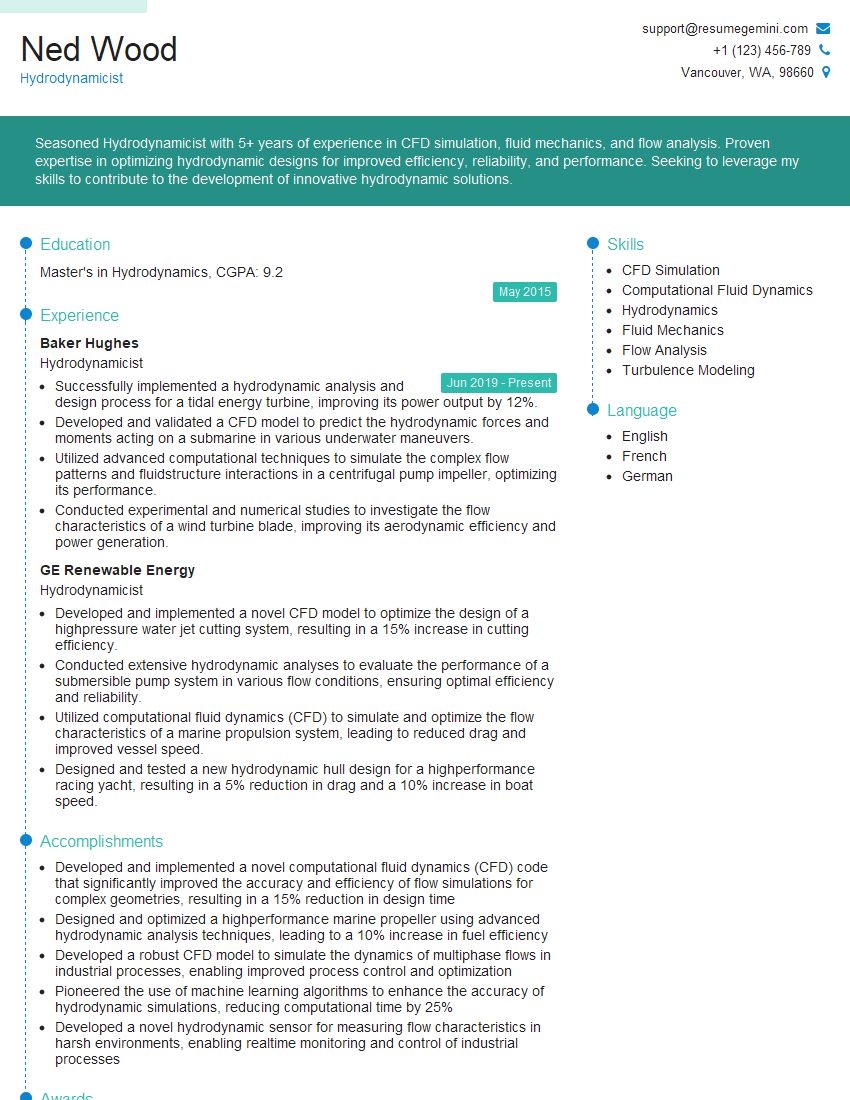
Hydrodynamicist Resume Sample
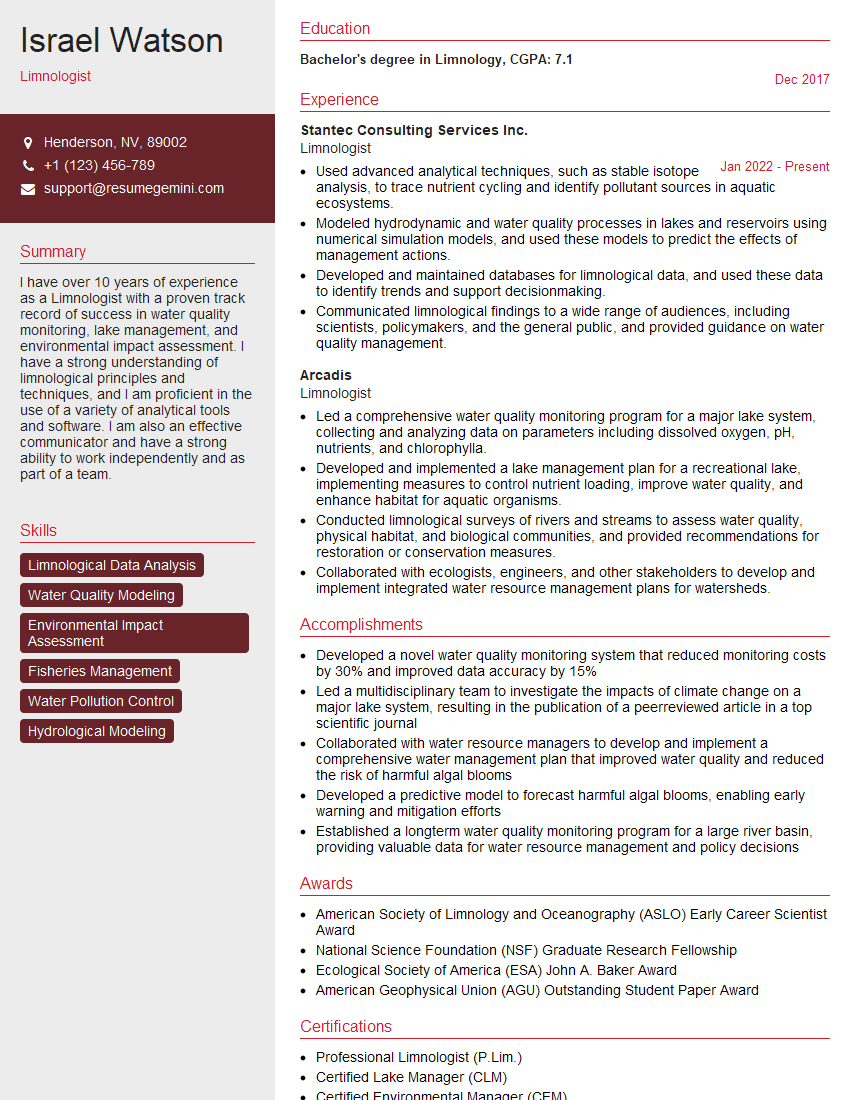
Limnologist Resume Sample
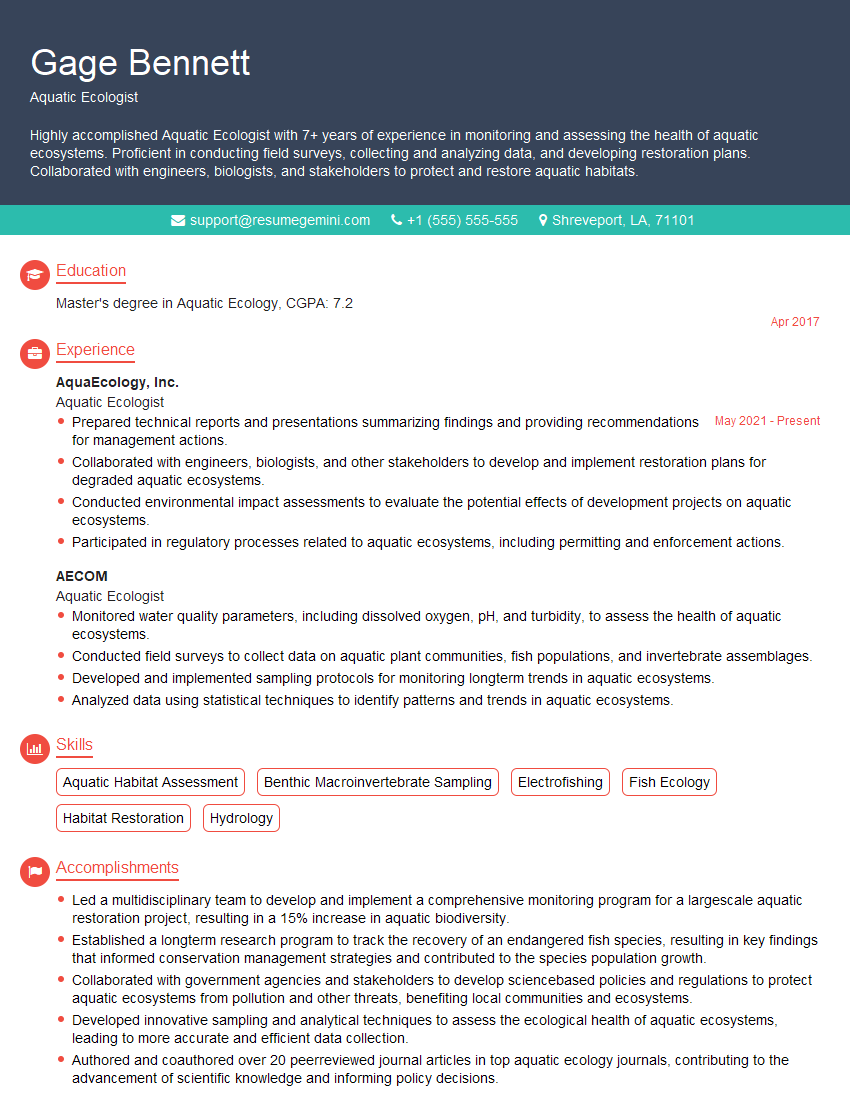
Aquatic Ecologist Resume Sample
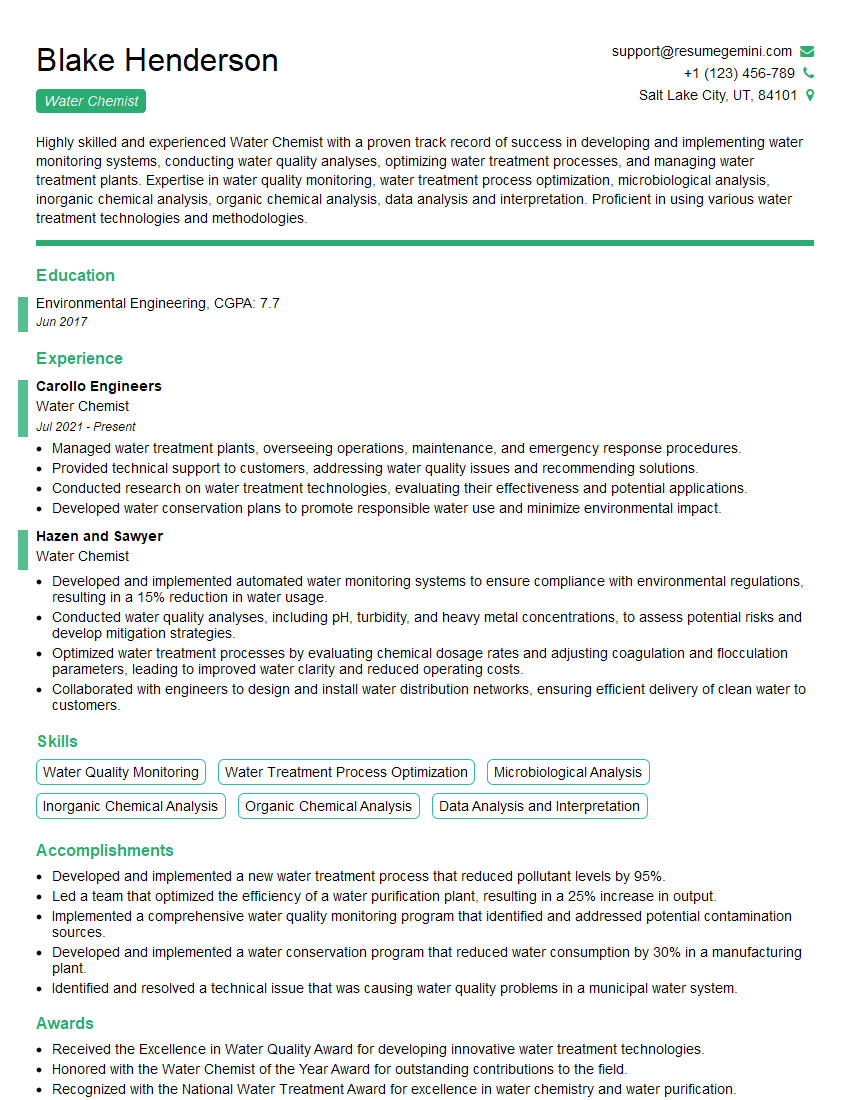
Water Chemist Resume Sample
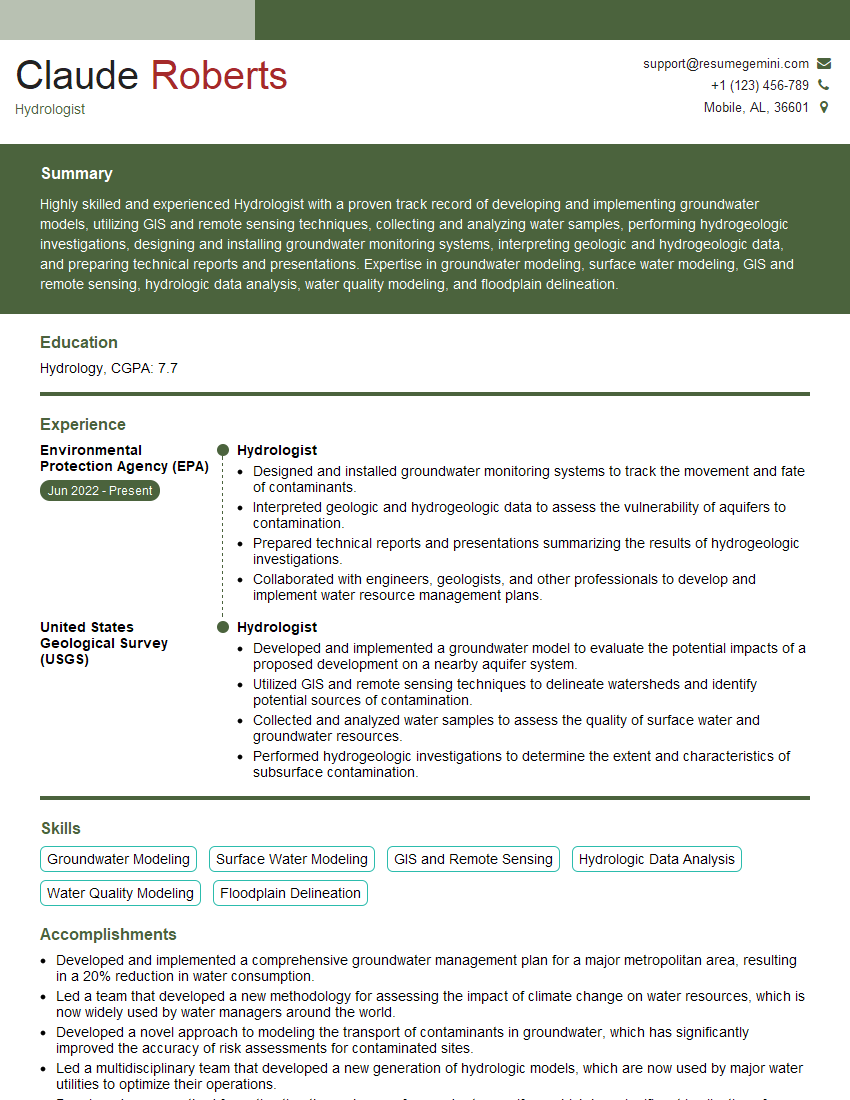
Hydrologist Resume Sample
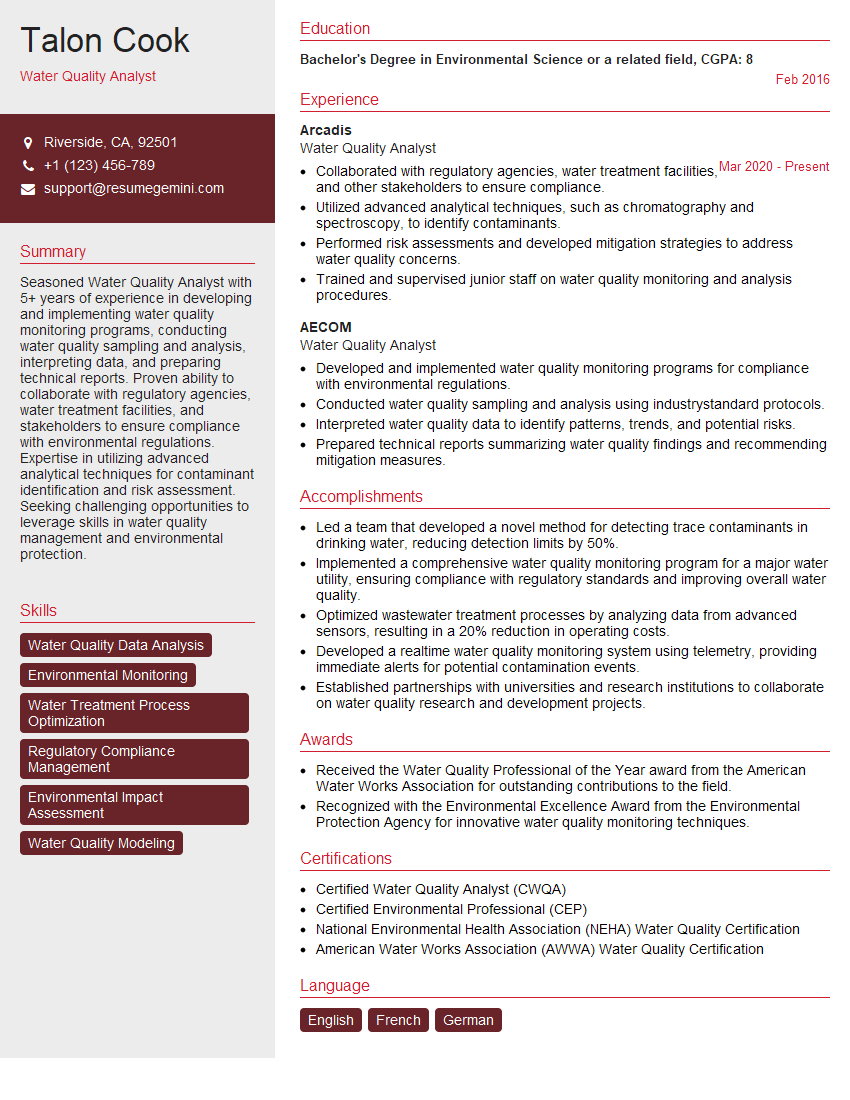
Water Quality Analyst Resume Sample
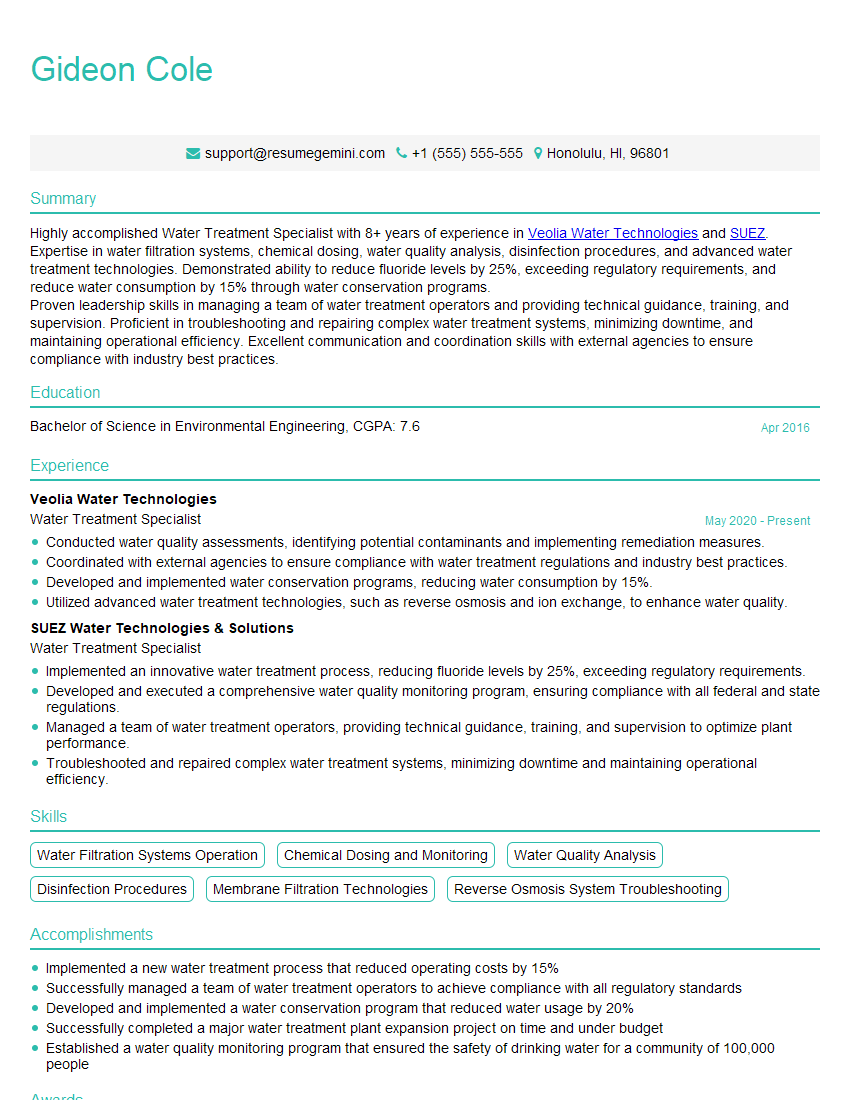
Water Treatment Specialist Resume Sample
- Hydrogeologist
- Environmental Remediation Specialist
- Environmental Scientist
- Hydraulic Engineer
- Irrigation Engineer
- Reservoir Engineer
- Environmental Consultant
- Wastewater Treatment Engineer
- Water Resources Engineer
- Hydrodynamicist
- Limnologist
- Aquatic Ecologist
- Water Chemist
- Hydrologist
- Water Quality Analyst
- Water Treatment Specialist
Explore more articles
Users Rating of Our Blogs
Share Your Experience
We value your feedback! Please rate our content and share your thoughts (optional).
What Readers Say About Our Blog
To the interviewgemini.com Webmaster.
Very helpful and content specific questions to help prepare me for my interview!
Thank you
To the interviewgemini.com Webmaster.
This was kind of a unique content I found around the specialized skills. Very helpful questions and good detailed answers.
Very Helpful blog, thank you Interviewgemini team.