The right preparation can turn an interview into an opportunity to showcase your expertise. This guide to Well-Child and Adolescent Health interview questions is your ultimate resource, providing key insights and tips to help you ace your responses and stand out as a top candidate.
Questions Asked in Well-Child and Adolescent Health Interview
Q 1. Describe the recommended immunization schedule for infants and toddlers.
The recommended immunization schedule for infants and toddlers is crucial for protecting them from preventable diseases. It’s a carefully designed sequence of vaccines administered at specific ages to maximize effectiveness and minimize risks. The exact schedule can vary slightly depending on the country and specific vaccine availability, but the core components remain consistent. It’s always best to consult your pediatrician or refer to the official recommendations from your local health authority for the most up-to-date information.
Generally, the schedule involves multiple doses of vaccines against diseases like Hepatitis B, Rotavirus, Diptheria, Tetanus, Pertussis (whooping cough), Haemophilus influenzae type b (Hib), Polio, Pneumococcal disease, Measles, Mumps, Rubella (MMR), and Varicella (chickenpox). These vaccines are given at intervals throughout the first two years of life, often with several vaccines administered simultaneously at specific visits. For instance, many vaccines are combined into one injection to reduce the number of shots a child receives. This staggered approach allows the infant’s immune system to build up protection against these diseases gradually.
- Example: A typical schedule might include Hepatitis B at birth, then several vaccines combined at 2, 4, and 6 months, followed by booster shots later in childhood.
Remember, adherence to the recommended schedule offers the best protection for your child. Any deviations should be discussed with your pediatrician to ensure optimal health.
Q 2. Explain the developmental milestones for a 2-year-old child.
Developmental milestones for a 2-year-old are exciting indicators of a child’s progress in various areas. These milestones are not strict deadlines; individual variations are normal. However, significant delays could warrant further investigation by a pediatrician or developmental specialist.
Physical Milestones: A 2-year-old should be able to walk steadily, run, climb stairs (possibly with assistance), kick a ball, and possibly even jump. Fine motor skills are developing, enabling them to turn pages in a book, scribble, stack blocks, and begin to use utensils for eating.
Cognitive Milestones: Language skills are expanding rapidly. They might be speaking in simple sentences, understanding simple instructions, and naming familiar objects. Their curiosity is blossoming, and they are actively exploring their environment. They can begin to play simple make-believe games.
Social and Emotional Milestones: Two-year-olds show increasing independence but still crave security and affection. They begin to show empathy, engaging in parallel play (playing alongside other children without direct interaction) and mimicking the behavior of others. They might exhibit temper tantrums, which are normal expressions of frustration at this age. Toilet training is typically underway during this period.
Example: While one 2-year-old might be speaking in full sentences, another might still be primarily using single words. Both are within the realm of normal development. However, if a 2-year-old shows no signs of walking or speaking, it warrants attention and professional assessment.
Q 3. How would you address parental concerns about childhood vaccinations?
Addressing parental concerns about childhood vaccinations is a crucial aspect of well-child care. It requires empathy, clear communication, and evidence-based information. Starting with active listening is paramount. Parents need to feel heard and understood before any discussion about vaccines can truly be productive.
My approach involves:
- Empathetic Listening: I begin by allowing parents to fully express their concerns without interruption. This demonstrates respect and builds trust. I acknowledge their anxieties and validate their feelings. Often, fear stems from misinformation or past negative experiences.
- Providing Evidence-Based Information: I present clear, concise information about the safety and efficacy of vaccines, drawing on reputable sources like the CDC and WHO. I address specific concerns with factual evidence, dispelling myths and addressing misconceptions one by one.
- Addressing Specific Concerns: For instance, if a parent worries about side effects, I explain that while some mild side effects are common (like soreness at the injection site or low-grade fever), serious adverse events are extremely rare. I assure them that these are carefully monitored and that the benefits of vaccination far outweigh the risks.
- Sharing Personal Stories (with permission): If appropriate and with parental consent, sharing anonymous success stories of children who have been successfully vaccinated can be helpful.
- Collaborative Decision-Making: Ultimately, the goal is to empower parents to make an informed decision. I present the information transparently, allowing them to choose what they believe is best for their child, while reinforcing the benefits of vaccination.
Example: If a parent is concerned about autism, I explain that there is no credible scientific evidence linking vaccines to autism. I’d cite relevant studies and resources to support my explanation.
Q 4. What are the warning signs of child abuse or neglect?
Recognizing warning signs of child abuse or neglect is crucial for protecting children. It requires a vigilant approach, considering both physical and behavioral indicators.
Physical Warning Signs: Unexplained injuries, such as bruises, burns, or fractures, particularly in patterns that suggest abuse (e.g., belt marks). Malnutrition, failure to thrive, or significant neglect of hygiene are also important red flags.
Behavioral Warning Signs: Children who are withdrawn, fearful, anxious, or overly aggressive could be experiencing abuse or neglect. Changes in behavior (e.g., suddenly becoming afraid of a specific adult) or school performance issues might also indicate a problem. Inappropriate sexual knowledge or behavior in young children is another significant warning sign.
Other Warning Signs: Inconsistencies in explanations of injuries or accounts of events from caregivers and children should raise immediate concerns. A lack of appropriate supervision or provision of basic necessities (food, clothing, shelter) are clear signs of neglect.
It’s important to remember that these signs are not always definitive indicators of abuse or neglect. However, if you suspect any form of abuse or neglect, it’s crucial to report your concerns to the appropriate authorities immediately. This can include child protective services or law enforcement.
Example: A child who consistently comes to school with unexplained bruises and avoids physical contact with adults might be a victim of physical abuse. A child who is consistently hungry or poorly clothed might be suffering from neglect.
Q 5. How do you assess a child’s nutritional status?
Assessing a child’s nutritional status involves a multi-faceted approach, combining several assessment methods for a comprehensive evaluation.
1. Anthropometric Measurements: This is the cornerstone of nutritional assessment, involving measurements such as height, weight, and head circumference. These measurements are compared to standardized growth charts to determine the child’s percentile ranking, indicating whether they are growing appropriately for their age and sex. Low percentiles could suggest potential malnutrition or growth problems.
2. Dietary Intake Assessment: This involves gathering information about the child’s typical food consumption patterns. This can be achieved through detailed dietary recalls, food frequency questionnaires, or food records, which offer a more detailed look into their diet. This method helps determine whether the child is consuming sufficient calories, protein, vitamins, and minerals.
3. Clinical Examination: A physical examination is crucial to detect signs of nutritional deficiencies. This includes checking for pallor (suggestive of iron deficiency), dry skin, hair loss, or other visible symptoms linked to malnutrition. Assessment of general health and energy levels also plays a critical role.
4. Biochemical Markers: In some cases, blood tests may be necessary to evaluate specific nutrient levels, such as hemoglobin for iron status or vitamin D levels. These provide objective data to supplement the clinical assessment.
Example: A child whose weight is consistently below the 5th percentile on the growth chart, combined with a history of poor dietary intake and clinical signs of fatigue, would raise significant concerns about their nutritional status.
Q 6. What strategies do you employ to communicate effectively with adolescents?
Communicating effectively with adolescents requires understanding their developmental stage and employing strategies that foster trust and open dialogue. It’s crucial to move beyond the traditional parent-child dynamic and build a respectful, collaborative relationship.
1. Active Listening and Validation: Adolescents need to feel heard and understood. I create a safe space for open communication, actively listening to their perspectives without judgment. I validate their feelings, even if I don’t necessarily agree with their opinions. This is important for building rapport and trust.
2. Non-judgmental Approach: Criticizing or dismissing their views will likely shut down communication. I strive to maintain a non-judgmental stance, showing genuine interest in their experiences and concerns. I create an environment where they feel comfortable sharing their thoughts without fear of ridicule.
3. Open-Ended Questions: Rather than using questions that can be answered with a simple ‘yes’ or ‘no’, I utilize open-ended questions to encourage elaboration and deeper conversation. This allows adolescents to express themselves more fully and to reflect on their feelings and thoughts.
4. Respect for Privacy: Adolescents are developing a sense of autonomy. I respect their need for privacy, but also emphasize the importance of open communication within the context of their health and well-being.
5. Tailoring Communication Style: The approach is tailored to the individual adolescent. For example, some might respond better to a formal, professional approach, whereas others might be more comfortable with a conversational tone. I flex my communication style based on the needs of the specific adolescent.
Example: Instead of saying, ‘Are you using drugs?’, I would use an open-ended question like, ‘Can you tell me about how you’re spending your free time?’ This allows for a more organic exploration of potential risky behaviors without creating defensiveness.
Q 7. Describe your approach to managing childhood anxiety.
Managing childhood anxiety requires a multi-pronged approach, focusing on both therapeutic interventions and supportive strategies for the child and their family.
1. Assessment and Diagnosis: Thoroughly assessing the nature, severity, and triggers of the anxiety is the first step. This often involves interviews with the child, parents, and potentially teachers or other caregivers. A proper diagnosis helps determine the most appropriate course of action.
2. Cognitive Behavioral Therapy (CBT): CBT is a highly effective approach for teaching children coping skills to manage their anxiety. It involves identifying and challenging negative thoughts and developing more adaptive ways of thinking and responding to anxiety-provoking situations. This might involve relaxation techniques, exposure therapy (gradually exposing the child to feared situations), or cognitive restructuring.
3. Family-Based Interventions: Anxiety often impacts the entire family. Involving parents in the treatment process is vital. Education about anxiety, strategies for managing the child’s anxiety at home, and support for the parents are all essential components of successful management.
4. Medication: In some cases, medication may be necessary to manage severe anxiety symptoms. This decision is made collaboratively with the child’s physician and requires careful consideration of the potential risks and benefits. Medication is often used in conjunction with therapy for optimal outcomes.
5. School Support: If school is a source of anxiety, collaborating with school personnel to create a supportive learning environment can be crucial. This might involve developing individualized plans to address specific challenges the child faces.
Example: A child with severe social anxiety might benefit from CBT that focuses on social skills training, gradual exposure to social situations, and relaxation techniques. The parents might also receive support on how to manage the child’s anxiety at home.
Q 8. How do you handle a situation where a parent refuses recommended medical treatment?
When a parent refuses recommended medical treatment, my priority is to understand their concerns and build a trusting relationship. This involves active listening, empathetic communication, and a non-judgmental approach. I begin by asking open-ended questions like, “Can you tell me more about your hesitation?” or “What are your concerns about this treatment?” This helps me identify the root of their reluctance – be it fear of side effects, religious beliefs, financial constraints, or misinformation.
Once I understand their perspective, I provide clear, evidence-based information about the benefits and risks of the treatment, answering their questions honestly and patiently. I might use visual aids or involve other healthcare professionals, such as a specialist or a social worker, to address specific concerns. I explain the potential consequences of not receiving the treatment in a straightforward manner, emphasizing the importance of shared decision-making.
If the disagreement persists, I explore alternative options, such as less invasive treatments or lifestyle modifications. Documentation of the discussion, the parent’s concerns, and the proposed alternatives is crucial for legal and ethical reasons. In some cases, if the refusal poses a significant risk to the child’s health and safety, I may need to involve child protective services, but this is always a last resort and requires careful consideration of ethical and legal implications. It’s essential to remember that maintaining a respectful and collaborative relationship with the parents is crucial, even when we disagree on treatment decisions.
Q 9. What are common adolescent mental health concerns?
Adolescent mental health concerns are diverse and often intertwined. Common issues include:
- Depression: Characterized by persistent sadness, loss of interest, changes in appetite or sleep, and feelings of hopelessness.
- Anxiety: Manifests as excessive worry, fear, nervousness, and physical symptoms like rapid heartbeat or trembling. Specific anxiety disorders such as generalized anxiety disorder, social anxiety disorder, and panic disorder are prevalent.
- Substance abuse: Experimentation with or dependence on alcohol, drugs, or tobacco, often stemming from peer pressure, stress, or underlying mental health issues.
- Eating disorders: Conditions like anorexia nervosa, bulimia nervosa, and binge eating disorder, often linked to body image issues and self-esteem.
- Self-harm and suicidal ideation: These serious concerns require immediate attention and intervention. Risk factors include depression, anxiety, trauma, and social isolation.
- Trauma and PTSD: Exposure to traumatic events can lead to post-traumatic stress disorder (PTSD), characterized by flashbacks, nightmares, avoidance behaviors, and emotional numbness.
It’s vital to recognize that these concerns often co-occur and require a holistic approach to treatment. Early identification and intervention are key to improving outcomes.
Q 10. How would you counsel a teenager about substance abuse?
Counseling a teenager about substance abuse requires a compassionate, non-judgmental, and confidential approach. I begin by building rapport and creating a safe space where they feel comfortable sharing their experiences without fear of blame or punishment. I use motivational interviewing techniques, focusing on their intrinsic motivation to change rather than imposing external pressure.
My approach involves:
- Active listening: Carefully listening to their story, validating their feelings, and avoiding interrupting or offering unsolicited advice.
- Exploring the reasons: Understanding the underlying reasons for their substance use, such as stress, peer pressure, or underlying mental health conditions.
- Setting realistic goals: Collaboratively setting achievable goals, focusing on incremental changes rather than expecting immediate abstinence.
- Developing coping mechanisms: Helping them develop healthy coping strategies for stress, boredom, and social situations, such as exercise, mindfulness, or engaging in hobbies.
- Connecting them with resources: Referring them to appropriate resources such as support groups (e.g., Narcotics Anonymous), therapy, or substance abuse treatment programs.
It’s crucial to emphasize that recovery is a journey, not a destination, and setbacks are a normal part of the process. Ongoing support and monitoring are essential for long-term success. If the situation involves immediate danger, such as suicidal ideation or severe intoxication, emergency services must be contacted.
Q 11. Explain the importance of regular well-child visits.
Regular well-child visits are essential for ensuring optimal health and development from infancy through adolescence. These visits serve as proactive opportunities for:
- Preventive care: Receiving age-appropriate vaccinations, screenings for diseases (e.g., anemia, hearing and vision problems), and guidance on healthy habits like nutrition and physical activity.
- Early detection of problems: Identifying and addressing potential health issues early, when treatment is often most effective. This includes developmental delays, learning disabilities, and mental health concerns.
- Health education and guidance: Receiving personalized advice and education on a wide range of topics, including safety, nutrition, sleep, and sexual health.
- Building a strong doctor-patient relationship: Establishing a trusting relationship with a healthcare provider, fostering open communication, and creating a comfortable environment for discussing health concerns.
- Monitoring growth and development: Tracking the child’s physical growth, development milestones, and overall well-being. This provides valuable insights into their health status and allows for early intervention if needed.
Regular well-child visits are a cornerstone of a child’s overall health and contribute significantly to their long-term well-being.
Q 12. Describe your experience with early intervention programs.
I have extensive experience working with early intervention programs, specifically those focused on developmental delays and disabilities. My role has involved conducting comprehensive developmental assessments, developing individualized family service plans (IFSPs), and providing direct therapy or referrals to specialized services. These programs emphasize a family-centered approach, empowering parents to actively participate in their child’s care and development.
For example, I’ve worked with families of children diagnosed with autism spectrum disorder, providing behavioral therapy, speech therapy referrals, and support in navigating the complexities of the educational system. In another instance, I collaborated with a team to provide early intervention for a child with a significant hearing impairment, focusing on auditory-verbal therapy and sign language instruction.
The effectiveness of early intervention programs is remarkable. Early identification and intervention significantly improve developmental outcomes, enhance quality of life for children and their families, and can potentially prevent more extensive and costly interventions later in life. The focus is always on maximizing the child’s potential and promoting their independence.
Q 13. How do you address concerns about childhood obesity?
Addressing childhood obesity requires a holistic, family-centered approach. It’s not just about weight loss; it’s about establishing healthy lifestyle habits that benefit the child’s overall well-being.
My approach involves:
- Comprehensive assessment: Understanding the contributing factors, including dietary habits, physical activity levels, family history, and any underlying medical conditions.
- Nutrition counseling: Educating the family on healthy eating principles, portion control, and mindful eating practices. This may involve working with a registered dietitian.
- Promoting physical activity: Encouraging regular physical activity through age-appropriate exercises, sports, and outdoor play. This might involve collaborating with a physical therapist or recreational specialist.
- Behavioral modification: Implementing strategies to change unhealthy eating and activity habits, such as setting realistic goals, using positive reinforcement, and involving the whole family in the process.
- Addressing emotional factors: Recognizing that emotional eating and stress can contribute to weight gain. Providing counseling or referring to mental health professionals might be necessary.
- Monitoring progress: Regularly monitoring the child’s weight and growth, adjusting the plan as needed, and celebrating successes along the way.
It’s vital to foster a supportive and non-judgmental environment, focusing on long-term lifestyle changes rather than quick fixes. Collaboration with the family is paramount for successful intervention.
Q 14. What are the signs of ADHD in children?
Attention-Deficit/Hyperactivity Disorder (ADHD) is characterized by persistent inattention, hyperactivity, and impulsivity. Symptoms vary depending on age and severity.
Inattention: May include difficulty paying attention to details, making careless mistakes, difficulty sustaining attention, not following instructions, difficulty organizing tasks, forgetfulness, and being easily distracted.
Hyperactivity: May involve excessive fidgeting, running around or climbing inappropriately (in children), difficulty engaging in quiet activities, feeling restless, and talking excessively.
Impulsivity: May involve blurting out answers, interrupting conversations, difficulty waiting for their turn, and acting without thinking of the consequences.
It’s important to note that these symptoms must be present for a significant duration and significantly impair functioning in at least two settings (e.g., school and home) to meet diagnostic criteria. A comprehensive evaluation by a qualified healthcare professional is necessary for accurate diagnosis and treatment planning. The diagnosis must rule out other underlying conditions that could cause similar symptoms.
Q 15. How would you manage a child experiencing an asthma attack?
Managing an asthma attack in a child requires a calm and swift response. It’s crucial to remember that the severity of an attack can vary greatly. The first step is always to assess the child’s breathing: are they wheezing, coughing, struggling to breathe, or using accessory muscles (like their neck and shoulders) to breathe?
Immediate Actions:
- Stay Calm: A panicked parent can increase a child’s anxiety.
- Administer Inhaler (if prescribed): Follow the instructions on the inhaler precisely. A spacer device can improve medication delivery, especially for younger children. If the child is having trouble using the inhaler, assist them.
- Elevate the Child’s Head: This can help improve breathing.
- Call for Help: If the child is struggling to breathe, their lips are blue, or they’re unresponsive, call emergency medical services immediately.
- Monitor Vital Signs: Note their breathing rate, heart rate, and oxygen saturation if possible.
Following the Attack:
- Contact Doctor: Even if the attack subsides, follow up with the child’s doctor to discuss the event and adjust their treatment plan if needed.
- Trigger Identification: Work with the doctor to identify potential asthma triggers (e.g., allergens, irritants) to minimize future attacks.
- Long-Term Management: Adherence to a prescribed asthma action plan is critical, which includes regular medication use, and avoiding known triggers.
Example: I once treated a six-year-old experiencing a severe asthma attack. He was wheezing and struggling to breathe. After administering his albuterol inhaler with a spacer, we observed improvement within minutes. We then transported him to the ER for further evaluation and to ensure the attack had fully subsided.
Career Expert Tips:
- Ace those interviews! Prepare effectively by reviewing the Top 50 Most Common Interview Questions on ResumeGemini.
- Navigate your job search with confidence! Explore a wide range of Career Tips on ResumeGemini. Learn about common challenges and recommendations to overcome them.
- Craft the perfect resume! Master the Art of Resume Writing with ResumeGemini’s guide. Showcase your unique qualifications and achievements effectively.
- Don’t miss out on holiday savings! Build your dream resume with ResumeGemini’s ATS optimized templates.
Q 16. What is your approach to managing childhood diabetes?
Managing childhood diabetes involves a multi-faceted approach focused on blood sugar control, education, and family support. It’s a chronic condition requiring ongoing monitoring and adjustments.
Key Aspects of Management:
- Blood Glucose Monitoring: Regular blood glucose testing is essential to track sugar levels and make adjustments to insulin or diet as needed. Frequency depends on the type of diabetes, age, and treatment plan.
- Insulin Therapy (if applicable): This might involve multiple daily injections, an insulin pump, or inhaled insulin. Precise dosing is crucial and requires regular monitoring and adjustments by a healthcare professional.
- Dietary Management: A balanced diet is vital. A registered dietician can help develop a meal plan tailored to the child’s needs and activity levels. This usually includes carbohydrate counting and portion control.
- Exercise: Regular physical activity is important for overall health and blood sugar control.
- Education and Support: Families and children need comprehensive education on diabetes management, including symptom recognition, insulin administration (if applicable), and how to respond to hypoglycemia (low blood sugar) or hyperglycemia (high blood sugar).
Example: I worked with a family whose child was recently diagnosed with type 1 diabetes. We collaborated to create a diabetes management plan that included blood glucose monitoring four times daily, insulin injections, a structured meal plan, and regular check-ups. We also connected the family to support groups to help them navigate the challenges of managing this condition.
Q 17. Describe your experience with children with learning disabilities.
My experience with children with learning disabilities has been extensive and rewarding. It’s crucial to approach each child individually, recognizing that learning disabilities manifest differently. There’s no one-size-fits-all approach.
Approaches to Care:
- Comprehensive Assessment: A thorough evaluation is necessary to identify the specific learning disability and its impact on the child’s academic and social functioning. This often involves collaboration with educational psychologists, teachers, and therapists.
- Individualized Education Program (IEP): Creating an IEP tailored to the child’s strengths and weaknesses is crucial for success. This collaborative plan, developed with parents, teachers, and healthcare professionals, outlines specific goals and accommodations.
- Early Intervention: Early diagnosis and intervention are essential to maximizing a child’s potential. The earlier the support is provided, the better the outcomes.
- Multidisciplinary Approach: Working with a team of professionals (e.g., occupational therapists, speech therapists, special education teachers) ensures that the child receives comprehensive support.
- Family Support: Educating and supporting the family is vital, as parents play a critical role in their child’s learning and development. We provide resources, guidance, and emotional support.
Example: I collaborated with a team to help a child with dyslexia. We utilized multisensory teaching techniques, assistive technology, and specialized tutoring to improve their reading skills. Through consistent effort and the child’s determination, we saw significant progress.
Q 18. How do you assess for developmental delays?
Assessing for developmental delays involves a multi-step process, encompassing observation, standardized assessments, and parental input. It’s important to remember that developmental milestones are ranges, not strict timelines.
Methods of Assessment:
- Developmental Milestones: We use age-appropriate developmental milestone checklists to track progress in various areas, including gross motor skills (e.g., walking, jumping), fine motor skills (e.g., grasping, writing), language development (e.g., speaking, understanding), social-emotional development (e.g., interacting with others, self-regulation), and cognitive development (e.g., problem-solving, memory).
- Standardized Developmental Tests: These tests, such as the Bayley Scales of Infant and Toddler Development or the Denver Developmental Screening Test, provide a standardized way to assess development. They are administered by trained professionals.
- Parental Report: Parents’ observations and concerns are crucial. They are often the first to notice subtle developmental differences.
- Observation: Direct observation of the child’s behaviour and interactions is also integral. This helps to assess their play skills, social interactions, and overall developmental progress.
Example: I recently assessed a toddler who wasn’t meeting key milestones for language development at his age. We used standardized tests alongside parental observations to reach a diagnosis and to discuss options for early intervention therapies.
Q 19. What are the common causes of childhood fevers?
Childhood fevers are a common symptom of various illnesses, making it crucial to identify the underlying cause.
Common Causes:
- Viral Infections: The majority of childhood fevers are caused by viral infections, such as the common cold, influenza (flu), RSV (Respiratory Syncytial Virus), and viral gastroenteritis.
- Bacterial Infections: Bacterial infections, while less common than viral infections, can also cause fever. These include ear infections (otitis media), strep throat, pneumonia, and urinary tract infections (UTIs).
- Other Causes: Less frequent causes include reactions to vaccinations, certain medications, and even autoimmune diseases.
Important Note: A fever itself is not always a cause for alarm, but it signifies that the body is fighting off an infection. However, it’s essential to monitor the child’s overall condition, looking for symptoms beyond just a fever (e.g., lethargy, difficulty breathing, rash).
Example: A child might present with a fever, cough, and runny nose – suggesting a common viral upper respiratory infection. However, if a child has a high fever with a stiff neck, that warrants immediate medical attention, as it might indicate bacterial meningitis.
Q 20. How would you manage a child with a severe allergic reaction?
Managing a severe allergic reaction (anaphylaxis) requires immediate and decisive action. Anaphylaxis is a life-threatening emergency characterized by a rapid onset of symptoms affecting multiple body systems.
Emergency Response:
- Administer Epinephrine: If the child has a prescribed epinephrine auto-injector (EpiPen or similar), administer it immediately according to the instructions. This is the most crucial step.
- Call Emergency Medical Services (EMS): Even after administering epinephrine, call 911 immediately. Anaphylaxis can worsen rapidly.
- Maintain Airway: If the child is having trouble breathing, place them in a comfortable position, ensuring their airway is clear.
- Monitor Vital Signs: If possible, monitor their breathing, heart rate, and level of consciousness.
- Transport to Hospital: EMS will take the child to the nearest hospital for further evaluation and treatment, including observation for delayed reactions.
Post-Reaction Care:
- Allergen Identification: Work with an allergist to identify the specific allergen to create an avoidance plan.
- Emergency Plan: Develop a comprehensive emergency action plan, making sure family members, caregivers, and teachers know the signs and symptoms of anaphylaxis and how to respond.
- Medication Review: Review the child’s prescribed medication and ensure they have access to appropriate doses and devices. Teach them, family members, and caregivers proper usage.
Example: I have responded to several cases of anaphylaxis, ensuring the child received epinephrine promptly, leading to a rapid improvement in symptoms. However, subsequent hospitalization was always necessary for thorough observation and management.
Q 21. Explain the importance of preventative health care in childhood.
Preventative health care in childhood is crucial for ensuring optimal physical, mental, and social well-being. It’s far more effective and cost-efficient than managing diseases after they develop.
Key Components:
- Well-Child Visits: Regular check-ups allow for growth monitoring, developmental assessments, vaccinations, and screening for potential health problems.
- Immunizations: Vaccinations protect children from potentially serious and even life-threatening diseases.
- Healthy Diet and Exercise: Promoting healthy habits from an early age sets the foundation for a lifetime of well-being, mitigating the risks of obesity, diabetes, and heart disease.
- Injury Prevention: Strategies such as car seat safety, helmet use, and home safety measures can significantly reduce the risk of accidents.
- Dental Care: Regular dental checkups and good oral hygiene are essential for preventing cavities and maintaining oral health.
- Mental Health Screenings: Early identification and intervention for mental health concerns are crucial for improving long-term outcomes.
Long-Term Benefits:
- Reduced Healthcare Costs: Prevention is significantly more cost-effective than treating chronic conditions.
- Improved Quality of Life: Children who receive preventative care are more likely to have fewer illnesses, better school performance, and a higher quality of life.
- Stronger Community Health: Preventative healthcare protects not only individual children but also contributes to the overall health of the community by minimizing the spread of infectious diseases.
Example: Regular well-child visits allowed us to catch a developmental delay in one child early on and initiate timely intervention services, resulting in excellent developmental progress.
Q 22. How do you promote healthy sleep habits in children?
Promoting healthy sleep habits in children is crucial for their physical and cognitive development. It’s not just about how much they sleep, but also the quality of their sleep. I approach this by educating parents on age-appropriate sleep needs and establishing consistent, predictable sleep routines.
- Consistent Bedtime and Wake-Time: Regularity helps regulate their internal body clock (circadian rhythm). Even on weekends, try to maintain a similar schedule, avoiding significant shifts.
- Creating a Relaxing Bedtime Routine: This could include a warm bath, reading a story, quiet playtime, or listening to calming music. Avoid screens (phones, tablets, TVs) for at least an hour before bed, as the blue light emitted can interfere with melatonin production, a hormone essential for sleep.
- Optimizing the Sleep Environment: The bedroom should be dark, quiet, and cool. A comfortable mattress and bedding are also important. Consider using blackout curtains or earplugs if necessary.
- Addressing Sleep Problems: If a child struggles with sleep, I’d explore potential underlying issues like anxiety, medical conditions, or dietary factors. Collaborating with parents to identify and address these is key.
- Modeling Healthy Sleep Habits: Parents demonstrating healthy sleep behaviors themselves can positively influence their children.
For example, I recently worked with a family whose child was having trouble falling asleep. We implemented a consistent bedtime routine, including a calming bath and story time, and removed screens from the bedroom. Within a few weeks, the child’s sleep significantly improved.
Q 23. What are your strategies for promoting healthy eating in children?
Promoting healthy eating in children requires a multifaceted approach that focuses on education, modeling, and making healthy choices accessible and appealing. It’s less about restrictive diets and more about fostering a positive relationship with food.
- Family Meals: Regular family meals provide opportunities for connection and modeling healthy eating habits.
- Variety and Balance: Offering a variety of fruits, vegetables, whole grains, lean proteins, and healthy fats ensures nutritional adequacy.
- Involving Children in Food Preparation: This can increase their interest in trying new foods and appreciating the effort involved in creating healthy meals.
- Positive Reinforcement: Focus on the positive aspects of healthy eating rather than punishment for unhealthy choices.
- Limiting Processed Foods, Sugary Drinks, and Unhealthy Fats: These contribute to weight gain, increased risk of chronic diseases, and can negatively impact energy levels and mood.
- Education and Role Modeling: Parents and caregivers play a critical role in setting a good example. Children learn by observing their parents’ food choices and habits.
For instance, I often recommend strategies like offering a small portion of a new vegetable alongside familiar favorites, rather than forcing a child to eat something they dislike. This approach gradually expands their palate without creating power struggles.
Q 24. Describe your experience with children with autism spectrum disorder.
My experience with children with Autism Spectrum Disorder (ASD) involves a collaborative approach focused on individualized care and addressing the unique challenges each child faces. It’s crucial to understand that ASD presents itself differently in every individual.
- Developmental Assessments: Thorough assessments focusing on communication, social interaction, and behavioral patterns are crucial to create a comprehensive understanding of the child’s needs.
- Behavioral Interventions: Strategies such as Applied Behavior Analysis (ABA) can help improve communication, social skills, and reduce challenging behaviors. These interventions are often customized to the child’s specific strengths and weaknesses.
- Collaboration with Specialists: Working closely with therapists (occupational, speech, physical), educators, and other specialists forms a supportive network to maximize the child’s potential.
- Family Support and Education: Parents and families play an integral role. Providing them with resources, education, and ongoing support is essential for successful interventions.
- Addressing Sensory Sensitivities: Many children with ASD experience sensory sensitivities. Creating a comfortable and predictable environment is vital.
For example, I’ve worked with children who respond well to visual schedules to manage transitions and routines, while others benefit from specific dietary modifications to manage sensory sensitivities. Each case requires a tailored approach.
Q 25. How do you incorporate family-centered care into your practice?
Family-centered care is the cornerstone of my practice. It recognizes the family as the child’s primary support system and emphasizes their active involvement in all aspects of the child’s health care.
- Shared Decision-Making: I actively involve families in making decisions about their child’s health, respecting their values, beliefs, and preferences. This includes explaining medical information in an understandable way and considering their input when selecting treatment options.
- Empowerment and Education: I strive to empower families with the knowledge and skills to manage their child’s health. This might involve providing education about specific conditions, treatment plans, or self-management techniques.
- Respectful Communication: I maintain open, honest, and respectful communication with families, addressing their concerns and answering their questions with empathy.
- Coordination of Care: I act as a coordinator, working closely with other healthcare professionals to ensure that the family receives comprehensive and seamless care.
- Cultural Sensitivity: Understanding and respecting the family’s cultural background and beliefs are crucial to provide culturally competent care.
For instance, I recently worked with a family who preferred a holistic approach to their child’s treatment. By incorporating their suggestions while maintaining medical accuracy, we developed a plan that worked well for both the child and the family.
Q 26. Explain your understanding of the ethical considerations in pediatric care.
Ethical considerations in pediatric care are paramount. They revolve around the best interests of the child, while respecting the rights and autonomy of both the child and the family.
- Beneficence and Non-maleficence: Acting in the best interests of the child, while minimizing harm (doing good and avoiding harm).
- Respect for Autonomy: As children mature, their autonomy in decision-making needs to be increasingly considered. This requires age-appropriate discussions and involvement in treatment plans.
- Justice: Ensuring equitable access to high-quality healthcare for all children, regardless of their background or socioeconomic status.
- Confidentiality: Protecting the confidentiality of the child’s medical information, especially as they get older, except in situations where there is a risk of harm to the child or others.
- Truth-telling: Being honest and transparent with both the child and the family, even when delivering difficult news. Age-appropriate communication is key here.
Examples include obtaining informed consent from parents before initiating treatment, ensuring that adolescents have a voice in their healthcare decisions, and advocating for access to care for vulnerable populations. Navigating these ethical dilemmas requires thoughtful reflection and a commitment to upholding the highest ethical standards.
Q 27. Describe your experience with electronic health records (EHRs) in pediatrics.
Electronic Health Records (EHRs) have become an indispensable tool in pediatric care. They provide a comprehensive and readily accessible record of a child’s medical history, improving coordination and continuity of care.
- Improved Data Management: EHRs allow for efficient storage and retrieval of patient information, including medical history, immunization records, lab results, and progress notes. This reduces paperwork and enhances data organization.
- Enhanced Communication and Collaboration: EHRs facilitate secure communication and information sharing among healthcare providers, improving coordination and reducing errors. They can also support communication with families.
- Improved Patient Safety: EHR systems often include features that promote patient safety, such as alerts for drug interactions or allergies.
- Support for Population Health Management: EHR data can be used to track trends in child health, identify areas for improvement, and inform public health interventions.
- Challenges: While beneficial, EHRs present challenges such as the time required for data entry, potential for technical issues, and concerns about data security and privacy.
For example, using the EHR, I can quickly access a child’s complete immunization history during a routine well-child visit, ensuring that they are up-to-date on their vaccinations. This efficiency allows for more time focused on patient interaction and education.
Q 28. How do you stay current with the latest advancements in pediatric health?
Staying current with advancements in pediatric health is crucial for providing optimal patient care. My approach involves a combination of strategies:
- Continuing Medical Education (CME): I regularly participate in CME activities such as conferences, workshops, and online courses to update my knowledge and skills on various aspects of pediatric healthcare.
- Professional Organizations: Membership in professional organizations like the American Academy of Pediatrics (AAP) provides access to the latest research, guidelines, and networking opportunities.
- Peer Review and Collaboration: Discussing challenging cases with colleagues, attending journal clubs, and engaging in peer review enhance knowledge sharing and critical thinking.
- Medical Journals and Publications: I regularly read peer-reviewed medical journals and publications to stay abreast of new research findings and clinical guidelines.
- Online Resources: Reliable online resources from reputable institutions like the CDC and AAP provide updates on emerging health issues and best practices.
For instance, I recently attended a CME course on the latest advancements in the management of childhood obesity, which provided me with new tools and strategies to better support my patients and their families.
Key Topics to Learn for Well-Child and Adolescent Health Interview
Preparing for a Well-Child and Adolescent Health interview requires a comprehensive understanding of the field. Focus on demonstrating your knowledge and practical application of these key areas:
- Developmental Milestones: Understanding normal growth and development across various age groups, including physical, cognitive, social, and emotional milestones. Consider how variations from the norm might be assessed and addressed.
- Preventive Health Care: Mastering the recommended screenings, vaccinations, and health promotion strategies for children and adolescents at different developmental stages. Be ready to discuss the rationale behind these interventions and how you would educate patients and families.
- Common Childhood Illnesses and Conditions: Familiarize yourself with the diagnosis, management, and treatment of prevalent childhood illnesses and chronic conditions. This includes understanding the signs, symptoms, and potential complications.
- Adolescent Health Issues: Gain proficiency in addressing unique adolescent concerns such as substance abuse, mental health challenges, sexual health, and risky behaviors. Practice explaining sensitive topics with empathy and professionalism.
- Communication and Patient Interaction: Develop strategies for effectively communicating with children, adolescents, and their families, adapting your approach to various age groups and communication styles. Discuss techniques for building rapport and establishing trust.
- Ethical Considerations: Understand the ethical principles guiding Well-Child and Adolescent Health care, including confidentiality, informed consent, and cultural sensitivity. Be prepared to discuss challenging ethical dilemmas.
- Health Promotion and Disease Prevention: Explore the role of health education and behavior modification in promoting healthy lifestyles and preventing illness. Consider strategies for engaging patients and families in health promotion activities.
Next Steps
Mastering Well-Child and Adolescent Health is crucial for a successful and rewarding career. It allows you to make a significant impact on the lives of young people and their families. To maximize your job prospects, a strong, ATS-friendly resume is essential. ResumeGemini is a trusted resource that can help you craft a compelling and effective resume tailored to the specific requirements of Well-Child and Adolescent Health positions. ResumeGemini provides examples of resumes specifically designed for this field, giving you a head start in showcasing your skills and experience. Take advantage of these resources to present yourself as the ideal candidate.
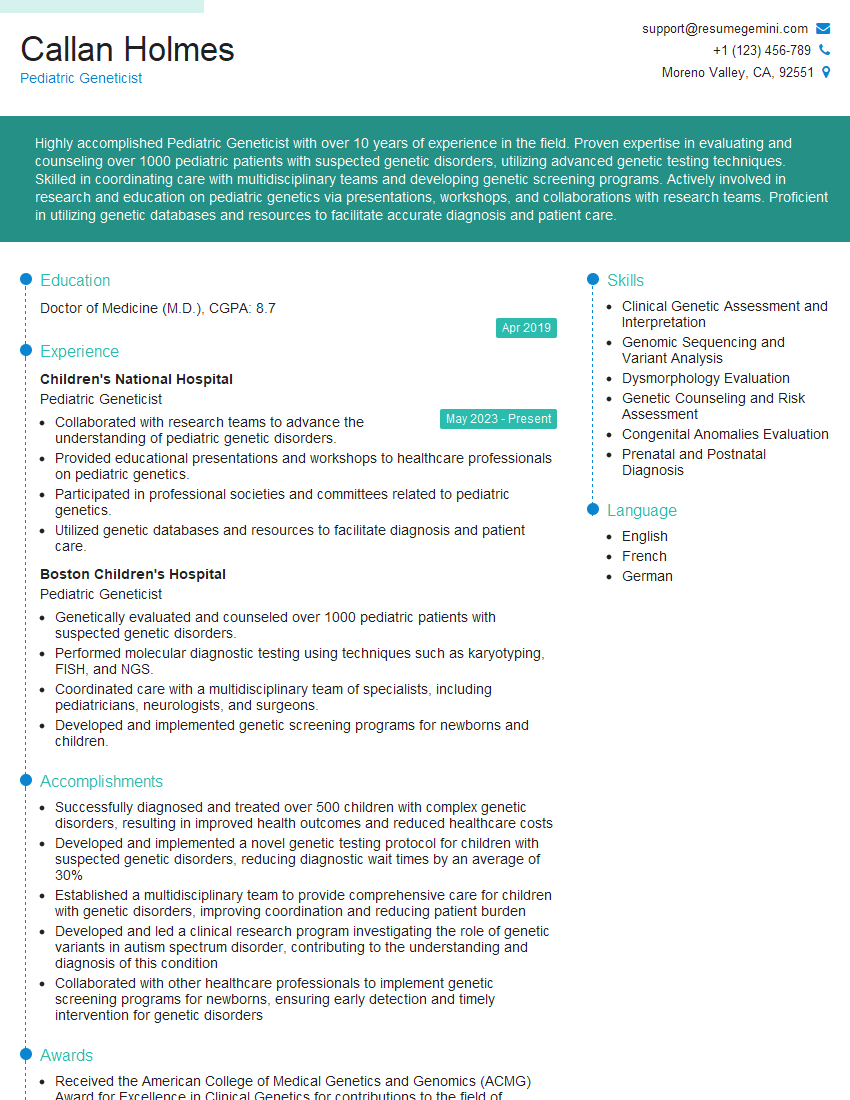
Pediatric Geneticist Resume Sample
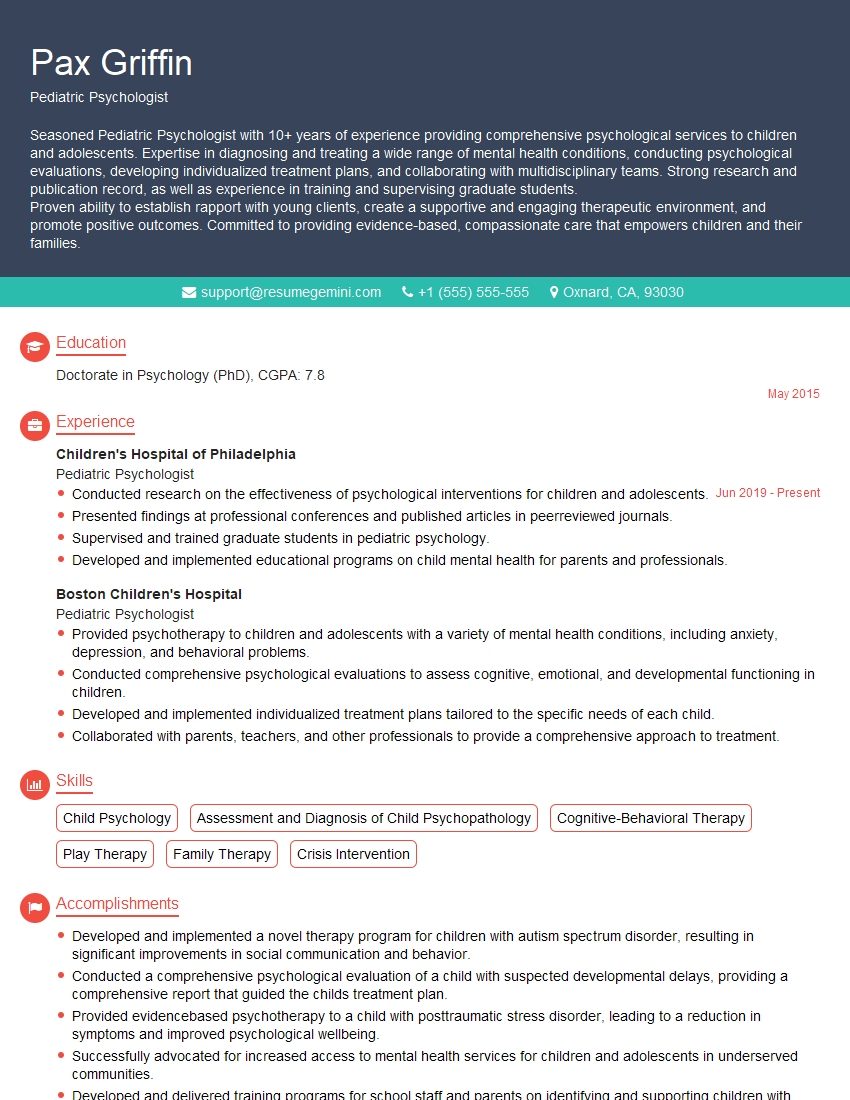
Pediatric Psychologist Resume Sample
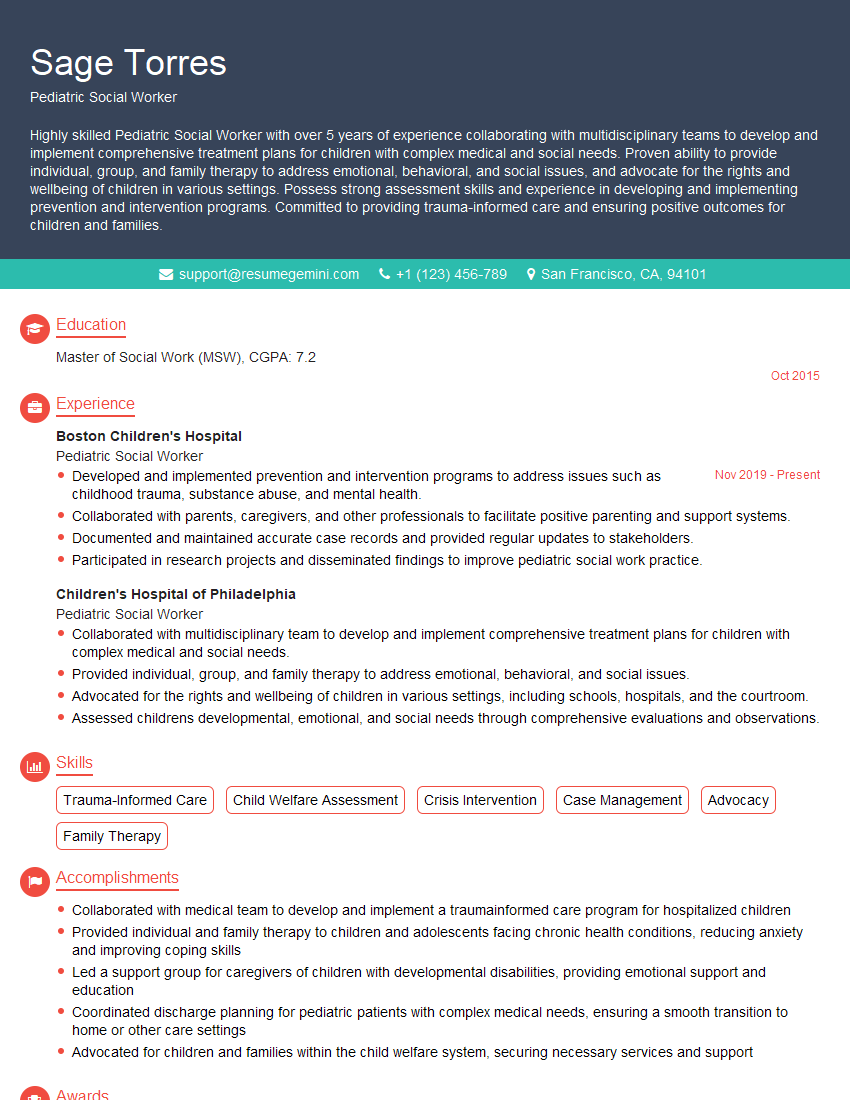
Pediatric Social Worker Resume Sample
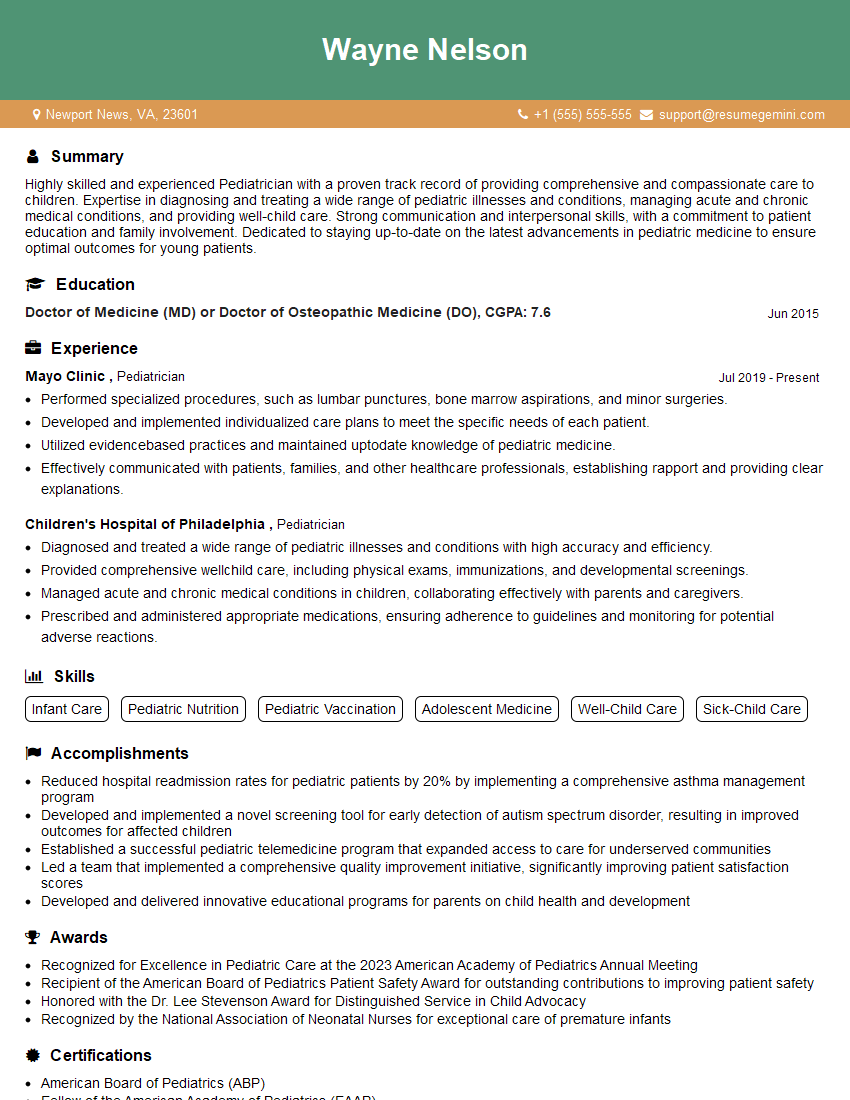
Pediatrician Resume Sample
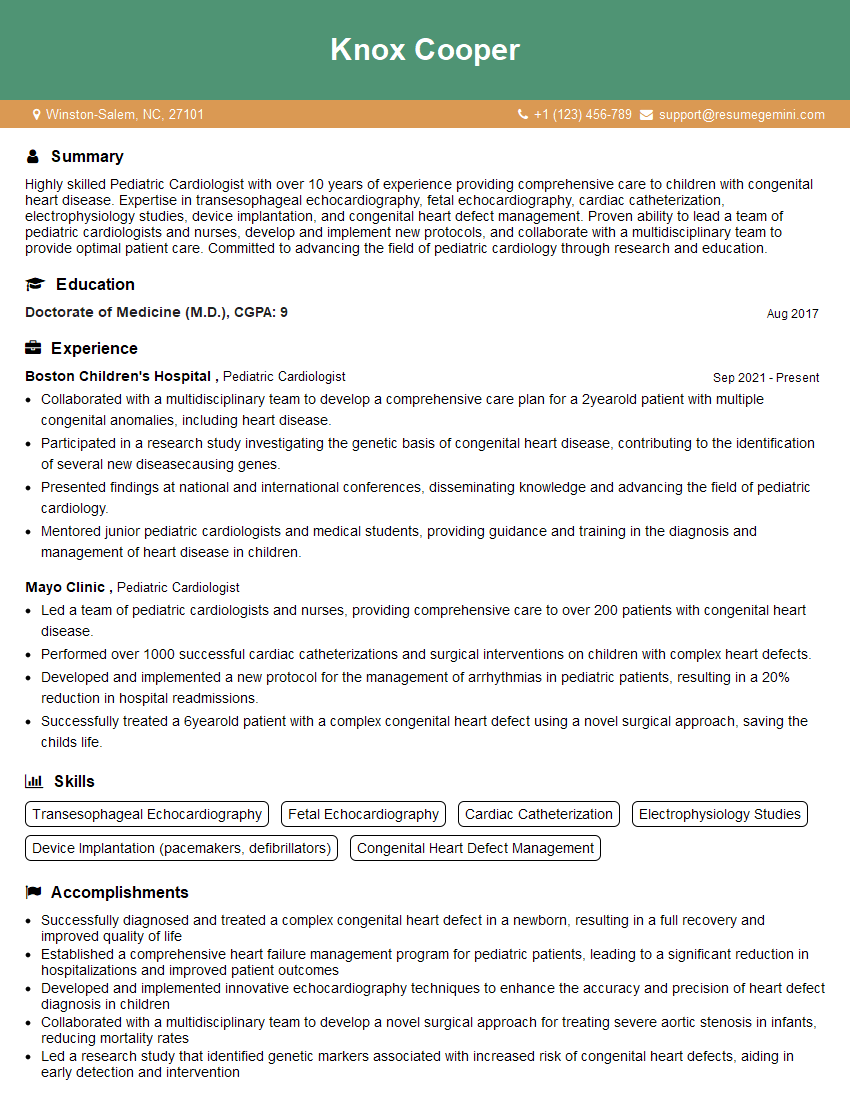
Pediatric Cardiologist Resume Sample
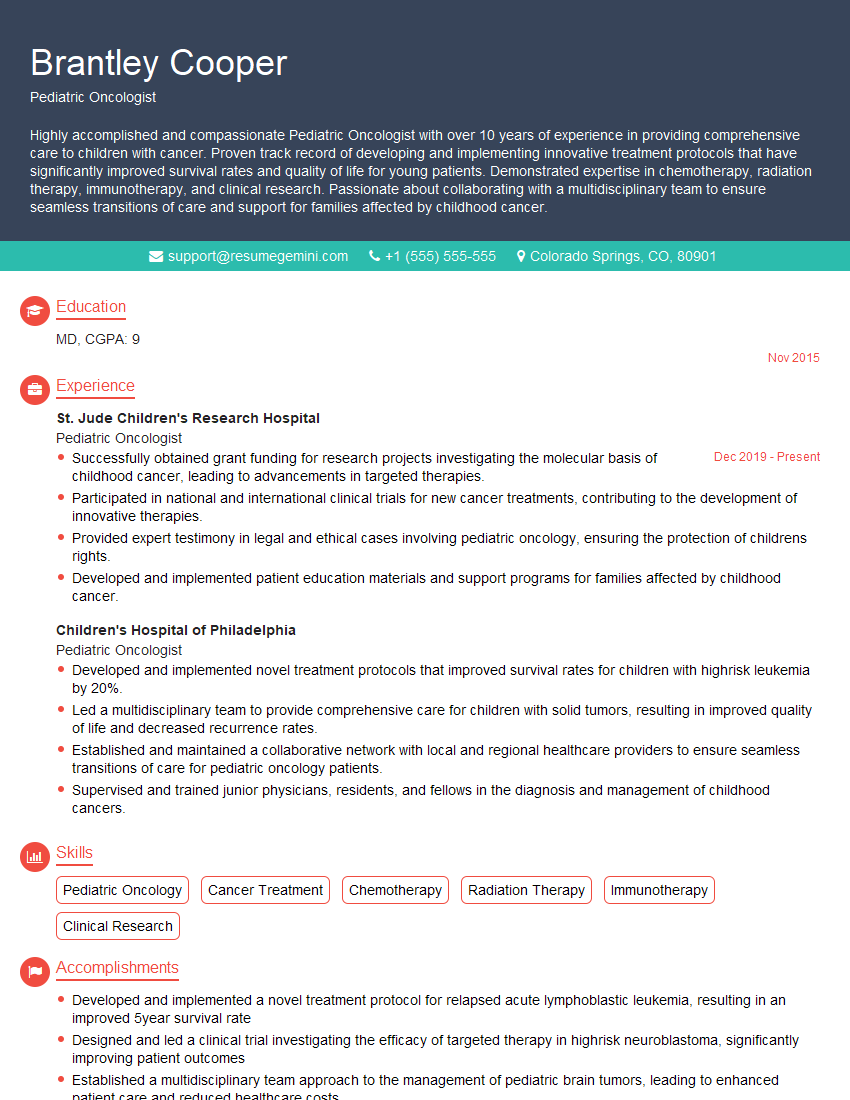
Pediatric Oncologist Resume Sample
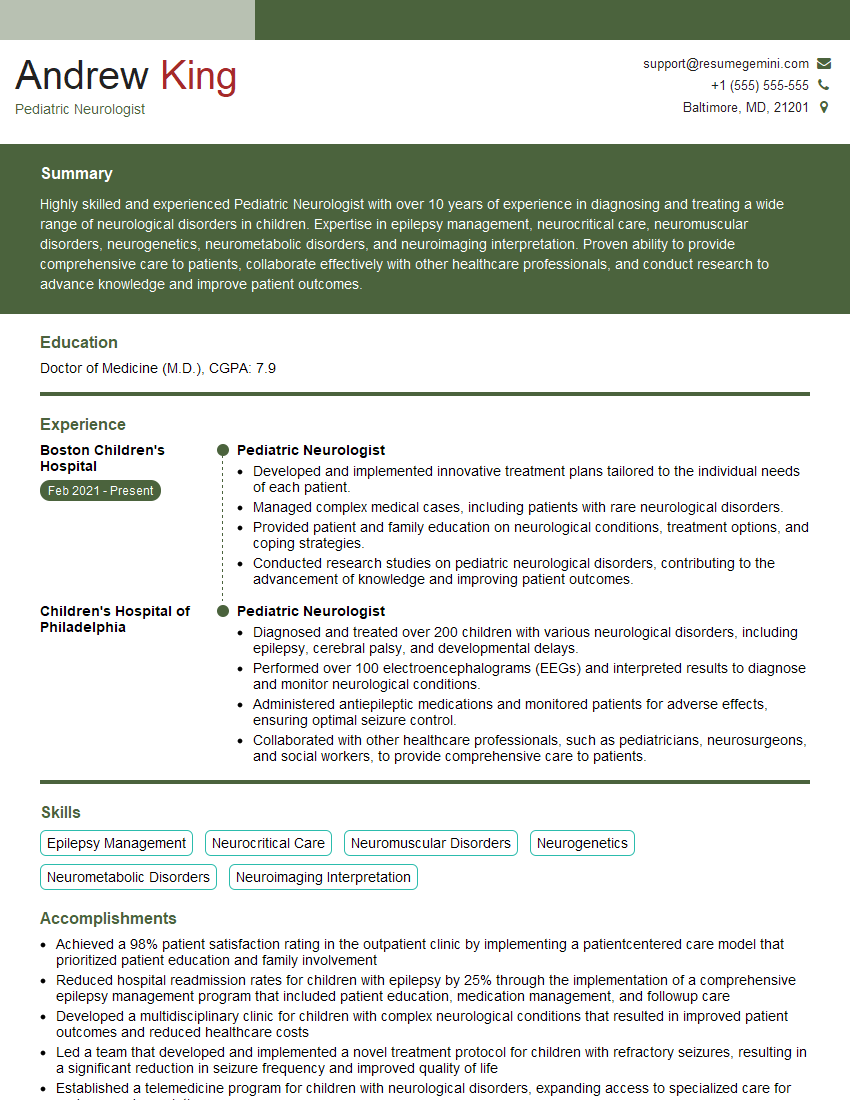
Pediatric Neurologist Resume Sample
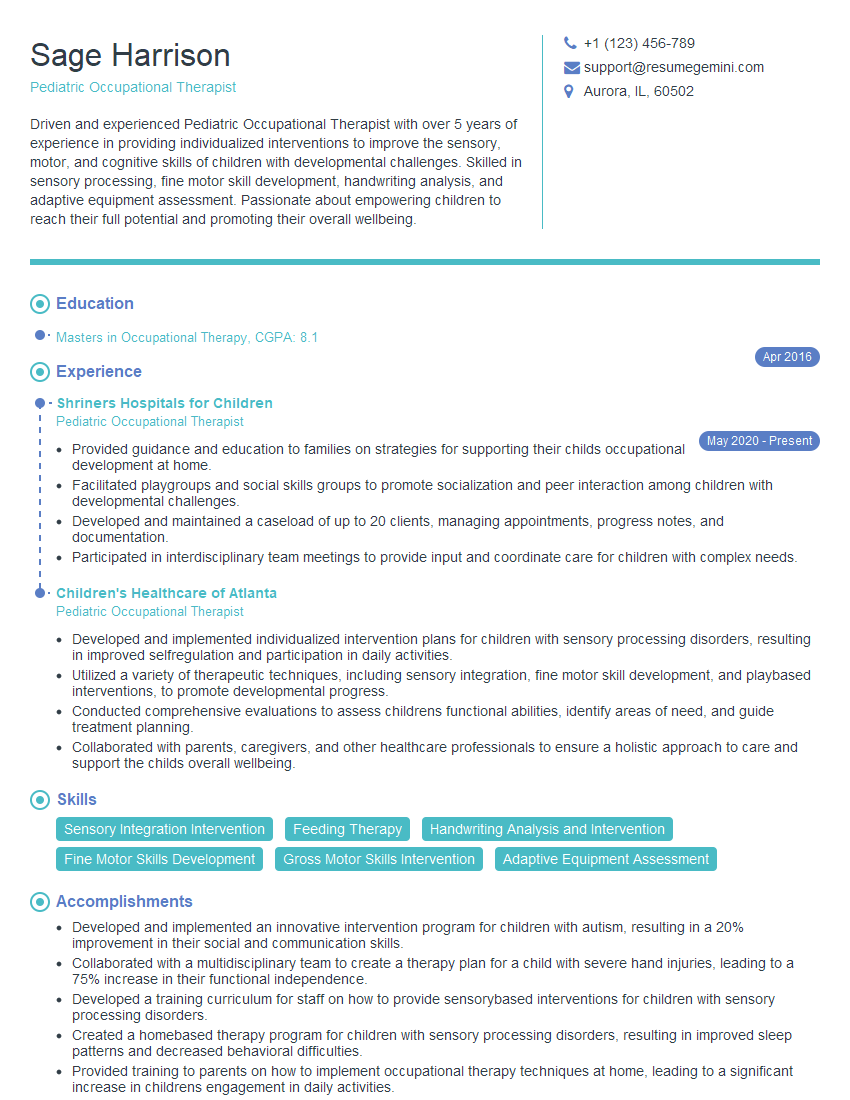
Pediatric Occupational Therapist Resume Sample
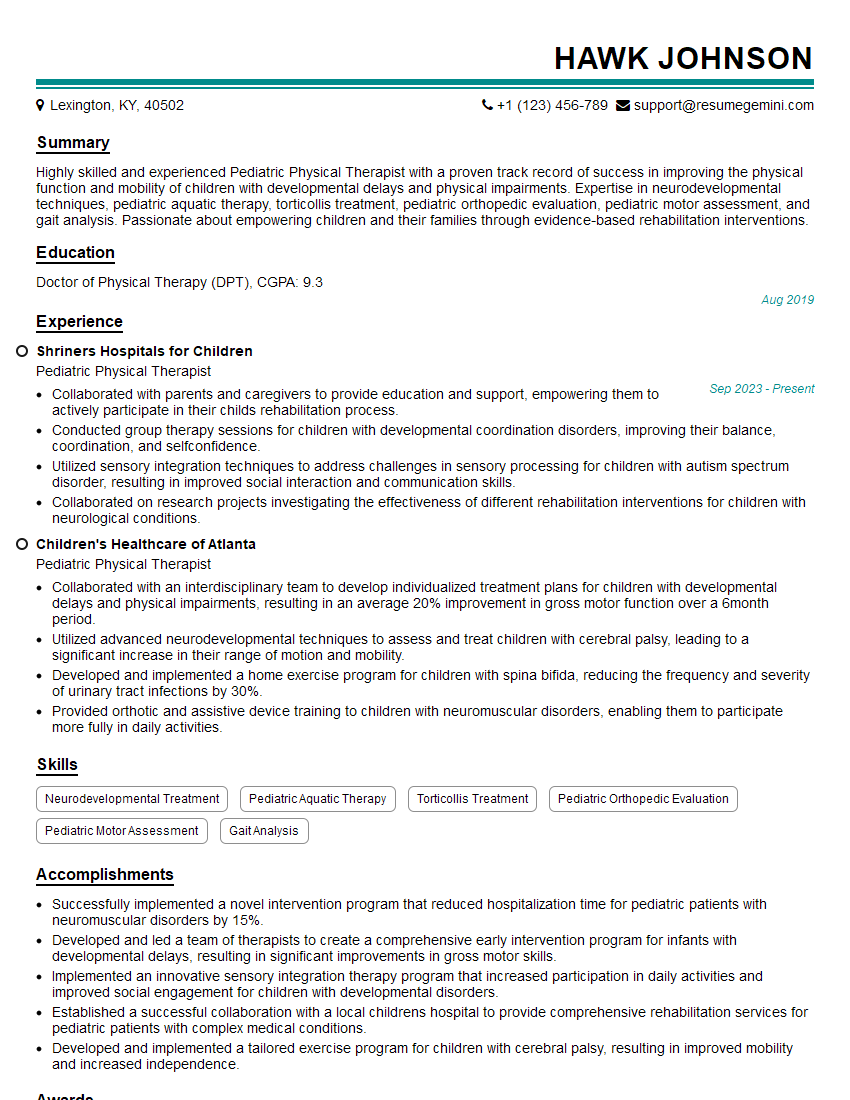
Pediatric Physical Therapist Resume Sample
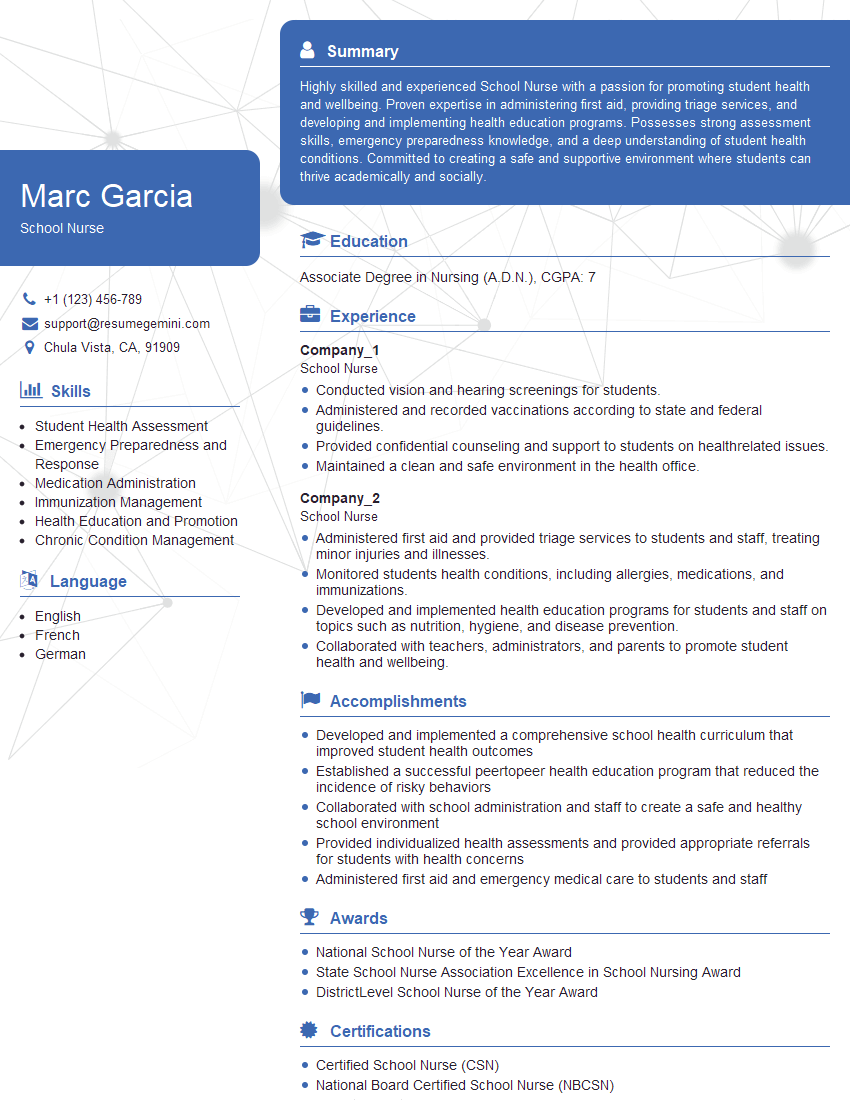
School Nurse Resume Sample
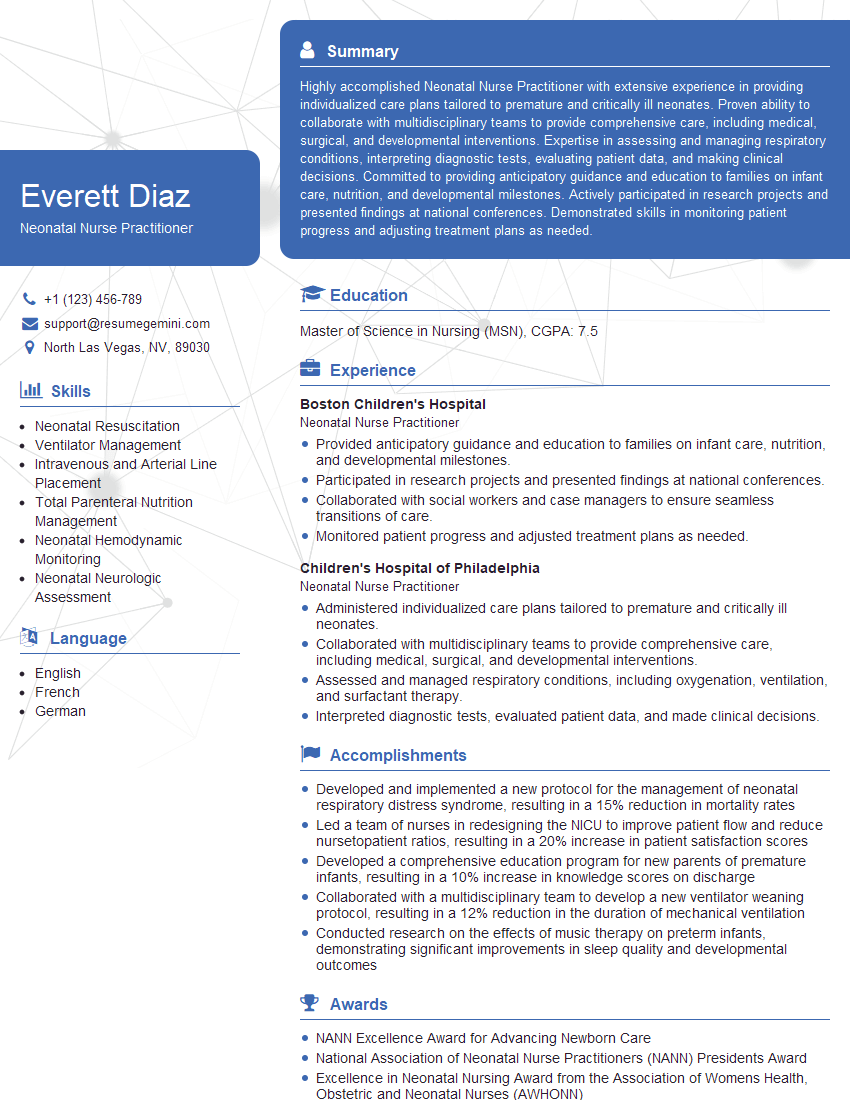
Neonatal Nurse Practitioner Resume Sample
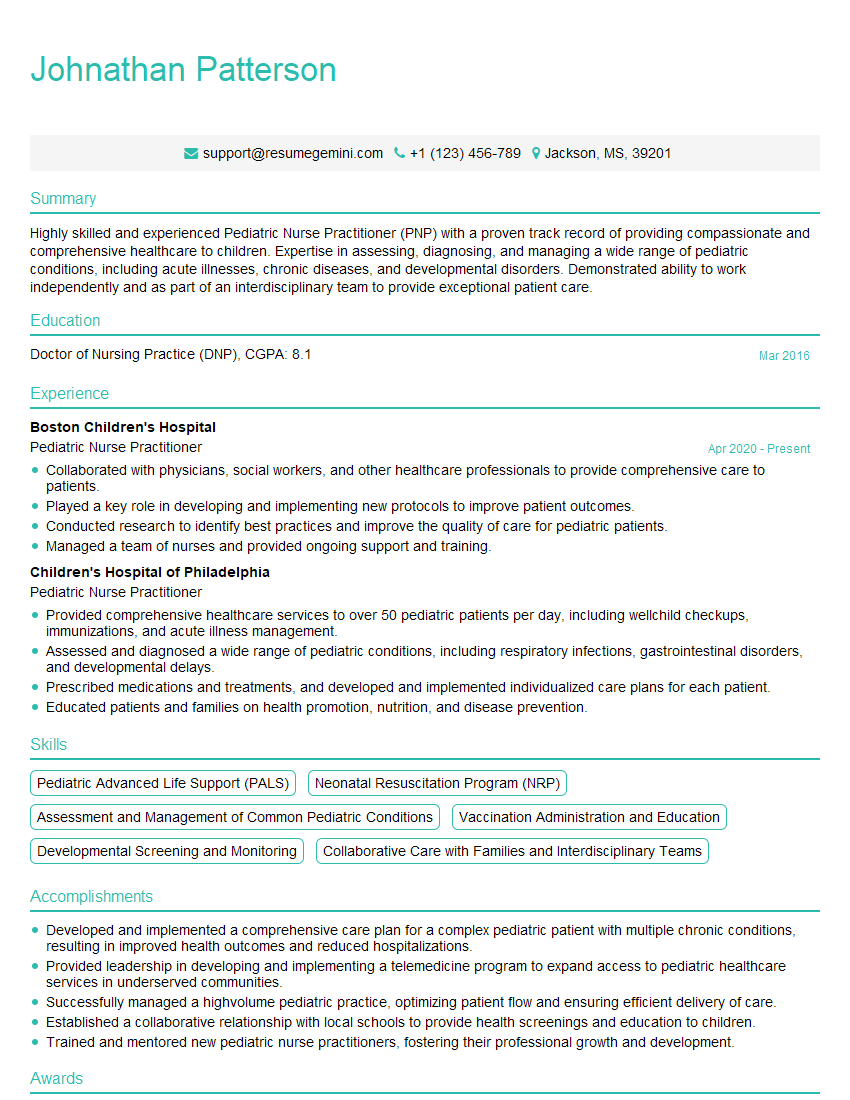
Pediatric Nurse Practitioner Resume Sample
Explore more articles
Users Rating of Our Blogs
Share Your Experience
We value your feedback! Please rate our content and share your thoughts (optional).
What Readers Say About Our Blog
To the interviewgemini.com Webmaster.
Very helpful and content specific questions to help prepare me for my interview!
Thank you
To the interviewgemini.com Webmaster.
This was kind of a unique content I found around the specialized skills. Very helpful questions and good detailed answers.
Very Helpful blog, thank you Interviewgemini team.