Interviews are more than just a Q&A session—they’re a chance to prove your worth. This blog dives into essential Well-Child Checkups interview questions and expert tips to help you align your answers with what hiring managers are looking for. Start preparing to shine!
Questions Asked in Well-Child Checkups Interview
Q 1. What are the key developmental milestones assessed during a well-child checkup for a 6-month-old?
At a 6-month well-child checkup, we assess several key developmental milestones across different domains. Think of it like checking the different systems of a car to ensure it’s running smoothly.
- Gross Motor Skills: We observe the baby’s ability to sit unsupported, roll over, and perhaps even begin to crawl or pull themselves up. For example, a baby successfully sitting without support demonstrates good head and trunk control. Delayed sitting might warrant further investigation.
- Fine Motor Skills: We assess hand-eye coordination by observing their ability to reach for and grasp objects, bring objects to their mouth, and possibly start transferring objects from one hand to the other. A baby not showing interest in grasping toys could indicate a potential delay.
- Social and Emotional Development: We look for signs of social engagement, such as smiling, laughing, and responding to their parents’ voices and faces. We also assess their ability to self-soothe and whether they show signs of stranger anxiety, which is normal around this age. A consistently withdrawn child may need further assessment.
- Language Development: We observe their vocalizations – babbling, cooing, and responsiveness to sounds. At 6 months, babies usually begin experimenting with sounds and may even begin to imitate sounds. The absence of babbling could signify a possible concern.
- Cognitive Development: We assess their ability to follow simple directions, such as looking at a toy when you point to it, or their interest in exploring their surroundings. A child showing little interest in their environment might warrant additional observation.
By assessing these areas, we get a comprehensive picture of the baby’s overall development and can identify any potential areas needing further attention.
Q 2. Describe the immunization schedule recommended for children from birth to 2 years of age.
The recommended immunization schedule for children from birth to 2 years is crucial for protecting them from preventable diseases. It’s important to note that schedules can vary slightly based on location and specific recommendations from your child’s doctor. Always consult your pediatrician for personalized guidance. Here’s a general outline:
- Hepatitis B (HepB): First dose at birth, second at 1-2 months, third at 6-18 months.
- Rotavirus (RV): Two or three doses, depending on the vaccine used, starting around 2 months.
- Diphtheria, Tetanus, and Pertussis (DTaP): Five doses, starting at 2 months.
- Haemophilus influenzae type b (Hib): Four doses, starting at 2 months.
- Pneumococcal Conjugate (PCV13): Four doses, starting at 2 months.
- Polio (IPV): Four doses, starting at 2 months.
- Influenza (Flu): Annual vaccination starting at 6 months.
- Measles, Mumps, and Rubella (MMR): Two doses, starting at 6 months.
- Varicella (Chickenpox): Two doses, starting at 6 months.
This schedule is carefully designed to provide optimal protection at different developmental stages. It’s important to follow the schedule as closely as possible to maximize the effectiveness of the vaccines.
Q 3. How would you counsel parents about the importance of safe sleep practices for infants?
Safe sleep practices are paramount for infant safety and reducing the risk of Sudden Infant Death Syndrome (SIDS). I counsel parents using the ABCs of safe sleep:
- A – Alone: The baby should always sleep alone in a crib, bassinet, or approved infant sleeping area. No co-sleeping on sofas, chairs, or adult beds.
- B – Back: Always place the baby on their back to sleep. This is the safest position to minimize the risk of SIDS.
- C – Crib: The crib should be firm and free of loose bedding, bumpers, pillows, toys, or stuffed animals. A fitted sheet is all that’s needed.
I emphasize the importance of a smoke-free environment and avoiding overheating. I also explain that breastfeeding and routine vaccinations are associated with reduced SIDS risk. I use clear, simple language and address any parental concerns or anxieties. I might share real-life examples or statistics to emphasize the seriousness of safe sleep practices. I often provide printed materials reinforcing these guidelines for parents to review at home.
Q 4. What are the common warning signs of developmental delays that should prompt further evaluation?
Several warning signs might suggest developmental delays, prompting further evaluation. Early identification is key for timely intervention and maximizing the child’s potential.
- Lack of age-appropriate milestones: For example, a 12-month-old not crawling or saying any words, or a 24-month-old who doesn’t speak in simple sentences.
- Regression: A child losing previously acquired skills, such as stopping babbling or losing the ability to sit unsupported.
- Limited social interaction: Avoiding eye contact, not responding to their name, or showing minimal interest in social interactions.
- Repetitive behaviors or unusual movements: Repetitive hand flapping, head banging, or rocking.
- Significant delays in language development: Difficulty communicating needs, using few words, or having trouble understanding simple instructions.
- Feeding difficulties: Excessive drooling, choking, or difficulty swallowing that continues beyond the typical age.
These are just examples; a comprehensive developmental assessment is crucial to determine if further investigation is needed. I often use standardized developmental screening tools during well-child checkups and refer to specialists if concerns arise.
Q 5. Explain your approach to addressing parental concerns regarding vaccination safety.
Addressing parental concerns about vaccination safety requires a compassionate, evidence-based approach. I start by acknowledging and validating their concerns, emphasizing that I understand their desire to make the best decisions for their child’s health.
I then provide accurate information about vaccine safety, drawing on reputable sources like the CDC and AAP. I explain that vaccines are rigorously tested and monitored for safety and effectiveness. I discuss the extremely low risk of serious side effects compared to the significant risks of contracting the diseases vaccines prevent. I use clear, simple language, avoiding medical jargon.
I also address common misconceptions, such as the false link between vaccines and autism. I might show them statistics highlighting the dramatic reduction in vaccine-preventable diseases since the widespread adoption of vaccination programs. If parents remain hesitant, I offer additional resources, such as websites and pamphlets, and I encourage them to speak with other trusted healthcare professionals.
Q 6. How do you assess a child’s growth and development using standardized growth charts?
We utilize standardized growth charts to assess a child’s growth and development. These charts track height, weight, and head circumference, plotting them against age and gender-specific percentiles.
For example, if a child’s weight falls below the 5th percentile, it might indicate possible nutritional deficiencies or underlying medical conditions. Conversely, a weight above the 95th percentile may suggest overweight or obesity. We don’t just look at a single data point but at the child’s growth *trajectory* over time. A sudden drop or increase in percentiles warrants further attention. We also consider other factors, such as family history and the child’s overall health, to create a holistic assessment. The charts provide a valuable tool for monitoring growth and identifying potential issues early on.
Q 7. What are the key components of a nutritional assessment during a well-child checkup?
A nutritional assessment during a well-child checkup is a crucial aspect of ensuring the child’s overall health and well-being. It’s more than just weighing the child; it’s about understanding their eating habits and nutritional intake.
- Dietary History: We collect information about the child’s feeding habits, including the types of food consumed, feeding frequency, portion sizes, and any feeding challenges. For example, are they eating a variety of fruits, vegetables, and protein sources? Are there any allergies or intolerances?
- Growth Parameters: We assess height, weight, and head circumference to determine if they are growing along expected percentiles. This helps us evaluate if nutritional intake is adequate.
- Feeding Practices: We discuss breastfeeding practices, if applicable, including duration and frequency. For formula-fed infants, we assess the type of formula and the amount consumed. For toddlers and older children, we assess their meal patterns and snack choices.
- Developmental Milestones related to feeding: We evaluate their ability to self-feed, manage utensils, and engage in appropriate eating behaviors for their age.
By understanding a child’s nutritional intake and growth patterns, we can identify potential nutritional deficiencies and address any concerns promptly. We can offer guidance on appropriate nutrition for their age and developmental stage and refer to a registered dietitian or other specialists if necessary.
Q 8. Describe your method for communicating complex medical information to parents in an understandable way.
Communicating complex medical information to parents requires empathy and clear, concise language. I avoid medical jargon and use analogies to explain difficult concepts. For example, instead of saying ‘your child’s hemoglobin is low,’ I might explain, ‘Your child’s blood doesn’t have enough iron to carry oxygen effectively, like a car running low on fuel.’ I always check for understanding by asking the parents to summarize the information in their own words. I also use visual aids like charts and diagrams to illustrate complex processes and ensure the parents leave the appointment feeling informed and confident.
I break down information into smaller, manageable chunks, focusing on one key point at a time. This allows parents to absorb information more readily and ask questions as needed. I create a safe space for questions, encouraging open dialogue and addressing concerns patiently. I also provide written materials summarizing the discussion and next steps, reinforcing the key takeaways and serving as a reference point for the parents after the appointment.
Q 9. How do you handle a parent who is hesitant or resistant to following your recommendations?
Parental hesitancy or resistance is addressed with empathy and respect. First, I actively listen to their concerns, validating their feelings without judgment. I aim to understand the root of their reluctance, which could stem from cultural beliefs, past experiences, misinformation, or fear of side effects. Once I understand their concerns, I tailor my recommendations to address them directly, providing evidence-based information and answering questions patiently.
If the resistance persists, I involve other healthcare professionals, such as a pediatrician specializing in behavioral health or a social worker, to provide support and create a collaborative approach. I might offer choices where appropriate, allowing parents some sense of control. For example, instead of mandating a specific medication, I might discuss alternative therapies and work collaboratively to find a suitable plan. The goal is to create a partnership with the parents, fostering trust and mutual respect to achieve the best possible outcome for the child.
Q 10. What are the common mental health concerns that should be screened for during well-child checkups?
Well-child checkups provide crucial opportunities for screening common mental health concerns. These screenings should be age-appropriate and consider developmental milestones. Key areas include:
- Anxiety: Excessive worry, fear, or nervousness. Screening tools vary by age, focusing on separation anxiety in younger children and generalized anxiety in older children.
- Depression: Persistent sadness, loss of interest, changes in sleep or appetite. Questions regarding mood, energy levels, and social withdrawal are important.
- Attention-Deficit/Hyperactivity Disorder (ADHD): Inattention, hyperactivity, impulsivity. Observation during the visit, along with parent reports, helps identify potential symptoms.
- Trauma and Adverse Childhood Experiences (ACEs): Exposure to violence, abuse, neglect, or household dysfunction. Subtle indicators like behavioral problems or developmental delays can point to underlying trauma.
- Autism Spectrum Disorder (ASD): Challenges with social interaction, communication, and repetitive behaviors. Developmental screening tools and behavioral observation aid in early detection.
It’s vital to use age-appropriate screening tools and interpret the results in context with the child’s overall development and family history. A positive screening result warrants further evaluation by a specialist.
Q 11. Explain your approach to managing a child with a chronic health condition during well-child visits.
Managing a child with a chronic condition during well-child visits requires a holistic approach that addresses both the physical and emotional aspects of the illness. The focus is on optimizing the child’s health and well-being while minimizing the impact of the condition on their daily life. This includes:
- Regular Monitoring: Closely tracking the child’s progress, adjusting medication or treatment plans as needed.
- Disease Education: Providing parents with the knowledge and skills necessary to manage the condition at home.
- Emotional Support: Addressing the emotional challenges that can accompany a chronic illness for both the child and family.
- Coordination of Care: Collaborating with specialists and other healthcare providers to ensure comprehensive care.
- Developmental Assessment: Regularly assessing the child’s developmental progress to identify any delays or challenges related to the condition.
For example, a child with asthma requires regular pulmonary function tests, education on medication use and trigger avoidance, and support to navigate potential school accommodations. The visit becomes a platform to empower the family and manage the condition proactively.
Q 12. How do you ensure accurate documentation of all findings and recommendations from a well-child checkup?
Accurate documentation is paramount. I use a structured approach to ensure comprehensive recording of all findings and recommendations. This includes:
- Detailed Physical Examination: Recording vital signs, measurements, and observations of physical development.
- Developmental Milestones: Documenting the child’s progress in key areas like language, motor skills, and social-emotional development using standardized assessments.
- Immunization Records: Maintaining an up-to-date record of all vaccines administered.
- Growth Charts: Plotting height, weight, and head circumference on standardized growth charts to monitor growth patterns.
- Parent Concerns: Thoroughly documenting all parental concerns, questions, and anxieties.
- Recommendations: Clearly outlining all recommendations, including follow-up appointments, referrals to specialists, or specific lifestyle changes.
I utilize a standardized template within the Electronic Health Record (EHR) to ensure consistency and completeness of documentation. Using clear and concise language, I avoid ambiguity and ensure that all information is easily retrievable and understandable by other healthcare professionals.
Q 13. Describe your experience using Electronic Health Records (EHR) for well-child checkups.
Electronic Health Records (EHRs) are integral to my practice. They provide a secure and efficient way to manage patient information, ensuring seamless access to data for all relevant healthcare providers. I use the EHR to:
- Record vital signs, measurements, and examination findings in a structured format for easy retrieval and analysis.
- Document developmental milestones and assess growth patterns using integrated growth charts.
- Manage immunization records, ensuring timely reminders for upcoming vaccines and tracking compliance.
- Generate reports and summaries for parents and other healthcare providers.
- Access previous visit notes and relevant medical history, enabling continuity of care.
- Schedule follow-up appointments and reminders, improving adherence to treatment plans.
The EHR also allows for efficient communication with specialists and facilitates the management of chronic conditions through integrated care plans. While there are challenges associated with EHRs such as navigating the system and managing data entry, the benefits of enhanced patient safety and efficient documentation far outweigh these challenges. I find that using the EHR facilitates a more efficient and organized workflow in my practice.
Q 14. How do you identify and address potential child abuse or neglect during a well-child visit?
Identifying and addressing potential child abuse or neglect is a critical aspect of well-child visits. I use a multi-pronged approach that includes:
- Careful Observation: Paying close attention to the child’s physical appearance, behavior, and interactions with the parent or caregiver. Unexplained injuries, inconsistent explanations for injuries, or significant developmental delays can trigger further investigation.
- Detailed History Taking: Asking open-ended questions about the child’s home environment, routines, and relationships with family members. I also inquire about discipline strategies and parental stress levels.
- Screening Tools: Utilizing standardized screening tools to identify risk factors for child abuse and neglect. These tools can assess parental behaviors and the child’s overall well-being.
- Parent-Child Interaction: Observing the dynamics between the parent and child, noting any signs of neglect, emotional abuse, or excessive control.
- Mandatory Reporting: If I have reasonable suspicion of child abuse or neglect, I am legally obligated to report the case to the appropriate child protective services agency.
It’s crucial to approach these situations with sensitivity and professionalism, documenting all findings meticulously and following established protocols for reporting suspected cases. The safety and well-being of the child are always the top priority.
Q 15. What is your approach to educating parents about preventative care for their child?
My approach to educating parents about preventative care centers on building a collaborative partnership. I believe in empowering parents with knowledge and resources, rather than simply delivering instructions. I start by actively listening to their concerns and understanding their existing knowledge base. Then, I tailor my explanations to their specific needs and learning styles. For example, if a parent is overwhelmed, I might prioritize a few key preventative measures, such as age-appropriate immunizations and safe sleep practices. For others, we may dive into more detailed discussions about nutrition and developmental milestones. I always use clear, non-medical language, avoiding jargon. I often use visual aids like charts and brochures, and I always provide reliable sources of information they can refer to later. I also encourage them to ask questions, and emphasize the importance of consistent communication between visits.
- Age-appropriate information: I tailor my advice to the child’s developmental stage. For example, I discuss safe sleep practices differently with parents of newborns versus toddlers.
- Actionable steps: I avoid overwhelming parents with too much information at once. Instead, we focus on 1-2 key actions they can take before their next visit.
- Follow-up and reinforcement: I schedule follow-up appointments and provide resources to support parents in implementing preventative care strategies.
Career Expert Tips:
- Ace those interviews! Prepare effectively by reviewing the Top 50 Most Common Interview Questions on ResumeGemini.
- Navigate your job search with confidence! Explore a wide range of Career Tips on ResumeGemini. Learn about common challenges and recommendations to overcome them.
- Craft the perfect resume! Master the Art of Resume Writing with ResumeGemini’s guide. Showcase your unique qualifications and achievements effectively.
- Don’t miss out on holiday savings! Build your dream resume with ResumeGemini’s ATS optimized templates.
Q 16. Describe a situation where you had to manage a challenging behavior from a child during a checkup.
During a checkup, a two-year-old became extremely upset when I attempted to examine his ears. He began to scream and thrash his arms. Instead of forcing the examination, which could have traumatized him, I took a step back and acknowledged his distress. I spoke to him in a calm, reassuring voice, explaining what I was going to do in simple terms. I then offered him a choice – a sticker or a small toy – to help distract him. I also allowed his mother to hold and comfort him while I gently proceeded with the examination. This approach allowed me to complete the necessary examination without causing further distress. The key was patience, empathy, and understanding the child’s perspective. Forcing the interaction would have been counterproductive, damaging the trust between the child, the parent, and myself. Flexibility and understanding a child’s emotional state is paramount.
Q 17. How do you ensure a positive and comfortable experience for both the child and parent during a visit?
Creating a positive and comfortable experience involves several strategies. First, I aim to create a welcoming and child-friendly environment. The waiting area features age-appropriate toys and books. The examination room is designed to be less clinical and more comforting. I always start by greeting both the child and parent warmly and introducing myself. I try to engage the child directly with playful conversation and games, especially if they’re young. For older children, I involve them in the checkup process by asking them questions about their health. I use simple language and avoid medical jargon. I take my time, avoiding rushed interactions. I make sure the examination process is as painless and gentle as possible. Throughout the visit, I maintain open communication with the parent, answering their questions and addressing their concerns. Positive reinforcement – a sticker, praise, or a high five – helps encourage cooperation and build positive associations with the checkup experience.
Q 18. What is your knowledge of early childhood education and how it relates to well-child care?
My understanding of early childhood education is crucial in providing comprehensive well-child care. Early childhood education focuses on a child’s cognitive, social, emotional, and physical development. Understanding a child’s developmental stage allows me to appropriately screen for developmental delays and provide targeted interventions or referrals if needed. For example, if a child is showing signs of language delay during a well-child visit, I can consult with an early childhood educator or speech therapist for further assessment and support. The principles of early childhood education, such as creating a supportive and stimulating environment, are also valuable in the context of well-child checkups. By providing parents with age-appropriate developmental information, I help them create an enriching environment at home that supports their child’s healthy growth and development. This partnership between well-child care and early childhood education fosters a holistic approach to a child’s well-being.
Q 19. Explain the importance of regular dental and vision checkups for children.
Regular dental and vision checkups are essential components of preventative care for children. Dental checkups help prevent cavities, gum disease, and other oral health problems. Early detection and intervention can prevent more serious issues later in life. Similarly, regular vision screenings help detect vision problems early, allowing for timely intervention to prevent amblyopia (lazy eye) and other visual impairments that can affect a child’s learning and development. These regular checkups ensure children develop healthy habits, and early detection of problems allows for prompt and often less invasive treatments.
Q 20. How would you advise parents on healthy eating habits for their child?
Advising parents on healthy eating habits involves a collaborative approach, considering the family’s culture, resources, and preferences. I begin by emphasizing the importance of a balanced diet rich in fruits, vegetables, whole grains, and lean proteins. I provide age-appropriate portion guidelines and discuss the limitations of processed foods, sugary drinks, and excessive saturated fats. I don’t focus on strict dieting but on establishing healthy, sustainable habits. This includes strategies like involving children in meal preparation, offering a variety of healthy choices, and making mealtimes enjoyable family experiences. I also highlight the importance of regular mealtimes and limiting screen time during meals. I provide tailored resources, such as age-appropriate recipes and meal planning guides, along with information on nutrition labels and portion control. Crucially, I emphasize that establishing healthy eating habits is a journey, not a race, and setbacks are expected. It’s about consistency and creating a supportive environment at home.
Q 21. Describe your experience with conducting developmental screenings (e.g., Denver II, ASQ).
I have extensive experience conducting developmental screenings using standardized tools like the Denver II and Ages & Stages Questionnaires (ASQ). These tools provide a comprehensive assessment of a child’s development across various domains, including gross motor, fine motor, language, cognitive, and social-emotional skills. I understand the limitations of these screenings, recognizing they aren’t diagnostic. A positive screening warrants further evaluation by specialists. I follow a structured approach when administering the screenings, ensuring a comfortable and engaging environment for both the child and parent. I carefully observe the child’s behavior and interactions, documenting my findings accurately. My interpretation of the results involves comparing them to age-based norms, considering the child’s individual context and discussing my findings with the parents, providing them with clear and supportive guidance, linking to resources as needed. This approach provides a thorough developmental assessment, alerting me to potential areas of concern and allowing for timely intervention if necessary.
Q 22. What resources would you recommend to parents of children with specific developmental needs?
Finding the right resources for children with specific developmental needs is crucial for their well-being and progress. This often involves a multi-faceted approach, connecting parents with professionals and support groups.
- Early Intervention Programs: These programs provide comprehensive services for infants and toddlers (birth to age 3) who have developmental delays or disabilities. They offer therapies like physical, occupational, and speech therapy, and often work closely with families to create individualized plans.
- Therapists and Specialists: Depending on the specific needs, parents may need to connect with specialists like developmental pediatricians, occupational therapists, physical therapists, speech-language pathologists, or psychologists. Early intervention is key, so seeking referrals from your child’s pediatrician is often the first step.
- Support Groups and Organizations: Organizations like the Autism Society, the National Down Syndrome Society, and others provide invaluable support, resources, and a community for parents navigating similar challenges. These groups offer a space to share experiences, learn from others, and access valuable information.
- Online Resources: Reliable websites from organizations like the Centers for Disease Control and Prevention (CDC) and the National Institutes of Health (NIH) provide evidence-based information on various developmental conditions and related therapies.
For example, a parent of a child diagnosed with autism might find considerable support and guidance through a combination of early intervention services, behavioral therapists, and participation in a local Autism Society chapter. This integrated approach ensures the child receives the necessary support while the family feels supported and empowered.
Q 23. How would you manage a situation where a parent is late for a scheduled well-child appointment?
Managing late arrivals for well-child appointments requires a balance of understanding and maintaining the clinic’s schedule. The key is to be flexible while also ensuring the quality of care for all patients.
- Understanding the Reason: I would first try to understand the reason for the lateness. Sometimes unforeseen circumstances arise, and empathy is essential. A simple, “I understand things happen. Can you tell me what caused the delay?” can open the conversation.
- Flexibility and Re-scheduling: If the delay is significant and impacts other scheduled appointments, I might offer to reschedule the visit to ensure a thorough examination without rushing. However, if the delay is minor, and it’s feasible to still conduct a complete checkup within the remaining time, I would proceed with the appointment.
- Communication: Clear communication is vital. I would explain any potential impacts of the lateness on the appointment, like needing to shorten certain parts of the examination if time is limited. This transparency fosters trust and ensures mutual understanding.
- Education and Prevention: For recurrent lateness, I would gently remind the family about the importance of punctuality for efficient clinic operations. I might also explore if there are underlying challenges (e.g., transportation issues) that can be addressed proactively.
For instance, if a family is consistently late due to childcare challenges, I might offer suggestions for connecting with local resources or exploring alternative appointment times.
Q 24. How do you ensure confidentiality and compliance with HIPAA regulations during well-child visits?
Maintaining confidentiality and adhering to HIPAA regulations is paramount in well-child care. This involves multiple layers of protection and awareness.
- Protected Health Information (PHI): I’m meticulous in ensuring that all Protected Health Information (PHI), including the child’s medical records, test results, and personal information, is handled strictly according to HIPAA guidelines. This includes using secured electronic health records (EHR) systems and adhering to strict access control policies.
- Privacy Measures: I always conduct conversations in private rooms to ensure confidentiality during discussions about sensitive topics. I never leave patient files unattended and immediately shred any documents with PHI that are no longer needed.
- Informed Consent: Before releasing any information to third parties (even to family members), I obtain appropriate informed consent. This process ensures that the family understands what information will be shared and to whom.
- Employee Training: Regular training for all clinic staff on HIPAA compliance and data security practices is crucial. This ensures that everyone is aware of their responsibilities and knows how to handle PHI appropriately.
- Data Security: Our clinic utilizes robust data security measures, including firewalls, encryption, and regular security audits, to protect electronic health records from unauthorized access and breaches.
For example, if a parent requests copies of their child’s records, I’d ensure they provide proper identification before releasing them and securely transmit them in a HIPAA-compliant method.
Q 25. What is your understanding of anticipatory guidance in the context of well-child care?
Anticipatory guidance is a cornerstone of well-child care. It’s about proactively educating and preparing parents for the developmental milestones and challenges their child will face as they grow. It’s not just about reacting to current health issues; it’s about preventing future problems.
- Developmental Milestones: I regularly discuss the expected developmental milestones with parents, explaining what to expect at each stage of their child’s growth (physical, cognitive, social, and emotional). This allows parents to recognize potential delays early.
- Safety Precautions: Providing anticipatory guidance regarding safety issues is crucial. This might include discussions on car seat safety, safe sleep practices, injury prevention, water safety, and avoiding hazards in the home.
- Nutrition and Healthy Habits: Educating parents about nutrition, healthy eating habits, and the importance of physical activity is a major component. I explain age-appropriate feeding practices, healthy food choices, and the need to establish good dietary habits early.
- Behavioral Issues: I address common behavioral issues that parents might encounter at different ages, such as temper tantrums, sleep problems, toilet training, and sibling rivalry. I offer strategies for managing these behaviors positively and proactively.
- Mental Health: As children grow, I discuss the importance of mental health and wellness. I address signs of emotional or behavioral difficulties and suggest appropriate resources for support if needed.
For instance, during a 6-month checkup, I’d discuss the introduction of solid foods, strategies for safe sleep, and the growing need for physical activities like tummy time. For a teenager’s visit, anticipatory guidance might focus on puberty, mental health awareness, and the risks associated with substance use.
Q 26. Describe a time you had to adapt your approach to a well-child checkup based on the child’s individual needs.
I remember a child who was diagnosed with autism spectrum disorder (ASD). During his well-child checkup, I had to adapt my approach significantly to accommodate his sensory sensitivities and communication challenges.
Typically, I’d start a checkup with a friendly chat and a quick physical exam. However, this child became visibly distressed with the typical approach. He was overwhelmed by the bright lights, the sounds, and the touch during the examination.
I adapted by:
- Dimming the lights: Creating a calmer environment was the first step.
- Minimizing noises: I turned off unnecessary equipment and spoke softly.
- Breaking down the exam: Instead of a continuous physical exam, I conducted it in small, manageable steps, allowing for breaks and positive reinforcement between each step. I used play-based assessment strategies, incorporating toys he enjoyed to gain his cooperation.
- Communicating with the parents: I regularly checked in with his parents to understand his preferences and reactions. Their input was crucial for tailoring my approach to his unique needs.
This adapted approach allowed for a more successful checkup, providing me with the necessary information while ensuring the child felt safe and comfortable. It highlighted the importance of flexibility and individualized care in well-child checkups.
Q 27. How familiar are you with different child temperament styles and their impact on the checkup process?
Understanding different child temperament styles is essential for conducting effective well-child checkups. A child’s temperament significantly impacts their response to the examination and the parent’s ability to cooperate.
Temperament styles, such as easy, difficult, and slow-to-warm-up, significantly influence how a child interacts with the environment and new situations.
- Easy Temperament: Children with easy temperaments are generally adaptable, approach new situations positively, and are easily soothed. Checkups with these children are usually straightforward.
- Difficult Temperament: Children with difficult temperaments are often irritable, react negatively to new situations, have irregular routines, and are hard to soothe. These checkups require more patience, flexibility, and potentially a slower, more methodical approach.
- Slow-to-Warm-Up Temperament: Children with slow-to-warm-up temperaments are initially cautious and hesitant in new situations but gradually become more adaptable with repeated positive experiences. For these children, a gradual, gentle approach is vital, allowing them time to adjust to the environment and the examiner.
Knowing a child’s temperament allows me to adjust my approach accordingly. For instance, with a slow-to-warm-up child, I might begin by engaging them with a quiet activity before proceeding with the examination. With a difficult temperament child, I might focus on quick assessments first and save more thorough examinations for another visit.
Q 28. What are some strategies for effectively communicating with parents who are experiencing high levels of stress or anxiety?
Communicating effectively with stressed or anxious parents is crucial for building trust and providing optimal care. This involves empathy, active listening, and clear, concise communication.
- Empathy and Validation: I begin by acknowledging their feelings. Phrases like, “It sounds like you’re going through a challenging time,” or, “I understand this can be stressful,” show empathy. Validating their emotions helps them feel heard and understood.
- Active Listening: I attentively listen to their concerns, asking clarifying questions to gain a better understanding of their perspective and needs. Avoid interrupting or offering solutions prematurely.
- Clear and Concise Communication: I explain medical information in simple, straightforward terms, avoiding jargon. I use visual aids, such as charts or diagrams, when appropriate, to help clarify complex concepts. I always check for understanding by asking, “Does that make sense?”
- Collaborate on Solutions: Instead of dictating solutions, I work collaboratively with parents to develop strategies that address their concerns and fit their individual circumstances. Empowerment is key.
- Referral to Resources: If needed, I provide referrals to support services such as mental health professionals, social workers, or community support groups. This helps parents access additional assistance and build a support network.
For example, if a parent expresses anxiety about their child’s development, I’ll actively listen to their concerns, validate their feelings, and then offer reassurance based on the child’s assessment. I might explain developmental milestones clearly and provide appropriate resources for support if needed.
Key Topics to Learn for Well-Child Checkups Interview
- Growth and Development Milestones: Understanding age-appropriate developmental milestones across physical, cognitive, and social-emotional domains. Practical application: Accurately assessing a child’s development during a checkup and identifying potential delays or concerns.
- Immunization Schedules and Recommendations: Knowledge of recommended immunization schedules, contraindications, and potential side effects. Practical application: Counseling parents on the importance of vaccinations and addressing their concerns.
- Common Childhood Illnesses and their Management: Recognizing symptoms, diagnosing, and managing common childhood illnesses like ear infections, respiratory infections, and fevers. Practical application: Providing appropriate guidance and treatment plans, or referral when necessary.
- Nutritional Guidance for Children: Understanding age-appropriate nutrition, healthy eating habits, and addressing nutritional deficiencies. Practical application: Educating parents on healthy dietary choices and identifying potential nutritional risks.
- Child Safety and Injury Prevention: Knowledge of common childhood injuries and strategies for prevention (car seats, helmets, water safety). Practical application: Counseling parents on safety measures to minimize risks.
- Behavioral Health and Mental Wellness in Children: Recognizing signs of developmental delays, behavioral challenges, and mental health concerns. Practical application: Knowing when to refer a child for further assessment or intervention.
- Communication and Counseling Skills: Effectively communicating with children and their parents, building rapport, and addressing concerns sensitively. Practical application: Conducting thorough and empathetic well-child checkups.
- Documentation and Record Keeping: Maintaining accurate and comprehensive medical records in accordance with relevant regulations. Practical application: Ensuring clear and accessible documentation of each patient’s health history and progress.
- Ethical Considerations in Pediatric Care: Understanding and adhering to ethical guidelines related to confidentiality, informed consent, and patient advocacy. Practical application: Making ethical decisions that prioritize the best interests of the child.
Next Steps
Mastering Well-Child Checkups is crucial for career advancement in pediatrics and family medicine. A strong understanding of these key areas demonstrates your competence and commitment to providing high-quality care. To maximize your job prospects, focus on creating an ATS-friendly resume that highlights your skills and experience. ResumeGemini is a trusted resource that can help you build a professional and impactful resume. Examples of resumes tailored to Well-Child Checkups are available to guide your process. Investing time in crafting a strong resume significantly increases your chances of landing your dream job.
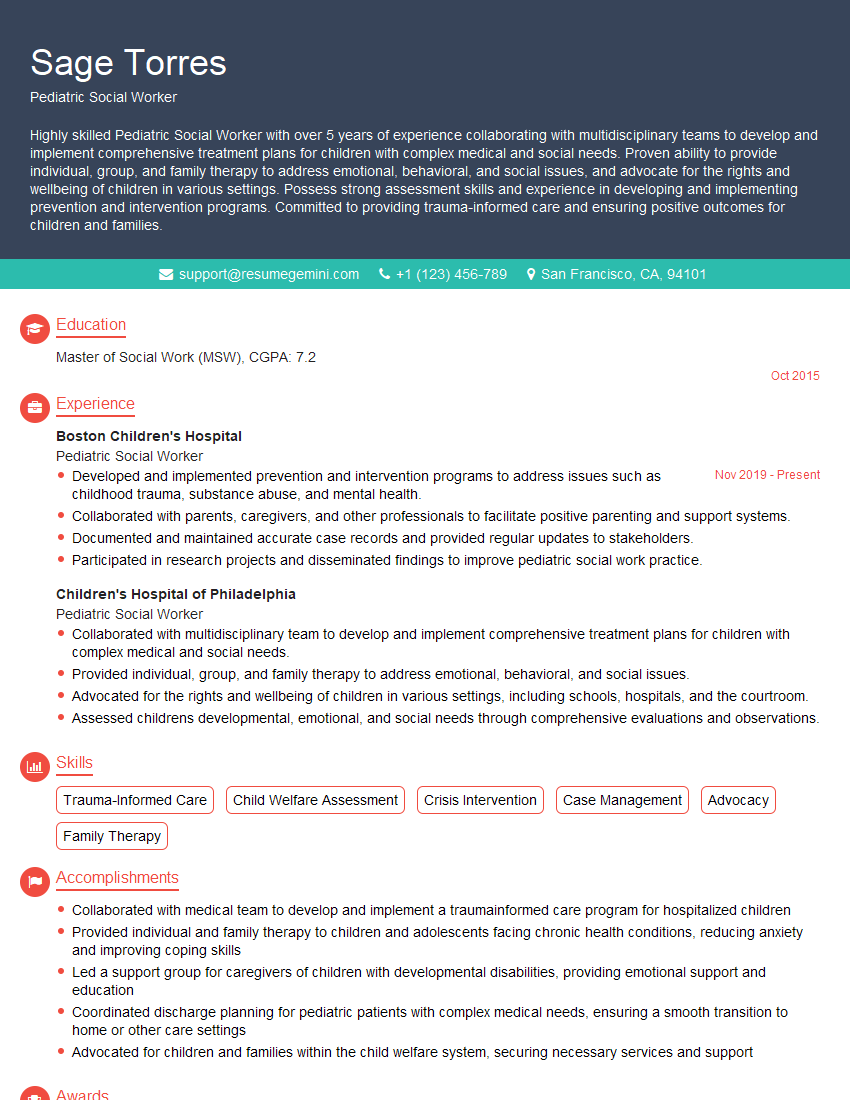
Pediatric Social Worker Resume Sample
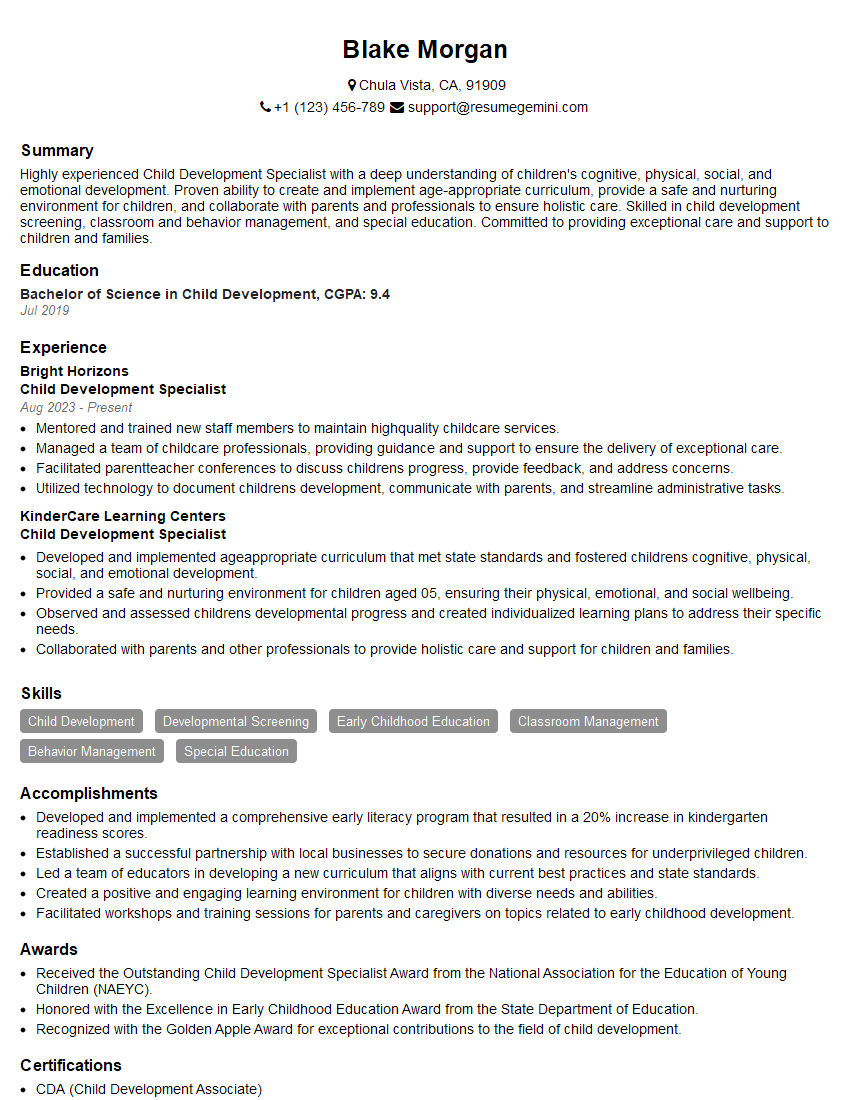
Child Development Specialist Resume Sample
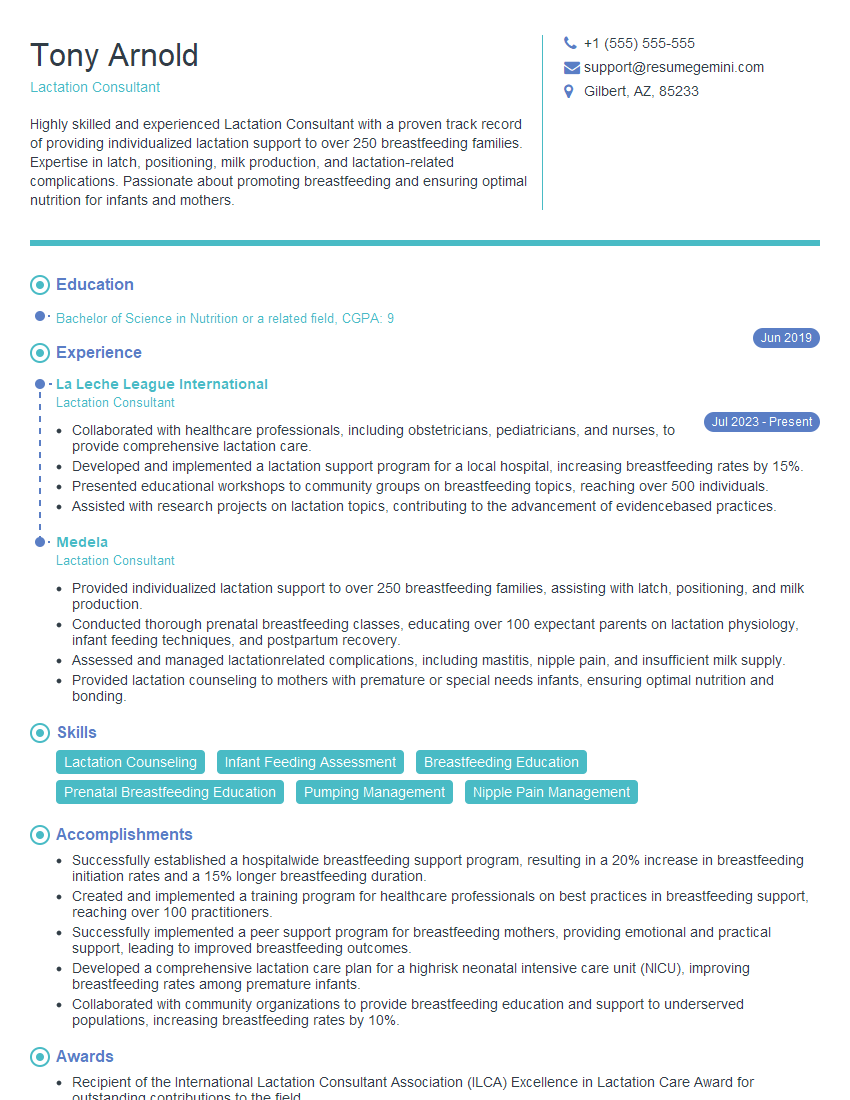
Lactation Consultant Resume Sample
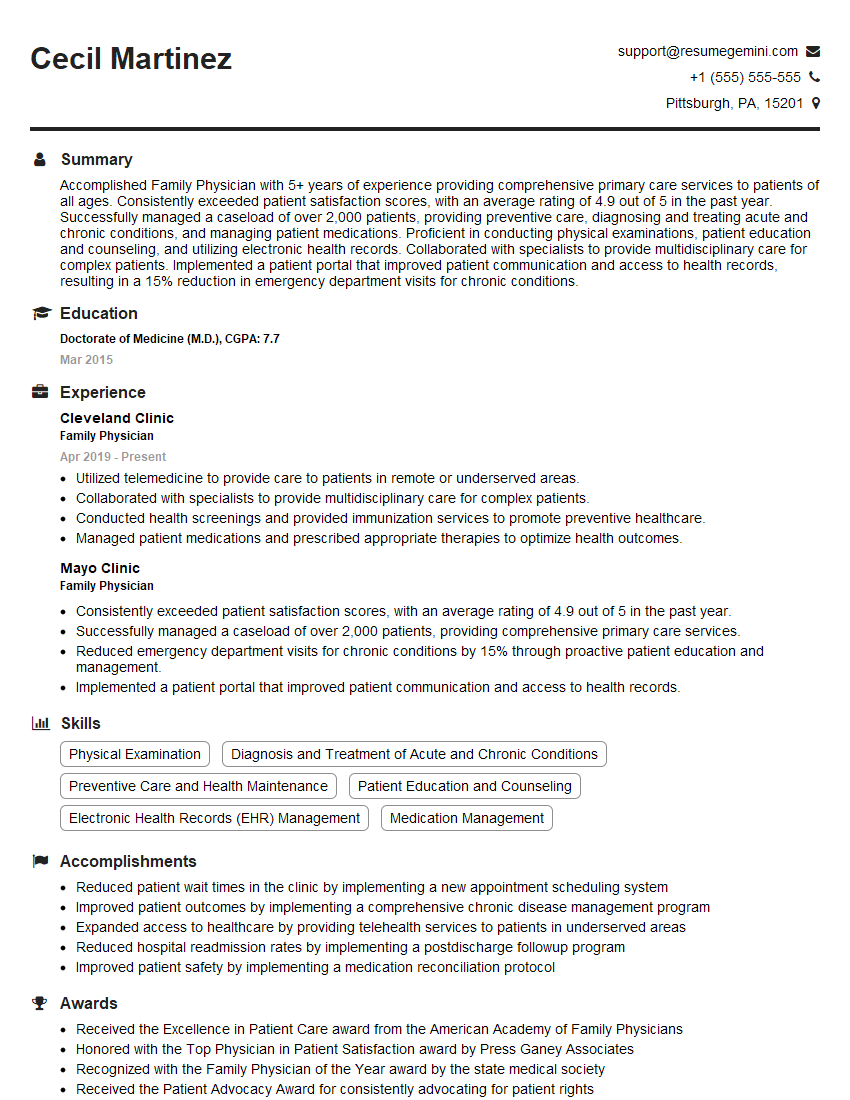
Family Physician Resume Sample
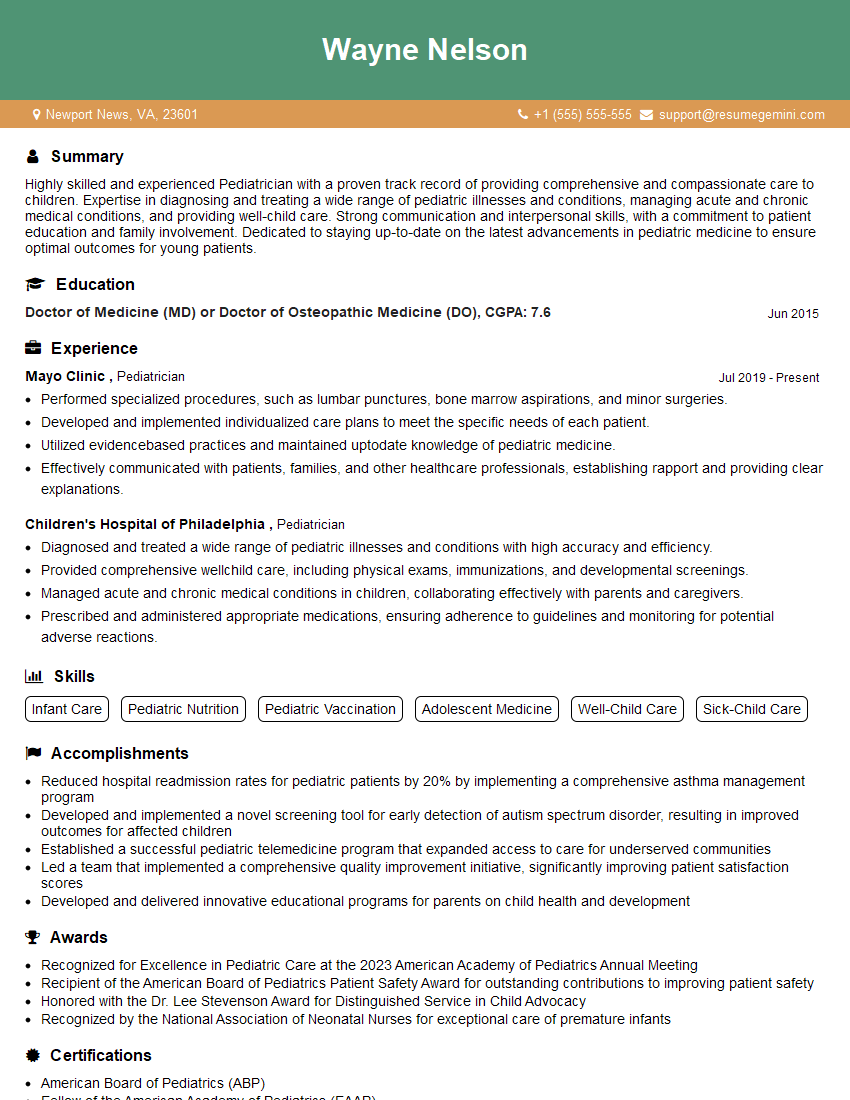
Pediatrician Resume Sample
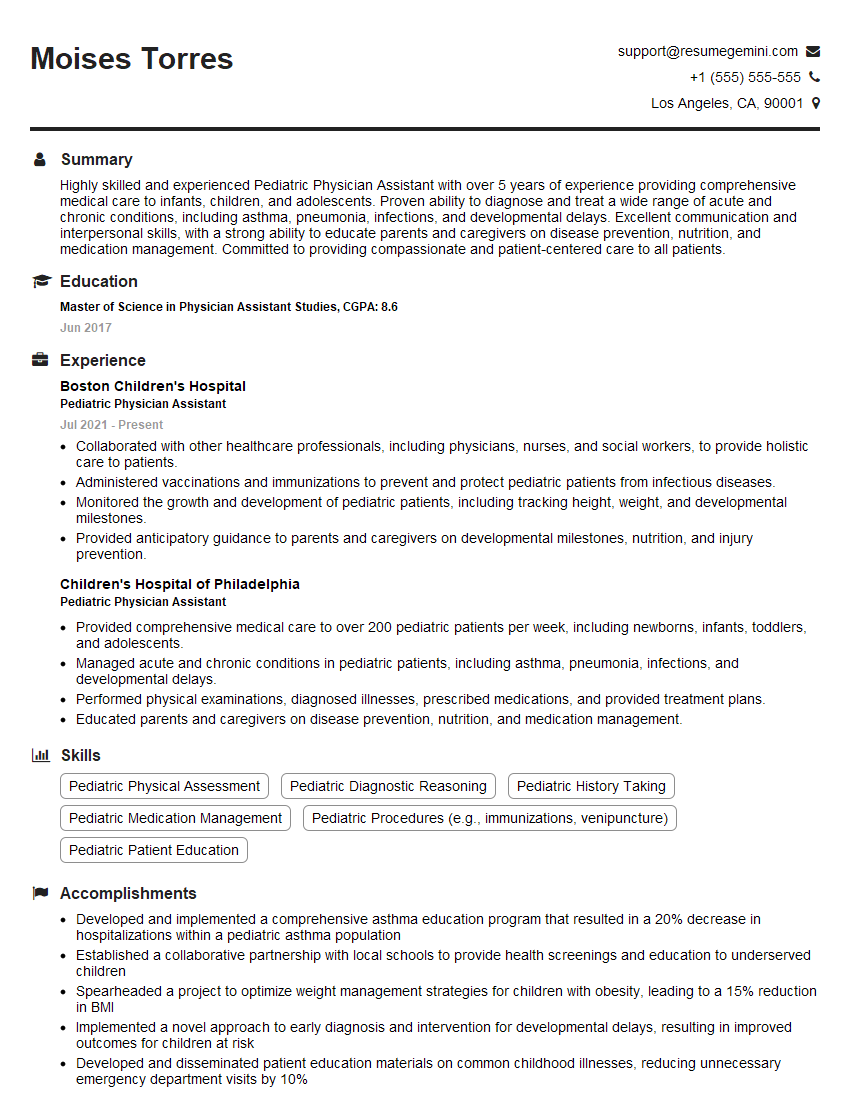
Pediatric Physician Assistant Resume Sample
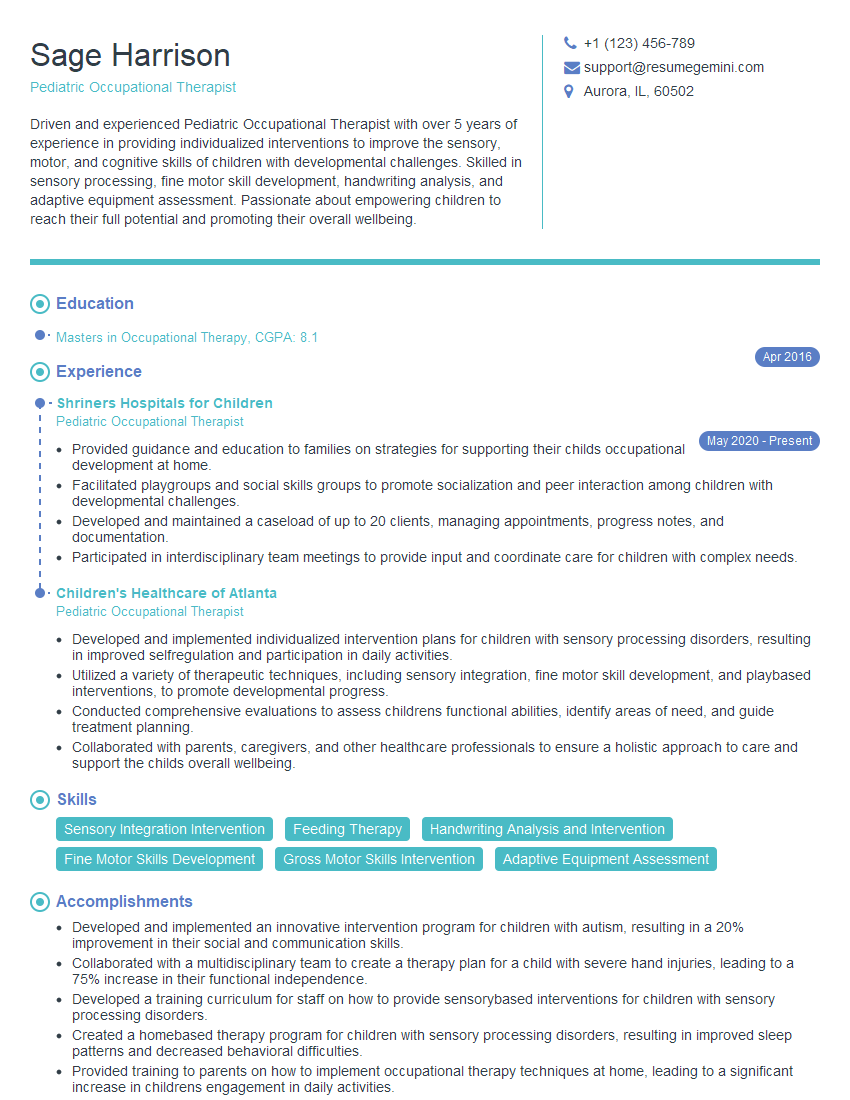
Pediatric Occupational Therapist Resume Sample
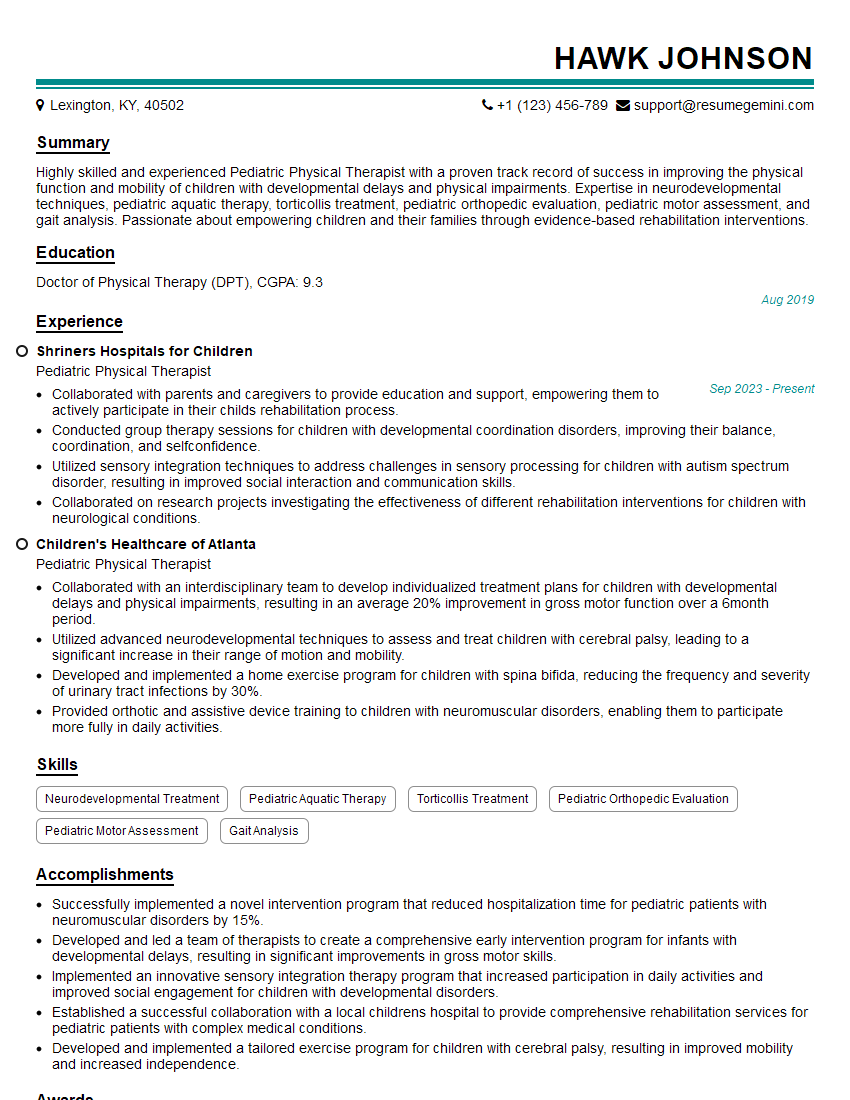
Pediatric Physical Therapist Resume Sample
Explore more articles
Users Rating of Our Blogs
Share Your Experience
We value your feedback! Please rate our content and share your thoughts (optional).
What Readers Say About Our Blog
To the interviewgemini.com Webmaster.
Very helpful and content specific questions to help prepare me for my interview!
Thank you
To the interviewgemini.com Webmaster.
This was kind of a unique content I found around the specialized skills. Very helpful questions and good detailed answers.
Very Helpful blog, thank you Interviewgemini team.