Every successful interview starts with knowing what to expect. In this blog, we’ll take you through the top Willingness to Learn and Advance in the Field interview questions, breaking them down with expert tips to help you deliver impactful answers. Step into your next interview fully prepared and ready to succeed.
Questions Asked in Willingness to Learn and Advance in the Field Interview
Q 1. Describe a time you had to learn a new skill quickly for a project. What was your approach?
Learning new skills rapidly is crucial in today’s dynamic professional landscape. My approach is systematic and involves several key steps. First, I assess the skill’s components, breaking it down into manageable chunks. For example, when I needed to learn Python for a data analysis project, I started with the basics: data types, loops, and conditional statements. I then moved onto more advanced concepts like working with libraries like Pandas and NumPy. Second, I leverage various learning resources, including online courses, tutorials, and documentation. For the Python project, I used Codecademy for the initial learning curve, supplemented by official Python documentation and specific tutorials for Pandas and NumPy. Third, I practice consistently, applying what I learn immediately to small, manageable tasks. With Python, I started by creating simple scripts to automate small tasks, gradually increasing the complexity. Finally, I seek feedback and collaborate with others. I paired up with a colleague experienced in Python to get insights and guidance. This combination of breaking down tasks, utilizing various resources, consistent practice and seeking feedback allowed me to quickly achieve proficiency in Python and successfully complete the project.
Q 2. What strategies do you use to stay updated with the latest industry trends?
Staying current is paramount in any field. My strategy is multifaceted. I actively follow industry blogs, podcasts, and newsletters relevant to my area of expertise. For instance, I subscribe to several leading technology publications and listen to podcasts discussing emerging trends in software development. I also actively participate in professional communities. Attending webinars, conferences, and online forums allows me to interact with peers, learn from experts, and stay abreast of the latest developments. Further, I make it a habit to regularly review research papers and publications related to my field. Finally, I leverage social media platforms professionally, following key influencers and organizations. It’s a blend of passive and active information gathering, ensuring a continuous learning cycle.
Q 3. How do you identify your learning gaps and address them?
Identifying learning gaps is an ongoing process. I utilize a combination of self-assessment, performance reviews, and feedback from colleagues and supervisors. For example, after a performance review highlighted a weakness in my public speaking skills, I identified that as a gap. Then I actively address these gaps through targeted learning. For the public speaking, I enrolled in a Toastmasters course, which provided structured training, feedback, and opportunities for practice. Sometimes, identifying gaps involves actively seeking feedback, asking direct questions, and analyzing areas where I could have done better. The key is to be proactive, view these gaps as opportunities for growth and adopt a continuous improvement mindset.
Q 4. What resources do you utilize for professional development?
My professional development strategy relies on a diverse range of resources. Online learning platforms like Coursera and edX provide access to high-quality courses from leading universities. Industry-specific conferences and workshops offer opportunities for hands-on learning and networking. Books, both technical and leadership focused, offer in-depth knowledge and different perspectives. Mentorship programs provide invaluable guidance and insights from experienced professionals, and internal training programs offered by my company keep me abreast of company-specific tools and strategies. This multi-pronged approach ensures a comprehensive and well-rounded professional development journey.
Q 5. Describe a situation where you failed to meet expectations. How did you learn from it?
In a previous project, I underestimated the time required for a particular task, leading to a missed deadline. It was a valuable lesson in project management. My initial approach lacked detailed planning and accurate estimation. I learned to utilize project management tools more effectively, focusing on detailed task breakdowns, setting realistic timelines, and regularly monitoring progress. I implemented Agile methodologies for better task prioritization and iterative development, enabling better response to unexpected challenges. This experience honed my project planning and execution skills, transforming a setback into a significant learning opportunity.
Q 6. How do you handle constructive criticism and feedback?
Constructive criticism is essential for growth. My approach is to listen actively, without interrupting, and ask clarifying questions to fully understand the feedback. I avoid becoming defensive; instead, I focus on understanding the perspective of the person giving the feedback and seek specific examples. After fully comprehending the feedback, I reflect on it, identifying actionable steps to improve. Then, I discuss the feedback with the person, outlining the steps I plan to take, and seek their further guidance. Finally, I document the feedback and the planned improvements, ensuring accountability and tracking my progress.
Q 7. What are your long-term career goals, and how do you plan to achieve them?
My long-term career goal is to become a leading expert in my field, contributing significantly to innovation and mentoring others. To achieve this, I plan to pursue advanced certifications, publish research, and actively contribute to the professional community through presentations and publications. I’ll actively seek leadership roles within my organization and continuously develop my leadership skills. I also plan to build a strong network of professional contacts within my industry, attending key conferences and engaging in collaborative projects. This multi-faceted approach will allow me to attain my goals while contributing positively to my professional ecosystem.
Q 8. What are your strengths and weaknesses in terms of professional growth?
My greatest strength in professional growth is my proactive approach to learning. I consistently seek out opportunities to expand my skillset, whether through formal training, online courses, or simply by tackling challenging projects. I thrive on acquiring new knowledge and applying it to improve my performance. A weakness I’m actively working on is delegating tasks effectively. While I enjoy taking ownership of projects, I sometimes struggle to trust others with responsibilities, hindering team efficiency. To address this, I’m focusing on improving my communication and trust-building skills, and practicing delegating smaller tasks to gradually build confidence in my team.
Q 9. How do you prioritize learning new skills when faced with multiple competing priorities?
Prioritizing learning amidst competing priorities requires a structured approach. I utilize a system that combines time-blocking, task prioritization, and strategic planning. I begin by identifying my top three professional goals and mapping out the skills required to achieve them. Next, I break down the learning process into manageable chunks and allocate specific time slots in my calendar dedicated to learning. This might involve dedicating 30 minutes each morning to an online course or an hour each week for a study session. I use tools like Trello or Asana to visualize my tasks and progress, ensuring a constant balance between immediate responsibilities and long-term skill development. Finally, regular review and adjustment are critical. I reassess my priorities and learning plan every few weeks to make sure I’m still on track.
Q 10. Describe a time you mentored or helped a colleague learn a new skill.
During a previous role, a junior colleague struggled with understanding complex data analysis techniques. I noticed their frustration and proactively offered mentorship. We started with basic concepts, using relatable analogies to explain statistical methods. For instance, I explained standard deviation using the concept of average height in a classroom – easily visualized and understood. We then transitioned to practical applications, working through real-world datasets together. I encouraged them to ask questions and provided continuous feedback. Eventually, they not only mastered the techniques but also became confident in presenting their analysis to the team. This experience reinforced the value of patient guidance and the satisfaction derived from seeing someone succeed.
Q 11. How do you measure your progress in learning a new skill or technology?
Measuring progress in learning depends heavily on the specific skill. For technical skills, I often use quantifiable metrics such as completion rates of online courses, successful implementation of code in projects, or improved performance benchmarks. For softer skills, like communication or leadership, I rely on feedback from peers, supervisors, and self-assessment. I keep a learning journal where I document my progress, challenges, and insights gained. I also regularly review my work to identify areas for improvement and track my performance against set goals. This data-driven approach helps to stay focused and accountable in my learning journey.
Q 12. What is your preferred learning style, and how does this impact your approach to professional development?
I’m a hands-on learner; I learn best by doing. I find theoretical information less engaging than practical application. This impacts my professional development by influencing my learning style choices. I prefer project-based learning, internships, or on-the-job training over traditional classroom settings. I also actively seek opportunities to apply new skills immediately to reinforce my understanding. For example, instead of simply reading about a new programming language, I would start a small personal project to implement what I’ve learned. This approach enhances retention and ensures quicker proficiency.
Q 13. How do you adapt to changes in technology or industry practices?
Adapting to technological or industry changes involves a multi-pronged strategy. I start by actively monitoring industry trends through publications, conferences, and online communities. I engage in continuous learning by taking relevant online courses, attending workshops, and participating in professional development programs. Furthermore, I embrace experimentation and view challenges as opportunities to expand my skills. When faced with a new technology or methodology, I break it down into manageable components, research the necessary information, and gradually build my proficiency through practice. Collaboration with colleagues is also vital; sharing knowledge and experiences helps to accelerate adaptation and foster a culture of continuous improvement.
Q 14. Describe a time you had to learn something outside of your comfort zone.
Learning to code was definitely outside my initial comfort zone. My background is in marketing, and the technical aspects of programming seemed daunting initially. However, recognizing its growing importance in my field, I decided to take the leap. I started with online tutorials, gradually working my way up from basic concepts to more advanced techniques. I made use of online communities to overcome challenges and received valuable assistance from more experienced developers. Despite encountering setbacks, I persevered, celebrating small victories along the way. Ultimately, learning to code not only expanded my skills but also enhanced my problem-solving abilities and increased my overall confidence.
Q 15. How do you stay motivated to continue learning and developing your skills?
Maintaining motivation for continuous learning is crucial for professional growth. I approach it strategically, combining intrinsic and extrinsic motivators. Intrinsically, I focus on the sheer enjoyment of discovering new things and solving complex problems. The ‘aha!’ moment of mastering a new skill is incredibly rewarding. Extrinsically, I set clear, achievable goals, breaking down larger objectives into smaller, manageable tasks. This provides a sense of accomplishment with each step, fueling continued progress. I also actively seek out challenging projects that stretch my abilities and push me outside of my comfort zone. Finally, I cultivate a learning community, connecting with peers and mentors to share knowledge and inspire each other. For example, I recently joined an online forum for data scientists, participating in discussions and collaborative projects, which has significantly boosted my motivation and learning.
Career Expert Tips:
- Ace those interviews! Prepare effectively by reviewing the Top 50 Most Common Interview Questions on ResumeGemini.
- Navigate your job search with confidence! Explore a wide range of Career Tips on ResumeGemini. Learn about common challenges and recommendations to overcome them.
- Craft the perfect resume! Master the Art of Resume Writing with ResumeGemini’s guide. Showcase your unique qualifications and achievements effectively.
- Don’t miss out on holiday savings! Build your dream resume with ResumeGemini’s ATS optimized templates.
Q 16. What are some of the most challenging skills you’ve learned, and how did you overcome the difficulties?
One of the most challenging skills I’ve learned was mastering advanced statistical modeling techniques for machine learning. Initially, the mathematical concepts and algorithms felt overwhelming. To overcome this, I adopted a multi-pronged approach. First, I started with foundational courses, focusing on building a solid understanding of the underlying principles. Then, I transitioned to practical application, working through numerous examples and coding exercises. I found that hands-on experience was key to solidifying my understanding. Finally, I actively sought feedback from experienced professionals, attending workshops and engaging in peer reviews. This iterative process of learning, practicing, and seeking feedback was instrumental in my mastery of these techniques. For instance, I struggled initially with understanding the nuances of regularization in linear regression. However, by meticulously working through simulated datasets and comparing different regularization methods, I was able to grasp the concepts and apply them effectively.
Q 17. How do you handle setbacks or obstacles in your learning process?
Setbacks are inevitable in the learning process. My approach is to view them as opportunities for growth. I begin by analyzing the situation objectively, identifying the root cause of the problem. Is it a lack of understanding of a particular concept, insufficient practice, or perhaps an unrealistic expectation? Once the root cause is identified, I develop a revised learning strategy. This might involve seeking additional resources, dedicating more time to practice, or breaking down the task into smaller, more manageable steps. Furthermore, I cultivate a resilient mindset, reminding myself that mistakes are part of the journey. I avoid dwelling on failures, instead focusing on learning from them and applying those lessons to future endeavors. For example, during a recent project involving deep learning, I encountered an unexpected error in my code. Initially, it was frustrating. However, by systematically debugging the code, researching relevant documentation, and seeking help from colleagues, I identified the issue and successfully resolved it. This experience not only reinforced my troubleshooting skills but also deepened my understanding of the underlying frameworks.
Q 18. What are your career aspirations in the next 5 years?
In the next 5 years, I aspire to become a leading expert in my field, contributing significantly to the advancement of knowledge and innovation. This includes achieving a senior-level position within a reputable organization, where I can mentor junior colleagues and lead impactful projects. I also plan to actively publish research findings in peer-reviewed journals and present my work at international conferences. Ultimately, I want to be recognized as a thought leader, shaping the future of my chosen area through impactful contributions and effective collaboration.
Q 19. How does this role contribute to your long-term career goals?
This role directly contributes to my long-term career goals by providing a platform for skill development and professional growth. The responsibilities align perfectly with my areas of expertise and allow me to apply my current knowledge while learning new skills. The challenging projects and collaborative environment will help me develop my leadership abilities and build a strong network of colleagues. The opportunities for advancement within the organization offer a clear pathway towards achieving my senior-level aspirations. The exposure to cutting-edge technologies and methodologies will also significantly enhance my expertise and strengthen my position as a thought leader in the field.
Q 20. What are your expectations for professional development opportunities in this position?
I expect professional development opportunities to be a central component of this position. I’m looking forward to access to training programs, conferences, and workshops that will keep me abreast of the latest industry trends and advancements. Mentorship opportunities with senior colleagues would be invaluable, providing guidance and support in my career progression. I also hope to have the opportunity to participate in cross-functional projects that will expose me to new perspectives and broaden my skillset. The ability to pursue professional certifications relevant to my role would be a significant benefit, further enhancing my professional credentials.
Q 21. What specific skills are you hoping to develop or improve in this role?
In this role, I’m particularly keen on developing my leadership skills, particularly in leading and mentoring teams. While I have experience in collaboration, leading a team effectively requires a specific set of skills that I want to hone. I also want to enhance my expertise in advanced data visualization techniques, particularly in communicating complex findings to diverse audiences. This involves not just creating visually appealing charts but also understanding the narrative needed to convey insights effectively. Finally, I aim to deepen my knowledge of cloud computing technologies, as they are becoming increasingly relevant in my field. I am confident that this role will provide ample opportunities to achieve these development goals.
Q 22. How do you balance your work responsibilities with your commitment to professional development?
Balancing work and professional development requires a strategic approach. It’s not about finding more hours in the day, but about optimizing the hours you have. I prioritize tasks using methods like Eisenhower Matrix (urgent/important), ensuring that professional development activities, even if not immediately urgent, are scheduled strategically. For instance, I might dedicate 30 minutes each morning to reading industry articles or listening to podcasts relevant to my field, or schedule a dedicated day each month for online courses or workshops. This proactive scheduling prevents professional growth from becoming an afterthought.
I also leverage downtime effectively. Commuting time can be used for listening to audiobooks or online lectures, and lunch breaks can be used for short online courses or reviewing documentation. The key is consistent, even if small, incremental progress. This consistent effort builds significant knowledge and skills over time.
Q 23. Describe a situation where you had to learn a new software or technology quickly. How did you do it?
During a previous role, we transitioned to a new CRM system (Customer Relationship Management) – Salesforce – with a tight deadline. My initial response was to break down the learning process systematically. I began with the official Salesforce Trailhead platform, working through their introductory modules. This provided a solid foundation. I then focused on the specific functionalities relevant to my role, prioritizing the most frequently used features.
To accelerate the learning curve, I actively sought out colleagues already proficient in Salesforce and shadowed them, asking questions and observing their workflows. I also created a cheat sheet of frequently used commands and shortcuts. Finally, I practiced regularly by applying my new knowledge in real-world scenarios, even if it meant making small, controlled mistakes. This hands-on approach cemented my understanding far more effectively than passively reading manuals. Within two weeks, I was proficient enough to effectively use the system and contribute to the team.
Q 24. What is your preferred method for receiving feedback and how do you use that feedback to improve?
I prefer receiving feedback in a constructive and specific manner, delivered both directly and indirectly. Direct feedback, ideally in a one-on-one setting, allows for immediate clarification and dialogue. This helps me understand the perspective and context of the feedback. I also value indirect feedback, such as observing team dynamics or analyzing project outcomes to identify areas for improvement. For example, observing a dip in client satisfaction might prompt me to reflect on my communication skills or my ability to meet specific client needs.
To improve upon feedback, I actively document it. I then break down larger pieces of feedback into actionable steps, creating a personalized plan to address each point. I set realistic goals and timelines to track my progress and revisit the plan regularly to make adjustments. This proactive approach ensures that feedback isn’t just received but genuinely integrated and utilized for future growth.
Q 25. How do you manage your time effectively to balance work and self-learning?
Effective time management is crucial for balancing work and self-learning. I utilize several strategies. First, I dedicate specific blocks of time each week solely for learning, treating it like an important meeting that cannot be rescheduled. I leverage tools like time-blocking apps to schedule these sessions and minimize interruptions. I also practice the Pomodoro Technique—working in focused bursts with short breaks—to maintain concentration and avoid burnout.
Furthermore, I prioritize learning activities based on their impact and relevance to my career goals. This prevents me from spreading myself too thin and ensures that my learning efforts are directed toward maximizing my professional development. Continuous evaluation and adjustment of my schedule are key to maintaining this balance.
Q 26. What steps have you taken to improve your current skill set?
To improve my current skill set, I’ve taken a multi-pronged approach. I’ve completed several online courses on platforms like Coursera and edX, focusing on areas like data analysis and project management. I’ve also actively sought out mentorship opportunities, learning from experienced professionals in my field. This has provided invaluable insights and guidance that have accelerated my learning process.
In addition to formal learning, I actively engage in personal projects that challenge me to apply newly acquired skills. This hands-on approach is essential to solidify theoretical knowledge and develop practical experience. For example, I recently built a personal website to improve my web development skills.
Q 27. How do you demonstrate initiative to proactively seek out learning opportunities?
Proactively seeking learning opportunities demonstrates initiative and a commitment to continuous improvement. I achieve this by regularly reviewing industry publications, attending webinars and conferences, and actively participating in professional networks. I also seek out challenging assignments at work that allow me to stretch my abilities and acquire new skills. This proactive approach is not just about seeking out learning; it’s about actively creating opportunities for growth.
For example, when a new project involving a technology I was unfamiliar with arose, instead of hesitating, I researched the technology, found relevant online tutorials, and volunteered for the project. This proactive approach allowed me to develop a new skill and demonstrate my commitment to expanding my capabilities.
Q 28. Describe a time you sought out feedback to improve your performance. What was the outcome?
During a recent project, I noticed that my presentations weren’t as impactful as I’d hoped. I specifically sought feedback from a senior colleague known for their strong communication skills. I asked for concrete examples of areas where I could improve my presentation style, clarity, and engagement techniques. Their feedback focused on incorporating more visual aids and practicing a more conversational tone.
As a result, I implemented their suggestions in my next presentation. I focused on crafting stronger visuals, incorporating storytelling elements, and practicing my delivery. The outcome was significantly improved audience engagement and a more positive overall response. This experience reinforced the importance of actively soliciting feedback for continuous improvement.
Key Topics to Learn for Willingness to Learn and Advance in the Field Interview
- Demonstrating a Growth Mindset: Articulate your belief in continuous learning and improvement. Highlight examples where you actively sought out new knowledge or skills.
- Identifying Learning Opportunities: Explain how you proactively identify areas for improvement in your skills and knowledge, both personally and professionally. Showcase instances where you took initiative to address skill gaps.
- Adaptability and Resilience: Discuss your ability to adapt to new challenges and setbacks. Share examples of how you overcame obstacles and learned from failures.
- Specific Learning Strategies: Describe the methods you employ to learn effectively (e.g., mentorship, online courses, independent study, seeking feedback). Highlight your preferred learning style and its effectiveness.
- Goal Setting and Achievement: Illustrate your ability to set realistic and ambitious professional goals. Share examples of goals you’ve achieved and the steps you took to reach them.
- Professional Development Initiatives: Discuss your participation in professional development activities, such as workshops, conferences, or certifications. Emphasize the value you gained and how it enhanced your skills.
- Seeking Feedback and Mentorship: Highlight your willingness to seek feedback from colleagues and mentors, and how you use this feedback for self-improvement. Describe your approach to mentorship and its impact on your growth.
- Future Career Aspirations: Articulate your long-term career goals within your field and explain how this role contributes to your overall career trajectory. Show your ambition and commitment to long-term growth.
Next Steps
Mastering the ability to showcase your willingness to learn and advance is crucial for career progression. It demonstrates ambition, adaptability, and a commitment to continuous improvement—qualities highly valued by employers. To significantly boost your job prospects, focus on building an ATS-friendly resume that highlights these key attributes. ResumeGemini is a trusted resource to help you craft a professional and impactful resume that effectively communicates your skills and experience. Examples of resumes tailored to demonstrate a strong willingness to learn and advance in your field are available to help guide your resume building process.
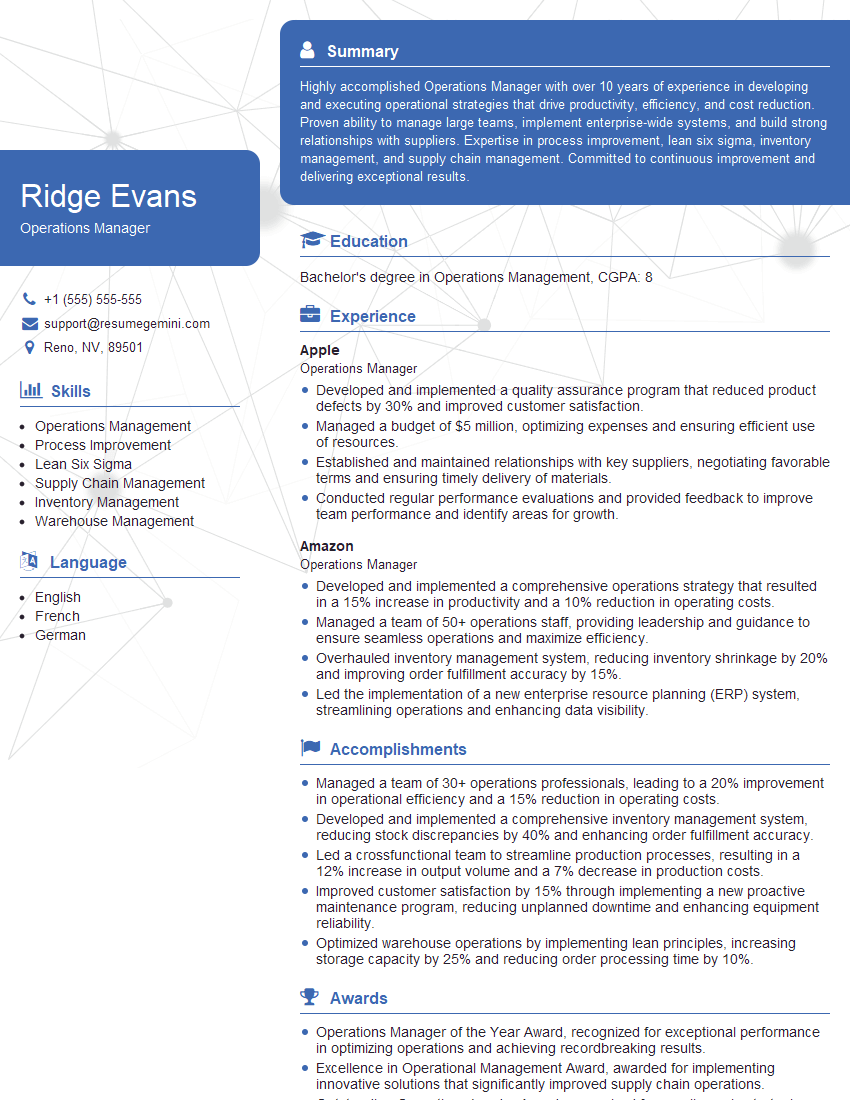
Operations Manager Resume Sample
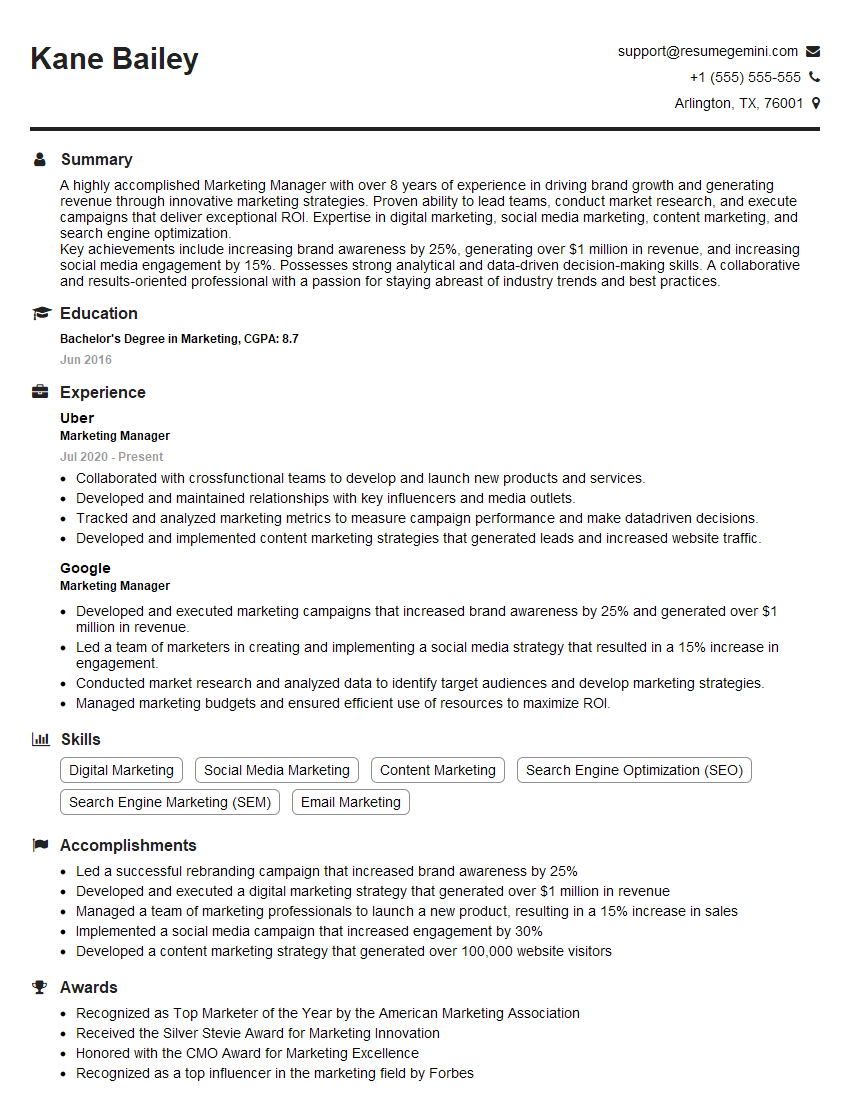
Marketing Manager Resume Sample
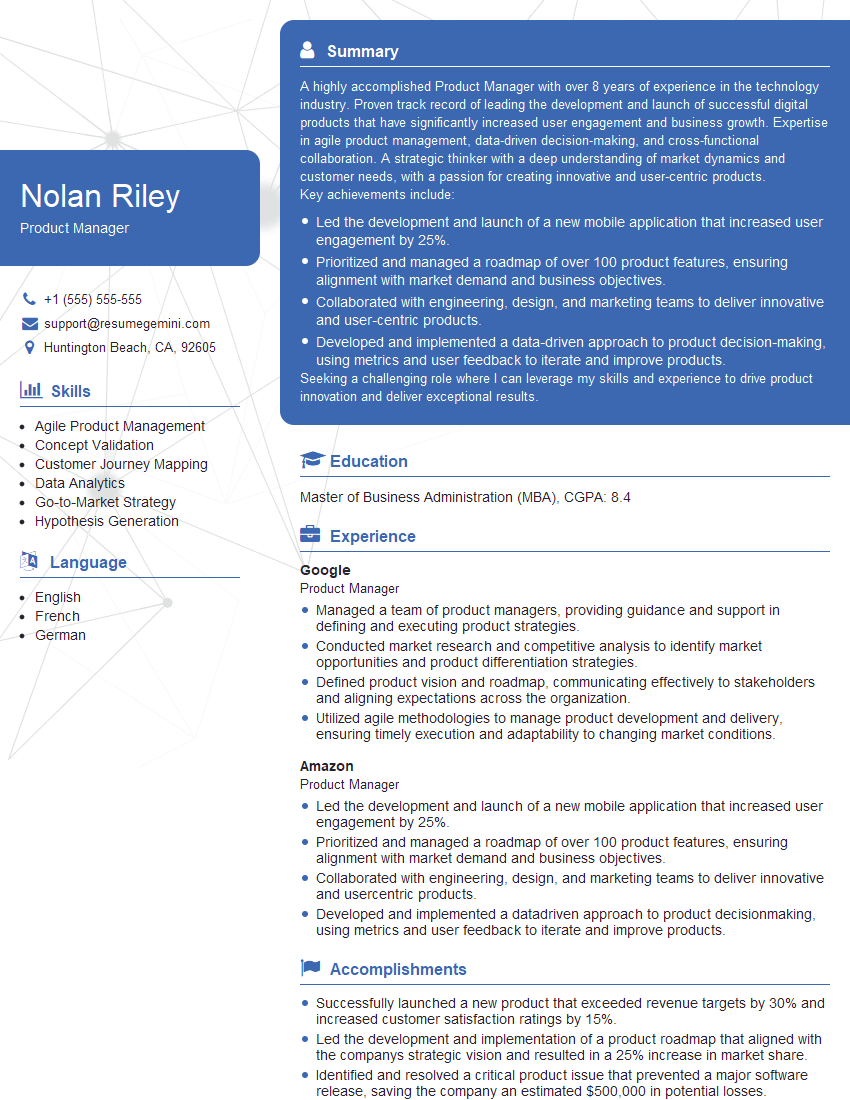
Product Manager Resume Sample
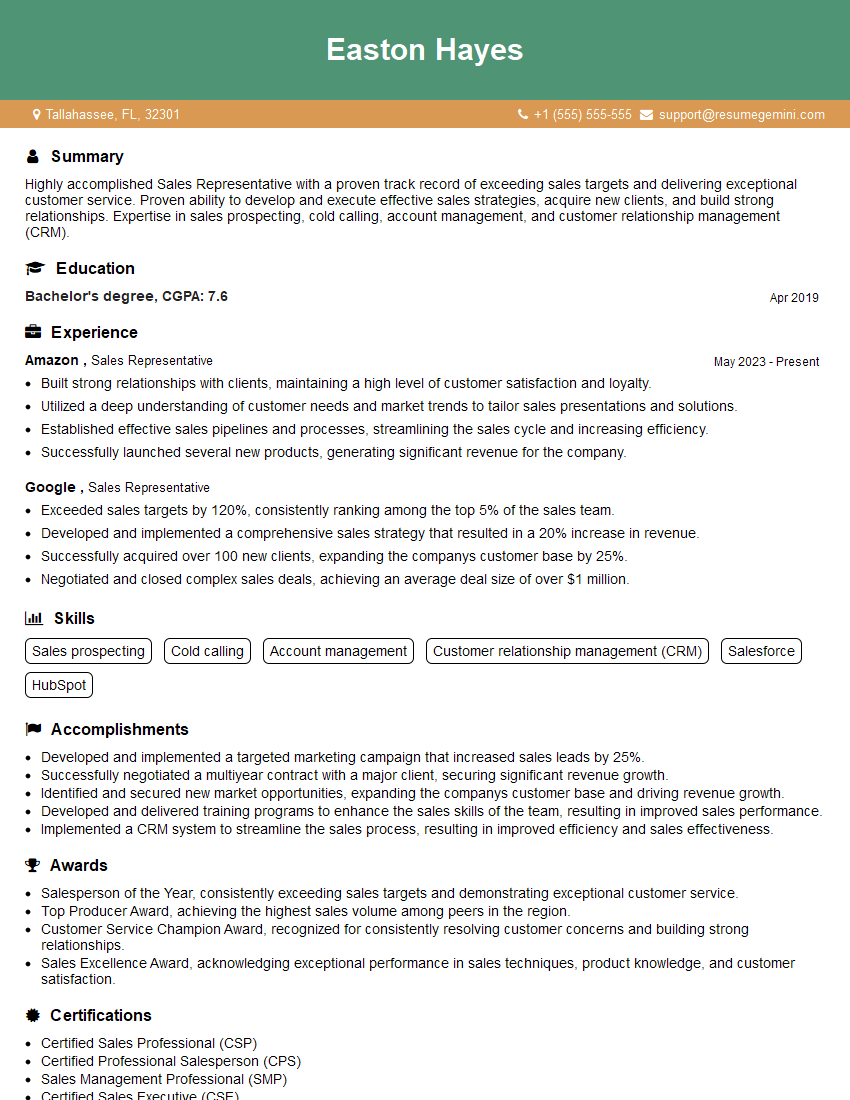
Sales Representative Resume Sample
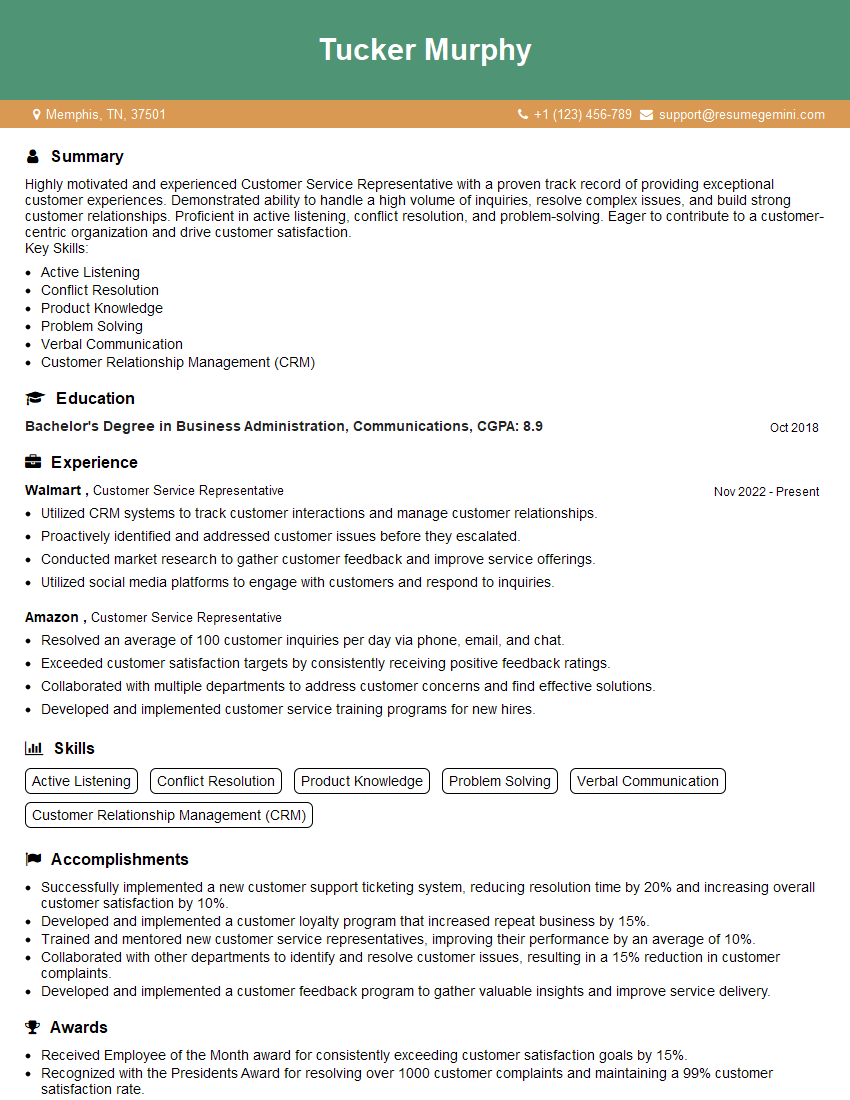
Customer Service Representative Resume Sample
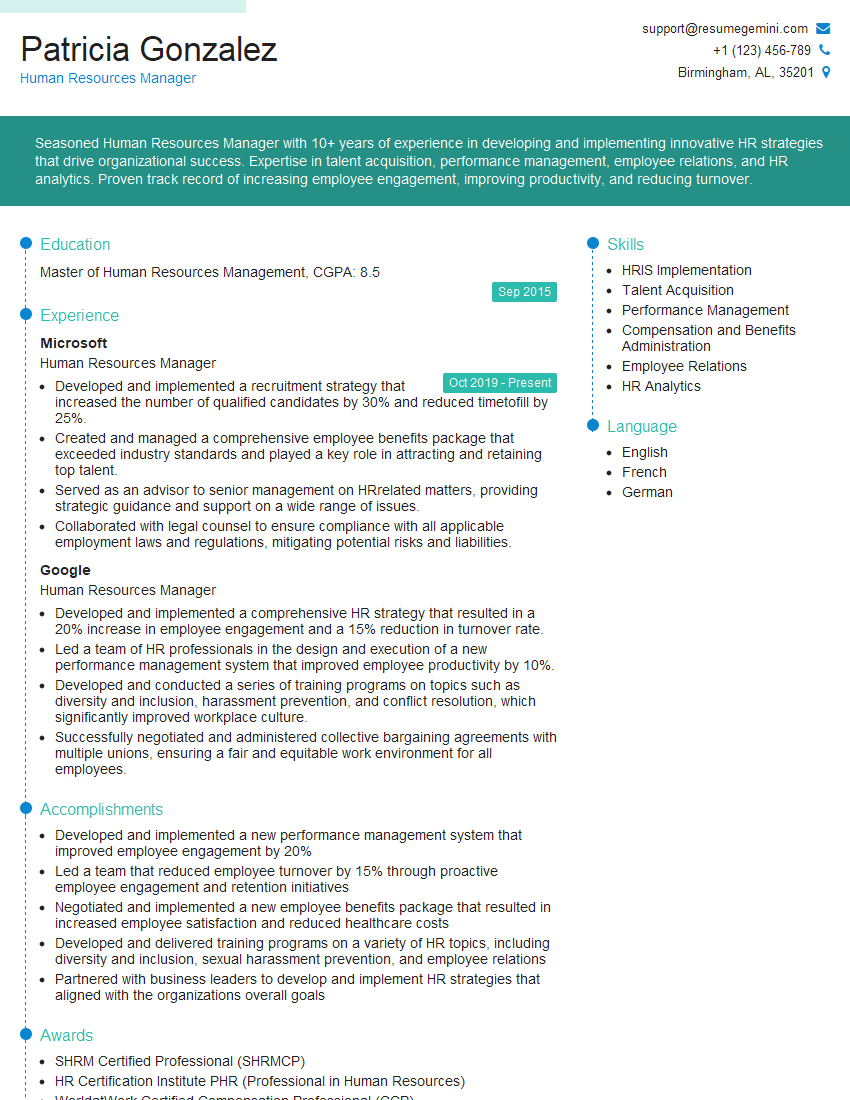
Human Resources Manager Resume Sample

Project Manager Resume Sample
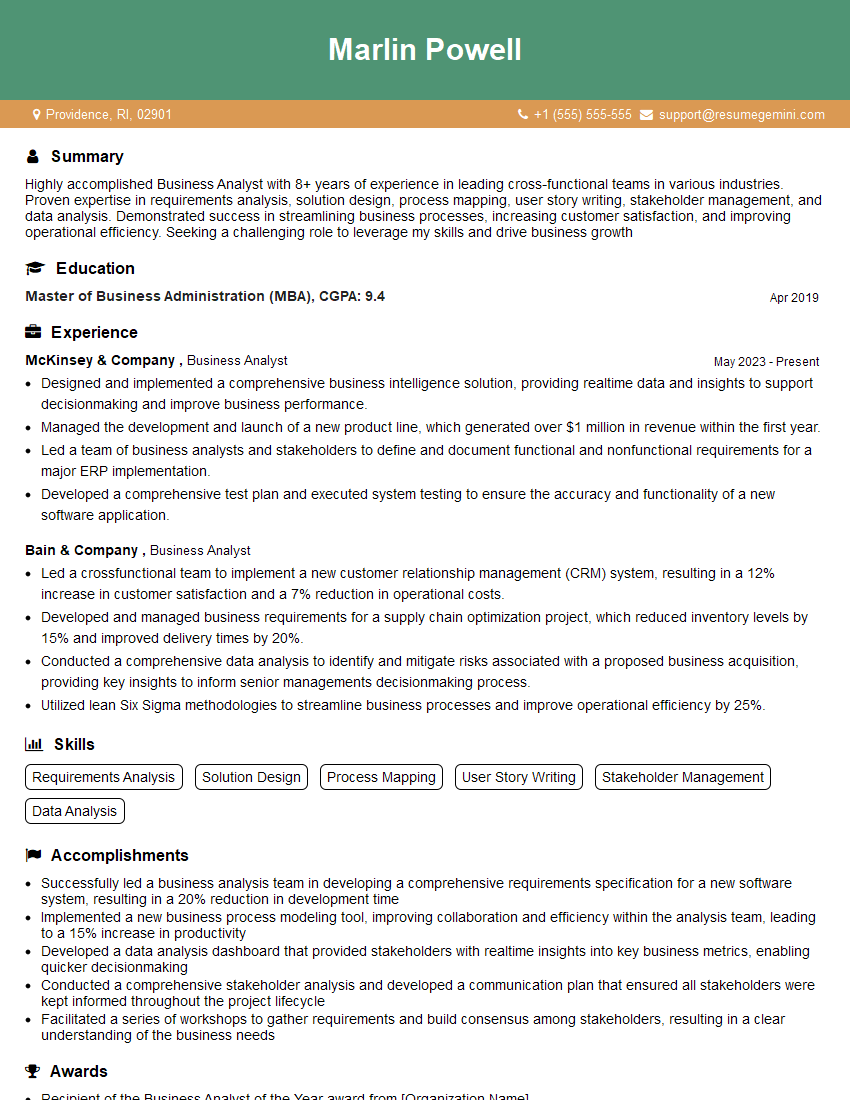
Business Analyst Resume Sample
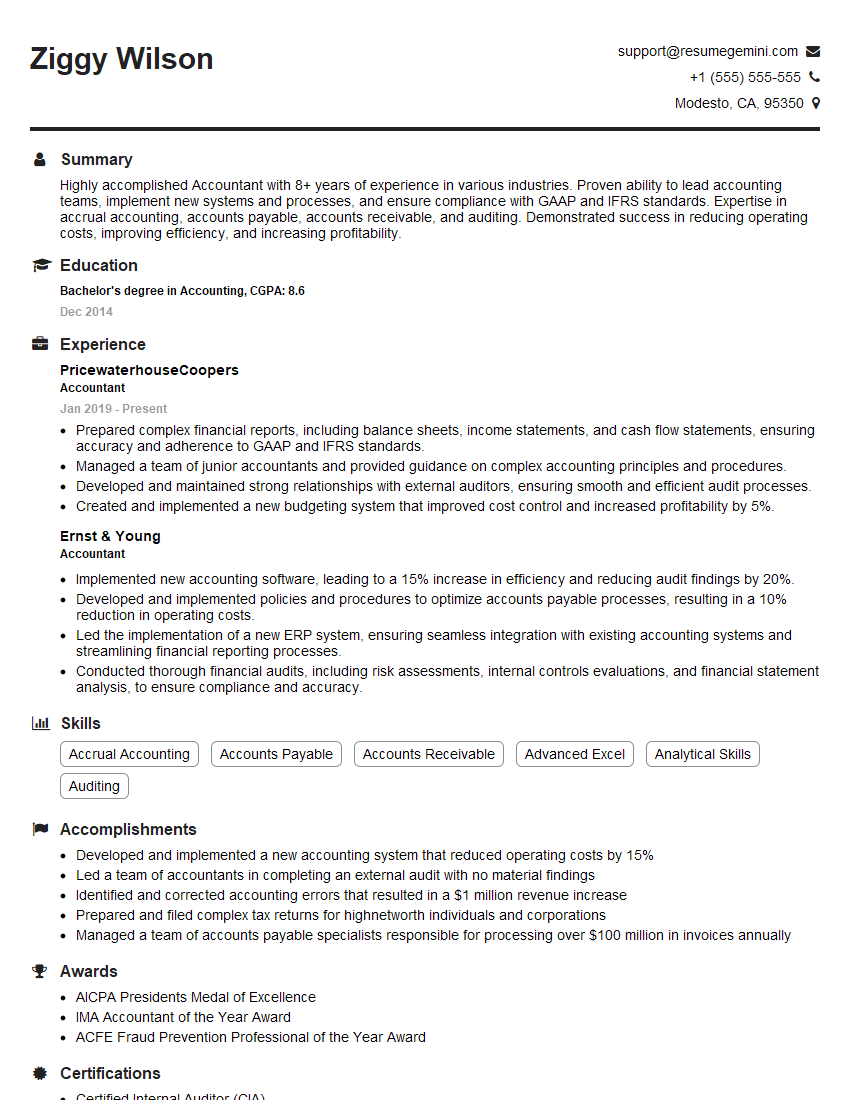
Accountant Resume Sample
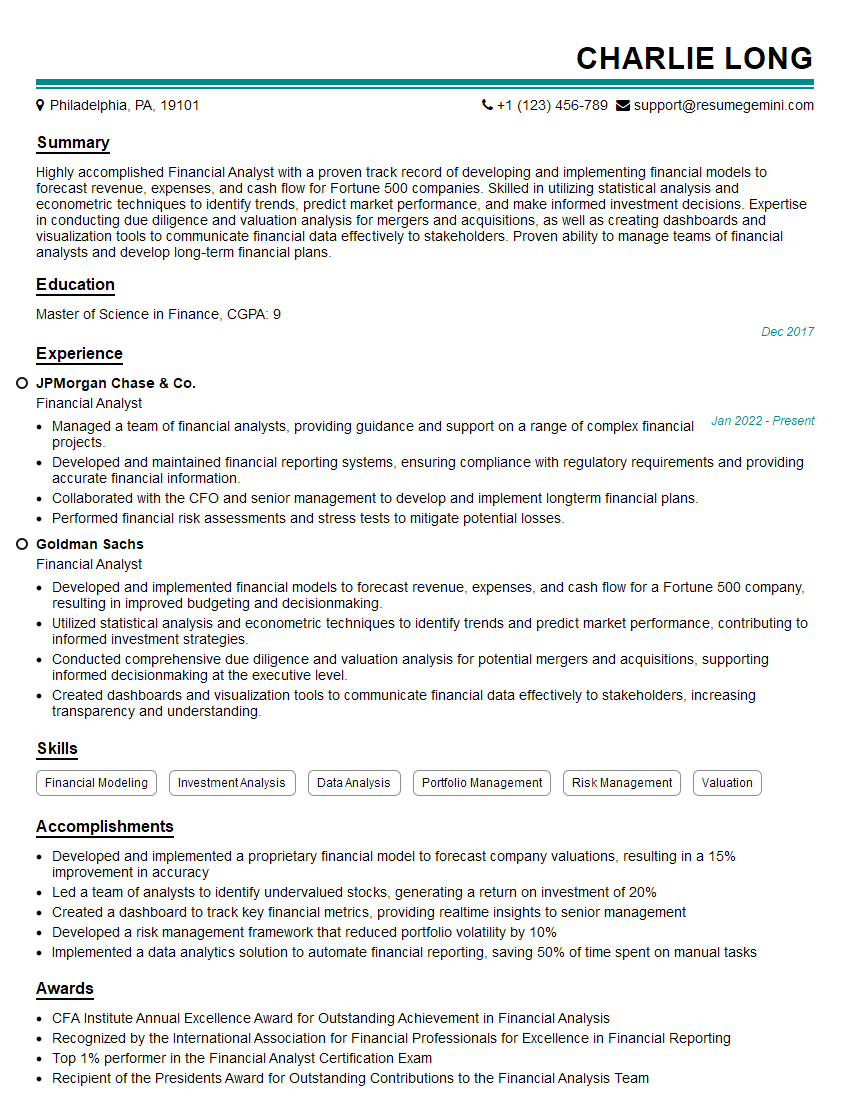
Financial Analyst Resume Sample
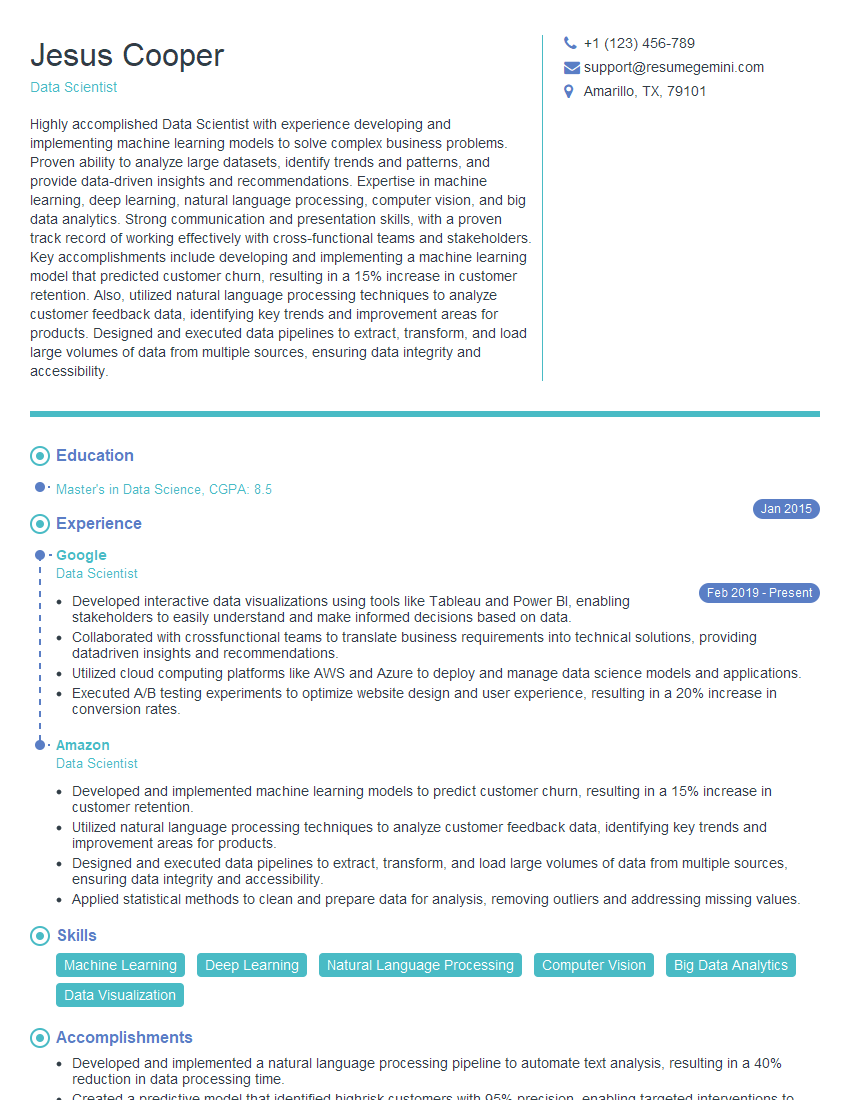
Data Scientist Resume Sample
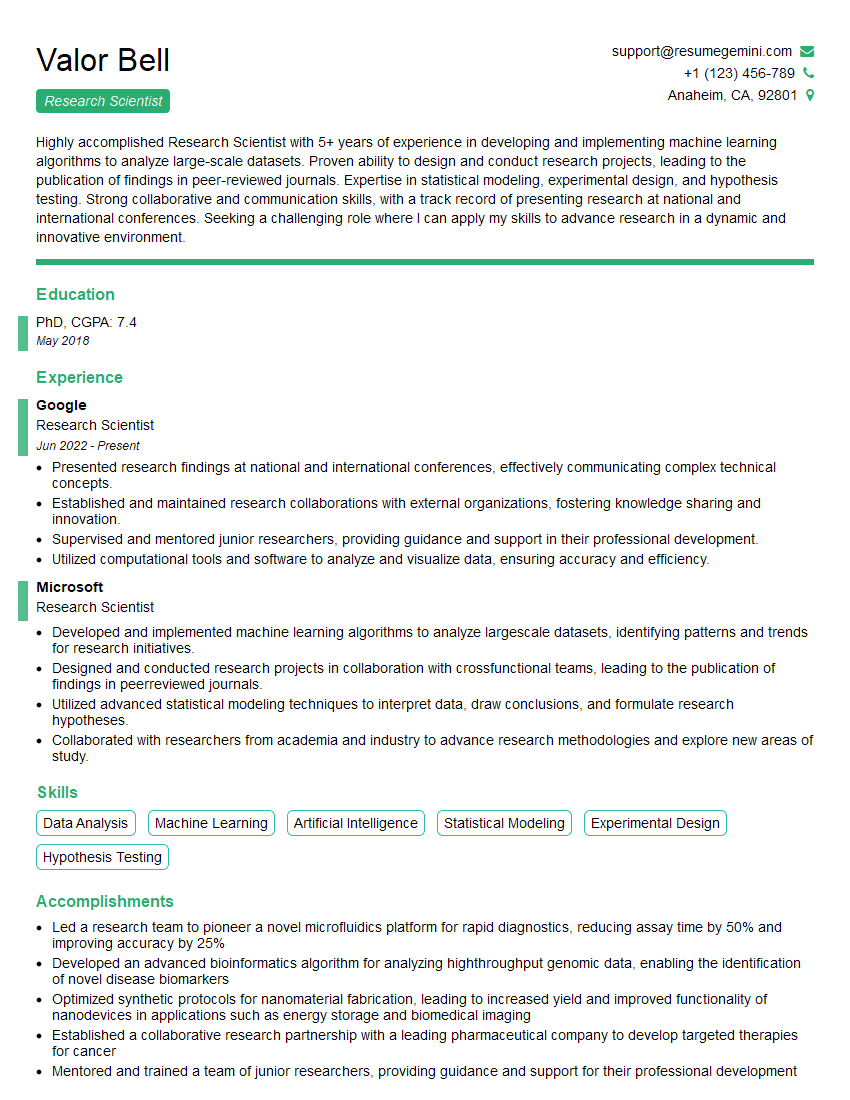
Research Scientist Resume Sample
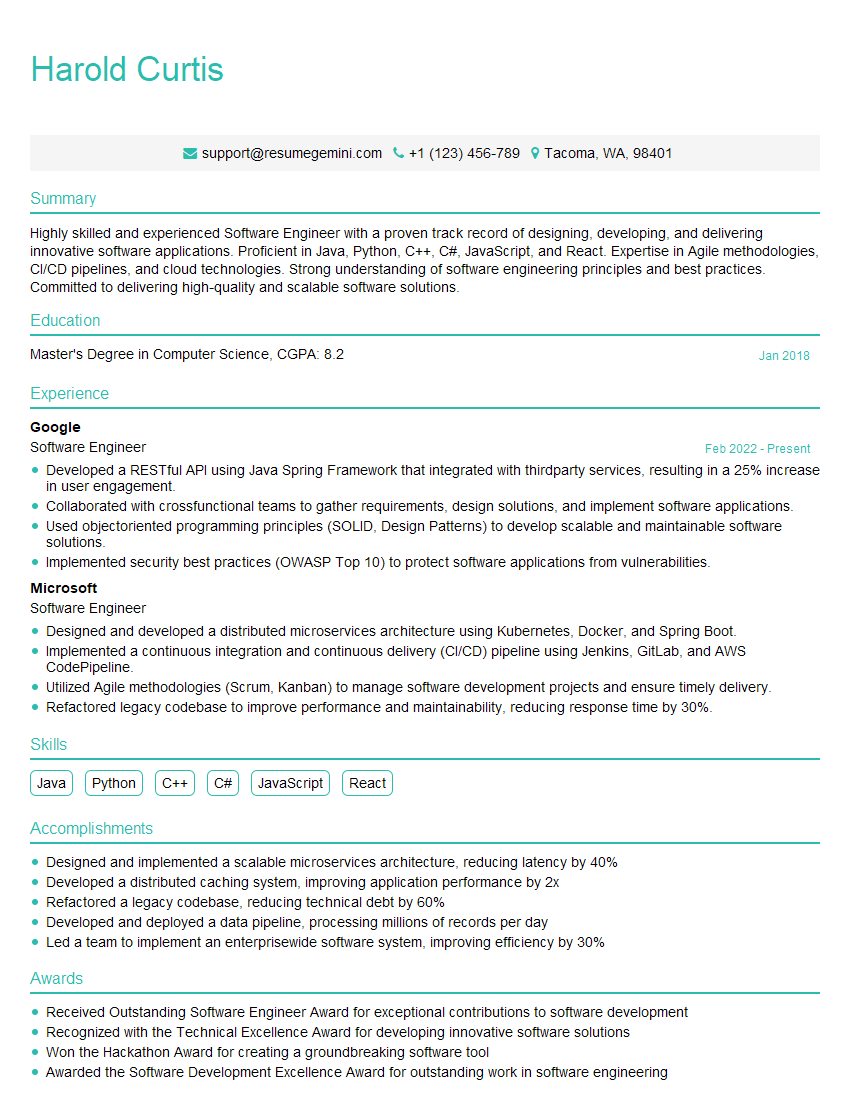
Software Engineer Resume Sample
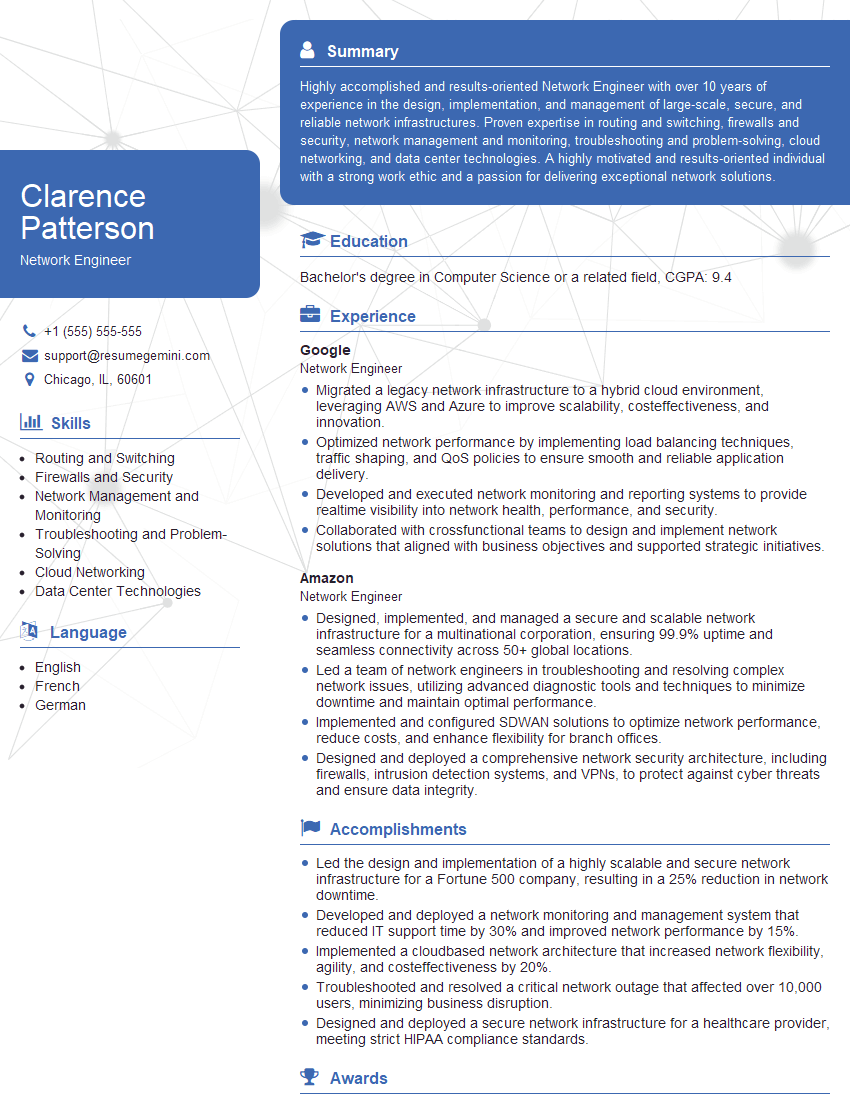
Network Engineer Resume Sample
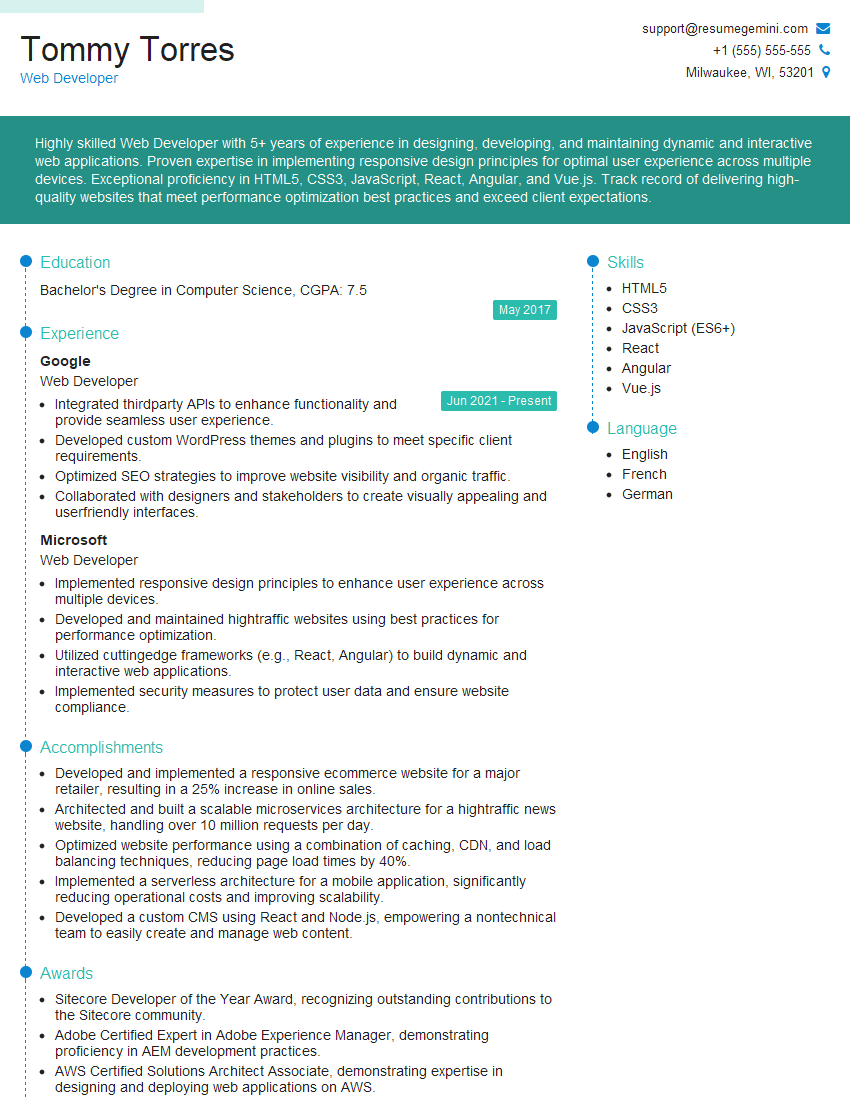
Web Developer Resume Sample
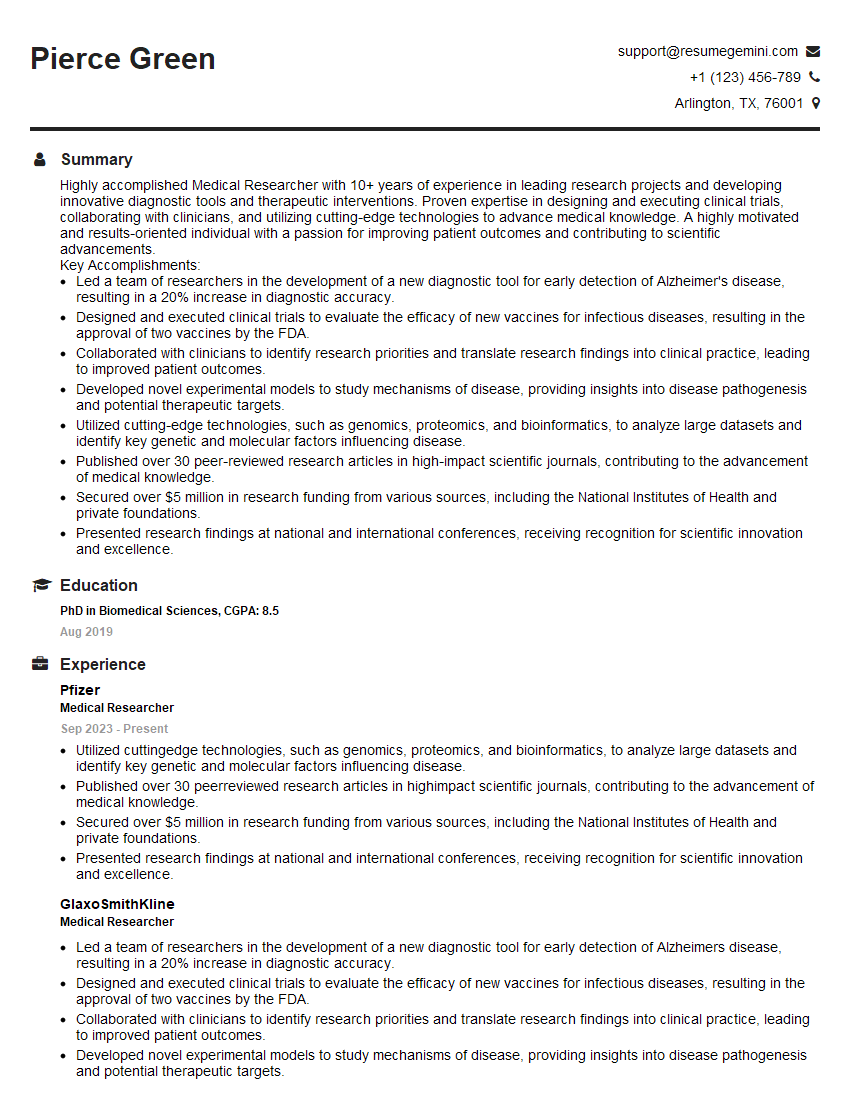
Medical Researcher Resume Sample
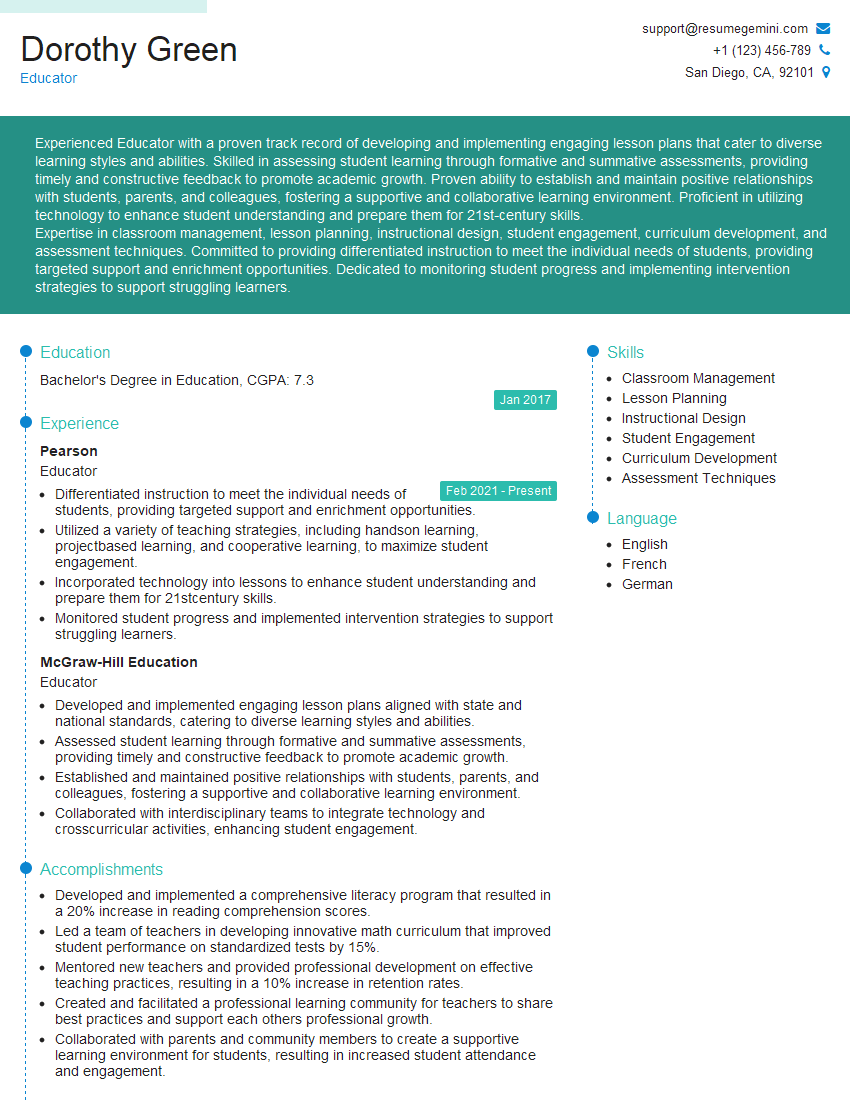
Educator Resume Sample

Technical Writer Resume Sample
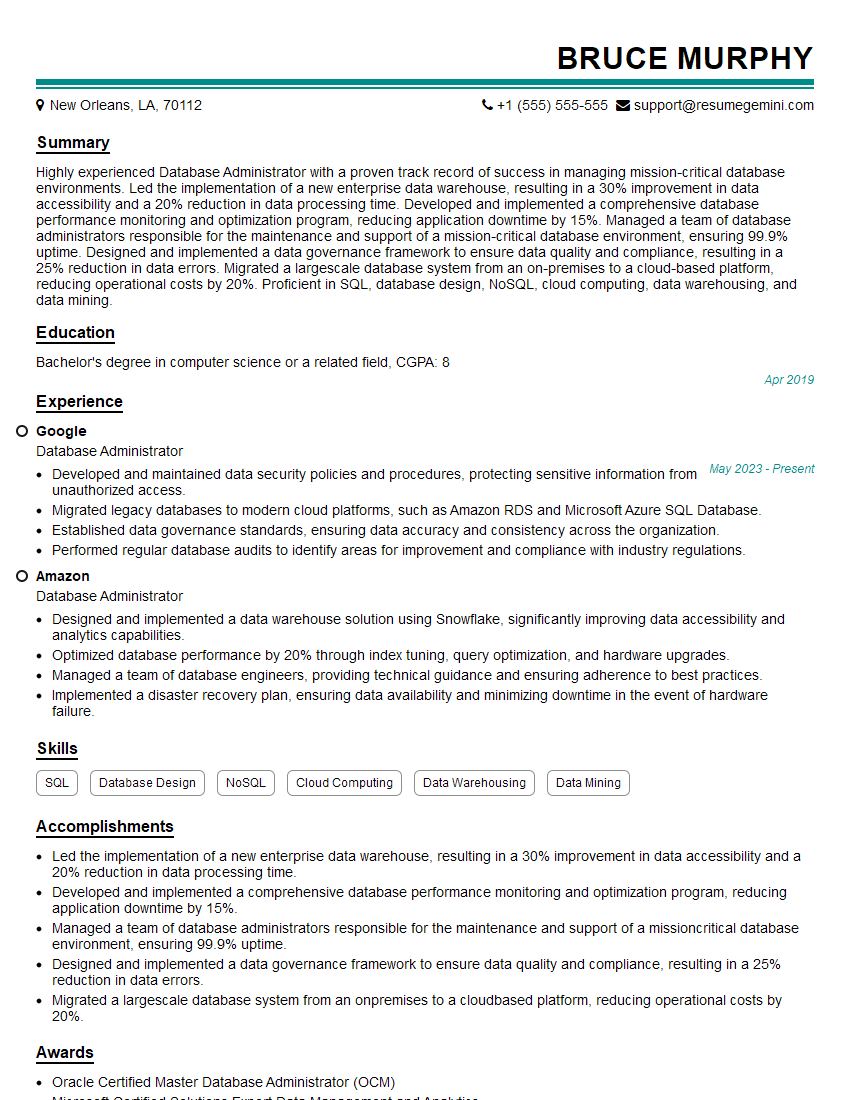
Database Administrator Resume Sample
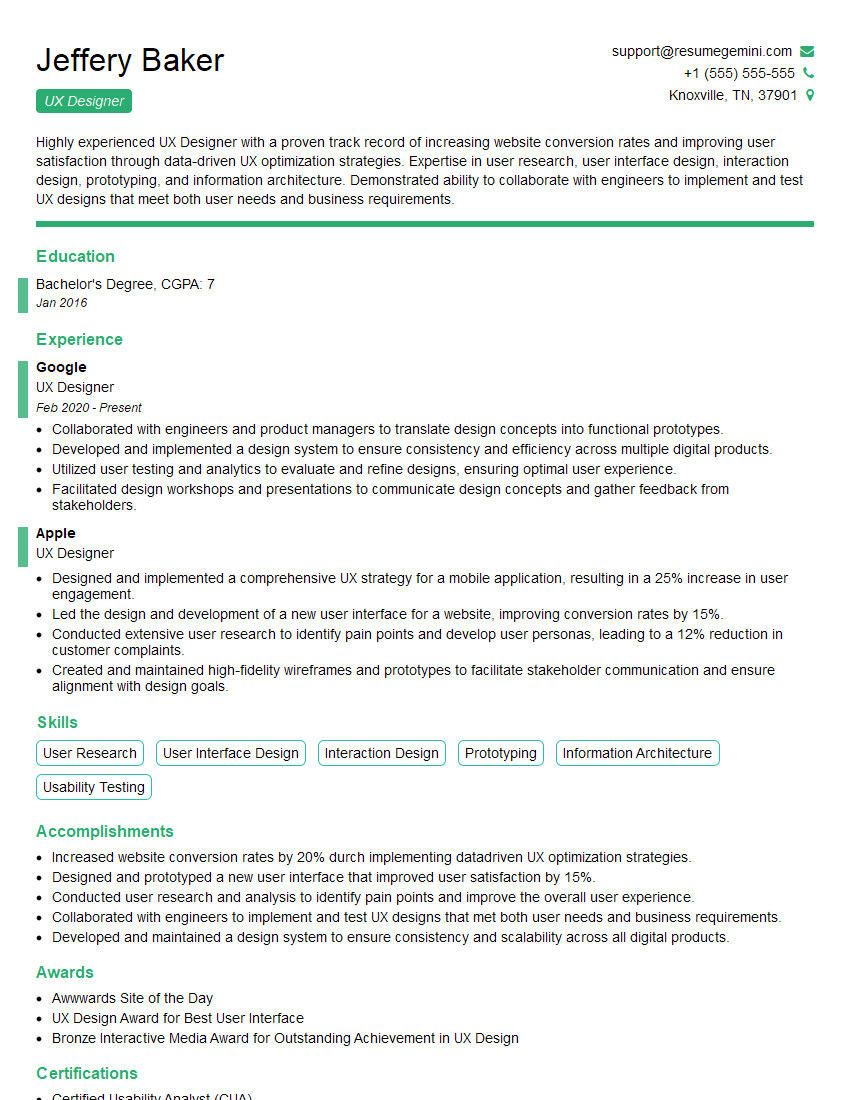
UX Designer Resume Sample
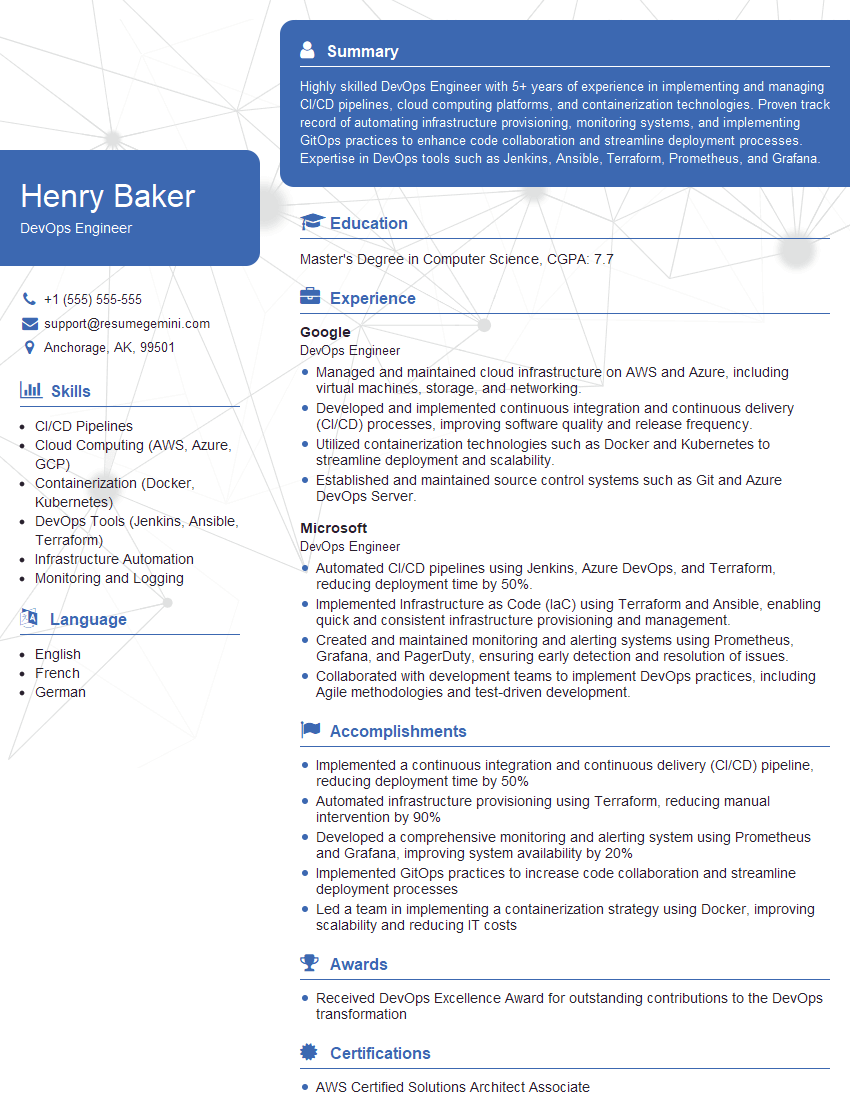
DevOps Engineer Resume Sample
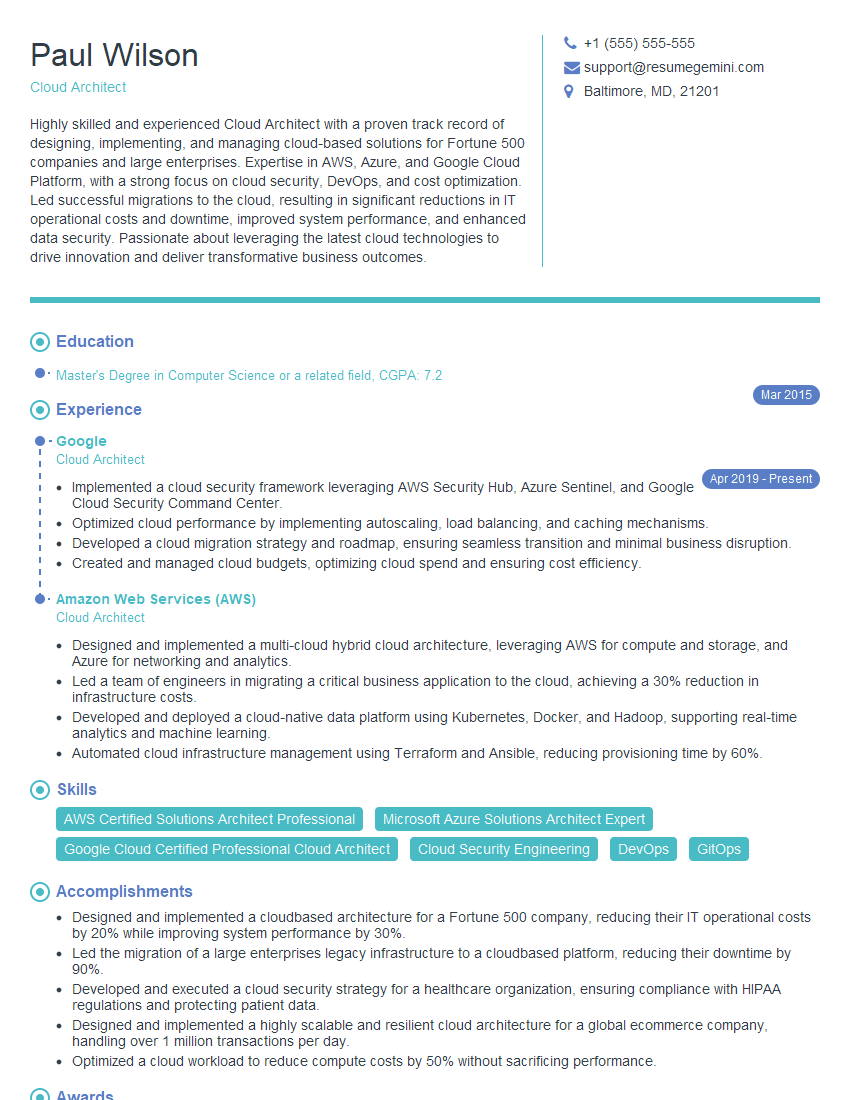
Cloud Architect Resume Sample
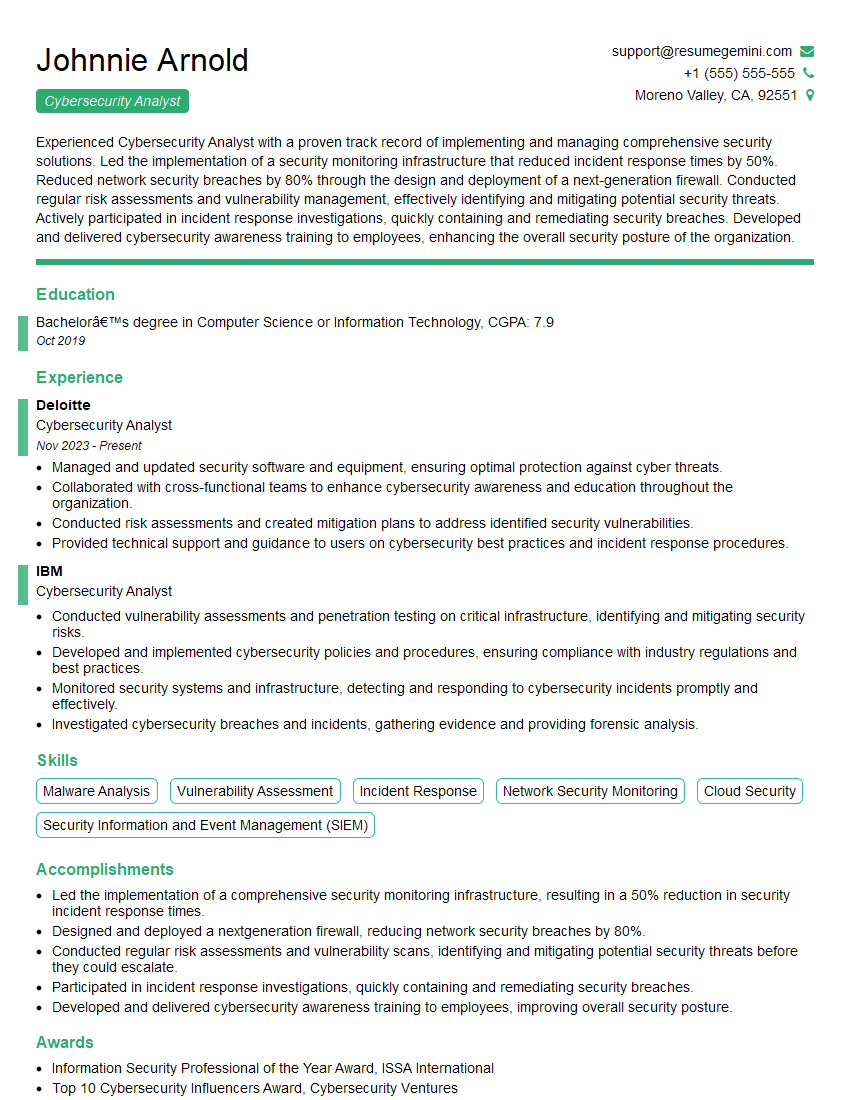
Cybersecurity Analyst Resume Sample
- Operations Manager
- Marketing Manager
- Product Manager
- Sales Representative
- Customer Service Representative
- Human Resources Manager
- Project Manager
- Business Analyst
- Accountant
- Financial Analyst
- Data Scientist
- Research Scientist
- Software Engineer
- Network Engineer
- Web Developer
- Medical Researcher
- Educator
- Technical Writer
- Database Administrator
- UX Designer
- DevOps Engineer
- Cloud Architect
- Cybersecurity Analyst
Explore more articles
Users Rating of Our Blogs
Share Your Experience
We value your feedback! Please rate our content and share your thoughts (optional).
What Readers Say About Our Blog
To the interviewgemini.com Webmaster.
Very helpful and content specific questions to help prepare me for my interview!
Thank you
To the interviewgemini.com Webmaster.
This was kind of a unique content I found around the specialized skills. Very helpful questions and good detailed answers.
Very Helpful blog, thank you Interviewgemini team.