Every successful interview starts with knowing what to expect. In this blog, we’ll take you through the top Willingness to travel for work interview questions, breaking them down with expert tips to help you deliver impactful answers. Step into your next interview fully prepared and ready to succeed.
Questions Asked in Willingness to travel for work Interview
Q 1. What percentage of travel are you comfortable with annually?
I am comfortable with up to 40% annual travel. This translates to roughly one to two weeks of travel per month, a balance I’ve found conducive to both professional success and maintaining a fulfilling personal life. This percentage allows for sufficient time on-site for project completion and client engagement, while also ensuring I have adequate time to rest and recharge between trips. Anything beyond 40% would require careful consideration and potentially negotiation to ensure adequate work-life balance is maintained. For example, if a project requires 60% travel, I would explore options like a phased approach, leveraging technology for remote collaboration to minimize in-person visits where possible.
Q 2. What is your preferred method of travel for work (e.g., plane, car, train)?
My preferred method of travel depends on the distance and purpose. For shorter trips within a radius of 500 miles, driving offers flexibility and avoids airport hassles. I find driving allows for better focus on preparation and reviewing materials. For longer distances, flying is the most efficient option. I prioritize airlines with a good safety record and comfortable seating. For trips within a densely populated area with efficient rail service, train travel can be a very productive alternative. The train allows for work time and often less stressful commutes. Ultimately, my choice is guided by practicality and maximizing productivity.
Q 3. Describe your experience with international travel for work.
I have extensive experience with international travel for work, spanning various countries and cultures. This includes navigating visa requirements, understanding cultural nuances in business etiquette, and adapting to different time zones. For instance, during a project in Japan, I carefully studied Japanese customs before my trip, particularly concerning business interactions and gift-giving protocols. This proactive approach not only facilitated successful project delivery but also fostered strong relationships with our Japanese partners. This experience honed my adaptability skills and instilled a deep appreciation for cultural sensitivity in international business collaborations.
Q 4. How do you handle unexpected travel delays or changes in itinerary?
Unexpected travel delays are an inevitable part of frequent travel. My approach is proactive and multi-faceted. Firstly, I always carry a backup plan, including alternative flight or transportation options. Secondly, I promptly inform relevant stakeholders of any delays, keeping them updated every step of the way. Thirdly, I utilize technology to my advantage; leveraging apps to track flights and trains, and utilizing mobile tools to continue working remotely during downtime. During a recent trip where a severe storm caused a significant flight delay, I immediately notified my team and clients, offering alternative meeting times and utilizing the time productively to catch up on emails and other tasks, effectively minimizing disruption to the project timeline.
Q 5. How do you manage your personal life while traveling frequently for work?
Managing personal life while traveling frequently requires meticulous planning and effective time management. I prioritize efficient packing to reduce time spent unpacking and repacking. I schedule specific time slots dedicated to family or personal commitments, even during trips. I also actively leverage technology to stay connected with loved ones using video calls and messaging apps. For example, I ensure that I schedule a video call with my family every Sunday evening, regardless of where I am in the world. Maintaining a consistent communication schedule helps maintain a sense of normalcy and prevents the feeling of being constantly detached from my personal life.
Q 6. Are you comfortable with solo travel?
Yes, I am perfectly comfortable with solo travel. I find it allows for greater focus and efficiency. I take precautions, though; such as keeping my family and colleagues informed of my itinerary, utilizing secure accommodation, and being aware of my surroundings. Solo travel offers unique opportunities for self-reflection and deeper immersion in the work environment. The independent nature of solo travel has often allowed me to be more productive and focused on the tasks at hand.
Q 7. Describe a time you had to adapt to a new culture or environment while traveling for work.
During a project in rural India, I had to adapt quickly to a significantly different cultural context. Initially, I faced challenges communicating effectively due to language barriers. However, I quickly learned basic Hindi phrases and utilized translation apps effectively. Furthermore, I observed and respected local customs, such as removing shoes before entering homes and participating in traditional meals. I also embraced the opportunity to learn more about the local culture and customs, which deepened my understanding and respect for their traditions. This demonstrated my respect for the culture and significantly improved my working relationships with the local team.
Q 8. How do you maintain productivity while traveling?
Maintaining productivity while traveling requires a proactive approach. It’s not just about working longer hours; it’s about optimizing your time and minimizing distractions. My strategy centers around three key areas: planning, prioritization, and technology.
Planning: Before each trip, I meticulously plan my itinerary, scheduling meetings and allocating specific blocks of time for focused work. This prevents me from being overwhelmed by the constant shifting of environments. For example, if I know I’ll have a long layover, I’ll schedule calls or dedicate that time to reviewing documents instead of just passively waiting.
Prioritization: I employ the Eisenhower Matrix (urgent/important) to prioritize tasks. This helps me focus on high-impact activities during travel, leaving less crucial tasks for times when I have more uninterrupted time at home. This approach keeps me from feeling overloaded and allows me to complete the most critical work efficiently.
Technology: I rely heavily on cloud-based tools and collaborative platforms to access files and communicate with colleagues seamlessly, regardless of location. Tools like Google Workspace, Microsoft Teams, and project management software are indispensable. I always have a reliable backup system for important documents and ensure all my devices are synced.
Q 9. What strategies do you use to avoid burnout while traveling frequently?
Avoiding burnout during frequent travel is crucial for both professional success and personal well-being. My approach involves a conscious effort to integrate self-care practices into my travel routine. This isn’t about luxury; it’s about smart choices.
Structured Breaks: I ensure I schedule time for exercise, even if it’s just a brisk walk or a short workout in my hotel room. I also schedule downtime to relax, read, or engage in a hobby – something that helps me detach from work completely.
Mindful Travel: Instead of rushing through airports and hotels, I try to be more mindful of my surroundings. Observing my environment helps reduce stress and encourages mental rest. I’ll often explore a local park or cafe when the time allows.
Consistent Sleep: Maintaining a consistent sleep schedule is paramount. Even if the time zones change frequently, I strive to sleep at roughly the same hours, to keep my circadian rhythm as stable as possible. This combats fatigue and improves productivity.
Communication: Open communication with my manager is crucial. If I feel overwhelmed, I let them know so they can adjust my workload or provide support. Prevention is key!
Q 10. What are your expectations regarding travel expenses and reimbursements?
My expectations regarding travel expenses and reimbursements are straightforward: adherence to the company’s travel policy and timely processing of claims. I expect clear guidelines on allowable expenses, including accommodation, transportation, meals, and incidentals. Transparency is key.
I always keep meticulous records of my expenses, including receipts and invoices, ensuring they align precisely with company policy. Prompt reimbursement is vital for maintaining financial stability and minimizing personal financial strain during travel.
Q 11. How do you manage your health and well-being while traveling?
Managing health and well-being while traveling demands proactive measures. It’s about mitigating risks and building healthy habits, not just reacting to problems.
Preventive Measures: Before each trip, I consult my doctor regarding necessary vaccinations or medications. I also pack a small first-aid kit with essentials.
Hydration and Nutrition: I prioritize drinking plenty of water and choosing healthy meals whenever possible. This helps prevent dehydration and maintain energy levels. I might pack some healthy snacks to avoid relying on less healthy options at airports or hotels.
Regular Exercise: As mentioned earlier, incorporating exercise into my routine, even in limited ways, is crucial for physical and mental health.
Hygiene: Maintaining good hygiene is vital to preventing illness. This includes frequent handwashing and using hand sanitizer.
Q 12. What is your preferred accommodation type while traveling for work?
My preferred accommodation type depends on the length of my stay and the nature of my work. For shorter trips, a comfortable hotel room that provides good Wi-Fi access and a quiet workspace is usually sufficient. For longer stays, I would prefer a serviced apartment or similar option that offers more space and amenities, making it feel more like a home away from home. Safety and cleanliness are paramount considerations.
Q 13. Describe your experience using travel booking apps or websites.
I have extensive experience using various travel booking apps and websites. I regularly use platforms like Expedia, Booking.com, and Kayak to compare prices and find the best deals on flights and accommodations. I appreciate features that allow me to filter search results by price, amenities, location, and customer reviews. The ability to manage bookings and access travel documents digitally is also extremely convenient.
However, I’m also aware of the need for caution when using online platforms, and I always ensure the sites are secure and reputable before making any bookings. I also carefully review terms and conditions before confirming any reservations.
Q 14. How do you handle time zone differences while traveling for work?
Handling time zone differences requires careful planning and discipline. I use a combination of strategies to manage this effectively.
Clear Communication: I proactively inform colleagues and clients about my time zone and availability. I often schedule calls and meetings according to their preferred time zone, making adjustments where needed.
Time Zone Converters: I utilize time zone converter tools (both digital and app-based) to ensure I understand the time differences accurately and schedule meetings appropriately. I avoid scheduling critical meetings immediately after changing time zones.
Gradual Adjustment: When traveling across multiple time zones, I try to adjust my sleep schedule gradually to minimize jet lag.
Scheduling Flexibility: I build in flexibility to my schedule. Unexpected delays or adjustments are inevitable, and being flexible allows me to manage those situations efficiently without excessive stress.
Q 15. Are you comfortable with overnight travel?
Yes, I am entirely comfortable with overnight travel. In fact, I consider it a necessary component of many roles requiring extensive client interaction or on-site project management. My experience includes numerous overnight trips, both domestically and internationally, and I’ve developed efficient routines for maximizing productivity and minimizing disruption to my work-life balance during these trips.
I understand the potential challenges of overnight travel, such as jet lag, missed personal time, and the need for quick adaptation to unfamiliar environments. However, I’ve learned to mitigate these issues through careful planning and a flexible approach. For instance, I always pack strategically, prioritizing comfort and efficiency. I also leverage technology to stay connected and manage my time effectively.
Career Expert Tips:
- Ace those interviews! Prepare effectively by reviewing the Top 50 Most Common Interview Questions on ResumeGemini.
- Navigate your job search with confidence! Explore a wide range of Career Tips on ResumeGemini. Learn about common challenges and recommendations to overcome them.
- Craft the perfect resume! Master the Art of Resume Writing with ResumeGemini’s guide. Showcase your unique qualifications and achievements effectively.
- Don’t miss out on holiday savings! Build your dream resume with ResumeGemini’s ATS optimized templates.
Q 16. How do you stay connected while traveling internationally?
Staying connected internationally requires a multi-pronged approach. Firstly, I ensure my phone has an international roaming plan or a local SIM card offering data access. I rely on secure, cloud-based platforms for accessing work documents and communicating with colleagues. This includes tools like Microsoft Teams, Slack, and email clients accessible through my mobile device.
Secondly, I utilize VPNs (Virtual Private Networks) to safeguard sensitive data when connecting to public Wi-Fi networks, a common practice in many international locations. Finally, I always keep a backup offline copy of crucial work files on a portable drive to account for unforeseen connectivity issues. Proactive planning of communication strategies minimizes disruption caused by varying time zones and network limitations.
Q 17. How do you balance work and personal responsibilities while traveling?
Balancing work and personal responsibilities while traveling necessitates meticulous planning and effective time management. Before any trip, I create a detailed itinerary that outlines both work-related tasks and personal time. This includes scheduling dedicated blocks of time for family communication, exercise, or relaxation to prevent burnout.
During the trip, I leverage technology to stay connected with family and friends, utilizing video calls to maintain personal relationships. I also prioritize tasks, focusing on urgent matters during work hours and leaving less critical tasks for periods with less demanding schedules. This approach maintains a productive work flow without sacrificing personal well-being. For example, I might use a flight to catch up on emails rather than doing it at the hotel.
Q 18. What are your personal preferences regarding travel destinations?
My personal preferences regarding travel destinations are flexible and prioritize efficiency and safety. While I appreciate exploring new cultures and environments, my primary focus is on completing my work objectives. This means that destinations are selected based on factors such as proximity to project sites, ease of transportation, and reliable infrastructure. The comfort and safety of the accommodation are also critical considerations.
That said, I find cultural immersion enriching and often seek out opportunities to experience local customs and cuisine whenever feasible, even with a tight schedule. I am adaptable and open to a wide variety of destinations as long as they meet the criteria for successful project execution.
Q 19. How would you rate your adaptability to different work environments?
I would rate my adaptability to different work environments as exceptionally high. My experience includes working in diverse settings, ranging from bustling city offices to remote project sites with limited resources. I am adept at adjusting my workflow and communication styles to suit various team dynamics and cultural contexts.
I thrive in environments that require quick thinking and problem-solving skills, and I’m comfortable working independently or collaboratively. I actively seek out opportunities to learn from different approaches and integrate best practices into my own work processes. My success in adapting to various environments stems from open communication, careful observation, and proactive problem-solving.
Q 20. Describe a time you had to overcome a logistical challenge while traveling for work.
During a project in a remote area of South America, an unexpected landslide blocked the primary access road to our work site. This jeopardized both the project timeline and the safety of the team. My immediate response was to leverage my existing network of local contacts to explore alternative routes and secure emergency transportation.
Through collaboration with local authorities and community members, we identified a secondary, less-maintained path accessible by 4×4 vehicles. This required careful risk assessment and coordination to ensure the safe transport of equipment and personnel. We successfully navigated the logistical challenge, minimizing project disruption and prioritizing the safety of the team. This experience highlighted the importance of adaptability, resourcefulness, and effective communication in overcoming unexpected obstacles.
Q 21. How do you ensure your work remains high-quality despite travel demands?
Maintaining high-quality work despite travel demands involves proactive planning and efficient workflow management. Prior to traveling, I ensure all necessary resources and information are accessible remotely. This includes creating detailed task lists, securing access to essential software and files, and communicating my travel schedule to colleagues to minimize disruptions.
During travel, I prioritize tasks based on urgency and impact, focusing on high-value activities during periods of focused work. I utilize time management techniques such as the Pomodoro Technique to maintain concentration and avoid burnout. Regular communication with team members ensures alignment and prevents misunderstandings. By employing these strategies, I consistently deliver high-quality results even amidst travel demands.
Q 22. Have you ever had to work in challenging travel conditions? How did you handle it?
Yes, I have. During a project in rural Nepal, the infrastructure was significantly underdeveloped. Power outages were frequent, internet connectivity was unreliable, and transportation was limited to rough mountain roads. My approach involved a multi-pronged strategy. First, I meticulously planned my work, anticipating potential disruptions and building in extra time for unforeseen delays. For example, I downloaded all necessary documents and software offline and ensured I had backup power solutions. Second, I maintained constant communication with the team back at headquarters, providing regular updates and seeking guidance when challenges arose. Third, I adopted a flexible mindset, understanding that things might not always go according to plan, and focused on adapting to the circumstances and making the most of the resources available. I also built rapport with the local community, which helped me navigate unexpected issues.
Q 23. How do you prioritize tasks effectively when managing travel and work commitments?
Prioritizing tasks while juggling travel and work requires a structured approach. I utilize a combination of tools and techniques. Firstly, I leverage project management software, such as Asana or Trello, to create detailed task lists, assign deadlines, and track progress. I break down large tasks into smaller, more manageable ones, making them easier to schedule around travel. Secondly, I employ time blocking techniques, allocating specific time slots for tasks, factoring in potential travel delays and time zone differences. Thirdly, I prioritize tasks based on urgency and importance using methods like the Eisenhower Matrix (urgent/important). This helps me focus on the most critical items first, even when time is limited. For example, I might dedicate the flight time to reviewing documents or responding to urgent emails. Lastly, I communicate my schedule proactively with my team, setting clear expectations about my availability and response times.
Q 24. How do you maintain professional relationships while traveling frequently?
Maintaining professional relationships while traveling frequently requires deliberate effort. I prioritize regular communication – scheduling brief calls or sending emails to check in with colleagues and clients. I also leverage technology; video conferencing tools allow for face-to-face interactions despite distance. Building personal connections during in-person meetings, even if brief, helps solidify relationships. Showing genuine interest in colleagues’ work and personal lives fosters stronger connections. For example, I might take the time to learn something about the local culture in the place I’m visiting and share that with colleagues. Being mindful of time zone differences and respecting different working styles also strengthens professional bonds. Lastly, I make sure to schedule some time for team building activities or informal chats when possible, even if it’s just a quick coffee during a layover.
Q 25. What steps do you take to ensure your safety and security while traveling?
Ensuring safety and security is paramount when traveling for work. My approach consists of several key steps. Before traveling, I research my destination, focusing on local laws, customs, and potential safety concerns. I share my itinerary with a trusted colleague or family member, providing regular updates during my trip. I utilize reputable transportation services and avoid traveling alone at night or in unsafe areas. I am always aware of my surroundings, keeping valuables secure and being cautious of scams or suspicious individuals. I also make sure to have travel insurance, including medical coverage and emergency assistance services. In unfamiliar situations, I leverage technology to find safe transportation options or to contact local emergency services. Finally, I’m always aware of my company’s security policies and follow them diligently.
Q 26. How do you ensure compliance with company travel policies?
Compliance with company travel policies is crucial. I familiarize myself thoroughly with all relevant policies before embarking on any business trip. This includes understanding expense reporting procedures, acceptable modes of transportation, and booking guidelines. I meticulously document all travel-related expenses, keeping receipts and submitting them promptly using the company’s designated system. I ensure all bookings are made through approved channels, avoiding personal expense accounts unless absolutely necessary and adhering to pre-approved budget limits. Before making any travel arrangements, I always confirm if my plans align with the company’s environmental, social, and corporate governance (ESG) policies. If I encounter any ambiguity or uncertainty, I always consult with the relevant department to clarify procedures and ensure complete compliance.
Q 27. What is your comfort level with last-minute travel arrangements?
My comfort level with last-minute travel arrangements is high. I am adept at quickly adapting to changing situations and prioritizing tasks under pressure. I’ve handled numerous instances where travel plans changed unexpectedly, requiring immediate adjustments. My strategy involves efficient planning and utilizing reliable tools like flight and hotel booking apps. I also have a ‘go-bag’ packed with essentials ready for any last-minute departure. I make it a priority to be flexible and understand that unforeseen circumstances can occur, so the core of my ability lies in my organized response in these types of scenarios.
Q 28. How do you handle homesickness or feelings of isolation while traveling?
Homesickness and isolation are common challenges for frequent travelers. I proactively mitigate these feelings by staying connected with family and friends through regular calls, video chats, and social media. I also make an effort to maintain a healthy work-life balance, scheduling time for exercise, relaxation, and exploring the local area to discover new hobbies or interests and feel a sense of belonging. I leverage technology to stay connected to my support network – creating virtual coffee dates or virtual game nights. Joining local clubs or groups related to my hobbies can help combat isolation and foster a sense of community. If feelings of isolation persist, I understand the importance of seeking support or talking to a professional.
Key Topics to Learn for Willingness to Travel for Work Interview
- Defining Your Travel Flexibility: Understand your own comfort level with travel frequency, duration, and distance. Be realistic and honest about your limitations and preferences.
- Communicating Your Travel Preferences: Practice articulating your willingness to travel clearly and confidently. Highlight your adaptability and enthusiasm for new experiences while addressing any potential concerns.
- Addressing Logistical Considerations: Think through practical aspects like accommodation, transportation, and potential impact on personal life. Demonstrate your proactive approach to problem-solving in this area.
- Highlighting Relevant Experiences: Identify past experiences (volunteer work, previous jobs, personal travel) that demonstrate your adaptability, resilience, and ability to thrive in unfamiliar environments. Prepare examples to illustrate these qualities.
- Framing Travel as a Benefit: Position your willingness to travel as an asset to the employer, emphasizing your commitment to the company’s success and your ability to contribute across different locations.
- Handling Potential Challenges: Anticipate potential challenges related to travel (e.g., time away from family, cultural differences) and prepare thoughtful responses demonstrating your ability to navigate them effectively.
Next Steps
Mastering your approach to discussing willingness to travel is crucial for expanding your career opportunities significantly. Many roles, especially in dynamic and growing industries, require a degree of travel. An ATS-friendly resume is your key to unlocking these opportunities. It ensures your application gets noticed by recruiters and hiring managers. ResumeGemini is a trusted resource that can help you build a powerful, professional resume tailored to highlight your willingness and ability to travel for work. We provide examples of resumes specifically designed to showcase this valuable skill. Take advantage of these resources and boost your job prospects today!
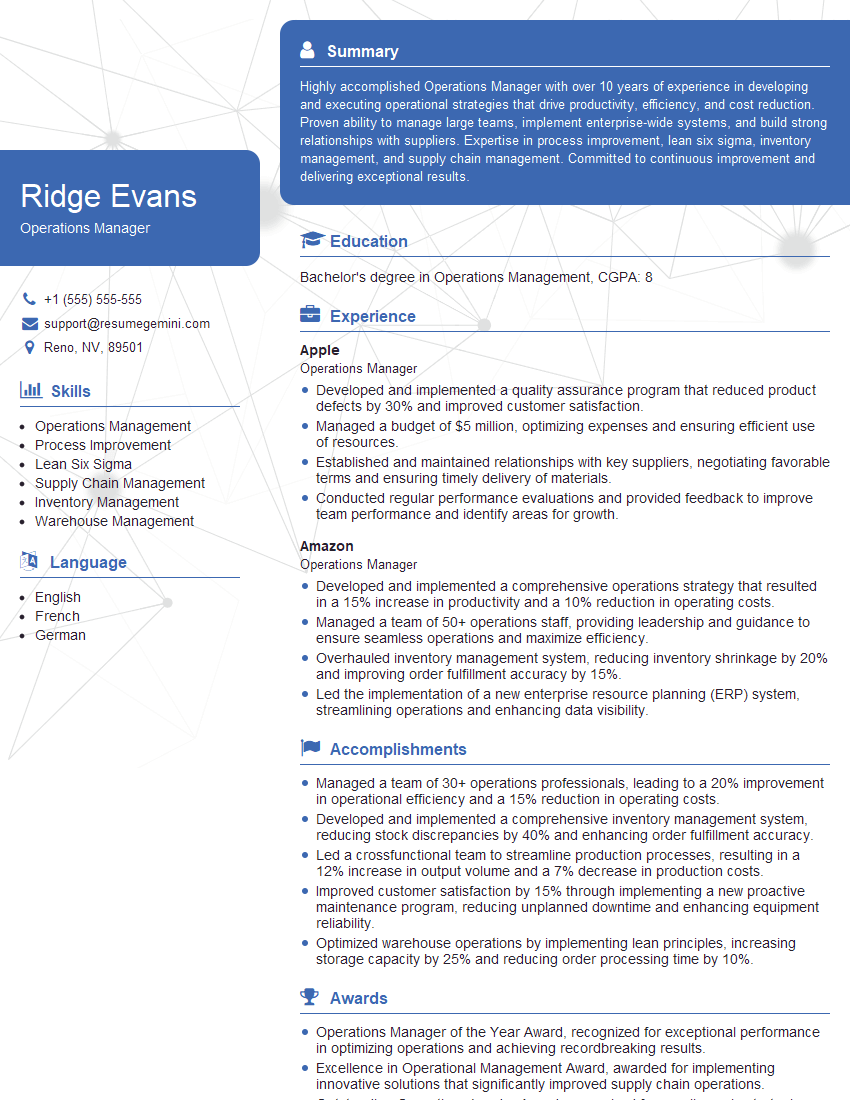
Operations Manager Resume Sample
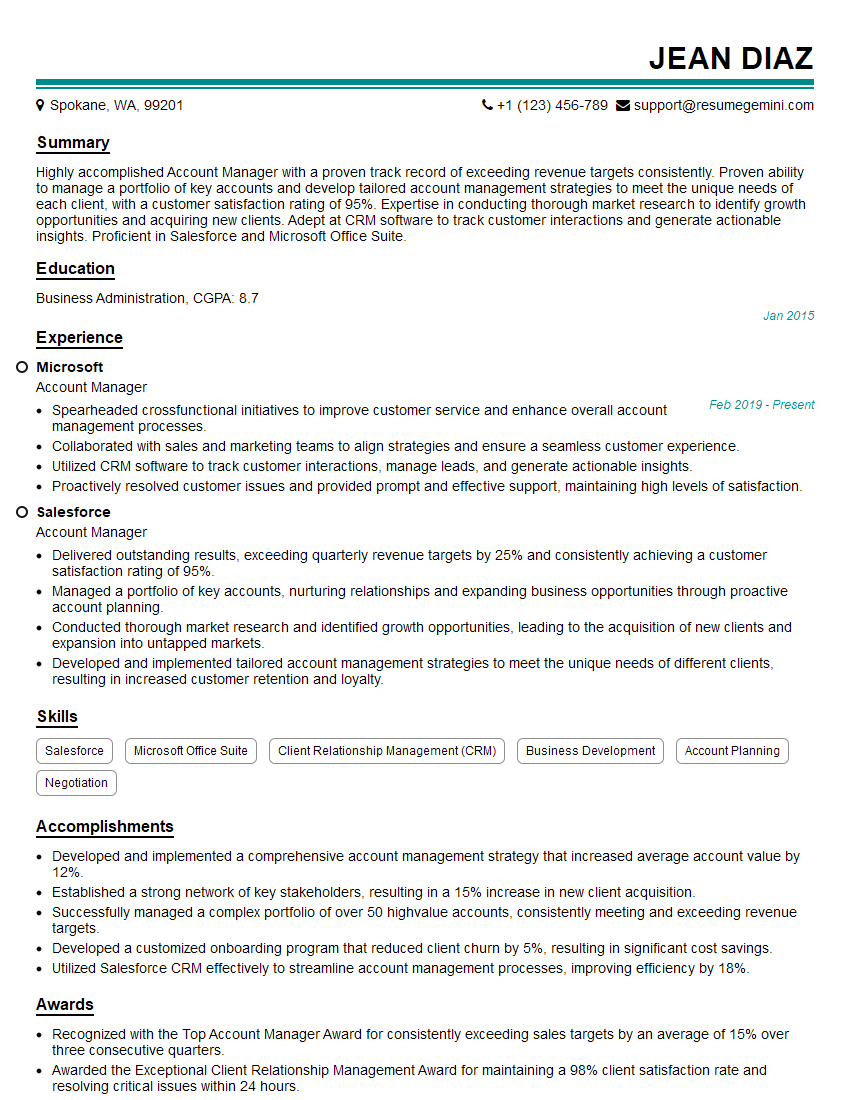
Account Manager Resume Sample
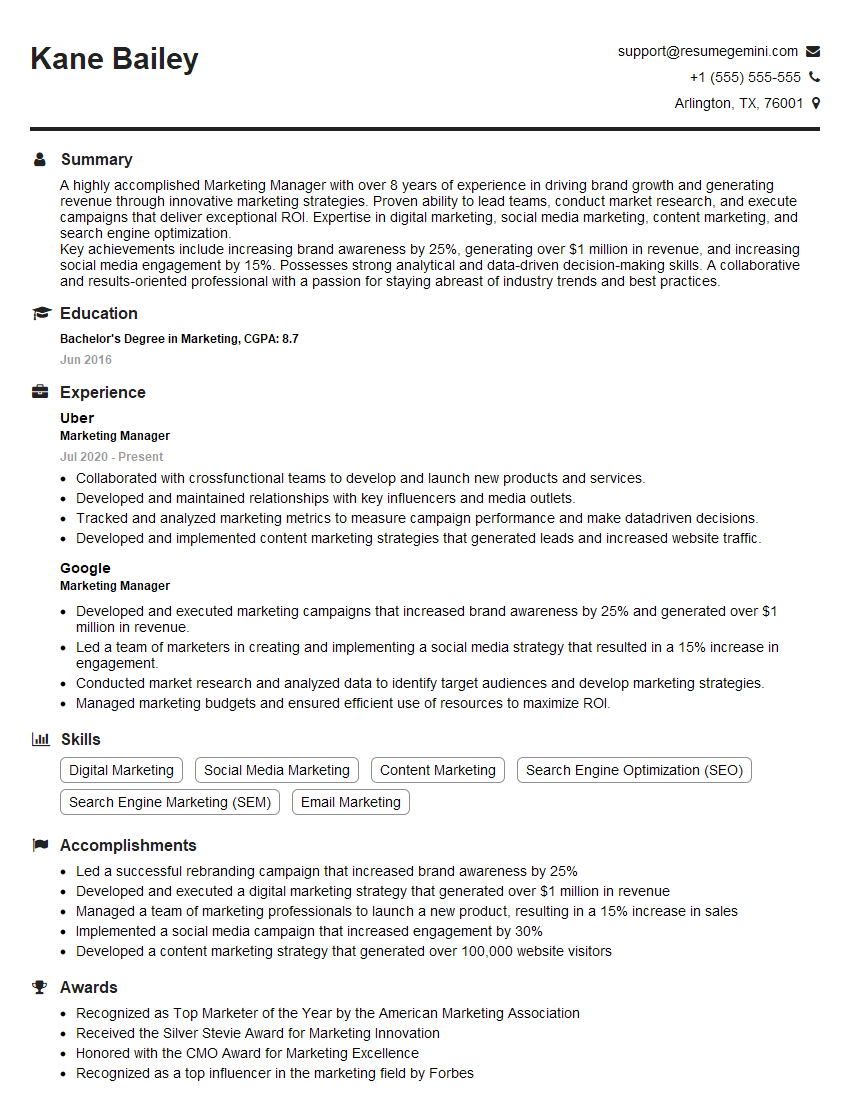
Marketing Manager Resume Sample
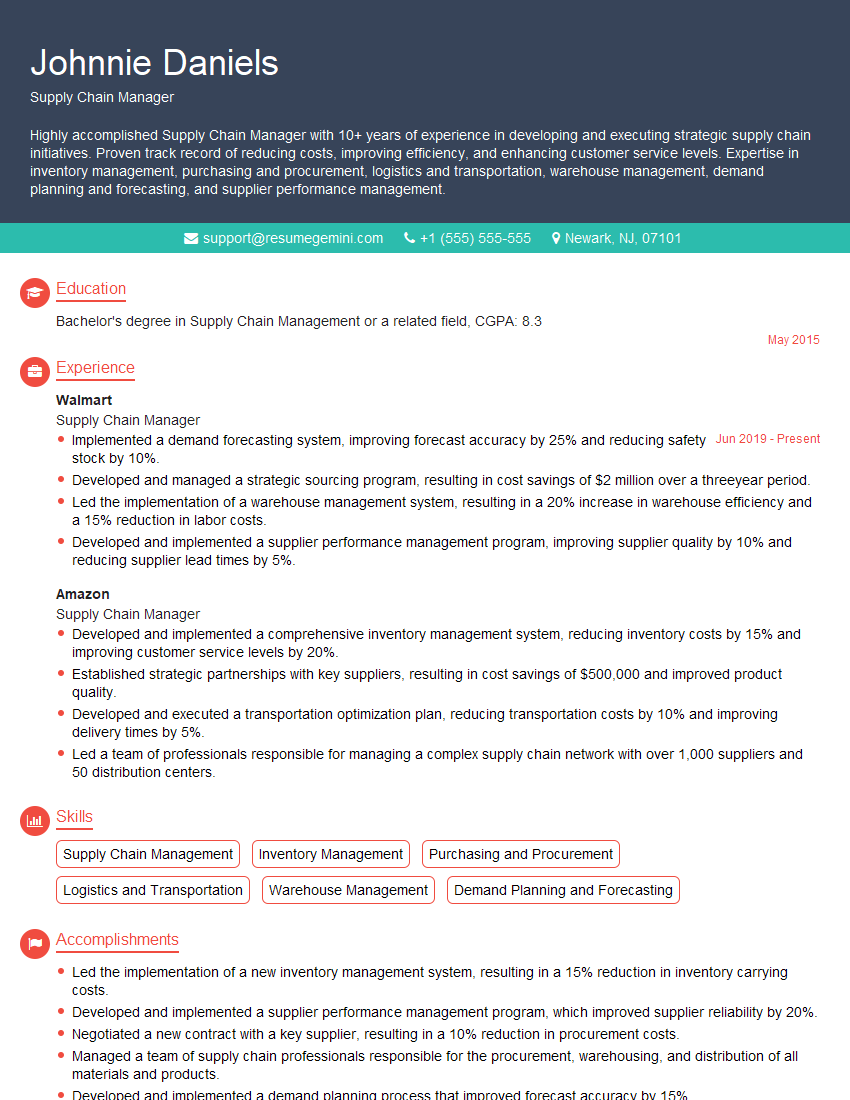
Supply Chain Manager Resume Sample
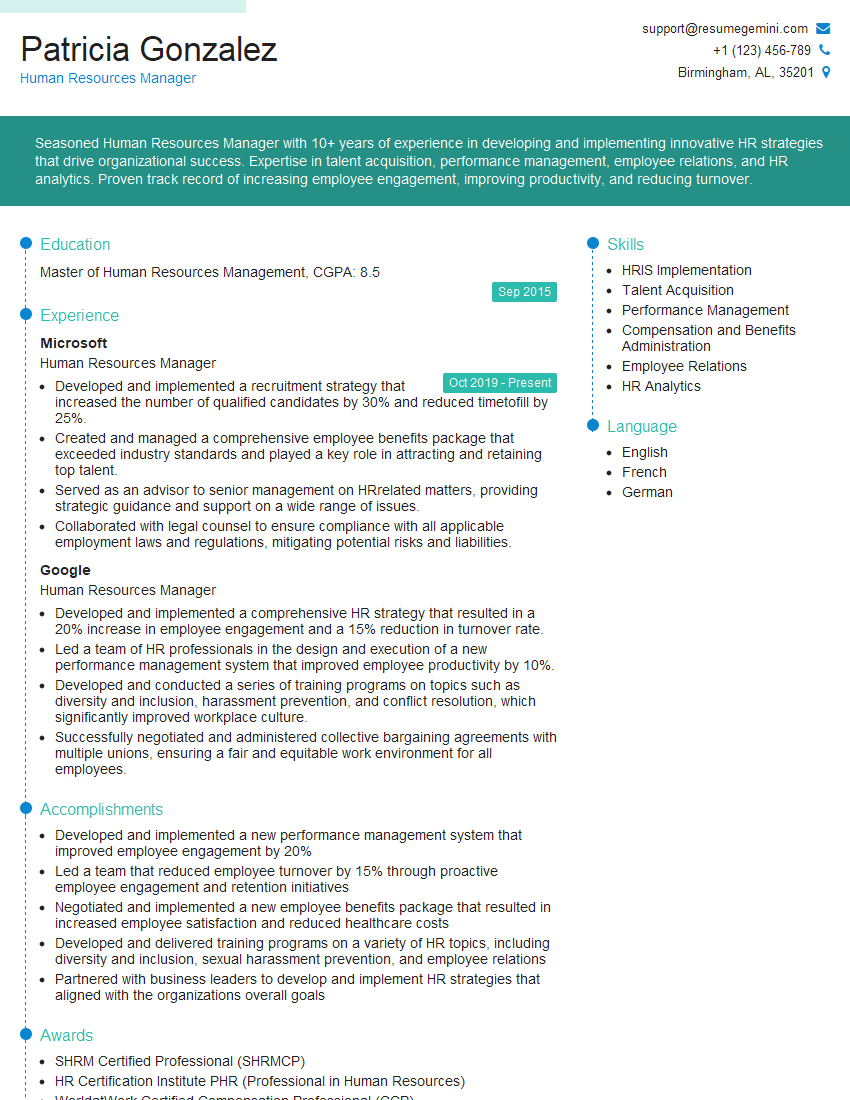
Human Resources Manager Resume Sample
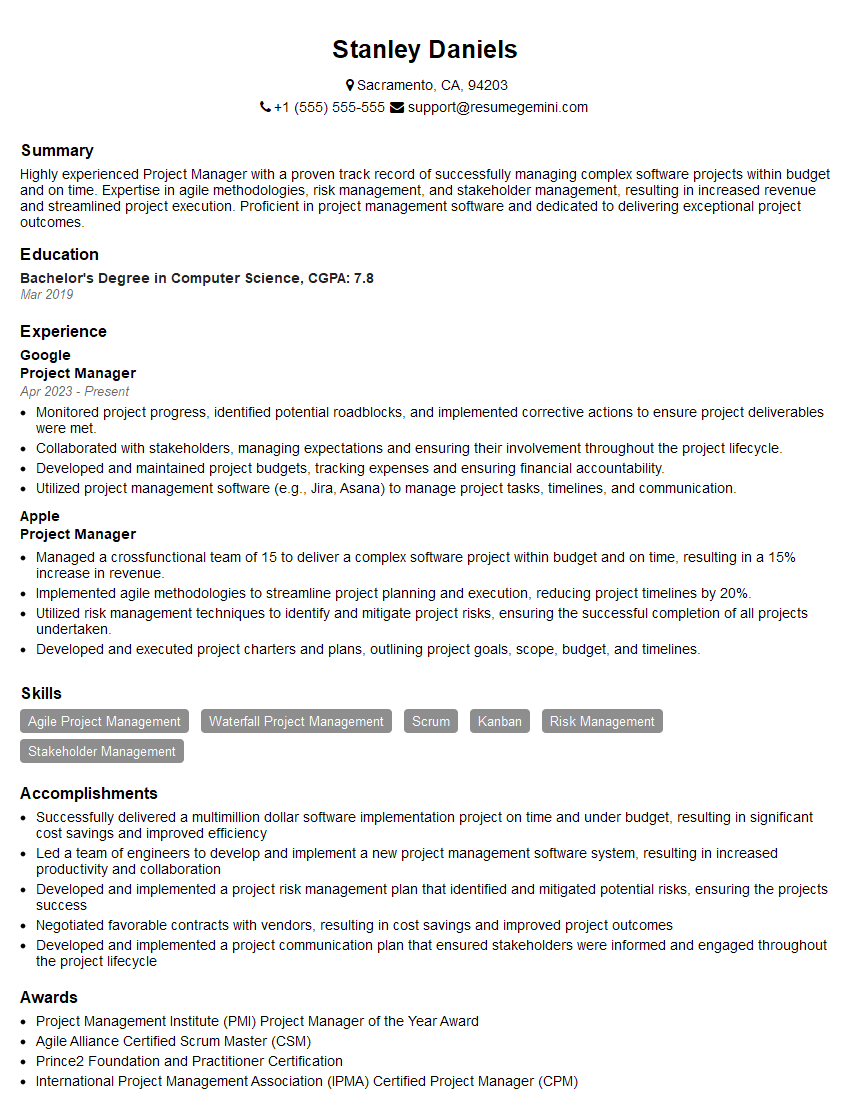
Project Manager Resume Sample
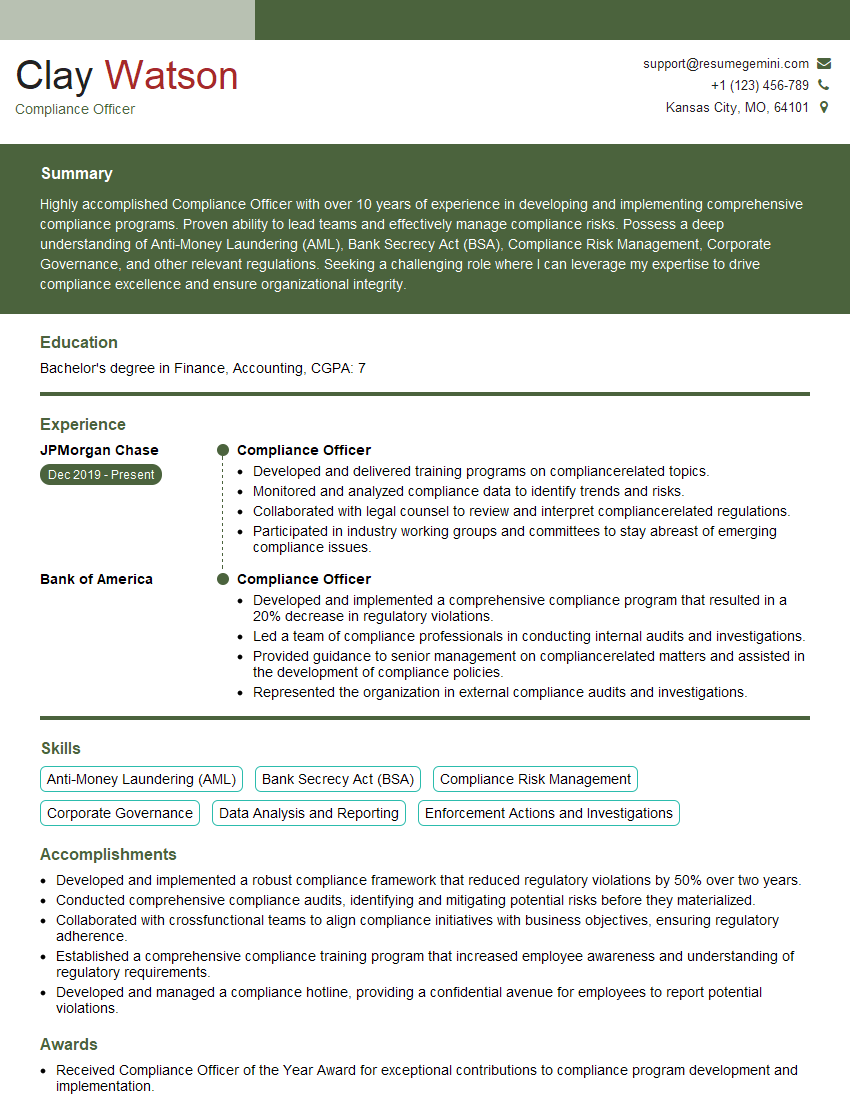
Compliance Officer Resume Sample
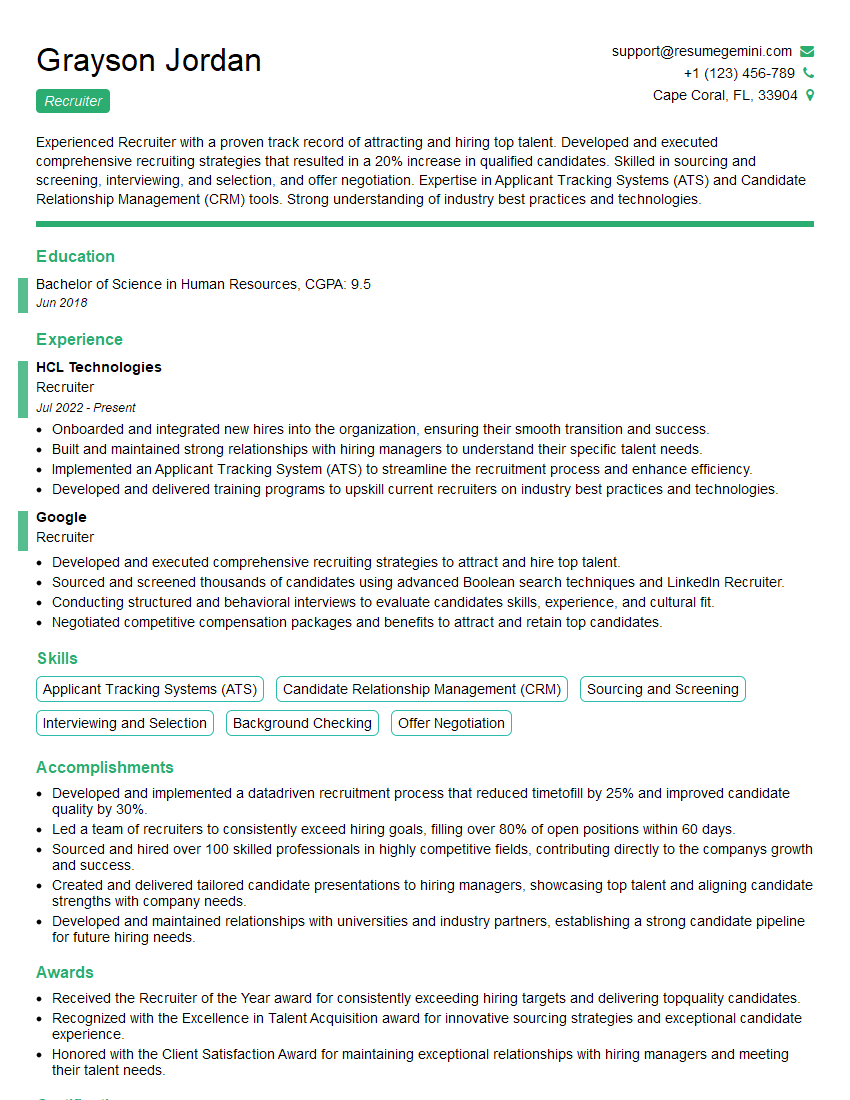
Recruiter Resume Sample
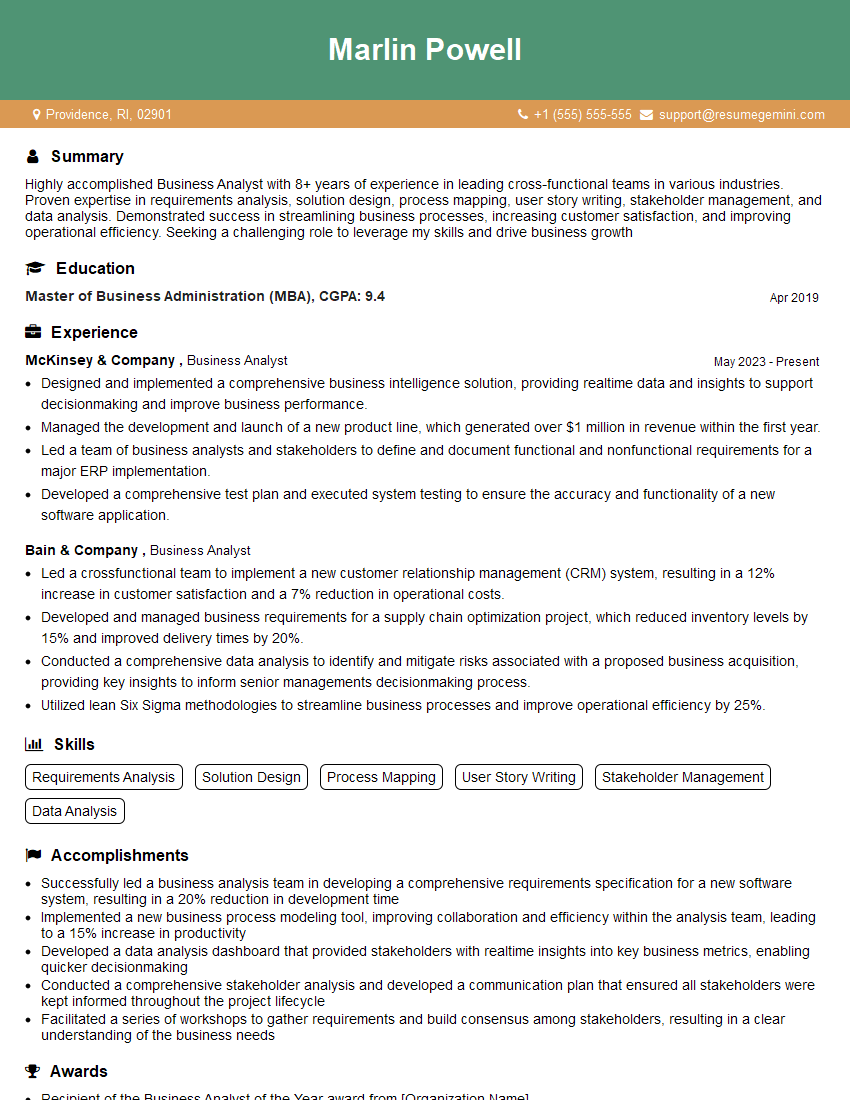
Business Analyst Resume Sample

Training Specialist Resume Sample
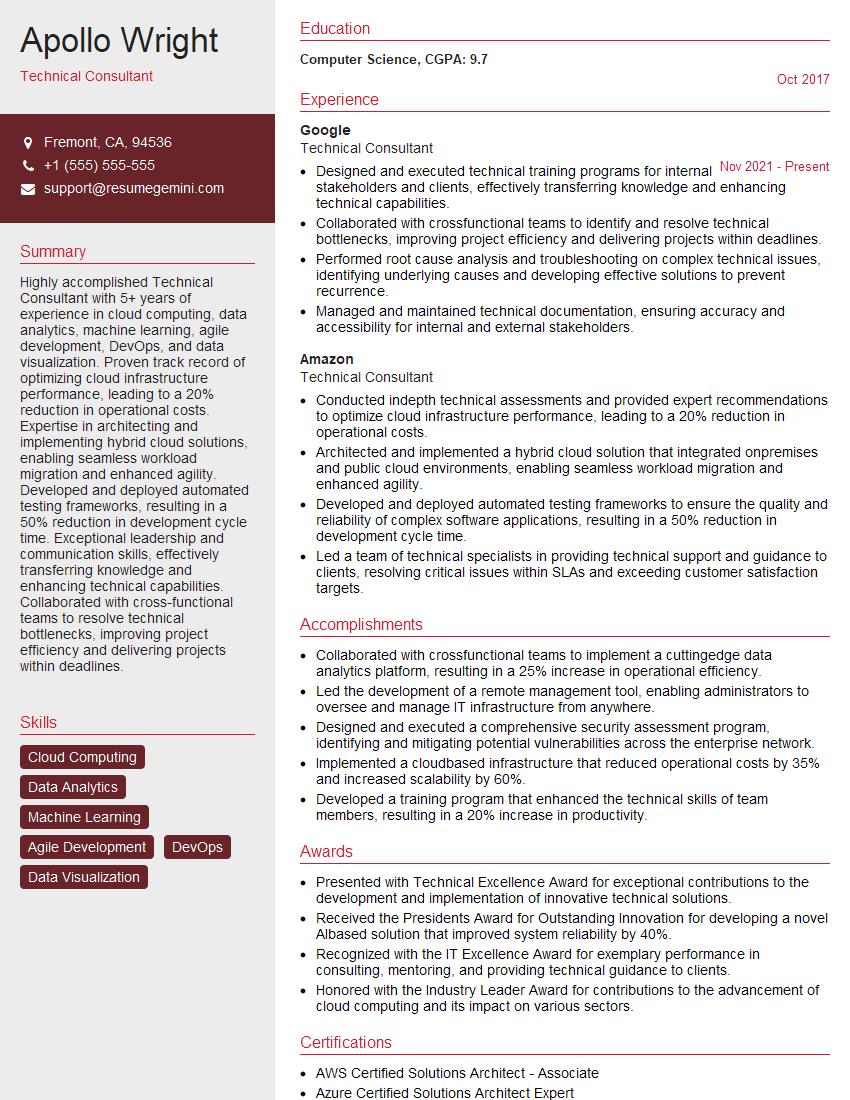
Technical Consultant Resume Sample
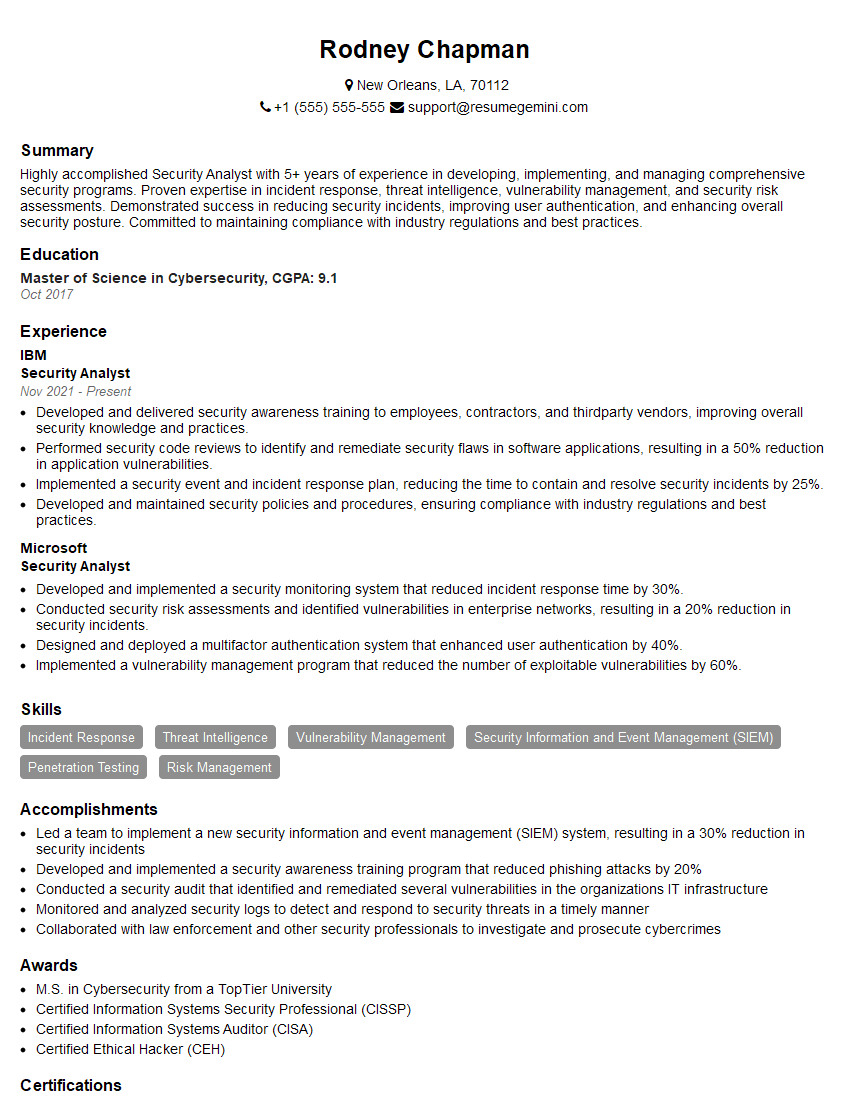
Security Analyst Resume Sample
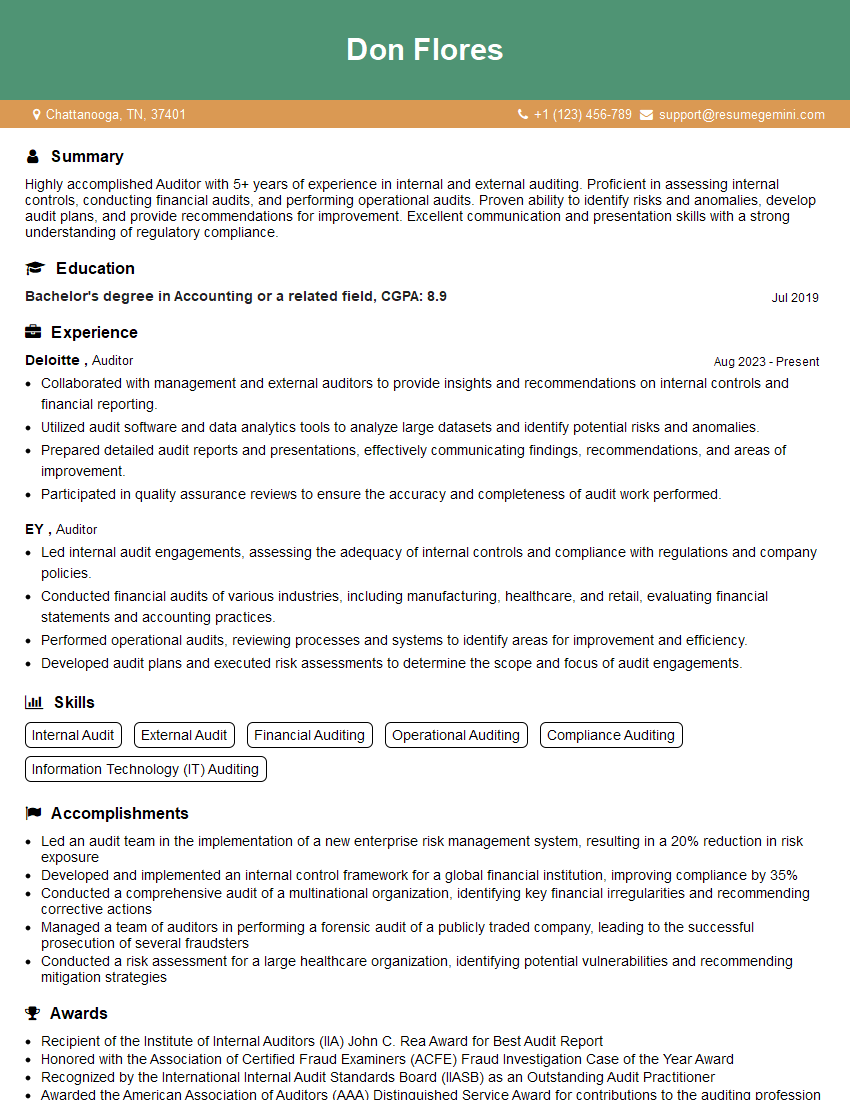
Auditor Resume Sample
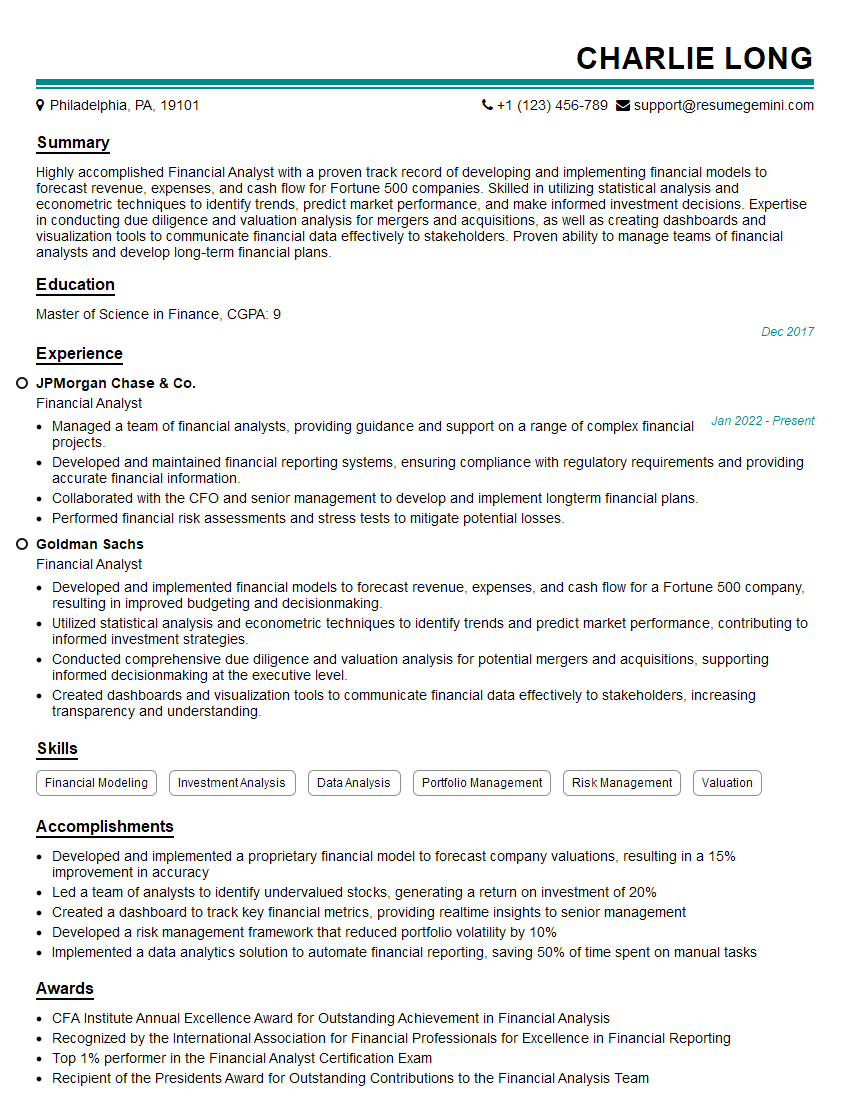
Financial Analyst Resume Sample
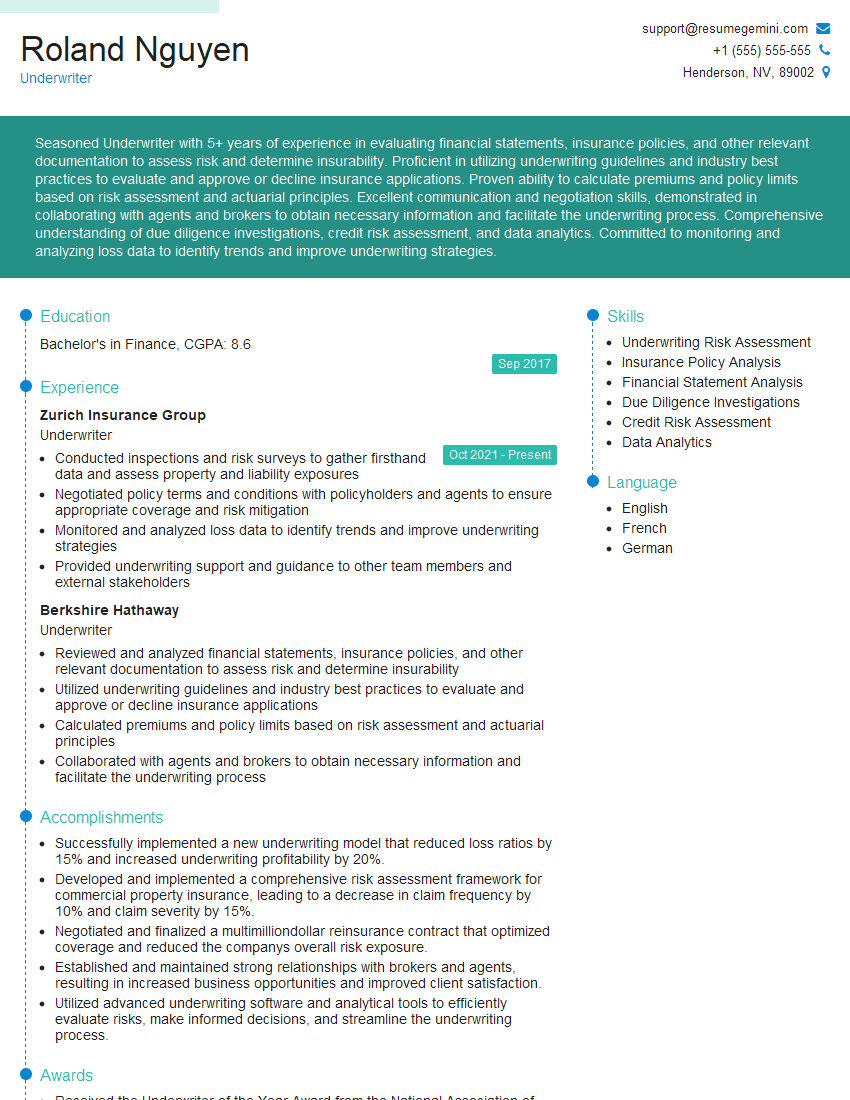
Underwriter Resume Sample
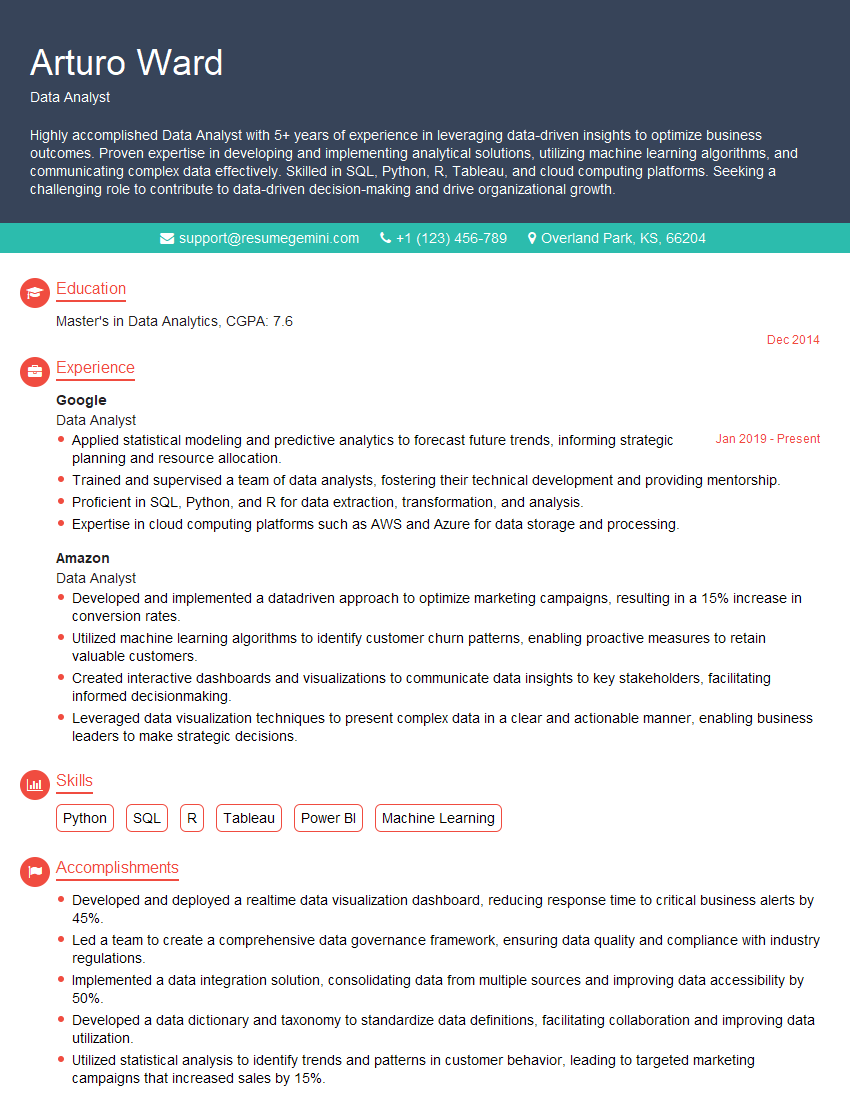
Data Analyst Resume Sample
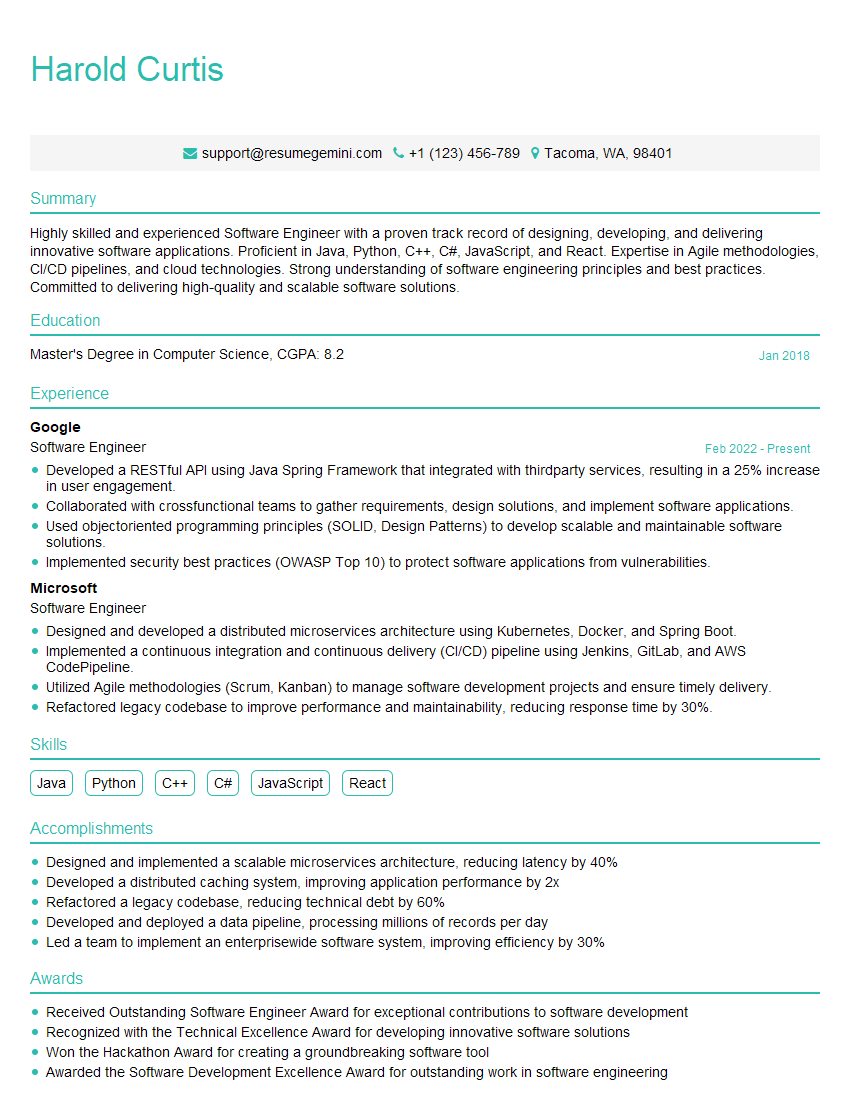
Software Engineer Resume Sample
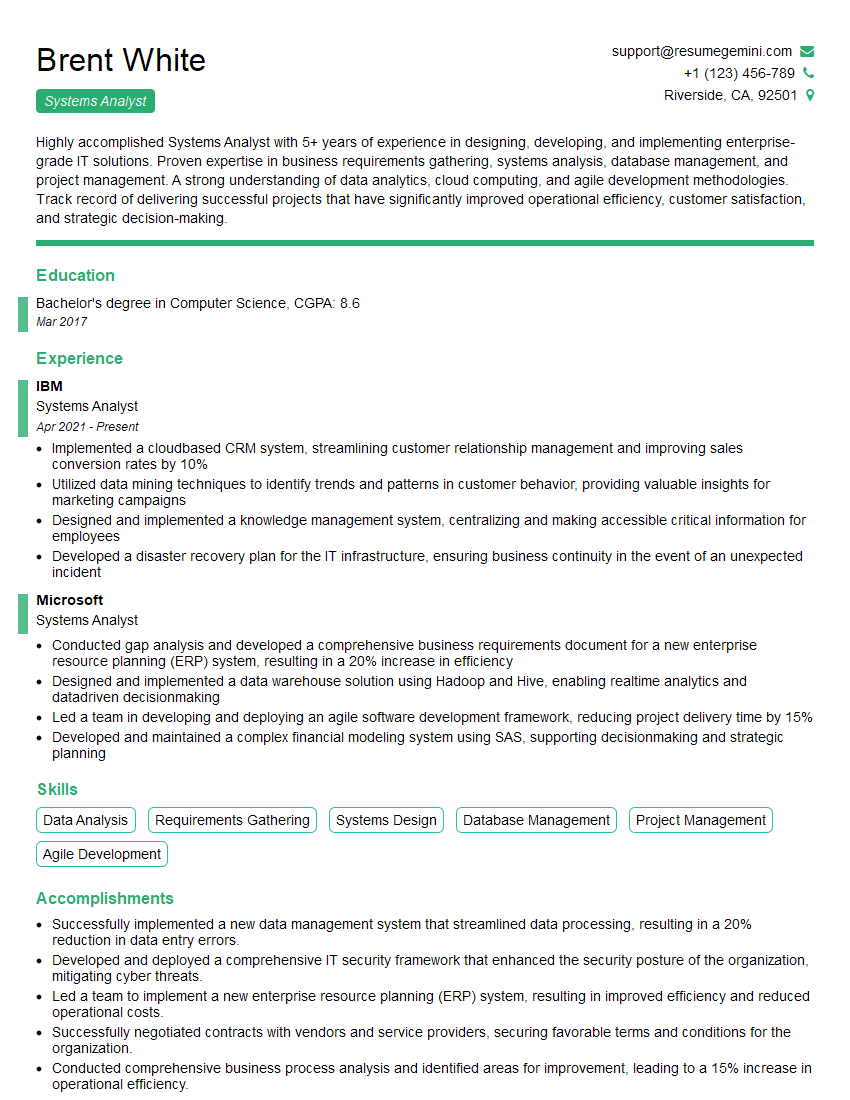
Systems Analyst Resume Sample
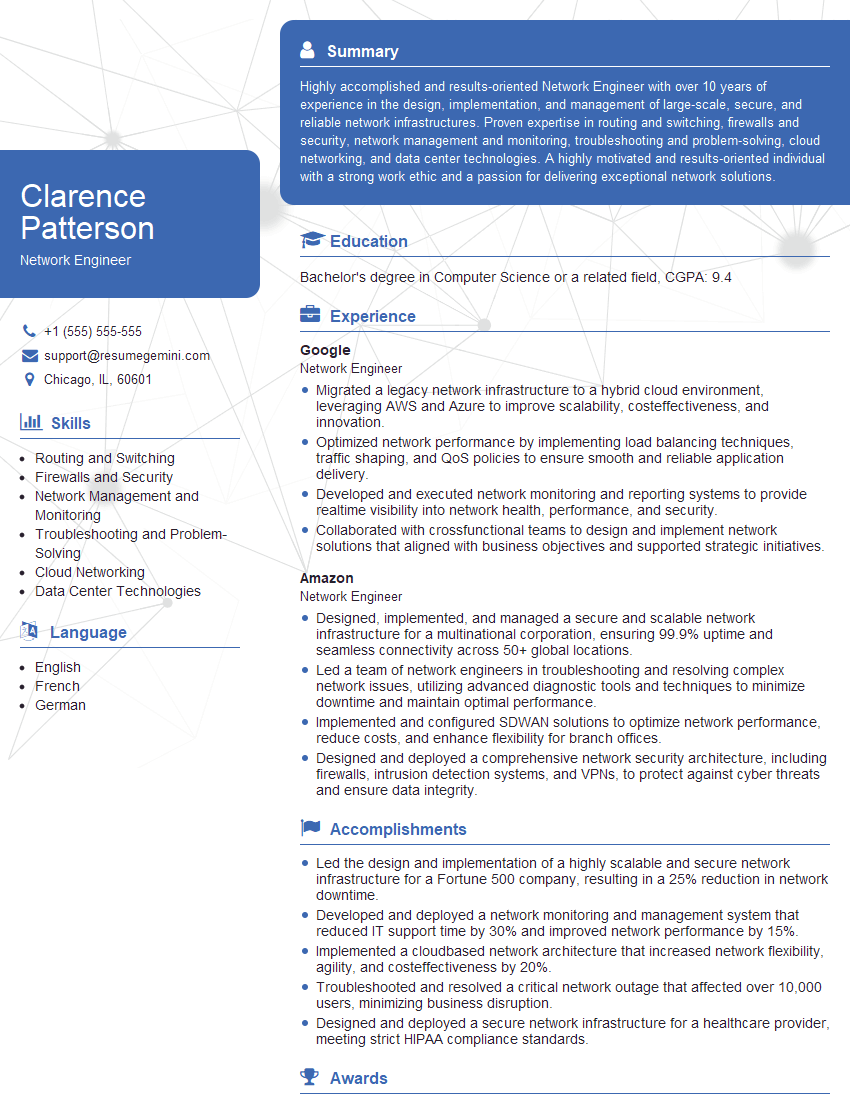
Network Engineer Resume Sample
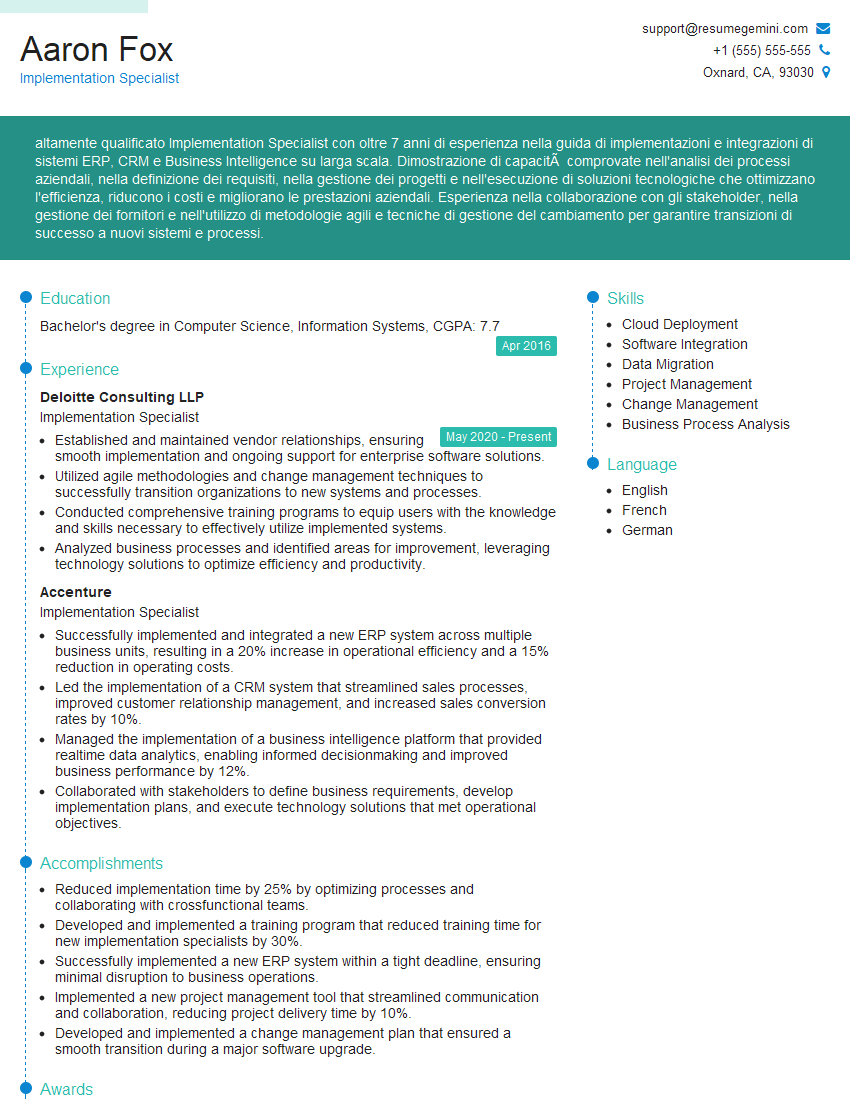
Implementation Specialist Resume Sample
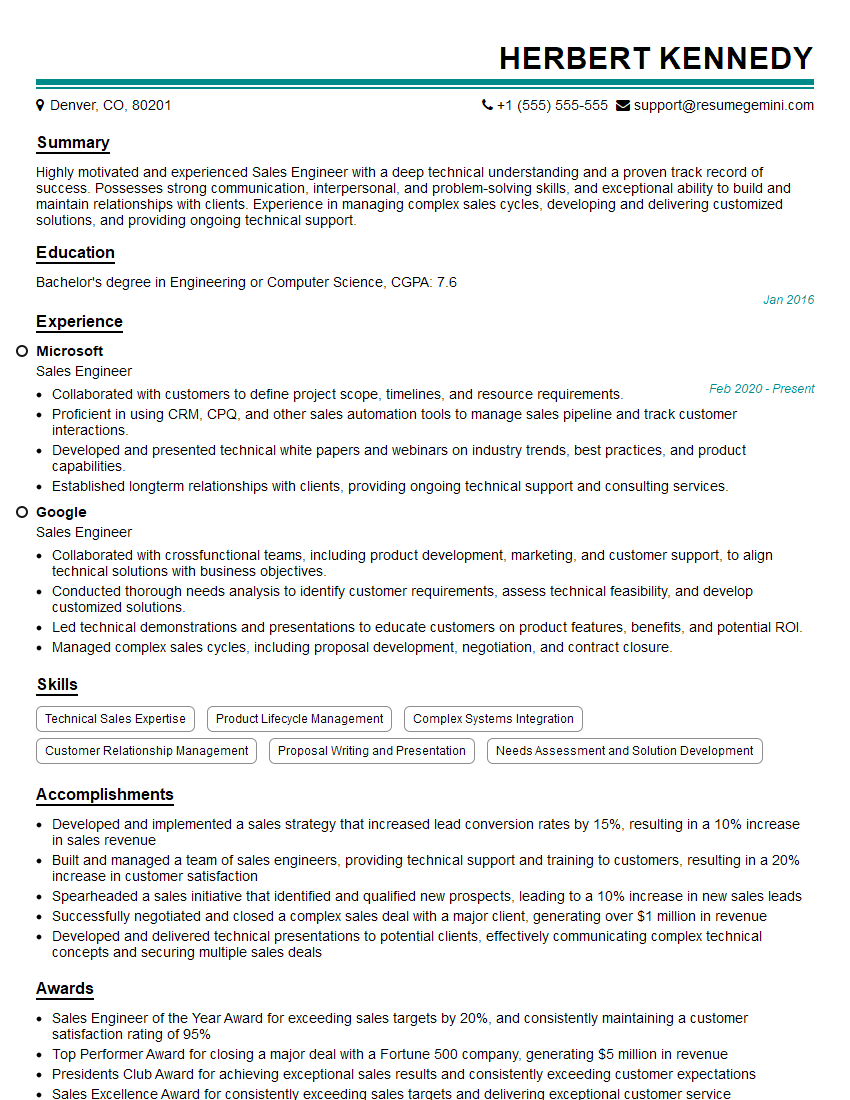
Sales Engineer Resume Sample
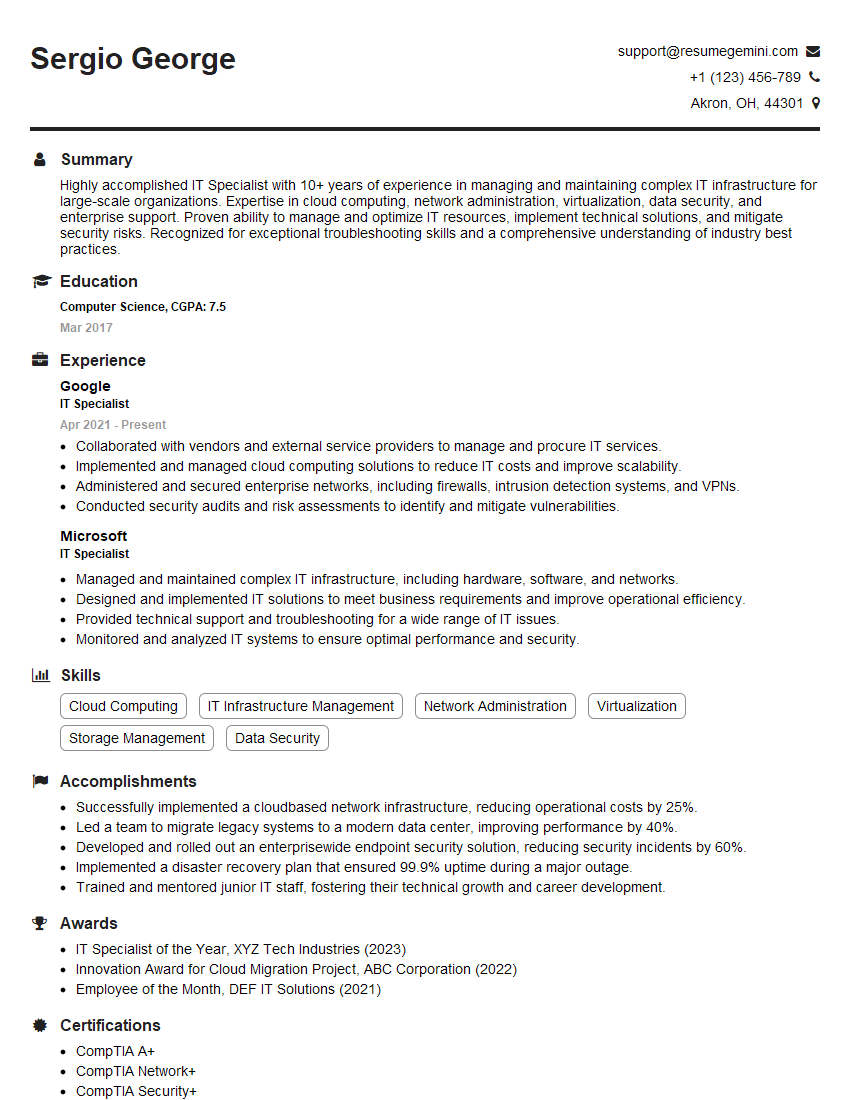
IT Specialist Resume Sample
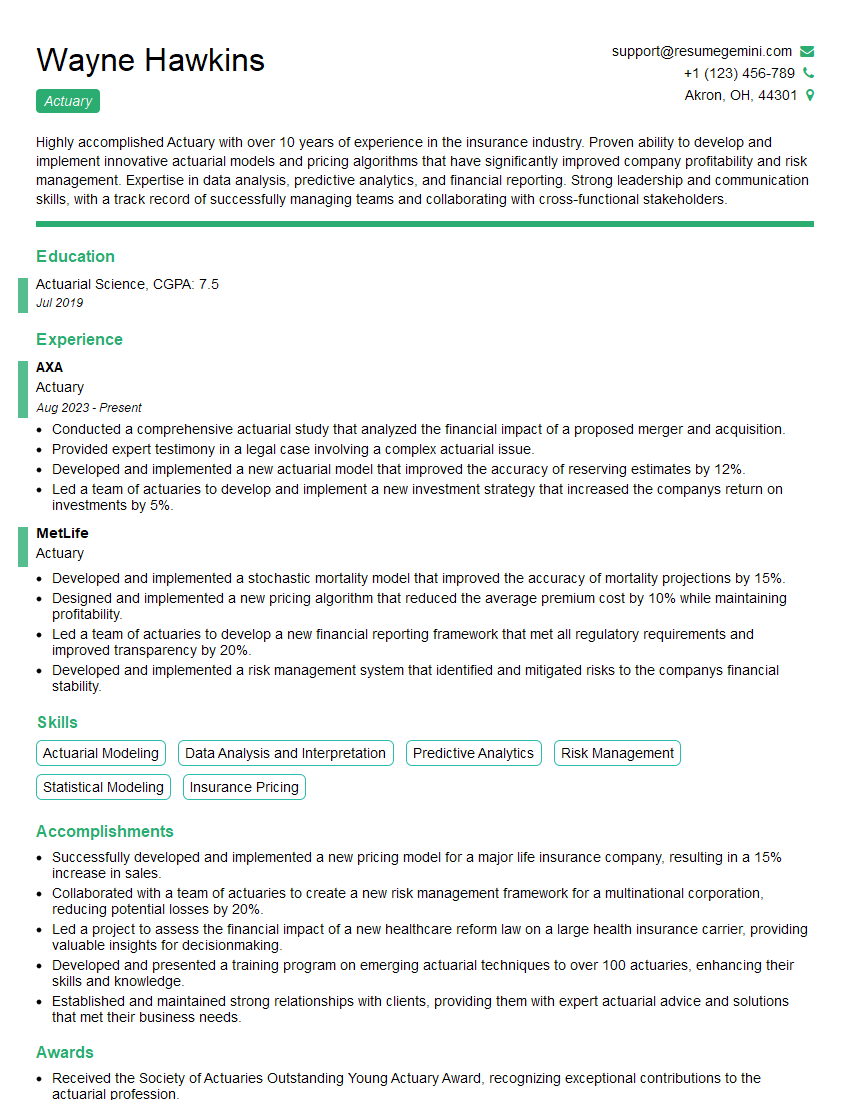
Actuary Resume Sample
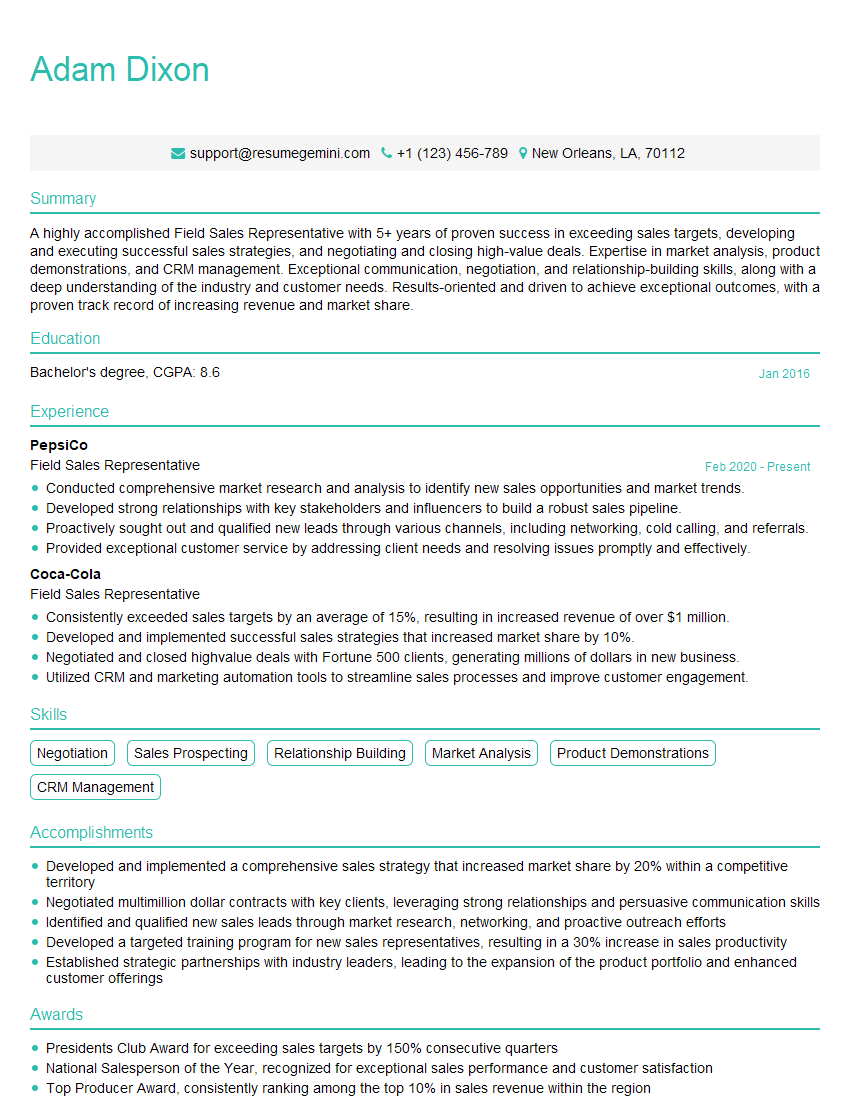
Field Sales Representative Resume Sample
- Operations Manager
- Account Manager
- Marketing Manager
- Supply Chain Manager
- Human Resources Manager
- Project Manager
- Compliance Officer
- Recruiter
- Business Analyst
- Training Specialist
- Technical Consultant
- Security Analyst
- Auditor
- Financial Analyst
- Underwriter
- Data Analyst
- Software Engineer
- Systems Analyst
- Network Engineer
- Implementation Specialist
- Sales Engineer
- IT Specialist
- Actuary
- Field Sales Representative
Explore more articles
Users Rating of Our Blogs
Share Your Experience
We value your feedback! Please rate our content and share your thoughts (optional).
What Readers Say About Our Blog
To the interviewgemini.com Webmaster.
Very helpful and content specific questions to help prepare me for my interview!
Thank you
To the interviewgemini.com Webmaster.
This was kind of a unique content I found around the specialized skills. Very helpful questions and good detailed answers.
Very Helpful blog, thank you Interviewgemini team.