Preparation is the key to success in any interview. In this post, we’ll explore crucial Yeast Fermentation Operations interview questions and equip you with strategies to craft impactful answers. Whether you’re a beginner or a pro, these tips will elevate your preparation.
Questions Asked in Yeast Fermentation Operations Interview
Q 1. Explain the different phases of yeast fermentation.
Yeast fermentation is a complex process typically divided into several distinct phases. Think of it like a marathon, not a sprint. Each phase has specific characteristics and metabolic activity.
Lag Phase: This initial phase is characterized by low metabolic activity as yeast cells adapt to their new environment. Imagine the yeast cells as athletes getting ready for a race – they need time to adjust to the starting line before they can perform at their peak. During this phase, cells are primarily focused on synthesizing necessary enzymes and repairing any damage incurred during harvesting or transport.
Log Phase (Exponential Phase): Once adapted, the yeast cells enter a period of rapid growth and multiplication. This is the most active metabolic phase, marked by a significant increase in cell numbers and rapid substrate consumption. This is like the athletes hitting their stride, running at their peak speed and efficiency.
Stationary Phase: As nutrients become depleted and waste products accumulate, growth slows down and eventually plateaus. The rate of cell division equals the rate of cell death. Think of this as the athletes nearing the finish line – their pace might slow down, but they still persevere. The production of secondary metabolites often begins here.
Decline Phase (Death Phase): In this final phase, nutrient exhaustion and toxic byproducts cause a decrease in viable yeast cells. Essentially, this is the post-race period for the athletes. Some of the cells are exhausted and unable to continue the process.
Q 2. Describe the role of oxygen in yeast fermentation.
Oxygen’s role in yeast fermentation is multifaceted and depends on the type of fermentation. It’s crucial to understand that yeast can perform both aerobic and anaerobic respiration.
Aerobic Respiration: In the presence of oxygen, yeast undergoes aerobic respiration, converting sugars into carbon dioxide, water, and significant amounts of ATP (energy). This is like having a robust engine with plentiful fuel—it runs efficiently and powerfully. This phase is typically desired in the initial stages of fermentation, to build up a strong yeast population.
Anaerobic Respiration (Fermentation): Under anaerobic conditions (absence of oxygen), yeast switches to fermentation. This produces ethanol and carbon dioxide as primary byproducts, along with a smaller amount of ATP. This is like shifting to a more fuel-efficient mode but at a lower power output. This is the process we often aim for in brewing beer or making wine.
Oxygen control is therefore critical in determining the type of metabolism and subsequently the final product profile. A carefully controlled oxygen supply during the initial stages ensures strong yeast growth before switching to anaerobic conditions for alcohol production.
Q 3. What are the key factors influencing yeast fermentation efficiency?
Several factors significantly impact yeast fermentation efficiency. Think of these factors as the ingredients for a perfect recipe; if one is off, the whole process is affected.
Yeast Strain: Different strains have varying tolerance to different conditions (temperature, pH, alcohol tolerance etc.). Choosing the right strain is crucial for the desired outcome.
Temperature: Optimal temperature is crucial for enzyme activity and yeast metabolism. Too high, and the enzymes denature; too low, and the yeast becomes sluggish.
pH: Yeast growth and fermentation efficiency are highly sensitive to pH levels. The optimum pH varies among yeast strains.
Nutrient Availability: Yeast requires essential nutrients (nitrogen, vitamins, etc.) for growth and metabolism. Nutrient deficiency can significantly hamper fermentation.
Substrate Concentration: The concentration of sugars (glucose, fructose, etc.) directly influences fermentation rate. Too much sugar can inhibit fermentation (osmotic stress).
Oxygen Availability: Controlled oxygen availability is crucial for initial yeast growth.
Contamination: Bacterial or other microbial contamination can compete with yeast for nutrients and can adversely impact fermentation.
Q 4. How do you monitor and control temperature during fermentation?
Temperature control is paramount during fermentation. Think of it like a precise oven for baking—it needs to maintain a consistent temperature to produce the best result. This is typically achieved through a combination of methods.
Temperature Sensors: Precise temperature monitoring is achieved using thermocouples or resistance temperature detectors (RTDs) placed within the fermentation vessel. These sensors provide real-time data on the fermentation temperature.
Cooling Systems: Glycol-based cooling jackets or coils surrounding the fermentation vessel are commonly used to remove excess heat generated during fermentation. This is similar to a refrigerator’s cooling system maintaining the internal temperature.
Heating Systems: Heating elements or steam injection can be utilized to maintain the optimal temperature, especially during the initial stages of fermentation in colder environments.
Automated Control Systems: Sophisticated fermentation systems often incorporate programmable logic controllers (PLCs) or distributed control systems (DCS) that automatically regulate temperature based on pre-programmed set points and real-time feedback from sensors.
These methods work together to provide consistent and precise temperature control, maximizing fermentation efficiency and product quality.
Q 5. What are the common methods for measuring yeast cell density?
Measuring yeast cell density is critical for monitoring fermentation progress and ensuring optimal conditions. Several methods are available, each with its own advantages and limitations.
Hemocytometer: This is a simple, microscopy-based method that directly counts cells in a known volume. It’s cost-effective but labor-intensive and can be prone to error for high cell density.
Spectrophotometry: This method measures the optical density (OD) of a yeast suspension, providing an indirect measure of cell density. It is fast and convenient but requires a calibration curve and isn’t as precise for very high or low densities.
Coulter Counter: This instrument uses electrical impedance to count and size individual cells as they pass through a small aperture. It’s fast and accurate but relatively expensive.
Flow Cytometry: This advanced technique allows for both counting and sorting cells based on various properties like size and fluorescence, providing detailed information about the yeast population. This is powerful but significantly more expensive and requires specialized expertise.
Q 6. Explain the importance of pH control in yeast fermentation.
pH control is crucial for maintaining optimal yeast fermentation. It directly impacts yeast metabolism, enzyme activity, and the production of desirable metabolites. Think of pH as another crucial ingredient in our fermentation ‘recipe’—it needs to be just right.
Maintaining the optimal pH range prevents unwanted byproducts formation and ensures efficient sugar conversion to ethanol or other desired end-products. Outside of the optimal range, the yeast cells may experience stress, inhibiting growth and fermentation efficiency.
pH control is typically achieved using acid or base additions (e.g., phosphoric acid or ammonium hydroxide) guided by real-time pH monitoring. Automated systems can manage these additions precisely, ensuring consistent pH levels throughout the fermentation process.
Q 7. Describe different types of yeast used in fermentation and their applications.
Many different yeast species and strains are used in fermentation, each with unique characteristics suited to specific applications.
Saccharomyces cerevisiae: This is the workhorse of the fermentation world, widely used in baking, brewing (beer, ale, lager), and winemaking. Different strains are selected based on desired fermentation characteristics, such as high ethanol tolerance, flocculation properties (ability to clump together), and aroma production.
Saccharomyces pastorianus: This hybrid yeast strain is specifically used for lager beer production, capable of fermenting at lower temperatures than S. cerevisiae. It allows for the characteristic lager flavor profile.
Saccharomyces bayanus: This yeast is often used in secondary fermentation in winemaking, contributing to specific aroma and flavor compounds.
Kluyveromyces marxianus: This yeast is known for its high-temperature tolerance and is used in some industrial applications to produce ethanol and other metabolites.
Non-Saccharomyces Yeasts: These yeasts are increasingly used in winemaking to add complexity and unique aromatic characteristics. Examples include Torulaspora delbrueckii and Lachancea thermotolerans.
The choice of yeast strain is a critical decision, influencing the final product’s quality, aroma, flavor, and overall characteristics. Expert knowledge of different yeast strains and their respective properties is crucial for achieving desired fermentation outcomes.
Q 8. How do you handle contamination issues during yeast fermentation?
Contamination is a major concern in yeast fermentation, as unwanted microorganisms can compete with yeast for nutrients, produce off-flavors, and even spoil the entire batch. Handling contamination requires a multi-pronged approach focused on prevention and rapid detection.
- Sanitation: Thorough cleaning and sanitization of all equipment, including fermenters, piping, and transfer lines, is paramount. We use appropriate cleaning agents and sanitizers like sodium hydroxide and peracetic acid, followed by rigorous rinsing to remove any residue. Think of it like meticulously cleaning a kitchen before baking a cake – you wouldn’t want any unwanted bacteria in your batter!
- Aseptic Techniques: Strict adherence to aseptic techniques during inoculum preparation, media preparation, and transfer operations is critical. This includes using sterile media, employing laminar flow hoods, and sterilizing all tools and equipment. Imagine a surgeon performing an operation – the level of cleanliness is similar.
- Monitoring: Regular monitoring of fermentation parameters (pH, temperature, dissolved oxygen) allows for early detection of contamination. Any deviation from the normal profile often signals trouble. Microscopic examination of samples can confirm the presence of unwanted organisms.
- Environmental Control: Maintaining a clean fermentation environment is essential. This includes controlling air quality through filtration and minimizing dust and other particulate matter.
- Antimicrobial Strategies (Careful Consideration): In some cases, carefully controlled use of antimicrobial agents might be considered as a last resort, but it’s crucial to avoid the development of resistant strains and ensure the safety of the final product.
For instance, in a recent wine fermentation, we detected lactic acid bacteria contamination evidenced by an unexpected drop in pH. Swift action involving increased sanitation protocols and a partial batch discard prevented widespread spoilage.
Q 9. What are the common byproducts of yeast fermentation?
Yeast fermentation produces a range of byproducts, many of which contribute to the final product’s aroma, flavor, and texture. Some common byproducts include:
- Ethanol: The primary byproduct in alcoholic fermentation.
- Carbon Dioxide (CO2): A gas produced during fermentation, often used for carbonation in beverages.
- Glycerol: A polyol that contributes to the sweetness and body of fermented products.
- Higher alcohols (fusel oils): These include compounds like amyl alcohol and isobutanol, contributing to the complexity of flavor profiles, but in excessive amounts can cause off-flavors.
- Esters: Formed from the reaction of acids and alcohols, esters contribute significantly to fruity and floral aromas.
- Organic acids: Such as lactic acid and acetic acid, impacting flavor and pH. Too much acetic acid, for instance, can lead to a vinegar-like taste.
- Aldehydes and ketones: Contribute to flavor and aroma but can be undesirable at high concentrations.
The specific byproducts and their concentrations depend on factors such as yeast strain, fermentation conditions (temperature, pH, nutrients), and raw materials used. For example, a wine fermented at a cooler temperature will typically produce a different profile of esters than one fermented at a warmer temperature.
Q 10. Explain the process of yeast strain selection.
Yeast strain selection is a critical step in fermentation, as different strains exhibit varying characteristics impacting the final product’s quality. The selection process involves evaluating multiple strains based on several factors:
- Desired Product Characteristics: This is the primary driver. Are we aiming for high ethanol yield, specific aroma profiles, or resistance to certain stressors? For example, a baker’s yeast strain will be chosen for its rapid fermentation rate and gas production, while a wine yeast strain will be chosen for its aroma and flavor contributions.
- Fermentation Kinetics: We assess parameters like fermentation rate, lag phase duration, and maximum ethanol tolerance. A faster fermentation rate is usually desirable for efficiency.
- Stress Tolerance: The ability of the strain to withstand temperature fluctuations, high ethanol concentrations, or other challenging conditions is crucial, especially in industrial settings.
- Flocculation Properties: This refers to the yeast cells’ tendency to clump together. Different flocculation characteristics can impact the clarity of the final product and ease of processing.
- Flavor and Aroma Production: Analysis of volatile compounds produced during fermentation helps assess the flavor and aroma profile imparted by the strain.
- Genetic Stability: The strain’s ability to maintain its desired characteristics over multiple generations is essential for consistent product quality.
Often, we utilize small-scale fermentations to screen multiple strains under controlled conditions before choosing the optimal one for large-scale production. This approach allows for a direct comparison of performance.
Q 11. Describe the methods used for yeast propagation and inoculation.
Yeast propagation and inoculation are crucial for ensuring a successful and robust fermentation. The process typically involves several stages:
- Laboratory Scale: We begin by reviving a cryopreserved yeast stock (a frozen culture) on agar plates or in liquid media. This is like waking up a sleeping yeast colony!
- Scale-up: The yeast culture is then transferred to progressively larger vessels (shake flasks, small fermenters) to increase the yeast biomass, much like expanding a garden from a seedling to a mature plant.
- Inoculum Preparation: The final step involves preparing a high-density yeast suspension (the inoculum) ready for transfer to the main fermenter. The inoculum size is carefully calculated to ensure optimal fermentation performance.
- Inoculation: This is the process of introducing the prepared inoculum into the main fermenter containing sterile wort (the nutrient solution for yeast). The inoculum is usually added under aseptic conditions to prevent contamination. Think of this as planting a fully grown plant in the main field.
Different methods exist for propagation – such as batch, fed-batch, and continuous cultivation – each selected based on factors like the desired inoculum size, fermentation scale, and yeast strain’s characteristics.
Q 12. What are the key quality control parameters for yeast fermentation?
Robust quality control (QC) throughout the fermentation process is essential. Key parameters include:
- Yeast Viability and Concentration: Regular monitoring of yeast cell count and viability using techniques like hemocytometry or flow cytometry ensures optimal fermentation performance. Low viability can significantly impact fermentation efficiency.
- pH: Continuously monitoring and controlling pH is vital as it affects yeast metabolism and product quality. Significant deviations from the target pH might indicate contamination or stress.
- Temperature: Precise temperature control is essential as it directly affects yeast metabolism and fermentation rate. Deviations can lead to off-flavors or reduced yield.
- Dissolved Oxygen (DO): In aerobic or microaerobic fermentations, dissolved oxygen levels must be carefully monitored and controlled to maintain optimal yeast growth and product formation.
- Substrate Concentration: Monitoring of sugar concentration (e.g., glucose) helps assess the progress of fermentation and predict completion time.
- Product Concentration: Regular analysis of the desired product (e.g., ethanol, CO2) ensures the fermentation is proceeding as expected.
- Sensory Evaluation: Tasting or smelling samples periodically helps detect any off-flavors or other undesirable attributes at an early stage. This is especially important in food and beverage fermentations.
Regular QC checks help identify and address any deviations promptly, ensuring consistent product quality. For example, a sudden drop in pH could suggest contamination, prompting immediate action to mitigate the issue.
Q 13. How do you troubleshoot common problems in yeast fermentation?
Troubleshooting fermentation problems requires a systematic approach. The first step involves identifying the problem, which often requires analyzing QC data and observing fermentation behavior. Common problems and solutions include:
- Slow or Stuck Fermentation: This could be due to low yeast viability, nutrient depletion, or inhibitory compounds in the media. Solutions could involve adding fresh yeast, supplemental nutrients (e.g., yeast extract, diammonium phosphate), or removing inhibitors.
- High levels of off-flavors: This could result from high concentrations of byproducts (e.g., fusel oils, acetaldehyde), contamination, or improper fermentation conditions (temperature, pH). Solutions might include selecting a different yeast strain, adjusting fermentation conditions, or employing filtration techniques to remove off-flavor compounds.
- Contamination: Microscopic analysis and sterility tests are essential for confirming contamination. Solutions involve enhanced sanitation, improved aseptic techniques, and potentially batch discard.
- Low Ethanol Yield: This might be due to factors such as low yeast viability, nutrient limitations, or oxygen availability. Solutions could involve improved yeast propagation, nutrient supplementation, or adjusting aeration rates.
In a recent beer fermentation, we encountered a slow fermentation rate. By analyzing the wort composition, we discovered a nutrient deficiency, which was promptly resolved by adding yeast extract, resulting in a successful completion of the fermentation.
Q 14. Explain the role of sterilization in yeast fermentation.
Sterilization is a critical aspect of yeast fermentation, aimed at eliminating all viable microorganisms, including bacteria, fungi, and viruses, from the fermentation environment. This prevents contamination and ensures the desired yeast strain dominates the fermentation process. Several methods are employed:
- Autoclaving: This is a common method involving steam sterilization under high pressure and temperature (typically 121°C for 15-20 minutes), effectively killing most microorganisms. This is the gold standard for sterilizing media and equipment.
- Filtration: Sterile filtration uses filters with pore sizes small enough to remove microorganisms from liquids. This method is used for sterilizing heat-sensitive solutions like some media components.
- UV Sterilization: Ultraviolet light can be used to sterilize surfaces and air, reducing the microbial load in the fermentation environment. However, this is often used in conjunction with other methods.
- Chemical Sterilization: Chemical agents like chlorine, hydrogen peroxide, or peracetic acid are used to sanitize surfaces and equipment. Careful selection and appropriate concentrations are crucial to avoid the carryover of harmful chemicals.
The level of sterility required depends on the specific fermentation process and the desired product quality. For example, pharmaceutical fermentations require the highest level of sterility, employing multiple sterilization steps to minimize any risk of contamination.
Q 15. Describe the different types of fermenters used in industrial settings.
Industrial yeast fermentation employs various fermenter types, each with its own advantages and disadvantages. The choice depends on factors like scale, product, and process requirements.
Stirred-tank reactors (STRs): These are the most common type, featuring an impeller for mixing and aeration. They’re versatile and suitable for various fermentation processes, from small-scale lab work to large-scale industrial production. Think of them as giant, highly controlled mixing bowls.
Airlift bioreactors: These use air to mix and aerate the broth, eliminating the need for a mechanical impeller. They’re simpler to construct and maintain, reducing shear stress on sensitive cells, but are less efficient in mixing at larger scales.
Fluidized bed bioreactors: Here, the cells are immobilized on a support material and kept suspended in a fluidized state by the upward flow of the medium. This setup allows for high cell densities and efficient mass transfer but might suffer from clogging or cell detachment issues.
Packed bed bioreactors: In this design, the cells are immobilized on a solid support matrix packed within the reactor. This provides high cell densities and easy separation of cells from the product, but mass transfer limitations can be a problem.
The selection of a fermenter type depends greatly on the specific yeast strain being used, the desired product, and the overall process economics. For instance, sensitive yeast strains might benefit from the gentler mixing of an airlift reactor, while high-throughput production often necessitates the scalability of a stirred-tank reactor.
Career Expert Tips:
- Ace those interviews! Prepare effectively by reviewing the Top 50 Most Common Interview Questions on ResumeGemini.
- Navigate your job search with confidence! Explore a wide range of Career Tips on ResumeGemini. Learn about common challenges and recommendations to overcome them.
- Craft the perfect resume! Master the Art of Resume Writing with ResumeGemini’s guide. Showcase your unique qualifications and achievements effectively.
- Don’t miss out on holiday savings! Build your dream resume with ResumeGemini’s ATS optimized templates.
Q 16. What are the advantages and disadvantages of batch and continuous fermentation?
Batch and continuous fermentation represent distinct approaches to yeast cultivation, each offering advantages and drawbacks.
Batch Fermentation: In this method, all nutrients are added at the beginning, and the process runs until the desired product is achieved. It’s like baking a cake – you add all the ingredients and wait for it to bake. Advantages: Simpler operation, easier to control, less contamination risk. Disadvantages: Lower productivity per unit volume, longer process time, less consistent product quality.
Continuous Fermentation: Here, nutrients are continuously fed, and the product is continuously removed. Think of it like a flowing river – nutrients flow in, product flows out, maintaining a steady state. Advantages: Higher productivity, more consistent product quality, reduced labor costs. Disadvantages: More complex to operate and control, higher risk of contamination, greater capital investment.
The optimal choice depends on factors like the desired product, scale of production, and economic considerations. For instance, a high-value product might justify the investment in continuous fermentation to maximize production efficiency, while a smaller-scale operation might opt for the simplicity of batch fermentation.
Q 17. Explain the principle of fed-batch fermentation.
Fed-batch fermentation combines the best features of batch and continuous processes. Nutrients are added incrementally throughout the fermentation process, rather than all at once. This approach allows for improved control over the fermentation, enhances product yield, and reduces byproduct formation.
Imagine you’re training for a marathon. You don’t eat everything at once before the start; you consume food strategically throughout the race to maintain energy levels. Similarly, in fed-batch fermentation, substrate feeding is precisely controlled to optimize yeast growth and product formation without inhibiting growth or causing unwanted byproducts.
The precise feeding strategy is often tailored to the specific yeast strain and desired outcome, often involving sophisticated control algorithms that adjust the feeding rate based on real-time monitoring of key parameters like pH, dissolved oxygen, and biomass concentration. This approach is particularly useful when dealing with catabolite repression, where the presence of excess substrate inhibits the production of the desired product.
Q 18. How do you scale up a yeast fermentation process?
Scaling up a yeast fermentation process requires a methodical approach ensuring consistency and reproducibility. It’s not simply about increasing the size of the fermenter; maintaining process parameters is crucial. The following steps are usually involved:
Characterize the process at the lab scale: Thoroughly investigate the process in small-scale fermenters, determining optimal parameters such as temperature, pH, aeration, and nutrient concentrations.
Scale-up strategy: Employ strategies like maintaining constant power input per unit volume (P/V) or constant oxygen transfer rate (OTR) to ensure consistent oxygen transfer and mixing as the scale increases.
Geometric similarity: Maintain similar geometry between the lab and production-scale fermenters to minimize the impact of scale-up on mixing and mass transfer.
Process validation: Rigorously test the scaled-up process to verify that the product quality and yield remain consistent.
Pilot plant studies: Conduct trials in a pilot plant fermenter, which acts as an intermediate step before full-scale production. This allows for further optimization and problem-solving before committing to large-scale production.
Careful consideration must also be given to factors like oxygen transfer, heat removal, and mixing efficiency, which become increasingly important at larger scales. Software simulations can help model and predict process behavior during scale-up, minimizing risks and optimizing resource allocation.
Q 19. Describe the downstream processing steps involved in yeast fermentation.
Downstream processing in yeast fermentation involves several steps to separate and purify the desired product from the fermentation broth. This can be highly complex depending on the target product.
Cell separation: This involves removing yeast cells from the broth. Techniques include centrifugation, filtration (microfiltration, ultrafiltration), and flocculation.
Product recovery: This step focuses on extracting the desired product from the cell-free broth. Techniques may include extraction, precipitation, chromatography, or membrane filtration.
Purification: The extracted product often requires further purification to remove impurities and achieve the desired level of purity. Chromatography (HPLC, ion-exchange), crystallization, or other separation techniques are employed.
Formulation: The purified product is formulated into its final form, which might involve drying, blending, or adding other ingredients to improve stability, shelf life, or usability.
For instance, in the production of ethanol, downstream processing might involve distillation to concentrate the ethanol, while in the production of a specific protein, multiple chromatography steps may be necessary to reach pharmaceutical-grade purity.
Q 20. What are the safety considerations in yeast fermentation operations?
Yeast fermentation operations pose several safety considerations. Key aspects include:
Infection control: Preventing contamination of the fermentation broth by unwanted microorganisms is critical. This requires stringent hygiene practices, including sterilization of equipment and media, and maintaining aseptic conditions during the process.
Pressure build-up: Fermentation can generate pressure due to CO2 production. Adequate venting and pressure relief systems are essential to prevent explosions or equipment damage.
Flammability: Some fermentations involve flammable solvents or gases. Proper ventilation and fire safety measures are necessary.
Biological hazards: Depending on the yeast strain and process, there may be potential exposure to allergens or other biological hazards. Appropriate personal protective equipment (PPE) and safety protocols are essential.
Chemical hazards: Certain chemicals used in the process, such as acids and bases, pose chemical hazards. Proper handling, storage, and disposal procedures are required.
A robust safety management system incorporating risk assessment, safety training, and emergency response procedures is vital for safe yeast fermentation operations.
Q 21. Explain the principles of good manufacturing practices (GMP) in fermentation.
Good Manufacturing Practices (GMP) in fermentation are a set of guidelines that ensure the consistent production of high-quality products that meet safety and quality standards. Adherence to GMP is critical for regulatory compliance and maintaining consumer trust.
Key aspects of GMP in fermentation include:
Facility design and maintenance: The fermentation facility must be designed and maintained to prevent contamination and ensure efficient operation. Clean rooms and controlled environments are often necessary.
Equipment qualification and calibration: Fermentation equipment must be properly qualified and calibrated to ensure accurate and reliable operation.
Raw material control: Raw materials used in the process, such as nutrients and yeast strains, must be carefully controlled and tested to ensure quality and purity.
Process control and monitoring: Critical process parameters such as temperature, pH, dissolved oxygen, and pressure must be precisely controlled and monitored to ensure consistent product quality.
Documentation and record-keeping: Detailed records of all aspects of the fermentation process must be maintained, including batch records, cleaning logs, and calibration data.
Personnel training: Personnel involved in fermentation operations must receive proper training on GMP principles, aseptic techniques, and safety procedures.
GMP implementation involves a systematic approach, with continuous monitoring and improvement to maintain high standards of quality and safety throughout the fermentation process. Non-compliance can lead to serious consequences, including product recalls and regulatory sanctions.
Q 22. How do you validate a fermentation process?
Validating a fermentation process ensures its consistency and reliability in producing the desired product. It’s a multi-step process involving several key aspects. Think of it like baking a cake – you need a consistent recipe and process to get the same delicious result every time.
Defining acceptance criteria: Before starting, we must clearly define the key parameters like cell density, product concentration, byproduct levels, and process time that define a successful fermentation. For example, we might specify a minimum ethanol concentration of 12% (v/v) for an alcoholic beverage production.
Process mapping and documentation: A detailed process map, including all steps, equipment, and parameters, is essential. This documentation serves as a baseline for comparison during validation. We’d document everything from the inoculum preparation method to the temperature and pH control profiles.
Qualification of equipment: This involves verifying that all equipment (bioreactors, sensors, pumps, etc.) operates within specified tolerances and provides accurate and reproducible measurements. Think of calibrating your oven to ensure it reaches the correct temperature.
Process performance qualification (PPQ): This is where we run multiple fermentation batches under controlled conditions, meticulously recording all parameters. Statistical analysis is then used to assess whether the process consistently meets the pre-defined acceptance criteria. We’d typically run three batches, ensuring that they’re within the acceptable range, displaying consistent behavior and demonstrating robustness.
Deviation management: A robust system to manage and investigate any deviations from the established process parameters is crucial. If a batch goes off-spec, a thorough investigation is done to identify the root cause and prevent recurrence. A deviation might be an unexpected drop in pH or a slower than anticipated growth rate.
By meticulously following these steps, we ensure that our yeast fermentation process is reliable, consistent, and delivers a high-quality product.
Q 23. Describe your experience with different types of fermentation media.
My experience encompasses a wide range of fermentation media, each tailored to specific yeast strains and desired products. The choice of media heavily influences the fermentation outcome, similar to how different soils affect plant growth.
Synthetic media: These media contain precisely defined components, allowing for excellent control and reproducibility. This is beneficial for research and development where we need to understand the impact of individual nutrients. For example, a minimal media with glucose as the carbon source helps to isolate the effects of specific nutrients.
Complex media: These media utilize complex ingredients like yeast extract, malt extract, or peptone, providing a richer nutrient source and often leading to higher yields. They are easier to formulate but less precise in composition. These are often used for large-scale industrial fermentations where cost-effectiveness is important.
Defined media with supplements: A combination of defined and complex components provides the benefits of both approaches. We may add specific vitamins or trace elements to a defined basal media to optimize growth and production.
Specialized media: For specialized applications, we sometimes use more specialized media formulations tailored to the specific needs of the yeast strain and the desired metabolic pathway. For example, media with specific precursors can be used to enhance the production of a target metabolite.
Selecting the appropriate media is crucial for optimizing yeast growth, product formation, and overall fermentation efficiency. The choice depends on the specific application, cost considerations, and the desired level of control over the fermentation process.
Q 24. What software or tools do you use for data analysis in fermentation?
Data analysis in fermentation is crucial for process optimization and understanding yeast behavior. I utilize a combination of software and tools for this purpose. It’s like having a powerful toolbox to decipher the complex data generated during a fermentation.
LabVIEW: I use LabVIEW for real-time data acquisition and monitoring of fermentation parameters directly from the bioreactor. This allows for immediate adjustments and intervention if needed. It’s like having a dashboard displaying all the vital signs of the fermentation.
MATLAB: MATLAB is invaluable for advanced data analysis, model building, and process simulation. We use it to analyze large datasets, identify trends, and develop predictive models for optimization. It’s like a powerful microscope for examining the data in detail.
Spreadsheet software (Excel, Google Sheets): For simpler data handling and visualization, I rely on spreadsheet software. It’s a quick and easy way to get an overview of the data before more advanced analysis.
Statistical software (R, Python with relevant packages): For rigorous statistical analysis, I use R or Python (with libraries like Pandas, SciPy, Statsmodels). This is essential for validating process improvements and quantifying the impact of changes.
The selection of software depends on the complexity of the analysis and the available resources. We often utilize a combination of these tools to get a complete understanding of our fermentation data.
Q 25. Explain your understanding of metabolic engineering in yeast fermentation.
Metabolic engineering is a powerful tool for manipulating yeast metabolism to enhance the production of desired compounds. Imagine it as fine-tuning a complex machine to improve its output. It involves modifying the genetic makeup of the yeast to enhance specific metabolic pathways.
Gene overexpression: We can increase the expression of genes encoding enzymes involved in the synthesis of our target product, thus increasing its production. For example, overexpression of enzymes involved in ethanol production could lead to higher yields.
Gene knockout: We can delete genes that encode enzymes involved in the synthesis of unwanted byproducts, diverting resources towards the desired product. Knocking out enzymes that produce competing metabolites enhances the efficiency of the desired pathway.
Pathway engineering: We can create entirely new metabolic pathways within the yeast, introducing genes from other organisms to synthesize novel compounds. For instance, introducing genes for the production of a specific pharmaceutical compound into the yeast genome.
Metabolic engineering offers tremendous potential for optimizing yeast fermentation, leading to increased yields, reduced costs, and the production of novel compounds.
Q 26. How do you ensure the reproducibility of yeast fermentation processes?
Reproducibility in yeast fermentation is paramount for industrial applications. It’s about ensuring consistent results from batch to batch, like a reliable machine producing the same output consistently. This is achieved through a combination of strategies.
Standardized protocols: Meticulously documented Standard Operating Procedures (SOPs) for all aspects of the fermentation process – inoculum preparation, media preparation, bioreactor operation, and downstream processing – ensure consistent operations.
Quality control of materials: Strict quality control measures for all raw materials (media components, yeast strains, etc.) ensures consistent input quality. Regular testing for purity and consistency is a crucial part of this.
Environmental control: Maintaining consistent environmental conditions within the bioreactor (temperature, pH, dissolved oxygen, agitation) is crucial. Precise control of these factors minimizes variability.
Strain maintenance: Proper storage and handling of yeast strains are essential to avoid genetic drift and maintain consistent performance. Regular subculturing and quality checks of the yeast strain are necessary.
Data monitoring and analysis: Careful monitoring and analysis of fermentation parameters help identify and correct any deviations promptly, maintaining consistency.
By implementing these strategies, we minimize variability and ensure the high reproducibility of our yeast fermentation processes.
Q 27. Describe your experience with process optimization techniques in yeast fermentation.
Process optimization in yeast fermentation is an iterative process aimed at maximizing yield and efficiency. It’s like fine-tuning an engine to get the best performance. Various techniques are employed:
Design of Experiments (DOE): DOE helps identify the most influential parameters affecting the fermentation. This systematic approach allows us to efficiently explore the parameter space and find optimal conditions.
Response Surface Methodology (RSM): RSM is used to build mathematical models that describe the relationship between fermentation parameters and the desired response (e.g., product yield). This allows for precise optimization.
Metabolic flux analysis (MFA): MFA helps to understand the flow of metabolites through metabolic pathways, allowing for identification of bottlenecks and potential targets for genetic or process modifications.
Statistical process control (SPC): SPC provides tools for monitoring and controlling the fermentation process, ensuring consistent performance and identifying potential problems early on.
I have extensive experience applying these techniques to improve various aspects of yeast fermentation, such as increasing product yield, reducing fermentation time, and improving product quality.
Q 28. What are your strategies for improving yeast fermentation yields?
Improving yeast fermentation yields requires a multi-faceted approach focusing on several key areas. It’s like nurturing a plant to produce the best possible harvest.
Strain improvement: Utilizing high-yielding yeast strains is fundamental. This might involve selecting naturally occurring high-performing strains or employing metabolic engineering techniques to enhance the production of the desired compound.
Media optimization: Optimizing the composition of the fermentation media can significantly impact yield. This involves carefully selecting and adjusting the concentrations of carbon sources, nitrogen sources, and other essential nutrients.
Process parameter optimization: Optimizing fermentation parameters such as temperature, pH, dissolved oxygen, and agitation rate can significantly improve yield. This often involves using statistical tools and process modeling.
Bioreactor design and operation: Using advanced bioreactor designs and optimized operational strategies can enhance mass transfer and mixing, improving cell growth and product formation.
Downstream processing optimization: Enhancing the efficiency of downstream processing steps, such as cell separation and product purification, can increase overall product recovery and improve yield.
A holistic approach, integrating these strategies, is essential for achieving substantial improvements in yeast fermentation yields. It requires careful planning, experimentation, and a deep understanding of both yeast physiology and process engineering.
Key Topics to Learn for Yeast Fermentation Operations Interview
- Yeast Physiology and Metabolism: Understanding yeast growth curves, nutrient requirements, and metabolic pathways (glycolysis, fermentation, etc.) is crucial. Consider the impact of different environmental factors on yeast performance.
- Fermentation Processes: Become familiar with various fermentation techniques (batch, fed-batch, continuous), their advantages and disadvantages, and how to optimize them for specific applications (e.g., beer brewing, biofuel production).
- Process Control and Monitoring: Mastering techniques for monitoring key parameters (temperature, pH, dissolved oxygen, etc.) and implementing control strategies to maintain optimal fermentation conditions is essential. Understanding automation and data analysis is highly beneficial.
- Sterilization and Aseptic Techniques: Demonstrate a thorough understanding of maintaining sterility throughout the fermentation process to prevent contamination and ensure product quality. This includes understanding sanitation procedures and equipment.
- Quality Control and Assurance: Familiarity with quality control methodologies, including sampling, analysis, and troubleshooting techniques, is vital for ensuring product consistency and meeting regulatory standards.
- Troubleshooting and Problem Solving: Develop your ability to identify and resolve common fermentation challenges, such as slow fermentation rates, contamination issues, and off-flavor development. Be prepared to discuss your approach to problem-solving using a systematic methodology.
- Scale-up and Optimization: Understand the principles and challenges associated with scaling up fermentation processes from laboratory to industrial settings. Discuss strategies for optimizing fermentation processes for yield, productivity, and cost-effectiveness.
- Safety and Regulatory Compliance: Demonstrate knowledge of relevant safety regulations and best practices in a fermentation environment. This includes understanding safe handling of chemicals and equipment.
Next Steps
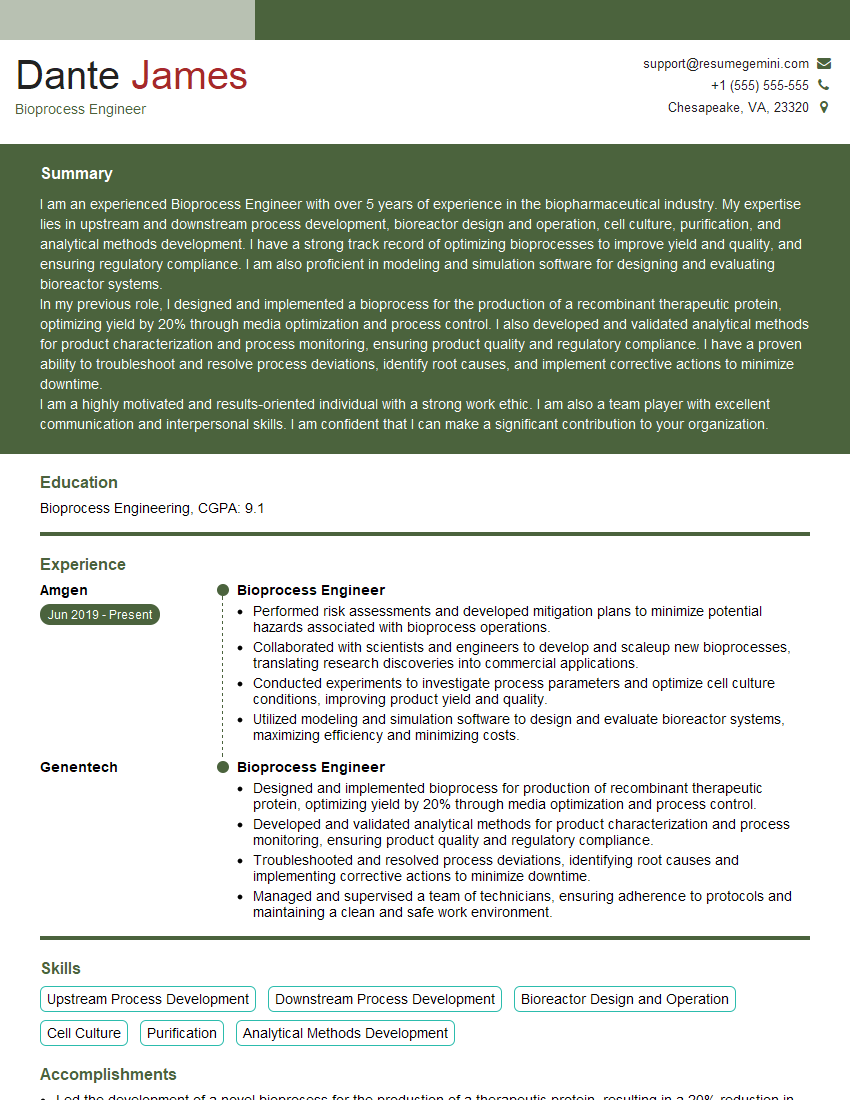
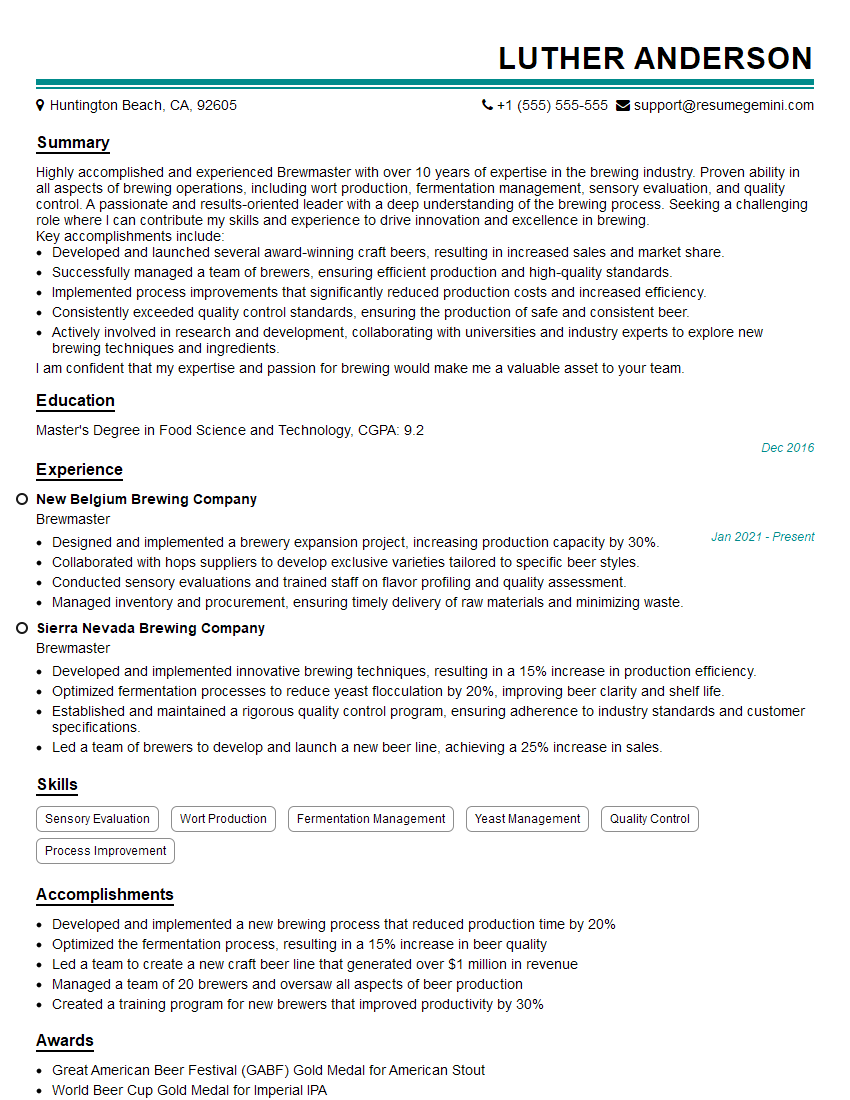
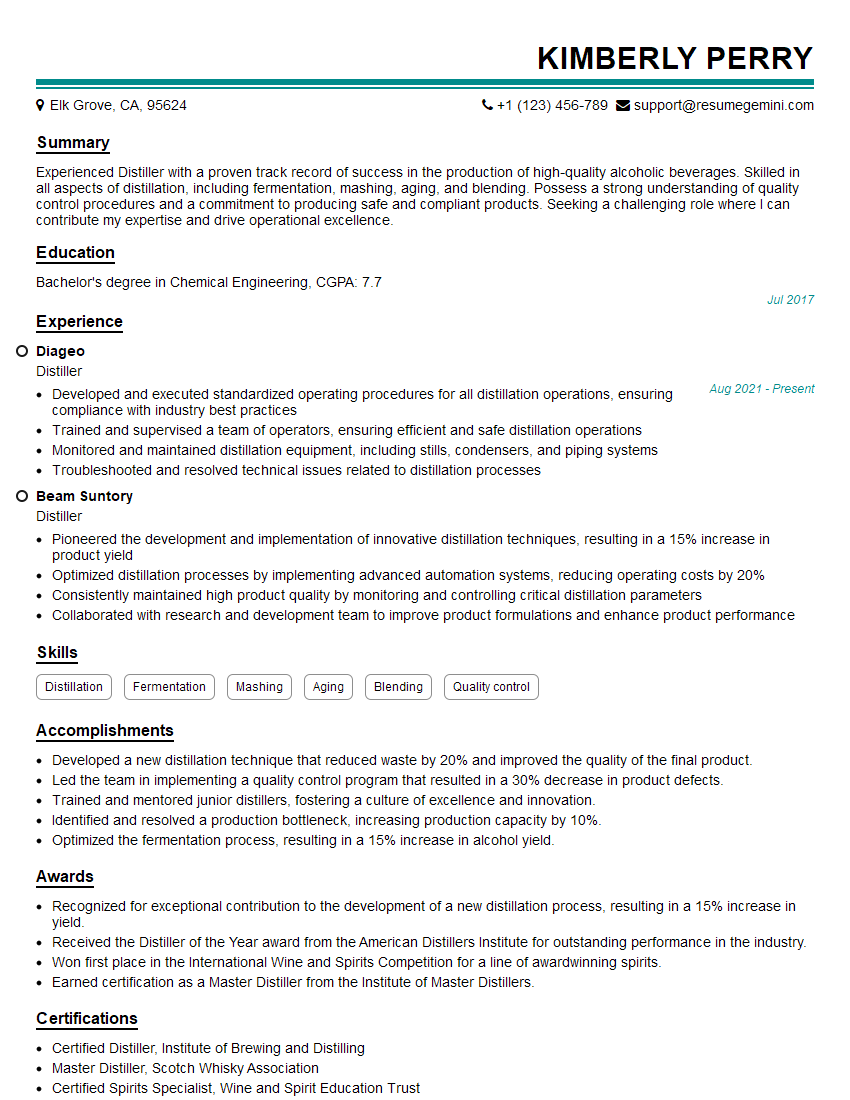
Mastering Yeast Fermentation Operations opens doors to exciting career opportunities in various industries, offering excellent growth potential and diverse roles. To maximize your job prospects, crafting a strong, ATS-friendly resume is paramount. ResumeGemini can be a valuable tool in this process, helping you build a professional and impactful resume that highlights your skills and experience effectively. Examples of resumes tailored to Yeast Fermentation Operations are available to guide you, showcasing how to best present your qualifications to potential employers.
Explore more articles
Users Rating of Our Blogs
Share Your Experience
We value your feedback! Please rate our content and share your thoughts (optional).
What Readers Say About Our Blog
To the interviewgemini.com Webmaster.
Very helpful and content specific questions to help prepare me for my interview!
Thank you
To the interviewgemini.com Webmaster.
This was kind of a unique content I found around the specialized skills. Very helpful questions and good detailed answers.
Very Helpful blog, thank you Interviewgemini team.