Interviews are more than just a Q&A session—they’re a chance to prove your worth. This blog dives into essential Zoning Case File Management interview questions and expert tips to help you align your answers with what hiring managers are looking for. Start preparing to shine!
Questions Asked in Zoning Case File Management Interview
Q 1. Explain the process of initiating a new zoning case file.
Initiating a new zoning case file begins with a formal application submitted by a property owner or developer. This application typically includes detailed information about the proposed project, such as site plans, architectural drawings, and a description of the intended use. The process then involves:
- Application Review: A thorough review of the application to ensure completeness and compliance with all necessary forms and documentation. Any missing information will result in a request for additional materials.
- Preliminary Assessment: This step involves a preliminary assessment of the project’s compatibility with existing zoning regulations. This might include checking for setbacks, height restrictions, and permitted uses in the designated zone.
- Notification: Neighbors and other stakeholders within a designated radius are notified of the proposed project. This allows for public comment and input during the process.
- Case File Creation: Once the application is deemed complete, a unique case file is created. This file serves as a central repository for all documents, correspondence, and decisions related to the case.
- Assignment: The case is assigned to a zoning administrator or case manager responsible for overseeing its progress.
For example, if a homeowner applies to build a larger addition, the file will contain the application itself, survey data, architectural plans, and any correspondence with the applicant or neighbors.
Q 2. Describe your experience with managing digital zoning records.
My experience with managing digital zoning records spans over seven years. I’ve been instrumental in transitioning our department from a paper-based system to a fully digital one, utilizing a cloud-based Geographic Information System (GIS) integrated with a case management software. This allows for efficient searching, data analysis, and streamlined workflows. For instance, using the GIS, we can quickly identify properties based on location, zoning district, or even specific characteristics like proximity to wetlands. The case management software tracks the progress of each case, automatically generates notifications, and ensures consistent record-keeping.
Managing digital records has significantly improved efficiency by reducing storage space, improving accessibility, and enabling easier collaboration among team members and external stakeholders. We also implemented robust security measures to protect sensitive data.
Q 3. How do you ensure the accuracy and completeness of zoning case files?
Accuracy and completeness are paramount in zoning case file management. We use a multi-pronged approach, including:
- Detailed Checklists: Each stage of the process includes a checklist to ensure all necessary documents and information are included.
- Data Validation: We employ data validation techniques to ensure the information entered into the system is accurate and consistent. For example, we use automated cross-checks to ensure that property addresses match tax records.
- Regular Audits: Regular audits of the case files are conducted to identify any inconsistencies or missing information.
- Version Control: We use version control to track changes made to the file and ensure that only the most current version is accessible.
- Data Backup and Recovery: Robust data backup and recovery procedures are in place to ensure data integrity and prevent data loss.
If an error is identified, a correction log is maintained, and all stakeholders are notified. This meticulous approach minimizes errors and ensures the reliability of our records.
Q 4. What methods do you use to track the progress of zoning cases?
We utilize a comprehensive case management software that provides real-time tracking of the progress of each zoning case. Key features include:
- Customizable Workflows: Workflows are designed to reflect the specific steps required for each type of zoning case. This allows us to monitor each case’s movement through the different stages of the review process.
- Automated Notifications: The system automatically sends notifications to relevant parties (applicants, neighbors, reviewers, etc.) at each stage of the process.
- Reporting and Dashboards: We leverage dashboards and reports to monitor caseloads, identify bottlenecks, and track key metrics such as processing time and case resolution rates.
- Calendar Integration: Integration with our departmental calendar ensures that deadlines are tracked and met.
For example, we might set up automated reminders for applications approaching deadlines, or generate reports tracking the average processing time for variance requests.
Q 5. How do you handle conflicting information within a zoning case file?
Conflicting information within a zoning case file requires careful analysis and resolution. Our approach involves:
- Identification and Documentation: The conflicting information is clearly identified and documented within the case file. We make notes highlighting the discrepancies.
- Verification and Validation: We carefully verify the conflicting information by consulting original documents, conducting site visits, or contacting relevant parties.
- Resolution Strategy: Based on the verified information and applicable zoning regulations, a resolution strategy is developed. This might involve requesting clarifications from the applicant, consulting with legal counsel, or conducting further research.
- Documentation of Resolution: The resolution strategy and the rationale behind it are meticulously documented in the case file.
For instance, if survey data conflicts with site plans, we might conduct a site visit to verify the actual property boundaries and update the file accordingly. The entire resolution process is transparent and documented.
Q 6. Explain your experience with zoning code interpretation.
Zoning code interpretation is a critical aspect of my role. I possess extensive knowledge of our local zoning ordinance, and I’m proficient in interpreting its complex provisions. This involves understanding the nuances of legal language, identifying ambiguities, and applying the regulations to specific situations. I regularly participate in professional development to stay updated on changes in zoning law and best practices.
My experience includes resolving numerous cases involving complex zoning issues, such as interpreting conditional use permits or analyzing the impact of proposed developments on surrounding properties. I ensure that my interpretations are legally sound and supported by precedent.
Q 7. Describe your proficiency with relevant software for zoning case management.
I am proficient in several software applications essential for zoning case management. These include:
- GIS Software (e.g., ArcGIS): I utilize GIS software for spatial analysis, map creation, and visualization of zoning data. This allows me to easily identify property boundaries, zoning districts, and potential conflicts.
- Case Management Software: As previously mentioned, we use a cloud-based case management system to track applications, automate workflows, and manage documents. I am proficient in using the software’s features for document management, reporting, and data analysis.
- Document Management Systems: I am experienced with various document management systems for efficient storage, retrieval, and version control of case files.
- Microsoft Office Suite: I am highly proficient in Microsoft Word, Excel, and PowerPoint, which are used for creating reports, presentations, and communication with stakeholders.
My experience with these software applications allows me to efficiently manage the entire lifecycle of a zoning case file, from application intake to final decision.
Q 8. How do you prioritize competing demands in your zoning case management workload?
Prioritizing competing demands in zoning case management requires a strategic approach. I use a combination of methods, including a robust case management system with features like prioritization flags and deadlines. I typically begin by assessing the urgency and impact of each case. Cases involving imminent safety hazards, legally mandated deadlines (like court orders), or significant public interest take precedence. For example, a case involving a dangerous building collapse would immediately supersede a request for a minor variance. I also utilize a project management methodology, breaking down complex cases into smaller, manageable tasks with assigned due dates and responsible parties. This allows for better tracking of progress and more efficient resource allocation. Finally, regular review meetings help to identify and address bottlenecks, ensuring that critical cases receive the attention they deserve.
- Urgency and Impact Assessment: Evaluating the potential consequences of delays for each case.
- Deadline Management: Utilizing calendar and task management tools to track deadlines effectively.
- Resource Allocation: Determining the appropriate amount of time and personnel to dedicate to each case.
Q 9. What strategies do you employ to maintain organized and accessible zoning case files?
Maintaining organized and accessible zoning case files is paramount for efficiency and accountability. I employ a multi-pronged strategy. First, I use a dedicated, robust case management software that allows for electronic filing, keyword searching, and version control. This system ensures that all documents related to a specific case are easily accessible and prevents the creation of redundant files. Secondly, I maintain a detailed and consistent filing system within the software, using a logical naming convention for all documents (e.g., Case Number_Document Type_Date). Thirdly, I regularly review and purge outdated or irrelevant documents to prevent clutter and maintain optimal system performance. Finally, regular backups of the entire system guarantee data security and disaster recovery.
For example, a simple folder structure might look like this: Year/Case Number/Applicant Name/Documents. Within the ‘Documents’ folder, I would further subdivide into categories like ‘Applications,’ ‘Plans,’ ‘Correspondence,’ and ‘Decisions’. This structured approach ensures that any file can be found quickly and easily.
Q 10. Describe your experience with public records requests related to zoning cases.
I have extensive experience handling public records requests related to zoning cases. My process involves verifying the requester’s identity, determining the scope of the request, and identifying any exemptions under applicable state and local laws (such as personal privacy protections). Once the request is processed and any redactions are made, I prepare the documents in a timely manner and provide them to the requester, while maintaining a detailed log of the request process. I am meticulous in ensuring compliance with all applicable laws concerning public access to records. I’ve handled requests ranging from simple information inquiries to complex litigation-related discovery requests, always adhering to the legal framework governing public records disclosure.
For instance, if a request involves personal identifying information, I will redact such details before releasing the documents. I always maintain a record of the request, the action taken, and the date of fulfillment.
Q 11. How do you handle sensitive or confidential information within zoning case files?
Handling sensitive or confidential information within zoning case files requires strict adherence to privacy laws and internal policies. I utilize access controls within our case management system to restrict access to sensitive data based on the user’s role and responsibilities. For example, only authorized personnel can view files containing personal financial information or medical records related to applicants. Furthermore, I ensure that all sensitive documents are encrypted both in transit and at rest. Physical security of hardcopy files is equally important; they are stored in locked cabinets, and their access is restricted to authorized personnel. Regular security audits and employee training reinforce these practices.
We also maintain a detailed log of all access to sensitive documents to track who has accessed what, when, and why. This helps to maintain accountability and deter unauthorized access.
Q 12. How do you ensure compliance with legal requirements in zoning case management?
Ensuring compliance with legal requirements in zoning case management is an ongoing process. This involves staying abreast of changes in zoning ordinances, building codes, and relevant state and federal laws. I achieve this through continuous professional development, including attending workshops and conferences and regularly reviewing legal updates from trusted sources. I ensure that all case files are processed according to the established procedures and timelines outlined in our internal guidelines and legal regulations. I meticulously document every step of the process to ensure transparency and accountability. We also conduct regular internal audits to identify and address any compliance gaps. Non-compliance can lead to legal challenges and reputational damage, so rigorous adherence to the law is essential.
For example, I might consult with legal counsel when encountering complex legal issues or ambiguity in regulations.
Q 13. Describe your experience with archiving and retrieving zoning case files.
Archiving and retrieving zoning case files is crucial for long-term record-keeping and efficient access to historical data. We utilize a combination of digital and physical archiving methods. Our digital archives are maintained on a secure, off-site server with redundant backups, ensuring data integrity and disaster recovery. For physical archives, we use a secure, climate-controlled storage facility. Files are meticulously organized using a consistent labeling system and indexed for easy retrieval. The archiving procedure is well-documented, ensuring that any file can be quickly and accurately located. The system allows us to easily search for a file based on keywords, date, or case number. When retrieving files, I follow strict procedures to log the retrieval, ensure the integrity of the documents, and return them to their appropriate storage location.
Our system is designed to make retrieval as efficient as possible, minimizing the time it takes to access essential information for reference or future use.
Q 14. How do you collaborate with other departments involved in zoning cases?
Collaboration with other departments is critical in zoning case management. I regularly interact with departments such as engineering, planning, building inspections, and legal. Effective communication is paramount. We use a variety of methods to ensure smooth collaboration, including regular meetings, shared online platforms for document sharing and communication, and direct email correspondence. I use clear and concise communication to ensure everyone is informed and aligned on the status of cases. For example, I would proactively share relevant case information with the engineering department before a decision is made on a project involving infrastructure changes. This collaborative approach is critical in ensuring a coordinated and efficient zoning review process.
Establishing clear communication channels and roles for each department ensures a streamlined workflow and minimizes potential conflicts or delays.
Q 15. What is your approach to managing large volumes of zoning case files?
Managing a large volume of zoning case files requires a systematic approach. Think of it like organizing a massive library – you can’t just throw everything on the shelves haphazardly. My approach centers around a robust digital filing system, incorporating keywords, metadata, and a clear folder structure. This allows for quick retrieval of specific files. For instance, I utilize a system where files are categorized by application type (e.g., variance, special exception, site plan), then further subdivided by address and applicant name. This hierarchical structure ensures efficient search and retrieval. Beyond the digital system, regular audits are crucial to identify and eliminate redundancy and outdated files. This ensures the system remains lean and efficient, preventing information overload.
Furthermore, I leverage database management systems (DBMS) to track key information across all cases, enabling quick generation of reports and analytics (more on that later). Regular data backups and version control are also essential components of this strategy. Imagine a librarian making multiple copies of rare books to ensure they’re safe – the same principle applies to safeguarding crucial zoning case information.
Career Expert Tips:
- Ace those interviews! Prepare effectively by reviewing the Top 50 Most Common Interview Questions on ResumeGemini.
- Navigate your job search with confidence! Explore a wide range of Career Tips on ResumeGemini. Learn about common challenges and recommendations to overcome them.
- Craft the perfect resume! Master the Art of Resume Writing with ResumeGemini’s guide. Showcase your unique qualifications and achievements effectively.
- Don’t miss out on holiday savings! Build your dream resume with ResumeGemini’s ATS optimized templates.
Q 16. How do you identify and resolve discrepancies in zoning case documentation?
Discrepancies in zoning case documentation can be like finding a missing piece in a jigsaw puzzle – they can halt the entire process. My approach involves a multi-step verification process. First, I meticulously cross-reference all documents against the applicable zoning ordinances and regulations. This often reveals inconsistencies between submitted plans, supporting documentation, and the local zoning code. Second, I use visual inspection techniques, comparing the site plan to aerial imagery and on-site observations (where feasible) to identify any inconsistencies between the proposed development and actual site conditions. Third, I initiate direct communication with the applicant or their representatives to clarify any ambiguous information or apparent errors. Finally, for complex cases, I consult with relevant stakeholders, such as city engineers or planning professionals, to gain a comprehensive understanding and resolve the discrepancies.
For example, a discrepancy might involve a submitted site plan that contradicts the zoning ordinance regarding setbacks from property lines. In this case, I would first verify the ordinance, then compare it to the site plan, and finally engage the applicant to clarify if it is an error or an intended deviation that would require a variance application.
Q 17. Describe your experience with zoning appeal processes.
My experience with zoning appeal processes is extensive. I’ve handled numerous appeals, both representing the municipality and assisting applicants. I understand the intricacies of the administrative and judicial review processes. This includes preparing comprehensive responses to appeal filings, compiling evidence to support the municipality’s position, and presenting arguments in front of administrative hearing officers or judges. The key to success here is meticulous record-keeping. Each decision made throughout the case file, from initial application review to final approval or denial, must be carefully documented, including the rationale for each decision. This is critical during an appeal, because everything is scrutinized.
For instance, I’ve successfully defended zoning decisions through detailed documentation demonstrating the applicant’s failure to meet the specified criteria for approval. Conversely, I’ve also helped applicants successfully overturn decisions through strong evidence of procedural errors or misinterpretations of the zoning code. A successful appeal often hinges on showing that the original decision was arbitrary, capricious, or an abuse of discretion.
Q 18. How do you utilize data analysis techniques to improve zoning case management?
Data analysis plays a critical role in enhancing zoning case management. It’s about moving beyond simply storing data to gaining valuable insights that improve efficiency and decision-making. I use various techniques, including:
- Trend analysis: Identifying patterns in application types, approval rates, and processing times to pinpoint areas for improvement.
- Geographic Information System (GIS) mapping: Visualizing zoning data spatially to understand development trends and identify potential conflicts or overlaps.
- Statistical analysis: Analyzing large datasets to determine correlations between variables, such as property characteristics and approval outcomes. For example, identifying the average processing time for different types of zoning applications.
By analyzing this data, we can proactively address bottlenecks in the process, optimize workflows, and even predict potential issues before they arise. Imagine a dashboard showing average processing times for different zoning categories – this allows for resource allocation and improved service delivery.
Q 19. What measures do you take to prevent data loss in zoning case files?
Data loss prevention is paramount in zoning case file management. It’s like guarding a national treasure. My approach is multi-layered:
- Regular backups: I implement a robust backup system with multiple backups stored in different locations, both on-site and off-site, using cloud storage services and physical drives.
- Version control: Each version of a document is saved, providing a history of changes and enabling easy restoration to previous versions if necessary.
- Access controls: Restricting access to sensitive data based on user roles and responsibilities helps prevent unauthorized modification or deletion.
- Data encryption: Using encryption to protect sensitive data, especially during transmission and storage, adds an extra layer of security.
This comprehensive strategy ensures that even in the event of a disaster, data recovery is swift and thorough.
Q 20. How do you ensure the timely completion of zoning case file processes?
Timely completion of zoning case files hinges on effective workflow management and prioritization. I use a combination of techniques:
- Project management software: Utilizing software like Asana or Trello to track tasks, deadlines, and assigned personnel ensures accountability and enables efficient monitoring of progress.
- Clearly defined workflows: Establishing standardized procedures and checklists for each stage of the process helps maintain consistency and reduces delays.
- Prioritization: Using a system to prioritize cases based on urgency and complexity ensures that critical applications are addressed promptly.
- Regular check-ins: Scheduling regular progress meetings with stakeholders helps identify and address potential bottlenecks or challenges early on.
These measures contribute to the efficient and timely processing of zoning applications, ensuring a positive experience for both applicants and the community.
Q 21. Describe your experience working with different zoning districts and regulations.
My experience spans a diverse range of zoning districts and regulations. I’m familiar with the nuances of different zoning classifications, from residential and commercial districts to industrial and agricultural zones, and understand the specific regulations that apply to each. This includes a deep understanding of density restrictions, height limitations, permitted uses, parking requirements, and other relevant regulations. I’ve worked with zoning codes that vary significantly in structure and complexity across different jurisdictions.
For example, I’ve navigated the complexities of overlay zones, which impose additional restrictions on top of base zoning districts, such as historic preservation districts or floodplains. My understanding extends beyond merely reading the codes; I know how these regulations interact with each other and how they impact development proposals in real-world scenarios.
Q 22. How do you handle zoning cases with incomplete or missing information?
Incomplete or missing information in zoning cases is a common challenge. My approach is proactive and systematic. First, I identify precisely what information is missing. This involves carefully reviewing the submitted application against the checklist of required documents. Then, I prioritize the missing items based on their criticality to the review process. For example, site plans are crucial and take precedence over less critical supplementary documents. I use a dedicated tracking system, often a customized spreadsheet or a CRM, to log the missing information, assign deadlines, and follow up with the applicant. This system also allows me to send automated reminders. If the missing information is crucial and can’t be obtained, I clearly document the deficiency and escalate it to the relevant authorities for decision-making, explaining the implications of proceeding without it. For instance, if environmental impact assessment data is absent, the case might be delayed until it is provided, or even rejected if it cannot be provided and is essential for approval.
My strategy focuses on clear communication and collaboration with the applicant. I explain the importance of providing complete information and provide support if needed, such as guiding them to the relevant resources or providing clarifications on submission requirements. This proactive, systematic, and communicative approach ensures efficiency and prevents delays.
Q 23. How do you maintain version control for zoning case files?
Maintaining version control for zoning case files is paramount to ensure accuracy and accountability. I employ a combination of strategies, including a robust document management system (DMS) that integrates versioning. Every time a change is made to a document, the DMS automatically creates a new version, saving the previous iteration. This allows easy tracking of amendments, ensuring that everyone works with the most current version. The DMS also has robust search capabilities allowing for quick retrieval of prior versions if needed. Furthermore, a clear naming convention is used that includes the case number, document type, version number (e.g., Case#12345_SitePlan_v3.pdf), and the date of modification. This ensures clear identification and prevents confusion among multiple versions.
Beyond the DMS, I maintain a detailed audit trail logging all changes, including who made the changes, when they were made, and a description of the modifications. This transparency is essential for accountability and facilitates easier problem-solving should discrepancies arise. Think of it like a meticulously kept logbook for a ship, tracking every alteration in its course.
Q 24. What is your experience with using GIS technology in zoning case management?
GIS technology is invaluable in zoning case management. My experience includes utilizing GIS software to visualize and analyze spatial data related to zoning applications. This includes overlaying proposed developments onto existing zoning maps, identifying potential conflicts with existing land uses or infrastructure, and assessing proximity to sensitive areas like wetlands or schools. For example, I use GIS to quickly determine if a proposed building’s height complies with the height restrictions based on its location within a specific zone, or to analyze the impact of a proposed development on traffic flow by integrating it with traffic models.
Specifically, I have used ArcGIS to perform spatial analysis, creating maps and reports that clearly illustrate the relationship between a proposed development and its surrounding environment. This data-driven approach enhances the efficiency and accuracy of the review process, and importantly, allows for more informed decision-making. This greatly improves transparency and stakeholder engagement by providing clear visual representations of the proposed changes.
Q 25. How do you adapt to changes in zoning regulations and processes?
Adapting to changes in zoning regulations and processes is crucial for effective zoning case management. My approach involves continuous monitoring of any amendments or updates to zoning ordinances, codes, and best practices through official channels and professional development opportunities. I actively participate in workshops and training sessions, and subscribe to relevant newsletters and journals to stay updated on changes in legislation and technology. Moreover, I collaborate actively with other professionals in the field to stay informed on industry best practices.
When a change occurs, I immediately update our internal procedures and training materials to reflect the new regulations. This involves modifying our checklists, templates, and internal guidelines. For example, if a new environmental impact assessment requirement is introduced, we will update our checklist to specifically reflect this new requirement, and train our staff accordingly. This proactive approach ensures we maintain compliance and provide consistent high-quality service.
Q 26. Describe your experience with automated workflow systems for zoning case management.
My experience with automated workflow systems in zoning case management is extensive. I’ve worked with systems that streamline the various stages of the process from application submission to final approval, significantly enhancing efficiency and reducing processing times. These systems often involve customized workflows designed to handle the unique requirements of a zoning process. For instance, a system might automatically route applications to the appropriate reviewers based on pre-defined criteria, generate automated notifications to applicants and stakeholders, and track deadlines and milestones.
The use of such systems has led to a significant reduction in manual tasks, minimizing errors and improving turnaround times for zoning applications. One system I used successfully integrated with the GIS system allowing for automated checks against zoning regulations based on location data. These automated workflows also provide valuable data for performance analysis and process improvement, giving insights into bottlenecks and areas for optimization. This data-driven approach allows us to continuously enhance our efficiency.
Q 27. How do you handle stakeholder communication and expectations related to zoning cases?
Effective stakeholder communication is vital in zoning case management. My strategy focuses on proactive, transparent, and timely communication with all stakeholders. This includes applicants, neighboring property owners, community groups, and other relevant parties. I utilize various channels for communication, including email, mail, online portals, and public meetings, ensuring that everyone has access to relevant information.
I employ a consistent communication plan that includes providing regular updates on the case’s progress, proactively addressing concerns and questions, and maintaining clear and open lines of communication throughout the entire process. For example, I might send automated email notifications to applicants upon application receipt, milestone completion, and final decisions. I also arrange for public forums to address any community concerns early on in the process. Managing expectations effectively, ensuring all stakeholders are informed, is crucial for maintaining transparency and building trust throughout the process.
Q 28. Explain your understanding of data security and privacy in the context of zoning case files.
Data security and privacy are critical concerns in zoning case management. We handle sensitive personal information, proprietary business information, and geographically sensitive data. I am well-versed in data protection principles and regulations, adhering strictly to all relevant laws and best practices. This includes implementing robust security measures to safeguard case files, such as access control, encryption, and regular security audits.
Our systems are designed to minimize the risk of data breaches through measures like firewalls, intrusion detection systems, and regular software updates. We also follow strict protocols for data disposal, ensuring the secure destruction or anonymization of sensitive data when no longer required. Staff receive regular training on data security and privacy best practices, emphasizing responsible data handling and the importance of protecting sensitive information. This multi-layered approach ensures we meet all regulatory requirements while protecting the confidentiality of the information we handle.
Key Topics to Learn for Zoning Case File Management Interview
- Understanding Zoning Ordinances: Thoroughly grasp the legal framework governing zoning regulations in your area. This includes understanding different zoning districts, permitted uses, and variances.
- Case File Organization and Management: Explore best practices for organizing physical and digital case files, ensuring efficient retrieval and compliance with record-keeping regulations. Consider different software solutions for file management.
- Data Entry and Accuracy: Discuss the importance of meticulous data entry to maintain the integrity of the case files and the overall zoning database. Address potential consequences of errors and strategies for error prevention.
- Workflow and Processes: Analyze the typical workflow of a zoning case, from application submission to final decision. Understand the different stages and stakeholders involved.
- Public Interaction and Communication: Discuss effective communication strategies with applicants, neighbors, and other stakeholders throughout the zoning process. Consider methods for addressing concerns and resolving conflicts.
- Compliance and Regulatory Knowledge: Explore relevant local, state, and possibly federal regulations impacting zoning administration. This includes understanding accessibility requirements and environmental considerations.
- Problem-Solving and Decision-Making: Develop strategies for identifying and resolving complex zoning issues, balancing the needs of applicants with community interests and legal requirements. This might involve conflict resolution techniques.
- Technology and Software Proficiency: Demonstrate familiarity with relevant software used for zoning case management, including GIS systems and database management tools. Highlight any experience with specific applications.
Next Steps
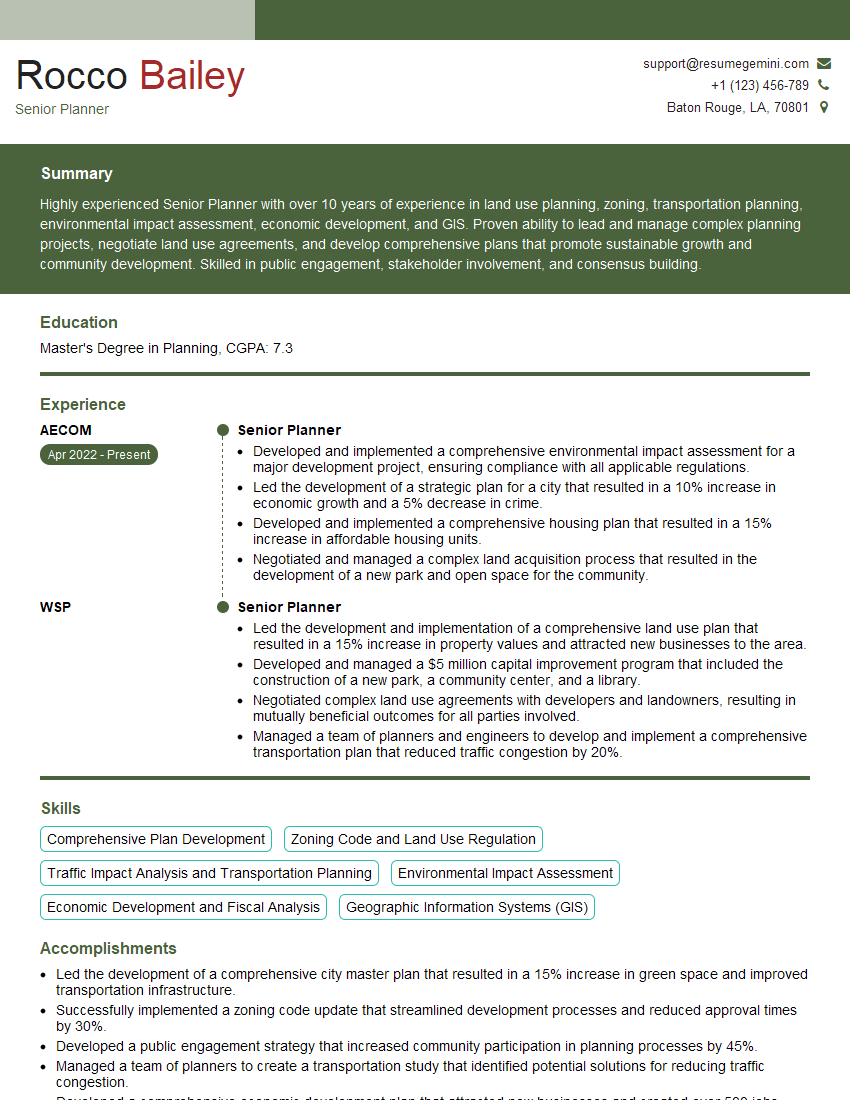
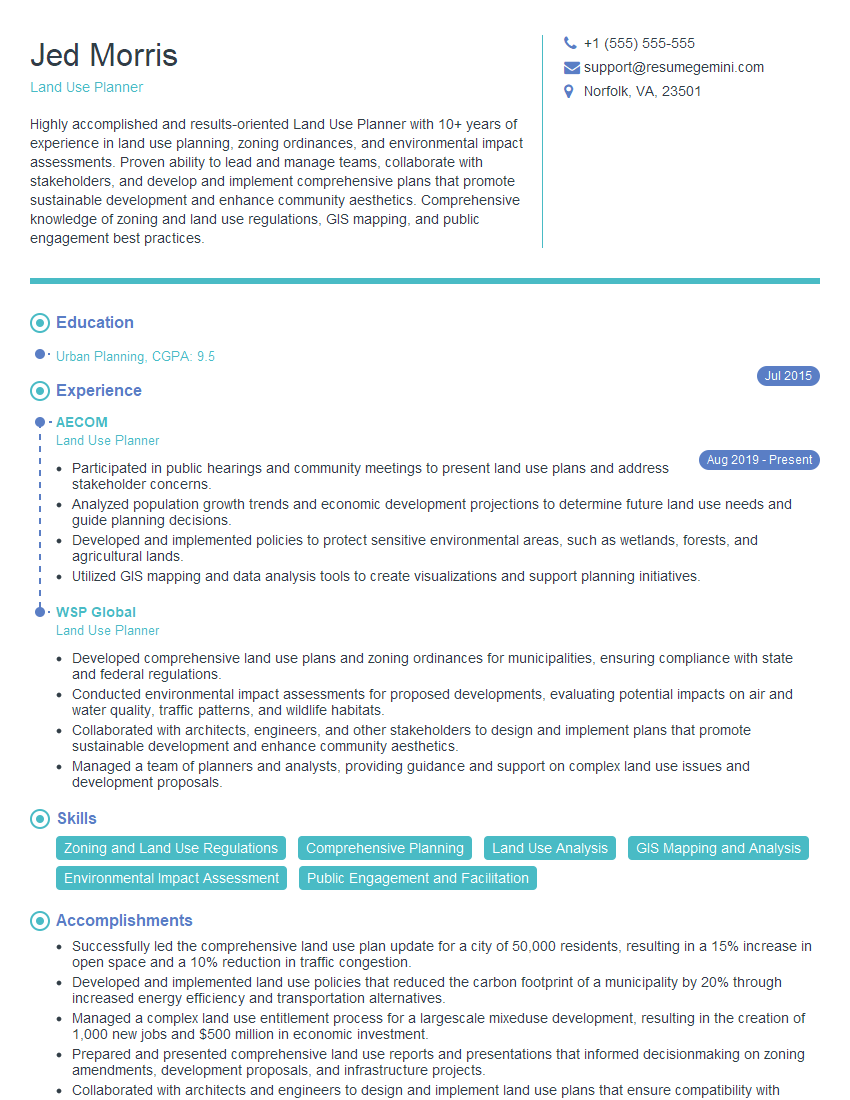
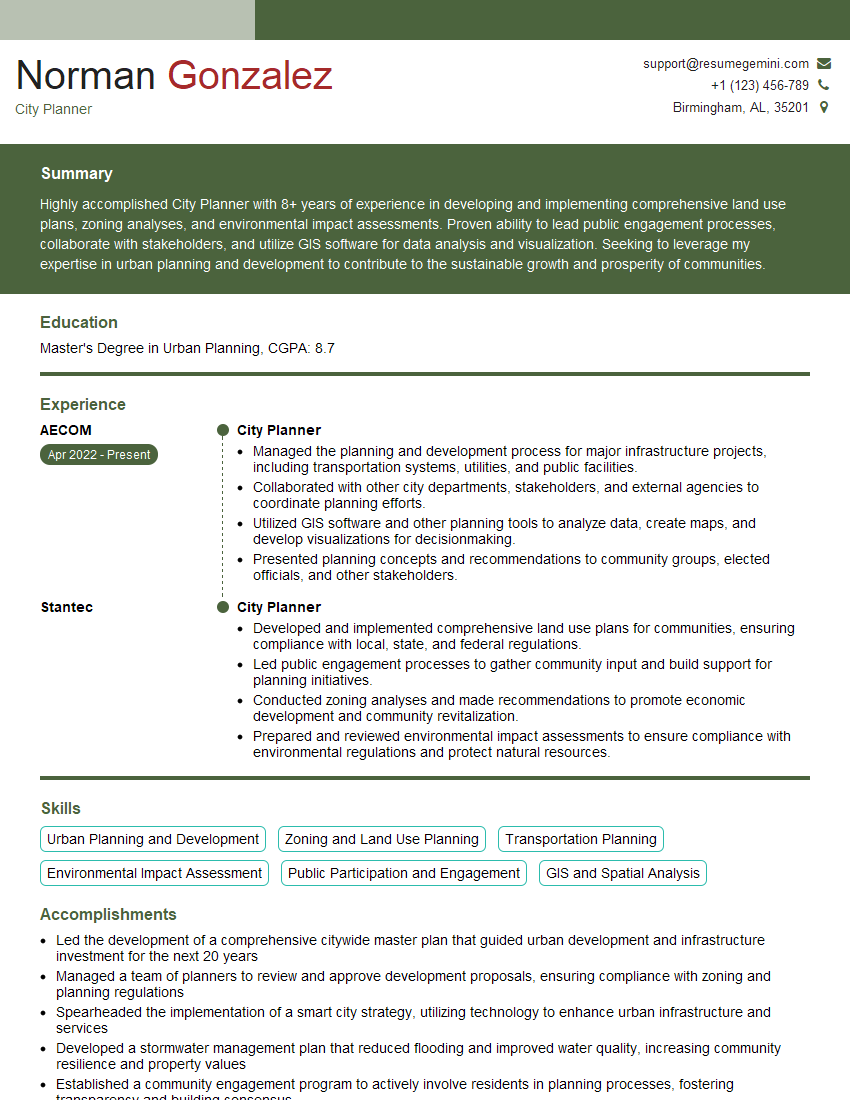
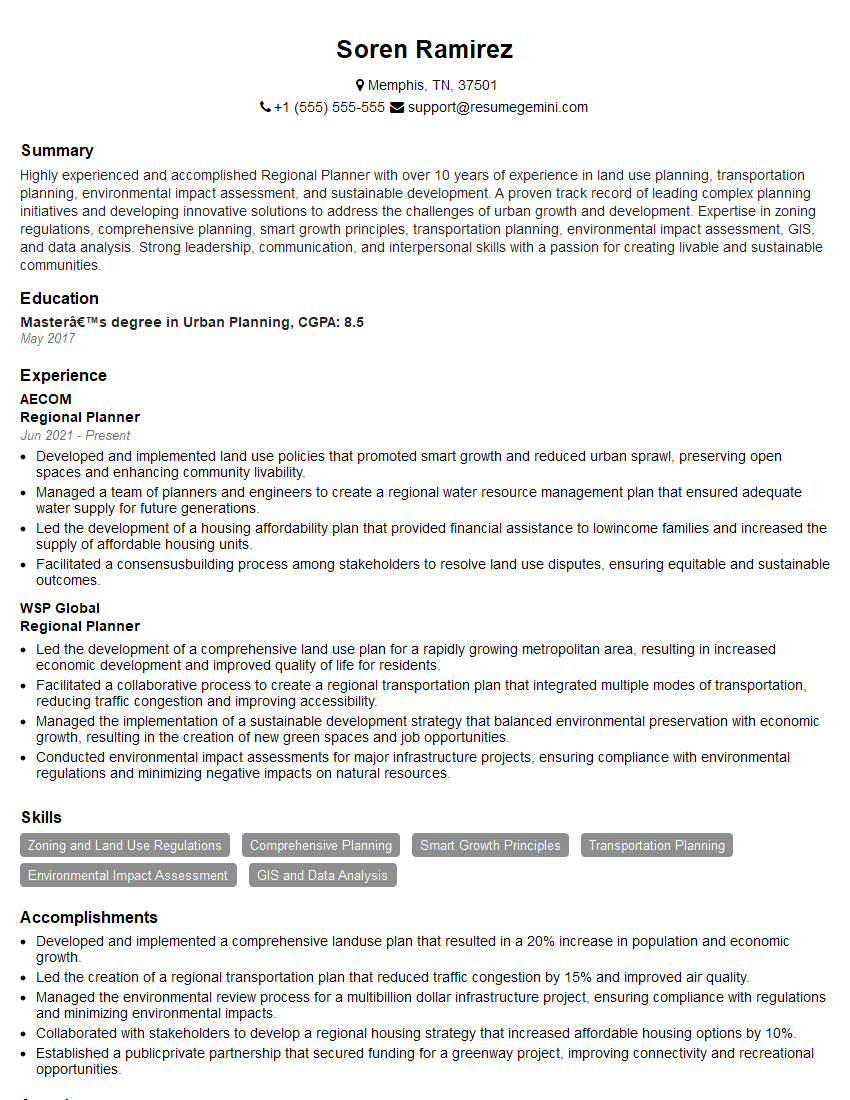
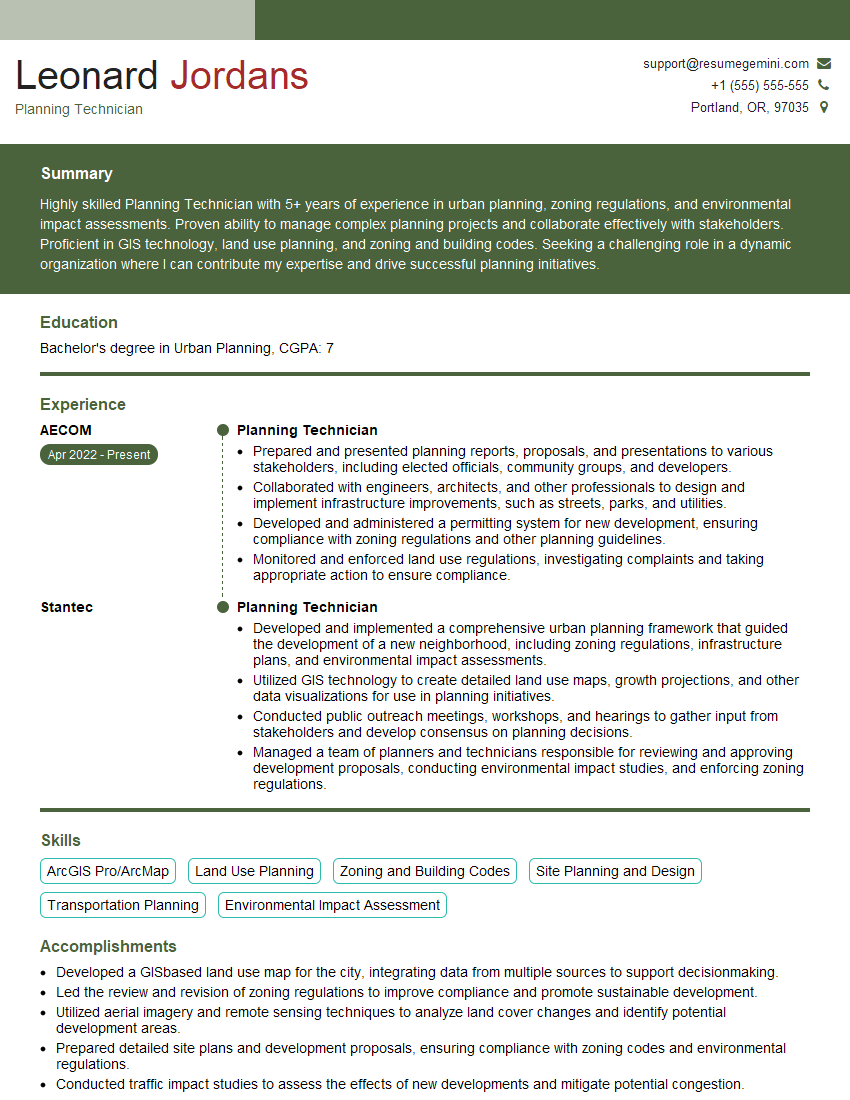
Mastering Zoning Case File Management is crucial for career advancement in urban planning, land development, and related fields. It demonstrates attention to detail, organizational skills, and a strong understanding of legal and regulatory frameworks. To enhance your job prospects, crafting an ATS-friendly resume is vital. This ensures your application is effectively screened by Applicant Tracking Systems. We highly recommend using ResumeGemini, a trusted resource, to build a compelling and professional resume that showcases your skills and experience. ResumeGemini provides examples of resumes tailored to Zoning Case File Management to help guide your creation.
Explore more articles
Users Rating of Our Blogs
Share Your Experience
We value your feedback! Please rate our content and share your thoughts (optional).
What Readers Say About Our Blog
To the interviewgemini.com Webmaster.
Very helpful and content specific questions to help prepare me for my interview!
Thank you
To the interviewgemini.com Webmaster.
This was kind of a unique content I found around the specialized skills. Very helpful questions and good detailed answers.
Very Helpful blog, thank you Interviewgemini team.