Feeling uncertain about what to expect in your upcoming interview? We’ve got you covered! This blog highlights the most important Adherence to Safety Regulations and Standards interview questions and provides actionable advice to help you stand out as the ideal candidate. Let’s pave the way for your success.
Questions Asked in Adherence to Safety Regulations and Standards Interview
Q 1. Explain your understanding of OSHA regulations.
OSHA, or the Occupational Safety and Health Administration, sets and enforces standards to ensure safe and healthful working conditions for employees. My understanding encompasses a wide range of regulations, including those concerning hazard communication (like proper labeling and safety data sheets), personal protective equipment (PPE) requirements, machine guarding, fall protection, lockout/tagout procedures for controlling hazardous energy, and emergency action plans. I’m familiar with OSHA’s General Duty Clause, which mandates employers provide a workplace free from recognized hazards, and I understand the importance of keeping up-to-date with revisions and updates to these regulations, which frequently change based on technological advancements and accident investigations. For instance, the recent emphasis on preventing musculoskeletal disorders through ergonomic assessments is a prime example of an evolving regulatory landscape. Understanding OSHA’s recordkeeping requirements for workplace injuries and illnesses is also crucial for maintaining compliance and preventing future incidents.
Q 2. Describe your experience with hazard identification and risk assessment.
Hazard identification and risk assessment are fundamental to any effective safety program. My experience involves using a variety of methods, starting with thorough workplace inspections – physically walking through the facility, observing operations, and interacting with employees. This allows me to identify potential hazards, from obvious dangers like exposed wiring to less apparent risks such as repetitive motion injuries or chemical exposure. I then employ systematic risk assessment methodologies, such as Job Safety Analysis (JSA) or Failure Mode and Effects Analysis (FMEA), to evaluate the likelihood and severity of each identified hazard. These analyses help prioritize risks, enabling us to focus resources on the most critical areas. For example, in a manufacturing plant, a JSA might reveal that a particular machine operation carries a high risk of amputation if proper safety procedures aren’t followed; this would prompt the implementation of more stringent controls. Documenting these findings is vital for creating a comprehensive safety plan and demonstrating due diligence.
Q 3. How do you develop and implement safety programs?
Developing and implementing safety programs requires a structured approach. It begins with a thorough risk assessment, as previously discussed. Next, I develop written safety policies and procedures, clearly outlining expectations and responsibilities for all employees. These policies are tailored to the specific hazards identified in the assessment. The program’s implementation includes providing necessary training to all personnel, ensuring access to appropriate PPE, and establishing clear communication channels for reporting hazards or incidents. Regular safety meetings and toolbox talks are essential for reinforcing safe practices and addressing immediate concerns. For instance, if we identified a risk of slips and falls due to spills, the safety program would include procedures for immediate cleanup, appropriate signage, and employee training on spill response. Monitoring the program’s effectiveness through regular audits and inspections, and adjusting the program based on data and feedback is also critical.
Q 4. What methods do you use to ensure employee compliance with safety rules?
Ensuring employee compliance is a multifaceted approach that goes beyond simply providing rules. It starts with clear communication and thorough training, making sure employees understand the rationale behind safety procedures and their importance. Leading by example is also crucial; management must demonstrably uphold safety standards. I utilize a variety of methods, including regular safety audits, observation of employee work practices, and providing feedback. Positive reinforcement and rewards for safe behavior are effective motivators, while disciplinary actions, following established procedures, are used when necessary to address violations. Open communication and providing opportunities for employees to voice concerns or suggest improvements encourage engagement and fosters a culture of safety. Technology can play a crucial role; we might use safety checklists on mobile devices to document regular inspections or utilize real-time monitoring systems to track adherence to procedures in high-risk areas.
Q 5. How do you investigate and report workplace accidents?
Workplace accident investigation is a critical process for identifying root causes, preventing future incidents, and meeting legal requirements. My approach follows a systematic procedure. First, I secure the accident scene, ensuring the safety of everyone involved. Then, I gather information from various sources: eyewitness accounts, physical evidence, and documentation. I use a variety of investigative techniques, including root cause analysis (RCA) and fault tree analysis, to determine the underlying causes of the accident, going beyond immediate causes to identify contributing factors and systemic issues. Following this analysis, I prepare a comprehensive report detailing the incident, the causes, and recommended corrective actions. This report informs the development of preventative measures, updates to safety procedures, and training improvements. It’s vital to maintain objectivity, and the investigation should be free from blame assignment, focusing solely on understanding the events and preventing recurrence.
Q 6. Explain your experience with safety audits and inspections.
Safety audits and inspections are essential components of a robust safety program. My experience encompasses conducting both internal and external audits, using checklists aligned with relevant regulations and industry best practices. These inspections cover various aspects of the workplace, including physical conditions, equipment maintenance, adherence to safety procedures, and employee training documentation. The aim is not just to identify violations but also to assess the effectiveness of existing safety controls and proactively identify potential hazards. Audits can be scheduled regularly or triggered by specific events like near misses. A critical aspect is documenting findings and following up with corrective actions. For instance, if an audit reveals a deficiency in the guarding of machinery, it would lead to immediate corrective measures and potentially disciplinary action, along with updated training for employees.
Q 7. Describe your experience with developing and delivering safety training.
Developing and delivering safety training is a crucial part of my role. I create training programs that are engaging and relevant, tailored to the specific needs and risks of the workplace. This involves designing both classroom-based and online modules, incorporating interactive elements such as videos, simulations, and hands-on exercises. For example, training on lockout/tagout procedures might include a demonstration followed by a practical exercise where employees practice the steps correctly. I emphasize scenario-based learning and use real-world examples to illustrate the consequences of unsafe behavior. Assessment methods, including written tests and practical evaluations, are used to measure employee understanding and competency. Training is not a one-time event; refresher courses and ongoing reinforcement are provided to maintain proficiency and ensure the program remains relevant to changes in the workplace or industry standards.
Q 8. How do you manage safety risks in a dynamic work environment?
Managing safety risks in a dynamic environment requires a proactive and adaptable approach. It’s not enough to simply have a safety plan; you need a system that anticipates change and responds effectively.
- Proactive Hazard Identification: Regularly conduct thorough job hazard analyses (JHAs) focusing on potential changes in equipment, processes, or personnel. This could involve walking the worksite, interviewing employees, and reviewing incident reports.
- Dynamic Risk Assessment: Implement a system for real-time risk assessment. This could be a simple checklist used before commencing a task or a more sophisticated software-based system that tracks changes and alerts supervisors to emerging risks. For instance, if a new piece of equipment is introduced, an immediate risk assessment would be necessary before operation.
- Flexible Safety Procedures: Develop safety procedures that are adaptable to change. Instead of rigid, inflexible rules, create guidelines that emphasize risk assessment and control. Train employees to recognize and react to unexpected situations.
- Employee Engagement: Foster a safety culture where employees are empowered to identify and report hazards. Provide them with the tools and training to do so safely and effectively. A suggestion box or regular safety meetings are effective methods.
- Continuous Improvement: Regularly review safety performance data, investigate incidents, and adjust safety procedures and training accordingly. This iterative process ensures that your safety program remains relevant and effective in a dynamic environment.
For example, in a construction site, weather conditions can change dramatically affecting risk. A dynamic risk assessment might involve halting work during high winds or heavy rain, adjusting procedures based on the specific conditions.
Q 9. What is your experience with implementing safety improvements?
I’ve been involved in several safety improvement initiatives, focusing on both preventative measures and reactive improvements following incidents.
- Ergonomic Improvements: In a previous role, we implemented ergonomic changes to workstations to reduce musculoskeletal injuries. This involved conducting ergonomic assessments, purchasing new equipment, and providing training on proper lifting techniques. We saw a significant reduction in reported back injuries after this implementation.
- Lockout/Tagout Program Enhancement: I spearheaded the overhaul of our lockout/tagout (LOTO) program, improving training, creating more standardized procedures, and implementing a system for auditing compliance. This involved developing clear, step-by-step guides and regular inspections to ensure procedures were being followed correctly.
- Safety Training Program Development: I developed a comprehensive safety training program for new employees, including hazard identification, risk assessment, emergency procedures, and specific job-related safety protocols. This program included both classroom instruction and hands-on practical exercises.
- Incident Investigation and Root Cause Analysis: After every incident, regardless of severity, I lead a thorough investigation using root cause analysis techniques to identify contributing factors and implement corrective actions. This process involves interviewing witnesses, reviewing documentation, and analyzing data to prevent future occurrences.
My approach emphasizes data-driven decision making; I use key performance indicators (KPIs) such as incident rates and near-miss reports to track the effectiveness of our safety improvements.
Q 10. How do you ensure the effectiveness of safety procedures?
Ensuring the effectiveness of safety procedures relies on a multi-faceted approach that combines robust design, thorough training, consistent enforcement, and continuous monitoring.
- Procedure Design: Safety procedures should be clear, concise, and easy to understand. They must be based on industry best practices and relevant regulations. Using simple language and visuals can significantly improve comprehension.
- Effective Training: Employees must receive comprehensive training on all safety procedures, including both theoretical knowledge and hands-on practice. Regular refresher training is crucial to maintain proficiency and address changes in procedures or equipment.
- Regular Audits and Inspections: Regular audits and inspections are vital to ensure compliance and identify any gaps in the system. These audits should involve both management and frontline employees, to get varied perspectives.
- Performance Monitoring: Track key safety performance indicators (KPIs) such as incident rates, near-miss reports, and employee feedback. This data will highlight areas where improvements are needed.
- Feedback Mechanisms: Establish a system for employees to provide feedback on safety procedures. This might involve suggestion boxes, regular safety meetings, or anonymous surveys. Employee input is essential for identifying potential hazards and improving procedures.
For example, a regular audit might reveal that employees aren’t following the correct procedure for using a particular machine. This would prompt additional training and potentially adjustments to the procedure to make it more user-friendly.
Q 11. What is your approach to communicating safety information?
Effective communication of safety information is paramount. I utilize a multi-channel approach to ensure information reaches everyone and is readily understood.
- Multiple Communication Channels: I employ a variety of methods including toolbox talks, safety bulletins, email updates, posters, and interactive training sessions. This ensures messages reach employees with different learning styles and preferences.
- Clear and Concise Messaging: Safety information should be clear, concise, and easy to understand, avoiding jargon and technical terms whenever possible. Using visuals like diagrams and videos can greatly enhance comprehension.
- Regular Communication: Regular communication keeps safety at the forefront of everyone’s minds. This might include daily or weekly safety meetings, safety newsletters, or regular updates on safety performance.
- Two-way Communication: Creating opportunities for two-way communication allows employees to ask questions, share concerns, and provide feedback. This can involve open forums, suggestion boxes, or regular safety meetings.
- Language and Cultural Considerations: In diverse workplaces, it’s crucial to ensure safety information is translated and communicated in a culturally sensitive manner, to ensure everyone understands.
For example, if a new hazard is identified, I would communicate this through multiple channels: a toolbox talk explaining the hazard and preventative measures, a safety bulletin detailing the updated procedure, and a poster near the affected area with clear instructions.
Q 12. Describe your experience with regulatory compliance in your field.
Regulatory compliance is a cornerstone of my work. I have extensive experience ensuring adherence to relevant safety regulations and standards, including OSHA (Occupational Safety and Health Administration) guidelines in the US and equivalent regulations in other regions.
- Staying Updated: I regularly review and stay abreast of changes to relevant legislation and standards to ensure our practices remain compliant. This involves attending industry conferences, subscribing to relevant publications, and utilizing online resources.
- Documentation and Record Keeping: Maintaining accurate and up-to-date records of safety inspections, training, incidents, and corrective actions is crucial for demonstrating compliance to regulatory bodies. This documentation is also invaluable for continuous improvement.
- Internal Audits: We conduct regular internal audits to proactively identify areas of non-compliance and implement corrective actions before external audits. This helps avoid potential fines or penalties.
- External Audits: I have extensive experience cooperating with external auditors, providing necessary documentation and answering their questions to ensure a smooth and successful audit process.
- Proactive Approach: Rather than reacting to regulatory changes, we strive to anticipate them and make the necessary adjustments proactively. This helps ensure seamless compliance and avoids last-minute rushes to meet requirements.
For instance, when new OSHA regulations regarding personal protective equipment (PPE) were implemented, I updated our PPE policy, provided additional training, and ensured we had the necessary equipment to meet the new requirements.
Q 13. How do you handle conflict regarding safety procedures?
Conflicts regarding safety procedures are inevitable. My approach focuses on collaborative problem-solving and de-escalation, prioritizing safety above all else.
- Open Communication: The first step is to create a safe space for open communication where everyone can express their concerns and perspectives without fear of retribution. Active listening is crucial.
- Collaborative Problem-Solving: I facilitate discussions to identify the root cause of the conflict. This might involve brainstorming solutions and reaching a mutually agreeable compromise that ensures safety is maintained.
- Data-Driven Decisions: Where possible, I use data and objective evidence to support decisions. This might involve reviewing incident reports, safety statistics, or industry best practices.
- Mediation and Facilitation: If necessary, I act as a mediator to help parties reach an agreement. This might involve facilitating meetings, clarifying misunderstandings, and helping find common ground.
- Escalation Protocol: A clear escalation protocol is essential for resolving conflicts that cannot be resolved at the lower levels. This ensures that all concerns are addressed fairly and promptly.
For example, if a disagreement arises about a new safety procedure, I might hold a meeting with the involved parties, actively listen to their concerns, and collaboratively develop a revised procedure that addresses those concerns while maintaining safety standards. If the disagreement is unresolvable, I would follow the established escalation protocol.
Q 14. Explain your understanding of lockout/tagout procedures.
Lockout/Tagout (LOTO) procedures are critical for preventing accidental energization of equipment during maintenance or repair, protecting workers from serious injury or death. LOTO ensures that hazardous energy sources are isolated and rendered incapable of releasing energy before work begins.
My understanding of LOTO encompasses all aspects of the process:
- Preparation: Before starting LOTO, a thorough risk assessment is performed to identify all hazardous energy sources. This includes electrical, mechanical, hydraulic, pneumatic, thermal, chemical, and other potential energy sources.
- Notification: Relevant personnel are notified about the LOTO procedure before beginning any work. This ensures that all workers are aware of the process and any potential risks.
- Energy Isolation: All hazardous energy sources are shut off and isolated using appropriate lockout devices (locks, tags, etc.). This requires following specific procedures for each type of energy source.
- Verification: After isolating the energy source, the worker must verify that the energy is indeed isolated by performing a test (e.g., checking for voltage). This ensures that the energy cannot be unintentionally released.
- Tagging and Locking: The energy source is then tagged and locked out to prevent unauthorized re-energization. Multiple locks may be needed if multiple workers are involved. The tags clearly identify the worker who performed the LOTO.
- Energy Release: When work is completed, the energy source is released only by the person who applied the LOTO, and only after verifying that the area is clear and safe.
- Documentation: Complete and accurate documentation is critical, including the date, time, worker’s name, equipment name, and the type of energy source.
Example of a LOTO procedure step: 1. Turn off the main power switch. 2. Lock the main breaker using a designated lockout device. 3. Verify power is off using a voltage tester. 4. Attach a tag to the lock indicating who performed the LOTO and why.
I understand that failure to follow LOTO procedures can result in serious accidents, and I ensure that all personnel are properly trained and regularly audited on their LOTO knowledge and competency.
Q 15. What is your experience with personal protective equipment (PPE)?
My experience with Personal Protective Equipment (PPE) spans over 10 years, encompassing selection, training, and enforcement within various industrial settings. I’ve worked with a wide range of PPE, from basic safety glasses and gloves to specialized respirators, fall protection harnesses, and flame-resistant clothing. My expertise lies not just in ensuring the right PPE is available, but also in ensuring its proper use and maintenance. This includes conducting regular inspections, providing training on proper donning and doffing procedures, and communicating the importance of PPE in preventing injuries. For instance, in a previous role, I implemented a new PPE program that reduced workplace injuries related to chemical exposure by 40% within a year. This involved not only providing the appropriate respirators but also conducting thorough fit testing and ongoing training to ensure employees understood their use and limitations.
I’m also experienced in assessing risk to determine the appropriate PPE needed for specific tasks. This requires a thorough understanding of the hazards present and selecting PPE that meets or exceeds relevant safety standards. For example, when working with hazardous chemicals, I would ensure that employees are using the correct type of respirator, gloves, and eye protection, and that they have been properly trained on their use.
Career Expert Tips:
- Ace those interviews! Prepare effectively by reviewing the Top 50 Most Common Interview Questions on ResumeGemini.
- Navigate your job search with confidence! Explore a wide range of Career Tips on ResumeGemini. Learn about common challenges and recommendations to overcome them.
- Craft the perfect resume! Master the Art of Resume Writing with ResumeGemini’s guide. Showcase your unique qualifications and achievements effectively.
- Don’t miss out on holiday savings! Build your dream resume with ResumeGemini’s ATS optimized templates.
Q 16. Describe your experience with emergency response planning and procedures.
Emergency response planning and procedures are critical for minimizing the impact of unforeseen events. My experience involves developing and implementing comprehensive emergency response plans, encompassing everything from fire safety and evacuation procedures to chemical spills and medical emergencies. This includes conducting regular drills and simulations to ensure preparedness. A key aspect of my role is ensuring that all personnel are thoroughly trained in their respective emergency response roles and responsibilities.
For example, in a previous role, I was instrumental in developing a plan for handling chemical spills that included establishing a designated response team, developing spill control procedures, and training personnel on the use of specialized equipment. The plan included clear communication protocols to ensure timely and effective response during an incident. Following a simulated chemical spill exercise, I identified areas for improvement in the plan, resulting in a 25% reduction in response time in subsequent simulations. Furthermore, I’ve been involved in conducting post-incident analysis to identify areas for improvement in our preparedness and response procedures.
Q 17. How do you stay current with changes in safety regulations?
Staying current with changes in safety regulations is an ongoing process that requires dedication and a proactive approach. I utilize several methods to ensure my knowledge is up-to-date. This includes regularly reviewing relevant legislation and standards, subscribing to industry publications and newsletters, attending conferences and workshops, and participating in professional development programs. I also maintain a network of contacts within the safety field and actively seek out information on emerging best practices. Organizations such as OSHA (Occupational Safety and Health Administration) and relevant industry bodies provide valuable resources and updates. For instance, I actively monitor OSHA’s website for updates on regulations and enforcement actions to ensure compliance.
I actively use online resources and professional networks to stay informed about emerging risks and new technologies. Participating in professional organizations allows for valuable networking and knowledge sharing. This keeps my knowledge fresh and helps me to adapt our safety protocols to reflect current best practice.
Q 18. How would you handle a situation where an employee refuses to follow safety protocols?
Addressing an employee’s refusal to follow safety protocols requires a multi-step approach emphasizing communication and understanding. I would first engage the employee in a private conversation to understand the reasons for their non-compliance. Perhaps there are concerns about the practicality or effectiveness of the protocol, or perhaps there’s a communication breakdown. Listening empathetically is crucial. Once the reasons are understood, I would work collaboratively to find solutions. This might involve clarifying the protocol, providing additional training, or addressing any underlying concerns.
However, if the refusal persists despite these efforts and poses a significant safety risk, more formal disciplinary action might be necessary, in accordance with company policy. Documentation of all interactions and attempts to resolve the issue is essential. The safety of all employees is paramount, and consistent enforcement of safety protocols is non-negotiable.
Q 19. Describe your experience with root cause analysis of safety incidents.
Root cause analysis (RCA) is vital for preventing future incidents. My experience includes using various RCA methodologies, such as the ‘5 Whys’ technique and fault tree analysis, to investigate safety incidents thoroughly. This involves systematically examining the contributing factors, not just the immediate cause, to identify underlying systemic issues. I gather data from multiple sources, including incident reports, witness statements, and physical evidence, to build a comprehensive understanding of what happened.
For example, in investigating a near-miss incident involving a forklift, we used the ‘5 Whys’ technique to uncover the root cause as inadequate training on safe operating procedures. This led to a revised training program with improved competency assessments to ensure operator proficiency. Thorough documentation of the RCA process, including findings and corrective actions, is crucial for organizational learning and preventing similar incidents in the future.
Q 20. What is your approach to promoting a positive safety culture?
Promoting a positive safety culture is an ongoing effort that involves leadership commitment, employee engagement, and continuous improvement. My approach focuses on creating a culture where safety is everyone’s responsibility. This starts with clear communication from leadership emphasizing the importance of safety and demonstrating a genuine commitment to it. Employee participation is key, involving them in identifying hazards, developing solutions, and participating in safety training.
I encourage open communication and feedback channels so that employees feel comfortable reporting near misses and unsafe conditions without fear of reprisal. Recognizing and rewarding safe behaviors through incentives and appreciation also fosters a positive environment. Regular safety meetings, toolbox talks, and visible safety reminders further reinforce the importance of safety within the workplace. Building a culture where safety is valued and integrated into daily work practices is essential for preventing injuries and maintaining a productive work environment.
Q 21. How do you prioritize safety risks?
Prioritizing safety risks involves a systematic approach that considers both the likelihood and severity of potential harm. I typically use a risk matrix to categorize risks based on these two factors. This involves assigning numerical scores to both likelihood (e.g., low, medium, high) and severity (e.g., minor injury, serious injury, fatality) and multiplying them to determine a risk level. Risks with high scores are prioritized for immediate action.
For instance, a risk with a high likelihood and high severity (e.g., working at heights without proper fall protection) would receive a high priority, while a risk with a low likelihood and low severity (e.g., minor slips and falls in a well-maintained area) would receive a lower priority. This framework guides decision-making regarding resource allocation and implementation of control measures to mitigate identified risks effectively and efficiently.
Q 22. What is your understanding of different types of safety hazards?
Safety hazards can be broadly categorized into several types, each requiring a unique approach to mitigation. Think of it like a first-aid kit – you need different tools for different injuries.
- Physical Hazards: These are hazards that can cause physical harm, such as slips, trips, and falls; contact with hot surfaces; exposure to loud noise; being struck by objects; and ergonomic issues leading to musculoskeletal disorders (MSDs).
- Chemical Hazards: These involve exposure to harmful chemicals, including gases, liquids, and solids. This encompasses inhalation, ingestion, skin absorption, and eye contact. Examples include exposure to solvents, acids, and asbestos.
- Biological Hazards: These are risks from living organisms, including bacteria, viruses, fungi, and parasites. Think of workplace exposure to infectious diseases or handling of biological samples in a laboratory setting.
- Ergonomic Hazards: These relate to the design and setup of the workplace, and how tasks are performed. Improper workstation design, repetitive movements, awkward postures, and excessive force can lead to MSDs.
- Psychosocial Hazards: These are less tangible but equally important. They encompass workplace stress, harassment, violence, and bullying, which can significantly impact employee well-being and safety.
Understanding these different hazard types is crucial for implementing appropriate control measures. For example, preventing slips, trips, and falls might involve improving floor maintenance and providing appropriate footwear, while managing chemical hazards necessitates proper storage, handling procedures, and personal protective equipment (PPE).
Q 23. How do you ensure that safety procedures are documented and accessible?
Effective safety procedures must be meticulously documented and easily accessible to all employees. Think of it as a well-organized library where everyone can find the information they need when they need it.
My approach involves a multi-pronged strategy:
- Centralized Documentation System: Utilizing a digital platform, preferably with version control, ensures that all safety procedures are in one place, easily searchable and updatable. This could be a company intranet or a dedicated safety management software.
- Clear and Concise Language: Procedures should be written in plain language, avoiding jargon and technical terms that might confuse employees. Visual aids, such as diagrams and flowcharts, can greatly enhance understanding.
- Regular Updates and Reviews: Safety procedures are not static; they must be regularly reviewed and updated to reflect changes in technology, regulations, and best practices. This involves regular audits and feedback mechanisms from employees.
- Training and Communication: Simply having procedures documented isn’t enough. Employees must be adequately trained on these procedures, and regular communication is essential to keep them informed about any updates or changes.
- Multiple Access Points: Procedures should be accessible from various locations – computers, mobile devices, and potentially even hard copies in strategic areas – to cater to diverse employee needs and work settings.
For example, in a manufacturing setting, a detailed lockout/tagout procedure for machinery maintenance would be crucial, readily available at each workstation, and regularly reviewed and updated in line with industry best practices and regulatory requirements.
Q 24. Describe your experience with using safety management systems (SMS).
I have extensive experience implementing and managing Safety Management Systems (SMS). Think of an SMS as the central nervous system for workplace safety; it coordinates all safety-related activities.
My experience includes:
- Hazard Identification and Risk Assessment: Utilizing various methodologies like HAZOP (Hazard and Operability Study) or bow-tie analysis to systematically identify potential hazards and assess their associated risks.
- Development of Safety Procedures and Policies: Creating and implementing comprehensive safety documentation, including emergency response plans, risk mitigation strategies, and training materials.
- Incident Investigation and Reporting: Conducting thorough investigations into safety incidents to identify root causes and implement corrective actions. This involves interviewing witnesses, analyzing data, and developing recommendations for prevention.
- Auditing and Monitoring: Regularly auditing safety performance against established standards and regulatory requirements, identifying areas for improvement and ensuring adherence to SMS protocols.
- Continuous Improvement: Using data analysis and feedback mechanisms to continuously refine the SMS and improve its effectiveness.
In a previous role, I implemented an SMS in a construction company, leading to a significant reduction in accident rates and improved employee morale. This involved thorough hazard identification using job safety analyses, development of site-specific safety plans, and the implementation of a robust incident reporting and investigation system.
Q 25. What is your approach to monitoring and measuring the effectiveness of safety programs?
Monitoring and measuring safety program effectiveness is crucial for continuous improvement. It’s like tracking your fitness progress – you need data to see if your efforts are paying off.
My approach involves a combination of quantitative and qualitative measures:
- Key Performance Indicators (KPIs): Tracking metrics such as accident rates (Lost Time Injury Frequency Rate – LTIFR, Total Recordable Incident Rate – TRIR), near-miss reporting, and safety training participation.
- Safety Audits and Inspections: Regularly conducting safety audits and inspections to assess compliance with procedures and identify potential hazards. This may involve both internal and external audits.
- Employee Surveys and Feedback: Gathering employee feedback through surveys, focus groups, or suggestion boxes to gauge perceptions of safety culture and identify areas for improvement.
- Incident Investigation Data Analysis: Analyzing incident reports to identify trends, root causes, and areas requiring additional attention. This often involves root cause analysis techniques.
- Benchmarking: Comparing safety performance against industry best practices and other organizations to identify areas where improvements can be made.
By regularly analyzing these measures, we can identify areas of strength and weakness and make data-driven decisions to enhance safety programs. For example, a high rate of near misses could indicate a need for improved training or hazard control measures.
Q 26. How do you use data to drive safety improvements?
Data is the cornerstone of driving safety improvements. It provides objective evidence to support decisions and measure the effectiveness of interventions.
My approach involves:
- Data Collection and Analysis: Gathering data from various sources, including incident reports, safety audits, employee surveys, and near-miss reports. This data is then analyzed to identify trends, patterns, and root causes of safety incidents.
- Data Visualization: Presenting data in a clear and concise manner using charts, graphs, and dashboards to facilitate understanding and decision-making. This may involve using specialized safety management software.
- Trend Analysis: Identifying trends over time to predict potential future problems and proactively implement preventive measures. This helps in anticipating risks and preventing accidents before they happen.
- Root Cause Analysis: Using techniques like the ‘5 Whys’ or fishbone diagrams to identify the underlying causes of safety incidents and develop targeted interventions.
- Corrective and Preventative Actions: Implementing corrective actions to address immediate problems and preventive actions to mitigate future risks based on data-driven insights. These actions should be documented and tracked to ensure effectiveness.
For instance, if data shows a high number of slips and falls in a specific area, we can analyze the root cause (e.g., poor lighting, slippery floor) and implement corrective actions (e.g., improved lighting, non-slip flooring).
Q 27. Describe a time you had to make a difficult decision regarding safety.
In a previous role, I faced a difficult decision regarding the safety of a new manufacturing process. The process promised significant efficiency gains, but initial risk assessments identified a potential for serious injury if safety protocols weren’t rigorously followed. The pressure to implement the process was high due to tight deadlines and production targets.
After careful consideration and consultation with the safety team and senior management, I made the decision to delay the implementation of the new process until additional safety measures could be implemented. This included investing in enhanced safety equipment, redesigning some aspects of the process, and developing more comprehensive training programs for employees.
While this decision resulted in a temporary delay in production, it prioritized the safety of our employees. Ultimately, the decision was vindicated; the improved safety protocols ensured a smoother and safer implementation of the new process without any reported injuries. This reinforced the importance of prioritizing safety over short-term gains.
Q 28. How do you ensure safety is integrated into all aspects of operations?
Integrating safety into all aspects of operations is not an add-on; it’s the very foundation of a successful and responsible organization. It’s like building a house – you wouldn’t start constructing without a solid foundation.
My approach involves:
- Leadership Commitment: Safety must be championed by senior management, demonstrating a clear commitment and setting the tone for a strong safety culture.
- Employee Empowerment: Empowering employees to identify and report hazards, participate in safety discussions, and contribute to the improvement of safety procedures. This fosters a culture of accountability and shared responsibility.
- Risk-Based Approach: Integrating safety into all operational decisions, beginning with hazard identification and risk assessment at the planning stage of any new project or process.
- Safety Training and Communication: Providing regular and comprehensive safety training, including both general safety awareness and job-specific training. Communication must be ongoing, not just a one-time event.
- Regular Monitoring and Review: Continuously monitoring safety performance through KPIs, audits, and incident investigations to identify areas for improvement and ensure adherence to safety procedures.
- Reward and Recognition: Recognizing and rewarding employees who actively contribute to safety, fostering a positive and proactive safety culture.
In practice, this means incorporating safety considerations into every aspect of daily operations, from design and planning to implementation and maintenance. Safety is not a separate department; it’s a shared responsibility that must be integrated into the core values and daily practices of the organization.
Key Topics to Learn for Adherence to Safety Regulations and Standards Interview
- Understanding Relevant Legislation and Standards: Familiarize yourself with OSHA regulations (or equivalent in your region), industry-specific safety codes, and company-specific safety policies. Consider the legal ramifications of non-compliance.
- Hazard Identification and Risk Assessment: Learn practical methods for identifying potential hazards in various work environments. Practice conducting risk assessments, prioritizing hazards, and developing control measures.
- Implementing and Monitoring Safety Controls: Understand the hierarchy of controls (elimination, substitution, engineering controls, administrative controls, PPE) and how to effectively implement and monitor their effectiveness. Be prepared to discuss examples.
- Incident Reporting and Investigation: Learn the procedures for reporting safety incidents, conducting thorough investigations, and contributing to corrective actions to prevent recurrence. Understand root cause analysis techniques.
- Emergency Response Procedures: Be familiar with emergency procedures, including evacuation plans, first aid response, and the use of emergency equipment. Be prepared to discuss your experience in emergency situations.
- Personal Protective Equipment (PPE): Demonstrate knowledge of different types of PPE, their proper selection, use, and limitations. Be able to discuss the importance of PPE training and maintenance.
- Safety Training and Communication: Understand the importance of effective safety training programs and communication strategies to ensure all employees understand and follow safety procedures.
- Continuous Improvement in Safety: Discuss your approach to continuous improvement in safety, including proactive hazard identification, participation in safety audits, and contribution to safety committees.
Next Steps
Mastering adherence to safety regulations and standards is crucial for career advancement in any industry. It demonstrates your commitment to a safe work environment and your understanding of critical legal and ethical responsibilities. To significantly improve your job prospects, creating a strong, ATS-friendly resume is essential. ResumeGemini is a trusted resource that can help you build a professional resume that highlights your safety expertise. Examples of resumes tailored to Adherence to Safety Regulations and Standards are available through ResumeGemini to help guide your creation.
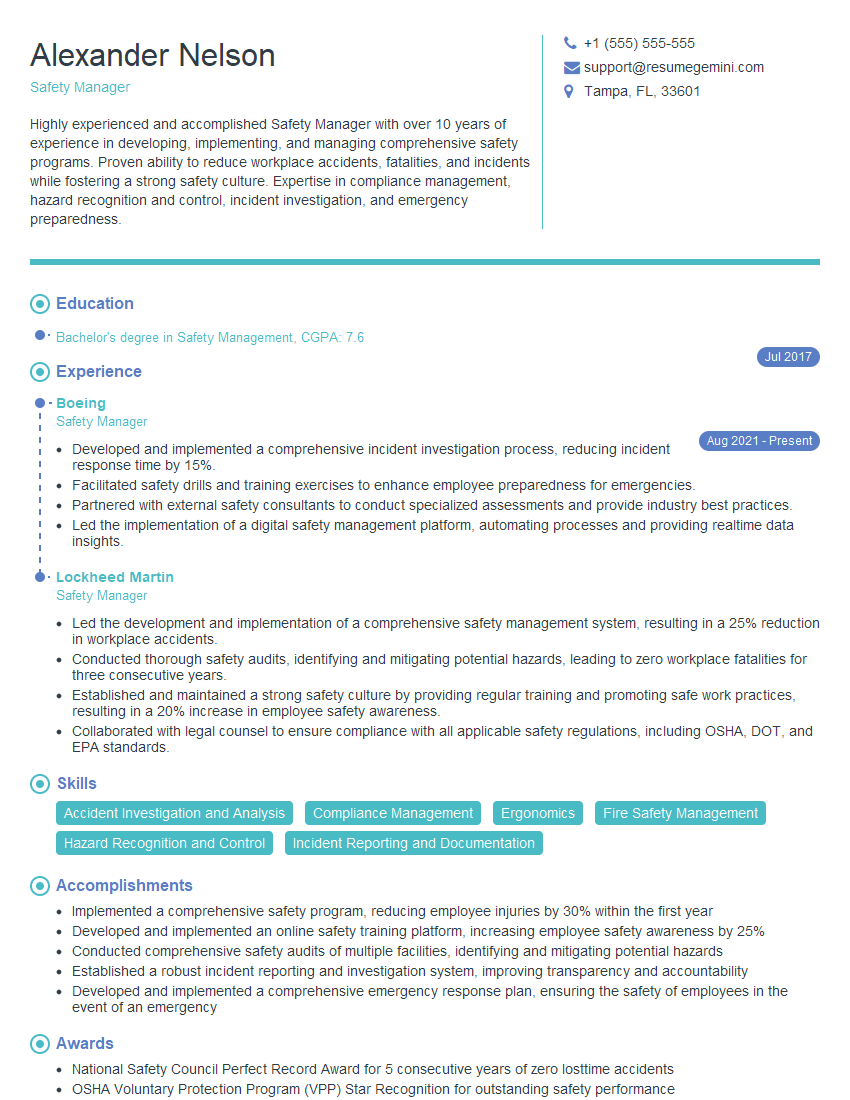
Safety Manager Resume Sample
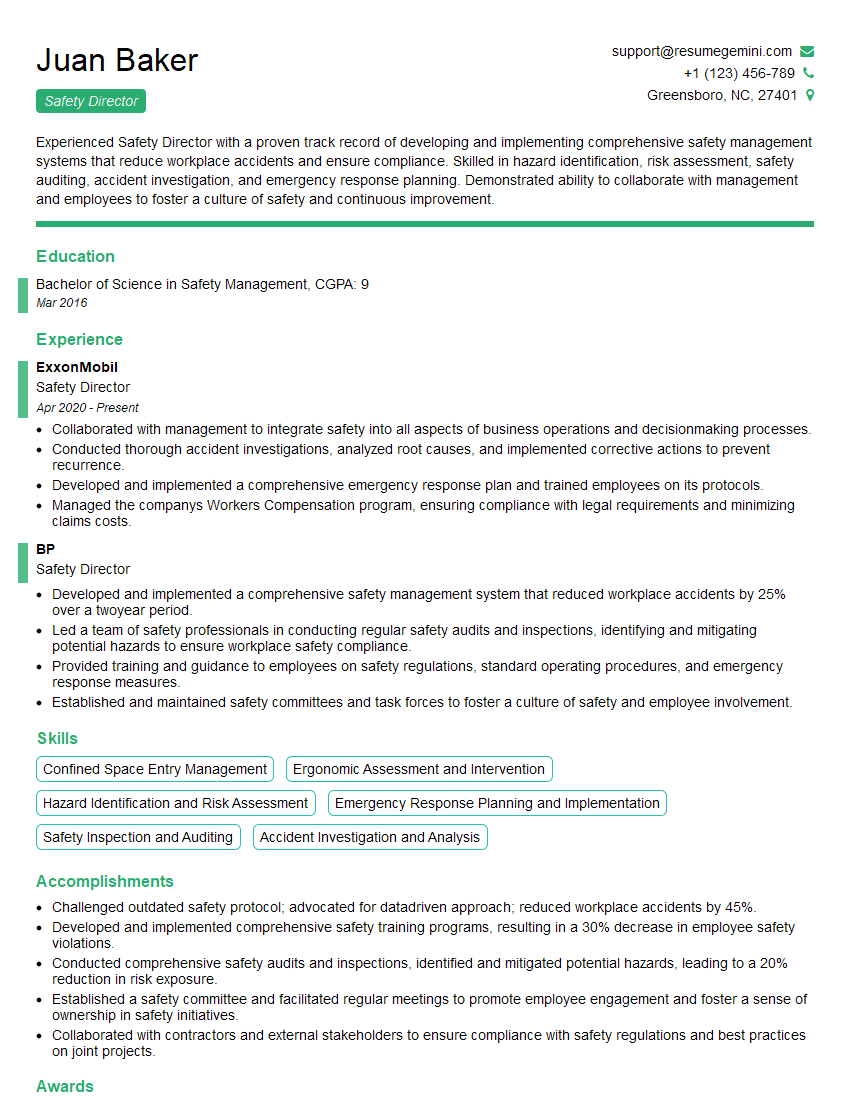
Safety Director Resume Sample
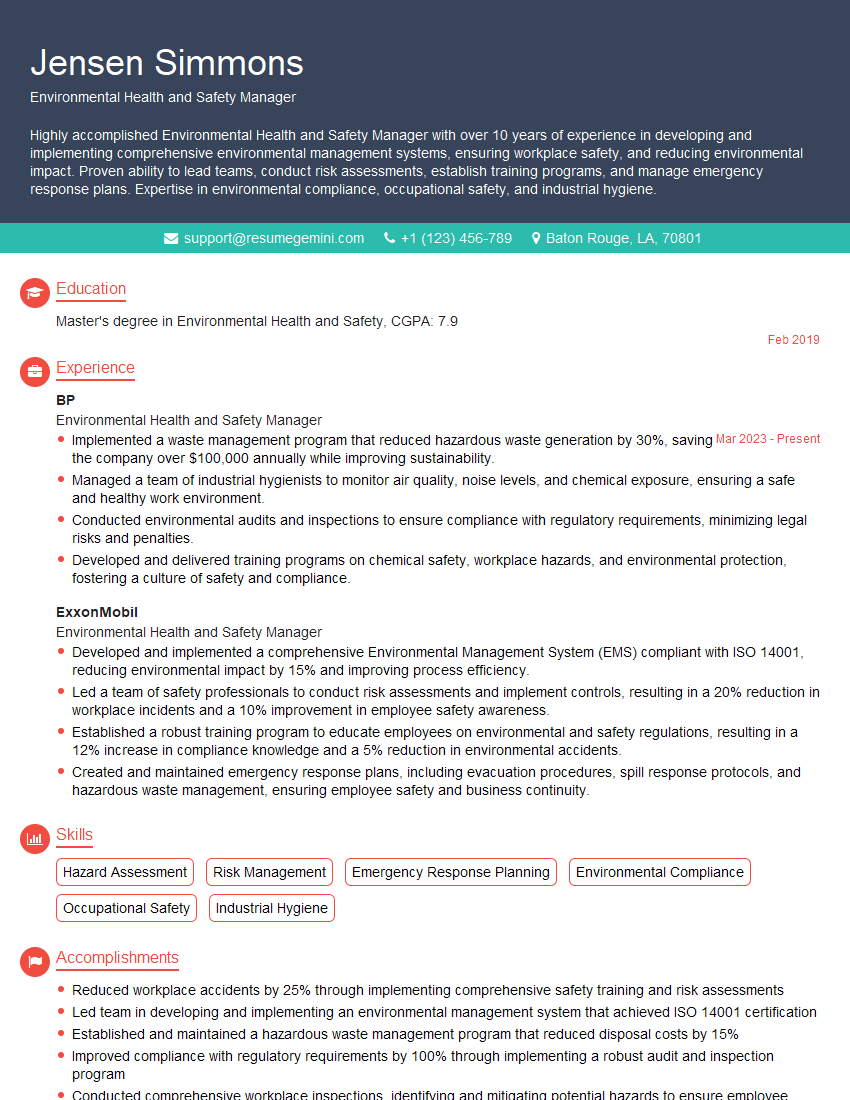
Environmental Health and Safety Manager Resume Sample
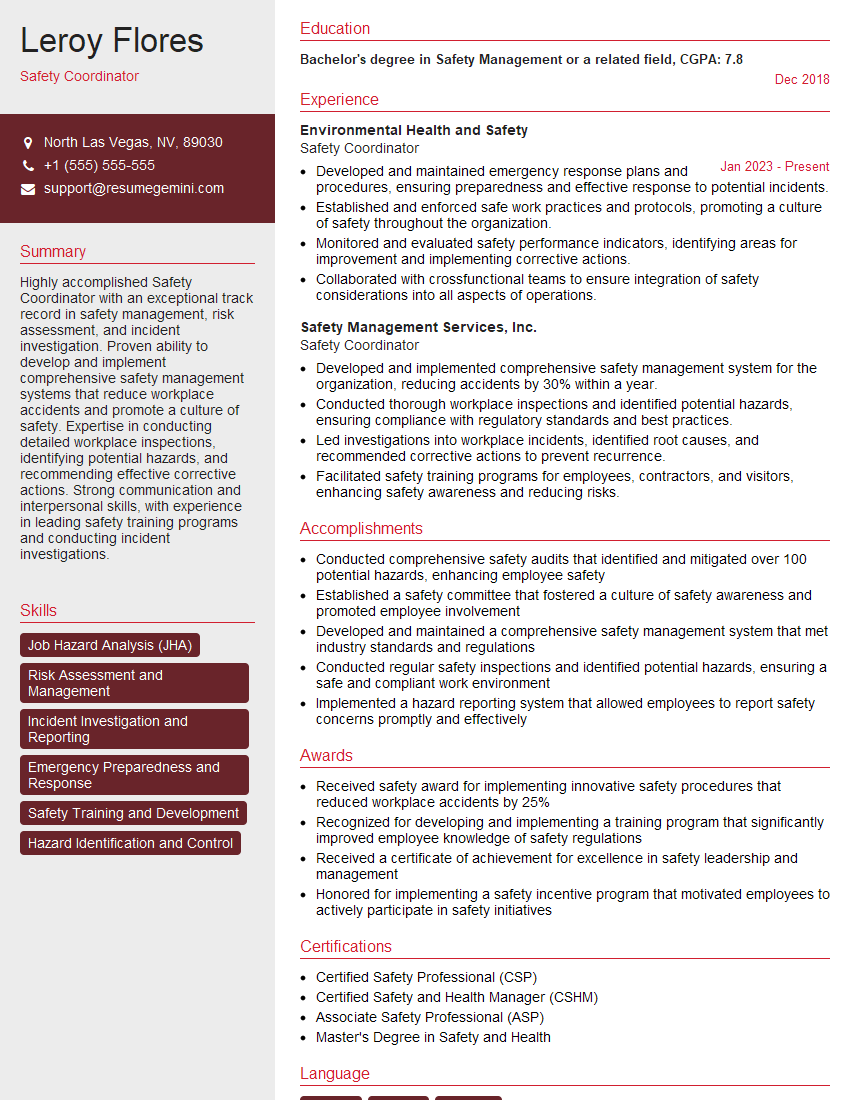
Safety Coordinator Resume Sample
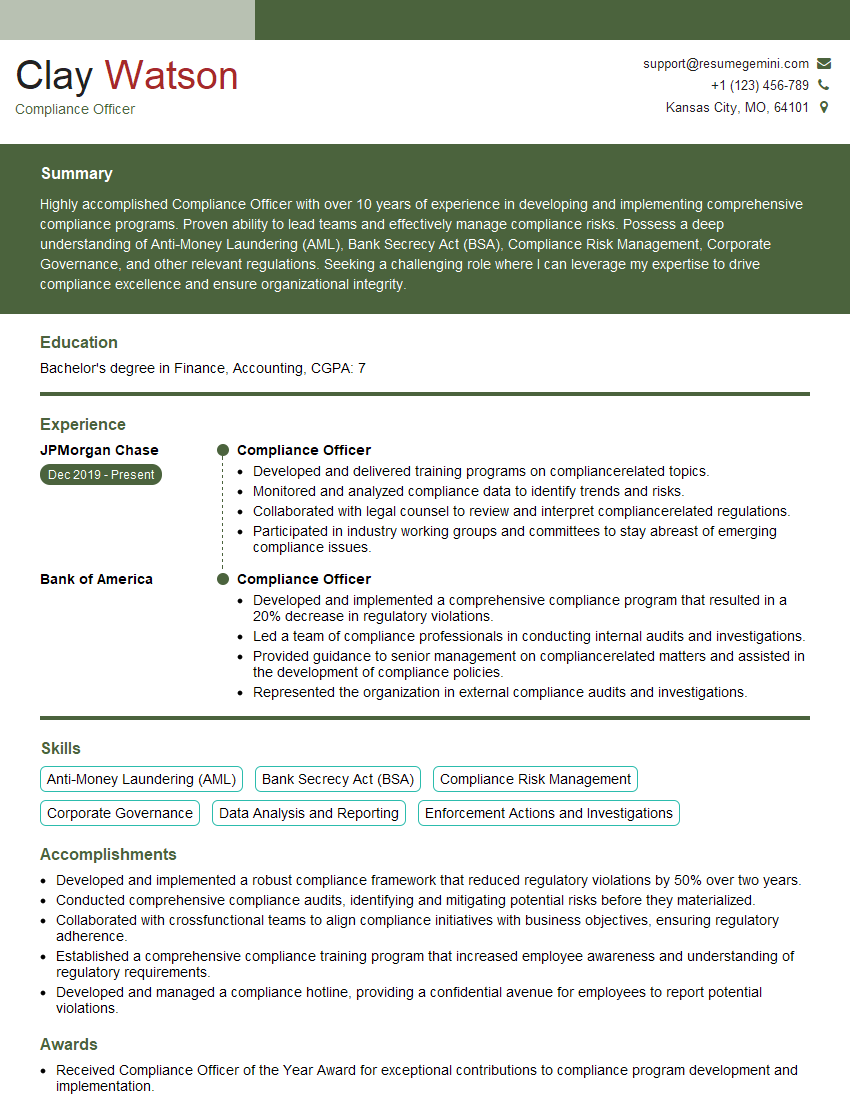
Compliance Officer Resume Sample
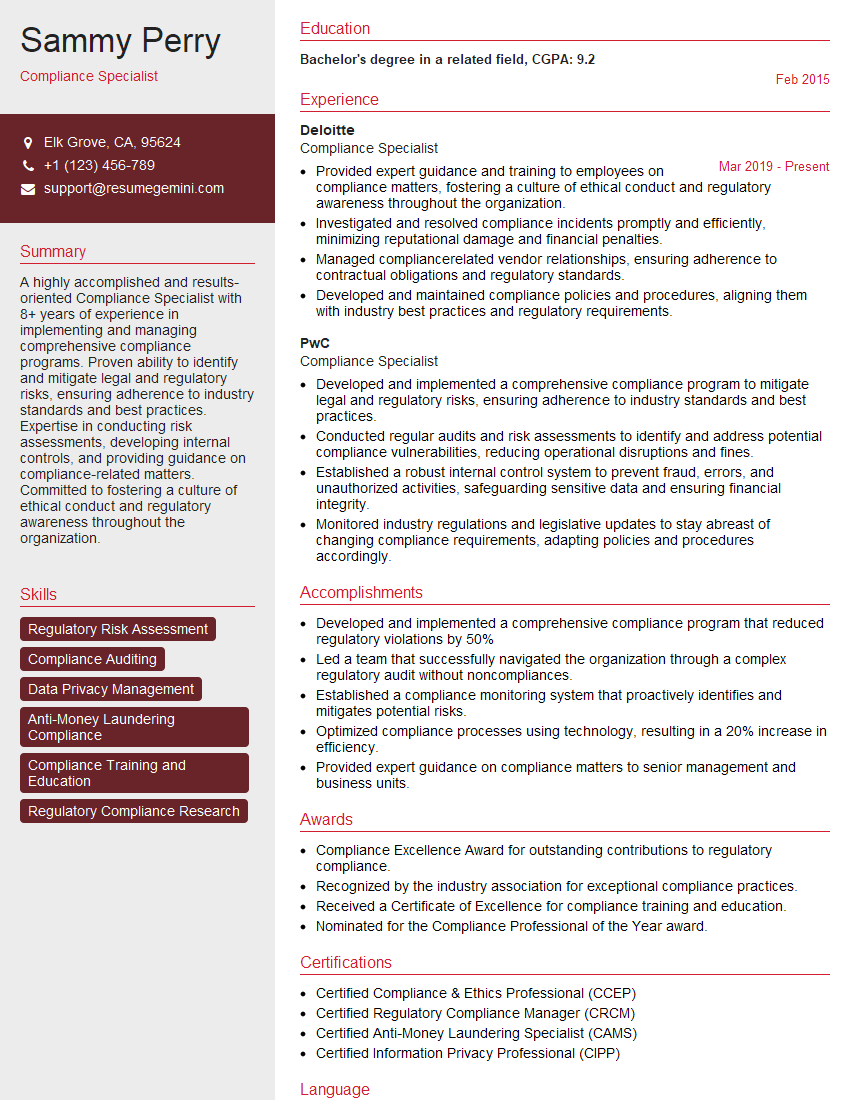
Compliance Specialist Resume Sample
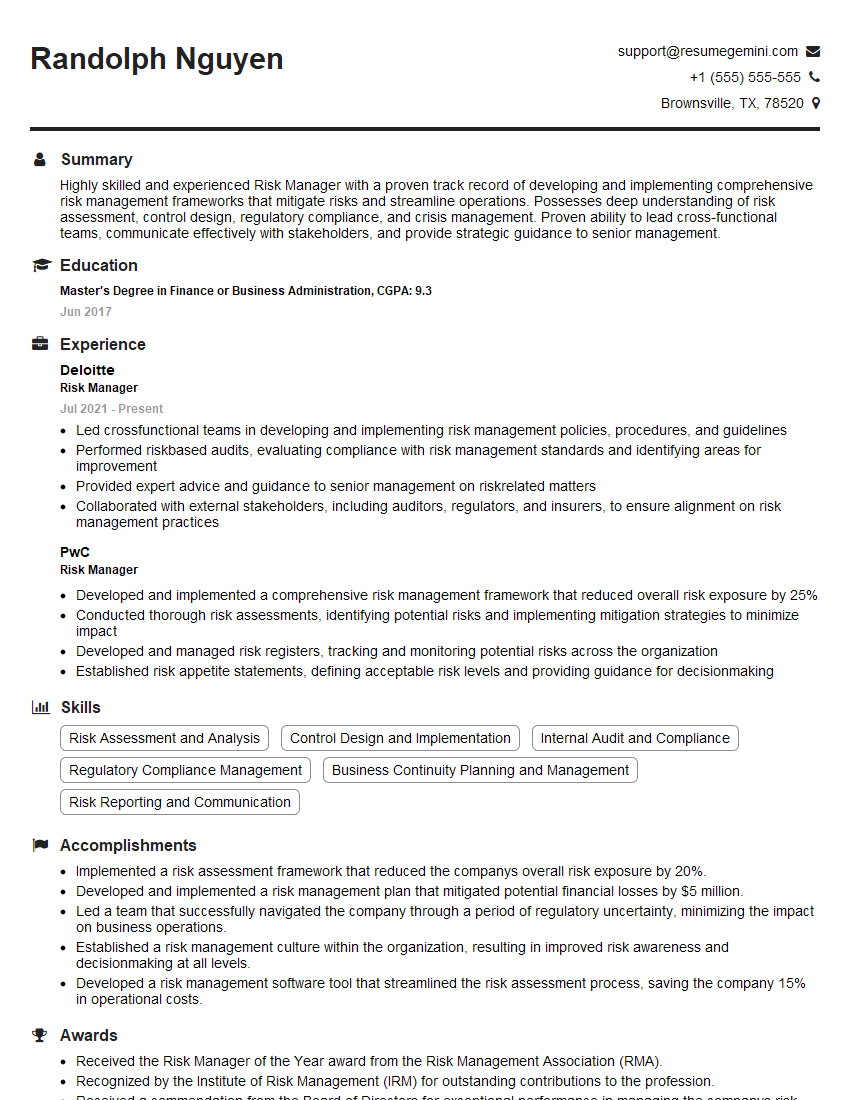
Risk Manager Resume Sample
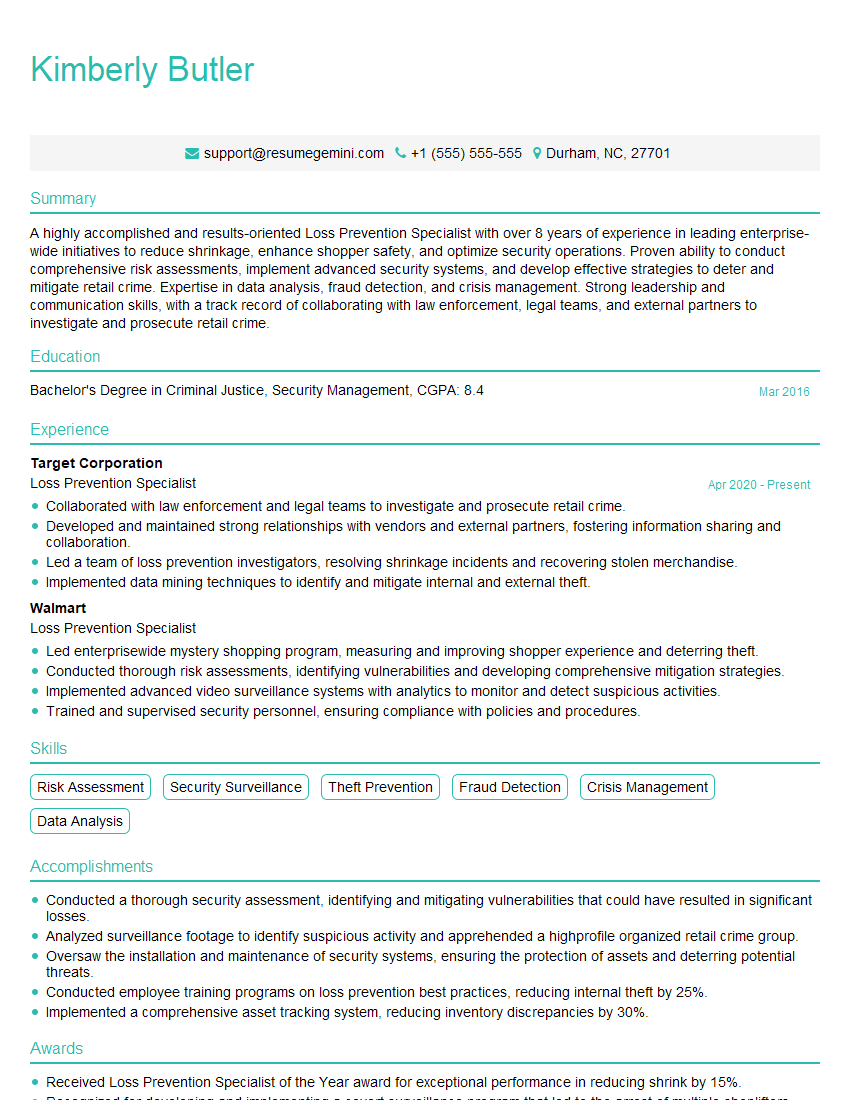
Loss Prevention Specialist Resume Sample
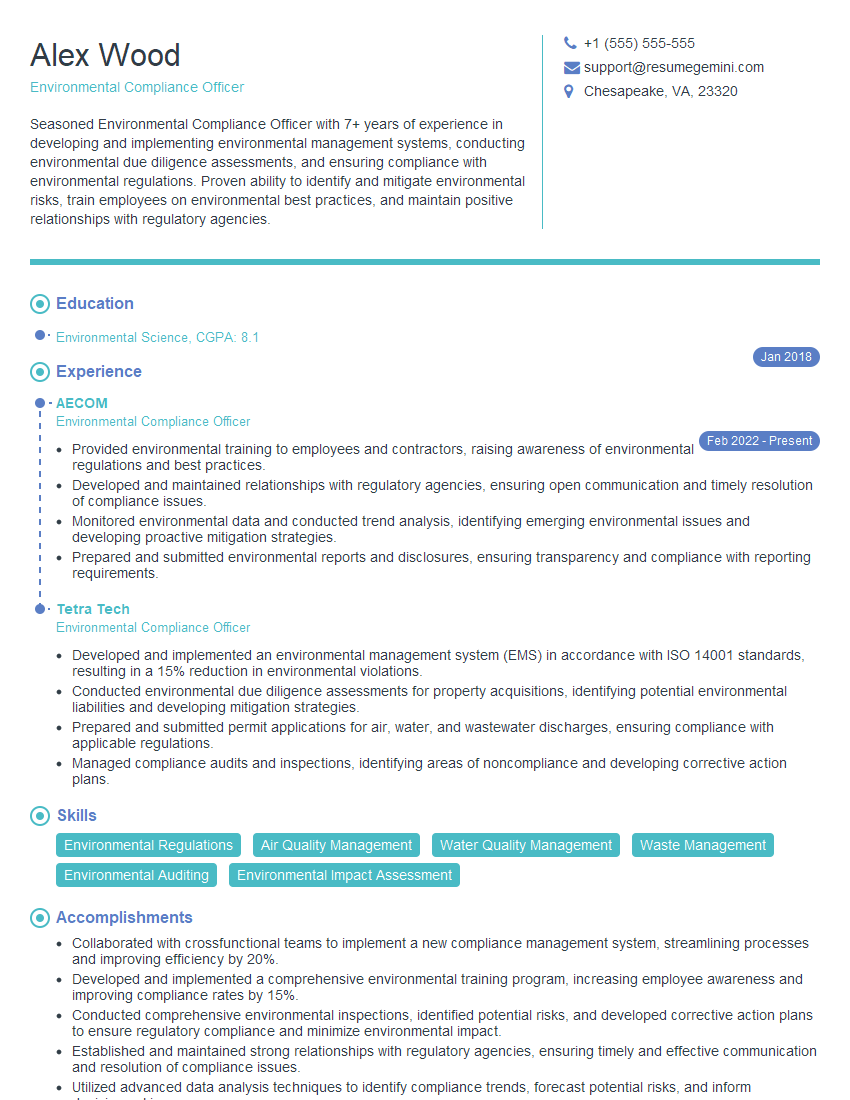
Environmental Compliance Officer Resume Sample
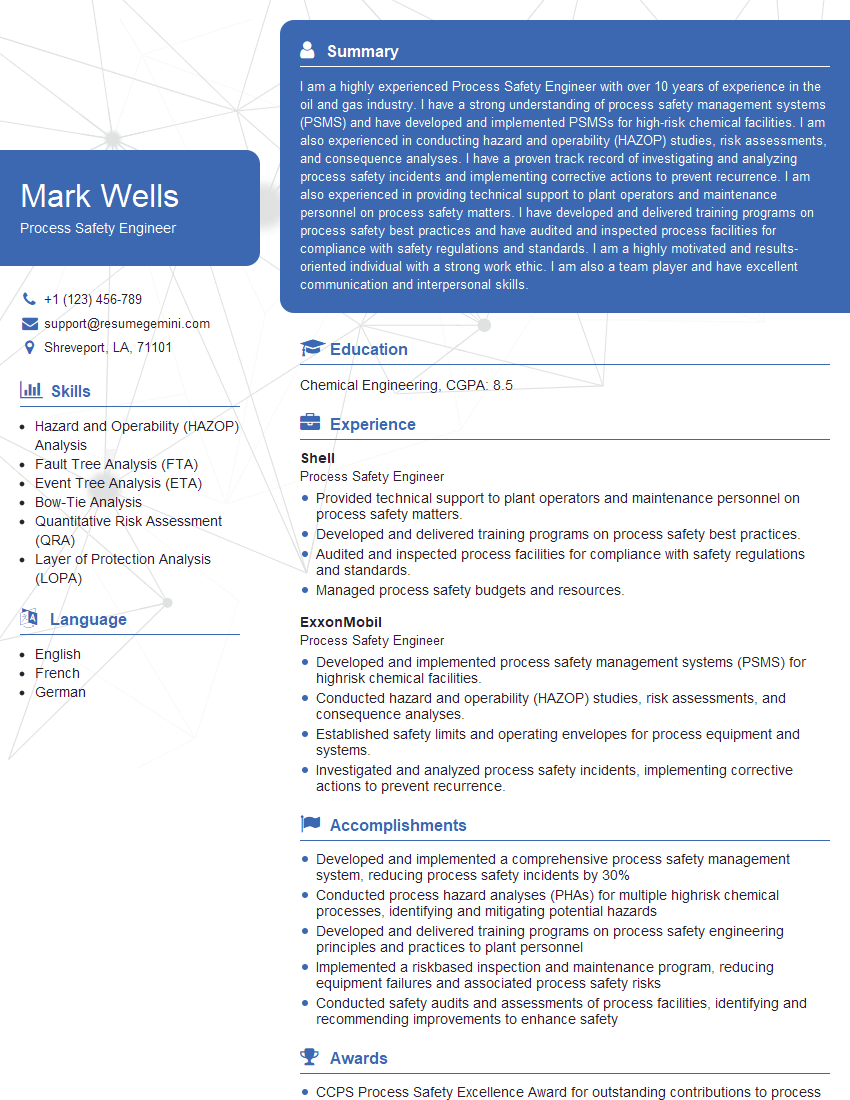
Process Safety Engineer Resume Sample
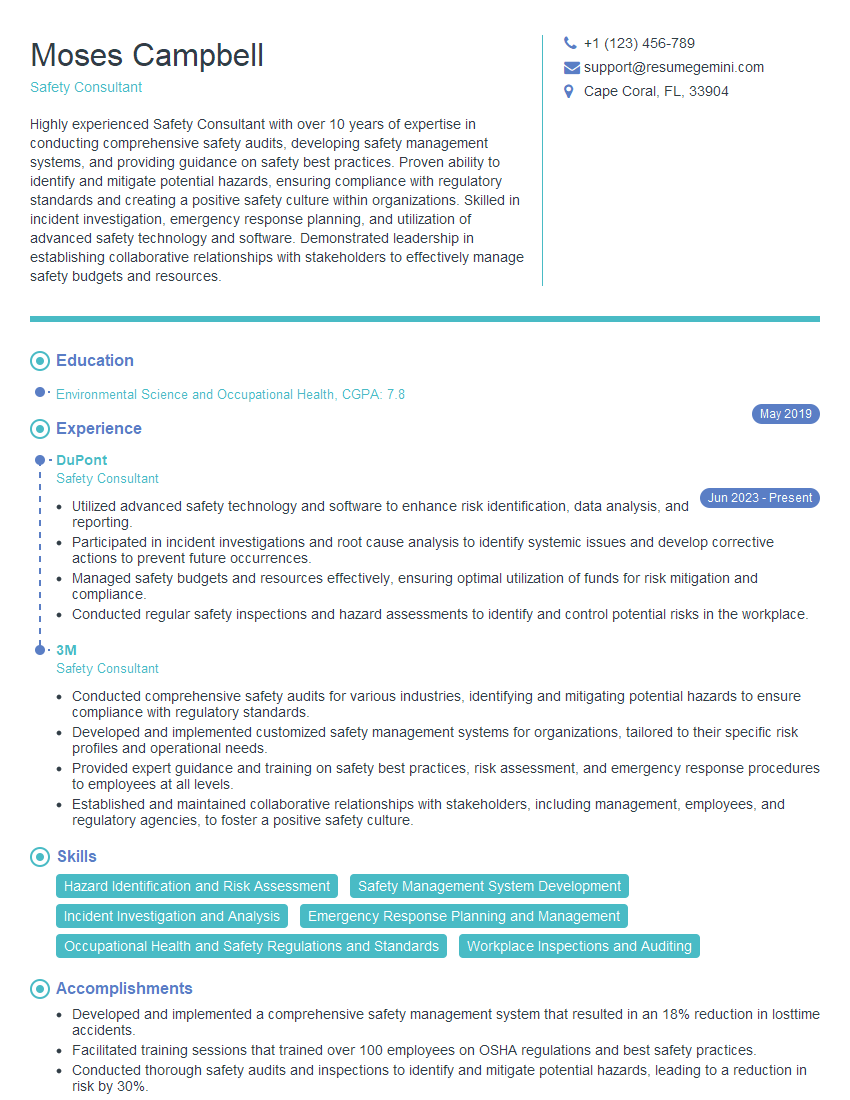
Safety Consultant Resume Sample
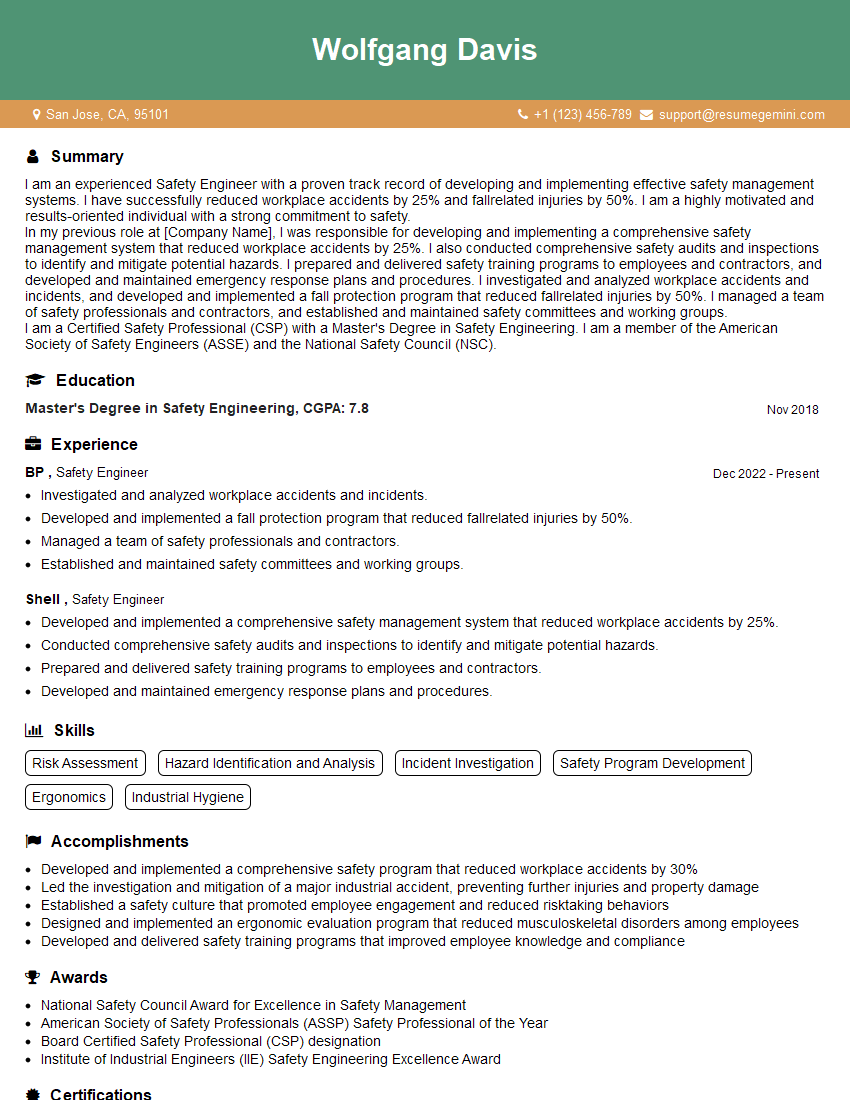
Safety Engineer Resume Sample
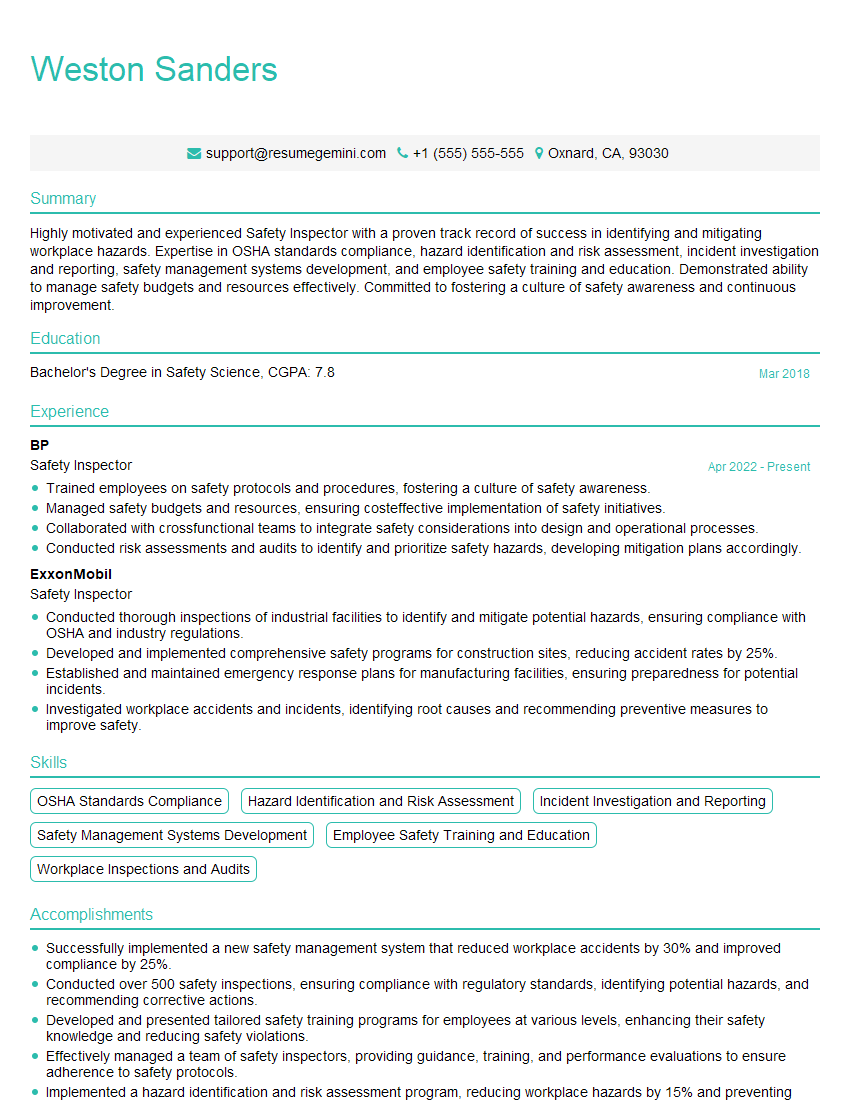
Safety Inspector Resume Sample
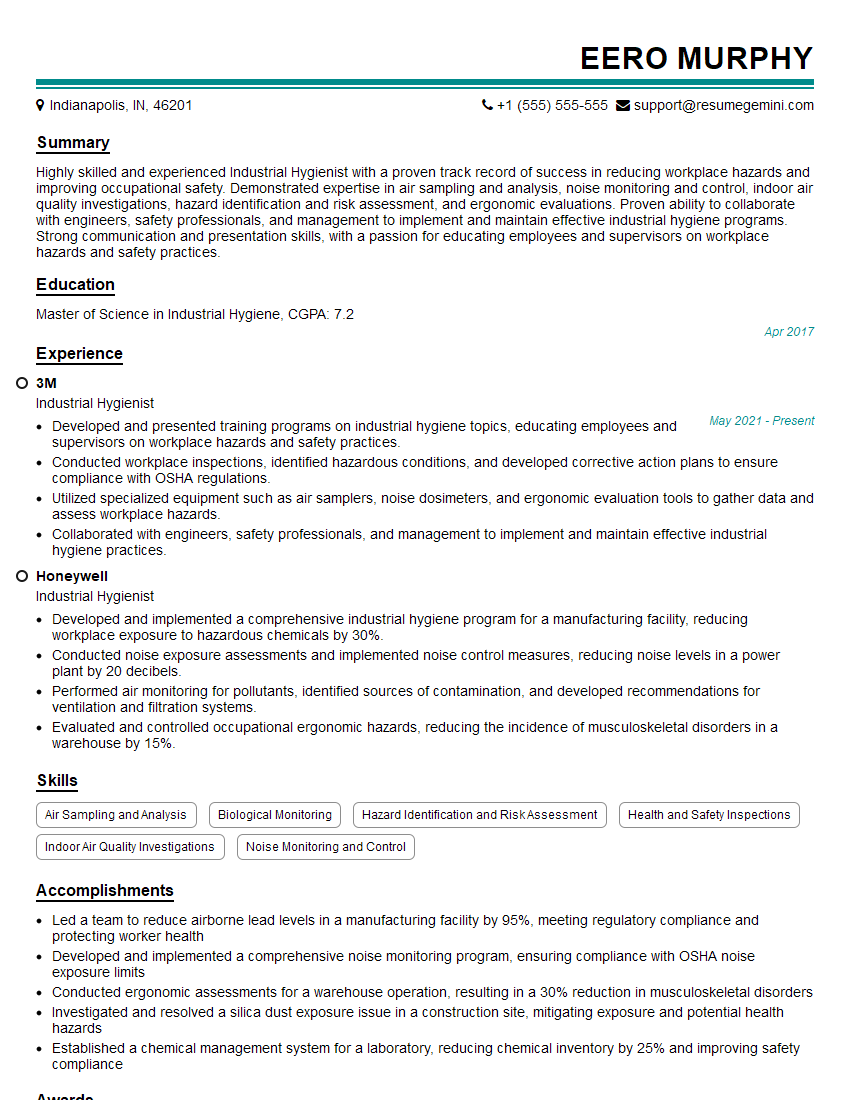
Industrial Hygienist Resume Sample
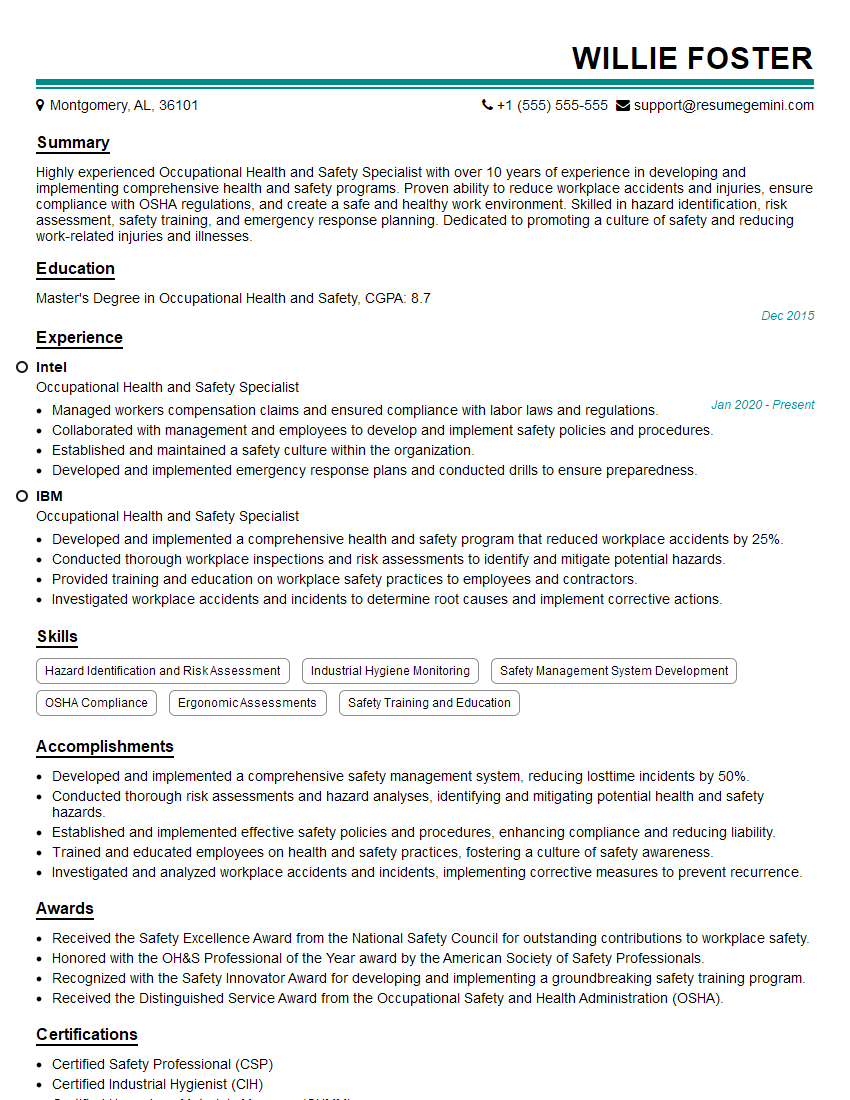
Occupational Health and Safety Specialist Resume Sample
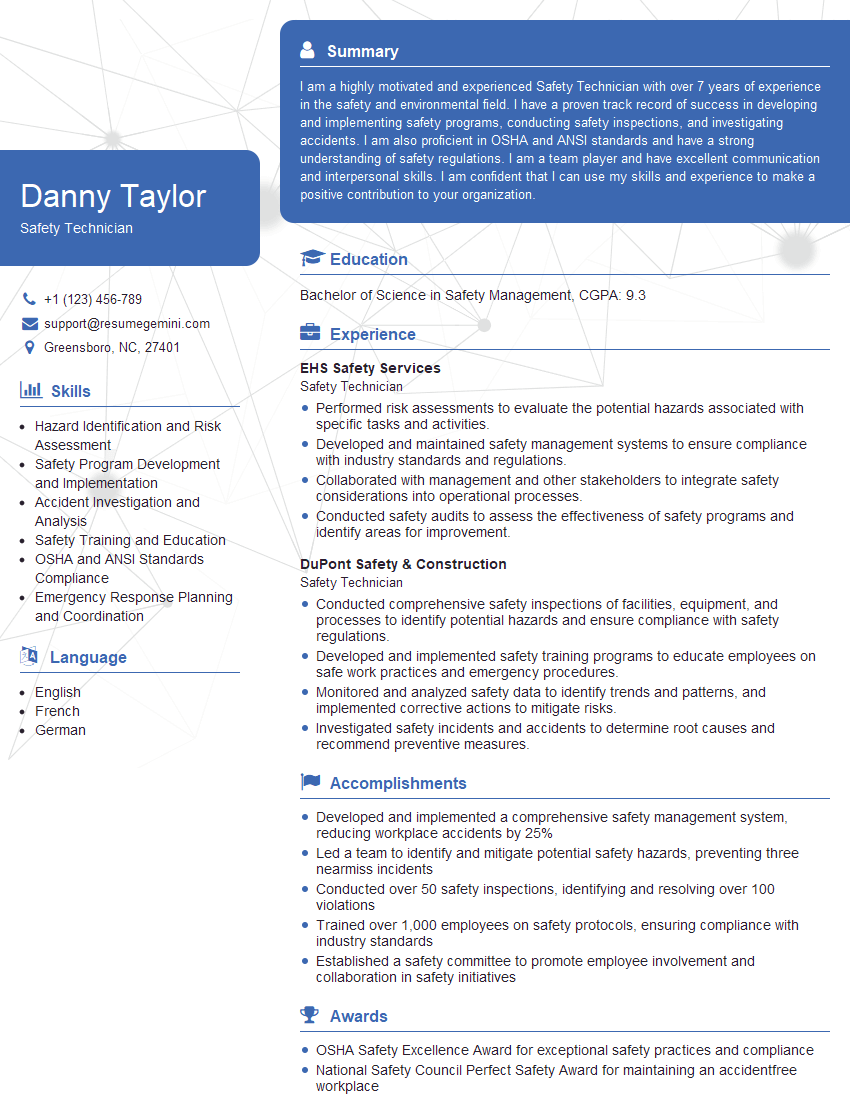
Safety Technician Resume Sample
- Safety Manager
- Safety Director
- Environmental Health and Safety Manager
- Safety Coordinator
- Compliance Officer
- Compliance Specialist
- Risk Manager
- Loss Prevention Specialist
- Environmental Compliance Officer
- Process Safety Engineer
- Safety Consultant
- Safety Engineer
- Safety Inspector
- Industrial Hygienist
- Occupational Health and Safety Specialist
- Safety Technician
Explore more articles
Users Rating of Our Blogs
Share Your Experience
We value your feedback! Please rate our content and share your thoughts (optional).
What Readers Say About Our Blog
To the interviewgemini.com Webmaster.
Very helpful and content specific questions to help prepare me for my interview!
Thank you
To the interviewgemini.com Webmaster.
This was kind of a unique content I found around the specialized skills. Very helpful questions and good detailed answers.
Very Helpful blog, thank you Interviewgemini team.