The right preparation can turn an interview into an opportunity to showcase your expertise. This guide to Large Equipment Operation interview questions is your ultimate resource, providing key insights and tips to help you ace your responses and stand out as a top candidate.
Questions Asked in Large Equipment Operation Interview
Q 1. Describe your experience operating excavators.
My excavator experience spans over ten years, encompassing a wide range of models, from compact excavators used in tight urban spaces to large-scale machines employed in heavy construction projects. I’m proficient in various techniques, including trenching, excavation, demolition, and material handling. For instance, on a recent project involving the construction of a new pipeline, I used a 30-ton excavator to efficiently dig trenches with precise depths and widths, ensuring minimal disruption to the surrounding environment. Another project involved delicate demolition work, requiring precise control to avoid damage to adjacent structures; a situation where my years of experience were invaluable. I’m comfortable operating excavators with various attachments like breakers, rippers, and thumbs, adapting my technique based on the specific task at hand.
Q 2. What safety procedures do you follow when operating heavy machinery?
Safety is paramount in heavy machinery operation. My safety procedures are consistent and rigorous. They start with a thorough pre-operational inspection of the machine, checking fluid levels, tire pressure, and overall structural integrity. I always wear appropriate personal protective equipment (PPE), including a hard hat, safety glasses, hearing protection, and high-visibility clothing. Before starting any operation, I ensure the work area is clear of obstructions and personnel, establishing clear communication with anyone nearby. I maintain a safe operating speed and distance from other equipment and personnel, and always adhere to all site-specific safety regulations. For example, on a job site with nearby power lines, I strictly followed procedures to maintain a safe distance, and worked in coordination with a spotter to ensure the boom never came close to overhead hazards. Regular safety training is crucial, and I actively participate in all mandatory courses and refreshers to keep my skills and knowledge up-to-date.
Q 3. Explain your experience with preventative maintenance on heavy equipment.
Preventative maintenance is key to ensuring equipment reliability and longevity. My experience includes performing daily checks on critical components such as engine oil, hydraulic fluid, and coolant levels. I also regularly inspect belts, hoses, and filters, replacing them as needed before any issues arise. I’m adept at lubricating moving parts and identifying potential issues before they escalate into costly breakdowns. I’ve also been trained to carry out basic repairs, such as changing filters and minor hydraulic adjustments. On one occasion, I noticed a slight leak in a hydraulic hose during a routine inspection. By addressing the issue promptly, I prevented a major hydraulic failure and costly downtime. I maintain detailed records of all maintenance procedures, ensuring compliance with manufacturer’s recommendations and company guidelines.
Q 4. How do you handle unexpected equipment malfunctions?
When faced with unexpected equipment malfunctions, my immediate response is to prioritize safety. I immediately shut down the machine and assess the situation, ensuring that no one is in harm’s way. I then try to diagnose the problem, using my knowledge of the machine’s mechanics and any available diagnostic tools. If I can’t fix the issue myself, I promptly report it to the supervisor, detailing the problem and any potential safety risks. For example, if the excavator’s hydraulic system fails, I immediately stop the machine, assess the area for safety, and immediately call for assistance; it’s critical to avoid any unsafe attempts at DIY repairs. My approach focuses on minimizing downtime and ensuring the issue is resolved swiftly and safely.
Q 5. Describe your experience with different types of loaders (e.g., wheel loaders, skid steers).
My experience extends to various types of loaders. I’m proficient in operating both wheel loaders and skid steers, understanding the strengths and limitations of each. Wheel loaders are ideal for large-scale material handling, such as moving significant quantities of earth or aggregates over longer distances. I often use these for tasks like loading trucks or stockpiling materials. Skid steers, on the other hand, excel in tight spaces due to their maneuverability. I’ve used skid steers extensively for landscaping, light demolition, and tasks where precise control is crucial. I understand the importance of adapting my operating technique to the specific loader type and the task at hand; for example, using bucket positioning effectively and maintaining safe operating speeds based on terrain and load. This adaptability allows me to maximize efficiency and safety regardless of the equipment being used.
Q 6. How familiar are you with GPS-guided equipment operation?
I am quite familiar with GPS-guided equipment operation. I’ve worked extensively with machines equipped with GPS systems for tasks requiring high precision and efficiency, such as grading, earthmoving, and precise excavation. These systems allow for automated guidance, improving accuracy and reducing material waste. Understanding the system’s interface, including setting up baselines, managing waypoints, and interpreting GPS data, is crucial for achieving optimal results. I understand the importance of system calibration and regularly conduct checks to ensure its accuracy. I’ve found that GPS guidance significantly increases productivity and reduces human error in tasks requiring high accuracy, like creating precise slopes for road construction.
Q 7. Explain your understanding of load capacity and stability.
Understanding load capacity and stability is critical for safe and efficient operation of heavy equipment. Load capacity refers to the maximum weight a machine can lift or carry without compromising its structural integrity. Exceeding this limit can lead to equipment failure or even accidents. Stability relates to the machine’s ability to remain balanced under various load conditions and terrain types. Factors such as the machine’s center of gravity, ground conditions, and the distribution of the load all influence stability. I always refer to the manufacturer’s specifications for load capacity and carefully assess the stability of the machine before lifting or moving heavy loads. For example, I would never attempt to lift a load that exceeds the machine’s rated capacity, and I always ensure the machine is positioned on stable ground before starting any lifting operation. Improper load handling can lead to serious accidents, and always prioritizing safety is paramount.
Q 8. Describe your experience with operating equipment in various terrain conditions.
Operating heavy equipment across diverse terrains requires adaptability and a keen understanding of machine limitations. My experience spans everything from smooth, paved surfaces to challenging, uneven landscapes like rocky hillsides, muddy swamps, and sandy deserts. Each terrain presents unique challenges. For instance, operating an excavator on a steep incline requires careful consideration of weight distribution to prevent tipping. On muddy ground, I’ve adjusted operating techniques to minimize ground disturbance and prevent getting stuck. In sandy conditions, I’ve used specialized tracks or tires to maximize traction and prevent the machine from sinking. I’ve always prioritized safety by assessing the terrain before operation, selecting appropriate equipment and operating speeds, and employing techniques to maintain stability and control. For example, when working on a steep slope, I might use a winch or counterweights for added stability. In swampy areas, I would utilize wider tracks to distribute weight and reduce ground pressure.
A specific example includes working on a pipeline project in northern Alberta. We faced challenging terrain with deep mud, requiring us to use specialized tracked excavators with wide, low-pressure tracks to prevent sinking. We also implemented a detailed ground support plan and used strategically placed mats to create stable working surfaces.
Q 9. How do you ensure the safe operation of equipment near power lines?
Safety near power lines is paramount. My approach involves a multi-layered strategy. First, I always obtain and meticulously review the site’s power line clearance information and any relevant safety documents before starting work. This usually includes detailed maps showing the exact location and height of power lines. Second, I rigorously maintain a safe distance – always exceeding minimum clearance requirements. I use spotters or utilize technology like laser measuring devices to ensure we stay well clear. Third, I never operate equipment near power lines during inclement weather, like storms or high winds, as this increases the risk of accidents due to potential line sagging or unexpected weather changes. Finally, all equipment is inspected to ensure that there are no exposed wires or other potential sources of electrical hazards. All personnel are reminded of the importance of maintaining a safe working distance and are provided with appropriate PPE.
On one occasion, I was operating a crane near power lines. Before commencing operations, I conducted a thorough risk assessment, established a safe working radius, and assigned a dedicated spotter to continuously monitor the crane’s position relative to the power lines, and alert me of any potential threats.
Q 10. What is your experience with operating under different weather conditions?
Operating in diverse weather conditions is a routine aspect of my work. Extreme temperatures, heavy rainfall, high winds, and snow significantly impact equipment operation and safety. I adapt my operating techniques based on the specific weather conditions. For example, in extreme cold, I’ll ensure proper engine warm-up and use additional lubrication as needed. During heavy rain, I’ll reduce speed, increase visibility measures (lights and extra caution), and be particularly mindful of reduced traction and potential for equipment malfunction due to water ingress. In high winds, I’ll take extra precautions and ensure the stability of equipment and loads. In snowy conditions, I’ll select appropriate tires or tracks and proceed with caution.
I also prioritize regular equipment maintenance to ensure optimal performance in various weather conditions. Regular inspections for corrosion, wear and tear, and damage from the elements are crucial. I remember one instance where we experienced a sudden blizzard during a road construction project. We had to immediately halt operations, secure the equipment, and ensure the safety of the team.
Q 11. Describe your knowledge of pre-operational checks on heavy equipment.
Pre-operational checks are non-negotiable for safe and efficient operation. My comprehensive checklist includes several key steps. First, I visually inspect the entire machine for any obvious damage, leaks, or loose components. Next, I check fluid levels (engine oil, hydraulic fluid, coolant, fuel) and look for any signs of contamination. Then, I verify the functionality of all safety systems – lights, horns, brakes, emergency stops, and seatbelts. I also check tire pressure (or track tension), and finally, I test the operational range of the equipment, ensuring all components function as expected. Documentation of these checks is always maintained.
A thorough pre-operational check is like a health check for the machine. It prevents costly breakdowns and, more importantly, significantly reduces the risk of accidents. Skipping this step is simply unacceptable. For example, a simple check of hydraulic fluid level could prevent a catastrophic hydraulic failure.
Q 12. How do you prioritize tasks when working on multiple projects?
Prioritizing tasks across multiple projects requires a systematic approach. I typically use a combination of methods to effectively manage my workload. First, I create a detailed schedule, breaking down each project into smaller, manageable tasks. Then, I prioritize tasks based on several factors: deadlines, urgency, resource requirements, and overall project importance. This usually involves a combination of time management techniques. The critical path method, for example, helps in identifying the most time-sensitive tasks that directly affect the project schedule. I also use tools like Gantt charts to visualize project timelines and track progress against deadlines. Finally, regular communication with supervisors and colleagues is crucial to keep everyone informed about progress, address challenges, and maintain efficient workflow.
For instance, on a recent project involving both road construction and site preparation, I prioritized the roadwork to ensure timely completion before the site preparation could begin, as the latter depended on the completed roads for access.
Q 13. Describe your experience with using specialized attachments (e.g., hydraulic breakers, rippers).
I have extensive experience operating heavy equipment with various specialized attachments. This includes hydraulic breakers for demolition work, rippers for land clearing and excavation, and various buckets for different material handling needs. Each attachment requires specific operating techniques and safety considerations. For example, operating a hydraulic breaker necessitates awareness of vibration levels and potential damage to the machine’s structure. The ripper demands careful control to avoid damaging underground utilities or causing excessive ground disturbance. Understanding the limitations and capabilities of each attachment is crucial. I also regularly inspect these attachments for wear and tear and ensure proper maintenance to prevent failure during operation.
A memorable experience involved using a hydraulic breaker to demolish an old concrete structure. Precise control was essential to avoid damaging nearby buildings. I adjusted the breaker’s impact power based on the concrete’s strength and carefully monitored the demolition process to ensure safe and efficient operation.
Q 14. What is your experience working with blueprints and site plans?
Working with blueprints and site plans is an integral part of my job. I’m proficient in interpreting various types of engineering drawings, including topographic maps, excavation plans, and utility layouts. I use these documents to understand the project scope, locate underground utilities, plan excavation routes, and ensure accurate placement of materials. My ability to interpret these plans accurately translates directly to improved efficiency and safety on the job site. I utilize these plans not only to understand the ‘what’ but also the ‘where’ and ‘how’ of the project. I always cross-reference these plans with site conditions to account for any discrepancies and ensure work accuracy.
For example, on a recent project, I used the site plans to identify the locations of underground gas lines and carefully planned my excavation route to avoid damage. This meticulous approach avoided potential accidents and significant cost overruns.
Q 15. How do you communicate with other members of the construction crew?
Effective communication is the cornerstone of any successful construction project. On a construction site, clear and concise communication is paramount for safety and efficiency. I believe in a multi-faceted approach.
Direct Communication: I always make eye contact, speak clearly and directly, and confirm understanding through active listening. For instance, before beginning any task involving other crew members, I’ll clearly outline the plan, ensuring everyone understands their roles and responsibilities.
Pre-Shift Briefings: Participating in and contributing to pre-shift safety meetings is crucial. I actively share any potential hazards I’ve identified and listen attentively to others’ concerns. This proactive approach prevents misunderstandings and promotes a safer work environment.
Radio Communication: On larger sites, two-way radios are essential. I use them responsibly, keeping transmissions brief and clear, avoiding jargon, and using standard terminology to ensure everyone understands the message. For example, instead of saying ‘that thing’s broken’, I’d say ‘the hydraulic cylinder on the excavator is malfunctioning, requesting maintenance assistance.’
Non-Verbal Communication: I’m mindful of body language and use hand signals appropriately, especially when operating heavy equipment near other workers. A simple hand signal can often be more effective and safer than shouting across a noisy site.
Career Expert Tips:
- Ace those interviews! Prepare effectively by reviewing the Top 50 Most Common Interview Questions on ResumeGemini.
- Navigate your job search with confidence! Explore a wide range of Career Tips on ResumeGemini. Learn about common challenges and recommendations to overcome them.
- Craft the perfect resume! Master the Art of Resume Writing with ResumeGemini’s guide. Showcase your unique qualifications and achievements effectively.
- Don’t miss out on holiday savings! Build your dream resume with ResumeGemini’s ATS optimized templates.
Q 16. How do you ensure compliance with safety regulations and company policies?
Safety is my top priority. Compliance with regulations and company policies is non-negotiable. My approach involves a proactive, multi-layered strategy.
Regular Training: I stay up-to-date with all relevant safety regulations and company policies through regular training courses and refresher sessions. This includes understanding and adhering to OSHA regulations and company-specific safety manuals.
Pre-Operation Checks: Before operating any equipment, I meticulously perform pre-operational checks, ensuring all safety mechanisms are functional and that the equipment is in safe working condition. This involves inspecting brakes, lights, and other safety features.
Following Procedures: I strictly adhere to established safety procedures, such as using appropriate Personal Protective Equipment (PPE) at all times and maintaining a safe working distance from other equipment and personnel. This might involve using spotters when visibility is limited.
Reporting Hazards: I immediately report any unsafe conditions or near misses to my supervisor. Proactive reporting is vital for preventing accidents and improving site safety. This could be anything from a damaged piece of equipment to a potential tripping hazard.
Leading by Example: I strive to be a role model for safety, encouraging my colleagues to follow regulations and report any concerns. A culture of safety is built collectively, and everyone shares responsibility.
Q 17. Describe a time you had to troubleshoot a complex equipment problem.
During a road construction project, the hydraulic system on our bulldozer malfunctioned. It suddenly lost all hydraulic power, leaving the machine immobile and disrupting the entire paving operation. This was a complex problem because the system was intricate and the cause wasn’t immediately obvious.
Initial Assessment: I systematically checked all obvious potential causes, such as low hydraulic fluid levels, leaks, and loose connections. I found no immediate, simple explanations.
Troubleshooting: I consulted the bulldozer’s maintenance manual, carefully reviewing the hydraulic system diagrams and troubleshooting guides. This revealed potential points of failure in the hydraulic pump and associated valves.
Systematic Testing: Using pressure gauges and other diagnostic tools, I tested different components of the hydraulic system, starting from the pump and tracing the flow through the valves and lines. This helped isolate the problem to a faulty directional control valve.
Repair or Replacement: Given the complexity of the valve, I requested assistance from a skilled mechanic. The valve was replaced, and the system was thoroughly tested again. It resumed normal operation, minimizing downtime and project delays.
This experience highlighted the importance of methodical troubleshooting, careful documentation, and collaboration with experienced personnel when facing intricate equipment issues.
Q 18. How do you handle difficult or demanding supervisors or coworkers?
Handling difficult supervisors or coworkers requires a professional and respectful approach. My strategy focuses on effective communication and de-escalation techniques.
Clear Communication: I address concerns directly, but professionally, focusing on the issue at hand rather than resorting to personal attacks. For example, instead of saying ‘you’re wrong,’ I would phrase it as ‘I understand your perspective, but I believe this approach might be more efficient.’
Active Listening: I make a conscious effort to listen to their concerns and perspectives, even if I don’t agree with them. Understanding their viewpoints is crucial for finding common ground.
Seeking Clarification: If instructions are unclear or contradictory, I seek clarification to avoid mistakes and misunderstandings. It’s better to ask for clarification than to proceed with uncertainty and potentially make errors.
Documentation: In cases of persistent conflict or harassment, I meticulously document all interactions, including dates, times, and descriptions of events. This provides a record of the situation if it needs to be escalated.
Escalation (if necessary): If attempts at direct communication fail, I escalate the issue to my supervisor or a designated HR representative. My goal is always to resolve the situation professionally and maintain a positive working environment, but safety and respectful treatment are non-negotiable.
Q 19. Explain your experience with fuel efficiency techniques in heavy equipment operation.
Fuel efficiency is a critical factor in reducing operational costs and minimizing environmental impact. My experience encompasses several strategies.
Proper Maintenance: Regular maintenance, including timely servicing and repairs, ensures optimal engine performance and fuel economy. Neglecting maintenance leads to increased fuel consumption.
Smooth Operation: Avoiding sudden acceleration, jerky movements, and excessive idling significantly improves fuel efficiency. Gentle acceleration and maintaining a consistent speed are crucial. Think of it like driving a car – aggressive driving wastes fuel.
Load Management: Matching the equipment’s capacity to the task at hand prevents unnecessary fuel consumption. Overloading equipment strains the engine and reduces efficiency.
Terrain Awareness: Operating on suitable terrain avoids unnecessary strain on the engine. Selecting the right gear for the ground conditions maximizes fuel efficiency. For example, using low gear on steep inclines avoids excessive engine revving.
Engine Management: Understanding the engine’s operating parameters and optimizing its performance contributes to fuel economy. This involves paying attention to things like the engine’s RPM and load.
I continuously seek ways to improve fuel efficiency, as it’s a direct reflection of my responsibility towards cost-effectiveness and environmental consciousness.
Q 20. What are your strengths and weaknesses as a heavy equipment operator?
My strengths lie in my meticulous attention to detail, my problem-solving abilities, and my commitment to safety. I am a quick learner, readily adapting to new equipment and technologies. I also pride myself on my strong work ethic and positive attitude, contributing to a productive team environment.
One area for improvement is my delegation skills. While I’m capable of handling numerous tasks independently, I am working on effectively delegating tasks to others when appropriate. This will enhance overall team efficiency and allow for improved time management. I am currently enrolled in a leadership development course to address this area.
Q 21. Describe your experience with operating cranes (specify type if applicable).
I have extensive experience operating various types of cranes, including tower cranes and mobile cranes (specifically, rough-terrain and all-terrain cranes). My experience spans diverse projects, from high-rise construction to industrial settings.
Tower Crane Operation: I am proficient in operating tower cranes, which requires a comprehensive understanding of load charts, rigging techniques, and wind conditions. Safety is paramount when working at heights, and I adhere to strict safety protocols and signal procedures.
Mobile Crane Operation: My mobile crane experience includes both rough-terrain and all-terrain models. I’m skilled in maneuvering these cranes in various terrains and environments, understanding their limitations and capabilities in different contexts. This involves proficiency in load charts, counterweight calculations, and safe load handling techniques.
Safety Procedures: Regardless of the crane type, my work always prioritizes safety, including thorough pre-operational checks, adherence to signaling procedures, and maintaining awareness of the surroundings to prevent accidents. This extends to understanding and strictly complying with all relevant safety regulations and industry best practices.
I hold all necessary certifications and licenses for operating these machines and maintain continuous professional development to ensure my competence and safety.
Q 22. How do you manage your time effectively on the job site?
Effective time management on a job site is crucial for productivity and safety. My approach involves a combination of planning, prioritization, and efficient execution. Before starting any task, I carefully review the project plans, identify potential bottlenecks, and sequence tasks logically. This often involves using a daily checklist to track progress and ensure I’m allocating the right amount of time to each activity. For instance, on a recent pipeline project, I prioritized pre-checks of equipment before commencing operations, saving us valuable time later by preventing unexpected delays.
I also utilize technology where possible. For example, I use scheduling apps to set reminders for critical tasks, like refueling or maintenance, preventing downtime and ensuring that tasks are completed within allotted timeframes. Finally, I regularly communicate with my team to identify and address any unexpected issues or delays that might arise, ensuring we stay on schedule and within budget.
Q 23. Describe your experience with maintaining accurate records and logs.
Maintaining accurate records and logs is paramount for safety, accountability, and regulatory compliance. Throughout my career, I’ve consistently utilized both digital and physical logs to document operational details, maintenance activities, and any safety incidents. This includes detailed equipment logs detailing hours of operation, fuel consumption, maintenance performed, and any observed defects. I also meticulously document all safety inspections, including pre-operation checks. My documentation adheres strictly to company standards and all applicable regulations.
For example, on a large-scale earthmoving project, I kept a daily log of equipment usage, noting soil conditions, weather, any repairs made, and the amount of material moved. This data was essential for project reporting and helped us to optimize future operations. Accuracy is maintained through cross-referencing with other team members’ logs and by promptly addressing any discrepancies. I’m proficient in various record-keeping software packages further enhancing accuracy and streamlining report generation.
Q 24. Explain your understanding of different types of soil and their impact on equipment operation.
Understanding different soil types is fundamental for safe and efficient equipment operation. Soil characteristics like texture, bearing capacity, and moisture content significantly influence machine performance and ground stability. Clay soils, for instance, are highly cohesive and can become extremely sticky when wet, causing significant traction issues for machinery. Conversely, sandy soils are more free-draining but can be unstable, leading to equipment sinking or shifting.
I’ve encountered these challenges firsthand. During a road construction project, we encountered expansive clay soil. To mitigate the risk of equipment damage and slippage, we adjusted our operational strategies, opting for a lighter equipment configuration and employing specialized techniques to reduce soil compaction and maintain stability. We also implemented frequent soil testing and modified our excavation methods based on the results. My experience covers various soil types, allowing me to adapt quickly and safely, enhancing efficiency and project success.
Q 25. How do you ensure the proper handling and storage of equipment and materials?
Proper handling and storage of equipment and materials is critical for preventing damage, theft, and ensuring safety. My approach is based on a structured system of organization and preventive maintenance. This includes following manufacturer guidelines regarding storage, regularly inspecting equipment for wear and tear, and promptly reporting any issues. Secure storage is essential – this can include locked sheds, designated parking areas, and secure material yards. This is particularly crucial for valuable or easily damaged components.
For instance, on a previous job site, we implemented a color-coded system for materials, making it easier to locate and track them. We also established specific procedures for equipment storage, including regular cleaning and lubrication to extend lifespan and prevent corrosion. This organized approach not only enhances efficiency but also ensures the longevity of equipment, leading to cost savings for the company.
Q 26. What is your experience with emergency procedures and accident reporting?
Emergency procedures and accident reporting are crucial aspects of job site safety. I am extensively trained in emergency response protocols, including first aid, CPR, and the use of fire extinguishers. I understand how to respond to various scenarios, from minor injuries to equipment malfunctions to hazardous material spills. Upon witnessing or encountering an incident, I follow a strict reporting procedure that includes immediately securing the area, tending to any injuries (if present), and notifying the appropriate personnel. Detailed incident reports are completed, providing objective facts, and including witness statements and photographic evidence where possible.
In one instance, a piece of equipment malfunctioned, creating a near-miss situation. Following the established protocol, I immediately stopped operations, secured the area, and reported the incident to my supervisor. A thorough investigation was conducted, the root cause identified, and corrective actions implemented to prevent recurrence. My prompt action ensured no injuries occurred and prevented any major disruption to the project.
Q 27. What are your salary expectations for this role?
My salary expectations are in line with the industry standard for a professional with my experience and skillset in large equipment operation. Considering my qualifications and the responsibilities of this role, I am targeting a salary range of [Insert Salary Range]. However, I am open to discussing this further based on the complete compensation package and the specific details of the position.
Q 28. Do you have any questions for me?
Yes, I do have a few questions. I’d like to learn more about the specific types of equipment I would be operating in this role and the extent of training and development opportunities offered by the company. I’m also interested in understanding the company’s safety culture and its commitment to employee well-being. Finally, could you describe the typical project timeline and workflow for this position?
Key Topics to Learn for Large Equipment Operation Interview
- Equipment Maintenance and Safety: Understanding preventative maintenance schedules, recognizing potential hazards, and adhering to safety protocols are crucial. This includes knowing how to perform basic inspections and troubleshooting minor issues.
- Operational Procedures: Mastering the safe and efficient operation of specific equipment types (e.g., excavators, loaders, bulldozers) is paramount. This involves practical application of techniques like maneuvering in confined spaces, load management, and material handling.
- Technical Knowledge: Familiarity with hydraulic systems, engine mechanics, and electrical components is essential for diagnosing problems and ensuring optimal equipment performance. Understanding the principles behind these systems will set you apart.
- Regulations and Compliance: Knowledge of relevant safety regulations, environmental guidelines, and industry best practices demonstrates your commitment to responsible operation. This includes understanding site-specific requirements.
- Problem-Solving and Troubleshooting: Interviewers will assess your ability to identify and resolve equipment malfunctions effectively and efficiently. Prepare examples demonstrating your analytical and problem-solving skills in real-world scenarios.
- Teamwork and Communication: Highlight your ability to collaborate effectively with colleagues and supervisors, communicate clearly, and follow instructions precisely. This includes demonstrating your understanding of site communication protocols.
Next Steps
Mastering Large Equipment Operation opens doors to rewarding and diverse career paths within construction, mining, and other industries, offering opportunities for advancement and specialization. To maximize your job prospects, crafting a compelling and ATS-friendly resume is vital. ResumeGemini is a trusted resource that can help you build a professional and effective resume tailored to highlight your skills and experience. Examples of resumes specifically designed for Large Equipment Operation professionals are available to guide you. Take the next step towards your dream career – create a resume that showcases your expertise and lands you that interview!
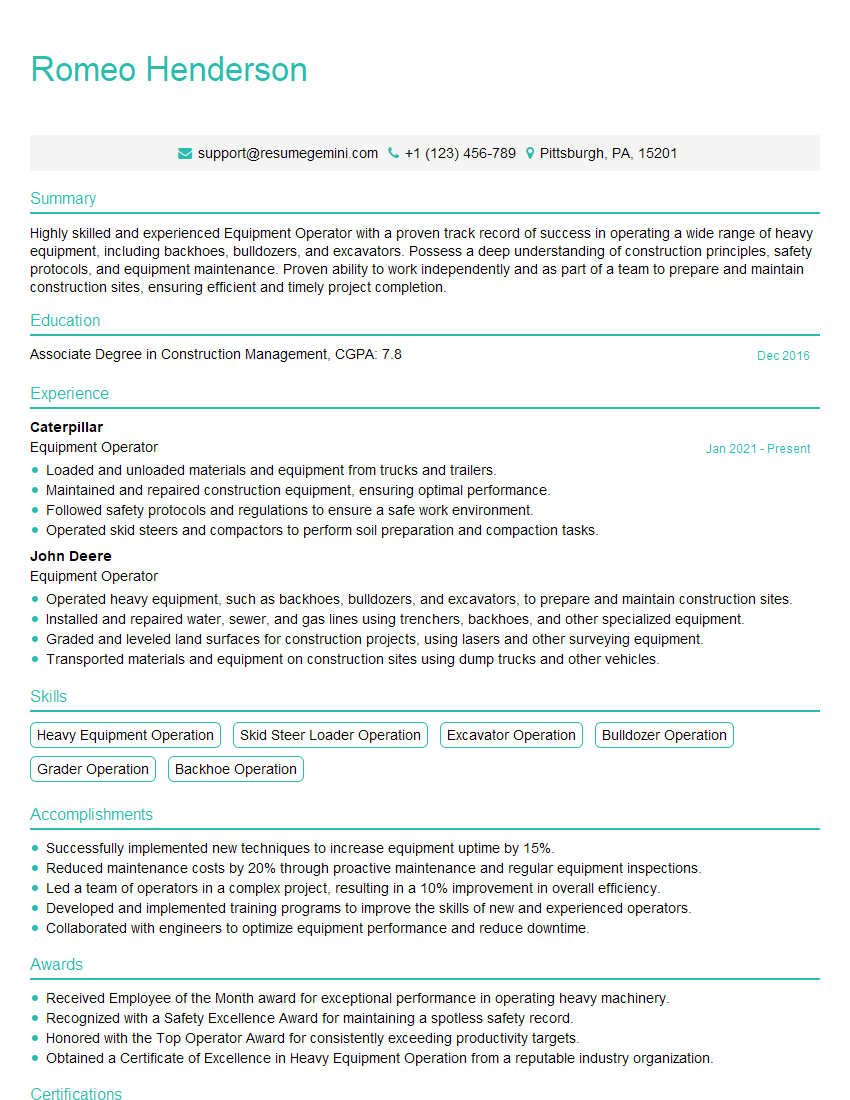
Equipment Operator Resume Sample

Crane Operator Resume Sample
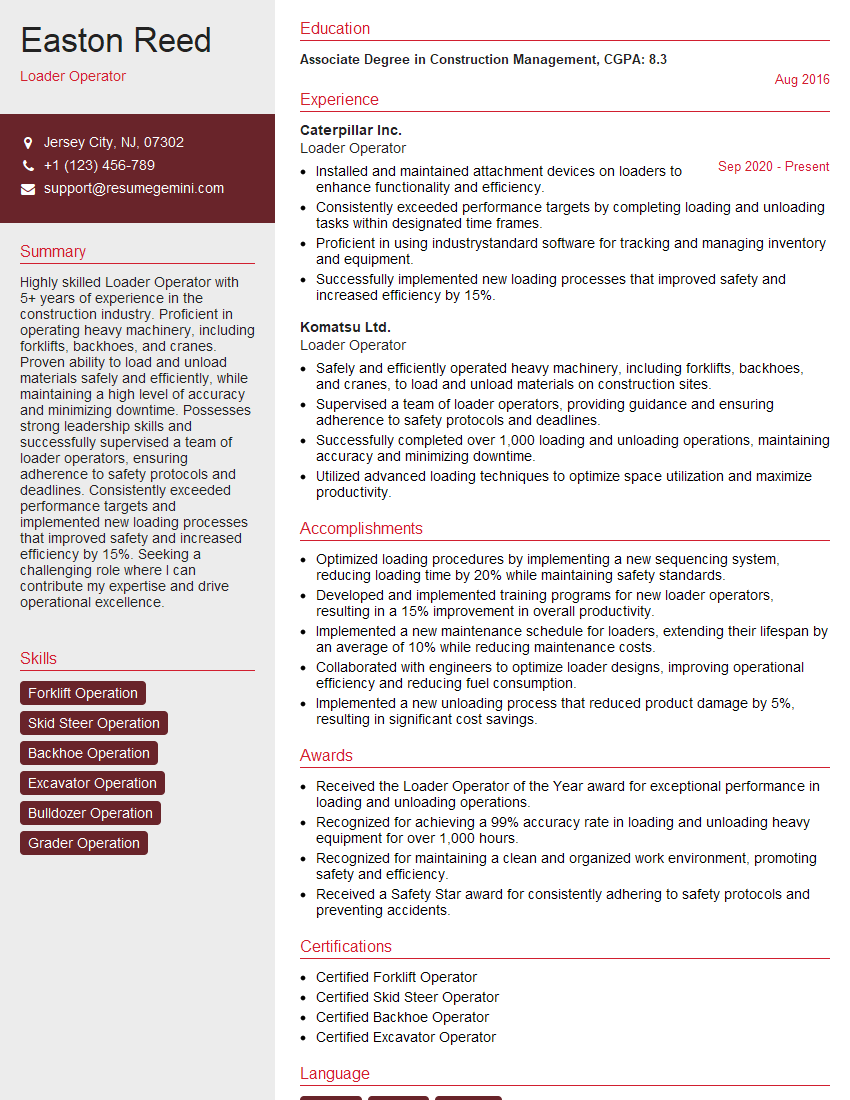
Loader Operator Resume Sample
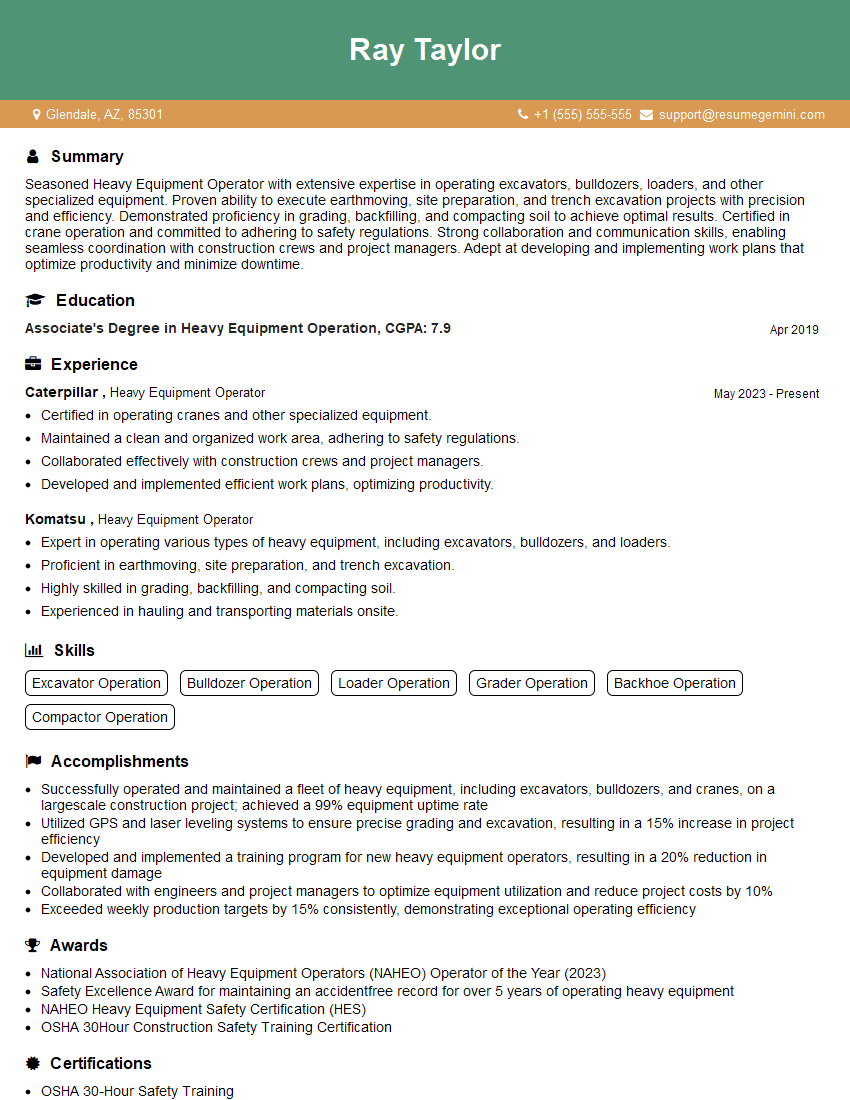
Heavy Equipment Operator Resume Sample

Roller Operator Resume Sample
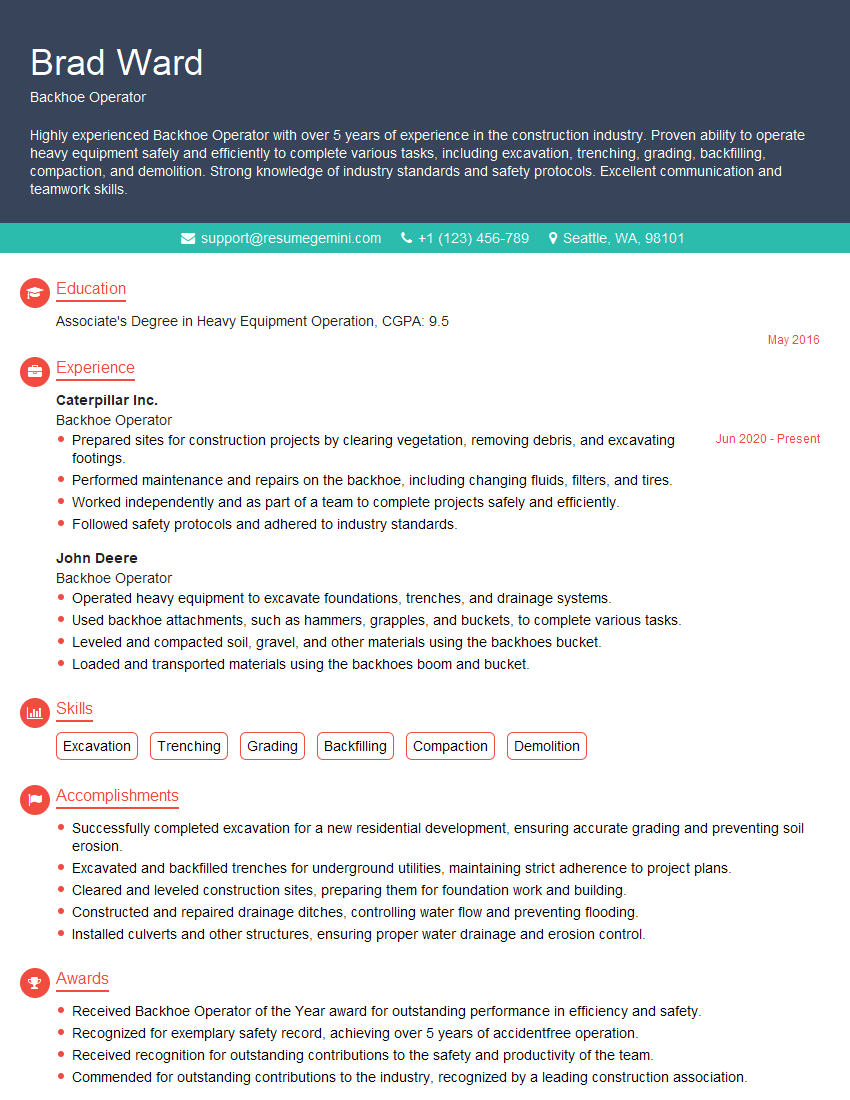
Backhoe Operator Resume Sample
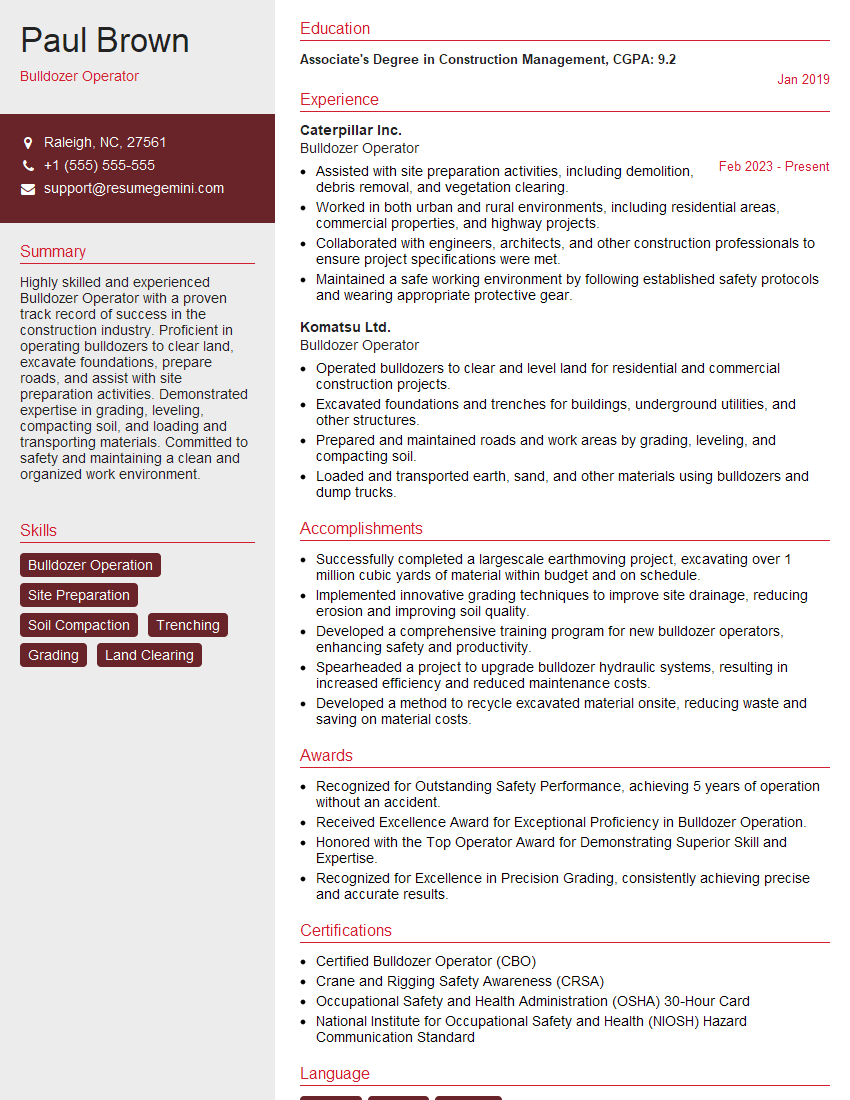
Bulldozer Operator Resume Sample
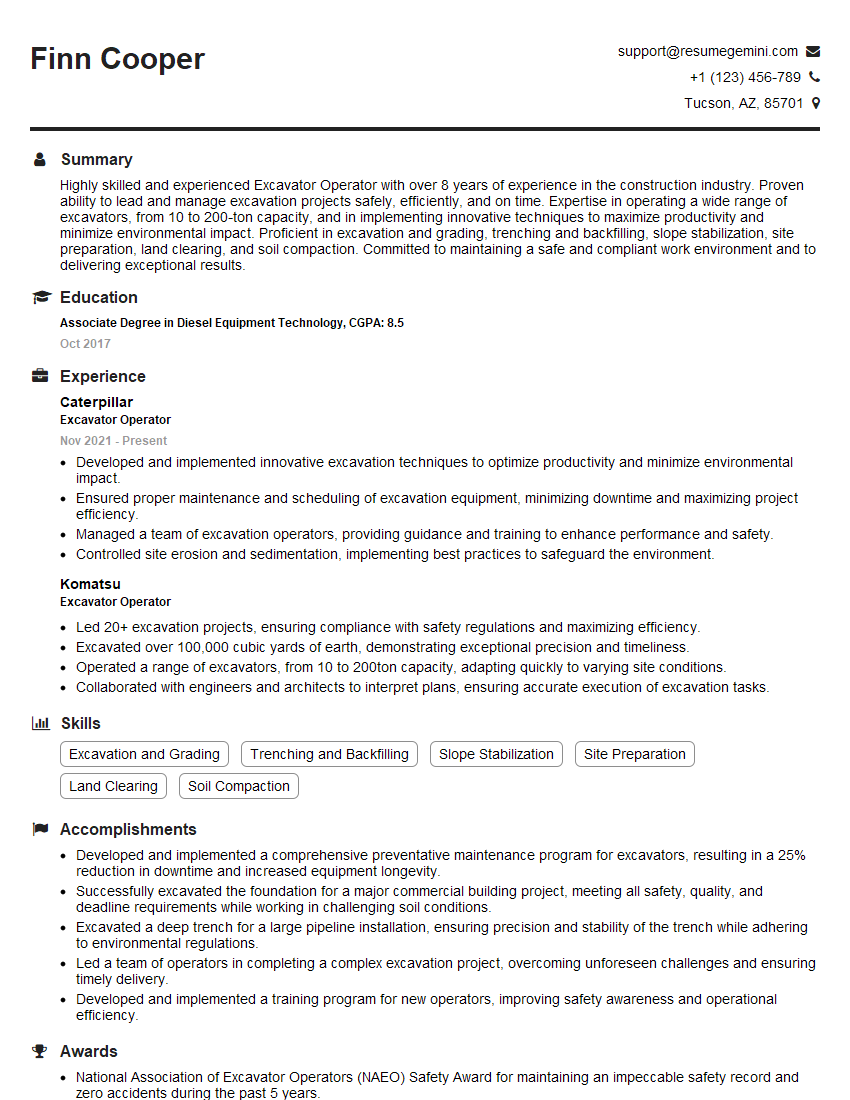
Excavator Operator Resume Sample
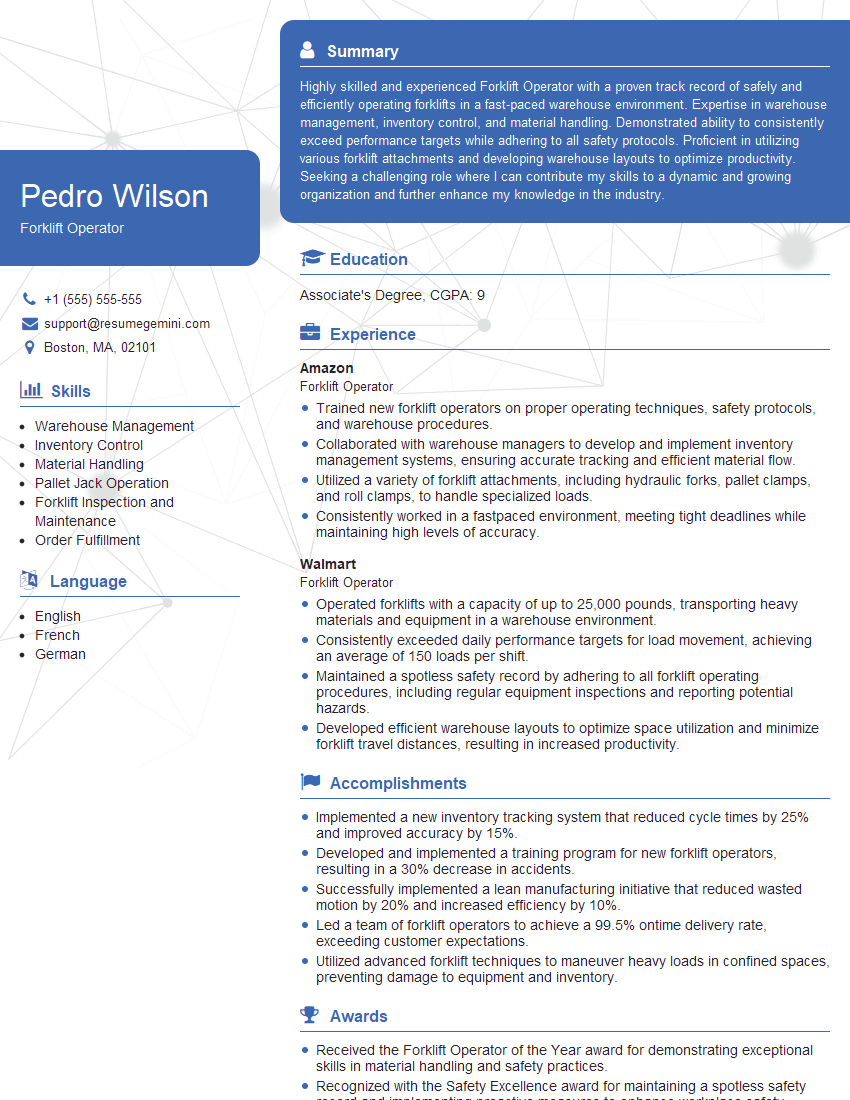
Forklift Operator Resume Sample
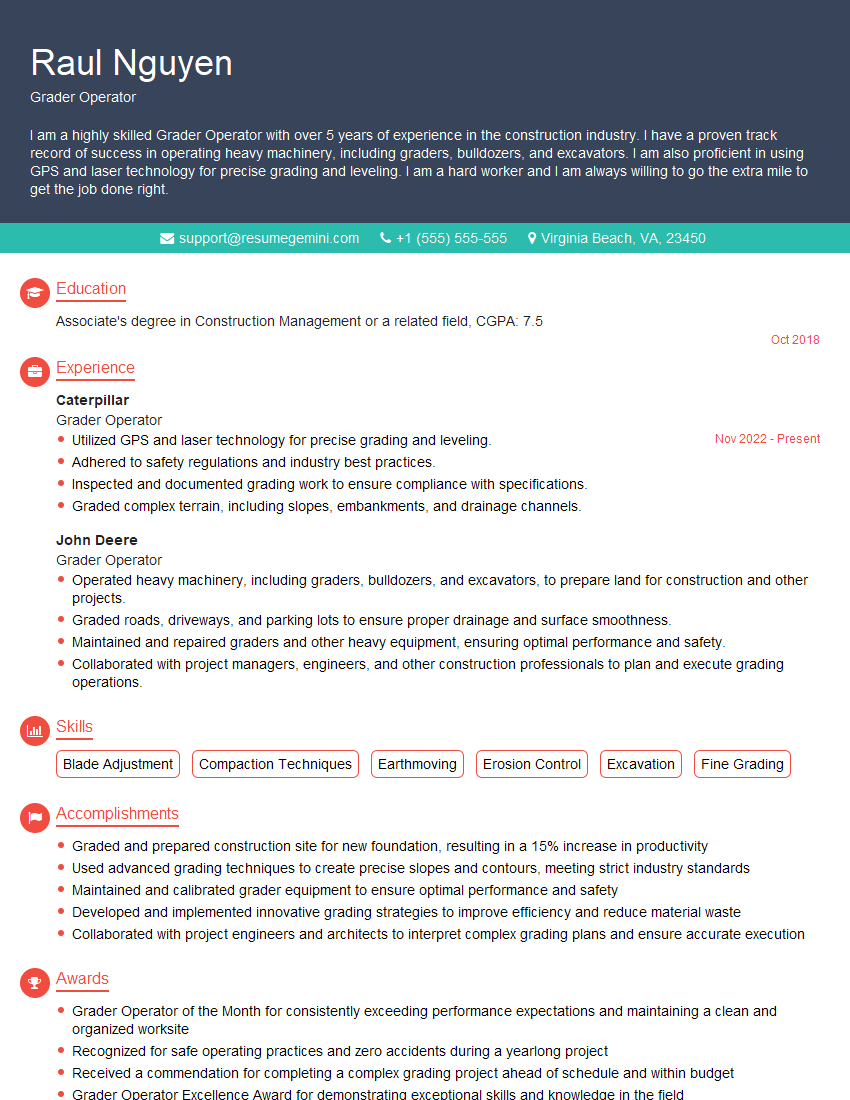
Grader Operator Resume Sample
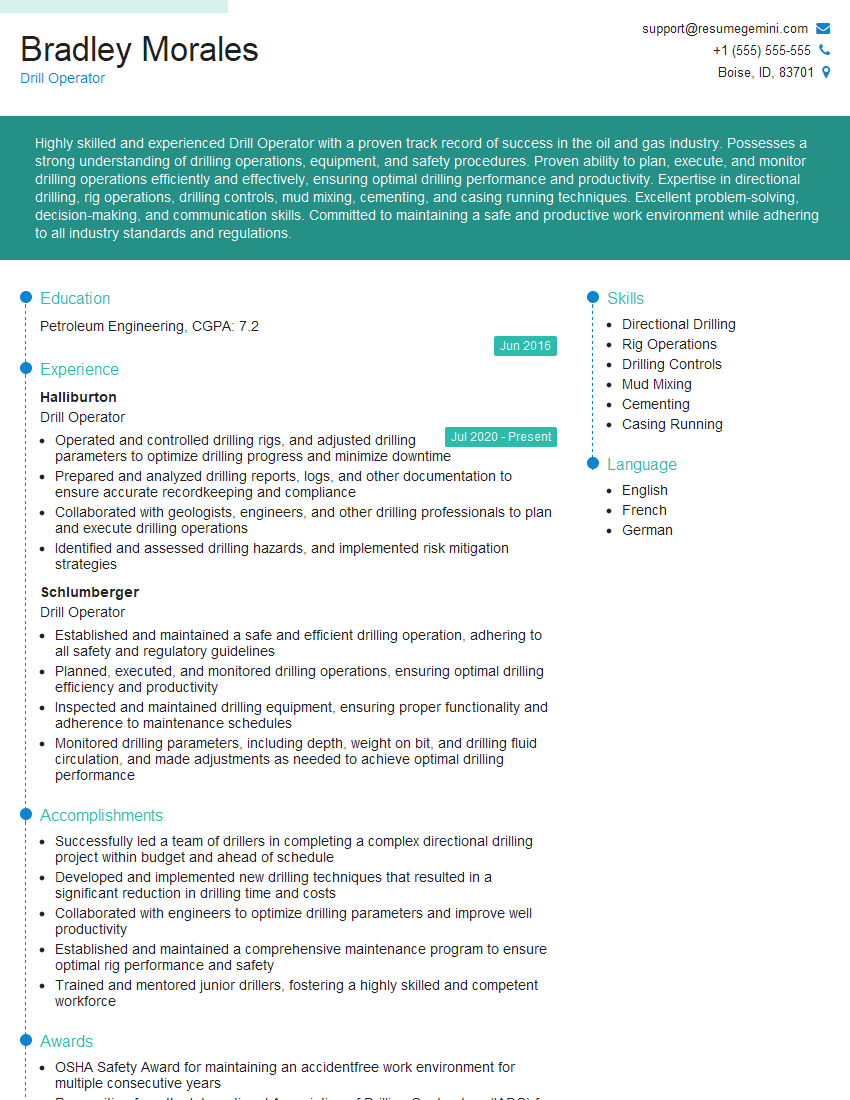
Drill Operator Resume Sample
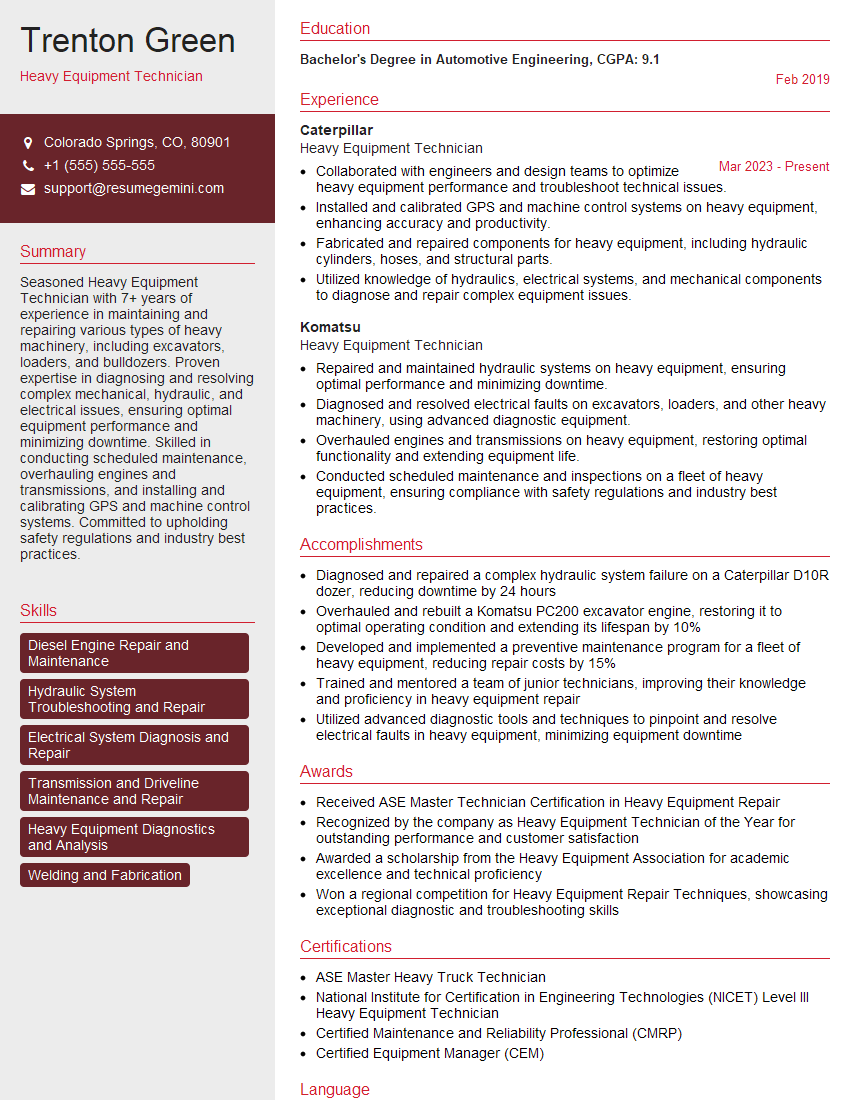
Heavy Equipment Technician Resume Sample
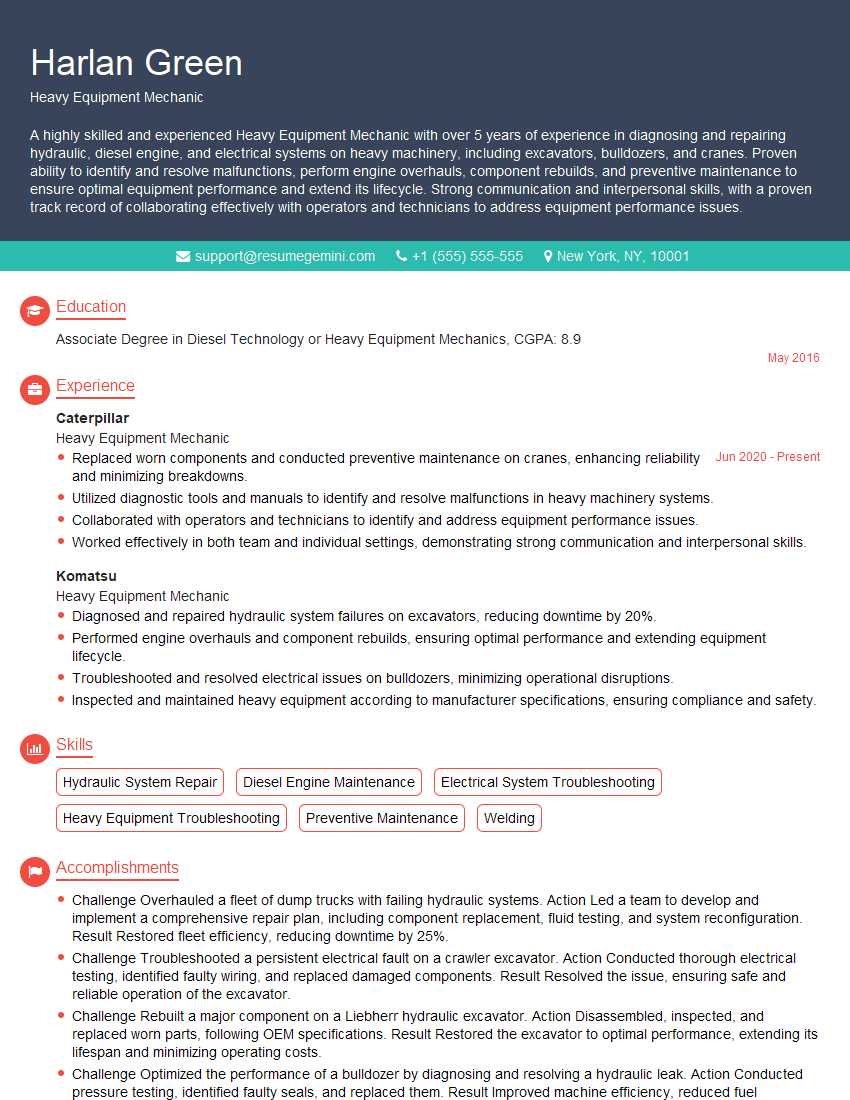
Heavy Equipment Mechanic Resume Sample
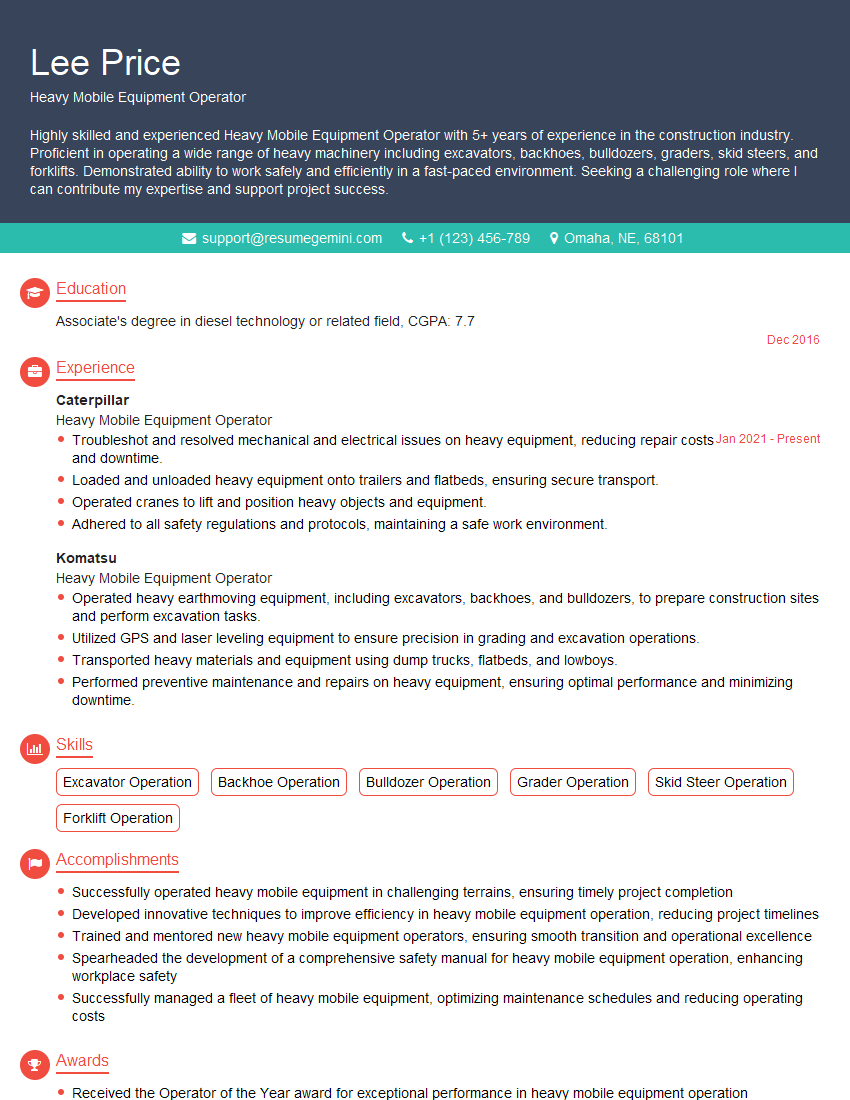
Heavy Mobile Equipment Operator Resume Sample
Explore more articles
Users Rating of Our Blogs
Share Your Experience
We value your feedback! Please rate our content and share your thoughts (optional).
What Readers Say About Our Blog
To the interviewgemini.com Webmaster.
Very helpful and content specific questions to help prepare me for my interview!
Thank you
To the interviewgemini.com Webmaster.
This was kind of a unique content I found around the specialized skills. Very helpful questions and good detailed answers.
Very Helpful blog, thank you Interviewgemini team.