Preparation is the key to success in any interview. In this post, we’ll explore crucial Familiar with ISO 9001 Quality Management System interview questions and equip you with strategies to craft impactful answers. Whether you’re a beginner or a pro, these tips will elevate your preparation.
Questions Asked in Familiar with ISO 9001 Quality Management System Interview
Q 1. Explain the key principles of ISO 9001:2015.
ISO 9001:2015 is built upon seven key principles that guide organizations in establishing and maintaining an effective quality management system (QMS). These principles aren’t just theoretical; they form the foundation for practical improvements in processes and customer satisfaction.
- Customer focus: Understanding and meeting customer needs and expectations is paramount. This involves actively seeking feedback and incorporating it into product development and service delivery. For example, a software company might conduct regular user surveys to improve their product.
- Leadership: Leaders at all levels must foster a quality-oriented culture, setting clear objectives and providing the resources needed to achieve them. This includes clear communication of expectations and support for employees.
- Engagement of people: Empowering employees at all levels is crucial. Motivated and engaged employees are more likely to contribute to quality improvement initiatives. A manufacturing company might implement suggestion boxes and reward schemes to encourage employee participation.
- Process approach: Managing processes effectively leads to improved efficiency and predictability. This involves identifying, analyzing, and optimizing processes to reduce waste and ensure consistency. For example, a restaurant might analyze their order-taking process to reduce wait times.
- Improvement: Continual improvement is an ongoing process, involving regular review and refinement of processes and systems. This might involve using data analysis to identify areas for improvement and implementing changes to address them.
- Evidence-based decision making: Decisions should be based on data and analysis, not just intuition. This allows for more objective and effective decision-making. A marketing team might use website analytics to determine the effectiveness of their advertising campaigns.
- Relationship management: Building strong relationships with suppliers and other stakeholders contributes to a robust QMS. Effective communication and collaboration are key elements. A construction company might foster strong relationships with subcontractors to ensure timely project delivery.
Q 2. Describe the Plan-Do-Check-Act (PDCA) cycle and its application within an ISO 9001 framework.
The Plan-Do-Check-Act (PDCA) cycle is a fundamental iterative process for continuous improvement, integral to ISO 9001. It’s a cyclical approach, meaning you repeat the steps continuously.
- Plan: Define the objective, scope, and process improvements. Identify potential risks and resources required. For example, a company might plan to reduce production defects by implementing a new quality control measure.
- Do: Implement the planned changes and collect data on their effectiveness. For instance, the company might implement the new quality control procedure on a trial basis.
- Check: Analyze the collected data to determine whether the changes achieved the desired results. Were defects reduced? Were there unexpected side effects?
- Act: Based on the findings, take action. If the plan was successful, standardize the process. If not, revise the plan and repeat the cycle. The company might standardize the new procedure, modify it, or abandon it altogether, depending on the analysis.
Within ISO 9001, the PDCA cycle is applied at all levels, from individual processes to the entire QMS. It’s a tool for continuous improvement, ensuring the system remains effective and efficient.
Q 3. What are the main clauses of ISO 9001:2015 and their significance?
ISO 9001:2015 is structured around clauses, each addressing a specific aspect of the QMS. While the exact numbering might change slightly in later revisions, the core concepts remain consistent. The significance lies in ensuring all facets of the business contribute to the overall quality objectives.
- Clause 4: Context of the organization: Understanding the internal and external factors affecting the organization’s ability to meet customer requirements. This involves identifying stakeholders, market conditions, and regulatory requirements.
- Clause 5: Leadership: Defining top management’s responsibility for establishing and maintaining the QMS. This includes promoting a quality culture and providing the necessary resources.
- Clause 6: Planning: Setting quality objectives and determining how to achieve them. This involves defining processes, allocating resources, and considering risks and opportunities.
- Clause 7: Support: Ensuring resources, infrastructure, competence, and work environment are suitable for the QMS. This includes providing training and maintaining equipment.
- Clause 8: Operation: Defining and controlling processes to achieve required outcomes. This includes managing product realization, monitoring performance, and implementing corrective actions.
- Clause 9: Performance evaluation: Monitoring, measuring, analyzing, and evaluating the performance of the QMS. This involves conducting internal audits, management reviews, and corrective actions.
- Clause 10: Improvement: Continuously improving the effectiveness of the QMS. This involves addressing nonconformities, conducting root cause analysis, and implementing preventive actions.
These clauses are interconnected and interdependent. Effective implementation requires a holistic approach, ensuring all elements work together to achieve the organization’s quality objectives.
Q 4. How does risk-based thinking apply to ISO 9001 implementation?
Risk-based thinking is fundamental to ISO 9001:2015. It’s not about avoiding risks entirely; it’s about proactively identifying, assessing, and managing risks and opportunities that can affect the QMS’s ability to achieve its objectives.
This involves:
- Identifying risks: Determining potential events that could negatively impact product quality, customer satisfaction, or the QMS itself (e.g., supplier failure, equipment malfunction, changes in regulations).
- Assessing risks: Evaluating the likelihood and potential impact of each identified risk. This might involve using risk matrices to categorize risks based on severity and probability.
- Planning responses: Developing and implementing strategies to mitigate identified risks and capitalize on opportunities. This could include creating backup plans, investing in new technology, or improving employee training.
- Monitoring and review: Regularly reviewing the effectiveness of risk mitigation strategies and adapting them as needed. Regular audits and management reviews are essential for this.
For instance, a pharmaceutical company might conduct a thorough risk assessment related to supply chain disruptions to ensure uninterrupted access to raw materials, a crucial element for meeting quality and safety requirements.
Q 5. Explain the importance of internal audits in maintaining an ISO 9001 system.
Internal audits are a crucial element in maintaining an ISO 9001-compliant QMS. They provide an objective evaluation of the system’s effectiveness against its own requirements and the standard itself. Think of them as a system health check.
The importance lies in:
- Identifying nonconformities: Internal audits help identify areas where the QMS falls short of requirements or best practices. This could include gaps in documentation, ineffective processes, or a lack of employee training.
- Assessing effectiveness: The audits evaluate how well the QMS is working in practice. Are processes efficient? Are employees following procedures? Are objectives being met?
- Driving continuous improvement: By identifying areas for improvement, internal audits contribute to the PDCA cycle, leading to ongoing refinement of the QMS.
- Demonstrating compliance: Internal audits show a commitment to compliance and provide evidence to external auditors during certification audits.
Imagine a manufacturing plant: regular internal audits ensure that safety protocols are being followed, equipment is properly maintained, and production processes adhere to established standards. This prevents accidents, improves product quality, and ensures regulatory compliance.
Q 6. What are corrective actions and preventive actions (CAPA) and how are they implemented?
Corrective Actions (CA) and Preventive Actions (PA), often referred to as CAPA, are crucial processes for addressing problems and preventing their recurrence within an ISO 9001 framework. They are systematic approaches to continuous improvement.
- Corrective Actions (CA): These address nonconformities that have already occurred. The goal is to eliminate the cause of the nonconformity and prevent its recurrence. For example, if a batch of products fails a quality test, a CA would investigate the root cause (faulty equipment, incorrect ingredient ratios, etc.), rectify the problem, and implement measures to ensure it doesn’t happen again.
- Preventive Actions (PA): These address potential problems before they occur. They focus on identifying potential risks and taking steps to eliminate or minimize their impact. For instance, if a machine is showing signs of wear and tear, a PA might be to replace it proactively, preventing potential production downtime or faulty product creation.
Implementing CAPA typically involves:
- Identifying the problem: Clearly define the nonconformity or potential risk.
- Investigating the root cause: Use techniques like 5 Whys, fishbone diagrams, or fault tree analysis to pinpoint the underlying cause.
- Developing corrective/preventive actions: Define specific actions to address the root cause and prevent recurrence.
- Implementing the actions: Put the corrective/preventive actions into practice.
- Verifying effectiveness: Monitor the effectiveness of the implemented actions to ensure the problem is resolved and recurrence is prevented.
- Documenting the process: Maintain records of all CAPA activities, including investigations, actions taken, and verification results.
A well-documented and effective CAPA process is vital for demonstrating a commitment to continuous improvement and maintaining an effective QMS.
Q 7. Describe your experience with document control within an ISO 9001 environment.
Document control is essential for maintaining a robust and auditable ISO 9001 QMS. It ensures that all documents are current, accurate, readily accessible, and appropriately controlled. In my experience, a well-structured document control system is the backbone of a compliant QMS.
My experience includes:
- Developing and implementing document control procedures: This includes creating processes for document creation, review, approval, distribution, change management, and archiving, often using a document management system (DMS).
- Managing document revisions: Maintaining version control to ensure everyone is working with the most up-to-date documents. This often involves using document numbering systems and revision tracking methods.
- Ensuring document accessibility: Making sure that all relevant documents are readily accessible to authorized personnel. This might involve a centralized document repository or a secure online system.
- Conducting internal audits on document control: Regularly reviewing the document control system to ensure its effectiveness and identify areas for improvement. This is crucial to ensure the system is both functional and compliant.
- Training employees on document control procedures: Ensuring all staff are familiar with the document control system and their responsibilities within it. This is vital for effective implementation and compliance.
In one particular project involving a manufacturing company, implementing a robust document control system using a DMS resulted in a significant reduction in errors caused by outdated documents and improved efficiency in document retrieval and access, directly contributing to an increase in production efficiency and product quality.
Q 8. How do you ensure the effectiveness of a quality management system?
Ensuring the effectiveness of a Quality Management System (QMS) like ISO 9001 isn’t a one-time event; it’s an ongoing process of continuous improvement. It hinges on demonstrating that the system consistently delivers what it’s designed to: meeting customer requirements and enhancing customer satisfaction. We achieve this through several key strategies:
Regular Monitoring and Measurement: Key Performance Indicators (KPIs) are crucial. This could involve tracking metrics like defect rates, customer complaints, lead times, and on-time delivery. Regular monitoring allows for early detection of trends and potential problems.
Internal Audits: These are planned, systematic, independent examinations of the QMS to determine whether it conforms to the requirements established by the organization, ISO 9001 standards, and other applicable regulations. These audits identify gaps and opportunities for improvement.
Management Review: A high-level review of the QMS’s performance, effectiveness, and suitability. It’s a critical process for identifying areas needing improvement and ensuring top management commitment.
Corrective and Preventive Actions (CAPA): A robust CAPA system is essential. When nonconformities are identified, a structured approach is needed to correct the immediate issue and prevent recurrence. This includes root cause analysis.
Continuous Improvement: ISO 9001 emphasizes a cycle of Plan-Do-Check-Act (PDCA). Regularly analyzing data, seeking feedback, and implementing improvements based on these findings ensures the QMS remains effective and relevant.
For example, in a manufacturing setting, tracking the number of defects per 1000 units produced helps identify trends and pinpoint areas requiring attention, leading to process optimization and reduced waste.
Q 9. What are the key elements of a management review?
A management review is a formal process where top management systematically evaluates the QMS’s performance and effectiveness. It’s not just a cursory check; it’s a strategic session aimed at driving improvement and ensuring alignment with organizational goals. Key elements include:
Review of the QMS’s performance: This includes evaluating the effectiveness of processes, compliance with standards, customer satisfaction, and achievement of quality objectives.
Review of opportunities for improvement: This involves identifying areas where processes can be streamlined, efficiency increased, or customer satisfaction improved. This often involves analyzing data from internal audits, customer feedback, and performance indicators.
Review of resources: Assessing the adequacy of resources allocated to the QMS, including financial, personnel, and technological resources. This ensures the system has the necessary support to function effectively.
Review of corrective and preventive actions: Determining the effectiveness of actions taken to address nonconformities and prevent their recurrence. This ensures that the organization is learning from its mistakes and improving its processes.
Review of changes affecting the QMS: Examining any significant changes that might impact the effectiveness of the QMS, such as new technologies, processes, or organizational structures.
Follow-up on previous actions: Checking the progress made on previously identified improvement opportunities and actions. This ensures that agreed-upon actions are implemented and effective.
Think of it as a ‘health check’ for the entire QMS, ensuring it remains robust and fit for purpose.
Q 10. Explain the role of top management in maintaining an effective ISO 9001 system.
Top management’s role in an effective ISO 9001 system is paramount. They are the driving force behind the QMS’s success. Their responsibilities include:
Establishing the QMS policy: Setting the overall direction and objectives for the QMS, clearly communicating expectations and commitment to quality.
Ensuring resources are available: Providing the necessary resources (financial, personnel, technology) for the QMS to function effectively. This demonstrates a real commitment to the system’s success.
Promoting a quality culture: Fostering a culture of continuous improvement and quality awareness throughout the organization. This means actively participating in quality improvement initiatives and recognizing achievements.
Reviewing the QMS performance: Actively participating in and reviewing the results of management reviews, driving corrective actions and making strategic decisions based on the findings.
Ensuring compliance: Demonstrating leadership and commitment to regulatory compliance and ensuring the QMS aligns with relevant standards and legal requirements.
Without top management’s visible commitment and involvement, the QMS is unlikely to thrive. Their actions and decisions set the tone for the entire organization’s approach to quality.
Q 11. Describe your experience with conducting internal audits.
I have extensive experience conducting internal audits in diverse settings, including manufacturing, software development, and service industries. My approach is always systematic and objective. It begins with a thorough understanding of the relevant processes and procedures, followed by the development of a well-defined audit plan. During the audit, I use a combination of document review, observation, and interviews to gather evidence. I carefully document findings, both conforming and non-conforming, and always maintain professionalism and objectivity. I strive to add value by providing constructive feedback and suggestions for improvement. After the audit, I prepare a comprehensive report summarizing findings and recommendations. I then follow-up to verify the implementation of corrective actions.
For instance, in a recent internal audit of a software development team, I reviewed their coding standards, testing procedures, and change management processes. I observed their work practices and interviewed team members to gather perspectives. This helped identify a gap in their testing process that could lead to defects in the released software. My report detailed the finding and suggested implementing additional unit and integration testing procedures.
Q 12. How would you handle a nonconformity identified during an audit?
Handling nonconformities is a critical aspect of maintaining an effective QMS. My approach follows a structured process:
Immediate Containment: First, immediate action is taken to prevent the nonconformity from causing further problems. This might involve stopping a production process, isolating a defective product, or issuing a temporary work-around.
Investigation and Root Cause Analysis: A thorough investigation is conducted to determine the root cause of the nonconformity. This often involves using tools like the 5 Whys or Fishbone diagrams.
Corrective Action: Once the root cause is identified, appropriate corrective actions are implemented to address the immediate problem. This might involve repairing a defect, retraining staff, or modifying a process.
Preventive Action: Measures are taken to prevent the nonconformity from recurring. This might involve implementing new controls, revising procedures, or investing in new equipment.
Verification: The effectiveness of the corrective and preventive actions is verified to ensure the problem is resolved and won’t reappear.
Documentation: All aspects of the process, from identification to verification, are meticulously documented. This includes detailed descriptions of the nonconformity, root cause analysis, corrective and preventive actions, and verification results.
For example, if a batch of products fails a quality inspection, we’d immediately quarantine the batch, investigate the reason for the failure (perhaps a faulty machine setting), correct the setting, retest the corrected batch, and implement procedures to prevent the faulty setting from recurring (e.g., regular calibration).
Q 13. What is a root cause analysis and how would you apply it to a quality issue?
Root cause analysis (RCA) is a systematic approach to identifying the underlying causes of a problem, rather than simply addressing its symptoms. It’s essential for effective corrective and preventive actions. Several techniques can be applied, including:
5 Whys: Repeatedly asking ‘Why?’ to progressively drill down to the root cause. This is a simple but effective method for uncovering the fundamental issues.
Fishbone Diagram (Ishikawa Diagram): A visual tool that categorizes potential causes of a problem, helping to brainstorm and systematically explore possibilities.
Fault Tree Analysis: A deductive approach that works backward from an undesired event to identify the various causes that could lead to it.
To apply RCA to a quality issue, let’s say high customer returns of a specific product, I’d follow these steps:
Gather Data: Collect data on returned products, including reasons for return and any common factors.
Identify the Problem: Clearly define the problem – high customer returns of Product X.
Use RCA Technique: Apply a chosen technique, such as the 5 Whys or Fishbone diagram, to explore the potential causes. For example, using the 5 Whys: Why are customers returning Product X? Because it’s malfunctioning. Why is it malfunctioning? Because a component is failing prematurely. Why is the component failing? Because the supplier changed the manufacturing process. Why did the supplier change the process? To reduce costs.
Verify Root Cause: Once the root cause (supplier’s cost-cutting measure affecting component quality) is identified, further investigation might be needed to confirm its validity.
Develop Corrective Actions: Based on the root cause, corrective actions could involve finding a new supplier, working with the current supplier to improve component quality, or modifying the product design.
RCA ensures that actions are targeted at the core problem, preventing recurrence and improving the overall quality of the product or process.
Q 14. How do you measure the effectiveness of an ISO 9001 system?
Measuring the effectiveness of an ISO 9001 system requires a multi-faceted approach, going beyond simple compliance. Key metrics include:
Customer Satisfaction: Regularly surveying customers to gauge their satisfaction with products and services. This provides direct feedback on the system’s effectiveness in meeting customer needs.
Defect Rates: Tracking the number of defects in products or services. A reduction in defect rates indicates improvement in processes and quality control.
Customer Complaints: Monitoring the number and nature of customer complaints. This identifies areas needing improvement and highlights recurring issues.
Process Performance Indicators: Measuring key aspects of processes, such as cycle times, efficiency, and resource utilization. This helps identify bottlenecks and opportunities for optimization.
Internal Audit Findings: Analyzing the findings of internal audits to identify trends and patterns. This provides insights into the effectiveness of the QMS controls and areas needing attention.
Management Review Outcomes: Evaluating the results of management reviews to determine the effectiveness of the system in achieving its objectives and addressing identified issues. This provides an overall assessment of the QMS’s performance and effectiveness.
By tracking these metrics over time, we can objectively assess the effectiveness of the ISO 9001 system and make data-driven decisions to drive continuous improvement. It’s about demonstrating ongoing success, not just initial certification.
Q 15. What are the benefits of implementing an ISO 9001 system?
Implementing an ISO 9001 Quality Management System offers numerous benefits, ultimately leading to improved organizational efficiency and customer satisfaction. Think of it as building a strong foundation for your business operations.
- Enhanced Customer Satisfaction: By focusing on consistent product and service quality, you meet and exceed customer expectations, leading to increased loyalty and positive word-of-mouth.
- Increased Efficiency and Productivity: ISO 9001 encourages streamlined processes, reducing waste and improving overall efficiency. This translates to cost savings and faster turnaround times.
- Improved Risk Management: The system’s proactive approach helps identify and mitigate potential risks before they escalate into major problems, protecting your business from costly setbacks.
- Enhanced Credibility and Market Advantage: ISO 9001 certification demonstrates your commitment to quality, giving you a competitive edge in the marketplace and boosting your reputation among clients and partners.
- Stronger Employee Engagement: A well-implemented system fosters a culture of continuous improvement, empowering employees to contribute to quality improvements and boosting morale.
- Improved Regulatory Compliance: ISO 9001 often aligns with other industry-specific regulations, simplifying compliance efforts and reducing potential fines or penalties.
Career Expert Tips:
- Ace those interviews! Prepare effectively by reviewing the Top 50 Most Common Interview Questions on ResumeGemini.
- Navigate your job search with confidence! Explore a wide range of Career Tips on ResumeGemini. Learn about common challenges and recommendations to overcome them.
- Craft the perfect resume! Master the Art of Resume Writing with ResumeGemini’s guide. Showcase your unique qualifications and achievements effectively.
- Don’t miss out on holiday savings! Build your dream resume with ResumeGemini’s ATS optimized templates.
Q 16. Describe your experience with customer satisfaction measurement.
Customer satisfaction measurement is crucial for continuous improvement within an ISO 9001 framework. I have extensive experience using a variety of methods, both quantitative and qualitative.
- Surveys and Feedback Forms: Regularly collecting feedback directly from customers through surveys, online forms, or even simple feedback cards provides valuable insights into their experiences.
- Customer Relationship Management (CRM) Systems: Analyzing data from CRM systems allows tracking customer interactions, identifying trends, and pinpointing areas for improvement. For example, a high number of customer service calls about a specific product line might indicate a quality issue.
- Complaint Analysis: Thoroughly investigating customer complaints helps identify recurring problems and implement corrective actions. Root cause analysis, which I’ll discuss later, is a valuable tool here.
- Net Promoter Score (NPS): Calculating NPS provides a quantifiable measure of customer loyalty and advocacy, helping to assess overall satisfaction levels.
In my previous role, we implemented a system where customer feedback was directly integrated into our process improvement cycles. This resulted in a 15% increase in customer satisfaction scores within six months.
Q 17. How do you manage supplier relationships to ensure quality?
Managing supplier relationships to ensure quality is paramount. I approach this using a multi-faceted strategy focused on selection, evaluation, and ongoing monitoring.
- Supplier Selection: Rigorous supplier selection criteria are crucial, focusing on factors like their quality management systems, capacity, and past performance. Thorough audits and assessments are vital.
- Supplier Evaluation: Regularly evaluating supplier performance through metrics like on-time delivery, defect rates, and compliance with specifications is key. This often involves using scorecards or key performance indicators (KPIs).
- Ongoing Communication and Collaboration: Maintaining open communication channels with suppliers enables early identification and resolution of potential quality issues. Joint problem-solving sessions and regular meetings are extremely beneficial.
- Supplier Development: In some cases, actively supporting supplier improvement efforts, through training or process assistance, can enhance overall quality.
For example, in a previous project where a key supplier was experiencing consistent delays, we collaborated with them to identify the root causes – ultimately streamlining their production process and resolving the issue.
Q 18. What is your understanding of continuous improvement within ISO 9001?
Continuous improvement, or CI, is the backbone of ISO 9001. It’s not just about fixing problems; it’s about proactively seeking ways to enhance processes and performance. Think of it as a continuous cycle of refinement.
The Plan-Do-Check-Act (PDCA) cycle is a fundamental tool for continuous improvement.
- Plan: Identify areas needing improvement, set objectives, and plan actions.
- Do: Implement the planned actions and collect data.
- Check: Analyze the data and evaluate the effectiveness of the actions.
- Act: Standardize successful changes, correct errors, and plan further improvements.
Implementing regular management reviews, internal audits, and corrective actions are all part of the continuous improvement process within the ISO 9001 framework. It’s a mindset, not just a set of procedures.
Q 19. Describe a time you identified and resolved a quality problem.
In a previous role, we experienced a significant increase in customer complaints regarding a specific product feature. We used a structured problem-solving approach.
- Problem Definition: We clearly defined the problem: an increase in complaints related to the product’s user interface.
- Root Cause Analysis: We used a fishbone diagram (Ishikawa diagram) to identify potential root causes, such as design flaws, insufficient training, or poor documentation.
- Data Collection: We analyzed customer feedback, production data, and internal testing results.
- Corrective Action: We determined that the user interface was indeed confusing. We redesigned the interface, developed a comprehensive training program for users, and updated the product documentation.
- Verification: We monitored customer complaints and product usage data after the implementation of corrective actions, demonstrating a significant decrease in negative feedback.
This experience reinforced the importance of a systematic approach to problem-solving and the effectiveness of using quality management tools.
Q 20. What is your experience with using quality management tools like Pareto charts or fishbone diagrams?
I have extensive experience using various quality management tools, including Pareto charts and fishbone diagrams. These tools are invaluable for identifying and prioritizing issues.
- Pareto Charts: These charts help visualize the ‘vital few’ contributing factors to a problem, allowing for focused improvement efforts. For example, a Pareto chart showing customer complaints might reveal that 80% of issues stem from a single product component, allowing for targeted corrective action.
- Fishbone Diagrams (Ishikawa Diagrams): These diagrams are used for brainstorming potential root causes of a problem, categorized by factors like materials, methods, manpower, and machines. They facilitate a structured approach to identifying the underlying reasons behind quality issues.
- Control Charts: I utilize control charts for monitoring process stability and identifying variations that may signal an emerging problem before it escalates.
The effective application of these tools ensures that resources are focused on the most impactful improvements, leading to significant efficiency gains.
Q 21. How familiar are you with the requirements of ISO 9001:2015 regarding control of nonconforming outputs?
ISO 9001:2015 provides detailed requirements for controlling nonconforming outputs – items or services that don’t meet specifications. The goal is to prevent these from reaching the customer and to take appropriate corrective action.
- Identification and Segregation: Nonconforming outputs must be clearly identified and segregated to prevent accidental use or delivery.
- Evaluation and Disposition: A documented procedure must be in place to evaluate the nonconforming output. Options include rework, repair, concession (acceptance with customer agreement), scrap, or other appropriate actions.
- Record Keeping: Detailed records of all nonconforming outputs, including the investigation, corrective actions, and disposition, must be maintained.
- Corrective Actions: Appropriate corrective actions must be implemented to prevent recurrence of similar nonconformities, addressing the root cause rather than simply treating the symptom.
Failure to control nonconforming outputs can lead to customer dissatisfaction, brand damage, and financial losses. A robust system for handling nonconforming outputs is essential for maintaining a high level of quality.
Q 22. Explain the concept of process mapping and its role in quality management.
Process mapping is a visual representation of a process, showing all the steps involved from start to finish. In quality management, it’s crucial because it allows us to understand how work gets done, identify bottlenecks, and pinpoint areas for improvement. Think of it like a roadmap for your work processes. Instead of just knowing *what* happens, a process map shows *how* it happens, the sequence of steps, who is involved, and the inputs and outputs at each stage.
For example, imagine the process of handling a customer complaint. A process map would detail each step: receiving the complaint, logging it, assigning it to a representative, investigating the issue, resolving the issue, and finally, following up with the customer. By visually mapping this process, we can identify potential points of failure – for instance, perhaps the logging system is inefficient, leading to delays in resolution. We can then target improvements at those specific points.
Different mapping tools can be used, from simple flowcharts to more sophisticated techniques like swim lane diagrams, which clearly show the responsibilities of different teams or individuals. The key is to create a clear, accurate, and easily understood representation of the process.
Q 23. How do you ensure that training is effective in maintaining the quality management system?
Effective training is paramount for a robust QMS. To ensure training’s effectiveness, I focus on several key aspects. First, training needs to be tailored to the specific roles and responsibilities of individuals. A quality manager needs different training than a production worker. Second, I use a blended learning approach, combining classroom instruction, online modules, and on-the-job training. This allows for diverse learning styles and ensures knowledge retention. Third, training should be regularly updated to reflect changes in standards, processes, and technology. Finally, and critically, effectiveness is measured. This involves pre- and post-training assessments, regular competency checks, and observation of employees performing their tasks. If gaps are found, the training program needs to be revised.
For example, in a previous role, we introduced a new software system. We didn’t just provide a one-off training session. We developed a comprehensive training program with online modules, hands-on practice sessions, and ongoing support. We also tracked user performance with the system and conducted regular refresher courses. This multi-faceted approach resulted in significantly improved efficiency and fewer errors.
Q 24. Describe your experience with data analysis and its use in driving improvements.
Data analysis is fundamental to continuous improvement within a QMS. I have extensive experience using data to identify trends, root causes of problems, and measure the effectiveness of improvement initiatives. I’m proficient in using various tools like spreadsheets, statistical software, and specialized quality management software. I use data to understand customer satisfaction, process efficiency, defect rates, and other key metrics.
For example, in a previous project, we experienced an increase in customer complaints regarding product defects. By analyzing the data, we identified a correlation between the defects and a specific component supplier. We then worked with the supplier to address the issues, resulting in a significant reduction in complaints. This demonstrates how data-driven analysis, going beyond just looking at numbers, can pin-point the actual cause of a problem, leading to targeted and effective solutions.
Q 25. What are the key performance indicators (KPIs) you would use to monitor the effectiveness of a QMS?
The KPIs used to monitor a QMS’s effectiveness depend on the organization’s context and objectives, but some common and crucial indicators include:
- Customer Satisfaction: Measured through surveys, feedback, and complaint rates.
- Defect Rate: The number of defects per unit of output or per process.
- Process Cycle Time: The time it takes to complete a process.
- On-Time Delivery: The percentage of orders delivered on or before the scheduled date.
- Internal Audit Findings: Number and severity of non-conformities identified during internal audits.
- Employee Satisfaction: Reflects the overall morale and engagement within the QMS.
- Compliance Rate: The percentage of regulatory requirements met.
These KPIs, when tracked consistently, provide a clear picture of the QMS’s performance and help identify areas needing attention. They should be regularly reviewed and updated to ensure their relevance.
Q 26. How do you ensure the integrity of records and data within the QMS?
Maintaining the integrity of records and data is critical for demonstrating compliance and for continuous improvement. This involves several measures:
- Secure Storage: Records are stored securely, both physically and electronically, with access control measures in place.
- Version Control: A system for managing document versions prevents confusion and ensures the use of the most up-to-date information.
- Data Backup and Recovery: Robust mechanisms are in place to protect against data loss.
- Audit Trails: Every change to a record should be tracked, showing who made the change, when it was made, and what the change was.
- Data Validation: Processes are implemented to ensure data accuracy and completeness.
- Record Retention Policy: A clearly defined policy dictates how long records are kept.
By adhering to these principles, we can ensure the reliability and trustworthiness of the QMS data, which is vital for decision-making and for demonstrating compliance to standards and regulations.
Q 27. Explain your experience in developing and implementing quality policies and objectives.
I have extensive experience in developing and implementing quality policies and objectives, aligning them with the overall business strategy. The process typically starts with a thorough understanding of the organization’s context – its internal and external environments, its customers’ needs, and its strategic goals. Based on this understanding, the quality policy is crafted, providing a framework for the QMS. This policy outlines the organization’s commitment to quality, its guiding principles, and its overall approach to achieving quality objectives.
Objectives are then developed, which are specific, measurable, achievable, relevant, and time-bound (SMART). These objectives translate the policy into actionable steps. For example, an objective could be to reduce the defect rate by 15% within the next six months. The implementation involves communicating the policy and objectives to all employees, providing necessary training, and establishing monitoring mechanisms to track progress. Regular reviews are crucial to ensure objectives are being met and adjustments can be made as needed.
In a previous role, we implemented a new quality policy focused on customer centricity. This involved establishing key performance indicators (KPIs) directly related to customer satisfaction and launching a customer feedback program. This led to improved product quality and stronger customer relationships.
Q 28. Describe a situation where you had to balance quality requirements with time and budget constraints.
In one project, we were tasked with implementing a new manufacturing process to meet an aggressive deadline, while simultaneously adhering to strict quality standards and staying within budget. The challenge was that the new process required significant investment in new equipment and training, putting pressure on both time and budget. To manage this, we employed a phased approach, prioritizing critical aspects of the new process while maintaining existing operations as much as possible. We also conducted thorough risk assessments to identify potential problems and implement mitigation strategies early on. We prioritized quality standards by closely monitoring the process during each phase, using statistical process control to identify any deviations. Although there were some initial delays, by effectively managing risks and prioritizing tasks, we successfully implemented the new process on time and within budget, meeting all quality requirements.
This highlights the importance of proactive planning, risk management, and clear communication in balancing competing demands. In such situations, compromise is often necessary, but it’s vital to ensure quality isn’t sacrificed. A clear understanding of the risk trade-offs is paramount.
Key Topics to Learn for a “Familiar with ISO 9001 Quality Management System” Interview
- Understanding ISO 9001 Principles: Grasp the core principles behind the standard, such as customer focus, leadership, process approach, improvement, and evidence-based decision-making. Be prepared to discuss how these principles translate into practical actions.
- Quality Management System (QMS) Documentation: Familiarize yourself with the various types of documentation involved in a QMS, including the quality manual, procedures, work instructions, and records. Understand their purpose and interrelationships.
- Internal Audits and Corrective Actions: Know the processes involved in conducting internal audits to assess compliance with the QMS. Understand how non-conformances are identified, and how corrective and preventive actions (CAPA) are implemented and verified.
- Process Mapping and Improvement: Demonstrate your understanding of process mapping techniques and how they are used to identify areas for improvement within a QMS. Be ready to discuss lean principles and continuous improvement methodologies.
- Risk-Based Thinking: Understand how risk assessment and mitigation are integrated into a QMS to proactively address potential problems and improve performance. Be prepared to give examples of risk identification and control.
- Practical Application & Case Studies: Prepare examples from your experience (even if not directly ISO 9001 related) that demonstrate your understanding of quality management principles in action. Think about instances where you identified and solved problems using structured approaches.
- Management Review & Performance Measurement: Understand the purpose and importance of management review meetings and the key performance indicators (KPIs) used to monitor the effectiveness of the QMS.
Next Steps
Mastering the concepts of ISO 9001 significantly enhances your marketability across various industries. A strong understanding demonstrates your commitment to quality and efficiency, making you a valuable asset to any organization. To maximize your chances of landing your dream role, crafting an ATS-friendly resume is crucial. ResumeGemini is a trusted resource that can help you build a professional and impactful resume that highlights your relevant skills and experience. They provide examples of resumes tailored to candidates with experience in ISO 9001 Quality Management Systems, helping you present yourself effectively to potential employers. Take the next step towards a successful career – build your resume with ResumeGemini today!

Operations Manager Resume Sample
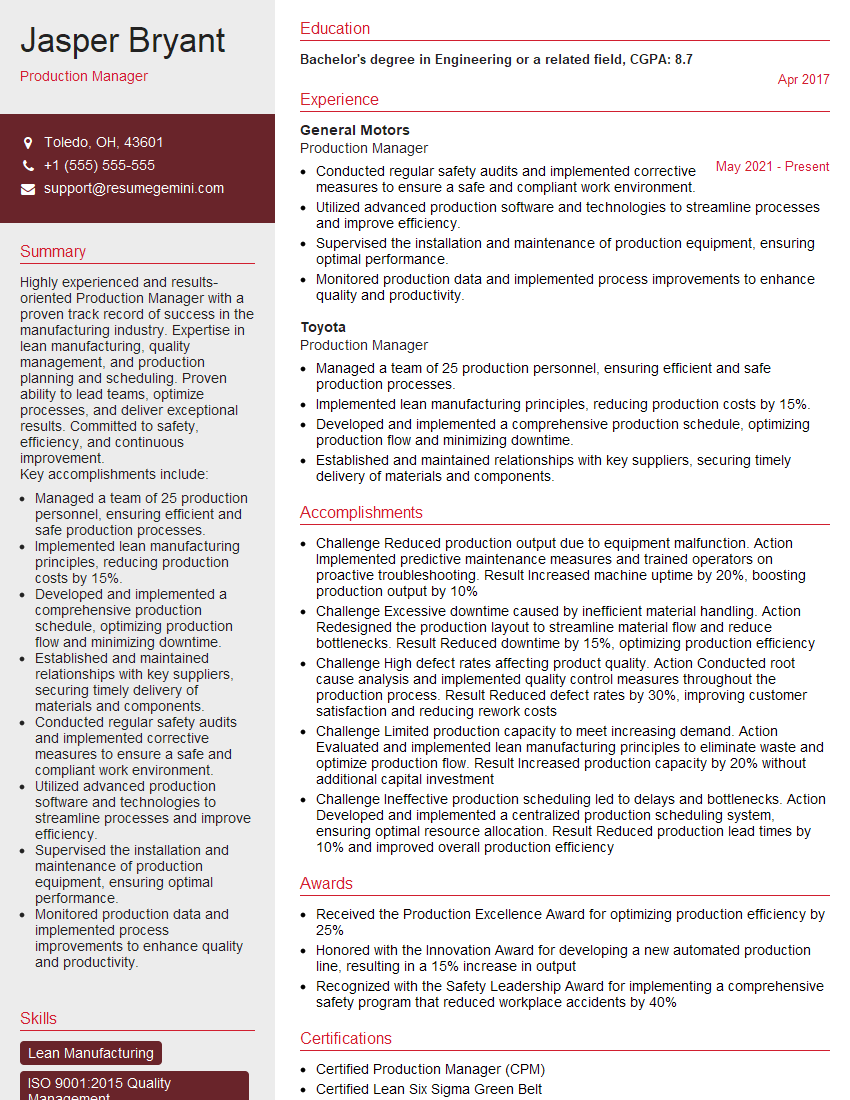
Production Manager Resume Sample
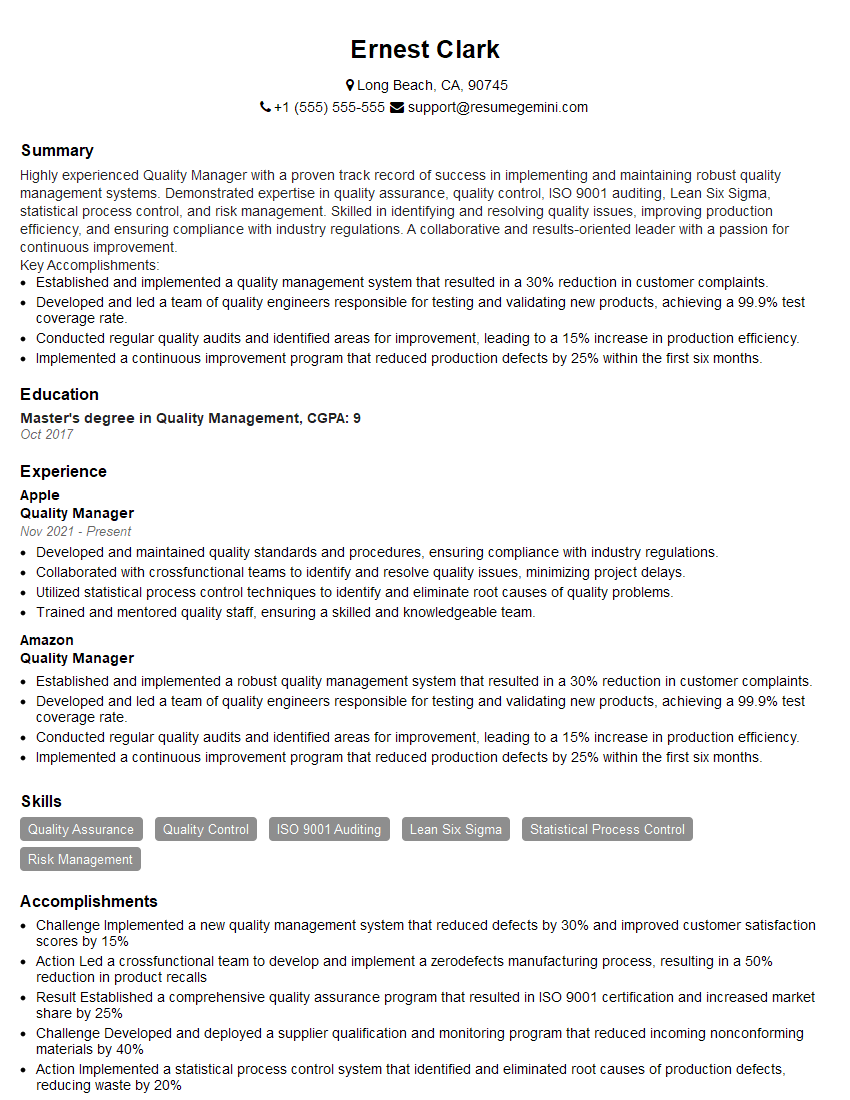
Quality Manager Resume Sample
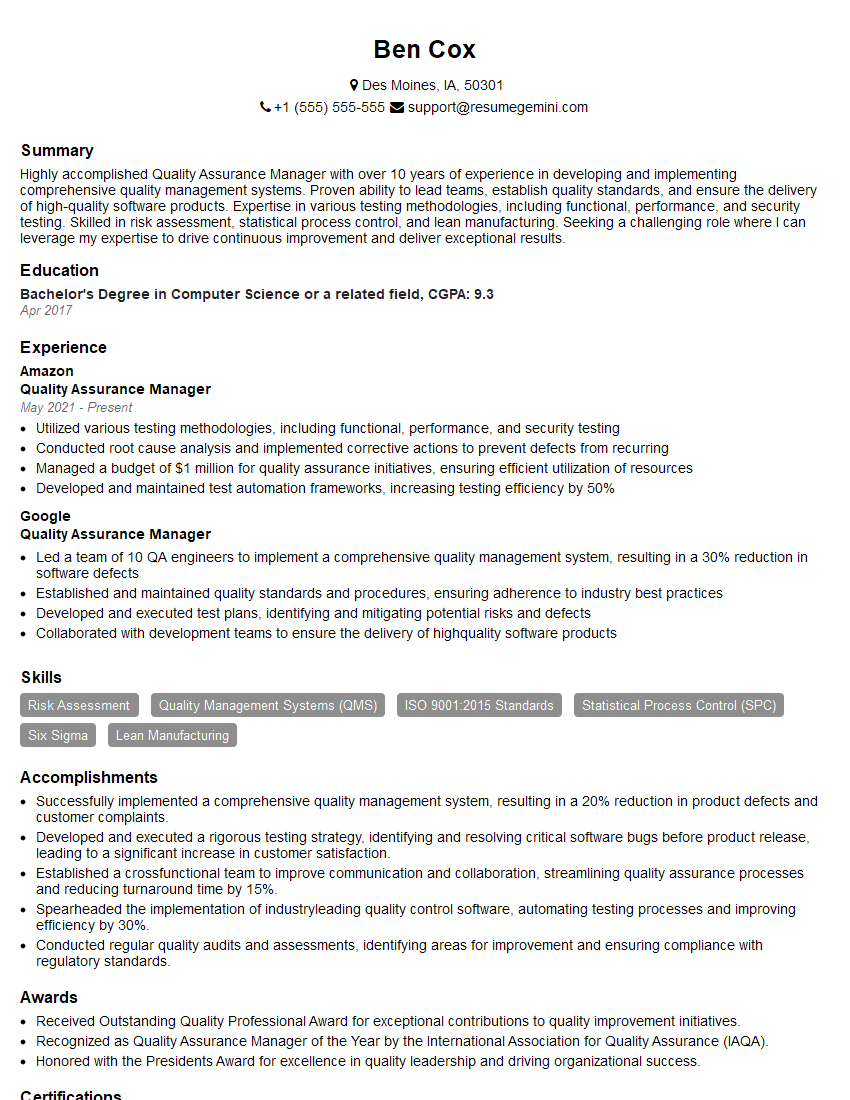
Quality Assurance Manager Resume Sample
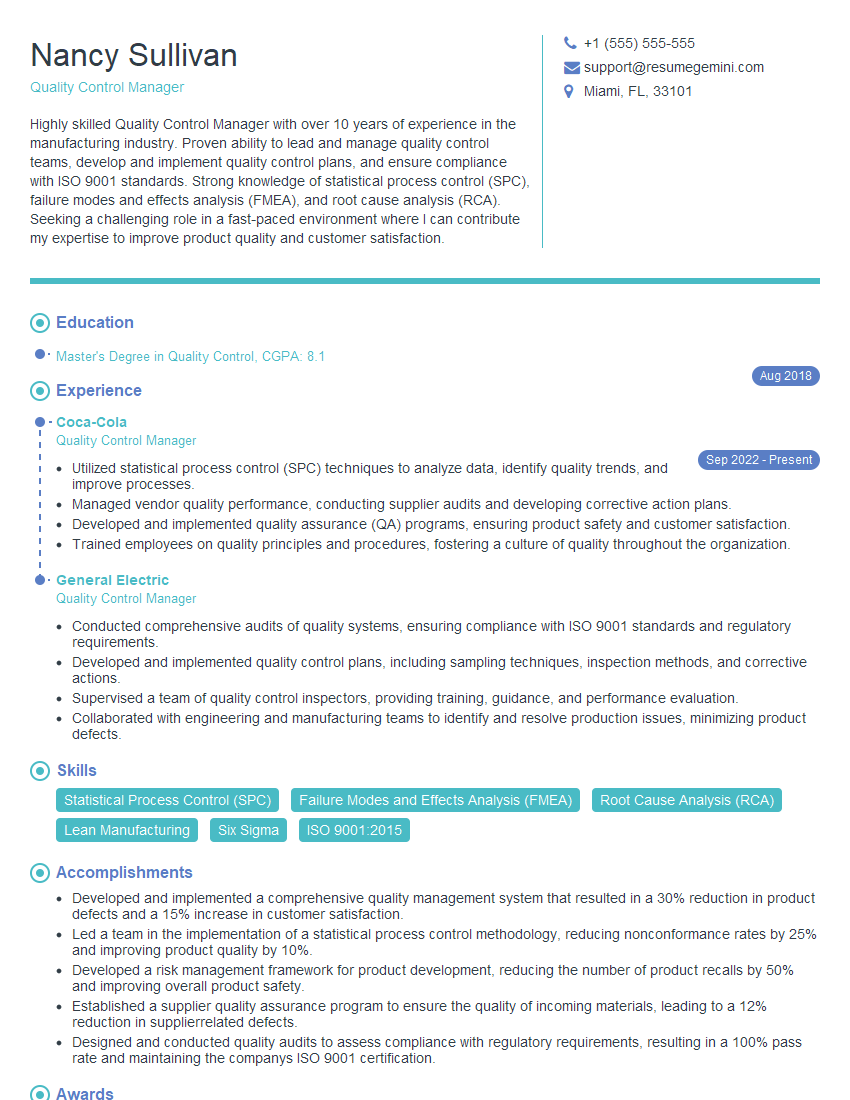
Quality Control Manager Resume Sample
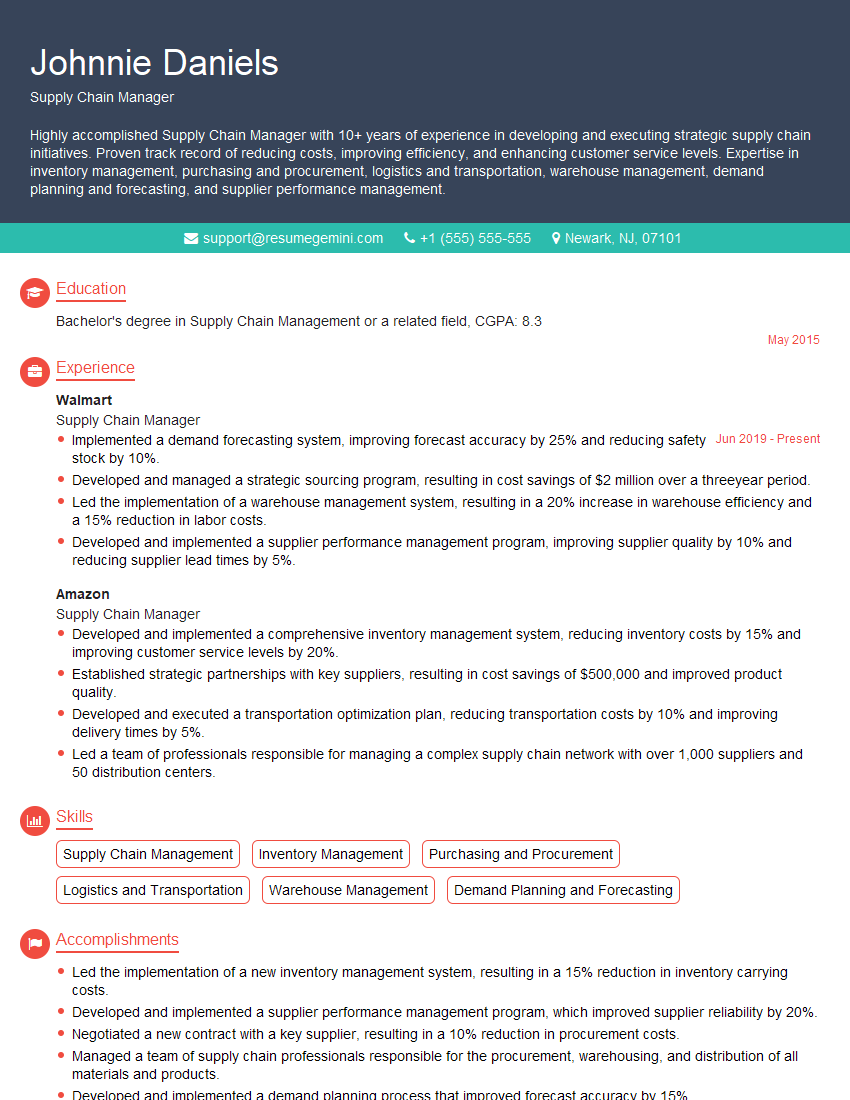
Supply Chain Manager Resume Sample
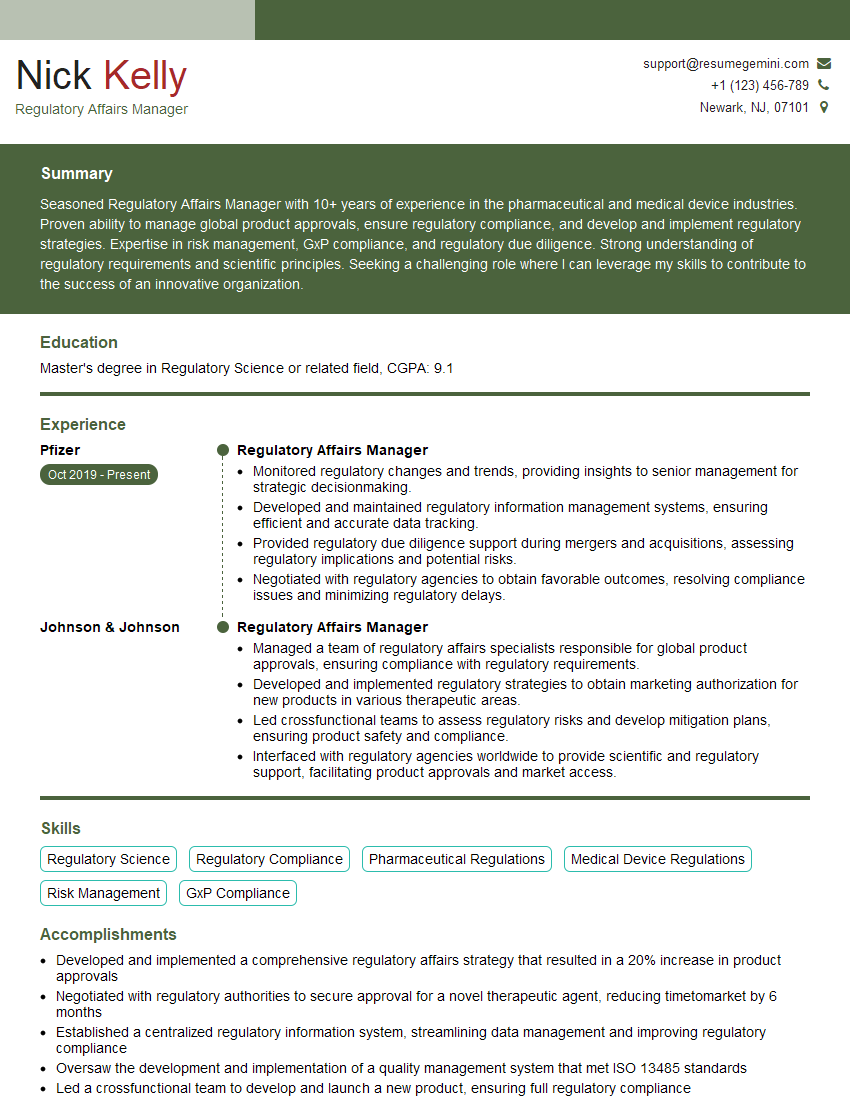
Regulatory Affairs Manager Resume Sample
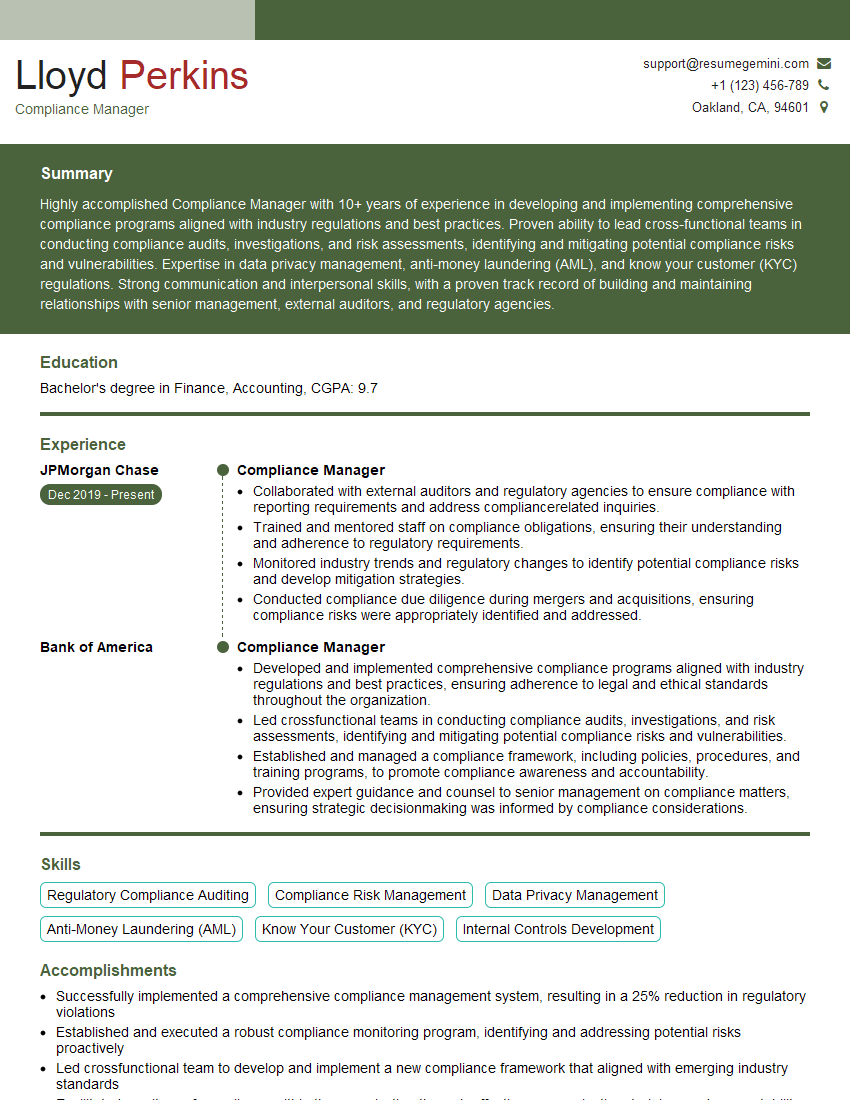
Compliance Manager Resume Sample

Compliance Officer Resume Sample
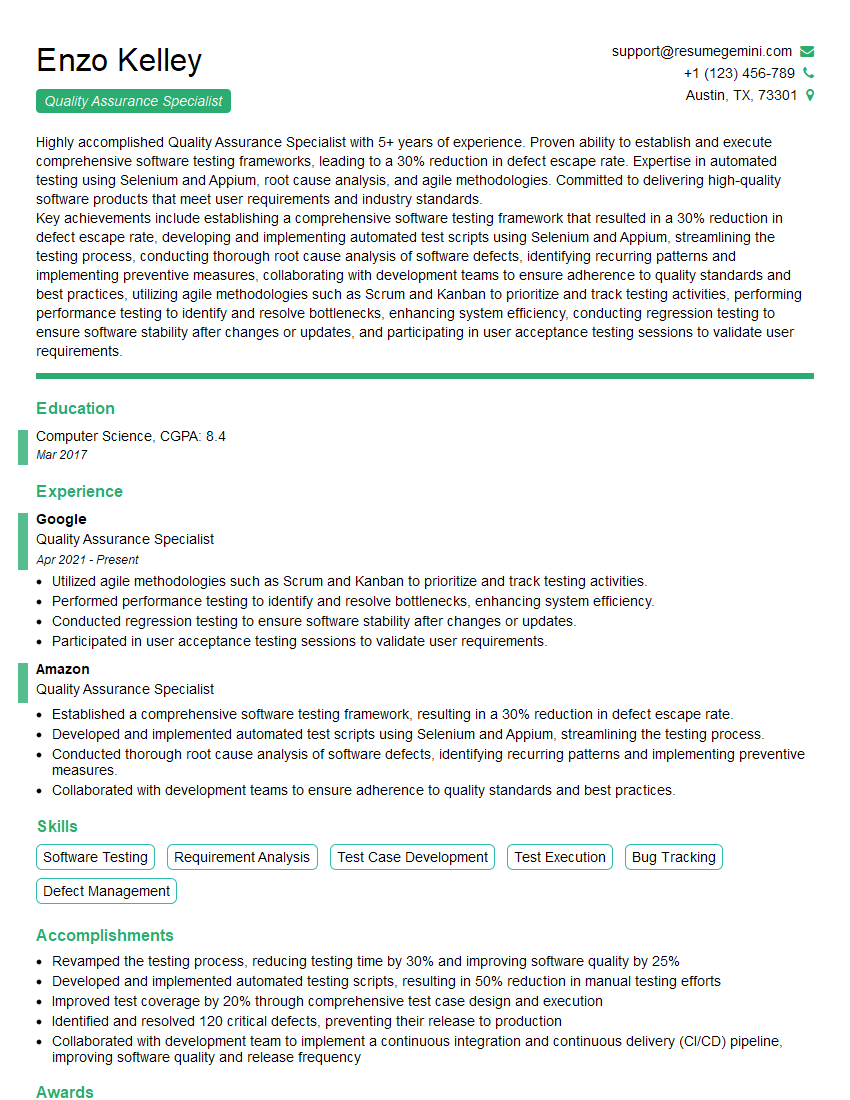
Quality Assurance Specialist Resume Sample
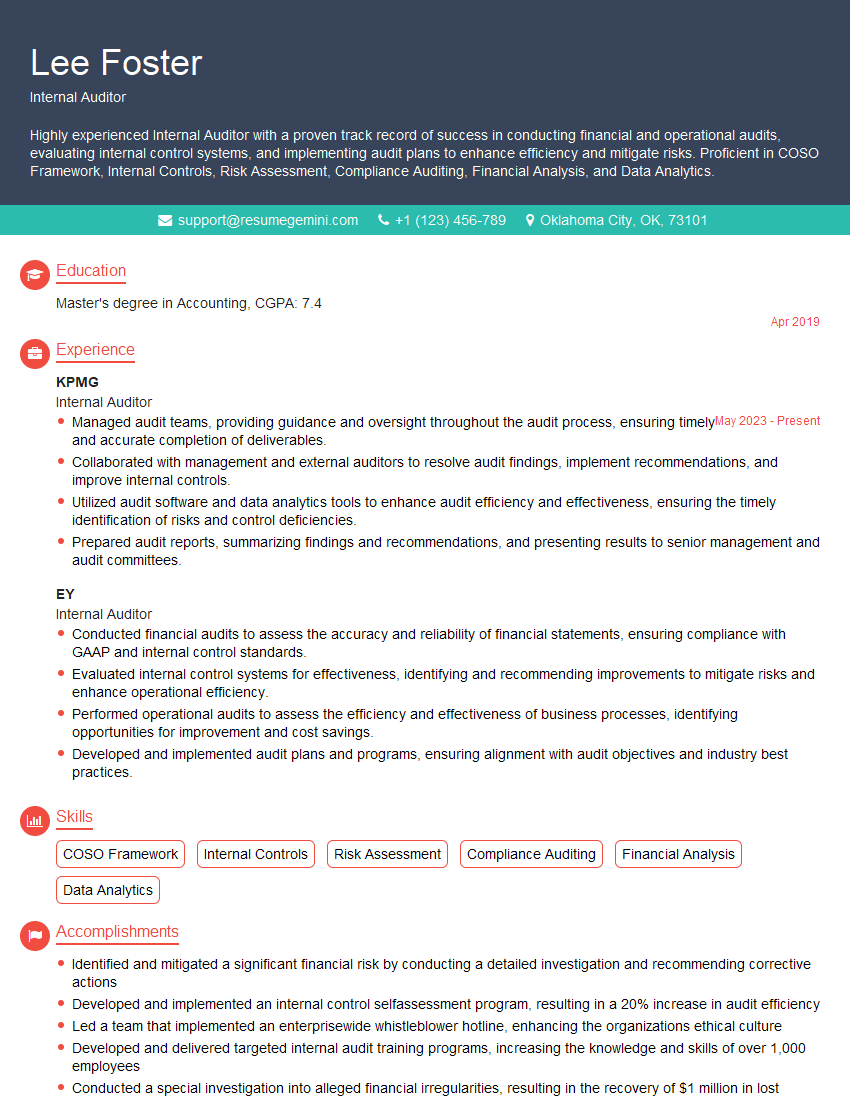
Internal Auditor Resume Sample
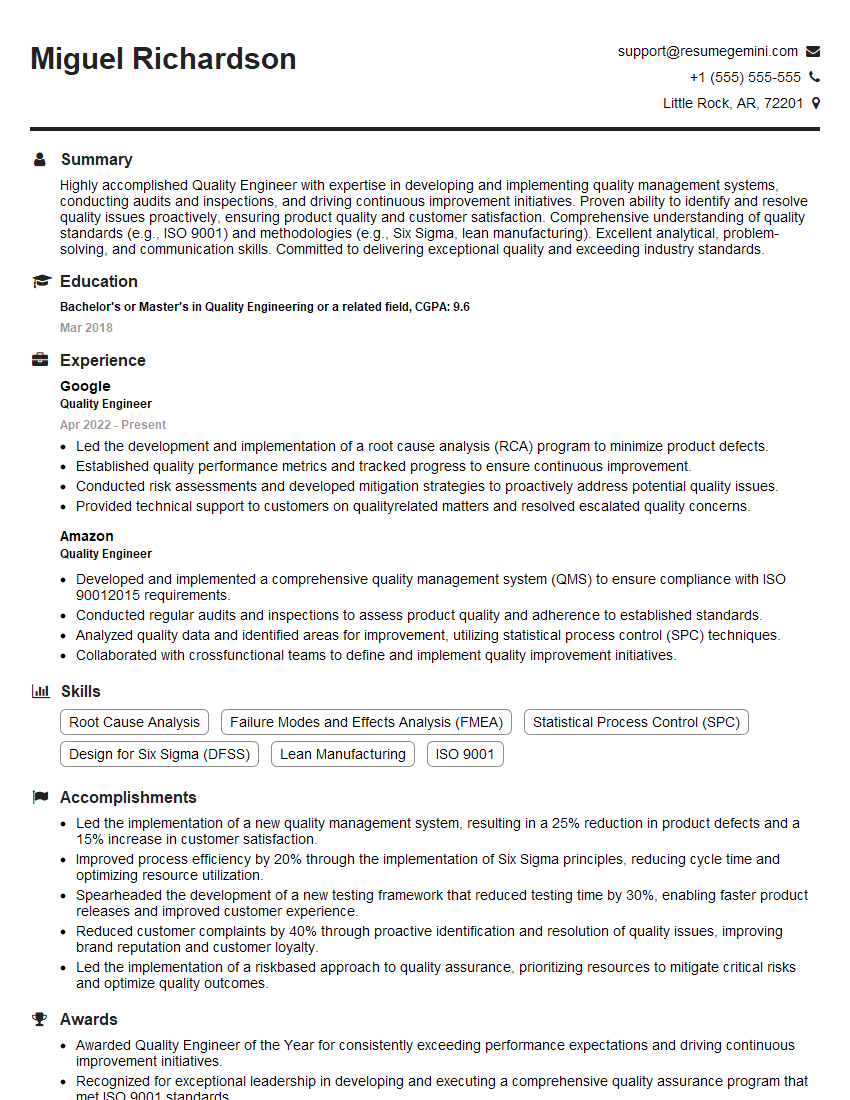
Quality Engineer Resume Sample
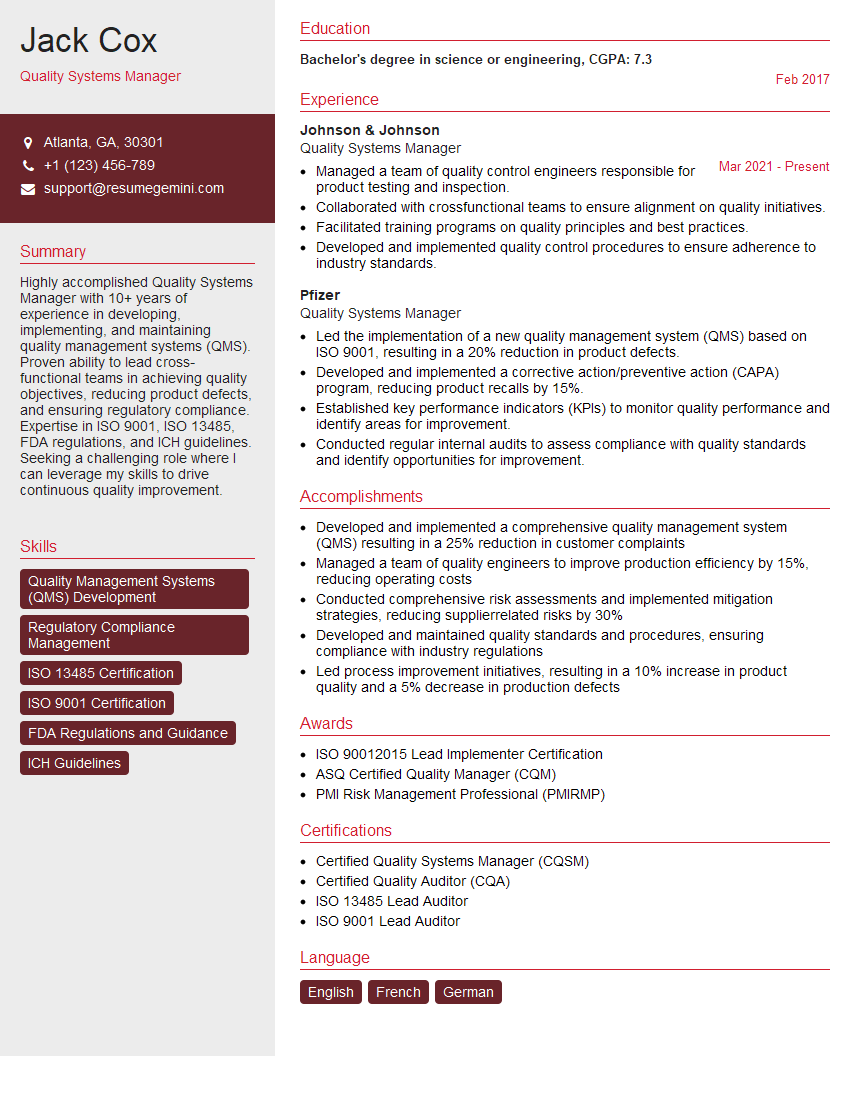
Quality Systems Manager Resume Sample
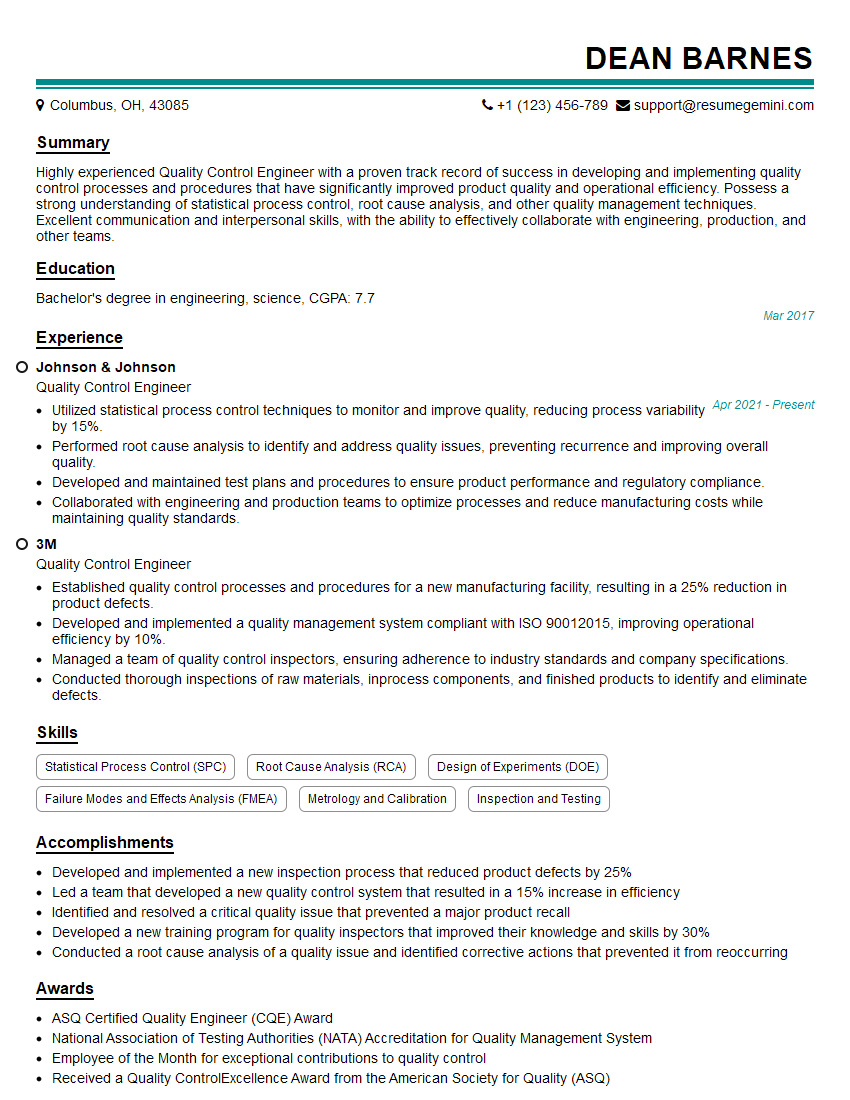
Quality Control Engineer Resume Sample
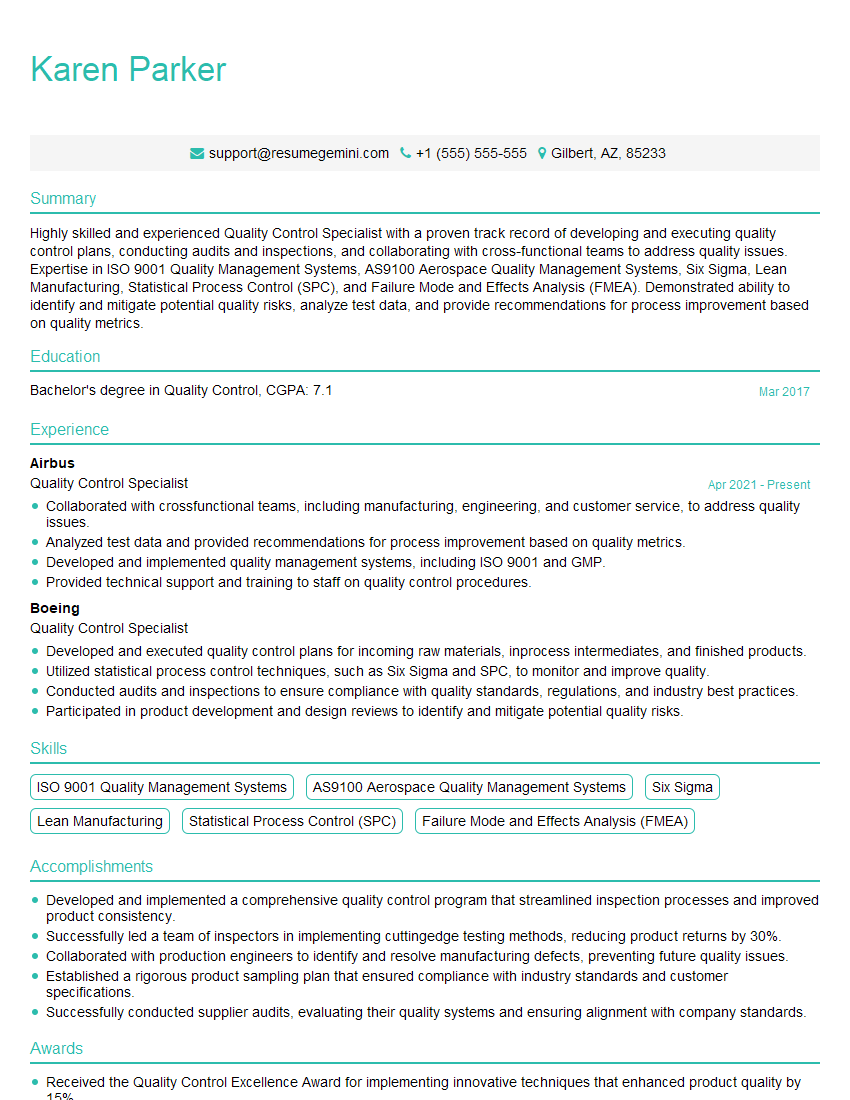
Quality Control Specialist Resume Sample
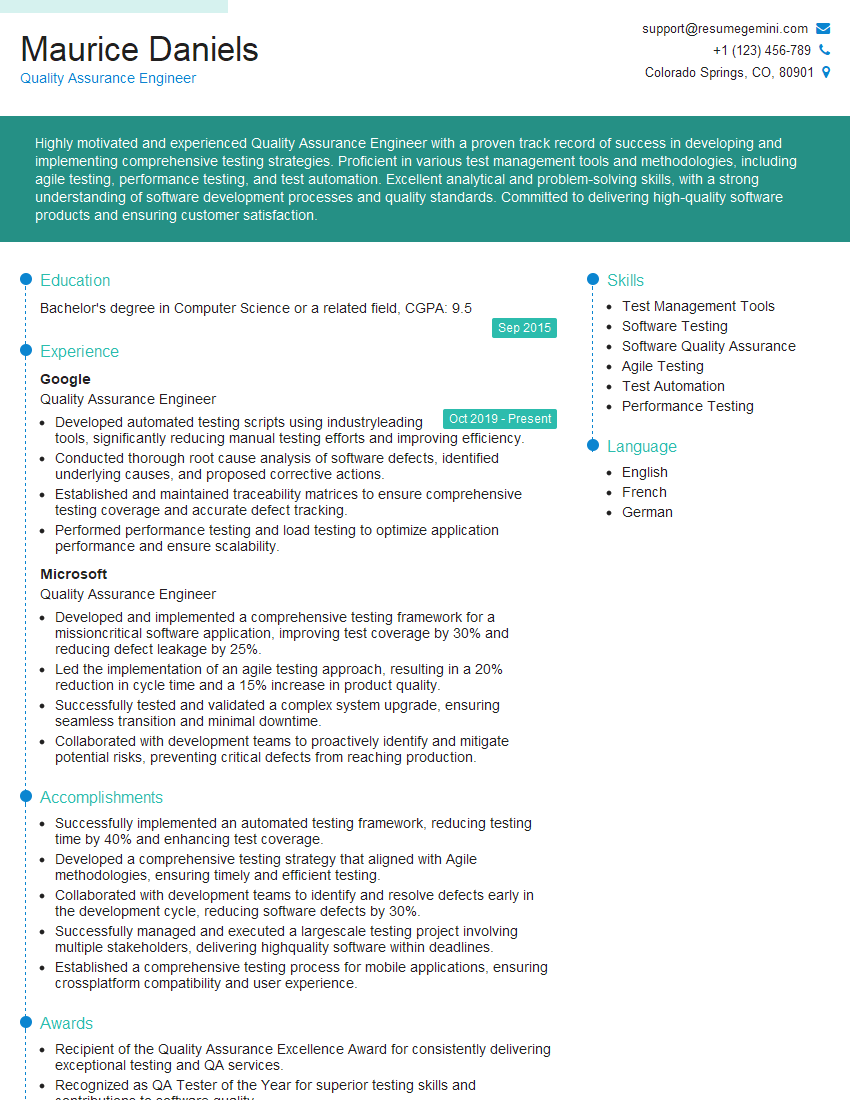
Quality Assurance Engineer Resume Sample
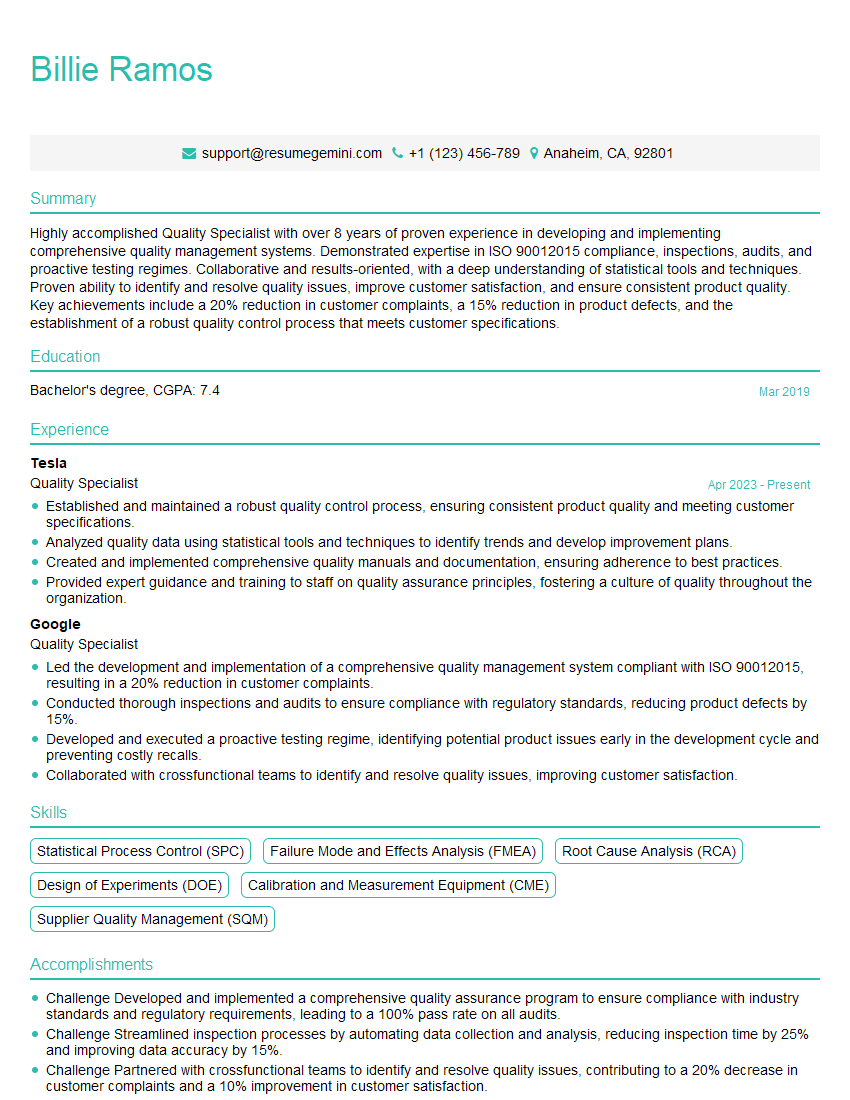
Quality Specialist Resume Sample
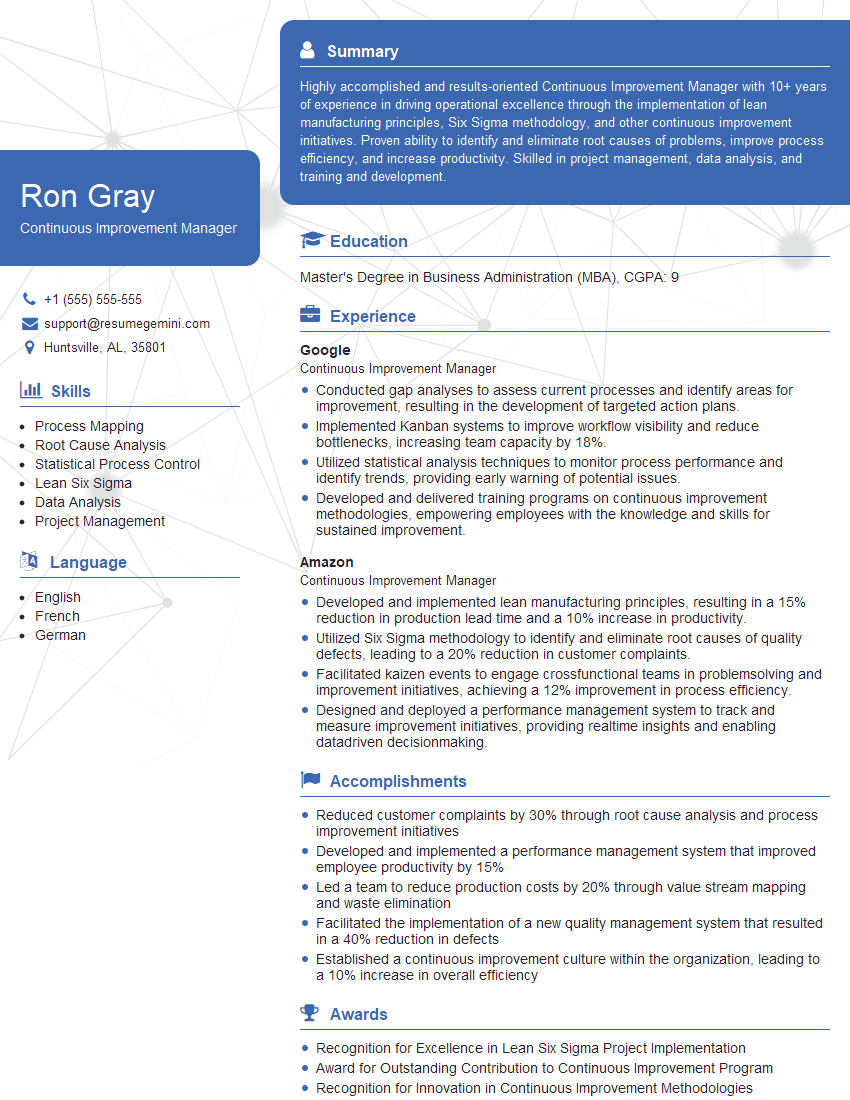
Continuous Improvement Manager Resume Sample
- Operations Manager
- Production Manager
- Quality Manager
- Quality Assurance Manager
- Quality Control Manager
- Supply Chain Manager
- Regulatory Affairs Manager
- Compliance Manager
- Compliance Officer
- Quality Assurance Specialist
- Internal Auditor
- Quality Engineer
- Quality Systems Manager
- Quality Control Engineer
- Quality Control Specialist
- Quality Assurance Engineer
- Quality Specialist
- Continuous Improvement Manager
Explore more articles
Users Rating of Our Blogs
Share Your Experience
We value your feedback! Please rate our content and share your thoughts (optional).
What Readers Say About Our Blog
To the interviewgemini.com Webmaster.
Very helpful and content specific questions to help prepare me for my interview!
Thank you
To the interviewgemini.com Webmaster.
This was kind of a unique content I found around the specialized skills. Very helpful questions and good detailed answers.
Very Helpful blog, thank you Interviewgemini team.