Interviews are more than just a Q&A session—they’re a chance to prove your worth. This blog dives into essential Wellness Exams interview questions and expert tips to help you align your answers with what hiring managers are looking for. Start preparing to shine!
Questions Asked in Wellness Exams Interview
Q 1. What are the key components of a comprehensive adult wellness exam?
A comprehensive adult wellness exam goes beyond simply checking for immediate problems; it’s a proactive approach to identifying potential health risks and promoting overall well-being. Key components include a thorough review of the patient’s medical history, a physical examination assessing vital signs and various body systems, and appropriate screening tests based on age, sex, and risk factors.
- Medical History Review: This involves documenting past illnesses, surgeries, allergies, current medications, family history, and lifestyle habits (diet, exercise, smoking, alcohol use).
- Physical Examination: This includes checking height, weight, blood pressure, heart and lung sounds, abdominal exam, neurological assessment (reflexes, coordination), and a skin examination.
- Vital Signs Measurement: This is a fundamental part, measuring blood pressure, heart rate, respiratory rate, and temperature.
- Screening Tests: These vary depending on the individual but may include blood tests (cholesterol, glucose, liver function), urinalysis, and other relevant tests based on risk factors.
- Risk Factor Assessment: This involves identifying modifiable and non-modifiable risk factors for common conditions like heart disease, diabetes, and cancer.
- Health Education and Counseling: This crucial step provides personalized advice on diet, exercise, stress management, vaccinations, and other preventative measures.
Think of it like a car tune-up – you don’t wait for something to break; you regularly check and address potential issues to ensure optimal performance.
Q 2. Describe the process of obtaining a patient’s medical history during a wellness exam.
Obtaining a thorough medical history is the cornerstone of a successful wellness exam. It’s a collaborative process involving open-ended questions and active listening. I begin by building rapport with the patient, creating a safe and comfortable environment for open communication.
- Open-ended questions: I start with broad questions like, “Tell me about your general health,” allowing the patient to lead the conversation. This often reveals crucial information they might not otherwise mention.
- Specific questions: Following the open-ended questions, I delve into specific aspects of their health, focusing on past illnesses, surgeries, medications, allergies, family history (particularly focusing on diseases like heart disease, cancer, diabetes), and lifestyle habits such as diet, exercise, smoking, and alcohol consumption.
- Review of Systems (ROS): I systematically review each body system (cardiovascular, respiratory, gastrointestinal, etc.) to uncover any potential symptoms or concerns the patient may have overlooked. This is a structured approach to ensure nothing is missed.
- Documentation: All information gathered is meticulously documented in the patient’s electronic health record (EHR) to ensure accuracy and accessibility for future reference.
For example, asking “Can you describe any concerning symptoms you’ve been experiencing?” is more effective than a simple “Do you have any pain?” This allows for a more nuanced understanding of their health status.
Q 3. How do you assess vital signs during a wellness exam and what are the normal ranges?
Assessing vital signs is a quick but essential part of the wellness exam, providing crucial insights into a patient’s immediate health status. It’s like checking the engine vitals of a car before a long road trip. I use standard medical equipment for accurate measurements.
- Blood Pressure (BP): Measured using a sphygmomanometer, it’s expressed as systolic/diastolic pressure (e.g., 120/80 mmHg). Normal range is generally considered <120/80 mmHg.
- Heart Rate (HR): Measured by palpating the radial pulse or using a stethoscope, it represents the number of heartbeats per minute. Normal resting heart rate is typically 60-100 bpm.
- Respiratory Rate (RR): Measured by observing the rise and fall of the chest, it’s the number of breaths per minute. A normal range is 12-20 breaths per minute.
- Temperature: Measured orally, rectally, or axially using a thermometer. A normal oral temperature is around 98.6°F (37°C).
- Oxygen Saturation (SpO2): Often measured with a pulse oximeter, indicating the percentage of oxygen carried in the blood. A normal SpO2 is typically above 95%.
Deviations from these normal ranges may indicate underlying health issues, triggering further investigation and potentially impacting the overall approach to the wellness exam.
Q 4. Explain the significance of screening tests conducted during a wellness exam (e.g., cholesterol, blood glucose).
Screening tests are preventative measures; they allow us to detect early signs of disease before symptoms appear, improving treatment outcomes and overall prognosis. Think of them as early warning systems.
- Cholesterol: High cholesterol increases the risk of heart disease and stroke. Screening helps identify those needing lifestyle changes or medication.
- Blood Glucose: Elevated blood glucose indicates a potential for diabetes, a condition with serious long-term consequences if left untreated. Early detection allows for timely interventions.
- Other common screenings: These might include blood counts (to check for anemia or infection), liver function tests, thyroid function tests, and cancer screenings (mammograms, colonoscopies, PSA tests), all dependent on age, gender, and family history.
For example, detecting high cholesterol through a routine blood test allows for timely intervention with lifestyle modifications (diet, exercise) or medication, significantly reducing the risk of future cardiovascular events. This exemplifies the importance of proactive screening.
Q 5. What are the common risk factors for cardiovascular disease that you would assess during a wellness exam?
Cardiovascular disease (CVD) is a leading cause of death globally. During a wellness exam, I assess several risk factors, both modifiable and non-modifiable.
- Modifiable risk factors: These are factors that can be changed through lifestyle modifications. Examples include: high blood pressure, high cholesterol, smoking, diabetes, obesity, physical inactivity, unhealthy diet, and excessive alcohol consumption.
- Non-modifiable risk factors: These are factors that cannot be changed, but their impact can be mitigated. Examples include age, family history of CVD, and genetics.
I use a combination of patient history, physical examination findings, and laboratory tests (like cholesterol and blood glucose levels) to assess these risk factors. A detailed assessment allows for personalized recommendations to reduce the patient’s risk of developing CVD.
For instance, a patient with a family history of heart disease (non-modifiable) and high cholesterol (modifiable) requires a different approach than a patient with no family history and normal cholesterol levels. The intervention plan considers both types of factors to create a customized plan for prevention.
Q 6. How do you educate patients about preventative health measures during a wellness exam?
Educating patients about preventative health measures is an integral part of the wellness exam. It’s not just about diagnosing and treating; it’s about empowering patients to take control of their health.
- Personalized recommendations: I tailor my advice to each patient’s individual risk factors and lifestyle. Generic advice is less effective than advice specific to their needs.
- Clear and concise explanations: I avoid medical jargon and explain concepts in plain language, ensuring the patient understands the information. I use analogies to help illustrate complex concepts.
- Actionable steps: I provide clear, achievable goals, setting realistic targets for lifestyle changes like increasing physical activity or improving diet. Small, manageable changes are more likely to be sustained than drastic ones.
- Resource provision: I refer patients to reliable resources such as websites, support groups, or community programs to provide ongoing support and information. This ensures continued engagement.
- Follow-up: I schedule follow-up appointments to monitor progress, address concerns, and make adjustments as needed. Consistency is key.
For example, instead of simply saying “you need to eat healthier,” I’ll discuss specific dietary changes such as incorporating more fruits and vegetables, reducing processed foods, and controlling portion sizes. I might suggest apps to track their progress or provide recipes for healthy meals.
Q 7. Describe your approach to communicating test results to patients during a wellness exam.
Communicating test results is a crucial aspect of the wellness exam. It requires sensitivity, clarity, and empathy. I strive to explain results in a way that the patient understands, addressing their concerns and answering their questions patiently.
- Clear and concise explanation: I explain the results in simple terms, avoiding medical jargon. I use visuals like graphs or charts when appropriate to help clarify complex information.
- Contextualization: I relate the results to the patient’s overall health, risk factors, and lifestyle. This helps them understand the significance of the findings.
- Addressing concerns: I create a space for the patient to ask questions and express their concerns. I address these openly and honestly.
- Next steps: I clearly outline the next steps, which might include lifestyle changes, further testing, or referral to a specialist. I provide a clear plan of action.
- Follow-up: I schedule a follow-up appointment to discuss any concerns or questions that arise after the initial consultation. This ensures ongoing support and monitoring.
For instance, if a patient has elevated cholesterol, I’ll explain what it means, the associated risks, and what steps they can take to improve their cholesterol levels – whether through lifestyle adjustments, medication, or both. I also explain why we are repeating the test in 6 months to monitor progress.
Q 8. How do you handle a patient who is anxious or apprehensive about a wellness exam?
Addressing patient anxiety during a wellness exam is paramount. I begin by creating a safe and comfortable environment. This includes taking the time to listen to their concerns without interruption. I explain the exam process in clear, simple terms, avoiding medical jargon. I use empathetic communication, acknowledging their feelings and validating their apprehension. For example, I might say, “I understand that wellness exams can feel overwhelming, and it’s perfectly okay to feel anxious.” I then actively involve them in the process, empowering them by explaining the purpose of each step and answering their questions patiently. In some cases, I may offer relaxation techniques like deep breathing or guided imagery. If the anxiety is particularly pronounced, I might recommend a referral to a mental health professional for further support.
For example, I recently had a patient who was terrified of needles. We discussed her fear extensively, and I explained the necessity of the blood draw in detail. We agreed on a strategy – performing the blood draw last, giving her a stress ball to squeeze, and allowing breaks as needed. This collaborative approach successfully eased her apprehension and allowed us to complete the exam without further distress.
Q 9. Explain your experience with electronic health records (EHRs) in the context of wellness exams.
Electronic Health Records (EHRs) are integral to efficient and accurate wellness exam delivery. My experience with EHRs spans over [Number] years, encompassing systems such as [List EHR Systems]. I utilize EHRs to document patient history, including past medical conditions, medications, allergies, and family history – all crucial for a comprehensive wellness assessment. I also use EHRs to input vital signs, physical exam findings, and lab results, generating a readily accessible and organized record. Furthermore, EHRs enable me to track patient progress over time, identifying trends and potential health risks. The ability to generate reports and schedule follow-up appointments within the system streamlines the entire process, ensuring proactive patient management. I also regularly review patient portals to stay updated on any changes in their health status between appointments. For instance, I recently used the EHR’s reporting function to identify a concerning trend of rising blood pressure in a particular patient cohort, allowing for preventative interventions.
Q 10. Describe your proficiency in performing physical assessments during wellness exams.
Proficiency in physical assessment is fundamental to my role. My skills encompass a thorough head-to-toe examination, including vital signs (blood pressure, heart rate, respiratory rate, temperature, and oxygen saturation), auscultation (listening to heart and lung sounds), palpation (assessing texture, size, and consistency of organs), and percussion (tapping to assess underlying structures). I am adept at identifying abnormalities and documenting my findings accurately. My assessment skills extend to neurological examinations (assessing reflexes, coordination, and mental status), musculoskeletal evaluations (range of motion, muscle strength), and dermatological assessments (checking for skin lesions or abnormalities). I regularly engage in continuing education to refine my assessment techniques and stay abreast of the latest advancements in physical examination methodologies. For instance, I recently completed a course on advanced cardiac auscultation, improving my ability to detect subtle heart murmurs.
Q 11. How do you ensure patient confidentiality during a wellness exam?
Maintaining patient confidentiality is a top priority, guided by HIPAA regulations and ethical principles. I adhere strictly to privacy protocols, ensuring all patient information is handled discreetly. This includes securely storing physical and electronic medical records, limiting access to authorized personnel only, and employing strong password protection. During the exam, I conduct conversations in private settings and avoid discussing patient information with others unless absolutely necessary for their care. Furthermore, I use coded identifiers when discussing patients in public areas. I always obtain informed consent before sharing any patient information with third parties. I also regularly review and update my knowledge on data security and privacy best practices to ensure compliance with evolving regulations.
Q 12. What are the legal and ethical considerations surrounding wellness exams?
Legal and ethical considerations surrounding wellness exams are multifaceted. Legally, we must adhere to HIPAA (Health Insurance Portability and Accountability Act) regarding patient privacy and data security. Informed consent is paramount; patients must understand the purpose, procedures, and potential risks of the exam before proceeding. Ethical considerations include maintaining patient autonomy, respecting their values and beliefs, and ensuring equitable access to healthcare regardless of socioeconomic background. We must also address potential conflicts of interest and maintain professional boundaries. For example, discussing personal opinions on lifestyle choices must be approached with sensitivity and professionalism, while avoiding coercion. Furthermore, we must understand and comply with state and federal laws concerning mandatory reporting (e.g., child abuse, elder abuse).
Q 13. Describe your experience with different types of wellness exams (e.g., annual physical, executive physical).
My experience encompasses a wide range of wellness exams. Annual physicals typically focus on preventative care, including disease screening, vaccinations, and lifestyle counseling. Executive physicals often involve more extensive assessments, including advanced cardiac testing, specialized imaging, and risk stratification for executives under significant stress. I’ve also conducted sports physicals, pre-employment physicals, and travel medicine consultations. Each exam type requires a tailored approach based on the patient’s specific needs and risk factors. For instance, an executive physical might incorporate stress testing and advanced imaging techniques not typically used in a standard annual physical.
Q 14. How do you tailor a wellness exam to meet the specific needs of a patient based on age, gender, and medical history?
Tailoring wellness exams is critical for optimal effectiveness. Age influences the types of screenings recommended; for example, osteoporosis screenings are more relevant for older adults. Gender considerations are also significant, with different screening recommendations for men and women (e.g., Pap smears for women, prostate exams for men). Medical history plays a crucial role, guiding the focus of the exam. A patient with a family history of heart disease will undergo more comprehensive cardiac assessments. For example, a 65-year-old woman with a family history of breast cancer will require different screenings than a 25-year-old male with no significant family history. I use clinical guidelines and evidence-based practices to inform my decisions and actively involve the patient in the process, ensuring they understand the rationale behind the recommended screenings and interventions. This collaborative approach maximizes the effectiveness and relevance of each wellness exam.
Q 15. How would you address a patient’s concerns about the cost of preventative health services?
Addressing patient concerns about the cost of preventative health services requires a multifaceted approach. It’s crucial to begin by acknowledging their apprehension and validating their financial worries. Many patients believe preventative care is an unnecessary expense, overlooking the long-term cost savings and improved quality of life it provides.
My strategy involves several steps:
- Transparency: I clearly explain the cost of each service and explore potential payment options, such as payment plans, financial assistance programs, or sliding fee scales offered by the practice or community organizations. I might say, ‘I understand that healthcare costs can be daunting. Let’s explore some options together to make this affordable for you.’
- Value Proposition: I emphasize the long-term benefits of preventative care, highlighting how early detection and intervention can prevent more expensive and extensive treatments in the future. For example, a yearly mammogram might cost a certain amount, but catching breast cancer early drastically reduces treatment costs and improves survival rates.
- Personalized Approach: I tailor the discussion to the individual patient’s needs and risk factors. A smoker, for instance, will understand the cost savings of smoking cessation programs compared to potential future lung disease treatment.
- Resource Provision: I provide information on available resources, such as government assistance programs (Medicaid, Medicare), charitable organizations, or employer-sponsored wellness programs.
Ultimately, my goal is to empower patients to make informed decisions while ensuring access to essential preventative care.
Career Expert Tips:
- Ace those interviews! Prepare effectively by reviewing the Top 50 Most Common Interview Questions on ResumeGemini.
- Navigate your job search with confidence! Explore a wide range of Career Tips on ResumeGemini. Learn about common challenges and recommendations to overcome them.
- Craft the perfect resume! Master the Art of Resume Writing with ResumeGemini’s guide. Showcase your unique qualifications and achievements effectively.
- Don’t miss out on holiday savings! Build your dream resume with ResumeGemini’s ATS optimized templates.
Q 16. Describe a time you had to adapt your approach to a patient during a wellness exam due to a language barrier or cultural difference.
During a wellness exam, I encountered a patient with limited English proficiency. Recognizing the potential for miscommunication to impact the exam’s effectiveness and the patient’s well-being, I immediately adapted my approach. Simply relying on a family member for translation wasn’t sufficient, as medical terminology requires accurate and nuanced communication.
I first ensured a qualified medical interpreter was available either in person or via phone. This allowed for accurate conveyance of medical questions and instructions, and more importantly, allowed the patient to clearly articulate their concerns and health history. I also used visual aids, such as diagrams and pictures, to explain medical concepts and procedures more clearly. I focused on non-verbal cues like body language and facial expressions to understand the patient’s level of comfort and comprehension.
The experience highlighted the critical importance of cultural sensitivity and the need for effective communication tools in providing inclusive and high-quality care. It reinforced my commitment to seeking resources and adopting strategies to overcome language barriers and ensure all patients feel heard and understood.
Q 17. What resources would you utilize to educate patients about their health concerns?
Educating patients about their health concerns involves utilizing a variety of reliable and accessible resources. My approach is multi-pronged, aiming for clarity and engagement.
- Evidence-based materials: I rely on reputable sources such as the CDC, NIH, and the American Heart Association for accurate and up-to-date information. I may share pamphlets, brochures, or websites tailored to specific health conditions.
- Patient portals: Many practices offer secure online portals where patients can access their medical records, lab results, and educational materials. I encourage patients to utilize these portals for convenient access to their information.
- Interactive tools: Visual aids like videos, infographics, and interactive online tools can significantly improve understanding. For example, a short animation explaining cholesterol management can be much more effective than dense text.
- Peer support and community resources: I often connect patients with support groups, community health centers, or relevant charities that provide ongoing education and support. This can be incredibly valuable for chronic conditions or lifestyle changes.
- Personalized discussions: The most effective approach often involves a direct, one-on-one conversation. I strive to communicate in a clear and simple manner, adjusting my language and approach based on the patient’s education level and health literacy.
By combining various resources, I ensure the patient receives comprehensive and accessible information that facilitates informed decision-making regarding their health.
Q 18. How do you identify and address potential health risks during a wellness exam?
Identifying and addressing potential health risks during a wellness exam is a systematic process combining patient history, physical examination, and risk assessment tools.
The process typically involves:
- Comprehensive History: A detailed review of the patient’s medical history, family history (including genetic predispositions), lifestyle habits (diet, exercise, smoking, alcohol consumption), and current medications. This helps identify risk factors for various conditions like heart disease, diabetes, and cancer.
- Physical Examination: A thorough physical examination, including vital signs (blood pressure, heart rate, weight, height), and assessments of various organ systems. This helps detect early signs of disease or abnormalities.
- Risk Assessment Tools: Using validated questionnaires and scoring systems to assess the patient’s risk for specific diseases. For example, the Framingham Risk Score for cardiovascular disease or specific cancer risk assessment tools based on family history and other risk factors.
- Lab Tests: Ordering appropriate laboratory tests based on the patient’s age, sex, risk factors, and clinical findings. These might include blood tests (lipid panel, glucose, thyroid function), urine tests, or other relevant tests.
- Counseling and Intervention: Based on the identified risks, I provide personalized counseling and recommendations for lifestyle modifications, preventative screenings, or medical interventions. This might involve dietary advice, exercise recommendations, smoking cessation support, or referral to specialists.
The goal is proactive identification of risks to enable timely intervention and reduce the likelihood of developing serious health problems.
Q 19. How do you ensure accurate documentation of findings during a wellness exam?
Accurate documentation is paramount in healthcare, ensuring continuity of care and legal protection. During a wellness exam, meticulous documentation is critical for tracking patient health over time and facilitating effective communication among healthcare providers.
My documentation process adheres to strict guidelines and includes:
- Patient Demographics: Accurate recording of patient identification information including name, date of birth, contact details, and insurance information.
- Chief Complaint/Reason for Visit: A concise statement detailing the patient’s concerns or the purpose of the visit.
- History of Present Illness (HPI): A detailed chronological account of the patient’s symptoms, including onset, duration, character, and associated factors.
- Past Medical, Surgical, and Family History: A comprehensive record of past illnesses, surgeries, and significant family history of diseases.
- Review of Systems (ROS): A systematic inquiry into each body system to uncover potential problems.
- Physical Examination Findings: Detailed documentation of the physical examination, including vital signs and results of any tests performed during the exam.
- Assessment and Plan: A summary of the patient’s condition, diagnosis (if any), and a clear outline of the plan of care, including prescribed medications, referrals to specialists, and recommended follow-up appointments.
- Lab and other test results: Thorough recording of all lab results with interpretations and any actions taken based on the findings.
I utilize electronic health records (EHRs) to ensure accurate and readily accessible documentation. The system allows for structured data entry, minimizing errors and ensuring compliance with healthcare standards.
Q 20. Describe your experience with ordering and interpreting lab results related to wellness exams.
Ordering and interpreting lab results is an integral part of wellness exams. The selection of tests depends on the patient’s age, gender, risk factors, and presenting concerns. For example, a lipid panel is routinely ordered for adults to assess cardiovascular risk, while thyroid function tests might be indicated for patients with symptoms suggesting thyroid dysfunction.
My process involves:
- Test Selection: Carefully selecting appropriate tests based on the patient’s individual needs and risk factors. I consider the clinical relevance and cost-effectiveness of each test.
- Ordering and Collection: Utilizing the EHR system to electronically order tests, ensuring clear and concise instructions for the lab. I also carefully monitor collection procedures to ensure proper specimen handling.
- Result Review: Promptly reviewing the lab results once they become available. I pay close attention to both normal and abnormal findings, correlating them with the patient’s clinical presentation and history.
- Interpretation: Interpreting the results in context with the patient’s overall health status and risk factors. I understand the limitations and potential inaccuracies of lab tests and always correlate results with other clinical findings.
- Follow-up: Following up with patients to discuss the results, explaining their significance in clear and understandable terms. I address any concerns and outline the appropriate next steps, which may include adjustments to treatment plans, further investigations, or lifestyle modifications.
Accurate interpretation of lab results is crucial for making informed clinical decisions and ensuring optimal patient care.
Q 21. Explain your understanding of preventive medicine principles in the context of wellness exams.
Preventive medicine principles form the cornerstone of wellness exams. The focus shifts from treating existing diseases to preventing them in the first place. Wellness exams represent a proactive, rather than reactive, approach to healthcare.
Key principles include:
- Risk Factor Identification and Modification: Identifying modifiable risk factors like diet, exercise, smoking, and alcohol consumption, and working with the patient to implement strategies for modification. For example, recommending a low-sodium diet for patients with hypertension or encouraging regular physical activity for those at risk for heart disease.
- Early Detection and Screening: Utilizing screening tests for diseases like cancer, diabetes, and cardiovascular disease to detect them at an early, more treatable stage. This includes mammograms, colonoscopies, Pap smears, and blood glucose testing.
- Immunizations: Ensuring patients are up-to-date on recommended immunizations, such as influenza and pneumonia vaccines, to protect against infectious diseases.
- Health Education and Counseling: Providing patients with education and counseling on healthy lifestyle choices, disease prevention strategies, and risk factor management. This includes promoting healthy eating habits, regular exercise, stress management techniques, and safe sex practices.
- Personalized Prevention Plans: Developing individual preventative care plans tailored to the patient’s unique circumstances, risk factors, and health goals. This ensures that interventions are effective and relevant.
By embracing these principles, wellness exams contribute significantly to improving patient outcomes, enhancing quality of life, and reducing the burden of chronic diseases.
Q 22. How do you stay current with the latest guidelines and recommendations for wellness exams?
Staying current in the dynamic field of wellness exams requires a multifaceted approach. I rely on several key strategies to ensure I’m always providing the most up-to-date and effective care. Firstly, I’m a member of the American Academy of Family Physicians (AAFP) and other relevant professional organizations. These organizations regularly publish updated clinical guidelines and best practices, often via journals and online resources. I dedicate time each month to reviewing these publications and attending webinars or online courses focused on wellness exam advancements.
Secondly, I actively participate in continuing medical education (CME) programs. CME credits are essential for maintaining my medical license, but more importantly, they expose me to the latest research, new technologies, and evolving recommendations in preventive medicine. I strategically choose CME activities related to screening guidelines, disease prevention, and the latest advancements in diagnostic tools.
Finally, I maintain a network of colleagues across different specialties. Open communication and collaboration with other physicians, nurses, and healthcare professionals facilitate knowledge sharing and ensure I’m aware of emerging trends and challenges in wellness care. For example, regularly attending departmental meetings allows us to discuss challenging cases and share our understanding of the latest guidelines.
Q 23. What are the common challenges associated with conducting wellness exams, and how do you overcome them?
Conducting wellness exams presents several common challenges. One significant hurdle is time constraint. Comprehensive wellness exams require sufficient time for a thorough history, physical examination, and patient education, which can be challenging within a busy clinical setting. To overcome this, I prioritize efficient workflows, utilize effective time management techniques, and employ medical assistants to assist with some tasks, allowing me to focus on the critical aspects of the exam.
Another challenge is patient adherence to recommended screenings and lifestyle modifications. Many patients may struggle to understand the long-term benefits of preventive care or lack the motivation to implement lifestyle changes. Addressing this requires strong patient communication skills, tailoring recommendations to individual needs and preferences, and providing resources to support behavior change (like nutritionists or physical therapists).
Finally, ensuring access to care for all patients, especially those with limited resources or transportation, poses a challenge. Telehealth technology, when appropriate, can help overcome geographical barriers, and collaborating with community health organizations can improve access to care for underserved populations.
Q 24. Describe your experience with patient follow-up after a wellness exam.
Patient follow-up after a wellness exam is a crucial component of ensuring the effectiveness of preventive care. My approach involves a multi-pronged strategy. Immediately after the exam, I provide patients with a comprehensive summary of their findings, including any abnormal results, recommended tests or referrals, and personalized lifestyle recommendations. This summary is both verbal and written, often supplemented with educational materials.
I schedule follow-up appointments as needed based on the exam results and individual patient needs. For example, if a patient requires further testing, I schedule a follow-up appointment to review the results and discuss the next steps. If the patient is addressing lifestyle modifications, I schedule follow-up appointments to monitor their progress, provide support, and adjust the plan if necessary.
Beyond scheduled appointments, I actively utilize the patient portal for communication. This allows for quick responses to questions, efficient sharing of lab results, and convenient scheduling of appointments, thereby enhancing communication and facilitating better patient engagement.
Q 25. How do you promote patient engagement and adherence to wellness recommendations?
Promoting patient engagement and adherence to wellness recommendations requires a personalized and empathetic approach. I find that building a strong patient-physician relationship is paramount. This involves actively listening to patient concerns, addressing their anxieties about screenings or lifestyle changes, and tailoring recommendations to their individual circumstances and preferences.
I use motivational interviewing techniques to encourage behavioral change. Instead of dictating recommendations, I engage in a collaborative discussion, helping patients identify their own goals and develop strategies to achieve them. This fosters a sense of ownership and increases the likelihood of adherence.
Furthermore, I provide patients with readily accessible resources, such as links to reputable websites, educational videos, and contact information for community health programs. Regular communication through the patient portal and phone calls can also facilitate engagement and reinforce the importance of adhering to the wellness plan.
For example, for a patient struggling with weight management, instead of simply recommending a diet, I would work with them to set realistic goals, discuss their preferences and challenges, and explore resources like local support groups or registered dietitians.
Q 26. What are some common reasons for patients to miss scheduled wellness exams?
Several factors contribute to patients missing scheduled wellness exams. One major reason is a lack of awareness of the importance of preventive care. Many patients may underestimate the potential benefits or fail to recognize the link between regular check-ups and long-term health outcomes. Others might perceive wellness exams as inconvenient or unnecessary, especially if they feel healthy.
Financial constraints can also be a significant barrier. The cost of wellness exams, even with insurance coverage, can be prohibitive for some patients. Scheduling conflicts and transportation difficulties can also prevent patients from attending appointments. Furthermore, anxiety or fear related to potential findings or the exam itself can cause patients to avoid scheduling and attending these visits.
Finally, lack of access to care, including long wait times for appointments or limited availability of providers, especially specialists, can cause patients to postpone or forgo wellness exams.
Q 27. How do you utilize technology to improve the efficiency and effectiveness of wellness exams?
Technology plays a significant role in enhancing the efficiency and effectiveness of wellness exams. Electronic health records (EHRs) streamline the documentation process, allowing for quick access to patient history, lab results, and other relevant data. This reduces administrative burden and ensures that I have all the necessary information readily available during the exam.
Telehealth platforms facilitate remote consultations, particularly for follow-up appointments or for patients who have difficulty accessing in-person care. Patient portals empower patients to actively participate in their care by accessing their medical records, scheduling appointments, communicating with providers, and receiving test results electronically.
Furthermore, wearable health trackers and other digital health tools can provide valuable insights into patients’ lifestyles and health behaviors, allowing for more personalized and data-driven recommendations. For example, data from a fitness tracker can help quantify exercise levels and provide a starting point for a discussion about improving physical activity.
Incorporating these technological advancements not only improves the efficiency of my practice but also promotes better patient engagement and improved healthcare outcomes.
Key Topics to Learn for Wellness Exams Interview
- Patient History & Risk Assessment: Understanding how to effectively gather and interpret patient medical history to identify potential risks and tailor the exam accordingly. Practical application: Demonstrate your ability to prioritize key information and identify red flags in a hypothetical patient scenario.
- Physical Examination Techniques: Mastering the proper techniques for vital signs measurement (blood pressure, heart rate, respiration), anthropometric measurements (height, weight, BMI), and other relevant physical assessments. Practical application: Explain the steps involved in performing a thorough yet efficient wellness exam, emphasizing accuracy and patient comfort.
- Preventive Medicine & Screening Recommendations: Familiarity with common screening guidelines based on age, sex, and risk factors (e.g., cholesterol, blood glucose, cancer screenings). Practical application: Discuss the rationale behind specific screening recommendations and how to communicate these recommendations effectively to patients.
- Interpreting Lab Results & Diagnostic Tests: Understanding how to interpret basic lab results (e.g., blood counts, lipid profiles) and explain their significance to patients within the context of a wellness exam. Practical application: Analyze a sample lab report and explain potential implications for patient health and preventative care.
- Health Promotion & Patient Education: Developing effective strategies for educating patients about healthy lifestyle choices (diet, exercise, stress management) and promoting adherence to preventative health measures. Practical application: Describe your approach to counseling patients on lifestyle modifications and setting realistic goals.
- Electronic Health Records (EHR) Systems: Demonstrate familiarity with using EHR systems to document patient encounters, order tests, and manage patient data. Practical application: Discuss your experience with EHR systems and your ability to navigate them efficiently and accurately.
- Communication & Interpersonal Skills: Highlighting your ability to build rapport with patients, actively listen, and communicate complex medical information in a clear and compassionate manner. Practical application: Explain how you would handle a challenging patient interaction or a situation requiring sensitive communication.
Next Steps
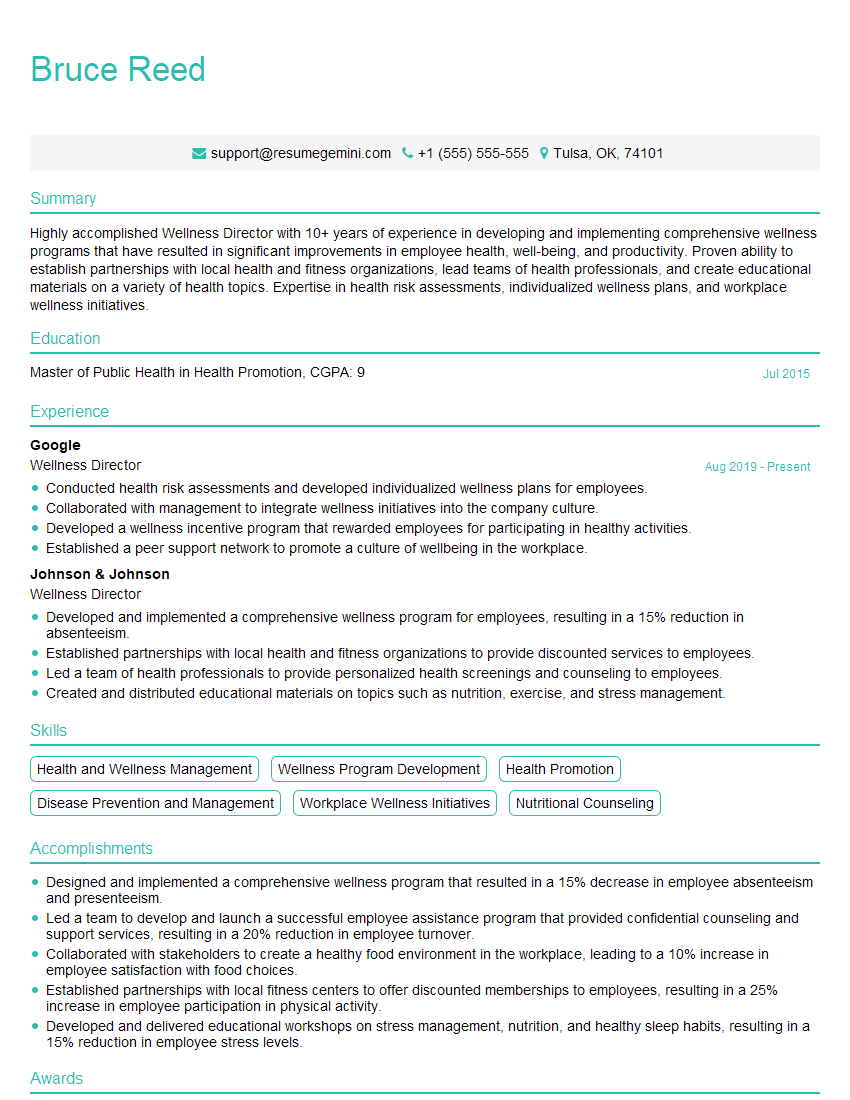
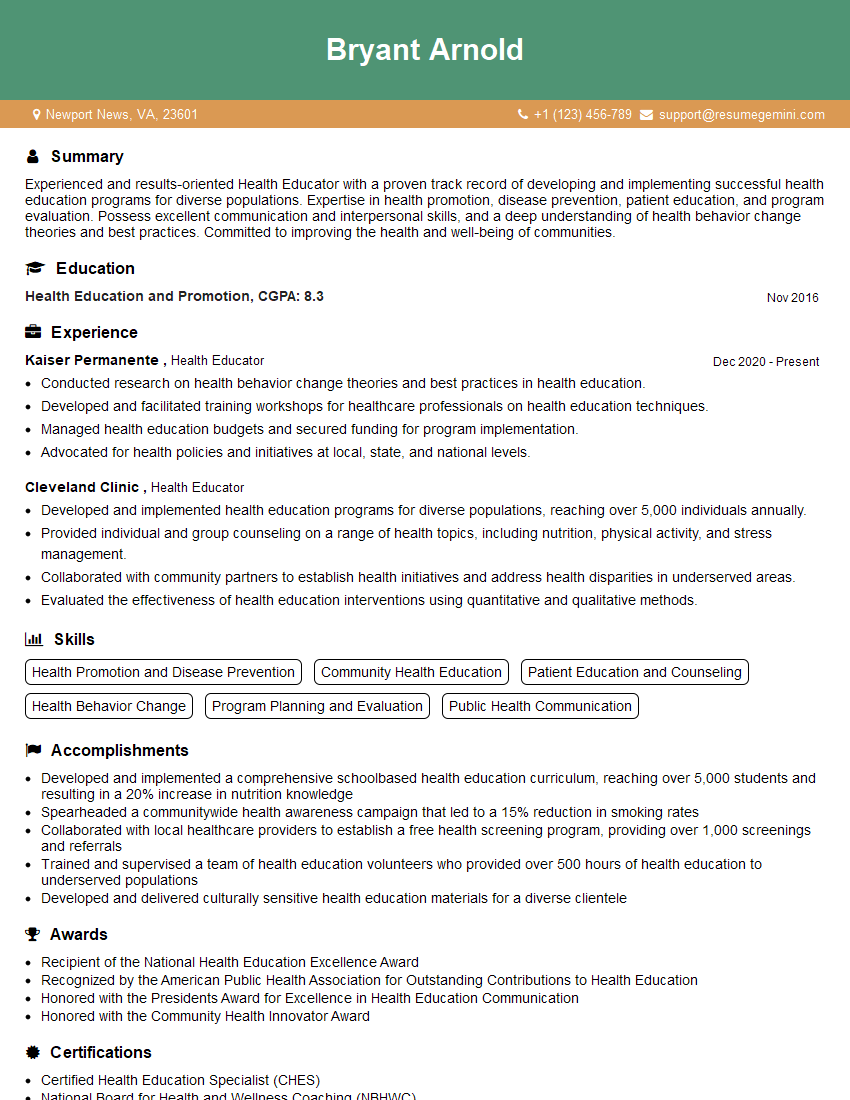
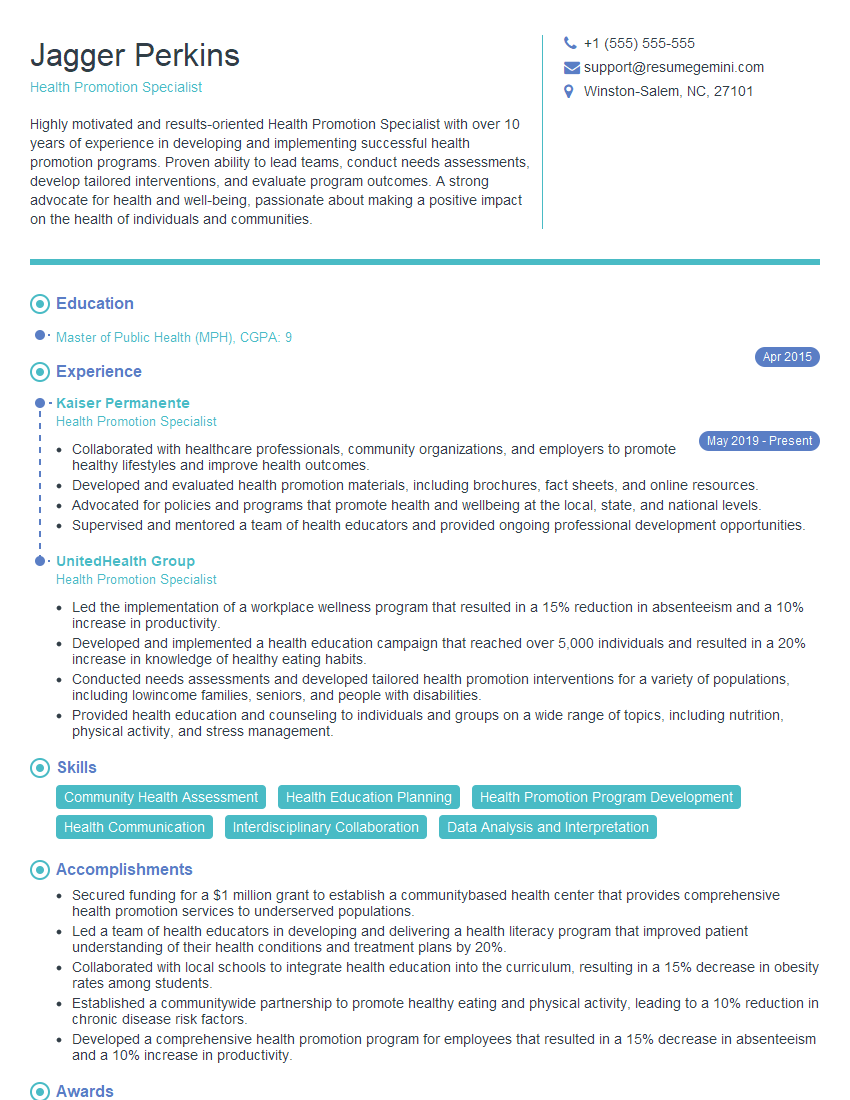
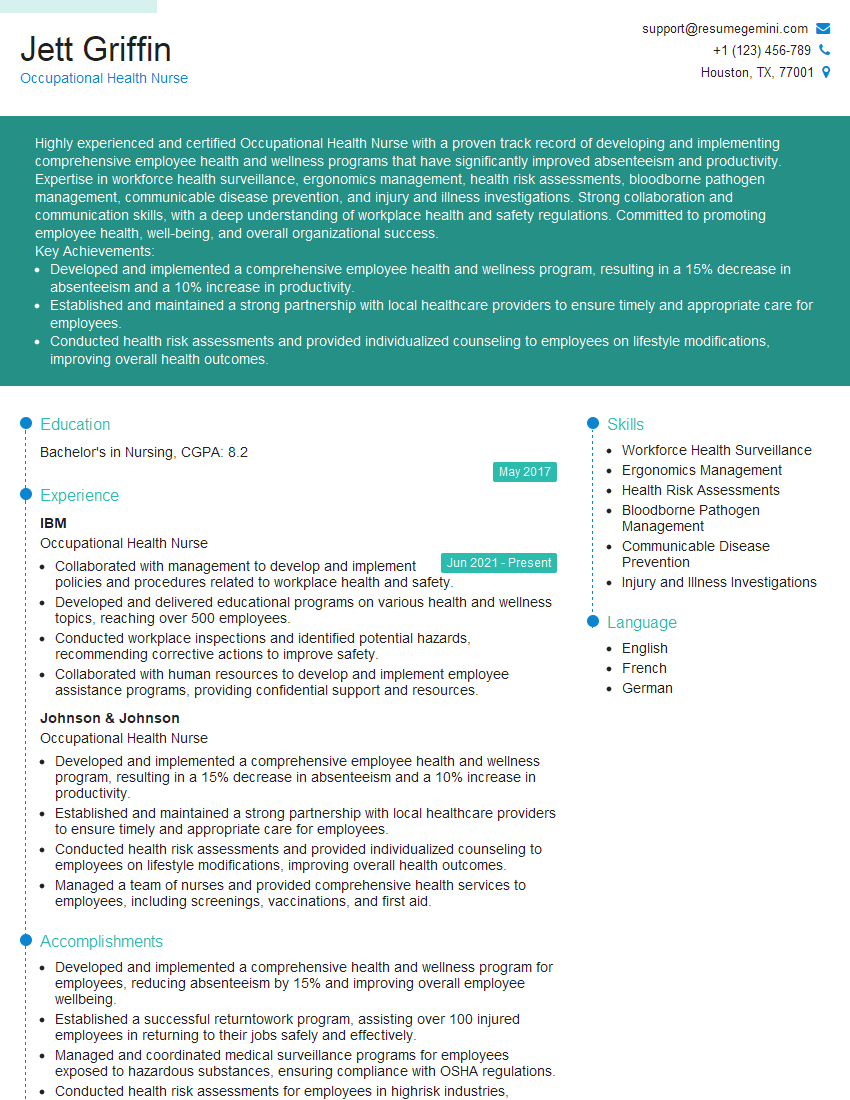
Mastering Wellness Exams is crucial for career advancement in healthcare, opening doors to various roles and demonstrating your commitment to preventative care. An ATS-friendly resume is key to getting your application noticed by recruiters. To significantly enhance your resume and increase your chances of landing your dream job, leverage the power of ResumeGemini. ResumeGemini provides a streamlined process for creating professional resumes, and we offer examples of resumes tailored specifically to Wellness Exams to help you get started.
Explore more articles
Users Rating of Our Blogs
Share Your Experience
We value your feedback! Please rate our content and share your thoughts (optional).
What Readers Say About Our Blog
To the interviewgemini.com Webmaster.
Very helpful and content specific questions to help prepare me for my interview!
Thank you
To the interviewgemini.com Webmaster.
This was kind of a unique content I found around the specialized skills. Very helpful questions and good detailed answers.
Very Helpful blog, thank you Interviewgemini team.