Preparation is the key to success in any interview. In this post, we’ll explore crucial Proficient in Hand Tools and Power Tools interview questions and equip you with strategies to craft impactful answers. Whether you’re a beginner or a pro, these tips will elevate your preparation.
Questions Asked in Proficient in Hand Tools and Power Tools Interview
Q 1. What safety precautions do you take when using power tools?
Safety is paramount when using power tools. My approach is based on a layered safety system, starting with preparation and extending through the entire process. Before even turning on a tool, I always inspect it for damage – loose parts, frayed cords, or dull blades are immediate red flags. I ensure the work area is clear of obstructions, well-lit, and has sufficient ventilation, especially when dealing with dust or fumes. I always wear appropriate Personal Protective Equipment (PPE), including safety glasses, hearing protection (earplugs or muffs), and a dust mask when necessary. Depending on the task, I may also use work gloves and sturdy footwear. For tasks involving rotating blades or bits, I maintain a firm grip, using both hands whenever possible and focusing on maintaining control. I never force a tool; if it’s binding or struggling, I stop, assess the situation, and adjust my technique or tool accordingly. Finally, I always disconnect the power tool before making adjustments, changing blades, or cleaning it. Thinking of safety as a continuous process, rather than a checklist, is key.
For example, when using a router, I always employ a router table with a fence to provide consistent depth and control, minimizing the risk of kickback. Similarly, when working with a table saw, I utilize the push stick for added safety and to maintain a safe distance from the blade.
Q 2. Explain the difference between a Phillips and a flathead screwdriver.
Phillips and flathead screwdrivers are designed for different screw head types. The flathead screwdriver has a single, flat blade that fits into a straight slot in the screw head. Torque is applied by pushing down on the blade. They are simple, versatile, and relatively inexpensive. However, they can cam out (slip out of the screw head) more easily than Phillips, especially when applying significant force.
The Phillips screwdriver has a cross-shaped tip with four angled blades. This design provides more contact points, offering superior grip and preventing cam-out, especially with increased torque. This makes it ideal for repetitive tasks or driving screws into tougher materials. The cross-shaped design also helps center the screwdriver, reducing the chance of damaging the screw head or surrounding material.
In practice, I choose the appropriate screwdriver based on the screw head type and the required torque. For delicate electronics, I might opt for a smaller, precision flathead. For heavy-duty construction work, a sturdy Phillips screwdriver is generally preferred.
Q 3. Describe your experience with various types of saws (circular, miter, jigsaw).
I have extensive experience with circular, miter, and jigsaw saws. Each serves a unique purpose and requires a different approach.
- Circular Saw: This is my workhorse for ripping (cutting along the grain) and crosscutting (cutting against the grain) lumber. I’m proficient in adjusting the blade depth and bevel for various cuts. Understanding blade selection based on material is crucial for clean cuts. Safety is paramount; I always use a rip fence and push block for control and to avoid kickback. I’ve also used circular saws for more complex cuts with jigs.
- Miter Saw: Perfect for precise angle cuts, crucial for joinery and trim work. I’m experienced with compound miter cuts (combining angle and bevel) and know how to choose the correct blade for various materials. Accuracy is key; proper setup and clamping of the workpiece are essential. A laser guide enhances precision for intricate projects.
- Jigsaw: This is my go-to tool for intricate curves and cutout work. Blade selection is crucial; I choose blades based on material thickness and the desired cut type. I’ve worked with various materials, from plywood to hardwoods. Maintaining consistent speed and pressure is important for smooth cuts. The jigsaw’s ability to cut inside shapes makes it an irreplaceable tool in my arsenal.
Q 4. How do you maintain your hand tools to ensure optimal performance?
Maintaining hand tools is essential for their longevity and optimal performance. My routine involves regular cleaning, sharpening, and storage. After each use, I meticulously clean my tools, removing sawdust, resin, or other debris. I use a wire brush for stubborn residues and oil the metal parts to prevent rust. Sharpening is key; I use sharpening stones or a honing steel for chisels, planes, and other edged tools. The frequency of sharpening depends on the tool and the material being worked. I have a specific sharpening jig for consistent results. Finally, I store my tools in a dry, organized manner, preferably in a tool chest or cabinet to protect them from damage and corrosion. Proper storage prevents accidental injury and keeps the tools in peak condition, ready for the next project.
For instance, I’ve found that storing chisels in a roll keeps them from getting chipped and makes them easily accessible.
Q 5. What are the safety features of a circular saw?
Circular saws incorporate several safety features to minimize risk. The most important is the blade guard, which covers the blade when not in use. It automatically retracts when the saw is powered on and engaged for the cut. The lower blade guard protects the user’s feet and surrounding area from accidental contact with the blade. Many circular saws also feature a riving knife or a anti-kickback pawls that help prevent the workpiece from being thrown back toward the user. An electric brake quickly stops the blade’s rotation when the trigger is released, further reducing the risk of injury. Finally, depth adjustment allows for controlled cutting and prevents the blade from penetrating too deeply into the material, reducing the chance of binding and kickback.
Q 6. How do you select the appropriate drill bit for a specific material?
Selecting the right drill bit depends on the material’s hardness and the desired hole size and type. For wood, I typically use twist drill bits. For hardwoods, I might opt for a brad-point bit for cleaner, more accurate holes. For metal, I use high-speed steel (HSS) drill bits, possibly with a cobalt alloy for added durability when working with tougher metals such as stainless steel. Masonry materials like brick or concrete require masonry bits with a carbide tip. For more precise work, like pilot holes, I use smaller-diameter bits. It’s crucial to match the bit’s shank size to the drill chuck for a secure fit, preventing slippage and ensuring clean, straight holes. I use a center punch to mark the drilling spot for accuracy, especially in harder materials, avoiding any slippage of the drill bit. Choosing the wrong drill bit can lead to damaged materials, broken bits, and unsafe working conditions.
Q 7. Explain the difference between different types of wood and how to work with them.
Different types of wood have varying properties that impact how they’re worked. Hardwoods like oak and maple are dense and strong, requiring sharper tools and potentially slower feed rates. Softer woods like pine and fir are easier to cut and shape, but can be more prone to splintering. Understanding grain direction is crucial; cutting with the grain generally produces cleaner cuts. Knowing the moisture content is important, as excessively wet wood can cause blade dulling and splintering, while extremely dry wood may crack. I adjust my cutting techniques, tool selection (e.g., blade type, feed rate, and depth of cut), and even my approach to joinery depending on the wood type. For example, I’d use a different saw blade for cutting hardwoods versus softwoods. I also adjust the speed of my tools to avoid burning the wood, as this is more prevalent in softwoods. For hardwoods, a slower, more deliberate approach is usually necessary.
I’ve learned to account for these differences through experience and by always checking for any material-specific notes within the project plan. For example, working with mahogany needs a careful approach to sanding and finishing to avoid scratching its delicate surface.
Q 8. Describe your experience with measuring tools (tape measure, level, square).
Measuring accurately is fundamental in any construction or repair project. I’m proficient with tape measures, levels, and squares, using each for specific purposes. A tape measure provides linear measurements, crucial for cutting materials to the right length or determining distances. For instance, when building a shelf, I’d use a tape measure to precisely determine the length of the shelf boards and the spacing of the brackets. A level ensures surfaces are perfectly horizontal or vertical, preventing wobbly structures or uneven finishes. Think of installing a picture frame – a level guarantees it hangs straight. Finally, a square ensures right angles, essential for accurate joinery. During the framing of a house, I’d use a speed square to guarantee the precise 90-degree angles between studs are maintained for structural integrity.
Beyond basic use, I understand the importance of precision. I know how to account for variations in material thickness or expansion, and I always double-check measurements to avoid costly mistakes. I am also comfortable using digital measuring tools for added precision in sensitive applications.
Q 9. How do you troubleshoot a malfunctioning power tool?
Troubleshooting a malfunctioning power tool requires a systematic approach, prioritizing safety. First, I always disconnect the power tool from the power source – this is paramount. Then, I visually inspect the tool for any obvious problems like loose connections, damaged cords, or obstructions. A simple problem could be a clogged dust port on a sander, easily solved by cleaning it.
If the problem persists, I’ll check the manual for troubleshooting steps. Many power tools have common issues, and the manual often provides solutions. If the problem relates to the power source, I check the circuit breaker or outlet. If the tool is battery-powered, I’d try replacing the battery. Sometimes, the problem can be as simple as a stripped or worn-out bit.
If visual inspection and manual troubleshooting don’t resolve the issue, I might need to consult a professional repair service or replace parts. I understand the limits of my expertise and know when to seek outside help. Safety is paramount, and attempting to repair complex electrical or mechanical problems beyond my skillset can be dangerous.
Q 10. What are the different types of hammers and their uses?
Hammers come in various types, each designed for specific tasks. The most common is the claw hammer, used for driving nails and removing them. Its curved claw is designed to efficiently pull nails out of wood. A ball-peen hammer, with its rounded end, is ideal for shaping metal or riveting. A sledgehammer, much larger and heavier, is for demolition or driving large stakes. A mallet, usually made of rubber or wood, is gentler on surfaces and used for delicate tasks, such as assembling furniture or shaping softer materials.
Choosing the right hammer depends on the task. A delicate task like installing trim would require a smaller claw hammer or even a mallet, while demolition would call for a sledgehammer. I’m experienced using all these hammer types and understand their appropriate applications. I always ensure I use the right hammer for the job to avoid damage to materials or injury to myself.
Q 11. Explain the proper use of a wrench.
Proper wrench use is key to preventing damage and injury. First, select the correct size wrench for the bolt or nut. Using the wrong size can strip the fastener or round off the edges. Then, apply steady, even pressure while turning the wrench. Avoid jerking or using excessive force. If the fastener is stuck, try using a penetrating oil to loosen it before applying force. For stubborn fasteners, I may use a pipe wrench for added leverage, always ensuring the wrench is firmly seated to prevent slippage.
For increased torque, using a wrench extension can be helpful but adds more risk, requiring extra caution to prevent injury. Always grip the wrench firmly, close to the nut or bolt, to maximize leverage and minimize the chance of the wrench slipping. In addition to open-end wrenches, I’m proficient using socket wrenches and adjustable wrenches, selecting the appropriate tool based on the specific application.
Q 12. How do you ensure the safety of yourself and others while working with power tools?
Safety is my top priority when using power tools. I always start by inspecting the tool for damage, checking cords for frays and ensuring all guards are in place. I wear appropriate personal protective equipment (PPE), including safety glasses, hearing protection, and work gloves. Depending on the task, I might also wear a dust mask or respirator. I understand the importance of maintaining a clean and organized workspace to prevent tripping hazards.
Before operating any power tool, I make sure I understand its operation and safety features. I never operate a power tool while tired or under the influence of drugs or alcohol. I always keep my hands and body clear of moving parts, and I’m careful to avoid catching clothing or jewelry in the tools. I always ensure the work area is well-lit and secure. Additionally, I always unplug power tools when not in use or before making adjustments or repairs. I also make sure that my colleagues are aware of my work area and practice safe work habits.
Q 13. Describe your experience with various types of fasteners (nails, screws, bolts).
My experience with fasteners encompasses a wide range, from common nails and screws to specialized bolts and anchors. Nails, categorized by size, material (steel, galvanized, etc.), and type (finish nails, brads, etc.), are used for quick fastening in wood. Screws, offering greater holding power and adjustability, are chosen for applications where strength and reusability are important. I understand the various screw types (Phillips, slotted, hex) and their respective drivers.
Bolts, used with nuts, provide the strongest and most versatile fastening method, often crucial for structural applications. I’m proficient in using different types of bolts – machine bolts, carriage bolts, and lag bolts – understanding the applications for each. I also have experience with various anchors for different substrates, such as concrete or drywall, allowing me to securely fasten materials in different building materials. The selection of the correct fastener hinges on understanding the material being joined, the load it will bear, and the required durability. My experience allows me to make the correct decisions in each case.
Q 14. How do you read and interpret blueprints or schematics?
Reading blueprints and schematics is essential for executing projects accurately. I start by understanding the drawing’s scale and the various symbols and notations used. The key is to break down the drawing into manageable sections, studying each element individually. I look for details like dimensions, material specifications, and assembly instructions.
I’m adept at interpreting different views, including plan views, elevations, and sections. I can visually imagine the three-dimensional structure from the two-dimensional drawings. I utilize the information provided in the drawings to carefully measure, cut, and assemble the components. When facing ambiguity or challenges in interpretation, I’m comfortable seeking clarification from project supervisors or experienced colleagues. My experience working with architectural, structural, and mechanical drawings allows me to effectively translate the design into a tangible product.
Q 15. What are the different types of pliers and their uses?
Pliers are indispensable hand tools used for gripping, bending, and cutting various materials. Different types are designed for specific tasks.
- Slip-joint pliers: These versatile pliers have adjustable jaws, making them suitable for a wide range of gripping tasks, from holding nuts and bolts to bending wire. Think of them as the ‘Swiss Army knife’ of pliers.
- Needle-nose pliers: With their long, thin jaws, these are perfect for reaching into tight spaces to grip small parts or bend delicate wires. Imagine working on the intricate wiring of an electronic device.
- Lineman’s pliers: These heavy-duty pliers have a cutting edge, making them ideal for cutting wire and gripping larger objects. They’re essential for electricians and anyone working with thicker wires.
- Locking pliers (e.g., Vise-Grips): These pliers feature a locking mechanism, allowing them to maintain a firm grip without constant pressure. They’re incredibly useful when working on stubborn nuts or bolts, or clamping materials together.
- Diagonal cutting pliers (dikes): These pliers have angled jaws specifically designed for cleanly cutting wires. A crucial tool for electronics work or any application requiring precise wire cutting.
The choice of pliers depends entirely on the task at hand. Selecting the right tool ensures efficiency and safety.
Career Expert Tips:
- Ace those interviews! Prepare effectively by reviewing the Top 50 Most Common Interview Questions on ResumeGemini.
- Navigate your job search with confidence! Explore a wide range of Career Tips on ResumeGemini. Learn about common challenges and recommendations to overcome them.
- Craft the perfect resume! Master the Art of Resume Writing with ResumeGemini’s guide. Showcase your unique qualifications and achievements effectively.
- Don’t miss out on holiday savings! Build your dream resume with ResumeGemini’s ATS optimized templates.
Q 16. How do you handle different types of wood (hardwood, softwood)?
Working with different types of wood requires understanding their unique properties.
- Hardwoods: These are denser and harder than softwoods, making them more durable but more challenging to work with. Examples include oak, maple, and cherry. They require sharper tools and often benefit from pre-drilling holes before driving screws to prevent splitting. Think of trying to hammer a nail into a solid rock versus softer earth.
- Softwoods: These are typically easier to work with, being less dense and softer. Examples include pine, fir, and spruce. They are prone to dents and scratches, so careful handling is needed. They’re often used for less demanding applications like framing.
The choice of tools and techniques also changes. For hardwoods, you might use a sharp chisel and mallet, while softwoods can sometimes be worked with less refined tools. Always consider the wood’s grain direction when cutting to avoid tear-out.
Q 17. Explain your understanding of different types of wood finishes.
Wood finishes protect and enhance the beauty of wood. There are several types, each with unique properties:
- Oil-based finishes: These penetrate the wood, offering good protection and enhancing the natural grain. Examples include linseed oil and tung oil. They provide a more natural look and are often easier to repair.
- Water-based finishes: These are becoming increasingly popular due to their low odor and easy cleanup. They offer good protection and come in various sheens. They tend to dry faster than oil-based finishes.
- Varnishes: These provide a hard, durable surface that protects against scratches and moisture. They can be oil- or water-based. Varnishes provide a more glossy finish.
- Lacquers: These dry quickly and offer a smooth, hard finish. They are often sprayed on, offering a uniform application. They are less forgiving in terms of imperfections.
- Shellac: This natural resin finish offers a beautiful, warm tone and is easy to apply. It provides a durable but less water-resistant finish than varnish or lacquer.
The selection of a finish depends on the desired aesthetic and the intended use of the wood project. Factors to consider include durability, water resistance, and ease of application.
Q 18. What is your experience with using a router?
I have extensive experience using a router, both handheld and table-mounted. I am proficient in using various router bits for tasks such as:
- Edge shaping: Creating rounded, beveled, or decorative edges on wood pieces.
- Rabbetising: Cutting grooves for joining boards together.
- Dadoing: Cutting wide grooves to hold shelves or other components.
- Templating: Using templates to create intricate shapes and patterns.
I understand the importance of using the proper router bits for the job, setting the correct depth, and maintaining safe operating procedures, such as using a router table fence for better control and precision. For example, I recently used a router to create a custom-designed edge profile on a set of kitchen cabinets, achieving a professional, smooth finish.
Q 19. How do you deal with unexpected problems or equipment malfunctions on the job?
Unexpected problems are an inevitable part of any hands-on job. My approach involves a systematic process:
- Safety First: Assess the situation and ensure the safety of myself and others. If necessary, shut down the equipment and clear the area.
- Problem Identification: Carefully diagnose the issue. Is it a tool malfunction, material failure, or a design flaw?
- Troubleshooting: Consult manuals, online resources, or experienced colleagues for solutions. Try simple fixes first before resorting to more complex solutions.
- Temporary Solutions: If a complete fix is not immediately possible, implement a safe temporary workaround to allow the project to continue or minimize further damage. A well-chosen clamp can solve more than you realize.
- Permanent Repair: Once the problem is understood, implement a long-term fix. This may involve repairing equipment, replacing parts, or revising the project plan.
- Documentation: Learn from the experience. Document the problem, solution, and steps taken to prevent similar problems in the future.
For instance, I once encountered a sudden power outage mid-project. I immediately secured the tools and materials, then devised a strategy to complete the critical steps that didn’t require power. The remaining steps were completed once power was restored.
Q 20. Explain the importance of proper tool storage and organization.
Proper tool storage and organization are crucial for safety, efficiency, and longevity of the tools. A well-organized workspace saves time and reduces frustration.
- Designated Storage: Each tool should have a designated place for storage, whether it’s a toolbox, pegboard, or dedicated cabinet. This prevents tools from getting lost or damaged.
- Clean Tools: Tools should be cleaned and inspected after each use. This prevents rust, corrosion, and ensures that the tools are ready for the next job.
- Sharp Tools: Sharpening tools regularly is critical for efficient and safe work. A dull tool is dangerous and leads to poor quality work.
- Organization System: Implement a logical organization system. This could be based on tool type, frequency of use, or project. A clearly defined system facilitates quick and easy retrieval of tools.
- Protection: Protect tools from damage by using tool covers, cases, or foam inserts.
I always meticulously maintain my tools, believing it’s an investment in both quality of work and safety.
Q 21. Describe your experience with working at heights.
I have experience working at heights, always prioritizing safety. This involves:
- Proper Training: I am familiar with and adhere to all relevant safety regulations and best practices for working at heights.
- Appropriate Equipment: I am proficient in the use of safety harnesses, fall arrest systems, and ladders. I always inspect equipment before use.
- Risk Assessment: Before starting any work at heights, I perform a thorough risk assessment to identify and mitigate potential hazards.
- Secure Anchorage: I ensure that all anchor points for safety equipment are secure and properly rated for the load.
- Partnering: When possible, I work with a partner to enhance safety and provide mutual support.
For example, while installing roof fixtures on a steep-pitched roof, I always used a full-body harness, anchored to a secure point, and employed a spotter to increase safety.
Q 22. What are the different types of sanders and their applications?
Sanders are essential tools for smoothing surfaces, removing material, and achieving a desired finish. They come in various types, each suited for different applications.
- Belt Sanders: These use a continuous loop of abrasive belt, ideal for heavy-duty stock removal, shaping large pieces of wood, and smoothing rough surfaces. Think of shaping a large piece of lumber for a deck or removing a significant amount of material from a workpiece.
- Random Orbital Sanders: These use a circular pad with a rotating and orbiting motion, resulting in a fine, swirl-free finish. Perfect for final sanding of wood furniture, automotive bodywork, or preparing surfaces for painting.
- Sheet Sanders: These utilize sheets of sandpaper attached to a backing pad, offering good control and flexibility. Useful for sanding in tight corners and hard-to-reach areas, or for detail work on smaller projects.
- Spindle Sanders: These use a cylindrical sanding drum, excellent for shaping curves and creating intricate profiles in wood. Often used for carving or making decorative moldings.
- Detail Sanders: Small and versatile, these sanders are designed for intricate work in tight spaces. Great for sanding edges, corners, and detailed parts of a project.
Choosing the right sander depends on the material, the amount of material to be removed, and the desired finish. For instance, a belt sander would be inappropriate for finishing fine woodwork, while a random orbital sander would be ineffective for rough shaping large pieces of wood.
Q 23. How do you ensure accuracy when using measuring tools?
Accuracy in measurement is paramount for any woodworking or construction project. It’s about more than just reading the tool; it’s about proper technique and understanding the tool’s limitations.
- Choose the Right Tool: Select the appropriate measuring tool for the job. A tape measure is fine for rough measurements, but a steel rule or calipers are necessary for precise measurements.
- Proper Technique: Hold the measuring tool firmly and ensure it’s aligned correctly with the surface being measured. Avoid parallax error by keeping your eye directly above the measurement mark.
- Multiple Measurements: Always take multiple measurements to confirm accuracy, especially for critical dimensions. Discrepancies highlight potential errors.
- Environmental Factors: Be aware of environmental conditions such as temperature and humidity that can affect the accuracy of some measuring tools (like tape measures).
- Calibration: Regularly check the accuracy of your measuring tools. A simple comparison against a known standard or a calibrated tool can reveal any issues.
For example, when building a cabinet, I wouldn’t rely solely on a tape measure to determine the precise location of shelves. Instead, I’d use a combination of a tape measure for initial layout and a steel rule for precise marking before cutting.
Q 24. What experience do you have with working with metal?
I have extensive experience working with various metals, from soft metals like aluminum to harder materials like steel. My experience encompasses a range of processes:
- Cutting: I’m proficient in using various cutting tools, including hacksaws, band saws, angle grinders with cutoff wheels, and plasma cutters, selecting the appropriate tool based on the metal’s thickness and desired cut.
- Forming: I’ve worked with metal forming techniques such as bending, using specialized tools like sheet metal brakes and hand tools like mallets and forming blocks.
- Welding: I have experience with several welding processes including MIG, TIG, and stick welding, adapting my technique to different metal types and thicknesses.
- Finishing: I’m familiar with metal finishing techniques such as grinding, sanding, and polishing, using appropriate abrasives and tools for each type of metal.
For instance, on a recent project, I had to fabricate a custom metal bracket. This involved cutting the steel sheet using a plasma cutter, bending it to the required shape using a brake, and then welding the pieces together using MIG welding. Finally, I ground and polished the welds to create a clean, professional finish.
Q 25. Explain the proper use of personal protective equipment (PPE).
Personal Protective Equipment (PPE) is crucial for safety in any workshop or jobsite. It’s not just about following rules; it’s about protecting your well-being.
- Eye Protection: Safety glasses or goggles should be worn at all times, protecting against flying debris, sparks, and chemical splashes.
- Hearing Protection: Earplugs or earmuffs are essential when operating loud machinery like power saws or grinders. Prolonged exposure to loud noise can lead to permanent hearing loss.
- Respiratory Protection: Dust masks or respirators are necessary when working with materials that produce dust or fumes. This is especially critical when working with substances like fiberglass, sanding wood, or welding.
- Hand Protection: Gloves are crucial, providing protection against cuts, abrasions, chemical burns, and other hazards. Choosing the right glove for the task is important – work gloves for general handling, cut-resistant gloves for sharp objects, chemical-resistant gloves for hazardous materials.
- Foot Protection: Steel-toe boots are essential to protect your feet from falling objects and crushing injuries. They also often offer slip resistance.
- Other PPE: Depending on the task, other PPE might include hard hats, aprons, and high-visibility vests.
It’s vital to inspect PPE regularly for damage and replace it when necessary. Using damaged PPE is as dangerous as not using it at all. For example, wearing cracked safety glasses offers little protection against flying debris.
Q 26. How do you identify and address potential hazards in a workshop or jobsite?
Identifying and addressing hazards is an ongoing process. It requires a proactive approach, combining observation with knowledge of safety procedures.
- Regular Inspections: Conduct regular inspections of the workshop or jobsite, looking for potential hazards such as electrical hazards, trip hazards, fire hazards, and exposure to hazardous materials.
- Proper Tool Storage and Maintenance: Tools should be stored properly and maintained regularly to prevent accidents. Sharp tools should be stored securely, and damaged tools should be repaired or replaced.
- Housekeeping: A clean and organized workspace significantly reduces the risk of accidents. Keep walkways clear, store materials properly, and dispose of waste appropriately.
- Emergency Procedures: Be familiar with emergency procedures and ensure that appropriate safety equipment, such as fire extinguishers and first-aid kits, are readily available and in good working order.
- Communication: Open communication among team members is crucial. Report any hazards immediately and discuss safety concerns with colleagues and supervisors.
For example, if I notice frayed electrical cords, I’d immediately report it and stop using the equipment until it’s repaired or replaced. If a spill occurs, I would clean it up immediately to prevent slips and falls.
Q 27. Describe a time you had to fix a problem using your hand tools.
I was once building a custom birdhouse, and I needed to create a precisely sized opening for the birds. I initially used a jigsaw, but the cut was slightly uneven. To correct this, I carefully used a wood rasp to smooth out the edges and achieve the precise dimensions required. Then, I used sandpaper of progressively finer grits to ensure a smooth, splinter-free finish. This demonstrated the importance of selecting the right tool for the job and, when necessary, using hand tools for fine adjustments and finishing.
Q 28. Describe a time you had to use your power tools to solve a problem.
During a renovation project, I needed to cut a large number of identical pieces of wood for shelving. Using a hand saw for this task would have been time-consuming and potentially resulted in inconsistent cuts. Instead, I used a miter saw, setting it to the precise angle and length required. This allowed me to quickly and accurately cut all the pieces needed, saving significant time and ensuring consistency across all the shelves. The power tool’s efficiency made a considerable difference in the project timeline and outcome.
Key Topics to Learn for Proficient in Hand Tools and Power Tools Interview
- Hand Tool Proficiency: Understanding the safe and effective use of various hand tools, including hammers, screwdrivers, wrenches, saws, measuring tools, and levels. This includes knowing the appropriate tool for specific tasks and understanding maintenance procedures.
- Power Tool Proficiency: Safe and proper operation of common power tools such as drills, saws (circular, reciprocating, miter), sanders, routers, and impact drivers. This includes understanding safety protocols, blade/bit selection, and maintenance requirements.
- Material Knowledge: Familiarity with different materials commonly worked with (wood, metal, plastic) and their properties. Understanding how tool selection and techniques vary depending on the material.
- Safety Procedures: Demonstrating a comprehensive understanding of workplace safety regulations and best practices related to hand and power tool usage, including personal protective equipment (PPE) selection and usage.
- Project Planning & Execution: Ability to plan a project, select the appropriate tools, and execute the plan efficiently and safely. This includes understanding measurement techniques and blueprint reading (where applicable).
- Troubleshooting & Problem Solving: Identifying and resolving common problems encountered during projects, such as tool malfunctions, material defects, or measurement inaccuracies. Demonstrating practical problem-solving skills.
- Maintenance & Repair: Understanding basic tool maintenance, including cleaning, lubrication, and minor repairs. Knowing when to replace worn or damaged tools.
Next Steps
Mastering proficiency in hand and power tools is crucial for career advancement in many skilled trades. It demonstrates your practical abilities and commitment to safety, making you a highly valuable asset to any employer. To increase your job prospects, it’s essential to create an ATS-friendly resume that highlights your skills and experience effectively. ResumeGemini is a trusted resource to help you build a professional and impactful resume that showcases your expertise in hand and power tools. Examples of resumes tailored to this skillset are available through ResumeGemini to guide you in creating your own compelling application. Take the next step and build a resume that gets noticed!
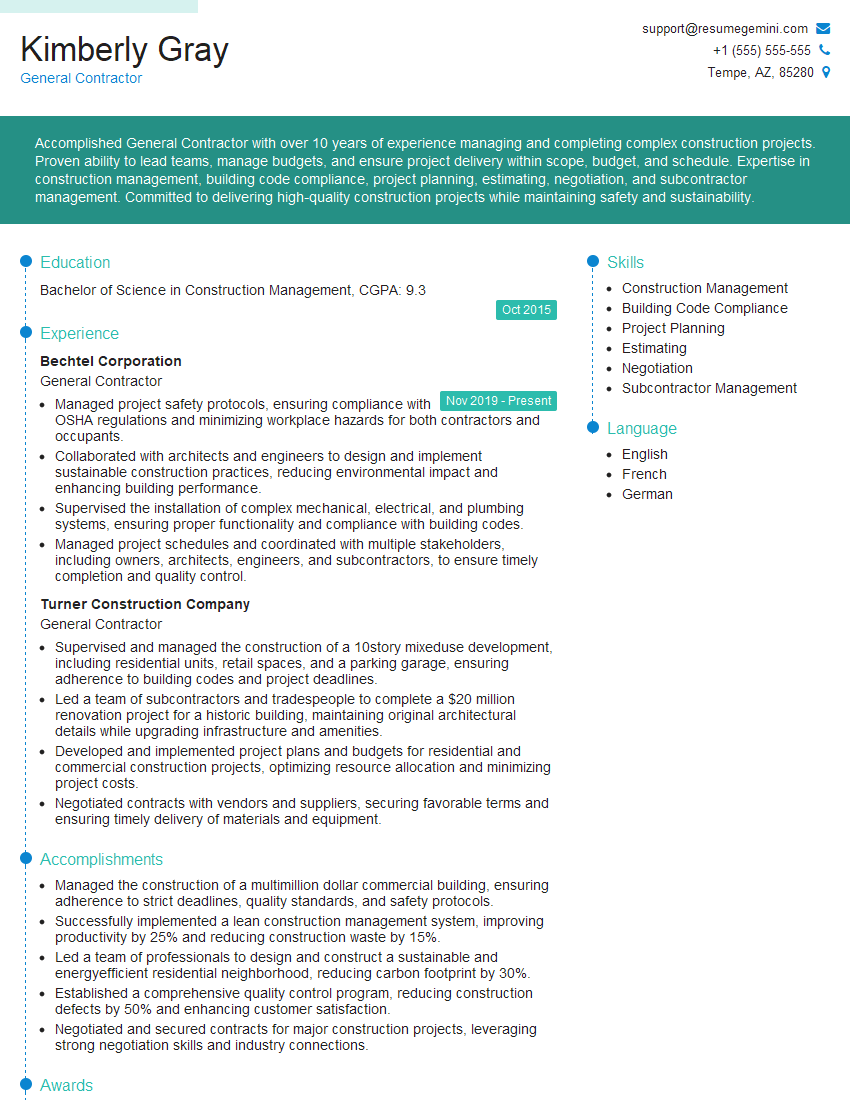
General Contractor Resume Sample
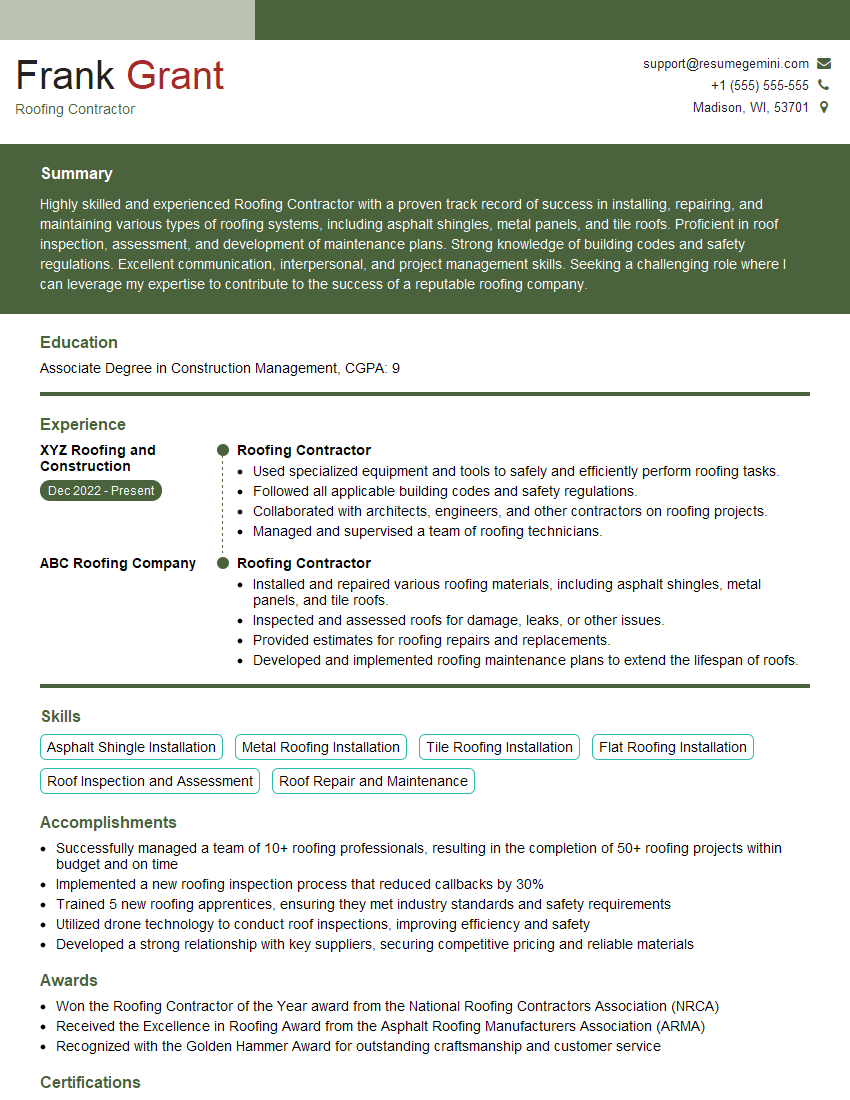
Roofing Contractor Resume Sample
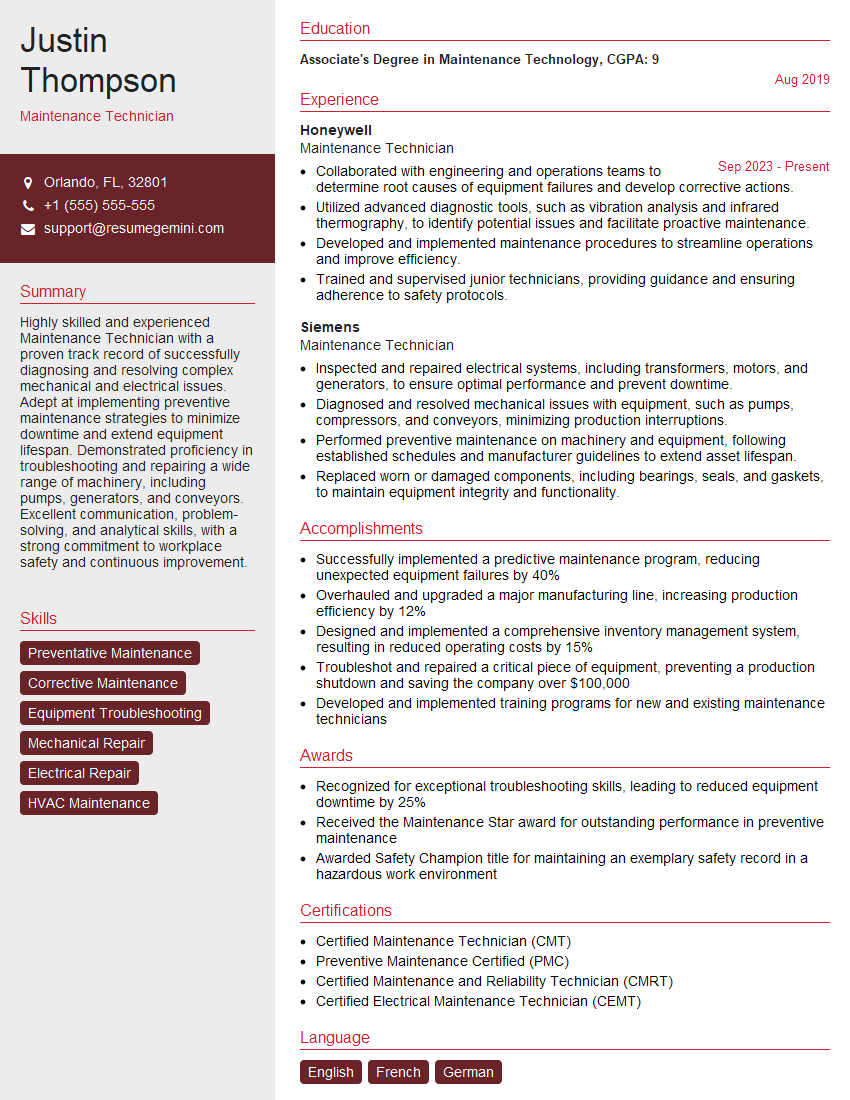
Maintenance Technician Resume Sample

Machinist Resume Sample
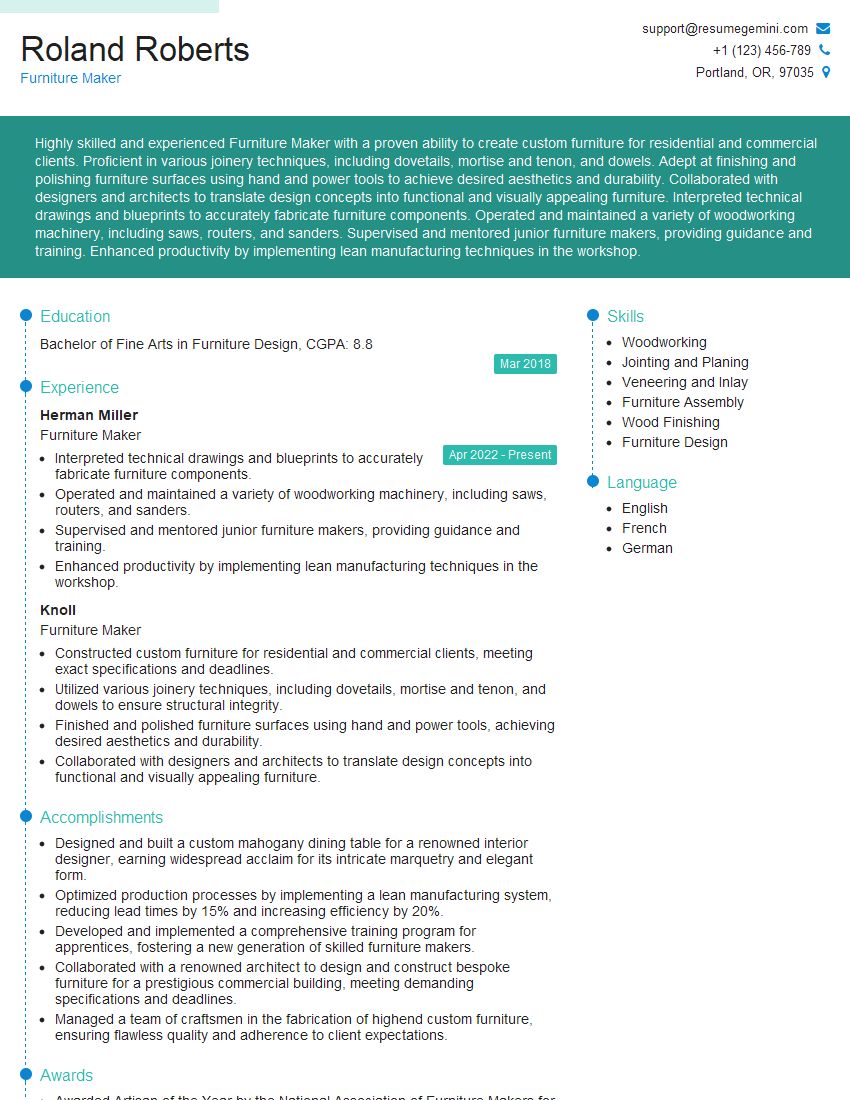
Furniture Maker Resume Sample
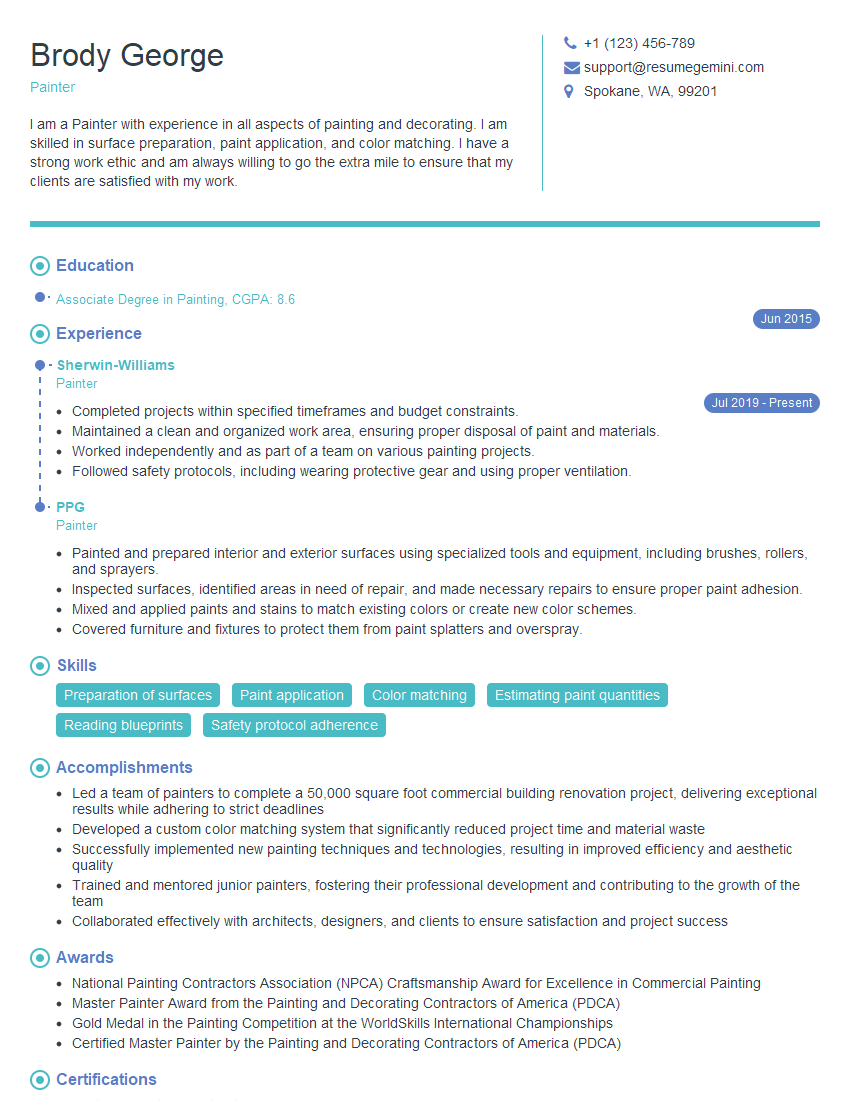
Painter Resume Sample
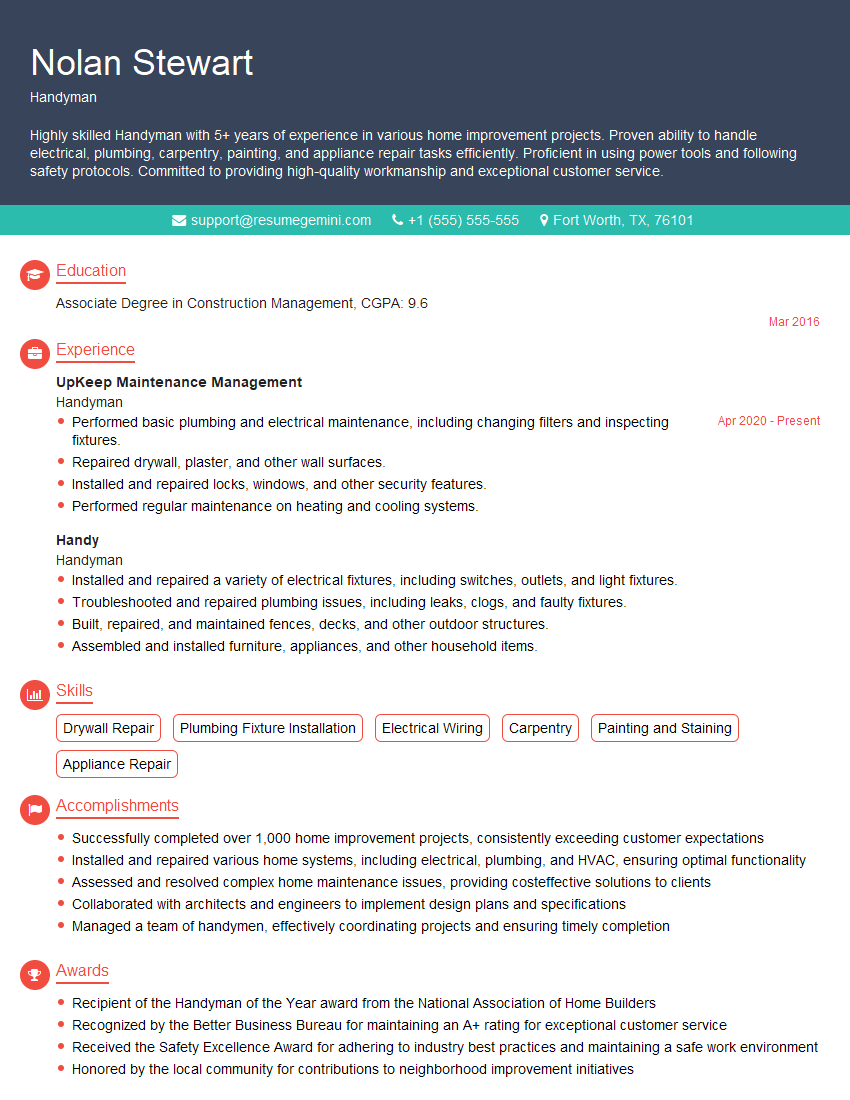
Handyman Resume Sample
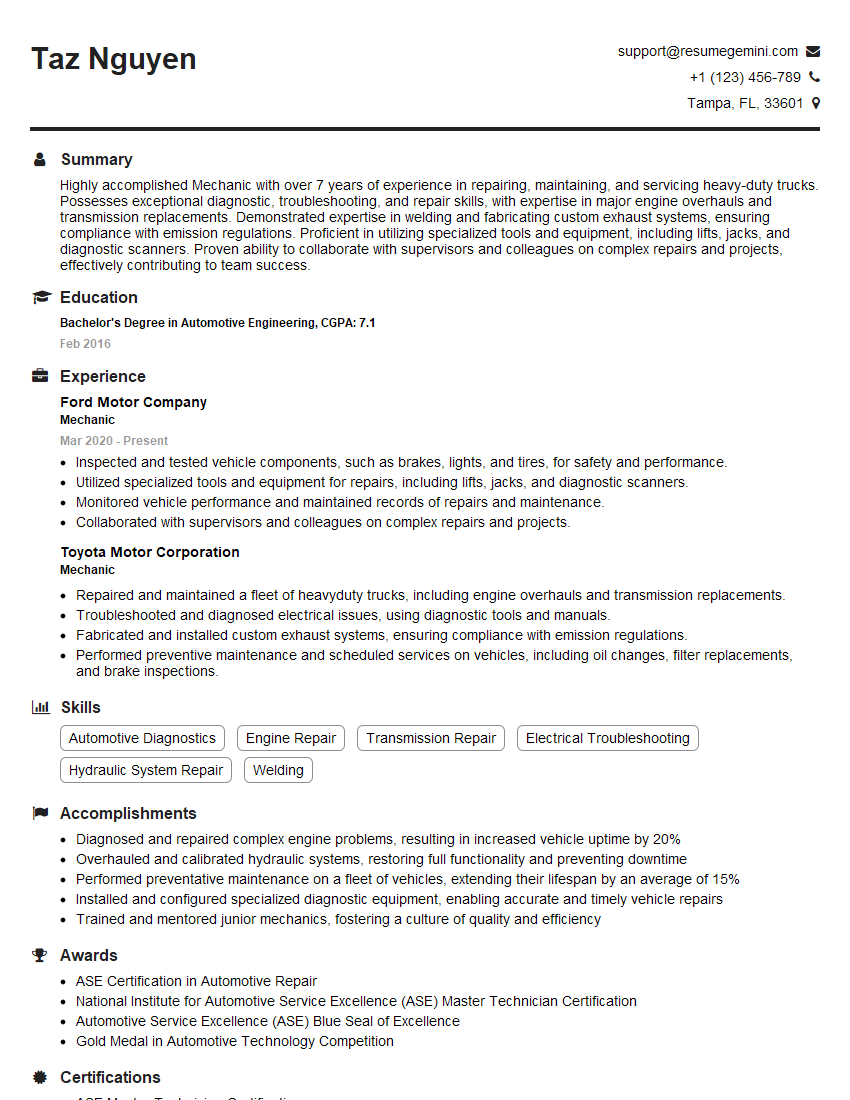
Mechanic Resume Sample
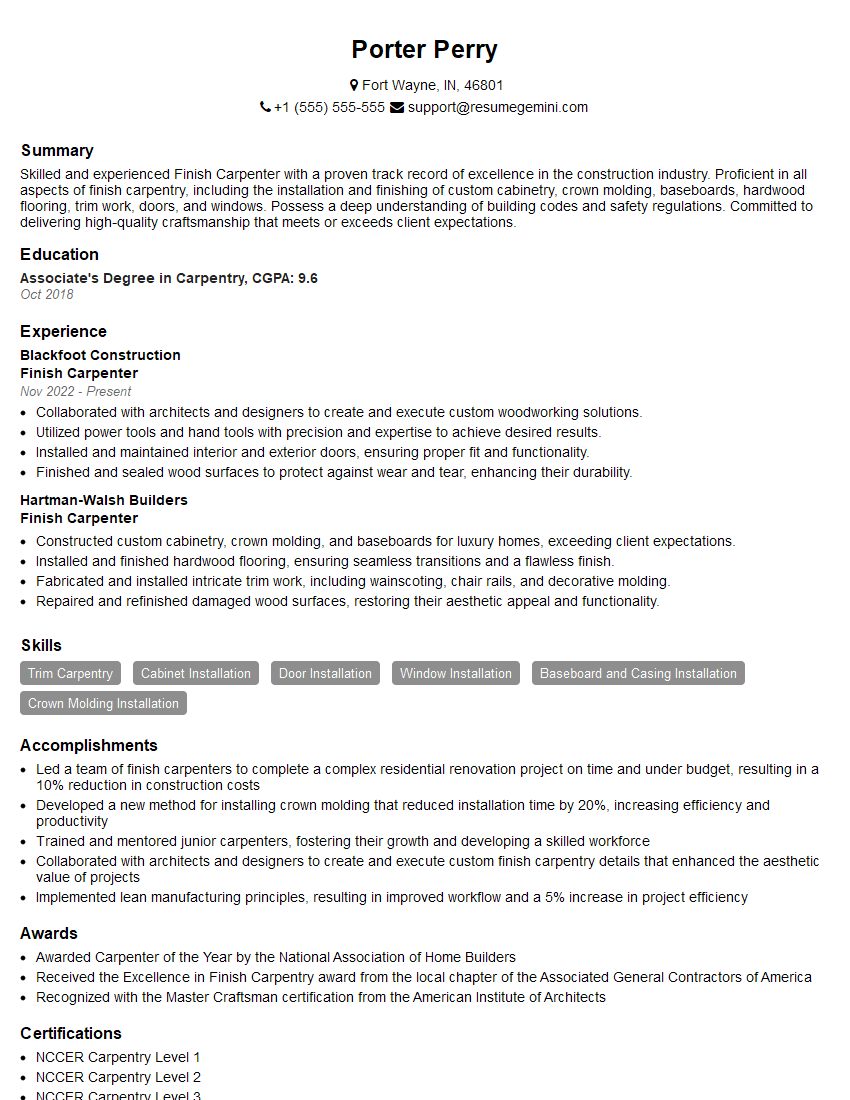
Finish Carpenter Resume Sample
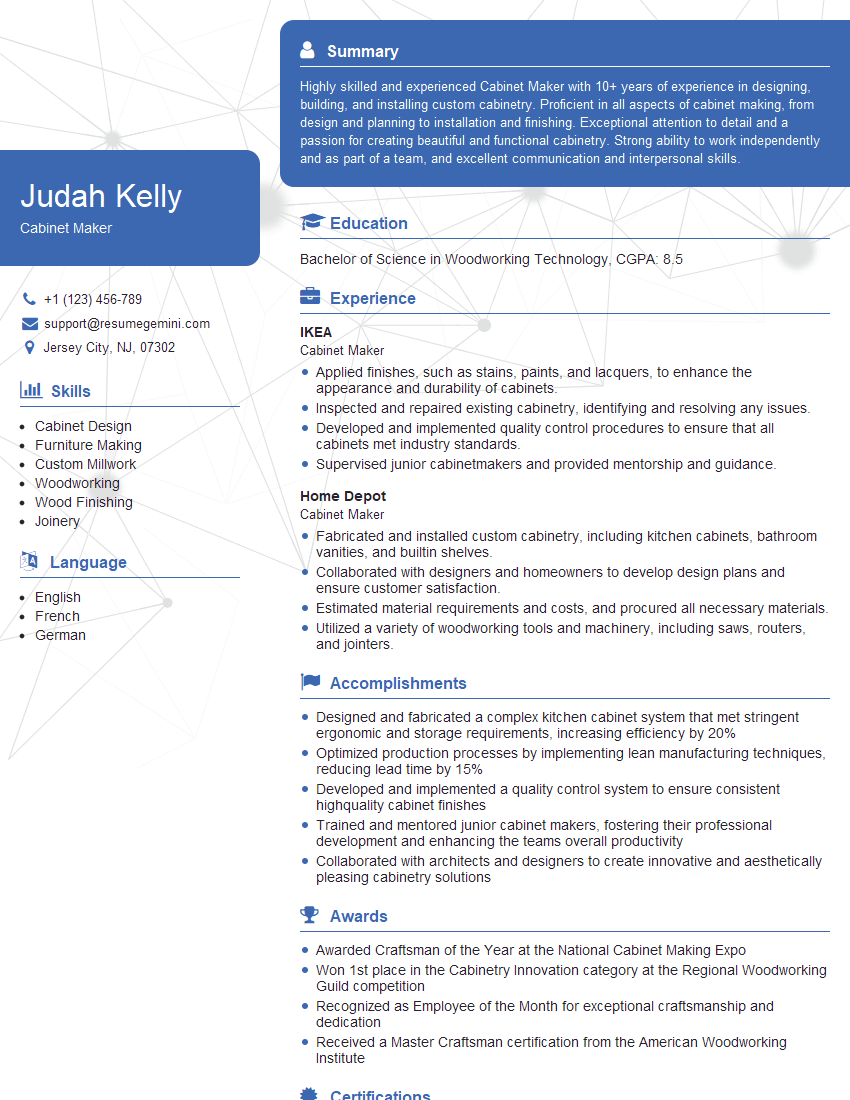
Cabinet Maker Resume Sample
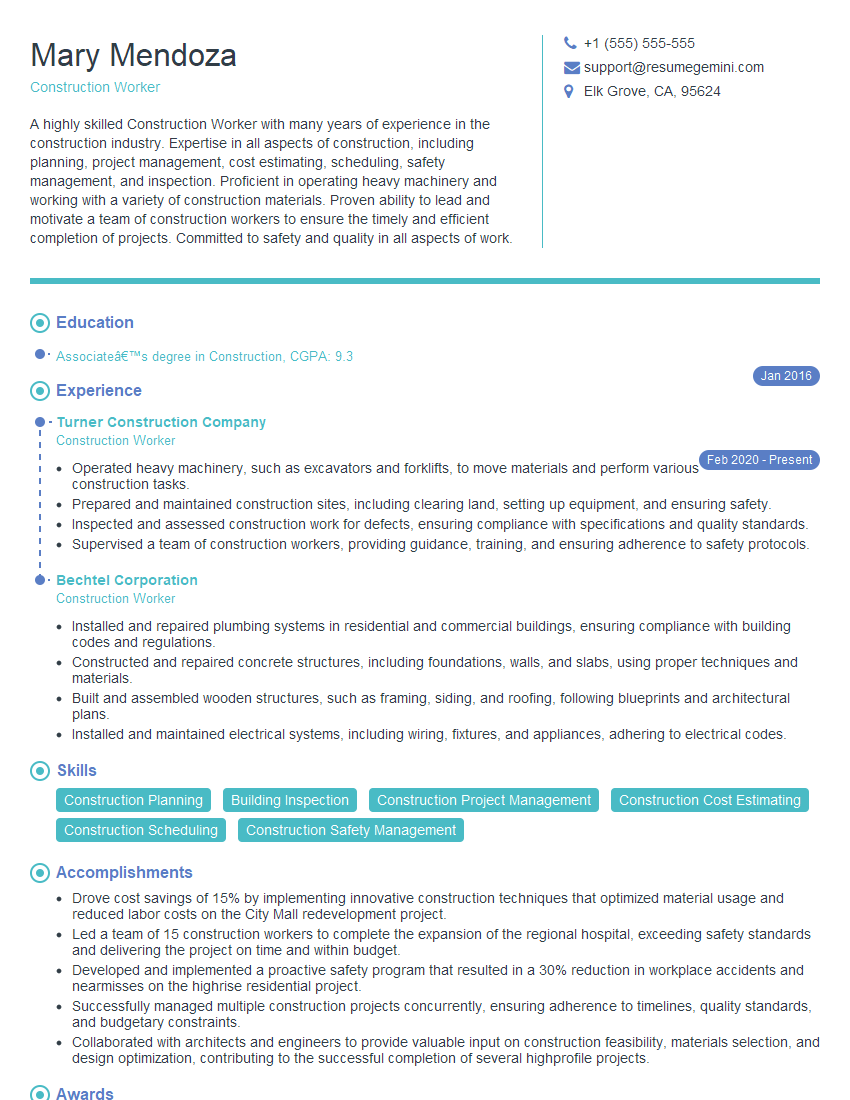
Construction Worker Resume Sample
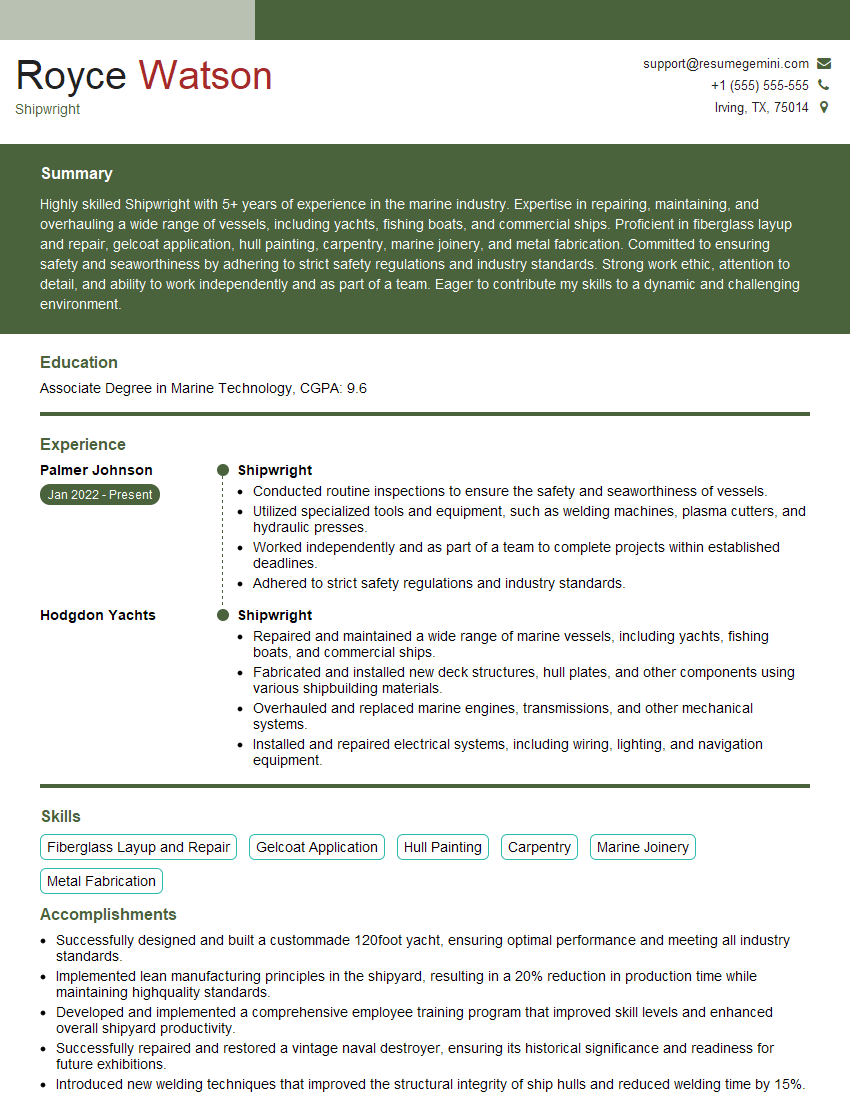
Shipwright Resume Sample
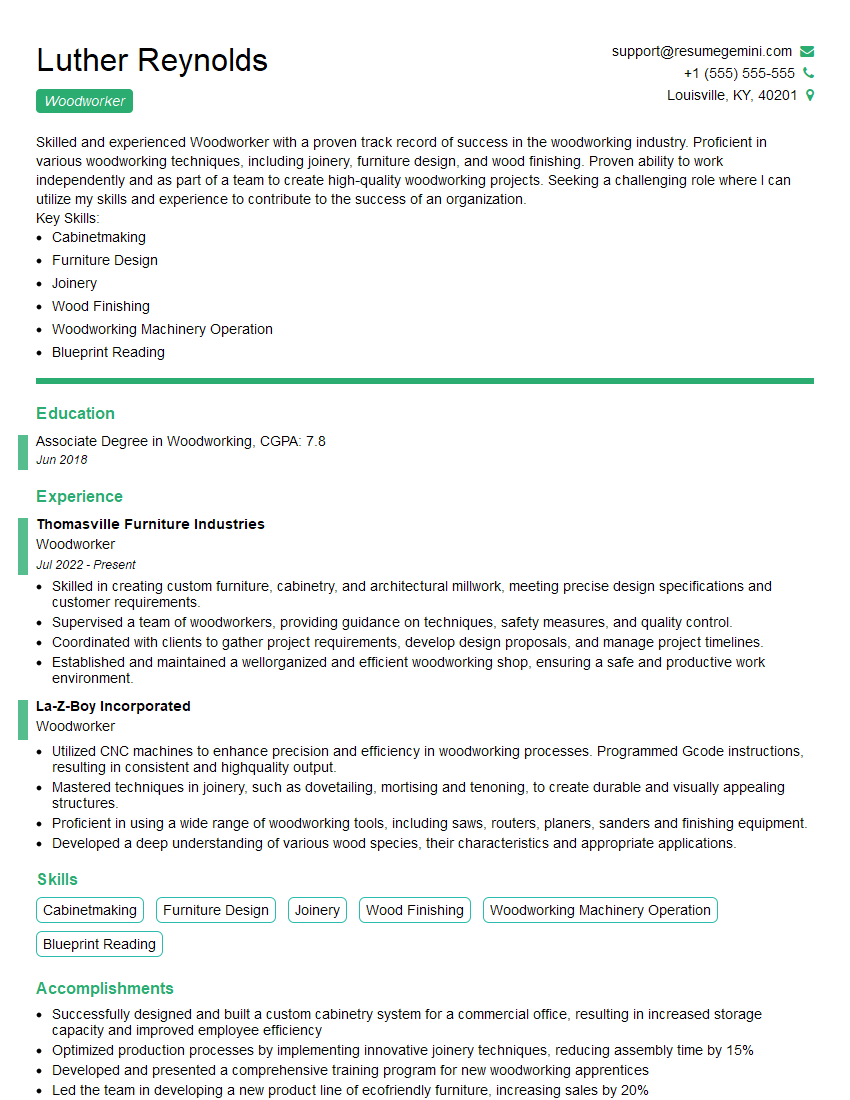
Woodworker Resume Sample
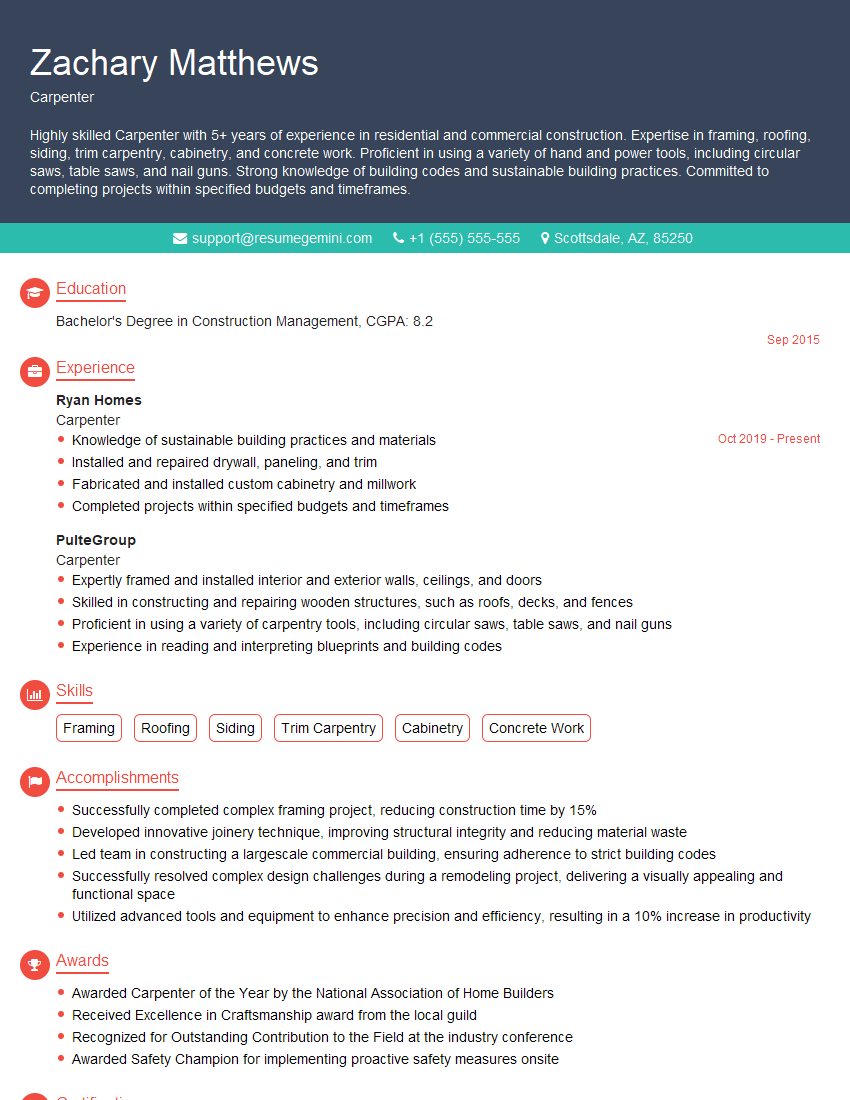
Carpenter Resume Sample
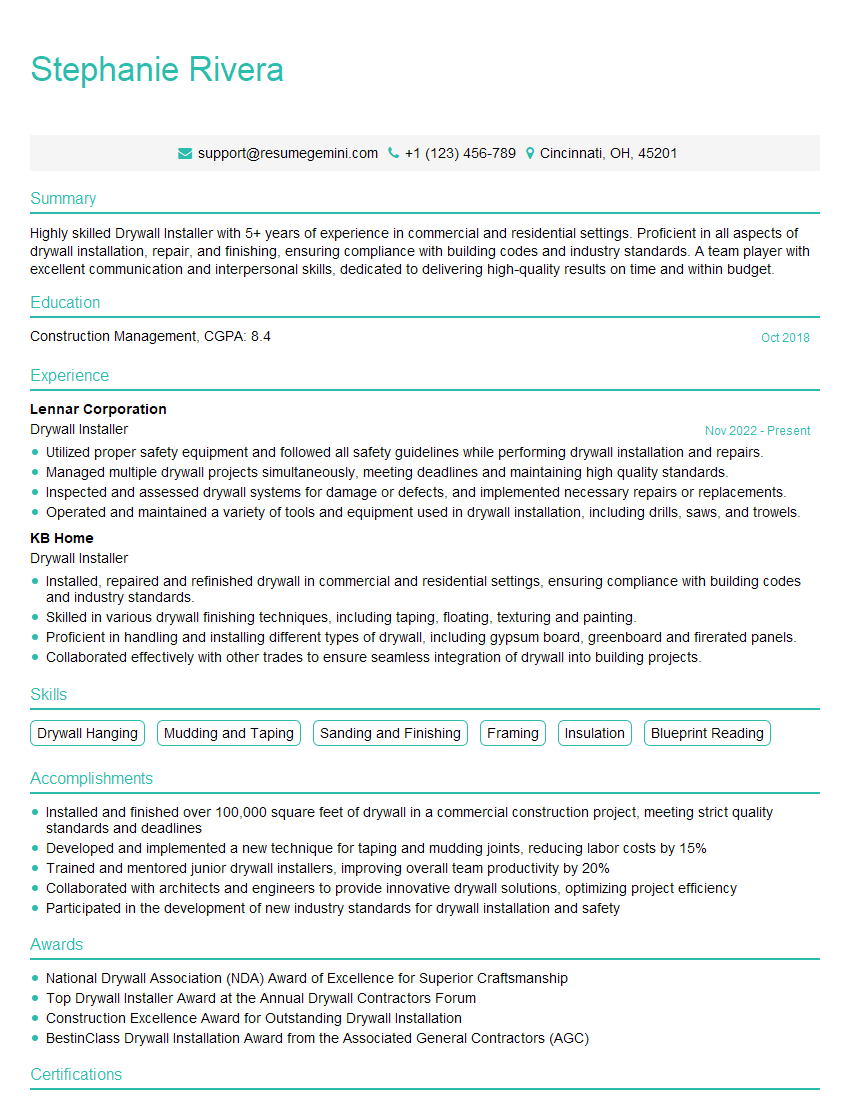
Drywall Installer Resume Sample
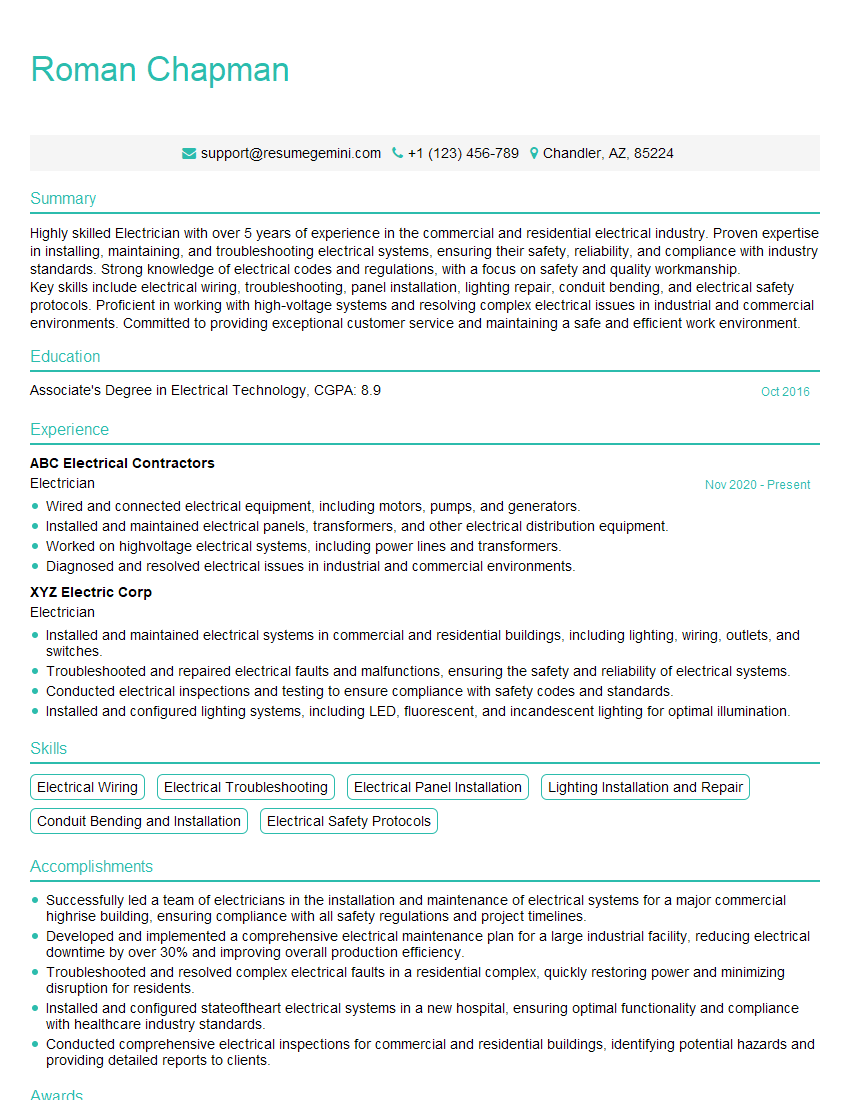
Electrician Resume Sample

Plumber Resume Sample
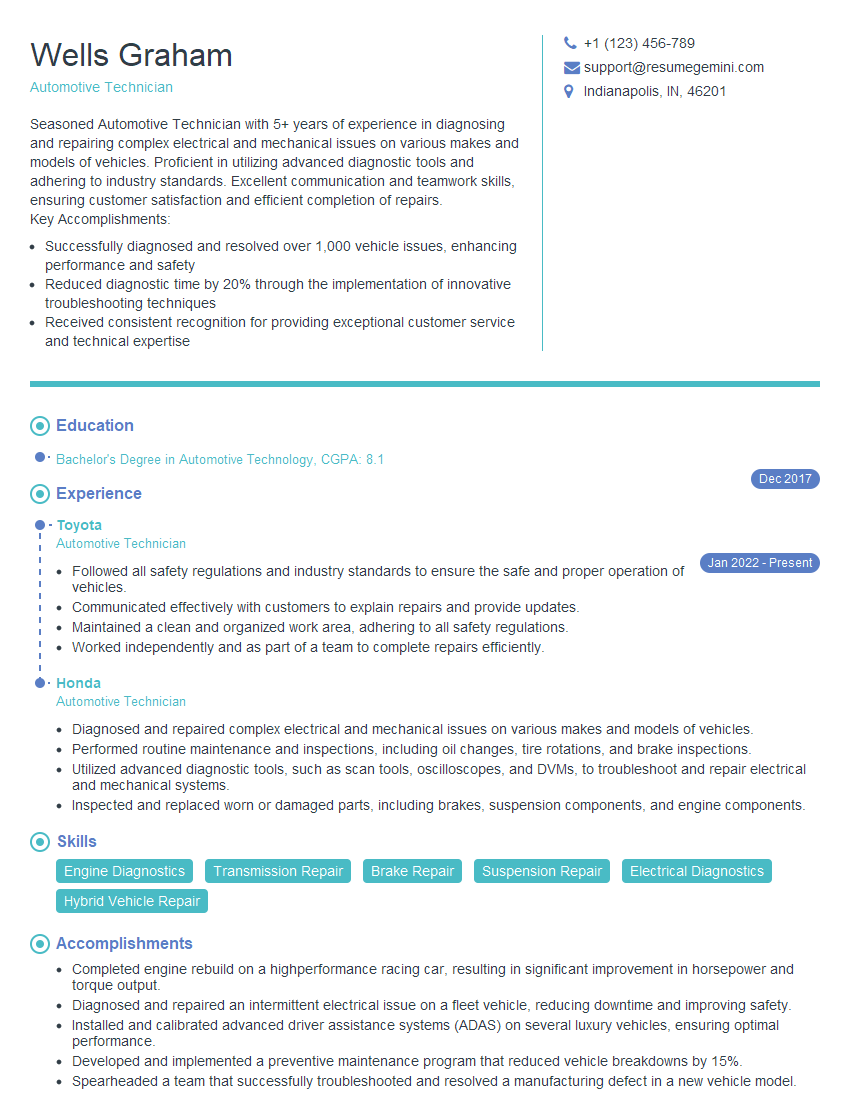
Automotive Technician Resume Sample
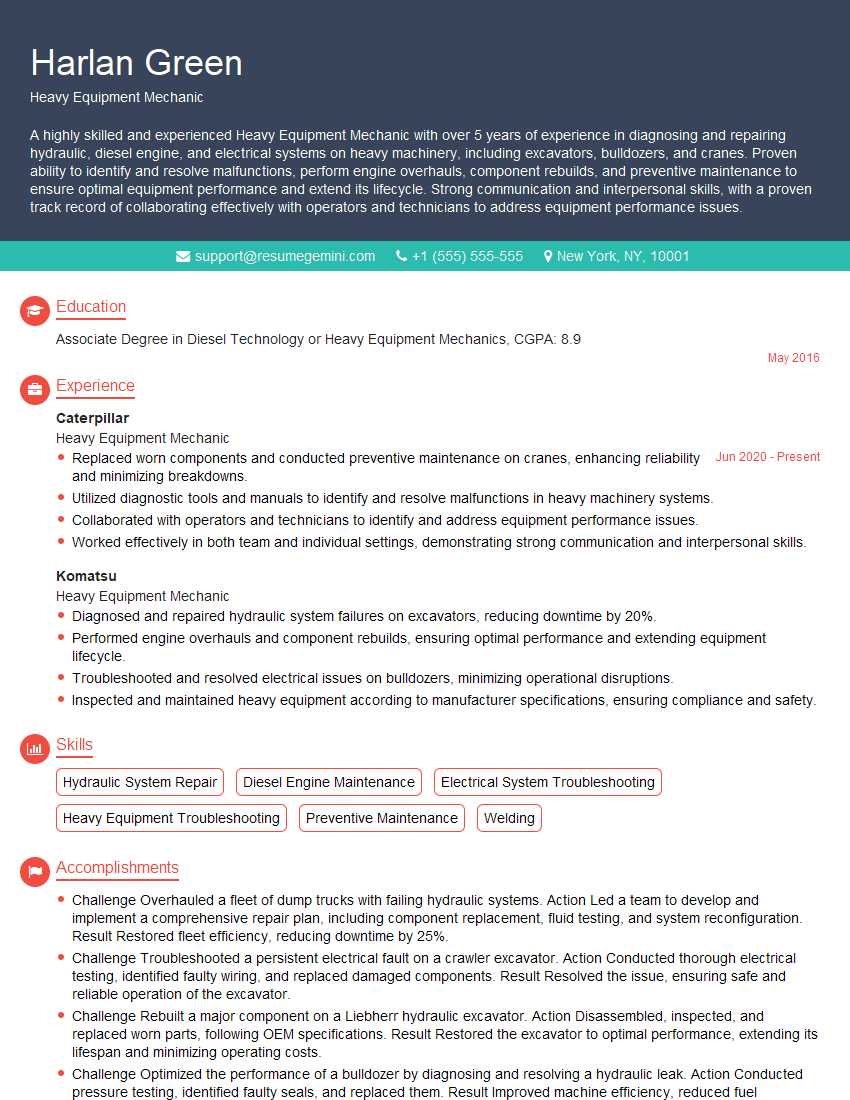
Heavy Equipment Mechanic Resume Sample

Welder Resume Sample
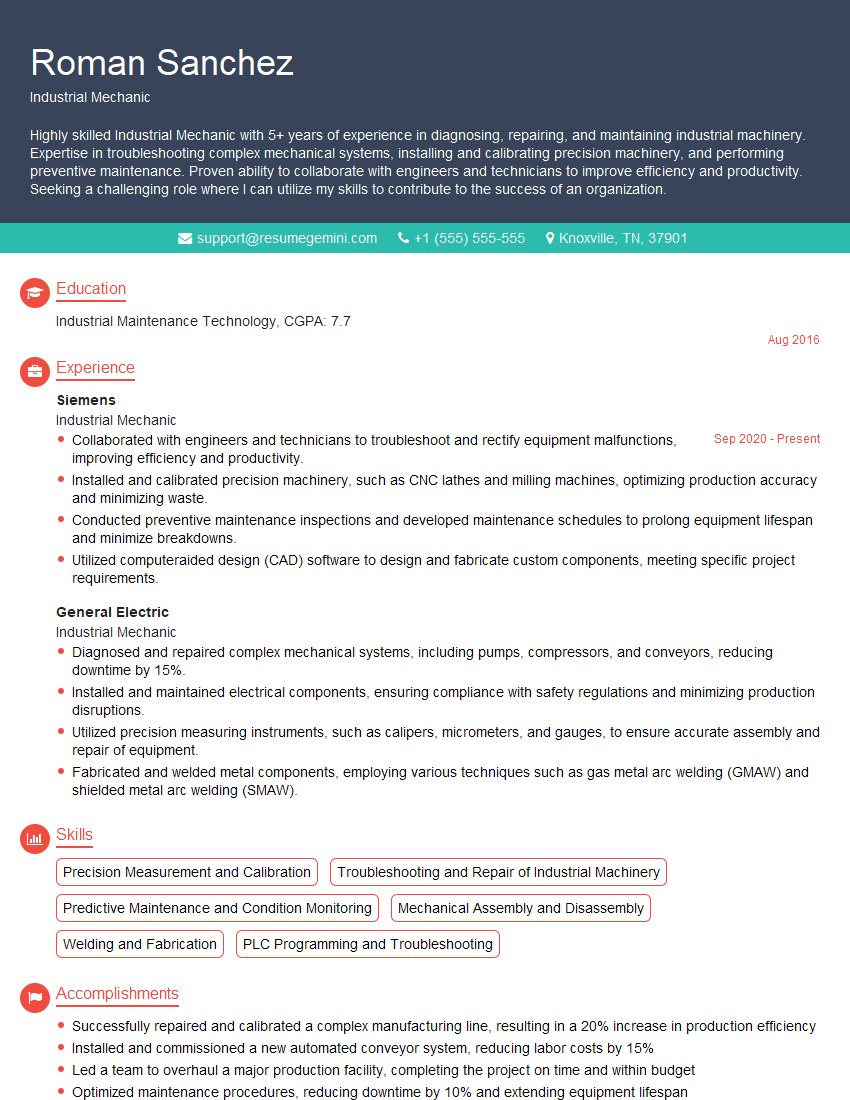
Industrial Mechanic Resume Sample
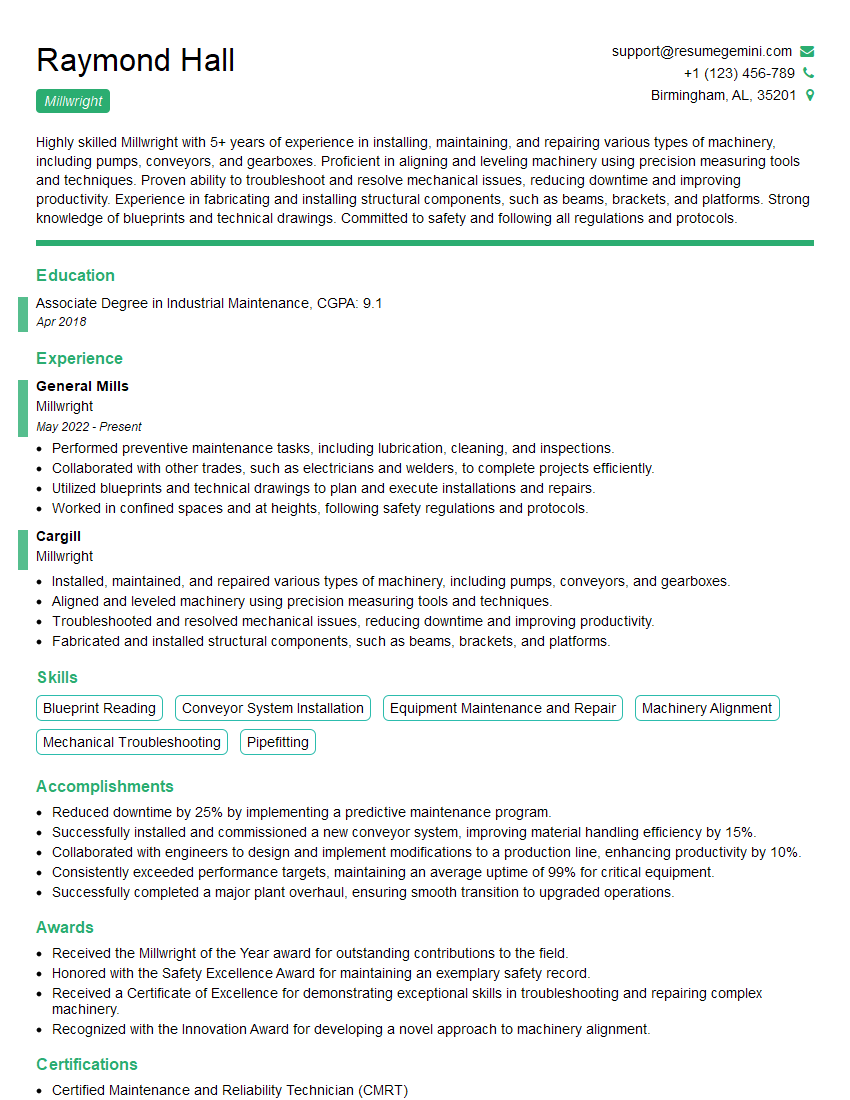
Millwright Resume Sample
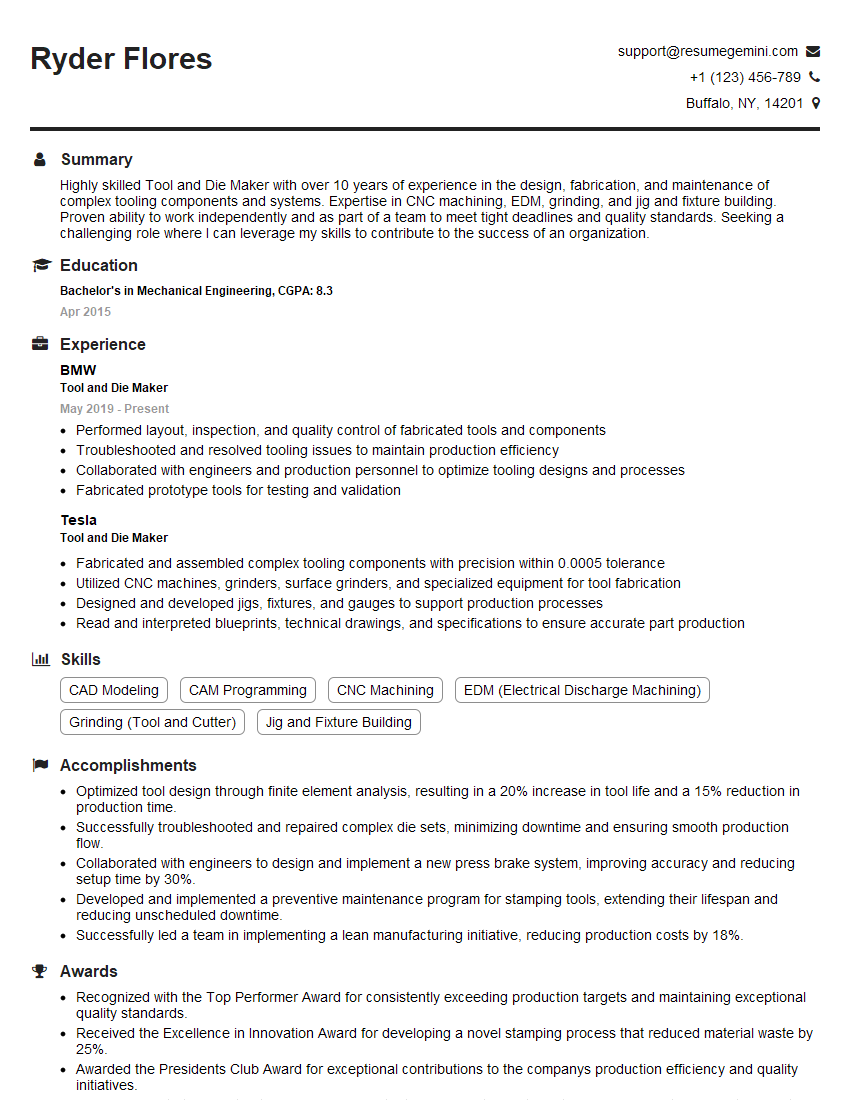
Tool and Die Maker Resume Sample
- General Contractor
- Roofing Contractor
- Maintenance Technician
- Machinist
- Furniture Maker
- Painter
- Handyman
- Mechanic
- Finish Carpenter
- Cabinet Maker
- Construction Worker
- Shipwright
- Woodworker
- Carpenter
- Drywall Installer
- Electrician
- Plumber
- Automotive Technician
- Heavy Equipment Mechanic
- Welder
- Industrial Mechanic
- Millwright
- Tool and Die Maker
Explore more articles
Users Rating of Our Blogs
Share Your Experience
We value your feedback! Please rate our content and share your thoughts (optional).
What Readers Say About Our Blog
To the interviewgemini.com Webmaster.
Very helpful and content specific questions to help prepare me for my interview!
Thank you
To the interviewgemini.com Webmaster.
This was kind of a unique content I found around the specialized skills. Very helpful questions and good detailed answers.
Very Helpful blog, thank you Interviewgemini team.