Feeling uncertain about what to expect in your upcoming interview? We’ve got you covered! This blog highlights the most important Epidural interview questions and provides actionable advice to help you stand out as the ideal candidate. Let’s pave the way for your success.
Questions Asked in Epidural Interview
Q 1. Describe the different types of epidural catheters and their applications.
Epidural catheters come in various designs, each optimized for specific applications. The choice depends on factors like the duration of analgesia/anesthesia needed, the patient’s anatomy, and the specific procedure.
- Single-lumen catheters: These are the most common type, delivering medication through a single channel. They’re suitable for short-term pain management or procedures where continuous infusion isn’t required. Imagine them like a single straw delivering a drink.
- Multi-lumen catheters: Offering two or more channels, these allow for simultaneous administration of different medications or infusions at different rates. This is beneficial for situations needing both pain relief and local anesthetic, or for continuous infusion and bolus doses. Think of this as having multiple straws for different drinks.
- Tunneled catheters: Designed for long-term epidural analgesia, these catheters are externally secured and tunneled under the skin, reducing the risk of infection at the insertion site. These are like having a permanently installed IV line specifically for the epidural space.
For instance, a single-lumen catheter might be ideal for a cesarean section, while a multi-lumen catheter could be preferred for post-surgical pain management requiring both continuous infusion and intermittent boluses of local anesthetic.
Q 2. Explain the steps involved in performing an epidural block.
Performing an epidural block is a meticulous procedure requiring precise technique and sterile conditions. Here’s a breakdown of the steps:
- Preparation: Patient positioning (usually sitting or lateral decubitus), skin preparation with antiseptic, and local anesthetic infiltration at the puncture site.
- Identification of the epidural space: This is crucial and usually involves using a loss-of-resistance technique with a needle and syringe, feeling a distinct ‘give’ as the needle penetrates the ligamentum flavum into the epidural space. This is like feeling the release of pressure when poking a hole in a balloon.
- Catheter insertion: Once the epidural space is confirmed, a catheter is advanced through the needle into the epidural space. The needle is then carefully withdrawn, leaving the catheter in place.
- Catheter securement: The catheter is secured to the skin with adhesive tape and dressing, ensuring it remains in place.
- Test dose: Before administering medication, a test dose of a local anesthetic and a vasoconstrictor (e.g., epinephrine) is sometimes given. This helps to ensure that the catheter is not inadvertently inside a blood vessel.
- Medication administration: Once the test dose shows no adverse reactions, the desired medication (local anesthetic, opioid analgesic, or both) is administered via the epidural catheter.
The entire process needs constant monitoring of patient vital signs and response to the procedure.
Q 3. What are the contraindications for epidural anesthesia?
Several conditions contraindicate epidural anesthesia, either absolutely or relatively. These need careful evaluation before proceeding:
- Absolute contraindications: These are situations where epidural anesthesia is generally unsafe and should not be performed. Examples include severe coagulopathy (bleeding disorders), local infection at the insertion site, and patient refusal.
- Relative contraindications: These are conditions that increase the risk of complications but don’t necessarily preclude the procedure. Careful consideration and risk-benefit assessment are vital. Examples include severe hypovolemia (low blood volume), severe spinal deformity, and use of certain medications that increase bleeding risk.
A thorough patient history and physical examination are essential to identify any potential contraindications.
Q 4. How do you identify the epidural space?
Identifying the epidural space is a critical step in epidural placement. The most common technique is the loss-of-resistance technique. A needle is advanced through the tissues until it reaches the ligamentum flavum, a strong ligament. As the needle penetrates the ligament, a sudden decrease in resistance is felt, indicating entry into the relatively compliant epidural space.
Other less frequently used methods include using an epidural stimulator, which can help localize the space through nerve stimulation, and fluoroscopy, a form of real-time X-ray imaging, used less often due to radiation exposure.
Experienced anesthesiologists can often distinguish this ‘give’ in resistance reliably, but confirming the location is crucial to avoid complications.
Q 5. Describe the potential complications of epidural anesthesia and their management.
Epidural anesthesia, while generally safe, carries the potential for various complications, ranging from minor to life-threatening:
- Hypotension: Vasodilation caused by the anesthetic can lead to a drop in blood pressure. This is usually managed with intravenous fluids and vasopressors.
- Postdural puncture headache: Leakage of cerebrospinal fluid after the procedure can cause a severe headache, often relieved by a blood patch.
- Infection: Aseptic technique is vital to prevent infection at the insertion site.
- Nerve damage: Although rare, accidental needle placement can damage nerves, leading to neurological deficits.
- Intravascular injection: Accidental injection into a blood vessel can lead to serious complications, including seizures and cardiac arrest. This is why a test dose is used.
- Epidural hematoma: Bleeding into the epidural space, more common in patients with bleeding disorders.
The management of these complications varies depending on the severity and the specific complication. Immediate intervention is often needed in serious cases, such as respiratory depression or cardiac arrest.
Q 6. What are the signs and symptoms of an accidental intravascular injection during epidural placement?
Accidental intravascular injection during epidural placement is a serious complication that requires immediate attention. Early recognition is crucial for successful management. Signs and symptoms can manifest rapidly and include:
- Sudden onset of lightheadedness or dizziness: Due to rapid change in blood pressure.
- Rapid heart rate (tachycardia): A compensatory response to hypotension.
- Changes in blood pressure: A sudden drop or rise in blood pressure.
- Tingling or numbness in the extremities: Suggestive of rapid onset of systemic anesthetic effect.
- Metallic taste in the mouth: A common but not always present symptom related to the specific anesthetic used.
- Seizures: In severe cases, a high concentration of local anesthetic in the bloodstream can trigger seizures.
- Cardiac arrest: In severe and untreated cases, cardiovascular collapse can occur.
If any of these signs occur, immediate discontinuation of the injection, supportive measures (e.g., intravenous fluids, oxygen), and potentially advanced cardiac life support (ACLS) may be required.
Q 7. How do you manage hypotension associated with epidural anesthesia?
Hypotension is a common complication of epidural anesthesia, primarily due to the vasodilatory effect of local anesthetics. Management focuses on maintaining adequate tissue perfusion and preventing serious consequences.
- Fluid bolus: Increasing the patient’s circulating blood volume with intravenous fluids (crystalloids such as normal saline or Ringer’s lactate) is the first-line management.
- Vasopressors: If fluid bolus is ineffective, vasopressors (e.g., ephedrine, phenylephrine) can be used to increase vascular tone and raise blood pressure.
- Positioning: Placing the patient in a Trendelenburg position (head down) can help increase venous return to the heart and improve blood pressure.
- Oxygen supplementation: Providing supplemental oxygen helps ensure adequate oxygenation of vital organs.
Continuous monitoring of blood pressure, heart rate, and oxygen saturation is crucial throughout the management process. The choice of treatment depends on the severity of hypotension and the patient’s overall condition.
Q 8. Explain the difference between a continuous and single-shot epidural.
The key difference between continuous and single-shot epidurals lies in the duration and method of anesthetic delivery. A single-shot epidural involves a single injection of local anesthetic and opioid medication into the epidural space. This provides pain relief for a limited time, typically a few hours, and is often used for shorter procedures or postoperative pain management. Think of it like a single dose of pain medication – effective for a while, but needing a repeat if the pain returns.
In contrast, a continuous epidural utilizes a catheter (a thin, flexible tube) that is left in place after the initial injection. This catheter allows for continuous infusion of local anesthetic and/or opioid medication over an extended period, providing longer-lasting pain relief. This is analogous to an IV drip – a constant, controlled supply of pain relief. Continuous epidurals are commonly used for labor analgesia, major surgical procedures, or for prolonged postoperative pain management.
Q 9. What are the appropriate monitoring parameters during an epidural infusion?
Monitoring during an epidural infusion is crucial for patient safety and effective pain management. Key parameters include:
- Vital signs: Blood pressure, heart rate, respiratory rate, and oxygen saturation are continuously monitored to detect any adverse effects of the anesthetic, such as hypotension or respiratory depression. Changes in these vital signs can indicate a need for adjustments to the infusion rate or medication.
- Level of sensory and motor block: Regular assessments are performed to determine the extent of the anesthetic effect, ensuring that the block adequately covers the target area but doesn’t spread too far. For example, in labor analgesia, the goal is effective pain relief without causing leg weakness.
- Pain scores: Regular pain assessments using a standardized pain scale (e.g., numerical rating scale or visual analog scale) are essential to gauge the effectiveness of the analgesia and make adjustments as needed. The goal is to maintain adequate pain relief while minimizing side effects.
- Fluid balance: Epidural analgesia can sometimes cause fluid retention, so monitoring fluid intake and output is important, especially in prolonged infusions.
- Catheter function and placement: Ensuring the catheter is functioning correctly and remains in the intended location is vital for maintaining safe and effective analgesia. Any signs of catheter dislodgement or malfunction require immediate attention.
Q 10. How do you assess the effectiveness of an epidural block?
Assessing the effectiveness of an epidural block involves a multi-faceted approach. The most important aspects are:
- Patient’s subjective pain assessment: This is the gold standard. Using pain scales, we determine if the patient’s pain is relieved to an acceptable level.
- Sensory testing: Assessing the level of sensory block using pinprick or cold testing helps determine the extent of analgesia. We check for the loss of sensation in the area expected to be numbed. For example, in a lumbar epidural for leg pain, we would check for pinprick sensation in the legs.
- Motor assessment: Testing the patient’s ability to move their legs helps determine the extent of motor block. This is crucial to avoid undue weakness or paralysis.
- Assessment of surgical field conditions (if applicable): During surgery, the anesthesiologist must confirm the adequacy of the block to provide sufficient surgical anesthesia.
A combination of these assessments provides a comprehensive picture of the epidural block’s effectiveness and allows for appropriate adjustments.
Q 11. Describe the different types of local anesthetics used in epidural anesthesia.
Various local anesthetics are used in epidural anesthesia, each with its unique properties. Common examples include:
- Bupivacaine: A long-acting anesthetic, often used for longer-lasting blocks. It provides both sensory and motor block.
- Lidocaine: A shorter-acting anesthetic, frequently used for single-shot epidurals or as part of a multi-agent mix for continuous infusion.
- Ropivacaine: Similar to bupivacaine but offers a better profile of motor sparing, meaning less leg weakness.
- Chloroprocaine: A rapidly acting anesthetic with a relatively short duration of action, sometimes used for labor analgesia.
The choice of anesthetic depends on the procedure, duration of the block needed, and patient-specific factors.
Q 12. What are the advantages and disadvantages of using opioids in epidural anesthesia?
Opioids are frequently added to local anesthetics in epidural anesthesia to enhance analgesia and provide better pain relief. They work synergistically with local anesthetics to increase the effectiveness of the block.
Advantages:
- Enhanced analgesia: Opioids significantly improve pain relief, especially for visceral pain (pain in the internal organs).
- Reduced local anesthetic requirements: Combining opioids with local anesthetics often allows for lower doses of the local anesthetic, thereby reducing the risk of systemic toxicity.
- Prolonged duration of analgesia: Opioids extend the duration of pain relief provided by the epidural.
Disadvantages:
- Respiratory depression: This is the most significant risk, particularly with higher doses of opioids. Careful monitoring is essential.
- Nausea and vomiting: Common side effects that can be managed with antiemetics.
- Itchiness (pruritus): A frequent side effect, often managed with medication.
- Urinary retention: Opioids can cause urinary retention requiring catheterization in some cases.
The decision to use opioids in epidural anesthesia requires careful consideration of the benefits and risks, based on the individual patient’s needs and condition.
Q 13. How do you manage post-dural puncture headache?
Post-dural puncture headache (PDPH) is a debilitating headache caused by leakage of cerebrospinal fluid (CSF) after a dural puncture, often during an epidural or spinal anesthesia. Management strategies include:
- Conservative management: This includes bed rest, hydration (increased fluid intake), analgesics (pain relievers), and caffeine. Often, the headache resolves spontaneously.
- Blood patch: If conservative measures fail, an epidural blood patch is a common and effective treatment. This involves injecting the patient’s own blood into the epidural space to seal the dural leak.
- Other treatments: In rare cases, other approaches like autologous blood patches or surgical repair of the dural tear might be considered.
The choice of management strategy depends on the severity and duration of the headache, the patient’s overall condition, and response to conservative management. Early recognition and intervention are crucial to improve patient outcomes.
Q 14. What are the common causes of epidural catheter migration?
Epidural catheter migration can occur for several reasons, leading to ineffective analgesia or potentially serious complications. Some of the common causes include:
- Patient movement: Excessive or inappropriate patient movement can dislodge the catheter.
- Incorrect catheter placement: If the catheter is not correctly positioned during initial placement, it can easily migrate.
- Coughing or sneezing: Increased intrathecal pressure from these actions can cause catheter displacement.
- Changes in posture: Significant changes in posture or body position may contribute to catheter migration.
- Improper catheter fixation: Inadequate securing of the catheter can lead to movement and dislodgement.
Preventing catheter migration involves careful initial placement, proper catheter fixation, patient education about movement restrictions, and diligent monitoring. Regular assessment of catheter position is essential to detect any migration early.
Q 15. How do you troubleshoot an ineffective epidural block?
Troubleshooting an ineffective epidural block involves a systematic approach, focusing on identifying the potential causes and implementing corrective measures. An ineffective block can stem from several factors, including incorrect catheter placement, insufficient drug dosage, or drug-related issues.
Assessment: First, we thoroughly assess the patient, focusing on the level and extent of analgesia achieved. We check the catheter location through careful examination and perhaps imaging (e.g., X-ray). We review the patient’s medical history for conditions that might influence the efficacy of the block, such as anatomical variations or pre-existing neurological conditions. We also review the medications administered and the timing of their administration.
Catheter Position: If the block isn’t working, we need to confirm catheter placement. We might use fluoroscopy or ultrasound to verify the catheter’s position within the epidural space. If misplaced, we reposition the catheter under imaging guidance.
Dosage and Medication: The next step is to review the type and dosage of the local anesthetic and opioid. An insufficient dose is a frequent culprit, and we might carefully increase the dose as per protocol, while monitoring the patient closely. We also ensure that the administered medications are compatible and effective given the patient’s condition. Certain medications may affect the efficacy of the anesthetic.
Anatomical Variations: Sometimes anatomical variations make successful epidural placement challenging. The patient’s age, body mass index, and anatomical characteristics might influence the efficacy of the epidural. Experienced clinicians adapt their technique to account for these factors. For instance, a patient with spinal stenosis might require a modified approach.
Alternative Techniques: If the above measures fail, consider alternative techniques. These may include supplementing with other pain management strategies or converting to a different type of regional anesthesia.
Career Expert Tips:
- Ace those interviews! Prepare effectively by reviewing the Top 50 Most Common Interview Questions on ResumeGemini.
- Navigate your job search with confidence! Explore a wide range of Career Tips on ResumeGemini. Learn about common challenges and recommendations to overcome them.
- Craft the perfect resume! Master the Art of Resume Writing with ResumeGemini’s guide. Showcase your unique qualifications and achievements effectively.
- Don’t miss out on holiday savings! Build your dream resume with ResumeGemini’s ATS optimized templates.
Q 16. Describe the procedure for removing an epidural catheter.
Removing an epidural catheter is a simple but crucial procedure requiring careful attention to asepsis and patient comfort.
Preparation: The patient’s vital signs are monitored. The area around the catheter insertion site is cleaned with an antiseptic solution.
Catheter Removal: Gently grasp the catheter hub with sterile forceps. Slowly and steadily withdraw the catheter, ensuring a smooth, controlled movement to minimize discomfort.
Site Assessment: Once removed, we inspect the insertion site for any bleeding or other abnormalities.
Dressing: A sterile dressing is applied to the insertion site.
Monitoring: Post-removal, we continue monitoring the patient’s vital signs and assess for any signs of complications like bleeding, infection, or post-dural puncture headache (PDPH).
Throughout the procedure, clear communication with the patient is crucial to minimize anxiety and discomfort. If there is any resistance during catheter removal, the procedure should be stopped and reassessed to prevent complications.
Q 17. What are the different levels of epidural anesthesia and their clinical indications?
Epidural anesthesia encompasses varying levels of blockade, each suited to different clinical situations. The level of anesthesia is determined by the spread of the local anesthetic within the epidural space. It’s important to understand that the exact level of block can be unpredictable and varies between patients.
High Thoracic Epidural: This involves a high level of blockade extending to the upper thoracic region (T1-T4). Its use is relatively rare, typically reserved for surgical procedures involving the upper chest or upper abdomen, offering anesthesia for regions like the upper abdomen, esophagus or upper thoracic spine. It carries a higher risk of complications like hypotension and respiratory depression.
Thoracic Epidural: Blockade extending to the mid-thoracic region (T4-T7). It can be used for upper abdominal surgeries such as gall bladder surgeries.
Thoracolumbar Epidural: This level (T7-L1) covers a broader area, frequently used for surgeries like cesarean sections or lower abdominal procedures. It allows for pain relief in a larger region.
Lumbar Epidural: This is commonly used for lower abdominal, pelvic, and lower extremity surgery. Pain relief is concentrated below the diaphragm. This is often used in labor analgesia.
Clinical indications depend heavily on the surgical procedure, patient preference, and the individual’s medical history. The choice of level is always tailored to the specific needs of each case. For example, a patient undergoing lower abdominal surgery would typically receive a thoracolumbar or lumbar epidural for optimal pain relief without excessive compromise of respiratory function.
Q 18. How do you determine the appropriate dose of local anesthetic for an epidural block?
Determining the appropriate dose of local anesthetic for an epidural block is a critical aspect of safe and effective regional anesthesia. It’s not a one-size-fits-all calculation, but rather a careful assessment based on multiple factors.
Patient Factors: Age, weight, height, overall health, presence of comorbidities (such as cardiovascular or renal disease), and pregnancy status all influence the drug’s distribution and metabolism. Older patients or those with compromised renal function might require lower doses.
Surgical Procedure: The extent and duration of surgery significantly impact the required dose. A longer procedure or more extensive surgery generally necessitates a larger dose or a continuous infusion.
Type of Local Anesthetic: Different local anesthetics possess varying potencies and durations of action. Bupivacaine, for instance, has a longer duration than lidocaine. The choice of anesthetic, and therefore the dose, will be made to suit the duration and type of the procedure.
Test Dose: Before administering the full dose, a small test dose (3-5ml) is often injected to assess for any signs of intravascular or subarachnoid injection. This is a crucial safety measure. Symptoms such as rapid increase in heart rate or neurological changes would prompt an immediate halt to the procedure.
Titration: In many cases, the epidural anesthetic is administered incrementally, allowing for close monitoring of the patient’s response. This ensures that the desired level of analgesia is achieved without excessive systemic effects.
It’s important to note that dose calculations often involve considering the concentration of the local anesthetic solution and the volume of the solution injected. A specific dose cannot be provided here, as it is highly case-specific and must be determined by a qualified anesthesiologist or certified pain management provider.
Q 19. What are the nursing considerations for patients receiving epidural anesthesia?
Nursing considerations for patients receiving epidural anesthesia are multifaceted and prioritize patient safety and comfort.
Vital Sign Monitoring: Continuous monitoring of blood pressure, heart rate, respiratory rate, and oxygen saturation is crucial. Hypotension and respiratory depression are potential complications requiring prompt intervention.
Neurological Assessment: Regular neurological checks, including motor and sensory function, are essential to detect early signs of nerve injury. Any changes in lower extremity strength or sensation require immediate attention.
Pain Assessment: Regular pain assessments using standardized scales (e.g., numerical rating scale) are necessary to evaluate the effectiveness of the block and make adjustments as needed.
Fluid Management: Intravenous fluids are often administered to prevent hypotension, a common side effect of epidural anesthesia.
Pruritus Management: Itching is a relatively common side effect of some epidural medications, and appropriate measures to manage it must be put in place.
Urinary Output Monitoring: Urinary catheterisation may be required because of the effects of the anaesthetic. Urinary output should be regularly monitored to detect any issues.
Post-Epidural Headache (PDPH) Prevention and Management: Nursing care includes strategies to minimize the risk of PDPH and manage it should it occur. This involves proper post-epidural positioning and awareness of signs of PDPH.
Patient Education: Preoperative education about the procedure, potential complications, and post-operative care is vital to ensure a smooth recovery.
Nurses play a critical role in observing for early signs of any complications and promptly alerting the physician or anesthesiologist to ensure prompt management. Proactive care is essential in ensuring patient safety and well-being.
Q 20. Explain the role of ultrasound in epidural placement.
Ultrasound guidance significantly enhances the safety and efficacy of epidural placement. It provides real-time visualization of the relevant anatomical structures, allowing for precise needle placement.
Visualization: Ultrasound allows visualization of the spinal processes, intervertebral spaces, and the epidural space itself. This reduces the number of needle passes and minimises trauma.
Needle Guidance: The ultrasound probe guides the needle’s advancement into the epidural space, minimizing the risk of puncturing adjacent structures (such as blood vessels or nerves). The anesthesiologist can observe the needle’s progress in real-time.
Confirmation of Placement: Once the needle is in the epidural space, ultrasound helps confirm its position by visualizing the spread of the injected local anesthetic. This provides a high level of confidence that the catheter is correctly positioned. Contrast studies might still be required depending on hospital policy or clinical preference.
Reduced Complications: The use of ultrasound reduces the incidence of failed epidurals, accidental dural punctures, and other complications associated with blind technique. It significantly improves the overall safety and success rate of the procedure.
Using ultrasound is particularly beneficial in obese patients or those with spinal deformities, where conventional techniques might be more challenging. It transforms a challenging procedure into a more precise and safer one.
Q 21. How do you manage respiratory depression associated with epidural opioids?
Respiratory depression is a serious, albeit rare, complication associated with epidural opioids. It’s caused by the opioid’s action on the respiratory centers in the brainstem. Early recognition and prompt management are critical.
Monitoring: Close and continuous monitoring of respiratory rate, depth of breathing, and oxygen saturation is paramount. Any significant decrease in respiratory rate or depth should be treated immediately.
Oxygen Supplementation: The initial step is often supplemental oxygen to correct any hypoxemia. This should be done before any further measures.
Naloxone: Naloxone is a specific opioid antagonist that can quickly reverse the respiratory depression caused by opioids. The dose of naloxone administered would depend on the clinical setting and assessment of the patient, but it’s typically administered intravenously and its effects are closely monitored.
Respiratory Support: In severe cases, mechanical ventilation might be necessary to support breathing. This is employed if the patient’s respiratory status does not improve with oxygen supplementation and naloxone.
Supportive Care: Other supportive measures such as maintaining airway patency, adequate fluid balance, and careful hemodynamic monitoring might be necessary.
Prevention is key. Careful titration of opioid doses, close monitoring of respiratory function, and a thorough understanding of the patient’s opioid sensitivity are critical to minimise the risk of respiratory depression.
Q 22. What are the different types of epidural infusion pumps?
Epidural infusion pumps come in various types, primarily categorized by their functionality and method of drug delivery. The most common are:
- Patient-controlled analgesia (PCA) pumps: These allow patients to self-administer small doses of pain medication as needed, providing a sense of control and empowering them in their pain management. The rate of drug delivery is usually limited to prevent accidental overdoses. Think of it like a vending machine for pain relief, but carefully regulated.
- Continuous infusion pumps: These deliver medication at a constant rate throughout the duration of the epidural. This method is particularly useful for managing postoperative pain or providing continuous nerve blockade.
- Programmable infusion pumps: These offer greater flexibility in programming the infusion, including the ability to change the rate of infusion over time. This allows for tailoring the drug delivery to match changing patient needs.
- Combination pumps: Some pumps can provide both PCA and continuous infusion capabilities, offering maximum versatility in managing pain relief. They offer tailored approaches to patient needs.
The choice of pump depends on the specific clinical situation, patient needs, and the type of medication being delivered. Factors such as the patient’s level of consciousness and understanding also play a significant role.
Q 23. How do you handle allergic reactions to local anesthetics?
Allergic reactions to local anesthetics, while relatively rare, can range from mild to life-threatening. Immediate recognition and prompt treatment are crucial. Mild reactions may manifest as itching, rash, or hives. More severe reactions can involve bronchospasm, hypotension, and anaphylaxis.
Management involves a stepwise approach:
- Immediate cessation of the anesthetic infusion: This is the most critical step to prevent further exposure to the allergen.
- Assessment of the patient’s airway, breathing, and circulation (ABCs): This is done to evaluate the severity of the reaction and ensure adequate oxygenation and perfusion.
- Administration of appropriate medications: This may include antihistamines (e.g., diphenhydramine), corticosteroids (e.g., methylprednisolone), and epinephrine (for anaphylaxis). Epinephrine is the cornerstone of anaphylaxis treatment. This is a life-saving intervention.
- Supportive care: This may involve oxygen therapy, intravenous fluids, and monitoring of vital signs.
- Transfer to a higher level of care: If the reaction is severe or doesn’t respond to initial treatment, the patient needs immediate transfer to a critical care unit.
Detailed documentation of the reaction, interventions, and patient response is essential for future management and prevention of such events. We often involve anesthesia colleagues and other specialists as necessary for complex cases.
Q 24. Discuss the importance of patient positioning during epidural placement.
Proper patient positioning is paramount for successful epidural placement and patient safety. The goal is to optimize the anatomical landmarks, facilitate access to the epidural space, and minimize the risk of complications. The most common position is the lateral decubitus position, where the patient lies on their side with the back curved. This enhances the curvature of the spine, making the epidural space more accessible.
Key aspects of positioning include:
- Lateral Decubitus: The patient lies on their side with their back arched – usually supported by pillows or a special positioning device. The upper leg should be slightly flexed at the hip and knee.
- Sitting Position: Less common for epidurals, but may be used in some cases, offering a clear view of the spine. Care must be taken to maintain the patient’s spine alignment.
- Maintaining spinal alignment: Avoiding twisting or rotation is crucial. This reduces the risk of needle misdirection and potential complications.
- Comfort and support: Ensuring the patient is comfortable and supported is essential to minimize anxiety and movement during the procedure.
Poor positioning can lead to inaccurate needle placement, increased risk of injury to nerves or blood vessels, and discomfort for the patient. Even slight variations in posture can impact the ease and safety of the procedure.
Q 25. What are the long-term complications associated with epidural anesthesia?
While epidural anesthesia is generally safe, long-term complications are possible, although rare. These complications can arise from the procedure itself or the medication used.
- Post-dural puncture headache (PDPH): This is the most common complication, resulting from leakage of cerebrospinal fluid after the needle punctures the dura mater. It typically presents as a severe headache that worsens when sitting or standing.
- Nerve damage: Accidental puncture or irritation of nerves during the procedure can lead to temporary or permanent neurological deficits.
- Infection: Although rare with proper sterile technique, infection at the injection site or more serious meningitis is possible.
- Epidural hematoma: Bleeding into the epidural space can cause compression of the spinal cord and lead to neurological damage. This is a serious complication requiring immediate attention.
- Hypotension: Epidural anesthesia can cause a drop in blood pressure, particularly if the block is high or extensive.
- Long-term pain: In some cases, patients experience persistent pain or altered sensation in the area affected by the epidural block.
The risk of these complications can be minimized by careful patient selection, meticulous technique during the procedure, and close post-procedural monitoring. Thorough patient education on the potential risks and benefits is also crucial.
Q 26. How do you educate patients about epidural anesthesia before the procedure?
Preoperative education is paramount to ensure patient understanding, cooperation, and reduced anxiety. My approach involves a multi-faceted strategy:
- Explanation of the procedure: I use clear, concise language, avoiding technical jargon, to explain the purpose, process, and expected sensations of the epidural placement.
- Discussion of benefits and risks: I present the advantages (pain relief, reduced need for other analgesics) and potential complications (PDPH, nerve damage, infection, etc.) in an unbiased manner, allowing patients to make informed decisions.
- Addressing patient concerns: I encourage patients to ask questions and openly address their fears and anxieties, providing reassurance and clarifying misconceptions.
- Demonstration of techniques: Using diagrams or models can significantly enhance understanding of the procedure. I explain positioning and needle insertion points without any graphic details.
- Providing written materials: Handouts or brochures summarizing key information reinforce what was discussed verbally. This provides a visual reminder for patients after the discussion.
- Involving family members: When appropriate, I involve family members in the educational process to ensure comprehensive understanding and support.
The goal is to empower patients with the knowledge they need to participate actively in their care and make informed decisions about their anesthesia.
Q 27. Describe your experience with managing epidural hematomas.
Epidural hematomas are a rare but potentially devastating complication of epidural anesthesia. They are caused by bleeding into the epidural space, usually due to puncture of a blood vessel during the procedure. Early recognition and prompt management are vital to minimize neurological damage.
My approach to managing epidural hematomas involves:
- Immediate recognition of signs and symptoms: This may include progressive neurological deficits (weakness, numbness, paralysis), back pain, and hypotension.
- Neurological assessment: A thorough assessment to determine the extent of neurological impairment is essential.
- Emergency imaging: Computed tomography (CT) or magnetic resonance imaging (MRI) scan is crucial to confirm the diagnosis and determine the size and location of the hematoma.
- Surgical intervention: Surgical evacuation of the hematoma may be necessary to relieve pressure on the spinal cord and preserve neurological function. This is usually performed by a neurosurgeon.
- Supportive care: This may include blood pressure support, monitoring for infection, and appropriate pain management.
I’ve had limited encounters with this complication due to meticulous technique and careful patient selection. However, rapid assessment, immediate neurosurgical consultation, and documentation of these events are absolutely crucial in management.
Q 28. Explain your approach to documentation for epidural procedures.
Meticulous documentation is essential for legal and clinical reasons. My approach to documentation for epidural procedures follows a structured format, covering all aspects of the procedure from pre-procedure preparation to post-procedure monitoring.
Key elements of my documentation include:
- Patient demographics and medical history: This ensures complete identification and background details.
- Preoperative assessment: Includes details about the patient’s condition, any allergies, and relevant medications.
- Procedure details: Precise description of the technique used, including the level of the epidural catheter placement, type of medication administered, and any complications encountered during the procedure. I always note the specific types of needles and catheters used and their manufacturer.
- Post-procedure assessment: Documentation of the patient’s neurological status, vital signs, and any adverse effects. This includes details about pain control, motor function, and sensory function.
- Medication administered and doses: Precise record of all medications administered, including route, dose, and time of administration.
- Complications (if any): Complete documentation of any complications encountered during or after the procedure, including the management strategies implemented.
- Follow-up instructions: Clear instructions to the patient and nursing staff regarding post-procedure care.
This comprehensive documentation ensures patient safety, facilitates communication among healthcare professionals, and provides legal protection.
Key Topics to Learn for Epidural Interview
- Anatomy and Physiology of the Epidural Space: Understand the anatomical landmarks, layers of tissue, and vascular structures relevant to epidural placement.
- Epidural Catheter Insertion Techniques: Master the various approaches (e.g., midline, paramedian), needle insertion techniques, and catheter advancement procedures. Include troubleshooting common challenges.
- Pharmacology of Epidural Anesthesia: Be familiar with the different types of local anesthetics, opioids, and adjuvants used in epidural analgesia and their mechanisms of action, pharmacokinetics, and potential side effects.
- Patient Assessment and Monitoring: Know the pre-operative and intra-operative assessments necessary before and during epidural procedures. Understand vital sign monitoring and the recognition and management of complications.
- Complications and Management of Epidural Anesthesia: Be prepared to discuss potential complications (e.g., hypotension, headache, infection, nerve damage) and their appropriate management strategies.
- Post-Epidural Care: Understand post-procedure patient monitoring, pain management strategies, and discharge instructions.
- Legal and Ethical Considerations: Be familiar with the legal and ethical implications of epidural anesthesia, including informed consent and risk management.
- Different Types of Epidural Anesthesia: Explore the nuances of various applications like labor analgesia, post-operative pain management, and chronic pain management.
- Advanced Techniques and Technologies: Familiarize yourself with advanced techniques and technologies used in epidural placement and management (if applicable to the position).
Next Steps
Mastering the intricacies of epidural anesthesia is crucial for career advancement in the healthcare field. A strong understanding of this specialized area will significantly enhance your job prospects and open doors to exciting opportunities. To maximize your chances of securing your dream role, focus on creating an ATS-friendly resume that highlights your skills and experience effectively. ResumeGemini is a trusted resource that can help you build a professional and compelling resume tailored to the specific requirements of epidural-related positions. Examples of resumes tailored to Epidural positions are available to further guide you.
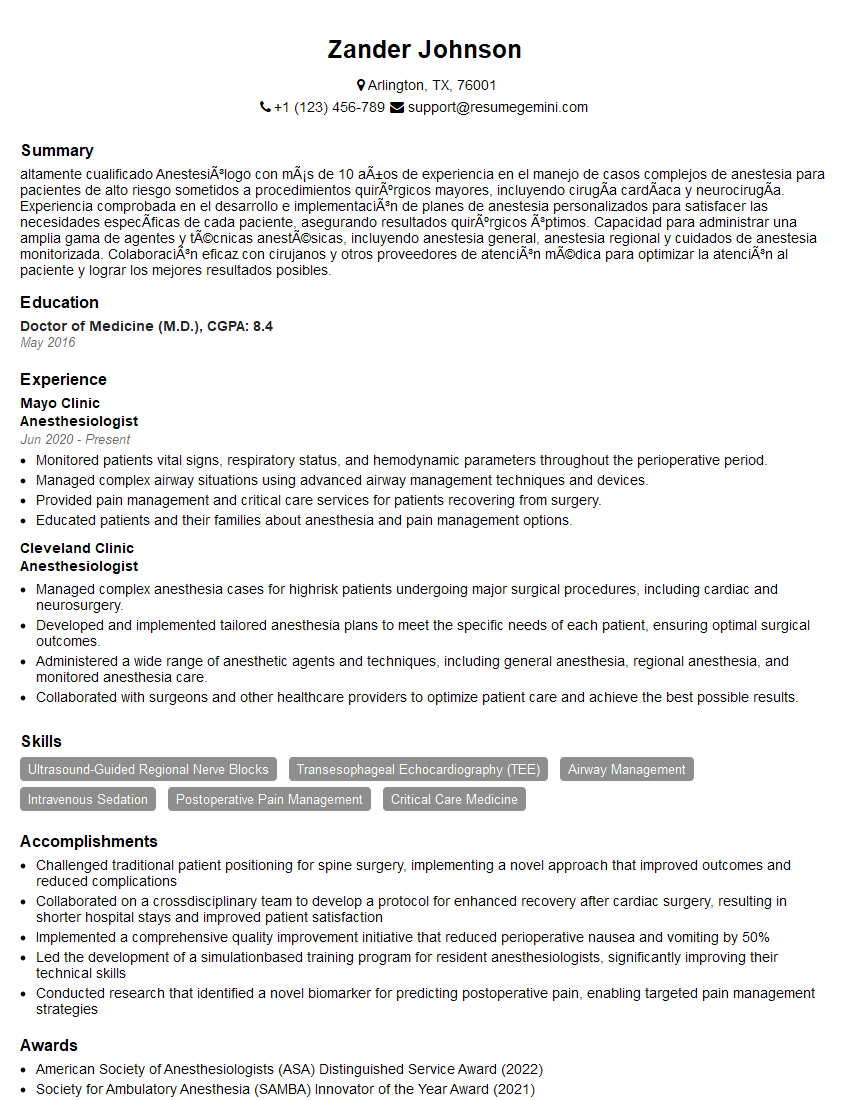
Anesthesiologist Resume Sample
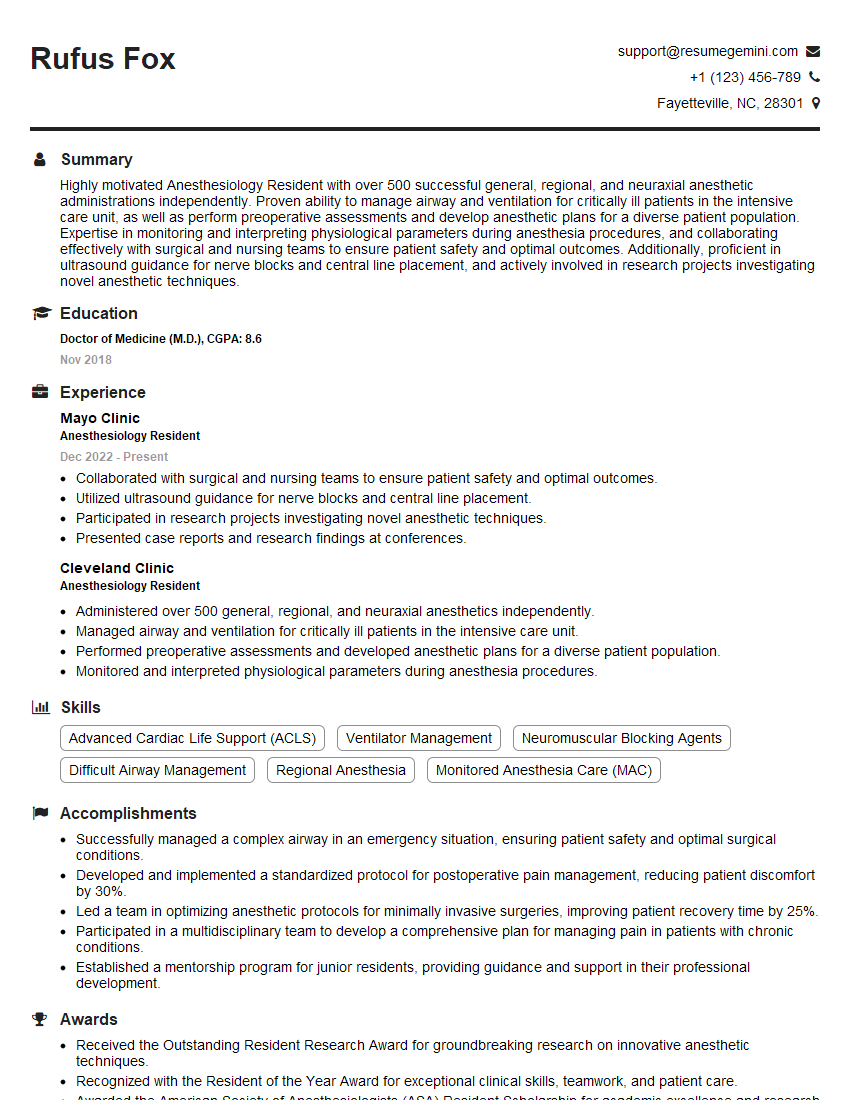
Anesthesiology Resident Resume Sample

Physician Assistant Resume Sample
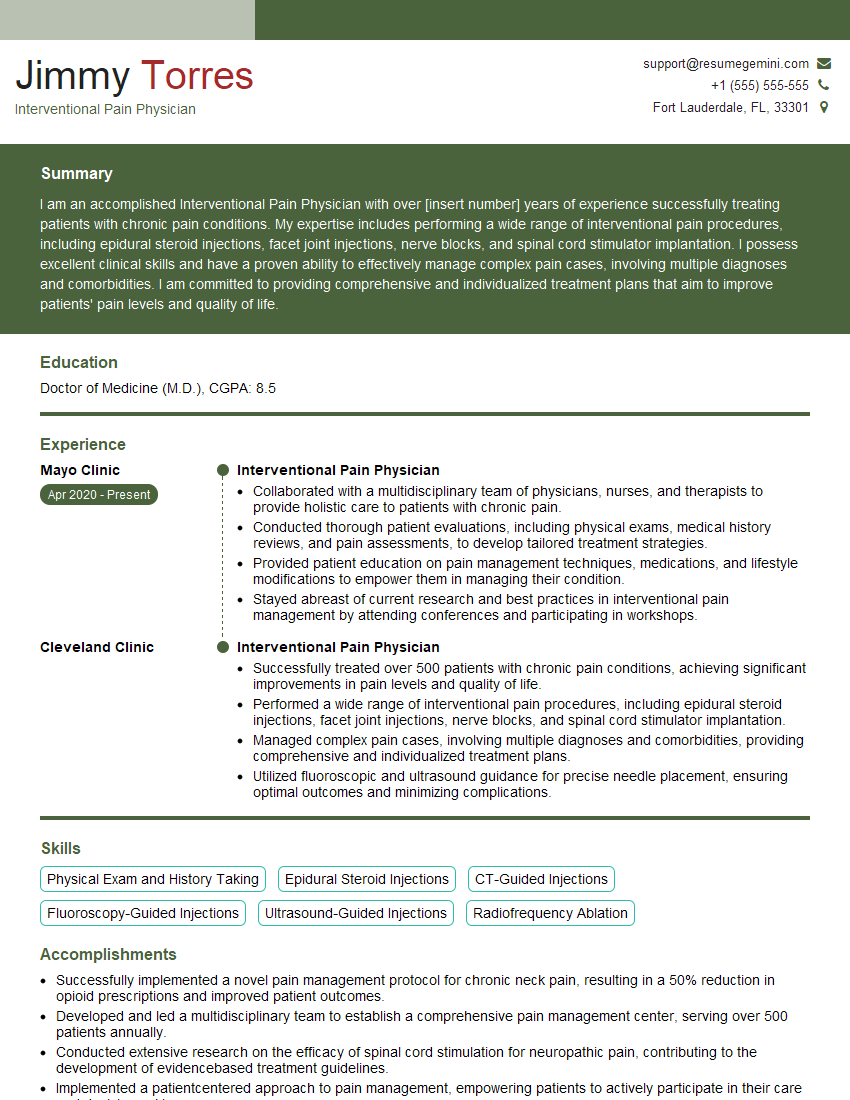
Interventional Pain Physician Resume Sample
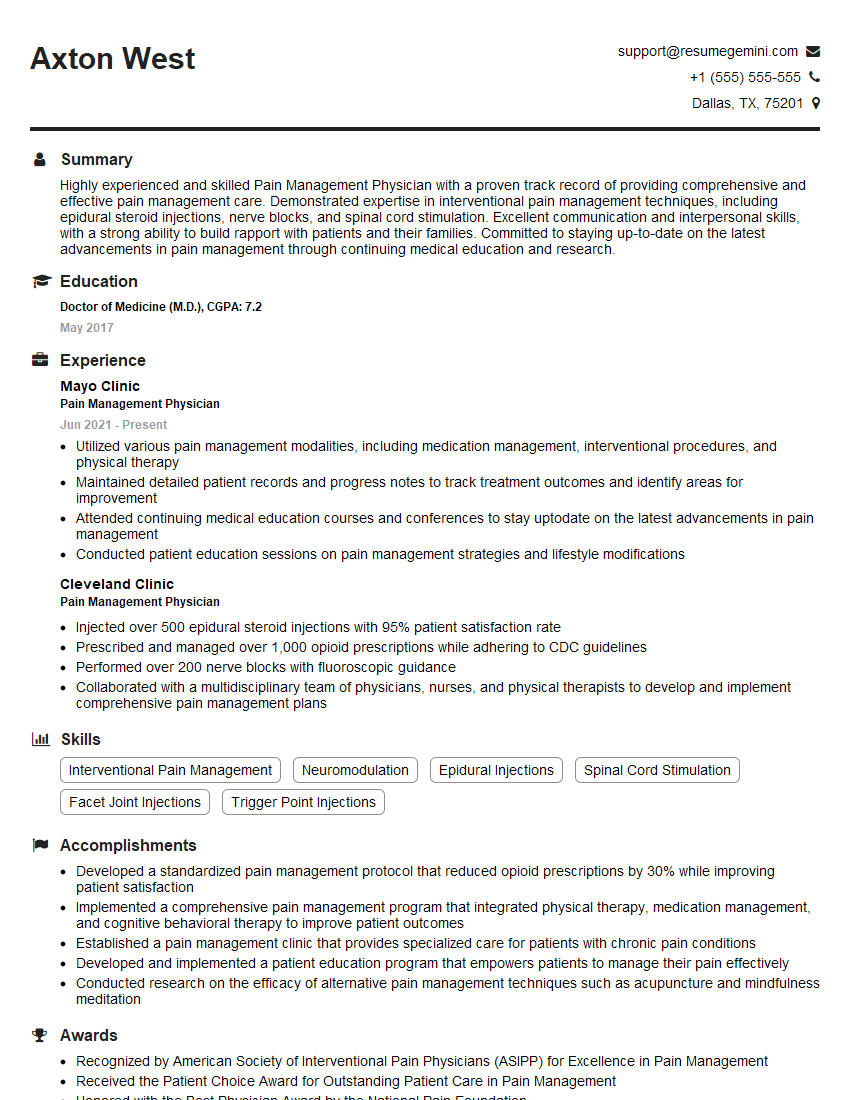
Pain Management Physician Resume Sample
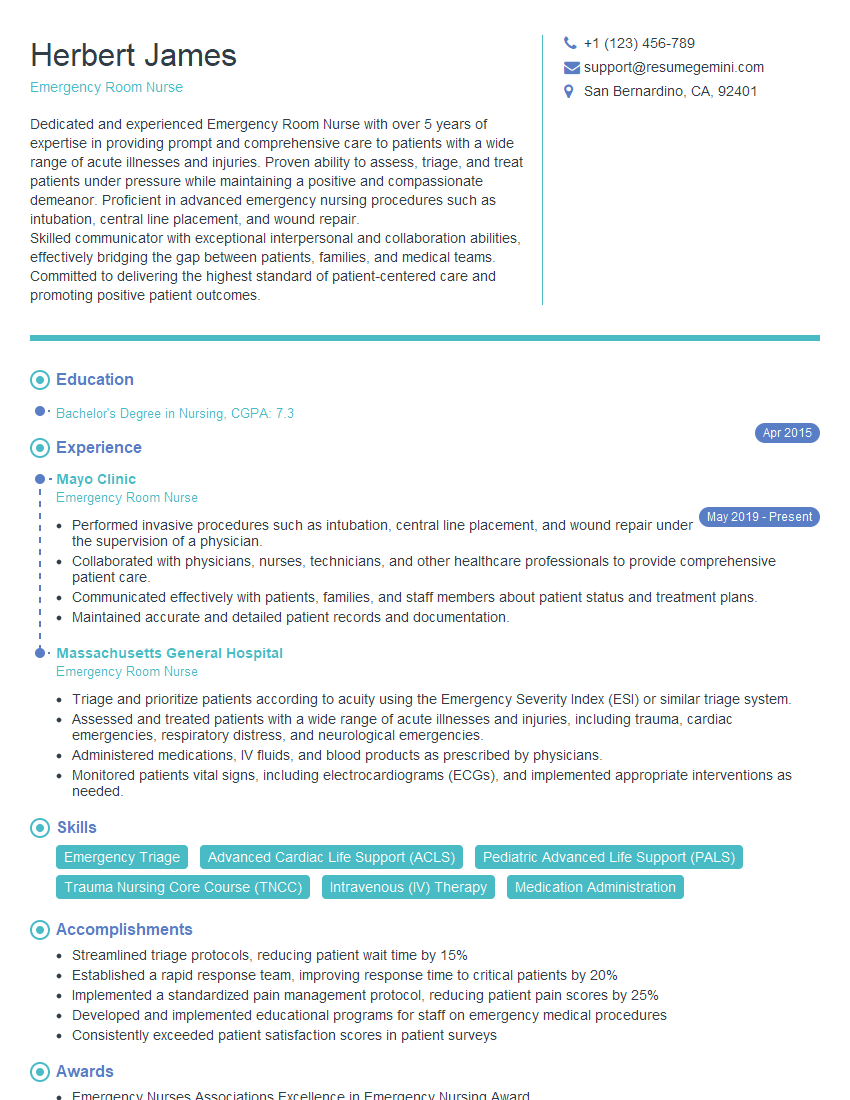
Emergency Room Nurse Resume Sample
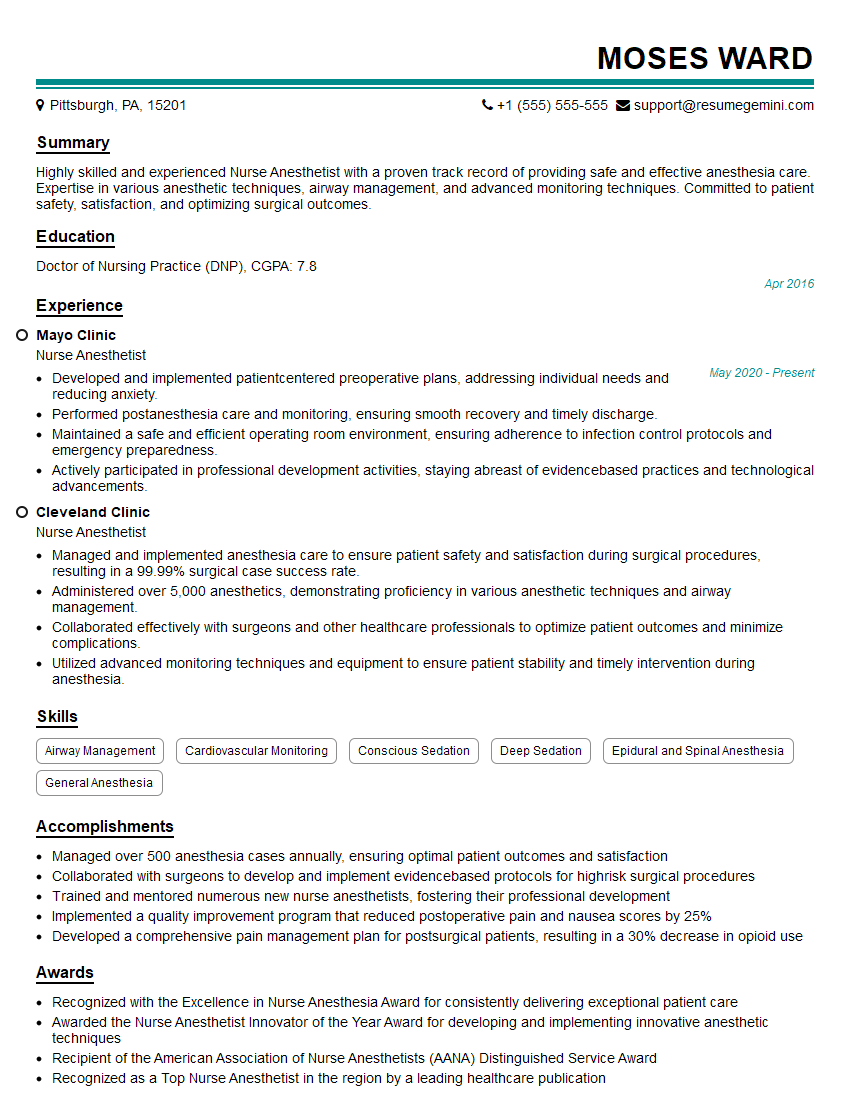
Nurse Anesthetist Resume Sample
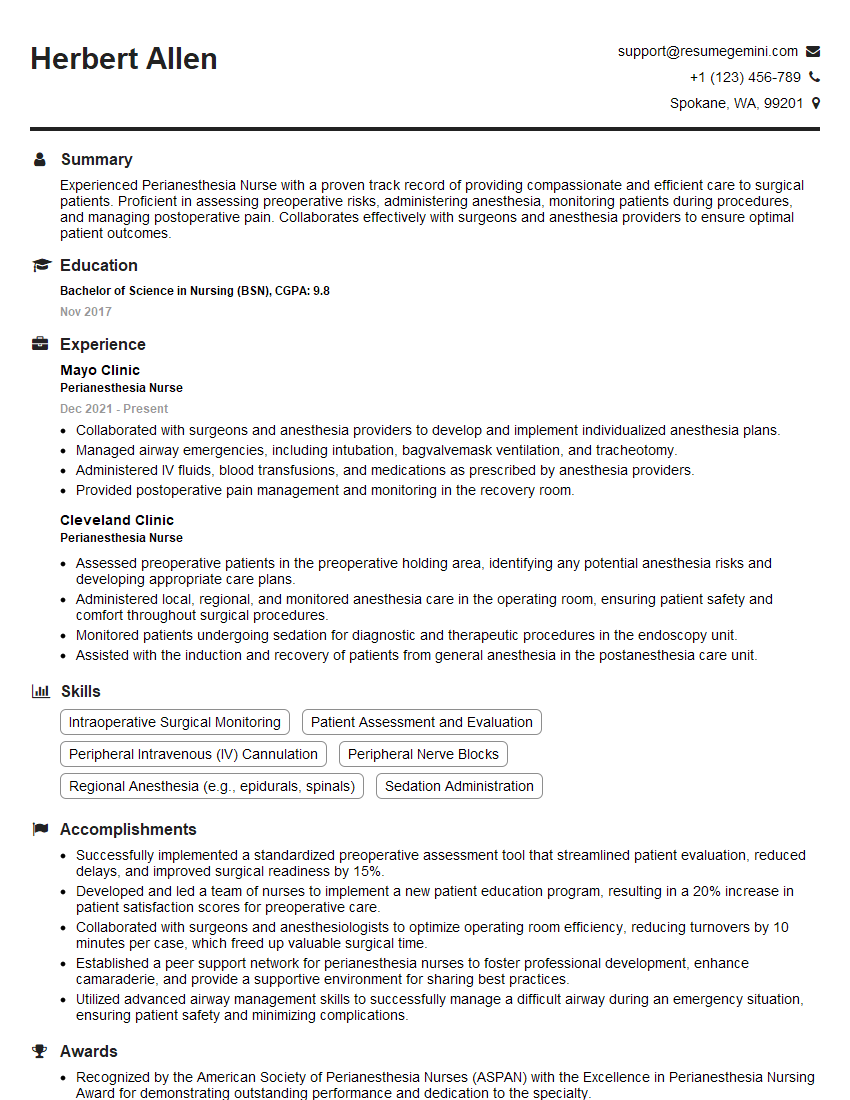
Perianesthesia Nurse Resume Sample
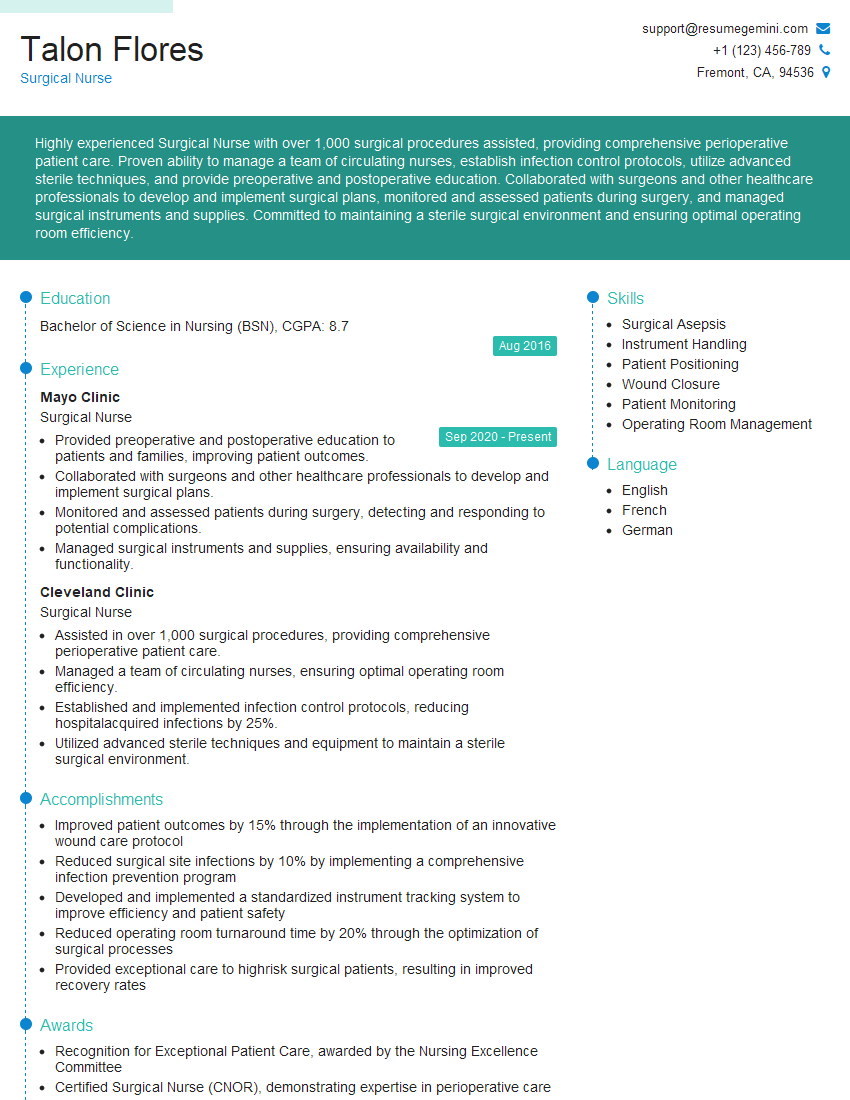
Surgical Nurse Resume Sample
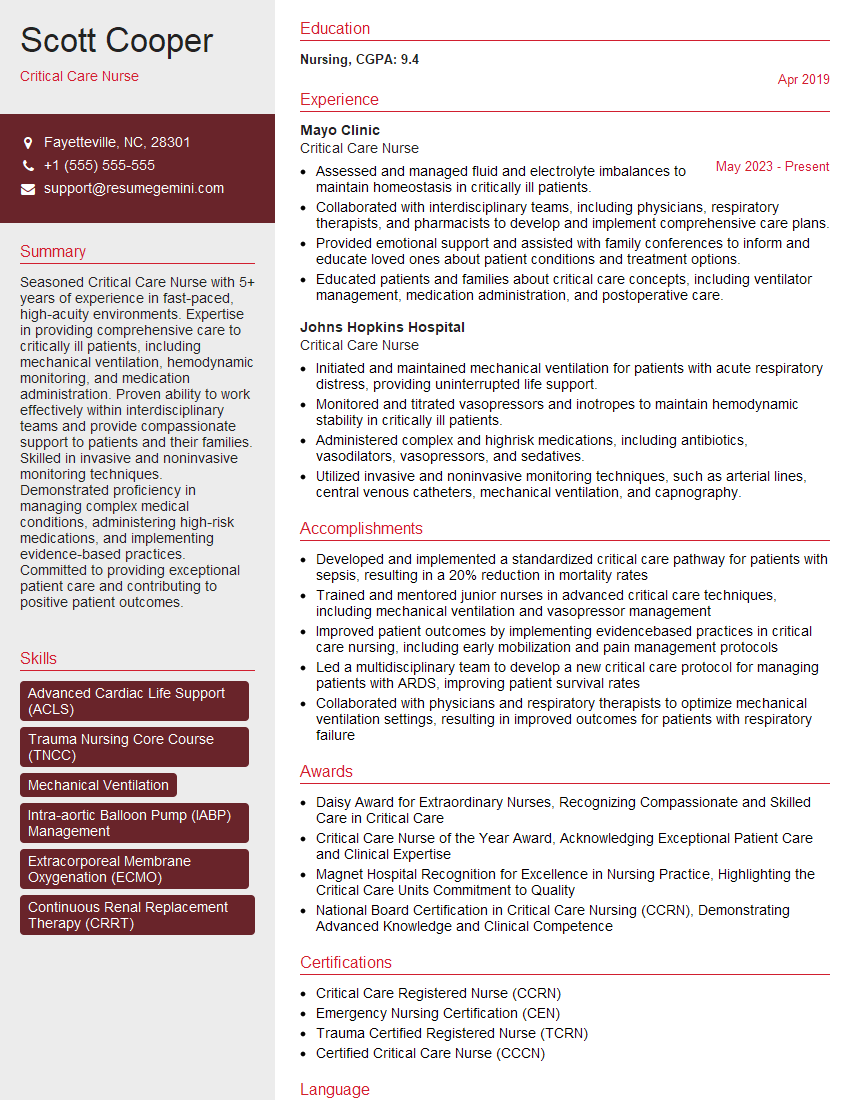
Critical Care Nurse Resume Sample
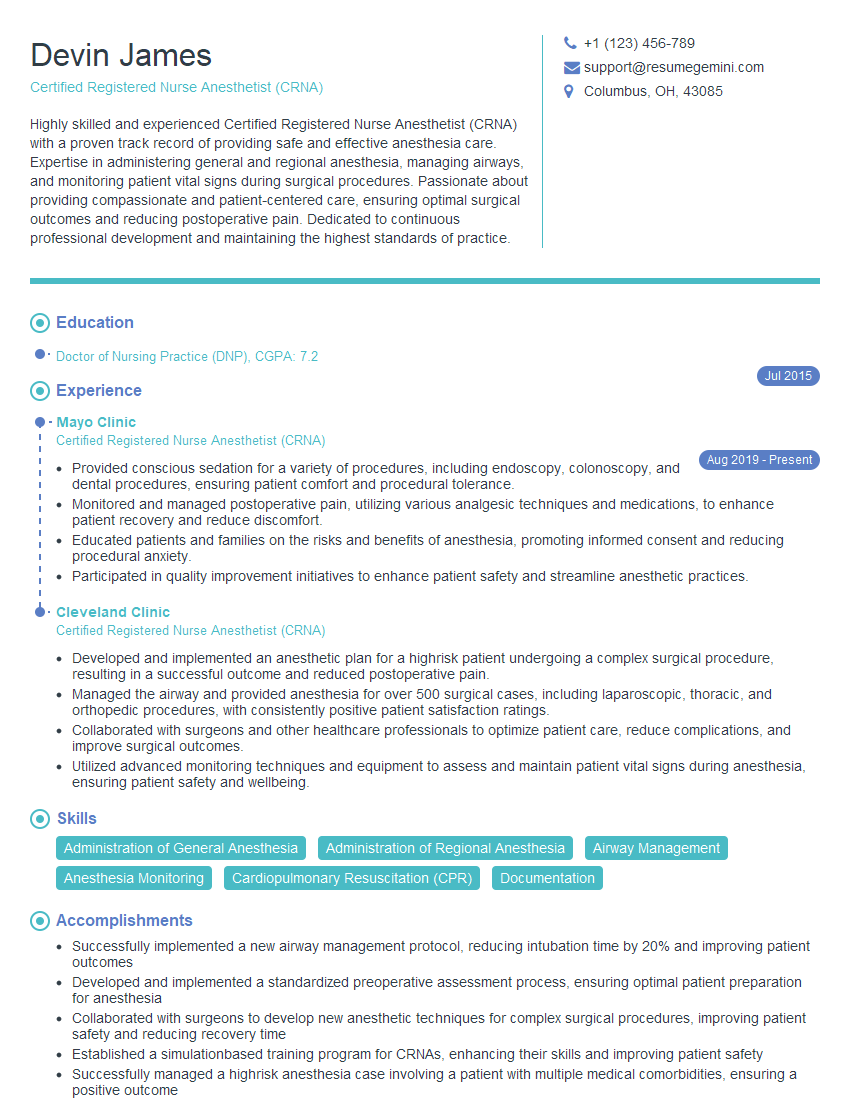
Certified Registered Nurse Anesthetist (CRNA) Resume Sample
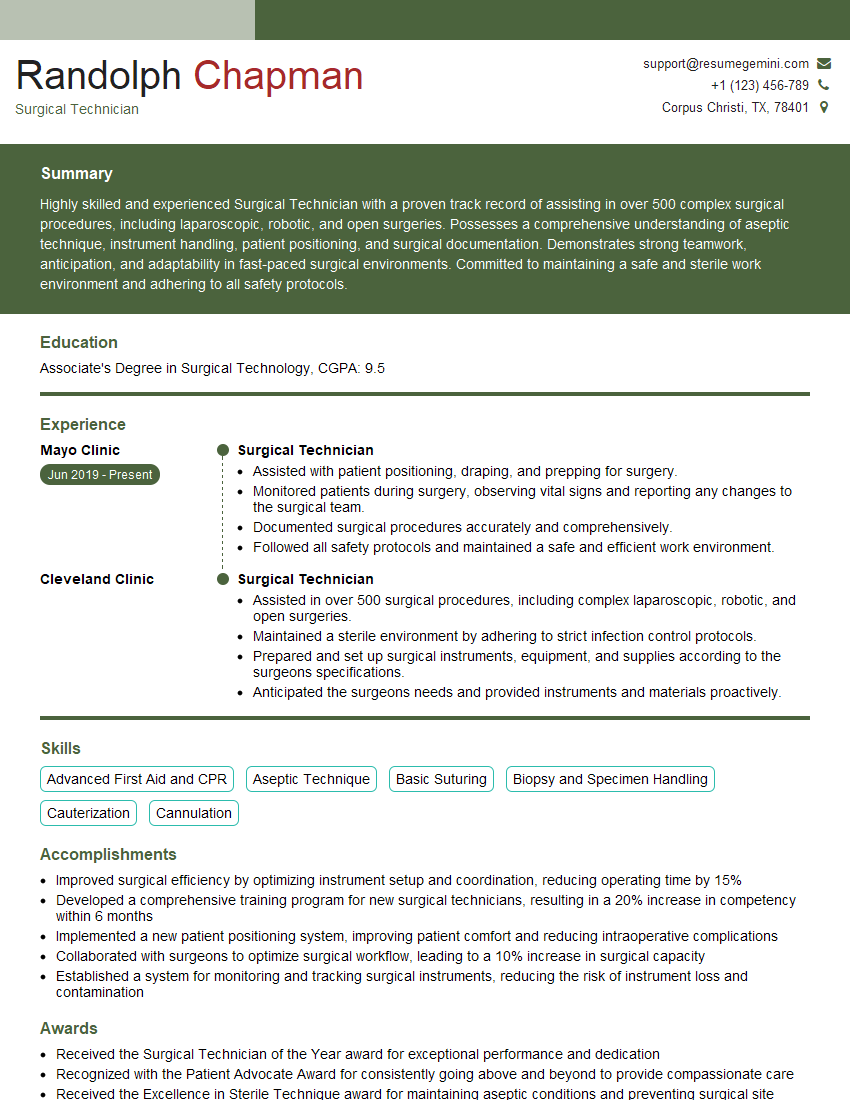
Surgical Technician Resume Sample
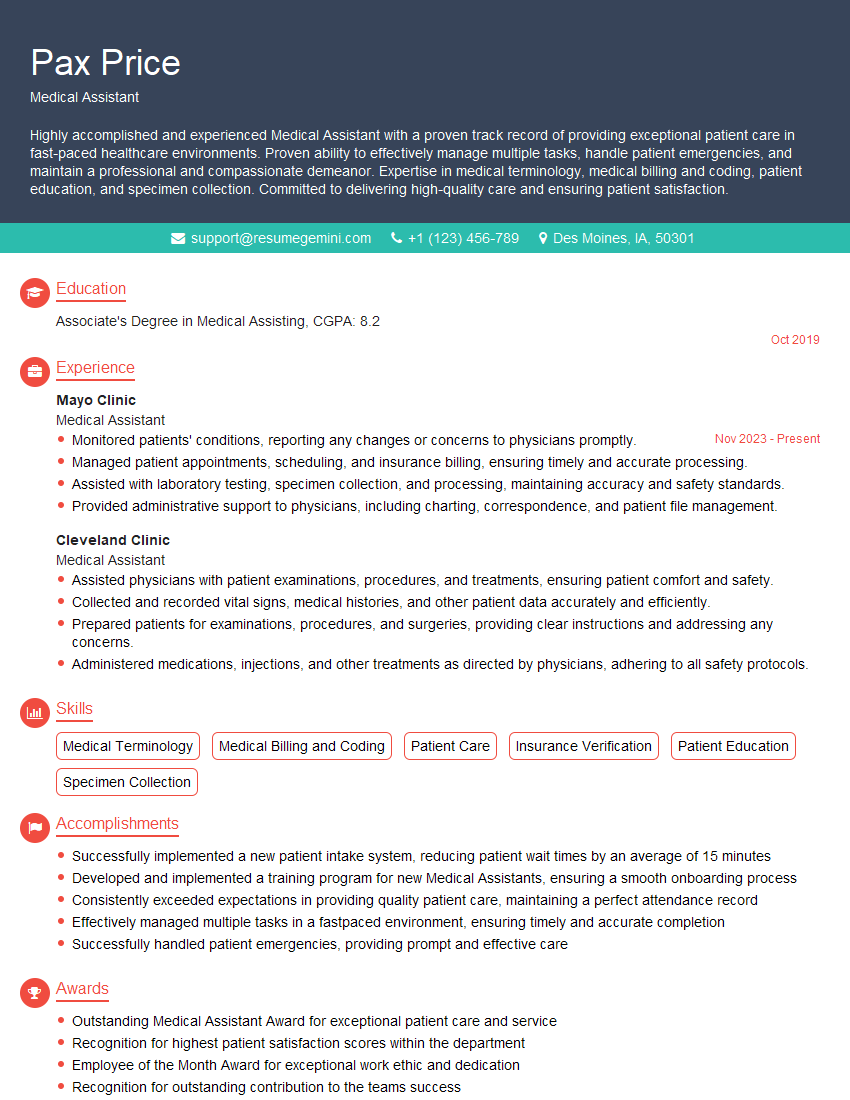
Medical Assistant Resume Sample
Explore more articles
Users Rating of Our Blogs
Share Your Experience
We value your feedback! Please rate our content and share your thoughts (optional).
What Readers Say About Our Blog
To the interviewgemini.com Webmaster.
Very helpful and content specific questions to help prepare me for my interview!
Thank you
To the interviewgemini.com Webmaster.
This was kind of a unique content I found around the specialized skills. Very helpful questions and good detailed answers.
Very Helpful blog, thank you Interviewgemini team.