The thought of an interview can be nerve-wracking, but the right preparation can make all the difference. Explore this comprehensive guide to Performing preventive maintenance and repairs interview questions and gain the confidence you need to showcase your abilities and secure the role.
Questions Asked in Performing preventive maintenance and repairs Interview
Q 1. Describe your experience with preventive maintenance schedules.
Preventive maintenance schedules are the backbone of reliable equipment operation. They’re essentially a roadmap outlining regular inspections, cleaning, lubrication, and minor repairs to prevent major breakdowns. I have extensive experience developing and implementing these schedules, tailoring them to the specific needs of various equipment types and operating environments. For example, in a manufacturing setting with high-speed machinery, the schedule might call for daily lubrication checks and weekly thorough inspections, while a less demanding environment might only require monthly checks. I utilize both manufacturer-recommended guidelines and my own practical experience to create a robust, yet cost-effective schedule. This often involves using computerized maintenance management systems (CMMS) to track tasks, generate work orders, and monitor the overall health of the equipment.
A well-structured schedule typically includes:
- Task Frequency: Daily, weekly, monthly, quarterly, annually, etc.
- Specific Tasks: Lubrication, cleaning, inspection of specific components, tightening bolts, etc. This level of detail is crucial.
- Assigned Personnel: Clear assignment of responsibility for each task.
- Record Keeping: Detailed records of all completed maintenance activities are essential for tracking trends and identifying potential issues.
My experience also extends to optimizing these schedules based on real-world data. By analyzing historical maintenance records, I can identify patterns, predict potential problems, and proactively adjust the schedule to minimize downtime and maximize equipment lifespan.
Q 2. How do you identify potential equipment failures?
Identifying potential equipment failures requires a keen eye for detail and a thorough understanding of the equipment’s operational characteristics. My approach involves a multi-pronged strategy:
- Regular Inspections: This is the most fundamental method. I carefully examine the equipment for signs of wear and tear, such as unusual noises, vibrations, leaks, overheating, or unusual smells. These subtle clues can often indicate impending failure.
- Performance Monitoring: Many modern machines have built-in sensors that monitor various parameters, such as temperature, pressure, and vibration. Deviations from normal operating parameters can be early warning signs of problems. I’m proficient in interpreting this data.
- Predictive Maintenance Techniques: Techniques like vibration analysis, oil analysis, and thermography allow for early detection of developing faults before they lead to catastrophic failures. For instance, an increase in vibration frequency might signal an impending bearing failure.
- Operator Feedback: Operators are often the first to notice unusual behavior in the equipment. Regular communication and open feedback channels are essential.
For example, I once identified a potential pump failure by noticing a slight increase in vibration during a routine inspection. This allowed for a proactive repair, preventing a costly production shutdown.
Q 3. Explain your troubleshooting methodology.
My troubleshooting methodology is systematic and follows a structured approach:
- Identify the Problem: Clearly define the nature of the malfunction. What exactly is not working? Gather as much information as possible, including error messages, witness accounts, and any relevant data.
- Gather Information: Consult manuals, schematics, and historical maintenance records. I also leverage online resources and collaborate with colleagues when necessary.
- Develop a Hypothesis: Based on the gathered information, formulate a plausible explanation for the malfunction. This often involves considering several possible causes.
- Test the Hypothesis: Systematically test each potential cause. This might involve visual inspections, component testing, or running diagnostic tests.
- Verify the Solution: Once a solution is implemented, thoroughly test the equipment to ensure the problem is resolved and that there are no unintended consequences.
- Document the Findings: Meticulously document the troubleshooting process, including the problem, the diagnosis, the solution, and any lessons learned. This is crucial for future reference and continuous improvement.
Think of it like solving a detective mystery; you need to gather clues, develop theories, and then test those theories until you find the culprit. This systematic approach helps ensure efficient and effective troubleshooting.
Q 4. What are your most effective repair strategies?
Effective repair strategies hinge on a combination of technical skills, resourcefulness, and a focus on minimizing downtime. My most effective strategies include:
- Root Cause Analysis: Before initiating any repairs, I always strive to identify the root cause of the failure to prevent recurrence. This involves a thorough investigation beyond just fixing the immediate symptom.
- Modular Repair: Where feasible, I prefer to replace faulty modules or components rather than attempting extensive in-situ repairs. This is often faster and more reliable.
- Preventive Replacement: For components with known failure rates, I advocate for proactive replacement before they fail, minimizing the risk of unexpected downtime. Think of it as replacing brake pads on a car before they wear completely out.
- Utilizing Available Resources: I leverage available resources such as online manuals, manufacturer support, and peer expertise to ensure efficient and effective repairs.
- Prioritization: In situations with multiple failures, I prioritize repairs based on their impact on overall system functionality, safety, and production goals.
For example, in a situation where a critical production line was down, I prioritized the repair of a failed motor controller by utilizing a spare module rather than attempting a lengthy repair. This minimized downtime and got the line back in operation swiftly.
Q 5. What safety procedures do you follow during maintenance?
Safety is paramount in all maintenance activities. I adhere strictly to established safety procedures, which include:
- Lockout/Tagout (LOTO): Before commencing any work on equipment, I always implement LOTO procedures to ensure the equipment is completely de-energized and isolated from power sources. This is crucial to prevent accidental energization.
- Personal Protective Equipment (PPE): I always use appropriate PPE, such as safety glasses, gloves, hearing protection, and safety shoes, depending on the task.
- Risk Assessment: Before undertaking any maintenance task, I conduct a thorough risk assessment to identify potential hazards and implement control measures.
- Following Manufacturer Guidelines: I always refer to and adhere to the manufacturer’s safety guidelines and recommendations.
- Emergency Procedures: I’m familiar with all relevant emergency procedures and know how to respond to various situations, such as electrical shocks, fires, or equipment malfunctions.
Safety is not just a set of rules; it’s a mindset. A proactive approach to safety ensures a safe working environment for myself and others.
Q 6. How do you prioritize maintenance tasks?
Prioritizing maintenance tasks requires a balanced approach considering several factors:
- Criticality: Tasks that impact essential operations or safety are prioritized first. For example, repairing a failed safety system takes precedence over a minor cosmetic repair.
- Urgency: Tasks with imminent deadlines or those preventing production are prioritized. A broken machine hindering production needs immediate attention.
- Cost: Consider the potential cost of downtime and repair versus the cost of preventative maintenance. Preventing a major failure is often more cost-effective than dealing with the consequences.
- Impact: The potential impact on production, quality, or safety should be evaluated when prioritizing tasks.
I often use a combination of these factors, assigning priority levels to each task and using a CMMS to schedule and track them effectively. This ensures that resources are allocated efficiently to address the most critical needs first.
Q 7. Describe a time you had to repair equipment under pressure.
During a major production run, a critical conveyor system malfunctioned, causing a significant backlog and threatening to jeopardize the entire production schedule. The pressure was immense, as downtime cost the company thousands of dollars per hour. The initial diagnosis pointed to a faulty motor control unit, but after replacing it, the problem persisted. Under pressure, I systematically followed my troubleshooting methodology. I checked wiring, sensors, and other components, carefully reviewing the system’s schematics. Eventually, I discovered a loose connection in a less obvious area, a connection easily overlooked in the initial assessment. By fixing this seemingly minor connection, the conveyor system resumed operation. This experience emphasized the importance of systematic troubleshooting, even under extreme pressure, and the value of not overlooking the seemingly minor details.
Q 8. How do you document maintenance activities?
Thorough documentation is the backbone of effective preventive maintenance. I use a multi-faceted approach, combining digital and physical records. This ensures traceability and facilitates future maintenance planning.
Computerized Maintenance Management System (CMMS): I input all maintenance activities into a CMMS, such as a system like UpKeep or Fiix. This includes the date, time, equipment involved, tasks performed, parts used (with serial numbers if applicable), and any relevant observations. This creates an auditable trail.
Work Orders and Checklists: Before starting any task, I always complete a work order, referencing the relevant checklist. This ensures nothing is missed and that all procedures are followed correctly. Checklists, often created within the CMMS, can be tailored to specific equipment.
Physical Logs and Labels: For certain critical equipment or components, I also maintain physical logs or affix labels indicating the date of last maintenance and any significant findings. This is particularly useful in situations with limited or unreliable digital access.
Photography and Videography: For complex repairs or significant issues, documenting the process visually, before, during and after the repair, provides valuable context and aids future troubleshooting.
For example, if I replace a faulty bearing on a conveyor belt, my CMMS entry will detail the bearing’s part number, the date and time of replacement, and any notes about the condition of the old bearing (e.g., signs of wear or damage). The work order will be linked to the CMMS record.
Q 9. What types of maintenance software or systems are you familiar with?
My experience encompasses several maintenance software systems. The choice often depends on the scale and complexity of the operation.
CMMS (Computerized Maintenance Management Systems): I’m proficient with cloud-based CMMS platforms like UpKeep, Fiix, and MPulse. These systems allow for scheduling, work order management, inventory tracking, and reporting capabilities.
ERP (Enterprise Resource Planning) Systems: I’ve worked with ERP systems like SAP and Oracle that integrate maintenance modules. These provide a broader scope, linking maintenance data with other business processes like inventory, procurement, and finance.
EAM (Enterprise Asset Management) Systems: These are sophisticated systems like IBM Maximo or Infor EAM, suitable for large-scale operations requiring advanced analytics and asset lifecycle management.
Spreadsheet Software: For simpler scenarios or smaller operations, I have also used spreadsheets to maintain basic maintenance records. However, the scalability and reporting capabilities of dedicated CMMS software are greatly advantageous.
Selecting the right software depends heavily on organizational needs and scale. Smaller operations may thrive with a simple CMMS solution, while larger facilities may require the powerful features of an EAM system.
Q 10. How do you handle unexpected equipment failures?
Unexpected equipment failures require a swift and methodical response. My approach prioritizes safety, containment, and rapid restoration of service.
Safety First: Immediately secure the area, ensuring the safety of personnel and preventing further damage. This might involve shutting down power, isolating the equipment, or evacuating the area.
Assessment and Diagnosis: I thoroughly assess the situation, identifying the nature and extent of the failure. This often involves visual inspection, using diagnostic tools (multimeters, thermal imaging cameras, etc.), and reviewing operational logs.
Emergency Repair or Temporary Fix: If possible, I perform immediate repairs to restore limited functionality. This might involve a temporary bypass or workaround to keep essential processes operational.
Reporting and Communication: I promptly report the failure to the appropriate personnel, documenting the cause (initial assessment), impact, and actions taken. Clear communication is crucial.
Root Cause Analysis: Once the immediate issue is addressed, I initiate a root cause analysis (RCA) to prevent recurrence. This is discussed further in another answer.
Permanent Repair and Preventative Measures: Once the RCA is complete and appropriate parts are procured, I execute the permanent repair and implement preventative measures to mitigate future failures.
For instance, if a pump suddenly fails, I’d immediately shut it down, assess the damage (perhaps a broken impeller), implement a temporary bypass (if feasible), report the incident, perform an RCA to determine why the impeller failed, then order a replacement impeller and implement measures (e.g., more frequent lubrication) to prevent similar occurrences.
Q 11. What are the common causes of equipment malfunction in your experience?
In my experience, equipment malfunctions stem from a variety of causes, often interconnected.
Wear and Tear: Normal wear and tear from continuous operation is a primary cause. Components have a finite lifespan and will eventually fail due to fatigue, friction, or abrasion.
Lack of Proper Maintenance: Neglecting scheduled maintenance (lubrication, cleaning, inspections) significantly increases the risk of failures. This can manifest as premature wear, corrosion, or clogged components.
Environmental Factors: Extreme temperatures, humidity, dust, and vibrations can accelerate equipment degradation and lead to malfunctions. Exposure to corrosive substances is another contributing factor.
Operator Error: Incorrect operation, overloading equipment, or ignoring warning signs can cause damage or malfunctions.
Manufacturing Defects: Occasionally, equipment failures arise from inherent defects in the manufacturing process, leading to premature component failure.
Power Surges or Electrical Issues: Fluctuations or surges in power can damage sensitive electronic components.
For example, a motor might fail due to worn bearings (wear and tear), insufficient lubrication (lack of maintenance), or overheating due to ambient temperature (environmental factors).
Q 12. Explain your understanding of root cause analysis.
Root cause analysis (RCA) is a systematic process used to identify the underlying causes of problems, not just the symptoms. Its goal is to prevent recurrence by addressing the root issue, rather than simply treating the immediate effects.
I commonly use the ‘5 Whys’ technique as a starting point for RCA. This involves repeatedly asking ‘why’ to drill down to the fundamental cause. For more complex issues, I might employ more formal RCA methodologies like Fishbone diagrams (Ishikawa diagrams) or Fault Tree Analysis (FTA).
Example using the 5 Whys:
Problem: A production line stopped due to a motor failure.
- Why did the production line stop? Because a motor failed.
- Why did the motor fail? Because the bearings were worn.
- Why were the bearings worn? Because they weren’t lubricated frequently enough.
- Why weren’t they lubricated enough? Because the maintenance schedule wasn’t followed.
- Why wasn’t the maintenance schedule followed? Because there was insufficient training for maintenance personnel.
In this example, the root cause is insufficient training, not just the worn bearings. Addressing this root cause (through improved training) is crucial to preventing future failures.
Q 13. How do you ensure the accuracy of your repairs?
Ensuring the accuracy of repairs is paramount. My approach emphasizes several key aspects:
Thorough Diagnosis: Before starting any repair, I meticulously diagnose the problem to ensure I’m addressing the root cause, not just a symptom. This involves using appropriate diagnostic tools and techniques.
Use of Correct Parts and Procedures: I always use the correct parts and follow the manufacturer’s recommended procedures. This includes using certified parts whenever possible to ensure quality and compatibility.
Testing and Verification: After completing the repair, I thoroughly test the equipment to verify its proper functionality. This often involves running diagnostics, load testing, and visual inspection.
Documentation: Accurate and comprehensive documentation is critical. This includes recording the repair process, parts used, test results, and any observations. This ensures traceability and allows for future analysis.
Calibration and Verification of Tools: Regularly calibrating my tools (multimeters, pressure gauges, etc.) is vital to ensure their accuracy and reliability, which directly impacts the accuracy of my diagnoses and repairs.
For example, when repairing a control system, I wouldn’t just replace a faulty component without verifying the correct replacement and testing the entire system afterwards. This ensures the entire system functions correctly after the repair.
Q 14. How do you stay updated on new maintenance techniques and technologies?
Staying updated is crucial in this ever-evolving field. I utilize several strategies to maintain my expertise:
Professional Associations and Conferences: I actively participate in professional associations like the Society for Maintenance & Reliability Professionals (SMRP) and attend industry conferences to network with peers and learn about the latest technologies and best practices. These events often feature workshops and presentations on new techniques.
Trade Publications and Journals: I regularly read industry-specific publications and journals, keeping abreast of advancements in maintenance technologies and methodologies. This provides valuable insights into new developments.
Online Courses and Webinars: Numerous online platforms offer courses and webinars on various maintenance topics, allowing for continuous learning and skill enhancement at my own pace.
Manufacturer Training: Many equipment manufacturers offer training programs on the specific equipment they produce. This provides in-depth knowledge of their operation and maintenance requirements. This hands-on training is invaluable.
Mentorship and Collaboration: Networking with experienced professionals and sharing knowledge helps me stay updated and refine my own approaches. This includes both formal mentorship programs and informal collaborations with colleagues.
For example, I recently completed an online course on predictive maintenance techniques using vibration analysis, which has enabled me to incorporate those methodologies into my work, resulting in more proactive and efficient maintenance strategies.
Q 15. How do you manage your inventory of spare parts?
Effective spare parts inventory management is crucial for minimizing downtime and maintaining operational efficiency. My approach involves a multi-faceted strategy combining digital and physical inventory control.
Firstly, I utilize a Computerized Maintenance Management System (CMMS). This software allows for precise tracking of parts, including their quantity, location, and usage history. This helps predict future needs based on historical data and prevent stockouts. For instance, if we consistently replace a specific pump seal every six months, the CMMS can automatically generate a reorder point alert weeks in advance.
Secondly, I perform regular physical inventory checks, comparing the physical count to the CMMS records. This helps identify discrepancies, potential damage, or expired parts. Discrepancies are investigated and corrected immediately, ensuring data accuracy.
Thirdly, I implement a robust parts organization system. This ensures easy retrieval and reduces search time during repairs. We use clearly labeled shelves, bins, and a logical categorization system based on equipment type and part number. This is akin to a well-organized library—you can quickly find the book (part) you need.
Finally, I collaborate closely with procurement to ensure timely replenishment of parts. We set up minimum and maximum stock levels for critical parts, triggering automatic purchase orders when levels fall below the minimum. This proactive approach helps prevent costly delays.
Career Expert Tips:
- Ace those interviews! Prepare effectively by reviewing the Top 50 Most Common Interview Questions on ResumeGemini.
- Navigate your job search with confidence! Explore a wide range of Career Tips on ResumeGemini. Learn about common challenges and recommendations to overcome them.
- Craft the perfect resume! Master the Art of Resume Writing with ResumeGemini’s guide. Showcase your unique qualifications and achievements effectively.
- Don’t miss out on holiday savings! Build your dream resume with ResumeGemini’s ATS optimized templates.
Q 16. Describe your experience with different types of equipment.
My experience spans a wide range of equipment, including HVAC systems, industrial machinery, electrical systems, and plumbing infrastructure. I’ve worked on everything from intricate CNC machines to simple pneumatic systems. In each case, my approach is systematic and meticulous. I begin with a thorough understanding of the equipment’s specifications, operational procedures, and potential failure points.
For example, while working on a large HVAC system, I was able to diagnose a refrigerant leak by carefully observing pressure gauges and detecting unusual sounds. The leak was identified, the damaged component replaced, and the system was brought back online with minimal downtime. With CNC machines, I’m proficient in identifying and rectifying issues related to mechanical, electrical, and software components, requiring a blend of mechanical aptitude, electrical troubleshooting skills, and programming knowledge.
My experience also extends to preventative maintenance practices. For example, with industrial machinery, I implement scheduled lubrication, cleaning, and inspection procedures to extend the equipment’s lifespan and prevent catastrophic failures. This proactive approach minimizes costly repairs and ensures optimal productivity.
Q 17. How do you work effectively as part of a maintenance team?
Effective teamwork in a maintenance setting is paramount. I believe in open communication, mutual respect, and a collaborative approach. My experience shows that successful teamwork relies on several key factors.
Firstly, clear and concise communication is essential. We use daily briefings to discuss priorities, assign tasks, and report on progress. This ensures everyone is on the same page, avoiding confusion and duplicated efforts. Secondly, I actively participate in problem-solving sessions, offering my expertise and insights. I value diverse perspectives and believe that the best solutions emerge from collaborative brainstorming.
Thirdly, I readily assist team members when needed. We operate on a principle of mutual support, assisting each other with difficult tasks or providing cover during absences. Finally, I maintain a positive and supportive team environment, fostering cooperation and encouraging continuous learning. This positive environment contributes to high morale and improved productivity, resembling a well-oiled machine itself.
Q 18. How do you handle difficult or demanding situations?
Handling difficult situations requires a calm and methodical approach. My strategy focuses on prioritization, problem-solving, and clear communication. If facing a critical equipment failure during peak operation, for instance, my immediate action would be to assess the situation, prioritize safety, and implement immediate countermeasures to minimize disruption.
This might involve switching to backup systems, isolating the affected area, or initiating emergency repairs. Once the immediate crisis is under control, I systematically investigate the root cause of the failure and document the findings. I then develop and implement a plan to prevent similar incidents in the future. This could include recommending equipment upgrades, improving maintenance procedures, or providing additional operator training.
Throughout this process, I maintain clear communication with stakeholders, keeping them informed of the situation, progress, and potential solutions. Transparent communication builds trust and ensures everyone understands the steps being taken. My experience has shown that a calm, decisive approach combined with clear communication can transform stressful situations into manageable challenges.
Q 19. Describe your experience with diagnostic tools and equipment.
Proficiency in using diagnostic tools and equipment is essential for accurate fault finding and effective repair. My experience encompasses a broad range of tools, from basic multimeters to sophisticated diagnostic software.
For example, I’m adept at using multimeters to measure voltage, current, and resistance, identifying electrical faults in circuits. I also use thermal imaging cameras to detect overheating components, a common indicator of impending failure. In addition, I’m skilled in using advanced diagnostic software specific to various equipment types. This allows me to access diagnostic codes, monitor system parameters, and identify performance issues that might not be apparent through visual inspection. This is like having a doctor’s toolkit, allowing for a precise diagnosis.
Furthermore, I’m proficient with specialized diagnostic equipment such as vibration analyzers for diagnosing mechanical problems in rotating machinery, and leak detectors for identifying refrigerant or gas leaks. Continuous professional development ensures my skills remain current with the latest technologies.
Q 20. How familiar are you with regulatory compliance related to maintenance?
Regulatory compliance is a critical aspect of maintenance. My understanding of relevant regulations, such as OSHA (Occupational Safety and Health Administration) guidelines, ensures the safety of personnel and adherence to legal requirements. I’m familiar with regulations pertaining to lockout/tagout procedures, hazardous material handling, and equipment safety standards.
For instance, I ensure all electrical work adheres to NEC (National Electrical Code) standards. Before commencing any maintenance task, I implement the correct lockout/tagout procedures to prevent accidental energization of equipment and potential injury. I also make sure that all hazardous materials are handled and disposed of according to EPA (Environmental Protection Agency) guidelines. I’m also always updated on industry best practices and changes to regulations.
This knowledge helps prevent accidents, minimizes environmental impact, and protects the company from potential legal liabilities. Staying informed on changing regulations is a continuous process that requires staying abreast of industry updates and relevant legal publications.
Q 21. What are your skills in using hand and power tools?
I possess extensive experience and proficiency in using a wide range of hand and power tools. This includes basic hand tools such as screwdrivers, wrenches, pliers, and measuring instruments. I also have expertise in using power tools such as drills, saws, grinders, and welders.
My experience goes beyond mere familiarity; I understand the proper techniques for using each tool safely and effectively. I’m skilled in selecting the right tool for a given task, ensuring efficient and precise results. I also perform regular maintenance on my tools, ensuring they’re always in optimal working condition. This prevents costly repairs or replacements and minimizes risk of injury.
For instance, when working on a piping system, I’m proficient in using pipe wrenches, pipe cutters, and threaders to ensure precise and secure connections. While using power tools, I prioritize safety by using appropriate safety gear and adhering to safe operating procedures. This ensures both the quality of work and the safety of myself and others.
Q 22. How do you assess the severity of equipment damage?
Assessing equipment damage severity involves a systematic approach combining visual inspection, functional testing, and data analysis. It’s like diagnosing a patient – you need a thorough examination before prescribing treatment.
- Visual Inspection: This is the first step, checking for obvious signs of damage like cracks, leaks, burns, or missing parts. For instance, a significant crack in a pressure vessel is clearly more severe than a minor scratch on a casing.
- Functional Testing: Next, I’d test the equipment’s functionality. Does it operate as designed? Are there performance deviations? A pump delivering significantly less flow than its rated capacity suggests a serious issue needing immediate attention, unlike a minor fluctuation within tolerance.
- Data Analysis: Many modern machines provide operational data. Analyzing vibration patterns, temperature readings, and power consumption can reveal subtle issues before they become major failures. For example, a gradual increase in vibration frequency over time may indicate bearing wear, requiring preventive maintenance before a catastrophic breakdown.
- Severity Classification: Based on these assessments, I classify the damage using a severity scale (e.g., minor, major, critical). This guides prioritization of repairs, ensuring critical failures are addressed first.
Q 23. What is your experience with predictive maintenance techniques?
My experience with predictive maintenance techniques is extensive. I’ve implemented and managed programs using various technologies, including vibration analysis, oil analysis, and infrared thermography. Think of it as preventive healthcare for machinery – identifying potential problems before they cause downtime.
- Vibration Analysis: This helps detect imbalances, misalignments, and bearing defects by analyzing vibration patterns. I’ve used this successfully to predict bearing failures in large industrial pumps, allowing for timely replacements and preventing costly unplanned outages.
- Oil Analysis: Analyzing oil samples for contaminants and degradation products provides insights into the condition of lubricants and the internal components they protect. An increase in metal particles could signify wear within the engine, prompting a timely overhaul.
- Infrared Thermography: This allows for non-contact temperature measurement, helping to identify overheating components which are often indicative of electrical problems or impending mechanical failures. I once used this to pinpoint an overheating motor winding before it caused a complete shutdown.
These techniques are integrated into a comprehensive CMMS (Computerized Maintenance Management System) to track asset health, schedule maintenance, and manage spare parts inventory efficiently.
Q 24. Describe your approach to training and mentoring junior technicians.
Training and mentoring junior technicians is a crucial part of my role. I believe in a hands-on, practical approach combined with theoretical knowledge. It’s like teaching someone to ride a bike – you need both the theory and practice to master it.
- On-the-Job Training: I start by pairing them with experienced technicians for shadowing and hands-on assistance on routine tasks. This allows them to observe best practices and learn through experience.
- Formal Training Programs: We utilize online courses and workshops to enhance their knowledge of specific equipment, safety procedures, and troubleshooting techniques. This ensures they have a solid theoretical foundation.
- Mentorship: I provide ongoing guidance, support, and feedback, encouraging them to ask questions and learn from their mistakes. I’ve mentored several junior technicians who have become highly skilled and competent members of the team.
- Regular Performance Reviews: These reviews offer constructive criticism and opportunities for professional development, helping them identify areas for improvement and set goals for advancement.
Q 25. How do you balance preventive maintenance with reactive repairs?
Balancing preventive maintenance and reactive repairs is a critical aspect of efficient maintenance management. It’s about finding the right balance between proactive prevention and responding to unexpected breakdowns. Think of it like a doctor recommending regular checkups and treating illnesses as they occur.
- Preventive Maintenance Schedules: Developing and adhering to well-defined schedules for routine inspections, lubrication, and component replacements minimizes the likelihood of unexpected failures. This approach is cost-effective in the long run.
- Prioritization: Critical equipment requiring minimal downtime receives more frequent preventive maintenance. Less critical equipment may have less frequent maintenance schedules.
- Reactive Repairs: While we aim to minimize reactive repairs, they are sometimes unavoidable. I use a structured approach including root cause analysis to understand the reasons for a breakdown and implement corrective actions to prevent recurrence.
- CMMS Integration: A CMMS helps schedule preventive maintenance tasks and tracks reactive repairs, giving insights into the effectiveness of the maintenance strategy. Analyzing this data allows for refinement and optimization.
Q 26. How do you ensure the efficiency and effectiveness of your maintenance processes?
Ensuring efficiency and effectiveness involves using data-driven decision-making, standardized procedures, and continuous improvement. It’s about optimizing the entire process, much like streamlining a manufacturing line to improve output.
- Key Performance Indicators (KPIs): I monitor KPIs such as mean time between failures (MTBF), mean time to repair (MTTR), and overall equipment effectiveness (OEE) to assess the performance of the maintenance program. These metrics tell us what’s working and where improvements are needed.
- Standardized Procedures: Using standardized procedures ensures consistency and reduces errors. This involves creating detailed work instructions, checklists, and safety guidelines for each maintenance task.
- Continuous Improvement: Regularly reviewing the maintenance program and identifying areas for optimization is crucial. We use tools like root cause analysis to address recurring issues and implement preventative measures.
- Inventory Management: Effective inventory management of spare parts minimizes downtime by ensuring that necessary components are available when needed. We employ techniques like Just-in-Time inventory to reduce storage costs while maintaining sufficient stock.
Q 27. What are your salary expectations?
My salary expectations are commensurate with my experience and skills, and in line with the industry standard for a maintenance professional with my qualifications and track record. I am open to discussing a competitive compensation package that reflects the value I bring to your organization.
Q 28. Do you have any questions for me?
Yes, I do. I’d like to understand more about the specific technologies and equipment used in your facility. I’m also interested in learning about the company’s approach to safety and its commitment to continuous improvement in maintenance practices.
Key Topics to Learn for Performing Preventive Maintenance and Repairs Interview
- Preventive Maintenance Schedules: Understanding the importance of routine inspections, lubrication schedules, and component replacements to prevent equipment failure. Practical application: Developing and implementing a PM schedule for a specific piece of machinery.
- Diagnostic Techniques: Identifying potential issues through visual inspection, listening for unusual sounds, and using diagnostic tools. Practical application: Troubleshooting a malfunctioning system using systematic diagnostic procedures.
- Repair Procedures: Safe and efficient methods for repairing or replacing faulty components. Practical application: Describing the steps involved in repairing a common equipment malfunction, including safety protocols.
- Safety Regulations and Procedures: Adhering to relevant safety standards and using appropriate personal protective equipment (PPE). Practical application: Explaining lockout/tagout procedures and other safety measures.
- Record Keeping and Documentation: Maintaining accurate and detailed records of maintenance activities and repairs. Practical application: Describing a system for tracking maintenance history and generating reports.
- Troubleshooting and Problem-Solving: Utilizing a systematic approach to identify and resolve equipment malfunctions. Practical application: Explaining how to approach a complex equipment failure, including prioritizing steps and seeking assistance when needed.
- Technical Knowledge of Specific Equipment: Demonstrating familiarity with the systems and components you’ll be maintaining and repairing. Practical application: Discuss your experience with specific types of equipment relevant to the job description.
Next Steps
Mastering preventive maintenance and repairs is crucial for career advancement in many industries. Proficiency in these skills demonstrates reliability, technical expertise, and a commitment to safety. To significantly boost your job prospects, crafting an ATS-friendly resume is essential. This ensures your application gets noticed by recruiters and hiring managers. We highly recommend using ResumeGemini to build a professional and impactful resume. ResumeGemini offers a streamlined process and provides examples of resumes tailored to Performing preventive maintenance and repairs, helping you create a document that showcases your skills and experience effectively.
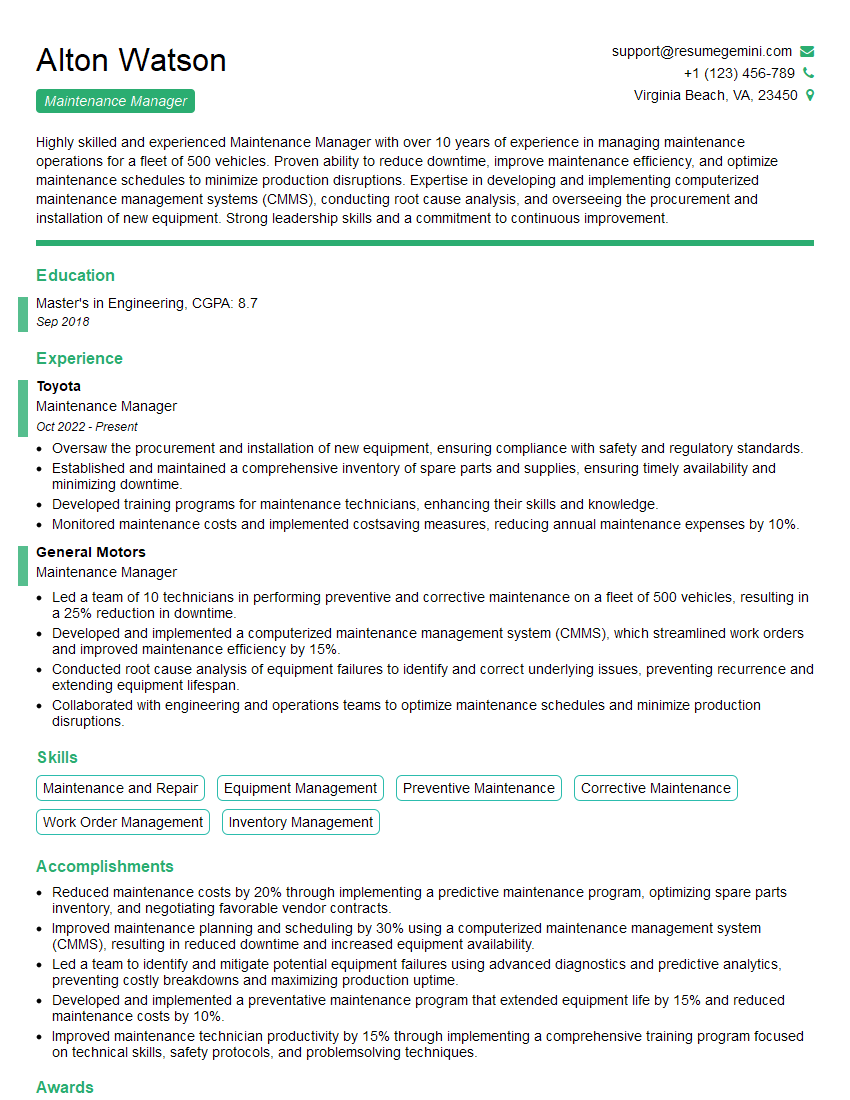
Maintenance Manager Resume Sample
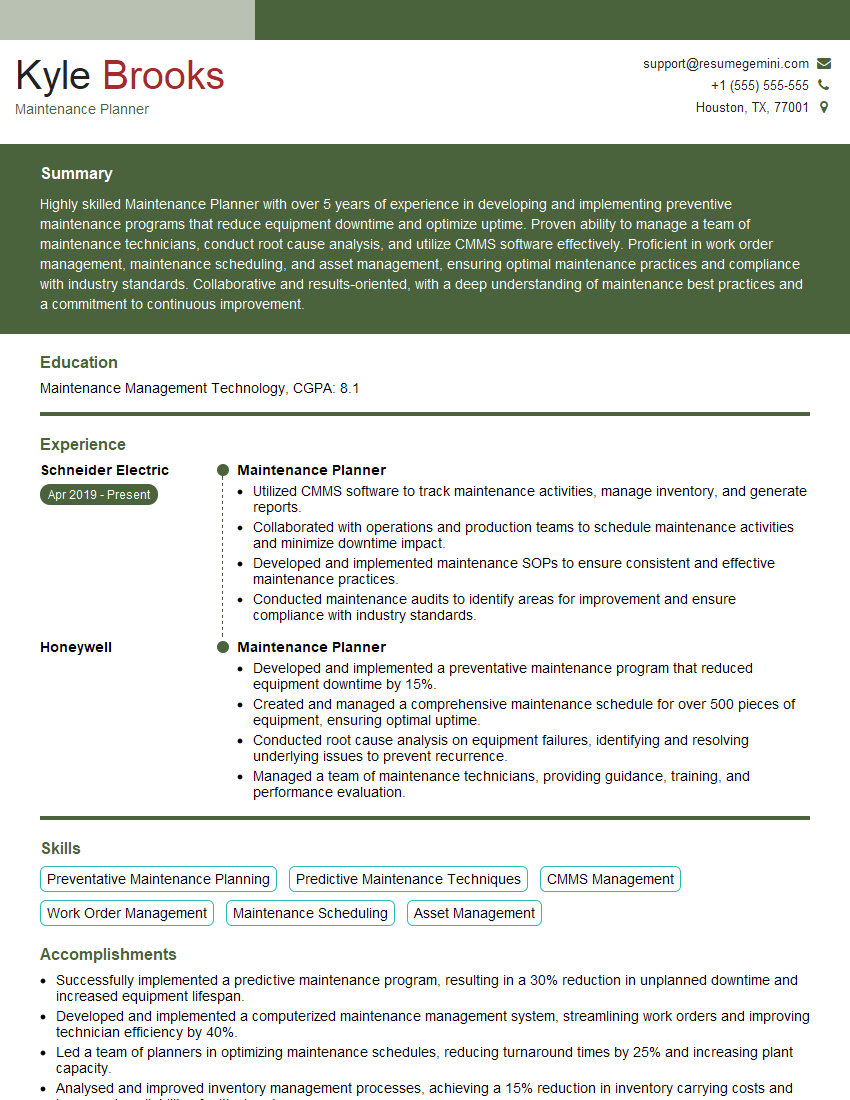
Maintenance Planner Resume Sample
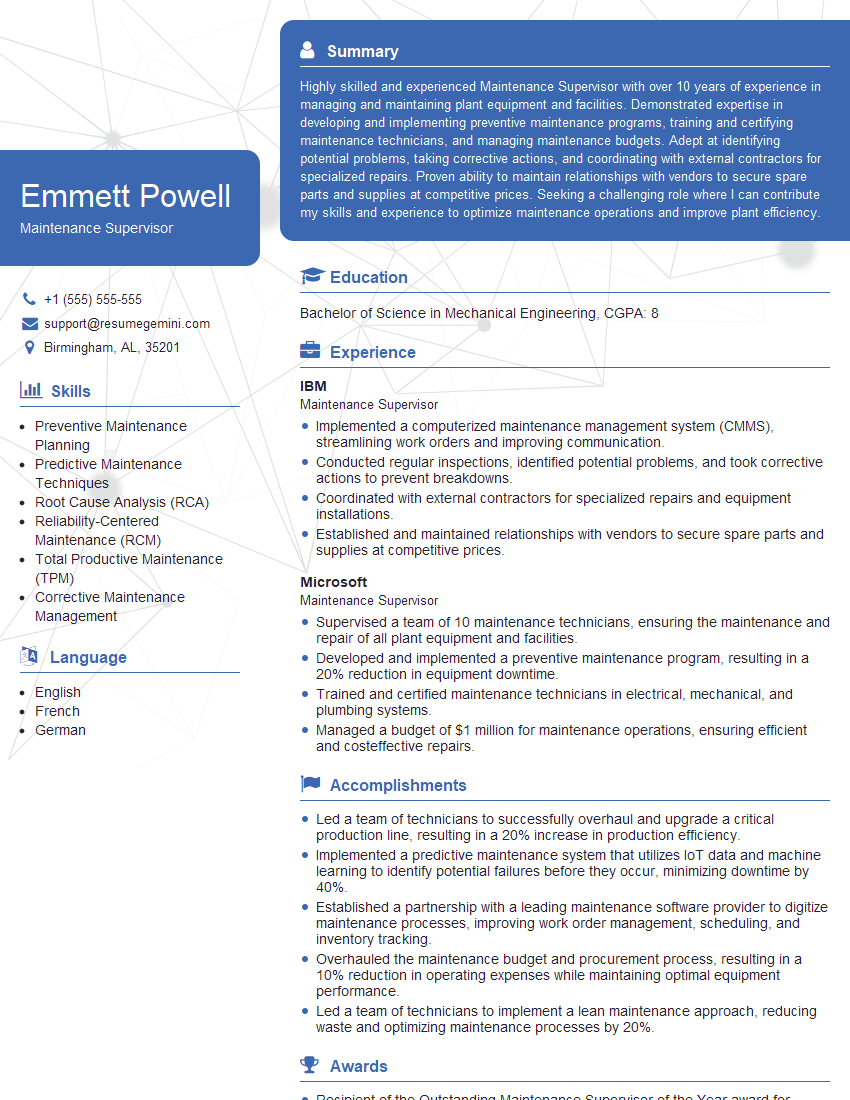
Maintenance Supervisor Resume Sample
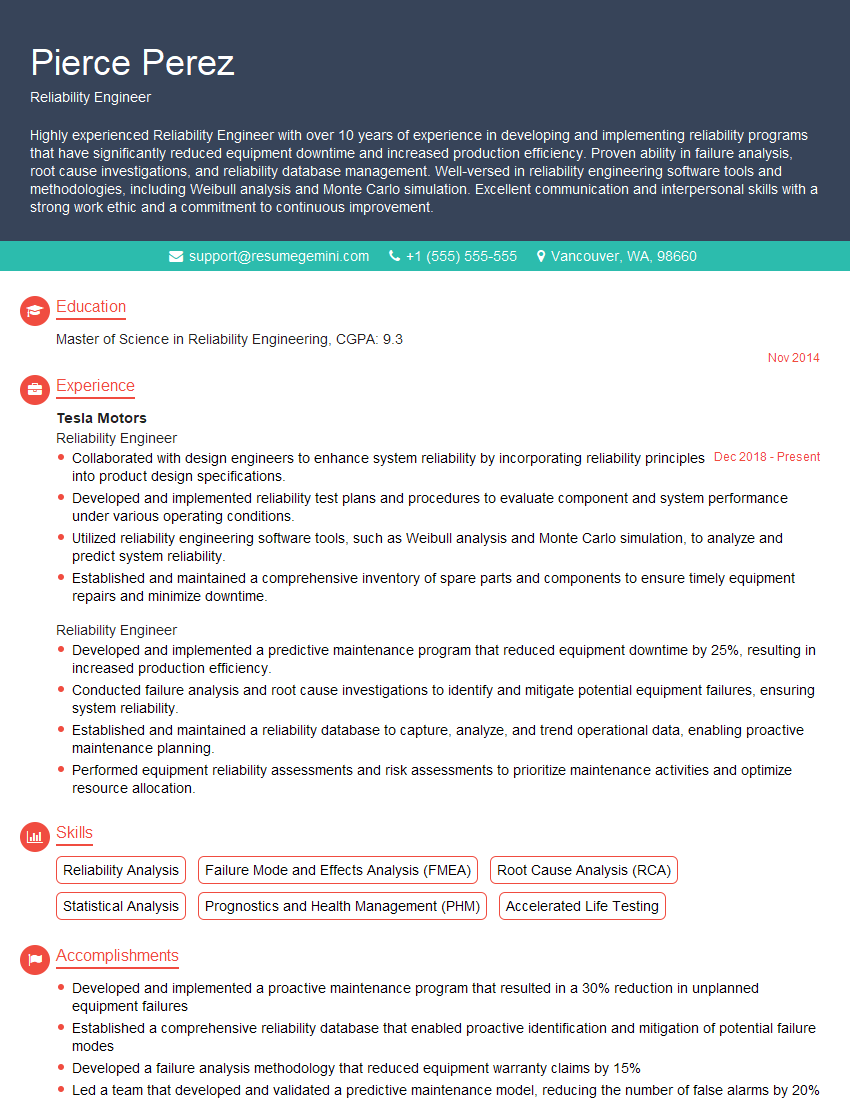
Reliability Engineer Resume Sample
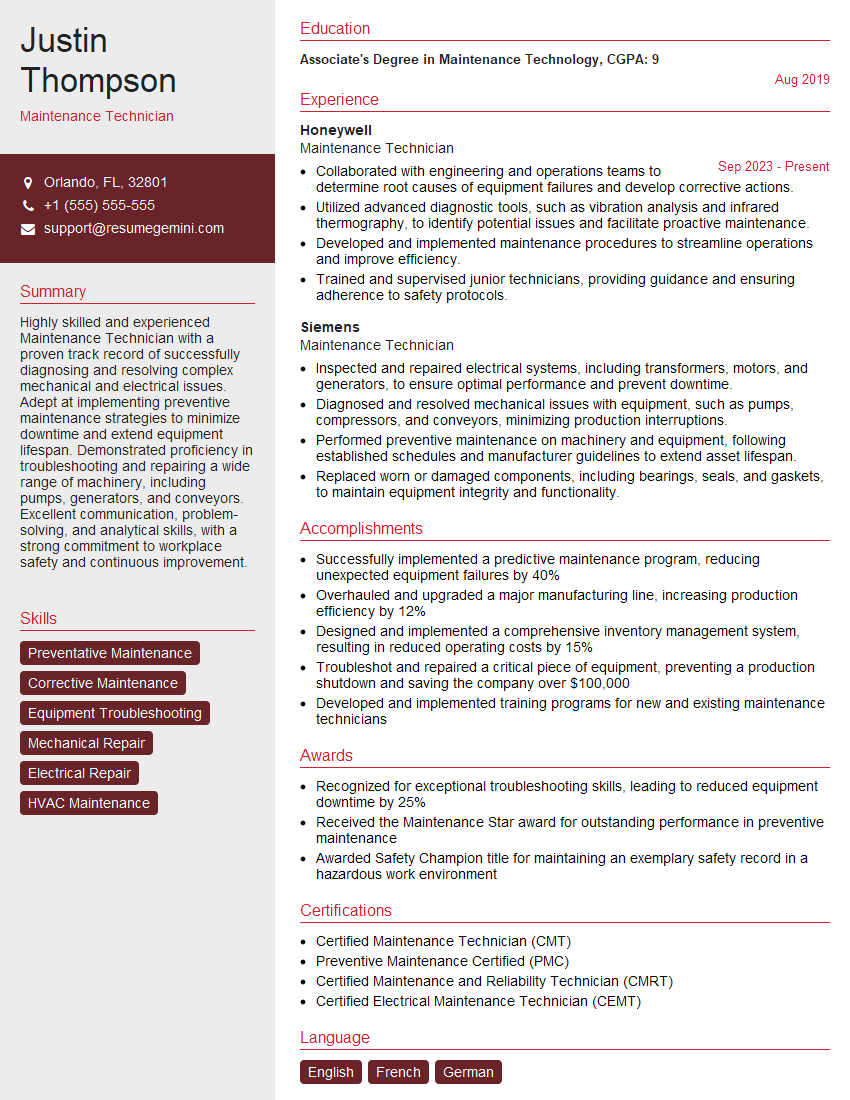
Maintenance Technician Resume Sample
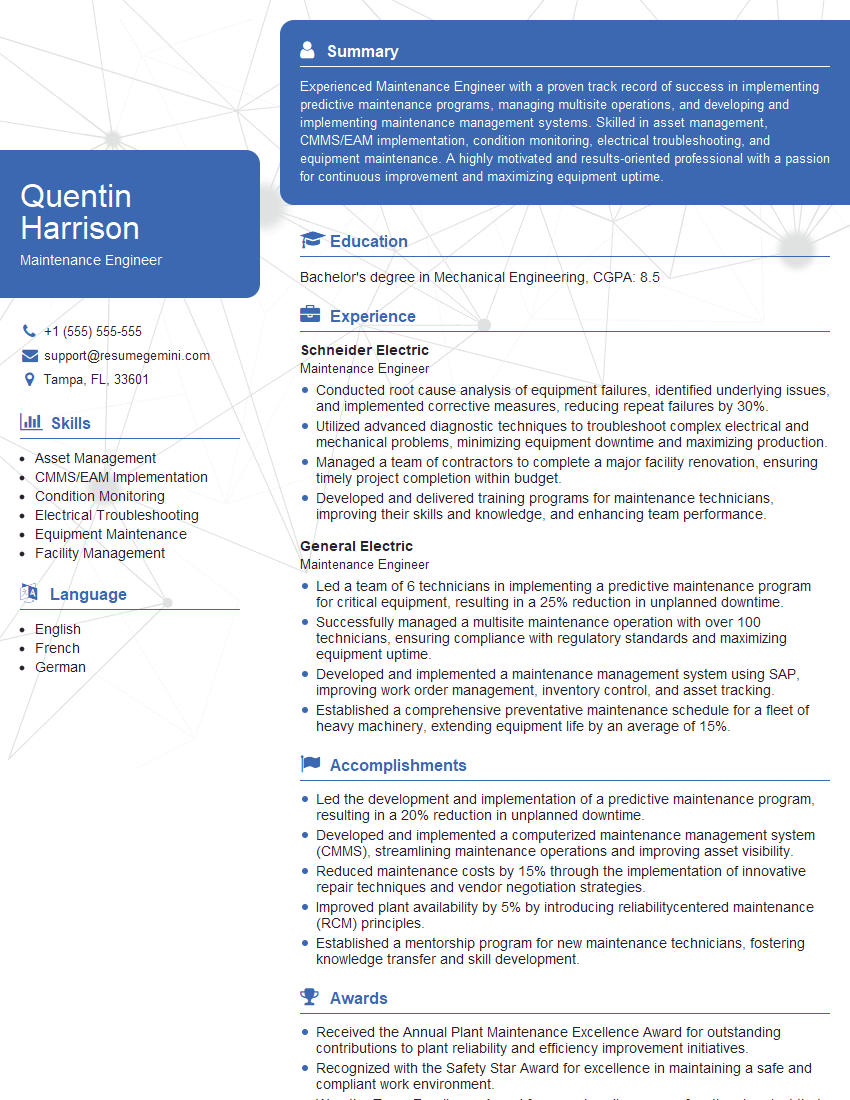
Maintenance Engineer Resume Sample
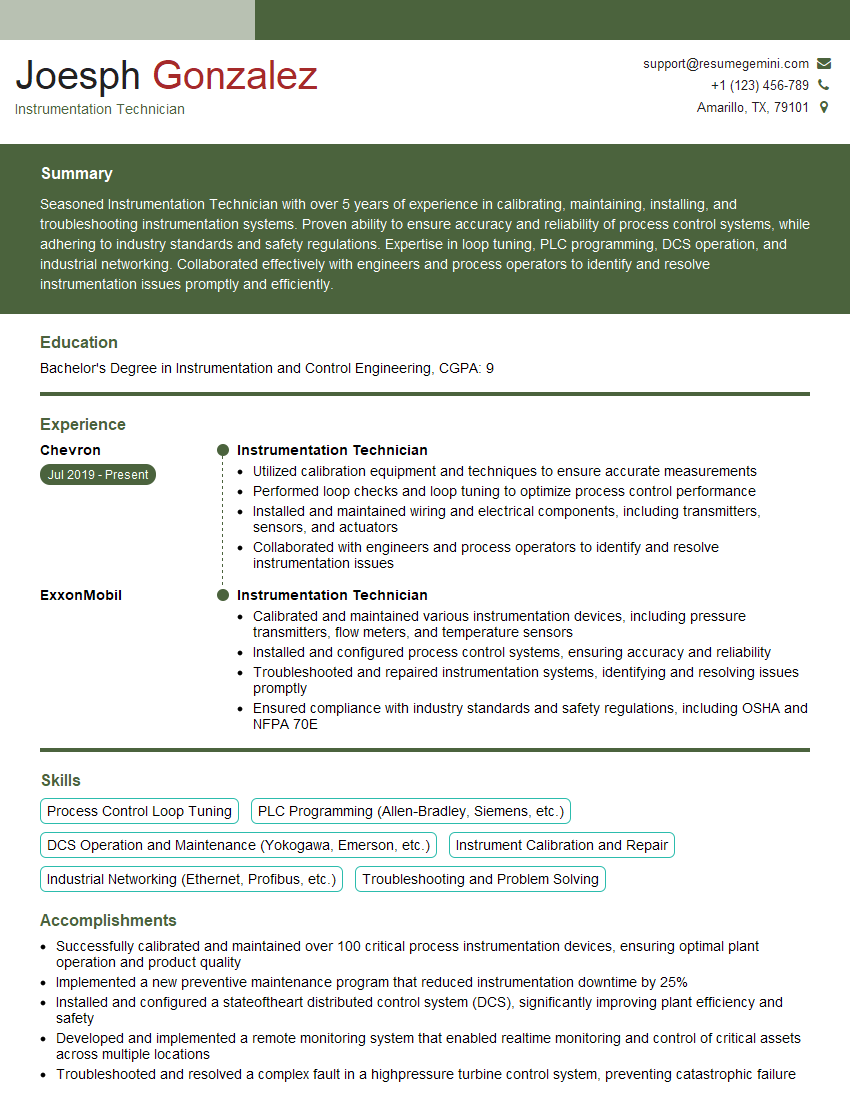
Instrumentation Technician Resume Sample
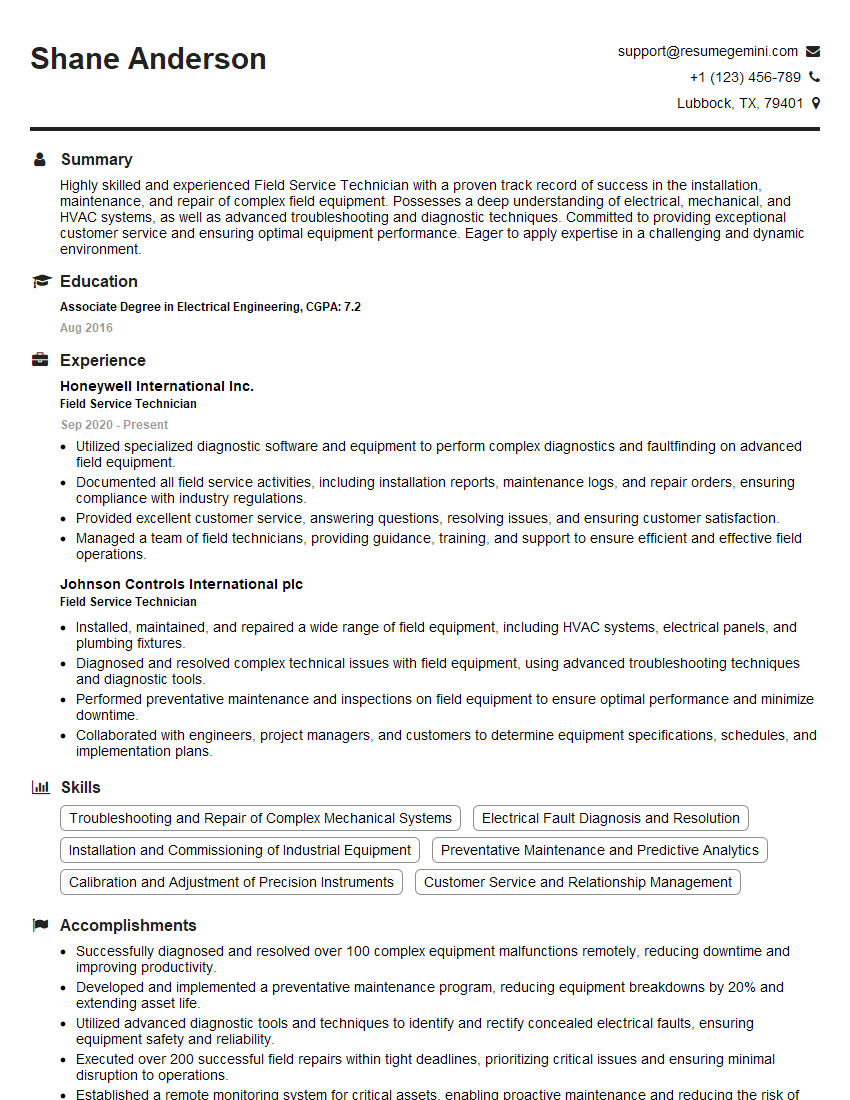
Field Service Technician Resume Sample
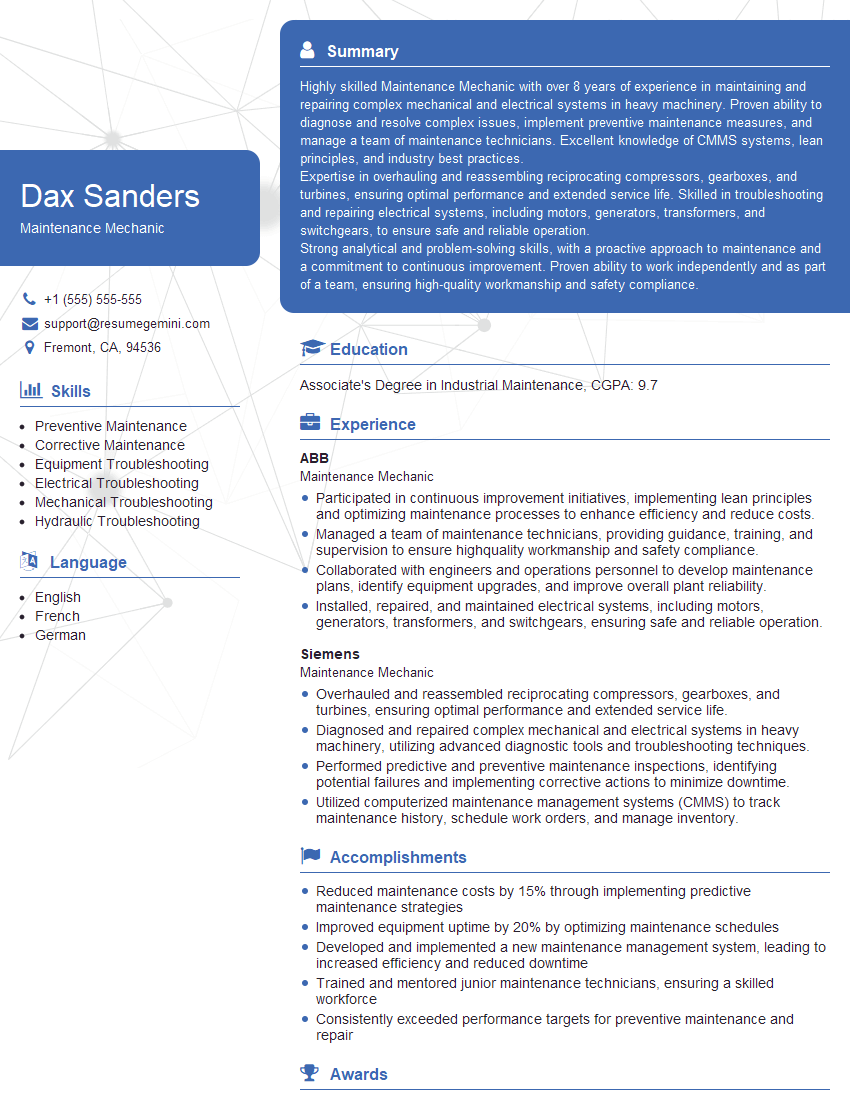
Maintenance Mechanic Resume Sample
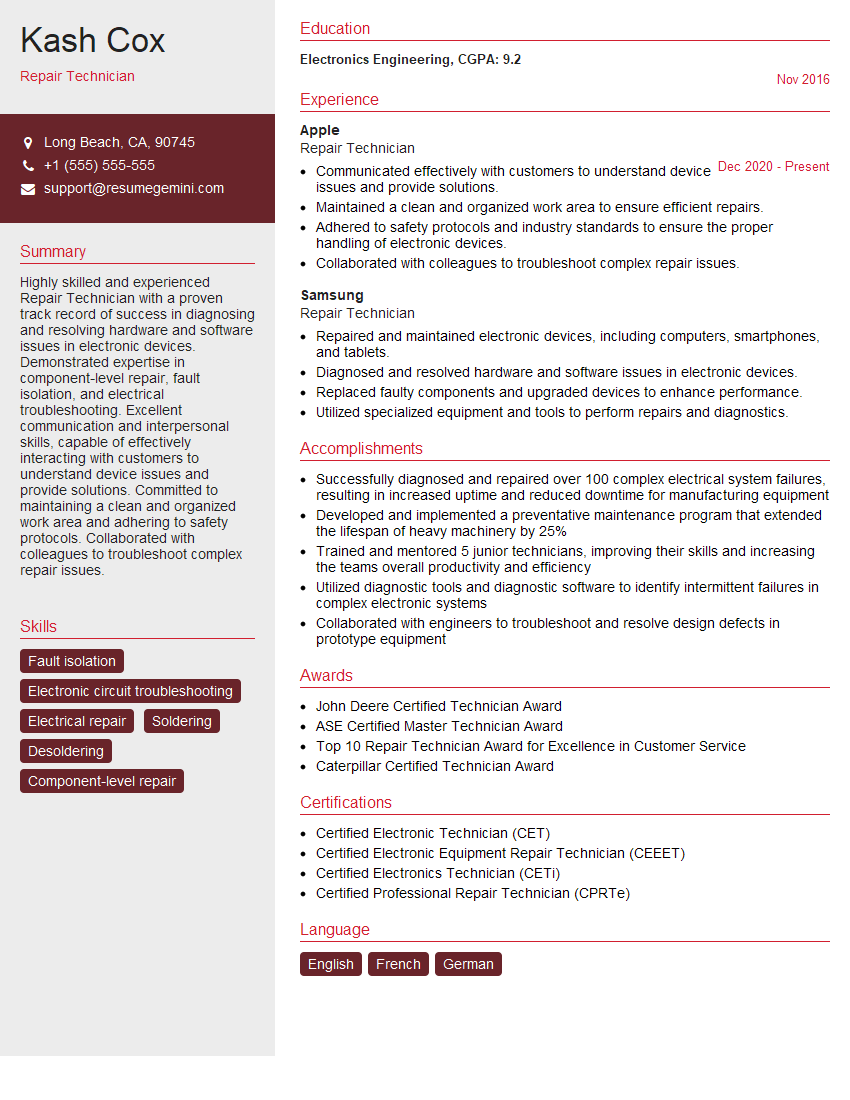
Repair Technician Resume Sample
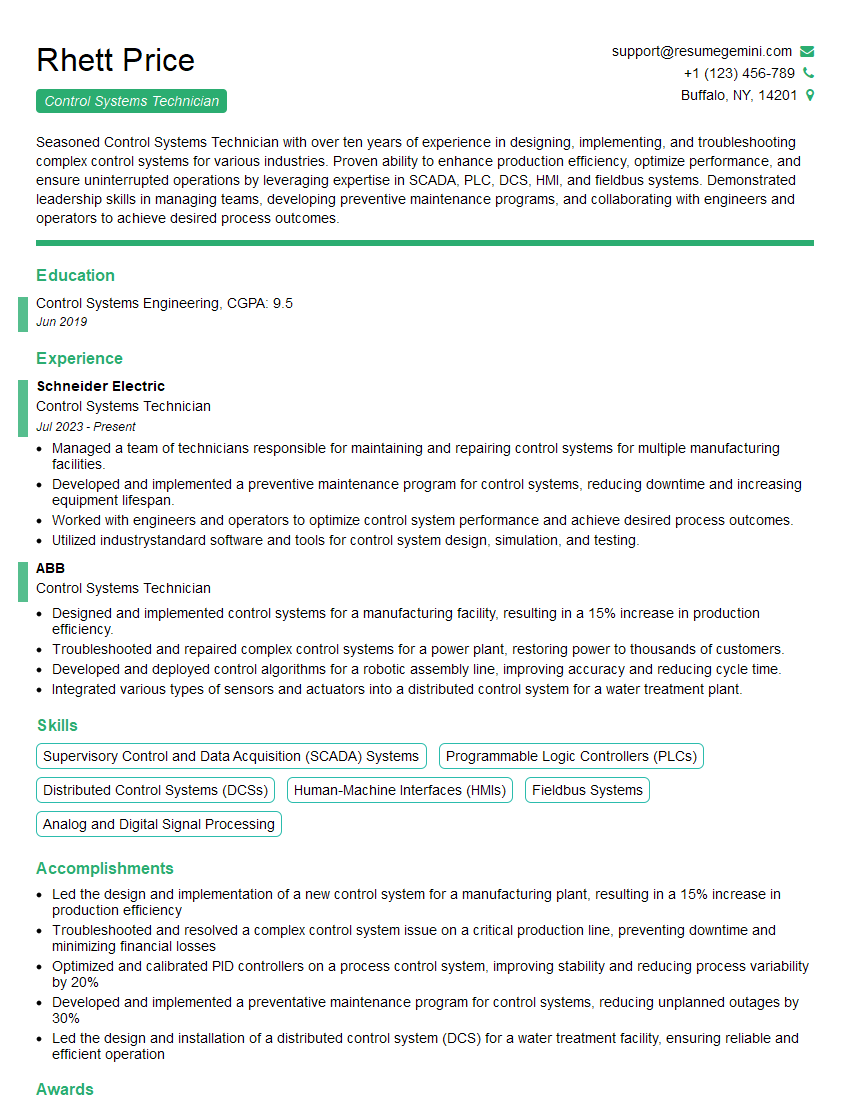
Control Systems Technician Resume Sample
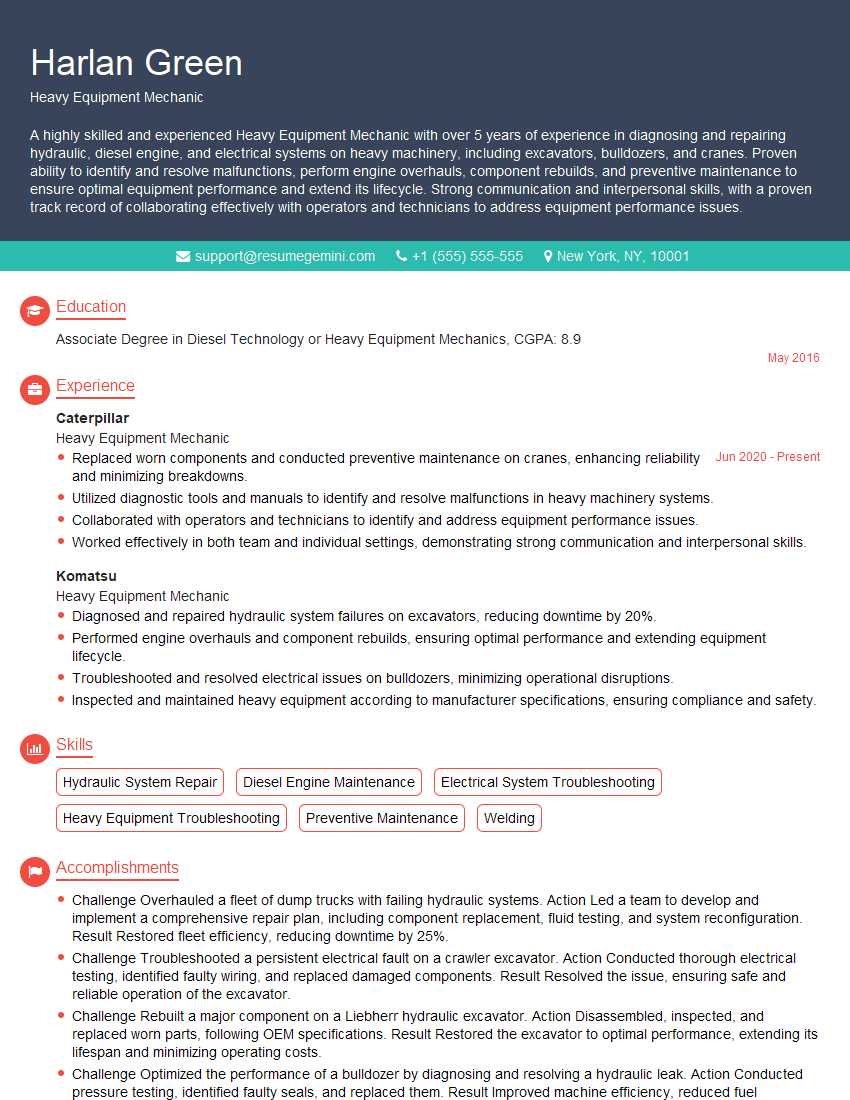
Heavy Equipment Mechanic Resume Sample
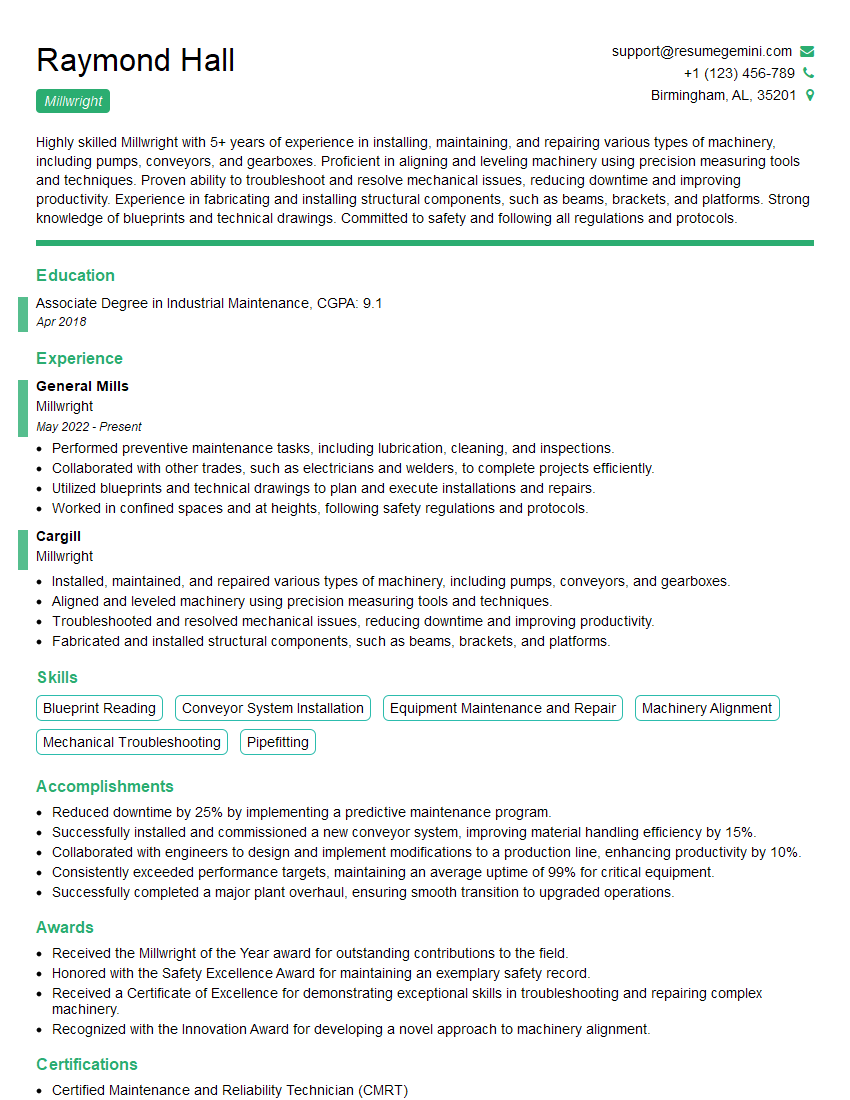
Millwright Resume Sample
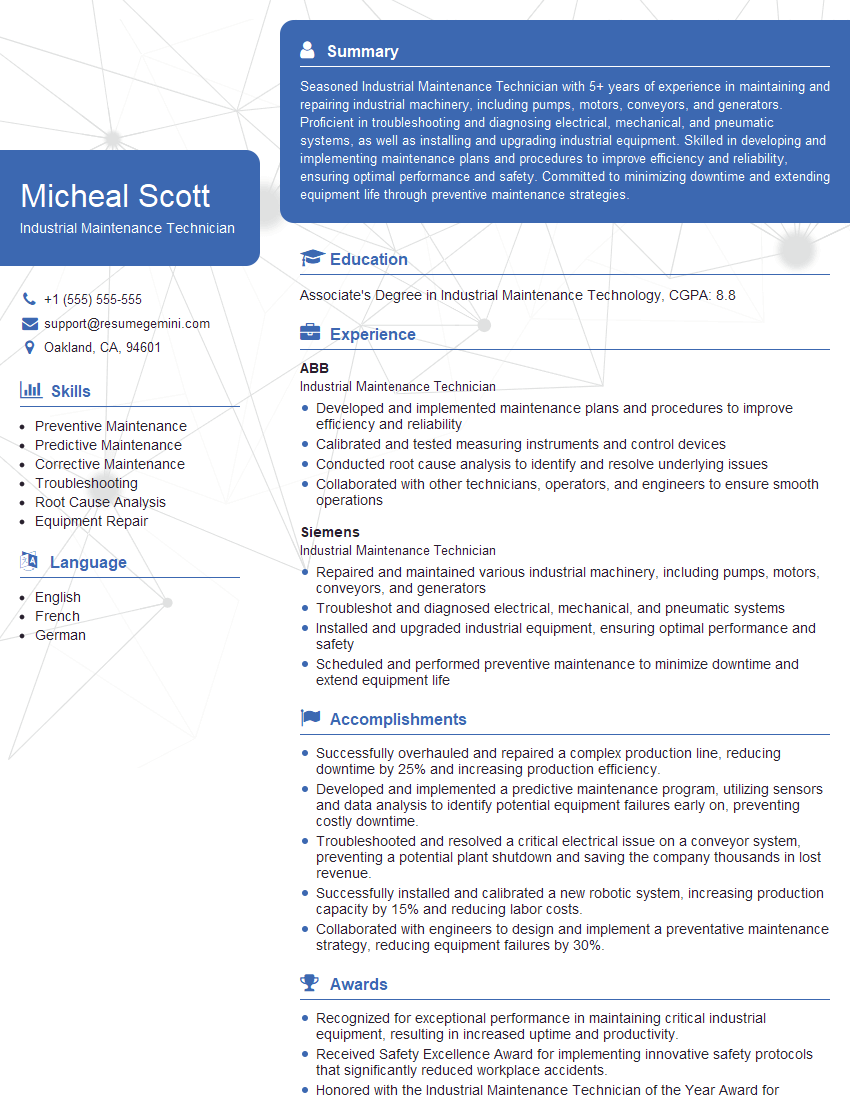
Industrial Maintenance Technician Resume Sample
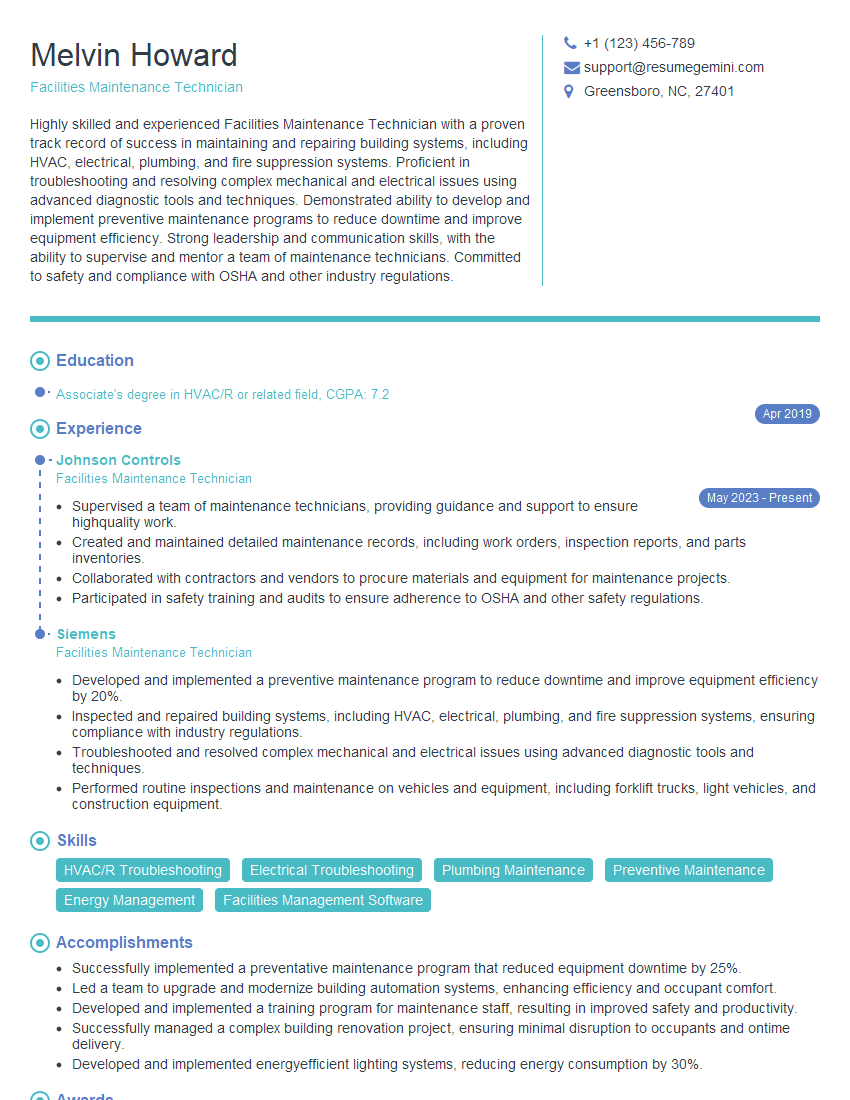
Facilities Maintenance Technician Resume Sample
- Maintenance Manager
- Maintenance Planner
- Maintenance Supervisor
- Reliability Engineer
- Maintenance Technician
- Maintenance Engineer
- Instrumentation Technician
- Field Service Technician
- Maintenance Mechanic
- Repair Technician
- Control Systems Technician
- Heavy Equipment Mechanic
- Millwright
- Industrial Maintenance Technician
- Facilities Maintenance Technician
Explore more articles
Users Rating of Our Blogs
Share Your Experience
We value your feedback! Please rate our content and share your thoughts (optional).
What Readers Say About Our Blog
To the interviewgemini.com Webmaster.
Very helpful and content specific questions to help prepare me for my interview!
Thank you
To the interviewgemini.com Webmaster.
This was kind of a unique content I found around the specialized skills. Very helpful questions and good detailed answers.
Very Helpful blog, thank you Interviewgemini team.