Interviews are more than just a Q&A session—they’re a chance to prove your worth. This blog dives into essential Outfeed Conveyor Operation interview questions and expert tips to help you align your answers with what hiring managers are looking for. Start preparing to shine!
Questions Asked in Outfeed Conveyor Operation Interview
Q 1. Describe your experience with different types of outfeed conveyors.
My experience encompasses a wide range of outfeed conveyors, from simple roller conveyors used in smaller-scale operations to complex automated systems incorporating belt conveyors, chain conveyors, and even specialized conveyors for handling fragile or oddly shaped products. I’ve worked with gravity-fed systems, powered roller conveyors utilizing individual drive motors or a central drive, and sophisticated systems with variable speed drives for precise control. For instance, in a previous role, we transitioned from a manual roller conveyor system to a motorized belt conveyor with integrated accumulation and diverting capabilities. This significantly improved throughput and reduced the risk of product damage. Another project involved designing a custom chain conveyor system to handle heavy, irregularly shaped castings, requiring careful consideration of chain type, track design, and load distribution.
- Roller Conveyors: Simple, cost-effective, gravity-fed or powered.
- Belt Conveyors: High-capacity, suitable for a wide range of products.
- Chain Conveyors: Ideal for heavy or awkwardly shaped items.
- Screw Conveyors: Used for transferring bulk materials.
Q 2. Explain the safety procedures you follow when operating an outfeed conveyor.
Safety is paramount in outfeed conveyor operation. My standard procedure always begins with a thorough pre-operational inspection, checking for any obstructions, loose parts, or signs of damage. I ensure all safety guards are in place and functioning correctly, and I verify the emergency stop system is responsive. Before starting the conveyor, I clear the area around it, ensuring no personnel are in the danger zone. During operation, I continuously monitor the conveyor for any irregularities. If any issues arise, I immediately shut down the system using the emergency stop and report the problem. Personal protective equipment (PPE), including safety glasses and gloves, is always worn. Regular safety training refreshers keep me updated on best practices and any modifications to procedures. Think of it like driving a car; regular maintenance checks, careful observation, and immediate response to potential problems are key to avoiding accidents.
Q 3. How do you troubleshoot common outfeed conveyor malfunctions?
Troubleshooting outfeed conveyor malfunctions requires a systematic approach. I start by identifying the specific problem: Is it a complete stoppage, reduced speed, unusual noise, or product jamming? Then I follow a logical sequence. For example, if the conveyor stops completely, I check for power supply issues, fuse failures, or tripped circuit breakers. If there’s a reduction in speed, I inspect the drive motor, belts, chains, and pulleys for wear and tear or misalignment. Product jamming is often tackled by identifying the cause of the blockage – improper product feeding, damaged product, or accumulation of debris. I use a combination of visual inspection, listening for unusual sounds, and checking sensor readings to diagnose the problem. Documentation and detailed records of past issues are crucial for effective troubleshooting.
- Visual Inspection: Check for loose parts, damage, obstructions.
- Power Supply Check: Verify power connections and fuses.
- Drive Mechanism Inspection: Examine motors, belts, chains, and pulleys.
- Sensor Check: Verify sensor readings and functions.
Q 4. What are the different types of sensors used in outfeed conveyor systems?
Outfeed conveyors utilize a variety of sensors for monitoring and control. Common types include:
- Photoelectric Sensors: Detect the presence or absence of products on the conveyor belt. These are often used for product counting or triggering other system actions.
- Inductive Proximity Sensors: Detect metallic objects without physical contact. They’re excellent for detecting metal jams or positioning sensors.
- Capacitive Proximity Sensors: Detect non-metallic objects. They can be used for product detection in situations where photoelectric sensors might be unsuitable.
- Ultrasonic Sensors: Measure distance and detect objects using sound waves. These are effective in detecting product level or distance to the end of the conveyor.
- Limit Switches: Simple mechanical switches used for detecting the position of conveyor components.
The choice of sensor depends on the specific application and the type of products being handled. For example, a system handling delicate glass products might use a photoelectric sensor to avoid contact, whereas a system handling metal parts might incorporate inductive proximity sensors for jam detection.
Q 5. How do you maintain the cleanliness and lubrication of an outfeed conveyor?
Maintaining cleanliness and lubrication is crucial for efficient and reliable conveyor operation. Regular cleaning removes debris and build-up that can interfere with product flow or damage components. I typically use compressed air and appropriate cleaning agents, ensuring that all areas are thoroughly cleaned and dried. Lubrication is equally important for reducing friction and wear on moving parts. I use manufacturer-recommended lubricants and follow the lubrication schedule provided in the machine’s operation manual. This often involves applying grease to bearings, chains, and other friction points at specified intervals. Careful attention to cleanliness and lubrication helps extend the lifespan of the equipment and reduces the risk of malfunctions.
Think of it like maintaining a car: regular cleaning prevents rust and dirt from accumulating, while regular lubrication keeps the moving parts running smoothly.
Q 6. What are the potential hazards associated with outfeed conveyor operation?
Outfeed conveyor operation presents several potential hazards, including:
- Pinch Points: Areas where moving parts can trap fingers or limbs. Proper guarding is crucial to mitigate this risk.
- Entanglement: Hair, clothing, or tools can become entangled in moving parts. PPE and proper training are essential.
- Falling Objects: Products can fall from the conveyor, causing injury. Conveyor design and safety guards can help prevent this.
- Electrical Hazards: Malfunctioning electrical components can pose a shock risk. Lockout/tagout procedures are vital during maintenance or repair.
- Noise Pollution: Prolonged exposure to high noise levels can cause hearing damage. Hearing protection should be provided.
Effective safety procedures, regular inspections, and proper training are key to minimizing these hazards.
Q 7. Describe your experience with PLC programming related to outfeed conveyors.
My experience with PLC programming related to outfeed conveyors includes designing and implementing control logic for various applications. I’m proficient in using ladder logic to control conveyor motor speeds, manage sensor inputs for product detection and jam detection, and implement safety interlocks. I’ve worked with various PLC brands, such as Allen-Bradley and Siemens, and am familiar with HMI programming for operator interfaces. For example, I developed a PLC program that controlled the speed of a belt conveyor based on the number of products detected by photoelectric sensors, ensuring optimal throughput and preventing jams. Another project involved implementing a safety system that automatically stops the conveyor if a guard is opened or if an emergency stop button is pressed. My programming skills allow for efficient integration of various sensors and actuators, creating a robust and reliable control system.
//Example Ladder Logic (Illustrative): //Input: Photoelectric sensor detecting product //Output: Conveyor motor start //If (Photoelectric Sensor = ON) Then (Conveyor Motor = ON)
Q 8. How do you ensure the proper alignment and tension of an outfeed conveyor belt?
Ensuring proper alignment and tension in an outfeed conveyor belt is crucial for efficient operation and preventing damage. Misalignment leads to uneven wear, reduced lifespan, and potential product damage, while incorrect tension can cause slippage, belt breakage, or component failure.
Alignment is checked using a straight edge or laser alignment tool, ensuring the belt tracking is centered within the rollers. Adjustments are made using tracking rollers or adjusting the conveyor frame itself. Think of it like keeping a car’s wheels aligned – if they’re off, you’ll experience uneven tire wear and poor handling.
Tension is adjusted using tensioning devices, typically a screw mechanism or hydraulic system. The correct tension is determined by the belt material, speed, and load, often using a tension gauge. Too much tension can strain the belt and bearings prematurely, while too little will lead to slippage and reduced throughput. We usually refer to manufacturer specifications and belt tension charts for optimal settings. Imagine a guitar string – if it’s too tight, it breaks; if it’s too loose, it doesn’t produce a clear sound.
Q 9. What are the key performance indicators (KPIs) you monitor for outfeed conveyors?
Key Performance Indicators (KPIs) for outfeed conveyors focus on efficiency, uptime, and product quality. We monitor several metrics, including:
- Throughput: The amount of product moved per unit of time (e.g., tons per hour).
- Downtime: The percentage of time the conveyor is not operational due to jams, maintenance, or other issues.
- Belt Speed: Maintaining the optimal speed for efficient operation and avoiding damage.
- Product Damage Rate: The number of products damaged during transport.
- Maintenance Cost: Tracking costs associated with repairs and preventative maintenance to optimize resource allocation.
- Power Consumption: Monitoring energy usage to identify areas for improvement and reduce operating costs.
Regularly tracking these KPIs allows us to identify potential problems early on, optimize performance, and minimize disruptions.
Q 10. How do you handle jams or blockages in an outfeed conveyor system?
Handling jams or blockages requires a systematic approach to ensure safety and minimize downtime. The first step is always to stop the conveyor to prevent further damage. Next, we assess the situation – is it a simple blockage or a more complex issue? Simple blockages, like a pile-up of products, can usually be cleared manually after stopping the system and ensuring safety. For more complex jams involving material entanglement, we may need to use specialized tools to carefully remove the obstruction. A critical step is identifying the root cause. For example, a recurring jam might indicate a problem with product feeding, belt misalignment, or damaged components needing maintenance. We document all incidents and implement corrective actions to prevent future occurrences. This involves everything from adjusting the product feed rate, addressing the root cause (e.g., faulty sensors, damaged rollers), or implementing a new procedure for handling the material.
Q 11. Explain your experience with preventative maintenance of outfeed conveyors.
Preventative maintenance is key to maximizing the lifespan and reliability of outfeed conveyors. Our routine maintenance includes:
- Regular Inspections: Visual inspections of the belt, rollers, bearings, motors, and other components to check for wear, damage, or misalignment.
- Lubrication: Regular lubrication of bearings and moving parts to reduce friction and extend their lifespan. We follow manufacturer recommendations for lubrication frequency and type.
- Belt Cleaning: Removing debris and build-up from the belt to prevent slippage, damage, and potential jams.
- Roller and Pulley Checks: Checking for wear and tear, replacing damaged rollers and pulleys as needed. Damaged or misaligned rollers can cause significant stress on the belt.
- Motor and Drive System Checks: Ensuring proper functionality of the motor, gearbox, and other drive components. We use vibration monitoring and thermal imaging to detect potential issues early.
We maintain detailed records of all maintenance activities, allowing us to track trends and predict potential failures. This proactive approach significantly reduces downtime and extends the lifespan of our equipment.
Q 12. How do you identify and report faulty components on an outfeed conveyor?
Identifying and reporting faulty components involves a combination of visual inspections, performance monitoring, and diagnostic tools. We use a standardized reporting system, often a digital work order system. Faulty components are identified through:
- Visual Inspections: Looking for signs of wear, damage, cracks, or other physical defects.
- Performance Monitoring: Monitoring KPIs like throughput, belt speed, and power consumption to detect unusual trends that could indicate a problem.
- Diagnostic Tools: Using vibration analyzers, thermal imagers, and other tools to pinpoint the location and severity of faults. For instance, high vibration in a motor bearing can indicate impending failure.
Once a faulty component is identified, a detailed report is generated, including the component’s location, the nature of the fault, and any potential safety hazards. This report facilitates efficient repair scheduling and ensures that the problem is addressed promptly and effectively. This ensures minimal disruption to the operation.
Q 13. Describe your experience with different types of conveyor belt materials.
My experience encompasses various conveyor belt materials, each chosen based on the application’s specific demands. The choice depends on factors like the material being conveyed, the operating environment (temperature, moisture), and the speed and load of the conveyor.
- PVC Belts: Generally used for lighter-duty applications, offering good abrasion resistance and flexibility. They’re a cost-effective option, suitable for environments without extreme temperature fluctuations.
- Rubber Belts: Offer excellent durability and abrasion resistance, suitable for heavy-duty applications and rough materials. They are often preferred for demanding environments and can be customized for specific needs.
- Fabric Belts: Typically made of woven materials, offering good tensile strength and flexibility. They’re frequently used in applications with high-speed or heavy loads.
- Steel Cable Belts: Used for very heavy-duty applications with high loads and challenging environments. Their strength and resilience make them ideal for extreme conditions.
Selecting the appropriate belt material is critical for optimizing conveyor performance, minimizing maintenance, and ensuring safe and efficient operation. We always prioritize selecting a material suitable for the specific application.
Q 14. How do you ensure the proper speed and capacity of an outfeed conveyor?
Ensuring proper speed and capacity requires a balance between efficient throughput and avoiding damage to the equipment and conveyed product. Speed is adjusted using variable frequency drives (VFDs) that control the motor speed. The optimal speed is determined by several factors, including the material’s properties, the belt’s capacity, and the overall system design. It’s crucial not to exceed the maximum rated speed of the components. Capacity is determined by the belt width, the material’s bulk density, and the conveyor’s inclination. Overloading the conveyor can lead to slippage, belt damage, or component failure, so we meticulously monitor the load to maintain optimum efficiency.
We often use simulation software or empirical data from previous projects to determine optimal speed and capacity. It is important to strike a balance between the need to increase production and the limitations of equipment and safety concerns.
Q 15. What are the different types of drives used for outfeed conveyors?
Outfeed conveyors utilize various drive systems, each suited to specific needs and throughput requirements. The choice depends on factors like load capacity, speed, and the overall system design.
- Belt Drives: These are common for heavier loads and higher speeds. A motor drives a pulley system connected to the conveyor belt. Think of a large, industrial-scale version of a treadmill. I’ve worked extensively with these, particularly in lumber mills where the heavy logs demand robust belt drive systems.
- Roller Chain Drives: Suitable for lighter loads and slower speeds, they offer a reliable and relatively low-maintenance option. The chain directly drives the rollers of the conveyor. I’ve used these in smaller packaging facilities where the goods being transported are lighter and more delicate.
- Direct Drive Motors: These motors are directly coupled to the conveyor shaft, eliminating the need for belts or chains. This enhances efficiency and reduces maintenance, however, they can be more expensive. These are beneficial in applications requiring precise control and speed adjustments, such as in automated assembly lines.
- Variable Frequency Drives (VFDs): While not a drive type itself, VFDs are frequently used to control the speed of electric motors driving the conveyors, enabling precise speed adjustments to meet varying production demands. In one project, implementing VFDs allowed us to optimize the outfeed conveyor speed in sync with the upstream production line, significantly improving overall efficiency.
Career Expert Tips:
- Ace those interviews! Prepare effectively by reviewing the Top 50 Most Common Interview Questions on ResumeGemini.
- Navigate your job search with confidence! Explore a wide range of Career Tips on ResumeGemini. Learn about common challenges and recommendations to overcome them.
- Craft the perfect resume! Master the Art of Resume Writing with ResumeGemini’s guide. Showcase your unique qualifications and achievements effectively.
- Don’t miss out on holiday savings! Build your dream resume with ResumeGemini’s ATS optimized templates.
Q 16. How do you handle emergency situations involving an outfeed conveyor?
Emergency situations with outfeed conveyors require immediate and decisive action to prevent injury and damage. My approach involves a structured response:
- Safety First: Immediately shut down the conveyor using the emergency stop button. This is paramount.
- Assess the Situation: Identify the cause of the emergency. Is there a jam? A malfunction? An injury?
- Secure the Area: Isolate the affected area to prevent further incidents. Use appropriate warning signs or barriers if necessary.
- Address the Immediate Problem: If it’s a jam, carefully clear it, following all safety protocols. If there’s a malfunction, do not attempt repairs unless you’re qualified to do so.
- Report and Document: Report the incident to the appropriate personnel and document the event, including the cause, actions taken, and any injuries or damage. This is crucial for preventing future incidents.
- Investigate and Prevent: Following the emergency, thoroughly investigate the root cause to determine if preventative measures can be implemented to prevent similar events. For example, regular maintenance inspections can often identify potential problems before they escalate.
Q 17. Describe your experience with conveyor system safety regulations and standards.
My experience encompasses a wide range of conveyor system safety regulations and standards, including OSHA (Occupational Safety and Health Administration) guidelines, ANSI (American National Standards Institute) standards, and any relevant industry-specific regulations. I’m proficient in implementing and ensuring compliance with lockout/tagout procedures, machine guarding requirements, and emergency stop systems. In my previous role, I led a safety audit resulting in the implementation of new emergency shutoff switches and improved machine guarding, which significantly decreased potential hazards. I am familiar with the necessity of regular inspections and maintenance to ensure ongoing compliance.
Q 18. Explain your experience with different types of conveyor controls (e.g., manual, automated).
I possess extensive experience with various conveyor control systems, ranging from simple manual controls to complex automated systems.
- Manual Controls: These involve using switches, buttons, and levers to control the conveyor’s start, stop, and speed. While basic, they’re essential for understanding the system’s operation.
- Programmable Logic Controllers (PLCs): I’ve extensively used PLCs to program and control automated conveyor systems. PLCs allow for sophisticated control sequences, integrating multiple conveyors and other equipment in a coordinated manner. For instance, in one project, I programmed a PLC to automatically adjust conveyor speed based on the number of items entering the system.
- Human-Machine Interfaces (HMIs): These provide a user-friendly interface for monitoring and controlling the conveyor system. I’m experienced with various HMI software and hardware, including configuring alarms and operator displays. This allows operators to oversee the process and make informed decisions.
- SCADA Systems: Supervisory Control and Data Acquisition (SCADA) systems allow for remote monitoring and control of large-scale conveyor networks. I’ve worked with SCADA systems to manage multiple outfeed conveyors across a plant, providing centralized control and real-time data monitoring.
Q 19. How do you interpret and respond to conveyor system alarms and error messages?
Conveyor system alarms and error messages are critical for identifying potential problems. My response follows a systematic approach:
- Identify the Alarm/Error: Carefully note the specific alarm or error message displayed on the HMI or control panel. Many systems provide detailed descriptions of the issue.
- Consult Documentation: Refer to the system’s manuals or documentation to understand the meaning of the alarm and its potential causes.
- Visual Inspection: Perform a thorough visual inspection of the conveyor system, focusing on the area indicated by the alarm. Look for jams, misalignments, or other obvious problems.
- Troubleshooting: Based on the alarm, documentation, and visual inspection, systematically troubleshoot the problem. This may involve checking sensors, motor operation, belt tension, etc.
- Corrective Action: Once the problem is identified, take the necessary corrective action, such as clearing a jam, tightening a belt, or replacing a faulty component. Always prioritize safety during this step.
- Documentation: Document the alarm, the troubleshooting steps, and the corrective actions taken. This is essential for maintaining a history of system issues.
Q 20. What is your experience with different types of conveyor rollers and their maintenance?
Conveyor rollers are critical components, and their type and maintenance significantly impact conveyor performance and lifespan. Different applications necessitate different roller types:
- Steel Rollers: Durable and cost-effective, often used for heavier loads. Regular lubrication is essential to prevent wear and tear. I’ve witnessed premature roller failure due to lack of lubrication.
- Polyurethane Rollers: Offer superior abrasion resistance and reduced noise levels, ideal for lighter loads and delicate products. They require less lubrication than steel rollers, but still benefit from periodic checks.
- Plastic Rollers: Lightweight and corrosion-resistant, frequently found in food processing or other environments requiring hygienic conditions. These are typically low-maintenance.
Maintenance involves regular inspections to check for wear, damage, or misalignment. Lubrication schedules vary depending on roller type and operating conditions. I’ve implemented preventative maintenance programs that significantly extended the life of our conveyor rollers, reducing downtime and repair costs. Early detection of wear and tear using visual inspections and periodic measurements prevents catastrophic failures.
Q 21. How do you perform a visual inspection of an outfeed conveyor?
A visual inspection of an outfeed conveyor is a crucial part of preventative maintenance. It involves a systematic check of all components for signs of wear, damage, or malfunction. My inspection procedure includes:
- Overall Condition: Observe the general condition of the conveyor, looking for any obvious damage, debris, or misalignments.
- Belt/Chain Condition: Check the belt or chain for tears, cracks, wear, or improper tracking. I look for signs of excessive wear around the pulleys or sprockets.
- Roller Condition: Inspect the rollers for damage, wear, or misalignment. I check for smooth rotation and ensure there’s proper spacing.
- Drive System: Examine the motor, belts, pulleys, chains, and sprockets for wear, damage, or loose connections. I check for signs of overheating or unusual noise.
- Sensors and Safety Devices: Check the condition and functionality of all sensors, emergency stops, and safety guards. I verify that these are properly functioning and unobstructed.
- Structural Integrity: Inspect the conveyor’s frame and support structure for any signs of damage, cracks, or instability.
- Cleanliness: Ensure that the conveyor area is clean and free of debris that could obstruct its operation.
I document all findings, including photos and descriptions, and create a report that identifies any necessary repairs or preventative maintenance tasks. This meticulous approach ensures early detection of potential problems and prevents unexpected downtime.
Q 22. What are the common causes of conveyor belt slippage?
Conveyor belt slippage is a common problem that reduces efficiency and can lead to safety hazards. Several factors contribute to this issue. Think of it like trying to walk on an icy surface – the less grip, the more likely you are to slip.
- Insufficient Belt Tension: A loose belt doesn’t grip the pulleys properly, leading to slippage. It’s like a guitar string that’s too slack – it won’t vibrate efficiently. Proper tension is crucial and needs regular checking.
- Worn or Damaged Belt: A belt with cuts, cracks, or significant wear will have reduced friction with the pulleys. This is like using a worn-out tire – it loses its grip on the road.
- Excessive Material Build-up: Material build-up on the belt or pulleys reduces the contact area and grip. Imagine trying to walk on a muddy surface – your feet lose traction.
- Improper Pulley Alignment: Misaligned pulleys cause uneven belt loading and increased slippage. It’s similar to trying to steer a car with misaligned wheels – you lose control.
- Lubricant Issues: Too much or too little lubricant on the bearings can affect the belt tension and pulley grip. Just like you need the right amount of oil in your car engine, conveyor systems need the right amount of lubrication.
- Spillage of Material: If material spills onto the floor around the conveyor, this can cause the belt to track poorly and potentially slip.
Addressing these causes involves regular inspections, preventive maintenance, and prompt repairs.
Q 23. How do you calculate the throughput capacity of an outfeed conveyor?
Calculating the throughput capacity of an outfeed conveyor involves considering several key factors. Imagine it’s like figuring out how many cars can pass a certain point on a highway per hour.
The basic formula is:
Throughput (units/hour) = Belt Speed (feet/minute) * Belt Width (feet) * Material Density (units/cubic foot) * 60 (minutes/hour)However, this is a simplified calculation. We must also account for:
- Actual Belt Speed: The theoretical speed might differ from the actual speed due to slippage or other factors.
- Material Characteristics: The density and flow properties of the material significantly affect throughput. For example, granular material will flow differently than larger, individual pieces.
- Belt Load Factor: It’s unlikely to have 100% capacity always. A practical load factor (e.g., 0.8 or 80%) needs to be considered.
- Downtime: Planned maintenance or unexpected breakdowns will reduce the overall throughput.
A more accurate calculation might involve using empirical data from previous runs or simulations based on specific material and conveyor characteristics. Experience is key here – I’ve often found using a load factor based on past performance to be more reliable than purely theoretical calculations.
Q 24. Explain your experience with different types of conveyor tracking systems.
I’ve worked with various conveyor tracking systems, each with its strengths and weaknesses. Think of these systems as the ‘steering wheel’ for your conveyor, guiding the belt and keeping it running straight.
- Mechanical Tracking Systems: These are simpler, often using rollers or guide rails. They are robust but can be less precise, especially with high-speed or heavy-duty applications. I’ve used these successfully in lower-throughput, less demanding environments.
- Hydraulic Tracking Systems: These offer more precise control and adjustability but are more complex and require regular maintenance. They’re preferred when accuracy and adaptability are crucial, such as in applications with varying material flows.
- Electronic Tracking Systems: These often use sensors and automated controls to maintain belt alignment. They offer the highest precision and can be integrated with other automation systems. I worked on a project that used an electronic system with a real-time feedback loop, allowing for dynamic adjustment based on belt conditions. This reduced downtime and improved precision significantly.
My experience spans a range of system types, allowing me to select the best option based on the specific application and operational requirements.
Q 25. How do you ensure the proper integration of an outfeed conveyor with other production equipment?
Proper integration of an outfeed conveyor with other production equipment is critical for efficient and safe operation. It’s like building a smooth pipeline, where the different stages seamlessly connect.
My approach involves:
- Understanding Upstream and Downstream Equipment: I start by carefully examining the capabilities and limitations of the connected equipment, like infeed hoppers, packaging machines, or storage systems.
- Defining Interfaces: This involves determining how the conveyor will interact with other systems, such as speed synchronization, signal communication, or material transfer points. Clear communication protocols and data exchange methods are crucial here.
- Designing for Material Flow: The conveyor needs to be appropriately sized and configured to handle the volume and characteristics of the material from the upstream equipment and to deliver it smoothly to the downstream equipment. This includes careful consideration of incline, decline and curves.
- Safety Considerations: Safety interlocks and guards must be implemented to prevent accidents during operation and maintenance. This is non-negotiable.
- Testing and Commissioning: Thorough testing and commissioning are vital to ensure the integrated system works as designed before full-scale operation. This includes load testing and verifying the safety mechanisms.
I’ve successfully integrated outfeed conveyors into complex production lines, leading to improved efficiency and reduced operational issues.
Q 26. Describe your experience with documenting conveyor maintenance and repairs.
Detailed and accurate documentation is essential for maintaining conveyor systems. It’s like keeping a comprehensive medical history – it’s invaluable for diagnosis and treatment.
My approach involves using a combination of:
- Maintenance Logs: These record routine inspections, lubrication, and cleaning activities. I use a digital system with easy searching and trend analysis to identify potential issues before they become major problems.
- Repair Reports: These document any repairs, including the nature of the fault, corrective actions, parts replaced, and time taken. I use detailed descriptions, including photos, whenever possible.
- Spare Parts Inventory: Maintaining a detailed inventory of spare parts helps ensure rapid repairs and minimizes downtime. I use a software system that tracks part numbers, quantities, and order history.
- Preventive Maintenance Schedules: These schedule routine maintenance tasks to prevent breakdowns and extend the life of the equipment. Scheduling is optimized to minimize disruption to production.
My meticulous documentation practices have significantly improved the reliability and lifespan of the conveyor systems I’ve managed.
Q 27. What is your experience with different types of conveyor safety guards and interlocks?
Conveyor safety is paramount, and appropriate guards and interlocks are vital. These act as safety nets, preventing accidents and protecting workers.
My experience includes working with:
- Fixed Guards: These provide physical barriers around moving parts. They are essential for preventing accidental contact with the belt or pulleys. I’ve specified and implemented guards in accordance with relevant safety standards.
- Interlocking Guards: These automatically stop the conveyor when a guard is opened. This prevents accidents during maintenance or repairs. Ensuring proper functioning of these is a key element of my safety checks.
- Light Curtains: These use light beams to detect intrusions into hazardous areas. They trigger immediate stop of the conveyor. I’ve installed these on high-speed conveyors to maximize safety and prevent worker injury.
- Emergency Stop Buttons: Strategically placed emergency stop buttons are vital for immediate shutdown in case of unexpected events. Regular testing and inspection of these are key aspects of my safety protocols.
My approach to safety is proactive, ensuring all systems are designed and operated in compliance with the highest safety standards.
Q 28. How do you stay updated on the latest technologies and best practices in outfeed conveyor operation?
Staying current in this field requires ongoing effort. It’s like a doctor always learning about new medical advancements – staying up-to-date is essential for providing the best service.
My strategies include:
- Industry Publications and Journals: I regularly read publications such as Conveyor World and similar resources to keep abreast of technological advancements.
- Conferences and Trade Shows: Attending industry events provides opportunities to learn from experts and see new technologies firsthand.
- Professional Organizations: Membership in relevant organizations offers access to training and networking opportunities.
- Manufacturer Training: I actively participate in training courses provided by conveyor manufacturers to learn about the latest features and maintenance procedures of specific equipment.
- Online Courses and Webinars: I utilize online platforms like Coursera and LinkedIn Learning to access relevant training materials and keep my skills sharp.
This continuous learning ensures that I am always at the forefront of best practices and technologies in outfeed conveyor operation.
Key Topics to Learn for Outfeed Conveyor Operation Interview
- Conveyor System Components: Understanding the different parts of an outfeed conveyor system, including belts, rollers, motors, sensors, and controls. Be prepared to discuss their individual functions and how they interact.
- Safety Procedures and Protocols: Demonstrate knowledge of safety regulations, lockout/tagout procedures, and personal protective equipment (PPE) relevant to outfeed conveyor operation and maintenance.
- Troubleshooting and Maintenance: Discuss common malfunctions, preventative maintenance tasks, and your approach to identifying and resolving problems in a conveyor system. Be ready to explain your problem-solving methodology.
- Production Optimization: Explain how you would monitor and improve the efficiency and throughput of the outfeed conveyor system. This could involve adjusting speed, addressing bottlenecks, or suggesting improvements to the system’s design.
- Material Handling Principles: Show your understanding of how different materials behave on conveyor belts and how to handle potential issues like jams, spills, or material degradation.
- Automation and Control Systems (if applicable): If the position involves automated systems, be prepared to discuss your understanding of Programmable Logic Controllers (PLCs), Human-Machine Interfaces (HMIs), and other automated control systems.
- Data Analysis and Reporting: Discuss your experience with collecting and analyzing data related to conveyor system performance (e.g., downtime, throughput, maintenance costs) and generating reports.
Next Steps
Mastering Outfeed Conveyor Operation opens doors to a rewarding career with excellent growth potential within the manufacturing and logistics industries. This specialized skillset is highly sought after, leading to increased job security and higher earning potential. To maximize your chances of landing your dream role, it’s crucial to present your skills and experience effectively. Creating an ATS-friendly resume is key to getting your application noticed by recruiters. We strongly encourage you to leverage ResumeGemini to build a professional and impactful resume that highlights your qualifications. ResumeGemini offers examples of resumes tailored to Outfeed Conveyor Operation, providing you with a valuable template to showcase your abilities.

Operations Manager Resume Sample
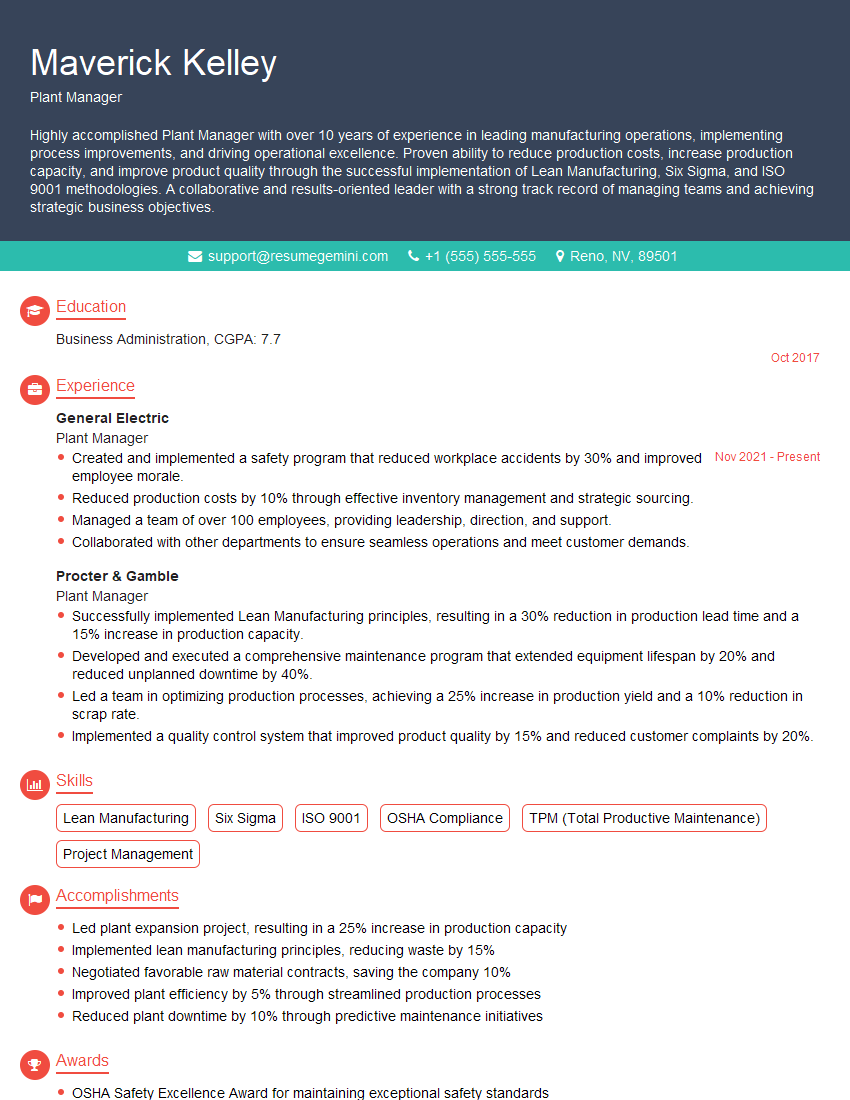
Plant Manager Resume Sample

Maintenance Supervisor Resume Sample

Production Supervisor Resume Sample

Logistics Supervisor Resume Sample

Electrical Technician Resume Sample

Robotics Technician Resume Sample

Manufacturing Technician Resume Sample

Process Technician Resume Sample
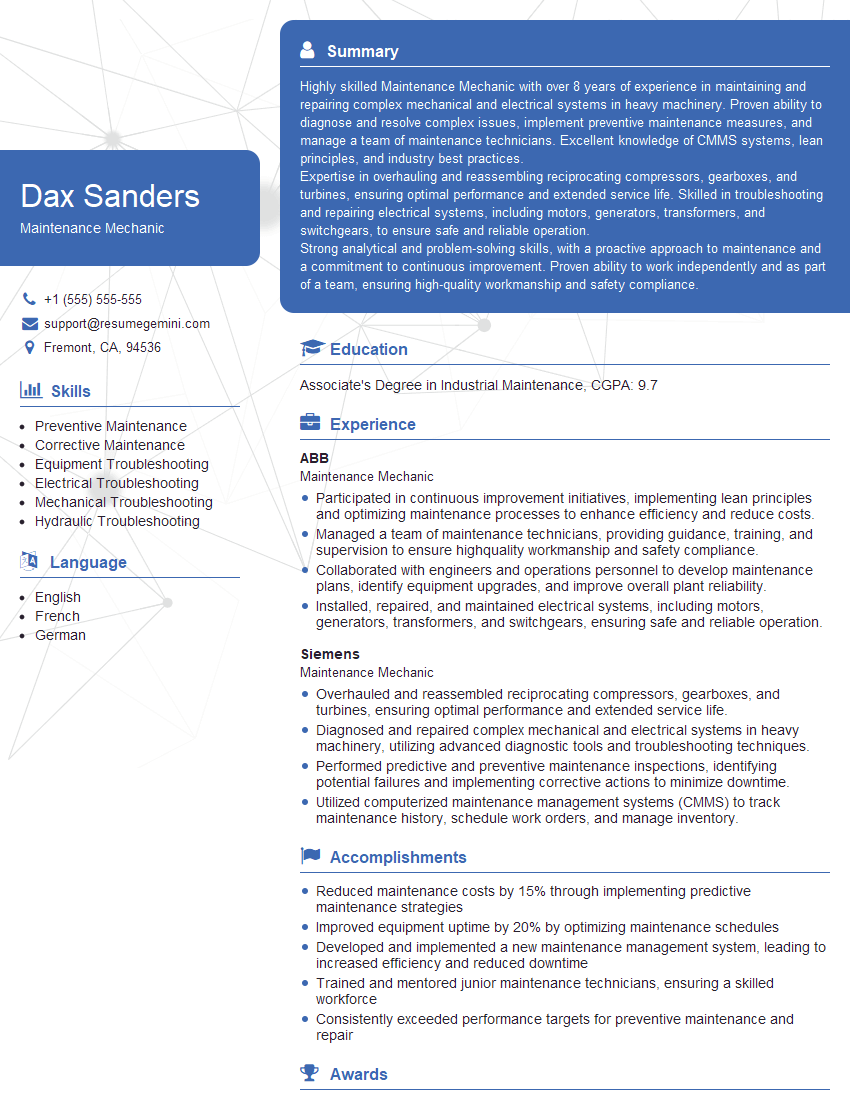
Maintenance Mechanic Resume Sample

Equipment Operator Resume Sample

Logistics Associate Resume Sample

Industrial Mechanic Resume Sample
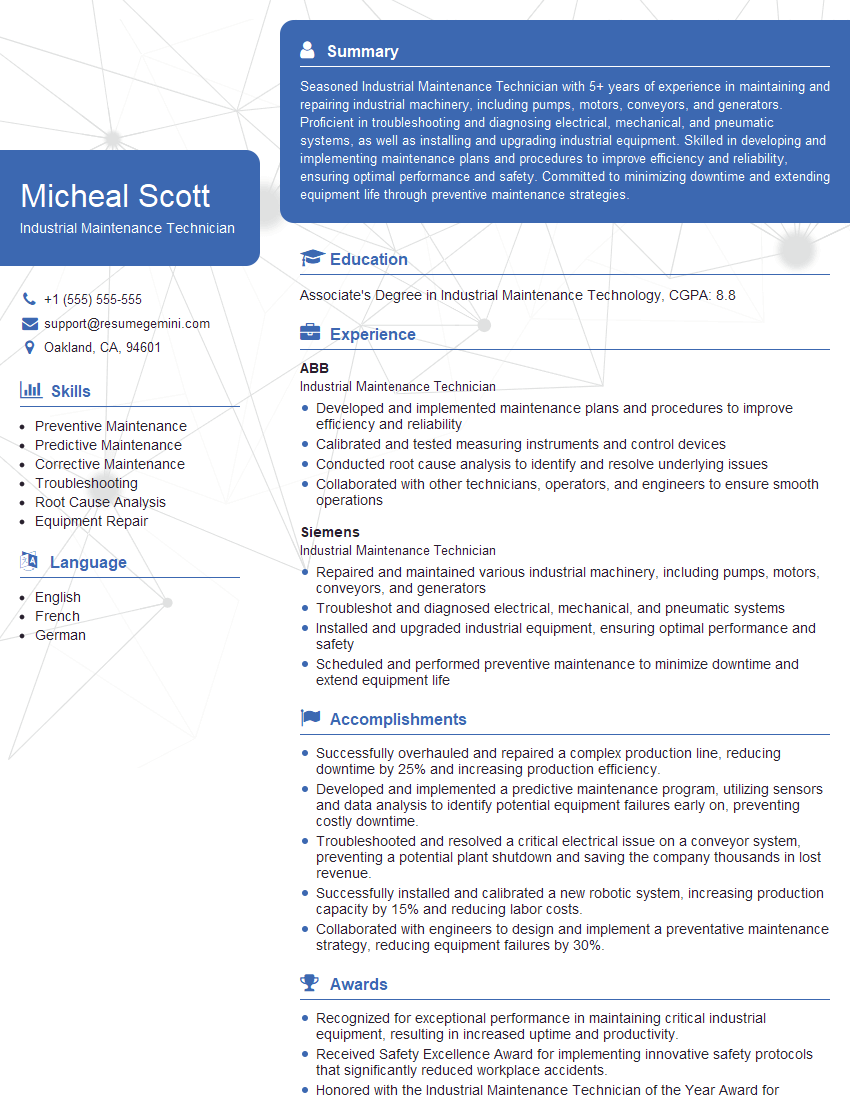
Industrial Maintenance Technician Resume Sample

Manufacturing Supervisor Resume Sample

Production Line Operator Resume Sample

Quality Control Inspector Resume Sample

Warehouse Associate Resume Sample
- Operations Manager
- Plant Manager
- Maintenance Supervisor
- Production Supervisor
- Logistics Supervisor
- Electrical Technician
- Robotics Technician
- Manufacturing Technician
- Process Technician
- Maintenance Mechanic
- Equipment Operator
- Logistics Associate
- Industrial Mechanic
- Industrial Maintenance Technician
- Manufacturing Supervisor
- Production Line Operator
- Quality Control Inspector
- Warehouse Associate
Explore more articles
Users Rating of Our Blogs
Share Your Experience
We value your feedback! Please rate our content and share your thoughts (optional).
What Readers Say About Our Blog
To the interviewgemini.com Webmaster.
Very helpful and content specific questions to help prepare me for my interview!
Thank you
To the interviewgemini.com Webmaster.
This was kind of a unique content I found around the specialized skills. Very helpful questions and good detailed answers.
Very Helpful blog, thank you Interviewgemini team.