Unlock your full potential by mastering the most common Pediatric Physical Therapy interview questions. This blog offers a deep dive into the critical topics, ensuring you’re not only prepared to answer but to excel. With these insights, you’ll approach your interview with clarity and confidence.
Questions Asked in Pediatric Physical Therapy Interview
Q 1. Describe your experience with assessing and treating developmental delays in children.
Assessing and treating developmental delays in children requires a holistic approach, combining standardized assessments with observational analysis and parent/caregiver input. My experience involves utilizing tools like the Bayley Scales of Infant and Toddler Development, the Peabody Developmental Motor Scales, and the Gross Motor Function Measure, depending on the child’s age and suspected areas of delay.
For instance, if a toddler exhibits significant delays in gross motor skills, such as difficulty walking or crawling, I would begin with a detailed observation of their movement patterns, noting posture, balance, and coordination. This is followed by formal assessments to quantify the delay. Treatment then focuses on individualized goals targeting areas of weakness, using playful activities like obstacle courses, ball play, and climbing to improve strength, balance, and coordination. We also work closely with parents and caregivers to integrate therapy into the child’s daily routine.
Progress is carefully monitored, and treatment plans are adjusted as needed. For example, if a child isn’t responding to one type of intervention, we may explore alternative approaches, such as sensory integration techniques, or refer them to other specialists like occupational therapists or speech therapists for a multidisciplinary approach.
Q 2. Explain your approach to working with children with cerebral palsy.
My approach to working with children with cerebral palsy (CP) centers around individualized, goal-oriented therapy focused on maximizing functional abilities and improving quality of life. CP presents with a wide range of motor impairments, so a thorough evaluation is crucial to identify specific challenges and strengths. This assessment would include muscle tone assessment, range of motion measurements, analysis of movement patterns, and functional assessments to determine the child’s abilities in daily tasks like eating, dressing, and mobility.
Treatment plans are developed collaboratively with the child, their family, and other healthcare providers. Interventions may include stretching and strengthening exercises, techniques to improve postural control and balance, gait training, and the use of assistive devices. For example, a child with spastic CP might benefit from serial casting to improve range of motion, while a child with ataxic CP might focus on activities improving coordination and balance. We prioritize activities that are functional and enjoyable, keeping the child engaged and motivated. Regular reassessments ensure the treatment plan remains effective and adaptable to the child’s evolving needs.
Q 3. How do you adapt treatment plans based on a child’s individual needs and developmental stage?
Adapting treatment plans is paramount in pediatric physical therapy. Each child is unique, and their developmental stage significantly impacts the approach. For example, a 6-month-old developing head control would have different goals than a 3-year-old learning to ride a tricycle.
I utilize a variety of techniques to personalize treatment. This starts with a thorough developmental history obtained from parents/caregivers. Then, I assess the child’s current functional abilities, cognitive capabilities, and communication skills. This helps determine appropriate methods, appropriate play activities, and communication strategies.
For a child with autism spectrum disorder, for example, I might incorporate visual supports and structured routines into therapy sessions, focusing on predictable activities that promote sensory regulation. Conversely, a child with Down syndrome might benefit from activities emphasizing muscle strengthening and improving postural control. The plan will always prioritize the child’s interests to maximize engagement and motivation. Regular communication and feedback from parents ensure the plan remains relevant and addresses the child’s changing needs.
Q 4. What are your preferred methods for assessing muscle tone and strength in infants?
Assessing muscle tone and strength in infants requires a gentle and observational approach. For muscle tone, I use techniques like passive range of motion testing, assessing for resistance or hypotonicity (low muscle tone) or hypertonicity (high muscle tone). I also observe the infant’s spontaneous movements, noting the ease or difficulty with which they move their limbs. The presence of primitive reflexes (like the Moro reflex or the grasp reflex) is also observed as they provide valuable information about neurological development.
Assessing strength in infants is more challenging than in older children, but I might observe their ability to lift their head, pull themselves to a sitting position, or bear weight on their legs during supported standing. I might use specific developmental milestones as a guide to compare against developmental norms. Tools like the Modified Ashworth Scale can provide a numerical measure of muscle tone, although its application in infants needs careful consideration, as it’s designed for older children and adults. Ultimately, a holistic and nuanced assessment of the infant’s movement, posture, and overall presentation is crucial.
Q 5. Describe your experience with using assistive devices and adaptive equipment for children.
My experience with assistive devices and adaptive equipment spans a wide range, from simple positioning aids to complex mobility devices. I work closely with occupational therapists, orthotists, and other specialists to ensure a coordinated approach. The selection and fitting of any device is carefully considered, always prioritizing the child’s comfort, safety, and functional needs.
For example, I’ve worked with children using adaptive strollers, wheelchairs, orthotics (like ankle-foot orthoses or braces), and specialized seating systems. The process involves assessing the child’s physical abilities and limitations, their environment (home, school), and their participation in various activities. I would then help select a device that optimizes the child’s independence, improves mobility and participation, and helps prevent contractures or deformities. Training is provided to both the child and their caregivers on proper use and maintenance of any device. Ongoing evaluation ensures the device remains appropriate and functional as the child grows and develops.
Q 6. How do you incorporate play into your physical therapy sessions?
Play is fundamental to my pediatric physical therapy sessions. It’s not just a fun addition; it’s the core of how we achieve therapeutic goals. Play-based therapy allows for natural movement and engagement. It masks the therapeutic intent making it easier to get the child to participate actively.
For example, instead of formal range-of-motion exercises, we might incorporate a game of throwing and catching a ball to improve shoulder range and upper body strength. Balance activities can be disguised as a fun game of walking a balance beam or stepping stones. To promote gross motor skills, we may use obstacle courses or play with tunnels and slides. Play allows us to target specific skills in a way that’s inherently motivating, allowing me to create engaging therapeutic opportunities that are well-received by the children.
Q 7. How do you communicate effectively with parents and caregivers regarding their child’s progress?
Effective communication with parents and caregivers is vital. I prioritize open and honest dialogue, explaining the child’s diagnosis and treatment plan in clear, understandable terms. I ensure that parents feel heard, their concerns addressed and participate actively in their child’s progress.
I use various communication methods, including regular progress reports, informal conversations, email updates, and educational materials. I often involve parents actively in therapy sessions, demonstrating exercises and providing ongoing guidance and support. Visual aids, such as photos or videos, can further enhance understanding and engagement. By fostering a strong parent-therapist relationship, we build a collaborative partnership that ensures the best possible outcomes for the child. Regular feedback sessions provide opportunities for adjusting the treatment plan based on the child’s progress and the family’s input.
Q 8. Explain your understanding of the developmental milestones for children from infancy to adolescence.
Developmental milestones are age-related achievements that children typically reach as they grow. These milestones provide a framework for assessing a child’s development across various domains, including gross motor skills (movement and posture), fine motor skills (hand-eye coordination), cognitive development (thinking and problem-solving), language development, and social-emotional development. Tracking these milestones helps identify potential delays or developmental concerns.
- Infancy (0-12 months): Expect milestones like head control, rolling over, sitting, crawling, pulling to stand, and eventually walking. Fine motor skills include reaching, grasping, and bringing objects to the mouth.
- Toddlerhood (1-3 years): This period focuses on refining gross motor skills like walking, running, jumping, and climbing stairs. Fine motor skills progress to scribbling, stacking blocks, and using utensils. Language development is rapid, with the ability to speak simple sentences.
- Preschool (3-5 years): Children continue to improve gross motor skills, participating in activities like riding a tricycle and hopping. Fine motor skills advance to drawing shapes, cutting with scissors, and buttoning clothes. Language skills become more complex, and social interaction skills develop significantly.
- School-age (6-12 years): Gross motor skills focus on refined movements like riding a bike, swimming, and playing team sports. Fine motor skills involve writing, drawing, and playing musical instruments. Cognitive development includes reading, writing, and problem-solving skills.
- Adolescence (13-18 years): Physical development involves puberty and the refinement of motor skills to a more adult-like level. This period emphasizes independence, peer relationships, and identity formation. Cognitive development continues to evolve with abstract thinking and complex problem-solving capabilities.
It’s crucial to remember that these are *typical* milestones; individual variations exist. A child might reach some milestones earlier or later than expected, and that doesn’t always indicate a problem. However, significant and consistent delays warrant further investigation and intervention.
Q 9. Describe your experience with working in a multidisciplinary team setting.
My experience working in multidisciplinary teams has been extensive and rewarding. I’ve collaborated closely with occupational therapists, speech-language pathologists, psychologists, educators, and physicians to provide holistic care for children with diverse needs. For example, in a case involving a child with cerebral palsy, I collaborated with an occupational therapist to address fine motor skill deficits, a speech-language pathologist to improve communication, and an educator to modify classroom activities. This collaborative approach ensures a coordinated and comprehensive treatment plan, maximizing outcomes and minimizing conflicting approaches.
Effective communication and shared decision-making are essential elements of successful multidisciplinary teamwork. Regular meetings, shared documentation systems, and a strong understanding of each team member’s expertise contribute to the overall success of our collective efforts. I value the diverse perspectives and the collective knowledge base that a multidisciplinary team brings to addressing a child’s unique challenges.
Q 10. How do you handle challenging behaviors exhibited by children during therapy sessions?
Handling challenging behaviors during therapy sessions requires a thoughtful and individualized approach. Understanding the underlying cause of the behavior is crucial. This might involve factors such as pain, sensory overload, frustration with a task, or communication difficulties. My approach involves:
- Establishing a safe and predictable environment: Creating a calming atmosphere can significantly reduce challenging behaviors.
- Positive reinforcement and encouragement: Focusing on successes and rewarding positive behaviors, rather than punishing negative ones, is much more effective in the long term.
- Modifying the activity or environment: If an activity is too challenging or overwhelming, adjusting it to make it more manageable can help. This could involve simplifying the task, reducing the duration, or changing the environment.
- Utilizing sensory strategies: For children with sensory sensitivities, implementing sensory strategies (e.g., weighted blankets, calming activities) can help regulate their sensory input and improve their ability to focus.
- Collaboration with parents/caregivers: Working closely with parents/caregivers to understand the child’s typical behaviors and triggers at home is essential for creating a consistent approach.
- Communication and patience: Maintaining clear and consistent communication with the child throughout the session helps create a trusting relationship.
In some cases, consultation with a psychologist or behavioral specialist may be necessary to address more complex behavioral issues.
Q 11. Describe a situation where you had to modify your treatment approach due to a child’s unexpected reaction.
During a session with a child diagnosed with autism, I was utilizing a specific visual schedule to guide him through the activities. However, he became extremely distressed when I introduced a new activity not listed on the schedule. This was unexpected because he typically followed the schedule very well. Instead of pushing forward, I immediately recognized his anxiety and modified the treatment approach. I removed the new activity and re-focused on activities already listed on his schedule, providing extra positive reinforcement and praise. This ensured his comfort and trust while reinforcing a positive therapeutic experience. We later explored the introduction of new activities more gradually using pre-emptive discussions and visual aids to prepare him.
This experience taught me the critical importance of flexibility and adaptability in pediatric physical therapy. The ability to recognize unexpected reactions, respond sensitively, and adjust the treatment plan accordingly is essential for building a therapeutic relationship based on trust and understanding.
Q 12. What is your experience with documentation and record-keeping in pediatric physical therapy?
Thorough and accurate documentation is paramount in pediatric physical therapy. It’s essential for tracking a child’s progress, communicating effectively with other healthcare professionals, and ensuring continuity of care. My experience includes utilizing electronic health records (EHRs) to document assessments, treatment plans, progress notes, and discharge summaries. This includes:
- Initial evaluations: Detailed assessments of the child’s motor skills, developmental history, and functional limitations.
- Treatment plans: Clearly defined goals, interventions, and expected outcomes.
- Progress notes: Regular updates documenting the child’s response to treatment, any modifications made to the treatment plan, and any challenges encountered.
- Discharge summaries: Comprehensive summaries of the child’s progress and recommendations for ongoing care.
I adhere to strict confidentiality guidelines and ensure all documentation is accurate, objective, and compliant with all relevant regulations. Effective documentation is not just a record-keeping process but a crucial tool for providing quality care and ensuring the best possible outcomes for my patients.
Q 13. Explain your knowledge of common pediatric diagnoses, such as Down syndrome and autism spectrum disorder.
I have extensive knowledge of common pediatric diagnoses, including Down syndrome and autism spectrum disorder.
- Down Syndrome: This genetic condition affects physical development, leading to hypotonia (low muscle tone), joint hyperlaxity, and potential delays in gross and fine motor skill development. Physical therapy interventions typically focus on improving muscle strength, postural control, and functional mobility. Specific techniques might include strengthening exercises, range of motion exercises, and adaptive equipment.
- Autism Spectrum Disorder (ASD): ASD is a neurodevelopmental disorder characterized by challenges with social interaction, communication, and repetitive behaviors. Physical therapy interventions for children with ASD often focus on improving motor skills, sensory processing, and participation in daily activities. Sensory integration techniques, adaptive play activities, and behavioral strategies are frequently employed. For instance, a child struggling with sensory sensitivity might benefit from weighted vests or deep pressure activities to enhance self-regulation.
For both conditions, a collaborative approach with other specialists is crucial to create a holistic treatment plan tailored to the child’s individual needs and strengths. The treatment plan should always be developed in partnership with the family to reflect their priorities and goals for their child.
Q 14. How familiar are you with different types of therapeutic exercises for pediatric populations?
I’m proficient in a wide range of therapeutic exercises for pediatric populations. The choice of exercises depends heavily on the individual child’s needs, diagnosis, and developmental stage. However, some common approaches include:
- Neurodevelopmental Treatment (NDT): This approach focuses on handling techniques to improve posture, movement patterns, and functional skills. It’s often used for children with cerebral palsy or other neurological conditions.
- Sensory Integration Therapy: This addresses sensory processing difficulties by providing carefully planned sensory experiences to improve self-regulation and participation in daily activities. Activities can include things like weighted vests, swings, or tactile activities.
- Developmental Activities: These are age-appropriate activities that promote gross motor skills, fine motor skills, and coordination (e.g., rolling, crawling, walking, jumping, catching, throwing, and hand-eye coordination).
- Therapeutic Exercise: This encompasses range-of-motion exercises, strengthening exercises, and endurance activities tailored to each child’s individual needs and goals. For example, strengthening exercises for a child with hypotonia, balance exercises for a child with poor balance, and range-of-motion exercises to maintain joint flexibility.
- Aquatic Therapy: The buoyancy and resistance properties of water can provide unique therapeutic benefits, allowing children to practice movements more easily and safely.
My approach is always individualized, prioritizing evidence-based practices, and ensuring a fun and engaging therapeutic environment. I regularly adapt and modify exercises to meet the changing needs of the children in my care. The ultimate aim is to maximize functional independence and improve the child’s overall quality of life.
Q 15. Describe your approach to educating parents and caregivers on home exercise programs.
Educating parents and caregivers about home exercise programs is crucial for successful pediatric physical therapy. My approach is highly individualized and emphasizes collaboration. I begin by thoroughly explaining the child’s diagnosis and the rationale behind each exercise in a way parents can easily understand, avoiding complex medical jargon. I then demonstrate each exercise, providing clear and concise instructions.
I create a written program with pictures or videos of the exercises, making it easy to follow at home. We discuss the frequency and duration of the exercises, ensuring it fits seamlessly into their daily routine. Regular follow-up calls or virtual sessions allow me to monitor progress, address any questions or concerns, and make necessary modifications to the program. For example, if a parent is struggling with a particular exercise, I might offer alternative techniques or provide additional resources, like links to videos or written instructions. The key is to empower parents to become active participants in their child’s therapy, making the process less daunting and more effective.
- Clear and concise explanations
- Visual aids (pictures, videos)
- Written program
- Regular follow-up and adjustments
Career Expert Tips:
- Ace those interviews! Prepare effectively by reviewing the Top 50 Most Common Interview Questions on ResumeGemini.
- Navigate your job search with confidence! Explore a wide range of Career Tips on ResumeGemini. Learn about common challenges and recommendations to overcome them.
- Craft the perfect resume! Master the Art of Resume Writing with ResumeGemini’s guide. Showcase your unique qualifications and achievements effectively.
- Don’t miss out on holiday savings! Build your dream resume with ResumeGemini’s ATS optimized templates.
Q 16. How do you ensure the safety and well-being of your pediatric patients during treatment?
Ensuring patient safety is paramount. I always prioritize a safe and comfortable environment, adapting the treatment space to suit the child’s age and abilities. Before initiating any treatment, I assess the child’s developmental stage, medical history, and any potential allergies or sensitivities. I meticulously explain each procedure to the child and parent to gain their trust and cooperation.
For example, with younger children, I incorporate play-based therapy to make the experience less intimidating. I use age-appropriate equipment and techniques, always closely monitoring the child’s responses. I maintain appropriate infection control measures, meticulously sanitizing equipment after each use. I also collaborate closely with the child’s physician and other healthcare professionals to ensure a coordinated approach to care. Risk management is an integral part of my practice; I document every session thoroughly, including any potential risks and the measures taken to mitigate them. Safety is not just a checklist, it’s a continuous, evolving process integrated into every aspect of my practice.
Q 17. What is your experience with early intervention programs?
I have extensive experience in early intervention programs, working with infants and toddlers from birth to age three. This involves providing individualized therapy to address developmental delays or disabilities as early as possible. My experience encompasses a wide range of diagnoses, including cerebral palsy, Down syndrome, and autism spectrum disorder.
In these programs, I utilize a family-centered approach, collaborating closely with parents, caregivers, and other professionals involved in the child’s care. We work together to develop goals that align with the child’s individual needs and family priorities. A typical session might involve activities that promote motor skill development, sensory integration, and communication skills. I assess progress regularly and make adjustments to the therapy plan as needed to maximize outcomes. The focus is on fostering the child’s developmental progress and maximizing their potential in the earliest stages of life. This often leads to better long-term outcomes than if treatment is delayed.
Q 18. Describe your experience with assessing and treating children with torticollis.
Torticollis, or wryneck, is a condition characterized by a tilted head and neck. My assessment involves a thorough evaluation of the child’s head position, range of motion, muscle tone, and overall development.
Treatment typically focuses on stretching the tight neck muscles and strengthening the weak ones. I utilize a variety of techniques, including gentle range-of-motion exercises, positional therapy (carefully positioning the baby to encourage head turning to the opposite side), and exercises to promote midline head control. I also educate parents on appropriate handling techniques and home exercises. In more severe cases, I might collaborate with other specialists like an orthopedist or neurosurgeon. Regular monitoring of progress and adjustments to the treatment plan are essential. Positive outcomes often involve improved head positioning, symmetry in neck muscle tone, and reduced risk of plagiocephaly (flat head syndrome). Successful treatment requires consistency and patience from both the therapist and the caregivers.
Q 19. How do you address feeding difficulties in infants with physical therapy interventions?
Feeding difficulties in infants can stem from various physical limitations. My approach involves a thorough assessment to identify underlying issues, such as low muscle tone, oral-motor weakness, or sensory sensitivities.
Interventions often incorporate techniques to improve oral-motor skills, such as strengthening exercises for the tongue, jaw, and lip muscles. We might also use sensory strategies to improve oral sensory awareness and reduce aversion to textures or tastes. Positioning strategies are crucial, ensuring the infant is correctly supported during feeding. Close collaboration with occupational therapists, speech-language pathologists, and lactation consultants is essential for a holistic approach. For example, we might work together to identify the most suitable feeding positions and techniques to optimize the infant’s ability to swallow and coordinate suck-swallow-breathe patterns. Progress is closely monitored, and adjustments to the plan are made to achieve optimal feeding efficiency and prevent aspiration.
Q 20. What is your experience with pediatric gait analysis and orthotic management?
Pediatric gait analysis plays a critical role in evaluating movement patterns and identifying underlying causes of gait deviations. My experience encompasses the use of advanced technologies like motion capture systems and force plates to obtain objective data. This data allows for a detailed analysis of joint angles, movement patterns, and muscle activation during walking.
This information guides the prescription and fabrication of orthotics, customized devices used to correct gait abnormalities or provide support. For example, children with cerebral palsy might benefit from ankle-foot orthoses (AFOs) to improve their walking efficiency and reduce muscle spasticity. My role includes collaborating with orthotists to design and fabricate appropriate devices, ensuring a proper fit and functionality. Post-orthotic intervention includes monitoring the child’s adaptation to the orthosis and making adjustments as needed. The goal is to optimize the child’s mobility, improve functional independence, and reduce the risk of secondary complications.
Q 21. Describe your experience with using biofeedback in pediatric physical therapy.
Biofeedback is a valuable tool in pediatric physical therapy, particularly for children who have difficulty understanding or controlling their muscles. It involves using electronic devices to provide real-time feedback on muscle activity.
For example, electromyography (EMG) biofeedback can be used to help children with cerebral palsy learn to relax their muscles or improve their ability to contract specific muscle groups. The feedback, often visual or auditory, helps children understand the relationship between their muscle activity and the desired movement. In my practice, I use biofeedback techniques to improve muscle control, increase range of motion, and enhance functional skills. The process is interactive and engaging, often incorporating games or other activities to maintain the child’s motivation and attention. Biofeedback is highly effective when combined with other therapeutic approaches and requires careful monitoring and adjustments throughout the treatment course.
Q 22. How do you handle situations where a child is not making expected progress?
When a child isn’t progressing as expected, my first step is a thorough reassessment. This involves reviewing the initial evaluation, observing the child’s performance during therapy sessions, and consulting with the family to understand any changes in their home environment or routines that might be impacting progress. I look for potential barriers: Is the treatment plan still appropriate? Are there underlying medical conditions affecting progress that weren’t initially identified? Are there environmental factors hindering their practice at home?
For example, a child with cerebral palsy might be plateauing in their gait training. A reassessment might reveal they are experiencing increased muscle tightness, requiring adjustment of stretching exercises or medication review with their physician. Alternatively, the home environment might lack the space for practicing walking, necessitating modifications to home exercises or exploring community resources for more appropriate practice settings. Based on the reassessment, I might modify the treatment plan, introduce new techniques, or consult with other specialists (such as an occupational therapist or physician) for a more holistic approach. Regular communication with the family is crucial throughout this process to ensure everyone is on the same page and to provide support and encouragement.
- Reassessment: Comprehensive reevaluation of the child’s abilities and progress.
- Plan Modification: Adjustment of the treatment plan based on new findings.
- Collaboration: Consultation with other specialists for a multidisciplinary approach.
- Family Communication: Maintaining open communication with the family for support and collaboration.
Q 23. What are your strategies for managing pain and discomfort in children during therapy?
Managing pain and discomfort in children during therapy requires a sensitive and child-centered approach. It starts with open communication – I talk to the child in a language they understand, explaining what I’m about to do and why. I validate their feelings, acknowledging that therapy can be challenging. Non-pharmacological pain management techniques are crucial, including using play-based activities to distract them, employing gentle, rhythmic movements, providing frequent breaks, and using positive reinforcement. For example, I might incorporate games or songs into stretching exercises to make the experience more enjoyable.
Sometimes, pharmacological pain management is necessary, but this is always done in collaboration with the child’s physician. We carefully consider the child’s age, medical history, and the nature of the pain before recommending any medication. The goal is always to minimize pain while maximizing therapeutic benefit, focusing on creating a safe and comfortable environment to promote effective therapy. I also emphasize education for the parents, empowering them with techniques they can use at home to manage their child’s pain and improve their comfort.
- Communication: Open and honest conversation with the child about therapy and pain management.
- Non-pharmacological techniques: Play, distraction, gentle movements, breaks, positive reinforcement.
- Pharmacological management (in consultation with physician): Medication to manage pain when necessary.
- Parent Education: Equipping parents with skills for managing their child’s pain at home.
Q 24. Describe your knowledge of different pediatric assessment tools and their application.
My knowledge encompasses a range of pediatric assessment tools, chosen based on the child’s age, developmental stage, and specific needs. For infants, I might use the Alberta Infant Motor Scale (AIMS) to assess gross motor development, or the Bayley Scales of Infant and Toddler Development to evaluate cognitive, language, and motor skills. For older children, the Pediatric Evaluation of Disability Inventory (PEDI) provides a comprehensive assessment of functional abilities across various domains. Other tools include the Gross Motor Function Measure (GMFM) for children with cerebral palsy, and the Functional Independence Measure for Children (WeeFIM) which assesses a child’s functional abilities in different life areas.
The selection of a tool is never arbitrary. It depends on the child’s specific needs and the clinical question I’m trying to answer. The data from these assessments forms the basis for creating an individualized treatment plan that targets their specific weaknesses and enhances their strengths. I also consider qualitative data beyond the scores from standardized assessments, observing their movement patterns, interactions, and reactions during play to gain a holistic picture of their abilities. This ensures a personalized therapy approach, tailoring the treatment to the unique needs of each child.
- AIMS (Alberta Infant Motor Scale): Assesses gross motor development in infants.
- Bayley Scales: Evaluates cognitive, language, and motor skills in infants and toddlers.
- PEDI (Pediatric Evaluation of Disability Inventory): Assesses functional abilities.
- GMFM (Gross Motor Function Measure): Specific for children with cerebral palsy.
- WeeFIM (Functional Independence Measure for Children): Assesses functional abilities in various life areas.
Q 25. How do you incorporate family-centered care into your practice?
Family-centered care is the cornerstone of my practice. I believe that the family is the child’s primary support system, and their involvement is essential for successful therapy outcomes. I actively engage family members in all aspects of the treatment process, from the initial assessment to goal setting and discharge planning. This includes collaboratively setting realistic and meaningful goals with the family, incorporating their priorities and preferences into the treatment plan. For example, if the family’s primary goal is to improve the child’s participation in school activities, the treatment plan will focus on skills relevant to that context.
I make a conscious effort to understand the family’s cultural background, beliefs, and values. Open communication and clear explanations, tailored to their understanding, ensure the family understands the child’s progress, upcoming sessions, and home exercise programs. I empower families by teaching them techniques they can use at home to support their child’s progress. This collaborative approach fosters a strong therapeutic alliance, resulting in better outcomes and a more positive experience for the whole family.
- Collaboration in Goal Setting: Family involvement in defining meaningful treatment goals.
- Cultural Sensitivity: Respecting and understanding family cultural background and values.
- Education and Empowerment: Teaching families home exercises and support strategies.
- Open Communication: Maintaining regular communication and feedback throughout the treatment process.
Q 26. What is your understanding of the ethical considerations in pediatric physical therapy?
Ethical considerations are paramount in pediatric physical therapy. Maintaining confidentiality is essential, ensuring that all information shared by the family or obtained during assessment is kept private and only shared with relevant healthcare professionals with the family’s informed consent. I adhere strictly to professional guidelines and regulations, always prioritizing the child’s best interests. This means avoiding conflicts of interest, maintaining professional boundaries, and ensuring informed consent from parents/guardians before initiating any treatment.
Another key ethical consideration is cultural competency. Providing culturally sensitive care requires understanding the family’s beliefs and values, ensuring that our interactions and treatment approaches are respectful and appropriate. I always strive to ensure equitable access to quality care, regardless of the family’s socioeconomic background or other demographic factors. Finally, I continually engage in professional development to stay updated on the latest ethical guidelines and best practices in the field.
- Confidentiality: Protecting the privacy of the child and family.
- Informed Consent: Obtaining consent from parents/guardians before initiating treatment.
- Cultural Competency: Providing culturally sensitive and respectful care.
- Equitable Access: Ensuring equal access to quality care for all children.
- Professional Development: Staying updated on ethical guidelines and best practices.
Q 27. Describe your experience with using technology in pediatric physical therapy (e.g., virtual reality, telehealth).
Technology has revolutionized pediatric physical therapy, and I’ve integrated several technological tools into my practice. Telehealth has been particularly useful, allowing me to provide remote consultations and therapy sessions, particularly beneficial for families in rural areas or those with transportation challenges. Virtual reality (VR) offers engaging and interactive therapy experiences, making exercises more fun and motivating for children. For instance, a child might practice balance exercises in a VR environment that simulates walking on a balance beam or navigating an obstacle course.
I also use various apps and software to track a child’s progress, document therapy sessions, and communicate with families. These technologies facilitate efficient documentation, enhance communication with other healthcare providers, and provide valuable data for treatment planning and reassessment. The choice of technology always depends on the individual child’s needs and the specific therapeutic goals. I carefully consider the accessibility and usability of technology for the child and their family.
- Telehealth: Providing remote consultations and therapy sessions.
- Virtual Reality (VR): Enhancing engagement and motivation during therapy.
- Progress Tracking Apps/Software: Efficient documentation and progress monitoring.
- Communication Platforms: Secure platforms for communication with families and other healthcare providers.
Q 28. What are your professional development goals related to pediatric physical therapy?
My professional development goals focus on staying at the forefront of advancements in pediatric physical therapy. I aim to enhance my skills in using technology for therapeutic interventions, specifically exploring the potential of artificial intelligence in personalized treatment planning. I also plan to deepen my expertise in specific areas such as neurodevelopmental therapy for children with cerebral palsy or autism spectrum disorder.
I am particularly interested in research exploring innovative approaches to pain management in children and in the long-term effects of early interventions. I plan to actively participate in professional conferences, workshops, and continuing education courses to stay updated with the latest research findings and best practices. Collaboration with other professionals across disciplines is another key area for my professional growth, aiming to contribute to a more holistic approach to the care of children with physical challenges.
- Technology Integration: Enhancing skills in using AI and other technologies for personalized treatment.
- Specialized Training: Developing expertise in specific areas such as neurodevelopmental therapy.
- Research Engagement: Participating in research related to pain management and early intervention.
- Collaboration: Enhancing collaboration with professionals across various disciplines.
Key Topics to Learn for Pediatric Physical Therapy Interview
- Developmental Milestones: Understanding typical and atypical development across various age groups (infancy, toddlerhood, preschool, school-age). This includes motor skill acquisition, cognitive development, and social-emotional growth.
- Neurodevelopmental Conditions: Practical application of assessment and intervention strategies for conditions like Cerebral Palsy, Autism Spectrum Disorder, Down Syndrome, and other neurological impairments. This includes understanding the specific challenges presented by each condition and adapting therapeutic approaches accordingly.
- Therapeutic Interventions: Explore various treatment approaches including motor learning principles, play-based therapy, sensory integration, and adaptive equipment. Be prepared to discuss your experience and preference for specific techniques and how you tailor them to individual patient needs.
- Assessment Tools and Techniques: Familiarity with standardized assessments (e.g., Gross Motor Function Measure, Peabody Developmental Motor Scales) and observational skills to accurately evaluate a child’s functional abilities and limitations.
- Family-Centered Care: Understanding the importance of involving parents and caregivers in the treatment process, collaborative goal setting, and effective communication strategies.
- Ethical Considerations: Discuss ethical dilemmas in pediatric physical therapy, including informed consent, confidentiality, and appropriate referral practices.
- Case Management and Documentation: Demonstrate your ability to manage a caseload effectively, including accurate documentation, progress reporting, and communication with other healthcare professionals.
- Professional Development: Showcase your commitment to continuous learning and staying updated on the latest research and best practices in pediatric physical therapy.
Next Steps
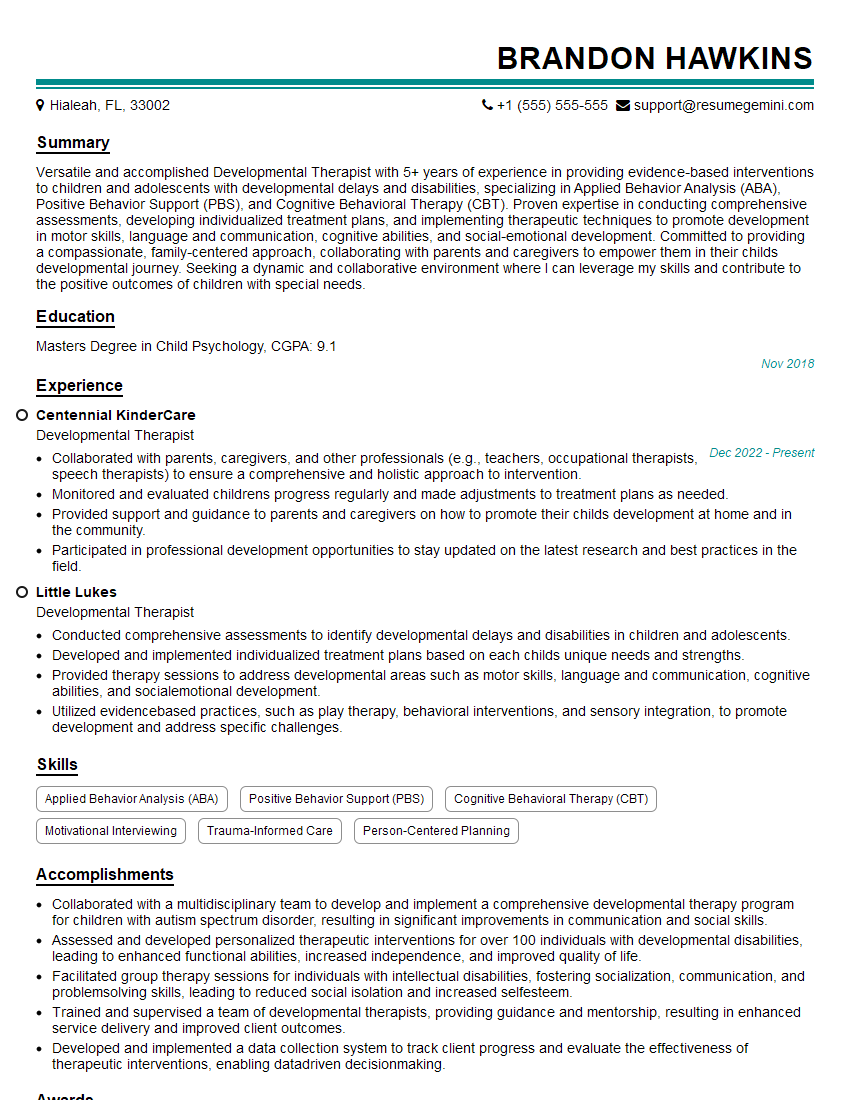
Mastering pediatric physical therapy opens doors to a fulfilling and impactful career, allowing you to make a tangible difference in the lives of children and their families. To maximize your job prospects, a strong, ATS-friendly resume is crucial. ResumeGemini is a trusted resource that can help you craft a professional and compelling resume that highlights your skills and experience. ResumeGemini provides examples of resumes tailored to Pediatric Physical Therapy, ensuring your application stands out from the competition. Take the next step towards your dream career by utilizing ResumeGemini’s resources today.
Explore more articles
Users Rating of Our Blogs
Share Your Experience
We value your feedback! Please rate our content and share your thoughts (optional).
What Readers Say About Our Blog
To the interviewgemini.com Webmaster.
Very helpful and content specific questions to help prepare me for my interview!
Thank you
To the interviewgemini.com Webmaster.
This was kind of a unique content I found around the specialized skills. Very helpful questions and good detailed answers.
Very Helpful blog, thank you Interviewgemini team.