Interviews are opportunities to demonstrate your expertise, and this guide is here to help you shine. Explore the essential Natural Resources Law and Policy interview questions that employers frequently ask, paired with strategies for crafting responses that set you apart from the competition.
Questions Asked in Natural Resources Law and Policy Interview
Q 1. Explain the National Environmental Policy Act (NEPA) and its significance.
The National Environmental Policy Act (NEPA) of 1969 is a landmark US environmental law that established a national policy for the environment. Its core function is to ensure that federal agencies consider the environmental impacts of their proposed actions before making decisions. Think of it as a built-in environmental checklist for any significant federal project.
NEPA’s significance lies in its requirement for Environmental Impact Statements (EISs). An EIS is a comprehensive document that analyzes the potential environmental consequences of a proposed action, including its effects on air and water quality, wildlife, and human communities. This forces agencies to consider alternatives and mitigation strategies, promoting a more holistic and environmentally conscious approach to decision-making.
For example, the construction of a new highway would require an EIS under NEPA. The EIS would analyze the potential impacts on local ecosystems, air quality, traffic patterns, and noise levels. Based on this analysis, the agency might choose a different route, adopt mitigation measures (like noise barriers), or even decide not to proceed with the project altogether.
Q 2. Describe the Clean Water Act and its implications for water resource management.
The Clean Water Act (CWA) of 1972 is a federal law designed to restore and maintain the chemical, physical, and biological integrity of the nation’s waters. It aims to achieve this by regulating pollutants discharged into water bodies and by protecting wetlands. Imagine it as a comprehensive water quality protection plan for the entire country.
The CWA has profound implications for water resource management. It sets water quality standards, regulates point source pollution (discharges from specific locations like factories), and establishes a permitting system for various activities that might affect water quality. It also addresses non-point source pollution (like runoff from agricultural fields) through best management practices and other strategies.
For example, a factory wishing to discharge wastewater into a river must obtain a permit under the CWA, demonstrating that their discharge meets specific water quality standards. The CWA has been instrumental in improving water quality across the US, though significant challenges remain in tackling non-point source pollution and addressing legacy contamination.
Q 3. What are the key differences between surface and subsurface water rights?
The key difference between surface and subsurface water rights hinges on the source of the water. Surface water rights pertain to water in rivers, lakes, streams, and other surface water bodies. Subsurface water rights, on the other hand, relate to groundwater – water located beneath the earth’s surface in aquifers.
Surface water rights are typically allocated on a prior appropriation doctrine (first in time, first in right) or a riparian doctrine (water rights are tied to land ownership along the water body). Subsurface water rights are more complex and vary by state. Some states use a prior appropriation system for groundwater as well, while others employ the rule of capture (allowing landowners to pump as much groundwater as they can from beneath their land). This can lead to conflicts, particularly in areas with over-extraction of groundwater.
Imagine a farmer relying on a river for irrigation (surface water). Their right to use that water might be established by a permit or established historical usage. Meanwhile, a nearby homeowner extracting water from a well (subsurface water) might face less stringent regulations or different legal frameworks depending on their state’s laws.
Q 4. Discuss the Endangered Species Act and its impact on land development projects.
The Endangered Species Act (ESA) of 1973 provides a legal framework for the conservation of endangered and threatened species in the US. It mandates the identification and protection of critical habitats for these species, placing a significant constraint on land development projects.
The ESA’s impact on land development is considerable. Before commencing a project, developers must determine whether their project will affect any listed species or their critical habitats. If it does, a biological assessment or an environmental impact statement may be required. The US Fish and Wildlife Service or the National Marine Fisheries Service can require mitigation measures, such as habitat restoration or the creation of wildlife corridors, or even halt the project entirely if it poses an unacceptable threat to the species’ survival.
For example, a proposed housing development near a habitat for an endangered bird species might need to incorporate measures like setting aside a portion of the land for habitat preservation or modifying construction schedules to minimize disturbances during the bird’s breeding season. Failure to comply with the ESA can result in significant legal penalties and project delays.
Q 5. Explain the concept of environmental justice.
Environmental justice is the fair treatment and meaningful involvement of all people regardless of race, color, national origin, or income, with respect to the development, implementation, and enforcement of environmental laws, regulations, and policies.
In essence, it recognizes that environmental burdens – like pollution and hazardous waste sites – are often disproportionately borne by marginalized communities. Environmental justice advocates work to ensure that these communities are not subjected to unequal exposure to environmental hazards and have equal access to environmental benefits.
For instance, the siting of a landfill or a polluting factory in a low-income, predominantly minority neighborhood would be a violation of environmental justice principles. Advocates work to challenge such decisions, promoting equitable distribution of environmental benefits and burdens across all communities.
Q 6. How does climate change impact natural resource management?
Climate change significantly impacts natural resource management by altering the availability and quality of resources. Rising temperatures, changing precipitation patterns, and increased frequency of extreme weather events all have cascading effects.
For example, water scarcity becomes more pronounced in drought-prone regions, impacting agriculture, hydropower generation, and aquatic ecosystems. Rising sea levels threaten coastal communities and wetlands. Changes in temperature and precipitation patterns can affect forest health and increase the risk of wildfires. Melting glaciers and ice caps contribute to sea-level rise and freshwater shortages.
Effective natural resource management in the face of climate change requires proactive adaptation strategies, such as developing drought-resistant crops, restoring degraded ecosystems, and implementing water conservation measures. It also demands mitigation efforts to reduce greenhouse gas emissions and slow the pace of climate change.
Q 7. Describe the process of conducting an Environmental Impact Assessment (EIA).
An Environmental Impact Assessment (EIA) is a process of evaluating the likely environmental impacts of a proposed project or development. It’s a systematic and comprehensive evaluation to identify potential impacts and propose mitigation strategies.
The EIA process typically involves several key steps:
- Scoping: Identifying the potential impacts and determining the scope of the assessment.
- Baseline Studies: Gathering data on the existing environment to establish a benchmark for comparison.
- Impact Prediction: Analyzing the potential impacts of the project on various environmental components (air, water, biodiversity, etc.).
- Mitigation Measures: Developing strategies to reduce or eliminate negative impacts.
- Impact Assessment Report: Preparing a comprehensive report detailing the findings and recommendations.
- Public Consultation: Providing opportunities for stakeholders to review and comment on the EIA report.
- Decision-Making: Regulatory bodies review the EIA report and decide whether to approve the project, based on its potential environmental impacts and the proposed mitigation measures.
Think of an EIA as a detailed environmental risk assessment for a project. By anticipating and addressing potential environmental problems upfront, the EIA aims to ensure a more sustainable and environmentally responsible outcome.
Q 8. What are the different types of environmental permits and licenses?
Environmental permits and licenses are legal authorizations required before undertaking activities that may impact the environment. The specific types vary by jurisdiction and the nature of the activity, but some common examples include:
- Air quality permits: These regulate emissions from industrial sources, power plants, and other facilities that release pollutants into the atmosphere. For instance, a cement factory would require a permit detailing acceptable emission levels of particulate matter and other gases.
- Water discharge permits: These control the release of wastewater and other effluents into water bodies. A manufacturing plant discharging treated wastewater into a river needs a permit specifying limits on pollutants like heavy metals and organic compounds. The permit would often include monitoring requirements.
- Waste management permits: These govern the handling, storage, treatment, and disposal of hazardous and non-hazardous waste. A landfill would require a permit outlining its design, operation, and closure plans, ensuring proper containment of waste and prevention of environmental contamination.
- Mining permits: These authorize the extraction of minerals, covering aspects like reclamation plans, water use, and environmental monitoring during and after mining operations. Different permits may be needed for exploration, development, and production stages.
- Forestry permits: These allow logging, timber harvesting, and other forestry activities, typically specifying sustainable harvesting practices and reforestation requirements. These permits often incorporate measures to protect endangered species and maintain forest biodiversity.
The process of obtaining these permits often involves submitting detailed applications, undergoing environmental impact assessments, and demonstrating compliance with relevant regulations.
Q 9. Explain the concept of sustainable development.
Sustainable development is the ability to meet the needs of the present without compromising the ability of future generations to meet their own needs. It’s a balancing act between economic growth, social equity, and environmental protection. Think of it like baking a cake: you need the right amount of each ingredient (economic prosperity, social justice, and environmental sustainability) to create a delicious (sustainable) outcome.
The core principles often include:
- Intergenerational equity: Ensuring future generations have access to the same resources and opportunities as the present generation.
- Intra-generational equity: Fair distribution of resources and opportunities within the current generation, addressing issues of social justice and economic inequality.
- Precautionary principle: Taking preventative measures to avoid potentially harmful environmental impacts, even in the absence of complete scientific certainty.
- Polluter pays principle: Holding those responsible for environmental damage accountable for the costs of remediation and restoration.
Applying sustainable development requires integrated approaches to policy-making, incorporating environmental considerations into economic and social decision-making. For example, investing in renewable energy sources reduces reliance on fossil fuels, mitigating climate change while creating jobs and promoting economic growth.
Q 10. What are the major challenges in managing renewable energy resources?
Managing renewable energy resources presents several challenges:
- Intermittency: Sources like solar and wind power are dependent on weather conditions, leading to fluctuating energy production. This requires efficient energy storage solutions (like batteries) or grid management strategies to ensure reliable power supply.
- Land use and habitat impacts: Large-scale renewable energy projects, such as solar farms or wind turbines, can require significant land areas, potentially impacting wildlife habitats and ecosystems. Careful site selection and mitigation measures are crucial.
- Environmental impacts of manufacturing and disposal: The production of renewable energy technologies, like solar panels, involves resource extraction and manufacturing processes with potential environmental impacts. End-of-life management and recycling of these technologies are critical to minimizing their environmental footprint.
- Transmission and distribution infrastructure: Integrating renewable energy sources into the existing electricity grid requires upgrading transmission and distribution networks, which can be costly and complex. This includes managing grid stability issues from the intermittent nature of renewable generation.
- Resource availability and geographical limitations: The distribution of renewable resources is uneven. Some regions may be better suited for solar power, while others are more advantageous for wind power or hydropower. This necessitates regional planning and integrated energy strategies.
Addressing these challenges requires technological innovation, improved policy frameworks, and collaborative efforts across sectors to ensure the sustainable development and deployment of renewable energy.
Q 11. Discuss the role of indigenous rights in natural resource management.
Indigenous rights are fundamentally linked to natural resource management because indigenous peoples often have historical and ongoing connections to the land and its resources. Their traditional knowledge, practices, and customary laws often offer valuable insights into sustainable resource management. Ignoring their rights leads to social injustices and can undermine conservation efforts.
Key aspects include:
- Free, prior, and informed consent (FPIC): Indigenous communities must give their free, prior, and informed consent before any projects affecting their lands or resources are undertaken.
- Recognition of traditional knowledge: Indigenous knowledge systems regarding resource management should be integrated into policy and decision-making processes.
- Benefit-sharing: Indigenous communities should receive equitable benefits from the utilization of resources within their territories.
- Land and resource rights: Secure and legally recognized land and resource rights are essential for indigenous communities to exercise their self-determination and manage their resources sustainably.
For example, involving indigenous communities in forest management can lead to better conservation outcomes through sustainable harvesting practices that respect their traditional knowledge and livelihoods.
Q 12. How do you assess the economic viability of a natural resource project?
Assessing the economic viability of a natural resource project involves a comprehensive evaluation of its costs and benefits over its lifespan. This requires a multi-faceted approach:
- Resource assessment: Determining the quantity and quality of the resource available, along with the estimated extraction costs.
- Market analysis: Analyzing market demand, price fluctuations, and potential revenue streams generated from the extracted resource.
- Cost estimation: Calculating all project costs, including exploration, development, extraction, processing, transportation, and environmental mitigation.
- Financial modeling: Creating financial models to project cash flows, profitability, and return on investment (ROI) over the project’s lifetime. Discounted cash flow (DCF) analysis is commonly used.
- Risk assessment: Identifying and quantifying potential risks, such as price volatility, regulatory changes, technological failures, and environmental liabilities.
- Sensitivity analysis: Testing the project’s sensitivity to changes in key variables, such as resource price, operating costs, and regulatory requirements.
This process helps determine whether the project is financially sound, meets investor expectations, and contributes to economic development in a responsible way. The results should be transparent and made available to all stakeholders.
Q 13. Explain the principles of environmental remediation.
Environmental remediation involves the removal or reduction of pollutants from contaminated sites to restore the environment to a safe and usable condition. The principles guiding remediation include:
- Contaminant identification and characterization: Determining the types, concentrations, and distribution of pollutants in the soil, water, or air.
- Risk assessment: Evaluating the potential risks posed by the contaminants to human health and the environment.
- Remediation goal setting: Establishing specific, measurable, achievable, relevant, and time-bound (SMART) goals for the remediation process.
- Remediation technology selection: Choosing appropriate remediation techniques based on the type and extent of contamination, site conditions, and cost-effectiveness. Options include bioremediation (using microorganisms to break down pollutants), phytoremediation (using plants to remove or stabilize contaminants), excavation and disposal, and thermal desorption.
- Remediation implementation and monitoring: Implementing the chosen remediation techniques and closely monitoring their effectiveness through regular sampling and analysis.
- Long-term monitoring: Continuing to monitor the site after remediation to ensure the effectiveness of the cleanup and prevent future contamination.
Example: A site contaminated with petroleum hydrocarbons might undergo bioremediation, where microorganisms are introduced to break down the hydrocarbons, followed by long-term monitoring of soil and groundwater quality.
Q 14. Describe the various methods used for water quality monitoring.
Water quality monitoring involves the systematic collection and analysis of water samples to assess its chemical, physical, and biological properties. Methods vary depending on the objectives and resources available:
- Physical parameters: Measurements include temperature, pH, turbidity (cloudiness), conductivity (ability to conduct electricity), and dissolved oxygen levels. These are often measured in situ using portable instruments.
- Chemical parameters: Analysis focuses on the presence and concentration of various substances like nutrients (nitrogen and phosphorus), heavy metals (lead, mercury, etc.), pesticides, and organic compounds. Lab analysis is typically required.
- Biological parameters: Assessment includes the identification and quantification of aquatic organisms (plankton, macroinvertebrates, fish), providing insights into the health of the ecosystem. Sampling and microscopic examination are commonly used.
- Microbiological parameters: Detection and quantification of bacteria, viruses, and other microorganisms that can indicate fecal contamination or other health risks. Lab-based culturing techniques are used.
- Remote sensing: Satellite imagery and aerial photography can provide large-scale assessments of water quality parameters, such as turbidity and chlorophyll concentration (indicating algal blooms).
Monitoring data is crucial for identifying pollution sources, tracking trends in water quality, and informing management decisions aimed at protecting water resources. Regular monitoring, following established protocols, is crucial for ensuring data accuracy and reliability.
Q 15. What are the legal frameworks for managing oil and gas resources?
Managing oil and gas resources involves a complex interplay of national and international legal frameworks. At the national level, governments establish regulatory agencies responsible for licensing, leasing, and overseeing exploration and production activities. These agencies typically define acceptable environmental practices, royalty rates, and safety standards. For instance, in the United States, the Bureau of Ocean Energy Management (BOEM) regulates offshore oil and gas operations, while state-level agencies handle onshore activities. These agencies often employ a system of permits and environmental impact assessments to minimize the environmental footprint of extraction.
Internationally, treaties and conventions play a crucial role, especially in addressing transboundary issues. For instance, the United Nations Convention on the Law of the Sea (UNCLOS) governs the exploitation of resources in international waters, setting out principles for equitable sharing and environmental protection. Agreements between neighboring countries also frequently address shared resources, outlining joint management strategies to prevent conflicts and promote sustainability. The specifics vary greatly depending on the legal tradition and geological context of the region in question, often involving complex negotiations and compromises.
Career Expert Tips:
- Ace those interviews! Prepare effectively by reviewing the Top 50 Most Common Interview Questions on ResumeGemini.
- Navigate your job search with confidence! Explore a wide range of Career Tips on ResumeGemini. Learn about common challenges and recommendations to overcome them.
- Craft the perfect resume! Master the Art of Resume Writing with ResumeGemini’s guide. Showcase your unique qualifications and achievements effectively.
- Don’t miss out on holiday savings! Build your dream resume with ResumeGemini’s ATS optimized templates.
Q 16. How do you balance environmental protection with economic development?
Balancing environmental protection with economic development is arguably the central challenge in natural resource management. It requires a carefully planned approach that considers both short-term economic gains and long-term environmental sustainability. A common strategy is to adopt a precautionary principle, prioritizing environmental protection when uncertainty exists. This means carefully assessing potential risks and implementing measures to mitigate them, even if the exact consequences are unknown.
Examples of this balance include implementing stricter emission limits for oil refineries or mandating habitat restoration in areas affected by mining, even though these measures impose costs on businesses. Economic instruments, such as carbon taxes or emissions trading schemes, can also incentivize environmentally friendly practices while raising revenue for investments in renewable energy sources. Ultimately, finding the right balance often involves engaging in robust stakeholder consultations and incorporating environmental considerations into project appraisals. This might involve using cost-benefit analyses which include the environmental impacts, either qualitatively or quantitatively, expressed for instance in terms of monetized ecosystem services.
Q 17. Explain the concept of ecosystem services.
Ecosystem services are the myriad of benefits that humans derive from the natural environment. These services are not explicitly traded in markets but are nonetheless crucial for human well-being. They can be broadly categorized into supporting, provisioning, regulating, and cultural services.
- Supporting services: These are the fundamental processes that underpin all other ecosystem services, such as nutrient cycling, soil formation, and primary production.
- Provisioning services: These are the tangible goods obtained from ecosystems, including food, timber, freshwater, and medicinal plants.
- Regulating services: These are the benefits obtained from the regulation of ecosystem processes, such as climate regulation, water purification, and disease control.
- Cultural services: These are the non-material benefits people obtain from ecosystems, including recreation, aesthetic appreciation, and spiritual enrichment.
For example, a healthy forest provides clean water (regulating service), timber (provisioning service), and recreational opportunities (cultural service), all while supporting biodiversity (supporting service). Understanding and valuing these services is crucial for effective natural resource management, as it helps highlight the economic and social costs of environmental degradation.
Q 18. What are the challenges of managing transboundary water resources?
Managing transboundary water resources presents unique challenges due to their shared nature. Conflicts can easily arise when upstream users deplete resources or pollute water bodies, impacting downstream users. These conflicts are often exacerbated by a lack of clear legal frameworks, inadequate information sharing, and differing priorities amongst stakeholders.
Successful management requires international cooperation. This involves negotiating agreements that allocate water fairly, establish pollution standards, and promote joint monitoring and data sharing. The Nile River Basin, for example, has a long history of strained relations between riparian states due to water allocation. Similar complexities exist in many other river basins worldwide. Effective management relies on building trust, fostering communication, and developing mechanisms for dispute resolution and conflict management.
Q 19. Discuss the importance of biodiversity conservation.
Biodiversity conservation is paramount for maintaining healthy ecosystems and ensuring human well-being. Biodiversity, encompassing the variety of life on Earth at all its levels, underpins ecosystem services and provides resilience against environmental change. Loss of biodiversity can lead to decreased productivity, reduced resilience to pests and diseases, and increased vulnerability to natural disasters.
Conservation efforts involve a range of strategies, including establishing protected areas, implementing sustainable resource management practices, and tackling the drivers of biodiversity loss such as habitat destruction, climate change, and pollution. The Convention on Biological Diversity (CBD) provides an international framework for these efforts. The economic value of biodiversity is often overlooked, but it is crucial to incorporate this perspective in conservation planning to demonstrate the benefits to stakeholders beyond the intrinsic value of nature.
Q 20. Explain the role of international agreements in environmental protection.
International agreements play a vital role in environmental protection by establishing common standards, promoting cooperation, and facilitating knowledge sharing. They range from broad, overarching treaties to more specific agreements addressing particular environmental issues. The Paris Agreement on climate change, for example, sets global goals for greenhouse gas emissions reduction. The Montreal Protocol on substances that deplete the ozone layer is another example, successfully phasing out ozone-depleting substances.
These agreements often require signatory countries to implement national policies and regulations to meet their obligations. International organizations, such as the United Nations Environment Programme (UNEP), play an important role in monitoring compliance, providing technical assistance, and fostering collaboration. While not always legally binding, international agreements set a benchmark for good environmental governance and can shape national policies toward greater environmental responsibility.
Q 21. How do you evaluate the effectiveness of environmental regulations?
Evaluating the effectiveness of environmental regulations is a complex process requiring a multifaceted approach. It involves assessing whether the regulations are achieving their intended goals, such as reducing pollution or protecting biodiversity. This assessment should encompass multiple perspectives, going beyond simply measuring compliance levels.
Key indicators might include changes in pollution levels, improvements in ecosystem health, or shifts in stakeholder behavior. Methods can range from quantitative data analysis (e.g., comparing pollution levels before and after regulation implementation) to qualitative assessments (e.g., conducting stakeholder surveys to gauge perceptions of effectiveness). A robust evaluation should also consider factors such as the cost-effectiveness of the regulations and their impact on social equity. A thorough analysis uses multiple methods and data sources to provide a comprehensive picture, ideally comparing actual outcomes with the predicted or intended outcomes based on initial assessments and modelling. Regular review and adaptation of regulations based on such evaluations are essential for maintaining their effectiveness and relevance over time.
Q 22. Describe your experience with environmental litigation.
My experience in environmental litigation spans over 10 years, encompassing a wide range of cases involving water rights disputes, endangered species protection, and violations of the Clean Water Act. I’ve worked on both plaintiff and defendant sides, representing clients ranging from environmental NGOs to large corporations in the resource extraction industry. A particularly memorable case involved a challenge to a proposed mining operation near a sensitive wetland ecosystem. My role included conducting extensive due diligence, analyzing environmental impact assessments, preparing legal briefs, and participating in settlement negotiations. This case highlighted the importance of understanding not only the legal frameworks, but also the complex ecological interactions at play. Another significant experience involved representing a community impacted by industrial pollution, where I had to balance the need for environmental remediation with the economic realities faced by the affected community. Success in environmental litigation often hinges on a deep understanding of both the science and the law, demanding a thorough and strategic approach.
Q 23. What is your understanding of the precautionary principle?
The precautionary principle is a guiding philosophy that suggests where there are threats of serious or irreversible damage, lack of full scientific certainty shall not be used as a reason for postponing cost-effective measures to prevent environmental degradation. It’s essentially a risk-management approach that prioritizes prevention over cure. Imagine a scenario where a new chemical is proposed for widespread use, but there’s some uncertainty about its long-term effects on human health. The precautionary principle would argue for restricting its use or conducting further, more extensive research before widespread adoption, even if the scientific evidence isn’t conclusive. This is because the potential consequences of being wrong (irreversible environmental damage or health problems) outweigh the potential costs of taking preventive measures. This principle is not about halting all progress, but rather about making informed decisions in the face of uncertainty. It has been increasingly adopted in international environmental law and policy.
Q 24. How do you handle conflicting stakeholder interests in natural resource management?
Handling conflicting stakeholder interests in natural resource management requires a multifaceted approach that prioritizes communication, collaboration, and transparent decision-making. It’s like conducting an orchestra where different instruments (stakeholders) must play together harmoniously. I typically start by identifying all key stakeholders – this could include local communities, indigenous groups, industries, government agencies, and environmental organizations. Then, I facilitate open dialogues to understand each stakeholder’s perspective, concerns, and interests. This often involves workshops, public forums, and individual meetings. Next, I work to identify common ground and areas of compromise. This may involve developing collaborative management plans, employing mediation techniques, and utilizing participatory decision-making processes. Sometimes, it means helping stakeholders articulate their needs and desires in quantifiable terms that can be factored into a cost-benefit analysis. Finally, monitoring and evaluation of the chosen management strategy are crucial to ensure its effectiveness and fairness to all parties. Building trust and ensuring transparency are key throughout the entire process.
Q 25. Describe your experience with GIS and spatial data analysis in natural resource management.
My experience with Geographic Information Systems (GIS) and spatial data analysis in natural resource management is extensive. I’ve used GIS to map and analyze various environmental datasets, including land use changes, biodiversity patterns, water quality data, and deforestation rates. For example, in one project, I used GIS to model the potential impact of a proposed dam on downstream water resources. This involved overlaying spatial data on river flow, elevation, and land cover to assess potential changes in water availability and habitat suitability. I’m proficient in software like ArcGIS and QGIS, and I have experience using remote sensing data (satellite imagery) for land cover classification and change detection. Spatial data analysis allows for a more comprehensive and nuanced understanding of resource distribution, environmental impacts, and the effectiveness of conservation efforts. It is essential for making data-driven decisions in natural resource management.
Q 26. How familiar are you with different natural resource valuation techniques?
I’m familiar with a range of natural resource valuation techniques, which are crucial for informing resource management decisions. These techniques go beyond simply assigning monetary value; they also help quantify the ecological and social importance of resources. Common methods include market-based approaches (e.g., valuing timber based on market prices), revealed preference methods (e.g., hedonic pricing of properties near parks), and stated preference methods (e.g., contingent valuation surveys to assess willingness to pay for ecosystem services). I understand the limitations of each approach and the importance of selecting the most appropriate method based on the specific resource and the available data. For instance, valuing biodiversity requires considering both its intrinsic value and its instrumental value (e.g., ecosystem services such as pollination or carbon sequestration). The choice of valuation technique significantly impacts the outcome of policy decisions, making it crucial to select and apply the methods carefully.
Q 27. Explain the concept of carbon sequestration and its relevance to climate change mitigation.
Carbon sequestration is the process by which carbon dioxide (CO2) is removed from the atmosphere and stored in a long-term reservoir, such as forests, soil, or the ocean. It’s hugely relevant to climate change mitigation because it offers a natural way to reduce the concentration of greenhouse gases, thereby slowing down global warming. Forests, for instance, act as significant carbon sinks, absorbing CO2 during photosynthesis. Protecting and restoring forests is thus a key strategy for carbon sequestration. Similarly, healthy soils can store significant amounts of carbon. Sustainable agricultural practices can enhance soil carbon sequestration. Ocean ecosystems also play a crucial role. The relevance to climate change mitigation lies in the fact that increased carbon sequestration can offset anthropogenic CO2 emissions, helping to achieve climate goals. However, it’s important to remember that sequestration is not a silver bullet; it needs to be coupled with substantial reductions in greenhouse gas emissions to effectively combat climate change.
Q 28. What are your thoughts on the future of natural resource management in the context of globalization?
Globalization presents both challenges and opportunities for natural resource management. On one hand, increased trade and economic interconnectedness can lead to greater pressure on resources, increased transboundary pollution, and unsustainable exploitation. Consider the global demand for rare earth minerals, which can lead to environmental damage in the countries where they are mined if not managed properly. On the other hand, globalization facilitates international cooperation, knowledge sharing, and the development of global environmental standards. The rise of international agreements like the Paris Agreement demonstrates this collaborative potential. The future of natural resource management in a globalized world hinges on strengthening international cooperation, developing robust regulatory frameworks, incorporating sustainability principles into global trade agreements, and promoting responsible resource consumption patterns. This involves fostering a global mindset that recognizes the interconnectedness of environmental challenges and the need for collective action to ensure the sustainable management of our planet’s resources for future generations.
Key Topics to Learn for Natural Resources Law and Policy Interview
- Water Rights and Management: Understanding riparian rights, appropriative rights, and the legal frameworks governing water allocation and use. Consider the practical application of these principles in different contexts, such as agricultural irrigation or hydropower development.
- Environmental Impact Assessment (EIA): Mastering the process of conducting and reviewing EIAs, including identifying potential environmental impacts, mitigation strategies, and legal compliance. Be prepared to discuss case studies demonstrating successful (or unsuccessful) EIA processes.
- Protected Areas and Conservation Law: Explore the legal basis for establishing and managing national parks, wildlife refuges, and other protected areas. Analyze the complexities of balancing conservation goals with economic development and human needs.
- Energy Law and Policy: Understand the legal and regulatory landscape surrounding renewable and non-renewable energy sources. Discuss the interplay between energy development, environmental protection, and land use planning.
- Climate Change and Natural Resources: Grasp the legal and policy responses to climate change, including carbon pricing mechanisms, emissions regulations, and adaptation strategies. Explore the challenges of integrating climate considerations into natural resource management decisions.
- Mining Law and Regulation: Familiarize yourself with the permitting process, environmental regulations, and reclamation requirements related to mining activities. Be prepared to discuss issues surrounding mine safety and the remediation of abandoned mine sites.
- International Environmental Law: Understand key international agreements and treaties related to biodiversity conservation, transboundary water management, and climate change. Consider the role of international cooperation in addressing global environmental challenges.
- Indigenous Rights and Natural Resource Management: Explore the legal frameworks that protect the rights of Indigenous peoples to their traditional territories and resources. Discuss the importance of free, prior, and informed consent (FPIC) in natural resource development projects.
- Natural Resource Economics and Policy: Understand the economic principles underlying natural resource management, including concepts such as cost-benefit analysis, market-based instruments, and sustainable development.
Next Steps
Mastering Natural Resources Law and Policy is crucial for a successful and impactful career, allowing you to contribute to vital environmental protection and sustainable resource management. To significantly enhance your job prospects, create a compelling and ATS-friendly resume that showcases your skills and experience effectively. ResumeGemini is a trusted resource to help you build a professional resume tailored to the specific requirements of the Natural Resources Law and Policy field. Examples of resumes tailored to this field are available to guide you, ensuring your application stands out from the competition.
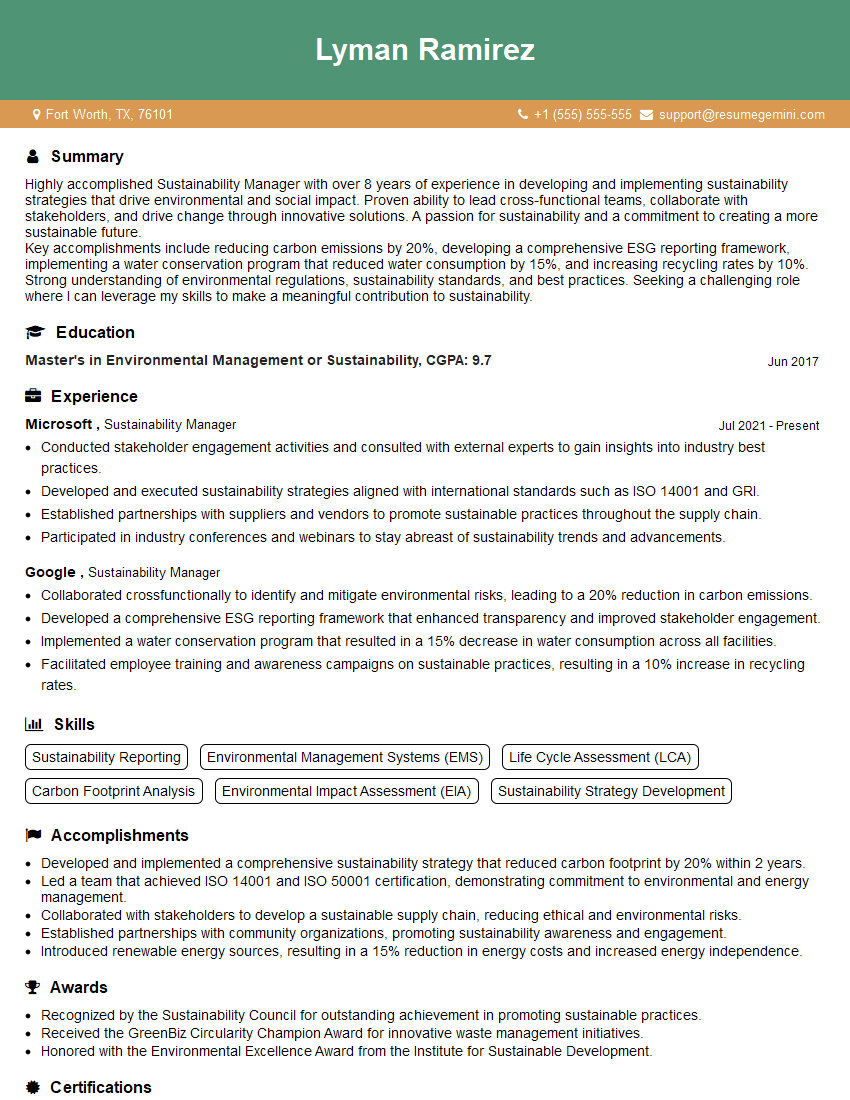
Sustainability Manager Resume Sample
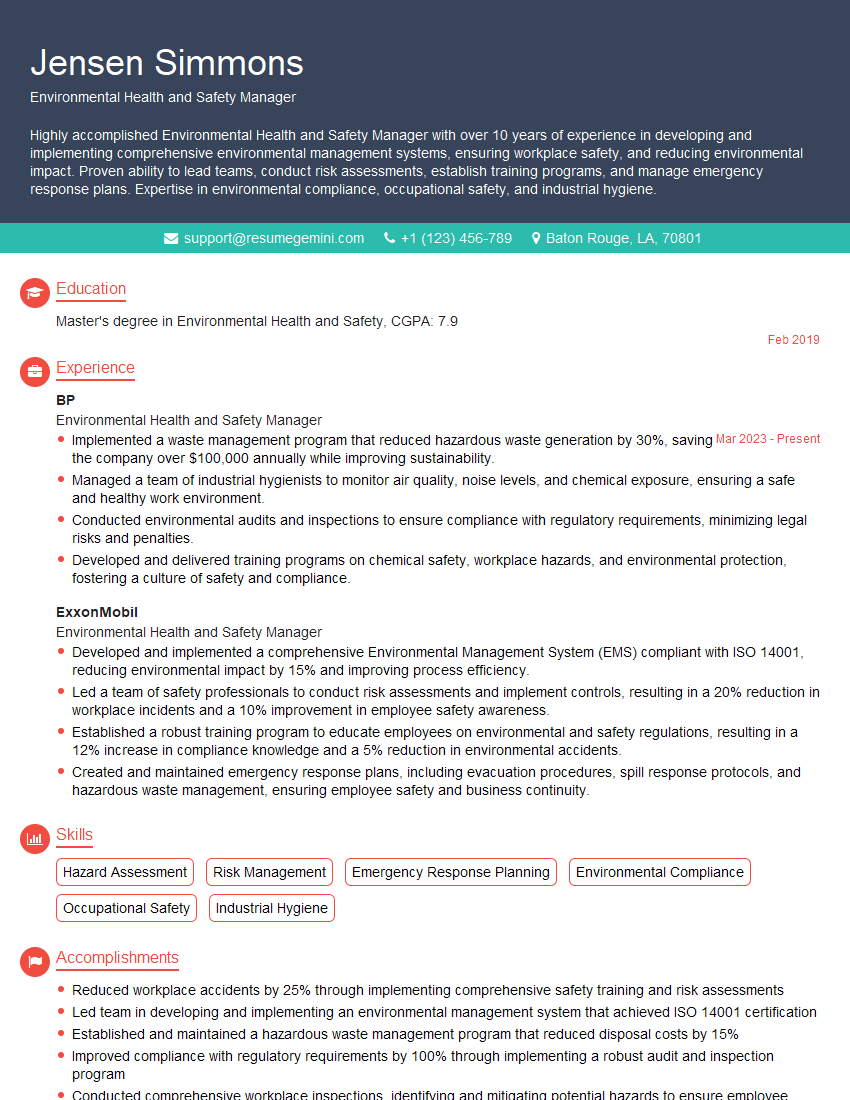
Environmental Health and Safety Manager Resume Sample
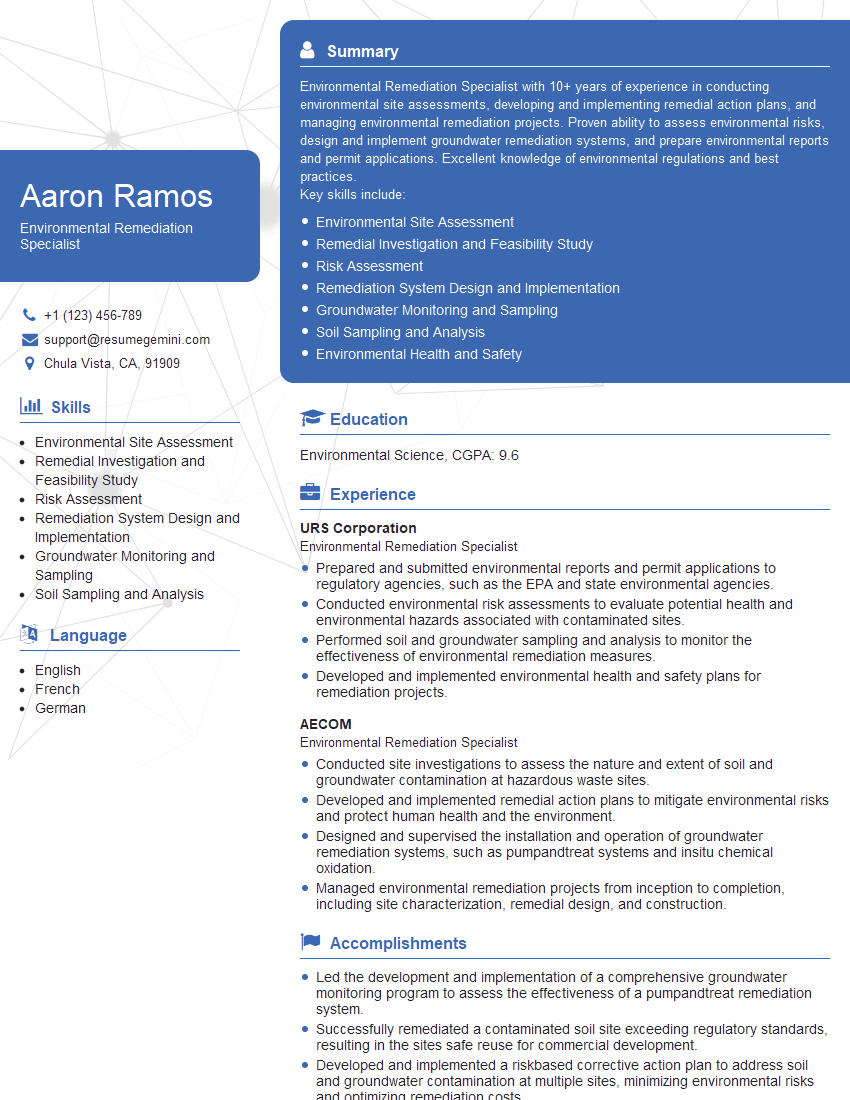
Environmental Remediation Specialist Resume Sample
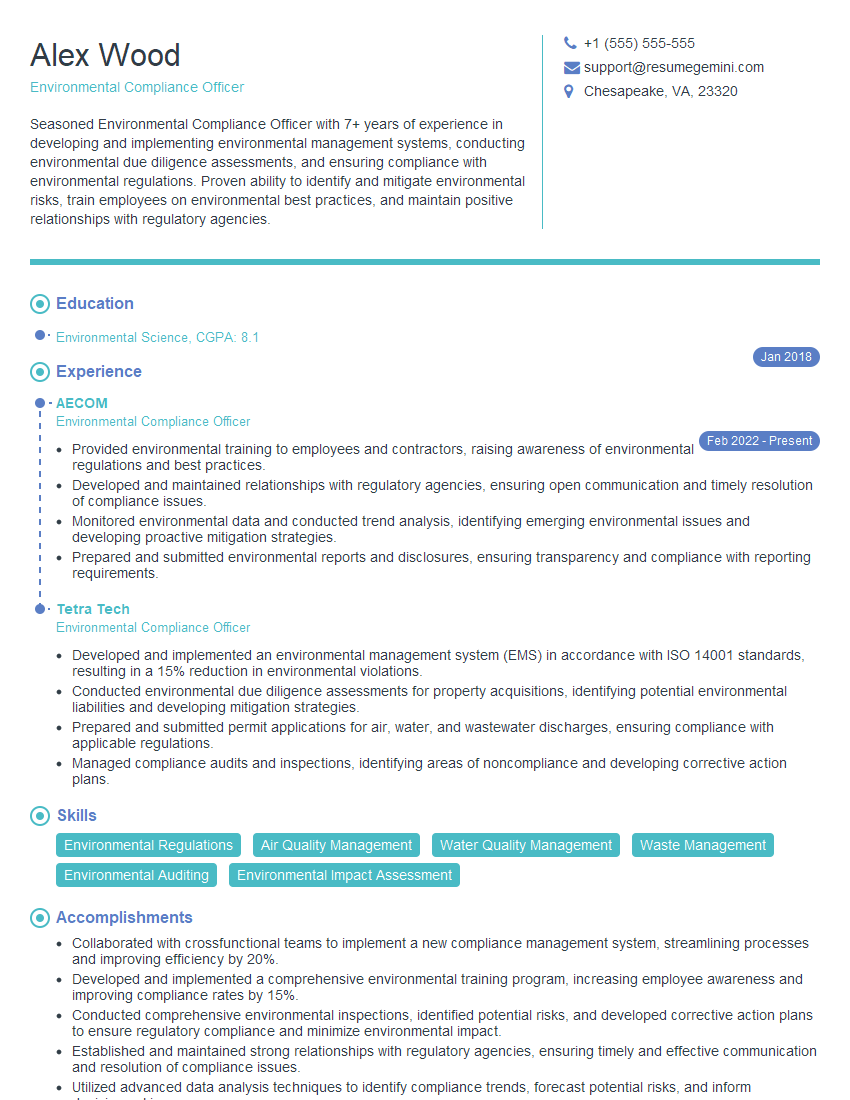
Environmental Compliance Officer Resume Sample
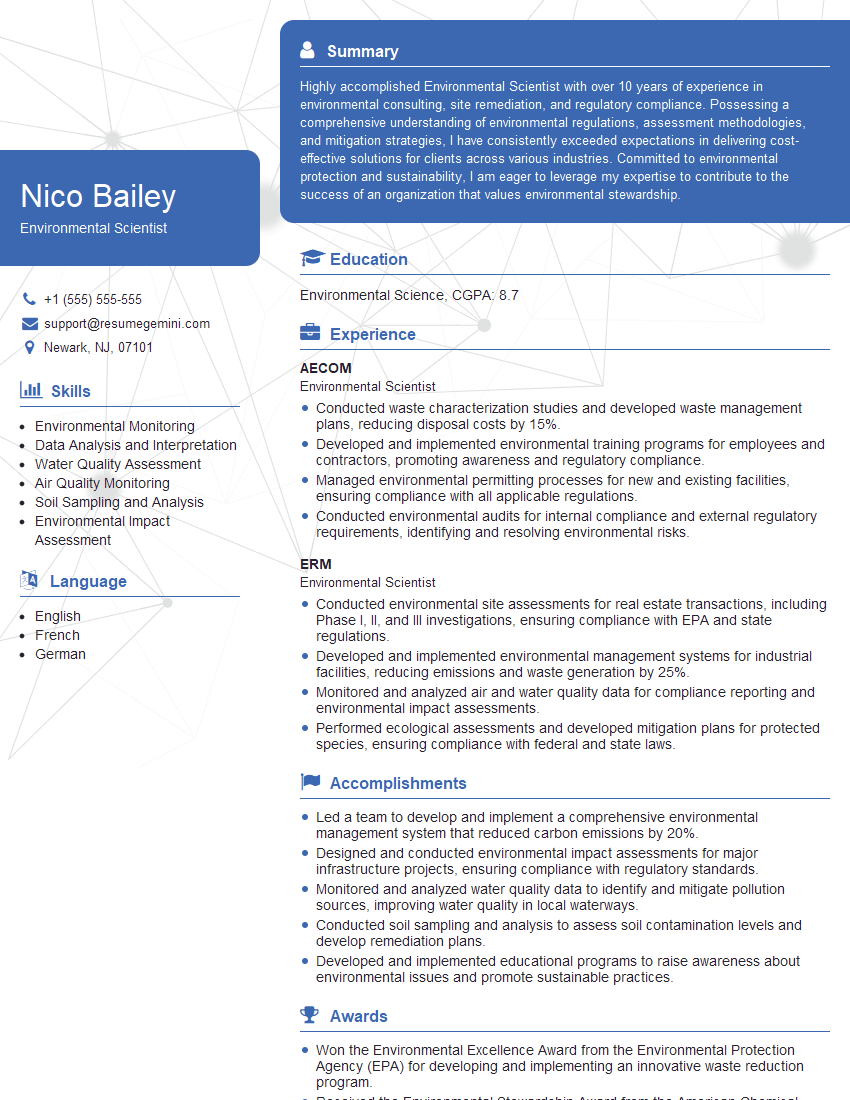
Environmental Scientist Resume Sample
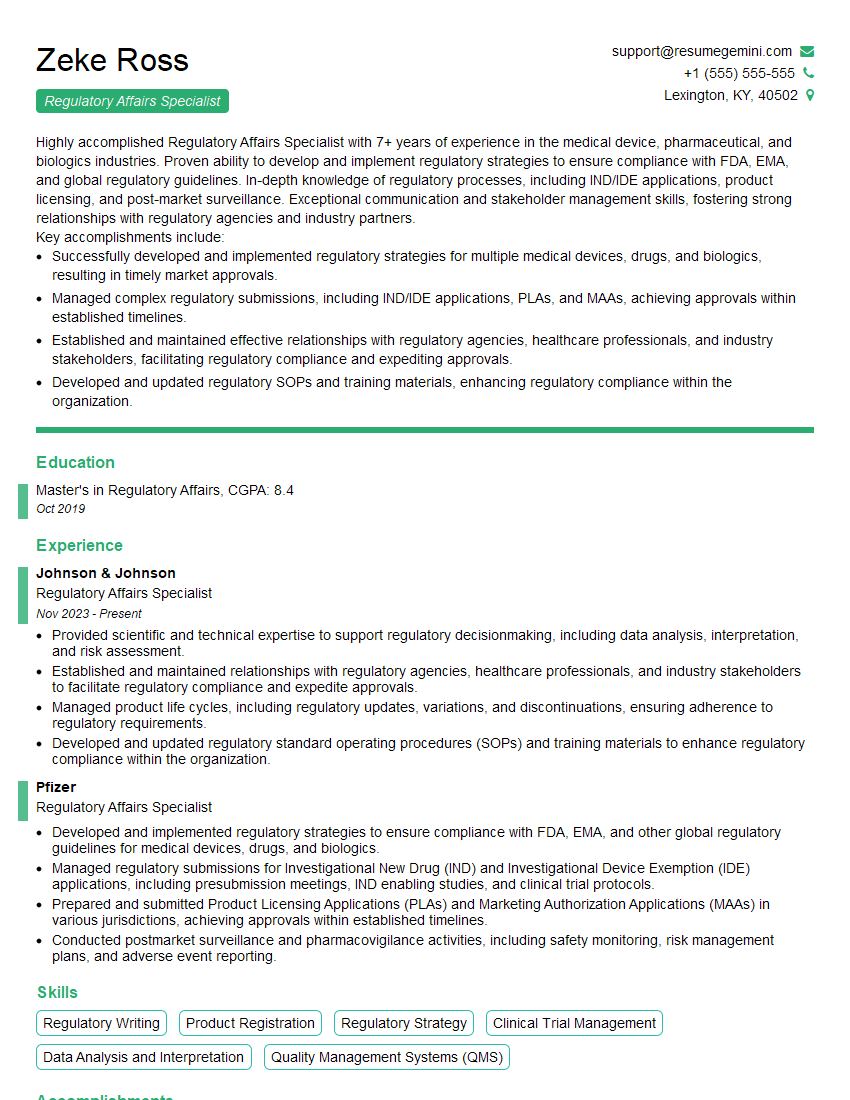
Regulatory Affairs Specialist Resume Sample

Sustainability Consultant Resume Sample
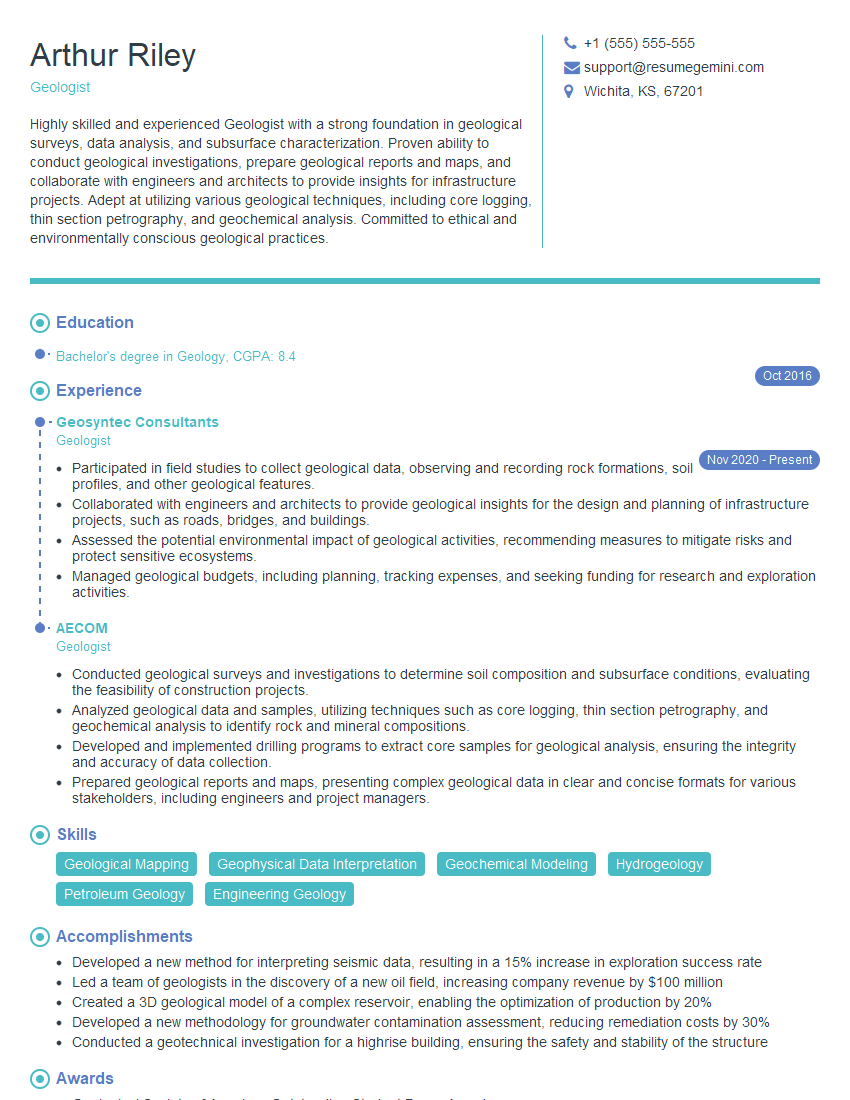
Geologist Resume Sample
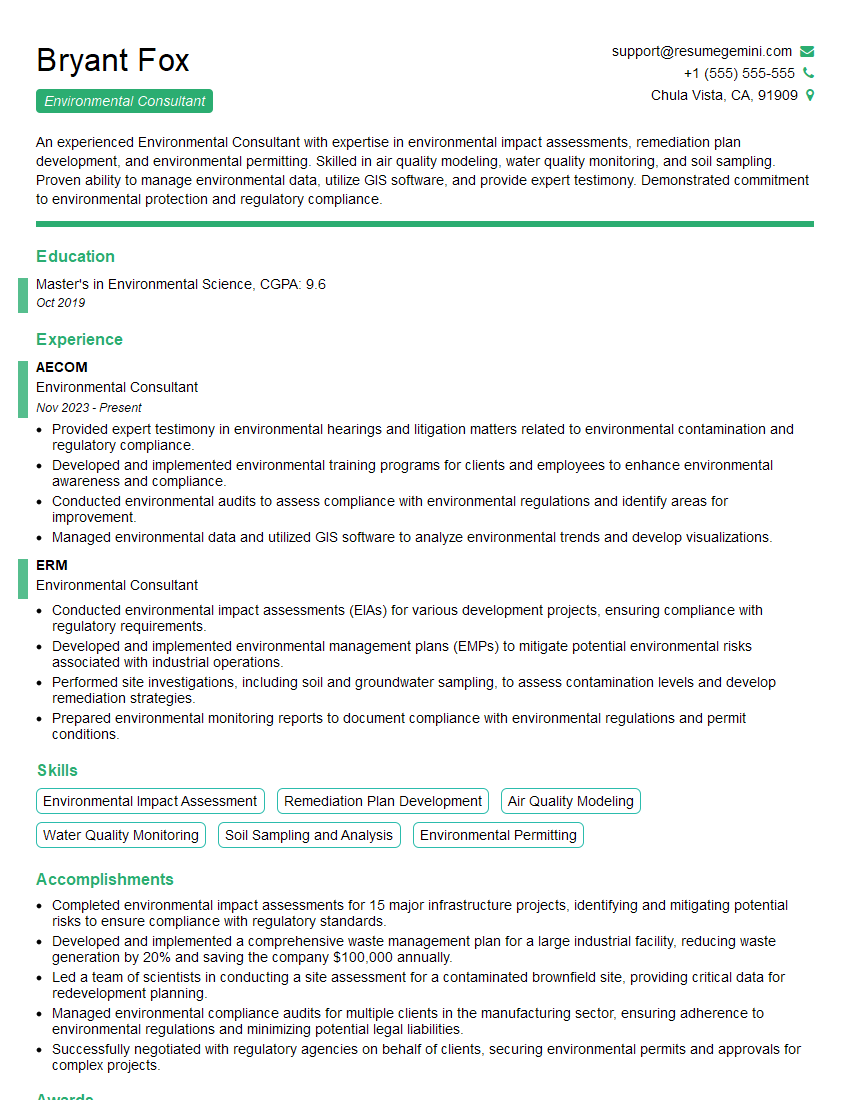
Environmental Consultant Resume Sample
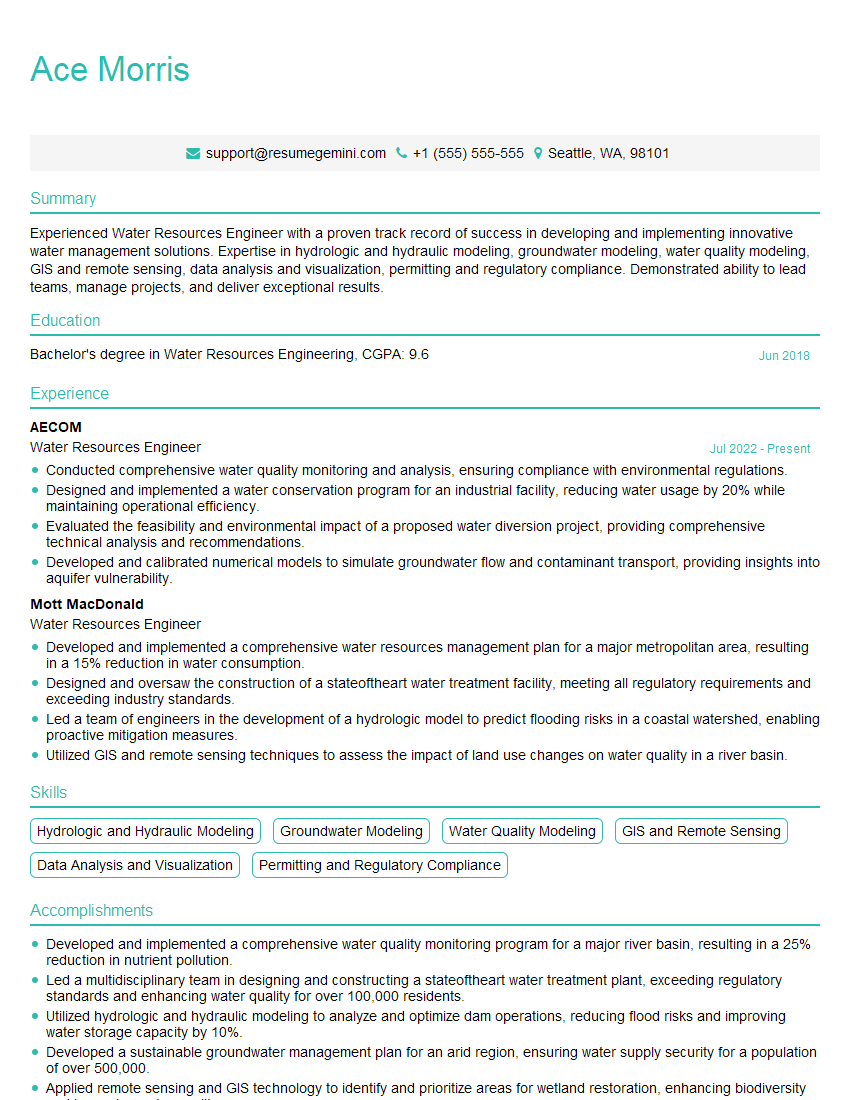
Water Resources Engineer Resume Sample

Mining Engineer Resume Sample
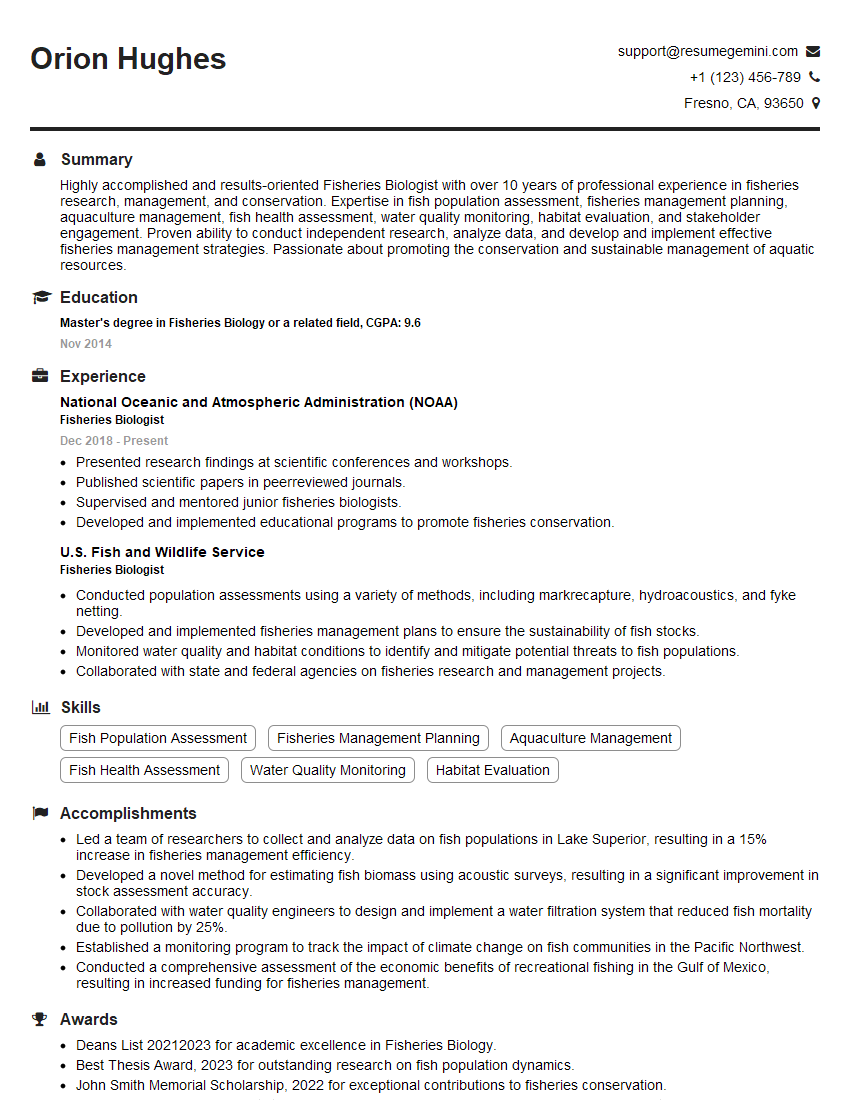
Fisheries Biologist Resume Sample

Wildlife Biologist Resume Sample
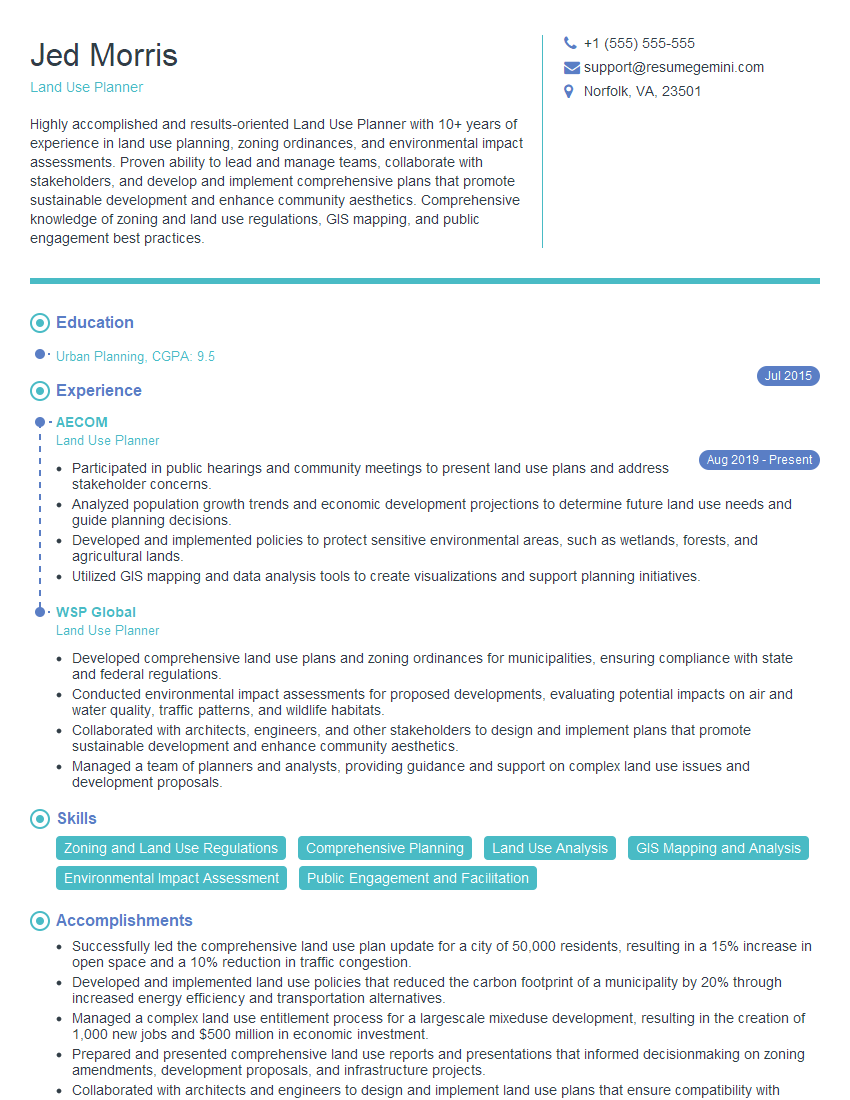
Land Use Planner Resume Sample
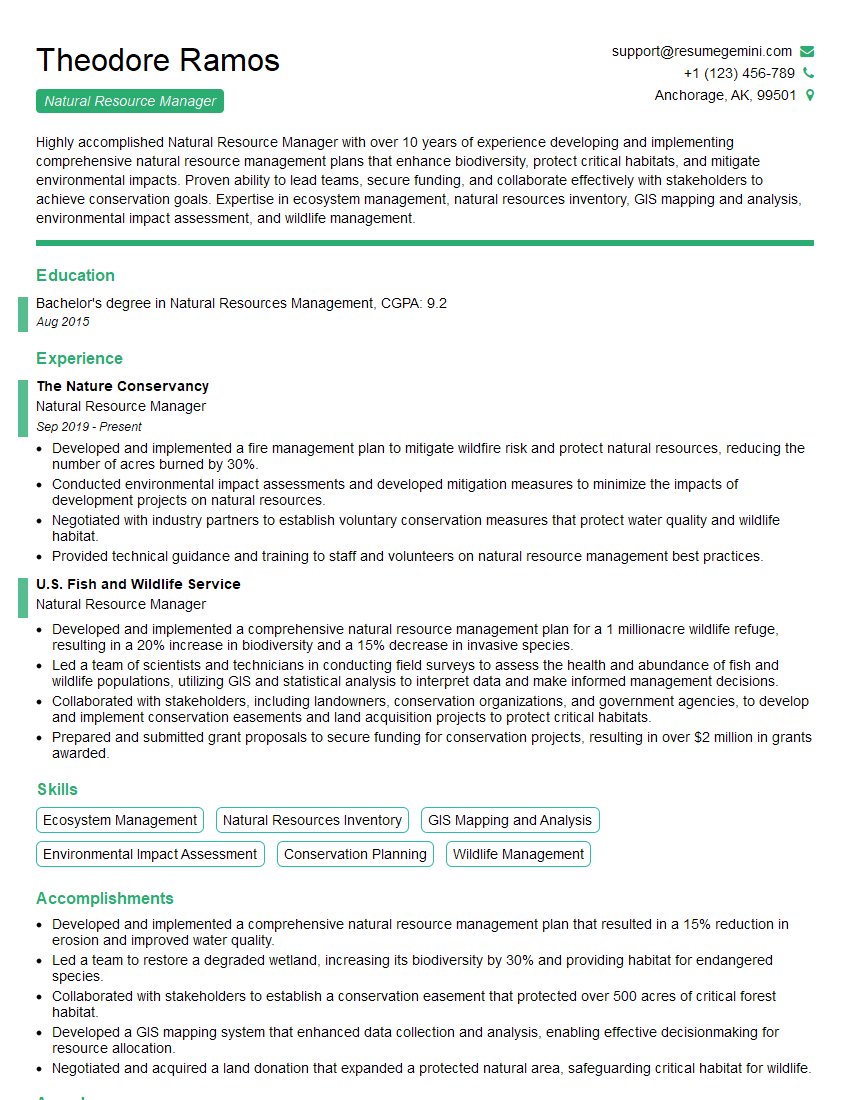
Natural Resource Manager Resume Sample
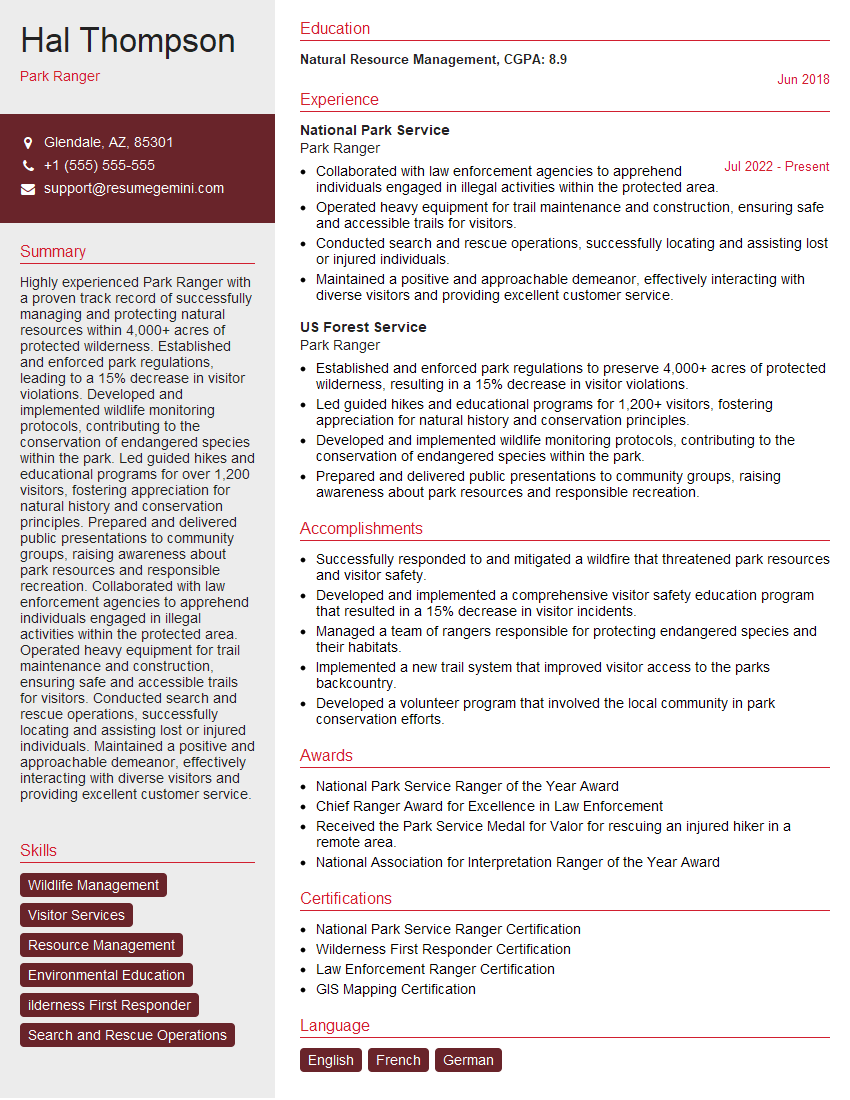
Park Ranger Resume Sample
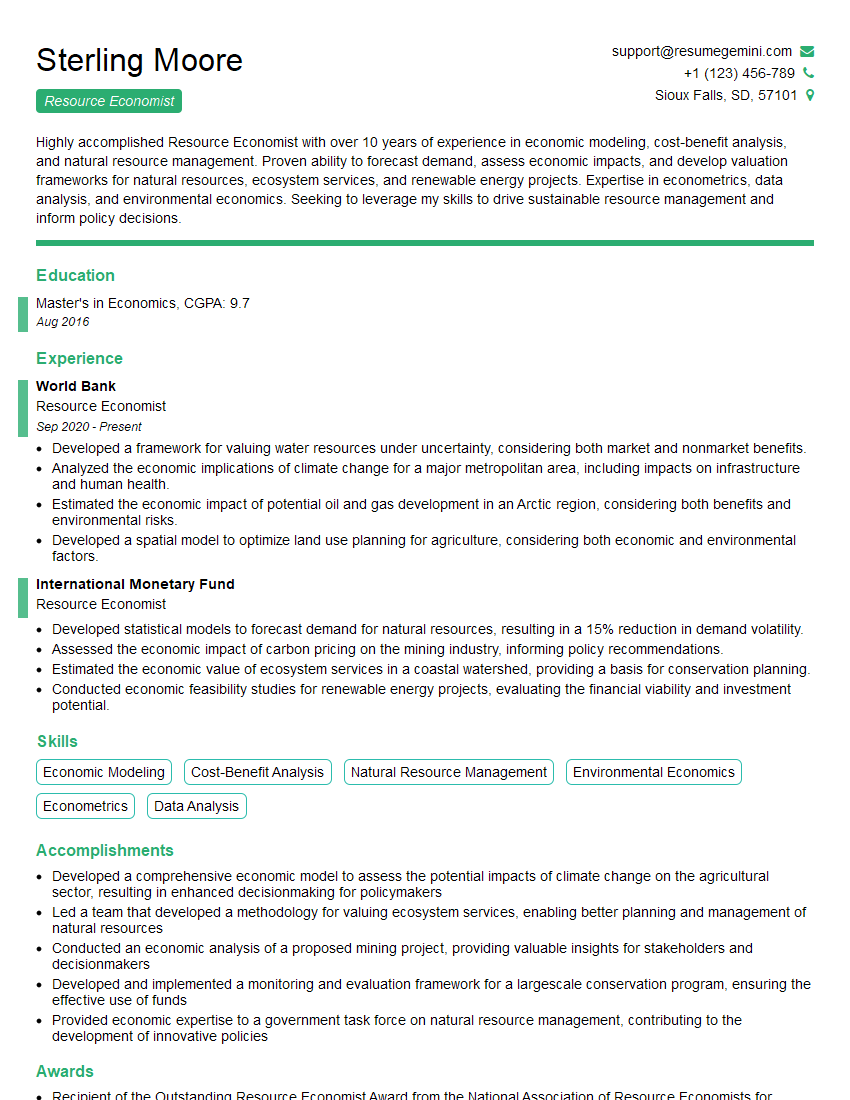
Resource Economist Resume Sample
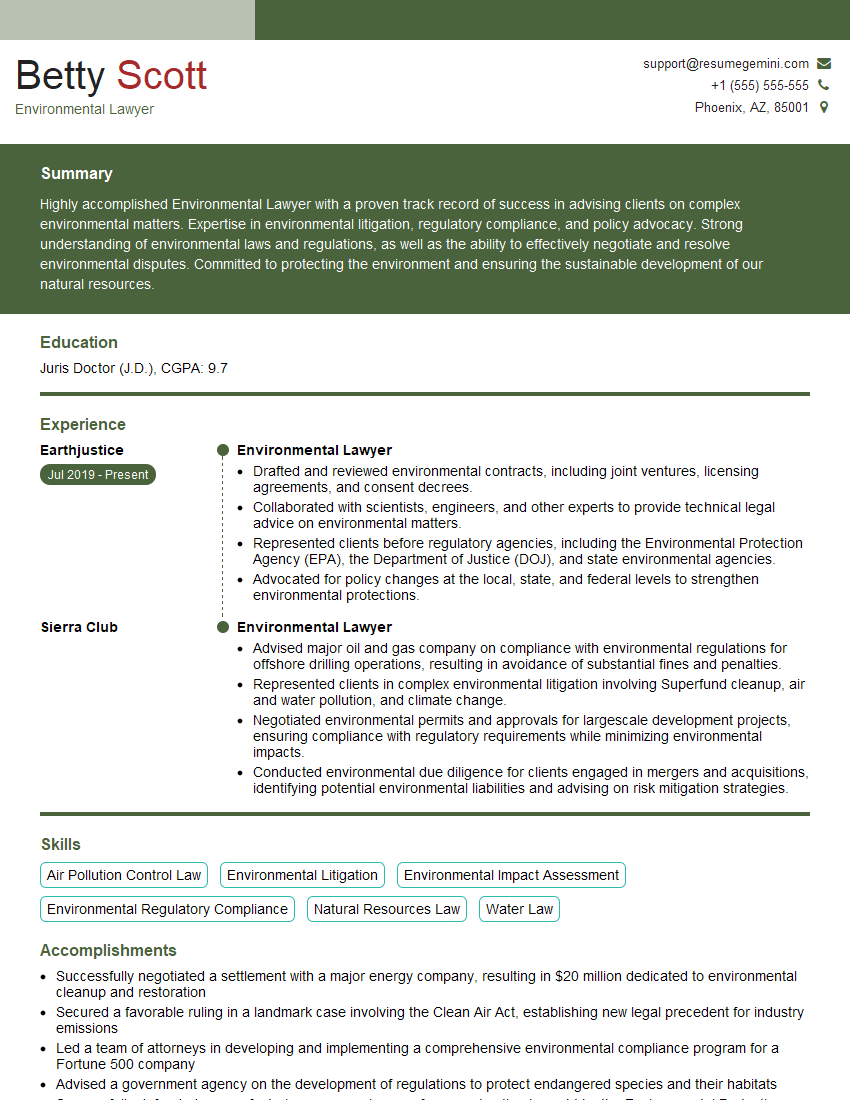
Environmental Lawyer Resume Sample
- Sustainability Manager
- Environmental Health and Safety Manager
- Environmental Remediation Specialist
- Environmental Compliance Officer
- Environmental Scientist
- Regulatory Affairs Specialist
- Sustainability Consultant
- Geologist
- Environmental Consultant
- Water Resources Engineer
- Mining Engineer
- Fisheries Biologist
- Wildlife Biologist
- Land Use Planner
- Natural Resource Manager
- Park Ranger
- Resource Economist
- Environmental Lawyer
Explore more articles
Users Rating of Our Blogs
Share Your Experience
We value your feedback! Please rate our content and share your thoughts (optional).
What Readers Say About Our Blog
To the interviewgemini.com Webmaster.
Very helpful and content specific questions to help prepare me for my interview!
Thank you
To the interviewgemini.com Webmaster.
This was kind of a unique content I found around the specialized skills. Very helpful questions and good detailed answers.
Very Helpful blog, thank you Interviewgemini team.