Feeling uncertain about what to expect in your upcoming interview? We’ve got you covered! This blog highlights the most important Troubleshoot and Repair Equipment interview questions and provides actionable advice to help you stand out as the ideal candidate. Let’s pave the way for your success.
Questions Asked in Troubleshoot and Repair Equipment Interview
Q 1. Describe your experience troubleshooting malfunctioning equipment.
Troubleshooting malfunctioning equipment is a systematic process that combines technical knowledge with problem-solving skills. My experience spans various types of equipment, from simple hand tools to complex industrial machinery. I’ve tackled issues ranging from minor malfunctions like a jammed printer to major breakdowns requiring extensive repairs. My approach always involves a careful assessment of the symptoms, followed by a logical progression of tests to pinpoint the root cause. This ensures efficient repairs and minimizes downtime.
For instance, I once worked on a production line where a packaging machine repeatedly malfunctioned, causing significant production delays. Through a careful analysis of the error messages and visual inspection, I discovered a faulty sensor causing incorrect signal readings, which led to the machine jamming. Replacing the sensor resolved the issue swiftly.
Q 2. Explain your process for diagnosing equipment failures.
My process for diagnosing equipment failures follows a structured approach. It begins with a thorough understanding of the equipment’s functionality and the specific problem reported. This usually involves collecting information like error codes, operational logs, and eyewitness accounts. Next, I visually inspect the equipment for any obvious damage, loose connections, or unusual wear and tear. This is followed by systematic testing using appropriate diagnostic tools, starting with the most likely causes. I utilize a process of elimination, ruling out possibilities until the root cause is identified. This methodical approach helps avoid unnecessary repairs and pinpoint the exact problem efficiently.
Imagine a computer failing to boot. My process would start with checking the power supply, then the RAM and the hard drive. If these tests don’t reveal the problem, I might delve deeper, inspecting the motherboard and checking for internal shorts using a multimeter.
Q 3. How do you prioritize repairs when multiple pieces of equipment are down?
Prioritizing repairs when multiple pieces of equipment are down requires a strategic approach that considers several factors. The most critical factor is the impact of the equipment failure on overall operations. I prioritize equipment crucial for production, safety, or compliance first. For example, a critical manufacturing machine that halts an entire assembly line takes precedence over a less critical piece of equipment like a printer. I also consider the urgency of the repair and the resources needed. Quick fixes are prioritized over those requiring extended downtime or specialized parts. I create a prioritized list, documenting all problems, and keep stakeholders informed about progress.
Think of a hospital with multiple broken machines. A faulty life support system would take immediate priority over a broken coffee machine, even if both are broken at the same time.
Q 4. What diagnostic tools are you proficient with?
I’m proficient with a wide range of diagnostic tools, including multimeters (both analog and digital) for measuring voltage, current, and resistance; oscilloscopes for analyzing waveforms and signals; logic analyzers for examining digital signals; and thermal imaging cameras for detecting overheating components. I also use specialized diagnostic software provided by equipment manufacturers, and I’m comfortable working with various hand tools and measuring equipment. My skills extend to using specialized testing equipment such as pressure gauges, leak detectors, and spectrum analyzers depending on the specific equipment being serviced.
Q 5. How do you interpret technical manuals and schematics?
Interpreting technical manuals and schematics is a fundamental skill in equipment repair. I approach technical manuals systematically, first gaining an overview of the equipment’s architecture and operation. Then I carefully examine schematics to trace signal paths and identify component relationships. I understand the importance of symbols and notations used in the diagrams. I use the manual to cross-reference component numbers with schematics, understand wiring diagrams, and follow troubleshooting procedures. For example, understanding a schematic can help identify a broken wire connecting two critical components, which could be missed by a surface level inspection.
Q 6. Describe a time you had to troubleshoot a complex equipment problem.
One particularly challenging situation involved a complex industrial robotic arm that suddenly stopped functioning. The error codes were ambiguous, and initial inspections revealed no obvious issues. Using a combination of diagnostic tools and the technical manual, I methodically checked the motor controllers, power supply, and the robot’s control system. After many hours of testing and consulting the manufacturer’s support, I discovered a faulty communication module that was causing intermittent signal disruptions. Replacing the module resolved the problem. This experience emphasized the importance of meticulous testing and patience when dealing with complex systems. It also highlighted the value of collaborative problem-solving.
Q 7. What safety precautions do you take when repairing equipment?
Safety is paramount when repairing equipment. My approach always begins with a thorough risk assessment. I always follow the manufacturer’s safety guidelines, disconnect power sources before beginning any work, and use appropriate personal protective equipment (PPE) such as safety glasses, gloves, and insulated tools. I’m aware of potential hazards such as high voltages, moving parts, and hazardous materials. I also ensure that the work area is properly lit and well-ventilated. I never attempt repairs I’m not qualified to perform and will always seek assistance if necessary. Safety is a non-negotiable part of my work ethic.
Q 8. How do you handle situations where you cannot immediately identify the problem?
When faced with an unfamiliar equipment malfunction, my approach is systematic and methodical. I don’t jump to conclusions; instead, I begin by gathering as much information as possible. This involves carefully observing the equipment’s behavior, listening for unusual sounds, and noting any error messages displayed. I’ll then consult the equipment’s technical manuals, schematics, and any available troubleshooting guides. If the problem remains unidentified, I utilize a process of elimination. I might start by checking the simplest things – power supply, connections, fuses – before moving on to more complex components. I also rely on my network of colleagues and online resources. For example, I once encountered a strange error on a CNC milling machine. After checking all the obvious things, I posted details on a specialized forum, and a fellow technician suggested a loose connection in a rarely-accessed control panel. That solved the issue.
Essentially, I transform the unknown into a series of manageable problems by breaking down the issue into smaller, testable hypotheses. This approach, combined with thorough documentation, allows me to learn from each experience and improve my diagnostic skills over time.
Q 9. Explain your experience with preventative maintenance.
Preventative maintenance is crucial for extending the lifespan and improving the reliability of equipment. My experience encompasses a range of preventative tasks, from routine visual inspections to more involved procedures. This includes regularly cleaning and lubricating moving parts, checking for wear and tear, tightening loose connections, and replacing worn components before they cause failure. I’m proficient in developing and implementing preventative maintenance schedules based on manufacturer recommendations and operational usage. For example, in my previous role, I created a detailed schedule for the preventative maintenance of a large-scale industrial oven, outlining cleaning frequencies, component inspections, and calibration needs. This resulted in a significant reduction in unexpected downtime and repair costs.
I strongly believe in the philosophy of ‘an ounce of prevention is worth a pound of cure,’ and consistently advocate for well-defined preventative maintenance programs, as it significantly reduces long-term costs and ensures continuous operational efficiency.
Q 10. How do you document your repairs and maintenance activities?
Meticulous documentation is paramount in my work. I utilize a combination of methods to ensure clear and accurate records are maintained. This includes using digital work order systems which often include pre-populated templates with fields for problem description, steps taken, parts used, time spent, and final outcomes. I also supplement digital records with physical labels and tags on equipment components, indicating the date of maintenance or repair. Photographs and videos are also incredibly useful for documenting complex repairs or hard-to-explain situations. For example, a complex electrical wiring issue might be easier to understand with a labeled photograph of the wiring diagram compared to a long written description.
Clear, concise documentation benefits both the individual performing the repairs and the wider organization. It aids future troubleshooting, streamlines maintenance planning, and ensures consistency in maintenance practices.
Q 11. What is your experience with different types of equipment (e.g., mechanical, electrical, electronic)?
My experience spans a broad range of equipment types, encompassing mechanical, electrical, and electronic systems. I’ve worked extensively with mechanical equipment such as pumps, compressors, and conveyors, performing tasks like bearing replacement, seal repairs, and alignment adjustments. With electrical equipment like motors, generators, and power distribution systems, my expertise includes troubleshooting wiring faults, motor control circuits and power supply issues. In the realm of electronic systems, I’m comfortable working with PLCs (Programmable Logic Controllers), sensors, and other control systems, performing diagnostics and programming modifications.
For example, I once successfully diagnosed and repaired a malfunctioning industrial robot arm, requiring me to work across mechanical, electrical, and electronic disciplines to pinpoint a faulty encoder on the arm’s rotational axis.
Q 12. Describe your experience with calibration and testing equipment.
Calibration and testing are essential to ensure equipment accuracy and reliability. I have significant experience using a variety of calibration and testing equipment, including multimeters, oscilloscopes, signal generators, and specialized calibration tools specific to different equipment types. I understand the importance of traceability and adhering to calibration standards. I’m familiar with the process of calibrating instruments against traceable standards, generating calibration certificates, and maintaining calibration logs. For instance, I regularly calibrated pressure transducers using a high-accuracy pressure calibrator, ensuring that process measurements were consistently accurate.
My skills in using and maintaining calibration equipment ensure the accuracy of the tools and the reliability of my own repairs and maintenance assessments.
Q 13. How do you ensure the safety and reliability of repaired equipment?
Safety and reliability are my top priorities when repairing equipment. I meticulously follow safety protocols, including lockout/tagout procedures (to isolate power sources before working on energized equipment), using appropriate personal protective equipment (PPE), and adhering to all relevant safety regulations. Once repairs are complete, I rigorously test the equipment to ensure it’s functioning correctly and safely. This often involves running diagnostic tests, visual inspections, and load testing to verify proper operation under typical working conditions. For example, before putting a repaired pump back into service, I’d conduct a series of pressure and flow tests to verify its performance meets specifications and that there are no leaks.
My approach ensures the repaired equipment is not only functional but also operates safely and reliably, preventing potential hazards and downtime.
Q 14. What are some common causes of equipment failure in your field of expertise?
Common causes of equipment failure vary depending on the equipment type and operating environment, but some frequent culprits include:
- Wear and tear: Mechanical parts subject to friction and stress (like bearings, gears, belts) degrade over time, leading to failure.
- Corrosion: Exposure to moisture, chemicals, or extreme temperatures can corrode components, affecting their performance and integrity.
- Overloading: Operating equipment beyond its rated capacity leads to overheating and potential component damage.
- Improper maintenance: Neglecting routine maintenance tasks increases the likelihood of premature failure.
- Power surges: Electrical equipment is vulnerable to voltage spikes and surges which can damage sensitive components.
- Environmental factors: Dust, dirt, vibration, and extreme temperatures can accelerate equipment degradation.
- Operator error: Incorrect operation or lack of training can lead to equipment malfunction and even catastrophic failure.
Understanding these common causes allows for proactive measures to be taken, including implementing preventative maintenance schedules, improving operating procedures, and using protective measures to extend equipment life.
Q 15. How do you stay up-to-date on the latest technologies and repair techniques?
Staying current in the rapidly evolving field of equipment repair requires a multi-pronged approach. It’s not enough to rely solely on past experience; continuous learning is paramount.
Manufacturer Training and Certifications: I actively seek out training courses and certifications offered by manufacturers. These provide in-depth knowledge of specific equipment models and their intricacies, including the latest diagnostic tools and repair procedures. For example, I recently completed a course on the advanced diagnostics of Siemens PLC systems, significantly improving my troubleshooting abilities.
Industry Publications and Websites: I regularly subscribe to relevant industry publications and follow reputable websites. These resources provide updates on new technologies, emerging repair techniques, and case studies of complex repairs. This keeps me abreast of evolving standards and best practices.
Professional Networks and Conferences: Networking with other technicians through professional organizations and attending industry conferences is invaluable. Sharing knowledge and experiences with peers provides unique insights and exposes me to diverse approaches to problem-solving. I find that collaborative discussions are an excellent source of learning.
Online Courses and Webinars: Platforms like Coursera and LinkedIn Learning offer valuable courses on electronics, mechanics, and software relevant to my field. These provide focused training on specific technologies and skills, often complementing manufacturer-specific training.
Career Expert Tips:
- Ace those interviews! Prepare effectively by reviewing the Top 50 Most Common Interview Questions on ResumeGemini.
- Navigate your job search with confidence! Explore a wide range of Career Tips on ResumeGemini. Learn about common challenges and recommendations to overcome them.
- Craft the perfect resume! Master the Art of Resume Writing with ResumeGemini’s guide. Showcase your unique qualifications and achievements effectively.
- Don’t miss out on holiday savings! Build your dream resume with ResumeGemini’s ATS optimized templates.
Q 16. How do you handle difficult or demanding customers?
Handling difficult customers requires patience, empathy, and a structured approach. My priority is always to understand their concerns and find mutually agreeable solutions.
Active Listening: I begin by actively listening to their complaints without interruption, allowing them to fully express their frustration. This shows respect and helps me grasp the situation accurately.
Empathetic Communication: I acknowledge their feelings and validate their concerns, even if I don’t necessarily agree with their perspective. Phrases like, “I understand this is frustrating,” can go a long way in de-escalating tension.
Clear and Concise Explanation: I explain the technical aspects of the problem in a way that is easily understood, avoiding jargon as much as possible. I use analogies and visuals to aid comprehension. For example, if explaining a circuit issue, I might compare it to a traffic jam.
Realistic Expectations: I set realistic expectations regarding repair time and cost. Transparency prevents misunderstandings and reduces the likelihood of conflict.
Professional Demeanor: Maintaining a calm and professional demeanor throughout the interaction is crucial. Even in challenging situations, I strive to remain respectful and courteous.
For instance, I once dealt with a client who was incredibly upset about a delay in their equipment repair. By actively listening to their concerns and providing a detailed explanation of the unexpected complication, along with a revised timeline, I managed to calm them and ensure a positive outcome.
Q 17. Describe your experience working independently and as part of a team.
I have extensive experience working both independently and collaboratively. Each approach has its own advantages and requires a different skill set.
Independent Work: When working independently, my focus is on meticulous attention to detail, self-reliance, and effective time management. I’m proficient in diagnosing and resolving complex issues without direct supervision. A recent example involved troubleshooting a faulty robotic arm in a factory setting; I independently identified the problem as a faulty servo motor and successfully completed the repair.
Teamwork: In team settings, I excel at collaboration, communication, and knowledge sharing. I believe in a collaborative approach where each member’s expertise is valued. For example, on a recent project involving a large industrial machine, I collaborated with electricians and mechanical engineers to efficiently identify and resolve the source of the malfunction, showcasing my ability to effectively communicate and work within a team.
I thrive in environments that value both individual contribution and collaborative problem-solving.
Q 18. What is your approach to managing your workload and prioritizing tasks?
Effective workload management is critical for efficient and timely repairs. My approach involves a combination of planning, prioritization, and consistent monitoring.
Task Prioritization: I utilize a system of prioritizing tasks based on urgency and importance. Critical repairs with immediate consequences are tackled first. I use tools such as Kanban boards or simple to-do lists to maintain organization.
Time Estimation: I accurately estimate the time required for each task, factoring in potential complications. This helps me set realistic deadlines and avoid overcommitment.
Regular Review and Adjustment: I regularly review my progress and adjust my schedule as needed. Unexpected delays or changes in priorities are incorporated into the plan.
Documentation: Meticulous documentation is essential for tracking progress, maintaining records, and ensuring accountability. I maintain detailed logs of all repairs, including parts used, troubleshooting steps, and outcomes.
Q 19. How do you handle pressure and tight deadlines?
Pressure and tight deadlines are part of the job, but effective strategies can help manage stress and ensure timely completion of repairs.
Organized Approach: A systematic and organized approach is essential. I break down large tasks into smaller, manageable steps to avoid feeling overwhelmed.
Time Management Techniques: I utilize time management techniques like the Pomodoro Technique to maintain focus and avoid burnout. Regular breaks are crucial for maintaining productivity.
Clear Communication: Open and honest communication with supervisors and colleagues is crucial when faced with tight deadlines. Identifying potential roadblocks early allows for proactive problem-solving.
Prioritization: I focus on the most critical aspects of the repair first, ensuring timely completion of essential components.
For example, during a recent emergency repair, we were under immense pressure to restore a critical piece of equipment within a very short timeframe. By focusing on the core issues and working collaboratively, we were able to successfully complete the repair ahead of schedule.
Q 20. What are your strengths and weaknesses as an equipment repair technician?
My strengths lie in my problem-solving abilities, technical proficiency, and dedication to continuous learning. I am adept at diagnosing complex equipment issues and developing efficient repair strategies. My methodical approach ensures thoroughness and accuracy. I also possess excellent communication skills, allowing me to effectively interact with customers and colleagues.
One area I am continuously working on is delegation. While I am capable of handling a large workload independently, I recognize the value of delegating tasks when appropriate within a team setting to maximize efficiency. I am actively seeking opportunities to improve my delegation skills and am confident in my ability to do so.
Q 21. Describe your experience with troubleshooting software and hardware issues.
Troubleshooting software and hardware issues requires a systematic approach, combining diagnostic tools with a methodical problem-solving methodology.
Hardware Troubleshooting: My approach to hardware troubleshooting involves visual inspection, testing with multimeters and oscilloscopes, and component-level analysis. I have experience with various diagnostic tools, including logic analyzers and spectrum analyzers. For instance, I recently resolved a hardware issue in a server rack by isolating a faulty power supply using a multimeter and replacing it.
Software Troubleshooting: For software issues, I utilize logging tools, debugging software, and remote diagnostics to identify the root cause. My experience includes working with various operating systems and programming languages. I have successfully resolved several software glitches, such as a network connectivity problem that was impacting a production line by analyzing system logs and identifying a misconfiguration.
Combined Approach: Often, problems involve both software and hardware. For example, a system crash might be caused by a failing hard drive (hardware) but manifest as software errors. I approach these with a structured methodology: first analyzing the software symptoms to determine possible hardware causes, then validating through physical testing.
Q 22. How do you manage inventory of parts and supplies?
Effective parts and supply inventory management is crucial for efficient equipment repair. My approach involves a multi-pronged strategy combining a robust inventory management system with careful tracking and forecasting.
- Digital Inventory System: I utilize software to maintain a real-time inventory database, tracking part numbers, quantities on hand, minimum stock levels, and supplier information. This allows for quick identification of needed parts and prevents stockouts.
- Regular Stock Audits: Physical stock audits are conducted regularly to reconcile the digital inventory with the physical inventory, identifying discrepancies and addressing potential issues like damaged or obsolete parts. This ensures accuracy and prevents relying on outdated data.
- Demand Forecasting: I analyze historical repair data to forecast demand for parts. This allows for proactive purchasing, minimizing downtime due to part shortages. For example, if we consistently need a specific motor for a certain machine, I can plan purchases to maintain a sufficient buffer stock.
- Vendor Relationships: Strong relationships with reliable suppliers are essential. This ensures timely delivery of parts, competitive pricing, and access to technical support when needed. Negotiating favorable contracts is also key to cost savings.
- Obsolete Part Management: Obsolete parts are identified and managed carefully. Options include repurposing, recycling, or safe disposal, all in line with environmental regulations.
This system not only ensures we have the necessary parts when needed but also optimizes storage space, minimizes waste, and reduces overall costs.
Q 23. How do you assess the cost-effectiveness of repair versus replacement?
Assessing repair versus replacement is a critical decision involving a cost-benefit analysis. It’s not simply about the immediate repair cost; I consider the long-term implications for both options.
- Repair Cost: This includes the cost of parts, labor, and any associated downtime.
- Replacement Cost: This includes the purchase price of a new unit, installation costs, and potential downtime during the replacement process.
- Remaining Lifespan: The remaining useful life of the equipment after repair is a crucial factor. A major repair on an aging machine might be less cost-effective than replacement, especially if the repair only extends its life for a short time.
- Risk Assessment: I assess the risk of future failures. If the repaired component is prone to further issues, replacement might be more economically sound in the long run. This involves considering both the probability of failure and its potential costs.
- Residual Value: If the equipment has a significant resale or trade-in value, this should be factored into the replacement cost analysis.
For example, if a minor repair on a crucial piece of equipment costs $500 but extends its life by another year, and replacing it would cost $10,000, then repair is clearly more cost-effective. However, if a major repair on an old machine costs $3000 but only extends its life by six months, while a replacement costs $8000 with a longer warranty, replacement might be the better choice.
Q 24. Explain your understanding of different types of maintenance (preventive, predictive, corrective).
Different maintenance strategies are employed to maximize equipment uptime and minimize costs. The three main types are:
- Preventive Maintenance (PM): This involves scheduled maintenance tasks performed at regular intervals to prevent equipment failure. Think of it like a regular car service; oil changes, filter replacements, and inspections are scheduled regardless of whether a problem exists. This significantly reduces unexpected breakdowns.
- Predictive Maintenance (PdM): This approach uses data and analytics to predict potential equipment failures before they occur. Sensors, vibration analysis, and other monitoring technologies are used to identify trends and anomalies that suggest an impending issue. This allows for targeted repairs or part replacements only when necessary, optimizing maintenance costs and avoiding unnecessary downtime.
- Corrective Maintenance (CM): This is reactive maintenance; it addresses equipment issues only after they occur. This is the most costly approach because it often involves emergency repairs, unplanned downtime, and potentially more extensive damage compared to preventive or predictive strategies.
A balanced approach that integrates preventive and predictive maintenance is generally the most effective. Implementing a CMMS (Computerized Maintenance Management System) is crucial for scheduling and tracking maintenance tasks, analyzing data for PdM, and managing all maintenance activities.
Q 25. Describe your experience with root cause analysis.
Root cause analysis (RCA) is a systematic process for identifying the underlying cause(s) of a problem, not just the symptoms. My approach typically follows a structured methodology, such as the ‘5 Whys’ or ‘Fishbone’ diagrams.
- 5 Whys: This iterative technique involves repeatedly asking ‘why’ to peel back layers of explanation and get to the root cause. For example: Equipment failed (problem). Why? Because the motor burned out. Why? Because it overheated. Why? Because the cooling fan failed. Why? Because it wasn’t properly maintained. Why? Because the maintenance schedule wasn’t followed.
- Fishbone Diagram (Ishikawa Diagram): This visual tool helps brainstorm potential causes categorized by different contributing factors (materials, methods, manpower, machinery, environment, measurement). This approach is useful for complex problems with multiple potential causes.
- Fault Tree Analysis (FTA): This is a more formal and detailed technique useful for complex systems. It uses a top-down approach, starting with the undesired event (equipment failure) and working backward to identify the contributing factors that could lead to the event.
After identifying the root cause, the next step is implementing corrective actions to prevent recurrence. This may involve changes to procedures, training, maintenance schedules, or equipment design. Thorough documentation of the RCA process and corrective actions is essential for continuous improvement.
Q 26. How familiar are you with industry standards and safety regulations?
I am very familiar with relevant industry standards and safety regulations. My knowledge encompasses standards such as OSHA (Occupational Safety and Health Administration) guidelines for lockout/tagout procedures, electrical safety, and hazardous materials handling. I also understand relevant codes and standards related to specific types of equipment I work with.
Safety is paramount in my work. I always follow all applicable safety protocols, ensure proper use of personal protective equipment (PPE), and conduct thorough risk assessments before commencing any repair or maintenance task. Regular training and staying updated on the latest safety regulations are essential components of my professional practice.
My experience includes working in environments that adhere to ISO 9001 (quality management systems) and other relevant industry best practices. I understand the importance of documentation, traceability, and continuous improvement in maintaining high safety and quality standards.
Q 27. What are your salary expectations?
My salary expectations are in line with my experience and skills, and the specifics of the role and compensation package offered. I am open to discussing this further after learning more about the responsibilities and benefits associated with this position.
Q 28. Do you have any questions for me?
Yes, I have a few questions. First, can you describe the types of equipment I would be responsible for maintaining and repairing? Second, what is the company’s approach to professional development and training for its employees? Third, what are the opportunities for advancement within the company?
Key Topics to Learn for Troubleshoot and Repair Equipment Interview
- Safety Procedures and Regulations: Understanding and applying relevant safety protocols for handling various equipment types, including lockout/tagout procedures and personal protective equipment (PPE) usage.
- Diagnostic Techniques: Mastering systematic troubleshooting methods, such as using diagnostic tools, interpreting error codes, and utilizing schematics/diagrams to pinpoint malfunctions.
- Electrical Systems: Understanding basic electrical principles, circuit analysis, and the ability to identify and repair common electrical faults in equipment (e.g., wiring issues, component failures).
- Mechanical Systems: Knowledge of mechanical components, principles of operation (e.g., hydraulics, pneumatics), and ability to diagnose and fix mechanical problems (e.g., bearing failures, alignment issues).
- Preventive Maintenance: Understanding and performing routine maintenance tasks to prevent equipment failures and extend lifespan. This includes inspection, lubrication, and cleaning.
- Troubleshooting Strategies: Developing a structured approach to problem-solving, including the use of flowcharts, decision trees, and root cause analysis.
- Repair Techniques: Hands-on experience with various repair techniques, including replacing components, soldering, welding, and using specialized tools.
- Record Keeping and Documentation: Maintaining accurate and comprehensive records of repairs, maintenance activities, and troubleshooting steps.
- Specific Equipment Knowledge: Depending on the role, in-depth knowledge of specific equipment types (e.g., HVAC systems, industrial machinery, automotive repair) will be crucial.
Next Steps
Mastering the art of troubleshooting and repairing equipment is vital for career advancement in many technical fields. It demonstrates valuable problem-solving skills, technical aptitude, and attention to detail – qualities highly sought after by employers. To significantly boost your job prospects, create an ATS-friendly resume that highlights your skills and experience effectively. ResumeGemini is a trusted resource to help you build a professional and impactful resume that stands out. They provide examples of resumes tailored to the Troubleshoot and Repair Equipment field, giving you a head start in crafting your application materials.
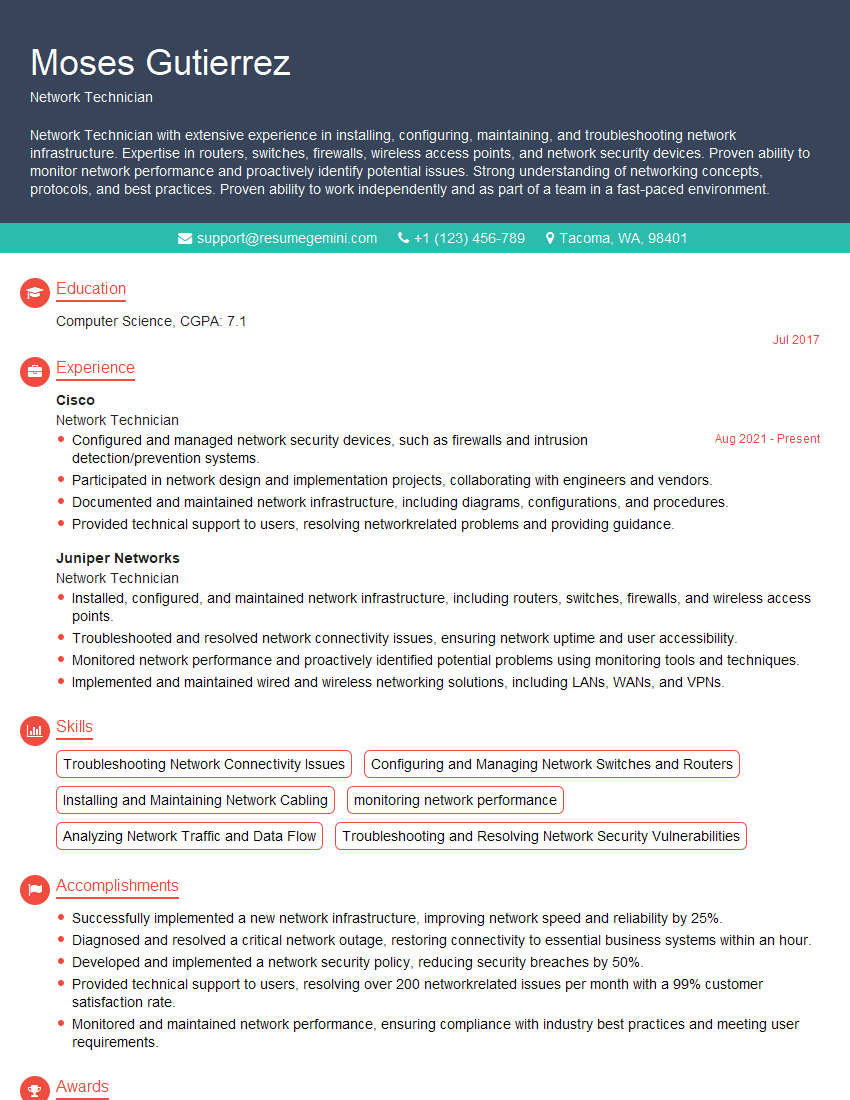
Network Technician Resume Sample
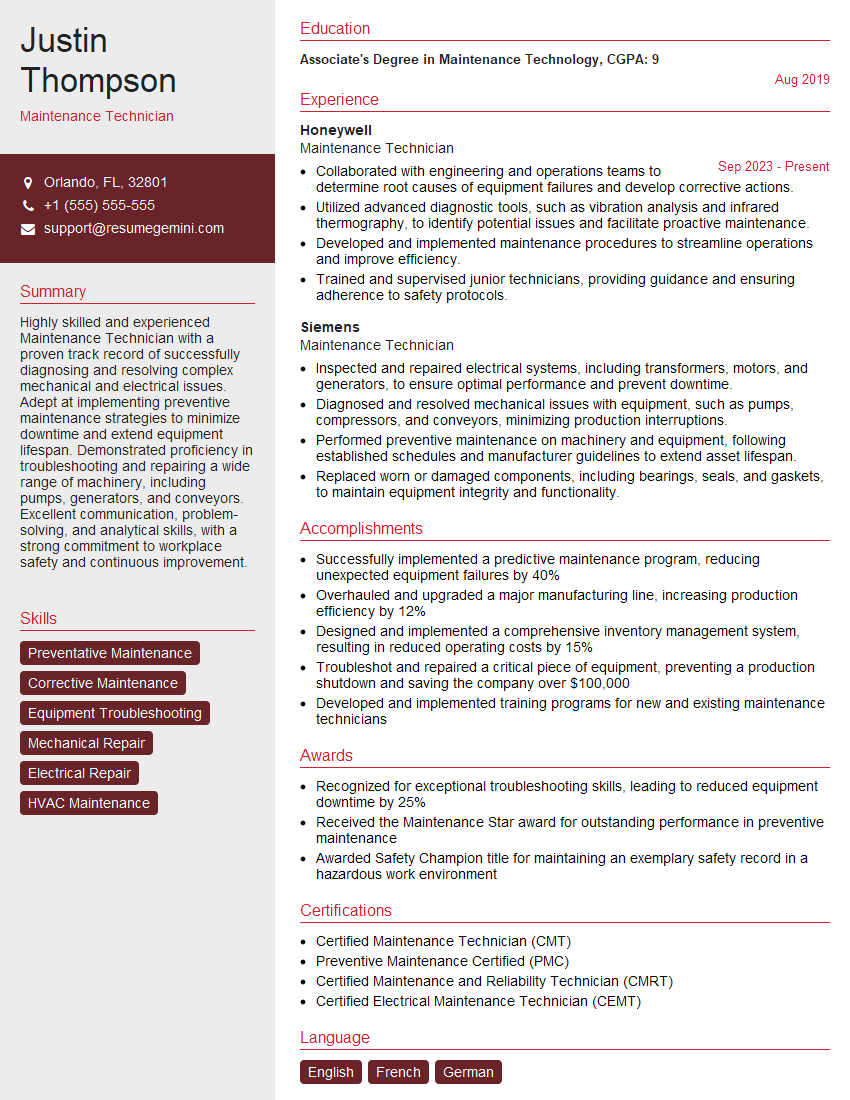
Maintenance Technician Resume Sample
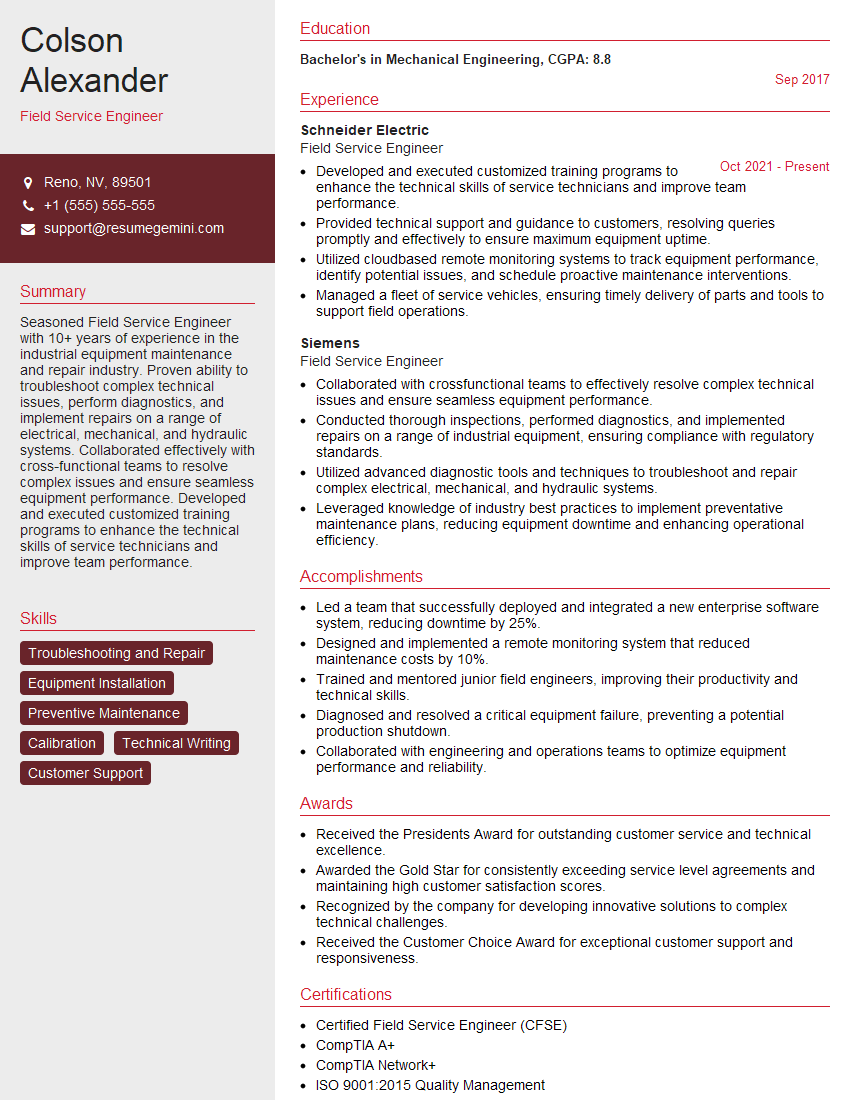
Field Service Engineer Resume Sample
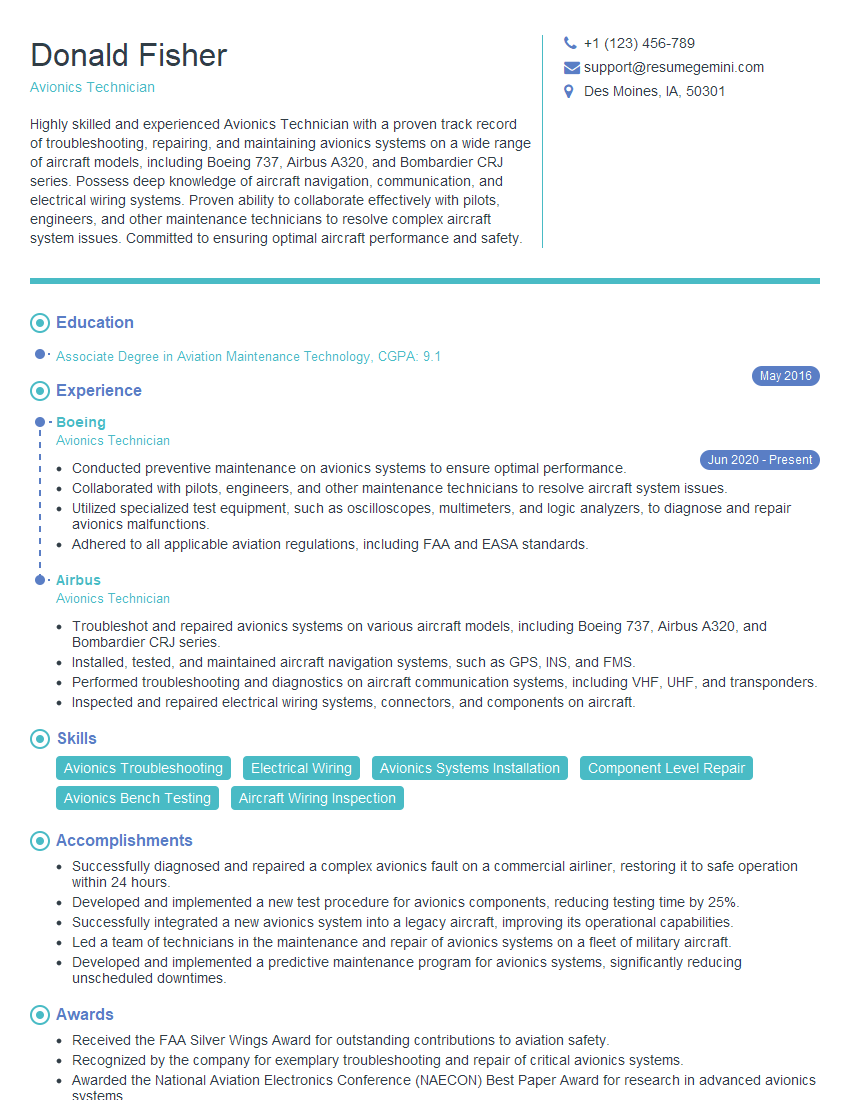
Avionics Technician Resume Sample
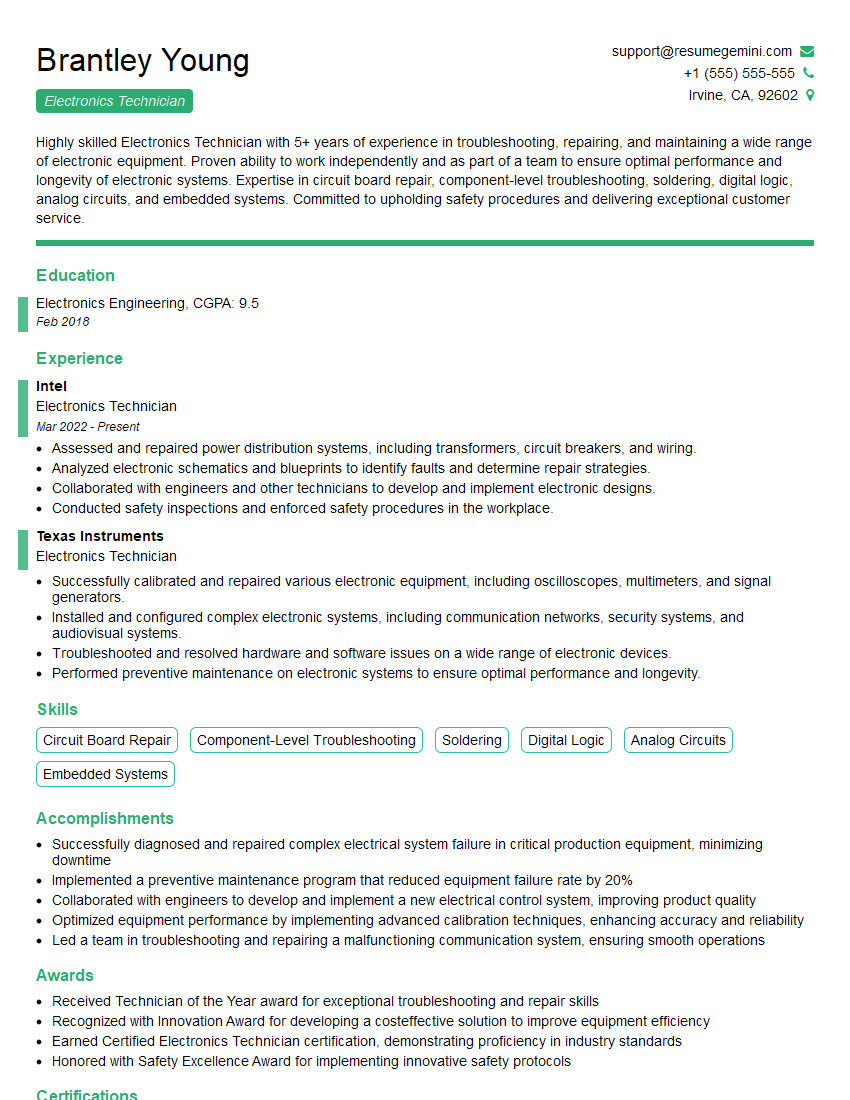
Electronics Technician Resume Sample
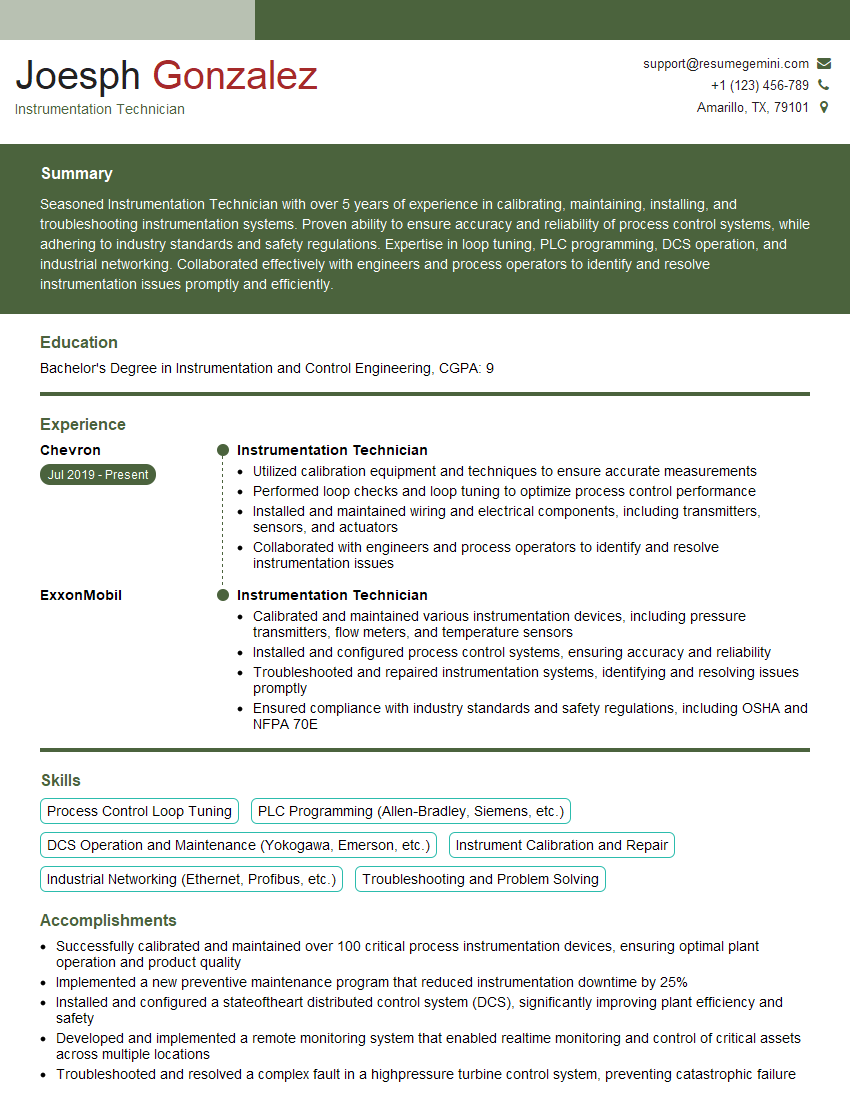
Instrumentation Technician Resume Sample
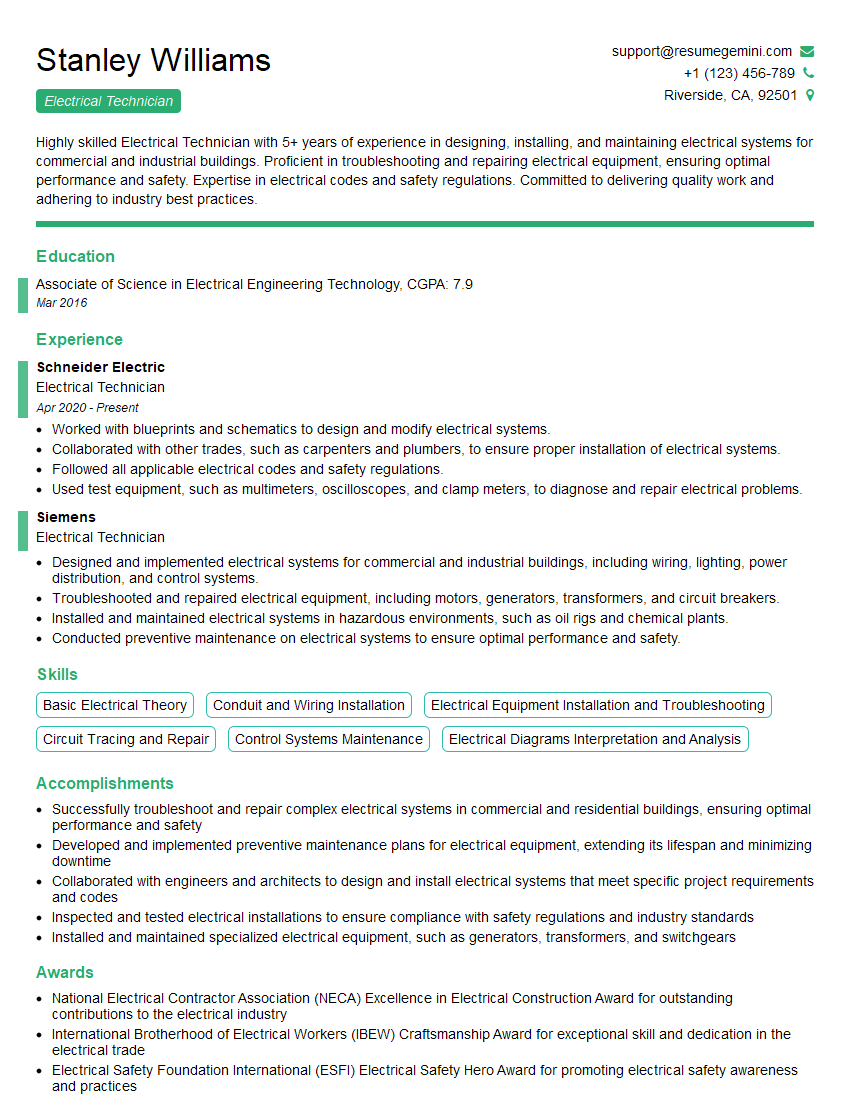
Electrical Technician Resume Sample
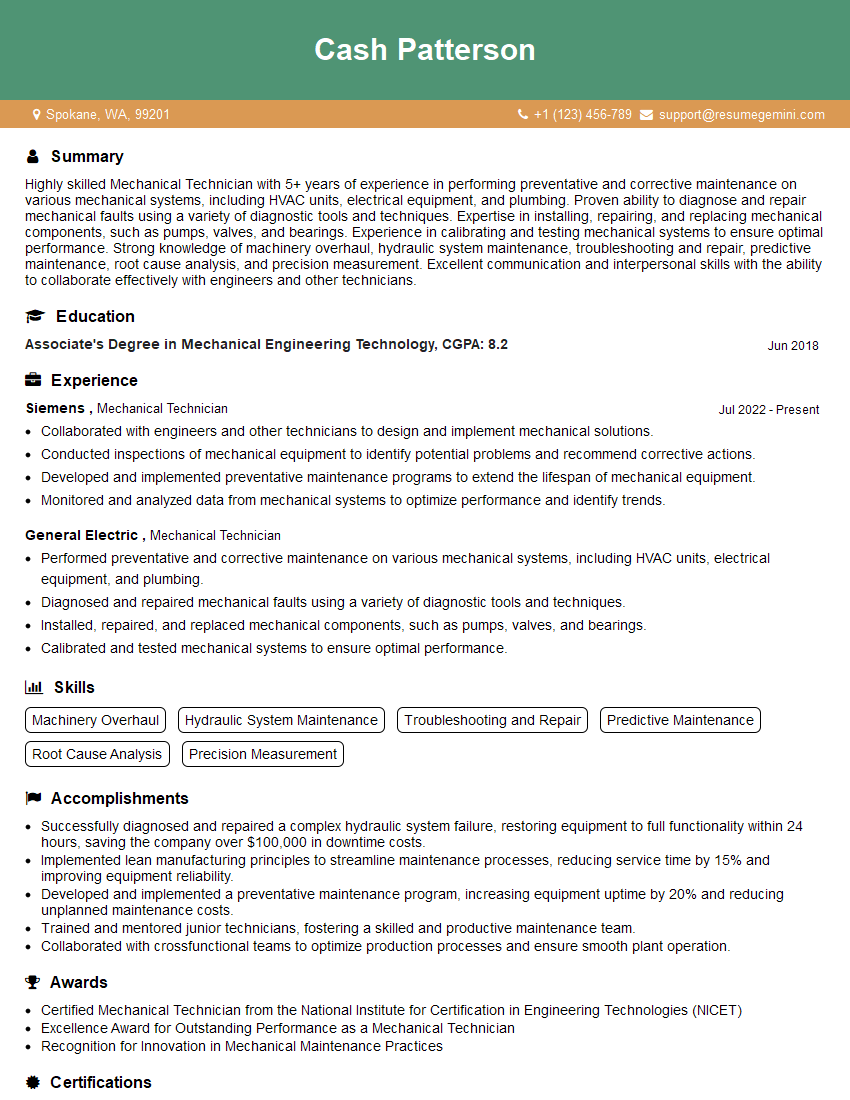
Mechanical Technician Resume Sample
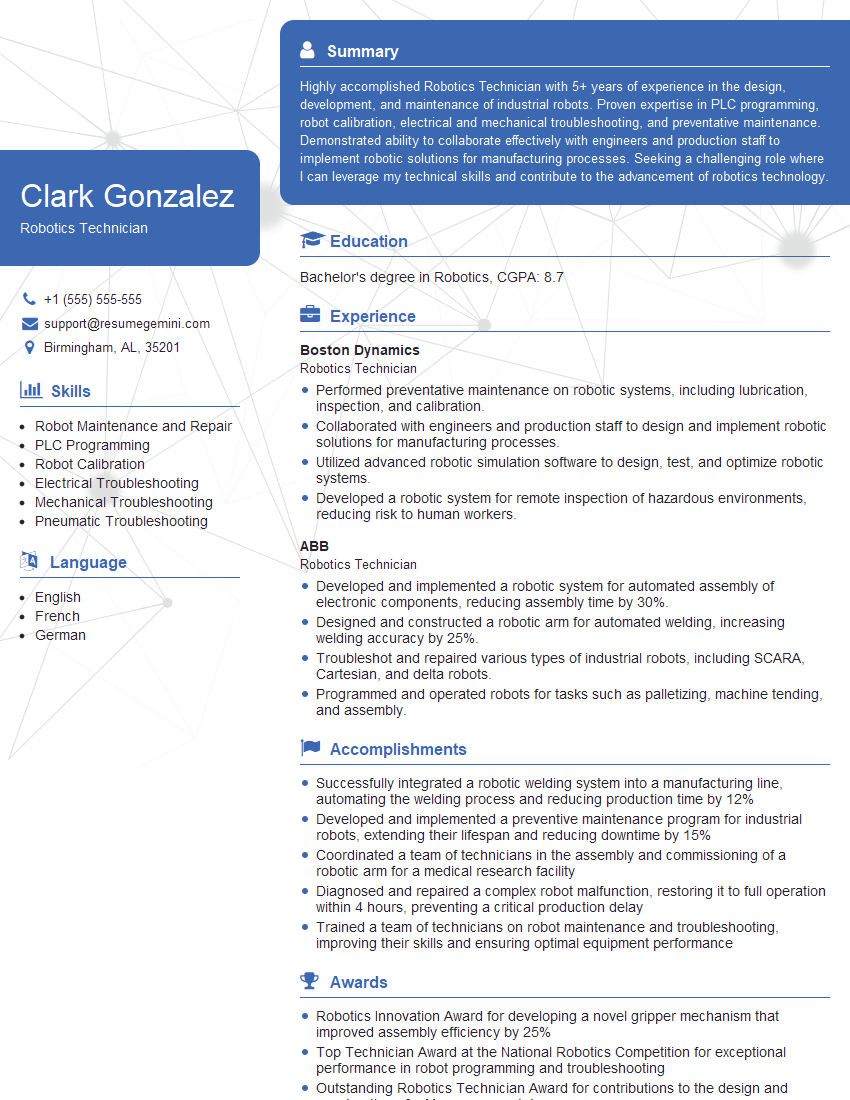
Robotics Technician Resume Sample
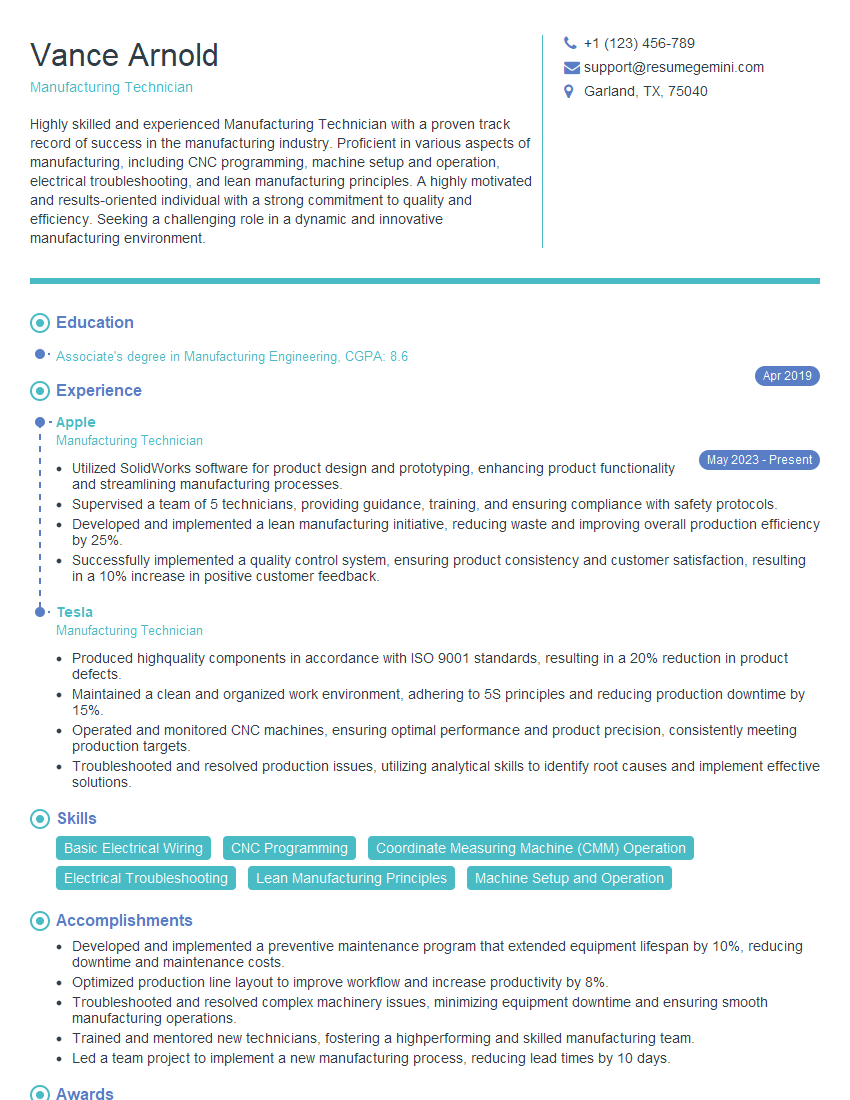
Manufacturing Technician Resume Sample
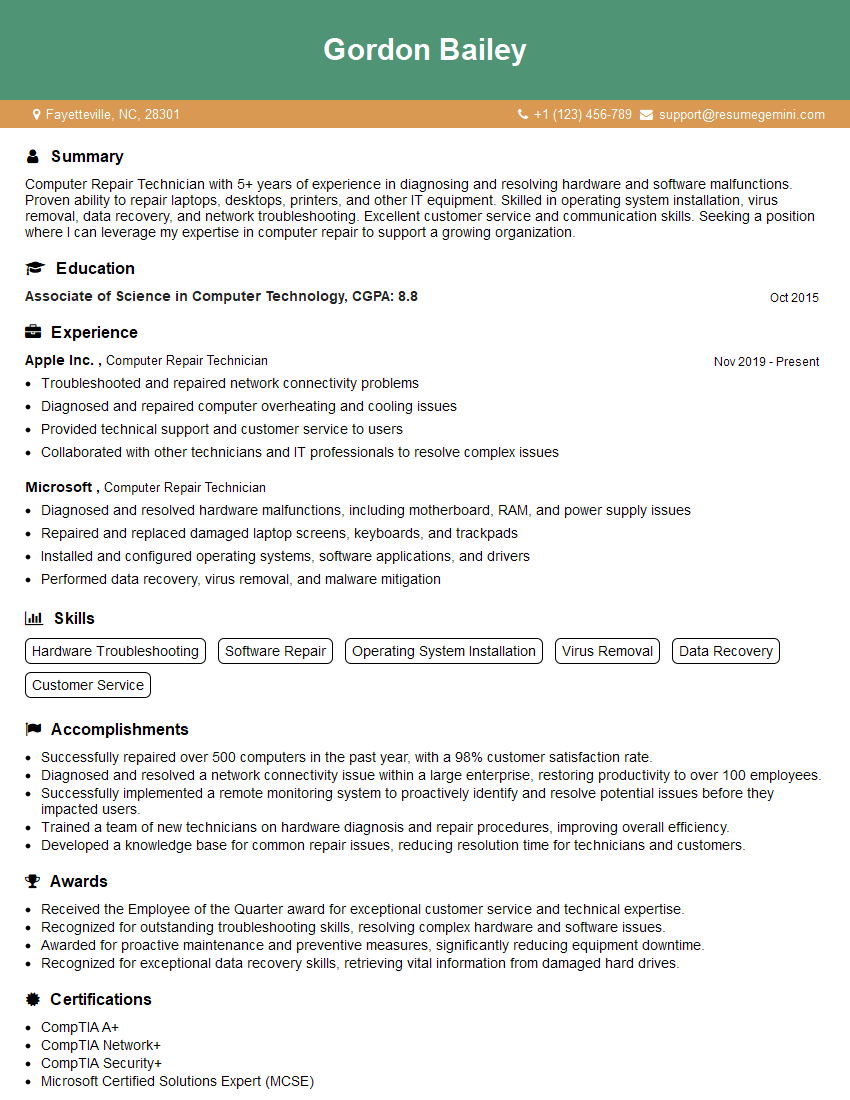
Computer Repair Technician Resume Sample
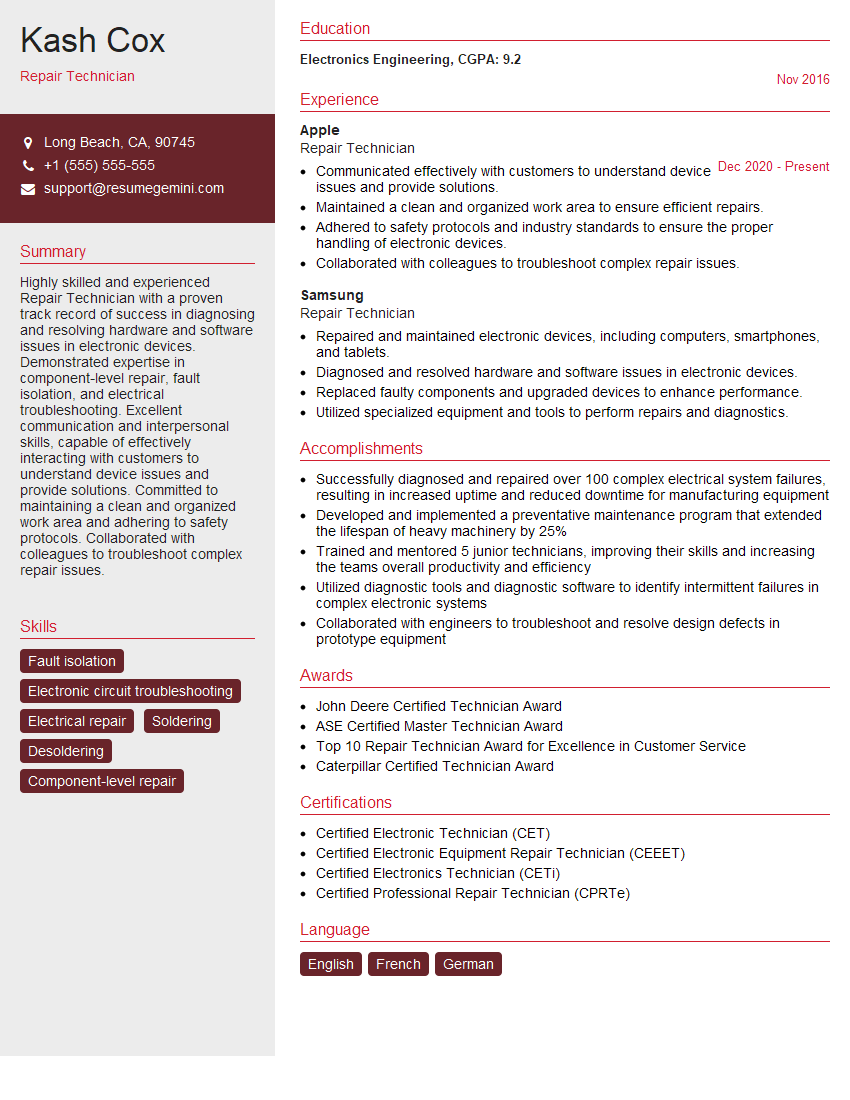
Repair Technician Resume Sample
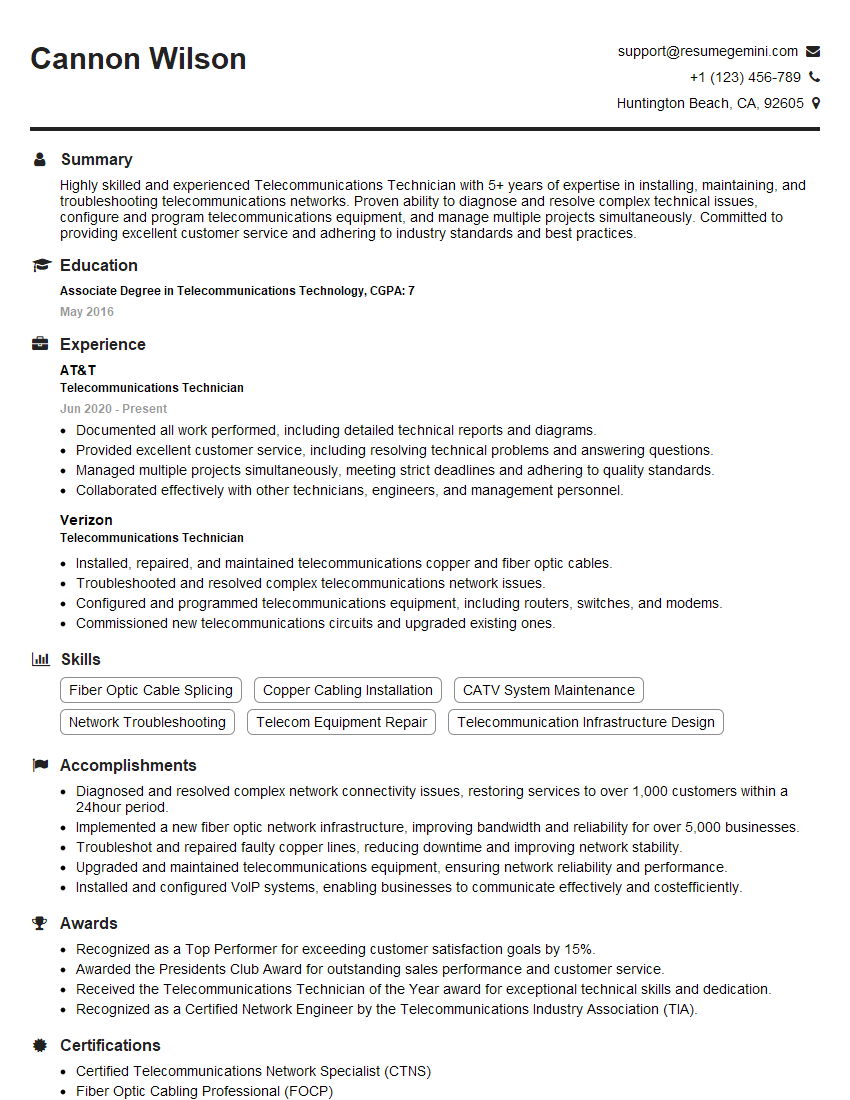
Telecommunications Technician Resume Sample
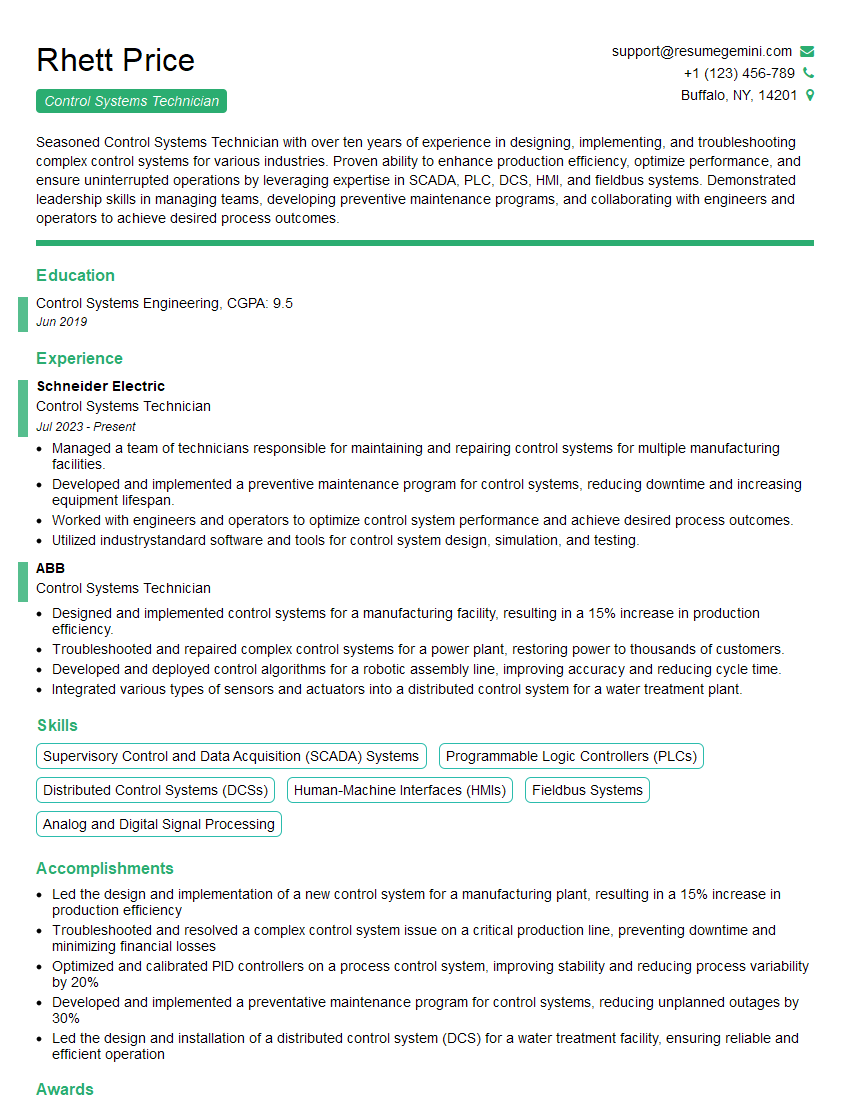
Control Systems Technician Resume Sample
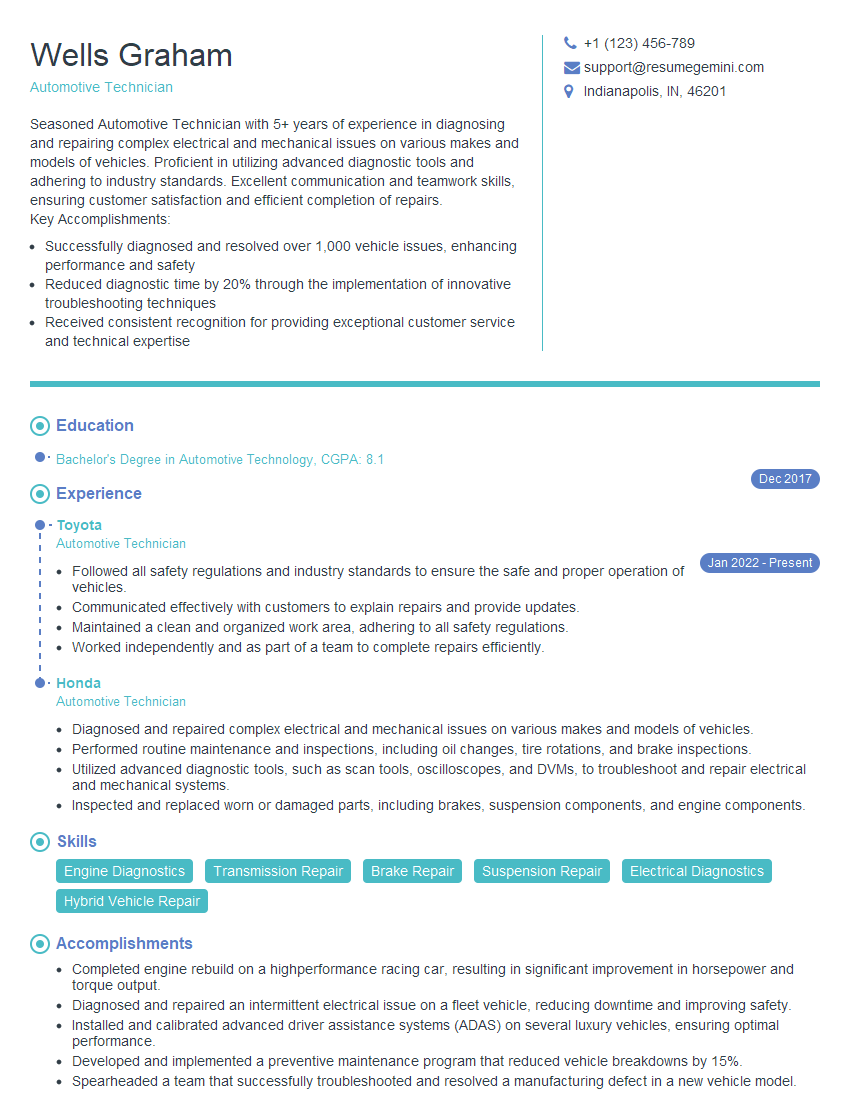
Automotive Technician Resume Sample
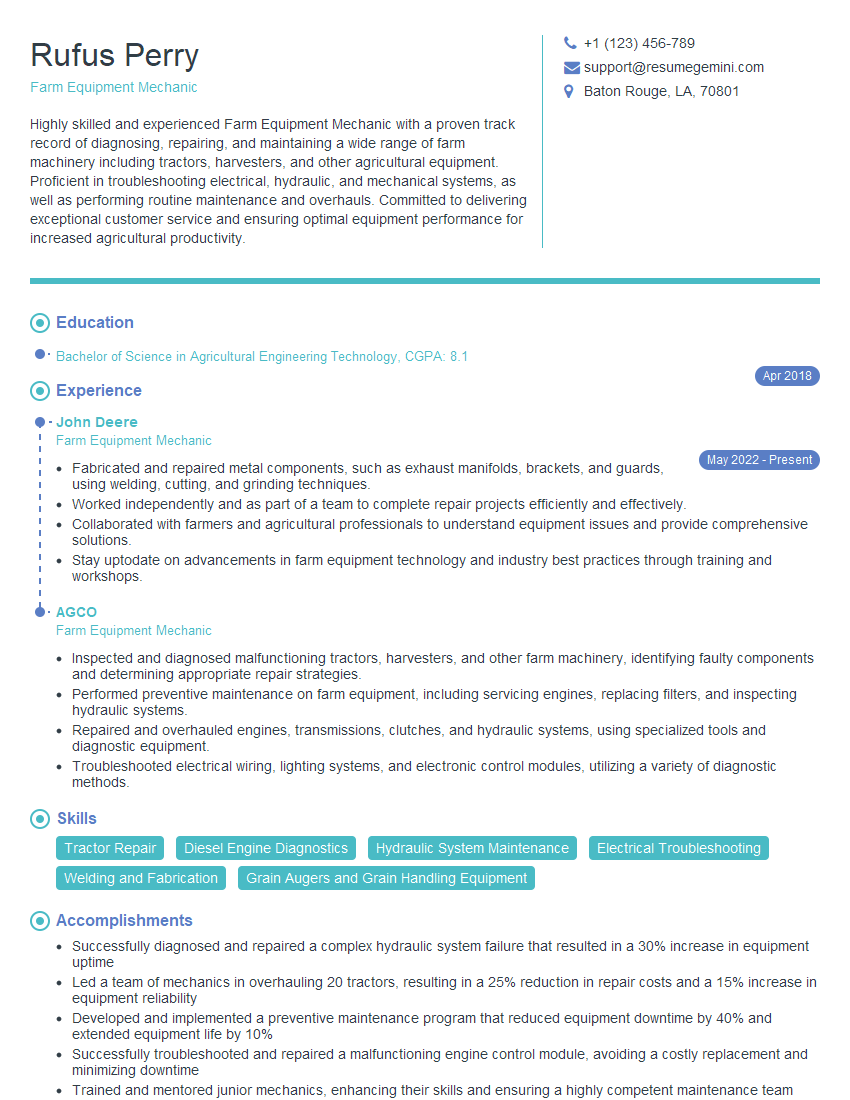
Farm Equipment Mechanic Resume Sample
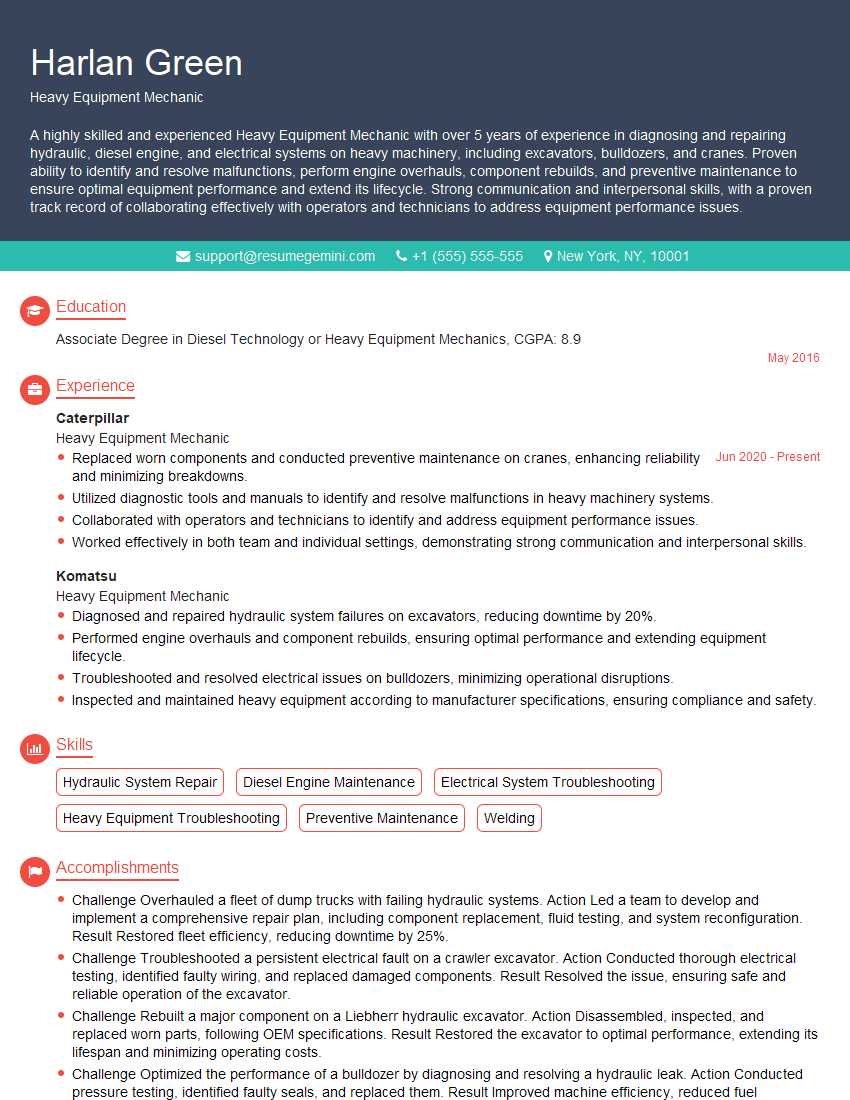
Heavy Equipment Mechanic Resume Sample
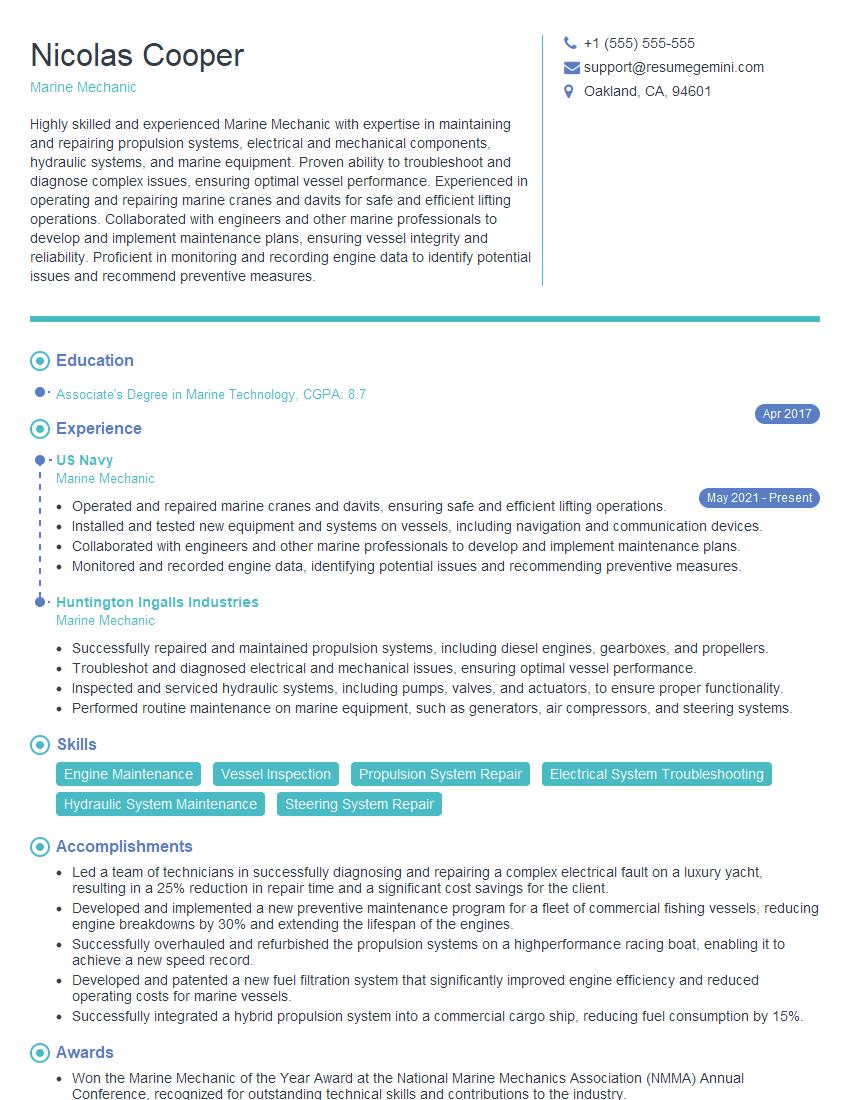
Marine Mechanic Resume Sample
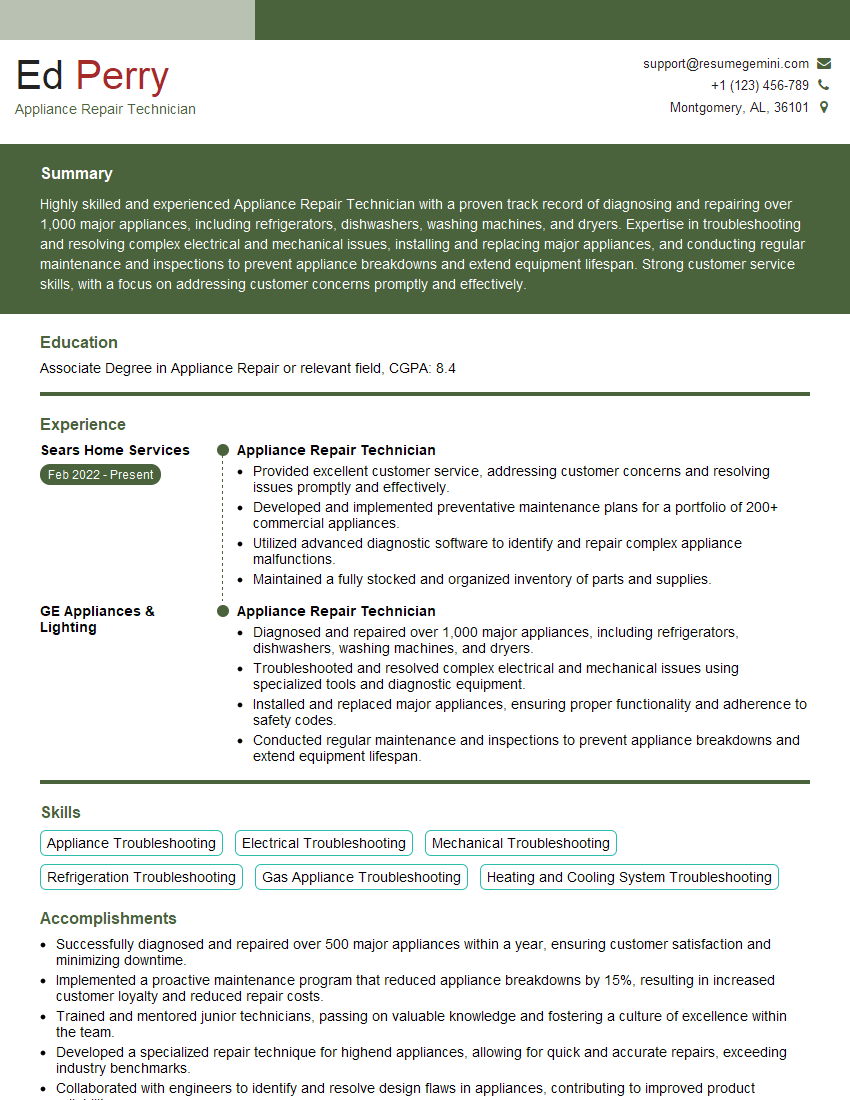
Appliance Repair Technician Resume Sample
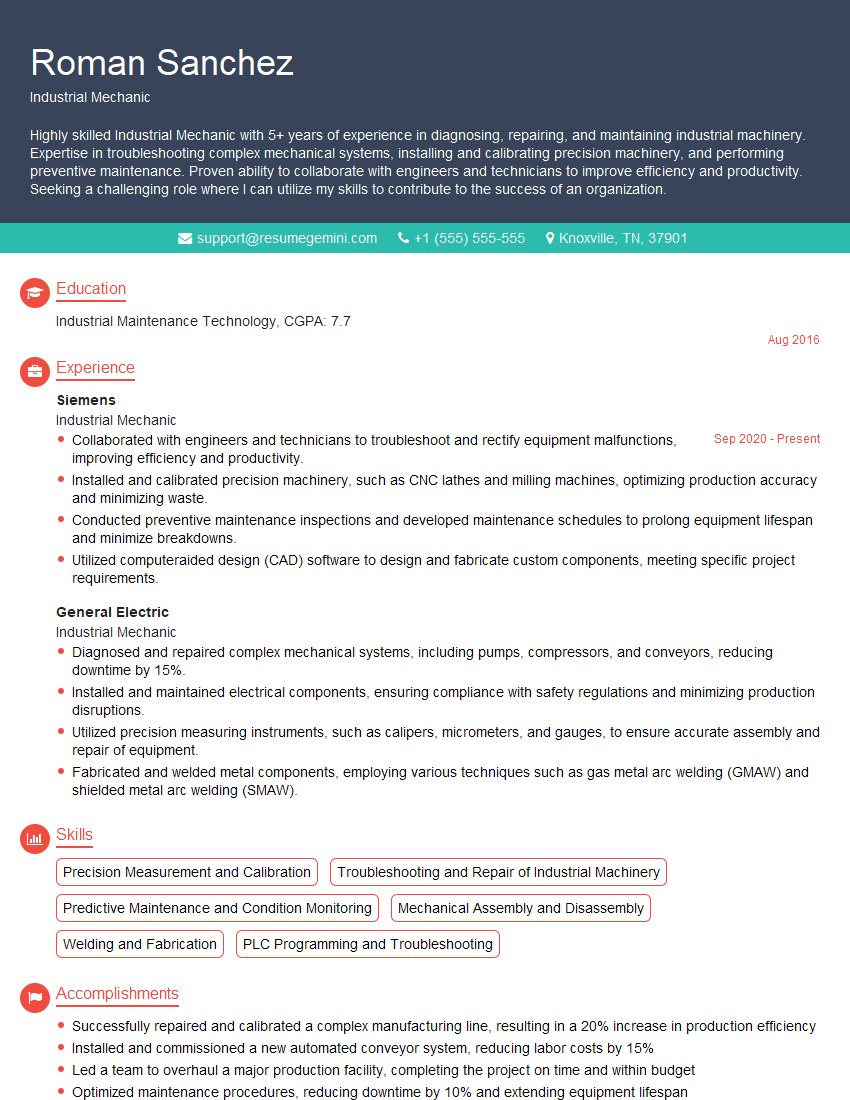
Industrial Mechanic Resume Sample
- Network Technician
- Maintenance Technician
- Field Service Engineer
- Avionics Technician
- Electronics Technician
- Instrumentation Technician
- Electrical Technician
- Mechanical Technician
- Robotics Technician
- Manufacturing Technician
- Computer Repair Technician
- Repair Technician
- Telecommunications Technician
- Control Systems Technician
- Automotive Technician
- Farm Equipment Mechanic
- Heavy Equipment Mechanic
- Marine Mechanic
- Appliance Repair Technician
- Industrial Mechanic
Explore more articles
Users Rating of Our Blogs
Share Your Experience
We value your feedback! Please rate our content and share your thoughts (optional).
What Readers Say About Our Blog
To the interviewgemini.com Webmaster.
Very helpful and content specific questions to help prepare me for my interview!
Thank you
To the interviewgemini.com Webmaster.
This was kind of a unique content I found around the specialized skills. Very helpful questions and good detailed answers.
Very Helpful blog, thank you Interviewgemini team.