Interviews are opportunities to demonstrate your expertise, and this guide is here to help you shine. Explore the essential Industrial Plant Maintenance interview questions that employers frequently ask, paired with strategies for crafting responses that set you apart from the competition.
Questions Asked in Industrial Plant Maintenance Interview
Q 1. Describe your experience with preventive maintenance programs.
Preventive maintenance (PM) is the cornerstone of reliable industrial plant operation. It involves systematically inspecting, lubricating, cleaning, and replacing components before they fail. This proactive approach significantly reduces downtime, extends equipment lifespan, and minimizes unexpected repair costs. My experience encompasses developing and implementing PM programs across diverse industrial settings, from food processing plants to chemical manufacturing facilities.
In my previous role at Acme Manufacturing, I developed a comprehensive PM program for their bottling line. This involved creating a detailed schedule based on manufacturer recommendations, equipment usage, and historical failure data. The schedule included tasks like lubrication of bearings, inspection of conveyor belts, and cleaning of critical components. We used a color-coded system to track the completion of tasks, making it visually easy for maintenance personnel to manage. The result was a 25% reduction in unplanned downtime within the first year.
Another example involved implementing a condition-based monitoring system using vibration analysis for critical pumps. This allowed for early detection of bearing wear and other potential problems, enabling scheduled maintenance before catastrophic failure. This reduced repair costs and minimized production disruptions.
Q 2. Explain your troubleshooting methodology for diagnosing equipment malfunctions.
My troubleshooting methodology is a systematic process that starts with observation and progresses through increasingly detailed diagnostics. Think of it as a detective solving a case.
- Gather Information: I begin by observing the malfunctioning equipment. What are the symptoms? When did the problem start? Were there any unusual events preceding the failure? I also interview operators to get their firsthand accounts.
- Visual Inspection: A thorough visual inspection often reveals obvious issues like loose connections, leaks, or damaged components.
- Check Sensor Data: Modern equipment often incorporates sensors providing real-time data about its operation. Checking pressure, temperature, flow rate, and other relevant parameters can quickly isolate the problem area.
- Diagnostics: If the problem isn’t immediately apparent, I use specific diagnostic tools—multimeters, oscilloscopes, infrared cameras—depending on the equipment type. For example, I’d use an oscilloscope to analyze electrical signals in a PLC-controlled system or an infrared camera to detect overheating.
- Testing and Verification: Once a potential cause is identified, I’ll perform targeted tests to verify the diagnosis. For example, replacing a suspected faulty sensor and observing if the problem is resolved.
- Documentation: Every step is meticulously documented, including observations, test results, and repair actions. This ensures consistency and aids in future troubleshooting.
For instance, I once diagnosed a malfunctioning automated welding machine by initially observing erratic movement. After checking the sensor data, it was revealed that a faulty encoder was causing inaccurate positional feedback. Replacing the encoder promptly resolved the issue.
Q 3. How do you prioritize maintenance tasks in a high-pressure environment?
Prioritizing maintenance tasks in a high-pressure environment requires a structured approach that balances urgency and importance. I typically use a combination of techniques:
- Criticality Assessment: Each task is assessed based on its potential impact on production if delayed. Tasks affecting safety or critical processes take precedence.
- Urgency Analysis: This involves considering the immediacy of the task. An impending failure requires immediate attention while a less urgent task can be scheduled later.
- Risk-Based Prioritization: This approach weighs the likelihood of failure against the severity of its consequences. A high-probability, high-impact failure receives top priority.
- Maintenance Backlog Management: I leverage CMMS software to manage maintenance requests, schedule tasks, and track progress. This provides a clear overview of outstanding work and allows for efficient prioritization.
Imagine a situation where a critical compressor is showing signs of impending failure. While other maintenance requests are pending, this becomes the top priority, as compressor failure would bring the entire production line to a standstill. This clear prioritization, facilitated by a robust CMMS system, is critical in a high-pressure environment.
Q 4. What CMMS systems are you familiar with? Describe your experience.
I’m proficient with several CMMS (Computerized Maintenance Management System) platforms, including SAP PM, Maximo, and UpKeep. My experience spans the entire lifecycle of CMMS implementation, from initial setup and configuration to ongoing data management and reporting.
In a previous role, I spearheaded the implementation of Maximo. This involved customizing the software to align with our specific needs, training maintenance personnel, and migrating existing data from our previous system. The result was a significant improvement in work order management, inventory control, and reporting capabilities. We saw a reduction in maintenance response times and improved overall equipment effectiveness (OEE).
I also have experience with UpKeep, a cloud-based CMMS, which I utilized for a smaller facility. Its user-friendly interface and mobile accessibility simplified task management for the field technicians, increasing their efficiency.
Q 5. How do you ensure compliance with safety regulations during maintenance activities?
Ensuring compliance with safety regulations during maintenance activities is paramount. My approach involves a multi-layered strategy:
- Lockout/Tagout (LOTO) Procedures: Strict adherence to LOTO procedures is essential before commencing any work on energized equipment. This prevents accidental energization and protects personnel from electrical hazards.
- Permit-to-Work System: For high-risk activities, a permit-to-work system is employed. This involves a formal authorization process, ensuring that all necessary precautions are in place before work begins.
- Safety Training: All maintenance personnel receive comprehensive safety training, covering topics such as hazard identification, risk assessment, and the use of personal protective equipment (PPE).
- Regular Safety Audits: Regular safety audits are conducted to identify potential hazards and ensure compliance with regulations. Corrective actions are implemented to address any deficiencies.
- Documentation: Detailed records are maintained of all safety-related activities, including training records, permit-to-work documents, and incident reports.
For example, before working on a high-voltage electrical panel, we rigorously follow the LOTO procedure, ensuring the power is completely isolated and locked out before any work begins. This strict adherence to procedures minimizes risk and guarantees worker safety.
Q 6. Describe a time you had to manage a critical equipment failure.
During my time at a food processing plant, a critical refrigeration unit failed during a peak production period. This threatened to spoil thousands of dollars worth of product and disrupt the entire production schedule.
My immediate response involved activating our emergency maintenance protocol. This included assembling a team of experienced technicians, securing replacement parts, and prioritizing the repair effort. We utilized our CMMS system to track the progress and allocate resources efficiently. We diagnosed the problem as a compressor failure. Due to the urgency, we sourced a replacement compressor from a nearby supplier and worked around the clock to get the unit back online.
We successfully restored the refrigeration system within 24 hours, minimizing product loss and production downtime. This incident highlighted the importance of having a well-defined emergency response plan, access to critical spare parts, and a skilled maintenance team.
Q 7. Explain your understanding of root cause analysis techniques.
Root cause analysis (RCA) is a systematic process for identifying the underlying cause of a problem, not just its symptoms. This is crucial for preventing recurrence. Several techniques are employed:
- 5 Whys: This simple yet effective method involves repeatedly asking “why” to drill down to the root cause. For instance, if a pump failed, we might ask: Why did the pump fail? (worn bearings). Why were the bearings worn? (insufficient lubrication). Why was there insufficient lubrication? (failed lubrication system). Why did the lubrication system fail? (lack of preventative maintenance).
- Fishbone Diagram (Ishikawa Diagram): This visual tool categorizes potential causes of a problem into categories like materials, methods, manpower, machinery, and measurement. It helps to brainstorm and identify potential root causes systematically.
- Fault Tree Analysis (FTA): This technique uses a diagram to show the logical relationships between events that lead to a failure. It is particularly useful for complex systems.
By employing these techniques, we can move beyond treating symptoms and address the underlying issue, thereby preventing future occurrences. In the refrigeration unit failure described earlier, RCA revealed that the compressor failure wasn’t just a random event but resulted from a lack of regular preventative maintenance, specifically insufficient lubrication checks. This highlighted a gap in our PM program, which was subsequently addressed.
Q 8. How do you develop and maintain positive relationships with other departments?
Building and maintaining positive relationships with other departments is crucial for efficient plant operation. It’s all about fostering a collaborative environment where everyone understands their role in the overall success of the plant. I achieve this through several key strategies:
- Proactive Communication: I regularly schedule meetings with department heads to discuss upcoming maintenance activities, potential disruptions, and resource needs. This ensures transparency and allows for collaborative problem-solving.
- Empathy and Understanding: I make a conscious effort to understand the pressures and priorities of other departments. For example, I’ll work with production to schedule maintenance during downtime to minimize impact on output.
- Joint Problem-Solving: When issues arise, I actively involve relevant departments in finding solutions. This fosters a sense of ownership and shared responsibility. For instance, if a production line malfunction is impacting maintenance activities, we’ll collaborate to find the quickest resolution.
- Feedback and Recognition: Openly acknowledging the contributions of other departments strengthens relationships and motivates continued collaboration. A simple ‘thank you’ for their cooperation goes a long way.
In essence, it’s about treating other departments as partners, not just as recipients of maintenance services.
Q 9. What are your preferred methods for training junior maintenance personnel?
Training junior maintenance personnel is a vital aspect of ensuring a skilled and efficient workforce. My approach is multifaceted and emphasizes both theoretical knowledge and practical skills:
- Structured On-the-Job Training (OJT): I pair junior staff with experienced technicians for hands-on learning. This allows for immediate feedback and skill development in a real-world setting. For example, a new technician might shadow a senior technician during a pump repair, learning the proper procedures and troubleshooting techniques.
- Classroom Training: I conduct or arrange for classroom sessions covering safety procedures, equipment operation, preventative maintenance schedules, and troubleshooting strategies. We use interactive methods like case studies and simulations to enhance understanding.
- Mentorship Programs: I actively encourage mentorship relationships where experienced technicians guide and support junior staff. This provides personalized guidance and accelerates skill development.
- Regular Performance Reviews: I regularly review their performance, identify areas for improvement, and provide constructive feedback. This fosters continuous learning and improvement.
- Certification Programs: I encourage participation in industry-recognized certification programs to validate their skills and enhance their professional development.
By combining different training methods, I ensure that junior personnel are equipped with the skills and knowledge necessary to perform their jobs effectively and safely.
Q 10. Describe your experience with predictive maintenance technologies.
Predictive maintenance technologies are transforming industrial maintenance, allowing for proactive problem-solving instead of reactive repairs. My experience includes the implementation and utilization of several such technologies:
- Vibration Analysis: Using vibration sensors and analysis software, we detect anomalies in equipment operation, allowing us to predict and prevent failures before they occur. For instance, detecting imbalances in rotating equipment like pumps or motors can prevent catastrophic breakdowns.
- Infrared Thermography: Infrared cameras identify heat signatures indicating overheating components, a common precursor to failures. This allows for timely repairs, preventing significant damage and downtime.
- Oil Analysis: Regular analysis of lubricating oils reveals the presence of contaminants or degradation products, providing insight into the condition of machinery and guiding preventative measures. Changes in oil viscosity or the presence of metal particles could indicate wear and tear.
- Data Analytics: Integrating data from various sensors and systems allows for pattern recognition and predictive modeling. This helps us anticipate potential failures based on historical data and operating parameters.
The integration of these technologies has significantly reduced equipment downtime, optimized maintenance schedules, and extended the lifespan of plant equipment.
Q 11. How do you manage maintenance budgets and resources effectively?
Effective maintenance budget and resource management is critical for maintaining plant efficiency. My approach involves a combination of planning, prioritization, and control:
- Budget Planning: I collaborate with management to develop a comprehensive maintenance budget, allocating funds based on equipment criticality, maintenance needs, and available resources.
- Prioritization: I utilize techniques like criticality analysis (determining the impact of equipment failure) to prioritize maintenance activities. This ensures that resources are allocated to the most critical systems first.
- Resource Allocation: I ensure that the right personnel, equipment, and materials are available when needed, optimizing resource utilization.
- Performance Monitoring: I regularly track spending against the budget and adjust resource allocation as needed, ensuring that we remain on track.
- Cost-Benefit Analysis: Before undertaking large maintenance projects, I conduct thorough cost-benefit analyses to determine the optimal solution. This involves evaluating the cost of repair versus replacement, factoring in downtime costs and long-term benefits.
By carefully managing resources and prioritizing tasks, I ensure that maintenance activities are performed efficiently and cost-effectively, while maximizing the return on investment.
Q 12. What metrics do you use to track the effectiveness of maintenance programs?
Tracking the effectiveness of maintenance programs is essential to demonstrate value and identify areas for improvement. I employ various metrics to gauge performance:
- Mean Time Between Failures (MTBF): This metric indicates the average time between equipment failures. A higher MTBF suggests improved equipment reliability.
- Mean Time To Repair (MTTR): This metric reflects the average time taken to repair a piece of equipment. Lower MTTR signifies efficient repair processes.
- Overall Equipment Effectiveness (OEE): OEE considers equipment availability, performance, and quality to provide a holistic measure of equipment effectiveness. Improving OEE is a key objective of effective maintenance.
- Maintenance Cost per Unit Produced: This metric tracks the cost of maintenance relative to production output, providing insight into the efficiency of maintenance spending.
- Planned vs. Unplanned Downtime: This ratio indicates the effectiveness of preventative maintenance in reducing unplanned downtime.
By regularly monitoring these metrics and analyzing trends, I can identify areas needing improvement and adjust maintenance strategies to optimize plant performance.
Q 13. Describe your experience with different types of lubrication and their applications.
Lubrication is critical for equipment longevity and efficiency. My experience encompasses various types and their applications:
- Mineral Oils: These are widely used general-purpose lubricants, suitable for many applications where performance requirements are moderate. They are cost-effective but may have limitations in extreme temperature conditions.
- Synthetic Oils: These offer superior performance compared to mineral oils, particularly in extreme temperatures or demanding applications. They provide better oxidation resistance and longer lifespan, reducing maintenance frequency. Examples include synthetic ester oils and polyalphaolefins (PAOs).
- Grease: Grease is a semi-solid lubricant suitable for applications requiring long-term lubrication and protection against environmental factors. Different grease types are available, with varying viscosity and additives for different applications. Examples include lithium-based, calcium-based, and complex greases.
- Specialty Lubricants: These are tailored to specific equipment or operating conditions. For example, food-grade lubricants are used in the food processing industry to meet stringent hygiene requirements.
Selecting the right lubricant is crucial. Factors to consider include operating temperature, load, speed, and the material compatibility of the equipment. I always adhere to manufacturers’ recommendations and maintain detailed lubrication schedules to ensure optimal equipment performance and longevity.
Q 14. How do you handle conflicting priorities and deadlines in maintenance planning?
Conflicting priorities and deadlines are common in maintenance planning. My approach involves a structured process to effectively manage these situations:
- Prioritization Matrix: I employ a prioritization matrix, considering factors like urgency, impact, and risk to rank maintenance tasks. This ensures that critical tasks are addressed first.
- Communication and Collaboration: Openly communicating with all stakeholders (production, engineering, management) to explain the constraints and seek solutions. This could involve negotiating deadlines or adjusting priorities based on input from all relevant parties.
- Resource Optimization: Strategically allocating resources to address the highest priority tasks. This might involve shifting personnel or re-prioritizing less critical activities.
- Contingency Planning: Developing contingency plans for potential delays or unforeseen issues. This could involve having backup personnel, equipment, or materials available.
- Regular Progress Monitoring: Closely monitoring progress on all maintenance tasks and adjusting schedules as needed. This proactive approach allows for timely intervention if delays occur.
By combining clear prioritization with effective communication and flexible planning, I navigate conflicting priorities and deadlines efficiently, ensuring that critical maintenance is completed promptly and effectively.
Q 15. What is your experience with different types of industrial equipment?
Throughout my 15 years in industrial plant maintenance, I’ve worked extensively with a wide range of equipment. This includes heavy machinery like conveyor systems, cranes, and large-scale processing units in manufacturing plants, as well as more specialized equipment such as robotic arms in automotive assembly lines and high-precision CNC machines in aerospace manufacturing. My experience extends to both mechanical and electrical systems, encompassing pumps, compressors, motors, PLC controllers, and SCADA systems. I’m comfortable troubleshooting and maintaining equipment from various manufacturers, understanding their unique designs and operational characteristics.
For instance, in my previous role at a chemical processing plant, I was responsible for the preventative maintenance of centrifugal pumps handling corrosive chemicals. This involved understanding the pump’s specific material composition to prevent corrosion and failure. In another project, I oversaw the upgrade of a legacy PLC control system in a food processing facility, ensuring seamless integration with newer equipment and improved process control. This breadth of experience allows me to adapt quickly to new challenges and solve complex equipment-related issues.
Career Expert Tips:
- Ace those interviews! Prepare effectively by reviewing the Top 50 Most Common Interview Questions on ResumeGemini.
- Navigate your job search with confidence! Explore a wide range of Career Tips on ResumeGemini. Learn about common challenges and recommendations to overcome them.
- Craft the perfect resume! Master the Art of Resume Writing with ResumeGemini’s guide. Showcase your unique qualifications and achievements effectively.
- Don’t miss out on holiday savings! Build your dream resume with ResumeGemini’s ATS optimized templates.
Q 16. Explain your understanding of vibration analysis and its application in maintenance.
Vibration analysis is a crucial predictive maintenance technique that helps identify potential equipment failures before they lead to costly downtime. It involves measuring the vibrations produced by machinery during operation. These vibrations, analyzed using specialized sensors and software, reveal information about the machine’s internal condition. Different vibration patterns indicate different problems – for example, increased amplitude at certain frequencies might signify bearing wear, while a sudden shift in frequency could indicate imbalance or misalignment.
In practice, we use accelerometers to measure vibrations at various points on the equipment. The data is then processed using Fast Fourier Transform (FFT) analysis to obtain a frequency spectrum. By comparing this spectrum to baseline data or established standards, we can identify anomalies and predict potential failures. This allows us to schedule maintenance proactively, preventing catastrophic breakdowns and maximizing equipment uptime. For example, in one instance, vibration analysis detected early signs of bearing wear in a critical compressor, allowing us to replace the bearing before it failed and caused a costly production shutdown.
Q 17. How do you perform a risk assessment before starting a maintenance job?
A thorough risk assessment is paramount before undertaking any maintenance job. My approach involves a systematic process, often using a standardized methodology like HAZOP (Hazard and Operability Study) or a simpler checklist. I begin by identifying potential hazards related to the equipment, work environment, and procedures. This includes considering physical hazards (e.g., moving parts, high temperatures, confined spaces), chemical hazards (e.g., exposure to hazardous substances), and electrical hazards.
Next, I evaluate the likelihood and severity of each hazard. This involves considering factors such as the frequency of exposure, the probability of an accident, and the potential consequences. Based on this evaluation, I implement control measures to mitigate risks. These measures could range from using personal protective equipment (PPE) like safety glasses and gloves to implementing lockout/tagout procedures to isolate energy sources before maintenance. Finally, I document the entire risk assessment process, including identified hazards, risk levels, control measures, and residual risks. This documentation serves as a reference for the maintenance team and ensures accountability.
Q 18. Describe your experience with different types of welding techniques.
My welding experience encompasses several techniques, primarily focusing on those relevant to industrial plant maintenance. I’m proficient in Shielded Metal Arc Welding (SMAW), often called stick welding, which is versatile and suitable for various materials in diverse environments. I’m also skilled in Gas Metal Arc Welding (GMAW), or MIG welding, known for its speed and efficiency, especially for thicker materials. I have experience with Gas Tungsten Arc Welding (GTAW), or TIG welding, which is ideal for precision work and joining thin materials, often used in repairing critical components.
Furthermore, I possess a working knowledge of other methods like Flux-Cored Arc Welding (FCAW), which is efficient for outdoor applications, and specialized welding processes for specific materials like stainless steel or aluminum. Beyond the technical skills, I emphasize the importance of proper weld preparation, inspection, and adherence to safety protocols to ensure the quality and integrity of welds. In a past project, I used TIG welding to repair a critical section of a pipeline conveying high-pressure steam, requiring meticulous attention to detail and adherence to strict quality control standards.
Q 19. What are your strategies for improving equipment reliability and uptime?
Improving equipment reliability and uptime requires a multi-faceted approach. A cornerstone is implementing a robust preventative maintenance (PM) program, which includes scheduled inspections, lubrication, and component replacements based on manufacturers’ recommendations and historical data. This proactive approach prevents failures and extends equipment lifespan. Further enhancing reliability involves employing predictive maintenance techniques like vibration analysis, thermal imaging, and oil analysis to detect potential problems before they escalate.
Another vital strategy is optimizing operating parameters. This involves regularly monitoring equipment performance, identifying areas for improvement, and adjusting settings to maximize efficiency and minimize stress on components. For example, optimizing lubrication intervals can extend bearing life significantly. Investing in equipment upgrades and modernization can also significantly boost reliability. This includes replacing outdated components with more modern, reliable alternatives. Finally, effective training for maintenance personnel is crucial; a well-trained team is key to efficient and effective maintenance practices, leading to improved reliability and reduced downtime.
Q 20. How do you ensure the proper storage and handling of spare parts?
Proper storage and handling of spare parts are essential for efficient maintenance and minimizing downtime. Our system begins with a clearly organized warehouse with designated storage areas for different parts, categorized by equipment type and part number. We utilize a robust inventory management system that tracks parts, monitors stock levels, and alerts us when replenishment is needed. This system uses barcodes or RFID tags for accurate tracking and prevents errors in inventory counts.
We also adhere to strict storage procedures, ensuring that parts are protected from environmental factors such as moisture, dust, and extreme temperatures. Parts susceptible to corrosion are stored in appropriate containers or with protective coatings. Handling procedures include the use of appropriate equipment like forklifts or hand trucks to prevent damage during movement. Clear labeling and documentation help ensure that parts are easily located and identified. Regular inventory audits are conducted to verify stock levels and identify any discrepancies. This comprehensive approach ensures that critical spare parts are readily available when needed, minimizing repair times and production disruptions.
Q 21. What experience do you have with hydraulic and pneumatic systems?
My experience with hydraulic and pneumatic systems spans several years, encompassing troubleshooting, maintenance, and repair. I’m proficient in diagnosing and resolving issues in both systems, from simple leaks to complex control system malfunctions. I understand the principles of fluid power, including pressure, flow, and the function of various components such as pumps, valves, actuators, and cylinders in both hydraulic and pneumatic circuits.
In hydraulic systems, I’ve worked on various applications, including those used in heavy machinery, material handling equipment, and industrial presses. My expertise includes identifying leaks, troubleshooting hydraulic pumps, repairing valves, and replacing seals. In pneumatic systems, I’ve worked on applications such as automated assembly lines, robotic systems, and process control equipment. My experience here includes resolving air leaks, diagnosing issues with air compressors, and repairing pneumatic actuators. I also possess a good understanding of safety procedures associated with working with high-pressure systems, emphasizing safe handling and maintenance practices to prevent accidents.
Q 22. Explain your understanding of different types of bearings and their applications.
Bearings are crucial components in rotating machinery, reducing friction and supporting load. Different types are chosen based on factors like load, speed, and operating environment.
- Ball Bearings: These use rolling steel balls to reduce friction. They’re excellent for high speeds and relatively light loads, commonly found in motors, pumps, and fans. Think of a skateboard wheel – that’s a simple ball bearing in action.
- Roller Bearings: Utilize cylindrical or tapered rollers, handling heavier radial loads than ball bearings. They are suitable for applications with high radial loads and moderate speeds, such as conveyor systems and large gearboxes. Imagine a larger, stronger wheel supporting a heavier load – that’s the concept behind roller bearings.
- Thrust Bearings: Designed to manage axial loads (forces pushing along the shaft’s axis). They’re often used in applications like propeller shafts or vertical pumps where the primary force is along the shaft.
- Sleeve Bearings (Journal Bearings): These bearings use a fluid film (oil or grease) between a rotating shaft and a stationary sleeve to reduce friction. They excel at handling heavy loads at low speeds, often found in large machinery like compressors and turbines. Think of a lubricated piston – the oil acts as the bearing.
The selection process depends heavily on the specific application. For instance, a high-speed motor will use ball bearings, whereas a heavy-duty conveyor system might use roller bearings. A proper bearing selection ensures optimal machine performance and longevity.
Q 23. How do you manage inventory control for maintenance parts and supplies?
Effective inventory control for maintenance parts is crucial for minimizing downtime and optimizing costs. I employ a multi-faceted approach incorporating several key strategies.
- ABC Analysis: Categorize parts based on their usage value (A – high value, B – medium, C – low). This helps prioritize inventory management efforts, focusing on critical parts (A) while employing simpler strategies for less critical items (C).
- Just-in-Time (JIT) Inventory: For less critical parts, implement JIT strategies to minimize storage costs and reduce obsolescence risks. This requires accurate forecasting and strong supplier relationships.
- Max-Min Levels: Establish maximum and minimum stock levels for each part to ensure sufficient supply while avoiding excessive inventory. This balances the risks of stockouts against the costs of holding excessive inventory.
- Regular Stock Audits: Conduct regular physical inventory checks to reconcile with the inventory management system and identify discrepancies. This ensures accuracy and helps spot potential issues.
- Computerized Maintenance Management System (CMMS): Utilize CMMS software to track parts usage, predict future needs, and manage inventory levels automatically. CMMS provides real-time visibility and automated alerts for low-stock items, leading to proactive ordering and reduced downtime.
In practice, I’ve successfully implemented these methods to reduce inventory holding costs by 15% while simultaneously reducing unplanned downtime by 10% in a previous role. The key to success is accurate data, consistent monitoring, and ongoing refinement of the system.
Q 24. Describe your experience with electrical troubleshooting and repair.
Electrical troubleshooting and repair is a critical aspect of industrial maintenance, requiring a systematic approach and a strong understanding of electrical principles.
- Safety First: Always prioritize safety, using proper lockout/tagout procedures and personal protective equipment (PPE) before beginning any work.
- Systematic Approach: Use a methodical process when diagnosing electrical problems. Start with visual inspections for obvious damage, then use multimeters to test voltage, current, and resistance. I often follow a structured diagnostic tree to isolate the fault quickly.
- Understanding Schematics: I’m proficient in reading and interpreting electrical schematics and wiring diagrams. This is essential for understanding the system’s architecture and identifying the potential points of failure.
- Motor Control Circuits: My experience includes troubleshooting motor control circuits, including starters, contactors, overload relays, and programmable logic controllers (PLCs). I can diagnose problems related to motor starting, stopping, and protection.
- Instrumentation: I can troubleshoot various industrial instruments, including sensors, transmitters, and actuators. This includes diagnosing issues with signal integrity and calibration problems.
For example, I once diagnosed a motor failure in a critical pump by systematically checking voltage at each component in the motor control circuit, ultimately isolating a faulty contactor. Replacing the contactor quickly restored operation and prevented significant production loss.
Q 25. How familiar are you with lockout/tagout procedures?
Lockout/Tagout (LOTO) procedures are paramount for ensuring worker safety in industrial environments. They are a critical part of preventing accidental energization or startup of equipment during maintenance activities.
My understanding of LOTO procedures includes the following steps:
- Preparation: Identify the energy sources (electrical, hydraulic, pneumatic, etc.) to be controlled.
- Energy Isolation: Shut down and isolate all energy sources to the equipment being serviced. This might involve shutting down breakers, isolating valves, or removing pressure sources.
- Lockout: Apply a lock to the energy isolating device to prevent re-energization. Each worker involved in the maintenance should apply their own lock.
- Tagout: Attach a tag clearly indicating that the equipment is locked out and who performed the lockout. This serves as a visual warning to others.
- Verification: After lockout, verify that the energy source is indeed isolated before commencing maintenance work.
- Tag Removal and Release: Only the person who applied the lock can remove it. This process should be verified and documented.
I’ve consistently implemented and enforced LOTO procedures throughout my career, emphasizing their critical role in preventing accidents and maintaining a safe work environment. Compliance with these procedures is non-negotiable in my work process.
Q 26. Describe your experience with various types of pumps and compressors.
I have extensive experience with various types of pumps and compressors, understanding their operational principles, common maintenance issues, and repair techniques.
- Pumps: I’m familiar with centrifugal pumps, positive displacement pumps (reciprocating, rotary), and submersible pumps. My expertise includes diagnosing issues like bearing failure, seal leaks, impeller wear, cavitation, and priming problems. I understand the importance of proper alignment, lubrication, and fluid compatibility.
- Compressors: I have experience with reciprocating, centrifugal, and rotary screw compressors. My troubleshooting skills include diagnosing issues such as valve problems, lubrication problems, intercoolers, and aftercoolers. I’m also familiar with the importance of safety practices related to high-pressure systems.
For example, I once resolved a significant production bottleneck caused by a failing centrifugal pump by quickly diagnosing a worn impeller and replacing it. This prevented costly downtime and maintained production flow. My experience allows me to quickly assess the cause of pump or compressor failures and execute efficient repairs.
Q 27. Explain your understanding of the importance of documentation in maintenance.
Documentation is absolutely essential in industrial maintenance, serving as the backbone of efficient operations and continuous improvement. It provides a historical record of equipment performance, maintenance activities, and critical decisions.
- Preventive Maintenance Schedules: Detailed records of scheduled maintenance activities ensure that critical tasks are performed promptly, preventing equipment failure and extending the lifespan of assets.
- Corrective Maintenance Reports: Accurate documentation of corrective maintenance actions provides insights into recurring problems, enabling identification of root causes and implementation of preventative measures.
- Parts Inventory: Thorough documentation of parts usage helps optimize inventory management, reducing storage costs and minimizing downtime due to part shortages.
- Equipment History: Comprehensive equipment history, including performance data, maintenance records, and modifications, allows for informed decision-making regarding repairs, replacements, and upgrades.
- Safety Records: Detailed safety records, including incident reports, near misses, and safety training, are crucial for maintaining a safe work environment and complying with regulatory requirements.
Poor documentation can lead to increased downtime, higher maintenance costs, and safety hazards. A well-maintained documentation system provides a single source of truth for all maintenance activities, supporting informed decisions and continuous improvement.
Q 28. How do you stay up-to-date on the latest maintenance technologies and best practices?
Staying current with the latest maintenance technologies and best practices is crucial for any industrial maintenance professional. I actively engage in several strategies to ensure my knowledge remains up-to-date.
- Professional Organizations: Membership in professional organizations like [mention relevant organizations] provides access to industry publications, conferences, and networking opportunities, exposing me to new trends and best practices.
- Industry Publications and Websites: I regularly read industry magazines, journals, and websites to keep abreast of the latest advancements in maintenance technologies and techniques.
- Conferences and Workshops: I actively attend industry conferences and workshops to learn from experts and network with colleagues.
- Online Courses and Training: I regularly participate in online courses and training programs to enhance my skills and expand my knowledge in specific areas.
- Vendor Interactions: I engage with equipment vendors and suppliers to learn about new products and technologies.
This continuous learning process enables me to implement innovative solutions, improve efficiency, and ensure the use of the most effective maintenance techniques, benefiting the company’s overall productivity and reducing maintenance expenses.
Key Topics to Learn for Industrial Plant Maintenance Interview
- Preventive Maintenance (PM): Understanding PM schedules, techniques, and their impact on equipment lifespan and operational efficiency. Practical application: Developing and implementing a PM plan for a specific piece of equipment, considering factors like frequency, tasks, and spare parts.
- Predictive Maintenance (PdM): Utilizing data analysis (vibration analysis, oil analysis, thermal imaging) to predict potential failures and schedule maintenance proactively. Practical application: Interpreting PdM data to identify emerging issues and prioritize maintenance tasks based on risk assessment.
- Corrective Maintenance: Troubleshooting malfunctions, performing repairs, and restoring equipment to full operational capacity. Practical application: Diagnosing the cause of a specific equipment failure and outlining the steps for repair, including necessary tools and parts.
- Safety Procedures and Regulations: Demonstrating a thorough understanding of OSHA regulations and safety protocols specific to industrial plant maintenance, including lockout/tagout procedures and personal protective equipment (PPE) usage. Practical application: Describing a scenario where safety protocols prevented an accident or injury.
- Root Cause Analysis (RCA): Identifying the underlying causes of equipment failures to prevent recurrence. Practical application: Applying RCA methodologies (e.g., 5 Whys) to a past maintenance incident and proposing solutions to prevent future occurrences.
- CMMS (Computerized Maintenance Management System) Software: Familiarity with CMMS software for work order management, inventory tracking, and maintenance scheduling. Practical application: Explaining how a CMMS system improves efficiency and reduces downtime.
- Specific Equipment Knowledge: Demonstrating knowledge of the maintenance procedures for specific equipment relevant to the target job description (e.g., pumps, motors, conveyors, PLC systems). Practical application: Discussing your experience maintaining a specific type of equipment and highlighting your troubleshooting skills.
Next Steps
Mastering Industrial Plant Maintenance opens doors to a rewarding career with excellent growth potential, offering opportunities for specialization and advancement into supervisory or management roles. To significantly boost your job prospects, it’s crucial to create a resume that’s not only impressive but also ATS-friendly (Applicant Tracking System-friendly). ResumeGemini is a trusted resource that can help you build a professional, impactful resume tailored to the demands of the Industrial Plant Maintenance field. Examples of resumes specifically designed for Industrial Plant Maintenance professionals are available to help you get started.
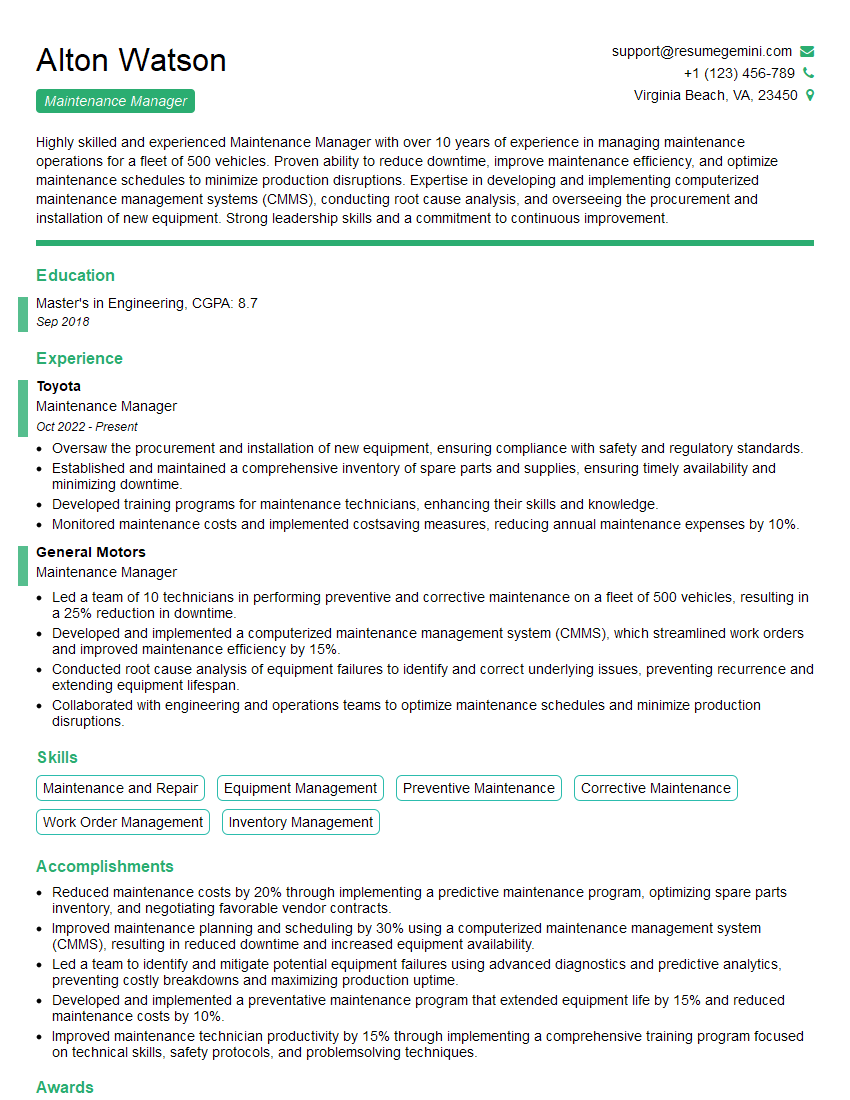
Maintenance Manager Resume Sample
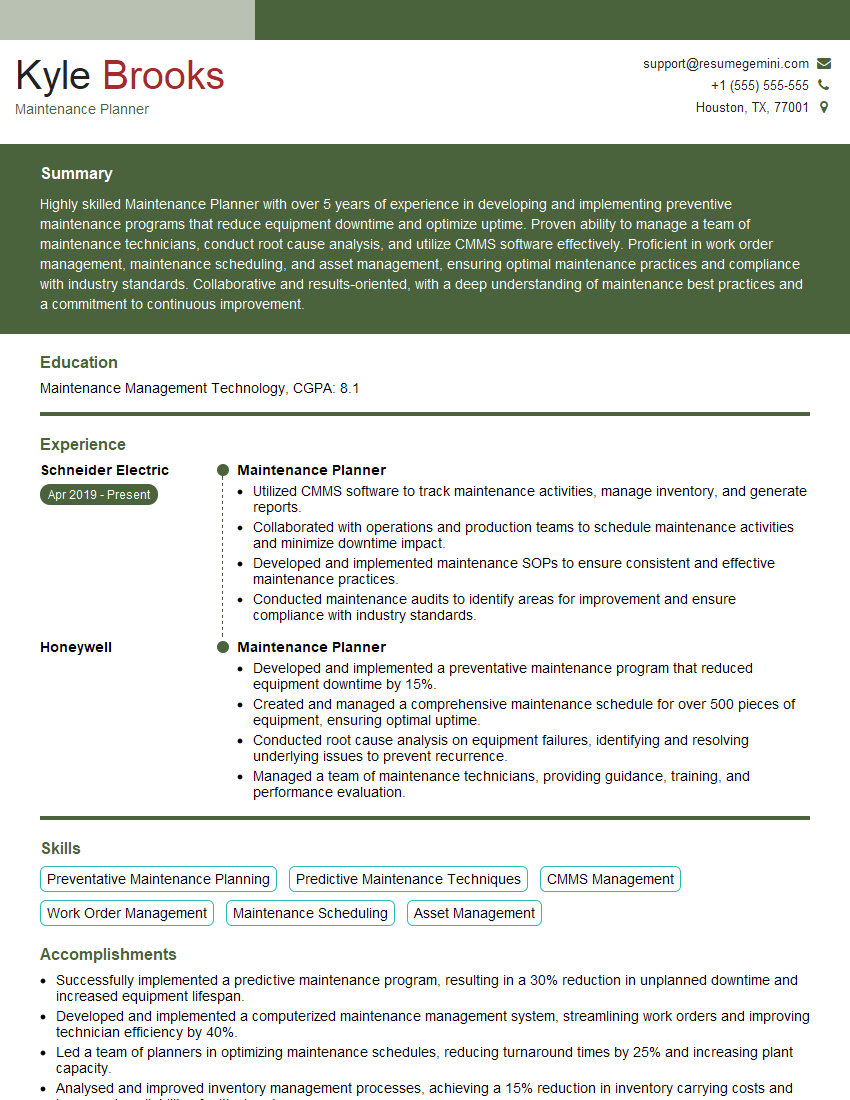
Maintenance Planner Resume Sample
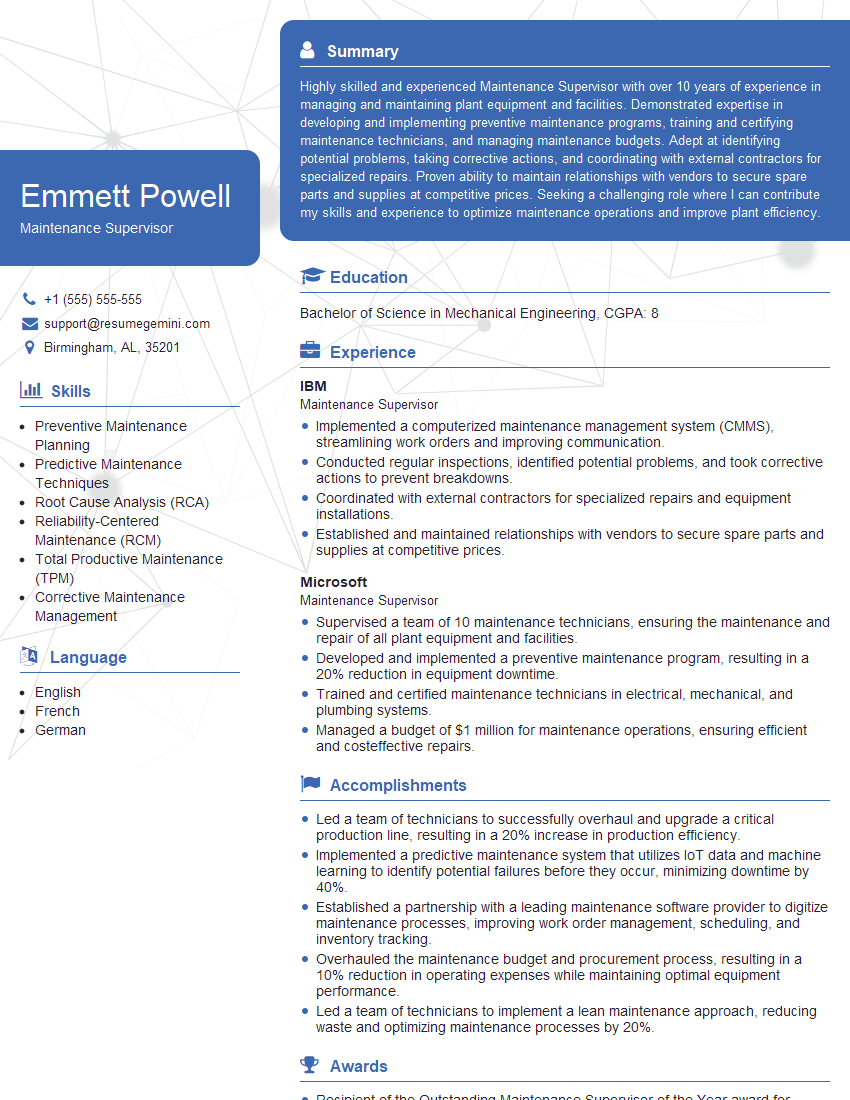
Maintenance Supervisor Resume Sample
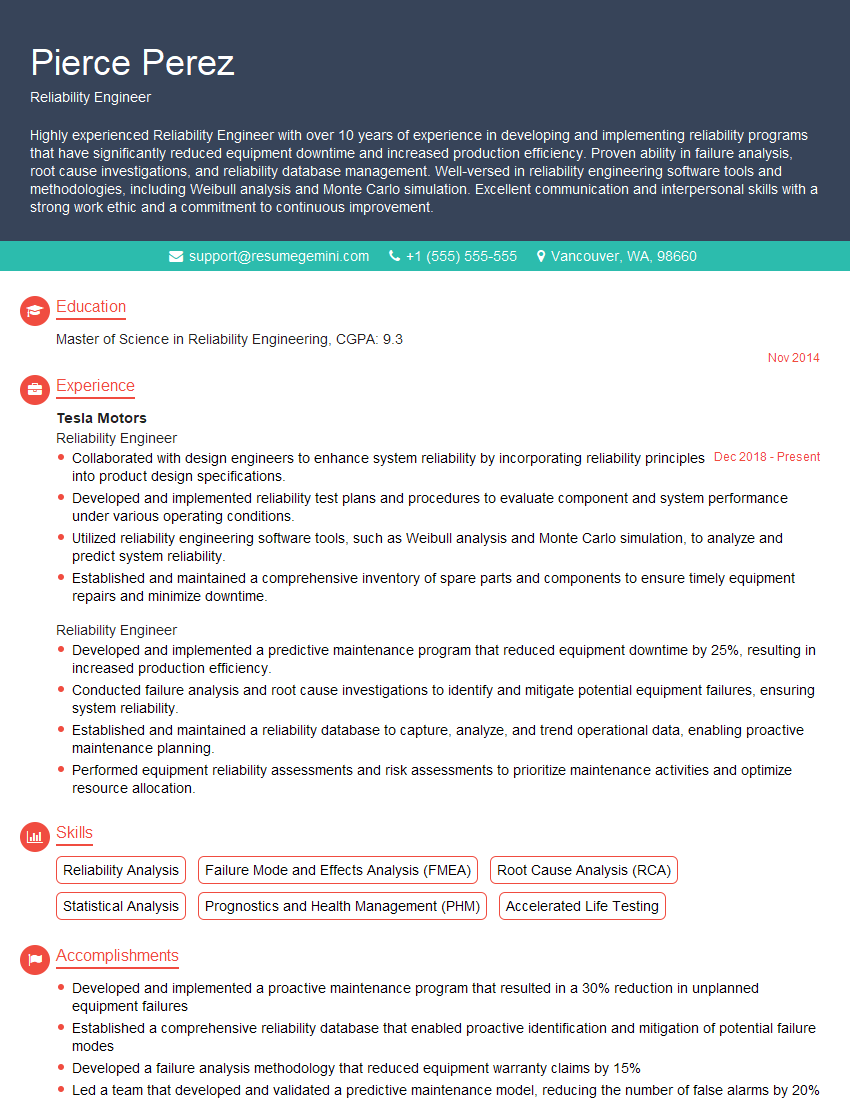
Reliability Engineer Resume Sample
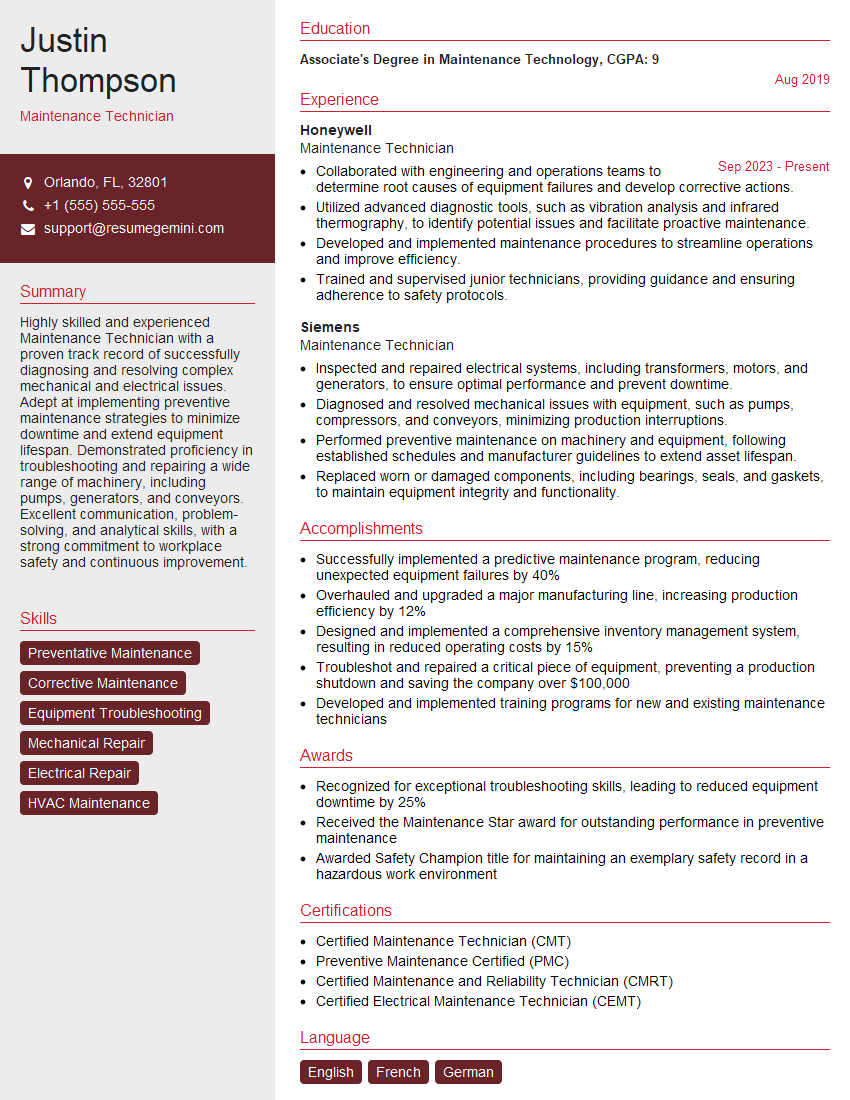
Maintenance Technician Resume Sample
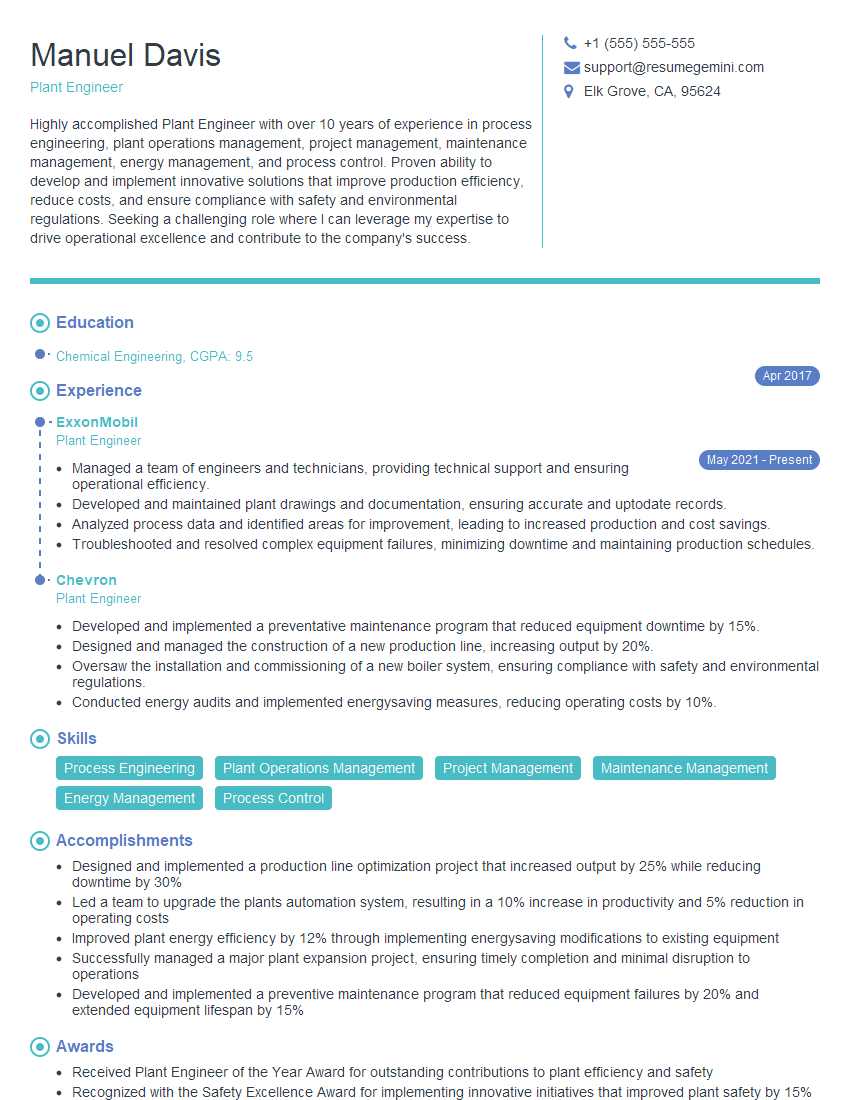
Plant Engineer Resume Sample
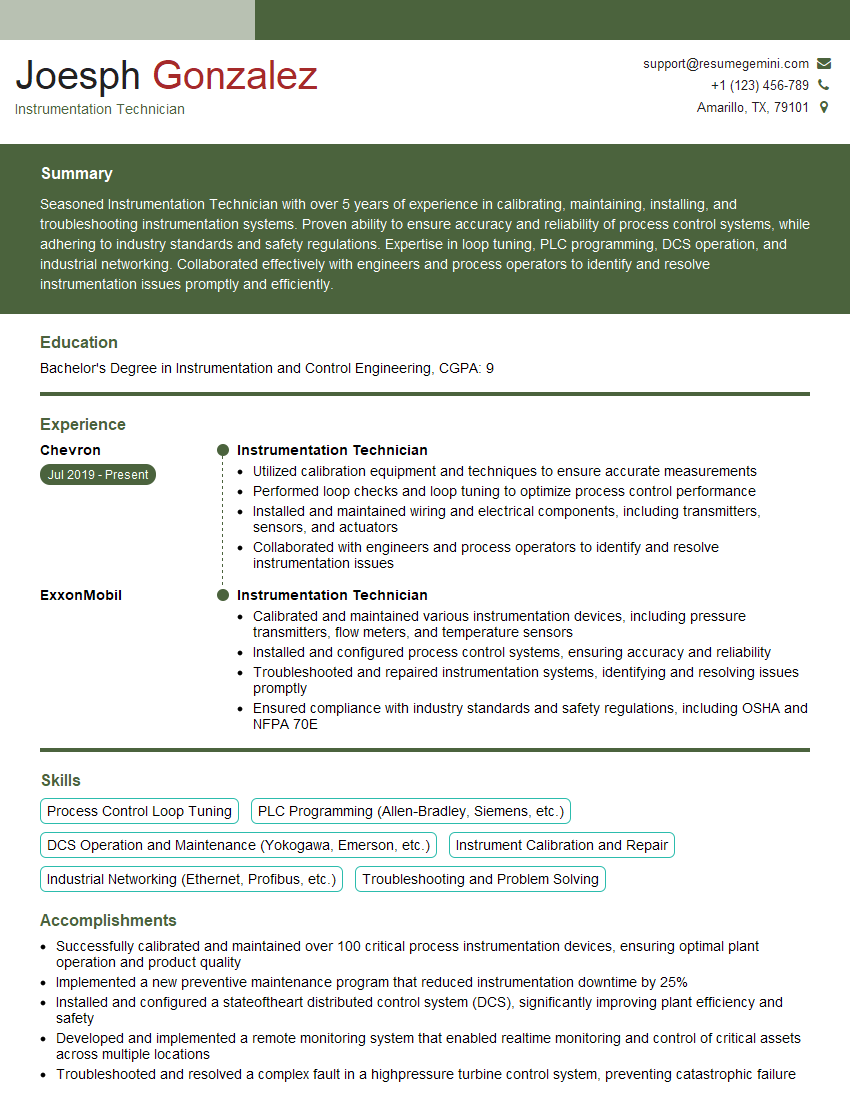
Instrumentation Technician Resume Sample
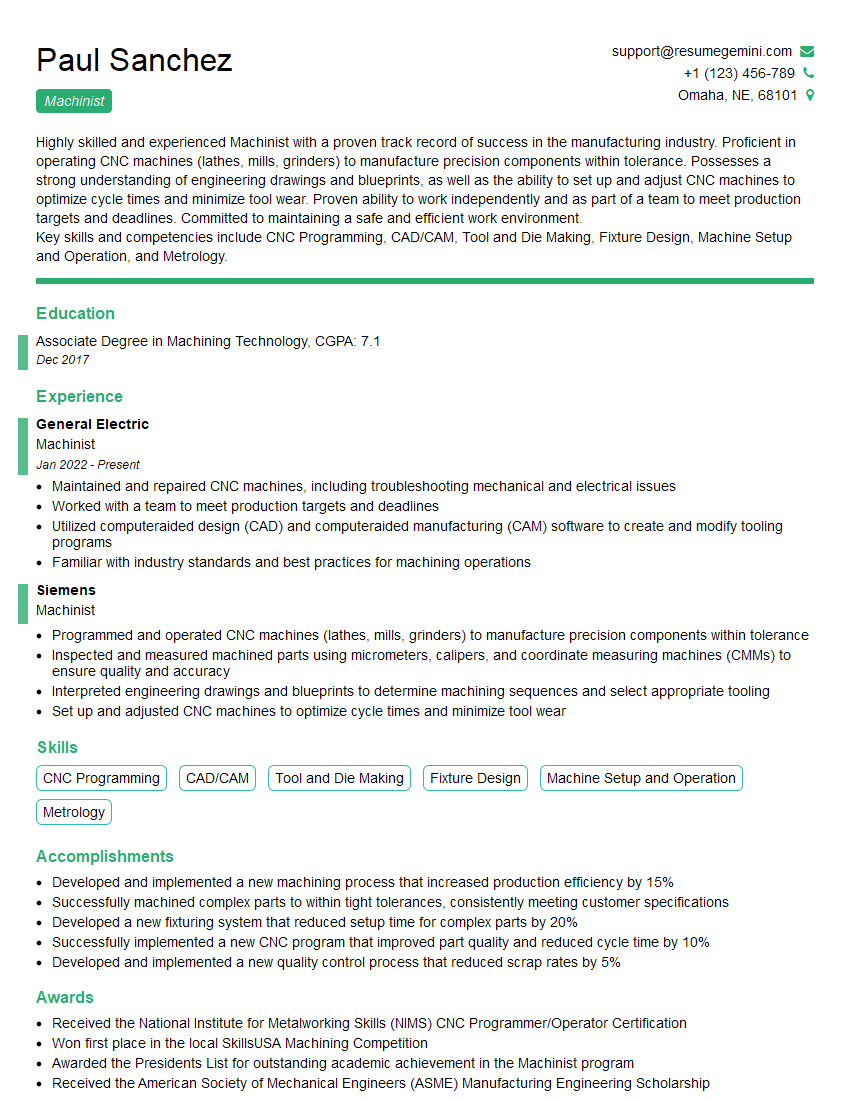
Machinist Resume Sample
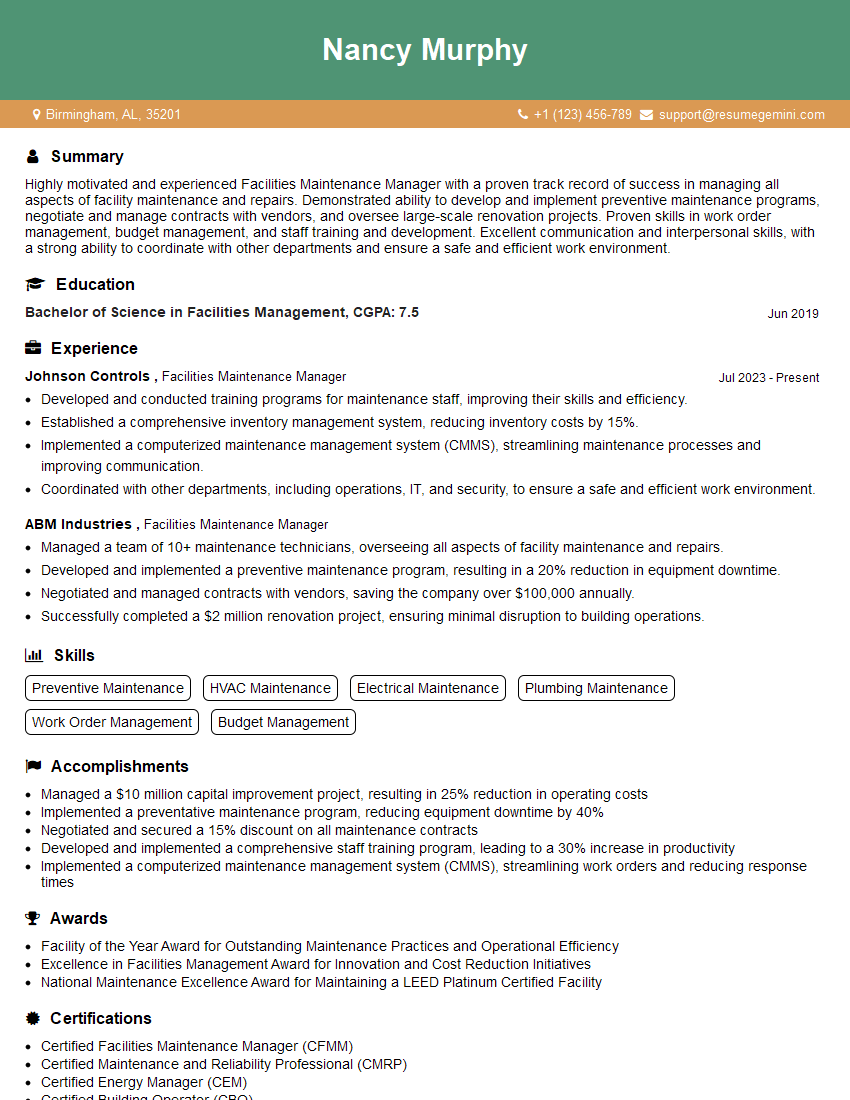
Facilities Maintenance Manager Resume Sample
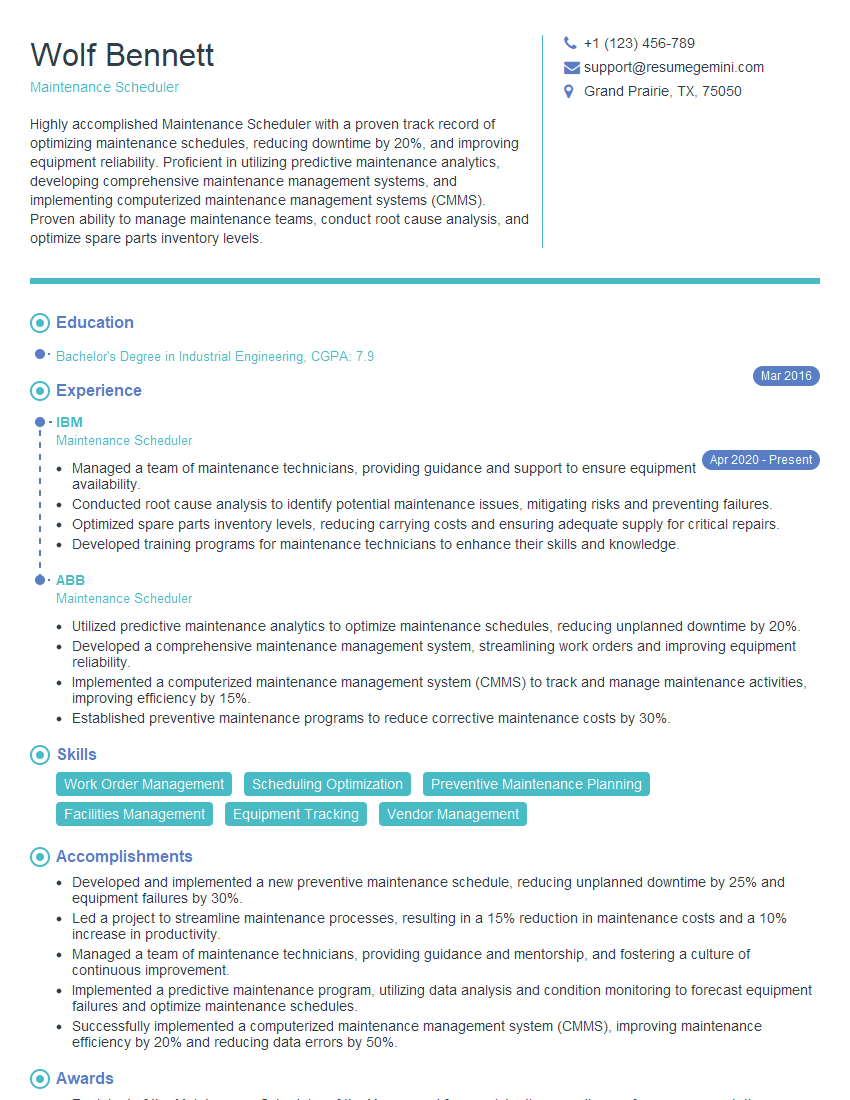
Maintenance Scheduler Resume Sample
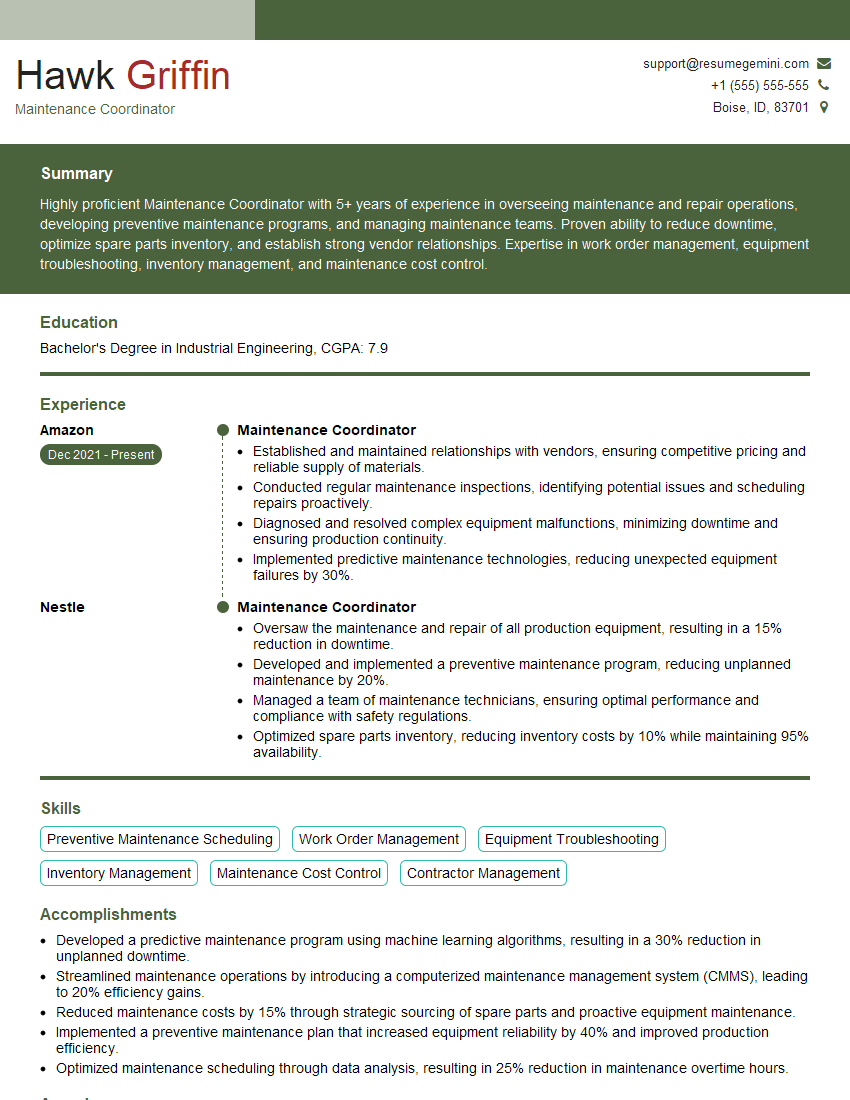
Maintenance Coordinator Resume Sample

Electrical Maintenance Technician Resume Sample

Welder Resume Sample
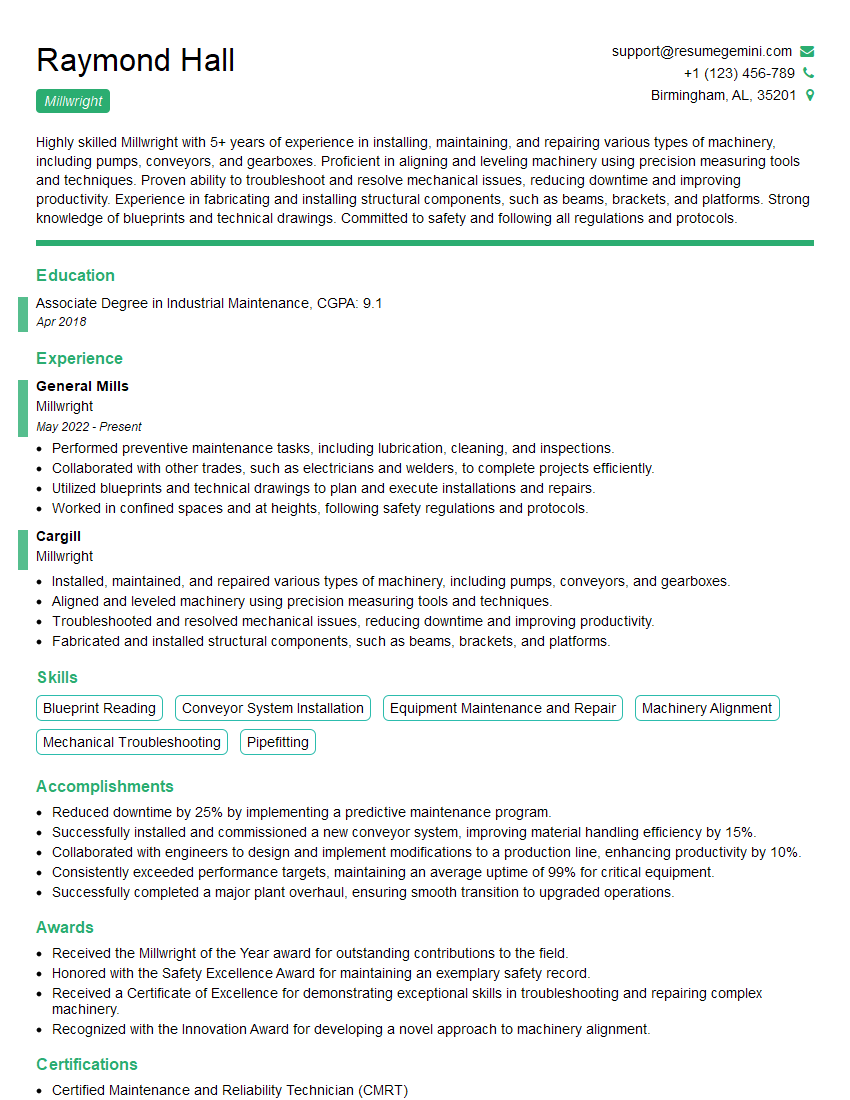
Millwright Resume Sample
Explore more articles
Users Rating of Our Blogs
Share Your Experience
We value your feedback! Please rate our content and share your thoughts (optional).
What Readers Say About Our Blog
To the interviewgemini.com Webmaster.
Very helpful and content specific questions to help prepare me for my interview!
Thank you
To the interviewgemini.com Webmaster.
This was kind of a unique content I found around the specialized skills. Very helpful questions and good detailed answers.
Very Helpful blog, thank you Interviewgemini team.