The right preparation can turn an interview into an opportunity to showcase your expertise. This guide to Pediatric Psychiatry interview questions is your ultimate resource, providing key insights and tips to help you ace your responses and stand out as a top candidate.
Questions Asked in Pediatric Psychiatry Interview
Q 1. Describe your approach to diagnosing Attention-Deficit/Hyperactivity Disorder (ADHD) in children.
Diagnosing Attention-Deficit/Hyperactivity Disorder (ADHD) requires a multi-faceted approach, combining clinical observation, parent and teacher reports, and standardized assessments. It’s crucial to rule out other conditions that may present with similar symptoms.
Firstly, I conduct a thorough clinical interview with the child and their parents/guardians, gathering detailed information about developmental history, academic performance, social interactions, and the presence of inattentive, hyperactive, and impulsive symptoms. This interview uses standardized questionnaires like the ADHD Rating Scale (ARS) to collect quantifiable data.
Secondly, I obtain information from teachers and other relevant caregivers using rating scales like the Conners’ Teacher Rating Scale. This provides an external perspective on the child’s behavior in different settings. The discrepancy between home and school reports can be particularly informative.
Thirdly, I utilize standardized neuropsychological assessments to evaluate cognitive abilities, such as attention, working memory, and executive function. These tests help distinguish ADHD from other conditions and further quantify the severity of symptoms.
Finally, a comprehensive medical evaluation rules out other potential underlying conditions like learning disabilities, anxiety disorders, or sleep disorders, which might mimic ADHD symptoms. The diagnosis is based on meeting the diagnostic criteria outlined in the DSM-5 (Diagnostic and Statistical Manual of Mental Disorders, 5th edition).
For example, a child might present with significant difficulty focusing in class, frequently interrupting conversations, and struggling with organization. This, coupled with teacher reports and assessment results, supports an ADHD diagnosis. But, it’s important to note that a diagnosis is not made based on a single symptom or observation.
Q 2. Explain the differential diagnosis between anxiety and depression in adolescents.
Differentiating between anxiety and depression in adolescents can be challenging, as they often co-occur and share some overlapping symptoms. However, key differences exist in their core features and presentation.
Anxiety is characterized by excessive worry, fear, and apprehension, often accompanied by physical symptoms like rapid heartbeat, sweating, and trembling. Anxiety disorders manifest as excessive worry about future events, avoidance of specific situations or objects, and panic attacks. The focus is on the anticipation of future threats.
Depression, on the other hand, is characterized by persistent sadness, loss of interest in previously enjoyed activities (anhedonia), changes in appetite and sleep, fatigue, and feelings of worthlessness or guilt. The focus is on the present and past experiences of sadness and hopelessness.
Differential Diagnosis relies on careful assessment of symptoms, using standardized rating scales like the Children’s Depression Inventory (CDI) and the Screen for Child Anxiety Related Emotional Disorders (SCARED). For example, a teenager might present with constant worry about academic performance (anxiety) and concurrently exhibit prolonged periods of sadness, sleep disturbances, and loss of interest in social activities (depression).
Clinical judgment is crucial. While anxiety symptoms may occur alongside depressive symptoms, the core features of each disorder — predominantly persistent low mood (depression) versus excessive worry and fear (anxiety) — guide the diagnosis. In many cases, adolescents experience both conditions simultaneously (comorbidity), requiring a comprehensive treatment plan addressing both.
Q 3. What are the common side effects of stimulant medication used to treat ADHD?
Stimulant medications, such as methylphenidate (Ritalin) and amphetamine/dextroamphetamine (Adderall), are commonly used to treat ADHD. While effective for many children, they can cause several side effects.
Common side effects include:
- Decreased appetite: This is a frequent complaint, often leading to weight loss or difficulties maintaining healthy weight. Regular monitoring of weight and nutritional intake is crucial.
- Insomnia: Difficulty falling asleep or staying asleep can significantly impact the child’s daytime functioning. Administering medication earlier in the day can help mitigate this.
- Stomach aches: Nausea or abdominal pain are common, and adjusting the dosage or timing of medication may help.
- Headaches: These can range in severity. Hydration and pain management strategies may be helpful.
- Increased heart rate or blood pressure: Regular monitoring is essential, especially for children with pre-existing cardiovascular conditions. This requires close collaboration with a cardiologist.
- Mood changes: Irritability, anxiety, or emotional lability are potential side effects. This requires careful observation and potential dosage adjustment.
It’s important to note that the severity and frequency of side effects vary among individuals. Careful monitoring, regular communication with families, and prompt adjustments to medication dosage or choice are crucial in managing these side effects.
Q 4. How do you assess suicidal ideation in a pediatric patient?
Assessing suicidal ideation in a pediatric patient requires a sensitive and direct approach. It’s vital to create a safe and trusting environment where the child feels comfortable sharing their thoughts and feelings.
I begin by building rapport with the child, using open-ended questions to explore their emotional state. I might ask questions such as, “Have you been feeling hopeless or overwhelmed lately?” or “Have you been thinking about death or hurting yourself?” It’s important to avoid leading questions.
If the child expresses suicidal thoughts, I’ll further explore the details, including:
- Specificity of the plan: Does the child have a specific method in mind?
- Availability of means: Does the child have access to the means to carry out the plan?
- Level of intent: How serious is the child about harming themselves?
- Presence of protective factors: What factors might prevent the child from acting on their thoughts?
I use standardized assessment tools, such as the Suicide Risk Assessment, to gather objective data and quantify the risk level. If there is any indication of immediate danger, I’ll take steps to ensure the child’s safety, which may involve hospitalization or contacting emergency services.
It’s essential to involve family and other support systems in the assessment and treatment process. Collaboration with the school and other professionals often is crucial for a holistic approach.
Q 5. What therapeutic approaches do you utilize for treating trauma in children?
Treating trauma in children requires specialized therapeutic approaches that are developmentally appropriate and sensitive to the child’s unique needs and experiences. The goal is to help the child process their trauma, develop coping mechanisms, and regain a sense of safety and control.
Common therapeutic approaches include:
- Trauma-Focused Cognitive Behavioral Therapy (TF-CBT): This evidence-based approach helps children identify and challenge negative thoughts and beliefs related to the trauma, develop coping skills, and process traumatic memories. It includes psychoeducation for the child and parents, relaxation techniques, and in-vivo exposure therapy.
- Play therapy: For younger children, play therapy allows them to express their emotions and experiences through play, which can be less overwhelming than verbal processing. The therapist observes the child’s play and uses it to understand their inner world and address underlying trauma.
- Eye Movement Desensitization and Reprocessing (EMDR): EMDR is a technique that uses bilateral stimulation (eye movements, taps, or sounds) to help process traumatic memories. It is based on the premise that unresolved traumatic memories can be reprocessed through this technique.
- Narrative therapy: This approach helps children make sense of their experiences by constructing their own narratives and gaining a sense of agency. The therapist helps the child find meaning and create a positive identity in spite of their trauma.
The choice of therapeutic approach depends on several factors including the child’s age, developmental level, the nature of the trauma, and the child’s unique needs and preferences. A multi-modal approach, combining various techniques, is often the most effective.
Q 6. Discuss your experience with managing disruptive behavior disorders.
Managing disruptive behavior disorders, such as Oppositional Defiant Disorder (ODD) and Conduct Disorder (CD), requires a comprehensive approach that involves the child, family, school, and other relevant systems.
My approach centers on understanding the underlying causes of the disruptive behaviors. This includes assessing the child’s developmental history, family dynamics, social interactions, and any potential co-occurring conditions like ADHD or anxiety disorders. This might involve using assessment tools like the Child Behavior Checklist (CBCL).
Therapeutic interventions may include:
- Parent training: Providing parents with strategies to manage their child’s challenging behaviors, such as positive reinforcement, setting clear limits, and consistent discipline.
- Cognitive behavioral therapy (CBT): Helping the child learn to identify and change negative thought patterns and behaviors. This might include anger management, problem-solving skills training, and social skills training.
- Family therapy: Addressing family dynamics and improving communication and conflict resolution skills within the family system.
- Medication management: In some cases, medication may be used to address co-occurring conditions like ADHD or anxiety, which may contribute to disruptive behaviors.
Collaboration with the school is crucial. Developing a consistent behavior management plan at school and home is essential for success. For instance, implementing a reward system for positive behaviors and clear consequences for negative behaviors helps create predictability and consistency for the child.
The prognosis for disruptive behavior disorders is variable and depends on the severity of the disorder, the availability of treatment resources, and the child’s overall functioning. Early intervention is always recommended.
Q 7. Explain the different types of childhood anxiety disorders and their treatment.
Childhood anxiety disorders encompass a spectrum of conditions, each with unique characteristics but often overlapping symptoms. They include:
- Separation Anxiety Disorder: Excessive anxiety about separation from primary attachment figures. Children may refuse to go to school or sleep alone.
- Generalized Anxiety Disorder (GAD): Excessive worry and anxiety about various events or activities for at least six months. Children often present with physical symptoms such as headaches or stomachaches.
- Specific Phobias: Excessive fear and avoidance of specific objects or situations, such as animals, heights, or enclosed spaces.
- Social Anxiety Disorder (Social Phobia): Persistent fear of social situations where the child may be evaluated negatively by others. This may lead to school avoidance or social isolation.
- Panic Disorder: Recurrent and unexpected panic attacks, characterized by intense fear, rapid heart rate, shortness of breath, and other physical symptoms.
Treatment typically involves a combination of therapies:
- Cognitive Behavioral Therapy (CBT): Helps children identify and challenge negative thoughts and beliefs contributing to their anxiety, develop coping mechanisms, and gradually expose themselves to feared situations.
- Exposure Therapy: Gradually exposing the child to feared situations in a safe and controlled environment, helping them learn that their fears are not always accurate.
- Relaxation Techniques: Teaching children relaxation techniques, such as deep breathing and progressive muscle relaxation, to manage anxiety symptoms in the moment.
- Medication: In some cases, medication such as selective serotonin reuptake inhibitors (SSRIs) may be used to reduce anxiety symptoms, particularly in more severe cases. This is often combined with psychotherapy.
Treatment success is enhanced by consistent and collaborative work between the child, their family, therapist, and school.
Q 8. How do you work with families to support a child’s mental health treatment?
Family involvement is paramount in a child’s mental health journey. My approach centers around collaborative partnership, viewing the family as the child’s primary support system and active participants in treatment. I begin by building a strong therapeutic alliance with the family, understanding their dynamics, cultural context, and unique perspectives on the child’s challenges. This involves active listening, empathy, and creating a safe space for open communication.
We collaboratively develop a treatment plan, tailoring it to the child’s specific needs and the family’s resources. This could include individual therapy for the child, family therapy sessions to address relational dynamics, and psychoeducation to equip parents with the knowledge and skills to support their child at home. Regular communication, feedback sessions, and ongoing adjustments to the treatment plan are crucial to ensure its effectiveness and adapt to changing circumstances. For example, if a family is struggling with consistent bedtime routines contributing to a child’s anxiety, we might collaboratively develop a structured bedtime routine and practice relaxation techniques together during family therapy.
Beyond direct therapeutic interventions, I often connect families with community resources, such as support groups, respite care, or educational programs, to provide additional support and alleviate stress. The ultimate goal is to empower families to become effective advocates and ongoing supporters of their child’s well-being, fostering resilience and promoting long-term mental health.
Q 9. Describe your experience with conducting child and adolescent psychiatric evaluations.
My experience in conducting child and adolescent psychiatric evaluations is extensive, encompassing a wide range of presentations, from anxiety and depression to trauma and disruptive behavior disorders. I utilize a comprehensive approach, integrating multiple assessment methods to obtain a holistic understanding of the child or adolescent’s mental state. This includes a thorough clinical interview with the child and parent(s) or caregivers, utilizing developmentally appropriate questioning techniques. I also utilize standardized assessment tools, such as diagnostic questionnaires and rating scales, to quantify symptoms and inform diagnosis. For example, I might use the Child Behavior Checklist (CBCL) for younger children or the Adolescent Depression Scale (ADS) for older adolescents. In addition, I often incorporate observations of the child’s behavior and interactions, paying close attention to their affect, speech, and nonverbal communication.
Depending on the clinical presentation, neuropsychological testing or other specialized assessments may be utilized to rule out underlying medical conditions or cognitive impairments. The entire process is meticulously documented, ensuring a clear, concise, and clinically sound evaluation report that provides clear recommendations for treatment. This includes a differential diagnosis, a treatment plan with specific goals and objectives, and recommendations for ongoing monitoring. The ultimate aim is to reach an accurate and comprehensive diagnosis, and to formulate a treatment strategy that best suits the individual’s unique needs and circumstances.
Q 10. How do you address ethical dilemmas in pediatric psychiatry?
Ethical dilemmas are inherent in pediatric psychiatry, requiring careful consideration and adherence to professional ethical guidelines. Common dilemmas involve issues of confidentiality, parental rights versus child’s autonomy, and managing conflicts of interest. I approach these dilemmas systematically, starting with careful reflection on the ethical principles involved, including beneficence, non-maleficence, autonomy, and justice. I then carefully consider the specific facts of the situation, gathering all relevant information from different perspectives – the child, the parents, and other involved professionals.
Consultation with colleagues, supervisors, or ethics committees is vital when facing complex situations. This collaborative approach allows for multiple perspectives and prevents impulsive decisions. For example, if a child discloses abuse to me and expresses a desire for confidentiality, I must carefully balance the child’s autonomy with the legal requirement to report abuse. Transparency and open communication are essential throughout the process, ensuring all parties understand the rationale behind any decisions made. Documenting the entire decision-making process, including rationale and consultation notes, is critical for legal and ethical accountability. My commitment is to always prioritize the child’s best interests while upholding professional ethical standards.
Q 11. What is your approach to managing medication non-compliance in adolescents?
Medication non-compliance is a significant challenge in adolescent mental health. My approach is multifaceted and focuses on understanding the underlying reasons for non-compliance before implementing strategies to improve adherence. I initiate a collaborative conversation with the adolescent, exploring their concerns, beliefs, and experiences with medication. This often involves active listening, empathy, and reframing negative perceptions surrounding medication. Open dialogue allows me to address potential barriers like side effects, stigma, or lack of understanding about the treatment’s purpose.
Strategies I frequently employ include engaging the adolescent in shared decision-making regarding medication management. This might involve jointly creating a medication schedule, exploring different formulations to minimize side effects, or utilizing medication reminder apps. For adolescents who struggle with the routine aspects of medication management, I collaborate with their family to identify practical strategies for improving adherence. I also emphasize the importance of ongoing monitoring and adjustment, regularly assessing for side effects, treatment efficacy, and compliance level. In addition, exploring motivational interviewing techniques and involving family members in a supportive role can significantly improve medication adherence. Addressing the root cause of non-compliance – which might involve anxiety, depression, or other mental health issues – is a crucial step in achieving successful outcomes.
Q 12. Describe your experience with treating children with autism spectrum disorder.
My experience treating children with Autism Spectrum Disorder (ASD) involves a comprehensive and individualized approach. I recognize the broad spectrum of ASD, understanding that each child presents unique challenges and strengths. Assessment involves detailed developmental history, behavioral observations, and often standardized testing to evaluate cognitive abilities, adaptive functioning, and social communication skills. This might involve utilizing tools like the Autism Diagnostic Observation Schedule (ADOS) or the Autism Diagnostic Interview-Revised (ADI-R).
Treatment is tailored to the specific needs of each child and may include behavioral interventions, such as Applied Behavior Analysis (ABA), social skills training, and speech therapy. I work closely with families, providing guidance and support in implementing these interventions at home and in school. Collaborating with other professionals, such as occupational therapists, special education teachers, and developmental pediatricians is integral to providing holistic care. Medication may play a role in managing specific co-occurring conditions such as anxiety, depression, or attention-deficit/hyperactivity disorder (ADHD), but is not typically used to treat the core symptoms of ASD. The primary focus is on developing individualized strategies to support the child’s strengths, manage challenges, and promote their overall well-being and integration into their community.
Q 13. How do you assess for developmental delays in young children?
Assessing for developmental delays in young children requires a multi-faceted approach, utilizing various methods to comprehensively evaluate different developmental domains. I begin with a detailed developmental history obtained from parents or caregivers, inquiring about milestones achieved, such as walking, talking, and social interaction. Observations of the child’s behavior during the assessment are crucial, paying attention to their play skills, social interactions, and gross and fine motor skills. I also utilize standardized developmental screening tools, such as the Ages and Stages Questionnaires (ASQ) or the Denver Developmental Screening Test (DDST), to identify potential areas of concern.
Depending on the findings of the initial screening, further evaluations may be warranted, possibly involving specialized assessments of language development, cognitive abilities, or motor skills. If developmental delays are suspected, referrals to other specialists, such as developmental pediatricians, psychologists, or occupational therapists, may be necessary for a more comprehensive evaluation and tailored interventions. The assessment process should be sensitive to the child’s age and developmental level, using age-appropriate methods and fostering a comfortable and engaging environment. Early identification and intervention are crucial for optimizing developmental outcomes, and ongoing monitoring is essential to track progress and adjust interventions as needed.
Q 14. What are the key considerations in treating adolescents with substance abuse disorders?
Treating adolescents with substance abuse disorders requires a holistic and comprehensive approach, acknowledging the complex interplay of biological, psychological, and social factors. Treatment should be individualized and tailored to the adolescent’s specific substance use pattern, associated mental health conditions, and social context. A comprehensive assessment is paramount, including a thorough history of substance use, a screening for co-occurring mental health disorders (such as anxiety, depression, or ADHD), and an evaluation of the adolescent’s social support system and family dynamics.
Effective treatment often involves a combination of interventions. This may include individual therapy to address underlying psychological issues, family therapy to improve communication and support, and participation in substance abuse treatment programs. Medication may play a role in managing withdrawal symptoms or co-occurring disorders, but is not always necessary. Motivational interviewing techniques are frequently utilized to enhance the adolescent’s motivation for change and engagement in treatment. Collaboration with school personnel, social workers, and other support systems is essential to ensure a supportive environment that reduces the risk of relapse. Relapse prevention planning is also a crucial component of treatment, equipping the adolescent with strategies to manage cravings and high-risk situations. Regular monitoring and follow-up are vital to ensure treatment effectiveness and address any challenges that may arise throughout the recovery process.
Q 15. Explain your experience with different therapeutic modalities such as CBT, play therapy, or family therapy.
My experience spans a broad range of therapeutic modalities, each tailored to the unique needs of the child and family. Cognitive Behavioral Therapy (CBT) is a cornerstone of my practice, particularly effective for anxiety and depression. With CBT, we identify and challenge negative thought patterns and replace them with healthier, more realistic ones. For example, a child struggling with test anxiety might learn to reframe catastrophic thoughts like “I’ll fail” into more manageable ones like “I can prepare and do my best.”
Play therapy is invaluable, especially with younger children who may not have the verbal skills to express their emotions. Through play, children can symbolically work through their experiences, anxieties, and traumas. I might use dolls, puppets, or art supplies to help a child process a recent family move or a difficult experience at school. The play itself becomes the communication tool.
Family therapy is often crucial because a child’s mental health is deeply intertwined with their family dynamics. I utilize systemic approaches, focusing on improving communication, resolving conflicts, and fostering a supportive family environment. For instance, if a child is displaying defiant behavior, we’d work with the parents to understand the root cause and develop strategies for positive reinforcement and effective discipline, rather than simply focusing on the child’s symptoms.
Career Expert Tips:
- Ace those interviews! Prepare effectively by reviewing the Top 50 Most Common Interview Questions on ResumeGemini.
- Navigate your job search with confidence! Explore a wide range of Career Tips on ResumeGemini. Learn about common challenges and recommendations to overcome them.
- Craft the perfect resume! Master the Art of Resume Writing with ResumeGemini’s guide. Showcase your unique qualifications and achievements effectively.
- Don’t miss out on holiday savings! Build your dream resume with ResumeGemini’s ATS optimized templates.
Q 16. Describe your approach to managing a child experiencing a severe anxiety attack.
Managing a severe anxiety attack in a child requires a calm and reassuring approach, prioritizing safety and immediate relief. My first step is to create a safe and comfortable environment, minimizing external stimuli. I would speak to the child in a soft, gentle voice, validating their feelings and assuring them that the intense feelings are temporary and they are not alone.
Next, I employ calming techniques such as deep breathing exercises, progressive muscle relaxation, or guided imagery. These help regulate the child’s physiological responses to anxiety. Depending on the severity and the child’s age and preferences, I might use tools like weighted blankets or aromatherapy. If the attack is particularly severe, or if there are underlying medical conditions, I would consult with the child’s pediatrician or refer to an emergency department if necessary. The key is to provide a sense of control and support during the crisis and then work on long-term strategies to prevent future attacks.
Q 17. How do you collaborate with other healthcare professionals, such as pediatricians and school psychologists?
Collaboration is essential in pediatric psychiatry. I regularly communicate with pediatricians to rule out any medical conditions that could be contributing to the child’s mental health issues. For example, thyroid problems or nutritional deficiencies can mimic symptoms of depression or anxiety. This integrated approach ensures a holistic understanding of the child’s well-being.
I also work closely with school psychologists to understand the child’s academic performance, social interactions, and classroom behavior. This information provides crucial context for understanding the child’s difficulties and developing tailored interventions. We might collaborate on developing strategies to support the child’s learning within the school environment, such as modifications to assignments or accommodations in the classroom.
Open communication and regular meetings are key to effective collaboration. I often use shared electronic health records to ensure seamless information flow and prevent duplicative efforts.
Q 18. How do you balance the needs of the child, parent, and legal guardian in treatment planning?
Balancing the needs of the child, parent, and legal guardian requires careful consideration and ethical practice. The child’s best interests are always paramount, yet their input should be age-appropriate. I strive to create a collaborative environment where everyone feels heard and understood. This includes involving the child in the treatment planning process as much as developmentally appropriate, such as discussing their goals and preferences for therapy.
With younger children, I rely heavily on parental input, ensuring that the parents understand the treatment plan and are actively participating. For adolescents, I foster autonomy, while still maintaining open communication with the parents to maintain a balanced approach. In situations with conflicting views, ethical guidelines and legal considerations would guide my approach, prioritizing the child’s safety and well-being.
Q 19. What are your strategies for managing aggression in children and adolescents?
Managing aggression in children and adolescents requires a multifaceted approach, addressing both the underlying causes and the behavioral manifestations. First, a thorough assessment is needed to identify any triggers, such as trauma, neurological conditions, or environmental stressors. Then, tailored interventions can be developed.
Behavioral interventions, such as positive reinforcement and anger management techniques, are often very effective. We might use techniques like teaching the child self-regulation strategies, practicing problem-solving, and modeling appropriate responses to frustration. For more severe cases, medication may be considered in conjunction with therapy, under the guidance of a psychiatrist. Furthermore, the support and education of parents or caregivers are essential in promoting consistency and managing aggression at home.
It is crucial to rule out any organic causes or neurological conditions that may be contributing to the aggressive behavior. This may include consultation with other specialists like neurologists or pediatricians.
Q 20. How do you assess for potential child abuse or neglect during an evaluation?
Assessing for child abuse or neglect is a vital part of every pediatric psychiatric evaluation. It requires careful attention to detail and a non-judgmental approach. I start by creating a safe and trusting environment, using open-ended questions to encourage the child to share their experiences. The assessment involves both verbal and non-verbal cues. Physical examinations, when indicated, are performed.
I use standardized tools and protocols, such as the Child Abuse Potential Inventory (CAPI) or relevant checklists, to guide the evaluation. I also look for inconsistencies in the child’s statements or those from caregivers. If I have reason to suspect abuse or neglect, I am mandated to report my concerns to the appropriate child protective services. The safety and well-being of the child are my top priorities in such situations.
Q 21. What are the common risk factors for developing eating disorders in adolescents?
Several risk factors contribute to the development of eating disorders in adolescents. Biological factors such as genetic predisposition and hormonal imbalances can play a role. Psychological factors like low self-esteem, perfectionism, body dissatisfaction, and anxiety are strongly associated with eating disorders. For example, intense pressure to conform to societal ideals of thinness can significantly impact a teenager’s body image and self-worth, creating a fertile ground for an eating disorder.
Social factors also influence the risk. This includes societal pressure related to appearance, peer influences, family dynamics, and traumatic experiences. Families with a history of eating disorders or those experiencing high levels of conflict can increase risk. Early intervention is crucial, and a multidisciplinary approach, involving psychiatrists, therapists, nutritionists, and possibly medical doctors, is usually necessary for successful treatment.
Q 22. Discuss your understanding of the impact of trauma on brain development in children.
Trauma significantly impacts a child’s developing brain, affecting various regions and impacting their emotional, cognitive, and social development. The effects depend on factors such as the type, severity, and duration of the trauma, as well as the child’s age, pre-existing vulnerabilities, and available support systems.
For example, chronic stress from neglect or abuse can lead to alterations in the amygdala (responsible for processing emotions like fear), hippocampus (involved in memory formation), and prefrontal cortex (critical for executive functions like planning and impulse control). This can manifest as heightened anxiety, difficulty regulating emotions, problems with memory and learning, and impulsive behavior. Early childhood trauma, in particular, can have profound and long-lasting effects due to the brain’s rapid development during this period.
Imagine a child experiencing prolonged physical abuse. Their amygdala might become hyper-reactive, leading to exaggerated fear responses to even minor stressors. Simultaneously, their hippocampus might show reduced volume, resulting in difficulties recalling specific events or details. The long-term consequences could include PTSD, anxiety disorders, and difficulties forming healthy relationships.
Understanding these neurobiological effects is crucial for developing effective interventions, such as trauma-informed therapy, which focuses on creating a safe and supportive environment to help children process and integrate their traumatic experiences.
Q 23. Explain the differences between conduct disorder and oppositional defiant disorder.
Oppositional Defiant Disorder (ODD) and Conduct Disorder (CD) are both disruptive behavior disorders in children, but they differ significantly in the severity and nature of the disruptive behaviors.
ODD involves a pattern of negativistic, hostile, and defiant behavior lasting at least six months. These behaviors are directed primarily towards authority figures (parents, teachers) and do not typically involve serious violations of societal norms. Examples include arguing persistently, deliberately annoying others, refusing to comply with requests, and blaming others for their mistakes. Children with ODD may be irritable, easily angered, and prone to temper tantrums.
CD, on the other hand, involves a more serious and persistent pattern of violating the basic rights of others or age-appropriate societal norms or rules. Behaviors may include aggression to people or animals, destruction of property, deceitfulness or theft, and serious violations of rules. Children with CD often exhibit more severe antisocial behavior, potentially including violence, substance use, and criminal activity. The behaviors in CD are more outwardly directed and often cause significant distress and disruption to others.
Think of it this way: ODD is like a child constantly pushing boundaries, while CD involves actively crossing significant lines. While ODD can be a precursor to CD, not all children with ODD will develop CD.
Q 24. Describe your experience with managing patients with tic disorders (e.g., Tourette’s Syndrome).
My experience managing patients with tic disorders, particularly Tourette Syndrome, involves a multi-faceted approach that prioritizes comprehensive assessment, individualized treatment planning, and ongoing monitoring. Assessment involves a thorough evaluation of the patient’s tics (both motor and vocal), associated comorbidities (like ADHD, OCD), and overall functioning. I gather information through clinical interviews, behavioral rating scales, and neuropsychological testing.
Treatment often focuses on managing the symptoms, rather than a cure. Behavioral interventions like habit reversal training (HRT) have shown considerable efficacy in reducing tic severity. HRT involves identifying tic triggers, competing responses, and developing strategies to interrupt the tic cycle. Pharmacological interventions, such as alpha-2 adrenergic agonists (e.g., clonidine) or antipsychotics (e.g., risperidone), may be considered if tics significantly impact daily life, but their use is carefully weighed against potential side effects. It’s crucial to involve the family in the treatment process as their support is paramount in managing the child’s condition.
One memorable case involved a young boy with severe Tourette’s Syndrome whose tics interfered with his ability to attend school and interact socially. Through a combination of HRT, family therapy, and medication adjustments, we saw a significant improvement in his tic severity, allowing him to reintegrate into school and build healthier peer relationships. This highlighted the importance of a collaborative, individualized approach in managing tic disorders.
Q 25. What are the different types of mood stabilizers used in treating bipolar disorder in children and adolescents?
Mood stabilizers are cornerstone medications in managing bipolar disorder in children and adolescents, helping to reduce mood swings and prevent episodes of mania and depression. However, their use in this population requires careful consideration due to potential side effects and limited long-term data.
The most commonly used mood stabilizers include:
- Lithium: A classic mood stabilizer, it’s effective in reducing both manic and depressive episodes. However, it requires careful monitoring of blood levels to avoid toxicity.
- Valproate (Depakote): Another effective mood stabilizer, particularly for rapid-cycling bipolar disorder. However, it carries a risk of liver problems and must be monitored closely.
- Lamotrigine (Lamictal): Often used to prevent depressive episodes in bipolar disorder, it has a relatively good side-effect profile.
- Antipsychotics (Atypical): Sometimes used as adjunctive therapy, especially during acute manic or psychotic episodes. Examples include risperidone, aripiprazole, and quetiapine. They often address associated symptoms like irritability and aggression.
The choice of mood stabilizer depends on the child’s specific symptoms, comorbid conditions, and response to previous treatments. Close monitoring for therapeutic efficacy and side effects is essential throughout treatment.
Q 26. How do you determine the appropriate level of care for a child experiencing a mental health crisis?
Determining the appropriate level of care for a child experiencing a mental health crisis requires a comprehensive assessment considering several factors. This is often done through a collaborative process involving clinicians, parents, and sometimes the child themselves, if age-appropriate.
The assessment considers the child’s:
- Risk of self-harm or harm to others: This is the paramount concern. Suicidal ideation, homicidal thoughts, or self-injurious behavior necessitate immediate intervention.
- Severity of symptoms: The intensity and frequency of symptoms, such as depression, anxiety, psychosis, or disruptive behaviors, influence the level of care required.
- Support system: The availability and strength of the child’s family and social support network impact their ability to manage the crisis at home or in less intensive settings.
- Need for stabilization: Whether the child requires immediate medical attention or medication management.
Based on the assessment, options range from outpatient therapy, intensive outpatient programs (IOP), partial hospitalization programs (PHP), residential treatment, or inpatient hospitalization. The goal is to provide the least restrictive environment that ensures the child’s safety and stability while promoting their recovery.
Q 27. Describe your approach to working with children from diverse cultural and socioeconomic backgrounds.
Working with children from diverse cultural and socioeconomic backgrounds requires cultural humility and sensitivity. It’s crucial to understand that mental health is shaped by an interplay of biological, psychological, and sociocultural factors. Ignoring cultural contexts can lead to misdiagnosis and ineffective treatment.
My approach involves:
- Cultural assessment: Understanding a child’s family history, cultural beliefs about mental illness, and their unique experiences within their community.
- Language access: Ensuring communication is clear and effective, potentially through interpreters or bilingual staff.
- Culturally sensitive interventions: Adapting therapeutic techniques to align with a family’s values and beliefs. For example, involving extended family in therapy sessions may be more culturally appropriate in certain communities.
- Socioeconomic considerations: Addressing potential barriers to treatment, such as access to transportation, insurance coverage, or financial constraints.
- Addressing potential bias: Actively working to recognize and mitigate personal biases that might impact assessment and treatment planning.
One example involved a family who valued traditional healing practices alongside Western medicine. We collaboratively integrated aspects of both approaches into the treatment plan, respecting the family’s cultural beliefs and preferences while ensuring the child received evidence-based care.
Q 28. What is your experience with utilizing evidence-based practices in pediatric psychiatry?
Evidence-based practice (EBP) is fundamental to my work in pediatric psychiatry. It means integrating the best available research evidence with clinical expertise and patient values to provide high-quality care. I utilize EBP in several ways:
- Staying updated on research: Continuously reviewing relevant literature on diagnostic criteria, treatment modalities, and outcomes in pediatric psychiatry.
- Selecting empirically supported interventions: Choosing treatments with demonstrated effectiveness, such as CBT for anxiety disorders or medication management for ADHD.
- Utilizing standardized assessment tools: Employing validated instruments to accurately diagnose conditions and monitor treatment response.
- Monitoring outcomes: Regularly assessing treatment effectiveness and making adjustments as needed based on data and patient feedback.
- Participating in professional development: Attending conferences, workshops, and continuing education courses to enhance knowledge and skills in EBP.
By adhering to EBP principles, I strive to provide the most effective and ethical care for my young patients. This includes critically evaluating the latest research to ensure I am delivering the best treatment approaches informed by scientific evidence, while always keeping in mind the unique needs and context of each child and family.
Key Topics to Learn for Pediatric Psychiatry Interview
- Child Development & Psychopathology: Understanding typical and atypical development across different age groups, including diagnostic criteria for common childhood disorders (ADHD, anxiety, depression, autism spectrum disorder, etc.). Practical application: Analyzing case studies and formulating differential diagnoses.
- Developmental Trauma: Exploring the impact of trauma on child development and mental health, including assessment and treatment approaches. Practical application: Recognizing signs of trauma and adapting therapeutic interventions accordingly.
- Pharmacotherapy in Children & Adolescents: Knowledge of psychotropic medications commonly used in pediatric psychiatry, including indications, contraindications, side effects, and monitoring strategies. Practical application: Developing medication management plans and addressing potential adverse events.
- Family Systems & Therapeutic Approaches: Understanding the role of family dynamics in child mental health and utilizing various therapeutic modalities (e.g., family therapy, play therapy, CBT) tailored to children and adolescents. Practical application: Formulating family-centered treatment plans.
- Ethical & Legal Considerations: Familiarity with ethical dilemmas specific to pediatric psychiatry, such as confidentiality, parental consent, and child advocacy. Practical application: Navigating complex ethical situations in clinical practice.
- Assessment & Diagnostic Tools: Proficiency in utilizing various assessment tools and techniques appropriate for children and adolescents (e.g., standardized interviews, behavioral observations, projective tests). Practical application: Conducting comprehensive assessments to inform diagnosis and treatment.
- Cultural Competence & Diversity: Understanding the influence of culture, ethnicity, and socioeconomic factors on mental health presentation and treatment. Practical application: Providing culturally sensitive and equitable care.
Next Steps
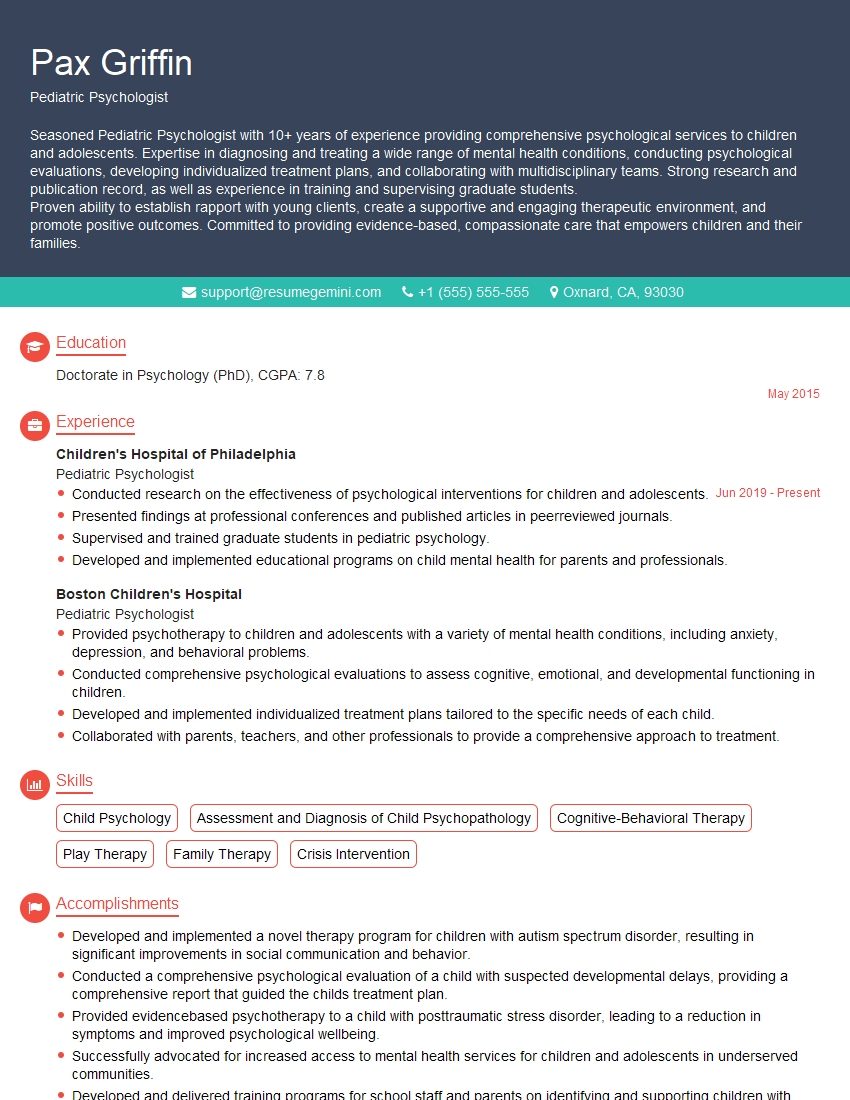
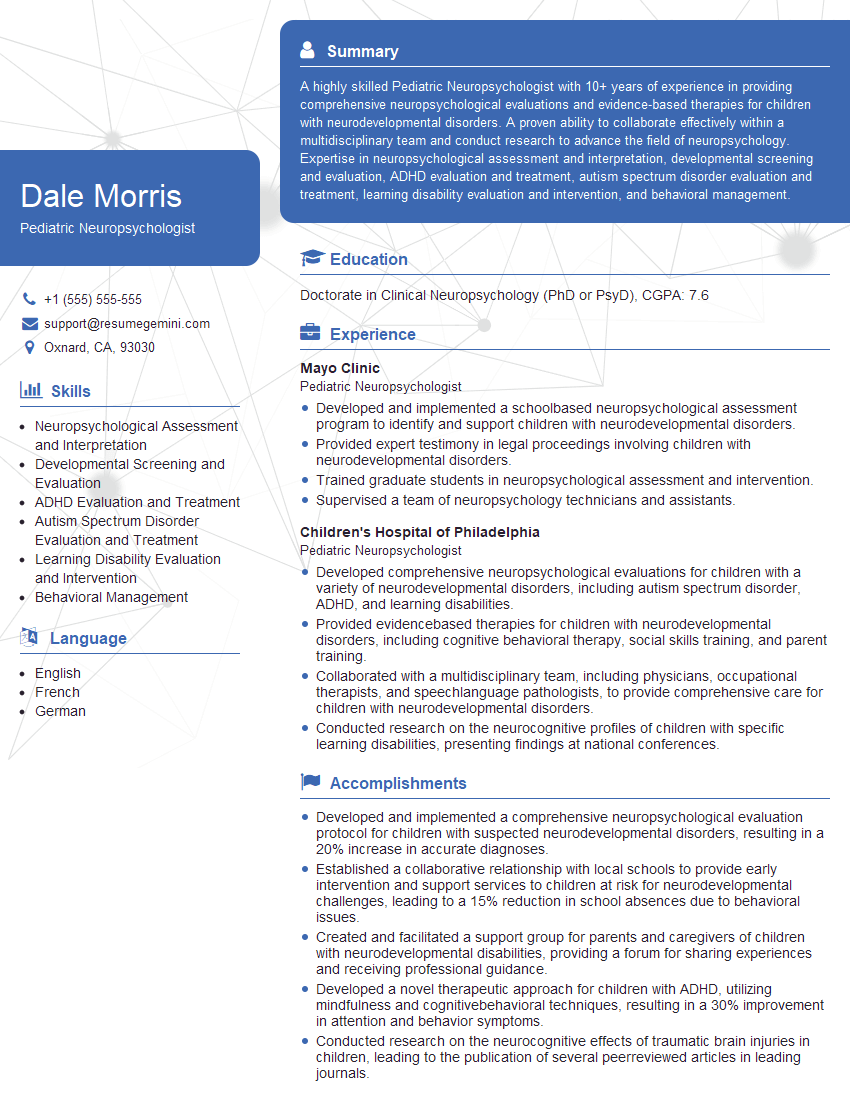
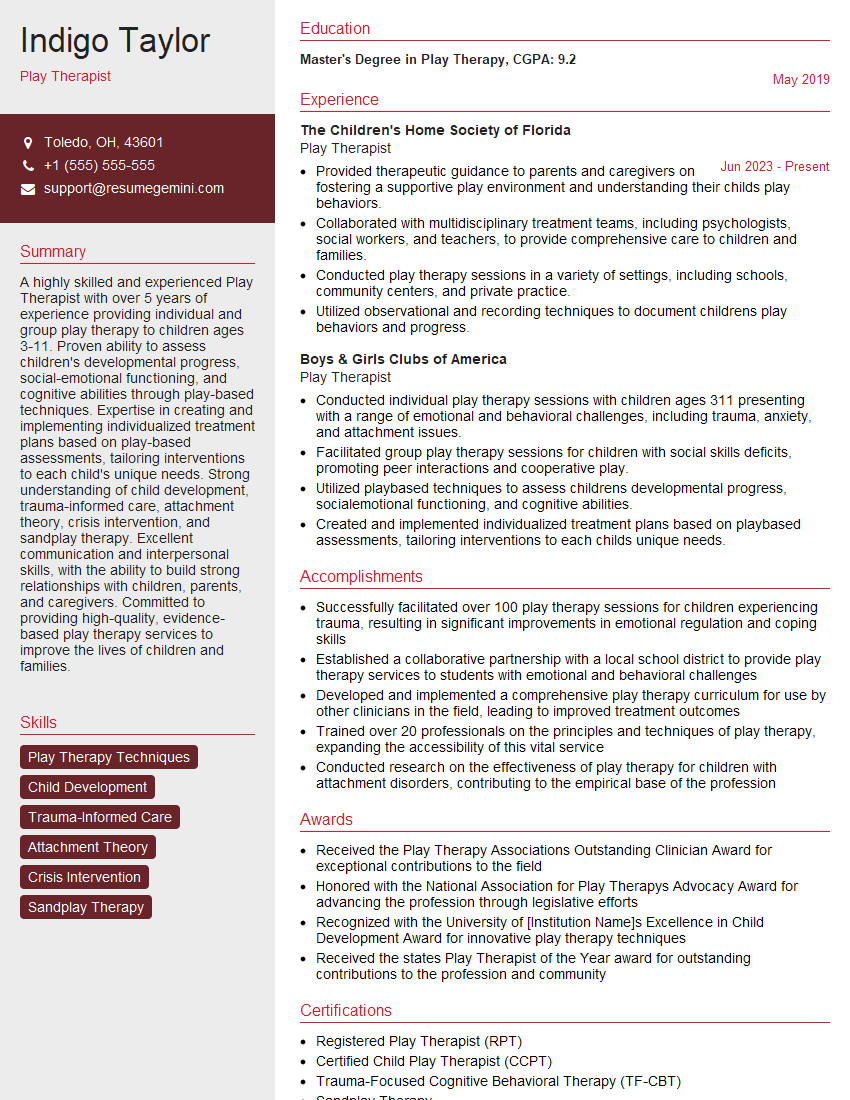
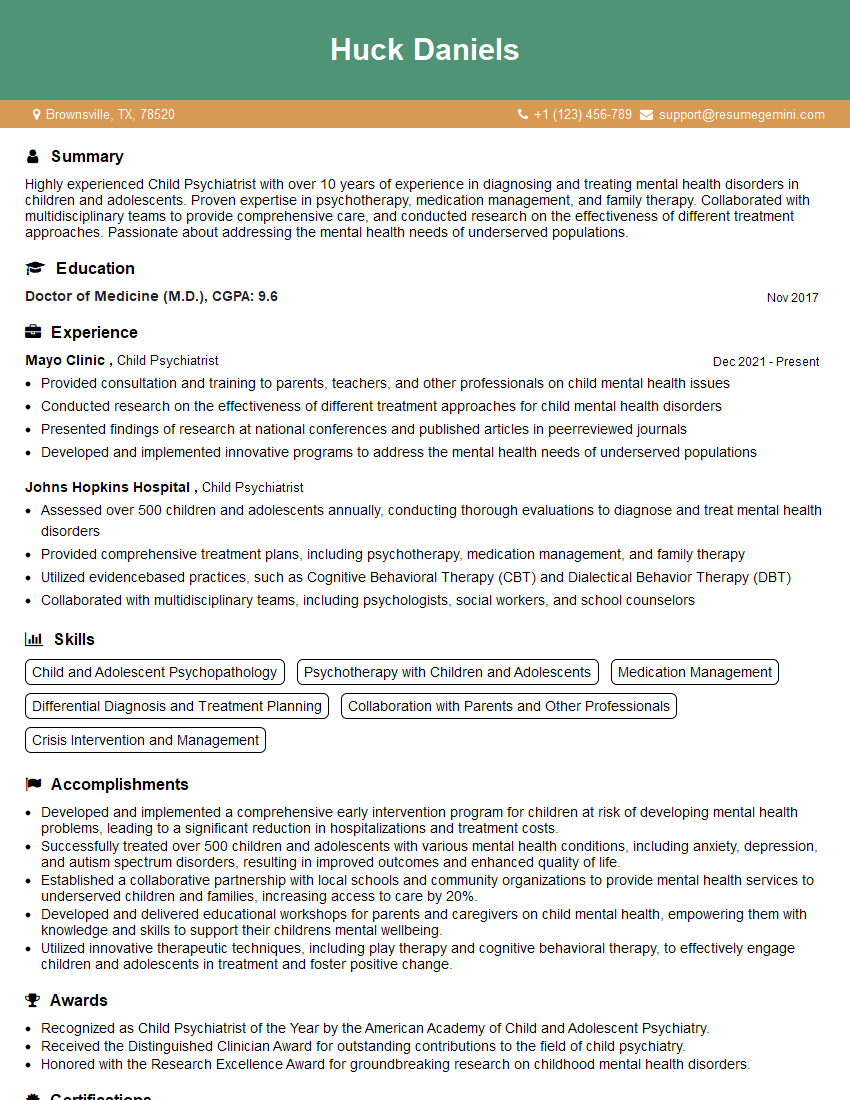
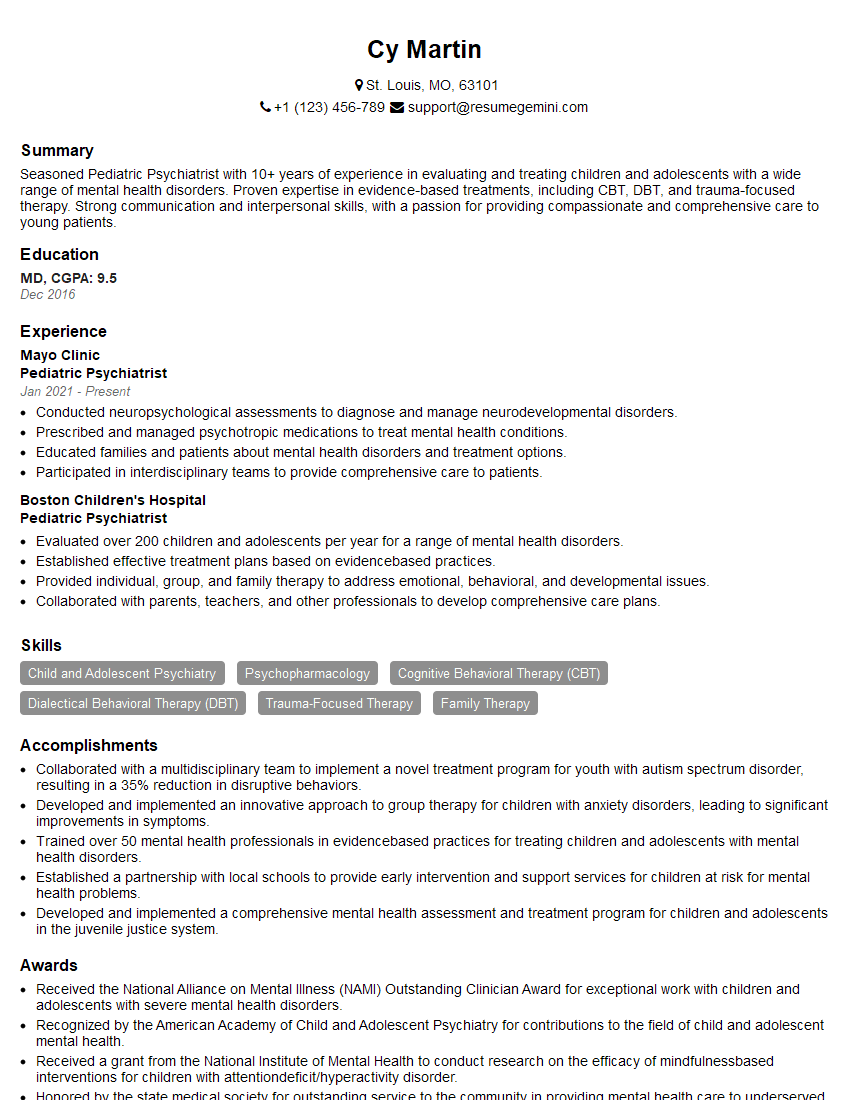
Mastering Pediatric Psychiatry opens doors to a fulfilling career impacting young lives and their families. A strong foundation in these key areas significantly enhances your interview performance and career prospects. To further strengthen your application, creating an ATS-friendly resume is crucial. ResumeGemini is a trusted resource to help you build a professional and impactful resume that highlights your unique skills and experience. Examples of resumes tailored specifically to Pediatric Psychiatry are available to guide you through this process.
Explore more articles
Users Rating of Our Blogs
Share Your Experience
We value your feedback! Please rate our content and share your thoughts (optional).
What Readers Say About Our Blog
To the interviewgemini.com Webmaster.
Very helpful and content specific questions to help prepare me for my interview!
Thank you
To the interviewgemini.com Webmaster.
This was kind of a unique content I found around the specialized skills. Very helpful questions and good detailed answers.
Very Helpful blog, thank you Interviewgemini team.